

Poems in this topic
Nostalgia
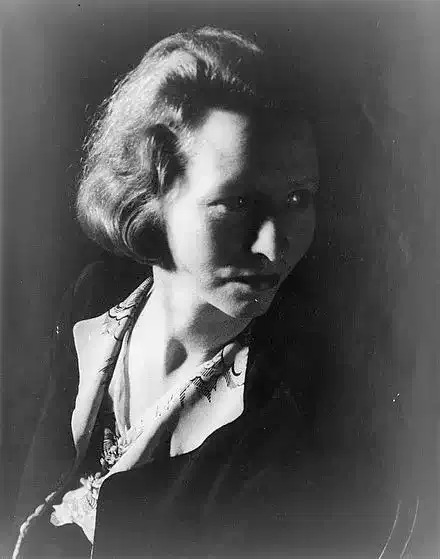
Edna St. Vincent Millay
I Dreamed I Moved Among The Elysian Fields
I Dreamed I Moved Among The Elysian Fields
I dreamed I moved among the Elysian fields,
In converse with sweet women long since dead;
And out of blossoms which that meadow yields
I wove a garland for your living head.
Danai, that was the vessel for a day
Of golden Jove, I saw, and at her side,
Whom Jove the Bull desired and bore away,
Europa stood, and the Swan's featherless bride.
All these were mortal women, yet all these
Above the ground had had a god for guest;
Freely I walked beside them and at ease,
Addressing them, by them again addressed,
And marvelled nothing, for remembering you,
Wherefore I was among them well I knew.
I dreamed I moved among the Elysian fields,
In converse with sweet women long since dead;
And out of blossoms which that meadow yields
I wove a garland for your living head.
Danai, that was the vessel for a day
Of golden Jove, I saw, and at her side,
Whom Jove the Bull desired and bore away,
Europa stood, and the Swan's featherless bride.
All these were mortal women, yet all these
Above the ground had had a god for guest;
Freely I walked beside them and at ease,
Addressing them, by them again addressed,
And marvelled nothing, for remembering you,
Wherefore I was among them well I knew.
411
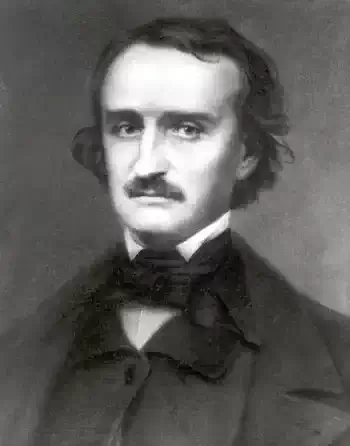
Edgar Allan Poe
To Helen - 1848
To Helen - 1848
I saw thee once- once only- years ago:
I must not say how many- but not many.
It was a July midnight; and from out
A full-orbed moon, that, like thine own soul, soaring,
Sought a precipitate pathway up through heaven,
There fell a silvery-silken veil of light,
With quietude, and sultriness, and slumber,
Upon the upturned faces of a thousand
Roses that grew in an enchanted garden,
Where no wind dared to stir, unless on tiptoe-
Fell on the upturn'd faces of these roses
That gave out, in return for the love-light,
Their odorous souls in an ecstatic death-
Fell on the upturn'd faces of these roses
That smiled and died in this parterre, enchanted
By thee, and by the poetry of thy presence.
Clad all in white, upon a violet bank
I saw thee half reclining; while the moon
Fell on the upturn'd faces of the roses,
And on thine own, upturn'd- alas, in sorrow!
Was it not Fate, that, on this July midnight-
Was it not Fate, (whose name is also Sorrow,)
That bade me pause before that garden-gate,
To breathe the incense of those slumbering roses?
No footstep stirred: the hated world an slept,
Save only thee and me. (Oh, Heaven!- oh, God!
How my heart beats in coupling those two words!)
Save only thee and me. I paused- I looked-
And in an instant all things disappeared.
(Ah, bear in mind this garden was enchanted!)
The pearly lustre of the moon went out:
The mossy banks and the meandering paths,
The happy flowers and the repining trees,
Were seen no more: the very roses' odors
Died in the arms of the adoring airs.
All- all expired save thee- save less than thou:
Save only the divine light in thine eyes-
Save but the soul in thine uplifted eyes.
I saw but them- they were the world to me!
I saw but them- saw only them for hours,
Saw only them until the moon went down.
What wild heart-histories seemed to he enwritten
Upon those crystalline, celestial spheres!
How dark a woe, yet how sublime a hope!
How silently serene a sea of pride!
How daring an ambition; yet how deep-
How fathomless a capacity for love!
But now, at length, dear Dian sank from sight,
Into a western couch of thunder-cloud;
And thou, a ghost, amid the entombing trees
Didst glide away. Only thine eyes remained;
They would not go- they never yet have gone;
Lighting my lonely pathway home that night,
They have not left me (as my hopes have) since;
They follow me- they lead me through the years.
They are my ministers- yet I their slave.
Their office is to illumine and enkindle-
My duty, to be saved by their bright light,
And purified in their electric fire,
And sanctified in their elysian fire.
They fill my soul with Beauty (which is Hope),
And are far up in Heaven- the stars I kneel to
In the sad, silent watches of my night;
While even in the meridian glare of day
I see them still- two sweetly scintillant
Venuses, unextinguished by the sun!
I saw thee once- once only- years ago:
I must not say how many- but not many.
It was a July midnight; and from out
A full-orbed moon, that, like thine own soul, soaring,
Sought a precipitate pathway up through heaven,
There fell a silvery-silken veil of light,
With quietude, and sultriness, and slumber,
Upon the upturned faces of a thousand
Roses that grew in an enchanted garden,
Where no wind dared to stir, unless on tiptoe-
Fell on the upturn'd faces of these roses
That gave out, in return for the love-light,
Their odorous souls in an ecstatic death-
Fell on the upturn'd faces of these roses
That smiled and died in this parterre, enchanted
By thee, and by the poetry of thy presence.
Clad all in white, upon a violet bank
I saw thee half reclining; while the moon
Fell on the upturn'd faces of the roses,
And on thine own, upturn'd- alas, in sorrow!
Was it not Fate, that, on this July midnight-
Was it not Fate, (whose name is also Sorrow,)
That bade me pause before that garden-gate,
To breathe the incense of those slumbering roses?
No footstep stirred: the hated world an slept,
Save only thee and me. (Oh, Heaven!- oh, God!
How my heart beats in coupling those two words!)
Save only thee and me. I paused- I looked-
And in an instant all things disappeared.
(Ah, bear in mind this garden was enchanted!)
The pearly lustre of the moon went out:
The mossy banks and the meandering paths,
The happy flowers and the repining trees,
Were seen no more: the very roses' odors
Died in the arms of the adoring airs.
All- all expired save thee- save less than thou:
Save only the divine light in thine eyes-
Save but the soul in thine uplifted eyes.
I saw but them- they were the world to me!
I saw but them- saw only them for hours,
Saw only them until the moon went down.
What wild heart-histories seemed to he enwritten
Upon those crystalline, celestial spheres!
How dark a woe, yet how sublime a hope!
How silently serene a sea of pride!
How daring an ambition; yet how deep-
How fathomless a capacity for love!
But now, at length, dear Dian sank from sight,
Into a western couch of thunder-cloud;
And thou, a ghost, amid the entombing trees
Didst glide away. Only thine eyes remained;
They would not go- they never yet have gone;
Lighting my lonely pathway home that night,
They have not left me (as my hopes have) since;
They follow me- they lead me through the years.
They are my ministers- yet I their slave.
Their office is to illumine and enkindle-
My duty, to be saved by their bright light,
And purified in their electric fire,
And sanctified in their elysian fire.
They fill my soul with Beauty (which is Hope),
And are far up in Heaven- the stars I kneel to
In the sad, silent watches of my night;
While even in the meridian glare of day
I see them still- two sweetly scintillant
Venuses, unextinguished by the sun!
294
Edgar Allan Poe
To -- -- --. Ulalume: A Ballad
To -- -- --. Ulalume: A Ballad
The skies they were ashen and sober;
The leaves they were crisped and sereThe
leaves they were withering and sere;
It was night in the lonesome October
Of my most immemorial year;
It was hard by the dim lake of Auber,
In the misty mid region of WeirIt
was down by the dank tarn of Auber,
In the ghoul-haunted woodland of Weir.
Here once, through an alley Titanic,
Of cypress, I roamed with my SoulOf
cypress, with Psyche, my Soul.
There were days when my heart was volcanic
As the scoriac rivers that rollAs
the lavas that restlessly roll
Their sulphurous currents down Yaanek
In the ultimate climes of the poleThat
groan as they roll down Mount Yaanek
In the realms of the boreal pole.
Our talk had been serious and sober,
But our thoughts they were palsied and sereOur
memories were treacherous and sere
For we knew not the month was October,
And we marked not the night of the year(
Ah, night of all nights in the year!)
We noted not the dim lake of Auber(
Though once we had journeyed down here),
Remembered not the dank tarn of Auber,
Nor the ghoul-haunted woodland of Weir.
And now, as the night was senescent,
And star-dials pointed to mornAs
the star-dials hinted of morn
At the end of our path a liquescent
And nebulous lustre was born,
Out of which a miraculous crescent
Arose with a duplicate hornAstarte's
bediamonded crescent
Distinct with its duplicate horn.
And I said- 'She is warmer than Dian:
She rolls through an ether of sighsShe
revels in a region of sighs:
She has seen that the tears are not dry on
These cheeks, where the worm never dies,
And has come past the stars of the Lion,
To point us the path to the skiesTo
the Lethean peace of the skies
Come up, in despite of the Lion,
To shine on us with her bright eyes
Come up through the lair of the Lion,
With love in her luminous eyes.'
But Psyche, uplifting her finger,
Said- 'Sadly this star I mistrustHer
pallor I strangely mistrust:
Oh, hasten!- oh, let us not linger!
Oh, fly!- let us fly!- for we must.'
In terror she spoke, letting sink her
Wings until they trailed in the dust
In agony sobbed, letting sink her
Plumes till they trailed in the dustTill
they sorrowfully trailed in the dust.
I replied- 'This is nothing but dreaming:
Let us on by this tremulous light!
Let us bathe in this crystalline light!
Its Sybilic splendor is beaming
With Hope and in Beauty to-night:See!-
it flickers up the sky through the night!
Ah, we safely may trust to its gleaming,
And be sure it will lead us aright
We safely may trust to a gleaming
That cannot but guide us aright,
Since it flickers up to Heaven through the night.'
Thus I pacified Psyche and kissed her,
And tempted her out of her gloomAnd
conquered her scruples and gloom;
And we passed to the end of the vista,
But were stopped by the door of a tombBy
the door of a legended tomb;
And I said- 'What is written, sweet sister,
On the door of this legended tomb?'
She replied- 'Ulalume- Ulalume'
Tis the vault of thy lost Ulalume!'
Then my heart it grew ashen and sober
As the leaves that were crisped and sereAs
the leaves that were withering and sere
And I cried- 'It was surely October
On this very night of last year
That I journeyed- I journeyed down hereThat
I brought a dread burden down hereOn
this night of all nights in the year,
Ah, what demon has tempted me here?
Well I know, now, this dim lake of AuberThis
misty mid region of WeirWell
I know, now, this dank tarn of Auber,
This ghoul-haunted woodland of Weir.'
The skies they were ashen and sober;
The leaves they were crisped and sereThe
leaves they were withering and sere;
It was night in the lonesome October
Of my most immemorial year;
It was hard by the dim lake of Auber,
In the misty mid region of WeirIt
was down by the dank tarn of Auber,
In the ghoul-haunted woodland of Weir.
Here once, through an alley Titanic,
Of cypress, I roamed with my SoulOf
cypress, with Psyche, my Soul.
There were days when my heart was volcanic
As the scoriac rivers that rollAs
the lavas that restlessly roll
Their sulphurous currents down Yaanek
In the ultimate climes of the poleThat
groan as they roll down Mount Yaanek
In the realms of the boreal pole.
Our talk had been serious and sober,
But our thoughts they were palsied and sereOur
memories were treacherous and sere
For we knew not the month was October,
And we marked not the night of the year(
Ah, night of all nights in the year!)
We noted not the dim lake of Auber(
Though once we had journeyed down here),
Remembered not the dank tarn of Auber,
Nor the ghoul-haunted woodland of Weir.
And now, as the night was senescent,
And star-dials pointed to mornAs
the star-dials hinted of morn
At the end of our path a liquescent
And nebulous lustre was born,
Out of which a miraculous crescent
Arose with a duplicate hornAstarte's
bediamonded crescent
Distinct with its duplicate horn.
And I said- 'She is warmer than Dian:
She rolls through an ether of sighsShe
revels in a region of sighs:
She has seen that the tears are not dry on
These cheeks, where the worm never dies,
And has come past the stars of the Lion,
To point us the path to the skiesTo
the Lethean peace of the skies
Come up, in despite of the Lion,
To shine on us with her bright eyes
Come up through the lair of the Lion,
With love in her luminous eyes.'
But Psyche, uplifting her finger,
Said- 'Sadly this star I mistrustHer
pallor I strangely mistrust:
Oh, hasten!- oh, let us not linger!
Oh, fly!- let us fly!- for we must.'
In terror she spoke, letting sink her
Wings until they trailed in the dust
In agony sobbed, letting sink her
Plumes till they trailed in the dustTill
they sorrowfully trailed in the dust.
I replied- 'This is nothing but dreaming:
Let us on by this tremulous light!
Let us bathe in this crystalline light!
Its Sybilic splendor is beaming
With Hope and in Beauty to-night:See!-
it flickers up the sky through the night!
Ah, we safely may trust to its gleaming,
And be sure it will lead us aright
We safely may trust to a gleaming
That cannot but guide us aright,
Since it flickers up to Heaven through the night.'
Thus I pacified Psyche and kissed her,
And tempted her out of her gloomAnd
conquered her scruples and gloom;
And we passed to the end of the vista,
But were stopped by the door of a tombBy
the door of a legended tomb;
And I said- 'What is written, sweet sister,
On the door of this legended tomb?'
She replied- 'Ulalume- Ulalume'
Tis the vault of thy lost Ulalume!'
Then my heart it grew ashen and sober
As the leaves that were crisped and sereAs
the leaves that were withering and sere
And I cried- 'It was surely October
On this very night of last year
That I journeyed- I journeyed down hereThat
I brought a dread burden down hereOn
this night of all nights in the year,
Ah, what demon has tempted me here?
Well I know, now, this dim lake of AuberThis
misty mid region of WeirWell
I know, now, this dank tarn of Auber,
This ghoul-haunted woodland of Weir.'
310
Edgar Allan Poe
Dreams
Dreams
Oh! that my young life were a lasting dream!
My spirit not awakening, till the beam
Of an Eternity should bring the morrow.
Yes! tho' that long dream were of hopeless sorrow,
'Twere better than the cold reality
Of waking life, to him whose heart must be,
And hath been still, upon the lovely earth,
A chaos of deep passion, from his birth.
But should it be- that dream eternally
Continuing- as dreams have been to me
In my young boyhood- should it thus be given,
'Twere folly still to hope for higher Heaven.
For I have revell'd, when the sun was bright
I' the summer sky, in dreams of living light
And loveliness,- have left my very heart
In climes of my imagining, apart
From mine own home, with beings that have been
Of mine own thought- what more could I have seen?
'Twas once- and only once- and the wild hour
From my remembrance shall not pass- some power
Or spell had bound me- 'twas the chilly wind
Came o'er me in the night, and left behind
Its image on my spirit- or the moon
Shone on my slumbers in her lofty noon
Too coldly- or the stars- howe'er it was
That dream was as that night-wind- let it pass.
I have been happy, tho' in a dream.
I have been happy- and I love the theme:
Dreams! in their vivid coloring of life,
As in that fleeting, shadowy, misty strife
Of semblance with reality, which brings
To the delirious eye, more lovely things
Of Paradise and Love- and all our own!
Than young Hope in his sunniest hour hath known.
Oh! that my young life were a lasting dream!
My spirit not awakening, till the beam
Of an Eternity should bring the morrow.
Yes! tho' that long dream were of hopeless sorrow,
'Twere better than the cold reality
Of waking life, to him whose heart must be,
And hath been still, upon the lovely earth,
A chaos of deep passion, from his birth.
But should it be- that dream eternally
Continuing- as dreams have been to me
In my young boyhood- should it thus be given,
'Twere folly still to hope for higher Heaven.
For I have revell'd, when the sun was bright
I' the summer sky, in dreams of living light
And loveliness,- have left my very heart
In climes of my imagining, apart
From mine own home, with beings that have been
Of mine own thought- what more could I have seen?
'Twas once- and only once- and the wild hour
From my remembrance shall not pass- some power
Or spell had bound me- 'twas the chilly wind
Came o'er me in the night, and left behind
Its image on my spirit- or the moon
Shone on my slumbers in her lofty noon
Too coldly- or the stars- howe'er it was
That dream was as that night-wind- let it pass.
I have been happy, tho' in a dream.
I have been happy- and I love the theme:
Dreams! in their vivid coloring of life,
As in that fleeting, shadowy, misty strife
Of semblance with reality, which brings
To the delirious eye, more lovely things
Of Paradise and Love- and all our own!
Than young Hope in his sunniest hour hath known.
345
Edgar Allan Poe
Bridal Ballad
Bridal Ballad
The ring is on my hand,
And the wreath is on my brow;
Satin and jewels grand
Are all at my command,
And I am happy now.
And my lord he loves me well;
But, when first he breathed his vow,
I felt my bosom swellFor
the words rang as a knell,
And the voice seemed his who fell
In the battle down the dell,
And who is happy now.
But he spoke to re-assure me,
And he kissed my pallid brow,
While a reverie came o'er me,
And to the church-yard bore me,
And I sighed to him before me,
Thinking him dead D'Elormie,
"Oh, I am happy now!"
And thus the words were spoken,
And this the plighted vow,
And, though my faith be broken,
And, though my heart be broken,
Here is a ring, as token
That I am happy now!
Would God I could awaken!
For I dream I know not how!
And my soul is sorely shaken
Lest an evil step be taken,
Lest the dead who is forsaken
May not be happy now.
The ring is on my hand,
And the wreath is on my brow;
Satin and jewels grand
Are all at my command,
And I am happy now.
And my lord he loves me well;
But, when first he breathed his vow,
I felt my bosom swellFor
the words rang as a knell,
And the voice seemed his who fell
In the battle down the dell,
And who is happy now.
But he spoke to re-assure me,
And he kissed my pallid brow,
While a reverie came o'er me,
And to the church-yard bore me,
And I sighed to him before me,
Thinking him dead D'Elormie,
"Oh, I am happy now!"
And thus the words were spoken,
And this the plighted vow,
And, though my faith be broken,
And, though my heart be broken,
Here is a ring, as token
That I am happy now!
Would God I could awaken!
For I dream I know not how!
And my soul is sorely shaken
Lest an evil step be taken,
Lest the dead who is forsaken
May not be happy now.
343
Edgar Allan Poe
Alone
Alone
From childhood's hour I have not been
As others were; I have not seen
As others saw; I could not bring
My passions from a common spring.
From the same source I have not taken
My sorrow; I could not awaken
My heart to joy at the same tone;
And all I loved, I loved alone.
Then- in my childhood, in the dawn
Of a most stormy life- was drawn
From every depth of good and ill
The mystery which binds me still:
From the torrent, or the fountain,
From the red cliff of the mountain,
From the sun that round me rolled
In its autumn tint of gold,
From the lightning in the sky
As it passed me flying by,
From the thunder and the storm,
And the cloud that took the form
(When the rest of Heaven was blue)
Of a demon in my view.
From childhood's hour I have not been
As others were; I have not seen
As others saw; I could not bring
My passions from a common spring.
From the same source I have not taken
My sorrow; I could not awaken
My heart to joy at the same tone;
And all I loved, I loved alone.
Then- in my childhood, in the dawn
Of a most stormy life- was drawn
From every depth of good and ill
The mystery which binds me still:
From the torrent, or the fountain,
From the red cliff of the mountain,
From the sun that round me rolled
In its autumn tint of gold,
From the lightning in the sky
As it passed me flying by,
From the thunder and the storm,
And the cloud that took the form
(When the rest of Heaven was blue)
Of a demon in my view.
513
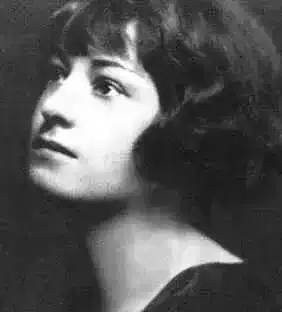
Dorothy Parker
The Small Hours
The Small Hours
No more my little song comes back;
And now of nights I lay
My head on down, to watch the black
And wait the unfailing gray.
Oh, sad are winter nights, and slow;
And sad's a song that's dumb;
And sad it is to lie and know
Another dawn will come.
No more my little song comes back;
And now of nights I lay
My head on down, to watch the black
And wait the unfailing gray.
Oh, sad are winter nights, and slow;
And sad's a song that's dumb;
And sad it is to lie and know
Another dawn will come.
297
Dorothy Parker
On Being A Woman
On Being A Woman
Why is it, when I am in Rome,
I'd give an eye to be at home,
But when on native earth I be,
My soul is sick for Italy?
And why with you, my love, my lord,
Am I spectacularly bored,
Yet do you up and leave me- then
I scream to have you back again?
Why is it, when I am in Rome,
I'd give an eye to be at home,
But when on native earth I be,
My soul is sick for Italy?
And why with you, my love, my lord,
Am I spectacularly bored,
Yet do you up and leave me- then
I scream to have you back again?
365
Dorothy Parker
Nocturne
Nocturne
Always I knew that it could not last
(Gathering clouds, and the snowflakes flying),
Now it is part of the golden past
(Darkening skies, and the night-wind sighing);
It is but cowardice to pretend.
Cover with ashes our love's cold crater-
Always I've known that it had to end
Sooner or later.
Always I knew it would come like this
(Pattering rain, and the grasses springing),
Sweeter to you is a new love's kiss
(Flickering sunshine, and young birds singing).
Gone are the raptures that once we knew,
Now you are finding a new joy greater-
Well, I'll be doing the same thing, too,
Sooner or later.
Always I knew that it could not last
(Gathering clouds, and the snowflakes flying),
Now it is part of the golden past
(Darkening skies, and the night-wind sighing);
It is but cowardice to pretend.
Cover with ashes our love's cold crater-
Always I've known that it had to end
Sooner or later.
Always I knew it would come like this
(Pattering rain, and the grasses springing),
Sweeter to you is a new love's kiss
(Flickering sunshine, and young birds singing).
Gone are the raptures that once we knew,
Now you are finding a new joy greater-
Well, I'll be doing the same thing, too,
Sooner or later.
355
Dorothy Parker
My Own
My Own
Then let them point my every tear,
And let them mock and moan;
Another week, another year,
And I'll be with my own
Who slumber now by night and day
In fields of level brown;
Whose hearts within their breasts were clay
Before they laid them down.
Then let them point my every tear,
And let them mock and moan;
Another week, another year,
And I'll be with my own
Who slumber now by night and day
In fields of level brown;
Whose hearts within their breasts were clay
Before they laid them down.
344
Dorothy Parker
Hearthside
Hearthside
Half across the world from me
Lie the lands I'll never see-
I, whose longing lives and dies
Where a ship has sailed away;
I, that never close my eyes
But to look upon Cathay.
Things I may not know nor tell
Wait, where older waters swell;
Ways that flowered at Sappho's tread,
Winds that sighed in Homer's strings,
Vibrant with the singing dead,
Golden with the dust of wings.
Under deeper skies than mine,
Quiet valleys dip and shine.
Where their tender grasses heal
Ancient scars of trench and tomb
I shall never walk: nor kneel
Where the bones of poets bloom.
If I seek a lovelier part,
Where I travel goes my heart;
Where I stray my thought must go;
With me wanders my desire.
Best to sit and watch the snow,
Turn the lock, and poke the fire.
Half across the world from me
Lie the lands I'll never see-
I, whose longing lives and dies
Where a ship has sailed away;
I, that never close my eyes
But to look upon Cathay.
Things I may not know nor tell
Wait, where older waters swell;
Ways that flowered at Sappho's tread,
Winds that sighed in Homer's strings,
Vibrant with the singing dead,
Golden with the dust of wings.
Under deeper skies than mine,
Quiet valleys dip and shine.
Where their tender grasses heal
Ancient scars of trench and tomb
I shall never walk: nor kneel
Where the bones of poets bloom.
If I seek a lovelier part,
Where I travel goes my heart;
Where I stray my thought must go;
With me wanders my desire.
Best to sit and watch the snow,
Turn the lock, and poke the fire.
470
Dorothy Parker
Finis
Finis
Now it's over, and now it's done;
Why does everything look the same?
Just as bright, the unheeding sun, -Can't
it see that the parting came?
People hurry and work and swear,
Laugh and grumble and die and wed,
Ponder what they will eat and wear, -Don't
they know that our love is dead?
Just as busy, the crowded street;
Cars and wagons go rolling on,
Children chuckle, and lovers meet, -Don't
they know that our love is gone?
No one pauses to pay a tear;
None walks slow, for the love that's through, --
I might mention, my recent dear,
I've reverted to normal, too.
Now it's over, and now it's done;
Why does everything look the same?
Just as bright, the unheeding sun, -Can't
it see that the parting came?
People hurry and work and swear,
Laugh and grumble and die and wed,
Ponder what they will eat and wear, -Don't
they know that our love is dead?
Just as busy, the crowded street;
Cars and wagons go rolling on,
Children chuckle, and lovers meet, -Don't
they know that our love is gone?
No one pauses to pay a tear;
None walks slow, for the love that's through, --
I might mention, my recent dear,
I've reverted to normal, too.
407
Dorothy Parker
Epitaph for a Darling Lady
Epitaph for a Darling Lady
All her hours were yellow sands,
Blown in foolish whorls and tassels;
Slipping warmly through her hands;
Patted into little castles.
Shiny day on shiny day
Tumble in a rainbow clutter,
As she flipped them all away,
Sent them spinning down the gutter.
Leave for her a red young rose,
Go your way, and save your pity;
She is happy, for she knows
That her dust is very pretty.
All her hours were yellow sands,
Blown in foolish whorls and tassels;
Slipping warmly through her hands;
Patted into little castles.
Shiny day on shiny day
Tumble in a rainbow clutter,
As she flipped them all away,
Sent them spinning down the gutter.
Leave for her a red young rose,
Go your way, and save your pity;
She is happy, for she knows
That her dust is very pretty.
446
Dorothy Parker
Afternoon
Afternoon
When I am old, and comforted,
And done with this desire,
With Memory to share my bed
And Peace to share my fire,
I'll comb my hair in scalloped bands
Beneath my laundered cap,
And watch my cool and fragile hands
Lie light upon my lap.
And I will have a sprigged gown
With lace to kiss my throat;
I'll draw my curtain to the town,
And hum a purring note.
And I'll forget the way of tears,
And rock, and stir my tea.
But oh, I wish those blessed years
Were further than they be!
When I am old, and comforted,
And done with this desire,
With Memory to share my bed
And Peace to share my fire,
I'll comb my hair in scalloped bands
Beneath my laundered cap,
And watch my cool and fragile hands
Lie light upon my lap.
And I will have a sprigged gown
With lace to kiss my throat;
I'll draw my curtain to the town,
And hum a purring note.
And I'll forget the way of tears,
And rock, and stir my tea.
But oh, I wish those blessed years
Were further than they be!
316
Dorothy Parker
A Well-Worn Story
A Well-Worn Story
In April, in April,
My one love came along,
And I ran the slope of my high hill
To follow a thread of song.
His eyes were hard as porphyry
With looking on cruel lands;
His voice went slipping over me
Like terrible silver hands.
Together we trod the secret lane
And walked the muttering town.
I wore my heart like a wet, red stain
On the breast of a velvet gown.
In April, in April,
My love went whistling by,
And I stumbled here to my high hill
Along the way of a lie.
Now what should I do in this place
But sit and count the chimes,
And splash cold water on my face
And spoil a page with rhymes?
In April, in April,
My one love came along,
And I ran the slope of my high hill
To follow a thread of song.
His eyes were hard as porphyry
With looking on cruel lands;
His voice went slipping over me
Like terrible silver hands.
Together we trod the secret lane
And walked the muttering town.
I wore my heart like a wet, red stain
On the breast of a velvet gown.
In April, in April,
My love went whistling by,
And I stumbled here to my high hill
Along the way of a lie.
Now what should I do in this place
But sit and count the chimes,
And splash cold water on my face
And spoil a page with rhymes?
423
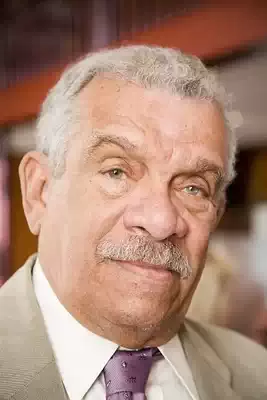
Derek Walcott
The Star-Apple Kingdom
The Star-Apple Kingdom
There were still shards of an ancient pastoral
in those shires of the island where the cattle drank
their pools of shadow from an older sky,
surviving from when the landscape copied such objects as
'Herefords at Sunset in the valley of the Wye.'
The mountain water that fell white from the mill wheel
sprinkling like petals from the star-apple trees,
and all of the windmills and sugar mills moved by mules
on the treadmill of Monday to Monday, would repeat
in tongues of water and wind and fire, in tongues
of Mission School pickaninnies, like rivers remembering
their source, Parish Trelawny, Parish St David, Parish
St Andrew, the names afflicting the pastures,
the lime groves and fences of marl stone and the cattle
with a docile longing, an epochal content.
And there were, like old wedding lace in an attic,
among the boas and parasols and the tea-colored
daguerreotypes, hints of an epochal happiness
as ordered and infinite to the child
as the great house road to the Great House
down a perspective of casuarinas plunging green manes
in time to the horses, an orderly life
reduced by lorgnettes day and night, one disc the sun,
the other the moon, reduced into a pier glass:
nannies diminished to dolls, mahogany stairways
no larger than those of an album in which
the flash of cutlery yellows, as gamboge as
the piled cakes of teatime on that latticed
bougainvillea verandah that looked down toward
a prospect of Cuyp-like Herefords under a sky
lurid as a porcelain souvenir with these words:
'Herefords at Sunset in the Valley of the Wye.'
Strange, that the rancor of hatred hid in that dream
of slow rivers and lily-like parasols, in snaps
of fine old colonial families, curled at the edge
not from age of from fire or the chemicals, no, not at all,
but because, off at its edges, innocently excluded
stood the groom, the cattle boy, the housemaid, the gardeners,
the tenants, the good Negroes down in the village,
their mouth in the locked jaw of a silent scream.
A scream which would open the doors to swing wildly
all night, that was bringing in heavier clouds,
more black smoke than cloud, frightening the cattle
in whose bulging eyes the Great House diminished;
a scorching wind of a scream
that began to extinguish the fireflies,
that dried the water mill creaking to a stop
as it was about to pronounce Parish Trelawny
all over, in the ancient pastoral voice,
a wind that blew all without bending anything,
neither the leaves of the album nor the lime groves;
blew Nanny floating back in white from a feather
to a chimerical, chemical pin speck that shrank
the drinking Herefords to brown porcelain cows
on a mantelpiece, Trelawny trembling with dusk,
the scorched pastures of the old benign Custos; blew
far the decent servants and the lifelong cook,
and shriveled to a shard that ancient pastoral
of dusk in a gilt-edged frame now catching the evening sun
in Jamaica, making both epochs one.
He looked out from the Great House windows on
clouds that still held the fragrance of fire,
he saw the Botanical Gardens officially drown
in a formal dusk, where governors had strolled
and black gardeners had smiled over glinting shears
at the lilies of parasols on the floating lawns,
the flame trees obeyed his will and lowered their wicks,
the flowers tightened their fists in the name of thrift,
the porcelain lamps of ripe cocoa, the magnolia's jet
dimmed on the one circuit with the ginger lilies
and left a lonely bulb on the verandah,
and, had his mandate extended to that ceiling
of star-apple candelabra, he would have ordered
the sky to sleep, saying, I'm tired,
save the starlight for victories, we can't afford it,
leave the moon on for one more hour,and that's it.
But though his power, the given mandate, extended
from tangerine daybreaks to star-apple dusks,
his hand could not dam that ceaseless torrent of dust
that carried the shacks of the poor, to their root-rock music,
down the gullies of Yallahs and August Town,
to lodge them on thorns of maca, with their rags
crucified by cactus, tins, old tires, cartons;
from the black Warieka Hills the sky glowed fierce as
the dials of a million radios,
a throbbing sunset that glowed like a grid
where the dread beat rose from the jukebox of Kingston.
He saw the fountains dried of quadrilles, the water-music
of the country dancers, the fiddlers like fifes
put aside. He had to heal
this malarial island in its bath of bay leaves,
its forests tossing with fever, the dry cattle
groaning like winches, the grass that kept shaking
its head to remember its name. No vowels left
in the mill wheel, the river. Rock stone. Rock stone.
The mountains rolled like whales through phosphorous stars,
as he swayed like a stone down fathoms into sleep,
drawn by that magnet which pulls down half the world
between a star and a star, by that black power
that has the assassin dreaming of snow,
that poleaxes the tyrant to a sleeping child.
The house is rocking at anchor, but as he falls
his mind is a mill wheel in moonlight,
and he hears, in the sleep of his moonlight, the drowned
bell of Port Royal's cathedral, sees the copper pennies
of bubbles rising from the empty eye-pockets
of green buccaneers, the parrot fish floating
from the frayed shoulders of pirates, sea horses
drawing gowned ladies in their liquid promenade
across the moss-green meadows of the sea;
he heard the drowned choirs under Palisadoes,
a hymn ascending to earth from a heaven inverted
by water, a crab climbing the steeple,
and he climbed from that submarine kingdom
as the evening lights came on in the institute,
the scholars lamplit in their own aquarium,
he saw them mouthing like parrot fish, as he passed
upward from that baptism, their history lessons,
the bubbles like ideas which he could not break:
Jamaica was captured by Penn and Venables,
Port Royal perished in a cataclysmic earthquake.
Before the coruscating façades of cathedrals
from Santiago to Caracas, where penitential archbishops
washed the feet of paupers (a parenthetical moment
that made the Caribbean a baptismal font,
turned butterflies to stone, and whitened like doves
the buzzards circling municipal garbage),
the Caribbean was borne like an elliptical basin
in the hands of acolytes, and a people were absolved
of a history which they did not commit;
the slave pardoned his whip, and the dispossessed
said the rosary of islands for three hundred years,
a hymn that resounded like the hum of the sea
inside a sea cave, as their knees turned to stone,
while the bodies of patriots were melting down walls
still crusted with mute outcries of La Revolucion!
'San Salvador, pray for us,St. Thomas, San Domingo,
ora pro nobis, intercede for us, Sancta Lucia
of no eyes,' and when the circular chaplet
reached the last black bead of Sancta Trinidad
they began again, their knees drilled into stone,
where Colon had begun, with San Salvador's bead,
beads of black colonies round the necks of Indians.
And while they prayed for an economic miracle,
ulcers formed on the municipal portraits,
the hotels went up, and the casinos and brothels,
and the empires of tobacco, sugar, and bananas,
until a black woman, shawled like a buzzard,
climbed up the stairs and knocked at the door
of his dream, whispering in the ear of the keyhole:
'Let me in, I'm finished with praying, I'm the Revolution.
I am the darker, the older America.'
She was as beautiful as a stone in the sunrise,
her voice had the gutturals of machine guns
across khaki deserts where the cactus flower
detonates like grenades, her sex was the slit throat
of an Indian, her hair had the blue-black sheen of the crow.
She was a black umbrella blown inside out
by the wind of revolution, La Madre Dolorosa,
a black rose of sorrow, a black mine of silence,
raped wife, empty mother, Aztec virgin
transfixed by arrows from a thousand guitars,
a stone full of silence, which, if it gave tongue
to the tortures done in the name of the Father,
would curdle the blood of the marauding wolf,
the fountain of generals, poets, and cripples
who danced without moving over their graves
with each revolution; her Caesarean was stitched
by the teeth of machine guns,and every sunset
she carried the Caribbean's elliptical basin
as she had once carried the penitential napkins
to be the footbath of dictators, Trujillo, Machado,
and those whose faces had yellowed like posters
on municipal walls. Now she stroked his hair
until it turned white, but she would not understand
that he wanted no other power but peace,
that he wanted a revolution without any bloodshed,
he wanted a history without any memory,
streets without statues,
and a geography without myth. He wanted no armies
but those regiments of bananas, thick lances of cane,
and he sobbed,'I am powerless, except for love.'
She faded from him, because he could not kill;
she shrunk to a bat that hung day and night
in the back of his brain. He rose in his dream.
There were still shards of an ancient pastoral
in those shires of the island where the cattle drank
their pools of shadow from an older sky,
surviving from when the landscape copied such objects as
'Herefords at Sunset in the valley of the Wye.'
The mountain water that fell white from the mill wheel
sprinkling like petals from the star-apple trees,
and all of the windmills and sugar mills moved by mules
on the treadmill of Monday to Monday, would repeat
in tongues of water and wind and fire, in tongues
of Mission School pickaninnies, like rivers remembering
their source, Parish Trelawny, Parish St David, Parish
St Andrew, the names afflicting the pastures,
the lime groves and fences of marl stone and the cattle
with a docile longing, an epochal content.
And there were, like old wedding lace in an attic,
among the boas and parasols and the tea-colored
daguerreotypes, hints of an epochal happiness
as ordered and infinite to the child
as the great house road to the Great House
down a perspective of casuarinas plunging green manes
in time to the horses, an orderly life
reduced by lorgnettes day and night, one disc the sun,
the other the moon, reduced into a pier glass:
nannies diminished to dolls, mahogany stairways
no larger than those of an album in which
the flash of cutlery yellows, as gamboge as
the piled cakes of teatime on that latticed
bougainvillea verandah that looked down toward
a prospect of Cuyp-like Herefords under a sky
lurid as a porcelain souvenir with these words:
'Herefords at Sunset in the Valley of the Wye.'
Strange, that the rancor of hatred hid in that dream
of slow rivers and lily-like parasols, in snaps
of fine old colonial families, curled at the edge
not from age of from fire or the chemicals, no, not at all,
but because, off at its edges, innocently excluded
stood the groom, the cattle boy, the housemaid, the gardeners,
the tenants, the good Negroes down in the village,
their mouth in the locked jaw of a silent scream.
A scream which would open the doors to swing wildly
all night, that was bringing in heavier clouds,
more black smoke than cloud, frightening the cattle
in whose bulging eyes the Great House diminished;
a scorching wind of a scream
that began to extinguish the fireflies,
that dried the water mill creaking to a stop
as it was about to pronounce Parish Trelawny
all over, in the ancient pastoral voice,
a wind that blew all without bending anything,
neither the leaves of the album nor the lime groves;
blew Nanny floating back in white from a feather
to a chimerical, chemical pin speck that shrank
the drinking Herefords to brown porcelain cows
on a mantelpiece, Trelawny trembling with dusk,
the scorched pastures of the old benign Custos; blew
far the decent servants and the lifelong cook,
and shriveled to a shard that ancient pastoral
of dusk in a gilt-edged frame now catching the evening sun
in Jamaica, making both epochs one.
He looked out from the Great House windows on
clouds that still held the fragrance of fire,
he saw the Botanical Gardens officially drown
in a formal dusk, where governors had strolled
and black gardeners had smiled over glinting shears
at the lilies of parasols on the floating lawns,
the flame trees obeyed his will and lowered their wicks,
the flowers tightened their fists in the name of thrift,
the porcelain lamps of ripe cocoa, the magnolia's jet
dimmed on the one circuit with the ginger lilies
and left a lonely bulb on the verandah,
and, had his mandate extended to that ceiling
of star-apple candelabra, he would have ordered
the sky to sleep, saying, I'm tired,
save the starlight for victories, we can't afford it,
leave the moon on for one more hour,and that's it.
But though his power, the given mandate, extended
from tangerine daybreaks to star-apple dusks,
his hand could not dam that ceaseless torrent of dust
that carried the shacks of the poor, to their root-rock music,
down the gullies of Yallahs and August Town,
to lodge them on thorns of maca, with their rags
crucified by cactus, tins, old tires, cartons;
from the black Warieka Hills the sky glowed fierce as
the dials of a million radios,
a throbbing sunset that glowed like a grid
where the dread beat rose from the jukebox of Kingston.
He saw the fountains dried of quadrilles, the water-music
of the country dancers, the fiddlers like fifes
put aside. He had to heal
this malarial island in its bath of bay leaves,
its forests tossing with fever, the dry cattle
groaning like winches, the grass that kept shaking
its head to remember its name. No vowels left
in the mill wheel, the river. Rock stone. Rock stone.
The mountains rolled like whales through phosphorous stars,
as he swayed like a stone down fathoms into sleep,
drawn by that magnet which pulls down half the world
between a star and a star, by that black power
that has the assassin dreaming of snow,
that poleaxes the tyrant to a sleeping child.
The house is rocking at anchor, but as he falls
his mind is a mill wheel in moonlight,
and he hears, in the sleep of his moonlight, the drowned
bell of Port Royal's cathedral, sees the copper pennies
of bubbles rising from the empty eye-pockets
of green buccaneers, the parrot fish floating
from the frayed shoulders of pirates, sea horses
drawing gowned ladies in their liquid promenade
across the moss-green meadows of the sea;
he heard the drowned choirs under Palisadoes,
a hymn ascending to earth from a heaven inverted
by water, a crab climbing the steeple,
and he climbed from that submarine kingdom
as the evening lights came on in the institute,
the scholars lamplit in their own aquarium,
he saw them mouthing like parrot fish, as he passed
upward from that baptism, their history lessons,
the bubbles like ideas which he could not break:
Jamaica was captured by Penn and Venables,
Port Royal perished in a cataclysmic earthquake.
Before the coruscating façades of cathedrals
from Santiago to Caracas, where penitential archbishops
washed the feet of paupers (a parenthetical moment
that made the Caribbean a baptismal font,
turned butterflies to stone, and whitened like doves
the buzzards circling municipal garbage),
the Caribbean was borne like an elliptical basin
in the hands of acolytes, and a people were absolved
of a history which they did not commit;
the slave pardoned his whip, and the dispossessed
said the rosary of islands for three hundred years,
a hymn that resounded like the hum of the sea
inside a sea cave, as their knees turned to stone,
while the bodies of patriots were melting down walls
still crusted with mute outcries of La Revolucion!
'San Salvador, pray for us,St. Thomas, San Domingo,
ora pro nobis, intercede for us, Sancta Lucia
of no eyes,' and when the circular chaplet
reached the last black bead of Sancta Trinidad
they began again, their knees drilled into stone,
where Colon had begun, with San Salvador's bead,
beads of black colonies round the necks of Indians.
And while they prayed for an economic miracle,
ulcers formed on the municipal portraits,
the hotels went up, and the casinos and brothels,
and the empires of tobacco, sugar, and bananas,
until a black woman, shawled like a buzzard,
climbed up the stairs and knocked at the door
of his dream, whispering in the ear of the keyhole:
'Let me in, I'm finished with praying, I'm the Revolution.
I am the darker, the older America.'
She was as beautiful as a stone in the sunrise,
her voice had the gutturals of machine guns
across khaki deserts where the cactus flower
detonates like grenades, her sex was the slit throat
of an Indian, her hair had the blue-black sheen of the crow.
She was a black umbrella blown inside out
by the wind of revolution, La Madre Dolorosa,
a black rose of sorrow, a black mine of silence,
raped wife, empty mother, Aztec virgin
transfixed by arrows from a thousand guitars,
a stone full of silence, which, if it gave tongue
to the tortures done in the name of the Father,
would curdle the blood of the marauding wolf,
the fountain of generals, poets, and cripples
who danced without moving over their graves
with each revolution; her Caesarean was stitched
by the teeth of machine guns,and every sunset
she carried the Caribbean's elliptical basin
as she had once carried the penitential napkins
to be the footbath of dictators, Trujillo, Machado,
and those whose faces had yellowed like posters
on municipal walls. Now she stroked his hair
until it turned white, but she would not understand
that he wanted no other power but peace,
that he wanted a revolution without any bloodshed,
he wanted a history without any memory,
streets without statues,
and a geography without myth. He wanted no armies
but those regiments of bananas, thick lances of cane,
and he sobbed,'I am powerless, except for love.'
She faded from him, because he could not kill;
she shrunk to a bat that hung day and night
in the back of his brain. He rose in his dream.
1,191
Derek Walcott
Sabbaths, W.I.
Sabbaths, W.I.
Those villages stricken with the melancholia of Sunday,
in all of whose ocher streets one dog is sleeping
those volcanoes like ashen roses, or the incurable sore
of poverty, around whose puckered mouth thin boys are
selling yellow sulphur stone
the burnt banana leaves that used to dance
the river whose bed is made of broken bottles
the cocoa grove where a bird whose cry sounds green and
yellow and in the lights under the leaves crested with
orange flame has forgotten its flute
gommiers peeling from sunburn still wrestling to escape the sea
the dead lizard turning blue as stone
those rivers, threads of spittle, that forgot the old music
that dry, brief esplanade under the drier sea almonds
where the dry old men sat
watching a white schooner stuck in the branches
and playing draughts with the moving frigate birds
those hillsides like broken pots
those ferns that stamped their skeletons on the skin
and those roads that begin reciting their names at vespers
mention them and they will stop
those crabs that were willing to let an epoch pass
those herons like spinsters that doubted their reflections
inquiring, inquiring
those nettles that waited
those Sundays, those Sundays
those Sundays when the lights at the road's end were an occasion
those Sundays when my mother lay on her back
those Sundays when the sisters gathered like white moths
round their street lantern
and cities passed us by on the horizon
Those villages stricken with the melancholia of Sunday,
in all of whose ocher streets one dog is sleeping
those volcanoes like ashen roses, or the incurable sore
of poverty, around whose puckered mouth thin boys are
selling yellow sulphur stone
the burnt banana leaves that used to dance
the river whose bed is made of broken bottles
the cocoa grove where a bird whose cry sounds green and
yellow and in the lights under the leaves crested with
orange flame has forgotten its flute
gommiers peeling from sunburn still wrestling to escape the sea
the dead lizard turning blue as stone
those rivers, threads of spittle, that forgot the old music
that dry, brief esplanade under the drier sea almonds
where the dry old men sat
watching a white schooner stuck in the branches
and playing draughts with the moving frigate birds
those hillsides like broken pots
those ferns that stamped their skeletons on the skin
and those roads that begin reciting their names at vespers
mention them and they will stop
those crabs that were willing to let an epoch pass
those herons like spinsters that doubted their reflections
inquiring, inquiring
those nettles that waited
those Sundays, those Sundays
those Sundays when the lights at the road's end were an occasion
those Sundays when my mother lay on her back
those Sundays when the sisters gathered like white moths
round their street lantern
and cities passed us by on the horizon
1,111
Derek Walcott
The Saddhu Of Couva
The Saddhu Of Couva
When sunset, a brass gong,
vibrate through Couva,
is then I see my soul, swiftly unsheathed,
like a white cattle bird growing more small
over the ocean of the evening canes,
and I sit quiet, waiting for it to return
like a hog-cattle blistered with mud,
because, for my spirit, India is too far.
And to that gong
sometimes bald clouds in saffron robes assemble
sacred to the evening,
sacred even to Ramlochan,
singing Indian hits from his jute hammock
while evening strokes the flanks
and silver horns of his maroon taxi,
as the mosquitoes whine their evening mantras,
my friend Anopheles, on the sitar,
and the fireflies making every dusk Divali.
I knot my head with a cloud,
my white mustache bristle like horns,
my hands are brittle as the pages of Ramayana.
Once the sacred monkeys multiplied like branches
in the ancient temples: I did not miss them,
because these fields sang of Bengal,
behind Ramlochan Repairs there was Uttar Pradesh;
but time roars in my ears like a river,
old age is a conflagration
as fierce as the cane fires of crop time.
I will pass through these people like a cloud,
they will see a white bird beating the evening sea
of the canes behind Couva,
and who will point it as my soul unsheathed?
Naither the bridegroom in beads,
nor the bride in her veils,
their sacred language on the cinema hoardings.
I talked too damn much on the Couva Village Council.
I talked too softly, I was always drowned
by the loudspeakers in front of the stores
or the loudspeakers with the greatest pictures.
I am best suited to stalk like a white cattle bird
on legs like sticks, with sticking to the Path
between the canes on a district road at dusk.
Playing the Elder. There are no more elders.
Is only old people.
My friends spit on the government.
I do not think is just the government.
Suppose all the gods too old,
Suppose they dead and they burning them,
supposing when some cane cutter
start chopping up snakes with a cutlass
he is severing the snake-armed god,
and suppose some hunter has caught
Hanuman in his mischief in a monkey cage.
Suppose all the gods were killed by electric light?
Sunset, a bonfire, roars in my ears;
embers of brown swallows dart and cry,
like women distracted,
around its cremation.
I ascend to my bed of sweet sandalwood.
When sunset, a brass gong,
vibrate through Couva,
is then I see my soul, swiftly unsheathed,
like a white cattle bird growing more small
over the ocean of the evening canes,
and I sit quiet, waiting for it to return
like a hog-cattle blistered with mud,
because, for my spirit, India is too far.
And to that gong
sometimes bald clouds in saffron robes assemble
sacred to the evening,
sacred even to Ramlochan,
singing Indian hits from his jute hammock
while evening strokes the flanks
and silver horns of his maroon taxi,
as the mosquitoes whine their evening mantras,
my friend Anopheles, on the sitar,
and the fireflies making every dusk Divali.
I knot my head with a cloud,
my white mustache bristle like horns,
my hands are brittle as the pages of Ramayana.
Once the sacred monkeys multiplied like branches
in the ancient temples: I did not miss them,
because these fields sang of Bengal,
behind Ramlochan Repairs there was Uttar Pradesh;
but time roars in my ears like a river,
old age is a conflagration
as fierce as the cane fires of crop time.
I will pass through these people like a cloud,
they will see a white bird beating the evening sea
of the canes behind Couva,
and who will point it as my soul unsheathed?
Naither the bridegroom in beads,
nor the bride in her veils,
their sacred language on the cinema hoardings.
I talked too damn much on the Couva Village Council.
I talked too softly, I was always drowned
by the loudspeakers in front of the stores
or the loudspeakers with the greatest pictures.
I am best suited to stalk like a white cattle bird
on legs like sticks, with sticking to the Path
between the canes on a district road at dusk.
Playing the Elder. There are no more elders.
Is only old people.
My friends spit on the government.
I do not think is just the government.
Suppose all the gods too old,
Suppose they dead and they burning them,
supposing when some cane cutter
start chopping up snakes with a cutlass
he is severing the snake-armed god,
and suppose some hunter has caught
Hanuman in his mischief in a monkey cage.
Suppose all the gods were killed by electric light?
Sunset, a bonfire, roars in my ears;
embers of brown swallows dart and cry,
like women distracted,
around its cremation.
I ascend to my bed of sweet sandalwood.
1,218

D.H. Lawrence
Piano
Piano
Softly, in the dusk, a woman is singing to me;
Taking me back down the vista of years, till I see
A child sitting under the piano, in the boom of the tingling strings
And pressing the small, poised feet of a mother who smiles as she sings.
In spite of myself, the insidious mastery of song
Betrays me back, till the heart of me weeps to belong
To the old Sunday evenings at home, with winter outside
And hymns in the cosy parlour, the tinkling piano our guide.
So now it is vain for the singer to burst into clamour
With the great black piano appassionato. The glamour
Of childish days is upon me, my manhood is cast
Down in the flood of remembrance, I weep like a child for the past.
Softly, in the dusk, a woman is singing to me;
Taking me back down the vista of years, till I see
A child sitting under the piano, in the boom of the tingling strings
And pressing the small, poised feet of a mother who smiles as she sings.
In spite of myself, the insidious mastery of song
Betrays me back, till the heart of me weeps to belong
To the old Sunday evenings at home, with winter outside
And hymns in the cosy parlour, the tinkling piano our guide.
So now it is vain for the singer to burst into clamour
With the great black piano appassionato. The glamour
Of childish days is upon me, my manhood is cast
Down in the flood of remembrance, I weep like a child for the past.
287
D.H. Lawrence
Kangaroo
Kangaroo
Delicate mother Kangaroo
Sitting up there rabbit-wise, but huge, plump-weighted,
And lifting her beautiful slender face, oh! so much more
gently and finely lined than a rabbit's, or than a hare's,
Lifting her face to nibble at a round white peppermint drop
which she loves, sensitive mother Kangaroo.
Her sensitive, long, pure-bred face.
Her full antipodal eyes, so dark,
So big and quiet and remote, having watched so many
empty dawns in silent Australia.
Her little loose hands, and drooping Victorian shoulders.
And then her great weight below the waist, her vast pale belly,
With a thin young yellow little paw hanging out, and
straggle of a long thin ear, like ribbon,
Like a funny trimming to the middle of her belly, thin
little dangle of an immature paw, and one thin ear.
Her belly, her big haunches
And, in addition, the great muscular python-stretch of her tail.
There, she shan't have any more peppermint drops.
So she wistfully, sensitively sniffs the air, and then turns,
goes off in slow sad leaps
On the long flat skis of her legs,
Steered and propelled by that steel-strong snake of a tail.
Stops again, half turns, inquisitive to look back.
While something stirs quickly in her belly, and a lean little
face comes out, as from a window,
Peaked and a bit dismayed,
Only to disappear again quickly away from the sight of the
world, to snuggle down in the warmth,
Leaving the trail of a different paw hanging out.
Still she watches with eternal, cocked wistfulness!
How full her eyes are, like the full, fathomless, shining
eyes of an Australian black-boy
Who has been lost so many centuries on the margins of
existence!
She watches with insatiable wistfulness.
Untold centuries of watching for something to come,
For a new signal from life, in that silent lost land of the
South.
Where nothing bites but insects and snakes and the sun,
small life.
Where no bull roared, no cow ever lowed, no stag cried,
no leopard screeched, no lion coughed, no dog barked,
But all was silent save for parrots occasionally, in the
haunted blue bush.
Wistfully watching, with wonderful liquid eyes.
And all her weight, all her blood, dropping sackwise down
towards the earth's centre,
And the live little-one taking in its paw at the door of her
belly.
Delicate mother Kangaroo
Sitting up there rabbit-wise, but huge, plump-weighted,
And lifting her beautiful slender face, oh! so much more
gently and finely lined than a rabbit's, or than a hare's,
Lifting her face to nibble at a round white peppermint drop
which she loves, sensitive mother Kangaroo.
Her sensitive, long, pure-bred face.
Her full antipodal eyes, so dark,
So big and quiet and remote, having watched so many
empty dawns in silent Australia.
Her little loose hands, and drooping Victorian shoulders.
And then her great weight below the waist, her vast pale belly,
With a thin young yellow little paw hanging out, and
straggle of a long thin ear, like ribbon,
Like a funny trimming to the middle of her belly, thin
little dangle of an immature paw, and one thin ear.
Her belly, her big haunches
And, in addition, the great muscular python-stretch of her tail.
There, she shan't have any more peppermint drops.
So she wistfully, sensitively sniffs the air, and then turns,
goes off in slow sad leaps
On the long flat skis of her legs,
Steered and propelled by that steel-strong snake of a tail.
Stops again, half turns, inquisitive to look back.
While something stirs quickly in her belly, and a lean little
face comes out, as from a window,
Peaked and a bit dismayed,
Only to disappear again quickly away from the sight of the
world, to snuggle down in the warmth,
Leaving the trail of a different paw hanging out.
Still she watches with eternal, cocked wistfulness!
How full her eyes are, like the full, fathomless, shining
eyes of an Australian black-boy
Who has been lost so many centuries on the margins of
existence!
She watches with insatiable wistfulness.
Untold centuries of watching for something to come,
For a new signal from life, in that silent lost land of the
South.
Where nothing bites but insects and snakes and the sun,
small life.
Where no bull roared, no cow ever lowed, no stag cried,
no leopard screeched, no lion coughed, no dog barked,
But all was silent save for parrots occasionally, in the
haunted blue bush.
Wistfully watching, with wonderful liquid eyes.
And all her weight, all her blood, dropping sackwise down
towards the earth's centre,
And the live little-one taking in its paw at the door of her
belly.
254
D.H. Lawrence
Dreams Old
Dreams Old
I have opened the window to warm my hands on the sill
Where the sunlight soaks in the stone: the afternoon
Is full of dreams, my love, the boys are all still
In a wistful dream of Lorna Doone.
The clink of the shunting engines is sharp and fine,
Like savage music striking far off, and there
On the great, uplifted blue palace, lights stir and shine
Where the glass is domed in the blue, soft air.
There lies the world, my darling, full of wonder and wistfulness and strange
Recognition and greetings of half-acquaint things, as I greet the cloud
Of blue palace aloft there, among misty indefinite dreams that range
At the back of my life’s horizon, where the dreamings of past lives crowd.
Over the nearness of Norwood Hill, through the mellow veil
Of the afternoon glows to me the old romance of David and Dora,
With the old, sweet, soothing tears, and laughter that shakes the sail
Of the ship of the soul over seas where dreamed dreams lure the unoceaned explorer.
All the bygone, hushèd years
Streaming back where the mist distils
Into forgetfulness: soft-sailing waters where fears
No longer shake, where the silk sail fills
With an unfelt breeze that ebbs over the seas, where the storm
Of living has passed, on and on
Through the coloured iridescence that swims in the warm
Wake of the tumult now spent and gone,
Drifts my boat, wistfully lapsing after
The mists of vanishing tears and the echo of laughter.
I have opened the window to warm my hands on the sill
Where the sunlight soaks in the stone: the afternoon
Is full of dreams, my love, the boys are all still
In a wistful dream of Lorna Doone.
The clink of the shunting engines is sharp and fine,
Like savage music striking far off, and there
On the great, uplifted blue palace, lights stir and shine
Where the glass is domed in the blue, soft air.
There lies the world, my darling, full of wonder and wistfulness and strange
Recognition and greetings of half-acquaint things, as I greet the cloud
Of blue palace aloft there, among misty indefinite dreams that range
At the back of my life’s horizon, where the dreamings of past lives crowd.
Over the nearness of Norwood Hill, through the mellow veil
Of the afternoon glows to me the old romance of David and Dora,
With the old, sweet, soothing tears, and laughter that shakes the sail
Of the ship of the soul over seas where dreamed dreams lure the unoceaned explorer.
All the bygone, hushèd years
Streaming back where the mist distils
Into forgetfulness: soft-sailing waters where fears
No longer shake, where the silk sail fills
With an unfelt breeze that ebbs over the seas, where the storm
Of living has passed, on and on
Through the coloured iridescence that swims in the warm
Wake of the tumult now spent and gone,
Drifts my boat, wistfully lapsing after
The mists of vanishing tears and the echo of laughter.
270
D.H. Lawrence
Brother and Sister
Brother and Sister
The shorn moon trembling indistinct on her path,
Frail as a scar upon the pale blue sky,
Draws towards the downward slope: some sorrow hath
Worn her down to the quick, so she faintly fares
Along her foot-searched way without knowing why
She creeps persistent down the sky’s long stairs.
Some day they see, though I have never seen,
The dead moon heaped within the new moon’s arms;
For surely the fragile, fine young thing had been
Too heavily burdened to mount the heavens so.
But my heart stands still, as a new, strong dread alarms
Me; might a young girl be heaped with such shadow of woe?
Since Death from the mother moon has pared us down to the quick,
And cast us forth like shorn, thin moons, to travel
An uncharted way among the myriad thick
Strewn stars of silent people, and luminous litter
Of lives which sorrows like mischievous dark mice chavel
To nought, diminishing each star’s glitter,
Since Death has delivered us utterly, naked and white,
Since the month of childhood is over, and we stand alone,
Since the beloved, faded moon that set us alight
Is delivered from us and pays no heed though we moan
In sorrow, since we stand in bewilderment, strange
And fearful to sally forth down the sky’s long range.
We may not cry to her still to sustain us here,
We may not hold her shadow back from the dark.
Oh, let us here forget, let us take the sheer
Unknown that lies before us, bearing the ark
Of the covenant onwards where she cannot go.
Let us rise and leave her now, she will never know.
The shorn moon trembling indistinct on her path,
Frail as a scar upon the pale blue sky,
Draws towards the downward slope: some sorrow hath
Worn her down to the quick, so she faintly fares
Along her foot-searched way without knowing why
She creeps persistent down the sky’s long stairs.
Some day they see, though I have never seen,
The dead moon heaped within the new moon’s arms;
For surely the fragile, fine young thing had been
Too heavily burdened to mount the heavens so.
But my heart stands still, as a new, strong dread alarms
Me; might a young girl be heaped with such shadow of woe?
Since Death from the mother moon has pared us down to the quick,
And cast us forth like shorn, thin moons, to travel
An uncharted way among the myriad thick
Strewn stars of silent people, and luminous litter
Of lives which sorrows like mischievous dark mice chavel
To nought, diminishing each star’s glitter,
Since Death has delivered us utterly, naked and white,
Since the month of childhood is over, and we stand alone,
Since the beloved, faded moon that set us alight
Is delivered from us and pays no heed though we moan
In sorrow, since we stand in bewilderment, strange
And fearful to sally forth down the sky’s long range.
We may not cry to her still to sustain us here,
We may not hold her shadow back from the dark.
Oh, let us here forget, let us take the sheer
Unknown that lies before us, bearing the ark
Of the covenant onwards where she cannot go.
Let us rise and leave her now, she will never know.
213
D.H. Lawrence
Blue
Blue
The earth again like a ship steams out of the dark sea over
The edge of the blue, and the sun stands up to see us glide
Slowly into another day; slowly the rover
Vessel of darkness takes the rising tide.
I, on the deck, am startled by this dawn confronting
Me who am issued amazed from the darkness, stripped
And quailing here in the sunshine, delivered from haunting
The night unsounded whereon our days are shipped.
Feeling myself undawning, the day’s light playing upon me,
I who am substance of shadow, I all compact
Of the stuff of the night, finding myself all wrongly
Among the crowds of things in the sunshine jostled and racked.
I with the night on my lips, I sigh with the silence of death;
And what do I care though the very stones should cry me unreal, though the clouds
Shine in conceit of substance upon me, who am less than the rain.
Do I know the darkness within them? What are they but shrouds?
The clouds go down the sky with a wealthy ease
Casting a shadow of scorn upon me for my share in death; but I
Hold my own in the midst of them, darkling, defy
The whole of the day to extinguish the shadow I lift on the breeze.
Yea, though the very clouds have vantage over me,
Enjoying their glancing flight, though my love is dead,
I still am not homeless here, I’ve a tent by day
Of darkness where she sleeps on her perfect bed.
And I know the host, the minute sparkling of darkness
Which vibrates untouched and virile through the grandeur of night,
But which, when dawn crows challenge, assaulting the vivid motes
Of living darkness, bursts fretfully, and is bright:
Runs like a fretted arc-lamp into light,
Stirred by conflict to shining, which else
Were dark and whole with the night.
Runs to a fret of speed like a racing wheel,
Which else were aslumber along with the whole
Of the dark, swinging rhythmic instead of a-reel.
Is chafed to anger, bursts into rage like thunder;
Which else were a silent grasp that held the heavens
Arrested, beating thick with wonder.
Leaps like a fountain of blue sparks leaping
In a jet from out of obscurity,
Which erst was darkness sleeping.
Runs into streams of bright blue drops,
Water and stones and stars, and myriads
Of twin-blue eyes, and crops
Of floury grain, and all the hosts of day,
All lovely hosts of ripples caused by fretting
The Darkness into play.
The earth again like a ship steams out of the dark sea over
The edge of the blue, and the sun stands up to see us glide
Slowly into another day; slowly the rover
Vessel of darkness takes the rising tide.
I, on the deck, am startled by this dawn confronting
Me who am issued amazed from the darkness, stripped
And quailing here in the sunshine, delivered from haunting
The night unsounded whereon our days are shipped.
Feeling myself undawning, the day’s light playing upon me,
I who am substance of shadow, I all compact
Of the stuff of the night, finding myself all wrongly
Among the crowds of things in the sunshine jostled and racked.
I with the night on my lips, I sigh with the silence of death;
And what do I care though the very stones should cry me unreal, though the clouds
Shine in conceit of substance upon me, who am less than the rain.
Do I know the darkness within them? What are they but shrouds?
The clouds go down the sky with a wealthy ease
Casting a shadow of scorn upon me for my share in death; but I
Hold my own in the midst of them, darkling, defy
The whole of the day to extinguish the shadow I lift on the breeze.
Yea, though the very clouds have vantage over me,
Enjoying their glancing flight, though my love is dead,
I still am not homeless here, I’ve a tent by day
Of darkness where she sleeps on her perfect bed.
And I know the host, the minute sparkling of darkness
Which vibrates untouched and virile through the grandeur of night,
But which, when dawn crows challenge, assaulting the vivid motes
Of living darkness, bursts fretfully, and is bright:
Runs like a fretted arc-lamp into light,
Stirred by conflict to shining, which else
Were dark and whole with the night.
Runs to a fret of speed like a racing wheel,
Which else were aslumber along with the whole
Of the dark, swinging rhythmic instead of a-reel.
Is chafed to anger, bursts into rage like thunder;
Which else were a silent grasp that held the heavens
Arrested, beating thick with wonder.
Leaps like a fountain of blue sparks leaping
In a jet from out of obscurity,
Which erst was darkness sleeping.
Runs into streams of bright blue drops,
Water and stones and stars, and myriads
Of twin-blue eyes, and crops
Of floury grain, and all the hosts of day,
All lovely hosts of ripples caused by fretting
The Darkness into play.
238

Claude Mckay
When Dawn Comes to the City
When Dawn Comes to the City
The tired cars go grumbling by,
The moaning, groaning cars,
And the old milk carts go rumbling by
Under the same dull stars.
Out of the tenements, cold as stone,
Dark figures start for work;
I watch them sadly shuffle on,
'Tis dawn, dawn in New York.
But I would be on the island of the sea,
In the heart of the island of the sea,
Where the cocks are crowing, crowing, crowing,
And the hens are cackling in the rose-apple tree,
Where the old draft-horse is neighing, neighing, neighing,
Out on the brown dew-silvered lawn,
And the tethered cow is lowing, lowing, lowing,
And dear old Ned is braying, braying, braying,
And the shaggy Nannie goat is calling, calling, calling
From her little trampled corner of the long wide lea
That stretches to the waters of the hill-stream falling
Sheer upon the flat rocks joyously!
There, oh, there! on the island of the sea,
There would I be at dawn.
The tired cars go grumbling by,
The crazy, lazy cars,
And the same milk carts go rumbling by
Under the dying stars.
A lonely newsboy hurries by,
Humming a recent ditty;
Red streaks strike through the gray of the sky,
The dawn comes to the city.
But I would be on the island of the sea,
In the heart of the island of the sea,
Where the cocks are crowing, crowing, crowing,
And the hens are cackling in the rose-apple tree,
Where the old draft-horse is neighing, neighing, neighing
Out on the brown dew-silvered lawn,
And the tethered cow is lowing, lowing, lowing,
And dear old Ned is braying, braying, braying,
And the shaggy Nannie goat is calling, calling, calling,
From her little trampled corner of the long wide lea
That stretches to the waters of the hill-stream falling
Sheer upon the flat rocks joyously!
There, oh, there! on the island of the sea,
There I would be at dawn.
The tired cars go grumbling by,
The moaning, groaning cars,
And the old milk carts go rumbling by
Under the same dull stars.
Out of the tenements, cold as stone,
Dark figures start for work;
I watch them sadly shuffle on,
'Tis dawn, dawn in New York.
But I would be on the island of the sea,
In the heart of the island of the sea,
Where the cocks are crowing, crowing, crowing,
And the hens are cackling in the rose-apple tree,
Where the old draft-horse is neighing, neighing, neighing,
Out on the brown dew-silvered lawn,
And the tethered cow is lowing, lowing, lowing,
And dear old Ned is braying, braying, braying,
And the shaggy Nannie goat is calling, calling, calling
From her little trampled corner of the long wide lea
That stretches to the waters of the hill-stream falling
Sheer upon the flat rocks joyously!
There, oh, there! on the island of the sea,
There would I be at dawn.
The tired cars go grumbling by,
The crazy, lazy cars,
And the same milk carts go rumbling by
Under the dying stars.
A lonely newsboy hurries by,
Humming a recent ditty;
Red streaks strike through the gray of the sky,
The dawn comes to the city.
But I would be on the island of the sea,
In the heart of the island of the sea,
Where the cocks are crowing, crowing, crowing,
And the hens are cackling in the rose-apple tree,
Where the old draft-horse is neighing, neighing, neighing
Out on the brown dew-silvered lawn,
And the tethered cow is lowing, lowing, lowing,
And dear old Ned is braying, braying, braying,
And the shaggy Nannie goat is calling, calling, calling,
From her little trampled corner of the long wide lea
That stretches to the waters of the hill-stream falling
Sheer upon the flat rocks joyously!
There, oh, there! on the island of the sea,
There I would be at dawn.
622