

Poems in this topic
Nostalgia
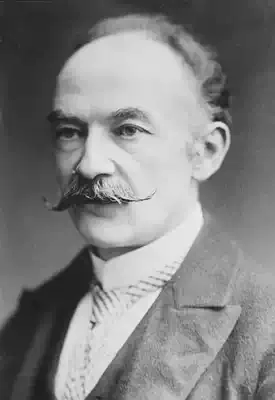
Thomas Hardy
Thoughts of Phena
Thoughts of Phena
at news of her death
Not a line of her writing have I
Not a thread of her hair,
No mark of her late time as dame in her dwelling, whereby
I may picture her there;
And in vain do I urge my unsight
To conceive my lost prize
At her close, whom I knew when her dreams were upbrimming with light
And with laughter her eyes.
What scenes spread around her last days,
Sad, shining, or dim?
Did her gifts and compassions enray and enarch her sweet ways
With an aureate nimb?
Or did life-light decline from her years,
And mischances control
Her full day-star; unease, or regret, or forebodings, or fears
Disennoble her soul?
Thus I do but the phantom retain
Of the maiden of yore
As my relic; yet haply the best of her--fined in my brain
It may be the more
That no line of her writing have I,
Nor a thread of her hair,
No mark of her late time as dame in her dwelling, whereby
I may picture her there.
March .
at news of her death
Not a line of her writing have I
Not a thread of her hair,
No mark of her late time as dame in her dwelling, whereby
I may picture her there;
And in vain do I urge my unsight
To conceive my lost prize
At her close, whom I knew when her dreams were upbrimming with light
And with laughter her eyes.
What scenes spread around her last days,
Sad, shining, or dim?
Did her gifts and compassions enray and enarch her sweet ways
With an aureate nimb?
Or did life-light decline from her years,
And mischances control
Her full day-star; unease, or regret, or forebodings, or fears
Disennoble her soul?
Thus I do but the phantom retain
Of the maiden of yore
As my relic; yet haply the best of her--fined in my brain
It may be the more
That no line of her writing have I,
Nor a thread of her hair,
No mark of her late time as dame in her dwelling, whereby
I may picture her there.
March .
309
Thomas Hardy
The Voice
The Voice
Woman much missed, how you call to me, call to me,
Saying that now you are not as you were
When you had changed from the one who was all to me,
But as at first, when our day was fair.
Can it be you that I hear? Let me view you, then,
Standing as when I drew near to the town
Where you would wait for me: yes, as I knew you then,
Even to the original air-blue gown!
Or is it only the breeze, in its listlessness
Travelling across the wet mead to me here,
You being ever dissolved to wan wistlessness,
Heard no more again far or near?
Thus I; faltering forward,
Leaves around me falling,
Wind oozing thin through the thorn from norward,
And the woman calling.
Woman much missed, how you call to me, call to me,
Saying that now you are not as you were
When you had changed from the one who was all to me,
But as at first, when our day was fair.
Can it be you that I hear? Let me view you, then,
Standing as when I drew near to the town
Where you would wait for me: yes, as I knew you then,
Even to the original air-blue gown!
Or is it only the breeze, in its listlessness
Travelling across the wet mead to me here,
You being ever dissolved to wan wistlessness,
Heard no more again far or near?
Thus I; faltering forward,
Leaves around me falling,
Wind oozing thin through the thorn from norward,
And the woman calling.
349
Thomas Hardy
The Self-Unseeing
The Self-Unseeing
Here is the ancient floor,
Footworn and hollowed and thin,
Here was the former door
Where the dead feet walked in.
She sat here in her chair,
Smiling into the fire;
He who played stood there,
Bowing it higher and higher.
Childlike, I danced in a dream;
Blessings emblazoned that day;
Everything glowed with a gleam;
Yet we were looking away!
Here is the ancient floor,
Footworn and hollowed and thin,
Here was the former door
Where the dead feet walked in.
She sat here in her chair,
Smiling into the fire;
He who played stood there,
Bowing it higher and higher.
Childlike, I danced in a dream;
Blessings emblazoned that day;
Everything glowed with a gleam;
Yet we were looking away!
263
Thomas Hardy
The Rambler
The Rambler
I do not see the hills around,
Nor mark the tints the copses wear;
I do not note the grassy ground
And constellated daisies there.
I hear not the contralto note
Of cuckoos hid on either hand,
The whirr that shakes the nighthawk's throat
When eve's brown awning hoods the land.
Some say each songster, tree and mead--
All eloquent of love divine--
Receives their constant careful heed:
Such keen appraisement is not mine.
The tones around me that I hear,
The aspects, meanings, shapes I see,
Are those far back ones missed when near,
And now perceived too late by me!
I do not see the hills around,
Nor mark the tints the copses wear;
I do not note the grassy ground
And constellated daisies there.
I hear not the contralto note
Of cuckoos hid on either hand,
The whirr that shakes the nighthawk's throat
When eve's brown awning hoods the land.
Some say each songster, tree and mead--
All eloquent of love divine--
Receives their constant careful heed:
Such keen appraisement is not mine.
The tones around me that I hear,
The aspects, meanings, shapes I see,
Are those far back ones missed when near,
And now perceived too late by me!
258
Thomas Hardy
The Puzzled Game-Birds
The Puzzled Game-Birds
They are not those who used to feed us
When we were young--they cannot be -
These shapes that now bereave and bleed us?
They are not those who used to feed us, -
For would they not fair terms concede us?
- If hearts can house such treachery
They are not those who used to feed us
When we were young--they cannot be!
They are not those who used to feed us
When we were young--they cannot be -
These shapes that now bereave and bleed us?
They are not those who used to feed us, -
For would they not fair terms concede us?
- If hearts can house such treachery
They are not those who used to feed us
When we were young--they cannot be!
268
Thomas Hardy
The Last Chrysanthemum
The Last Chrysanthemum
Why should this flower delay so long
To show its tremulous plumes?
Now is the time of plaintive robin-song,
When flowers are in their tombs.
Through the slow summer, when the sun
Called to each frond and whorl
That all he could for flowers was being done,
Why did it not uncurl?
It must have felt that fervid call
Although it took no heed,
Waking but now, when leaves like corpses fall,
And saps all retrocede.
Too late its beauty, lonely thing,
The season's shine is spent,
Nothing remains for it but shivering
In tempests turbulent.
Had it a reason for delay,
Dreaming in witlessness
That for a bloom so delicately gay
Winter would stay its stress?
- I talk as if the thing were born
With sense to work its mind;
Yet it is but one mask of many worn
By the Great Face behind.
Why should this flower delay so long
To show its tremulous plumes?
Now is the time of plaintive robin-song,
When flowers are in their tombs.
Through the slow summer, when the sun
Called to each frond and whorl
That all he could for flowers was being done,
Why did it not uncurl?
It must have felt that fervid call
Although it took no heed,
Waking but now, when leaves like corpses fall,
And saps all retrocede.
Too late its beauty, lonely thing,
The season's shine is spent,
Nothing remains for it but shivering
In tempests turbulent.
Had it a reason for delay,
Dreaming in witlessness
That for a bloom so delicately gay
Winter would stay its stress?
- I talk as if the thing were born
With sense to work its mind;
Yet it is but one mask of many worn
By the Great Face behind.
311
Thomas Hardy
The House of Hospitalities
The House of Hospitalities
Here we broached the Christmas barrel,
Pushed up the charred log-ends;
Here we sang the Christmas carol,
And called in friends.
Time has tired me since we met here
When the folk now dead were young,
And the viands were outset here
And quaint songs sung.
And the worm has bored the viol
That used to lead the tune,
Rust eaten out the dial
That struck night's noon.
Now no Christmas brings in neighbours,
And the New Year comes unlit;
Where we sang the mole now labours,
And spiders knit.
Yet at midnight if here walking,
When the moon sheets wall and tree,
I see forms of old time talking,
Who smile on me.
Here we broached the Christmas barrel,
Pushed up the charred log-ends;
Here we sang the Christmas carol,
And called in friends.
Time has tired me since we met here
When the folk now dead were young,
And the viands were outset here
And quaint songs sung.
And the worm has bored the viol
That used to lead the tune,
Rust eaten out the dial
That struck night's noon.
Now no Christmas brings in neighbours,
And the New Year comes unlit;
Where we sang the mole now labours,
And spiders knit.
Yet at midnight if here walking,
When the moon sheets wall and tree,
I see forms of old time talking,
Who smile on me.
207
Thomas Hardy
The Ghost of the Past
The Ghost of the Past
We two kept house, the Past and I,
The Past and I;
I tended while it hovered nigh,
Leaving me never alone.
It was a spectral housekeeping
Where fell no jarring tone,
As strange, as still a housekeeping
As ever has been known.
As daily I went up the stair,
And down the stair,
I did not mind the Bygone there --
The Present once to me;
Its moving meek companionship
I wished might ever be,
There was in that companionship
Something of ecstasy.
It dwelt with me just as it was,
Just as it was
When first its prospects gave me pause
In wayward wanderings,
Before the years had torn old troths
As they tear all sweet things,
Before gaunt griefs had torn old troths
And dulled old rapturings.
And then its form began to fade,
Began to fade,
Its gentle echoes faintlier played
At eves upon my ear
Than when the autumn's look embrowned
The lonely chambers here,
The autumn's settling shades embrowned
Nooks that it haunted near.
And so with time my vision less,
Yea, less and less
Makes of that Past my housemistress,
It dwindles in my eye;
It looms a far-off skeleton
And not a comrade nigh,
A fitful far-off skeleton
Dimming as days draw by.
We two kept house, the Past and I,
The Past and I;
I tended while it hovered nigh,
Leaving me never alone.
It was a spectral housekeeping
Where fell no jarring tone,
As strange, as still a housekeeping
As ever has been known.
As daily I went up the stair,
And down the stair,
I did not mind the Bygone there --
The Present once to me;
Its moving meek companionship
I wished might ever be,
There was in that companionship
Something of ecstasy.
It dwelt with me just as it was,
Just as it was
When first its prospects gave me pause
In wayward wanderings,
Before the years had torn old troths
As they tear all sweet things,
Before gaunt griefs had torn old troths
And dulled old rapturings.
And then its form began to fade,
Began to fade,
Its gentle echoes faintlier played
At eves upon my ear
Than when the autumn's look embrowned
The lonely chambers here,
The autumn's settling shades embrowned
Nooks that it haunted near.
And so with time my vision less,
Yea, less and less
Makes of that Past my housemistress,
It dwindles in my eye;
It looms a far-off skeleton
And not a comrade nigh,
A fitful far-off skeleton
Dimming as days draw by.
192
Thomas Hardy
The Dream-Follower
The Dream-Follower
A dream of mine flew over the mead
To the halls where my old Love reigns;
And it drew me on to follow its lead:
And I stood at her window-panes;
And I saw but a thing of flesh and bone
Speeding on to its cleft in the clay;
And my dream was scared, and expired on a moan,
And I whitely hastened away.
A dream of mine flew over the mead
To the halls where my old Love reigns;
And it drew me on to follow its lead:
And I stood at her window-panes;
And I saw but a thing of flesh and bone
Speeding on to its cleft in the clay;
And my dream was scared, and expired on a moan,
And I whitely hastened away.
230
Thomas Hardy
In Vision I Roamed
In Vision I Roamed
IN vision I roamed the flashing Firmament,
So fierce in blazon that the Night waxed wan,
As though with an awed sense of such ostent;
And as I thought my spirit ranged on and on
In footless traverse through ghast heights of sky,
To the last chambers of the monstrous Dome,
Where stars the brightest here to darkness die:
Then, any spot on our own Earth seemed Home!
And the sick grief that you were far away
Grew pleasant thankfulness that you were near,
Who might have been, set on some outstep sphere,
Less than a Want to me, as day by day
I lived unware, uncaring all that lay
Locked in that Universe taciturn and drear.
IN vision I roamed the flashing Firmament,
So fierce in blazon that the Night waxed wan,
As though with an awed sense of such ostent;
And as I thought my spirit ranged on and on
In footless traverse through ghast heights of sky,
To the last chambers of the monstrous Dome,
Where stars the brightest here to darkness die:
Then, any spot on our own Earth seemed Home!
And the sick grief that you were far away
Grew pleasant thankfulness that you were near,
Who might have been, set on some outstep sphere,
Less than a Want to me, as day by day
I lived unware, uncaring all that lay
Locked in that Universe taciturn and drear.
274
Thomas Hardy
In A Eweleaze Near Weatherbury
In A Eweleaze Near Weatherbury
THE years have gathered grayly
Since I danced upon this leaze
With one who kindled gayly
Love's fitful ecstasies!
But despite the term as teacher,
I remain what I was then
In each essential feature
Of the fantasies of men.
Yet I note the little chisel
Of ever-napping Time,
Defacing ghast and grizzel
The blazon of my prime.
When at night he thinks me sleeping,
I feel him boring sly
Within my bones, and heaping
Quaintest pains for by-and-by.
Still, I'd go the world with Beauty,
I would laugh with her and sing,
I would shun divinest duty
To resume her worshipping.
But she'd scorn my brave endeavor,
She would not balm the breeze
By murmuring, "Thine for ever!"
As she did upon this leaze.
THE years have gathered grayly
Since I danced upon this leaze
With one who kindled gayly
Love's fitful ecstasies!
But despite the term as teacher,
I remain what I was then
In each essential feature
Of the fantasies of men.
Yet I note the little chisel
Of ever-napping Time,
Defacing ghast and grizzel
The blazon of my prime.
When at night he thinks me sleeping,
I feel him boring sly
Within my bones, and heaping
Quaintest pains for by-and-by.
Still, I'd go the world with Beauty,
I would laugh with her and sing,
I would shun divinest duty
To resume her worshipping.
But she'd scorn my brave endeavor,
She would not balm the breeze
By murmuring, "Thine for ever!"
As she did upon this leaze.
220
Thomas Hardy
Genoa and the Mediterranean.
Genoa and the Mediterranean.
O epic-famed, god-haunted Central Sea,
Heave careless of the deep wrong done to thee
When from Torino's track I saw thy face first flash on me.
And multimarbled Genova the Proud,
Gleam all unconscious how, wide-lipped, up-browed,
I first beheld thee clad--not as the Beauty but the Dowd.
Out from a deep-delved way my vision lit
On housebacks pink, green, ochreous--where a slit
Shoreward 'twixt row and row revealed the classic blue through it.
And thereacross waved fishwives' high-hung smocks,
Chrome kerchiefs, scarlet hose, darned underfrocks;
Since when too oft my dreams of thee, O Queen, that frippery mocks:
Whereat I grieve, Superba! . . . Afterhours
Within Palazzo Doria's orange bowers
Went far to mend these marrings of thy soul-subliming powers.
But, Queen, such squalid undress none should see,
Those dream-endangering eyewounds no more be
Where lovers first behold thy form in pilgrimage to thee.
O epic-famed, god-haunted Central Sea,
Heave careless of the deep wrong done to thee
When from Torino's track I saw thy face first flash on me.
And multimarbled Genova the Proud,
Gleam all unconscious how, wide-lipped, up-browed,
I first beheld thee clad--not as the Beauty but the Dowd.
Out from a deep-delved way my vision lit
On housebacks pink, green, ochreous--where a slit
Shoreward 'twixt row and row revealed the classic blue through it.
And thereacross waved fishwives' high-hung smocks,
Chrome kerchiefs, scarlet hose, darned underfrocks;
Since when too oft my dreams of thee, O Queen, that frippery mocks:
Whereat I grieve, Superba! . . . Afterhours
Within Palazzo Doria's orange bowers
Went far to mend these marrings of thy soul-subliming powers.
But, Queen, such squalid undress none should see,
Those dream-endangering eyewounds no more be
Where lovers first behold thy form in pilgrimage to thee.
211
Thomas Hardy
Ditty
Ditty
(E. L. G.)
BENEATH a knap where flown
Nestlings play,
Within walls of weathered stone,
Far away
From the files of formal houses,
By the bough the firstling browses,
Lives a Sweet: no merchants meet,
No man barters, no man sells
Where she dwells.
Upon that fabric fair
"Here is she!"
Seems written everywhere
Unto me.
But to friends and nodding neighbors,
Fellow wights in lot and labors,
Who descry the times as I,
No such lucid legend tells
Where she dwells.
Should I lapse to what I was
In days by--
(Such cannot be, but because
Some loves die
Let me feign it)--none would notice
That where she I know by rote is
Spread a strange and withering change,
Like a drying of the wells
Where she dwells.
To feel I might have kissed--
Loved as true--
Otherwhere, nor Mine have missed
My life through,
Had I never wandered near her,
Is a smart severe--severer
In the thought that she is nought,
Even as I, beyond the dells
Where she dwells.
And Devotion droops her glance
To recall
What bond-servants of Chance
We are all.
I but found her in that, going
On my errant path unknowing,
I did not out-skirt the spot
That no spot on earth excels--
Where she dwells!
(E. L. G.)
BENEATH a knap where flown
Nestlings play,
Within walls of weathered stone,
Far away
From the files of formal houses,
By the bough the firstling browses,
Lives a Sweet: no merchants meet,
No man barters, no man sells
Where she dwells.
Upon that fabric fair
"Here is she!"
Seems written everywhere
Unto me.
But to friends and nodding neighbors,
Fellow wights in lot and labors,
Who descry the times as I,
No such lucid legend tells
Where she dwells.
Should I lapse to what I was
In days by--
(Such cannot be, but because
Some loves die
Let me feign it)--none would notice
That where she I know by rote is
Spread a strange and withering change,
Like a drying of the wells
Where she dwells.
To feel I might have kissed--
Loved as true--
Otherwhere, nor Mine have missed
My life through,
Had I never wandered near her,
Is a smart severe--severer
In the thought that she is nought,
Even as I, beyond the dells
Where she dwells.
And Devotion droops her glance
To recall
What bond-servants of Chance
We are all.
I but found her in that, going
On my errant path unknowing,
I did not out-skirt the spot
That no spot on earth excels--
Where she dwells!
287
Thomas Hardy
An Ancient to Ancients
An Ancient to Ancients
Where once we danced, where once we sang,
Gentlemen,
The floors are sunken, cobwebs hang,
And cracks creep; worms have fed upon
The doors. Yea, sprightlier times were then
Than now, with harps and tabrets gone,
Gentlemen!
Where once we rowed, where once we sailed,
Gentlemen,
And damsels took the tiller, veiled
Against too strong a stare (God wot
Their fancy, then or anywhen!)
Upon that shore we are clean forgot,
Gentlemen!
We have lost somewhat of that, afar and near,
Gentlemen,
The thinning of our ranks each year
Affords a hint we are nigh undone,
That shall not be ever again
The marked of many, loved of one,
Gentlemen.
In dance the polka hit our wish,
Gentlemen,
The paced quadrille, the spry schottische,
"Sir Roger."--And in opera spheres
The "Girl" (the famed "Bohemian"),
And "Trovatore" held the ears,
Gentlemen.
This season's paintings do not please,
Gentlemen
Like Etty, Mulready, Maclise;
Throbbing romance had waned and wanned;
No wizard wields the witching pen
Of Bulwer, Scott, Dumas, and Sand,
Gentlemen.
The bower we shrined to Tennyson,
Gentlemen,
Is roof-wrecked; damps there drip upon
Sagged seats, the creeper-nails are rust,
The spider is sole denizen;
Even she who voiced those rhymes is dust,
Gentlemen!
We who met sunrise sanguine-souled,
Gentlemen,
Are wearing weary. We are old;
These younger press; we feel our rout
Is imminent to Aïdes' den,--
That evening shades are stretching out,
Gentlemen!
And yet, though ours be failing frames,
Gentlemen,
So were some others' history names,
Who trode their track light-limbed and fast
As these youth, and not alien
From enterprise, to their long last,
Gentlemen.
Sophocles, Plato, Socrates,
Gentlemen,
Pythagoras, Thucydides,
Herodotus, and Homer,--yea,
Clement, Augustin, Origen,
Burnt brightlier towards their setting-day,
Gentlemen.
And ye, red-lipped and smooth-browed; list,
Gentlemen;
Much is there waits you we have missed;
Much lore we leave you worth the knowing,
Much, much has lain outside our ken;
Nay, rush not: time serves: we are going,
Gentlemen.
Where once we danced, where once we sang,
Gentlemen,
The floors are sunken, cobwebs hang,
And cracks creep; worms have fed upon
The doors. Yea, sprightlier times were then
Than now, with harps and tabrets gone,
Gentlemen!
Where once we rowed, where once we sailed,
Gentlemen,
And damsels took the tiller, veiled
Against too strong a stare (God wot
Their fancy, then or anywhen!)
Upon that shore we are clean forgot,
Gentlemen!
We have lost somewhat of that, afar and near,
Gentlemen,
The thinning of our ranks each year
Affords a hint we are nigh undone,
That shall not be ever again
The marked of many, loved of one,
Gentlemen.
In dance the polka hit our wish,
Gentlemen,
The paced quadrille, the spry schottische,
"Sir Roger."--And in opera spheres
The "Girl" (the famed "Bohemian"),
And "Trovatore" held the ears,
Gentlemen.
This season's paintings do not please,
Gentlemen
Like Etty, Mulready, Maclise;
Throbbing romance had waned and wanned;
No wizard wields the witching pen
Of Bulwer, Scott, Dumas, and Sand,
Gentlemen.
The bower we shrined to Tennyson,
Gentlemen,
Is roof-wrecked; damps there drip upon
Sagged seats, the creeper-nails are rust,
The spider is sole denizen;
Even she who voiced those rhymes is dust,
Gentlemen!
We who met sunrise sanguine-souled,
Gentlemen,
Are wearing weary. We are old;
These younger press; we feel our rout
Is imminent to Aïdes' den,--
That evening shades are stretching out,
Gentlemen!
And yet, though ours be failing frames,
Gentlemen,
So were some others' history names,
Who trode their track light-limbed and fast
As these youth, and not alien
From enterprise, to their long last,
Gentlemen.
Sophocles, Plato, Socrates,
Gentlemen,
Pythagoras, Thucydides,
Herodotus, and Homer,--yea,
Clement, Augustin, Origen,
Burnt brightlier towards their setting-day,
Gentlemen.
And ye, red-lipped and smooth-browed; list,
Gentlemen;
Much is there waits you we have missed;
Much lore we leave you worth the knowing,
Much, much has lain outside our ken;
Nay, rush not: time serves: we are going,
Gentlemen.
288
Thomas Hardy
A Spot
A Spot
In years defaced and lost,
Two sat here, transport-tossed,
Lit by a living love
The wilted world knew nothing of:
Scared momently
By gaingivings,
Then hoping things
That could not be.
Of love and us no trace
Abides upon the place;
The sun and shadows wheel,
Season and season sereward steal;
Foul days and fair
Here, too, prevail,
And gust and gale
As everywhere.
But lonely shepherd souls
Who bask amid these knolls
May catch a faery sound
On sleepy noontides from the ground:
"O not again
Till Earth outwears
Shall love like theirs
Suffuse this glen!"
In years defaced and lost,
Two sat here, transport-tossed,
Lit by a living love
The wilted world knew nothing of:
Scared momently
By gaingivings,
Then hoping things
That could not be.
Of love and us no trace
Abides upon the place;
The sun and shadows wheel,
Season and season sereward steal;
Foul days and fair
Here, too, prevail,
And gust and gale
As everywhere.
But lonely shepherd souls
Who bask amid these knolls
May catch a faery sound
On sleepy noontides from the ground:
"O not again
Till Earth outwears
Shall love like theirs
Suffuse this glen!"
287

Siegfried Sassoon
The Investiture
The Investiture
GOD with a Roll of Honour in His hand
Sits welcoming the heroes who have died,
While sorrowless angels ranked on either side
Stand easy in Elysium’s meadow-land.
Then you come shyly through the garden gate,
Wearing a blood-soaked bandage on your head;
And God says something kind because you’re dead,
And homesick, discontented with your fate.
If I were there we’d snowball Death with skulls;
Or ride away to hunt in Devil’s Wood
With ghosts of puppies that we walked of old.
But you’re alone; and solitude annuls
Our earthly jokes; and strangely wise and good
You roam forlorn along the streets of gold.
GOD with a Roll of Honour in His hand
Sits welcoming the heroes who have died,
While sorrowless angels ranked on either side
Stand easy in Elysium’s meadow-land.
Then you come shyly through the garden gate,
Wearing a blood-soaked bandage on your head;
And God says something kind because you’re dead,
And homesick, discontented with your fate.
If I were there we’d snowball Death with skulls;
Or ride away to hunt in Devil’s Wood
With ghosts of puppies that we walked of old.
But you’re alone; and solitude annuls
Our earthly jokes; and strangely wise and good
You roam forlorn along the streets of gold.
124
Siegfried Sassoon
The Last Meeting
The Last Meeting
I
Because the night was falling warm and still
Upon a golden day at April’s end,
I thought; I will go up the hill once more
To find the face of him that I have lost,
And speak with him before his ghost has flown
Far from the earth that might not keep him long.
So down the road I went, pausing to see
How slow the dusk drew on, and how the folk
Loitered about their doorways, well-content
With the fine weather and the waxing year.
The miller’s house, that glimmered with grey walls,
Turned me aside; and for a while I leaned
Along the tottering rail beside the bridge
To watch the dripping mill-wheel green with damp.
The miller peered at me with shadowed eyes
And pallid face: I could not hear his voice
For sound of the weir’s plunging. He was old.
His days went round with the unhurrying wheel.
Moving along the street, each side I saw
The humble, kindly folk in lamp-lit rooms;
Children at table; simple, homely wives;
Strong, grizzled men; and soldiers back from war,
Scaring the gaping elders with loud talk.
Soon all the jumbled roofs were down the hill,
And I was turning up the grassy lane
That goes to the big, empty house that stands
Above the town, half-hid by towering trees.
I looked below and saw the glinting lights:
I heard the treble cries of bustling life,
And mirth, and scolding; and the grind of wheels.
An engine whistled, piercing-shrill, and called
High echoes from the sombre slopes afar;
Then a long line of trucks began to move.
It was quite still; the columned chestnuts stood
Dark in their noble canopies of leaves.
I thought: ‘A little longer I’ll delay,
And then he’ll be more glad to hear my feet,
And with low laughter ask me why I’m late.
The place will be too dim to show his eyes,
But he will loom above me like a tree,
With lifted arms and body tall and strong.’
There stood the empty house; a ghostly hulk
Becalmed and huge, massed in the mantling dark,
As builders left it when quick-shattering war
Leapt upon France and called her men to fight.
Lightly along the terraces I trod,
Crunching the rubble till I found the door
That gaped in twilight, framing inward gloom.
An owl flew out from under the high eaves
To vanish secretly among the firs,
Where lofty boughs netted the gleam of stars.
I stumbled in; the dusty floors were strewn
With cumbering piles of planks and props and beams;
Tall windows gapped the walls; the place was free
To every searching gust and jousting gale;
But now they slept; I was afraid to speak,
And heavily the shadows crowded in.
I called him, once; then listened: nothing moved:
Only my thumping heart beat out the time.
Whispering his name, I groped from room to room.
Quite empty was that house; it could not hold
His human ghost, remembered in the love
That strove in vain to be companioned still.
II
Blindly I sought the woods that I had known
So beautiful with morning when I came
Amazed with spring that wove the hazel twigs
With misty raiment of awakening green.
I found a holy dimness, and the peace
Of sanctuary, austerely built of trees,
And wonder stooping from the tranquil sky.
Ah! but there was no need to call his name.
He was beside me now, as swift as light.
I knew him crushed to earth in scentless flowers,
And lifted in the rapture of dark pines.
‘For now,’ he said, ‘my spirit has more eyes
Than heaven has stars; and they are lit by love.
My body is the magic of the world,
And dawn and sunset flame with my spilt blood.
My breath is the great wind, and I am filled
With molten power and surge of the bright waves
That chant my doom along the ocean’s edge.
‘Look in the faces of the flowers and find
The innocence that shrives me; stoop to the stream
That you may share the wisdom of my peace.
For talking water travels undismayed.
The luminous willows lean to it with tales
Of the young earth; and swallows dip their wings
Where showering hawthorn strews the lanes of light.
‘I can remember summer in one thought
Of wind-swept green, and deeps of melting blue,
And scent of limes in bloom; and I can hear
Distinct the early mower in the grass,
Whetting his blade along some morn of June.
‘For I was born to the round world’s delight,
And knowledge of enfolding motherhood,
Whose tenderness, that shines through constant toil,
Gathers the naked children to her knees.
In death I can remember how she came
To kiss me while I slept; still I can share
The glee of childhood; and the fleeting gloom
When all my flowers were washed with rain of tears.
‘I triumph in the choruses of birds,
Bursting like April buds in gyres of song.
My meditations are the blaze of noon
On silent woods, where glory burns the leaves.
I have shared breathless vigils; I have slaked
The thirst of my desires in bounteous rain
Pouring and splashing downward through the dark.
Loud storm has roused me with its winking glare,
And voice of doom that crackles overhead.
I have been tired and watchful, craving rest,
Till the slow-footed hours have touched my brows
And laid me on the breast of sundering sleep.’
III
I know that he is lost among the stars,
And may return no more but in their light.
Though his hushed voice may call me in the stir
Of whispering trees, I shall not understand.
Men may not speak with stillness; and the joy
Of brooks that leap and tumble down green hills
Is faster than their feet; and all their thoughts
Can win no meaning from the talk of birds.
My heart is fooled with fancies, being wise;
For fancy is the gleaming of wet flowers
When the hid sun looks forth with golden stare.
Thus, when I find new loveliness to praise,
And things long-known shine out in sudden grace,
Then will I think: ‘He moves before me now.’
So he will never come but in delight,
And, as it was in life, his name shall be
Wonder awaking in a summer dawn,
And youth, that dying, touched my lips to song.
Flixécourt. May .
I
Because the night was falling warm and still
Upon a golden day at April’s end,
I thought; I will go up the hill once more
To find the face of him that I have lost,
And speak with him before his ghost has flown
Far from the earth that might not keep him long.
So down the road I went, pausing to see
How slow the dusk drew on, and how the folk
Loitered about their doorways, well-content
With the fine weather and the waxing year.
The miller’s house, that glimmered with grey walls,
Turned me aside; and for a while I leaned
Along the tottering rail beside the bridge
To watch the dripping mill-wheel green with damp.
The miller peered at me with shadowed eyes
And pallid face: I could not hear his voice
For sound of the weir’s plunging. He was old.
His days went round with the unhurrying wheel.
Moving along the street, each side I saw
The humble, kindly folk in lamp-lit rooms;
Children at table; simple, homely wives;
Strong, grizzled men; and soldiers back from war,
Scaring the gaping elders with loud talk.
Soon all the jumbled roofs were down the hill,
And I was turning up the grassy lane
That goes to the big, empty house that stands
Above the town, half-hid by towering trees.
I looked below and saw the glinting lights:
I heard the treble cries of bustling life,
And mirth, and scolding; and the grind of wheels.
An engine whistled, piercing-shrill, and called
High echoes from the sombre slopes afar;
Then a long line of trucks began to move.
It was quite still; the columned chestnuts stood
Dark in their noble canopies of leaves.
I thought: ‘A little longer I’ll delay,
And then he’ll be more glad to hear my feet,
And with low laughter ask me why I’m late.
The place will be too dim to show his eyes,
But he will loom above me like a tree,
With lifted arms and body tall and strong.’
There stood the empty house; a ghostly hulk
Becalmed and huge, massed in the mantling dark,
As builders left it when quick-shattering war
Leapt upon France and called her men to fight.
Lightly along the terraces I trod,
Crunching the rubble till I found the door
That gaped in twilight, framing inward gloom.
An owl flew out from under the high eaves
To vanish secretly among the firs,
Where lofty boughs netted the gleam of stars.
I stumbled in; the dusty floors were strewn
With cumbering piles of planks and props and beams;
Tall windows gapped the walls; the place was free
To every searching gust and jousting gale;
But now they slept; I was afraid to speak,
And heavily the shadows crowded in.
I called him, once; then listened: nothing moved:
Only my thumping heart beat out the time.
Whispering his name, I groped from room to room.
Quite empty was that house; it could not hold
His human ghost, remembered in the love
That strove in vain to be companioned still.
II
Blindly I sought the woods that I had known
So beautiful with morning when I came
Amazed with spring that wove the hazel twigs
With misty raiment of awakening green.
I found a holy dimness, and the peace
Of sanctuary, austerely built of trees,
And wonder stooping from the tranquil sky.
Ah! but there was no need to call his name.
He was beside me now, as swift as light.
I knew him crushed to earth in scentless flowers,
And lifted in the rapture of dark pines.
‘For now,’ he said, ‘my spirit has more eyes
Than heaven has stars; and they are lit by love.
My body is the magic of the world,
And dawn and sunset flame with my spilt blood.
My breath is the great wind, and I am filled
With molten power and surge of the bright waves
That chant my doom along the ocean’s edge.
‘Look in the faces of the flowers and find
The innocence that shrives me; stoop to the stream
That you may share the wisdom of my peace.
For talking water travels undismayed.
The luminous willows lean to it with tales
Of the young earth; and swallows dip their wings
Where showering hawthorn strews the lanes of light.
‘I can remember summer in one thought
Of wind-swept green, and deeps of melting blue,
And scent of limes in bloom; and I can hear
Distinct the early mower in the grass,
Whetting his blade along some morn of June.
‘For I was born to the round world’s delight,
And knowledge of enfolding motherhood,
Whose tenderness, that shines through constant toil,
Gathers the naked children to her knees.
In death I can remember how she came
To kiss me while I slept; still I can share
The glee of childhood; and the fleeting gloom
When all my flowers were washed with rain of tears.
‘I triumph in the choruses of birds,
Bursting like April buds in gyres of song.
My meditations are the blaze of noon
On silent woods, where glory burns the leaves.
I have shared breathless vigils; I have slaked
The thirst of my desires in bounteous rain
Pouring and splashing downward through the dark.
Loud storm has roused me with its winking glare,
And voice of doom that crackles overhead.
I have been tired and watchful, craving rest,
Till the slow-footed hours have touched my brows
And laid me on the breast of sundering sleep.’
III
I know that he is lost among the stars,
And may return no more but in their light.
Though his hushed voice may call me in the stir
Of whispering trees, I shall not understand.
Men may not speak with stillness; and the joy
Of brooks that leap and tumble down green hills
Is faster than their feet; and all their thoughts
Can win no meaning from the talk of birds.
My heart is fooled with fancies, being wise;
For fancy is the gleaming of wet flowers
When the hid sun looks forth with golden stare.
Thus, when I find new loveliness to praise,
And things long-known shine out in sudden grace,
Then will I think: ‘He moves before me now.’
So he will never come but in delight,
And, as it was in life, his name shall be
Wonder awaking in a summer dawn,
And youth, that dying, touched my lips to song.
Flixécourt. May .
98
Siegfried Sassoon
Concert Party
Concert Party
(EGYPTIAN BASE CAMP)
They are gathering round....
Out of the twilight; over the grey-blue sand,
Shoals of low-jargoning men drift inward to the sound—
The jangle and throb of a piano ... tum-ti-tum...
Drawn by a lamp, they come
Out of the glimmering lines of their tents, over the shuffling sand.
O sing us the songs, the songs of our own land,
You warbling ladies in white.
Dimness conceals the hunger in our faces,
This wall of faces risen out of the night,
These eyes that keep their memories of the places
So long beyond their sight.
Jaded and gay, the ladies sing; and the chap in brown
Tilts his grey hat; jaunty and lean and pale,
He rattles the keys ... some actor-bloke from town...
God send you home; and then A long, long trail;
I hear you calling me; and Dixieland....
Sing slowly ... now the chorus ... one by one
We hear them, drink them; till the concert’s done.
Silent, I watch the shadowy mass of soldiers stand.
Silent, they drift away, over the glimmering sand.
Kantara, April .
(EGYPTIAN BASE CAMP)
They are gathering round....
Out of the twilight; over the grey-blue sand,
Shoals of low-jargoning men drift inward to the sound—
The jangle and throb of a piano ... tum-ti-tum...
Drawn by a lamp, they come
Out of the glimmering lines of their tents, over the shuffling sand.
O sing us the songs, the songs of our own land,
You warbling ladies in white.
Dimness conceals the hunger in our faces,
This wall of faces risen out of the night,
These eyes that keep their memories of the places
So long beyond their sight.
Jaded and gay, the ladies sing; and the chap in brown
Tilts his grey hat; jaunty and lean and pale,
He rattles the keys ... some actor-bloke from town...
God send you home; and then A long, long trail;
I hear you calling me; and Dixieland....
Sing slowly ... now the chorus ... one by one
We hear them, drink them; till the concert’s done.
Silent, I watch the shadowy mass of soldiers stand.
Silent, they drift away, over the glimmering sand.
Kantara, April .
94
Siegfried Sassoon
An Old French Poet
An Old French Poet
When in your sober mood my body have ye laid
In sight and sound of things beloved, woodland and stream,
And the green turf has hidden the poor bones ye deem
No more a close companion with those rhymes we made;
Then, if some bird should pipe, or breezes stir the glade,
Thinking them for the while my voice, so let them seem
A fading message from the misty shores of dream,
Or wheresoever, following Death, my feet have strayed.
When in your sober mood my body have ye laid
In sight and sound of things beloved, woodland and stream,
And the green turf has hidden the poor bones ye deem
No more a close companion with those rhymes we made;
Then, if some bird should pipe, or breezes stir the glade,
Thinking them for the while my voice, so let them seem
A fading message from the misty shores of dream,
Or wheresoever, following Death, my feet have strayed.
115
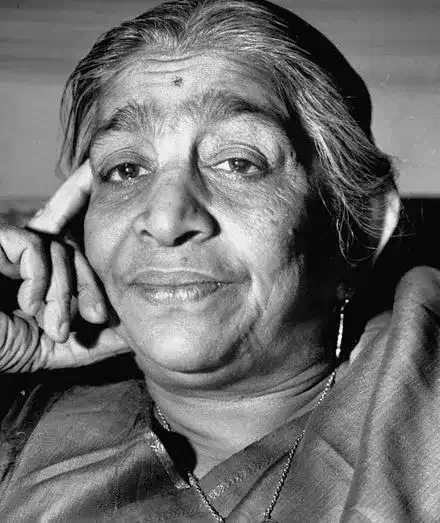
Sarojini Naidu
To A Buddha Seated On A Lotus
To A Buddha Seated On A Lotus
LORD BUDDHA, on thy Lotus-throne,
With praying eyes and hands elate,
What mystic rapture dost thou own,
Immutable and ultimate?
What peace, unravished of our ken,
Annihilate from the world of men?
The wind of change for ever blows
Across the tumult of our way,
To-morrow's unborn griefs depose
The sorrows of our yesterday.
Dream yields to dream, strife follows strife,
And Death unweaves the webs of Life.
For us the travail and the heat,
The broken secrets of our pride,
The strenuous lessons of defeat,
The flower deferred, the fruit denied;
But not the peace, supremely won,
Lord Buddha, of thy Lotus-throne.
With futile hands we seek to gain
Our inaccessible desire,
Diviner summits to attain,
With faith that sinks and feet that tire;
But nought shall conquer or control
The heavenward hunger of our soul.
The end, elusive and afar,
Still lures us with its beckoning flight,
And all our mortal moments are
A session of the Infinite.
How shall we reach the great, unknown
Nirvana of thy Lotus-throne?
LORD BUDDHA, on thy Lotus-throne,
With praying eyes and hands elate,
What mystic rapture dost thou own,
Immutable and ultimate?
What peace, unravished of our ken,
Annihilate from the world of men?
The wind of change for ever blows
Across the tumult of our way,
To-morrow's unborn griefs depose
The sorrows of our yesterday.
Dream yields to dream, strife follows strife,
And Death unweaves the webs of Life.
For us the travail and the heat,
The broken secrets of our pride,
The strenuous lessons of defeat,
The flower deferred, the fruit denied;
But not the peace, supremely won,
Lord Buddha, of thy Lotus-throne.
With futile hands we seek to gain
Our inaccessible desire,
Diviner summits to attain,
With faith that sinks and feet that tire;
But nought shall conquer or control
The heavenward hunger of our soul.
The end, elusive and afar,
Still lures us with its beckoning flight,
And all our mortal moments are
A session of the Infinite.
How shall we reach the great, unknown
Nirvana of thy Lotus-throne?
546

Sarah Teasdale
The Years
The Years
To-night I close my eyes and see
A strange procession passing me --
The years before I saw your face
Go by me with a wistful grace;
They pass, the sensitive, shy years,
As one who strives to dance, half blind with tears.
The years went by and never knew
That each one brought me nearer you;
Their path was narrow and apart
And yet it led me to your heart --
Oh, sensitive, shy years, oh, lonely years,
That strove to sing with voices drowned in tears.
To-night I close my eyes and see
A strange procession passing me --
The years before I saw your face
Go by me with a wistful grace;
They pass, the sensitive, shy years,
As one who strives to dance, half blind with tears.
The years went by and never knew
That each one brought me nearer you;
Their path was narrow and apart
And yet it led me to your heart --
Oh, sensitive, shy years, oh, lonely years,
That strove to sing with voices drowned in tears.
475
Sarah Teasdale
The Garden
The Garden
My heart is a garden tired with autumn,
Heaped with bending asters and dahlias heavy and dark,
In the hazy sunshine, the garden remembers April,
The drench of rains and a snow-drop quick and clear as a spark;
Daffodils blowing in the cold wind of morning,
And golden tulips, goblets holding the rain --
The garden will be hushed with snow, forgotten soon, forgotten --
After the stillness, will spring come again?
My heart is a garden tired with autumn,
Heaped with bending asters and dahlias heavy and dark,
In the hazy sunshine, the garden remembers April,
The drench of rains and a snow-drop quick and clear as a spark;
Daffodils blowing in the cold wind of morning,
And golden tulips, goblets holding the rain --
The garden will be hushed with snow, forgotten soon, forgotten --
After the stillness, will spring come again?
730
Sarah Teasdale
Summer Night, Riverside
Summer Night, Riverside
In the wild, soft summer darkness
How many and many a night we two together
Sat in the park and watched the Hudson
Wearing her lights like golden spangles
Glinting on black satin.
The rail along the curving pathway
Was low in a happy place to let us cross,
And down the hill a tree that dripped with bloom
Sheltered us,
While your kisses and the flowers,
Falling, falling,
Tangled my hair. . . .
The frail white stars moved slowly over the sky.
And now, far off
In the fragrant darkness
The tree is tremulous again with bloom,
For June comes back.
To-night what girl
Dreamily before her mirror shakes from her hair
This year's blossoms, clinging in its coils?
In the wild, soft summer darkness
How many and many a night we two together
Sat in the park and watched the Hudson
Wearing her lights like golden spangles
Glinting on black satin.
The rail along the curving pathway
Was low in a happy place to let us cross,
And down the hill a tree that dripped with bloom
Sheltered us,
While your kisses and the flowers,
Falling, falling,
Tangled my hair. . . .
The frail white stars moved slowly over the sky.
And now, far off
In the fragrant darkness
The tree is tremulous again with bloom,
For June comes back.
To-night what girl
Dreamily before her mirror shakes from her hair
This year's blossoms, clinging in its coils?
470
Sarah Teasdale
September Midnights
September Midnights
Lyric night of the lingering Indian Summer,
Shadowy fields that are scentless but full of singing,
Never a bird, but the passionless chant of insects,
Ceaseless, insistent.
The grasshopper's horn, and far-off, high in the maples,
The wheel of a locust leisurely grinding the silence
Under a moon waning and worn, borken,
Tired with summer.
Let me remember you, voices of little insects,
Weeds in the moonlight, fields that are tangled with asters,
Let me remember, soon will the winter be on us,
Snow-hushed and heavy.
Over my soul murmur your mute benediction,
While I gaze, O fields that rest after harvest,
As those who part look long in the eyes they lean to,
Lest they forget them.
Lyric night of the lingering Indian Summer,
Shadowy fields that are scentless but full of singing,
Never a bird, but the passionless chant of insects,
Ceaseless, insistent.
The grasshopper's horn, and far-off, high in the maples,
The wheel of a locust leisurely grinding the silence
Under a moon waning and worn, borken,
Tired with summer.
Let me remember you, voices of little insects,
Weeds in the moonlight, fields that are tangled with asters,
Let me remember, soon will the winter be on us,
Snow-hushed and heavy.
Over my soul murmur your mute benediction,
While I gaze, O fields that rest after harvest,
As those who part look long in the eyes they lean to,
Lest they forget them.
343