

Poems in this topic
Past and Future
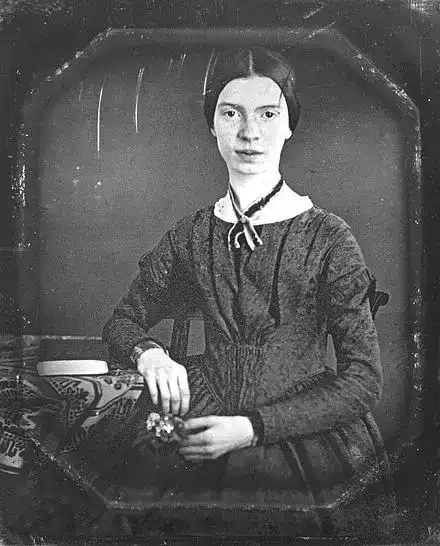
Emily Dickinson
I many times thought Peace had come
I many times thought Peace had come
739
I many times thought Peace had come
When Peace was far away-
As Wrecked Men-deem they sight the Land-
At Centre of the Sea-
And struggle slacker-but to prove
As hopelessly as I-
How many the fictitious Shores-
Before the Harbor be-
739
I many times thought Peace had come
When Peace was far away-
As Wrecked Men-deem they sight the Land-
At Centre of the Sea-
And struggle slacker-but to prove
As hopelessly as I-
How many the fictitious Shores-
Before the Harbor be-
289
Emily Dickinson
I had been hungry all the years-
I had been hungry all the years-
I had been hungry all the years-
My noon had come, to dine-
I, trembling, drew the table near
And touched the curious wine.
'T was this on tables I had seen
When turning, hungry, lone,
I looked in windows, for the wealth
I could not hope to own.
I did not know the ample bread,
'T was so unlike the crumb
The birds and I had often shared
In Nature's dining-room.
The plenty hurt me, 't was so new,--
Myself felt ill and odd,
As berry of a mountain bush
Transplanted to the road.
Nor was I hungry; so I found
That hunger was a way
Of persons outside windows,
The entering takes away.
I had been hungry all the years-
My noon had come, to dine-
I, trembling, drew the table near
And touched the curious wine.
'T was this on tables I had seen
When turning, hungry, lone,
I looked in windows, for the wealth
I could not hope to own.
I did not know the ample bread,
'T was so unlike the crumb
The birds and I had often shared
In Nature's dining-room.
The plenty hurt me, 't was so new,--
Myself felt ill and odd,
As berry of a mountain bush
Transplanted to the road.
Nor was I hungry; so I found
That hunger was a way
Of persons outside windows,
The entering takes away.
390
Emily Dickinson
How the Waters closed above Him
How the Waters closed above Him
923
How the Waters closed above Him
We shall never know-
How He stretched His Anguish to us
That-is covered too-
Spreads the Pond Her Base of Lilies
Bold above the Boy
Whose unclaimed Hat and Jacket
Sum the History-
923
How the Waters closed above Him
We shall never know-
How He stretched His Anguish to us
That-is covered too-
Spreads the Pond Her Base of Lilies
Bold above the Boy
Whose unclaimed Hat and Jacket
Sum the History-
284
Emily Dickinson
Finding is the first Act
Finding is the first Act
870
Finding is the first Act
The second, loss,
Third, Expedition for
The "Golden Fleece"
Fourth, no Discovery-
Fifth, no Crew-
Finally, no Golden FleeceJason-
sham-too.
870
Finding is the first Act
The second, loss,
Third, Expedition for
The "Golden Fleece"
Fourth, no Discovery-
Fifth, no Crew-
Finally, no Golden FleeceJason-
sham-too.
323
Emily Dickinson
Fame is the tine that Scholars leave
Fame is the tine that Scholars leave
866
Fame is the tine that Scholars leave
Upon their Setting Names-
The Iris not of Occident
That disappears as comes-
866
Fame is the tine that Scholars leave
Upon their Setting Names-
The Iris not of Occident
That disappears as comes-
278
Emily Dickinson
At last, to be identified!
At last, to be identified!
174
At last, to be identified!
At last, the lamps upon thy side
The rest of Life to see!
Past Midnight! Past the Morning Star!
Past Sunrise!
Ah, What leagues there were
Between our feet, and Day!
174
At last, to be identified!
At last, the lamps upon thy side
The rest of Life to see!
Past Midnight! Past the Morning Star!
Past Sunrise!
Ah, What leagues there were
Between our feet, and Day!
253
Emily Dickinson
As plan for Noon and plan for Night
As plan for Noon and plan for Night
960
As plan for Noon and plan for Night
So differ Life and Death
In positive Prospective-
The Foot upon the Earth
At Distance, and Achievement, strains,
The Foot upon the Grave
Makes effort at conclusion
Assisted faint of Love.
960
As plan for Noon and plan for Night
So differ Life and Death
In positive Prospective-
The Foot upon the Earth
At Distance, and Achievement, strains,
The Foot upon the Grave
Makes effort at conclusion
Assisted faint of Love.
209
Emily Dickinson
An ignorance a Sunset
An ignorance a Sunset
552
An ignorance a Sunset
Confer upon the Eye-
Of Territory-ColorCircumference-
Decay-
Its Amber Revelation
Exhilirate-Debase-
Omnipotence' inspection
Of Our inferior face-
And when the solemn features
Confirm-in Victory-
We start-as if detected
In Immortality-
552
An ignorance a Sunset
Confer upon the Eye-
Of Territory-ColorCircumference-
Decay-
Its Amber Revelation
Exhilirate-Debase-
Omnipotence' inspection
Of Our inferior face-
And when the solemn features
Confirm-in Victory-
We start-as if detected
In Immortality-
271
Emily Dickinson
A Cloud withdrew from the Sky
A Cloud withdrew from the Sky
895
A Cloud withdrew from the Sky
Superior Glory be
But that Cloud and its Auxiliaries
Are forever lost to me
Had I but further scanned
Had I secured the Glow
In an Hermetic Memory
It had availed me now.
Never to pass the Angel
With a glance and a Bow
Till I am firm in Heaven
Is my intention now.
895
A Cloud withdrew from the Sky
Superior Glory be
But that Cloud and its Auxiliaries
Are forever lost to me
Had I but further scanned
Had I secured the Glow
In an Hermetic Memory
It had availed me now.
Never to pass the Angel
With a glance and a Bow
Till I am firm in Heaven
Is my intention now.
411
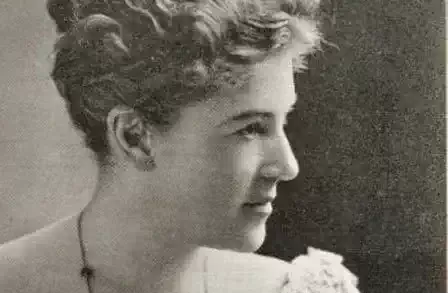
Ella Wheeler Wilcox
The Universal Route
The Universal Route
As we journey along, with a laugh and a song,
We see, on youth’s flower-decked slope,
Like a beacon of light, shining fair on the sight,
The beautiful Station of Hope.
But the wheels of old Time roll along as we climb,
And our youth speeds away on the years;
And with hearts that are numb with life’s sorrows we come
To the mist-covered Station of Tears.
Still onward we pass, where the milestones, alas!
Are tombs of our dead, to the West,
Where glitters and gleams, in the dying sunbeams,
The sweet, silent Station of Rest.
All rest is but change, and no grave can estrange
The soul from its Parent above;
And, scorning the rod, it soars back to God,
To the limitless City of Love.
As we journey along, with a laugh and a song,
We see, on youth’s flower-decked slope,
Like a beacon of light, shining fair on the sight,
The beautiful Station of Hope.
But the wheels of old Time roll along as we climb,
And our youth speeds away on the years;
And with hearts that are numb with life’s sorrows we come
To the mist-covered Station of Tears.
Still onward we pass, where the milestones, alas!
Are tombs of our dead, to the West,
Where glitters and gleams, in the dying sunbeams,
The sweet, silent Station of Rest.
All rest is but change, and no grave can estrange
The soul from its Parent above;
And, scorning the rod, it soars back to God,
To the limitless City of Love.
409
Ella Wheeler Wilcox
Searching
Searching
These quiet Autumn days,
My soul, like Noah's dove, on airy wings
Goes out and searches for the hidden things
Beyond the hills of haze.
With mournful, pleading cries,
Above the waters of the voiceless sea
That laps the shore of broad Eternity,
Day after day, it flies,
Searching, but all in vain,
For some stray leaf that it may light upon,
And read the future, as the days agone -
Its pleasures, and its pain.
Listening patiently
For some voice speaking from the mighty deep,
Revealing all the things that it doth keep
In secret there for me.
Come back and wait, my soul!
Day after day thy search has been in vain.
Voiceles and silent o'er the future's plain
Its mystic waters roll.
God, seeing, knoweth best,
And in His time the waters shall subside,
And thou shalt know what lies beneath the tide,
Then wait, my soul, and rest.
These quiet Autumn days,
My soul, like Noah's dove, on airy wings
Goes out and searches for the hidden things
Beyond the hills of haze.
With mournful, pleading cries,
Above the waters of the voiceless sea
That laps the shore of broad Eternity,
Day after day, it flies,
Searching, but all in vain,
For some stray leaf that it may light upon,
And read the future, as the days agone -
Its pleasures, and its pain.
Listening patiently
For some voice speaking from the mighty deep,
Revealing all the things that it doth keep
In secret there for me.
Come back and wait, my soul!
Day after day thy search has been in vain.
Voiceles and silent o'er the future's plain
Its mystic waters roll.
God, seeing, knoweth best,
And in His time the waters shall subside,
And thou shalt know what lies beneath the tide,
Then wait, my soul, and rest.
316
Ella Wheeler Wilcox
Queries
Queries
Well, how has it been with you since we met
That last strange time of a hundred times?
When we met to swear that we could forget—
I your caresses, and you my rhymes—
The rhyme of my lays that rang like a bell,
And the rhyme of my heart with yours, as well?
How has it been since we drank that last kiss,
That was bitter with lees of the wasted wine,
When the tattered remains of a threadbare bliss,
And the worn-out shreds of a joy divine,
With a year's best dreams and hopes, were cast
Into the rag-bag of the Past?
Since Time, the rag-buyer, hurried away,
With a chuckle of glee at a bargain made,
Did you discover, like me, one day,
That, hid in the folds of those garments frayed,
Were priceless jewels and diadems—
The soul's best treasures, the heart's best gems?
Have you, too, found that you could not supply
The place of those jewels so rare and chaste?
Do all that you borrow or beg or buy
Prove to be nothing but skilful paste?
Have you found pleasure, as I found art,
Not all-sufficient to fill your heart?
Do you sometimes sigh for the tattered shreds
Of the old delight that we cast away,
And find no worth in the silken threads
Of newer fabrics we wear to-day?
Have you thought the bitter of that last kiss
Better than sweets of a later bliss?
What idle queries!—or yes or no—
Whatever your answer, I understand
That there is no pathway by which we can go
Back to the dead past's wonderland;
And the gems he purchased from me, from you,
There is no rebuying from Time, the Jew
Well, how has it been with you since we met
That last strange time of a hundred times?
When we met to swear that we could forget—
I your caresses, and you my rhymes—
The rhyme of my lays that rang like a bell,
And the rhyme of my heart with yours, as well?
How has it been since we drank that last kiss,
That was bitter with lees of the wasted wine,
When the tattered remains of a threadbare bliss,
And the worn-out shreds of a joy divine,
With a year's best dreams and hopes, were cast
Into the rag-bag of the Past?
Since Time, the rag-buyer, hurried away,
With a chuckle of glee at a bargain made,
Did you discover, like me, one day,
That, hid in the folds of those garments frayed,
Were priceless jewels and diadems—
The soul's best treasures, the heart's best gems?
Have you, too, found that you could not supply
The place of those jewels so rare and chaste?
Do all that you borrow or beg or buy
Prove to be nothing but skilful paste?
Have you found pleasure, as I found art,
Not all-sufficient to fill your heart?
Do you sometimes sigh for the tattered shreds
Of the old delight that we cast away,
And find no worth in the silken threads
Of newer fabrics we wear to-day?
Have you thought the bitter of that last kiss
Better than sweets of a later bliss?
What idle queries!—or yes or no—
Whatever your answer, I understand
That there is no pathway by which we can go
Back to the dead past's wonderland;
And the gems he purchased from me, from you,
There is no rebuying from Time, the Jew
335
Ella Wheeler Wilcox
One Woman's History
One Woman's History
'The maiden free, the maiden wed.
Can never, never be the same,
A new life springs from out the dead.
And with the speaking of a name-
A breath upon the marriage bed,
She finds herself a something new.
'Where lay the shallows of the maid
No plummet line the wife can sound;
Where round the sunny islands played
The pulses of the great profound
Lies low the treacherous everglade.
'A wife is like an unknown sea,
Least known to him who thinks he knows
Where all the shores of Promise be,
And where the islands of Repose-
And where the rocks that he must flee.'
'The maiden free, the maiden wed.
Can never, never be the same,
A new life springs from out the dead.
And with the speaking of a name-
A breath upon the marriage bed,
She finds herself a something new.
'Where lay the shallows of the maid
No plummet line the wife can sound;
Where round the sunny islands played
The pulses of the great profound
Lies low the treacherous everglade.
'A wife is like an unknown sea,
Least known to him who thinks he knows
Where all the shores of Promise be,
And where the islands of Repose-
And where the rocks that he must flee.'
415
Ella Wheeler Wilcox
New And Old
New And Old
I and new love, in all its living bloom,
Sat vis-à-vis, while tender twilight hours
Went softly by us, treading as on flowers.
Then suddenly I saw within the room
The old love, long since lying in its tomb.
It dropped the cerecloth from its fleshless face
And smiled on me, with a remembered grace
That, like the noontide, lit the gloaming gloom.
Upon its shroud there hung the grave’s green mould,
About it hung the odour of the dead;
Yet from its cavernous eyes such light was shed
That all my life seemed gilded, as with gold;
Unto the trembling new love “Go, ” I said,
“I do not need thee, for I have the old.”
I and new love, in all its living bloom,
Sat vis-à-vis, while tender twilight hours
Went softly by us, treading as on flowers.
Then suddenly I saw within the room
The old love, long since lying in its tomb.
It dropped the cerecloth from its fleshless face
And smiled on me, with a remembered grace
That, like the noontide, lit the gloaming gloom.
Upon its shroud there hung the grave’s green mould,
About it hung the odour of the dead;
Yet from its cavernous eyes such light was shed
That all my life seemed gilded, as with gold;
Unto the trembling new love “Go, ” I said,
“I do not need thee, for I have the old.”
419
Ella Wheeler Wilcox
Forward
Forward
Let me look always forward. Never back.
Was I not formed for progress? Otherwise
With onward pointing feet and searching eyes
Would God have set me squarely on the track
Up which we all must labour with life's pack?
Yonder the goal of all this travel lies.
What matters it, if yesterday the skies
With light were golden, or with clouds were black?
I would not lose to-morrow's glow of dawn
By peering backward after sun's long set.
New hope is fairer than an old regret;
Let me pursue my journey and press on-
Nor tearful eyed, stand ever in one spot,
A briny statue like the wife of Lot.
Let me look always forward. Never back.
Was I not formed for progress? Otherwise
With onward pointing feet and searching eyes
Would God have set me squarely on the track
Up which we all must labour with life's pack?
Yonder the goal of all this travel lies.
What matters it, if yesterday the skies
With light were golden, or with clouds were black?
I would not lose to-morrow's glow of dawn
By peering backward after sun's long set.
New hope is fairer than an old regret;
Let me pursue my journey and press on-
Nor tearful eyed, stand ever in one spot,
A briny statue like the wife of Lot.
472
Ella Wheeler Wilcox
A Leaf
A Leaf
Somebody said, in the crowd, last eve,
That you were married, or soon to be.
I have not thought of you, I believe,
Since last we parted. Let me see:
Five long Summers have passed since then –
Each has been pleasant in its own way –
And you are but one of a dozen men
Who have played the suitor a Summer day.
But, nevertheless, when I heard your name,
Coupled with some one’s, not my own,
There burned in my bosom a sudden flame,
That carried me back to the day that is flown.
I was sitting again by the laughing brook,
With you at my feet, and the sky above,
And my heart was fluttering under your look –
The unmistakable look of Love.
Again your breath, like a South wind, fanned
My cheek, where the blushes came and went;
And the tender clasp of your strong, warm hand
Sudden thrills through my pulses sent.
Again you were mine by Love’s decree:
So for a moment it seemed last night,
When somebody mentioned your name to me.
Just for the moment I thought you mine –
Loving me, wooing me, as of old.
The tale remembered seemed half divine –
Though I held it lightly enough when told.
The past seemed fairer than when it was near,
As ‘blessings brighten when taking flight, ’
And just for the moment I held you near –
When somebody mentioned your name last night.
Somebody said, in the crowd, last eve,
That you were married, or soon to be.
I have not thought of you, I believe,
Since last we parted. Let me see:
Five long Summers have passed since then –
Each has been pleasant in its own way –
And you are but one of a dozen men
Who have played the suitor a Summer day.
But, nevertheless, when I heard your name,
Coupled with some one’s, not my own,
There burned in my bosom a sudden flame,
That carried me back to the day that is flown.
I was sitting again by the laughing brook,
With you at my feet, and the sky above,
And my heart was fluttering under your look –
The unmistakable look of Love.
Again your breath, like a South wind, fanned
My cheek, where the blushes came and went;
And the tender clasp of your strong, warm hand
Sudden thrills through my pulses sent.
Again you were mine by Love’s decree:
So for a moment it seemed last night,
When somebody mentioned your name to me.
Just for the moment I thought you mine –
Loving me, wooing me, as of old.
The tale remembered seemed half divine –
Though I held it lightly enough when told.
The past seemed fairer than when it was near,
As ‘blessings brighten when taking flight, ’
And just for the moment I held you near –
When somebody mentioned your name last night.
405
Ella Wheeler Wilcox
A Grey Mood
A Grey Mood
As we hurry away to the end, my friend,
Of this sad little farce called existence,
We are sure that the future will bring one thing,
And that is the grave in the distance.
And so when our lives run along all wrong,
And nothing seems real or certain,
We can comfort ourselves with the thought (or not)
Of that spectre behind the curtain.
But we haven’t much time to repine or whine,
Or to wound or jostle each other;
And the hour for us each is to-day, I say,
If we mean to assist a brother.
And there is no pleasure that earth gives birth,
But the worry it brings is double;
And all that repays for the strife of life,
Is helping some soul in trouble.
I tell you, if I could go back the track
To my life’s morning hour,
I would not set forth, seeking name or fame,
Or that poor bauble called power.
I would be like the sunlight, and live to give;
I would lend, but I would not borrow;
Nor would I be blind and complain of pain,
Forgetting the meaning of sorrow.
This world is a vaporous jest at best,
Tossed off by the gods in laughter;
And a cruel attempt at wit were it
If nothing better came after.
It is reeking with hearts that ache and break,
Which we ought to comfort and strengthen,
As we hurry away to the end, my friend,
And the shadows behind us lengthen.
As we hurry away to the end, my friend,
Of this sad little farce called existence,
We are sure that the future will bring one thing,
And that is the grave in the distance.
And so when our lives run along all wrong,
And nothing seems real or certain,
We can comfort ourselves with the thought (or not)
Of that spectre behind the curtain.
But we haven’t much time to repine or whine,
Or to wound or jostle each other;
And the hour for us each is to-day, I say,
If we mean to assist a brother.
And there is no pleasure that earth gives birth,
But the worry it brings is double;
And all that repays for the strife of life,
Is helping some soul in trouble.
I tell you, if I could go back the track
To my life’s morning hour,
I would not set forth, seeking name or fame,
Or that poor bauble called power.
I would be like the sunlight, and live to give;
I would lend, but I would not borrow;
Nor would I be blind and complain of pain,
Forgetting the meaning of sorrow.
This world is a vaporous jest at best,
Tossed off by the gods in laughter;
And a cruel attempt at wit were it
If nothing better came after.
It is reeking with hearts that ache and break,
Which we ought to comfort and strengthen,
As we hurry away to the end, my friend,
And the shadows behind us lengthen.
455
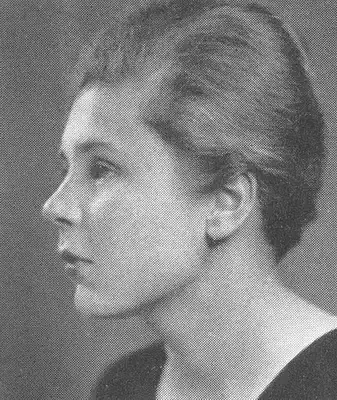
Elizabeth Bishop
The Bight
The Bight
At low tide like this how sheer the water is.
White, crumbling ribs of marl protrude and glare
and the boats are dry, the pilings dry as matches.
Absorbing, rather than being absorbed,
the water in the bight doesn't wet anything,
the color of the gas flame turned as low as possible.
One can smell it turning to gas; if one were Baudelaire
one could probably hear it turning to marimba music.
The little ocher dredge at work off the end of the dock
already plays the dry perfectly off-beat claves.
The birds are outsize. Pelicans crash
into this peculiar gas unnecessarily hard,
it seems to me, like pickaxes,
rarely coming up with anything to show for it,
and going off with humorous elbowings.
Black-and-white man-of-war birds soar
on impalpable drafts
and open their tails like scissors on the curves
or tense them like wishbones, till they tremble.
The frowsy sponge boats keep coming in
with the obliging air of retrievers,
bristling with jackstraw gaffs and hooks
and decorated with bobbles of sponges.
There is a fence of chicken wire along the dock
where, glinting like little plowshares,
the blue-gray shark tails are hung up to dry
for the Chinese-restaurant trade.
Some of the little white boats are still piled up
against each other, or lie on their sides, stove in,
and not yet salvaged, if they ever will be, from the last bad storm,
like torn-open, unanswered letters.
The bight is littered with old correspondences.
Click. Click. Goes the dredge,
and brings up a dripping jawful of marl.
All the untidy activity continues,
awful but cheerful.
At low tide like this how sheer the water is.
White, crumbling ribs of marl protrude and glare
and the boats are dry, the pilings dry as matches.
Absorbing, rather than being absorbed,
the water in the bight doesn't wet anything,
the color of the gas flame turned as low as possible.
One can smell it turning to gas; if one were Baudelaire
one could probably hear it turning to marimba music.
The little ocher dredge at work off the end of the dock
already plays the dry perfectly off-beat claves.
The birds are outsize. Pelicans crash
into this peculiar gas unnecessarily hard,
it seems to me, like pickaxes,
rarely coming up with anything to show for it,
and going off with humorous elbowings.
Black-and-white man-of-war birds soar
on impalpable drafts
and open their tails like scissors on the curves
or tense them like wishbones, till they tremble.
The frowsy sponge boats keep coming in
with the obliging air of retrievers,
bristling with jackstraw gaffs and hooks
and decorated with bobbles of sponges.
There is a fence of chicken wire along the dock
where, glinting like little plowshares,
the blue-gray shark tails are hung up to dry
for the Chinese-restaurant trade.
Some of the little white boats are still piled up
against each other, or lie on their sides, stove in,
and not yet salvaged, if they ever will be, from the last bad storm,
like torn-open, unanswered letters.
The bight is littered with old correspondences.
Click. Click. Goes the dredge,
and brings up a dripping jawful of marl.
All the untidy activity continues,
awful but cheerful.
636
Elizabeth Bishop
Questions of Travel
Questions of Travel
There are too many waterfalls here; the crowded streams
hurry too rapidly down to the sea,
and the pressure of so many clouds on the mountaintops
makes them spill over the sides in soft slow-motion,
turning to waterfalls under our very eyes.
--For if those streaks, those mile-long, shiny, tearstains,
aren't waterfalls yet,
in a quick age or so, as ages go here,
they probably will be.
But if the streams and clouds keep travelling, travelling,
the mountains look like the hulls of capsized ships,
slime-hung and barnacled.
Think of the long trip home.
Should we have stayed at home and thought of here?
Where should we be today?
Is it right to be watching strangers in a play
in this strangest of theatres?
What childishness is it that while there's a breath of life
in our bodies, we are determined to rush
to see the sun the other way around?
The tiniest green hummingbird in the world?
To stare at some inexplicable old stonework,
inexplicable and impenetrable,
at any view,
instantly seen and always, always delightful?
Oh, must we dream our dreams
and have them, too?
And have we room
for one more folded sunset, still quite warm?
But surely it would have been a pity
not to have seen the trees along this road,
really exaggerated in their beauty,
not to have seen them gesturing
like noble pantomimists, robed in pink.
--Not to have had to stop for gas and heard
the sad, two-noted, wooden tune
of disparate wooden clogs
carelessly clacking over
a grease-stained filling-station floor.
(In another country the clogs would all be tested.
Each pair there would have identical pitch.)
--A pity not to have heard
the other, less primitive music of the fat brown bird
who sings above the broken gasoline pump
in a bamboo church of Jesuit baroque:
three towers, five silver crosses.
--Yes, a pity not to have pondered,
blurr'dly and inconclusively,
on what connection can exist for centuries
between the crudest wooden footwear
and, careful and finicky,
the whittled fantasies of wooden footwear
and, careful and finicky,
the whittled fantasies of wooden cages.
--Never to have studied history in
the weak calligraphy of songbirds' cages.
--And never to have had to listen to rain
so much like politicians' speeches:
two hours of unrelenting oratory
and then a sudden golden silence
in which the traveller takes a notebook, writes:
"Is it lack of imagination that makes us come
to imagined places, not just stay at home?
Or could Pascal have been not entirely right
about just sitting quietly in one's room?
Continent, city, country, society:
the choice is never wide and never free.
And here, or there . . . No. Should we have stayed at home,
wherever that may be?"
There are too many waterfalls here; the crowded streams
hurry too rapidly down to the sea,
and the pressure of so many clouds on the mountaintops
makes them spill over the sides in soft slow-motion,
turning to waterfalls under our very eyes.
--For if those streaks, those mile-long, shiny, tearstains,
aren't waterfalls yet,
in a quick age or so, as ages go here,
they probably will be.
But if the streams and clouds keep travelling, travelling,
the mountains look like the hulls of capsized ships,
slime-hung and barnacled.
Think of the long trip home.
Should we have stayed at home and thought of here?
Where should we be today?
Is it right to be watching strangers in a play
in this strangest of theatres?
What childishness is it that while there's a breath of life
in our bodies, we are determined to rush
to see the sun the other way around?
The tiniest green hummingbird in the world?
To stare at some inexplicable old stonework,
inexplicable and impenetrable,
at any view,
instantly seen and always, always delightful?
Oh, must we dream our dreams
and have them, too?
And have we room
for one more folded sunset, still quite warm?
But surely it would have been a pity
not to have seen the trees along this road,
really exaggerated in their beauty,
not to have seen them gesturing
like noble pantomimists, robed in pink.
--Not to have had to stop for gas and heard
the sad, two-noted, wooden tune
of disparate wooden clogs
carelessly clacking over
a grease-stained filling-station floor.
(In another country the clogs would all be tested.
Each pair there would have identical pitch.)
--A pity not to have heard
the other, less primitive music of the fat brown bird
who sings above the broken gasoline pump
in a bamboo church of Jesuit baroque:
three towers, five silver crosses.
--Yes, a pity not to have pondered,
blurr'dly and inconclusively,
on what connection can exist for centuries
between the crudest wooden footwear
and, careful and finicky,
the whittled fantasies of wooden footwear
and, careful and finicky,
the whittled fantasies of wooden cages.
--Never to have studied history in
the weak calligraphy of songbirds' cages.
--And never to have had to listen to rain
so much like politicians' speeches:
two hours of unrelenting oratory
and then a sudden golden silence
in which the traveller takes a notebook, writes:
"Is it lack of imagination that makes us come
to imagined places, not just stay at home?
Or could Pascal have been not entirely right
about just sitting quietly in one's room?
Continent, city, country, society:
the choice is never wide and never free.
And here, or there . . . No. Should we have stayed at home,
wherever that may be?"
652
Elizabeth Bishop
Insomnia
Insomnia
The moon in the bureau mirror
looks out a million miles
(and perhaps with pride, at herself,
but she never, never smiles)
far and away beyond sleep, or
perhaps she's a daytime sleeper.
By the Universe deserted,
she'd tell it to go to hell,
and she'd find a body of water,
or a mirror, on which to dwell.
So wrap up care in a cobweb
and drop it down the well
into that world inverted
where left is always right,
where the shadows are really the body,
where we stay awake all night,
where the heavens are shallow as the sea
is now deep, and you love me.
The moon in the bureau mirror
looks out a million miles
(and perhaps with pride, at herself,
but she never, never smiles)
far and away beyond sleep, or
perhaps she's a daytime sleeper.
By the Universe deserted,
she'd tell it to go to hell,
and she'd find a body of water,
or a mirror, on which to dwell.
So wrap up care in a cobweb
and drop it down the well
into that world inverted
where left is always right,
where the shadows are really the body,
where we stay awake all night,
where the heavens are shallow as the sea
is now deep, and you love me.
526
Elizabeth Bishop
Large Bad Picture
Large Bad Picture
Remembering the Strait of Belle Isle or
some northerly harbor of Labrador,
before he became a schoolteacher
a great-uncle painted a big picture.
Receding for miles on either side
into a flushed, still sky
are overhanging pale blue cliffs
hundreds of feet high,
their bases fretted by little arches,
the entrances to caves
running in along the level of a bay
masked by perfect waves.
On the middle of that quiet floor
sits a fleet of small black ships,
square-rigged, sails furled, motionless,
their spars like burnt match-sticks.
And high above them, over the tall cliffs'
semi-translucent ranks,
are scribbled hundreds of fine black birds
hanging in n's in banks.
One can hear their crying, crying,
the only sound there is
except for occasional sizhine
as a large aquatic animal breathes.
In the pink light
the small red sun goes rolling, rolling,
round and round and round at the same height
in perpetual sunset, comprehensive, consoling,
while the ships consider it.
Apparently they have reached their destination.
It would be hard to say what brought them there,
commerce or contemplation.
Remembering the Strait of Belle Isle or
some northerly harbor of Labrador,
before he became a schoolteacher
a great-uncle painted a big picture.
Receding for miles on either side
into a flushed, still sky
are overhanging pale blue cliffs
hundreds of feet high,
their bases fretted by little arches,
the entrances to caves
running in along the level of a bay
masked by perfect waves.
On the middle of that quiet floor
sits a fleet of small black ships,
square-rigged, sails furled, motionless,
their spars like burnt match-sticks.
And high above them, over the tall cliffs'
semi-translucent ranks,
are scribbled hundreds of fine black birds
hanging in n's in banks.
One can hear their crying, crying,
the only sound there is
except for occasional sizhine
as a large aquatic animal breathes.
In the pink light
the small red sun goes rolling, rolling,
round and round and round at the same height
in perpetual sunset, comprehensive, consoling,
while the ships consider it.
Apparently they have reached their destination.
It would be hard to say what brought them there,
commerce or contemplation.
657
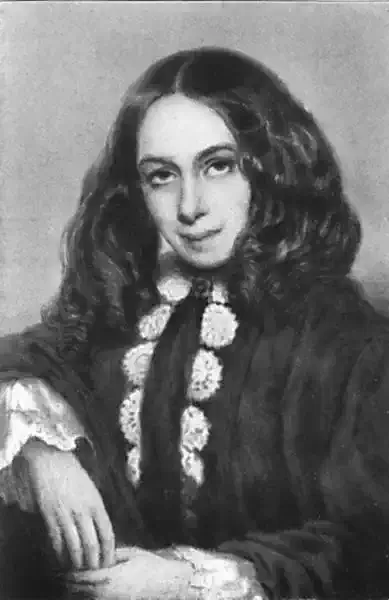
Elizabeth Barrett Browning
XXV
XXV
A heavy heart, Beloved, have I borne
From year to year until I saw thy face,
And sorrow after sorrow took the place
Of all those natural joys as lightly worn
As the stringed pearls, each lifted in its turn
By a beating heart at dance-time. Hopes apace
Were changed to long despairs, till God's own grace
Could scarcely lift above the world forlorn
My heavy heart. Then thou didst bid me bring
And let it drop adown thy calmly great
Deep being ! Fast it sinketh, as a thing
Which its own nature doth precipitate,
While thine doth close above it, mediating
Betwixt the stars and the unaccomplished fate.
A heavy heart, Beloved, have I borne
From year to year until I saw thy face,
And sorrow after sorrow took the place
Of all those natural joys as lightly worn
As the stringed pearls, each lifted in its turn
By a beating heart at dance-time. Hopes apace
Were changed to long despairs, till God's own grace
Could scarcely lift above the world forlorn
My heavy heart. Then thou didst bid me bring
And let it drop adown thy calmly great
Deep being ! Fast it sinketh, as a thing
Which its own nature doth precipitate,
While thine doth close above it, mediating
Betwixt the stars and the unaccomplished fate.
495
Elizabeth Barrett Browning
Sonnet XXIII: Is It Indeed So?
Sonnet XXIII: Is It Indeed So?
Is it indeed so? If I lay here dead,
Wouldst thou miss any life in losing mine?
And would the sun for thee more coldly shine
Because of grave-damps falling round my head?
I marvelled, my Belovèd, when I read
Thy thought so in the letter. I am thine-But...
so much to thee? Can I pour your wine
While my hands tremble? Then my soul, instead
Of dreams of death, resumes life's lower range.
Then, love me, Love! Look on me--breathe on me!
As brighter ladies do not count it strange,
For love, to give up acres and degree,
I yield the grave for thy sake, and exchange
My near sweet view of Heaven, for earth with thee!
Is it indeed so? If I lay here dead,
Wouldst thou miss any life in losing mine?
And would the sun for thee more coldly shine
Because of grave-damps falling round my head?
I marvelled, my Belovèd, when I read
Thy thought so in the letter. I am thine-But...
so much to thee? Can I pour your wine
While my hands tremble? Then my soul, instead
Of dreams of death, resumes life's lower range.
Then, love me, Love! Look on me--breathe on me!
As brighter ladies do not count it strange,
For love, to give up acres and degree,
I yield the grave for thy sake, and exchange
My near sweet view of Heaven, for earth with thee!
396
Elizabeth Barrett Browning
Sonnet III
Sonnet III
Unlike are we, unlike, O princely Heart !
Unlike our uses and our destinies.
Our ministering two angels look surprise
On one another, as they strike athwart
Their wings in passing. Thou, bethink thee, art
A guest for queens to social pageantries,
With gages from a hundred brighter eyes
Than tears even can make mine, to play thy part
Of chief musician. What hast thou to do
With looking from the lattice-lights at me,
A poor, tired, wandering singer, singing through
The dark, and leaning up a cypress tree ?
The chrism is on thine head,--on mine, the dew,--
And Death must dig the level where these agree.
Unlike are we, unlike, O princely Heart !
Unlike our uses and our destinies.
Our ministering two angels look surprise
On one another, as they strike athwart
Their wings in passing. Thou, bethink thee, art
A guest for queens to social pageantries,
With gages from a hundred brighter eyes
Than tears even can make mine, to play thy part
Of chief musician. What hast thou to do
With looking from the lattice-lights at me,
A poor, tired, wandering singer, singing through
The dark, and leaning up a cypress tree ?
The chrism is on thine head,--on mine, the dew,--
And Death must dig the level where these agree.
420