

Poems in this topic
Past and Future
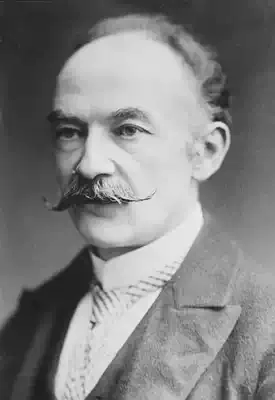
Thomas Hardy
A Commonplace Day
A Commonplace Day
The day is turning ghost,
And scuttles from the kalendar in fits and furtively,
To join the anonymous host
Of those that throng oblivion; ceding his place, maybe,
To one of like degree.
I part the fire-gnawed logs,
Rake forth the embers, spoil the busy flames, and lay the ends
Upon the shining dogs;
Further and further from the nooks the twilight's stride extends,
And beamless black impends.
Nothing of tiniest worth
Have I wrought, pondered, planned; no one thing asking blame or
praise,
Since the pale corpse-like birth
Of this diurnal unit, bearing blanks in all its rays -
Dullest of dull-hued Days!
Wanly upon the panes
The rain slides as have slid since morn my colourless thoughts; and
yet
Here, while Day's presence wanes,
And over him the sepulchre-lid is slowly lowered and set,
He wakens my regret.
Regret--though nothing dear
That I wot of, was toward in the wide world at his prime,
Or bloomed elsewhere than here,
To die with his decease, and leave a memory sweet, sublime,
Or mark him out in Time . . .
--Yet, maybe, in some soul,
In some spot undiscerned on sea or land, some impulse rose,
Or some intent upstole
Of that enkindling ardency from whose maturer glows
The world's amendment flows;
But which, benumbed at birth
By momentary chance or wile, has missed its hope to be
Embodied on the earth;
And undervoicings of this loss to man's futurity
May wake regret in me.
The day is turning ghost,
And scuttles from the kalendar in fits and furtively,
To join the anonymous host
Of those that throng oblivion; ceding his place, maybe,
To one of like degree.
I part the fire-gnawed logs,
Rake forth the embers, spoil the busy flames, and lay the ends
Upon the shining dogs;
Further and further from the nooks the twilight's stride extends,
And beamless black impends.
Nothing of tiniest worth
Have I wrought, pondered, planned; no one thing asking blame or
praise,
Since the pale corpse-like birth
Of this diurnal unit, bearing blanks in all its rays -
Dullest of dull-hued Days!
Wanly upon the panes
The rain slides as have slid since morn my colourless thoughts; and
yet
Here, while Day's presence wanes,
And over him the sepulchre-lid is slowly lowered and set,
He wakens my regret.
Regret--though nothing dear
That I wot of, was toward in the wide world at his prime,
Or bloomed elsewhere than here,
To die with his decease, and leave a memory sweet, sublime,
Or mark him out in Time . . .
--Yet, maybe, in some soul,
In some spot undiscerned on sea or land, some impulse rose,
Or some intent upstole
Of that enkindling ardency from whose maturer glows
The world's amendment flows;
But which, benumbed at birth
By momentary chance or wile, has missed its hope to be
Embodied on the earth;
And undervoicings of this loss to man's futurity
May wake regret in me.
226

Siegfried Sassoon
The Heritage
The Heritage
Cry out on Time that he may take away
Your cold philosophies that give no hint
Of spirit-quickened flesh; fall down and pray
That Death come never with a face of flint:
Death is our heritage; with Life we share
The sunlight that must own his darkening hour:
Within his very presence yet we dare
To gather gladness like a fading flower.
For even as this, our joy not long may live
Perfect; and most in change the heart can trace
The miracle of life and human things:
All we have held to destiny we give;
Dawn glimmers on the soul-forsaken face;
Not we, but others, hear the bird that sings.
Cry out on Time that he may take away
Your cold philosophies that give no hint
Of spirit-quickened flesh; fall down and pray
That Death come never with a face of flint:
Death is our heritage; with Life we share
The sunlight that must own his darkening hour:
Within his very presence yet we dare
To gather gladness like a fading flower.
For even as this, our joy not long may live
Perfect; and most in change the heart can trace
The miracle of life and human things:
All we have held to destiny we give;
Dawn glimmers on the soul-forsaken face;
Not we, but others, hear the bird that sings.
113
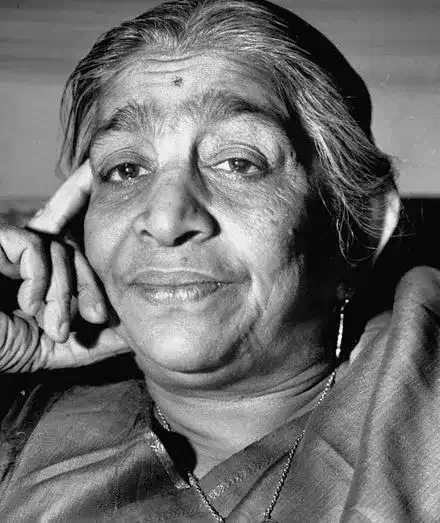
Sarojini Naidu
Wandering Singers
Wandering Singers
WHERE the voice of the wind calls our wandering feet,
Through echoing forest and echoing street,
With lutes in our hands ever-singing we roam,
All men are our kindred, the world is our home.
Our lays are of cities whose lustre is shed,
The laughter and beauty of women long dead;
The sword of old battles, the crown of old kings,
And happy and simple and sorrowful things.
What hope shall we gather, what dreams shall we sow?
Where the wind calls our wandering footsteps we go.
No love bids us tarry, no joy bids us wait:
The voice of the wind is the voice of our fate.
WHERE the voice of the wind calls our wandering feet,
Through echoing forest and echoing street,
With lutes in our hands ever-singing we roam,
All men are our kindred, the world is our home.
Our lays are of cities whose lustre is shed,
The laughter and beauty of women long dead;
The sword of old battles, the crown of old kings,
And happy and simple and sorrowful things.
What hope shall we gather, what dreams shall we sow?
Where the wind calls our wandering footsteps we go.
No love bids us tarry, no joy bids us wait:
The voice of the wind is the voice of our fate.
682
Sarojini Naidu
Past and Future
Past and Future
The new hath come and now the old retires:
And so the past becomes a mountain-cell,
Where lone, apart, old hermit-memories dwell
In consecrated calm, forgotten yet
Of the keen heart that hastens to forget
Old longings in fulfilling new desires.
And now the Soul stands in a vague, intense
Expectancy and anguish of suspense,
On the dim chamber-threshold . . . lo! he sees
Like a strange, fated bride as yet unknown,
His timid future shrinking there alone,
Beneath her marriage-veil of mysteries.
The new hath come and now the old retires:
And so the past becomes a mountain-cell,
Where lone, apart, old hermit-memories dwell
In consecrated calm, forgotten yet
Of the keen heart that hastens to forget
Old longings in fulfilling new desires.
And now the Soul stands in a vague, intense
Expectancy and anguish of suspense,
On the dim chamber-threshold . . . lo! he sees
Like a strange, fated bride as yet unknown,
His timid future shrinking there alone,
Beneath her marriage-veil of mysteries.
427

Sarah Teasdale
The Years
The Years
To-night I close my eyes and see
A strange procession passing me --
The years before I saw your face
Go by me with a wistful grace;
They pass, the sensitive, shy years,
As one who strives to dance, half blind with tears.
The years went by and never knew
That each one brought me nearer you;
Their path was narrow and apart
And yet it led me to your heart --
Oh, sensitive, shy years, oh, lonely years,
That strove to sing with voices drowned in tears.
To-night I close my eyes and see
A strange procession passing me --
The years before I saw your face
Go by me with a wistful grace;
They pass, the sensitive, shy years,
As one who strives to dance, half blind with tears.
The years went by and never knew
That each one brought me nearer you;
Their path was narrow and apart
And yet it led me to your heart --
Oh, sensitive, shy years, oh, lonely years,
That strove to sing with voices drowned in tears.
475
Sarah Teasdale
Love and Death
Love and Death
Shall we, too, rise forgetful from our sleep,
And shall my soul that lies within your hand
Remember nothing, as the blowing sand
Forgets the palm where long blue shadows creep
When winds along the darkened desert sweep?
Or would it still remember, tho' it spanned
A thousand heavens, while the planets fanned
The vacant ether with their voices deep?
Soul of my soul, no word shall be forgot,
Nor yet alone, beloved, shall we see
The desolation of extinguished suns,
Nor fear the void wherethro' our planet runs,
For still together shall we go and not
Fare forth alone to front eternity.
Shall we, too, rise forgetful from our sleep,
And shall my soul that lies within your hand
Remember nothing, as the blowing sand
Forgets the palm where long blue shadows creep
When winds along the darkened desert sweep?
Or would it still remember, tho' it spanned
A thousand heavens, while the planets fanned
The vacant ether with their voices deep?
Soul of my soul, no word shall be forgot,
Nor yet alone, beloved, shall we see
The desolation of extinguished suns,
Nor fear the void wherethro' our planet runs,
For still together shall we go and not
Fare forth alone to front eternity.
386
Sarah Teasdale
Oh You Are Coming
"Oh You Are Coming"
Oh you are coming, coming, coming,
How will hungry Time put by the hours till then? --
But why does it anger my heart to long so
For one man out of the world of men?
Oh I would live in myself only
And build my life lightly and still as a dream --
Are not my thoughts clearer than your thoughts
And colored like stones in a running stream?
Now the slow moon brightens in heaven,
The stars are ready, the night is here --
Oh why must I lose myself to love you,
My dear?
Oh you are coming, coming, coming,
How will hungry Time put by the hours till then? --
But why does it anger my heart to long so
For one man out of the world of men?
Oh I would live in myself only
And build my life lightly and still as a dream --
Are not my thoughts clearer than your thoughts
And colored like stones in a running stream?
Now the slow moon brightens in heaven,
The stars are ready, the night is here --
Oh why must I lose myself to love you,
My dear?
498
Sarah Teasdale
Did You Never Know?
"Did You Never Know?"
Did you never know, long ago, how much you loved me --
That your love would never lessen and never go?
You were young then, proud and fresh-hearted,
You were too young to know.
Fate is a wind, and red leaves fly before it
Far apart, far away in the gusty time of year --
Seldom we meet now, but when I hear you speaking,
I know your secret, my dear, my dear.
Did you never know, long ago, how much you loved me --
That your love would never lessen and never go?
You were young then, proud and fresh-hearted,
You were too young to know.
Fate is a wind, and red leaves fly before it
Far apart, far away in the gusty time of year --
Seldom we meet now, but when I hear you speaking,
I know your secret, my dear, my dear.
499
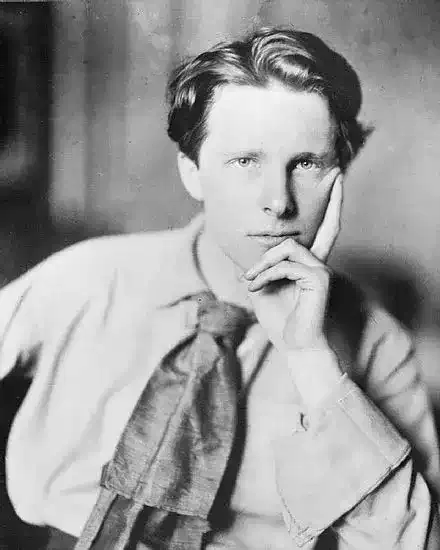
Rupert Brooke
The Night Journey
The Night Journey
Hands and lit faces eddy to a line;
The dazed last minutes click; the clamour dies.
Beyond the great-swung arc o’ the roof, divine,
Night, smoky-scarv’d, with thousand coloured eyes
Glares the imperious mystery of the way.
Thirsty for dark, you feel the long-limbed train
Throb, stretch, thrill motion, slide, pull out and sway,
Strain for the far, pause, draw to strength again.…
As a man, caught by some great hour, will rise,
Slow-limbed, to meet the light or find his love;
And, breathing long, with staring sightless eyes,
Hands out, head back, agape and silent, move
Sure as a flood, smooth as a vast wind blowing;
And, gathering power and purpose as he goes,
Unstumbling, unreluctant, strong, unknowing,
Borne by a will not his, that lifts, that grows,
Sweep out to darkness, triumphing in his goal,
Out of the fire, out of the little room.…
—There is an end appointed, O my soul!
Crimson and green the signals burn; the gloom
Is hung with steam’s far-blowing livid streamers.
Lost into God, as lights in light, we fly,
Grown one with will, end-drunken huddled dreamers.
The white lights roar. The sounds of the world die.
And lips and laughter are forgotten things.
Speed sharpens; grows. Into the night, and on,
The strength and splendour of our purpose swings.
The lamps fade; and the stars. We are alone.
Hands and lit faces eddy to a line;
The dazed last minutes click; the clamour dies.
Beyond the great-swung arc o’ the roof, divine,
Night, smoky-scarv’d, with thousand coloured eyes
Glares the imperious mystery of the way.
Thirsty for dark, you feel the long-limbed train
Throb, stretch, thrill motion, slide, pull out and sway,
Strain for the far, pause, draw to strength again.…
As a man, caught by some great hour, will rise,
Slow-limbed, to meet the light or find his love;
And, breathing long, with staring sightless eyes,
Hands out, head back, agape and silent, move
Sure as a flood, smooth as a vast wind blowing;
And, gathering power and purpose as he goes,
Unstumbling, unreluctant, strong, unknowing,
Borne by a will not his, that lifts, that grows,
Sweep out to darkness, triumphing in his goal,
Out of the fire, out of the little room.…
—There is an end appointed, O my soul!
Crimson and green the signals burn; the gloom
Is hung with steam’s far-blowing livid streamers.
Lost into God, as lights in light, we fly,
Grown one with will, end-drunken huddled dreamers.
The white lights roar. The sounds of the world die.
And lips and laughter are forgotten things.
Speed sharpens; grows. Into the night, and on,
The strength and splendour of our purpose swings.
The lamps fade; and the stars. We are alone.
213
Rupert Brooke
Sonnet: Oh! Death will find me, long before I tire
Sonnet: Oh! Death will find me, long before I tire
Oh! Death will find me, long before I tire
Of watching you; and swing me suddenly
Into the shade and loneliness and mire
Of the last land! There, waiting patiently,
One day, I think, I'll feel a cool wind blowing,
See a slow light across the Stygian tide,
And hear the Dead about me stir, unknowing,
And tremble. And I shall know that you have died,
And watch you, a broad-browed and smiling dream,
Pass, light as ever, through the lightless host,
Quietly ponder, start, and sway, and gleam --
Most individual and bewildering ghost! --
And turn, and toss your brown delightful head
Amusedly, among the ancient Dead.
Oh! Death will find me, long before I tire
Of watching you; and swing me suddenly
Into the shade and loneliness and mire
Of the last land! There, waiting patiently,
One day, I think, I'll feel a cool wind blowing,
See a slow light across the Stygian tide,
And hear the Dead about me stir, unknowing,
And tremble. And I shall know that you have died,
And watch you, a broad-browed and smiling dream,
Pass, light as ever, through the lightless host,
Quietly ponder, start, and sway, and gleam --
Most individual and bewildering ghost! --
And turn, and toss your brown delightful head
Amusedly, among the ancient Dead.
153
Rupert Brooke
Sonnet Reversed
Sonnet Reversed
Hand trembling towards hand; the amazing lights
Of heart and eye. They stood on supreme heights.
Ah, the delirious weeks of honeymoon!
Soon they returned, and, after strange adventures,
Settled at Balham by the end of June.
Their money was in Can. Pacs. B. Debentures,
And in Antofagastas. Still he went
Cityward daily; still she did abide
At home. And both were really quite content
With work and social pleasures. Then they died.
They left three children (besides George, who drank):
The eldest Jane, who married Mr Bell,
William, the head-clerk in the County Bank,
And Henry, a stock-broker, doing well.
Hand trembling towards hand; the amazing lights
Of heart and eye. They stood on supreme heights.
Ah, the delirious weeks of honeymoon!
Soon they returned, and, after strange adventures,
Settled at Balham by the end of June.
Their money was in Can. Pacs. B. Debentures,
And in Antofagastas. Still he went
Cityward daily; still she did abide
At home. And both were really quite content
With work and social pleasures. Then they died.
They left three children (besides George, who drank):
The eldest Jane, who married Mr Bell,
William, the head-clerk in the County Bank,
And Henry, a stock-broker, doing well.
218
Rupert Brooke
Dust
Dust
When the white flame in us is gone,
And we that lost the world's delight
Stiffen in darkness, left alone
To crumble in our separate night;
When your swift hair is quiet in death,
And through the lips corruption thrust
Has stilled the labour of my breath --
When we are dust, when we are dust! --
Not dead, not undesirous yet,
Still sentient, still unsatisfied,
We'll ride the air, and shine, and flit,
Around the places where we died,
And dance as dust before the sun,
And light of foot, and unconfined,
Hurry from road to road, and run
About the errands of the wind.
And every mote, on earth or air,
Will speed and gleam, down later days,
And like a secret pilgrim fare
By eager and invisible ways,
Nor ever rest, nor ever lie,
Till, beyond thinking, out of view,
One mote of all the dust that's I
Shall meet one atom that was you.
Then in some garden hushed from wind,
Warm in a sunset's afterglow,
The lovers in the flowers will find
A sweet and strange unquiet grow
Upon the peace; and, past desiring,
So high a beauty in the air,
And such a light, and such a quiring,
And such a radiant ecstasy there,
They'll know not if it's fire, or dew,
Or out of earth, or in the height,
Singing, or flame, or scent, or hue,
Or two that pass, in light, to light,
Out of the garden, higher, higher. . . .
But in that instant they shall learn
The shattering ecstasy of our fire,
And the weak passionless hearts will burn
And faint in that amazing glow,
Until the darkness close above;
And they will know -- poor fools, they'll know! --
One moment, what it is to love.
When the white flame in us is gone,
And we that lost the world's delight
Stiffen in darkness, left alone
To crumble in our separate night;
When your swift hair is quiet in death,
And through the lips corruption thrust
Has stilled the labour of my breath --
When we are dust, when we are dust! --
Not dead, not undesirous yet,
Still sentient, still unsatisfied,
We'll ride the air, and shine, and flit,
Around the places where we died,
And dance as dust before the sun,
And light of foot, and unconfined,
Hurry from road to road, and run
About the errands of the wind.
And every mote, on earth or air,
Will speed and gleam, down later days,
And like a secret pilgrim fare
By eager and invisible ways,
Nor ever rest, nor ever lie,
Till, beyond thinking, out of view,
One mote of all the dust that's I
Shall meet one atom that was you.
Then in some garden hushed from wind,
Warm in a sunset's afterglow,
The lovers in the flowers will find
A sweet and strange unquiet grow
Upon the peace; and, past desiring,
So high a beauty in the air,
And such a light, and such a quiring,
And such a radiant ecstasy there,
They'll know not if it's fire, or dew,
Or out of earth, or in the height,
Singing, or flame, or scent, or hue,
Or two that pass, in light, to light,
Out of the garden, higher, higher. . . .
But in that instant they shall learn
The shattering ecstasy of our fire,
And the weak passionless hearts will burn
And faint in that amazing glow,
Until the darkness close above;
And they will know -- poor fools, they'll know! --
One moment, what it is to love.
213
Rupert Brooke
Desertion
Desertion
So light we were, so right we were, so fair faith shone,
And the way was laid so certainly, that, when I'd gone,
What dumb thing looked up at you? Was it something heard,
Or a sudden cry, that meekly and without a word
You broke the faith, and strangely, weakly, slipped apart.
You gave in -- you, the proud of heart, unbowed of heart!
Was this, friend, the end of all that we could do?
And have you found the best for you, the rest for you?
Did you learn so suddenly (and I not by!)
Some whispered story, that stole the glory from the sky,
And ended all the splendid dream, and made you go
So dully from the fight we know, the light we know?
O faithless! the faith remains, and I must pass
Gay down the way, and on alone. Under the grass
You wait; the breeze moves in the trees, and stirs, and calls,
And covers you with white petals, with light petals.
There it shall crumble, frail and fair, under the sun,
O little heart, your brittle heart; till day be done,
And the shadows gather, falling light, and, white with dew,
Whisper, and weep; and creep to you. Good sleep to you!
So light we were, so right we were, so fair faith shone,
And the way was laid so certainly, that, when I'd gone,
What dumb thing looked up at you? Was it something heard,
Or a sudden cry, that meekly and without a word
You broke the faith, and strangely, weakly, slipped apart.
You gave in -- you, the proud of heart, unbowed of heart!
Was this, friend, the end of all that we could do?
And have you found the best for you, the rest for you?
Did you learn so suddenly (and I not by!)
Some whispered story, that stole the glory from the sky,
And ended all the splendid dream, and made you go
So dully from the fight we know, the light we know?
O faithless! the faith remains, and I must pass
Gay down the way, and on alone. Under the grass
You wait; the breeze moves in the trees, and stirs, and calls,
And covers you with white petals, with light petals.
There it shall crumble, frail and fair, under the sun,
O little heart, your brittle heart; till day be done,
And the shadows gather, falling light, and, white with dew,
Whisper, and weep; and creep to you. Good sleep to you!
196
Rupert Brooke
Dawn
Dawn
Opposite me two Germans snore and sweat.
Through sullen swirling gloom we jolt and roar.
We have been here for ever: even yet
A dim watch tells two hours, two aeons, more.
The windows are tight-shut and slimy-wet
With a night's foetor. There are two hours more;
Two hours to dawn and Milan; two hours yet.
Opposite me two Germans sweat and snore. . . .
One of them wakes, and spits, and sleeps again.
The darkness shivers. A wan light through the rain
Strikes on our faces, drawn and white. Somewhere
A new day sprawls; and, inside, the foul air
Is chill, and damp, and fouler than before. . . .
Opposite me two Germans sweat and snore.
Opposite me two Germans snore and sweat.
Through sullen swirling gloom we jolt and roar.
We have been here for ever: even yet
A dim watch tells two hours, two aeons, more.
The windows are tight-shut and slimy-wet
With a night's foetor. There are two hours more;
Two hours to dawn and Milan; two hours yet.
Opposite me two Germans sweat and snore. . . .
One of them wakes, and spits, and sleeps again.
The darkness shivers. A wan light through the rain
Strikes on our faces, drawn and white. Somewhere
A new day sprawls; and, inside, the foul air
Is chill, and damp, and fouler than before. . . .
Opposite me two Germans sweat and snore.
228
Rupert Brooke
Chilterns, The
Chilterns, The
Your hands, my dear, adorable,
Your lips of tenderness
-- Oh, I've loved you faithfully and well,
Three years, or a bit less.
It wasn't a success.
Thank God, that's done! and I'll take the road,
Quit of my youth and you,
The Roman road to Wendover
By Tring and Lilley Hoo,
As a free man may do.
For youth goes over, the joys that fly,
The tears that follow fast;
And the dirtiest things we do must lie
Forgotten at the last;
Even Love goes past.
What's left behind I shall not find,
The splendour and the pain;
The splash of sun, the shouting wind,
And the brave sting of rain,
I may not meet again.
But the years, that take the best away,
Give something in the end;
And a better friend than love have they,
For none to mar or mend,
That have themselves to friend.
I shall desire and I shall find
The best of my desires;
The autumn road, the mellow wind
That soothes the darkening shires.
And laughter, and inn-fires.
White mist about the black hedgerows,
The slumbering Midland plain,
The silence where the clover grows,
And the dead leaves in the lane,
Certainly, these remain.
And I shall find some girl perhaps,
And a better one than you,
With eyes as wise, but kindlier,
And lips as soft, but true.
And I daresay she will do.
Your hands, my dear, adorable,
Your lips of tenderness
-- Oh, I've loved you faithfully and well,
Three years, or a bit less.
It wasn't a success.
Thank God, that's done! and I'll take the road,
Quit of my youth and you,
The Roman road to Wendover
By Tring and Lilley Hoo,
As a free man may do.
For youth goes over, the joys that fly,
The tears that follow fast;
And the dirtiest things we do must lie
Forgotten at the last;
Even Love goes past.
What's left behind I shall not find,
The splendour and the pain;
The splash of sun, the shouting wind,
And the brave sting of rain,
I may not meet again.
But the years, that take the best away,
Give something in the end;
And a better friend than love have they,
For none to mar or mend,
That have themselves to friend.
I shall desire and I shall find
The best of my desires;
The autumn road, the mellow wind
That soothes the darkening shires.
And laughter, and inn-fires.
White mist about the black hedgerows,
The slumbering Midland plain,
The silence where the clover grows,
And the dead leaves in the lane,
Certainly, these remain.
And I shall find some girl perhaps,
And a better one than you,
With eyes as wise, but kindlier,
And lips as soft, but true.
And I daresay she will do.
211
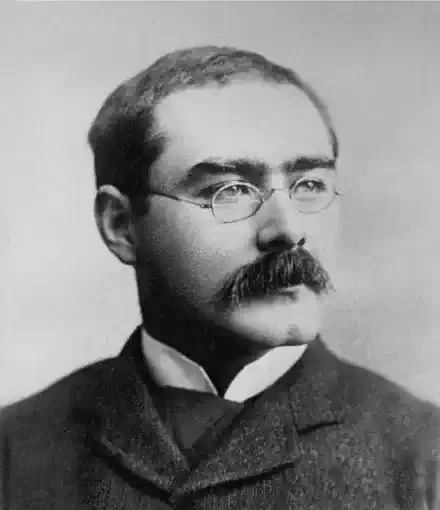
Rudyard Kipling
To Wolcott Balestier
To Wolcott Balestier
Beyond the path of the outmost sun through utter darkness hurled --
Further than ever comet flared or vagrant star-dust swirled --
Live such as fought and sailed and ruled and loved and made our world.
They are purged of pride because they died, they know the worth of their bays,
They sit at wine with the Maidens Nine and the Gods of the Elder Days,
It is their will to serve or be still as fitteth our Father's praise.
'Tis theirs to sweep through the ringing deep where Azrael's outposts are,
Or buffet a path through the Pit's red wrath when God goes out to war,
Or hang with the reckless Seraphim on the rein of a red-maned star.
They take their mirth in the joy of the Earth --
they dare not grieve for her pain --
They know of toil and the end of toil, they know God's law is plain,
So they whistle the Devil to make them sport who know that Sin is vain.
And ofttimes cometh our wise Lord God, master of every trade,
And tells them tales of His daily toil, of Edens newly made;
And they rise to their feet as He passes by, gentlemen unafraid.
To these who are cleansed of base Desire, Sorrow and Lust and Shame --
Gods for they knew the hearts of men, men for they stooped to Fame,
Borne on the breath that men call Death, my brother's spirit came.
He scarce had need to doff his pride or slough the dross of Earth --
E'en as he trod that day to God so walked he from his birth,
In simpleness and gentleness and honour and clean mirth.
So cup to lip in fellowship they gave him welcome high
And made him place at the banquet board -- the Strong Men ranged thereby,
Who had done his work and held his peace and had no fear to die.
Beyond the loom of the last lone star, through open darkness hurled,
Further than rebel comet dared or hiving star-swarm swirled,
Sits he with those that praise our God for that they served His world.
Beyond the path of the outmost sun through utter darkness hurled --
Further than ever comet flared or vagrant star-dust swirled --
Live such as fought and sailed and ruled and loved and made our world.
They are purged of pride because they died, they know the worth of their bays,
They sit at wine with the Maidens Nine and the Gods of the Elder Days,
It is their will to serve or be still as fitteth our Father's praise.
'Tis theirs to sweep through the ringing deep where Azrael's outposts are,
Or buffet a path through the Pit's red wrath when God goes out to war,
Or hang with the reckless Seraphim on the rein of a red-maned star.
They take their mirth in the joy of the Earth --
they dare not grieve for her pain --
They know of toil and the end of toil, they know God's law is plain,
So they whistle the Devil to make them sport who know that Sin is vain.
And ofttimes cometh our wise Lord God, master of every trade,
And tells them tales of His daily toil, of Edens newly made;
And they rise to their feet as He passes by, gentlemen unafraid.
To these who are cleansed of base Desire, Sorrow and Lust and Shame --
Gods for they knew the hearts of men, men for they stooped to Fame,
Borne on the breath that men call Death, my brother's spirit came.
He scarce had need to doff his pride or slough the dross of Earth --
E'en as he trod that day to God so walked he from his birth,
In simpleness and gentleness and honour and clean mirth.
So cup to lip in fellowship they gave him welcome high
And made him place at the banquet board -- the Strong Men ranged thereby,
Who had done his work and held his peace and had no fear to die.
Beyond the loom of the last lone star, through open darkness hurled,
Further than rebel comet dared or hiving star-swarm swirled,
Sits he with those that praise our God for that they served His world.
444
Rudyard Kipling
To the Companions
To the Companions
How comes it that, at even-tide,
When level beams should show most truth,
Man, failing, takes unfailing pride
In memories of his frolic youth?
Venus and Liber fill their hour;
The games engage, the law-courts prove;
Till hardened life breeds love of power
Or Avarice, Age's final love.
Yet at the end, these comfort not--
Nor any triumph Fate decrees--
Compared with glorious, unforgot--
Ten innocent enormities
Of frontless days before the beard,
When, instant on the casual jest,
The God Himself of Mirth appeared
And snatched us to His heaving breast
And we--not caring who He was
But certain He would come again--
Accepted all He brought to pass
As Gods accept the lives of men...
Then He withdrew from sight and speech,
Nor left a shrine. How comes it now,
While Charon's keel grates on the beach,
He calls so clear: "Rememberest thou?"
How comes it that, at even-tide,
When level beams should show most truth,
Man, failing, takes unfailing pride
In memories of his frolic youth?
Venus and Liber fill their hour;
The games engage, the law-courts prove;
Till hardened life breeds love of power
Or Avarice, Age's final love.
Yet at the end, these comfort not--
Nor any triumph Fate decrees--
Compared with glorious, unforgot--
Ten innocent enormities
Of frontless days before the beard,
When, instant on the casual jest,
The God Himself of Mirth appeared
And snatched us to His heaving breast
And we--not caring who He was
But certain He would come again--
Accepted all He brought to pass
As Gods accept the lives of men...
Then He withdrew from sight and speech,
Nor left a shrine. How comes it now,
While Charon's keel grates on the beach,
He calls so clear: "Rememberest thou?"
467
Rudyard Kipling
The Virginity
The Virginity
Try as he will, no man breaks wholly loose
From his first love, no matter who she be.
Oh, was there ever sailor free to choose,
That didn't settle somewhere near the sea?
Myself, it don't excite me nor amuse
To watch a pack o' shipping on the sea;
But I can understand my neighbour's views
From certain things which have occured to me.
Men must keep touch with things they used to use
To earn their living, even when they are free;
And so come back upon the least excuse --
Same as the sailor settled near the sea.
He knows he's never going on no cruise --
He knows he's done and finished with the sea;
And yet he likes to feel she's there to use --
If he should ask her -- as she used to be.
Even though she cost him all he had to lose,
Even though she made him sick to hear or see,
Still, what she left of him will mostly choose
Her skirts to sit by. How comes such to be?
Parsons in pulpits, tax-payers in pews,
Kings on your thrones, you know as well as me,
We've only one virginity to lose,
And where we lost it there our hearts will be!
Try as he will, no man breaks wholly loose
From his first love, no matter who she be.
Oh, was there ever sailor free to choose,
That didn't settle somewhere near the sea?
Myself, it don't excite me nor amuse
To watch a pack o' shipping on the sea;
But I can understand my neighbour's views
From certain things which have occured to me.
Men must keep touch with things they used to use
To earn their living, even when they are free;
And so come back upon the least excuse --
Same as the sailor settled near the sea.
He knows he's never going on no cruise --
He knows he's done and finished with the sea;
And yet he likes to feel she's there to use --
If he should ask her -- as she used to be.
Even though she cost him all he had to lose,
Even though she made him sick to hear or see,
Still, what she left of him will mostly choose
Her skirts to sit by. How comes such to be?
Parsons in pulpits, tax-payers in pews,
Kings on your thrones, you know as well as me,
We've only one virginity to lose,
And where we lost it there our hearts will be!
453
Rudyard Kipling
The Story of Uriah
The Story of Uriah
Jack Barrett went to Quetta
Because they told him to.
He left his wife at Simla
On three-fourths his monthly screw.
Jack Barrett died at Quetta
Ere the next month's pay he drew.
Jack Barrett went to Quetta.
He didn't understand
The reason of his transfer
From the pleasant mountain-land.
The season was September,
And it killed him out of hand.
Jack Barrett went to Quetta
And there gave up the ghost,
Attempting two men's duty
In that very healthy post;
And Mrs. Barrett mourned for him
Five lively months at most.
Jack Barrett's bones at Quetta
Enjoy profound repose;
But I shouldn't be astonished
If now his spirit knows
The reason of his transfer
From the Himalayan snows.
And, when the Last Great Bugle Call
Adown the Hurnai throbs,
And the last grim joke is entered
In the big black Book of Jobs.
And Quetta graveyards give again
Their victims to the air,
I shouldn't like to be the man
Who sent Jack Barrett there.
Jack Barrett went to Quetta
Because they told him to.
He left his wife at Simla
On three-fourths his monthly screw.
Jack Barrett died at Quetta
Ere the next month's pay he drew.
Jack Barrett went to Quetta.
He didn't understand
The reason of his transfer
From the pleasant mountain-land.
The season was September,
And it killed him out of hand.
Jack Barrett went to Quetta
And there gave up the ghost,
Attempting two men's duty
In that very healthy post;
And Mrs. Barrett mourned for him
Five lively months at most.
Jack Barrett's bones at Quetta
Enjoy profound repose;
But I shouldn't be astonished
If now his spirit knows
The reason of his transfer
From the Himalayan snows.
And, when the Last Great Bugle Call
Adown the Hurnai throbs,
And the last grim joke is entered
In the big black Book of Jobs.
And Quetta graveyards give again
Their victims to the air,
I shouldn't like to be the man
Who sent Jack Barrett there.
487
Rudyard Kipling
The Survival
The Survival
Securely, after days
Unnumbered, I behold
Kings mourn that promised praise
Their cheating bars foretold.
Of earth-constructing Wars,
Of Princes passed in chains,
Of deeds out-shining stars,
No word or voice remains.
Yet furthest times receive,
And to fresh praise restore,
Mere breath of flutes at eve,
Mere seaweed on the shore.
A smoke of sacrifice;
A chosen myrtle-wreath;
An harlot's altered eyes;
A rage 'gainst love or death;
Glazed snow beneath the moon --
The surge of storm-bowed trees--
The Caesars perished soon,
And Rome Herself: But these
Endure while Empires fall
And Gods for Gods make room....
Which greater God than all
Imposed the amazing doom?
Securely, after days
Unnumbered, I behold
Kings mourn that promised praise
Their cheating bars foretold.
Of earth-constructing Wars,
Of Princes passed in chains,
Of deeds out-shining stars,
No word or voice remains.
Yet furthest times receive,
And to fresh praise restore,
Mere breath of flutes at eve,
Mere seaweed on the shore.
A smoke of sacrifice;
A chosen myrtle-wreath;
An harlot's altered eyes;
A rage 'gainst love or death;
Glazed snow beneath the moon --
The surge of storm-bowed trees--
The Caesars perished soon,
And Rome Herself: But these
Endure while Empires fall
And Gods for Gods make room....
Which greater God than all
Imposed the amazing doom?
567
Rudyard Kipling
The Song of Diego Valdez
The Song of Diego Valdez
The God of Fair Beginnings
Hath prospered here my hand --
The cargoes of my lading,
And the keels of my command.
For out of many ventures
That sailed with hope as high,
My own have made the better trade,
And Admiral am I.
To me my King's much honour,
To me my people's love --
To me the pride of Princes
And power all pride above;
To me the shouting cities,
To me the mob's refrain: --
"Who knows not noble Valdez
"Hath never heard of Spain."
But I remember comrades --
Old playmates on new seas --
Whenas we traded orpiment
Among the savages --
A thousand leagues to south'ard
And thirty years removed --
They knew nor noble Valdez,
But me they knew and loved.
Then they that found good liquor,
They drank it not alone,
And they that found fair plunder,
They told us every one,
About our chosen islands
Or secret shoals between,
When, weary from far voyage,
We gathered to careen.
Were burned our breaming-fagots
All pale along the shore:
There rose our worn pavilions --
A sail above an oar:
As flashed each yeaming anchor
Through mellow seas afire,
So swift our careless captains
Rowed each to his desire.
Where lay our loosened harness?
Where turned our naked feet?
Whose tavern 'mid the palm-trees?
What quenchings of what heat?
Oh, fountain in the desert!
Oh, cistern in the waste!
Oh, bread we ate in secret!
Oh, cup we spilled in haste!
The youth new-taught of longing,
The widow curbed and wan,
The goodwife proud at season,
And the maid aware of man --
All souls unslaked, consuming,
Defrauded in delays,
Desire not more their quittance
Than I those forfeit days!
I dreamed to wait my pleasure
Unchanged my spring would bide:
Wherefore, to wait my pleasure,
I put my spring aside
Till, first in face of Fortune,
And last in mazed disdain,
I made Diego Valdez
High Admiral of Spain.
Then walked no wind 'neath Heaven
Nor surge that did not aid --
I dared extreme occasion,
Nor ever one betrayed.
They wrought a deeper treason --
(Led seas that served my needs!)
They sold Diego Valdez
To bondage of great deeds.
The tempest flung me seaward,
And pinned and bade me hold
The course I might not alter --
And men esteemed me bold!
The calms embayed my quarry,
The fog-wreath sealed his eyes;
The dawn-wind brought my topsails --
And men esteemed me wise!
Yet, 'spite my tyrant triumphs,
Bewildered, dispossessed --
My dream held I beore me
My vision of my rest;
But, crowned by Fleet and People,
And bound by King and Pope --
Stands here Diego Valdez
To rob me of my hope.
No prayer of mine shall move him.
No word of his set free
The Lord of Sixty Pennants
And the Steward of the Sea.
His will can loose ten thousand
To seek their loves again --
But not Diego Valdez,
High Admiral of Spain.
There walks no wind 'neath Heaven
Nor wave that shall restore
The old careening riot
And the clamorous, crowded shore --
The fountain in the desert,
The cistern in the waste,
The bread we ate in secret,
The cup we spilled in haste.
Now call I to my Captains --
For council fly the sign --
Now leap their zealous galleys,
Twelve-oared, across the brine.
To me the straiter prison,
To me the heavier chain --
To me Diego Valdez,
High Admiral of Spain!
The God of Fair Beginnings
Hath prospered here my hand --
The cargoes of my lading,
And the keels of my command.
For out of many ventures
That sailed with hope as high,
My own have made the better trade,
And Admiral am I.
To me my King's much honour,
To me my people's love --
To me the pride of Princes
And power all pride above;
To me the shouting cities,
To me the mob's refrain: --
"Who knows not noble Valdez
"Hath never heard of Spain."
But I remember comrades --
Old playmates on new seas --
Whenas we traded orpiment
Among the savages --
A thousand leagues to south'ard
And thirty years removed --
They knew nor noble Valdez,
But me they knew and loved.
Then they that found good liquor,
They drank it not alone,
And they that found fair plunder,
They told us every one,
About our chosen islands
Or secret shoals between,
When, weary from far voyage,
We gathered to careen.
Were burned our breaming-fagots
All pale along the shore:
There rose our worn pavilions --
A sail above an oar:
As flashed each yeaming anchor
Through mellow seas afire,
So swift our careless captains
Rowed each to his desire.
Where lay our loosened harness?
Where turned our naked feet?
Whose tavern 'mid the palm-trees?
What quenchings of what heat?
Oh, fountain in the desert!
Oh, cistern in the waste!
Oh, bread we ate in secret!
Oh, cup we spilled in haste!
The youth new-taught of longing,
The widow curbed and wan,
The goodwife proud at season,
And the maid aware of man --
All souls unslaked, consuming,
Defrauded in delays,
Desire not more their quittance
Than I those forfeit days!
I dreamed to wait my pleasure
Unchanged my spring would bide:
Wherefore, to wait my pleasure,
I put my spring aside
Till, first in face of Fortune,
And last in mazed disdain,
I made Diego Valdez
High Admiral of Spain.
Then walked no wind 'neath Heaven
Nor surge that did not aid --
I dared extreme occasion,
Nor ever one betrayed.
They wrought a deeper treason --
(Led seas that served my needs!)
They sold Diego Valdez
To bondage of great deeds.
The tempest flung me seaward,
And pinned and bade me hold
The course I might not alter --
And men esteemed me bold!
The calms embayed my quarry,
The fog-wreath sealed his eyes;
The dawn-wind brought my topsails --
And men esteemed me wise!
Yet, 'spite my tyrant triumphs,
Bewildered, dispossessed --
My dream held I beore me
My vision of my rest;
But, crowned by Fleet and People,
And bound by King and Pope --
Stands here Diego Valdez
To rob me of my hope.
No prayer of mine shall move him.
No word of his set free
The Lord of Sixty Pennants
And the Steward of the Sea.
His will can loose ten thousand
To seek their loves again --
But not Diego Valdez,
High Admiral of Spain.
There walks no wind 'neath Heaven
Nor wave that shall restore
The old careening riot
And the clamorous, crowded shore --
The fountain in the desert,
The cistern in the waste,
The bread we ate in secret,
The cup we spilled in haste.
Now call I to my Captains --
For council fly the sign --
Now leap their zealous galleys,
Twelve-oared, across the brine.
To me the straiter prison,
To me the heavier chain --
To me Diego Valdez,
High Admiral of Spain!
615
Rudyard Kipling
The Prodigal Son
The Prodigal Son
Here come I to my own again,
Fed, forgiven and known again,
Claimed by bone of my bone again
And cheered by flesh of my flesh.
The fatted calf is dressed for me,
But the husks have greater rest for me,
I think my pigs will be best for me,
So I'm off to the Yards afresh.
I never was very refined, you see,
(And it weighs on my brother's mind, you see)
But there's no reproach among swine, d'you see,
For being a bit of a swine.
So I'm off with wallet and staff to eat
The bread that is three parts chaff to wheat,
But glory be! - there's a laugh to it,
Which isn't the case when we dine.
My father glooms and advises me,
My brother sulks and despises me,
And Mother catechises me
Till I want to go out and swear.
And, in spite of the butler's gravity,
I know that the servants have it I
Am a monster of moral depravity,
And I'm damned if I think it's fair!
I wasted my substance, I know I did,
On riotous living, so I did,
But there's nothing on record to show I did
Worse than my betters have done.
They talk of the money I spent out there -
They hint at the pace that I went out there -
But they all forget I was sent out there
Alone as a rich man's son.
So I was a mark for plunder at once,
And lost my cash (can you wonder?) at once,
But I didn't give up and knock under at once,
I worked in the Yards, for a spell,
Where I spent my nights and my days with hogs.
And shared their milk and maize with hogs,
Till, I guess, I have learned what pays with hogs
And - I have that knowledge to sell!
So back I go to my job again,
Not so easy to rob again,
Or quite so ready to sob again
On any neck that's around.
I'm leaving, Pater. Good-bye to you!
God bless you, Mater! I'll write to you!
I wouldn't be impolite to you,
But, Brother, you are a hound!
Here come I to my own again,
Fed, forgiven and known again,
Claimed by bone of my bone again
And cheered by flesh of my flesh.
The fatted calf is dressed for me,
But the husks have greater rest for me,
I think my pigs will be best for me,
So I'm off to the Yards afresh.
I never was very refined, you see,
(And it weighs on my brother's mind, you see)
But there's no reproach among swine, d'you see,
For being a bit of a swine.
So I'm off with wallet and staff to eat
The bread that is three parts chaff to wheat,
But glory be! - there's a laugh to it,
Which isn't the case when we dine.
My father glooms and advises me,
My brother sulks and despises me,
And Mother catechises me
Till I want to go out and swear.
And, in spite of the butler's gravity,
I know that the servants have it I
Am a monster of moral depravity,
And I'm damned if I think it's fair!
I wasted my substance, I know I did,
On riotous living, so I did,
But there's nothing on record to show I did
Worse than my betters have done.
They talk of the money I spent out there -
They hint at the pace that I went out there -
But they all forget I was sent out there
Alone as a rich man's son.
So I was a mark for plunder at once,
And lost my cash (can you wonder?) at once,
But I didn't give up and knock under at once,
I worked in the Yards, for a spell,
Where I spent my nights and my days with hogs.
And shared their milk and maize with hogs,
Till, I guess, I have learned what pays with hogs
And - I have that knowledge to sell!
So back I go to my job again,
Not so easy to rob again,
Or quite so ready to sob again
On any neck that's around.
I'm leaving, Pater. Good-bye to you!
God bless you, Mater! I'll write to you!
I wouldn't be impolite to you,
But, Brother, you are a hound!
501
Rudyard Kipling
The Palace
The Palace
When I was a King and a Mason -- a Master proven and skilled --
I cleared me ground for a Palace such as a King should build.
I decreed and dug down to my levels. Presently, under the silt,
I came on the wreck of a Palace such as a King had built.
There was no worth in the fashion -- there was no wit in the plan --
Hither and thither, aimless, the ruined footings ran --
Masonry, brute, mishandled, but carven on every stone:
"After me cometh a Builder. Tell him, I too have known."
Swift to my use in my trenches, where my well-planned ground-works grew,
I tumbled his quoins and his ashlars, and cut and reset them anew.
Lime I milled of his marbles; burned it, slacked it, and spread;
Taking and leaving at pleasure the gifts of the humble dead.
Yet I despised not nor gloried; yet, as we wrenched them apart,
I read in the razed foundations the heart of that builder's heart.
As he had risen and pleaded, so did I understand
The form of the dream he had followed in the face of the thing he had planned.
* * * * *
When I was a King and a Mason -- in the open noon of my pride,
They sent me a Word from the Darkness. They whispered and called me aside.
They said -- "The end is forbidden." They said -- "Thy use is fulfilled.
"Thy Palace shall stand as that other's -- the spoil of a King who shall build."
I called my men from my trenches, my quarries, my wharves, and my sheers.
All I had wrought I abandoned to the faith of the faithless years.
Only I cut on the timber -- only I carved on the stone:
"After me cometh a Builder. Tell him, I too have known!"
When I was a King and a Mason -- a Master proven and skilled --
I cleared me ground for a Palace such as a King should build.
I decreed and dug down to my levels. Presently, under the silt,
I came on the wreck of a Palace such as a King had built.
There was no worth in the fashion -- there was no wit in the plan --
Hither and thither, aimless, the ruined footings ran --
Masonry, brute, mishandled, but carven on every stone:
"After me cometh a Builder. Tell him, I too have known."
Swift to my use in my trenches, where my well-planned ground-works grew,
I tumbled his quoins and his ashlars, and cut and reset them anew.
Lime I milled of his marbles; burned it, slacked it, and spread;
Taking and leaving at pleasure the gifts of the humble dead.
Yet I despised not nor gloried; yet, as we wrenched them apart,
I read in the razed foundations the heart of that builder's heart.
As he had risen and pleaded, so did I understand
The form of the dream he had followed in the face of the thing he had planned.
* * * * *
When I was a King and a Mason -- in the open noon of my pride,
They sent me a Word from the Darkness. They whispered and called me aside.
They said -- "The end is forbidden." They said -- "Thy use is fulfilled.
"Thy Palace shall stand as that other's -- the spoil of a King who shall build."
I called my men from my trenches, my quarries, my wharves, and my sheers.
All I had wrought I abandoned to the faith of the faithless years.
Only I cut on the timber -- only I carved on the stone:
"After me cometh a Builder. Tell him, I too have known!"
602
Rudyard Kipling
The Moon of Other Days
The Moon of Other Days
Beneath the deep veranda's shade,
When bats begin to fly,
I sit me down and watch -- alas! --
Another evening die.
Blood-red behind the sere ferash
She rises through the haze.
Sainted Diana! can that be
The Moon of Other Days?
Ah! shade of little Kitty Smith,
Sweet Saint of Kensington!
Say, was it ever thus at Home
The Moon of August shone,
When arm in arm we wandered long
Through Putney's evening haze,
And Hammersmith was Heaven beneath
The moon of Other Days?
But Wandle's stream is Sutlej now,
And Putney's evening haze
The dust that half a hundered kine
Before my window raise.
Unkempt, unclean, athwart the mist
The seething city looms,
In place of Putney's golden gorse
The sickly babul blooms.
Glare down, old Hecate, through the dust,
And bid the pie-dog yell,
Draw from the drain its typhoid-term,
From each bazaar its smell;
Yea, suck the fever from the tank
And sap my strength therewith:
Thank Heaven, you show a smiling face
To little Kitty Smith!
Beneath the deep veranda's shade,
When bats begin to fly,
I sit me down and watch -- alas! --
Another evening die.
Blood-red behind the sere ferash
She rises through the haze.
Sainted Diana! can that be
The Moon of Other Days?
Ah! shade of little Kitty Smith,
Sweet Saint of Kensington!
Say, was it ever thus at Home
The Moon of August shone,
When arm in arm we wandered long
Through Putney's evening haze,
And Hammersmith was Heaven beneath
The moon of Other Days?
But Wandle's stream is Sutlej now,
And Putney's evening haze
The dust that half a hundered kine
Before my window raise.
Unkempt, unclean, athwart the mist
The seething city looms,
In place of Putney's golden gorse
The sickly babul blooms.
Glare down, old Hecate, through the dust,
And bid the pie-dog yell,
Draw from the drain its typhoid-term,
From each bazaar its smell;
Yea, suck the fever from the tank
And sap my strength therewith:
Thank Heaven, you show a smiling face
To little Kitty Smith!
427