

Poems in this topic
Animals and Nature
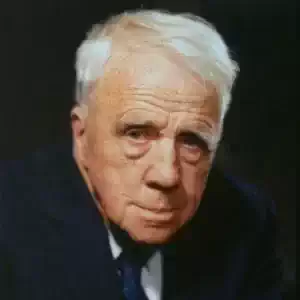
Robert Frost
The Exposed Nest
The Exposed Nest
You were forever finding some new play.
So when I saw you down on hands and knees
I the meadow, busy with the new-cut hay,
Trying, I thought, to set it up on end,
I went to show you how to make it stay,
If that was your idea, against the breeze,
And, if you asked me, even help pretend
To make it root again and grow afresh.
But 'twas no make-believe with you today,
Nor was the grass itself your real concern,
Though I found your hand full of wilted fern,
Steel-bright June-grass, and blackening heads of clovers.
'Twas a nest full of young birds on the ground
The cutter-bar had just gone champing over
(Miraculously without tasking flesh)
And left defenseless to the heat and light.
You wanted to restore them to their right
Of something interposed between their sight
And too much world at once--could means be found.
The way the nest-full every time we stirred
Stood up to us as to a mother-bird
Whose coming home has been too long deferred,
Made me ask would the mother-bird return
And care for them in such a change of scene
And might out meddling make her more afraid.
That was a thing we could not wait to learn.
We saw the risk we took in doing good,
But dared not spare to do the best we could
Though harm should come of it; so built the screen
You had begun, and gave them back their shade.
All this to prove we cared. Why is there then
No more to tell? We turned to other things.
I haven't any memory--have you?--
Of ever coming to the place again
To see if the birds lived the first night through,
And so at last to learn to use their wings.
You were forever finding some new play.
So when I saw you down on hands and knees
I the meadow, busy with the new-cut hay,
Trying, I thought, to set it up on end,
I went to show you how to make it stay,
If that was your idea, against the breeze,
And, if you asked me, even help pretend
To make it root again and grow afresh.
But 'twas no make-believe with you today,
Nor was the grass itself your real concern,
Though I found your hand full of wilted fern,
Steel-bright June-grass, and blackening heads of clovers.
'Twas a nest full of young birds on the ground
The cutter-bar had just gone champing over
(Miraculously without tasking flesh)
And left defenseless to the heat and light.
You wanted to restore them to their right
Of something interposed between their sight
And too much world at once--could means be found.
The way the nest-full every time we stirred
Stood up to us as to a mother-bird
Whose coming home has been too long deferred,
Made me ask would the mother-bird return
And care for them in such a change of scene
And might out meddling make her more afraid.
That was a thing we could not wait to learn.
We saw the risk we took in doing good,
But dared not spare to do the best we could
Though harm should come of it; so built the screen
You had begun, and gave them back their shade.
All this to prove we cared. Why is there then
No more to tell? We turned to other things.
I haven't any memory--have you?--
Of ever coming to the place again
To see if the birds lived the first night through,
And so at last to learn to use their wings.
475
Robert Frost
The Bear
The Bear
The bear puts both arms around the tree above her
And draws it down as if it were a lover
And its chokecherries lips to kiss good-by,
Then lets it snap back upright in the sky.
Her next step rocks a boulder on the wall
(She's making her cross-country in the fall).
Her great weight creaks the barbed wire in its staples
As she flings over and off down through the maples,
Leaving on one wire tooth a lock of hair.
Such is the uncaged progress of the bear.
The world has room to make a bear feel free;
The universe seems cramped to you and me.
Man acts more like the poor bear in a cage,
That all day fights a nervous inward rage,
His mood rejecting all his mind suggests.
He paces back and forth and never rests
The me-nail click and shuffle of his feet,
The telescope at one end of his beat,
And at the other end the microscope,
Two instruments of nearly equal hope,
And in conjunction giving quite a spread.
Or if he rests from scientific tread,
'Tis only to sit back and sway his head
Through ninety-odd degrees of arc, it seems,
Between two metaphysical extremes.
He sits back on his fundamental butt
With lifted snout and eyes (if any) shut
(He almost looks religious but he's not),
And back and forth he sways from cheek to cheek,
At one extreme agreeing with one Greek
At the other agreeing with another Greek
Which may be thought, but only so to speak.
A baggy figure, equally pathetic
When sedentary and when peripatetic.
The bear puts both arms around the tree above her
And draws it down as if it were a lover
And its chokecherries lips to kiss good-by,
Then lets it snap back upright in the sky.
Her next step rocks a boulder on the wall
(She's making her cross-country in the fall).
Her great weight creaks the barbed wire in its staples
As she flings over and off down through the maples,
Leaving on one wire tooth a lock of hair.
Such is the uncaged progress of the bear.
The world has room to make a bear feel free;
The universe seems cramped to you and me.
Man acts more like the poor bear in a cage,
That all day fights a nervous inward rage,
His mood rejecting all his mind suggests.
He paces back and forth and never rests
The me-nail click and shuffle of his feet,
The telescope at one end of his beat,
And at the other end the microscope,
Two instruments of nearly equal hope,
And in conjunction giving quite a spread.
Or if he rests from scientific tread,
'Tis only to sit back and sway his head
Through ninety-odd degrees of arc, it seems,
Between two metaphysical extremes.
He sits back on his fundamental butt
With lifted snout and eyes (if any) shut
(He almost looks religious but he's not),
And back and forth he sways from cheek to cheek,
At one extreme agreeing with one Greek
At the other agreeing with another Greek
Which may be thought, but only so to speak.
A baggy figure, equally pathetic
When sedentary and when peripatetic.
519
Robert Frost
Stars
Stars
How countlessly they congregate
O'er our tumultuous snow,
Which flows in shapes as tall as trees
When wintry winds do blow!--
As if with keenness for our fate,
Our faltering few steps on
To white rest, and a place of rest
Invisible at dawn,--
And yet with neither love nor hate,
Those stars like some snow-white
Minerva's snow-white marble eyes
Without the gift of sight.
How countlessly they congregate
O'er our tumultuous snow,
Which flows in shapes as tall as trees
When wintry winds do blow!--
As if with keenness for our fate,
Our faltering few steps on
To white rest, and a place of rest
Invisible at dawn,--
And yet with neither love nor hate,
Those stars like some snow-white
Minerva's snow-white marble eyes
Without the gift of sight.
501
Robert Frost
Putting In The Seed
Putting In The Seed
You come to fetch me from my work to-night
When supper's on the table, and we'll see
If I can leave off burying the white
Soft petals fallen from the apple tree
(Soft petals, yes, but not so barren quite,
Mingled with these, smooth bean and wrinkled pea);
And go along with you ere you lose sight
Of what you came for and become like me,
Slave to a Springtime passion for the earth.
How Love burns through the Putting in the Seed
On through the watching for that early birth
When, just as the soil tarnishes with weed,
The sturdy seedling with arched body comes
Shouldering its way and shedding the earth crumbs.
You come to fetch me from my work to-night
When supper's on the table, and we'll see
If I can leave off burying the white
Soft petals fallen from the apple tree
(Soft petals, yes, but not so barren quite,
Mingled with these, smooth bean and wrinkled pea);
And go along with you ere you lose sight
Of what you came for and become like me,
Slave to a Springtime passion for the earth.
How Love burns through the Putting in the Seed
On through the watching for that early birth
When, just as the soil tarnishes with weed,
The sturdy seedling with arched body comes
Shouldering its way and shedding the earth crumbs.
623
Robert Frost
Never Again Would Bird's Song Be the Same
Never Again Would Bird's Song Be the Same
He would declare and could himself believe
That the birds there in all the garden round
From having heard the daylong voice of Eve
Had added to their own an oversound,
Her tone of meaning but without the words.
Admittedly an eloquence so soft
Could only have had an influence on birds
When call or laughter carried it aloft.
Be that as may be, she was in their song.
Moreover her voice upon their voices crossed
Had now persisted in the woods so long
That probably it never would be lost.
Never again would birds' song be the same.
And to do that to birds was why she came.
He would declare and could himself believe
That the birds there in all the garden round
From having heard the daylong voice of Eve
Had added to their own an oversound,
Her tone of meaning but without the words.
Admittedly an eloquence so soft
Could only have had an influence on birds
When call or laughter carried it aloft.
Be that as may be, she was in their song.
Moreover her voice upon their voices crossed
Had now persisted in the woods so long
That probably it never would be lost.
Never again would birds' song be the same.
And to do that to birds was why she came.
507
Robert Frost
Mowing
Mowing
There was never a sound beside the wood but one,
And that was my long scythe whispering to the ground.
What was it it whispered? I knew not well myself;
Perhaps it was something about the heat of the sun,
Something, perhaps, about the lack of sound--
And that was why it whispered and did not speak.
It was no dream of the gift of idle hours,
Or easy gold at the hand of fay or elf:
Anything more than the truth would have seemed too weak
To the earnest love that laid the swale in rows,
Not without feeble-pointed spikes of flowers
(Pale orchises), and scared a bright green snake.
The fact is the sweetest dream that labour knows.
My long scythe whispered and left the hay to make.
There was never a sound beside the wood but one,
And that was my long scythe whispering to the ground.
What was it it whispered? I knew not well myself;
Perhaps it was something about the heat of the sun,
Something, perhaps, about the lack of sound--
And that was why it whispered and did not speak.
It was no dream of the gift of idle hours,
Or easy gold at the hand of fay or elf:
Anything more than the truth would have seemed too weak
To the earnest love that laid the swale in rows,
Not without feeble-pointed spikes of flowers
(Pale orchises), and scared a bright green snake.
The fact is the sweetest dream that labour knows.
My long scythe whispered and left the hay to make.
818
Robert Frost
In White
In White
A dented spider like a snow drop white
On a white Heal-all, holding up a moth
Like a white piece of lifeless satin cloth -
Saw ever curious eye so strange a sight? -
Portent in little, assorted death and blight
Like the ingredients of a witches' broth? -
The beady spider, the flower like a froth,
And the moth carried like a paper kite.
What had that flower to do with being white,
The blue prunella every child's delight.
What brought the kindred spider to that height?
(Make we no thesis of the miller's plight.)
What but design of darkness and of night?
Design, design! Do I use the word aright?
A dented spider like a snow drop white
On a white Heal-all, holding up a moth
Like a white piece of lifeless satin cloth -
Saw ever curious eye so strange a sight? -
Portent in little, assorted death and blight
Like the ingredients of a witches' broth? -
The beady spider, the flower like a froth,
And the moth carried like a paper kite.
What had that flower to do with being white,
The blue prunella every child's delight.
What brought the kindred spider to that height?
(Make we no thesis of the miller's plight.)
What but design of darkness and of night?
Design, design! Do I use the word aright?
503
Robert Frost
Fragmentary Blue
Fragmentary Blue
Why make so much of fragmentary blue
In here and there a bird, or butterfly,
Or flower, or wearing-stone, or open eye,
When heaven presents in sheets the solid hue?
Since earth is earth, perhaps, not heaven (as yet)--
Though some savants make earth include the sky;
And blue so far above us comes so high,
It only gives our wish for blue a whet.
Why make so much of fragmentary blue
In here and there a bird, or butterfly,
Or flower, or wearing-stone, or open eye,
When heaven presents in sheets the solid hue?
Since earth is earth, perhaps, not heaven (as yet)--
Though some savants make earth include the sky;
And blue so far above us comes so high,
It only gives our wish for blue a whet.
454
Robert Frost
Ghost House
Ghost House
I dwell in a lonely house I know
That vanished many a summer ago,
And left no trace but the cellar walls,
And a cellar in which the daylight falls,
And the purple-stemmed wild raspberries grow.
O'er ruined fences the grape-vines shield
The woods come back to the mowing field;
The orchard tree has grown one copse
Of new wood and old where the woodpecker chops;
The footpath down to the well is healed.
I dwell with a strangely aching heart
In that vanished abode there far apart
On that disused and forgotten road
That has no dust-bath now for the toad.
Night comes; the black bats tumble and dart;
The whippoorwill is coming to shout
And hush and cluck and flutter about:
I hear him begin far enough away
Full many a time to say his say
Before he arrives to say it out.
It is under the small, dim, summer star.
I know not who these mute folk are
Who share the unlit place with me--
Those stones out under the low-limbed tree
Doubtless bear names that the mosses mar.
They are tireless folk, but slow and sad,
Though two, close-keeping, are lass and lad,--
With none among them that ever sings,
And yet, in view of how many things,
As sweet companions as might be had.
I dwell in a lonely house I know
That vanished many a summer ago,
And left no trace but the cellar walls,
And a cellar in which the daylight falls,
And the purple-stemmed wild raspberries grow.
O'er ruined fences the grape-vines shield
The woods come back to the mowing field;
The orchard tree has grown one copse
Of new wood and old where the woodpecker chops;
The footpath down to the well is healed.
I dwell with a strangely aching heart
In that vanished abode there far apart
On that disused and forgotten road
That has no dust-bath now for the toad.
Night comes; the black bats tumble and dart;
The whippoorwill is coming to shout
And hush and cluck and flutter about:
I hear him begin far enough away
Full many a time to say his say
Before he arrives to say it out.
It is under the small, dim, summer star.
I know not who these mute folk are
Who share the unlit place with me--
Those stones out under the low-limbed tree
Doubtless bear names that the mosses mar.
They are tireless folk, but slow and sad,
Though two, close-keeping, are lass and lad,--
With none among them that ever sings,
And yet, in view of how many things,
As sweet companions as might be had.
570
Robert Frost
Fireflies in the Garden
Fireflies in the Garden
Here come real stars to fill the upper skies,
And here on earth come emulating flies,
That though they never equal stars in size,
(And they were never really stars at heart)
Achieve at times a very star-like start.
Only, of course, they can't sustain the part.
Here come real stars to fill the upper skies,
And here on earth come emulating flies,
That though they never equal stars in size,
(And they were never really stars at heart)
Achieve at times a very star-like start.
Only, of course, they can't sustain the part.
399
Robert Frost
Evening In A Sugar Orchard
Evening In A Sugar Orchard
From where I lingered in a lull in march
outside the sugar-house one night for choice,
I called the fireman with a careful voice
And bade him leave the pan and stoke the arch:
'O fireman, give the fire another stoke,
And send more sparks up chimney with the smoke.'
I thought a few might tangle, as they did,
Among bare maple boughs, and in the rare
Hill atmosphere not cease to glow,
And so be added to the moon up there.
The moon, though slight, was moon enough to show
On every tree a bucket with a lid,
And on black ground a bear-skin rug of snow.
The sparks made no attempt to be the moon.
They were content to figure in the trees
As Leo, Orion, and the Pleiades.
And that was what the boughs were full of soon.
From where I lingered in a lull in march
outside the sugar-house one night for choice,
I called the fireman with a careful voice
And bade him leave the pan and stoke the arch:
'O fireman, give the fire another stoke,
And send more sparks up chimney with the smoke.'
I thought a few might tangle, as they did,
Among bare maple boughs, and in the rare
Hill atmosphere not cease to glow,
And so be added to the moon up there.
The moon, though slight, was moon enough to show
On every tree a bucket with a lid,
And on black ground a bear-skin rug of snow.
The sparks made no attempt to be the moon.
They were content to figure in the trees
As Leo, Orion, and the Pleiades.
And that was what the boughs were full of soon.
560
Robert Frost
In White: Frost's Early Version Of Design
"In White": Frost's Early Version Of Design
A dented spider like a snow drop white
On a white Heal-all, holding up a moth
Like a white piece of lifeless satin cloth -
Saw ever curious eye so strange a sight? -
Portent in little, assorted death and blight
Like the ingredients of a witches' broth? -
The beady spider, the flower like a froth,
And the moth carried like a paper kite.
What had that flower to do with being white,
The blue prunella every child's delight.
What brought the kindred spider to that height?
(Make we no thesis of the miller's plight.)
What but design of darkness and of night?
Design, design! Do I use the word aright?
Anonymous submission.
A dented spider like a snow drop white
On a white Heal-all, holding up a moth
Like a white piece of lifeless satin cloth -
Saw ever curious eye so strange a sight? -
Portent in little, assorted death and blight
Like the ingredients of a witches' broth? -
The beady spider, the flower like a froth,
And the moth carried like a paper kite.
What had that flower to do with being white,
The blue prunella every child's delight.
What brought the kindred spider to that height?
(Make we no thesis of the miller's plight.)
What but design of darkness and of night?
Design, design! Do I use the word aright?
Anonymous submission.
376
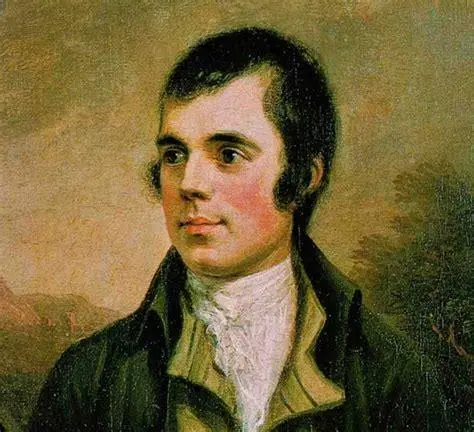
Robert Burns
To a Mouse, on Turning Up Her Nest With the Plough
To a Mouse, on Turning Up Her Nest With the Plough
Wee, sleeket, cowrin, tim'rous beastie,
Oh, what a panic's in thy breastie!
Thou need na start awa sae hasty
Wi' bickerin brattle!
I wad be laith to rin an' chase thee
Wi' murd'ring pattle!
I'm truly sorry man's dominion
Has broken Nature's social union,
An' justifies that ill opinion
Which makes thee startle
At me, thy poor earth-born companion,
An' fellow-mortal!
I doubt na, whyles, but thou may thieve:
What then? poor beastie, thou maun live!
A daimen icker in a thrave
'S a sma' request;
I'll get a blessin wi' the lave,
An' never miss 't!
Thy wee bit housie, too, in ruin!
Its silly wa's the win's are strewin!
An' naething, now, to big a new ane,
O' foggage green!
An' bleak December's winds ensuin
Baith snell an' keen!
Thou saw the fields laid bare an' wast,
An' weary winter comin fast,
An' cozie here beneath the blast
Thou thought to dwell,
Till crash! the cruel coulter past
Out thro' thy cell.
That wee bit heap o' leaves an' stibble
Has cost thee monie a weary nibble!
Now thou's turn'd out for a' thy trouble,
But house or hald,
To thole the winter's sleety dribble
An' cranreuch cauld!
But, Mousie, thou art no thy lane
In proving foresight may be vain:
The best laid schemes o' mice an' men
Gang aft agley,
An' lea'e us nought but grief an' pain
For promis'd joy.
Still thou art blest, compar'd wi' me!
The present only toucheth thee:
But, och! I backward cast my e'e
On prospects drear!
An' forward, tho' I canna see,
I guess an' fear!
Wee, sleeket, cowrin, tim'rous beastie,
Oh, what a panic's in thy breastie!
Thou need na start awa sae hasty
Wi' bickerin brattle!
I wad be laith to rin an' chase thee
Wi' murd'ring pattle!
I'm truly sorry man's dominion
Has broken Nature's social union,
An' justifies that ill opinion
Which makes thee startle
At me, thy poor earth-born companion,
An' fellow-mortal!
I doubt na, whyles, but thou may thieve:
What then? poor beastie, thou maun live!
A daimen icker in a thrave
'S a sma' request;
I'll get a blessin wi' the lave,
An' never miss 't!
Thy wee bit housie, too, in ruin!
Its silly wa's the win's are strewin!
An' naething, now, to big a new ane,
O' foggage green!
An' bleak December's winds ensuin
Baith snell an' keen!
Thou saw the fields laid bare an' wast,
An' weary winter comin fast,
An' cozie here beneath the blast
Thou thought to dwell,
Till crash! the cruel coulter past
Out thro' thy cell.
That wee bit heap o' leaves an' stibble
Has cost thee monie a weary nibble!
Now thou's turn'd out for a' thy trouble,
But house or hald,
To thole the winter's sleety dribble
An' cranreuch cauld!
But, Mousie, thou art no thy lane
In proving foresight may be vain:
The best laid schemes o' mice an' men
Gang aft agley,
An' lea'e us nought but grief an' pain
For promis'd joy.
Still thou art blest, compar'd wi' me!
The present only toucheth thee:
But, och! I backward cast my e'e
On prospects drear!
An' forward, tho' I canna see,
I guess an' fear!
284
Robert Burns
To a Mountain Daisy
To a Mountain Daisy
Wee, modest, crimson-tippèd flow'r,
Thou's met me in an evil hour;
For I maun crush amang the stoure
Thy slender stem:
To spare thee now is past my pow'r,
Thou bonie gem.
Alas! it's no thy neibor sweet,
The bonie lark, companion meet,
Bending thee 'mang the dewy weet
Wi' spreck'd breast,
When upward-springing, blythe, to greet
The purpling east.
Cauld blew the bitter-biting north
Upon thy early, humble birth;
Yet cheerfully thou glinted forth
Amid the storm,
Scarce rear'd above the parent-earth
Thy tender form.
The flaunting flowers our gardens yield
High shelt'ring woods an' wa's maun shield:
But thou, beneath the random bield
O' clod or stane,
Adorns the histie stibble-field
Unseen, alane.
There, in thy scanty mantle clad,
Thy snawie-bosom sun-ward spread,
Thou lifts thy unassuming head
In humble guise;
But now the share uptears thy bed,
And low thou lies!
Such is the fate of artless maid,
Sweet flow'ret of the rural shade!
By love's simplicity betray'd
And guileless trust;
Till she, like thee, all soil'd, is laid
Low i' the dust.
Such is the fate of simple bard,
On life's rough ocean luckless starr'd!
Unskilful he to note the card
Of prudent lore,
Till billows rage and gales blow hard,
And whelm him o'er!
Such fate to suffering Worth is giv'n,
Who long with wants and woes has striv'n,
By human pride or cunning driv'n
To mis'ry's brink;
Till, wrench'd of ev'ry stay but Heav'n,
He ruin'd sink!
Ev'n thou who mourn'st the Daisy's fate,
That fate is thine--no distant date;
Stern Ruin's ploughshare drives elate,
Full on thy bloom,
Till crush'd beneath the furrow's weight
Shall be thy doom.
Wee, modest, crimson-tippèd flow'r,
Thou's met me in an evil hour;
For I maun crush amang the stoure
Thy slender stem:
To spare thee now is past my pow'r,
Thou bonie gem.
Alas! it's no thy neibor sweet,
The bonie lark, companion meet,
Bending thee 'mang the dewy weet
Wi' spreck'd breast,
When upward-springing, blythe, to greet
The purpling east.
Cauld blew the bitter-biting north
Upon thy early, humble birth;
Yet cheerfully thou glinted forth
Amid the storm,
Scarce rear'd above the parent-earth
Thy tender form.
The flaunting flowers our gardens yield
High shelt'ring woods an' wa's maun shield:
But thou, beneath the random bield
O' clod or stane,
Adorns the histie stibble-field
Unseen, alane.
There, in thy scanty mantle clad,
Thy snawie-bosom sun-ward spread,
Thou lifts thy unassuming head
In humble guise;
But now the share uptears thy bed,
And low thou lies!
Such is the fate of artless maid,
Sweet flow'ret of the rural shade!
By love's simplicity betray'd
And guileless trust;
Till she, like thee, all soil'd, is laid
Low i' the dust.
Such is the fate of simple bard,
On life's rough ocean luckless starr'd!
Unskilful he to note the card
Of prudent lore,
Till billows rage and gales blow hard,
And whelm him o'er!
Such fate to suffering Worth is giv'n,
Who long with wants and woes has striv'n,
By human pride or cunning driv'n
To mis'ry's brink;
Till, wrench'd of ev'ry stay but Heav'n,
He ruin'd sink!
Ev'n thou who mourn'st the Daisy's fate,
That fate is thine--no distant date;
Stern Ruin's ploughshare drives elate,
Full on thy bloom,
Till crush'd beneath the furrow's weight
Shall be thy doom.
305
Robert Burns
To A Louse
To A Louse
On Seeing One on a Lady's Bonnet at Church
Ha! whare ye gaun' ye crowlin ferlie?
Your impudence protects you sairly;
I canna say but ye strunt rarely
Owre gauze and lace,
Tho faith! I fear ye dine but sparely
On sic a place.
Ye ugly, creepin, blastit wonner,
Detested, shunn'd by saunt an sinner,
How daur ye set your fit upon her---
Sae fine a lady!
Gae somewhere else and seek your dinner
On some poor body.
Swith! in some beggar's hauffet squattle;
There ye may creep, and sprawl, and sprattle;
Wi' ither kindred, jumping cattle;
In shoals and nations;
Whare horn nor bane ne'er daur unsettle
Your thick plantations.
Now haud you there! ye're out o' sight,
Below the fatt'rils, snug an tight,
Na, faith ye yet! ye'll no be right,
Till ye've got on it---
The vera tapmost, tow'rin height
O' Miss's bonnet.
My sooth! right bauld ye set your nose out,
As plump an grey as onie grozet:
O for some rank, mercurial rozet,
Or fell, red smeddum,
I'd gie you sic a hearty dose o't,
Wad dress your droddum!
I wad na been surpris'd to spy
You on an auld wife's flainen toy
Or aiblins some bit duddie boy,
On's wyliecoat;
But Miss's fine Lunardi! fye!
How daur ye do't?
O Jeany, dinna toss your head,
An set your beauties a' abread!
Ye little ken what cursed speed
The blastie's makin!
Thae winks an finger-ends, I dread,
Are notice takin!
O wad some Power the giftie gie us
To see oursels as ithers see us!
It wad frae monie a blunder free us
An foolish notion:
What airs in dress an gait wad lea'es us,
An ev'n devotion!
On Seeing One on a Lady's Bonnet at Church
Ha! whare ye gaun' ye crowlin ferlie?
Your impudence protects you sairly;
I canna say but ye strunt rarely
Owre gauze and lace,
Tho faith! I fear ye dine but sparely
On sic a place.
Ye ugly, creepin, blastit wonner,
Detested, shunn'd by saunt an sinner,
How daur ye set your fit upon her---
Sae fine a lady!
Gae somewhere else and seek your dinner
On some poor body.
Swith! in some beggar's hauffet squattle;
There ye may creep, and sprawl, and sprattle;
Wi' ither kindred, jumping cattle;
In shoals and nations;
Whare horn nor bane ne'er daur unsettle
Your thick plantations.
Now haud you there! ye're out o' sight,
Below the fatt'rils, snug an tight,
Na, faith ye yet! ye'll no be right,
Till ye've got on it---
The vera tapmost, tow'rin height
O' Miss's bonnet.
My sooth! right bauld ye set your nose out,
As plump an grey as onie grozet:
O for some rank, mercurial rozet,
Or fell, red smeddum,
I'd gie you sic a hearty dose o't,
Wad dress your droddum!
I wad na been surpris'd to spy
You on an auld wife's flainen toy
Or aiblins some bit duddie boy,
On's wyliecoat;
But Miss's fine Lunardi! fye!
How daur ye do't?
O Jeany, dinna toss your head,
An set your beauties a' abread!
Ye little ken what cursed speed
The blastie's makin!
Thae winks an finger-ends, I dread,
Are notice takin!
O wad some Power the giftie gie us
To see oursels as ithers see us!
It wad frae monie a blunder free us
An foolish notion:
What airs in dress an gait wad lea'es us,
An ev'n devotion!
345
Robert Burns
The Wounded Hare
The Wounded Hare
Inhuman man! curse on thy barb'rous art,
And blasted by thy murder-aiming eye;
May never pity soothe thee with a sigh,
Nor never pleasure glad thy cruel heart!
Go live, poor wanderer of the wood and field,
The bitter little of life that remains!
No more the thickening brakes and verdant plains
To thee shall home, or food, or pastime yield.
Seek, mangled wretch, some place of wonted rest,
No more of rest, but now of dying bed!
The sheltering rushes whistling o'er thy head,
The cold earth with thy bloody bosom Crest.
Oft as by winding Nith I, musing, wait
The sober eve, or hail the cheerful dawn,
I'll miss thee sporting o'er the dewy lawn,
And curse the ruffian's aim, and mourn thy hapless fate.
Inhuman man! curse on thy barb'rous art,
And blasted by thy murder-aiming eye;
May never pity soothe thee with a sigh,
Nor never pleasure glad thy cruel heart!
Go live, poor wanderer of the wood and field,
The bitter little of life that remains!
No more the thickening brakes and verdant plains
To thee shall home, or food, or pastime yield.
Seek, mangled wretch, some place of wonted rest,
No more of rest, but now of dying bed!
The sheltering rushes whistling o'er thy head,
The cold earth with thy bloody bosom Crest.
Oft as by winding Nith I, musing, wait
The sober eve, or hail the cheerful dawn,
I'll miss thee sporting o'er the dewy lawn,
And curse the ruffian's aim, and mourn thy hapless fate.
284
Robert Burns
The Death and Dying Words of Poor Mailie
The Death and Dying Words of Poor Mailie
The Author's Only Pet Yowe
An Unco Mournfu' Tale
As Mailie, an' her lambs thegither,
Was ae day nibbling on the tether,
Upon her cloot she coost a hitch,
An owre she warsl'd in the ditch:
There, groaning, dying, she did lie,
When Hughoc he cam doytin by.
Wi' glowrin een, and lifted han's
Poor Hughoc like a statue stan's;
He saw her days were near-hand ended,
But, wae's my heart! he could na mend it!
He gaped wide, but naething spak,
At length poor Mailie silence brak.
"O thou, whase lamentable face
Appears to mourn my woefu' case!
My dying words attentive hear,
An' bear them to my Master dear.
"Tell him, if e'er again he keep
As muckle gear as buy a sheep -
O, bid him never tie them mair,
Wi' wicked strings o' hemp or hair!
But ca' them out to park or hill,
An' let them wander at their will:
So may his flock increase, an' grow
To scores o' lambs, an' packs o' woo'!
"Tell him, he was a Master kin',
An' aye was guid to me an' mine;
An now my dying charge I gie him,
My helpless lambs, I trust them wi' him.
"O, bid him save their harmless lives,
Frae dogs, an' tods, an' butchers' knives!
But gie them guid cow-milk their fill,
Till they be fit to fend themsel';
An' tent them duly, e'en an' morn,
Wi' taets o' hay an' ripps o' corn.
"An' may they never learn the gates,
Of ither vile, wanrestfu' pets -
To slink thro' slaps, an' reave an' steal
At stacks o' pease, or stocks o' kail!
So may they, like their great forbears,
For mony a year come thro' the shears:
So wives will gie them bits o' bread,
An bairns greet for them when they're dead.
"My poor toop-lamb, my son an' heir,
O, bid him breed him up wi' care!
An' if he live to be a beast,
To pit some havins in his breast!
An' warn him - what I winna name -
To stay content wi' yowes at hame;
An' no to rin an' wear his cloots,
Like ither meseless, graceless brutes.
"An' neist, my yowie, silly thing,
Gude keep thee frae a tether string!
O, may thou ne'er forgather up,
Wi' ony blastit, moorland toop;
But aye keep mind to moop an' mell,
Wi' sheep o' credit like thysel'!
"And now, my bairns, wi' my last breath,
I lea'e my blessin wi' you baith:
An' when you think upo' your mither,
Mind to be kind to ane anither.
"Now, honest Hughoc, dinna fail,
To tell my master a' my tale;
An' bid him burn this cursed tether,
An' for thy pains thou'se get my blather."
This said, poor Mailie turn'd her head,
An' closed her een amang the dead!
The Author's Only Pet Yowe
An Unco Mournfu' Tale
As Mailie, an' her lambs thegither,
Was ae day nibbling on the tether,
Upon her cloot she coost a hitch,
An owre she warsl'd in the ditch:
There, groaning, dying, she did lie,
When Hughoc he cam doytin by.
Wi' glowrin een, and lifted han's
Poor Hughoc like a statue stan's;
He saw her days were near-hand ended,
But, wae's my heart! he could na mend it!
He gaped wide, but naething spak,
At length poor Mailie silence brak.
"O thou, whase lamentable face
Appears to mourn my woefu' case!
My dying words attentive hear,
An' bear them to my Master dear.
"Tell him, if e'er again he keep
As muckle gear as buy a sheep -
O, bid him never tie them mair,
Wi' wicked strings o' hemp or hair!
But ca' them out to park or hill,
An' let them wander at their will:
So may his flock increase, an' grow
To scores o' lambs, an' packs o' woo'!
"Tell him, he was a Master kin',
An' aye was guid to me an' mine;
An now my dying charge I gie him,
My helpless lambs, I trust them wi' him.
"O, bid him save their harmless lives,
Frae dogs, an' tods, an' butchers' knives!
But gie them guid cow-milk their fill,
Till they be fit to fend themsel';
An' tent them duly, e'en an' morn,
Wi' taets o' hay an' ripps o' corn.
"An' may they never learn the gates,
Of ither vile, wanrestfu' pets -
To slink thro' slaps, an' reave an' steal
At stacks o' pease, or stocks o' kail!
So may they, like their great forbears,
For mony a year come thro' the shears:
So wives will gie them bits o' bread,
An bairns greet for them when they're dead.
"My poor toop-lamb, my son an' heir,
O, bid him breed him up wi' care!
An' if he live to be a beast,
To pit some havins in his breast!
An' warn him - what I winna name -
To stay content wi' yowes at hame;
An' no to rin an' wear his cloots,
Like ither meseless, graceless brutes.
"An' neist, my yowie, silly thing,
Gude keep thee frae a tether string!
O, may thou ne'er forgather up,
Wi' ony blastit, moorland toop;
But aye keep mind to moop an' mell,
Wi' sheep o' credit like thysel'!
"And now, my bairns, wi' my last breath,
I lea'e my blessin wi' you baith:
An' when you think upo' your mither,
Mind to be kind to ane anither.
"Now, honest Hughoc, dinna fail,
To tell my master a' my tale;
An' bid him burn this cursed tether,
An' for thy pains thou'se get my blather."
This said, poor Mailie turn'd her head,
An' closed her een amang the dead!
268
Robert Burns
The Auld Farmer's New-Year-Morning Salutation to His Auld Mare , Maggie
The Auld Farmer's New-Year-Morning Salutation to His Auld Mare , Maggie
A Guide New-year I wish thee, Maggie!
Hae, there's a ripp to thy auld baggie:
Tho' thou's howe-backit now, an' knaggie,
I've seen the day
There could hae gaen like ony staggie,
Out-owre the lay.
Tho' now thou's dowie, stiff an' crazy,
An' thy auld hide as white's a daisie,
I've seen the dappl't, sleek an' glaizie,
A bonie gray:
He should been tight that daur't to raize thee,
Ance in a day.
Thou ance was i' the foremost rank,
A filly buirdly, steeve an' swank;
An' set weel down a shapely shank,
As e'er tread yird;
An' could hae flown out-owre a stank,
Like ony bird.
It's now some nine-an'-twenty year,
Sin' thou was my guid-father's mear;
He gied me thee, o' tocher clear,
An' fifty mark;
Tho' it was sma', 'twas weel-won gear,
An' thou was stark.
When first I gaed to woo my Jenny,
Ye then was trotting wi' your minnie:
Tho' ye was trickie, slee, an funnie,
Ye ne'er was donsie;
But hamely, tawie, quiet, an' cannie,
An' unco sonsie.
That day, ye pranc'd wi' muckle pride,
When ye bure hame my bonie bride:
An' sweet an' gracefu' she did ride,
Wi' maiden air!
Kyle-Stewart I could bragged wide
For sic a pair.
Tho' now ye dow but hoyte and hobble,
An' wintle like a saumont coble,
That day, ye was a jinker noble,
For heels an' win'!
An' ran them till they a' did wauble,
Far, far, behin'!
When thou an' I were young an' skeigh
An' stable-meals at fairs were dreigh,
How thou wad prance, and snore, an' skreigh
An' tak the road!
Town's-bodies ran, an' stood abeigh,
An' ca't thee mad.
When thou was corn't, an' I was mellow,
We took the road aye like a swallow:
At brooses thou had ne'er a fellow,
For pith an' speed;
But ev'ry tail thou pay't them hollow,
Whare'er thou gaed.
The sma', droop-rumpl't, hunter cattle
Might aiblins waurt thee for a brattle;
But sax Scotch mile, thou try't their mettle,
An' gar't them whaizle:
Nae whip nor spur, but just a wattle
O' saugh or hazel.
Thou was a noble fittie-lan',
As e'er in tug or tow was drawn!
Aft thee an' I, in aught hours' gaun,
In guid March-weather,
Hae turn'd sax rood beside our han',
For days thegither.
Thou never braing't, an' fetch't, an' fliskit;
But thy auld tail thou wad hae whiskit,
An' spread abreed thy weel-fill'd brisket,
Wi' pith an' power;
Till sprittie knowes wad rair't an' riskit
An' slypet owre.
When frosts lay lang, an' snaws were deep,
An' threaten'd labour back to keep,
I gied thy cog a wee bit heap
Aboon the timmer:
I ken'd my Maggie wad na sleep,
For that, or simmer.
In cart or car thou never reestit;
The steyest brae thou wad hae fac't it;
Thou never lap, an' sten't, and breastit,
Then stood to blaw;
But just thy step a wee thing hastit,
Thou snoov't awa.
My pleugh is now thy bairn-time a',
Four gallant brutes as e'er did draw;
Forbye sax mae I've sell't awa,
That thou hast nurst:
They drew me thretteen pund an' twa,
The vera warst.
Mony a sair daurk we twa hae wrought,
An' wi' the weary warl' fought!
An' mony an anxious day, I thought
We wad be beat!
Yet here to crazy age we're brought,
Wi' something yet.
An' think na', my auld trusty servan',
That now perhaps thou's less deservin,
An' thy auld days may end in starvin;
For my last fow,
A heapit stimpart, I'll reserve ane
Laid by for you.
We've worn to crazy years thegither;
We'll toyte about wi' ane anither;
Wi' tentie care I'll flit thy tether
To some hain'd rig,
Whare ye may nobly rax your leather,
Wi' sma' fatigue.
A Guide New-year I wish thee, Maggie!
Hae, there's a ripp to thy auld baggie:
Tho' thou's howe-backit now, an' knaggie,
I've seen the day
There could hae gaen like ony staggie,
Out-owre the lay.
Tho' now thou's dowie, stiff an' crazy,
An' thy auld hide as white's a daisie,
I've seen the dappl't, sleek an' glaizie,
A bonie gray:
He should been tight that daur't to raize thee,
Ance in a day.
Thou ance was i' the foremost rank,
A filly buirdly, steeve an' swank;
An' set weel down a shapely shank,
As e'er tread yird;
An' could hae flown out-owre a stank,
Like ony bird.
It's now some nine-an'-twenty year,
Sin' thou was my guid-father's mear;
He gied me thee, o' tocher clear,
An' fifty mark;
Tho' it was sma', 'twas weel-won gear,
An' thou was stark.
When first I gaed to woo my Jenny,
Ye then was trotting wi' your minnie:
Tho' ye was trickie, slee, an funnie,
Ye ne'er was donsie;
But hamely, tawie, quiet, an' cannie,
An' unco sonsie.
That day, ye pranc'd wi' muckle pride,
When ye bure hame my bonie bride:
An' sweet an' gracefu' she did ride,
Wi' maiden air!
Kyle-Stewart I could bragged wide
For sic a pair.
Tho' now ye dow but hoyte and hobble,
An' wintle like a saumont coble,
That day, ye was a jinker noble,
For heels an' win'!
An' ran them till they a' did wauble,
Far, far, behin'!
When thou an' I were young an' skeigh
An' stable-meals at fairs were dreigh,
How thou wad prance, and snore, an' skreigh
An' tak the road!
Town's-bodies ran, an' stood abeigh,
An' ca't thee mad.
When thou was corn't, an' I was mellow,
We took the road aye like a swallow:
At brooses thou had ne'er a fellow,
For pith an' speed;
But ev'ry tail thou pay't them hollow,
Whare'er thou gaed.
The sma', droop-rumpl't, hunter cattle
Might aiblins waurt thee for a brattle;
But sax Scotch mile, thou try't their mettle,
An' gar't them whaizle:
Nae whip nor spur, but just a wattle
O' saugh or hazel.
Thou was a noble fittie-lan',
As e'er in tug or tow was drawn!
Aft thee an' I, in aught hours' gaun,
In guid March-weather,
Hae turn'd sax rood beside our han',
For days thegither.
Thou never braing't, an' fetch't, an' fliskit;
But thy auld tail thou wad hae whiskit,
An' spread abreed thy weel-fill'd brisket,
Wi' pith an' power;
Till sprittie knowes wad rair't an' riskit
An' slypet owre.
When frosts lay lang, an' snaws were deep,
An' threaten'd labour back to keep,
I gied thy cog a wee bit heap
Aboon the timmer:
I ken'd my Maggie wad na sleep,
For that, or simmer.
In cart or car thou never reestit;
The steyest brae thou wad hae fac't it;
Thou never lap, an' sten't, and breastit,
Then stood to blaw;
But just thy step a wee thing hastit,
Thou snoov't awa.
My pleugh is now thy bairn-time a',
Four gallant brutes as e'er did draw;
Forbye sax mae I've sell't awa,
That thou hast nurst:
They drew me thretteen pund an' twa,
The vera warst.
Mony a sair daurk we twa hae wrought,
An' wi' the weary warl' fought!
An' mony an anxious day, I thought
We wad be beat!
Yet here to crazy age we're brought,
Wi' something yet.
An' think na', my auld trusty servan',
That now perhaps thou's less deservin,
An' thy auld days may end in starvin;
For my last fow,
A heapit stimpart, I'll reserve ane
Laid by for you.
We've worn to crazy years thegither;
We'll toyte about wi' ane anither;
Wi' tentie care I'll flit thy tether
To some hain'd rig,
Whare ye may nobly rax your leather,
Wi' sma' fatigue.
333
Robert Burns
Poor Mailie's Elegy
Poor Mailie's Elegy
Lament in rhyme, lament in prose,
Wi' saut tears tricklin down your nose;
Our bardie's fate is at a close,
Past a' remead!
The last, sad cape-stane o' his woes;
Poor Mailie's dead!
It's no the loss o' warl's gear,
That could sae bitter draw the tear,
Or mak our bardie, dowie, wear
The mourning weed:
He's lost a friend an' neebor dear
In Mailie dead.
Thro' a' the town she trotted by him;
A lang half-mile she could descry him;
Wi kindly bleat, when she did spy him,
She ran wi' speed:
A friend mair faithfu' ne'er cam nigh him,
Than Mailie dead.
I wat she was a sheep o' sense,
An' could behave hersel' wi' mense:
I'll say't, she never brak a fence,
Thro' thievish greed.
Our bardie, lanely, keeps the spence
Sin' Mailie's dead.
Or, if he wanders up the howe,
Her livin image in her yowe
Comes bleating till him, owre the knowe,
For bits o' bread;
An' down the briny pearls rowe
For Mailie dead.
She was nae get o' moorland tips,
Wi' tauted ket, an' hairy hips;
For her forbears were brought in ships,
Frae 'yont the Tweed.
A bonier fleesh ne'er cross'd the clips
Than Mailie's dead.
Wae worth the man wha first did shape
That vile, wanchancie thing - a raip!
It maks guid fellows girn an' gape,
Wi' chokin dread;
An' Robin's bonnet wave wi' crape
For Mailie dead.
O, a' ye bards on bonie Doon!
An' wha on Ayr your chanters tune!
Come, join the melancholious croon
O' Robin's reed!
His heart will never get aboon -
His Mailie's dead!
Lament in rhyme, lament in prose,
Wi' saut tears tricklin down your nose;
Our bardie's fate is at a close,
Past a' remead!
The last, sad cape-stane o' his woes;
Poor Mailie's dead!
It's no the loss o' warl's gear,
That could sae bitter draw the tear,
Or mak our bardie, dowie, wear
The mourning weed:
He's lost a friend an' neebor dear
In Mailie dead.
Thro' a' the town she trotted by him;
A lang half-mile she could descry him;
Wi kindly bleat, when she did spy him,
She ran wi' speed:
A friend mair faithfu' ne'er cam nigh him,
Than Mailie dead.
I wat she was a sheep o' sense,
An' could behave hersel' wi' mense:
I'll say't, she never brak a fence,
Thro' thievish greed.
Our bardie, lanely, keeps the spence
Sin' Mailie's dead.
Or, if he wanders up the howe,
Her livin image in her yowe
Comes bleating till him, owre the knowe,
For bits o' bread;
An' down the briny pearls rowe
For Mailie dead.
She was nae get o' moorland tips,
Wi' tauted ket, an' hairy hips;
For her forbears were brought in ships,
Frae 'yont the Tweed.
A bonier fleesh ne'er cross'd the clips
Than Mailie's dead.
Wae worth the man wha first did shape
That vile, wanchancie thing - a raip!
It maks guid fellows girn an' gape,
Wi' chokin dread;
An' Robin's bonnet wave wi' crape
For Mailie dead.
O, a' ye bards on bonie Doon!
An' wha on Ayr your chanters tune!
Come, join the melancholious croon
O' Robin's reed!
His heart will never get aboon -
His Mailie's dead!
238
Robert Burns
Peggy
Peggy
Now westlin winds and slaught'ring guns
Bring autumn's pleasant weather;
And the moorcock springs, on whirring wings,
Amang the blooming heather;
Now waving grain, wide o'er the plain,
Delights the weary farmer;
And the moon shines bright, when I rove at night.
To muse upou my charmer.
The partridge loves the fruitful fells;
The plover loves the mountains;
The woodcock haunts tbe lonely dell;
The soaring hern the fountains:
Thro' lofty groves the cushat roves,
The path of man to shun it;
The hazel bush o'erhangs the thrush,
The spreading thorn the linnet.
Thus ev'ry kind their pleasure find,
The savage and the tender;
Some social join, and leagues combine
Some solitary wander:
Avaunt, away, the cruel sway!
Tyrannic man's dominion;
The sportsman's joy, the murd'ring cry,
The flutt'ring, gory pinion!
But Peggy dear, the evening's clear,
Thick flies the skimming swallow;
The sky is blue, the fields in view,
All fading-green and yellow:
Come let us stray our gladsome way,
And view the charms of nature;
The rustling corn, the fruited thorn,
And every happy creature.
We'll gently walk, and sweetly talk,
Till the silent moon shine clearly;
I'll grasp thy waist, and, fondly prest,
Swear how I love thee dearly:
Not vernal show'rs to budding flow'rs,
Not autumn to the farmer,
So dear can be as thou to me,
My fair, my lovely charmer!
My Love is Like a Red, Red Rose
O, my luve is like a red, red rose,
That's newly sprung in June.
O, my love is like a melodie,
That's sweetly play'd in tune.
As fair thou art, my bonnie lass,
So deep in luve am I,
And I will luve thee still, my dear,
Till a' the seas gang dry.
Till a' the seas gang dry, my dear,
And the rocks melt wi' the sun!
And I will luve thee still, my dear,
While the sands of life shall run.
And fare the weel, my only luve!
And fare the well awhile!
And I will come again, my love.
Tho' it were ten thousand mile!
Now westlin winds and slaught'ring guns
Bring autumn's pleasant weather;
And the moorcock springs, on whirring wings,
Amang the blooming heather;
Now waving grain, wide o'er the plain,
Delights the weary farmer;
And the moon shines bright, when I rove at night.
To muse upou my charmer.
The partridge loves the fruitful fells;
The plover loves the mountains;
The woodcock haunts tbe lonely dell;
The soaring hern the fountains:
Thro' lofty groves the cushat roves,
The path of man to shun it;
The hazel bush o'erhangs the thrush,
The spreading thorn the linnet.
Thus ev'ry kind their pleasure find,
The savage and the tender;
Some social join, and leagues combine
Some solitary wander:
Avaunt, away, the cruel sway!
Tyrannic man's dominion;
The sportsman's joy, the murd'ring cry,
The flutt'ring, gory pinion!
But Peggy dear, the evening's clear,
Thick flies the skimming swallow;
The sky is blue, the fields in view,
All fading-green and yellow:
Come let us stray our gladsome way,
And view the charms of nature;
The rustling corn, the fruited thorn,
And every happy creature.
We'll gently walk, and sweetly talk,
Till the silent moon shine clearly;
I'll grasp thy waist, and, fondly prest,
Swear how I love thee dearly:
Not vernal show'rs to budding flow'rs,
Not autumn to the farmer,
So dear can be as thou to me,
My fair, my lovely charmer!
My Love is Like a Red, Red Rose
O, my luve is like a red, red rose,
That's newly sprung in June.
O, my love is like a melodie,
That's sweetly play'd in tune.
As fair thou art, my bonnie lass,
So deep in luve am I,
And I will luve thee still, my dear,
Till a' the seas gang dry.
Till a' the seas gang dry, my dear,
And the rocks melt wi' the sun!
And I will luve thee still, my dear,
While the sands of life shall run.
And fare the weel, my only luve!
And fare the well awhile!
And I will come again, my love.
Tho' it were ten thousand mile!
353
Robert Burns
Lines on the Fall of Fyers Near Loch Ness
Lines on the Fall of Fyers Near Loch Ness
Among the heathy hills and ragged woods
The roaring Fyers pours his mossy floods;
Till full he dashes on the rocky mounds,
Where, thro' a shapeless breach, his stream resounds.
As high in air the bursting torrents flow,
As deep recoiling surges foam below,
Prone down the rock the whitening sheet descends,
And viewless Echo's ear, astonished, rends.
Dim-seen, through rising mists and ceaseless show'rs,
The hoary cavern, wide surrounding, lours:
Still thro' the gap the struggling river toils,
And still, below, the horrid cauldron boils -
Among the heathy hills and ragged woods
The roaring Fyers pours his mossy floods;
Till full he dashes on the rocky mounds,
Where, thro' a shapeless breach, his stream resounds.
As high in air the bursting torrents flow,
As deep recoiling surges foam below,
Prone down the rock the whitening sheet descends,
And viewless Echo's ear, astonished, rends.
Dim-seen, through rising mists and ceaseless show'rs,
The hoary cavern, wide surrounding, lours:
Still thro' the gap the struggling river toils,
And still, below, the horrid cauldron boils -
283
Robert Burns
Auld Farmer's New-Year-Morning Salutation to His Auld Mare, Maggie On
Auld Farmer's New-Year-Morning Salutation to His Auld Mare, Maggie On
giving her the accustomed ripp of corn to hansel in the New-Year, The
A Guide New-year I wish thee, Maggie!
Hae, there's a ripp to thy auld baggie:
Tho' thou's howe-backit now, an' knaggie,
I've seen the day
There could hae gaen like ony staggie,
Out-owre the lay.
Tho' now thou's dowie, stiff an' crazy,
An' thy auld hide as white's a daisie,
I've seen the dappl't, sleek an' glaizie,
A bonie gray:
He should been tight that daur't to raize thee,
Ance in a day.
Thou ance was i' the foremost rank,
A filly buirdly, steeve an' swank;
An' set weel down a shapely shank,
As e'er tread yird;
An' could hae flown out-owre a stank,
Like ony bird.
It's now some nine-an'-twenty year,
Sin' thou was my guid-father's mear;
He gied me thee, o' tocher clear,
An' fifty mark;
Tho' it was sma', 'twas weel-won gear,
An' thou was stark.
When first I gaed to woo my Jenny,
Ye then was trotting wi' your minnie:
Tho' ye was trickie, slee, an funnie,
Ye ne'er was donsie;
But hamely, tawie, quiet, an' cannie,
An' unco sonsie.
That day, ye pranc'd wi' muckle pride,
When ye bure hame my bonie bride:
An' sweet an' gracefu' she did ride,
Wi' maiden air!
Kyle-Stewart I could bragged wide
For sic a pair.
Tho' now ye dow but hoyte and hobble,
An' wintle like a saumont coble,
That day, ye was a jinker noble,
For heels an' win'!
An' ran them till they a' did wauble,
Far, far, behin'!
When thou an' I were young an' skeigh
An' stable-meals at fairs were dreigh,
How thou wad prance, and snore, an' skreigh
An' tak the road!
Town's-bodies ran, an' stood abeigh,
An' ca't thee mad.
When thou was corn't, an' I was mellow,
We took the road aye like a swallow:
At brooses thou had ne'er a fellow,
For pith an' speed;
But ev'ry tail thou pay't them hollow,
Whare'er thou gaed.
The sma', droop-rumpl't, hunter cattle
Might aiblins waurt thee for a brattle;
But sax Scotch mile, thou try't their mettle,
An' gar't them whaizle:
Nae whip nor spur, but just a wattle
O' saugh or hazel.
Thou was a noble fittie-lan',
As e'er in tug or tow was drawn!
Aft thee an' I, in aught hours' gaun,
In guid March-weather,
Hae turn'd sax rood beside our han',
For days thegither.
Thou never braing't, an' fetch't, an' fliskit;
But thy auld tail thou wad hae whiskit,
An' spread abreed thy weel-fill'd brisket,
Wi' pith an' power;
Till sprittie knowes wad rair't an' riskit
An' slypet owre.
When frosts lay lang, an' snaws were deep,
An' threaten'd labour back to keep,
I gied thy cog a wee bit heap
Aboon the timmer:
I ken'd my Maggie wad na sleep,
For that, or simmer.
In cart or car thou never reestit;
The steyest brae thou wad hae fac't it;
Thou never lap, an' sten't, and breastit,
Then stood to blaw;
But just thy step a wee thing hastit,
Thou snoov't awa.
My pleugh is now thy bairn-time a',
Four gallant brutes as e'er did draw;
Forbye sax mae I've sell't awa,
That thou hast nurst:
They drew me thretteen pund an' twa,
The vera warst.
Mony a sair daurk we twa hae wrought,
An' wi' the weary warl' fought!
An' mony an anxious day, I thought
We wad be beat!
Yet here to crazy age we're brought,
Wi' something yet.
An' think na', my auld trusty servan',
That now perhaps thou's less deservin,
An' thy auld days may end in starvin;
For my last fow,
A heapit stimpart, I'll reserve ane
Laid by for you.
We've worn to crazy years thegither;
We'll toyte about wi' ane anither;
Wi' tentie care I'll flit thy tether
To some hain'd rig,
Whare ye may nobly rax your leather,
Wi' sma' fatigue.
giving her the accustomed ripp of corn to hansel in the New-Year, The
A Guide New-year I wish thee, Maggie!
Hae, there's a ripp to thy auld baggie:
Tho' thou's howe-backit now, an' knaggie,
I've seen the day
There could hae gaen like ony staggie,
Out-owre the lay.
Tho' now thou's dowie, stiff an' crazy,
An' thy auld hide as white's a daisie,
I've seen the dappl't, sleek an' glaizie,
A bonie gray:
He should been tight that daur't to raize thee,
Ance in a day.
Thou ance was i' the foremost rank,
A filly buirdly, steeve an' swank;
An' set weel down a shapely shank,
As e'er tread yird;
An' could hae flown out-owre a stank,
Like ony bird.
It's now some nine-an'-twenty year,
Sin' thou was my guid-father's mear;
He gied me thee, o' tocher clear,
An' fifty mark;
Tho' it was sma', 'twas weel-won gear,
An' thou was stark.
When first I gaed to woo my Jenny,
Ye then was trotting wi' your minnie:
Tho' ye was trickie, slee, an funnie,
Ye ne'er was donsie;
But hamely, tawie, quiet, an' cannie,
An' unco sonsie.
That day, ye pranc'd wi' muckle pride,
When ye bure hame my bonie bride:
An' sweet an' gracefu' she did ride,
Wi' maiden air!
Kyle-Stewart I could bragged wide
For sic a pair.
Tho' now ye dow but hoyte and hobble,
An' wintle like a saumont coble,
That day, ye was a jinker noble,
For heels an' win'!
An' ran them till they a' did wauble,
Far, far, behin'!
When thou an' I were young an' skeigh
An' stable-meals at fairs were dreigh,
How thou wad prance, and snore, an' skreigh
An' tak the road!
Town's-bodies ran, an' stood abeigh,
An' ca't thee mad.
When thou was corn't, an' I was mellow,
We took the road aye like a swallow:
At brooses thou had ne'er a fellow,
For pith an' speed;
But ev'ry tail thou pay't them hollow,
Whare'er thou gaed.
The sma', droop-rumpl't, hunter cattle
Might aiblins waurt thee for a brattle;
But sax Scotch mile, thou try't their mettle,
An' gar't them whaizle:
Nae whip nor spur, but just a wattle
O' saugh or hazel.
Thou was a noble fittie-lan',
As e'er in tug or tow was drawn!
Aft thee an' I, in aught hours' gaun,
In guid March-weather,
Hae turn'd sax rood beside our han',
For days thegither.
Thou never braing't, an' fetch't, an' fliskit;
But thy auld tail thou wad hae whiskit,
An' spread abreed thy weel-fill'd brisket,
Wi' pith an' power;
Till sprittie knowes wad rair't an' riskit
An' slypet owre.
When frosts lay lang, an' snaws were deep,
An' threaten'd labour back to keep,
I gied thy cog a wee bit heap
Aboon the timmer:
I ken'd my Maggie wad na sleep,
For that, or simmer.
In cart or car thou never reestit;
The steyest brae thou wad hae fac't it;
Thou never lap, an' sten't, and breastit,
Then stood to blaw;
But just thy step a wee thing hastit,
Thou snoov't awa.
My pleugh is now thy bairn-time a',
Four gallant brutes as e'er did draw;
Forbye sax mae I've sell't awa,
That thou hast nurst:
They drew me thretteen pund an' twa,
The vera warst.
Mony a sair daurk we twa hae wrought,
An' wi' the weary warl' fought!
An' mony an anxious day, I thought
We wad be beat!
Yet here to crazy age we're brought,
Wi' something yet.
An' think na', my auld trusty servan',
That now perhaps thou's less deservin,
An' thy auld days may end in starvin;
For my last fow,
A heapit stimpart, I'll reserve ane
Laid by for you.
We've worn to crazy years thegither;
We'll toyte about wi' ane anither;
Wi' tentie care I'll flit thy tether
To some hain'd rig,
Whare ye may nobly rax your leather,
Wi' sma' fatigue.
306

Robert Browning
Thus the Mayne glideth
Thus the Mayne glideth
THUS the Mayne glideth
Where my Love abideth;
Sleep 's no softer: it proceeds
On through lawns, on through meads,
On and on, whate'er befall,
Meandering and musical,
Though the niggard pasturage
Bears not on its shaven ledge
Aught but weeds and waving grasses
To view the river as it passes,
Save here and there a scanty patch
Of primroses too faint to catch
A weary bee.... And scarce it pushes
Its gentle way through strangling rushes
Where the glossy kingfisher
Flutters when noon-heats are near,
Glad the shelving banks to shun,
Red and steaming in the sun,
Where the shrew-mouse with pale throat
Burrows, and the speckled stoat;
Where the quick sandpipers flit
In and out the marl and grit
That seems to breed them, brown as they:
Naught disturbs its quiet way,
Save some lazy stork that springs,
Trailing it with legs and wings,
Whom the shy fox from the hill
Rouses, creep he ne'er so still.
THUS the Mayne glideth
Where my Love abideth;
Sleep 's no softer: it proceeds
On through lawns, on through meads,
On and on, whate'er befall,
Meandering and musical,
Though the niggard pasturage
Bears not on its shaven ledge
Aught but weeds and waving grasses
To view the river as it passes,
Save here and there a scanty patch
Of primroses too faint to catch
A weary bee.... And scarce it pushes
Its gentle way through strangling rushes
Where the glossy kingfisher
Flutters when noon-heats are near,
Glad the shelving banks to shun,
Red and steaming in the sun,
Where the shrew-mouse with pale throat
Burrows, and the speckled stoat;
Where the quick sandpipers flit
In and out the marl and grit
That seems to breed them, brown as they:
Naught disturbs its quiet way,
Save some lazy stork that springs,
Trailing it with legs and wings,
Whom the shy fox from the hill
Rouses, creep he ne'er so still.
344
Robert Browning
Pied Piper Of Hamelin, The
Pied Piper Of Hamelin, The
A CHILD'S STORY.
(_Written for, and inscribed to, W. M. the Younger._)
I.
Hamelin Town's in Brunswick,
By famous Hanover city;
The river Weser, deep and wide,
Washes its wall on the southern side;
A pleasanter spot you never spied;
But, when begins my ditty,
Almost five hundred years ago,
To see the townsfolk suffer so
From vermin, was a pity.
II.
Rats!
They fought the dogs and killed the cats,
And bit the babies in the cradles,
And ate the cheeses out of the vats,
And licked the soup from the cooks' own ladles,
Split open the kegs of salted sprats,
Made nests inside men's Sunday hats,
And even spoiled the women's chats
By drowning their speaking
With shrieking and squeaking
In fifty different sharps and flats.
III.
At last the people in a body
To the Town Hall came flocking:
``'Tis clear,'' cried they, ``our Mayor's a noddy;
``And as for our Corporation---shocking.
``To think we buy gowns lined with ermine
``For dolts that can't or won't determine
``What's best to rid us of our vermin!
``You hope, because you're old and obese,
``To find in the furry civic robe ease?
``Rouse up, sirs! Give your brains a racking
``To find the remedy we're lacking,
``Or, sure as fate, we'll send you packing!''
At this the Mayor and Corporation
Quaked with a mighty consternation.
IV.
An hour they sat in council,
At length the Mayor broke silence:
``For a guilder I'd my ermine gown sell,
``I wish I were a mile hence!
``It's easy to bid one rack one's brain---
``I'm sure my poor head aches again,
``I've scratched it so, and all in vain.
``Oh for a trap, a trap, a trap!''
Just as he said this, what should hap
At the chamber door but a gentle tap?
``Bless us,'' cried the Mayor, ``what's that?''
(With the Corporation as he sat,
Looking little though wondrous fat;
Nor brighter was his eye, nor moister
Than a too-long-opened oyster,
Save when at noon his paunch grew mutinous
For a plate of turtle green and glutinous)
``Only a scraping of shoes on the mat?
``Anything like the sound of a rat
``Makes my heart go pit-a-pat!''
V.
``Come in!''---the Mayor cried, looking bigger:
And in did come the strangest figure!
His queer long coat from heel to head
Was half of yellow and half of red,
And he himself was tall and thin,
With sharp blue eyes, each like a pin,
And light loose hair, yet swarthy skin,
No tuft on cheek nor beard on chin,
But lips where smiles went out and in;
There was no guessing his kith and kin:
And nobody could enough admire
The tall man and his quaint attire.
Quoth one: ``It's as my great-grandsire,
``Starting up at the Trump of Doom's tone,
``Had walked this way from his painted tombstone!''
VI.
He advanced to the council-table
And, ``Please your honours,'' said he, ``I'm able,
``By means of a secret charm, to draw
``All creatures living beneath the sun,
``That creep or swim or fly or run,
``After me so as you never saw!
``And I chiefly use my charm
``On creatures that do people harm,
``The mole and toad and newt and viper;
``And people call me the Pied Piper.''
(And here they noticed round his neck
A scarf of red and yellow stripe,
To match with his coat of the self-same cheque;
And at the scarf's end hung a pipe;
And his fingers, they noticed, were ever straying
As if impatient to be playing
Upon this pipe, as low it dangled
Over his vesture so old-fangled.)
``Yet,'' said he, ``poor piper as I am,
``In Tartary I freed the Cham,
``Last June, from his huge swarms of gnats;
``I eased in Asia the Nizam
``Of a monstrous brood of vampyre-bats:
``And as for what your brain bewilders,
``If I can rid your town of rats
``Will you give me a thousand guilders?''
``One? fifty thousand!''---was the exclamation
Of the astonished Mayor and Corporation.
VII.
Into the street the Piper stept,
Smiling first a little smile,
As if he knew what magic slept
In his quiet pipe the while;
Then, like a musical adept,
To blow the pipe his lips he wrinkled,
And green and blue his sharp eyes twinkled,
Like a candle-flame where salt is sprinkled;
And ere three shrill notes the pipe uttered,
You heard as if an army muttered;
And the muttering grew to a grumbling;
And the grumbling grew to a mighty rumbling;
And out of the houses the rats came tumbling.
Great rats, small rats, lean rats, brawny rats,
Brown rats, black rats, grey rats, tawny rats,
Grave old plodders, gay young friskers,
Fathers, mothers, uncles, cousins,
Cocking tails and pricking whiskers,
Families by tens and dozens,
Brothers, sisters, husbands, wives---
Followed the Piper for their lives.
From street to street he piped advancing,
And step for step they followed dancing,
Until they came to the river Weser,
Wherein all plunged and perished!
---Save one who, stout as Julius Csar,
Swam across and lived to carry
(As he, the manuscript he cherished)
To Rat-land home his commentary:
Which was, ``At the first shrill notes of the pipe,
``I heard a sound as of scraping tripe,
``And putting apples, wondrous ripe,
``Into a cider-press's gripe:
``And a moving away of pickle-tub-boards,
``And a leaving ajar of conserve-cupboards,
``And a drawing the corks of train-oil-flasks,
``And a breaking the hoops of butter-casks:
``And it seemed as if a voice
``(Sweeter far than b harp or b psaltery
``Is breathed) called out, `Oh rats, rejoice!
`` `The world is grown to one vast drysaltery!
`` `So munch on, crunch on, take your nuncheon,
`` `Breakfast, supper, dinner, luncheon!'
``And just as a bulky sugar-puncheon,
``All ready staved, like a great sun shone
``Glorious scarce an inch before me,
``Just as methought it said, `Come, bore me!'
``---I found the Weser rolling o'er me.''
VIII.
You should have heard the Hamelin people
ringing the bells till they rocked the steeple.
``Go,'' cried the Mayor, ``and get long poles,
``Poke out the nests and block up the holes!
``Consult with carpenters and builders,
``And leave in our town not even a trace
``Of the rats!''---when suddenly, up the face
Of the Piper perked in the market-place,
With a, ``First, if you please, my thousand guilders!''
IX.
A thousand guilders! The Mayor looked blue;
So did the Corporation too.
For council dinners made rare havoc
With Claret, Moselle, Vin-de-Grave, Hock;
And half the money would replenish
Their cellar's biggest butt with Rhenish.
To pay this sum to a wandering fellow
With a gipsy coat of red and yellow!
``Beside,'' quoth the Mayor with a knowing wink,
``Our business was done at the river's brink;
``We saw with our eyes the vermin sink,
``And what's dead can't come to life, I think.
``So, friend, we're not the folks to shrink
``From the duty of giving you something for drink,
``And a matter of money to put in your poke;
``But as for the guilders, what we spoke
``Of them, as you very well know, was in joke.
``Beside, our losses have made us thrifty.
``A thousand guilders! Come, take fifty!''
X.
The Piper's face fell, and he cried
``No trifling! I can't wait, beside!
``I've promised to visit by dinnertime
``Bagdat, and accept the prime
``Of the Head-Cook's pottage, all he's rich in,
``For having left, in the Caliph's kitchen,
``Of a nest of scorpions no survivor:
``With him I proved no bargain-driver,
``With you, don't think I'll bate a stiver!
``And folks who put me in a passion
``May find me pipe after another fashion.''
XI.
``How?'' cried the Mayor, ``d'ye think I brook
``Being worse treated than a Cook?
``Insulted by a lazy ribald
``With idle pipe and vesture piebald?
``You threaten us, fellow? Do your worst,
``Blow your pipe there till you burst!''
XII.
Once more he stept into the street
And to his lips again
Laid his long pipe of smooth straight cane;
And ere he blew three notes (such sweet
Soft notes as yet musician's cunning
Never gave the enraptured air)
There was a rustling that seemed like a bustling
Of merry crowds justling at pitching and hustling,
Small feet were pattering, wooden shoes clattering,
Little hands clapping and little tongues chattering,
And, like fowls in a farm-yard when barley is scattering,
Out came the children running.
All the little boys and girls,
With rosy cheeks and flaxen curls,
And sparkling eyes and teeth like pearls,
Tripping and skipping, ran merrily after
The wonderful music with shouting and laughter.
XIII.
The Mayor was dumb, and the Council stood
As if they were changed into blocks of wood,
Unable to move a step, or cry
To the children merrily skipping by,
---Could only follow with the eye
That joyous crowd at the Piper's back.
But how the Mayor was on the rack,
And the wretched Council's bosoms beat,
As the Piper turned from the High Street
To where the Weser rolled its waters
Right in the way of their sons and daughters!
However be turned from South to West,
And to Koppelberg Hill his steps addressed,
And after him the children pressed;
Great was the joy in every breast.
``He never can cross that mighty top!
``He's forced to let the piping drop,
``And we shall see our children stop!''
When, lo, as they reached the mountain-side,
A wondrous portal opened wide,
As if a cavern was suddenly hollowed;
And the Piper advanced and the children followed,
And when all were in to the very last,
The door in the mountain-side shut fast.
Did I say, all? No! One was lame,
And could not dance the whole of the way;
And in after years, if you would blame
His sadness, he was used to say,---
``It's dull in our town since my playmates left!
``I can't forget that I'm bereft
``Of all the pleasant sights they see,
``Which the Piper also promised me.
``For he led us, he said, to a joyous land,
``Joining the town and just at hand,
``Where waters gushed and fruit-trees grew
``And flowers put forth a fairer hue,
``And everything was strange and new;
``The sparrows were brighter than peacocks here,
``And their dogs outran our fallow deer,
``And honey-bees had lost their stings,
``And horses were born with eagles' wings:
``And just as I became assured
``My lame foot would be speedily cured,
``The music stopped and I stood still,
``And found myself outside the hill,
``Left alone against my will,
``To go now limping as before,
``And never hear of that country more!''
XIV.
Alas, alas for Hamelin!
There came into many a burgher's pate
A text which says that heaven's gate
Opes to the rich at as easy rate
As the needle's eye takes a camel in!
The mayor sent East, West, North and South,
To offer the Piper, by word of mouth,
Wherever it was men's lot to find him,
Silver and gold to his heart's content,
If he'd only return the way he went,
And bring the children behind him.
But when they saw 'twas a lost endeavour,
And Piper and dancers were gone for ever,
They made a decree that lawyers never
Should think their records dated duly
If, after the day of the month and year,
These words did not as well appear,
``And so long after what happened here
``On the Twenty-second of July,
``Thirteen hundred and seventy-six:''
And the better in memory to fix
The place of the children's last retreat,
They called it, the Pied Piper's Street---
Where any one playing on pipe or tabor
Was sure for the future to lose his labour.
Nor suffered they hostelry or tavern
To shock with mirth a street so solemn;
But opposite the place of the cavern
They wrote the story on a column,
And on the great church-window painted
The same, to make the world acquainted
How their children were stolen away,
And there it stands to this very day.
And I must not omit to say
That in Transylvania there's a tribe
Of alien people who ascribe
The outlandish ways and dress
On which their neighbours lay such stress,
To their fathers and mothers having risen
Out of some subterraneous prison
Into which they were trepanned
Long time ago in a mighty band
Out of Hamelin town in Brunswick land,
But how or why, they don't understand.
XV.
So, Willy, let me and you be wipers
Of scores out with all men---especially pipers!
And, whether they pipe us free frm rats or frm mice,
If we've promised them aught, let us keep our promise!
A CHILD'S STORY.
(_Written for, and inscribed to, W. M. the Younger._)
I.
Hamelin Town's in Brunswick,
By famous Hanover city;
The river Weser, deep and wide,
Washes its wall on the southern side;
A pleasanter spot you never spied;
But, when begins my ditty,
Almost five hundred years ago,
To see the townsfolk suffer so
From vermin, was a pity.
II.
Rats!
They fought the dogs and killed the cats,
And bit the babies in the cradles,
And ate the cheeses out of the vats,
And licked the soup from the cooks' own ladles,
Split open the kegs of salted sprats,
Made nests inside men's Sunday hats,
And even spoiled the women's chats
By drowning their speaking
With shrieking and squeaking
In fifty different sharps and flats.
III.
At last the people in a body
To the Town Hall came flocking:
``'Tis clear,'' cried they, ``our Mayor's a noddy;
``And as for our Corporation---shocking.
``To think we buy gowns lined with ermine
``For dolts that can't or won't determine
``What's best to rid us of our vermin!
``You hope, because you're old and obese,
``To find in the furry civic robe ease?
``Rouse up, sirs! Give your brains a racking
``To find the remedy we're lacking,
``Or, sure as fate, we'll send you packing!''
At this the Mayor and Corporation
Quaked with a mighty consternation.
IV.
An hour they sat in council,
At length the Mayor broke silence:
``For a guilder I'd my ermine gown sell,
``I wish I were a mile hence!
``It's easy to bid one rack one's brain---
``I'm sure my poor head aches again,
``I've scratched it so, and all in vain.
``Oh for a trap, a trap, a trap!''
Just as he said this, what should hap
At the chamber door but a gentle tap?
``Bless us,'' cried the Mayor, ``what's that?''
(With the Corporation as he sat,
Looking little though wondrous fat;
Nor brighter was his eye, nor moister
Than a too-long-opened oyster,
Save when at noon his paunch grew mutinous
For a plate of turtle green and glutinous)
``Only a scraping of shoes on the mat?
``Anything like the sound of a rat
``Makes my heart go pit-a-pat!''
V.
``Come in!''---the Mayor cried, looking bigger:
And in did come the strangest figure!
His queer long coat from heel to head
Was half of yellow and half of red,
And he himself was tall and thin,
With sharp blue eyes, each like a pin,
And light loose hair, yet swarthy skin,
No tuft on cheek nor beard on chin,
But lips where smiles went out and in;
There was no guessing his kith and kin:
And nobody could enough admire
The tall man and his quaint attire.
Quoth one: ``It's as my great-grandsire,
``Starting up at the Trump of Doom's tone,
``Had walked this way from his painted tombstone!''
VI.
He advanced to the council-table
And, ``Please your honours,'' said he, ``I'm able,
``By means of a secret charm, to draw
``All creatures living beneath the sun,
``That creep or swim or fly or run,
``After me so as you never saw!
``And I chiefly use my charm
``On creatures that do people harm,
``The mole and toad and newt and viper;
``And people call me the Pied Piper.''
(And here they noticed round his neck
A scarf of red and yellow stripe,
To match with his coat of the self-same cheque;
And at the scarf's end hung a pipe;
And his fingers, they noticed, were ever straying
As if impatient to be playing
Upon this pipe, as low it dangled
Over his vesture so old-fangled.)
``Yet,'' said he, ``poor piper as I am,
``In Tartary I freed the Cham,
``Last June, from his huge swarms of gnats;
``I eased in Asia the Nizam
``Of a monstrous brood of vampyre-bats:
``And as for what your brain bewilders,
``If I can rid your town of rats
``Will you give me a thousand guilders?''
``One? fifty thousand!''---was the exclamation
Of the astonished Mayor and Corporation.
VII.
Into the street the Piper stept,
Smiling first a little smile,
As if he knew what magic slept
In his quiet pipe the while;
Then, like a musical adept,
To blow the pipe his lips he wrinkled,
And green and blue his sharp eyes twinkled,
Like a candle-flame where salt is sprinkled;
And ere three shrill notes the pipe uttered,
You heard as if an army muttered;
And the muttering grew to a grumbling;
And the grumbling grew to a mighty rumbling;
And out of the houses the rats came tumbling.
Great rats, small rats, lean rats, brawny rats,
Brown rats, black rats, grey rats, tawny rats,
Grave old plodders, gay young friskers,
Fathers, mothers, uncles, cousins,
Cocking tails and pricking whiskers,
Families by tens and dozens,
Brothers, sisters, husbands, wives---
Followed the Piper for their lives.
From street to street he piped advancing,
And step for step they followed dancing,
Until they came to the river Weser,
Wherein all plunged and perished!
---Save one who, stout as Julius C
Swam across and lived to carry
(As he, the manuscript he cherished)
To Rat-land home his commentary:
Which was, ``At the first shrill notes of the pipe,
``I heard a sound as of scraping tripe,
``And putting apples, wondrous ripe,
``Into a cider-press's gripe:
``And a moving away of pickle-tub-boards,
``And a leaving ajar of conserve-cupboards,
``And a drawing the corks of train-oil-flasks,
``And a breaking the hoops of butter-casks:
``And it seemed as if a voice
``(Sweeter far than b
``Is breathed) called out, `Oh rats, rejoice!
`` `The world is grown to one vast drysaltery!
`` `So munch on, crunch on, take your nuncheon,
`` `Breakfast, supper, dinner, luncheon!'
``And just as a bulky sugar-puncheon,
``All ready staved, like a great sun shone
``Glorious scarce an inch before me,
``Just as methought it said, `Come, bore me!'
``---I found the Weser rolling o'er me.''
VIII.
You should have heard the Hamelin people
ringing the bells till they rocked the steeple.
``Go,'' cried the Mayor, ``and get long poles,
``Poke out the nests and block up the holes!
``Consult with carpenters and builders,
``And leave in our town not even a trace
``Of the rats!''---when suddenly, up the face
Of the Piper perked in the market-place,
With a, ``First, if you please, my thousand guilders!''
IX.
A thousand guilders! The Mayor looked blue;
So did the Corporation too.
For council dinners made rare havoc
With Claret, Moselle, Vin-de-Grave, Hock;
And half the money would replenish
Their cellar's biggest butt with Rhenish.
To pay this sum to a wandering fellow
With a gipsy coat of red and yellow!
``Beside,'' quoth the Mayor with a knowing wink,
``Our business was done at the river's brink;
``We saw with our eyes the vermin sink,
``And what's dead can't come to life, I think.
``So, friend, we're not the folks to shrink
``From the duty of giving you something for drink,
``And a matter of money to put in your poke;
``But as for the guilders, what we spoke
``Of them, as you very well know, was in joke.
``Beside, our losses have made us thrifty.
``A thousand guilders! Come, take fifty!''
X.
The Piper's face fell, and he cried
``No trifling! I can't wait, beside!
``I've promised to visit by dinnertime
``Bagdat, and accept the prime
``Of the Head-Cook's pottage, all he's rich in,
``For having left, in the Caliph's kitchen,
``Of a nest of scorpions no survivor:
``With him I proved no bargain-driver,
``With you, don't think I'll bate a stiver!
``And folks who put me in a passion
``May find me pipe after another fashion.''
XI.
``How?'' cried the Mayor, ``d'ye think I brook
``Being worse treated than a Cook?
``Insulted by a lazy ribald
``With idle pipe and vesture piebald?
``You threaten us, fellow? Do your worst,
``Blow your pipe there till you burst!''
XII.
Once more he stept into the street
And to his lips again
Laid his long pipe of smooth straight cane;
And ere he blew three notes (such sweet
Soft notes as yet musician's cunning
Never gave the enraptured air)
There was a rustling that seemed like a bustling
Of merry crowds justling at pitching and hustling,
Small feet were pattering, wooden shoes clattering,
Little hands clapping and little tongues chattering,
And, like fowls in a farm-yard when barley is scattering,
Out came the children running.
All the little boys and girls,
With rosy cheeks and flaxen curls,
And sparkling eyes and teeth like pearls,
Tripping and skipping, ran merrily after
The wonderful music with shouting and laughter.
XIII.
The Mayor was dumb, and the Council stood
As if they were changed into blocks of wood,
Unable to move a step, or cry
To the children merrily skipping by,
---Could only follow with the eye
That joyous crowd at the Piper's back.
But how the Mayor was on the rack,
And the wretched Council's bosoms beat,
As the Piper turned from the High Street
To where the Weser rolled its waters
Right in the way of their sons and daughters!
However be turned from South to West,
And to Koppelberg Hill his steps addressed,
And after him the children pressed;
Great was the joy in every breast.
``He never can cross that mighty top!
``He's forced to let the piping drop,
``And we shall see our children stop!''
When, lo, as they reached the mountain-side,
A wondrous portal opened wide,
As if a cavern was suddenly hollowed;
And the Piper advanced and the children followed,
And when all were in to the very last,
The door in the mountain-side shut fast.
Did I say, all? No! One was lame,
And could not dance the whole of the way;
And in after years, if you would blame
His sadness, he was used to say,---
``It's dull in our town since my playmates left!
``I can't forget that I'm bereft
``Of all the pleasant sights they see,
``Which the Piper also promised me.
``For he led us, he said, to a joyous land,
``Joining the town and just at hand,
``Where waters gushed and fruit-trees grew
``And flowers put forth a fairer hue,
``And everything was strange and new;
``The sparrows were brighter than peacocks here,
``And their dogs outran our fallow deer,
``And honey-bees had lost their stings,
``And horses were born with eagles' wings:
``And just as I became assured
``My lame foot would be speedily cured,
``The music stopped and I stood still,
``And found myself outside the hill,
``Left alone against my will,
``To go now limping as before,
``And never hear of that country more!''
XIV.
Alas, alas for Hamelin!
There came into many a burgher's pate
A text which says that heaven's gate
Opes to the rich at as easy rate
As the needle's eye takes a camel in!
The mayor sent East, West, North and South,
To offer the Piper, by word of mouth,
Wherever it was men's lot to find him,
Silver and gold to his heart's content,
If he'd only return the way he went,
And bring the children behind him.
But when they saw 'twas a lost endeavour,
And Piper and dancers were gone for ever,
They made a decree that lawyers never
Should think their records dated duly
If, after the day of the month and year,
These words did not as well appear,
``And so long after what happened here
``On the Twenty-second of July,
``Thirteen hundred and seventy-six:''
And the better in memory to fix
The place of the children's last retreat,
They called it, the Pied Piper's Street---
Where any one playing on pipe or tabor
Was sure for the future to lose his labour.
Nor suffered they hostelry or tavern
To shock with mirth a street so solemn;
But opposite the place of the cavern
They wrote the story on a column,
And on the great church-window painted
The same, to make the world acquainted
How their children were stolen away,
And there it stands to this very day.
And I must not omit to say
That in Transylvania there's a tribe
Of alien people who ascribe
The outlandish ways and dress
On which their neighbours lay such stress,
To their fathers and mothers having risen
Out of some subterraneous prison
Into which they were trepanned
Long time ago in a mighty band
Out of Hamelin town in Brunswick land,
But how or why, they don't understand.
XV.
So, Willy, let me and you be wipers
Of scores out with all men---especially pipers!
And, whether they pipe us free fr
If we've promised them aught, let us keep our promise!
579