

Poems in this topic
Animals and Nature
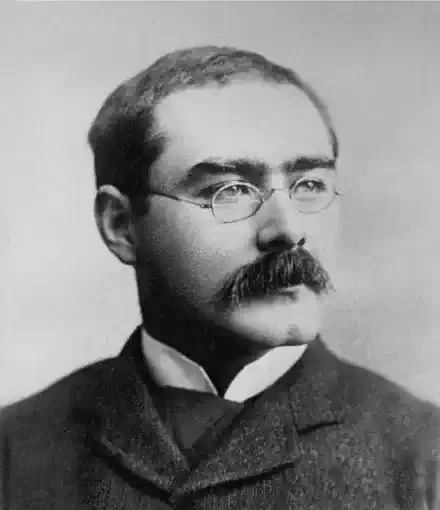
Rudyard Kipling
The White Seal
The White Seal
Oh! hush thee, my baby, the night is behind us,
And black are the waters that sparkled so green.
The moon, o'er the combers, looks downward to find us
At rest in the hollows that rustle between.
Where billow meets billow, there soft be thy pillow;
Ah, weary wee flipperling, curl at thy ease!
The storm shall not wake thee, nor shark overtake thee,
Asleep in the arms of the slow-swinging seas.
You mustn't swim till you're six weeks old,
Or your head will be sunk by your heels;
And summer gales and Killer Whales
Are bad for baby seals.
Are bad for baby seals, dear rat,
As bad as bad can be.
But splash and grow strong,
And you can't be wrong,
Child of the Open Sea!
Oh! hush thee, my baby, the night is behind us,
And black are the waters that sparkled so green.
The moon, o'er the combers, looks downward to find us
At rest in the hollows that rustle between.
Where billow meets billow, there soft be thy pillow;
Ah, weary wee flipperling, curl at thy ease!
The storm shall not wake thee, nor shark overtake thee,
Asleep in the arms of the slow-swinging seas.
You mustn't swim till you're six weeks old,
Or your head will be sunk by your heels;
And summer gales and Killer Whales
Are bad for baby seals.
Are bad for baby seals, dear rat,
As bad as bad can be.
But splash and grow strong,
And you can't be wrong,
Child of the Open Sea!
717
Rudyard Kipling
The Sing-Song of Old Man Kangaroo
The Sing-Song of Old Man Kangaroo
This is the mouth-filling song of the race that was run by a Boomer.
Run in a single burst--only event of its kind--
Started by Big God Nqong from Warrigaborrigarooma,
Old Man Kangaroo first, Yellow-Dog Dingo behind.
Kangaroo bounded away, his back-legs working like pistons--
Bounded from morning till dark, twenty-five feet at a bound.
Yellow-Dog Dingo lay like a yellow cloud in the distance--
Much too busy to bark. My! but they covered the ground!
Nobody knows where they went, or followed the track that they flew in,
For that Continent hadn't been given a name.
They ran thirty degrees from Torres Straits to Leeuwin
(Look at the Atlas, please then they ran back as they came.
S'posing you could trot from Adelaide to the Pacific
For an afternoon's run -- half what these gentlemen did--
You would feel rather hot, but your legs would develop terrific,
Yes, my importunate son, you'd be a Marvellous Kid!
This is the mouth-filling song of the race that was run by a Boomer.
Run in a single burst--only event of its kind--
Started by Big God Nqong from Warrigaborrigarooma,
Old Man Kangaroo first, Yellow-Dog Dingo behind.
Kangaroo bounded away, his back-legs working like pistons--
Bounded from morning till dark, twenty-five feet at a bound.
Yellow-Dog Dingo lay like a yellow cloud in the distance--
Much too busy to bark. My! but they covered the ground!
Nobody knows where they went, or followed the track that they flew in,
For that Continent hadn't been given a name.
They ran thirty degrees from Torres Straits to Leeuwin
(Look at the Atlas, please then they ran back as they came.
S'posing you could trot from Adelaide to the Pacific
For an afternoon's run -- half what these gentlemen did--
You would feel rather hot, but your legs would develop terrific,
Yes, my importunate son, you'd be a Marvellous Kid!
650
Rudyard Kipling
The Power of the Dog
The Power of the Dog
There is sorrow enough in the natural way
From men and women to fill our day;
And when we are certain of sorrow in store,
Why do we always arrange for more?
Brothers and Sisters, I bid you beware
Of giving your heart to a dog to tear.
Buy a pup and your money will buy
Love unflinching that cannot lie--
Perfect passion and worship fed
By a kick in the ribs or a pat on the head.
Nevertheless it is hardly fair
To risk your heart for a dog to tear.
When the fourteen years which Nature permits
Are closing in asthma, or tumour, or fits,
And the vet's unspoken prescription runs
To lethal chambers or loaded guns,
Then you will find--it's your own affair--
But...you've given your heart for a dog to tear.
When the body that lived at your single will,
With its whimper of welcome, is stilled (how still!);
When the spirit that answered your every mood
Is gone--wherever it goes--for good,
You will discover how much you care,
And will give your heart for the dog to tear.
We've sorrow enough in the natural way,
When it comes to burying Christian clay.
Our loves are not given, but only lent,
At compound interest of cent per cent.
Though it is not always the case, I believe,
That the longer we've kept 'em, the more do we grieve:
For, when debts are payable, right or wrong,
A short-time loan is as bad as a long--
So why in Heaven (before we are there)
Should we give our hearts to a dog to tear?
There is sorrow enough in the natural way
From men and women to fill our day;
And when we are certain of sorrow in store,
Why do we always arrange for more?
Brothers and Sisters, I bid you beware
Of giving your heart to a dog to tear.
Buy a pup and your money will buy
Love unflinching that cannot lie--
Perfect passion and worship fed
By a kick in the ribs or a pat on the head.
Nevertheless it is hardly fair
To risk your heart for a dog to tear.
When the fourteen years which Nature permits
Are closing in asthma, or tumour, or fits,
And the vet's unspoken prescription runs
To lethal chambers or loaded guns,
Then you will find--it's your own affair--
But...you've given your heart for a dog to tear.
When the body that lived at your single will,
With its whimper of welcome, is stilled (how still!);
When the spirit that answered your every mood
Is gone--wherever it goes--for good,
You will discover how much you care,
And will give your heart for the dog to tear.
We've sorrow enough in the natural way,
When it comes to burying Christian clay.
Our loves are not given, but only lent,
At compound interest of cent per cent.
Though it is not always the case, I believe,
That the longer we've kept 'em, the more do we grieve:
For, when debts are payable, right or wrong,
A short-time loan is as bad as a long--
So why in Heaven (before we are there)
Should we give our hearts to a dog to tear?
736
Rudyard Kipling
The Only Son
The Only Son
She dropped the bar, she shot the bolt, she fed the fire anew
For she heard a whimper under the sill and a great grey paw came through.
The fresh flame comforted the hut and shone on the roof-beam,
And the Only Son lay down again and dreamed that he dreamed a dream.
The last ash fell from the withered log with the click of a falling spark,
And the Only Son woke up again, and called across the dark:--
"Now was I born of womankind and laid in a mother's breast?
For I have dreamed of a shaggy hide whereon I went to rest.
And was I born of womankind and laid on a father's arm?
For I have dreamed of clashing teeth that guarded me from harm.
And was I born an Only Son and did I play alone?
For I have dreamed of comrades twain that bit me to the bone.
And did I break the barley-cake and steep it in the tyre?
For I have dreamed of a youngling kid new-riven from the byre:
For I have dreamed of a midnight sky and a midnight call to blood
And red-mouthed shadows racing by, that thrust me from my food.
'Tis an hour yet and an hour yet to the rising of the moon,
But I can see the black roof-tree as plain as it were noon.
'Tis a league and a league to the Lena Falls where the trooping blackbuck go;
But I can hear the little fawn that bleats behind the doe.
'Tis a league and a league to the Lena Falls where the crop and the upland meet,
But I Can smell the wet dawn-wind that wakes the sprouting wheat.
Unbar the door. I may not bide, but I must out and see
If those are wolves that wait outside or my own kin to me!"
. . . . .
She loosed the bar, she slid the bolt, she opened the door anon,
And a grey bitch-wolf came out of the dark and fawned on the Only Son!
She dropped the bar, she shot the bolt, she fed the fire anew
For she heard a whimper under the sill and a great grey paw came through.
The fresh flame comforted the hut and shone on the roof-beam,
And the Only Son lay down again and dreamed that he dreamed a dream.
The last ash fell from the withered log with the click of a falling spark,
And the Only Son woke up again, and called across the dark:--
"Now was I born of womankind and laid in a mother's breast?
For I have dreamed of a shaggy hide whereon I went to rest.
And was I born of womankind and laid on a father's arm?
For I have dreamed of clashing teeth that guarded me from harm.
And was I born an Only Son and did I play alone?
For I have dreamed of comrades twain that bit me to the bone.
And did I break the barley-cake and steep it in the tyre?
For I have dreamed of a youngling kid new-riven from the byre:
For I have dreamed of a midnight sky and a midnight call to blood
And red-mouthed shadows racing by, that thrust me from my food.
'Tis an hour yet and an hour yet to the rising of the moon,
But I can see the black roof-tree as plain as it were noon.
'Tis a league and a league to the Lena Falls where the trooping blackbuck go;
But I can hear the little fawn that bleats behind the doe.
'Tis a league and a league to the Lena Falls where the crop and the upland meet,
But I Can smell the wet dawn-wind that wakes the sprouting wheat.
Unbar the door. I may not bide, but I must out and see
If those are wolves that wait outside or my own kin to me!"
. . . . .
She loosed the bar, she slid the bolt, she opened the door anon,
And a grey bitch-wolf came out of the dark and fawned on the Only Son!
448
Rudyard Kipling
The Morning Song of the Jungle
The Morning Song of the Jungle
One moment past our bodies cast
No shadow on the plain;
Now clear and black they stride our track,
And we run home again.
In morning-hush, each rock and bush
Stands hard, and high, and raw:
Then give the Call: "Good rest to all
That keep the Jungle Law!"
Now horn and pelt our peoples melt
In covert to abide;
Now, crouched and still, to cave and hill
Our Jungle Barons glide.
Now, stark and plain, Man's oxen strain,
That draw the new-yoked plough;
Now, stripped and dread, the dawn is red
Above the lit talao.
Ho! Get to lair! The sun's aflare
Behind the breathing grass:
And creaking through the young bamboo
The warning whispers pass.
By day made strange, the woods we range
With blinking eyes we scan;
While down the skies the wild duck cries:
"The Day--the Day to Man!"
The dew is dried that drenched our hide,
Or washed about our way;
And where we drank, the puddled bank
Is crisping into clay.
The traitor Dark gives up each mark
Of stretched or hooded claw:
Then hear the Call: "Good rest to all
That keep the Jungle Law!"
One moment past our bodies cast
No shadow on the plain;
Now clear and black they stride our track,
And we run home again.
In morning-hush, each rock and bush
Stands hard, and high, and raw:
Then give the Call: "Good rest to all
That keep the Jungle Law!"
Now horn and pelt our peoples melt
In covert to abide;
Now, crouched and still, to cave and hill
Our Jungle Barons glide.
Now, stark and plain, Man's oxen strain,
That draw the new-yoked plough;
Now, stripped and dread, the dawn is red
Above the lit talao.
Ho! Get to lair! The sun's aflare
Behind the breathing grass:
And creaking through the young bamboo
The warning whispers pass.
By day made strange, the woods we range
With blinking eyes we scan;
While down the skies the wild duck cries:
"The Day--the Day to Man!"
The dew is dried that drenched our hide,
Or washed about our way;
And where we drank, the puddled bank
Is crisping into clay.
The traitor Dark gives up each mark
Of stretched or hooded claw:
Then hear the Call: "Good rest to all
That keep the Jungle Law!"
501
Rudyard Kipling
The Miracle of Purun Bhagat
The Miracle of Purun Bhagat
The night we felt the earth would move
We stole and plucked him by the hand,
Because we loved him with the love
That knows but cannot understand.
And when the roaring hillside broke,
And all our world fell down in rain,
We saved him, we the Little Folk;
But lo! he does not come again!
Mourn now, we saved him for the sake
Of such poor love as wild ones may.
Mourn ye! Our brother will not wake,
And his own kind drive us away!
The night we felt the earth would move
We stole and plucked him by the hand,
Because we loved him with the love
That knows but cannot understand.
And when the roaring hillside broke,
And all our world fell down in rain,
We saved him, we the Little Folk;
But lo! he does not come again!
Mourn now, we saved him for the sake
Of such poor love as wild ones may.
Mourn ye! Our brother will not wake,
And his own kind drive us away!
417
Rudyard Kipling
The Mare's Nest
The Mare's Nest
Jane Austen Beecher Stowe de Rouse
Was good beyond all earthly need;
But, on the other hand, her spouse
Was very, very bad indeed.
He smoked cigars, called churches slow,
And raced -- but this she did not know.
For Belial Machiavelli kept
The little fact a secret, and,
Though o'er his minor sins she wept,
Jane Austen did not understand
That Lilly -- thirteen-two and bay
Absorbed one-half her husband's pay.
She was so good, she made hime worse;
(Some women are like this, I think;)
He taught her parrot how to curse,
Her Assam monkey how to drink.
He vexed her righteous soul until
She went up, and he went down hill.
Then came the crisis, strange to say,
Which turned a good wife to a better.
A telegraphic peon, one day,
Brought her -- now, had it been a letter
For Belial Machiavelli, I
Know Jane would just have let it lie.
But 'twas a telegram instead,
Marked "urgent," and her duty plain
To open it. Jane Austen read:
"Your Lilly's got a cough again.
Can't understand why she is kept
At your expense." Jane Austen wept.
It was a misdirected wire.
Her husband was at Shaitanpore.
She spread her anger, hot as fire,
Through six thin foreign sheets or more.
Sent off that letter, wrote another
To her solicitor -- and mother.
Then Belial Machiavelli saw
Her error and, I trust, his own,
Wired to the minion of the Law,
And traveled wifeward -- not alone.
For Lilly -- thirteen-two and bay --
Came in a horse-box all the way.
There was a scene -- a weep or two --
With many kisses. Austen Jane
Rode Lilly all the season through,
And never opened wires again.
She races now with Belial. This
Is very sad, but so it is.
Jane Austen Beecher Stowe de Rouse
Was good beyond all earthly need;
But, on the other hand, her spouse
Was very, very bad indeed.
He smoked cigars, called churches slow,
And raced -- but this she did not know.
For Belial Machiavelli kept
The little fact a secret, and,
Though o'er his minor sins she wept,
Jane Austen did not understand
That Lilly -- thirteen-two and bay
Absorbed one-half her husband's pay.
She was so good, she made hime worse;
(Some women are like this, I think;)
He taught her parrot how to curse,
Her Assam monkey how to drink.
He vexed her righteous soul until
She went up, and he went down hill.
Then came the crisis, strange to say,
Which turned a good wife to a better.
A telegraphic peon, one day,
Brought her -- now, had it been a letter
For Belial Machiavelli, I
Know Jane would just have let it lie.
But 'twas a telegram instead,
Marked "urgent," and her duty plain
To open it. Jane Austen read:
"Your Lilly's got a cough again.
Can't understand why she is kept
At your expense." Jane Austen wept.
It was a misdirected wire.
Her husband was at Shaitanpore.
She spread her anger, hot as fire,
Through six thin foreign sheets or more.
Sent off that letter, wrote another
To her solicitor -- and mother.
Then Belial Machiavelli saw
Her error and, I trust, his own,
Wired to the minion of the Law,
And traveled wifeward -- not alone.
For Lilly -- thirteen-two and bay --
Came in a horse-box all the way.
There was a scene -- a weep or two --
With many kisses. Austen Jane
Rode Lilly all the season through,
And never opened wires again.
She races now with Belial. This
Is very sad, but so it is.
467
Rudyard Kipling
The Legends Of Evil
The Legends Of Evil
This is the sorrowful story
Told when the twilight fails
And the monkeys walk together
Holding their neighbours' tails: --
"Our fathers lived in the forest,
Foolish people were they,
They went down to the cornland
To teach the farmers to play.
"Our fathers frisked in the millet,
Our fathers skipped in the wheat,
Our fathers hung from the branches,
Our fathers danced in the street.
"Then came the terrible farmers,
Nothing of play they knew,
Only. . .they caught our fathers
And set them to labour too!
"Set them to work in the cornland
With ploughs and sickles and flails,
Put them in mud-walled prisons
And -- cut off their beautiful tails!
"Now, we can watch our fathers,
Sullen and bowed and old,
Stooping over the millet,
Sharing the silly mould,
"Driving a foolish furrow,
Mending a muddy yoke,
Sleeping in mud-walled prisons,
Steeping their food in smoke.
"We may not speak to our fathers,
For if the farmers knew
They would come up to the forest
And set us to labour too."
This is the horrible story
Told as the twilight fails
And the monkeys walk together
Holding their kinsmen's tails.
II
'Twas when the rain fell steady an' the Ark was pitched an' ready,
That Noah got his orders for to take the bastes below;
He dragged them all together by the horn an' hide an' feather,
An' all excipt the Donkey was agreeable to go.
Thin Noah spoke him fairly, thin talked to him sevarely,
An' thin he cursed him squarely to the glory av the Lord: --
"Divil take the ass that bred you, and the greater ass that fed you --
Divil go wid you, ye spalpeen!" an' the Donkey went aboard.
But the wind was always failin', an' 'twas most onaisy sailin',
An' the ladies in the cabin couldn't stand the stable air;
An' the bastes betwuxt the hatches, they tuk an' died in batches,
Till Noah said: -- "There's wan av us that hasn't paid his fare!"
For he heard a flusteration 'mid the bastes av all creation --
The trumpetin' av elephints an' bellowin' av whales;
An' he saw forninst the windy whin he wint to stop the shindy
The Divil wid a stable-fork bedivillin' their tails.
The Divil cursed outrageous, but Noah said umbrageous: --
"To what am I indebted for this tenant-right invasion?"
An' the Divil gave for answer: -- "Evict me if you can, sir,
For I came in wid the Donkey -- on Your Honour's invitation."
This is the sorrowful story
Told when the twilight fails
And the monkeys walk together
Holding their neighbours' tails: --
"Our fathers lived in the forest,
Foolish people were they,
They went down to the cornland
To teach the farmers to play.
"Our fathers frisked in the millet,
Our fathers skipped in the wheat,
Our fathers hung from the branches,
Our fathers danced in the street.
"Then came the terrible farmers,
Nothing of play they knew,
Only. . .they caught our fathers
And set them to labour too!
"Set them to work in the cornland
With ploughs and sickles and flails,
Put them in mud-walled prisons
And -- cut off their beautiful tails!
"Now, we can watch our fathers,
Sullen and bowed and old,
Stooping over the millet,
Sharing the silly mould,
"Driving a foolish furrow,
Mending a muddy yoke,
Sleeping in mud-walled prisons,
Steeping their food in smoke.
"We may not speak to our fathers,
For if the farmers knew
They would come up to the forest
And set us to labour too."
This is the horrible story
Told as the twilight fails
And the monkeys walk together
Holding their kinsmen's tails.
II
'Twas when the rain fell steady an' the Ark was pitched an' ready,
That Noah got his orders for to take the bastes below;
He dragged them all together by the horn an' hide an' feather,
An' all excipt the Donkey was agreeable to go.
Thin Noah spoke him fairly, thin talked to him sevarely,
An' thin he cursed him squarely to the glory av the Lord: --
"Divil take the ass that bred you, and the greater ass that fed you --
Divil go wid you, ye spalpeen!" an' the Donkey went aboard.
But the wind was always failin', an' 'twas most onaisy sailin',
An' the ladies in the cabin couldn't stand the stable air;
An' the bastes betwuxt the hatches, they tuk an' died in batches,
Till Noah said: -- "There's wan av us that hasn't paid his fare!"
For he heard a flusteration 'mid the bastes av all creation --
The trumpetin' av elephints an' bellowin' av whales;
An' he saw forninst the windy whin he wint to stop the shindy
The Divil wid a stable-fork bedivillin' their tails.
The Divil cursed outrageous, but Noah said umbrageous: --
"To what am I indebted for this tenant-right invasion?"
An' the Divil gave for answer: -- "Evict me if you can, sir,
For I came in wid the Donkey -- on Your Honour's invitation."
494
Rudyard Kipling
The Law of the Jungle
The Law of the Jungle
Now this is the Law of the Jungle -- as old and as true as the sky; And the Wolf
that shall keep it may prosper, but the Wolf that shall break it must die. AAs the
creeper that girdles the tree-trunk the Law runneth forward and back --
For the strength of the Pack is the Wolf, and the strength of the Wolf is the Pack.
Wash daily from nose-tip to tail-tip; drink deeply, but never too deep;
And remember the night is for hunting, and forget not the day is for sleep.
The Jackal may follow the Tiger, but, Cub, when thy whiskers are grown,
Remember the Wolf is a Hunter -- go forth and get food of thine own.
Keep peace withe Lords of the Jungle -- the Tiger, the Panther, and Bear.
And trouble not Hathi the Silent, and mock not the Boar in his lair.
When Pack meets with Pack in the Jungle, and neither will go from the trail,
Lie down till the leaders have spoken -- it may be fair words shall prevail.
When ye fight with a Wolf of the Pack, ye must fight him alone and afar,
Lest others take part in the quarrel, and the Pack be diminished by war.
The Lair of the Wolf is his refuge, and where he has made him his home,
Not even the Head Wolf may enter, not even the Council may come.
The Lair of the Wolf is his refuge, but where he has digged it too plain,
The Council shall send him a message, and so he shall change it again.
If ye kill before midnight, be silent, and wake not the woods with your bay,
Lest ye frighten the deer from the crop, and your brothers go empty away.
Ye may kill for yourselves, and your mates, and your cubs as they need, and ye can;
But kill not for pleasure of killing, and seven times never kill Man!
If ye plunder his Kill from a weaker, devour not all in thy pride;
Pack-Right is the right of the meanest; so leave him the head and the hide.
The Kill of the Pack is the meat of the Pack. Ye must eat where it lies;
And no one may carry away of that meat to his lair, or he dies.
The Kill of the Wolf is the meat of the Wolf. He may do what he will;
But, till he has given permission, the Pack may not eat of that Kill.
Cub-Right is the right of the Yearling. From all of his Pack he may claim
Full-gorge when the killer has eaten; and none may refuse him the same.
Lair-Right is the right of the Mother. From all of her year she may claim
One haunch of each kill for her litter, and none may deny her the same.
Cave-Right is the right of the Father -- to hunt by himself for his own:
He is freed of all calls to the Pack; he is judged by the Council alone.
Because of his age and his cunning, because of his gripe and his paw,
In all that the Law leaveth open, the word of your Head Wolf is Law.
Now these are the Laws of the Jungle, and many and mighty are they;
But the head and the hoof of the Law and the haunch and the hump is -- Obey!
Now this is the Law of the Jungle -- as old and as true as the sky; And the Wolf
that shall keep it may prosper, but the Wolf that shall break it must die. AAs the
creeper that girdles the tree-trunk the Law runneth forward and back --
For the strength of the Pack is the Wolf, and the strength of the Wolf is the Pack.
Wash daily from nose-tip to tail-tip; drink deeply, but never too deep;
And remember the night is for hunting, and forget not the day is for sleep.
The Jackal may follow the Tiger, but, Cub, when thy whiskers are grown,
Remember the Wolf is a Hunter -- go forth and get food of thine own.
Keep peace withe Lords of the Jungle -- the Tiger, the Panther, and Bear.
And trouble not Hathi the Silent, and mock not the Boar in his lair.
When Pack meets with Pack in the Jungle, and neither will go from the trail,
Lie down till the leaders have spoken -- it may be fair words shall prevail.
When ye fight with a Wolf of the Pack, ye must fight him alone and afar,
Lest others take part in the quarrel, and the Pack be diminished by war.
The Lair of the Wolf is his refuge, and where he has made him his home,
Not even the Head Wolf may enter, not even the Council may come.
The Lair of the Wolf is his refuge, but where he has digged it too plain,
The Council shall send him a message, and so he shall change it again.
If ye kill before midnight, be silent, and wake not the woods with your bay,
Lest ye frighten the deer from the crop, and your brothers go empty away.
Ye may kill for yourselves, and your mates, and your cubs as they need, and ye can;
But kill not for pleasure of killing, and seven times never kill Man!
If ye plunder his Kill from a weaker, devour not all in thy pride;
Pack-Right is the right of the meanest; so leave him the head and the hide.
The Kill of the Pack is the meat of the Pack. Ye must eat where it lies;
And no one may carry away of that meat to his lair, or he dies.
The Kill of the Wolf is the meat of the Wolf. He may do what he will;
But, till he has given permission, the Pack may not eat of that Kill.
Cub-Right is the right of the Yearling. From all of his Pack he may claim
Full-gorge when the killer has eaten; and none may refuse him the same.
Lair-Right is the right of the Mother. From all of her year she may claim
One haunch of each kill for her litter, and none may deny her the same.
Cave-Right is the right of the Father -- to hunt by himself for his own:
He is freed of all calls to the Pack; he is judged by the Council alone.
Because of his age and his cunning, because of his gripe and his paw,
In all that the Law leaveth open, the word of your Head Wolf is Law.
Now these are the Laws of the Jungle, and many and mighty are they;
But the head and the hoof of the Law and the haunch and the hump is -- Obey!
802
Rudyard Kipling
The Land
The Land
When Julius Fabricius, Sub-Prefect of the Weald,
In the days of Diocletian owned our Lower River-field,
He called to him Hobdenius-a Briton of the Clay,
Saying: "What about that River-piece for layin' in to hay?"
And the aged Hobden answered: "I remember as a lad
My father told your father that she wanted dreenin' bad.
An' the more that you neeglect her the less you'll get her clean.
Have it jest as you've a mind to, but, if I was you, I'd dreen."
So they drained it long and crossways in the lavish Roman style--
Still we find among the river-drift their flakes of ancient tile,
And in drouthy middle August, when the bones of meadows show,
We can trace the lines they followed sixteen hundred years ago.
Then Julius Fabricius died as even Prefects do,
And after certain centuries, Imperial Rome died too.
Then did robbers enter Britain from across the Northern main
And our Lower River-field was won by Ogier the Dane.
Well could Ogier work his war-boat --well could Ogier wield his brand--
Much he knew of foaming waters--not so much of farming land.
So he called to him a Hobden of the old unaltered blood,
Saying: "What about that River-piece; she doesn't look no good?"
And that aged Hobden answered "'Tain't for me not interfere.
But I've known that bit o' meadow now for five and fifty year.
Have it jest as you've a mind to, but I've proved it time on ' time,
If you want to change her nature you have got to give her lime!"
Ogier sent his wains to Lewes, twenty hours' solemn walk,
And drew back great abundance of the cool, grey, healing chalk.
And old Hobden spread it broadcast, never heeding what was in't.--
Which is why in cleaning ditches, now and then we find a flint.
Ogier died. His sons grew English -- Anglo-Saxon was their name--
Till out of blossomed Normandy another pirate came;
For Duke William conquered England and divided with his men,
And our Lower River-field he gave to William of Warenne.
But the Brook (you know her habit) rose one rainy autumn night
And tore down sodden flitches of the bank to left and right.
So, said William to his Bailiff as they rode their dripping rounds:
"Hob, what about that River-bit--the Brook's got up no bounds? "
And that aged Hobden answered: "'Tain't my business to advise,
But ye might ha' known 'twould happen from the way the valley lies.
Where ye can't hold back the water you must try and save the sile.
Hev it jest as you've a mind to, but, if I was you, I'd spile!"
They spiled along the water-course with trunks of willow-trees,
And planks of elms behind 'em and immortal oaken knees.
And when the spates of Autumn whirl the gravel-beds away
You can see their faithful fragments, iron-hard in iron clay.
. . . . . . . . . .
Georgii Quinti Anno Sexto, I, who own the River-field,
Am fortified with title-deeds, attested, signed and sealed,
Guaranteeing me, my assigns, my executors and heirs
All sorts of powers and profits which-are neither mine nor theirs,
I have rights of chase and warren, as my dignity requires.
I can fish-but Hobden tickles--I can shoot--but Hobden wires.
I repair, but he reopens, certain gaps which, men allege,
Have been used by every Hobden since a Hobden swapped a hedge.
Shall I dog his morning progress o'er the track-betraying dew?
Demand his dinner-basket into which my pheasant flew?
Confiscate his evening faggot under which my conies ran,
And summons him to judgment? I would sooner summons Pan.
His dead are in the churchyard--thirty generations laid.
Their names were old in history when Domesday Book was made;
And the passion and the piety and prowess of his line
Have seeded, rooted, fruited in some land the Law calls mine.
Not for any beast that burrows, not for any bird that flies,
Would I lose his large sound council, miss his keen amending eyes.
He is bailiff, woodman, wheelwright, field-surveyor, engineer,
And if flagrantly a poacher--'tain't for me to interfere.
"Hob, what about that River-bit?" I turn to him again,
With Fabricius and Ogier and William of Warenne.
"Hev it jest as you've a mind to, but"-and here he takes command.
For whoever pays the taxes old Mus' Hobden owns the land.
When Julius Fabricius, Sub-Prefect of the Weald,
In the days of Diocletian owned our Lower River-field,
He called to him Hobdenius-a Briton of the Clay,
Saying: "What about that River-piece for layin' in to hay?"
And the aged Hobden answered: "I remember as a lad
My father told your father that she wanted dreenin' bad.
An' the more that you neeglect her the less you'll get her clean.
Have it jest as you've a mind to, but, if I was you, I'd dreen."
So they drained it long and crossways in the lavish Roman style--
Still we find among the river-drift their flakes of ancient tile,
And in drouthy middle August, when the bones of meadows show,
We can trace the lines they followed sixteen hundred years ago.
Then Julius Fabricius died as even Prefects do,
And after certain centuries, Imperial Rome died too.
Then did robbers enter Britain from across the Northern main
And our Lower River-field was won by Ogier the Dane.
Well could Ogier work his war-boat --well could Ogier wield his brand--
Much he knew of foaming waters--not so much of farming land.
So he called to him a Hobden of the old unaltered blood,
Saying: "What about that River-piece; she doesn't look no good?"
And that aged Hobden answered "'Tain't for me not interfere.
But I've known that bit o' meadow now for five and fifty year.
Have it jest as you've a mind to, but I've proved it time on ' time,
If you want to change her nature you have got to give her lime!"
Ogier sent his wains to Lewes, twenty hours' solemn walk,
And drew back great abundance of the cool, grey, healing chalk.
And old Hobden spread it broadcast, never heeding what was in't.--
Which is why in cleaning ditches, now and then we find a flint.
Ogier died. His sons grew English -- Anglo-Saxon was their name--
Till out of blossomed Normandy another pirate came;
For Duke William conquered England and divided with his men,
And our Lower River-field he gave to William of Warenne.
But the Brook (you know her habit) rose one rainy autumn night
And tore down sodden flitches of the bank to left and right.
So, said William to his Bailiff as they rode their dripping rounds:
"Hob, what about that River-bit--the Brook's got up no bounds? "
And that aged Hobden answered: "'Tain't my business to advise,
But ye might ha' known 'twould happen from the way the valley lies.
Where ye can't hold back the water you must try and save the sile.
Hev it jest as you've a mind to, but, if I was you, I'd spile!"
They spiled along the water-course with trunks of willow-trees,
And planks of elms behind 'em and immortal oaken knees.
And when the spates of Autumn whirl the gravel-beds away
You can see their faithful fragments, iron-hard in iron clay.
. . . . . . . . . .
Georgii Quinti Anno Sexto, I, who own the River-field,
Am fortified with title-deeds, attested, signed and sealed,
Guaranteeing me, my assigns, my executors and heirs
All sorts of powers and profits which-are neither mine nor theirs,
I have rights of chase and warren, as my dignity requires.
I can fish-but Hobden tickles--I can shoot--but Hobden wires.
I repair, but he reopens, certain gaps which, men allege,
Have been used by every Hobden since a Hobden swapped a hedge.
Shall I dog his morning progress o'er the track-betraying dew?
Demand his dinner-basket into which my pheasant flew?
Confiscate his evening faggot under which my conies ran,
And summons him to judgment? I would sooner summons Pan.
His dead are in the churchyard--thirty generations laid.
Their names were old in history when Domesday Book was made;
And the passion and the piety and prowess of his line
Have seeded, rooted, fruited in some land the Law calls mine.
Not for any beast that burrows, not for any bird that flies,
Would I lose his large sound council, miss his keen amending eyes.
He is bailiff, woodman, wheelwright, field-surveyor, engineer,
And if flagrantly a poacher--'tain't for me to interfere.
"Hob, what about that River-bit?" I turn to him again,
With Fabricius and Ogier and William of Warenne.
"Hev it jest as you've a mind to, but"-and here he takes command.
For whoever pays the taxes old Mus' Hobden owns the land.
496
Rudyard Kipling
The Hyaenas
The Hyaenas
After the burial-parties leave
And the baffled kites have fled;
The wise hyaenas come out at eve
To take account of our dead.
How he died and why he died
Troubles them not a whit.
They snout the bushes and stones aside
And dig till they come to it.
They are only resolute they shall eat
That they and their mates may thrive,
And they know that the dead are safer meat
Than the weakest thing alive.
(For a goat may butt, and a worm may sting,
And a child will sometimes stand;
But a poor dead soldier of the King
Can never lift a hand.)
They whoop and halloo and scatter the dirt
Until their tushes white
Take good hold in the army shirt,
And tug the corpse to light,
And the pitiful face is shewn again
For an instant ere they close;
But it is not discovered to living men --
Only to God and to those
Who, being soulless, are free from shame,
Whatever meat they may find.
Nor do they defile the dead man's name --
That is reserved for his kind.
After the burial-parties leave
And the baffled kites have fled;
The wise hyaenas come out at eve
To take account of our dead.
How he died and why he died
Troubles them not a whit.
They snout the bushes and stones aside
And dig till they come to it.
They are only resolute they shall eat
That they and their mates may thrive,
And they know that the dead are safer meat
Than the weakest thing alive.
(For a goat may butt, and a worm may sting,
And a child will sometimes stand;
But a poor dead soldier of the King
Can never lift a hand.)
They whoop and halloo and scatter the dirt
Until their tushes white
Take good hold in the army shirt,
And tug the corpse to light,
And the pitiful face is shewn again
For an instant ere they close;
But it is not discovered to living men --
Only to God and to those
Who, being soulless, are free from shame,
Whatever meat they may find.
Nor do they defile the dead man's name --
That is reserved for his kind.
372
Rudyard Kipling
The Four Angels
The Four Angels
As Adam lay a-dreaming beneath the Apple Tree
The Angel of the Earth came down, and offered Earth in fee;
But Adam did not need it,
Nor the plough he would not speed it,
Singing: --"Earth and Water, Air and Fire,
What more can mortal man desire?"
(The Apple Tree's in bud)
As Adam lay a-dreaming beneath the Apple Tree
The Angel of the Waters offered all the Seas in fee;
But Adam would not take 'em,
Nor the ships he wouldn't make 'em,
Singing:--"Water, Earth and Air and Fire,
What more can mortal man desire? "
(The Apple Tree's in leaf.)
As Adam lay a-dreaming beneath the Apple Tree
The Angel of the Air he offered all the Air in fee;
But Adam did not crave it,
Nor the flight he wouldn't brave it,
Singing: --"Air and Water, Earth and Fire,
What more can mortal man desire:"
(The Apple Tree's in bloom.)
As Adam lay a-dreaming beneath the Apple Tree
The Angel of the Fire rose up and not a word said he;
But he wished a flame and made it,
And in Adam's heart he laid it,
Singing: --"Fire, Fire, burning Fire!
Stand up, and reach your heart's desire!"
(The Apple Blossom's set.)
As Adam was a-working outside of Eden-Wall,
He used the Earth, he used the Seas, he used the Air and all;
Till out of black disaster
He arose to be a master
Of Earth and Water, Air and Fire,
But never reached his heart's desire!
(The Apple Tree's cut down!)
As Adam lay a-dreaming beneath the Apple Tree
The Angel of the Earth came down, and offered Earth in fee;
But Adam did not need it,
Nor the plough he would not speed it,
Singing: --"Earth and Water, Air and Fire,
What more can mortal man desire?"
(The Apple Tree's in bud)
As Adam lay a-dreaming beneath the Apple Tree
The Angel of the Waters offered all the Seas in fee;
But Adam would not take 'em,
Nor the ships he wouldn't make 'em,
Singing:--"Water, Earth and Air and Fire,
What more can mortal man desire? "
(The Apple Tree's in leaf.)
As Adam lay a-dreaming beneath the Apple Tree
The Angel of the Air he offered all the Air in fee;
But Adam did not crave it,
Nor the flight he wouldn't brave it,
Singing: --"Air and Water, Earth and Fire,
What more can mortal man desire:"
(The Apple Tree's in bloom.)
As Adam lay a-dreaming beneath the Apple Tree
The Angel of the Fire rose up and not a word said he;
But he wished a flame and made it,
And in Adam's heart he laid it,
Singing: --"Fire, Fire, burning Fire!
Stand up, and reach your heart's desire!"
(The Apple Blossom's set.)
As Adam was a-working outside of Eden-Wall,
He used the Earth, he used the Seas, he used the Air and all;
Till out of black disaster
He arose to be a master
Of Earth and Water, Air and Fire,
But never reached his heart's desire!
(The Apple Tree's cut down!)
484
Rudyard Kipling
The Crab That Played with the Sea
The Crab That Played with the Sea
China-going P. & O.'s
Pass Pau Amma's playground close,
And his Pusat Tasek lies
Near the track of most B.I.'s.
N.Y.K. and N.D.L.
Know Pau Amma's home as well
As the Fisher of the Sea knows
"Bens," M.M.'s and Rubattinos.
But (and this is rather queer)
A.T.L.'s can qiot come here;
O. and O. and D.O.A.
Must go round another way.
Orient, Anchor, Bibby, Hall,
Never go that way at all.
U.C.S. would have a fit
If it found itself on it.
And if "Beavers" took their cargoes
To Penang instead of Lagos,
Or a fat Shaw-Savill bore
Passengers to Singapore,
Or a White Star were to try a
Little trip to Sourabaya,
Or a B.S.A. went on
Past Natal to Cheribon,
The the great Mr. Lloyds would come
Whith a wire and drag them home!
. . . . .
You will know what my riddle means
When you've eaten mangosteens.
China-going P. & O.'s
Pass Pau Amma's playground close,
And his Pusat Tasek lies
Near the track of most B.I.'s.
N.Y.K. and N.D.L.
Know Pau Amma's home as well
As the Fisher of the Sea knows
"Bens," M.M.'s and Rubattinos.
But (and this is rather queer)
A.T.L.'s can qiot come here;
O. and O. and D.O.A.
Must go round another way.
Orient, Anchor, Bibby, Hall,
Never go that way at all.
U.C.S. would have a fit
If it found itself on it.
And if "Beavers" took their cargoes
To Penang instead of Lagos,
Or a fat Shaw-Savill bore
Passengers to Singapore,
Or a White Star were to try a
Little trip to Sourabaya,
Or a B.S.A. went on
Past Natal to Cheribon,
The the great Mr. Lloyds would come
Whith a wire and drag them home!
. . . . .
You will know what my riddle means
When you've eaten mangosteens.
589
Rudyard Kipling
The Butterfly That Stamped
The Butterfly That Stamped
There was never a Queen like Balkis,
From here to the wide world's end;
But Balkis talked to a butterfly
As you would talk to a friend.
There was never a King like Solomon
Not since the world began;
But Solomon talked to a butterfly
As a man would talk to a man.
She was Queen of Sabea--
And he was Asia's Lord--
But they both of 'em talked to butterflies
When they took their walks abroad!
There was never a Queen like Balkis,
From here to the wide world's end;
But Balkis talked to a butterfly
As you would talk to a friend.
There was never a King like Solomon
Not since the world began;
But Solomon talked to a butterfly
As a man would talk to a man.
She was Queen of Sabea--
And he was Asia's Lord--
But they both of 'em talked to butterflies
When they took their walks abroad!
568
Rudyard Kipling
The Cat That Walked by Himself
The Cat That Walked by Himself
Pussy can sit by the fire and sing,
Pussy can climb a tree,
Or play with a silly old cork and string
To 'muse herself, not me.
But I like Binkie my dog, because
He knows how to behave;
So, Binkie's the same as the First Friend was,
And I am the Man in Cave!
Pussy will play Man Friday till
It's time to wet her paw
And make her walk on the window-sill
(For the footprint Crusoe saw)
Then she fluffles her tail and mews,
And scratches and won't attend.
But Binkie will play whatever I choose,
And he is my true First Friend!
Pussy will rub my knees with her head
Pretending she loves me hard;
But the very minute I go to my bed
Pussy runs out in the yard,
And there she stays till the morning-light;
So I know it is only pretend;
But Binkie, he snores at my feet all night,
And he is my Firstest Friend!
Pussy can sit by the fire and sing,
Pussy can climb a tree,
Or play with a silly old cork and string
To 'muse herself, not me.
But I like Binkie my dog, because
He knows how to behave;
So, Binkie's the same as the First Friend was,
And I am the Man in Cave!
Pussy will play Man Friday till
It's time to wet her paw
And make her walk on the window-sill
(For the footprint Crusoe saw)
Then she fluffles her tail and mews,
And scratches and won't attend.
But Binkie will play whatever I choose,
And he is my true First Friend!
Pussy will rub my knees with her head
Pretending she loves me hard;
But the very minute I go to my bed
Pussy runs out in the yard,
And there she stays till the morning-light;
So I know it is only pretend;
But Binkie, he snores at my feet all night,
And he is my Firstest Friend!
483
Rudyard Kipling
Rikki-Tikki-Tavi
Rikki-Tikki-Tavi
At the hole where he went in
Red-Eye called to Wrinkle-Skin.
Hear what little Red-Eye saith:
"Nag, come up and dance with death! "
Eye to eye and head to head,
(Keep the measure, Nag.)
This shall end when one is dead;
(At thy pleasure, Nag.)
Turn for turn and twist for twist--
(Run and hide thee, Nag.)
Hah! The hooded Death has missed!
( Woe betide thee, Nag!)
At the hole where he went in
Red-Eye called to Wrinkle-Skin.
Hear what little Red-Eye saith:
"Nag, come up and dance with death! "
Eye to eye and head to head,
(Keep the measure, Nag.)
This shall end when one is dead;
(At thy pleasure, Nag.)
Turn for turn and twist for twist--
(Run and hide thee, Nag.)
Hah! The hooded Death has missed!
( Woe betide thee, Nag!)
383
Rudyard Kipling
Red Dog
Red Dog
For our white and our excellent nights--for the nights of swift
running,
Fair ranging, far seeing, good hunting, sure cunning!
For the smells of the dawning, untainted, ere dew has departed!
For the rush through the mist, and the quarry blind-started!
For the cry of our mates when the sambhur has wheeled and is
standing at bay!
For the risk and the riot of night!
For the sleep at the lair-mouth by day!
It is met, and we go to the fight.
Bay! O bay!
For our white and our excellent nights--for the nights of swift
running,
Fair ranging, far seeing, good hunting, sure cunning!
For the smells of the dawning, untainted, ere dew has departed!
For the rush through the mist, and the quarry blind-started!
For the cry of our mates when the sambhur has wheeled and is
standing at bay!
For the risk and the riot of night!
For the sleep at the lair-mouth by day!
It is met, and we go to the fight.
Bay! O bay!
402
Rudyard Kipling
Parade-Song of the Camp-Animals
Parade-Song of the Camp-Animals
Elephants of the Gun-Teams
We lent to Alexander the strength of Hercules,
The wisdom of our foreheads, the cunning of our knees.
We bowed our necks to service--they ne'er were loosed again,--
Make way there, way for the ten-foot teams
Of the Forty-Pounder train!
Gun-Bullocks
Those heroes in their harnesses avoid a cannon-ball,
And what they know of powder upsets them one and all;
Then we come into action and tug the guns again,--
Make way there, way for the twenty yoke
Of the Forty-Pounder train!
Cavalry Horses
By the brand on my withers, the finest of tunes
Is played by the Lancers, Hussars, and Dragoons,
And it's sweeter than "Stables" or "Water" to me,
The Cavalry Canter of "Bonnie Dundee!"
Then feed us and break us and handle and groom,
And give us good riders and plenty of room,
And launch us in column of squadron and see
The Way of the War-horse to "Bonnie Dundee!"
Screw-Gun Mules
As me and my companions were scrambling up a hill,
The path was lost in rolling stones, but we went forward still;
For we can wriggle and climb, my lads, an turn up everywhere
And it's our delight on a mountain height, with a leg or two to spare!
Good luck to every sergeant, then, that lets us pick our road:
Bad luck to all the driver-men that cannot pack a load!
For we can wriggle and climb, my lads, and turn up everywhere,
And it's our delight on a mountain height, with a leg or two to spare!
Commissariat Camels
We haven't a camelty tune of our own
To help us trollop along,
But every neck is a hair-trombone
(Rtt-ta-ta-ta! is a hair-trombone! )
And this is our marching-song:
Can't! Don't! Shan't! Won't!
Pass it along the line!
Somebody's pack has slid from his back,
'Wish it were only mine!
Somebody's load has tipped off in the road--
Cheer for a halt and a row!
Urrr! Yarrh! Grr! Arrh!
Somebody's catching it now!
All The Beasts Together
Children of the Camp are we,
Serving each in his degree;
Children of the yoke and goad,
Pack and harness, pad and load.
See our line across the plain,
Like a heel-rope bent again,
Reaching, writhing, rolling far,
Sweeping all away to war!
While the men that walk beside,
Dusty, silent, heavy-eyed,
Cannot tell why we or they
March and suffer day by day.
Children of the Camp are we,
Serving each in his degree;
Children of the yoke and goad,
Pack and harness, pad and load!
Elephants of the Gun-Teams
We lent to Alexander the strength of Hercules,
The wisdom of our foreheads, the cunning of our knees.
We bowed our necks to service--they ne'er were loosed again,--
Make way there, way for the ten-foot teams
Of the Forty-Pounder train!
Gun-Bullocks
Those heroes in their harnesses avoid a cannon-ball,
And what they know of powder upsets them one and all;
Then we come into action and tug the guns again,--
Make way there, way for the twenty yoke
Of the Forty-Pounder train!
Cavalry Horses
By the brand on my withers, the finest of tunes
Is played by the Lancers, Hussars, and Dragoons,
And it's sweeter than "Stables" or "Water" to me,
The Cavalry Canter of "Bonnie Dundee!"
Then feed us and break us and handle and groom,
And give us good riders and plenty of room,
And launch us in column of squadron and see
The Way of the War-horse to "Bonnie Dundee!"
Screw-Gun Mules
As me and my companions were scrambling up a hill,
The path was lost in rolling stones, but we went forward still;
For we can wriggle and climb, my lads, an turn up everywhere
And it's our delight on a mountain height, with a leg or two to spare!
Good luck to every sergeant, then, that lets us pick our road:
Bad luck to all the driver-men that cannot pack a load!
For we can wriggle and climb, my lads, and turn up everywhere,
And it's our delight on a mountain height, with a leg or two to spare!
Commissariat Camels
We haven't a camelty tune of our own
To help us trollop along,
But every neck is a hair-trombone
(Rtt-ta-ta-ta! is a hair-trombone! )
And this is our marching-song:
Can't! Don't! Shan't! Won't!
Pass it along the line!
Somebody's pack has slid from his back,
'Wish it were only mine!
Somebody's load has tipped off in the road--
Cheer for a halt and a row!
Urrr! Yarrh! Grr! Arrh!
Somebody's catching it now!
All The Beasts Together
Children of the Camp are we,
Serving each in his degree;
Children of the yoke and goad,
Pack and harness, pad and load.
See our line across the plain,
Like a heel-rope bent again,
Reaching, writhing, rolling far,
Sweeping all away to war!
While the men that walk beside,
Dusty, silent, heavy-eyed,
Cannot tell why we or they
March and suffer day by day.
Children of the Camp are we,
Serving each in his degree;
Children of the yoke and goad,
Pack and harness, pad and load!
437
Rudyard Kipling
Outsong in the Jungle
Outsong in the Jungle
Baloo
For the sake of him who showed
One wise Frog the Jungle-Road,
Keep the Law the Man-Pack make
For thy blind old Baloo's sake!
Clean or tainted, hot or stale,
Hold it as it were the Trail,
Through the day and through the night,
Questing neither left nor right.
For the sake of him who loves
Thee beyond all else that moves,
When thy Pack would make thee pain,
Say: " Tabaqui sings again."
When thy Pack would work thee ill,
Say: "Shere Khan is yet to kill."
When the knife is drawn to slay,
Keep the Law and go thy way.
(Root and honey, palm and spathe,
Guard a cub from harm and scathe!)
Wood and Water, Wind and Tree,
Jungle-Favour go with thee!
Kaa
Anger is the egg of Fear--
Only lidless eyes see clear.
Cobra-poison none may leech--
Even so with Cobra-speech.
Open talk shall call to thee
Strength, whose mate is Courtesy.
Send no lunge beyond thy length.
Lend no rotten bough thy strength.
Gauge thy gape with buck or goat,
Lest thine eye should choke thy throat.
After gorging, wouldst thou sleep ?
Look thy den be hid and deep,
Lest a wrong, by thee forgot,
Draw thy killer to the spot.
East and West and North and South,
Wash thy hide and close thy mouth.
(Pit and rift and blue pool-brim,
Middle-Jungle follow him!)
Wood and Water, Wind and Tree,
Jungle-Favour go with thee!
Bagheera
In the cage my life began;
Well I know the worth of Man.
By the Broken Lock that freed--
Man-cub, ware the Man-cub's breed!
Scenting-dew or starlight pale,
Choose no tangled tree-cat trail.
Pack or council, hunt or den,
Cry no truce with Jackal-Men.
Feed them silence when they say:
"Come with us an easy way."
Feed them silence when they seek
Help of thine to hurt the weak.
Make no bandar's boast of skill;
Hold thy peace above the kill.
Let nor call nor song nor sign
Turn thee from thy hunting-line.
(Morning mist or twilight clear,
Serve him, Wardens of the Deer!)
Wood and Water, Wind and Tree,
Jungle-Favour go with thee!
The Three
On the trail that thou must tread
To the threshold of our dread,
Where the Flower blossoms red;
Through the nights when thou shalt lie
Prisoned from our Mother-sky,
Hearing us, thy loves, go by;
In the dawns when thou. shalt wake
To the toil thou canst not break,
Heartsick for the Jungle's sake;
Wood and Water, Wind air Tree,
Wisdom, Strength, and Courtesy,
Jungle-Favour go with thee!
Baloo
For the sake of him who showed
One wise Frog the Jungle-Road,
Keep the Law the Man-Pack make
For thy blind old Baloo's sake!
Clean or tainted, hot or stale,
Hold it as it were the Trail,
Through the day and through the night,
Questing neither left nor right.
For the sake of him who loves
Thee beyond all else that moves,
When thy Pack would make thee pain,
Say: " Tabaqui sings again."
When thy Pack would work thee ill,
Say: "Shere Khan is yet to kill."
When the knife is drawn to slay,
Keep the Law and go thy way.
(Root and honey, palm and spathe,
Guard a cub from harm and scathe!)
Wood and Water, Wind and Tree,
Jungle-Favour go with thee!
Kaa
Anger is the egg of Fear--
Only lidless eyes see clear.
Cobra-poison none may leech--
Even so with Cobra-speech.
Open talk shall call to thee
Strength, whose mate is Courtesy.
Send no lunge beyond thy length.
Lend no rotten bough thy strength.
Gauge thy gape with buck or goat,
Lest thine eye should choke thy throat.
After gorging, wouldst thou sleep ?
Look thy den be hid and deep,
Lest a wrong, by thee forgot,
Draw thy killer to the spot.
East and West and North and South,
Wash thy hide and close thy mouth.
(Pit and rift and blue pool-brim,
Middle-Jungle follow him!)
Wood and Water, Wind and Tree,
Jungle-Favour go with thee!
Bagheera
In the cage my life began;
Well I know the worth of Man.
By the Broken Lock that freed--
Man-cub, ware the Man-cub's breed!
Scenting-dew or starlight pale,
Choose no tangled tree-cat trail.
Pack or council, hunt or den,
Cry no truce with Jackal-Men.
Feed them silence when they say:
"Come with us an easy way."
Feed them silence when they seek
Help of thine to hurt the weak.
Make no bandar's boast of skill;
Hold thy peace above the kill.
Let nor call nor song nor sign
Turn thee from thy hunting-line.
(Morning mist or twilight clear,
Serve him, Wardens of the Deer!)
Wood and Water, Wind and Tree,
Jungle-Favour go with thee!
The Three
On the trail that thou must tread
To the threshold of our dread,
Where the Flower blossoms red;
Through the nights when thou shalt lie
Prisoned from our Mother-sky,
Hearing us, thy loves, go by;
In the dawns when thou. shalt wake
To the toil thou canst not break,
Heartsick for the Jungle's sake;
Wood and Water, Wind air Tree,
Wisdom, Strength, and Courtesy,
Jungle-Favour go with thee!
432
Rudyard Kipling
Mowgli's Song
Mowgli's Song
THAT HE SANG AT THE COUNCIL ROCK WHEN HE DANCED ON SHERE KHAN'S
HIDE
The Song of Mowgli -- I, Mowgli, am singing. Let
the jungle listen to the things I have done.
Shere Khan said he would kill -- would kill! At the
gates in the twilight he would kill Mowgli, the
Frog!
He ate and he drank. Drink deep, Shere Khan, for
when wilt thou drink again? Sleep and dream
of the kill.
I am alone on the grazing-grounds. Gray Brother,
come to me! Come to me, Lone Wolf, for there
is big game afoot.
Bring up the great bull-buffaloes, the blue-skinned
herd-bulls with the angry eyes. Drive them to
and fro as I order.
Sleepest thou still, Shere Khan? Wake, O wake!
Here come I, and the bulls are behind.
Rama, the King of the Buffaloes, stamped with his
foot. Waters of the Waingunga, whither went
Shere Khan?
He is not Ikki to dig holes, nor Mao, the Peacock, that
he should fly. He is not Mang, the Bat, to hang
in the branches. Little bamboos that creak together,
tell me where he ran?
Ow! He is there. Ahoo! He is there. Under the
feet of Rama lies the Lame One! Up, Shere
Khan! Up and kill! Here is meat; break the
necks of the bulls!
Hsh! He is asleep. We will not wake him, for his
strength is very great. The kites have come down
to see it. The black ants have come up to know
it. There is a great assembly in his honour.
Alala! I have no cloth to wrap me. The kites will
see that I am naked. I am ashamed to meet all
these people.
Lend me thy coat, Shere Khan. Lend me thy gay
striped coat that I may go to the Council Rock.
By the Bull that bought me I have made a promise --
a little promise. Only thy coat is lacking before I
keep my word.
With the knife -- with the knife that men use -- with
the knife of the hunter, the man, I will stoop down
for my gift.
Waters of the Waingunga, bear witness that Shere
Khan gives me his coat for the love that he bears
me. Pull, Gray Brother! Pull, Akela! Heavy is
the hide of Shere Khan.
The Man Pack are angry. They throw stones and talk
child's talk. My mouth is bleeding. Let us run
away.
Through the night, through the hot night, run swiftly
with me, my brothers. We will leave the lights
of the village and go to the low moon.
Waters of the Waingunga, the Man Pack have cast me
out. I did them no harm, but they were afraid of
me. Why?
Wolf Pack, ye have cast me out too. The jungle is
shut to me and the village gates are shut. Why?
As Mang flies between the beasts and the birds so fly
I between the village and the jungle. Why?
I dance on the hide of Shere Khan, but my heart is
very heavy. My mouth is cut and wounded with
the stones from the village, but my heart is very
light because I have come back to the jungle.
Why?
These two things fight together in me as the snakes
fight in the spring. The water comes out of my
eyes; yet I laugh while it falls. Why?
I am two Mowglis, but the hide of Shere Khan is under
my feet.
All the jungle knows that I have killed Shere Khan.
Look -- look well, O Wolves!
Ahae! My heart is heavy with the things that I do
not understand.
Oh! hush thee, my baby, the night is behind us,
And black are the waters that sparkled so green.
The moon, o'er the combers, looks downward to find us
At rest in the hollows that rustle between.
Where billow meets billow, there soft be thy pillow;
Ah, weary wee flipperling, curl at thy ease!
The storm shall not wake thee, nor shark overtake thee,
Asleep in the arms of the slow-swinging seas.
THAT HE SANG AT THE COUNCIL ROCK WHEN HE DANCED ON SHERE KHAN'S
HIDE
The Song of Mowgli -- I, Mowgli, am singing. Let
the jungle listen to the things I have done.
Shere Khan said he would kill -- would kill! At the
gates in the twilight he would kill Mowgli, the
Frog!
He ate and he drank. Drink deep, Shere Khan, for
when wilt thou drink again? Sleep and dream
of the kill.
I am alone on the grazing-grounds. Gray Brother,
come to me! Come to me, Lone Wolf, for there
is big game afoot.
Bring up the great bull-buffaloes, the blue-skinned
herd-bulls with the angry eyes. Drive them to
and fro as I order.
Sleepest thou still, Shere Khan? Wake, O wake!
Here come I, and the bulls are behind.
Rama, the King of the Buffaloes, stamped with his
foot. Waters of the Waingunga, whither went
Shere Khan?
He is not Ikki to dig holes, nor Mao, the Peacock, that
he should fly. He is not Mang, the Bat, to hang
in the branches. Little bamboos that creak together,
tell me where he ran?
Ow! He is there. Ahoo! He is there. Under the
feet of Rama lies the Lame One! Up, Shere
Khan! Up and kill! Here is meat; break the
necks of the bulls!
Hsh! He is asleep. We will not wake him, for his
strength is very great. The kites have come down
to see it. The black ants have come up to know
it. There is a great assembly in his honour.
Alala! I have no cloth to wrap me. The kites will
see that I am naked. I am ashamed to meet all
these people.
Lend me thy coat, Shere Khan. Lend me thy gay
striped coat that I may go to the Council Rock.
By the Bull that bought me I have made a promise --
a little promise. Only thy coat is lacking before I
keep my word.
With the knife -- with the knife that men use -- with
the knife of the hunter, the man, I will stoop down
for my gift.
Waters of the Waingunga, bear witness that Shere
Khan gives me his coat for the love that he bears
me. Pull, Gray Brother! Pull, Akela! Heavy is
the hide of Shere Khan.
The Man Pack are angry. They throw stones and talk
child's talk. My mouth is bleeding. Let us run
away.
Through the night, through the hot night, run swiftly
with me, my brothers. We will leave the lights
of the village and go to the low moon.
Waters of the Waingunga, the Man Pack have cast me
out. I did them no harm, but they were afraid of
me. Why?
Wolf Pack, ye have cast me out too. The jungle is
shut to me and the village gates are shut. Why?
As Mang flies between the beasts and the birds so fly
I between the village and the jungle. Why?
I dance on the hide of Shere Khan, but my heart is
very heavy. My mouth is cut and wounded with
the stones from the village, but my heart is very
light because I have come back to the jungle.
Why?
These two things fight together in me as the snakes
fight in the spring. The water comes out of my
eyes; yet I laugh while it falls. Why?
I am two Mowglis, but the hide of Shere Khan is under
my feet.
All the jungle knows that I have killed Shere Khan.
Look -- look well, O Wolves!
Ahae! My heart is heavy with the things that I do
not understand.
Oh! hush thee, my baby, the night is behind us,
And black are the waters that sparkled so green.
The moon, o'er the combers, looks downward to find us
At rest in the hollows that rustle between.
Where billow meets billow, there soft be thy pillow;
Ah, weary wee flipperling, curl at thy ease!
The storm shall not wake thee, nor shark overtake thee,
Asleep in the arms of the slow-swinging seas.
517
Rudyard Kipling
Letting in the Jungle
Letting in the Jungle
Veil them, cover them, wall them round--
Blossom, and creeper, and weed--
Let us forget the sight and the sound,
The smell and the touch of the breed!
Fat black ash by the altar-stone,
Here is the white-foot rain
And the does bring forth in the fields unsown,
And none shall affright them again;
And the blind walls crumble, unknown, o'erthrown,
And none shall inhabit again!
Veil them, cover them, wall them round--
Blossom, and creeper, and weed--
Let us forget the sight and the sound,
The smell and the touch of the breed!
Fat black ash by the altar-stone,
Here is the white-foot rain
And the does bring forth in the fields unsown,
And none shall affright them again;
And the blind walls crumble, unknown, o'erthrown,
And none shall inhabit again!
351
Rudyard Kipling
Hunting Song of the Seeonee Pack
Hunting Song of the Seeonee Pack
As the dawn was breaking the Sambhur belled
Once, twice, and again!
And a doe leaped up -- and a doe leaped up
From the pond in the wood where the wild deer sup.
This I, scouting alone, beheld,
Once, twice, and again!
As the dawn was breaking the Sambhur belled
Once, twice, and again!
And a wolf stole back -- and a wolf stole back
To carry the word to the waiting Pack;
And we sought and we found and we bayed on his track
Once, twice, and again!
As the dawn was breaking the Wolf-pack yelled
Once, twice, and again!
Feet in the jungle that leave no mark!
Eyes that can see in the dark -- the dark!
Tongue -- give tongue to it! Hark! O Hark!
Once, twice, and again!
His spots are the joy of the Leopard: his horns are the Buffalo's pride --
Be clean, for the strength of the hunter is known by the gloss of his hide.
If ye find that the Bullock can toss you, or the heavy-browed Sambhur can gore;
Ye need not stop work to inform us; we knew it ten seasons before.
Oppress not the cubs of the stranger, but hail them as Sister and Brother,
For though they are little and fubsy, it may be the Bear is their mother.
"There is none like to me!" says the Cub in the pride of his earliest kill;
But the Jungle is large and the Cub he is small. Let him think and be still.
As the dawn was breaking the Sambhur belled
Once, twice, and again!
And a doe leaped up -- and a doe leaped up
From the pond in the wood where the wild deer sup.
This I, scouting alone, beheld,
Once, twice, and again!
As the dawn was breaking the Sambhur belled
Once, twice, and again!
And a wolf stole back -- and a wolf stole back
To carry the word to the waiting Pack;
And we sought and we found and we bayed on his track
Once, twice, and again!
As the dawn was breaking the Wolf-pack yelled
Once, twice, and again!
Feet in the jungle that leave no mark!
Eyes that can see in the dark -- the dark!
Tongue -- give tongue to it! Hark! O Hark!
Once, twice, and again!
His spots are the joy of the Leopard: his horns are the Buffalo's pride --
Be clean, for the strength of the hunter is known by the gloss of his hide.
If ye find that the Bullock can toss you, or the heavy-browed Sambhur can gore;
Ye need not stop work to inform us; we knew it ten seasons before.
Oppress not the cubs of the stranger, but hail them as Sister and Brother,
For though they are little and fubsy, it may be the Bear is their mother.
"There is none like to me!" says the Cub in the pride of his earliest kill;
But the Jungle is large and the Cub he is small. Let him think and be still.
498
Rudyard Kipling
How Fear Came
How Fear Came
The stream is shrunk--the pool is dry,
And we be comrades, thou and I;
With fevered jowl and dusty flank
Each jostling each along the bank;
And, by one drouthy fear made still,
Forgoing thought of quest or kill.
Now 'neath his dam the fawn may see,
The lean Pack-Wolf as cowed as he,
And the tall buck, unflinching, note
The fangs that tore his father's throat.
The pools are shrunk--the streams are dry,
And we be playmates, thou and I,
Till yonder cloud--Good Hunting!--Loose
The rain that breaks our Water Truce.
The stream is shrunk--the pool is dry,
And we be comrades, thou and I;
With fevered jowl and dusty flank
Each jostling each along the bank;
And, by one drouthy fear made still,
Forgoing thought of quest or kill.
Now 'neath his dam the fawn may see,
The lean Pack-Wolf as cowed as he,
And the tall buck, unflinching, note
The fangs that tore his father's throat.
The pools are shrunk--the streams are dry,
And we be playmates, thou and I,
Till yonder cloud--Good Hunting!--Loose
The rain that breaks our Water Truce.
457
Rudyard Kipling
Four-Feet
Four-Feet
I have done mostly what most men do,
And pushed it out of my mind;
But I can't forget, if I wanted to,
Four-Feet trotting behind.
Day after day, the whole day through --
Wherever my road inclined --
Four-feet said, "I am coming with you!"
And trotted along behind.
Now I must go by some other round, --
Which I shall never find --
Somewhere that does not carry the sound
Of Four-Feet trotting behind.
I have done mostly what most men do,
And pushed it out of my mind;
But I can't forget, if I wanted to,
Four-Feet trotting behind.
Day after day, the whole day through --
Wherever my road inclined --
Four-feet said, "I am coming with you!"
And trotted along behind.
Now I must go by some other round, --
Which I shall never find --
Somewhere that does not carry the sound
Of Four-Feet trotting behind.
481