

Poems in this topic
Wisdom
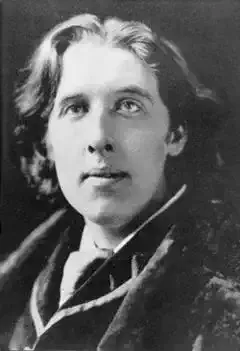
Oscar Wilde
A Vision
Two crowned Kings, and One that stood alone
With no green weight of laurels round his head,
But with sad eyes as one uncomforted,
And wearied with man's never-ceasing moan
For sins no bleating victim can atone,
And sweet long lips with tears and kisses fed.
Girt was he in a garment black and red,
And at his feet I marked a broken stone
Which sent up lilies, dove-like, to his knees.
Now at their sight, my heart being lit with flame,
I cried to Beatrice, 'Who are these?'
And she made answer, knowing well each name,
'AEschylos first, the second Sophokles,
And last (wide stream of tears!) Euripides.'
With no green weight of laurels round his head,
But with sad eyes as one uncomforted,
And wearied with man's never-ceasing moan
For sins no bleating victim can atone,
And sweet long lips with tears and kisses fed.
Girt was he in a garment black and red,
And at his feet I marked a broken stone
Which sent up lilies, dove-like, to his knees.
Now at their sight, my heart being lit with flame,
I cried to Beatrice, 'Who are these?'
And she made answer, knowing well each name,
'AEschylos first, the second Sophokles,
And last (wide stream of tears!) Euripides.'
2,078
1
Oscar Wilde
Tristitiae
O well for him who lives at ease
With garnered gold in wide domain,
Nor heeds the splashing of the rain,
The crashing down of forest trees.
O well for him who ne'er hath known
The travail of the hungry years,
A father grey with grief and tears,
A mother weeping all alone.
But well for him whose foot hath trod
The weary road of toil and strife,
Yet from the sorrows of his life.
Builds ladders to be nearer God.
With garnered gold in wide domain,
Nor heeds the splashing of the rain,
The crashing down of forest trees.
O well for him who ne'er hath known
The travail of the hungry years,
A father grey with grief and tears,
A mother weeping all alone.
But well for him whose foot hath trod
The weary road of toil and strife,
Yet from the sorrows of his life.
Builds ladders to be nearer God.
588
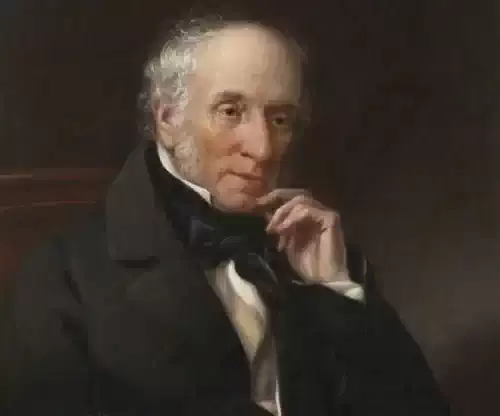
William Wordsworth
Written in London. September,
Written in London. September,
. O Friend! I know not which way I must look
For comfort, being, as I am, opprest,
To think that now our life is only drest
For show; mean handy-work of craftsman, cook,
Or groom! -- We must run glittering like a brook
In the open sunshine, or we are unblest:
The wealthiest man among us is the best:
No grandeur now in nature or in book
Delights us. Rapine, avarice, expense,
This is idolatry; and these we adore:
Plain living and high thinking are no more:
The homely beauty of the good old cause
Is gone; our peace, our fearful innocence,
And pure religion breathing household laws.
. O Friend! I know not which way I must look
For comfort, being, as I am, opprest,
To think that now our life is only drest
For show; mean handy-work of craftsman, cook,
Or groom! -- We must run glittering like a brook
In the open sunshine, or we are unblest:
The wealthiest man among us is the best:
No grandeur now in nature or in book
Delights us. Rapine, avarice, expense,
This is idolatry; and these we adore:
Plain living and high thinking are no more:
The homely beauty of the good old cause
Is gone; our peace, our fearful innocence,
And pure religion breathing household laws.
209
William Wordsworth
The Tables Turned
The Tables Turned
Up! up! my Friend, and quit your books;
Or surely you'll grow double:
Up! up! my Friend, and clear your looks;
Why all this toil and trouble?
The sun above the mountain's head,
A freshening lustre mellow
Through all the long green fields has spread,
His first sweet evening yellow.
Books! 'tis a dull and endless strife:
Come, hear the woodland linnet,
How sweet his music! on my life,
There's more of wisdom in it.
And hark! how blithe the throstle sings!
He, too, is no mean preacher:
Come forth into the light of things,
Let Nature be your teacher.
She has a world of ready wealth,
Our minds and hearts to bless--
Spontaneous wisdom breathed by health,
Truth breathed by cheerfulness.
One impulse from a vernal wood
May teach you more of man,
Of moral evil and of good,
Than all the sages can.
Sweet is the lore which Nature brings;
Our meddling intellect
Mis-shapes the beauteous forms of things:--
We murder to dissect.
Enough of Science and of Art;
Close up those barren leaves;
Come forth, and bring with you a heart
That watches and receives.
Up! up! my Friend, and quit your books;
Or surely you'll grow double:
Up! up! my Friend, and clear your looks;
Why all this toil and trouble?
The sun above the mountain's head,
A freshening lustre mellow
Through all the long green fields has spread,
His first sweet evening yellow.
Books! 'tis a dull and endless strife:
Come, hear the woodland linnet,
How sweet his music! on my life,
There's more of wisdom in it.
And hark! how blithe the throstle sings!
He, too, is no mean preacher:
Come forth into the light of things,
Let Nature be your teacher.
She has a world of ready wealth,
Our minds and hearts to bless--
Spontaneous wisdom breathed by health,
Truth breathed by cheerfulness.
One impulse from a vernal wood
May teach you more of man,
Of moral evil and of good,
Than all the sages can.
Sweet is the lore which Nature brings;
Our meddling intellect
Mis-shapes the beauteous forms of things:--
We murder to dissect.
Enough of Science and of Art;
Close up those barren leaves;
Come forth, and bring with you a heart
That watches and receives.
242
William Wordsworth
Oak and The Broom, The: A Pastoral Poem
Oak and The Broom, The: A Pastoral Poem
I
His simple truths did Andrew glean
Beside the babbling rills;
A careful student he had been
Among the woods and hills.
One winter's night, when through the trees
The wind was roaring, on his knees
His youngest born did Andrew hold:
And while the rest, a ruddy quire,
Were seated round their blazing fire,
This Tale the Shepherd told.
II
"I saw a crag, a lofty stone
As ever tempest beat!
Out of its head an Oak had grown,
A Broom out of its feet.
The time was March, a cheerful noon--
The thaw-wind, with the breath of June,
Breathed gently from the warm south-west:
When, in a voice sedate with age,
This Oak, a giant and a sage,
His neighbour thus addressed:--
III
"'Eight weary weeks, through rock and clay,
Along this mountain's edge,
The Frost hath wrought both night and day,
Wedge driving after wedge.
Look up! and think, above your head
What trouble, surely, will be bred;
Last night I heard a crash--'tis true,
The splinters took another road--
I see them yonder--what a load
For such a Thing as you!
IV
"'You are preparing as before,
To deck your slender shape;
And yet, just three years back--no more--
You had a strange escape:
Down from yon cliff a fragment broke;
It thundered down, with fire and smoke,
And hitherward pursued its way;
This ponderous block was caught by me,
And o'er your head, as you may see,
'Tis hanging to this day!
V
"'If breeze or bird to this rough steep
Your kind's first seed did bear;
The breeze had better been asleep,
The bird caught in a snare:
For you and your green twigs decoy
The little witless shepherd-boy
To come and slumber in your bower;
And, trust me, on some sultry noon,
Both you and he, Heaven knows how soon!
Will perish in one hour.
VI
"'From me this friendly warning take'--
The Broom began to doze,
And thus, to keep herself awake,
Did gently interpose:
'My thanks for your discourse are due;
That more than what you say is true,
I know, and I have known it long;
Frail is the bond by which we hold
Our being, whether young or old,
Wise, foolish, weak, or strong.
VII
"'Disasters, do the best we can,
Will reach both great and small;
And he is oft the wisest man,
Who is not wise at all.
For me, why should I wish to roam?
This spot is my paternal home,
It is my pleasant heritage;
My father many a happy year,
Spread here his careless blossoms, here
Attained a good old age.
VIII
"'Even such as his may be my lot.
What cause have I to haunt
My heart with terrors? Am I not
In truth a favoured plant!
On me such bounty Summer pours,
That I am covered o'er with flowers;
And, when the Frost is in the sky,
My branches are so fresh and gay
That you might look at me and say,
This Plant can never die.
IX
"'The butterfly, all green and gold,
To me hath often flown,
Here in my blossoms to behold
Wings lovely as his own.
When grass is chill with rain or dew,
Beneath my shade, the mother-ewe
Lies with her infant lamb; I see
The love they to each other make,
And the sweet joy which they partake,
It is a joy to me.'
X
"Her voice was blithe, her heart was light;
The Broom might have pursued
Her speech, until the stars of night
Their journey had renewed;
But in the branches of the oak
Two ravens now began to croak
Their nuptial song, a gladsome air;
And to her own green bower the breeze
That instant brought two stripling bees
To rest, or murmur there.
XI
"One night, my Children! from the north
There came a furious blast;
At break of day I ventured forth,
And near the cliff I passed.
The storm had fallen upon the Oak,
And struck him with a mighty stroke,
And whirled, and whirled him far away;
And, in one hospitable cleft,
The little careless Broom was left
To live for many a day."
I
His simple truths did Andrew glean
Beside the babbling rills;
A careful student he had been
Among the woods and hills.
One winter's night, when through the trees
The wind was roaring, on his knees
His youngest born did Andrew hold:
And while the rest, a ruddy quire,
Were seated round their blazing fire,
This Tale the Shepherd told.
II
"I saw a crag, a lofty stone
As ever tempest beat!
Out of its head an Oak had grown,
A Broom out of its feet.
The time was March, a cheerful noon--
The thaw-wind, with the breath of June,
Breathed gently from the warm south-west:
When, in a voice sedate with age,
This Oak, a giant and a sage,
His neighbour thus addressed:--
III
"'Eight weary weeks, through rock and clay,
Along this mountain's edge,
The Frost hath wrought both night and day,
Wedge driving after wedge.
Look up! and think, above your head
What trouble, surely, will be bred;
Last night I heard a crash--'tis true,
The splinters took another road--
I see them yonder--what a load
For such a Thing as you!
IV
"'You are preparing as before,
To deck your slender shape;
And yet, just three years back--no more--
You had a strange escape:
Down from yon cliff a fragment broke;
It thundered down, with fire and smoke,
And hitherward pursued its way;
This ponderous block was caught by me,
And o'er your head, as you may see,
'Tis hanging to this day!
V
"'If breeze or bird to this rough steep
Your kind's first seed did bear;
The breeze had better been asleep,
The bird caught in a snare:
For you and your green twigs decoy
The little witless shepherd-boy
To come and slumber in your bower;
And, trust me, on some sultry noon,
Both you and he, Heaven knows how soon!
Will perish in one hour.
VI
"'From me this friendly warning take'--
The Broom began to doze,
And thus, to keep herself awake,
Did gently interpose:
'My thanks for your discourse are due;
That more than what you say is true,
I know, and I have known it long;
Frail is the bond by which we hold
Our being, whether young or old,
Wise, foolish, weak, or strong.
VII
"'Disasters, do the best we can,
Will reach both great and small;
And he is oft the wisest man,
Who is not wise at all.
For me, why should I wish to roam?
This spot is my paternal home,
It is my pleasant heritage;
My father many a happy year,
Spread here his careless blossoms, here
Attained a good old age.
VIII
"'Even such as his may be my lot.
What cause have I to haunt
My heart with terrors? Am I not
In truth a favoured plant!
On me such bounty Summer pours,
That I am covered o'er with flowers;
And, when the Frost is in the sky,
My branches are so fresh and gay
That you might look at me and say,
This Plant can never die.
IX
"'The butterfly, all green and gold,
To me hath often flown,
Here in my blossoms to behold
Wings lovely as his own.
When grass is chill with rain or dew,
Beneath my shade, the mother-ewe
Lies with her infant lamb; I see
The love they to each other make,
And the sweet joy which they partake,
It is a joy to me.'
X
"Her voice was blithe, her heart was light;
The Broom might have pursued
Her speech, until the stars of night
Their journey had renewed;
But in the branches of the oak
Two ravens now began to croak
Their nuptial song, a gladsome air;
And to her own green bower the breeze
That instant brought two stripling bees
To rest, or murmur there.
XI
"One night, my Children! from the north
There came a furious blast;
At break of day I ventured forth,
And near the cliff I passed.
The storm had fallen upon the Oak,
And struck him with a mighty stroke,
And whirled, and whirled him far away;
And, in one hospitable cleft,
The little careless Broom was left
To live for many a day."
223
William Wordsworth
Most Sweet it is
Most Sweet it is
. Most sweet it is with unuplifted eyes
To pace the ground, if path be there or none,
While a fair region round the traveller lies
Which he forbears again to look upon;
Pleased rather with some soft ideal scene,
The work of Fancy, or some happy tone
Of meditation, slipping in between
The beauty coming and the beauty gone.
If Thought and Love desert us, from that day
Let us break off all commerce with the Muse:
With Thought and Love companions of our way,
Whate'er the senses take or may refuse,
The Mind's internal heaven shall shed her dews
Of inspiration on the humblest lay.
. Most sweet it is with unuplifted eyes
To pace the ground, if path be there or none,
While a fair region round the traveller lies
Which he forbears again to look upon;
Pleased rather with some soft ideal scene,
The work of Fancy, or some happy tone
Of meditation, slipping in between
The beauty coming and the beauty gone.
If Thought and Love desert us, from that day
Let us break off all commerce with the Muse:
With Thought and Love companions of our way,
Whate'er the senses take or may refuse,
The Mind's internal heaven shall shed her dews
Of inspiration on the humblest lay.
245
William Wordsworth
Inside of King's College Chapel, Cambridge
Inside of King's College Chapel, Cambridge
. Tax not the royal Saint with vain expense,
With ill-matched aims the Architect who planned--
Albeit labouring for a scanty band
Of white-robed Scholars only--this immense
And glorious Work of fine intelligence!
Give all thou canst; high Heaven rejects the lore
Of nicely-calculated less or more;
So deemed the man who fashioned for the sense
These lofty pillars, spread that branching roof
Self-poised, and scooped into ten thousand cells,
Where light and shade repose, where music dwells
Lingering--and wandering on as loth to die;
Like thoughts whose very sweetness yieldeth proof
That they were born for immortality.
. Tax not the royal Saint with vain expense,
With ill-matched aims the Architect who planned--
Albeit labouring for a scanty band
Of white-robed Scholars only--this immense
And glorious Work of fine intelligence!
Give all thou canst; high Heaven rejects the lore
Of nicely-calculated less or more;
So deemed the man who fashioned for the sense
These lofty pillars, spread that branching roof
Self-poised, and scooped into ten thousand cells,
Where light and shade repose, where music dwells
Lingering--and wandering on as loth to die;
Like thoughts whose very sweetness yieldeth proof
That they were born for immortality.
203
William Wordsworth
Character of the Happy Warrior
Character of the Happy Warrior
. Who is the happy Warrior? Who is he
That every man in arms should wish to be?
--It is the generous Spirit, who, when brought
Among the tasks of real life, hath wrought
Upon the plan that pleased his boyish thought:
Whose high endeavours are an inward light
That makes the path before him always bright;
Who, with a natural instinct to discern
What knowledge can perform, is diligent to learn;
Abides by this resolve, and stops not there,
But makes his moral being his prime care;
Who, doomed to go in company with Pain,
And Fear, and Bloodshed, miserable train!
Turns his necessity to glorious gain;
In face of these doth exercise a power
Which is our human nature's highest dower:
Controls them and subdues, transmutes, bereaves
Of their bad influence, and their good receives:
By objects, which might force the soul to abate
Her feeling, rendered more compassionate;
Is placable--because occasions rise
So often that demand such sacrifice;
More skilful in self-knowledge, even more pure,
As tempted more; more able to endure,
As more exposed to suffering and distress;
Thence, also, more alive to tenderness.
--'Tis he whose law is reason; who depends
Upon that law as on the best of friends;
Whence, in a state where men are tempted still
To evil for a guard against worse ill,
And what in quality or act is best
Doth seldom on a right foundation rest,
He labours good on good to fix, and owes
To virtue every triumph that he knows:
--Who, if he rise to station of command,
Rises by open means; and there will stand
On honourable terms, or else retire,
And in himself possess his own desire;
Who comprehends his trust, and to the same
Keeps faithful with a singleness of aim;
And therefore does not stoop, nor lie in wait
For wealth, or honours, or for worldly state;
Whom they must follow; on whose head must fall,
Like showers of manna, if they come at all:
Whose powers shed round him in the common strife,
Or mild concerns of ordinary life,
A constant influence, a peculiar grace;
But who, if he be called upon to face
Some awful moment to which Heaven has joined
Great issues, good or bad for human kind,
Is happy as a Lover; and attired
With sudden brightness, like a Man inspired;
And, through the heat of conflict, keeps the law
In calmness made, and sees what he foresaw;
Or if an unexpected call succeed,
Come when it will, is equal to the need:
--He who, though thus endued as with a sense
And faculty for storm and turbulence,
Is yet a Soul whose master-bias leans
To homefelt pleasures and to gentle scenes;
Sweet images! which, wheresoe'er he be,
Are at his heart; and such fidelity
It is his darling passion to approve;
More brave for this, that he hath much to love:--
'Tis, finally, the Man, who, lifted high,
Conspicuous object in a Nation's eye,
Or left unthought-of in obscurity,--
Who, with a toward or untoward lot,
Prosperous or adverse, to his wish or not--
Plays, in the many games of life, that one
Where what he most doth value must be won:
Whom neither shape or danger can dismay,
Nor thought of tender happiness betray;
Who, not content that former worth stand fast,
Looks forward, persevering to the last,
From well to better, daily self-surpast:
Who, whether praise of him must walk the earth
For ever, and to noble deeds give birth,
Or he must fall, to sleep without his fame,
And leave a dead unprofitable name--
Finds comfort in himself and in his cause;
And, while the mortal mist is gathering, draws
His breath in confidence of Heaven's applause:
This is the happy Warrior; this is he
That every man in arms should wish to be.
. Who is the happy Warrior? Who is he
That every man in arms should wish to be?
--It is the generous Spirit, who, when brought
Among the tasks of real life, hath wrought
Upon the plan that pleased his boyish thought:
Whose high endeavours are an inward light
That makes the path before him always bright;
Who, with a natural instinct to discern
What knowledge can perform, is diligent to learn;
Abides by this resolve, and stops not there,
But makes his moral being his prime care;
Who, doomed to go in company with Pain,
And Fear, and Bloodshed, miserable train!
Turns his necessity to glorious gain;
In face of these doth exercise a power
Which is our human nature's highest dower:
Controls them and subdues, transmutes, bereaves
Of their bad influence, and their good receives:
By objects, which might force the soul to abate
Her feeling, rendered more compassionate;
Is placable--because occasions rise
So often that demand such sacrifice;
More skilful in self-knowledge, even more pure,
As tempted more; more able to endure,
As more exposed to suffering and distress;
Thence, also, more alive to tenderness.
--'Tis he whose law is reason; who depends
Upon that law as on the best of friends;
Whence, in a state where men are tempted still
To evil for a guard against worse ill,
And what in quality or act is best
Doth seldom on a right foundation rest,
He labours good on good to fix, and owes
To virtue every triumph that he knows:
--Who, if he rise to station of command,
Rises by open means; and there will stand
On honourable terms, or else retire,
And in himself possess his own desire;
Who comprehends his trust, and to the same
Keeps faithful with a singleness of aim;
And therefore does not stoop, nor lie in wait
For wealth, or honours, or for worldly state;
Whom they must follow; on whose head must fall,
Like showers of manna, if they come at all:
Whose powers shed round him in the common strife,
Or mild concerns of ordinary life,
A constant influence, a peculiar grace;
But who, if he be called upon to face
Some awful moment to which Heaven has joined
Great issues, good or bad for human kind,
Is happy as a Lover; and attired
With sudden brightness, like a Man inspired;
And, through the heat of conflict, keeps the law
In calmness made, and sees what he foresaw;
Or if an unexpected call succeed,
Come when it will, is equal to the need:
--He who, though thus endued as with a sense
And faculty for storm and turbulence,
Is yet a Soul whose master-bias leans
To homefelt pleasures and to gentle scenes;
Sweet images! which, wheresoe'er he be,
Are at his heart; and such fidelity
It is his darling passion to approve;
More brave for this, that he hath much to love:--
'Tis, finally, the Man, who, lifted high,
Conspicuous object in a Nation's eye,
Or left unthought-of in obscurity,--
Who, with a toward or untoward lot,
Prosperous or adverse, to his wish or not--
Plays, in the many games of life, that one
Where what he most doth value must be won:
Whom neither shape or danger can dismay,
Nor thought of tender happiness betray;
Who, not content that former worth stand fast,
Looks forward, persevering to the last,
From well to better, daily self-surpast:
Who, whether praise of him must walk the earth
For ever, and to noble deeds give birth,
Or he must fall, to sleep without his fame,
And leave a dead unprofitable name--
Finds comfort in himself and in his cause;
And, while the mortal mist is gathering, draws
His breath in confidence of Heaven's applause:
This is the happy Warrior; this is he
That every man in arms should wish to be.
515
William Wordsworth
After-Thought
After-Thought
. I thought of Thee, my partner and my guide,
As being past away.--Vain sympathies!
For, backward, Duddon! as I cast my eyes,
I see what was, and is, and will abide;
Still glides the Stream, and shall for ever glide;
The Form remains, the Function never dies;
While we, the brave, the mighty, and the wise,
We Men, who in our morn of youth defied
The elements, must vanish;--be it so!
Enough, if something from our hands have power
To live, and act, and serve the future hour;
And if, as toward the silent tomb we go,
Through love, through hope, and faith's transcendent dower,
We feel that we are greater than we know.
. I thought of Thee, my partner and my guide,
As being past away.--Vain sympathies!
For, backward, Duddon! as I cast my eyes,
I see what was, and is, and will abide;
Still glides the Stream, and shall for ever glide;
The Form remains, the Function never dies;
While we, the brave, the mighty, and the wise,
We Men, who in our morn of youth defied
The elements, must vanish;--be it so!
Enough, if something from our hands have power
To live, and act, and serve the future hour;
And if, as toward the silent tomb we go,
Through love, through hope, and faith's transcendent dower,
We feel that we are greater than we know.
231
William Wordsworth
A Poet! He Hath Put his Heart to School
A Poet! He Hath Put his Heart to School
. A poet!--He hath put his heart to school,
Nor dares to move unpropped upon the staff
Which art hath lodged within his hand--must laugh
By precept only, and shed tears by rule.
Thy Art be Nature; the live current quaff,
And let the groveller sip his stagnant pool,
In fear that else, when Critics grave and cool
Have killed him, Scorn should write his epitaph.
How does the Meadow-flower its bloom unfold?
Because the lovely little flower is free
Down to its root, and, in that freedom, bold;
And so the grandeur of the Forest-tree
Comes not by casting in a formal mould,
But from its own divine vitality.
. A poet!--He hath put his heart to school,
Nor dares to move unpropped upon the staff
Which art hath lodged within his hand--must laugh
By precept only, and shed tears by rule.
Thy Art be Nature; the live current quaff,
And let the groveller sip his stagnant pool,
In fear that else, when Critics grave and cool
Have killed him, Scorn should write his epitaph.
How does the Meadow-flower its bloom unfold?
Because the lovely little flower is free
Down to its root, and, in that freedom, bold;
And so the grandeur of the Forest-tree
Comes not by casting in a formal mould,
But from its own divine vitality.
221
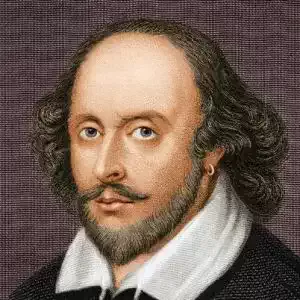
William Shakespeare
Sonnets xi
Sonnets xi
THEY that have power to hurt and will do none,
That do not do the thing they most do show,
Who, moving others, are themselves as stone,
Unmoved, cold, and to temptation slow--
They rightly do inherit heaven's graces,
And husband nature's riches from expense;
They are the Lords and owners of their faces,
Others, but stewards of their excellence.
The summer's flower is to the summer sweet,
Though to itself it only live and die;
But if that flower with base infection meet,
The basest weed outbraves his dignity:
For sweetest things turn sourest by their deeds;
Lilies that fester smell far worse than weeds.
THEY that have power to hurt and will do none,
That do not do the thing they most do show,
Who, moving others, are themselves as stone,
Unmoved, cold, and to temptation slow--
They rightly do inherit heaven's graces,
And husband nature's riches from expense;
They are the Lords and owners of their faces,
Others, but stewards of their excellence.
The summer's flower is to the summer sweet,
Though to itself it only live and die;
But if that flower with base infection meet,
The basest weed outbraves his dignity:
For sweetest things turn sourest by their deeds;
Lilies that fester smell far worse than weeds.
376
William Shakespeare
Sonnet XCIV: They That Have Power to Hurt and Will Do None
Sonnet XCIV: They That Have Power to Hurt and Will Do None
They that have power to hurt and will do none,
That do not do the thing they most do show,
Who, moving others, are themselves as stone,
Unmoved, cold, and to temptation slow:
They rightly do inherit heaven's graces
And husband nature's riches from expense;
They are the lords and owners of their faces,
Others but stewards of their excellence.
The summer's flower is to the summer sweet
Though to itself it only live and die,
But if that flower with base infection meet,
The basest weed outbraves his dignity:
For sweetest things turn sourest by their deeds;
Lilies that fester smell far worse than weeds.
They that have power to hurt and will do none,
That do not do the thing they most do show,
Who, moving others, are themselves as stone,
Unmoved, cold, and to temptation slow:
They rightly do inherit heaven's graces
And husband nature's riches from expense;
They are the lords and owners of their faces,
Others but stewards of their excellence.
The summer's flower is to the summer sweet
Though to itself it only live and die,
But if that flower with base infection meet,
The basest weed outbraves his dignity:
For sweetest things turn sourest by their deeds;
Lilies that fester smell far worse than weeds.
255
William Shakespeare
Sonnet LXIX
Sonnet LXIX
Those parts of thee that the world's eye doth view
Want nothing that the thought of hearts can mend;
All tongues, the voice of souls, give thee that due,
Uttering bare truth, even so as foes commend.
Thy outward thus with outward praise is crown'd;
But those same tongues that give thee so thine own
In other accents do this praise confound
By seeing farther than the eye hath shown.
They look into the beauty of thy mind,
And that, in guess, they measure by thy deeds;
Then, churls, their thoughts, although their eyes were kind,
To thy fair flower add the rank smell of weeds:
But why thy odour matcheth not thy show,
The solve is this, that thou dost common grow.
Those parts of thee that the world's eye doth view
Want nothing that the thought of hearts can mend;
All tongues, the voice of souls, give thee that due,
Uttering bare truth, even so as foes commend.
Thy outward thus with outward praise is crown'd;
But those same tongues that give thee so thine own
In other accents do this praise confound
By seeing farther than the eye hath shown.
They look into the beauty of thy mind,
And that, in guess, they measure by thy deeds;
Then, churls, their thoughts, although their eyes were kind,
To thy fair flower add the rank smell of weeds:
But why thy odour matcheth not thy show,
The solve is this, that thou dost common grow.
309
William Shakespeare
Sonnet CXLVI
Sonnet CXLVI
Poor soul, the centre of my sinful earth,
[ ] these rebel powers that thee array;
Why dost thou pine within and suffer dearth,
Painting thy outward walls so costly gay?
Why so large cost, having so short a lease,
Dost thou upon thy fading mansion spend?
Shall worms, inheritors of this excess,
Eat up thy charge? is this thy body's end?
Then soul, live thou upon thy servant's loss,
And let that pine to aggravate thy store;
Buy terms divine in selling hours of dross;
Within be fed, without be rich no more:
So shalt thou feed on Death, that feeds on men,
And Death once dead, there's no more dying then.
Poor soul, the centre of my sinful earth,
[ ] these rebel powers that thee array;
Why dost thou pine within and suffer dearth,
Painting thy outward walls so costly gay?
Why so large cost, having so short a lease,
Dost thou upon thy fading mansion spend?
Shall worms, inheritors of this excess,
Eat up thy charge? is this thy body's end?
Then soul, live thou upon thy servant's loss,
And let that pine to aggravate thy store;
Buy terms divine in selling hours of dross;
Within be fed, without be rich no more:
So shalt thou feed on Death, that feeds on men,
And Death once dead, there's no more dying then.
275
William Shakespeare
Sonnet 94: They that have power to hurt and will do none
Sonnet 94: They that have power to hurt and will do none
They that have power to hurt and will do none,
That do not do the thing, they most do show,
Who, moving others, are themselves as stone,
Unmovèd, cold, and to temptation slow,
They rightly do inherit heaven's graces,
And husband nature's riches from expense;
They are the lords and owners of their faces,
Others, but stewards of their excellence.
The summer's flower is to the summer sweet,
Though to itself, it only live and die,
But if that flower with base infection meet,
The basest weed outbraves his dignity.
For sweetest things turn sourest by their deeds;
Lilies that fester smell far worse than weeds.
They that have power to hurt and will do none,
That do not do the thing, they most do show,
Who, moving others, are themselves as stone,
Unmovèd, cold, and to temptation slow,
They rightly do inherit heaven's graces,
And husband nature's riches from expense;
They are the lords and owners of their faces,
Others, but stewards of their excellence.
The summer's flower is to the summer sweet,
Though to itself, it only live and die,
But if that flower with base infection meet,
The basest weed outbraves his dignity.
For sweetest things turn sourest by their deeds;
Lilies that fester smell far worse than weeds.
320
William Shakespeare
Sonnet 11: As fast as thou shalt wane, so fast thou grow'st
Sonnet 11: As fast as thou shalt wane, so fast thou grow'st
As fast as thou shalt wane, so fast thou grow'st
In one of thine, from that which thou departest,
And that fresh blood which youngly thou bestow'st,
Thou mayst call thine when thou from youth convertest.
Herein lives wisdom, beauty, and increase;
Without this folly, age, and cold decay,
If all were minded so, the times should cease,
And threescore year would make the world away.
Let those whom Nature hath not made for store,
Harsh, featureless, and rude, barrenly perish;
Look whom she best endowed, she gave the more,
Which bounteous gift thou shouldst in bounty cherish.
She carved thee for her seal, and meant thereby,
Thou shouldst print more, not let that copy die.
As fast as thou shalt wane, so fast thou grow'st
In one of thine, from that which thou departest,
And that fresh blood which youngly thou bestow'st,
Thou mayst call thine when thou from youth convertest.
Herein lives wisdom, beauty, and increase;
Without this folly, age, and cold decay,
If all were minded so, the times should cease,
And threescore year would make the world away.
Let those whom Nature hath not made for store,
Harsh, featureless, and rude, barrenly perish;
Look whom she best endowed, she gave the more,
Which bounteous gift thou shouldst in bounty cherish.
She carved thee for her seal, and meant thereby,
Thou shouldst print more, not let that copy die.
313
William Shakespeare
Now, my co-mates and brothers in exile
Now, my co-mates and brothers in exile
Now, my co-mates and brothers in exile,
Hath not old customs make this life more sweet
Than that of painted pomp? Are not these woods
More free from peril than the envious court!
Here feel we not the penalty of Adam,
The seasons difference; as the icy fang
And churlish chiding of the winters wind,
Which when it bites and blows upon my body,
Even till I shrink with cold, I smile and say
This is no flattery; these are counsellors
That feelingly persuade me what I am.
Sweet are the uses of adversity;
Which, like the toad, ugly and venomous,
Wears yet a precious jewel in his head;
And this our life, exempt from public haunt,
Finds tongues in trees, books in the running brooks,
Sermons in stones, and good in everything.
I would not change it.
Now, my co-mates and brothers in exile,
Hath not old customs make this life more sweet
Than that of painted pomp? Are not these woods
More free from peril than the envious court!
Here feel we not the penalty of Adam,
The seasons difference; as the icy fang
And churlish chiding of the winters wind,
Which when it bites and blows upon my body,
Even till I shrink with cold, I smile and say
This is no flattery; these are counsellors
That feelingly persuade me what I am.
Sweet are the uses of adversity;
Which, like the toad, ugly and venomous,
Wears yet a precious jewel in his head;
And this our life, exempt from public haunt,
Finds tongues in trees, books in the running brooks,
Sermons in stones, and good in everything.
I would not change it.
322
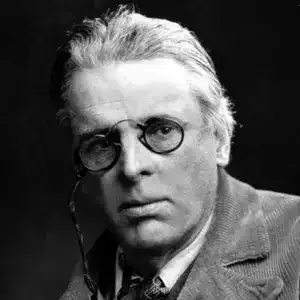
William Butler Yeats
Wisdom
Wisdom
THE true faith discovered was
When painted panel, statuary.
Glass-mosaic, window-glass,
Amended what was told awry
By some peasant gospeller;
Swept the Sawdust from the floor
Of that working-carpenter.
Miracle had its playtime where
In damask clothed and on a seat
Chryselephantine, cedar-boarded,
His majestic Mother sat
Stitching at a purple hoarded
That He might be nobly breeched
In starry towers of Babylon
Noah's freshet never reached.
King Abundance got Him on
Innocence; and Wisdom He.
That cognomen sounded best
Considering what wild infancy
Drove horror from His Mother's breast.
THE true faith discovered was
When painted panel, statuary.
Glass-mosaic, window-glass,
Amended what was told awry
By some peasant gospeller;
Swept the Sawdust from the floor
Of that working-carpenter.
Miracle had its playtime where
In damask clothed and on a seat
Chryselephantine, cedar-boarded,
His majestic Mother sat
Stitching at a purple hoarded
That He might be nobly breeched
In starry towers of Babylon
Noah's freshet never reached.
King Abundance got Him on
Innocence; and Wisdom He.
That cognomen sounded best
Considering what wild infancy
Drove horror from His Mother's breast.
454
William Butler Yeats
Under Saturn
Under Saturn
DO not because this day I have grown saturnine
Imagine that lost love, inseparable from my thought
Because I have no other youth, can make me pine;
For how should I forget the wisdom that you brought,
The comfort that you made? Although my wits have gone
On a fantastic ride, my horse's flanks are spurred
By childish memories of an old cross Pollexfen,
And of a Middleton, whose name you never heard,
And of a red-haired Yeats whose looks, although he died
Before my time, seem like a vivid memory.
You heard that labouring man who had served my people. He said
Upon the open road, near to the Sligo quay --
No, no, not said, but cried it out -- 'You have come again,
And surely after twenty years it was time to come.'
I am thinking of a child's vow sworn in vain
Never to leave that valley his fathers called their home.
DO not because this day I have grown saturnine
Imagine that lost love, inseparable from my thought
Because I have no other youth, can make me pine;
For how should I forget the wisdom that you brought,
The comfort that you made? Although my wits have gone
On a fantastic ride, my horse's flanks are spurred
By childish memories of an old cross Pollexfen,
And of a Middleton, whose name you never heard,
And of a red-haired Yeats whose looks, although he died
Before my time, seem like a vivid memory.
You heard that labouring man who had served my people. He said
Upon the open road, near to the Sligo quay --
No, no, not said, but cried it out -- 'You have come again,
And surely after twenty years it was time to come.'
I am thinking of a child's vow sworn in vain
Never to leave that valley his fathers called their home.
437
William Butler Yeats
Tom O'Roughley
Tom O'Roughley
'THOUGH logic-choppers rule the town,
And every man and maid and boy
Has marked a distant object down,
An aimless joy is a pure joy,'
Or so did Tom O'Roughley say
That saw the surges running by.
'And wisdom is a butterfly
And not a gloomy bird of prey.
'If little planned is little sinned
But little need the grave distress.
What's dying but a second wind?
How but in zig-zag wantonness
Could trumpeter Michael be so brave?'
Or something of that sort he said,
'And if my dearest friend were dead
I'd dance a measure on his grave.'
'THOUGH logic-choppers rule the town,
And every man and maid and boy
Has marked a distant object down,
An aimless joy is a pure joy,'
Or so did Tom O'Roughley say
That saw the surges running by.
'And wisdom is a butterfly
And not a gloomy bird of prey.
'If little planned is little sinned
But little need the grave distress.
What's dying but a second wind?
How but in zig-zag wantonness
Could trumpeter Michael be so brave?'
Or something of that sort he said,
'And if my dearest friend were dead
I'd dance a measure on his grave.'
441
William Butler Yeats
To His Heart, Bidding It Have No Fear
To His Heart, Bidding It Have No Fear
BE you still, be you still, trembling heart;
Remember the wisdom out of the old days:
Him who trembles before the flame and the flood,
And the winds that blow through the starry ways,
Let the starry winds and the flame and the flood
Cover over and hide, for he has no part
With the lonely, majestical multitude.
BE you still, be you still, trembling heart;
Remember the wisdom out of the old days:
Him who trembles before the flame and the flood,
And the winds that blow through the starry ways,
Let the starry winds and the flame and the flood
Cover over and hide, for he has no part
With the lonely, majestical multitude.
301
William Butler Yeats
To A Young Beauty
To A Young Beauty
DEAR fellow-artist, why so free
With every sort of company,
With every Jack and Jill?
Choose your companions from the best;
Who draws a bucket with the rest
Soon topples down the hill.
You may, that mirror for a school,
Be passionate, not bountiful
As common beauties may,
Who were not born to keep in trim
With old Ezekiel's cherubim
But those of Beauvarlet.
I know what wages beauty gives,
How hard a life her setvant lives,
Yet praise the winters gone:
There is not a fool can call me friend,
And I may dine at journey's end
With Landor and with Donne.
DEAR fellow-artist, why so free
With every sort of company,
With every Jack and Jill?
Choose your companions from the best;
Who draws a bucket with the rest
Soon topples down the hill.
You may, that mirror for a school,
Be passionate, not bountiful
As common beauties may,
Who were not born to keep in trim
With old Ezekiel's cherubim
But those of Beauvarlet.
I know what wages beauty gives,
How hard a life her setvant lives,
Yet praise the winters gone:
There is not a fool can call me friend,
And I may dine at journey's end
With Landor and with Donne.
366
William Butler Yeats
Three Marching Songs
Three Marching Songs
REMEMBER all those renowned generations,
They left their bodies to fatten the wolves,
They left their homesteads to fatten the foxes,
Fled to far countries, or sheltered themselves
In cavern, crevice, or hole,
Defending Ireland's soul.
Be still, be still, what can be said?
My father sang that song,
But time amends old wrong,
All that is finished, let it fade.
Remember all those renowned generations,
Remember all that have sunk in their blood,
Remember all that have died on the scaffold,
Remember all that have fled, that have stood,
Stood, took death like a tune
On an old,tambourine.
Be still, be still, what can be said?
My father sang that song,
But time amends old wrong,
And all that's finished, let it fade.
Fail, and that history turns into rubbish,
All that great past to a trouble of fools;
Those that come after shall mock at O'Donnell,
Mock at the memory of both O'Neills,
Mock Emmet, mock Parnell,
All the renown that fell.
Be still, be still, what can be said?
My father sang that song,
but time amends old wrong,
And all that's finished, let it fade.
The soldier takes pride in saluting his Captain,
The devotee proffers a knee to his Lord,
Some back a mare thrown from a thoroughbred,,
Troy backed its Helen; Troy died and adored;
Great nations blossom above;
A slave bows down to a slave.
What marches through the mountain pass?
No, no, my son, not yet;
That is an airy spot,
And no man knows what treads the grass.
We know what rascal might has defiled,
The lofty innocence that it has slain,
Were we not born in the peasant's cot
Where men forgive if the belly gain?
More dread the life that we live,
How can the mind forgive?
What marches down the mountain pass?
No, no, my son, not yet;
That is an airy spot,
And no man knows what treads the grass.
What if there's nothing up there at the top?
Where are the captains that govern mankind?
What tears down a tree that has nothing within it?
A blast of the wind, O a marching wind,
March wind, and any old tune.
March, march, and how does it run?
What marches down the mountain pass?
No, no, my son, not yet;
That is an airy spot,
And no man knows what treads the grass.
III
Grandfather sang it under the gallows:
'Hear, gentlemen, ladies, and all mankind:
Money is good and a girl might be better,
But good strong blows are delights to the mind.'
There, standing on the cart,
He sang it from his heart.
<1Robbers had taken his old tambourine,
But he took down the moon
And rattled out a tunc;
Robbers had taken his old tambourinc.>1
'A girl I had, but she followed another,
Money I had, and it went in the night,
Strong drink I had, and it brought me to sorrow,
But a good strong cause and blows are delight.'
All there caught up the tune:
'Oh, on, my darling man.'
Robbers had taken his old tambourine,
But he took down the moon
And rattled out a tune;>1
Robbers had taken his old tambourine.
'Money is good and a girl might be better,
No matter what happens and who takes the fall,
But a good strong cause' -- the rope gave a jerk there,
No more sang he, for his throat was too small;
But he kicked before he died,
He did it out of pride.
<1Robbers had taken his old tambourine,
But he took down the moon
And rattled out a tune;
Robbers had taken his old tambourine.
REMEMBER all those renowned generations,
They left their bodies to fatten the wolves,
They left their homesteads to fatten the foxes,
Fled to far countries, or sheltered themselves
In cavern, crevice, or hole,
Defending Ireland's soul.
Be still, be still, what can be said?
My father sang that song,
But time amends old wrong,
All that is finished, let it fade.
Remember all those renowned generations,
Remember all that have sunk in their blood,
Remember all that have died on the scaffold,
Remember all that have fled, that have stood,
Stood, took death like a tune
On an old,tambourine.
Be still, be still, what can be said?
My father sang that song,
But time amends old wrong,
And all that's finished, let it fade.
Fail, and that history turns into rubbish,
All that great past to a trouble of fools;
Those that come after shall mock at O'Donnell,
Mock at the memory of both O'Neills,
Mock Emmet, mock Parnell,
All the renown that fell.
Be still, be still, what can be said?
My father sang that song,
but time amends old wrong,
And all that's finished, let it fade.
The soldier takes pride in saluting his Captain,
The devotee proffers a knee to his Lord,
Some back a mare thrown from a thoroughbred,,
Troy backed its Helen; Troy died and adored;
Great nations blossom above;
A slave bows down to a slave.
What marches through the mountain pass?
No, no, my son, not yet;
That is an airy spot,
And no man knows what treads the grass.
We know what rascal might has defiled,
The lofty innocence that it has slain,
Were we not born in the peasant's cot
Where men forgive if the belly gain?
More dread the life that we live,
How can the mind forgive?
What marches down the mountain pass?
No, no, my son, not yet;
That is an airy spot,
And no man knows what treads the grass.
What if there's nothing up there at the top?
Where are the captains that govern mankind?
What tears down a tree that has nothing within it?
A blast of the wind, O a marching wind,
March wind, and any old tune.
March, march, and how does it run?
What marches down the mountain pass?
No, no, my son, not yet;
That is an airy spot,
And no man knows what treads the grass.
III
Grandfather sang it under the gallows:
'Hear, gentlemen, ladies, and all mankind:
Money is good and a girl might be better,
But good strong blows are delights to the mind.'
There, standing on the cart,
He sang it from his heart.
<1Robbers had taken his old tambourine,
But he took down the moon
And rattled out a tunc;
Robbers had taken his old tambourinc.>1
'A girl I had, but she followed another,
Money I had, and it went in the night,
Strong drink I had, and it brought me to sorrow,
But a good strong cause and blows are delight.'
All there caught up the tune:
'Oh, on, my darling man.'
Robbers had taken his old tambourine,
But he took down the moon
And rattled out a tune;>1
Robbers had taken his old tambourine.
'Money is good and a girl might be better,
No matter what happens and who takes the fall,
But a good strong cause' -- the rope gave a jerk there,
No more sang he, for his throat was too small;
But he kicked before he died,
He did it out of pride.
<1Robbers had taken his old tambourine,
But he took down the moon
And rattled out a tune;
Robbers had taken his old tambourine.
434
William Butler Yeats
The Scholars
The Scholars
BALD heads forgetful of their sins,
Old, learned, respectable bald heads
Edit and annotate the lines
That young men, tossing on their beds,
Rhymed out in love's despair
To flatter beauty's ignorant ear.
All shuffle there; all cough in ink;
All wear the carpet with their shoes;
All think what other people think;
All know the man their neighbour knows.
Lord, what would they say
Did their Catullus walk that way?
BALD heads forgetful of their sins,
Old, learned, respectable bald heads
Edit and annotate the lines
That young men, tossing on their beds,
Rhymed out in love's despair
To flatter beauty's ignorant ear.
All shuffle there; all cough in ink;
All wear the carpet with their shoes;
All think what other people think;
All know the man their neighbour knows.
Lord, what would they say
Did their Catullus walk that way?
394
Page 1
Next