

Poems in this topic
Longing and Absence
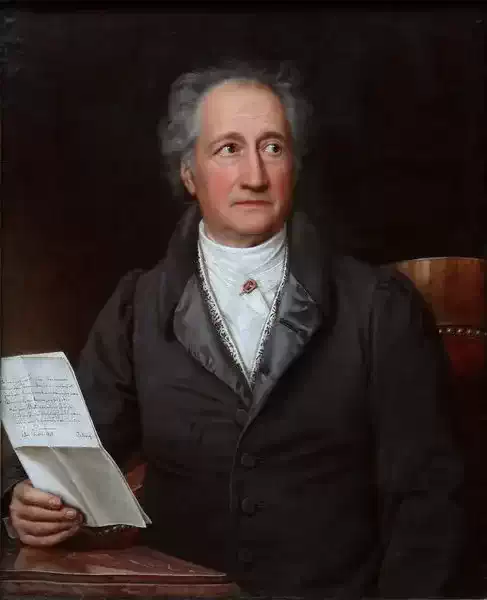
Johann Wolfgang von Goethe
To Mignon
To Mignon
OVER vale and torrent far
Rolls along the sun's bright car.
Ah! he wakens in his course
Mine, as thy deep-seated smart
In the heart.
Ev'ry morning with new force.
Scarce avails night aught to me;
E'en the visions that I see
Come but in a mournful guise;
And I feel this silent smart
In my heart
With creative pow'r arise.
During many a beauteous year
I have seen ships 'neath me steer,
As they seek the shelt'ring bay;
But, alas, each lasting smart
In my heart
Floats not with the stream away.
I must wear a gala dress,
Long stored up within my press,
For to-day to feasts is given;
None know with what bitter smart
Is my heart
Fearfully and madly riven.
Secretly I weep each tear,
Yet can cheerful e'en appear,
With a face of healthy red;
For if deadly were this silent smart
In my heart,
Ah, I then had long been dead!
THE MOUNTAIN CASTLE.
THERE stands on yonder high mountain
A castle built of yore,
Where once lurked horse and horseman
In rear of gate and of door.
Now door and gate are in ashes,
And all around is so still;
And over the fallen ruins
I clamber just as I will.
Below once lay a cellar,
With costly wines well stor'd;
No more the glad maid with her pitcher
Descends there to draw from the hoard.
No longer the goblet she places
Before the guests at the feast;
The flask at the meal so hallow'd
No longer she fills for the priest.
No more for the eager squire
The draught in the passage is pour'd;
No more for the flying present
Receives she the flying reward.
For all the roof and the rafters,
They all long since have been burn'd,
And stairs and passage and chapel
To rubbish and ruins are turn'd.
Yet when with lute and with flagon,
When day was smiling and bright,
I've watch'd my mistress climbing
To gain this perilous height,
Then rapture joyous and radiant
The silence so desolate brake,
And all, as in days long vanish'd,
Once more to enjoyment awoke;
As if for guests of high station
The largest rooms were prepared;
As if from those times so precious
A couple thither had fared;
As if there stood in his chapel
The priest in his sacred dress,
And ask'd: "Would ye twain be united?"
And we, with a smile, answer'd, "Yes!"
And songs that breath'd a deep feeling,
That touched the heart's innermost chord,
The music-fraught mouth of sweet echo,
Instead of the many, outpour'd.
And when at eve all was hidden
In silence unbroken and deep,
The glowing sun then look'd upwards,
And gazed on the summit so steep.
And squire and maiden then glitter'd
As bright and gay as a lord,
She seized the time for her present,
And he to give her reward.
OVER vale and torrent far
Rolls along the sun's bright car.
Ah! he wakens in his course
Mine, as thy deep-seated smart
In the heart.
Ev'ry morning with new force.
Scarce avails night aught to me;
E'en the visions that I see
Come but in a mournful guise;
And I feel this silent smart
In my heart
With creative pow'r arise.
During many a beauteous year
I have seen ships 'neath me steer,
As they seek the shelt'ring bay;
But, alas, each lasting smart
In my heart
Floats not with the stream away.
I must wear a gala dress,
Long stored up within my press,
For to-day to feasts is given;
None know with what bitter smart
Is my heart
Fearfully and madly riven.
Secretly I weep each tear,
Yet can cheerful e'en appear,
With a face of healthy red;
For if deadly were this silent smart
In my heart,
Ah, I then had long been dead!
THE MOUNTAIN CASTLE.
THERE stands on yonder high mountain
A castle built of yore,
Where once lurked horse and horseman
In rear of gate and of door.
Now door and gate are in ashes,
And all around is so still;
And over the fallen ruins
I clamber just as I will.
Below once lay a cellar,
With costly wines well stor'd;
No more the glad maid with her pitcher
Descends there to draw from the hoard.
No longer the goblet she places
Before the guests at the feast;
The flask at the meal so hallow'd
No longer she fills for the priest.
No more for the eager squire
The draught in the passage is pour'd;
No more for the flying present
Receives she the flying reward.
For all the roof and the rafters,
They all long since have been burn'd,
And stairs and passage and chapel
To rubbish and ruins are turn'd.
Yet when with lute and with flagon,
When day was smiling and bright,
I've watch'd my mistress climbing
To gain this perilous height,
Then rapture joyous and radiant
The silence so desolate brake,
And all, as in days long vanish'd,
Once more to enjoyment awoke;
As if for guests of high station
The largest rooms were prepared;
As if from those times so precious
A couple thither had fared;
As if there stood in his chapel
The priest in his sacred dress,
And ask'd: "Would ye twain be united?"
And we, with a smile, answer'd, "Yes!"
And songs that breath'd a deep feeling,
That touched the heart's innermost chord,
The music-fraught mouth of sweet echo,
Instead of the many, outpour'd.
And when at eve all was hidden
In silence unbroken and deep,
The glowing sun then look'd upwards,
And gazed on the summit so steep.
And squire and maiden then glitter'd
As bright and gay as a lord,
She seized the time for her present,
And he to give her reward.
511
Johann Wolfgang von Goethe
To Lina
To Lina
SHOULD these songs, love, as they fleet,
Chance again to reach thy hand,
At the piano take thy seat,
Where thy friend was wont to stand!
Sweep with finger bold the string,
Then the book one moment see:
But read not! do nought but sing!
And each page thine own will be!
Ah, what grief the song imparts
With its letters, black on white,
That, when breath'd by thee, our hearts
Now can break and now delight!
SHOULD these songs, love, as they fleet,
Chance again to reach thy hand,
At the piano take thy seat,
Where thy friend was wont to stand!
Sweep with finger bold the string,
Then the book one moment see:
But read not! do nought but sing!
And each page thine own will be!
Ah, what grief the song imparts
With its letters, black on white,
That, when breath'd by thee, our hearts
Now can break and now delight!
291
Johann Wolfgang von Goethe
The Traveller And The Farm-Maiden
The Traveller And The Farm-Maiden
HE.
CANST thou give, oh fair and matchless maiden,
'Neath the shadow of the lindens yonder,--
Where I'd fain one moment cease to wander,--
Food and drink to one so heavy laden?
SHE.
Wouldst thou find refreshment, traveller weary,
Bread, ripe fruit and cream to meet thy wishes,--
None but Nature's plain and homely dishes,--
Near the spring may soothe thy wanderings dreary.
HE.
Dreams of old acquaintance now pass through me,
Ne'er-forgotten queen of hours of blisses.
Likenesses I've often found, but this is
One that quite a marvel seemeth to me!
SHE.
Travellers often wonder beyond measure,
But their wonder soon see cause to smother;
Fair and dark are often like each other,
Both inspire the mind with equal pleasure.
HE.
Not now for the first time I surrender
To this form, in humble adoration;
It was brightest midst the constellation
In the hail adorn'd with festal splendour.
SHE.
Be thou joyful that 'tis in my power
To complete thy strange and merry story!
Silks behind her, full of purple glory,
Floated, when thou saw'st her in that hour.
HE.
No, in truth, thou hast not sung it rightly!
Spirits may have told thee all about it;
Pearls and gems they spoke of, do not doubt it,--
By her gaze eclipsed,--it gleam'd so brightly!
SHE.
This one thing I certainly collected:
That the fair one--(say nought, I entreat thee!)
Fondly hoping once again to meet thee,
Many a castle in the air erected.
HE.
By each wind I ceaselessly was driven,
Seeking gold and honour, too, to capture!
When my wand'rings end, then oh, what rapture,
If to find that form again 'tis given!
SHE.
'Tis the daughter of the race now banish'd
That thou seest, not her likeness only;
Helen and her brother, glad though lonely,
Till this farm of their estate now vanish'd.
HE.
But the owner surely is not wanting
Of these plains, with ev'ry beauty teeming?
Verdant fields, broad meads, and pastures gleaming,
Gushing springs, all heav'nly and enchanting.
SHE.
Thou must hunt the world through, wouldst thou find him!--
We have wealth enough in our possession,
And intend to purchase the succession,
When the good man leaves the world behind him.
HE.
I have learnt the owner's own condition,
And, fair maiden, thou indeed canst buy it;
But the cost is great, I won't deny it,--
Helen is the price,--with thy permission!
SHE.
Did then fate and rank keep us asunder,
And must Love take this road, and no other?
Yonder comes my dear and trusty brother;
What will he say to it all, I wonder?
HE.
CANST thou give, oh fair and matchless maiden,
'Neath the shadow of the lindens yonder,--
Where I'd fain one moment cease to wander,--
Food and drink to one so heavy laden?
SHE.
Wouldst thou find refreshment, traveller weary,
Bread, ripe fruit and cream to meet thy wishes,--
None but Nature's plain and homely dishes,--
Near the spring may soothe thy wanderings dreary.
HE.
Dreams of old acquaintance now pass through me,
Ne'er-forgotten queen of hours of blisses.
Likenesses I've often found, but this is
One that quite a marvel seemeth to me!
SHE.
Travellers often wonder beyond measure,
But their wonder soon see cause to smother;
Fair and dark are often like each other,
Both inspire the mind with equal pleasure.
HE.
Not now for the first time I surrender
To this form, in humble adoration;
It was brightest midst the constellation
In the hail adorn'd with festal splendour.
SHE.
Be thou joyful that 'tis in my power
To complete thy strange and merry story!
Silks behind her, full of purple glory,
Floated, when thou saw'st her in that hour.
HE.
No, in truth, thou hast not sung it rightly!
Spirits may have told thee all about it;
Pearls and gems they spoke of, do not doubt it,--
By her gaze eclipsed,--it gleam'd so brightly!
SHE.
This one thing I certainly collected:
That the fair one--(say nought, I entreat thee!)
Fondly hoping once again to meet thee,
Many a castle in the air erected.
HE.
By each wind I ceaselessly was driven,
Seeking gold and honour, too, to capture!
When my wand'rings end, then oh, what rapture,
If to find that form again 'tis given!
SHE.
'Tis the daughter of the race now banish'd
That thou seest, not her likeness only;
Helen and her brother, glad though lonely,
Till this farm of their estate now vanish'd.
HE.
But the owner surely is not wanting
Of these plains, with ev'ry beauty teeming?
Verdant fields, broad meads, and pastures gleaming,
Gushing springs, all heav'nly and enchanting.
SHE.
Thou must hunt the world through, wouldst thou find him!--
We have wealth enough in our possession,
And intend to purchase the succession,
When the good man leaves the world behind him.
HE.
I have learnt the owner's own condition,
And, fair maiden, thou indeed canst buy it;
But the cost is great, I won't deny it,--
Helen is the price,--with thy permission!
SHE.
Did then fate and rank keep us asunder,
And must Love take this road, and no other?
Yonder comes my dear and trusty brother;
What will he say to it all, I wonder?
355
Johann Wolfgang von Goethe
The Spring Oracle
The Spring Oracle
OH prophetic bird so bright,
Blossom-songster, cuckoo bight!
In the fairest time of year,
Dearest bird, oh! deign to hear
What a youthful pair would pray,
Do thou call, if hope they may:
Thy cuck-oo, thy cuck-oo.
Ever more cuck-oo, cuck-oo!
Hearest thou? A loving pair
Fain would to the altar fare;
Yes! a pair in happy youth,
Full of virtue, full of truth.
Is the hour not fix'd by fate?
Say, how long must they still wait?
Hark! cuck-oo! hark! cuck-oo!
Silent yet! for shame, cuck-oo!
'Tis not our fault, certainly!
Only two years patient be!
But if we ourselves please here,
Will pa-pa-papas appear?
Know that thou'lt more kindness do us,
More thou'lt prophesy unto us.
One! cuck-oo! Two! cuck-oo!
Ever, ever, cuck-oo, cuck-oo, coo!
If we've calculated clearly,
We have half a dozen nearly.
If good promises we'll give,
Wilt thou say how long we'II live?
Truly, we'll confess to thee,
We'd prolong it willingly.
Coo cuck-oo, coo cuck-oo,
Coo, coo, coo, coo, coo, coo, coo, coo, coo!
Life is one continued feast-(
If we keep no score, at least).
If now we together dwell,
Will true love remain as well?
For if that should e'er decay,
Happiness would pass away.
Coo cuck-oo, coo cuck-oo,
Coo, coo, coo, coo, coo, coo, coo, coo, coo!
OH prophetic bird so bright,
Blossom-songster, cuckoo bight!
In the fairest time of year,
Dearest bird, oh! deign to hear
What a youthful pair would pray,
Do thou call, if hope they may:
Thy cuck-oo, thy cuck-oo.
Ever more cuck-oo, cuck-oo!
Hearest thou? A loving pair
Fain would to the altar fare;
Yes! a pair in happy youth,
Full of virtue, full of truth.
Is the hour not fix'd by fate?
Say, how long must they still wait?
Hark! cuck-oo! hark! cuck-oo!
Silent yet! for shame, cuck-oo!
'Tis not our fault, certainly!
Only two years patient be!
But if we ourselves please here,
Will pa-pa-papas appear?
Know that thou'lt more kindness do us,
More thou'lt prophesy unto us.
One! cuck-oo! Two! cuck-oo!
Ever, ever, cuck-oo, cuck-oo, coo!
If we've calculated clearly,
We have half a dozen nearly.
If good promises we'll give,
Wilt thou say how long we'II live?
Truly, we'll confess to thee,
We'd prolong it willingly.
Coo cuck-oo, coo cuck-oo,
Coo, coo, coo, coo, coo, coo, coo, coo, coo!
Life is one continued feast-(
If we keep no score, at least).
If now we together dwell,
Will true love remain as well?
For if that should e'er decay,
Happiness would pass away.
Coo cuck-oo, coo cuck-oo,
Coo, coo, coo, coo, coo, coo, coo, coo, coo!
413
Johann Wolfgang von Goethe
The Shepherd's Lament
The Shepherd's Lament
ON yonder lofty mountain
A thousand times I stand,
And on my staff reclining,
Look down on the smiling land.
My grazing flocks then I follow,
My dog protecting them well;
I find myself in the valley,
But how, I scarcely can tell.
The whole of the meadow is cover'd
With flowers of beauty rare;
I pluck them, but pluck them unknowing
To whom the offering to bear.
In rain and storm and tempest,
I tarry beneath the tree,
But closed remaineth yon portal;
'Tis all but a vision to me.
High over yonder dwelling,
There rises a rainbow gay;
But she from home hath departed
And wander'd far, far away.
Yes, far away bath she wander'd,
Perchance e'en over the sea;
Move onward, ye sheep, then, move onward!
Full sad the shepherd must be.
ON yonder lofty mountain
A thousand times I stand,
And on my staff reclining,
Look down on the smiling land.
My grazing flocks then I follow,
My dog protecting them well;
I find myself in the valley,
But how, I scarcely can tell.
The whole of the meadow is cover'd
With flowers of beauty rare;
I pluck them, but pluck them unknowing
To whom the offering to bear.
In rain and storm and tempest,
I tarry beneath the tree,
But closed remaineth yon portal;
'Tis all but a vision to me.
High over yonder dwelling,
There rises a rainbow gay;
But she from home hath departed
And wander'd far, far away.
Yes, far away bath she wander'd,
Perchance e'en over the sea;
Move onward, ye sheep, then, move onward!
Full sad the shepherd must be.
417
Johann Wolfgang von Goethe
The Loving One Once More
The Loving One Once More
WHY do I o'er my paper once more bend?
Ask not too closely, dearest one, I pray
For, to speak truth, I've nothing now to say;
Yet to thy hands at length 'twill come, dear friend.
Since I can come not with it, what I send
My undivided heart shall now convey,
With all its joys, hopes, pleasures, pains, to-day:
All this hath no beginning, hath no end.
Henceforward I may ne'er to thee confide
How, far as thought, wish, fancy, will, can reach,
My faithful heart with thine is surely blended.
Thus stood I once enraptured by thy side,
Gazed on thee, and said nought. What need of speech?
My very being in itself was ended.
WHY do I o'er my paper once more bend?
Ask not too closely, dearest one, I pray
For, to speak truth, I've nothing now to say;
Yet to thy hands at length 'twill come, dear friend.
Since I can come not with it, what I send
My undivided heart shall now convey,
With all its joys, hopes, pleasures, pains, to-day:
All this hath no beginning, hath no end.
Henceforward I may ne'er to thee confide
How, far as thought, wish, fancy, will, can reach,
My faithful heart with thine is surely blended.
Thus stood I once enraptured by thy side,
Gazed on thee, and said nought. What need of speech?
My very being in itself was ended.
395
Johann Wolfgang von Goethe
The Hunter's Even-Song
The Hunter's Even-Song
THE plain with still and wand'ring feet,
And gun full-charged, I tread,
And hov'ring see thine image sweet,
Thine image dear, o'er head.
In gentle silence thou dost fare
Through field and valley dear;
But doth my fleeting image ne'er
To thy mind's eye appear?
His image, who, by grief oppress'd,
Roams through the world forlorn,
And wanders on from east to west,
Because from thee he's torn?
When I would think of none but thee,
Mine eyes the moon survey;
A calm repose then steals o'er me,
But how, 'twere hard to say.
THE plain with still and wand'ring feet,
And gun full-charged, I tread,
And hov'ring see thine image sweet,
Thine image dear, o'er head.
In gentle silence thou dost fare
Through field and valley dear;
But doth my fleeting image ne'er
To thy mind's eye appear?
His image, who, by grief oppress'd,
Roams through the world forlorn,
And wanders on from east to west,
Because from thee he's torn?
When I would think of none but thee,
Mine eyes the moon survey;
A calm repose then steals o'er me,
But how, 'twere hard to say.
305
Johann Wolfgang von Goethe
The Fisherman
The Fisherman
THE waters rush'd, the waters rose,
A fisherman sat by,
While on his line in calm repose
He cast his patient eye.
And as he sat, and hearken'd there,
The flood was cleft in twain,
And, lo! a dripping mermaid fair
Sprang from the troubled main.
She sang to him, and spake the while:
"Why lurest thou my brood,
With human wit and human guile
From out their native flood?
Oh, couldst thou know how gladly dart
The fish across the sea,
Thou wouldst descend, e'en as thou art,
And truly happy be!
"Do not the sun and moon with grace
Their forms in ocean lave?
Shines not with twofold charms their face,
When rising from the wave?
The deep, deep heavens, then lure thee not,--
The moist yet radiant blue,--
Not thine own form,--to tempt thy lot
'Midst this eternal dew?"
The waters rush'd, the waters rose,
Wetting his naked feet;
As if his true love's words were those,
His heart with longing beat.
She sang to him, to him spake she,
His doom was fix'd, I ween;
Half drew she him, and half sank he,
And ne'er again was seen.
THE waters rush'd, the waters rose,
A fisherman sat by,
While on his line in calm repose
He cast his patient eye.
And as he sat, and hearken'd there,
The flood was cleft in twain,
And, lo! a dripping mermaid fair
Sprang from the troubled main.
She sang to him, and spake the while:
"Why lurest thou my brood,
With human wit and human guile
From out their native flood?
Oh, couldst thou know how gladly dart
The fish across the sea,
Thou wouldst descend, e'en as thou art,
And truly happy be!
"Do not the sun and moon with grace
Their forms in ocean lave?
Shines not with twofold charms their face,
When rising from the wave?
The deep, deep heavens, then lure thee not,--
The moist yet radiant blue,--
Not thine own form,--to tempt thy lot
'Midst this eternal dew?"
The waters rush'd, the waters rose,
Wetting his naked feet;
As if his true love's words were those,
His heart with longing beat.
She sang to him, to him spake she,
His doom was fix'd, I ween;
Half drew she him, and half sank he,
And ne'er again was seen.
489
Johann Wolfgang von Goethe
The Farewell
The Farewell
LET mine eye the farewell say,
That my lips can utter ne'er;
Fain I'd be a man to-day,
Yet 'tis hard, oh, hard to bear!
Mournful in an hour like this
Is love's sweetest pledge, I ween;
Cold upon thy mouth the kiss,
Faint thy fingers' pressure e'en.
Oh what rapture to my heart
Used each stolen kiss to bring!
As the violets joy impart,
Gather'd in the early spring.
Now no garlands I entwine,
Now no roses pluck. for thee,
Though 'tis springtime, Fanny mine,
Dreary autumn 'tis to me!
LET mine eye the farewell say,
That my lips can utter ne'er;
Fain I'd be a man to-day,
Yet 'tis hard, oh, hard to bear!
Mournful in an hour like this
Is love's sweetest pledge, I ween;
Cold upon thy mouth the kiss,
Faint thy fingers' pressure e'en.
Oh what rapture to my heart
Used each stolen kiss to bring!
As the violets joy impart,
Gather'd in the early spring.
Now no garlands I entwine,
Now no roses pluck. for thee,
Though 'tis springtime, Fanny mine,
Dreary autumn 'tis to me!
380
Johann Wolfgang von Goethe
The Bridegroom
The Bridegroom
I SLEPT,--'twas midnight,--in my bosom woke,
As though 'twere day, my love-o'erflowing heart;
To me it seemed like night, when day first broke;
What is't to me, whate'er it may impart?
She was away; the world's unceasing strife
For her alone I suffer'd through the heat
Of sultry day; oh, what refreshing life
At cooling eve!--my guerdon was complete.
The sun now set, and wand'ring hand in hand,
His last and blissful look we greeted then;
While spake our eyes, as they each other scann'd:
"From the far east, let's trust, he'll come again!"
At midnight!--the bright stars, in vision blest,
Guide to the threshold where she slumbers calm:
Oh be it mine, there too at length to rest,--
Yet howsoe'er this prove, life's full of charm!
I SLEPT,--'twas midnight,--in my bosom woke,
As though 'twere day, my love-o'erflowing heart;
To me it seemed like night, when day first broke;
What is't to me, whate'er it may impart?
She was away; the world's unceasing strife
For her alone I suffer'd through the heat
Of sultry day; oh, what refreshing life
At cooling eve!--my guerdon was complete.
The sun now set, and wand'ring hand in hand,
His last and blissful look we greeted then;
While spake our eyes, as they each other scann'd:
"From the far east, let's trust, he'll come again!"
At midnight!--the bright stars, in vision blest,
Guide to the threshold where she slumbers calm:
Oh be it mine, there too at length to rest,--
Yet howsoe'er this prove, life's full of charm!
437
Johann Wolfgang von Goethe
Proximity Of The Beloved One
Proximity Of The Beloved One
I THINK of thee, whene'er the sun his beams
O'er ocean flings;
I think of thee, whene'er the moonlight gleams
In silv'ry springs.
I see thee, when upon the distant ridge
The dust awakes;
At midnight's hour, when on the fragile bridge
The wanderer quakes.
I hear thee, when yon billows rise on high,
With murmur deep.
To tread the silent grove oft wander I,
When all's asleep.
I'm near thee, though thou far away mayst be-Thou,
too, art near!
The sun then sets, the stars soon lighten me.
Would thou wert here!
I THINK of thee, whene'er the sun his beams
O'er ocean flings;
I think of thee, whene'er the moonlight gleams
In silv'ry springs.
I see thee, when upon the distant ridge
The dust awakes;
At midnight's hour, when on the fragile bridge
The wanderer quakes.
I hear thee, when yon billows rise on high,
With murmur deep.
To tread the silent grove oft wander I,
When all's asleep.
I'm near thee, though thou far away mayst be-Thou,
too, art near!
The sun then sets, the stars soon lighten me.
Would thou wert here!
374
Johann Wolfgang von Goethe
Night Song
Night Song
WHEN on thy pillow lying,
Half listen, I implore,
And at my lute's soft sighing,
Sleep on! what wouldst thou more?
For at my lute's soft sighing
The stars their blessings pour
On feelings never-dying;
Sleep on! what wouldst thou more?
Those feelings never-dying
My spirit aid to soar
From earthly conflicts trying;
Sleep on! what wouldst thou more?
From earthly conflicts trying
Thou driv'st me to this shore;
Through thee I'm thither flying,--
Sleep on! what wouldst thou more?
Through thee I'm hither flying,
Thou wilt not list before
In slumbers thou art lying:
Sleep on! what wouldst thou more?
WHEN on thy pillow lying,
Half listen, I implore,
And at my lute's soft sighing,
Sleep on! what wouldst thou more?
For at my lute's soft sighing
The stars their blessings pour
On feelings never-dying;
Sleep on! what wouldst thou more?
Those feelings never-dying
My spirit aid to soar
From earthly conflicts trying;
Sleep on! what wouldst thou more?
From earthly conflicts trying
Thou driv'st me to this shore;
Through thee I'm thither flying,--
Sleep on! what wouldst thou more?
Through thee I'm hither flying,
Thou wilt not list before
In slumbers thou art lying:
Sleep on! what wouldst thou more?
471
Johann Wolfgang von Goethe
Morning Lament
Morning Lament
OH thou cruel deadly-lovely maiden,
Tell me what great sin have I committed,
That thou keep'st me to the rack thus fasten'd,
That thou hast thy solemn promise broken?
'Twas but yestere'en that thou with fondness
Press'd my hand, and these sweet accents murmured:
"Yes, I'll come, I'll come when morn approacheth,
Come, my friend, full surely to thy chamber."
On the latch I left my doors, unfasten'd,
Having first with care tried all the hinges,
And rejoic'd right well to find they creak'd not.
What a night of expectation pass'd I!
For I watch'd, and ev'ry chime I number'd;
If perchance I slept a few short moments,
Still my heart remain'd awake forever,
And awoke me from my gentle slumbers.
Yes, then bless'd I night's o'erhanging darkness,
That so calmly cover'd all things round me;
I enjoy'd the universal silence,
While I listen'd ever in the silence,
If perchance the slightest sounds were stirring.
"Had she only thoughts, my thoughts resembling,
Had she only feelings, like my feelings,
She would not await the dawn of morning.
But, ere this, would surely have been with me."
Skipp'd a kitten on the floor above me,
Scratch'd a mouse a panel in the corner,
Was there in the house the slightest motion,
Ever hoped I that I heard thy footstep,
Ever thought I that I heard thee coming.
And so lay I long, and ever longer,
And already was the daylight dawning,
And both here and there were signs of movement.
"Is it yon door? Were it my door only!"
In my bed I lean'd upon my elbow,
Looking tow'rd the door, now half-apparent,
If perchance it might not be in motion.
Both the wings upon the latch continued,
On the quiet hinges calmly hanging.
And the day grew bright and brighter ever;
And I heard my neighbour's door unbolted,
As he went to earn his daily wages,
And ere long I heard the waggons rumbling,
And the city gates were also open'd,
While the market-place, in ev'ry corner,
Teem'd with life and bustle and confusion.
In the house was going now and coming
Up and down the stairs, and doors were creaking
Backwards now, now forwards,--footsteps clatter'd
Yet, as though it were a thing all-living,
From my cherish'd hope I could not tear me.
When at length the sun, in hated splendour.
Fell upon my walls, upon my windows,
Up I sprang, and hasten'd to the garden,
There to blend my breath, so hot and yearning,
With the cool refreshing morning breezes,
And, it might be, even there to meet thee:
But I cannot find thee in the arbour,
Or the avenue of lofty lindens.
OH thou cruel deadly-lovely maiden,
Tell me what great sin have I committed,
That thou keep'st me to the rack thus fasten'd,
That thou hast thy solemn promise broken?
'Twas but yestere'en that thou with fondness
Press'd my hand, and these sweet accents murmured:
"Yes, I'll come, I'll come when morn approacheth,
Come, my friend, full surely to thy chamber."
On the latch I left my doors, unfasten'd,
Having first with care tried all the hinges,
And rejoic'd right well to find they creak'd not.
What a night of expectation pass'd I!
For I watch'd, and ev'ry chime I number'd;
If perchance I slept a few short moments,
Still my heart remain'd awake forever,
And awoke me from my gentle slumbers.
Yes, then bless'd I night's o'erhanging darkness,
That so calmly cover'd all things round me;
I enjoy'd the universal silence,
While I listen'd ever in the silence,
If perchance the slightest sounds were stirring.
"Had she only thoughts, my thoughts resembling,
Had she only feelings, like my feelings,
She would not await the dawn of morning.
But, ere this, would surely have been with me."
Skipp'd a kitten on the floor above me,
Scratch'd a mouse a panel in the corner,
Was there in the house the slightest motion,
Ever hoped I that I heard thy footstep,
Ever thought I that I heard thee coming.
And so lay I long, and ever longer,
And already was the daylight dawning,
And both here and there were signs of movement.
"Is it yon door? Were it my door only!"
In my bed I lean'd upon my elbow,
Looking tow'rd the door, now half-apparent,
If perchance it might not be in motion.
Both the wings upon the latch continued,
On the quiet hinges calmly hanging.
And the day grew bright and brighter ever;
And I heard my neighbour's door unbolted,
As he went to earn his daily wages,
And ere long I heard the waggons rumbling,
And the city gates were also open'd,
While the market-place, in ev'ry corner,
Teem'd with life and bustle and confusion.
In the house was going now and coming
Up and down the stairs, and doors were creaking
Backwards now, now forwards,--footsteps clatter'd
Yet, as though it were a thing all-living,
From my cherish'd hope I could not tear me.
When at length the sun, in hated splendour.
Fell upon my walls, upon my windows,
Up I sprang, and hasten'd to the garden,
There to blend my breath, so hot and yearning,
With the cool refreshing morning breezes,
And, it might be, even there to meet thee:
But I cannot find thee in the arbour,
Or the avenue of lofty lindens.
375
Johann Wolfgang von Goethe
Love's Distresses
Love's Distresses
WHO will hear me? Whom shall I lament to?
Who would pity me that heard my sorrows?
Ah, the lip that erst so many raptures
Used to taste, and used to give responsive,
Now is cloven, and it pains me sorely;
And it is not thus severely wounded
By my mistress having caught me fiercely,
And then gently bitten me, intending
To secure her friend more firmly to her:
No, my tender lip is crack'd thus, only
By the winds, o'er rime and frost proceeding,
Pointed, sharp, unloving, having met me.
Now the noble grape's bright juice commingled
With the bee's sweet juice, upon the fire
Of my hearth, shall ease me of my torment.
Ah, what use will all this be, if with it
Love adds not a drop of his own balsam?
WHO will hear me? Whom shall I lament to?
Who would pity me that heard my sorrows?
Ah, the lip that erst so many raptures
Used to taste, and used to give responsive,
Now is cloven, and it pains me sorely;
And it is not thus severely wounded
By my mistress having caught me fiercely,
And then gently bitten me, intending
To secure her friend more firmly to her:
No, my tender lip is crack'd thus, only
By the winds, o'er rime and frost proceeding,
Pointed, sharp, unloving, having met me.
Now the noble grape's bright juice commingled
With the bee's sweet juice, upon the fire
Of my hearth, shall ease me of my torment.
Ah, what use will all this be, if with it
Love adds not a drop of his own balsam?
379
Johann Wolfgang von Goethe
Longing
Longing
WHAT pulls at my heart so?
What tells me to roam?
What drags me and lures me
From chamber and home?
How round the cliffs gather
The clouds high in air!
I fain would go thither,
I fain would be there!
The sociable flight
Of the ravens comes back;
I mingle amongst them,
And follow their track.
Round wall and round mountain
Together we fly;
She tarries below there,
I after her spy.
Then onward she wanders,
My flight I wing soon
To the wood fill'd with bushes,
A bird of sweet tune.
She tarries and hearkens,
And smiling, thinks she:
"How sweetly he's singing!
He's singing to me!"
The heights are illum'd
By the fast setting sun;
The pensive fair maiden
Looks thoughtfully on;
She roams by the streamlet,
O'er meadows she goes,
And darker and darker
The pathway fast grows.
I rise on a sudden,
A glimmering star;
"What glitters above me,
So near and so far?"
And when thou with wonder
Hast gazed on the light,
I fall down before thee,
Entranced by thy sight!
WHAT pulls at my heart so?
What tells me to roam?
What drags me and lures me
From chamber and home?
How round the cliffs gather
The clouds high in air!
I fain would go thither,
I fain would be there!
The sociable flight
Of the ravens comes back;
I mingle amongst them,
And follow their track.
Round wall and round mountain
Together we fly;
She tarries below there,
I after her spy.
Then onward she wanders,
My flight I wing soon
To the wood fill'd with bushes,
A bird of sweet tune.
She tarries and hearkens,
And smiling, thinks she:
"How sweetly he's singing!
He's singing to me!"
The heights are illum'd
By the fast setting sun;
The pensive fair maiden
Looks thoughtfully on;
She roams by the streamlet,
O'er meadows she goes,
And darker and darker
The pathway fast grows.
I rise on a sudden,
A glimmering star;
"What glitters above me,
So near and so far?"
And when thou with wonder
Hast gazed on the light,
I fall down before thee,
Entranced by thy sight!
333
Johann Wolfgang von Goethe
From
From
My grief no mortals know,
Except the yearning!
Alone, a prey to woe,
All pleasure spurning,
Up tow'rds the sky I throw
A gaze discerning.
He who my love can know
Seems ne'er returning;
With strange and fiery glow
My heart is burning.
My grief no mortals know,
Except the yearning!
My grief no mortals know,
Except the yearning!
Alone, a prey to woe,
All pleasure spurning,
Up tow'rds the sky I throw
A gaze discerning.
He who my love can know
Seems ne'er returning;
With strange and fiery glow
My heart is burning.
My grief no mortals know,
Except the yearning!
455
Johann Wolfgang von Goethe
Finnish Song
Finnish Song
IF the loved one, the well-known one,
Should return as he departed,
On his lips would ring my kisses,
Though the wolf's blood might have dyed them;
And a hearty grasp I'd give him,
Though his finger-ends were serpents.
Wind! Oh, if thou hadst but reason,
Word for word in turns thou'dst carry,
E'en though some perchance might perish
'Tween two lovers so far distant.
All choice morsels I'd dispense with,
Table-flesh of priests neglect too,
Sooner than renounce my lover,
Whom, in Summer having vanquish'd,
I in Winter tamed still longer.
IF the loved one, the well-known one,
Should return as he departed,
On his lips would ring my kisses,
Though the wolf's blood might have dyed them;
And a hearty grasp I'd give him,
Though his finger-ends were serpents.
Wind! Oh, if thou hadst but reason,
Word for word in turns thou'dst carry,
E'en though some perchance might perish
'Tween two lovers so far distant.
All choice morsels I'd dispense with,
Table-flesh of priests neglect too,
Sooner than renounce my lover,
Whom, in Summer having vanquish'd,
I in Winter tamed still longer.
428
Johann Wolfgang von Goethe
Different Emotions On The Same Spot
Different Emotions On The Same Spot
THE MAIDEN.
I'VE seen him before me!
What rapture steals o'er me!
Oh heavenly sight!
He's coming to meet me;
Perplex'd, I retreat me,
With shame take to flight.
My mind seems to wander!
Ye rocks and trees yonder,
Conceal ye my rapture.
Conceal my delight!
THE YOUTH.
'Tis here I must find her,
'Twas here she enshrined her,
Here vanish'd from sight.
She came, as to meet me,
Then fearing to greet me,
With shame took to flight.
Is't hope? Do I wander?
Ye rocks and trees yonder,
Disclose ye the loved one,
Disclose my delight!
THE LANGUISHING.
O'er my sad, fate I sorrow,
To each dewy morrow,
Veil'd here from man's sight
By the many mistaken,
Unknown and forsaken,
Here I wing my flight!
Compassionate spirit!
Let none ever hear it,--
Conceal my affliction,
Conceal thy delight!
THE HUNTER.
To-day I'm rewarded;
Rich booty's afforded
By Fortune so bright.
My servant the pheasants,
And hares fit for presents
Takes homeward at night;
Here see I enraptured
In nets the birds captured!--
Long life to the hunter!
Long live his delight!
THE MAIDEN.
I'VE seen him before me!
What rapture steals o'er me!
Oh heavenly sight!
He's coming to meet me;
Perplex'd, I retreat me,
With shame take to flight.
My mind seems to wander!
Ye rocks and trees yonder,
Conceal ye my rapture.
Conceal my delight!
THE YOUTH.
'Tis here I must find her,
'Twas here she enshrined her,
Here vanish'd from sight.
She came, as to meet me,
Then fearing to greet me,
With shame took to flight.
Is't hope? Do I wander?
Ye rocks and trees yonder,
Disclose ye the loved one,
Disclose my delight!
THE LANGUISHING.
O'er my sad, fate I sorrow,
To each dewy morrow,
Veil'd here from man's sight
By the many mistaken,
Unknown and forsaken,
Here I wing my flight!
Compassionate spirit!
Let none ever hear it,--
Conceal my affliction,
Conceal thy delight!
THE HUNTER.
To-day I'm rewarded;
Rich booty's afforded
By Fortune so bright.
My servant the pheasants,
And hares fit for presents
Takes homeward at night;
Here see I enraptured
In nets the birds captured!--
Long life to the hunter!
Long live his delight!
337
Johann Wolfgang von Goethe
By The River
By The River
FLOW on, ye lays so loved, so fair,
On to Oblivion's ocean flow!
May no rapt boy recall you e'er,
No maiden in her beauty's glow!
My love alone was then your theme,
But now she scorns my passion true.
Ye were but written in the stream;
As it flows on, then, flow ye too!
FLOW on, ye lays so loved, so fair,
On to Oblivion's ocean flow!
May no rapt boy recall you e'er,
No maiden in her beauty's glow!
My love alone was then your theme,
But now she scorns my passion true.
Ye were but written in the stream;
As it flows on, then, flow ye too!
336
Johann Wolfgang von Goethe
Book Of Suleika - Suleika 02
Book Of Suleika - Suleika 02
WHAT is by this stir reveal'd?
Doth the East glad tidings bring?
For my heart's deep wounds are heal'd
By his mild and cooling wing.
He the dust with sports doth meet,
And in gentle cloudlets chase;
To the vineleaf's safe retreat
Drives the insects' happy race,
Cools these burning cheeks of mine,
Checks the sun's fierce glow Adam,
Kisses, as he flies, the vine,
Flaunting over hill and plain.
And his whispers soft convey
Thousand greetings from my friend;
Ere these hills own night's dark sway,
Kisses greet me, without end.
Thus canst thou still onward go,
Serving friend and mourner too!
There, where lofty ramparts glow,
Soon the loved one shall I view.
Ah, what makes the heart's truth known,-Love's
sweet breath,--a newborn life,--
Learn I from his mouth alone,
In his breath alone is rife!
WHAT is by this stir reveal'd?
Doth the East glad tidings bring?
For my heart's deep wounds are heal'd
By his mild and cooling wing.
He the dust with sports doth meet,
And in gentle cloudlets chase;
To the vineleaf's safe retreat
Drives the insects' happy race,
Cools these burning cheeks of mine,
Checks the sun's fierce glow Adam,
Kisses, as he flies, the vine,
Flaunting over hill and plain.
And his whispers soft convey
Thousand greetings from my friend;
Ere these hills own night's dark sway,
Kisses greet me, without end.
Thus canst thou still onward go,
Serving friend and mourner too!
There, where lofty ramparts glow,
Soon the loved one shall I view.
Ah, what makes the heart's truth known,-Love's
sweet breath,--a newborn life,--
Learn I from his mouth alone,
In his breath alone is rife!
389
Johann Wolfgang von Goethe
Book Of Love - The Types
Book Of Love - The Types
LIST, and in memory bear
These six fond loving pair.
Love, when aroused, kept true
Rustan and Rad!
Strangers approach from far
Joseph and Suleika;
Love, void of hope, is in
Ferhad and Schirin.
Born for each other are
Medschnun and Lily;
Loving, though old and grey,
Dschemil saw Boteinah.
Love's sweet caprice anon,
Brown maid and Solomon!
If thou dost mark them well,
Stronger thy love will swell.
LIST, and in memory bear
These six fond loving pair.
Love, when aroused, kept true
Rustan and Rad!
Strangers approach from far
Joseph and Suleika;
Love, void of hope, is in
Ferhad and Schirin.
Born for each other are
Medschnun and Lily;
Loving, though old and grey,
Dschemil saw Boteinah.
Love's sweet caprice anon,
Brown maid and Solomon!
If thou dost mark them well,
Stronger thy love will swell.
285
Johann Wolfgang von Goethe
Book Of Love - Love's Torments
Book Of Love - Love's Torments
LOVE's torments sought a place of rest,
Where all might drear and lonely be;
They found ere long my desert breast,
And nestled in its vacancy.
LOVE's torments sought a place of rest,
Where all might drear and lonely be;
They found ere long my desert breast,
And nestled in its vacancy.
303
Johann Wolfgang von Goethe
Book Of Contemplation - Suleika
Book Of Contemplation - Suleika
THE mirror tells me, I am fair!
Thou sayest, to grow old my fate will be.
Nought in God's presence changeth e'er,--
Love him, for this one moment, then, in me.
THE mirror tells me, I am fair!
Thou sayest, to grow old my fate will be.
Nought in God's presence changeth e'er,--
Love him, for this one moment, then, in me.
389
Johann Wolfgang von Goethe
After-Sensations
After-Sensations
WHEN the vine again is blowing,
Then the wine moves in the cask;
When the rose again is glowing,
Wherefore should I feel oppress'd?
Down my cheeks run tears all-burning,
If I do, or leave my task;
I but feel a speechless yearning,
That pervades my inmost breast.
But at length I see the reason,
When the question I would ask:
'Twas in such a beauteous season,
Doris glowed to make me blest!
WHEN the vine again is blowing,
Then the wine moves in the cask;
When the rose again is glowing,
Wherefore should I feel oppress'd?
Down my cheeks run tears all-burning,
If I do, or leave my task;
I but feel a speechless yearning,
That pervades my inmost breast.
But at length I see the reason,
When the question I would ask:
'Twas in such a beauteous season,
Doris glowed to make me blest!
433