

Poems in this topic
Longing and Absence
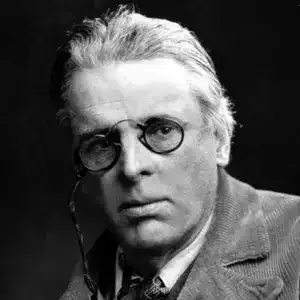
William Butler Yeats
Crazy Jane And Jack The Journeyman
Crazy Jane And Jack The Journeyman
I know, although when looks meet
I tremble to the bone,
The more I leave the door unlatched
The sooner love is gone,
For love is but a skein unwound
Between the dark and dawn.
A lonely ghost the ghost is
That to God shall come;
I - love's skein upon the ground,
My body in the tomb -
Shall leap into the light lost
In my mother's womb.
But were I left to lie alone
In an empty bed,
The skein so bound us ghost to ghost
When he turned his head
passing on the road that night,
Mine must walk when dead.
I know, although when looks meet
I tremble to the bone,
The more I leave the door unlatched
The sooner love is gone,
For love is but a skein unwound
Between the dark and dawn.
A lonely ghost the ghost is
That to God shall come;
I - love's skein upon the ground,
My body in the tomb -
Shall leap into the light lost
In my mother's womb.
But were I left to lie alone
In an empty bed,
The skein so bound us ghost to ghost
When he turned his head
passing on the road that night,
Mine must walk when dead.
435
William Butler Yeats
Baile And Aillinn
Baile And Aillinn
ARGUMENT. Baile and Aillinn were lovers, but Aengus, the
Master of Love, wishing them to he happy in his own land
among the dead, told to each a story of the other's death, so
that their hearts were broken and they died.
I HARDLY hear the curlew cry,
Nor thegrey rush when the wind is high,
Before my thoughts begin to run
On the heir of Uladh, Buan's son,
Baile, who had the honey mouth;
And that mild woman of the south,
Aillinn, who was King Lugaidh's heir.
Their love was never drowned in care
Of this or that thing, nor grew cold
Because their hodies had grown old.
Being forbid to marry on earth,
They blossomed to immortal mirth.
About the time when Christ was born,
When the long wars for the White Horn
And the Brown Bull had not yet come,
Young Baile Honey Mouth, whom some
Called rather Baile Little-Land,
Rode out of Emain with a band
Of harpers and young men; and they
Imagined, as they struck the way
To many-pastured Muirthemne,
That all things fell out happily,
And there, for all that fools had said,
Baile and Aillinn would be wed.
They found an old man running there:
He had ragged long grass-coloured hair;
He had knees that stuck out of his hose;
He had puddle-water in his shoes;
He had half a cloak to keep him dry,
Although he had a squirrel's eye.
wandering hirds and rushy beds,
You put such folly in our heads
With all this crying in the wind,
No common love is to our mind,
And our poor kate or Nan is less
Than any whose unhappiness
Awoke the harp-strings long ago.
Yet they that know all things hut know
That all this life can give us is
A child's laughter, a woman's kiss.
Who was it put so great a scorn
In thegrey reeds that night and morn
Are trodden and broken hy the herds,
And in the light bodies of birds
The north wind tumbles to and fro
And pinches among hail and snow?
That runner said: 'I am from the south;
I run to Baile Honey-Mouth,
To tell him how the girl Aillinn
Rode from the country of her kin,
And old and young men rode with her:
For all that country had been astir
If anybody half as fair
Had chosen a husband anywhere
But where it could see her every day.
When they had ridden a little way
An old man caught the horse's head
With: ''You must home again, and wed
With somebody in your own land.''
A young man cried and kissed her hand,
''O lady, wed with one of us'';
And when no face grew piteous
For any gentle thing she spake,
She fell and died of the heart-break.'
Because a lover's heart s worn out,
Being tumbled and blown about
By its own blind imagining,
And will believe that anything
That is bad enough to be true, is true,
Baile's heart was broken in two;
And he, being laid upon green boughs,
Was carried to the goodly house
Where the Hound of Uladh sat before
The brazen pillars of his door,
His face bowed low to weep the end
Of the harper's daughter and her friend
For athough years had passed away
He always wept them on that day,
For on that day they had been betrayed;
And now that Honey-Mouth is laid
Under a cairn of sleepy stone
Before his eyes, he has tears for none,
Although he is carrying stone, but two
For whom the cairn's but heaped anew.
We hold, because our memory is
Sofull of that thing and of this,
That out of sight is out of mind.
But the grey rush under the wind
And the grey bird with crooked bill
rave such long memories that they still
Remember Deirdre and her man;
And when we walk with Kate or Nan
About the windy water-side,
Our hearts can Fear the voices chide.
How could we be so soon content,
Who know the way that Naoise went?
And they have news of Deirdre's eyes,
Who being lovely was so wise --
Ah! wise, my heart knows well how wise.
Now had that old gaunt crafty one,
Gathering his cloak about him, mn
Where Aillinn rode with waiting-maids,
Who amid leafy lights and shades
Dreamed of the hands that would unlace
Their bodices in some dim place
When they had come to the matriage-bed,
And harpers, pacing with high head
As though their music were enough
To make the savage heart of love
Grow gentle without sorrowing,
Imagining and pondering
Heaven knows what calamity;
'Another's hurried off,' cried he,
'From heat and cold and wind and wave;
They have heaped the stones above his grave
In Muirthemne, and over it
In changeless Ogham letters writ --
Baile, that was of Rury's seed.
But the gods long ago decreed
No waiting-maid should ever spread
Baile and Aillinn's marriage-bed,
For they should clip and clip again
Where wild bees hive on the Great Plain.
Therefore it is but little news
That put this hurry in my shoes.'
Then seeing that he scarce had spoke
Before her love-worn heart had broke.
He ran and laughed until he came
To that high hill the herdsmen name
The Hill Seat of Laighen, because
Some god or king had made the laws
That held the land together there,
In old times among the clouds of the air.
That old man climbed; the day grew dim;
Two swans came flying up to him,
Linked by a gold chain each to each,
And with low murmuring laughing speech
Alighted on the windy grass.
They knew him: his changed body was
Tall, proud and ruddy, and light wings
Were hovering over the harp-strings
That Edain, Midhir's wife, had wove
In the hid place, being crazed by love.
What shall I call them? fish that swim,
Scale rubbing scale where light is dim
By a broad water-lily leaf;
Or mice in the one wheaten sheaf
Forgotten at the threshing-place;
Or birds lost in the one clear space
Of morning light in a dim sky;
Or, it may be, the eyelids of one eye,
Or the door-pillars of one house,
Or two sweet blossoming apple-boughs
That have one shadow on the ground;
Or the two strings that made one sound
Where that wise harper's finger ran.
For this young girl and this young man
Have happiness without an end,
Because they have made so good a friend.
They know all wonders, for they pass
The towery gates of Gorias,
And Findrias and Falias,
And long-forgotten Murias,
Among the giant kings whose hoard,
Cauldron and spear and stone and sword,
Was robbed before earth gave the wheat;
Wandering from broken street to street
They come where some huge watcher is,
And tremble with their love and kiss.
They know undying things, for they
Wander where earth withers away,
Though nothing troubles the great streams
But light from the pale stars, and gleams
From the holy orchards, where there is none
But fruit that is of precious stone,
Or apples of the sun and moon.
What were our praise to them? They eat
Quiet's wild heart, like daily meat;
Who when night thickens are afloat
On dappled skins in a glass boat,
Far out under a windless sky;
While over them birds of Aengus fly,
And over the tiller and the prow,
And waving white wings to and fro
Awaken wanderings of light air
To stir their coverlet and their hair.
And poets found, old writers say,
A yew tree where his body lay;
But a wild apple hid the grass
With its sweet blossom where hers was,
And being in good heart, because
A better time had come again
After the deaths of many men,
And that long fighting at the ford,
They wrote on tablets of thin board,
Made of the apple and the yew,
All the love stories that they knew.
Let rush and hird cry out their fill
Of the harper's daughter if they will,
Beloved, I am not afraid of her.
She is not wiser nor lovelier,
And you are more high of heart than she,
For all her wanderings over-sea;
But I'd have bird and rush forget
Those other two; for never yet
Has lover lived, but longed to wive
Like them that are no more alive.
ARGUMENT. Baile and Aillinn were lovers, but Aengus, the
Master of Love, wishing them to he happy in his own land
among the dead, told to each a story of the other's death, so
that their hearts were broken and they died.
I HARDLY hear the curlew cry,
Nor thegrey rush when the wind is high,
Before my thoughts begin to run
On the heir of Uladh, Buan's son,
Baile, who had the honey mouth;
And that mild woman of the south,
Aillinn, who was King Lugaidh's heir.
Their love was never drowned in care
Of this or that thing, nor grew cold
Because their hodies had grown old.
Being forbid to marry on earth,
They blossomed to immortal mirth.
About the time when Christ was born,
When the long wars for the White Horn
And the Brown Bull had not yet come,
Young Baile Honey Mouth, whom some
Called rather Baile Little-Land,
Rode out of Emain with a band
Of harpers and young men; and they
Imagined, as they struck the way
To many-pastured Muirthemne,
That all things fell out happily,
And there, for all that fools had said,
Baile and Aillinn would be wed.
They found an old man running there:
He had ragged long grass-coloured hair;
He had knees that stuck out of his hose;
He had puddle-water in his shoes;
He had half a cloak to keep him dry,
Although he had a squirrel's eye.
wandering hirds and rushy beds,
You put such folly in our heads
With all this crying in the wind,
No common love is to our mind,
And our poor kate or Nan is less
Than any whose unhappiness
Awoke the harp-strings long ago.
Yet they that know all things hut know
That all this life can give us is
A child's laughter, a woman's kiss.
Who was it put so great a scorn
In thegrey reeds that night and morn
Are trodden and broken hy the herds,
And in the light bodies of birds
The north wind tumbles to and fro
And pinches among hail and snow?
That runner said: 'I am from the south;
I run to Baile Honey-Mouth,
To tell him how the girl Aillinn
Rode from the country of her kin,
And old and young men rode with her:
For all that country had been astir
If anybody half as fair
Had chosen a husband anywhere
But where it could see her every day.
When they had ridden a little way
An old man caught the horse's head
With: ''You must home again, and wed
With somebody in your own land.''
A young man cried and kissed her hand,
''O lady, wed with one of us'';
And when no face grew piteous
For any gentle thing she spake,
She fell and died of the heart-break.'
Because a lover's heart s worn out,
Being tumbled and blown about
By its own blind imagining,
And will believe that anything
That is bad enough to be true, is true,
Baile's heart was broken in two;
And he, being laid upon green boughs,
Was carried to the goodly house
Where the Hound of Uladh sat before
The brazen pillars of his door,
His face bowed low to weep the end
Of the harper's daughter and her friend
For athough years had passed away
He always wept them on that day,
For on that day they had been betrayed;
And now that Honey-Mouth is laid
Under a cairn of sleepy stone
Before his eyes, he has tears for none,
Although he is carrying stone, but two
For whom the cairn's but heaped anew.
We hold, because our memory is
Sofull of that thing and of this,
That out of sight is out of mind.
But the grey rush under the wind
And the grey bird with crooked bill
rave such long memories that they still
Remember Deirdre and her man;
And when we walk with Kate or Nan
About the windy water-side,
Our hearts can Fear the voices chide.
How could we be so soon content,
Who know the way that Naoise went?
And they have news of Deirdre's eyes,
Who being lovely was so wise --
Ah! wise, my heart knows well how wise.
Now had that old gaunt crafty one,
Gathering his cloak about him, mn
Where Aillinn rode with waiting-maids,
Who amid leafy lights and shades
Dreamed of the hands that would unlace
Their bodices in some dim place
When they had come to the matriage-bed,
And harpers, pacing with high head
As though their music were enough
To make the savage heart of love
Grow gentle without sorrowing,
Imagining and pondering
Heaven knows what calamity;
'Another's hurried off,' cried he,
'From heat and cold and wind and wave;
They have heaped the stones above his grave
In Muirthemne, and over it
In changeless Ogham letters writ --
Baile, that was of Rury's seed.
But the gods long ago decreed
No waiting-maid should ever spread
Baile and Aillinn's marriage-bed,
For they should clip and clip again
Where wild bees hive on the Great Plain.
Therefore it is but little news
That put this hurry in my shoes.'
Then seeing that he scarce had spoke
Before her love-worn heart had broke.
He ran and laughed until he came
To that high hill the herdsmen name
The Hill Seat of Laighen, because
Some god or king had made the laws
That held the land together there,
In old times among the clouds of the air.
That old man climbed; the day grew dim;
Two swans came flying up to him,
Linked by a gold chain each to each,
And with low murmuring laughing speech
Alighted on the windy grass.
They knew him: his changed body was
Tall, proud and ruddy, and light wings
Were hovering over the harp-strings
That Edain, Midhir's wife, had wove
In the hid place, being crazed by love.
What shall I call them? fish that swim,
Scale rubbing scale where light is dim
By a broad water-lily leaf;
Or mice in the one wheaten sheaf
Forgotten at the threshing-place;
Or birds lost in the one clear space
Of morning light in a dim sky;
Or, it may be, the eyelids of one eye,
Or the door-pillars of one house,
Or two sweet blossoming apple-boughs
That have one shadow on the ground;
Or the two strings that made one sound
Where that wise harper's finger ran.
For this young girl and this young man
Have happiness without an end,
Because they have made so good a friend.
They know all wonders, for they pass
The towery gates of Gorias,
And Findrias and Falias,
And long-forgotten Murias,
Among the giant kings whose hoard,
Cauldron and spear and stone and sword,
Was robbed before earth gave the wheat;
Wandering from broken street to street
They come where some huge watcher is,
And tremble with their love and kiss.
They know undying things, for they
Wander where earth withers away,
Though nothing troubles the great streams
But light from the pale stars, and gleams
From the holy orchards, where there is none
But fruit that is of precious stone,
Or apples of the sun and moon.
What were our praise to them? They eat
Quiet's wild heart, like daily meat;
Who when night thickens are afloat
On dappled skins in a glass boat,
Far out under a windless sky;
While over them birds of Aengus fly,
And over the tiller and the prow,
And waving white wings to and fro
Awaken wanderings of light air
To stir their coverlet and their hair.
And poets found, old writers say,
A yew tree where his body lay;
But a wild apple hid the grass
With its sweet blossom where hers was,
And being in good heart, because
A better time had come again
After the deaths of many men,
And that long fighting at the ford,
They wrote on tablets of thin board,
Made of the apple and the yew,
All the love stories that they knew.
Let rush and hird cry out their fill
Of the harper's daughter if they will,
Beloved, I am not afraid of her.
She is not wiser nor lovelier,
And you are more high of heart than she,
For all her wanderings over-sea;
But I'd have bird and rush forget
Those other two; for never yet
Has lover lived, but longed to wive
Like them that are no more alive.
479
William Butler Yeats
An Image From A Past Life
An Image From A Past Life
He. Never until this night have I been stirred.
The elaborate starlight throws a reflection
On the dark stream,
Till all the eddies gleam;
And thereupon there comes that scream
From terrified, invisible beast or bird:
Image of poignant recollection.
She. An image of my heart that is smitten through
Out of all likelihood, or reason,
And when at last,
Youth's bitterness being past,
I had thought that all my days were cast
Amid most lovely places; smitten as though
It had not learned its lesson.
He. Why have you laid your hands upon my eyes?
What can have suddenly alarmed you
Whereon 'twere best
My eyes should never rest?
What is there but the slowly fading west,
The river imaging the flashing skies,
All that to this moment charmed you?
She. A Sweetheart from another life floats there
As though she had been forced to linger
From vague distress
Or arrogant loveliness,
Merely to loosen out a tress
Among the starry eddies of her hair
Upon the paleness of a finger.
He. But why should you grow suddenly afraid
And start -- I at your shoulder --
Imagining
That any night could bring
An image up, or anything
Even to eyes that beauty had driven mad,
But images to make me fonder?
She. Now She has thrown her arms above her head;
Whether she threw them up to flout me,
Or but to find,
Now that no fingers bind,
That her hair streams upon the wind,
I do not know, that know I am afraid
Of the hovering thing night brought me.
He. Never until this night have I been stirred.
The elaborate starlight throws a reflection
On the dark stream,
Till all the eddies gleam;
And thereupon there comes that scream
From terrified, invisible beast or bird:
Image of poignant recollection.
She. An image of my heart that is smitten through
Out of all likelihood, or reason,
And when at last,
Youth's bitterness being past,
I had thought that all my days were cast
Amid most lovely places; smitten as though
It had not learned its lesson.
He. Why have you laid your hands upon my eyes?
What can have suddenly alarmed you
Whereon 'twere best
My eyes should never rest?
What is there but the slowly fading west,
The river imaging the flashing skies,
All that to this moment charmed you?
She. A Sweetheart from another life floats there
As though she had been forced to linger
From vague distress
Or arrogant loveliness,
Merely to loosen out a tress
Among the starry eddies of her hair
Upon the paleness of a finger.
He. But why should you grow suddenly afraid
And start -- I at your shoulder --
Imagining
That any night could bring
An image up, or anything
Even to eyes that beauty had driven mad,
But images to make me fonder?
She. Now She has thrown her arms above her head;
Whether she threw them up to flout me,
Or but to find,
Now that no fingers bind,
That her hair streams upon the wind,
I do not know, that know I am afraid
Of the hovering thing night brought me.
360
William Butler Yeats
Aedh Tells of a Valley Full of Lovers
Aedh Tells of a Valley Full of Lovers
I dreamed that I stood in a valley, and amid sighs,
For happy lovers passed two by two where I stood;
And I dreamed my lost love came stealthily out of the wood
With her cloud-pale eyelids falling on dream-dimmed eyes:
I cried in my dream ‘O women bid the young men lay
‘Their heads on your knees, and drown their eyes with your hair,
‘Or remembering hers they will find no other face fair
‘Till all the valleys of the world have been withered away.’
I dreamed that I stood in a valley, and amid sighs,
For happy lovers passed two by two where I stood;
And I dreamed my lost love came stealthily out of the wood
With her cloud-pale eyelids falling on dream-dimmed eyes:
I cried in my dream ‘O women bid the young men lay
‘Their heads on your knees, and drown their eyes with your hair,
‘Or remembering hers they will find no other face fair
‘Till all the valleys of the world have been withered away.’
394
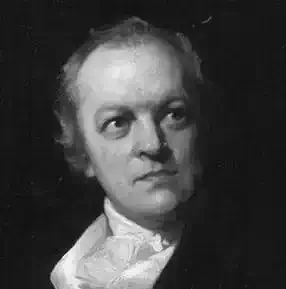
William Blake
The Angel
The Angel
I dreamt a dream! What can it mean?
And that I was a maiden Queen
Guarded by an Angel mild:
Witless woe was ne'er beguiled!
And I wept both night and day,
And he wiped my tears away;
And I wept both day and night,
And hid from him my heart's delight.
So he took his wings, and fled;
Then the morn blushed rosy red.
I dried my tears, and armed my fears
With ten-thousand shields and spears.
Soon my Angel came again;
I was armed, he came in vain;
For the time of youth was fled,
And grey hairs were on my head.
I dreamt a dream! What can it mean?
And that I was a maiden Queen
Guarded by an Angel mild:
Witless woe was ne'er beguiled!
And I wept both night and day,
And he wiped my tears away;
And I wept both day and night,
And hid from him my heart's delight.
So he took his wings, and fled;
Then the morn blushed rosy red.
I dried my tears, and armed my fears
With ten-thousand shields and spears.
Soon my Angel came again;
I was armed, he came in vain;
For the time of youth was fled,
And grey hairs were on my head.
544
William Blake
Song: Memory, hither come
Song: Memory, hither come
Memory, hither come,
And tune your merry notes;
And, while upon the wind
Your music floats,
I'll pore upon the stream
Where sighing lovers dream,
And fish for fancies as they pass
Within the watery glass.
I'll drink of the clear stream,
And hear the linnet's song;
And there I'll lie and dream
The day along:
And, when night comes, I'll go
To places fit for woe,
Walking along the darken'd valley
With silent Melancholy.
Memory, hither come,
And tune your merry notes;
And, while upon the wind
Your music floats,
I'll pore upon the stream
Where sighing lovers dream,
And fish for fancies as they pass
Within the watery glass.
I'll drink of the clear stream,
And hear the linnet's song;
And there I'll lie and dream
The day along:
And, when night comes, I'll go
To places fit for woe,
Walking along the darken'd valley
With silent Melancholy.
357
William Blake
Never Seek to Tell thy Love
Never Seek to Tell thy Love
Never seek to tell thy love
Love that never told can be;
For the gentle wind does move
Silently, invisibly.
I told my love, I told my love,
I told her all my heart,
Trembling, cold, in ghastly fears--
Ah, she doth depart.
Soon as she was gone from me
A traveller came by
Silently, invisibly--
O, was no deny.
Never seek to tell thy love
Love that never told can be;
For the gentle wind does move
Silently, invisibly.
I told my love, I told my love,
I told her all my heart,
Trembling, cold, in ghastly fears--
Ah, she doth depart.
Soon as she was gone from me
A traveller came by
Silently, invisibly--
O, was no deny.
466
William Blake
Broken Love
Broken Love
MY Spectre around me night and day
Like a wild beast guards my way;
My Emanation far within
Weeps incessantly for my sin.
‘A fathomless and boundless deep,
There we wander, there we weep;
On the hungry craving wind
My Spectre follows thee behind.
‘He scents thy footsteps in the snow
Wheresoever thou dost go,
Thro’ the wintry hail and rain.
When wilt thou return again?
’Dost thou not in pride and scorn
Fill with tempests all my morn,
And with jealousies and fears
Fill my pleasant nights with tears?
‘Seven of my sweet loves thy knife
Has bereavèd of their life.
Their marble tombs I built with tears,
And with cold and shuddering fears.
‘Seven more loves weep night and day
Round the tombs where my loves lay,
And seven more loves attend each night
Around my couch with torches bright.
‘And seven more loves in my bed
Crown with wine my mournful head,
Pitying and forgiving all
Thy transgressions great and small.
‘When wilt thou return and view
My loves, and them to life renew?
When wilt thou return and live?
When wilt thou pity as I forgive?’
‘O’er my sins thou sit and moan:
Hast thou no sins of thy own?
O’er my sins thou sit and weep,
And lull thy own sins fast asleep.
‘What transgressions I commit
Are for thy transgressions fit.
They thy harlots, thou their slave;
And my bed becomes their grave.
‘Never, never, I return:
Still for victory I burn.
Living, thee alone I’ll have;
And when dead I’ll be thy grave.
‘Thro’ the Heaven and Earth and Hell
Thou shalt never, quell:
I will fly and thou pursue:
Night and morn the flight renew.’
‘Poor, pale, pitiable form
That I follow in a storm;
Iron tears and groans of lead
Bind around my aching head.
‘Till I turn from Female love
And root up the Infernal Grove,
I shall never worthy be
To step into Eternity.
‘And, to end thy cruel mocks,
Annihilate thee on the rocks,
And another form create
To be subservient to my fate.
‘Let us agree to give up love,
And root up the Infernal Grove;
Then shall we return and see
The worlds of happy Eternity.
‘And throughout all Eternity
I forgive you, you forgive me.
As our dear Redeemer said:
“This the Wine, and this the Bread.”’
MY Spectre around me night and day
Like a wild beast guards my way;
My Emanation far within
Weeps incessantly for my sin.
‘A fathomless and boundless deep,
There we wander, there we weep;
On the hungry craving wind
My Spectre follows thee behind.
‘He scents thy footsteps in the snow
Wheresoever thou dost go,
Thro’ the wintry hail and rain.
When wilt thou return again?
’Dost thou not in pride and scorn
Fill with tempests all my morn,
And with jealousies and fears
Fill my pleasant nights with tears?
‘Seven of my sweet loves thy knife
Has bereavèd of their life.
Their marble tombs I built with tears,
And with cold and shuddering fears.
‘Seven more loves weep night and day
Round the tombs where my loves lay,
And seven more loves attend each night
Around my couch with torches bright.
‘And seven more loves in my bed
Crown with wine my mournful head,
Pitying and forgiving all
Thy transgressions great and small.
‘When wilt thou return and view
My loves, and them to life renew?
When wilt thou return and live?
When wilt thou pity as I forgive?’
‘O’er my sins thou sit and moan:
Hast thou no sins of thy own?
O’er my sins thou sit and weep,
And lull thy own sins fast asleep.
‘What transgressions I commit
Are for thy transgressions fit.
They thy harlots, thou their slave;
And my bed becomes their grave.
‘Never, never, I return:
Still for victory I burn.
Living, thee alone I’ll have;
And when dead I’ll be thy grave.
‘Thro’ the Heaven and Earth and Hell
Thou shalt never, quell:
I will fly and thou pursue:
Night and morn the flight renew.’
‘Poor, pale, pitiable form
That I follow in a storm;
Iron tears and groans of lead
Bind around my aching head.
‘Till I turn from Female love
And root up the Infernal Grove,
I shall never worthy be
To step into Eternity.
‘And, to end thy cruel mocks,
Annihilate thee on the rocks,
And another form create
To be subservient to my fate.
‘Let us agree to give up love,
And root up the Infernal Grove;
Then shall we return and see
The worlds of happy Eternity.
‘And throughout all Eternity
I forgive you, you forgive me.
As our dear Redeemer said:
“This the Wine, and this the Bread.”’
538

Wilfred Owen
The Letter
The Letter
With B.E.F. Jun . Dear Wife,
(Oh blast this pencil. 'Ere, Bill, lend's a knife.)
I'm in the pink at present, dear.
I think the war will end this year.
We don't see much of them square-'eaded 'Uns.
We're out of harm's way, not bad fed.
I'm longing for a taste of your old buns.
(Say, Jimmie, spare's a bite of bread.)
There don't seem much to say just now.
(Yer what? Then don't, yer ruddy cow!
And give us back me cigarette!)
I'll soon be 'ome. You mustn't fret.
My feet's improvin', as I told you of.
We're out in the rest now. Never fear.
(VRACH! By crumbs, but that was near.)
Mother might spare you half a sov.
Kiss Nell and Bert. When me and you-
(Eh? What the 'ell! Stand to? Stand to!
Jim, give's a hand with pack on, lad.
Guh! Christ! I'm hit. Take 'old. Aye, bad.
No, damn your iodine. Jim? 'Ere!
Write my old girl, Jim, there's a dear.)
With B.E.F. Jun . Dear Wife,
(Oh blast this pencil. 'Ere, Bill, lend's a knife.)
I'm in the pink at present, dear.
I think the war will end this year.
We don't see much of them square-'eaded 'Uns.
We're out of harm's way, not bad fed.
I'm longing for a taste of your old buns.
(Say, Jimmie, spare's a bite of bread.)
There don't seem much to say just now.
(Yer what? Then don't, yer ruddy cow!
And give us back me cigarette!)
I'll soon be 'ome. You mustn't fret.
My feet's improvin', as I told you of.
We're out in the rest now. Never fear.
(VRACH! By crumbs, but that was near.)
Mother might spare you half a sov.
Kiss Nell and Bert. When me and you-
(Eh? What the 'ell! Stand to? Stand to!
Jim, give's a hand with pack on, lad.
Guh! Christ! I'm hit. Take 'old. Aye, bad.
No, damn your iodine. Jim? 'Ere!
Write my old girl, Jim, there's a dear.)
257

Walter de la Mare
The Mocking Fairy
The Mocking Fairy
'Won't you look out of your window, Mrs. Gill?'
Quoth the Fairy, nidding, nodding in the garden;
'Can't you look out of your window, Mrs. Gill?'
Quoth the Fairy, laughing softly in the garden;
But the air was still, the cherry boughs were still,
And the ivy-tod neath the empty sill,
And never from her window looked out Mrs. Gill
On the Fairy shrilly mocking in the garden.
'What have they done with you, you poor Mrs. Gill?'
Quoth the Fairy brightly glancing in the garden;
'Where have they hidden you, you poor old Mrs. Gill?'
Quoth the Fairy dancing lightly in the garden;
But night's faint veil now wrapped the hill,
Stark 'neath the stars stood the dead-still Mill,
And out of her cold cottage never answered Mrs. Gill
The Fairy mimbling, mambling in the garden.
'Won't you look out of your window, Mrs. Gill?'
Quoth the Fairy, nidding, nodding in the garden;
'Can't you look out of your window, Mrs. Gill?'
Quoth the Fairy, laughing softly in the garden;
But the air was still, the cherry boughs were still,
And the ivy-tod neath the empty sill,
And never from her window looked out Mrs. Gill
On the Fairy shrilly mocking in the garden.
'What have they done with you, you poor Mrs. Gill?'
Quoth the Fairy brightly glancing in the garden;
'Where have they hidden you, you poor old Mrs. Gill?'
Quoth the Fairy dancing lightly in the garden;
But night's faint veil now wrapped the hill,
Stark 'neath the stars stood the dead-still Mill,
And out of her cold cottage never answered Mrs. Gill
The Fairy mimbling, mambling in the garden.
291
Walter de la Mare
Alone
Alone
The abode of the nightingale is bare,
Flowered frost congeals in the gelid air,
The fox howls from his frozen lair:
Alas, my loved one is gone,
I am alone:
It is winter.
Once the pink cast a winy smell,
The wild bee hung in the hyacinth bell,
Light in effulgence of beauty fell:
I am alone:
It is winter.
My candle a silent fire doth shed,
Starry Orion hunts o'erhead;
Come moth, come shadow, the world is dead:
Alas, my loved one is gone,
I am alone;
It is winter.
The abode of the nightingale is bare,
Flowered frost congeals in the gelid air,
The fox howls from his frozen lair:
Alas, my loved one is gone,
I am alone:
It is winter.
Once the pink cast a winy smell,
The wild bee hung in the hyacinth bell,
Light in effulgence of beauty fell:
I am alone:
It is winter.
My candle a silent fire doth shed,
Starry Orion hunts o'erhead;
Come moth, come shadow, the world is dead:
Alas, my loved one is gone,
I am alone;
It is winter.
302
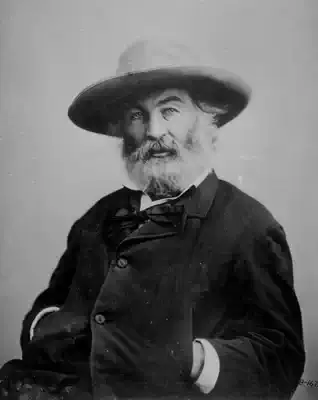
Walt Whitman
Year Of Meteors, 1859 '60
Year Of Meteors, 1859 '60
YEAR of meteors! brooding year!
I would bind in words retrospective, some of your deeds and signs;
I would sing your contest for the 19th Presidentiad;
I would sing how an old man, tall, with white hair, mounted the
scaffold in Virginia;
(I was at hand--silent I stood, with teeth shut close--I watch'd;
I stood very near you, old man, when cool and indifferent, but
trembling with age and your unheal'd wounds, you mounted the
scaffold;)
--I would sing in my copious song your census returns of The States,
The tables of population and products--I would sing of your ships and
their cargoes,
The proud black ships of Manhattan, arriving, some fill'd with
immigrants, some from the isthmus with cargoes of gold;
Songs thereof would I sing--to all that hitherward comes would I
welcome give; 10
And you would I sing, fair stripling! welcome to you from me, sweet
boy of England!
Remember you surging Manhattan's crowds, as you pass'd with your
cortege of nobles?
There in the crowds stood I, and singled you out with attachment;
I know not why, but I loved you... (and so go forth little song,
Far over sea speed like an arrow, carrying my love all folded,
And find in his palace the youth I love, and drop these lines at his
feet;)
--Nor forget I to sing of the wonder, the ship as she swam up my bay,
Well-shaped and stately the Great Eastern swam up my bay, she was 600
feet long,
Her, moving swiftly, surrounded by myriads of small craft, I forget
not to sing;
--Nor the comet that came unannounced out of the north, flaring in
heaven; 20
Nor the strange huge meteor procession, dazzling and clear, shooting
over our heads,
(A moment, a moment long, it sail'd its balls of unearthly light over
our heads,
Then departed, dropt in the night, and was gone;)
--Of such, and fitful as they, I sing--with gleams from them would I
gleam and patch these chants;
Your chants, O year all mottled with evil and good! year of
forebodings! year of the youth I love!
Year of comets and meteors transient and strange!--lo! even here, one
equally transient and strange!
As I flit through you hastily, soon to fall and be gone, what is this
book,
What am I myself but one of your meteors?
YEAR of meteors! brooding year!
I would bind in words retrospective, some of your deeds and signs;
I would sing your contest for the 19th Presidentiad;
I would sing how an old man, tall, with white hair, mounted the
scaffold in Virginia;
(I was at hand--silent I stood, with teeth shut close--I watch'd;
I stood very near you, old man, when cool and indifferent, but
trembling with age and your unheal'd wounds, you mounted the
scaffold;)
--I would sing in my copious song your census returns of The States,
The tables of population and products--I would sing of your ships and
their cargoes,
The proud black ships of Manhattan, arriving, some fill'd with
immigrants, some from the isthmus with cargoes of gold;
Songs thereof would I sing--to all that hitherward comes would I
welcome give; 10
And you would I sing, fair stripling! welcome to you from me, sweet
boy of England!
Remember you surging Manhattan's crowds, as you pass'd with your
cortege of nobles?
There in the crowds stood I, and singled you out with attachment;
I know not why, but I loved you... (and so go forth little song,
Far over sea speed like an arrow, carrying my love all folded,
And find in his palace the youth I love, and drop these lines at his
feet;)
--Nor forget I to sing of the wonder, the ship as she swam up my bay,
Well-shaped and stately the Great Eastern swam up my bay, she was 600
feet long,
Her, moving swiftly, surrounded by myriads of small craft, I forget
not to sing;
--Nor the comet that came unannounced out of the north, flaring in
heaven; 20
Nor the strange huge meteor procession, dazzling and clear, shooting
over our heads,
(A moment, a moment long, it sail'd its balls of unearthly light over
our heads,
Then departed, dropt in the night, and was gone;)
--Of such, and fitful as they, I sing--with gleams from them would I
gleam and patch these chants;
Your chants, O year all mottled with evil and good! year of
forebodings! year of the youth I love!
Year of comets and meteors transient and strange!--lo! even here, one
equally transient and strange!
As I flit through you hastily, soon to fall and be gone, what is this
book,
What am I myself but one of your meteors?
460
Walt Whitman
When I Peruse The Conquer'd Fame
When I Peruse The Conquer'd Fame
WHEN I peruse the conquer'd fame of heroes, and the victories of
mighty generals, I do not envy the generals,
Nor the President in his Presidency, nor the rich in his great house;
But when I hear of the brotherhood of lovers, how it was with them,
How through life, through dangers, odium, unchanging, long and long,
Through youth, and through middle and old age, how unfaltering, how
affectionate and faithful they were,
Then I am pensive--I hastily walk away, fill'd with the bitterest
envy.
WHEN I peruse the conquer'd fame of heroes, and the victories of
mighty generals, I do not envy the generals,
Nor the President in his Presidency, nor the rich in his great house;
But when I hear of the brotherhood of lovers, how it was with them,
How through life, through dangers, odium, unchanging, long and long,
Through youth, and through middle and old age, how unfaltering, how
affectionate and faithful they were,
Then I am pensive--I hastily walk away, fill'd with the bitterest
envy.
382
Walt Whitman
What Think You I Take My Pen In Hand?
What Think You I Take My Pen In Hand?
WHAT think you I take my pen in hand to record?
The battle-ship, perfect-model'd, majestic, that I saw pass the
offing to-day under full sail?
The splendors of the past day? Or the splendor of the night that
envelopes me?
Or the vaunted glory and growth of the great city spread around me?-No;
But I record of two simple men I saw to-day, on the pier, in the
midst of the crowd, parting the parting of dear friends;
The one to remain hung on the other's neck, and passionately kiss'd
him,
While the one to depart, tightly prest the one to remain in his arms.
WHAT think you I take my pen in hand to record?
The battle-ship, perfect-model'd, majestic, that I saw pass the
offing to-day under full sail?
The splendors of the past day? Or the splendor of the night that
envelopes me?
Or the vaunted glory and growth of the great city spread around me?-No;
But I record of two simple men I saw to-day, on the pier, in the
midst of the crowd, parting the parting of dear friends;
The one to remain hung on the other's neck, and passionately kiss'd
him,
While the one to depart, tightly prest the one to remain in his arms.
400
Walt Whitman
To The Reader At Parting
To The Reader At Parting
NOW, dearest comrade, lift me to your face,
We must separate awhile--Here! take from my lips this kiss.
Whoever you are, I give it especially to you;
So long!--And I hope we shall meet again.
NOW, dearest comrade, lift me to your face,
We must separate awhile--Here! take from my lips this kiss.
Whoever you are, I give it especially to you;
So long!--And I hope we shall meet again.
423
Walt Whitman
To A Stranger
To A Stranger
PASSING stranger! you do not know how longingly I look upon you,
You must be he I was seeking, or she I was seeking, (it comes to me,
as of a dream,)
I have somewhere surely lived a life of joy with you,
All is recall'd as we flit by each other, fluid, affectionate,
chaste, matured,
You grew up with me, were a boy with me, or a girl with me,
I ate with you, and slept with you--your body has become not yours
only, nor left my body mine only,
You give me the pleasure of your eyes, face, flesh, as we pass--you
take of my beard, breast, hands, in return,
I am not to speak to you--I am to think of you when I sit alone, or
wake at night alone,
I am to wait--I do not doubt I am to meet you again,
I am to see to it that I do not lose you. 10
PASSING stranger! you do not know how longingly I look upon you,
You must be he I was seeking, or she I was seeking, (it comes to me,
as of a dream,)
I have somewhere surely lived a life of joy with you,
All is recall'd as we flit by each other, fluid, affectionate,
chaste, matured,
You grew up with me, were a boy with me, or a girl with me,
I ate with you, and slept with you--your body has become not yours
only, nor left my body mine only,
You give me the pleasure of your eyes, face, flesh, as we pass--you
take of my beard, breast, hands, in return,
I am not to speak to you--I am to think of you when I sit alone, or
wake at night alone,
I am to wait--I do not doubt I am to meet you again,
I am to see to it that I do not lose you. 10
485
Walt Whitman
The Imprisoned Soul
The Imprisoned Soul
AT the last, tenderly,
From the walls of the powerful, fortress'd house,
From the clasp of the knitted locks--from the keep of the well-closed
doors,
Let me be wafted.
Let me glide noiselessly forth;
With the key of softness unlock the locks--with a whisper
Set ope the doors, O soul!
Tenderly! be not impatient!
(Strong is your hold, O mortal flesh!
Strong is your hold, O love!)
AT the last, tenderly,
From the walls of the powerful, fortress'd house,
From the clasp of the knitted locks--from the keep of the well-closed
doors,
Let me be wafted.
Let me glide noiselessly forth;
With the key of softness unlock the locks--with a whisper
Set ope the doors, O soul!
Tenderly! be not impatient!
(Strong is your hold, O mortal flesh!
Strong is your hold, O love!)
401
Walt Whitman
Recorders Ages Hence
Recorders Ages Hence
RECORDERS ages hence!
Come, I will take you down underneath this impassive exterior--I will
tell you what to say of me;
Publish my name and hang up my picture as that of the tenderest
lover,
The friend, the lover's portrait, of whom his friend, his lover, was
fondest,
Who was not proud of his songs, but of the measureless ocean of love
within him--and freely pour'd it forth,
Who often walk'd lonesome walks, thinking of his dear friends, his
lovers,
Who pensive, away from one he lov'd, often lay sleepless and
dissatisfied at night,
Who knew too well the sick, sick dread lest the one he lov'd might
secretly be indifferent to him,
Whose happiest days were far away, through fields, in woods, on
hills, he and another, wandering hand in hand, they twain,
apart from other men,
Who oft as he saunter'd the streets, curv'd with his arm the shoulder
of his friend--while the arm of his friend rested upon him
also. 10
RECORDERS ages hence!
Come, I will take you down underneath this impassive exterior--I will
tell you what to say of me;
Publish my name and hang up my picture as that of the tenderest
lover,
The friend, the lover's portrait, of whom his friend, his lover, was
fondest,
Who was not proud of his songs, but of the measureless ocean of love
within him--and freely pour'd it forth,
Who often walk'd lonesome walks, thinking of his dear friends, his
lovers,
Who pensive, away from one he lov'd, often lay sleepless and
dissatisfied at night,
Who knew too well the sick, sick dread lest the one he lov'd might
secretly be indifferent to him,
Whose happiest days were far away, through fields, in woods, on
hills, he and another, wandering hand in hand, they twain,
apart from other men,
Who oft as he saunter'd the streets, curv'd with his arm the shoulder
of his friend--while the arm of his friend rested upon him
also. 10
473
Walt Whitman
Out of the Cradle Endlessly Rocking
Out of the Cradle Endlessly Rocking
Out of the cradle endlessly rocking,
Out of the mocking-bird's throat, the musical shuttle,
Out of the Ninth-month midnight,
Over the sterile sands and the fields beyond, where the child
leaving his bed wander'd alone, bareheaded, barefoot,
Down from the shower'd halo,
Up from the mystic play of shadows twining and twisting as
if they were alive,
Out from the patches of briers and blackberries,
From the memories of the bird that chanted to me,
From your memories sad brother, from the fitful risings and
fallings I heard,
From under that yellow half-moon late-risen and swollen as
if with tears,
From those beginning notes of yearning and love there in
the mist,
From the thousand responses of my heart never to cease,
From the myriad thence-arous'd words,
From the word stronger and more delicious than any,
From such as now they start the scene revisiting,
As a flock, twittering, rising, or overhead passing,
Borne hither, ere all eludes me, hurriedly,
A man, yet by these tears a little boy again,
Throwing myself on the sand, confronting the waves,
I, chanter of pains and joys, uniter of here and hereafter,
Taking all hints to use them, but swiftly leaping beyond them,
A reminiscence sing.
Once Paumanok,
When the lilac-scent was in the air and Fifth-month grass
was growing,
Up this seashore in some briers,
Two feather'd guests from Alabama, two together,
And their nest, and four light-green eggs spotted with brown,
And every day the he-bird to and fro near at hand,
And every day the she-bird crouch'd on her nest, silent, with
bright eyes,
And every day I, a curious boy, never too close, never
disturbing them,
Cautiously peering, absorbing, translating.
Shine! shine! shine!
Pour down your warmth, great sun!
While we bask, we two together.
Two together!
Winds blow south, or winds blow north,
Day come white, or niqht come black,
Home, or rivers and mountains from home,
Singing all time, minding no time,
While we two keep together.
Till of a sudden,
May-be kill'd, unknown to her mate,
One forenoon the she-bird crouch'd not on the nest,
Nor return'd that afternoon, nor the next,
Nor ever appear'd again.
And thenceforward all summer in the sound of the sea,
And at night under the full of the moon in calmer weather,
Over the hoarse surging of the sea,
Or flitting from brier to brier by day,
I saw, I heard at intervals the remaining one, the he-bird,
The solitary guest from Alabama.
Blow! blow! blow!
Blow up sea-winds along Paumanok's shore;
I wait and I wait till you blow my mate to me.
Yes, when the stars glisten'd,
All night long on the prong of a moss-scallop'd stake,
Down almost amid the slapping waves,
Sat the lone singer wonderful causing tears.
He call'd on his mate,
He pour'd forth the meanings which I of all men know.
Yes my brother I know,
The rest might not, but I have treasur'd every note,
For more than once dimly down to the beach gliding,
Silent, avoiding the moonbeams, blending myself with the
shadows,
Recalling now the obscure shapes, the echoes, the sounds
and sights after their sorts,
The white arms out in the breakers tirelessly tossing,
I, with bare feet, a child, the wind wafting my hair,
Listen'd long and long.
Listen'd to keep, to sing, now translating the notes,
Following you my brother.
Soothe! soothe! soothe!
Close on its wave soothes the wave behind,
And again another behind embracing and lapping, every one close,
But my love soothes not me, not me.
Low hangs the moon, it rose late,
It is lagging--O I think it is heavy with love, with love.
O madly the sea pushes upon the land,
With love, with love.
O night! do I not see my love fluttering out among the breakers?
What is that little black thing I see there in the white?
Loud! loud! loud!
Loud I call to you, my love!
Hiqh and clear I shoot my voice over the waves,
Surely you must know who is here, is here,
You must know who I am, my love.
Low-hanging moon!
What is that dusky spot in your brown yellow?
O it is the shape, the shape of my mate!
O moon do not keep her from me any longer.
Land! land! O land!
Whichever way I turn, 0 I think you could give me my mate
back again if you only would,
For I am almost sure I see her dimly whichever way I look.
O rising stars!
Perhaps the one I want so much will rise, will rise with some of you.
O throat! 0 trembling throat!
Sound clearer through the atmosphere!
Pierce the woods, the earth,
Somewhere listening to catch you must be the one I want.
Shake out carols!
Solitary here, the niqht's carols!
Carols of lonesome love! death's carols!
Carols under that lagging, yellow, waning moon!
O under that moon where she droops almost down into the sea!
O reckless despairing carols.
But soft! sink low!
Soft! let me just murmur,
And do you wait a moment you husky-nois'd sea,
For somewhere I believe I heard my mate responding to me,
So faint, I must be still, be still to listen,
But not altogether still, for then she miqht not come immediately
to me.
Hither my love!
Here I am! here!
With this just-sustain'd note I announce myself to you,
This gentle call is for you my love, for you.
Do not be decoy'd elsewhere,
That is the whistle of the wind, it is not my voice,
That is the fluttering, the fluttering of the spray,
Those are the shadows of leaves.
O darkness! 0 in vain!
0 I am very sick and sorrowful.
O brown halo in the sky near the moon, drooping upon the sea!
O troubled reflection in the sea!
O throat! 0 throbbing heart!
And I singing uselessly, uselessly all the niqht.
0 past! 0 happy life! 0 songs of joy!
In the air, in the woods, over fields,
Loved! loved! loved! loved! loved!
But my mate no more, no more with me!
We two together no more.
The aria sinking,
All else continuing, the stars shining,
The winds blowing, the notes of the bird continuous echoing,
With angry moans the fierce old mother incessantly moaning,
On the sands of Paumanok's shore gray and rustling,
The yellow half-moon enlarged, sagging down, drooping,
the face of the sea almost touching,
The boy ecstatic, with his bare feet the waves, with his hair
the atmosphere dallying,
The love in the heart long pent, now loose, now at last
tumultuously bursting,
The aria's meaning, the ears, the soul, swiftly depositing,
The strange tears down the cheeks coursing,
The colloquy there, the trio, each uttering,
The undertone, the savage old mother incessantly crying,
To the boy's soul's questions sullenly timing, some drown'd
secret hissing,
To the outsetting bard.
Demon or bird! (said the boy's soul,)
Is it indeed toward your mate you sing? or is it really to me?
For I, that was a child, my tongue's use sleeping, now I
have heard you,
Now in a moment I know what I am for, I awake,
And already a thousand singers, a thousand songs, clearer,
louder and more sorrowful than yours,
A thousand warbling echoes have started to life within me,
never to die.
O you singer solitary, singing by yourself, projecting me,
O solitary me listening, never more shall I cease
perpetuating you,
Never more shall I escape, never more the reverberations,
Never more the cries of unsatisfied love be absent from me,
Never again leave me to be the peaceful child I was before
what there in the night,
By the sea under the yellow and sagging moon,
The messenger there arous'd, the fire, the sweet hell within,
The unknown want, the destiny of me.
O give me the clew! (it lurks in the night here somewhere,)
O if I am to have so much, let me have more!
A word then, (for I will conquer it,)
The word final, superior to all,
Subtle, sent up--what is it?--I listen;
Are you whispering it, and have been all the time, you seawaves?
Is that it from your liquid rims and wet sands?
Whereto answering, the sea,
Delaying not, hurrying not,
Whisper'd me through the night, and very plainly before
daybreak,
Lisp'd to me the low and delicious word death,
And again death, death, death, death,
Hissing melodious, neither like the bird nor like my arous'd
child's heart,
But edging near as privately for me rustling at my feet,
Creeping thence steadily up to my ears and laving me softly
all over,
Death, death, death, death, death.
Which I do not forget,
But fuse the song of my dusky demon and brother,
That he sang to me in the moonlight on Paumanok's gray
beach,
With the thousand responsive songs at random,
My own songs awaked from that hour,
And with them the key, the word up from the waves,
The word of the sweetest song and all songs,
That strong and delicious word which, creeping to my feet,
(Or like some old crone rocking the cradle, swathed in sweet
garments, bending aside,)
The sea whisper'd me.
Out of the cradle endlessly rocking,
Out of the mocking-bird's throat, the musical shuttle,
Out of the Ninth-month midnight,
Over the sterile sands and the fields beyond, where the child
leaving his bed wander'd alone, bareheaded, barefoot,
Down from the shower'd halo,
Up from the mystic play of shadows twining and twisting as
if they were alive,
Out from the patches of briers and blackberries,
From the memories of the bird that chanted to me,
From your memories sad brother, from the fitful risings and
fallings I heard,
From under that yellow half-moon late-risen and swollen as
if with tears,
From those beginning notes of yearning and love there in
the mist,
From the thousand responses of my heart never to cease,
From the myriad thence-arous'd words,
From the word stronger and more delicious than any,
From such as now they start the scene revisiting,
As a flock, twittering, rising, or overhead passing,
Borne hither, ere all eludes me, hurriedly,
A man, yet by these tears a little boy again,
Throwing myself on the sand, confronting the waves,
I, chanter of pains and joys, uniter of here and hereafter,
Taking all hints to use them, but swiftly leaping beyond them,
A reminiscence sing.
Once Paumanok,
When the lilac-scent was in the air and Fifth-month grass
was growing,
Up this seashore in some briers,
Two feather'd guests from Alabama, two together,
And their nest, and four light-green eggs spotted with brown,
And every day the he-bird to and fro near at hand,
And every day the she-bird crouch'd on her nest, silent, with
bright eyes,
And every day I, a curious boy, never too close, never
disturbing them,
Cautiously peering, absorbing, translating.
Shine! shine! shine!
Pour down your warmth, great sun!
While we bask, we two together.
Two together!
Winds blow south, or winds blow north,
Day come white, or niqht come black,
Home, or rivers and mountains from home,
Singing all time, minding no time,
While we two keep together.
Till of a sudden,
May-be kill'd, unknown to her mate,
One forenoon the she-bird crouch'd not on the nest,
Nor return'd that afternoon, nor the next,
Nor ever appear'd again.
And thenceforward all summer in the sound of the sea,
And at night under the full of the moon in calmer weather,
Over the hoarse surging of the sea,
Or flitting from brier to brier by day,
I saw, I heard at intervals the remaining one, the he-bird,
The solitary guest from Alabama.
Blow! blow! blow!
Blow up sea-winds along Paumanok's shore;
I wait and I wait till you blow my mate to me.
Yes, when the stars glisten'd,
All night long on the prong of a moss-scallop'd stake,
Down almost amid the slapping waves,
Sat the lone singer wonderful causing tears.
He call'd on his mate,
He pour'd forth the meanings which I of all men know.
Yes my brother I know,
The rest might not, but I have treasur'd every note,
For more than once dimly down to the beach gliding,
Silent, avoiding the moonbeams, blending myself with the
shadows,
Recalling now the obscure shapes, the echoes, the sounds
and sights after their sorts,
The white arms out in the breakers tirelessly tossing,
I, with bare feet, a child, the wind wafting my hair,
Listen'd long and long.
Listen'd to keep, to sing, now translating the notes,
Following you my brother.
Soothe! soothe! soothe!
Close on its wave soothes the wave behind,
And again another behind embracing and lapping, every one close,
But my love soothes not me, not me.
Low hangs the moon, it rose late,
It is lagging--O I think it is heavy with love, with love.
O madly the sea pushes upon the land,
With love, with love.
O night! do I not see my love fluttering out among the breakers?
What is that little black thing I see there in the white?
Loud! loud! loud!
Loud I call to you, my love!
Hiqh and clear I shoot my voice over the waves,
Surely you must know who is here, is here,
You must know who I am, my love.
Low-hanging moon!
What is that dusky spot in your brown yellow?
O it is the shape, the shape of my mate!
O moon do not keep her from me any longer.
Land! land! O land!
Whichever way I turn, 0 I think you could give me my mate
back again if you only would,
For I am almost sure I see her dimly whichever way I look.
O rising stars!
Perhaps the one I want so much will rise, will rise with some of you.
O throat! 0 trembling throat!
Sound clearer through the atmosphere!
Pierce the woods, the earth,
Somewhere listening to catch you must be the one I want.
Shake out carols!
Solitary here, the niqht's carols!
Carols of lonesome love! death's carols!
Carols under that lagging, yellow, waning moon!
O under that moon where she droops almost down into the sea!
O reckless despairing carols.
But soft! sink low!
Soft! let me just murmur,
And do you wait a moment you husky-nois'd sea,
For somewhere I believe I heard my mate responding to me,
So faint, I must be still, be still to listen,
But not altogether still, for then she miqht not come immediately
to me.
Hither my love!
Here I am! here!
With this just-sustain'd note I announce myself to you,
This gentle call is for you my love, for you.
Do not be decoy'd elsewhere,
That is the whistle of the wind, it is not my voice,
That is the fluttering, the fluttering of the spray,
Those are the shadows of leaves.
O darkness! 0 in vain!
0 I am very sick and sorrowful.
O brown halo in the sky near the moon, drooping upon the sea!
O troubled reflection in the sea!
O throat! 0 throbbing heart!
And I singing uselessly, uselessly all the niqht.
0 past! 0 happy life! 0 songs of joy!
In the air, in the woods, over fields,
Loved! loved! loved! loved! loved!
But my mate no more, no more with me!
We two together no more.
The aria sinking,
All else continuing, the stars shining,
The winds blowing, the notes of the bird continuous echoing,
With angry moans the fierce old mother incessantly moaning,
On the sands of Paumanok's shore gray and rustling,
The yellow half-moon enlarged, sagging down, drooping,
the face of the sea almost touching,
The boy ecstatic, with his bare feet the waves, with his hair
the atmosphere dallying,
The love in the heart long pent, now loose, now at last
tumultuously bursting,
The aria's meaning, the ears, the soul, swiftly depositing,
The strange tears down the cheeks coursing,
The colloquy there, the trio, each uttering,
The undertone, the savage old mother incessantly crying,
To the boy's soul's questions sullenly timing, some drown'd
secret hissing,
To the outsetting bard.
Demon or bird! (said the boy's soul,)
Is it indeed toward your mate you sing? or is it really to me?
For I, that was a child, my tongue's use sleeping, now I
have heard you,
Now in a moment I know what I am for, I awake,
And already a thousand singers, a thousand songs, clearer,
louder and more sorrowful than yours,
A thousand warbling echoes have started to life within me,
never to die.
O you singer solitary, singing by yourself, projecting me,
O solitary me listening, never more shall I cease
perpetuating you,
Never more shall I escape, never more the reverberations,
Never more the cries of unsatisfied love be absent from me,
Never again leave me to be the peaceful child I was before
what there in the night,
By the sea under the yellow and sagging moon,
The messenger there arous'd, the fire, the sweet hell within,
The unknown want, the destiny of me.
O give me the clew! (it lurks in the night here somewhere,)
O if I am to have so much, let me have more!
A word then, (for I will conquer it,)
The word final, superior to all,
Subtle, sent up--what is it?--I listen;
Are you whispering it, and have been all the time, you seawaves?
Is that it from your liquid rims and wet sands?
Whereto answering, the sea,
Delaying not, hurrying not,
Whisper'd me through the night, and very plainly before
daybreak,
Lisp'd to me the low and delicious word death,
And again death, death, death, death,
Hissing melodious, neither like the bird nor like my arous'd
child's heart,
But edging near as privately for me rustling at my feet,
Creeping thence steadily up to my ears and laving me softly
all over,
Death, death, death, death, death.
Which I do not forget,
But fuse the song of my dusky demon and brother,
That he sang to me in the moonlight on Paumanok's gray
beach,
With the thousand responsive songs at random,
My own songs awaked from that hour,
And with them the key, the word up from the waves,
The word of the sweetest song and all songs,
That strong and delicious word which, creeping to my feet,
(Or like some old crone rocking the cradle, swathed in sweet
garments, bending aside,)
The sea whisper'd me.
663
Walt Whitman
Once I Pass'd Through A Populous City
Once I Pass'd Through A Populous City
ONCE I pass'd through a populous city, imprinting my brain, for
future use, with its shows, architecture, customs, and
traditions;
Yet now, of all that city, I remember only a woman I casually met
there, who detain'd me for love of me;
Day by day and night by night we were together,--All else has long
been forgotten by me;
I remember, I say, only that woman who passionately clung to me;
Again we wander--we love--we separate again;
Again she holds me by the hand--I must not go!
I see her close beside me, with silent lips, sad and tremulous.
ONCE I pass'd through a populous city, imprinting my brain, for
future use, with its shows, architecture, customs, and
traditions;
Yet now, of all that city, I remember only a woman I casually met
there, who detain'd me for love of me;
Day by day and night by night we were together,--All else has long
been forgotten by me;
I remember, I say, only that woman who passionately clung to me;
Again we wander--we love--we separate again;
Again she holds me by the hand--I must not go!
I see her close beside me, with silent lips, sad and tremulous.
394
Walt Whitman
O You Whom I Often And Silently Come
O You Whom I Often And Silently Come
O YOU whom I often and silently come where you are, that I may be
with you;
As I walk by your side, or sit near, or remain in the same room with
you,
Little you know the subtle electric fire that for your sake is
playing within me.
O YOU whom I often and silently come where you are, that I may be
with you;
As I walk by your side, or sit near, or remain in the same room with
you,
Little you know the subtle electric fire that for your sake is
playing within me.
308
Walt Whitman
Long I Thought That Knowledge
Long I Thought That Knowledge
LONG I thought that knowledge alone would suffice me--O if I could
but obtain knowledge!
Then my lands engrossed me--Lands of the prairies, Ohio's land, the
southern savannas, engrossed me--For them I would live--I would
be their orator;
Then I met the examples of old and new heroes--I heard of warriors,
sailors, and all dauntless persons--And it seemed to me that I
too had it in me to be as dauntless as any--and would be so;
And then, to enclose all, it came to me to strike up the songs of the
New World--And then I believed my life must be spent in
singing;
But now take notice, land of the prairies, land of the south
savannas, Ohio's land,
Take notice, you Kanuck woods--and you Lake Huron--and all that with
you roll toward Niagara--and you Niagara also,
And you, Californian mountains--That you each and all find somebody
else to be your singer of songs,
For I can be your singer of songs no longer--One who loves me is
jealous of me, and withdraws me from all but love,
With the rest I dispense--I sever from what I thought would suffice
me, for it does not--it is now empty and tasteless to me,
I heed knowledge, and the grandeur of The States, and the example of
heroes, no more, 10
I am indifferent to my own songs--I will go with him I love,
It is to be enough for us that we are together--We never separate
again.
LONG I thought that knowledge alone would suffice me--O if I could
but obtain knowledge!
Then my lands engrossed me--Lands of the prairies, Ohio's land, the
southern savannas, engrossed me--For them I would live--I would
be their orator;
Then I met the examples of old and new heroes--I heard of warriors,
sailors, and all dauntless persons--And it seemed to me that I
too had it in me to be as dauntless as any--and would be so;
And then, to enclose all, it came to me to strike up the songs of the
New World--And then I believed my life must be spent in
singing;
But now take notice, land of the prairies, land of the south
savannas, Ohio's land,
Take notice, you Kanuck woods--and you Lake Huron--and all that with
you roll toward Niagara--and you Niagara also,
And you, Californian mountains--That you each and all find somebody
else to be your singer of songs,
For I can be your singer of songs no longer--One who loves me is
jealous of me, and withdraws me from all but love,
With the rest I dispense--I sever from what I thought would suffice
me, for it does not--it is now empty and tasteless to me,
I heed knowledge, and the grandeur of The States, and the example of
heroes, no more, 10
I am indifferent to my own songs--I will go with him I love,
It is to be enough for us that we are together--We never separate
again.
427
Walt Whitman
I Heard You, Solemn-sweep Pipes Of The Organ
I Heard You, Solemn-sweep Pipes Of The Organ
I HEARD you, solemn-sweet pipes of the organ, as last Sunday morn I
pass'd the church;
Winds of autumn!--as I walk'd the woods at dusk, I heard your longstretch'd
sighs, up above, so mournful;
I heard the perfect Italian tenor, singing at the opera--I heard the
soprano in the midst of the quartet singing;
... Heart of my love!--you too I heard, murmuring low, through one of
the wrists around my head;
Heard the pulse of you, when all was still, ringing little bells last
night under my ear.
I HEARD you, solemn-sweet pipes of the organ, as last Sunday morn I
pass'd the church;
Winds of autumn!--as I walk'd the woods at dusk, I heard your longstretch'd
sighs, up above, so mournful;
I heard the perfect Italian tenor, singing at the opera--I heard the
soprano in the midst of the quartet singing;
... Heart of my love!--you too I heard, murmuring low, through one of
the wrists around my head;
Heard the pulse of you, when all was still, ringing little bells last
night under my ear.
327
Walt Whitman
Hours Continuing Long
Hours Continuing Long
HOURS continuing long, sore and heavy-hearted,
Hours of the dusk, when I withdraw to a lonesome and unfrequented
spot, seating myself, leaning my face in my hands;
Hours sleepless, deep in the night, when I go forth, speeding swiftly
the country roads, or through the city streets, or pacing miles
and miles, stifling plaintive cries;
Hours discouraged, distracted--for the one I cannot content myself
without, soon I saw him content himself without me;
Hours when I am forgotten, (O weeks and months are passing, but I
believe I am never to forget!)
Sullen and suffering hours! (I am ashamed--but it is useless--I am
what I am;)
Hours of my torment--I wonder if other men ever have the like, out of
the like feelings?
Is there even one other like me--distracted--his friend, his lover,
lost to him?
Is he too as I am now? Does he still rise in the morning, dejected,
thinking who is lost to him? and at night, awaking, think who
is lost?
Does he too harbor his friendship silent and endless? harbor his
anguish and passion? 10
Does some stray reminder, or the casual mention of a name, bring the
fit back upon him, taciturn and deprest?
Does he see himself reflected in me? In these hours, does he see the
face of his hours reflected?
HOURS continuing long, sore and heavy-hearted,
Hours of the dusk, when I withdraw to a lonesome and unfrequented
spot, seating myself, leaning my face in my hands;
Hours sleepless, deep in the night, when I go forth, speeding swiftly
the country roads, or through the city streets, or pacing miles
and miles, stifling plaintive cries;
Hours discouraged, distracted--for the one I cannot content myself
without, soon I saw him content himself without me;
Hours when I am forgotten, (O weeks and months are passing, but I
believe I am never to forget!)
Sullen and suffering hours! (I am ashamed--but it is useless--I am
what I am;)
Hours of my torment--I wonder if other men ever have the like, out of
the like feelings?
Is there even one other like me--distracted--his friend, his lover,
lost to him?
Is he too as I am now? Does he still rise in the morning, dejected,
thinking who is lost to him? and at night, awaking, think who
is lost?
Does he too harbor his friendship silent and endless? harbor his
anguish and passion? 10
Does some stray reminder, or the casual mention of a name, bring the
fit back upon him, taciturn and deprest?
Does he see himself reflected in me? In these hours, does he see the
face of his hours reflected?
597