

Poems in this topic
Sadness and Melancholy
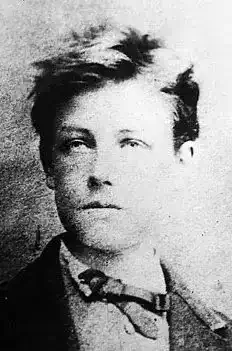
Arthur Rimbaud
People In Church
People In Church
Penned between oaken pews,
in corners of the church which their breath stinkingly warms,
all their eyes on the chancel dripping with gold,
and the choir with its twenty pairs of jaws bawling pious hymns;
Sniffing the odour of wax if it were the odour of bread,
happy, ad humbled like beaten dogs,
the Poor offer up to God, the Lord and Master,
their ridiculous stubborn oremuses.
For the women it is very pleasant to wear the benches smooth;
after the six black days on which God has made them suffer.
They nurse, swaddled in strange-looking shawls,
creatures like children who weep as if they would die.
Their unwashed breasts hanging out, these eaters of soup,
with a prayer in their eyes, but never praying,
watch a group of hoydens wickedly
showing off with hats all out of shape.
Outside is the cold, and hunger - and a man on the booze.
All right. There's another hour to go; afterwards, nameless ills! -
Meanwhile all around an assortment of old
dewlapped women whimpers, snuffles, and whispers:
These are distracted persons and the epileptics from whom,
yesterday, you turned away at street crossings;
there too are the blind who are led by a dog into courtyards,
poring their noses into old-fashioned missals. -
And all of them, dribbling a stupid groveling faith,
recite their unending complaint to Jesus who is dreaming up there,
yellow from the livid stained glass window,
far above thin rascals and wicked potbellies,
far from the smell of meat and mouldy fabric,
and the exhausted somber farce of repulsive gestures and
as the prayer flowers in choice expressions,
and the mysteries take on more emphatic tones, from the aisles,
where the sun is dying, trite folds of silk and green smiles,
the ladies of the better quarters of the town - oh Jesus! the
sufferers from complaints of the liver,
make their long yellow fingers kiss the holy water in the stoups.
Penned between oaken pews,
in corners of the church which their breath stinkingly warms,
all their eyes on the chancel dripping with gold,
and the choir with its twenty pairs of jaws bawling pious hymns;
Sniffing the odour of wax if it were the odour of bread,
happy, ad humbled like beaten dogs,
the Poor offer up to God, the Lord and Master,
their ridiculous stubborn oremuses.
For the women it is very pleasant to wear the benches smooth;
after the six black days on which God has made them suffer.
They nurse, swaddled in strange-looking shawls,
creatures like children who weep as if they would die.
Their unwashed breasts hanging out, these eaters of soup,
with a prayer in their eyes, but never praying,
watch a group of hoydens wickedly
showing off with hats all out of shape.
Outside is the cold, and hunger - and a man on the booze.
All right. There's another hour to go; afterwards, nameless ills! -
Meanwhile all around an assortment of old
dewlapped women whimpers, snuffles, and whispers:
These are distracted persons and the epileptics from whom,
yesterday, you turned away at street crossings;
there too are the blind who are led by a dog into courtyards,
poring their noses into old-fashioned missals. -
And all of them, dribbling a stupid groveling faith,
recite their unending complaint to Jesus who is dreaming up there,
yellow from the livid stained glass window,
far above thin rascals and wicked potbellies,
far from the smell of meat and mouldy fabric,
and the exhausted somber farce of repulsive gestures and
as the prayer flowers in choice expressions,
and the mysteries take on more emphatic tones, from the aisles,
where the sun is dying, trite folds of silk and green smiles,
the ladies of the better quarters of the town - oh Jesus! the
sufferers from complaints of the liver,
make their long yellow fingers kiss the holy water in the stoups.
619
Arthur Rimbaud
My Little Lovelies
My Little Lovelies
A tearful tincture washes
Cabbage-green skies;
Beneath the dribbling bushes
Your raincoats lie;
Pale white in private moonlight,
Like round-eyed sores,
Flap your scabby kneecaps apart,
My ugly whores!
We loved each other in those days,
Ugly blue whore!
We ate boiled eggs
And weed.
One night you made me a poet,
Ugly blond whore.
Get between my legs,
I'll whip you.
I puked up your greasy hair,
Ugly black whore;
You tried to unstring
My guitar.
Blah! Some of my dried-up spit,
Ugly red whore,
Still stinks in the cracks
Of your breast.
O my little lovelies,
I hate your guts!
Go stick big blisters
On your ugly tits!
Break the cracked bottles and jars
Of my feelings;
Come on! Be my ballerinas
Just for a while!
Your shoulder blades are twisted back,
My masterpieces!
Stick stars in your snatches and shake
Them to bits!
And it was for you hunks of meat
I wrote my rhymes!
My love was sticky self-deceit
And dirty games!
Dumb bunch of burnt-out stars,
-Against the walls!
Go back to God, croak in corners
Like animals!
Pale white in private moonlight,
Like round-eyed sores,
Flap your scabby kneecaps apart,
My ugly whores!
A tearful tincture washes
Cabbage-green skies;
Beneath the dribbling bushes
Your raincoats lie;
Pale white in private moonlight,
Like round-eyed sores,
Flap your scabby kneecaps apart,
My ugly whores!
We loved each other in those days,
Ugly blue whore!
We ate boiled eggs
And weed.
One night you made me a poet,
Ugly blond whore.
Get between my legs,
I'll whip you.
I puked up your greasy hair,
Ugly black whore;
You tried to unstring
My guitar.
Blah! Some of my dried-up spit,
Ugly red whore,
Still stinks in the cracks
Of your breast.
O my little lovelies,
I hate your guts!
Go stick big blisters
On your ugly tits!
Break the cracked bottles and jars
Of my feelings;
Come on! Be my ballerinas
Just for a while!
Your shoulder blades are twisted back,
My masterpieces!
Stick stars in your snatches and shake
Them to bits!
And it was for you hunks of meat
I wrote my rhymes!
My love was sticky self-deceit
And dirty games!
Dumb bunch of burnt-out stars,
-Against the walls!
Go back to God, croak in corners
Like animals!
Pale white in private moonlight,
Like round-eyed sores,
Flap your scabby kneecaps apart,
My ugly whores!
499

Anne Brontë
Monday Night May 11th 1846 / Domestic Peace
Monday Night May 11th 1846 / Domestic Peace
Why should such gloomy silence reign;
And why is all the house so drear,
When neither danger, sickness, pain,
Nor death, nor want have entered here?
We are as many as we were
That other night, when all were gay,
And full of hope, and free from care;
Yet, is there something gone away.
The moon without as pure and calm
Is shining as that night she shone;
but now, to us she brings no balm,
For something from our hearts is gone.
Something whose absence leaves a void,
A cheerless want in every heart.
Each feels the bliss of all destroyed
And mourns the change but
each apart.
The fire is burning in the grate
As redly as it used to burn,
But still the hearth is desolate
Till Mirth and Love with Peace return.
'Twas Peace that flowed from heart to heart
With looks and smiles that spoke of Heaven,
And gave us language to impart
The blissful thoughts itself had given.
Sweet child of Heaven, and joy of earth!
O, when will Man thy value learn?
We rudely drove thee from our hearth,
And vainly sigh for thy return.
Why should such gloomy silence reign;
And why is all the house so drear,
When neither danger, sickness, pain,
Nor death, nor want have entered here?
We are as many as we were
That other night, when all were gay,
And full of hope, and free from care;
Yet, is there something gone away.
The moon without as pure and calm
Is shining as that night she shone;
but now, to us she brings no balm,
For something from our hearts is gone.
Something whose absence leaves a void,
A cheerless want in every heart.
Each feels the bliss of all destroyed
And mourns the change but
each apart.
The fire is burning in the grate
As redly as it used to burn,
But still the hearth is desolate
Till Mirth and Love with Peace return.
'Twas Peace that flowed from heart to heart
With looks and smiles that spoke of Heaven,
And gave us language to impart
The blissful thoughts itself had given.
Sweet child of Heaven, and joy of earth!
O, when will Man thy value learn?
We rudely drove thee from our hearth,
And vainly sigh for thy return.
3
Anne Brontë
Fragment
Fragment
Yes I will take a cheerful tone
And feign to share their heartless glee,
But I would rather weep alone
Than laugh amid their revelry.
Yes I will take a cheerful tone
And feign to share their heartless glee,
But I would rather weep alone
Than laugh amid their revelry.
88
Anne Brontë
And yet my comrades marked it not,
And yet my comrades marked it not,
My voice was still the same;
They saw me smile, and o'er my face No
signs of sadness came;
They little knew my hidden thoughts
And they will never know
The anguish of my drooping heart,
The bitter aching woe!
Olivia Vernon.
My voice was still the same;
They saw me smile, and o'er my face No
signs of sadness came;
They little knew my hidden thoughts
And they will never know
The anguish of my drooping heart,
The bitter aching woe!
Olivia Vernon.
82
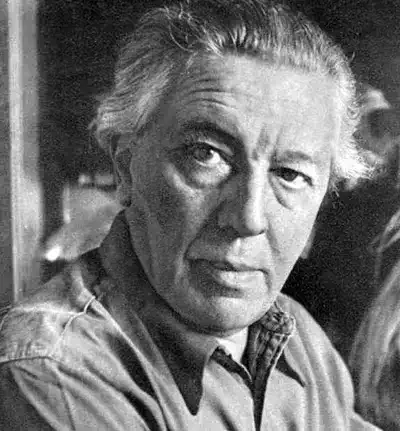
André Breton
Less Time
Less Time
Less time than it takes to say it, less tears than it takes to die; I've taken account of
everything,
there you have it. I've made a census of the stones, they are as numerous as my
fingers and some
others; I've distributed some pamphlets to the plants, but not all were willing to accept
them. I've
kept company with music for a second only and now I no longer know what to think of
suicide, for
if I ever want to part from myself, the exit is on this side and, I add mischievously, the
entrance, the
re-entrance is on the other. You see what you still have to do. Hours, grief, I don't
keep a
reasonable account of them; I'm alone, I look out of the window; there is no passerby,
or rather no
one passes (underline passes). You don't know this man? It's Mr. Same. May I
introduce Madam
Madam? And their children. Then I turn back on my steps, my steps turn back too, but
I don't
know exactly what they turn back on. I consult a schedule; the names of the towns
have been
replaced by the names of people who have been quite close to me. Shall I go to A,
return to B,
change at X? Yes, of course I'll change at X. Provided I don't miss the connection with
boredom!
There we are: boredom, beautiful parallels, ah! how beautiful the parallels are under
God's
perpendicular.
Less time than it takes to say it, less tears than it takes to die; I've taken account of
everything,
there you have it. I've made a census of the stones, they are as numerous as my
fingers and some
others; I've distributed some pamphlets to the plants, but not all were willing to accept
them. I've
kept company with music for a second only and now I no longer know what to think of
suicide, for
if I ever want to part from myself, the exit is on this side and, I add mischievously, the
entrance, the
re-entrance is on the other. You see what you still have to do. Hours, grief, I don't
keep a
reasonable account of them; I'm alone, I look out of the window; there is no passerby,
or rather no
one passes (underline passes). You don't know this man? It's Mr. Same. May I
introduce Madam
Madam? And their children. Then I turn back on my steps, my steps turn back too, but
I don't
know exactly what they turn back on. I consult a schedule; the names of the towns
have been
replaced by the names of people who have been quite close to me. Shall I go to A,
return to B,
change at X? Yes, of course I'll change at X. Provided I don't miss the connection with
boredom!
There we are: boredom, beautiful parallels, ah! how beautiful the parallels are under
God's
perpendicular.
1,003
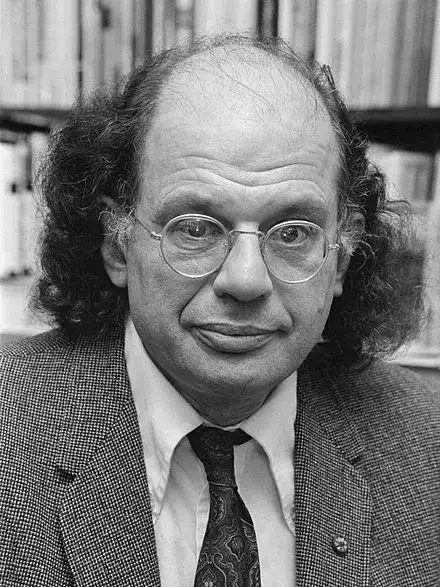
Allen Ginsberg
Sunflower Sutra
Sunflower Sutra
I walked on the banks of the tincan banana dock and sat down under the huge shade
of a Southern Pacific locomotive to look for the sunset over the box house hills and cry.
Jack Kerouac sat beside me on a busted rusty iron pole, companion, we thought the
same thoughts of the soul, bleak and blue and sad-eyed, surrounded by the gnarled
steel roots of trees of machinery.
The only water on the river mirrored the red sky, sun sank on top of final Frisco peaks,
no fish in that stream, no hermit in those mounts, just ourselves rheumy-eyed and
hung-over like old bums on the riverbank, tired and wily.
Look at the Sunflower, he said, there was a dead gray shadow against the sky, big as a
man, sitting dry on top of a pile of ancient sawdust-
--I rushed up enchanted--it was my first sunflower, memories of Blake--my
visions--Harlem
and Hells of the Eastern rivers, bridges clanking Joes greasy Sandwiches, dead baby
carriages, black treadless tires forgotten and unretreaded, the poem of the riverbank,
condoms & pots, steel knives, nothing stainless, only the dank muck and the
razor-sharp artifacts passing into the past-
and the gray Sunflower poised against the sunset, crackly bleak and dusty with the
smut and smog and smoke of olden locomotives in its eye-
corolla of bleary spikes pushed down and broken like a battered crown, seeds fallen out
of its face, soon-to-be-toothless mouth of sunny air, sunrays obliterated on its hairy
head like a dried wire spiderweb,
leaves stuck out like arms out of the stem, gestures from the sawdust root, broke
pieces of plaster fallen out of the black twigs, a dead fly in its ear,
Unholy battered old thing you were, my sunflower O my soul, I loved you then!
The grime was no man's grime but death and human locomotives,
all that dress of dust, that veil of darkened railroad skin, that smog of cheek, that
eyelid of black mis'ry, that sooty hand or phallus or protuberance of artificial
worse-than-dirt--industrial--modern--all that civilization spotting your crazy golden
crown-
and those blear thoughts of death and dusty loveless eyes and ends and withered roots
below, in the home-pile of sand and sawdust, rubber dollar bills, skin of machinery, the
guts and innards of the weeping coughing car, the empty lonely tincans with their rusty
tongues alack, what more could I name, the smoked ashes of some cock cigar, the
cunts of wheelbarrows and the milky breasts of cars, wornout asses out of chairs &
sphincters of dynamos--all these
entangled in your mummied roots--and you standing before me in the sunset, all your
glory in your form!
A perfect beauty of a sunflower! a perfect excellent lovely sunflower existence! a sweet
natural eye to the new hip moon, woke up alive and excited grasping in the sunset
shadow sunrise golden monthly breeze!
How many flies buzzed round you innocent of your grime, while you cursed the
heavens of your railroad and your flower soul?
Poor dead flower? when did you forget you were a flower? when did you look at your
skin and decide you were an impotent dirty old locomotive? the ghost of a locomotive?
the specter and shade of a once powerful mad American locomotive?
You were never no locomotive, Sunflower, you were a sunflower!
And you Locomotive, you are a locomotive, forget me not!
So I grabbed up the skeleton thick sunflower and stuck it at my side like a scepter,
and deliver my sermon to my soul, and Jack's soul too, and anyone who'll listen,
--We're not our skin of grime, we're not our dread bleak dusty imageless locomotive,
we're all golden sunflowers inside, blessed by our own seed & hairy naked
accomplishment-bodies growing into mad black formal sunflowers in the sunset, spied
on by our eyes under the shadow of the mad locomotive riverbank sunset Frisco hilly
tincan evening sitdown vision.
I walked on the banks of the tincan banana dock and sat down under the huge shade
of a Southern Pacific locomotive to look for the sunset over the box house hills and cry.
Jack Kerouac sat beside me on a busted rusty iron pole, companion, we thought the
same thoughts of the soul, bleak and blue and sad-eyed, surrounded by the gnarled
steel roots of trees of machinery.
The only water on the river mirrored the red sky, sun sank on top of final Frisco peaks,
no fish in that stream, no hermit in those mounts, just ourselves rheumy-eyed and
hung-over like old bums on the riverbank, tired and wily.
Look at the Sunflower, he said, there was a dead gray shadow against the sky, big as a
man, sitting dry on top of a pile of ancient sawdust-
--I rushed up enchanted--it was my first sunflower, memories of Blake--my
visions--Harlem
and Hells of the Eastern rivers, bridges clanking Joes greasy Sandwiches, dead baby
carriages, black treadless tires forgotten and unretreaded, the poem of the riverbank,
condoms & pots, steel knives, nothing stainless, only the dank muck and the
razor-sharp artifacts passing into the past-
and the gray Sunflower poised against the sunset, crackly bleak and dusty with the
smut and smog and smoke of olden locomotives in its eye-
corolla of bleary spikes pushed down and broken like a battered crown, seeds fallen out
of its face, soon-to-be-toothless mouth of sunny air, sunrays obliterated on its hairy
head like a dried wire spiderweb,
leaves stuck out like arms out of the stem, gestures from the sawdust root, broke
pieces of plaster fallen out of the black twigs, a dead fly in its ear,
Unholy battered old thing you were, my sunflower O my soul, I loved you then!
The grime was no man's grime but death and human locomotives,
all that dress of dust, that veil of darkened railroad skin, that smog of cheek, that
eyelid of black mis'ry, that sooty hand or phallus or protuberance of artificial
worse-than-dirt--industrial--modern--all that civilization spotting your crazy golden
crown-
and those blear thoughts of death and dusty loveless eyes and ends and withered roots
below, in the home-pile of sand and sawdust, rubber dollar bills, skin of machinery, the
guts and innards of the weeping coughing car, the empty lonely tincans with their rusty
tongues alack, what more could I name, the smoked ashes of some cock cigar, the
cunts of wheelbarrows and the milky breasts of cars, wornout asses out of chairs &
sphincters of dynamos--all these
entangled in your mummied roots--and you standing before me in the sunset, all your
glory in your form!
A perfect beauty of a sunflower! a perfect excellent lovely sunflower existence! a sweet
natural eye to the new hip moon, woke up alive and excited grasping in the sunset
shadow sunrise golden monthly breeze!
How many flies buzzed round you innocent of your grime, while you cursed the
heavens of your railroad and your flower soul?
Poor dead flower? when did you forget you were a flower? when did you look at your
skin and decide you were an impotent dirty old locomotive? the ghost of a locomotive?
the specter and shade of a once powerful mad American locomotive?
You were never no locomotive, Sunflower, you were a sunflower!
And you Locomotive, you are a locomotive, forget me not!
So I grabbed up the skeleton thick sunflower and stuck it at my side like a scepter,
and deliver my sermon to my soul, and Jack's soul too, and anyone who'll listen,
--We're not our skin of grime, we're not our dread bleak dusty imageless locomotive,
we're all golden sunflowers inside, blessed by our own seed & hairy naked
accomplishment-bodies growing into mad black formal sunflowers in the sunset, spied
on by our eyes under the shadow of the mad locomotive riverbank sunset Frisco hilly
tincan evening sitdown vision.
862
Allen Ginsberg
Haiku (Never Published)
Haiku (Never Published)
Drinking my tea
Without sugarNo
difference.
The sparrow shits
upside down
--ah! my brain & eggs
Mayan head in a
Pacific driftwood bole
--Someday I'll live in N.Y.
Looking over my shoulder
my behind was covered
with cherry blossoms.
Winter Haiku
I didn't know the names
of the flowers--now
my garden is gone.
I slapped the mosquito
and missed.
What made me do that?
Reading haiku
I am unhappy,
longing for the Nameless.
A frog floating
in the drugstore jar:
summer rain on grey pavements.
(after Shiki)
On the porch
in my shorts;
auto lights in the rain.
Another year
has past-the world
is no different.
The first thing I looked for
in my old garden was
The Cherry Tree.
My old desk:
the first thing I looked for
in my house.
My early journal:
the first thing I found
in my old desk.
My mother's ghost:
the first thing I found
in the living room.
I quit shaving
but the eyes that glanced at me
remained in the mirror.
The madman
emerges from the movies:
the street at lunchtime.
Cities of boys
are in their graves,
and in this town...
Lying on my side
in the void:
the breath in my nose.
On the fifteenth floor
the dog chews a bone-
Screech of taxicabs.
A hardon in New York,
a boy
in San Fransisco.
The moon over the roof,
worms in the garden.
I rent this house.
[Haiku composed in the backyard cottage at 1624
Milvia Street, Berkeley 1955, while reading R.H.
Blyth's 4 volumes, "Haiku."]
Drinking my tea
Without sugarNo
difference.
The sparrow shits
upside down
--ah! my brain & eggs
Mayan head in a
Pacific driftwood bole
--Someday I'll live in N.Y.
Looking over my shoulder
my behind was covered
with cherry blossoms.
Winter Haiku
I didn't know the names
of the flowers--now
my garden is gone.
I slapped the mosquito
and missed.
What made me do that?
Reading haiku
I am unhappy,
longing for the Nameless.
A frog floating
in the drugstore jar:
summer rain on grey pavements.
(after Shiki)
On the porch
in my shorts;
auto lights in the rain.
Another year
has past-the world
is no different.
The first thing I looked for
in my old garden was
The Cherry Tree.
My old desk:
the first thing I looked for
in my house.
My early journal:
the first thing I found
in my old desk.
My mother's ghost:
the first thing I found
in the living room.
I quit shaving
but the eyes that glanced at me
remained in the mirror.
The madman
emerges from the movies:
the street at lunchtime.
Cities of boys
are in their graves,
and in this town...
Lying on my side
in the void:
the breath in my nose.
On the fifteenth floor
the dog chews a bone-
Screech of taxicabs.
A hardon in New York,
a boy
in San Fransisco.
The moon over the roof,
worms in the garden.
I rent this house.
[Haiku composed in the backyard cottage at 1624
Milvia Street, Berkeley 1955, while reading R.H.
Blyth's 4 volumes, "Haiku."]
601

Muhammad Iqbal
The Withered Rose
The Withered Rose
O withered rose! How can I still call you a rose?
How can I call you the longing of nightingale's heart?
Once the zephyr's movement was your rocking cradle
In the garden's expanse joyous rose was your name
The morning breeze acknowledged your benevolence
The garden was like perfumer's tray by your presence
My weeping eye sheds dew on you
My desolate heart is concealed in your sorrow
You are a tiny picture of my destruction
You are the interpretation of my life's dream
Like a flute to my reed-brake I narrate my story
Listen O rose! I complain about separations!
O withered rose! How can I still call you a rose?
How can I call you the longing of nightingale's heart?
Once the zephyr's movement was your rocking cradle
In the garden's expanse joyous rose was your name
The morning breeze acknowledged your benevolence
The garden was like perfumer's tray by your presence
My weeping eye sheds dew on you
My desolate heart is concealed in your sorrow
You are a tiny picture of my destruction
You are the interpretation of my life's dream
Like a flute to my reed-brake I narrate my story
Listen O rose! I complain about separations!
264
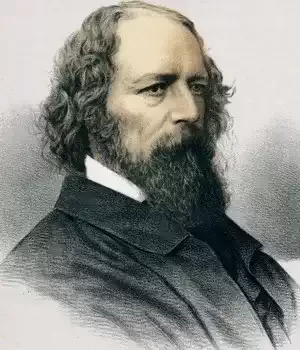
Alfred Lord Tennyson
OEnone
OEnone
. There lies a vale in Ida, lovelier
Than all the valleys of Ionian hills.
The swimming vapour slopes athwart the glen,
Puts forth an arm, and creeps from pine to pine,
And loiters, slowly drawn. On either hand
The lawns and meadow-ledges midway down
Hang rich in flowers, and far below them roars
The long brook falling thro' the clov'n ravine
In cataract after cataract to the sea.
Behind the valley topmost Gargarus
Stands up and takes the morning: but in front
The gorges, opening wide apart, reveal
Troas and Ilion's column'd citadel,
The crown of Troas. Hither came at noon
Mournful OEnone, wandering forlorn
Of Paris, once her playmate on the hills.
Her cheek had lost the rose, and round her neck
Floated her hair or seem'd to float in rest.
She, leaning on a fragment twined with vine,
Sang to the stillness, till the mountain-shade
Sloped downward to her seat from the upper cliff.
'O mother Ida, many-fountain'd Ida,
Dear mother Ida, harken ere I die.
For now the noonday quiet holds the hill:
The grasshopper is silent in the grass:
The lizard, with his shadow on the stone,
Rests like a shadow, and the winds are dead.
The purple flower droops: the golden bee
Is lily-cradled: I alone awake.
My eyes are full of tears, my heart of love,
My heart is breaking, and my eyes are dim,
And I am all aweary of my life.
'O mother Ida, many-fountain'd Ida,
Dear mother Ida, harken ere I die.
Hear me, O Earth, hear me, O Hills, O Caves
That house the cold crown'd snake! O mountain brooks,
I am the daughter of a River-God,
Hear me, for I will speak, and build up all
My sorrow with my song, as yonder walls
Rose slowly to a music slowly breathed,
A cloud that gather'd shape: for it may be
That, while I speak of it, a little while
My heart may wander from its deeper woe.
'O mother Ida, many-fountain'd Ida,
Dear mother Ida, harken ere I die.
I waited underneath the dawning hills,
Aloft the mountain lawn was dewy-dark,
And dewy-dark aloft the mountain pine:
Beautiful Paris, evil-hearted Paris,
Leading a jet-black goat white-horn'd, white-hooved,
Came up from reedy Simois all alone.
'O mother Ida, harken ere I die.
Far-off the torrent call'd me from the cleft:
Far up the solitary morning smote
The streaks of virgin snow. With down-dropt eyes
I sat alone: white-breasted like a star
Fronting the dawn he moved; a leopard skin
Droop'd from his shoulder, but his sunny hair
Cluster'd about his temples like a God's:
And his cheek brighten'd as the foam-bow brightens
When the wind blows the foam, and all my heart
Went forth to embrace him coming ere he came.
'Dear mother Ida, harken ere I die.
He smiled, and opening out his milk-white palm
Disclosed a fruit of pure Hesperian gold,
That smelt ambrosially, and while I look'd
And listen'd, the full-flowing river of speech
Came down upon my heart. `My own OEnone,
Beautiful-brow'd OEnone, my own soul,
Behold this fruit, whose gleaming rind ingrav'n
'For the most fair,' would seem to award it thine,
As lovelier than whatever Oread haunt
The knolls of Ida, loveliest in all grace
Of movement, and the charm of married brows.'
'Dear mother Ida, harken ere I die.
He prest the blossom of his lips to mine,
And added 'This was cast upon the board,
When all the full-faced presence of the Gods
Ranged in the halls of Peleus; whereupon
Rose feud, with question unto whom 'twere due:
But light-foot Iris brought it yester-eve,
Delivering that to me, by common voice
Elected umpire, Herè comes to-day,
Pallas and Aphroditè, claiming each
This meed of fairest. Thou, within the cave
Behind yon whispering tuft of oldest pine,
Mayst well behold them unbeheld, unheard
Hear all, and see thy Paris judge of Gods.'
'Dear mother Ida, harken ere I die.
It was the deep midnoon: one silvery cloud
Had lost his way between the piney sides
Of this long glen. Then to the bower they came,
Naked they came to that smooth-swarded bower,
And at their feet the crocus brake like fire,
Violet, amaracus, and asphodel,
Lotos and lilies: and a wind arose,
And overhead the wandering ivy and vine,
This way and that, in many a wild festoon
Ran riot, garlanding the gnarled boughs
With bunch and berry and flower thro' and thro'.
'O mother Ida, harken ere I die.
On the tree-tops a crested peacock lit,
And o'er him flow'd a golden cloud, and lean'd
Upon him, slowly dropping fragrant dew.
Then first I heard the voice of her, to whom
Coming thro' Heaven, like a light that grows
Larger and clearer, with one mind the Gods
Rise up for reverence. She to Paris made
Proffer of royal power, ample rule
Unquestion'd, overflowing revenue
Wherewith to embellish state, 'from many a vale
And river-sunder'd champaign clothed with corn,
Or labour'd mine undrainable of ore.
Honour,' she said, 'and homage, tax and toll,
From many an inland town and haven large,
Mast-throng'd beneath her shadowing citadel
In glassy bays among her tallest towers.'
'O mother Ida, harken ere I die.
Still she spake on and still she spake of power,
'Which in all action is the end of all;
Power fitted to the season; wisdom-bred
And throned of wisdom-from all neighbour crowns
Alliance and allegiance, till thy hand
Fail from the sceptre-staff. Such boon from me,
From me, Heaven's Queen, Paris, to thee king-born,
A shepherd all thy life but yet king-born,
Should come most welcome, seeing men, in power
Only, are likest Gods, who have attain'd
Rest in a happy place and quiet seats
Above the thunder, with undying bliss
In knowledge of their own supremacy.'
'Dear mother Ida, harken ere I die.
She ceased, and Paris held the costly fruit
Out at arm's-length, so much the thought of power
Flatter'd his spirit; but Pallas where she stood
Somewhat apart, her clear and bared limbs
O'erthwarted with the brazen-headed spear
Upon her pearly shoulder leaning cold,
The while, above, her full and earnest eye
Over her snow-cold breast and angry cheek
Kept watch, waiting decision, made reply.
'`Self-reverence, self-knowledge, self-control,
These three alone lead life to sovereign power.
Yet not for power (power of herself
Would come uncall'd for) but to live by law,
Acting the law we live by without fear;
And, because right is right, to follow right
Were wisdom in the scorn of consequence.'
'Dear mother Ida, harken ere I die.
Again she said: 'I woo thee not with gifts.
Sequel of guerdon could not alter me
To fairer. Judge thou me by what I am,
So shalt thou find me fairest. Yet, indeed,
If gazing on divinity disrobed
Thy mortal eyes are frail to judge of fair,
Unbias'd by self-profit, oh! rest thee sure
That I shall love thee well and cleave to thee,
So that my vigour, wedded to thy blood,
Shall strike within thy pulses, like a God's,
To push thee forward thro' a life of shocks,
Dangers, and deeds, until endurance grow
Sinew'd with action, and the full-grown will,
Circled thro' all experiences, pure law,
Commeasure perfect freedom.' Here she ceas'd
And Paris ponder'd, and I cried, 'O Paris,
Give it to Pallas!' but he heard me not,
Or hearing would not hear me, woe is me!
'O mother Ida, many-fountain'd Ida,
Dear mother Ida, harken ere I die.
Italian Aphroditè beautiful,
Fresh as the foam, new-bathed in Paphian wells,
With rosy slender fingers backward drew
From her warm brows and bosom her deep hair
Ambrosial, golden round her lucid throat
And shoulder: from the violets her light foot
Shone rosy-white, and o'er her rounded form
Between the shadows of the vine-bunches
Floated the glowing sunlights, as she moved.
'Dear mother Ida, harken ere I die.
She with a subtle smile in her mild eyes,
The herald of her triumph, drawing nigh
Half-whisper'd in his ear, 'I promise thee
The fairest and most loving wife in Greece.'
She spoke and laugh'd: I shut my sight for fear:
But when I look'd, Paris had raised his arm,
And I beheld great Herè's angry eyes,
As she withdrew into the golden cloud,
And I was left alone within the bower;
And from that time to this I am alone,
And I shall be alone until I die.
'Yet, mother Ida, harken ere I die.
Fairest-why fairest wife? am I not fair?
My love hath told me so a thousand times.
Methinks I must be fair, for yesterday,
When I past by, a wild and wanton pard,
Eyed like the evening star, with playful tail
Crouch'd fawning in the weed. Most loving is she?
Ah me, my mountain shepherd, that my arms
Were wound about thee, and my hot lips prest
Close, close to thine in that quick-falling dew
Of fruitful kisses, thick as Autumn rains
Flash in the pools of whirling Simois!
'O mother, hear me yet before I die.
They came, they cut away my tallest pines,
My tall dark pines, that plumed the craggy ledge
High over the blue gorge, and all between
The snowy peak and snow-white cataract
Foster'd the callow eaglet-from beneath
Whose thick mysterious boughs in the dark morn
The panther's roar came muffled, while I sat
Low in the valley. Never, never more
Shall lone OEnone see the morning mist
Sweep thro' them; never see them overlaid
With narrow moon-lit slips of silver cloud,
Between the loud stream and the trembling stars.
'O mother, hear me yet before I die.
I wish that somewhere in the ruin'd folds,
Among the fragments tumbled from the glens,
Or the dry thickets, I could meet with her
The Abominable, that uninvited came
Into the fair Pele{:i}an banquet-hall,
And cast the golden fruit upon the board,
And bred this change; that I might speak my mind,
And tell her to her face how much I hate
Her presence, hated both of Gods and men.
'O mother, hear me yet before I die.
Hath he not sworn his love a thousand times,
In this green valley, under this green hill,
Ev'n on this hand, and sitting on this stone?
Seal'd it with kisses? water'd it with tears?
O happy tears, and how unlike to these!
O happy Heaven, how canst thou see my face?
O happy earth, how canst thou bear my weight?
O death, death, death, thou ever-floating cloud,
There are enough unhappy on this earth,
Pass by the happy souls, that love to live:
I pray thee, pass before my light of life,
And shadow all my soul, that I may die.
Thou weighest heavy on the heart within,
Weigh heavy on my eyelids: let me die.
'O mother, hear me yet before I die.
I will not die alone, for fiery thoughts
Do shape themselves within me, more and more,
Whereof I catch the issue, as I hear
Dead sounds at night come from the inmost hills,
Like footsteps upon wool. I dimly see
My far-off doubtful purpose, as a mother
Conjectures of the features of her child
Ere it is born: her child!-a shudder comes
Across me: never child be born of me,
Unblest, to vex me with his father's eyes!
'O mother, hear me yet before I die.
Hear me, O earth. I will not die alone,
Lest their shrill happy laughter come to me
Walking the cold and starless road of death
Uncomforted, leaving my ancient love
With the Greek woman. I will rise and go
Down into Troy, and ere the stars come forth
Talk with the wild Cassandra, for she says
A fire dances before her, and a sound
Rings ever in her ears of armed men.
What this may be I know not, but I know
That, wheresoe'er I am by night and day,
All earth and air seem only burning fire.'
. There lies a vale in Ida, lovelier
Than all the valleys of Ionian hills.
The swimming vapour slopes athwart the glen,
Puts forth an arm, and creeps from pine to pine,
And loiters, slowly drawn. On either hand
The lawns and meadow-ledges midway down
Hang rich in flowers, and far below them roars
The long brook falling thro' the clov'n ravine
In cataract after cataract to the sea.
Behind the valley topmost Gargarus
Stands up and takes the morning: but in front
The gorges, opening wide apart, reveal
Troas and Ilion's column'd citadel,
The crown of Troas. Hither came at noon
Mournful OEnone, wandering forlorn
Of Paris, once her playmate on the hills.
Her cheek had lost the rose, and round her neck
Floated her hair or seem'd to float in rest.
She, leaning on a fragment twined with vine,
Sang to the stillness, till the mountain-shade
Sloped downward to her seat from the upper cliff.
'O mother Ida, many-fountain'd Ida,
Dear mother Ida, harken ere I die.
For now the noonday quiet holds the hill:
The grasshopper is silent in the grass:
The lizard, with his shadow on the stone,
Rests like a shadow, and the winds are dead.
The purple flower droops: the golden bee
Is lily-cradled: I alone awake.
My eyes are full of tears, my heart of love,
My heart is breaking, and my eyes are dim,
And I am all aweary of my life.
'O mother Ida, many-fountain'd Ida,
Dear mother Ida, harken ere I die.
Hear me, O Earth, hear me, O Hills, O Caves
That house the cold crown'd snake! O mountain brooks,
I am the daughter of a River-God,
Hear me, for I will speak, and build up all
My sorrow with my song, as yonder walls
Rose slowly to a music slowly breathed,
A cloud that gather'd shape: for it may be
That, while I speak of it, a little while
My heart may wander from its deeper woe.
'O mother Ida, many-fountain'd Ida,
Dear mother Ida, harken ere I die.
I waited underneath the dawning hills,
Aloft the mountain lawn was dewy-dark,
And dewy-dark aloft the mountain pine:
Beautiful Paris, evil-hearted Paris,
Leading a jet-black goat white-horn'd, white-hooved,
Came up from reedy Simois all alone.
'O mother Ida, harken ere I die.
Far-off the torrent call'd me from the cleft:
Far up the solitary morning smote
The streaks of virgin snow. With down-dropt eyes
I sat alone: white-breasted like a star
Fronting the dawn he moved; a leopard skin
Droop'd from his shoulder, but his sunny hair
Cluster'd about his temples like a God's:
And his cheek brighten'd as the foam-bow brightens
When the wind blows the foam, and all my heart
Went forth to embrace him coming ere he came.
'Dear mother Ida, harken ere I die.
He smiled, and opening out his milk-white palm
Disclosed a fruit of pure Hesperian gold,
That smelt ambrosially, and while I look'd
And listen'd, the full-flowing river of speech
Came down upon my heart. `My own OEnone,
Beautiful-brow'd OEnone, my own soul,
Behold this fruit, whose gleaming rind ingrav'n
'For the most fair,' would seem to award it thine,
As lovelier than whatever Oread haunt
The knolls of Ida, loveliest in all grace
Of movement, and the charm of married brows.'
'Dear mother Ida, harken ere I die.
He prest the blossom of his lips to mine,
And added 'This was cast upon the board,
When all the full-faced presence of the Gods
Ranged in the halls of Peleus; whereupon
Rose feud, with question unto whom 'twere due:
But light-foot Iris brought it yester-eve,
Delivering that to me, by common voice
Elected umpire, Herè comes to-day,
Pallas and Aphroditè, claiming each
This meed of fairest. Thou, within the cave
Behind yon whispering tuft of oldest pine,
Mayst well behold them unbeheld, unheard
Hear all, and see thy Paris judge of Gods.'
'Dear mother Ida, harken ere I die.
It was the deep midnoon: one silvery cloud
Had lost his way between the piney sides
Of this long glen. Then to the bower they came,
Naked they came to that smooth-swarded bower,
And at their feet the crocus brake like fire,
Violet, amaracus, and asphodel,
Lotos and lilies: and a wind arose,
And overhead the wandering ivy and vine,
This way and that, in many a wild festoon
Ran riot, garlanding the gnarled boughs
With bunch and berry and flower thro' and thro'.
'O mother Ida, harken ere I die.
On the tree-tops a crested peacock lit,
And o'er him flow'd a golden cloud, and lean'd
Upon him, slowly dropping fragrant dew.
Then first I heard the voice of her, to whom
Coming thro' Heaven, like a light that grows
Larger and clearer, with one mind the Gods
Rise up for reverence. She to Paris made
Proffer of royal power, ample rule
Unquestion'd, overflowing revenue
Wherewith to embellish state, 'from many a vale
And river-sunder'd champaign clothed with corn,
Or labour'd mine undrainable of ore.
Honour,' she said, 'and homage, tax and toll,
From many an inland town and haven large,
Mast-throng'd beneath her shadowing citadel
In glassy bays among her tallest towers.'
'O mother Ida, harken ere I die.
Still she spake on and still she spake of power,
'Which in all action is the end of all;
Power fitted to the season; wisdom-bred
And throned of wisdom-from all neighbour crowns
Alliance and allegiance, till thy hand
Fail from the sceptre-staff. Such boon from me,
From me, Heaven's Queen, Paris, to thee king-born,
A shepherd all thy life but yet king-born,
Should come most welcome, seeing men, in power
Only, are likest Gods, who have attain'd
Rest in a happy place and quiet seats
Above the thunder, with undying bliss
In knowledge of their own supremacy.'
'Dear mother Ida, harken ere I die.
She ceased, and Paris held the costly fruit
Out at arm's-length, so much the thought of power
Flatter'd his spirit; but Pallas where she stood
Somewhat apart, her clear and bared limbs
O'erthwarted with the brazen-headed spear
Upon her pearly shoulder leaning cold,
The while, above, her full and earnest eye
Over her snow-cold breast and angry cheek
Kept watch, waiting decision, made reply.
'`Self-reverence, self-knowledge, self-control,
These three alone lead life to sovereign power.
Yet not for power (power of herself
Would come uncall'd for) but to live by law,
Acting the law we live by without fear;
And, because right is right, to follow right
Were wisdom in the scorn of consequence.'
'Dear mother Ida, harken ere I die.
Again she said: 'I woo thee not with gifts.
Sequel of guerdon could not alter me
To fairer. Judge thou me by what I am,
So shalt thou find me fairest. Yet, indeed,
If gazing on divinity disrobed
Thy mortal eyes are frail to judge of fair,
Unbias'd by self-profit, oh! rest thee sure
That I shall love thee well and cleave to thee,
So that my vigour, wedded to thy blood,
Shall strike within thy pulses, like a God's,
To push thee forward thro' a life of shocks,
Dangers, and deeds, until endurance grow
Sinew'd with action, and the full-grown will,
Circled thro' all experiences, pure law,
Commeasure perfect freedom.' Here she ceas'd
And Paris ponder'd, and I cried, 'O Paris,
Give it to Pallas!' but he heard me not,
Or hearing would not hear me, woe is me!
'O mother Ida, many-fountain'd Ida,
Dear mother Ida, harken ere I die.
Italian Aphroditè beautiful,
Fresh as the foam, new-bathed in Paphian wells,
With rosy slender fingers backward drew
From her warm brows and bosom her deep hair
Ambrosial, golden round her lucid throat
And shoulder: from the violets her light foot
Shone rosy-white, and o'er her rounded form
Between the shadows of the vine-bunches
Floated the glowing sunlights, as she moved.
'Dear mother Ida, harken ere I die.
She with a subtle smile in her mild eyes,
The herald of her triumph, drawing nigh
Half-whisper'd in his ear, 'I promise thee
The fairest and most loving wife in Greece.'
She spoke and laugh'd: I shut my sight for fear:
But when I look'd, Paris had raised his arm,
And I beheld great Herè's angry eyes,
As she withdrew into the golden cloud,
And I was left alone within the bower;
And from that time to this I am alone,
And I shall be alone until I die.
'Yet, mother Ida, harken ere I die.
Fairest-why fairest wife? am I not fair?
My love hath told me so a thousand times.
Methinks I must be fair, for yesterday,
When I past by, a wild and wanton pard,
Eyed like the evening star, with playful tail
Crouch'd fawning in the weed. Most loving is she?
Ah me, my mountain shepherd, that my arms
Were wound about thee, and my hot lips prest
Close, close to thine in that quick-falling dew
Of fruitful kisses, thick as Autumn rains
Flash in the pools of whirling Simois!
'O mother, hear me yet before I die.
They came, they cut away my tallest pines,
My tall dark pines, that plumed the craggy ledge
High over the blue gorge, and all between
The snowy peak and snow-white cataract
Foster'd the callow eaglet-from beneath
Whose thick mysterious boughs in the dark morn
The panther's roar came muffled, while I sat
Low in the valley. Never, never more
Shall lone OEnone see the morning mist
Sweep thro' them; never see them overlaid
With narrow moon-lit slips of silver cloud,
Between the loud stream and the trembling stars.
'O mother, hear me yet before I die.
I wish that somewhere in the ruin'd folds,
Among the fragments tumbled from the glens,
Or the dry thickets, I could meet with her
The Abominable, that uninvited came
Into the fair Pele{:i}an banquet-hall,
And cast the golden fruit upon the board,
And bred this change; that I might speak my mind,
And tell her to her face how much I hate
Her presence, hated both of Gods and men.
'O mother, hear me yet before I die.
Hath he not sworn his love a thousand times,
In this green valley, under this green hill,
Ev'n on this hand, and sitting on this stone?
Seal'd it with kisses? water'd it with tears?
O happy tears, and how unlike to these!
O happy Heaven, how canst thou see my face?
O happy earth, how canst thou bear my weight?
O death, death, death, thou ever-floating cloud,
There are enough unhappy on this earth,
Pass by the happy souls, that love to live:
I pray thee, pass before my light of life,
And shadow all my soul, that I may die.
Thou weighest heavy on the heart within,
Weigh heavy on my eyelids: let me die.
'O mother, hear me yet before I die.
I will not die alone, for fiery thoughts
Do shape themselves within me, more and more,
Whereof I catch the issue, as I hear
Dead sounds at night come from the inmost hills,
Like footsteps upon wool. I dimly see
My far-off doubtful purpose, as a mother
Conjectures of the features of her child
Ere it is born: her child!-a shudder comes
Across me: never child be born of me,
Unblest, to vex me with his father's eyes!
'O mother, hear me yet before I die.
Hear me, O earth. I will not die alone,
Lest their shrill happy laughter come to me
Walking the cold and starless road of death
Uncomforted, leaving my ancient love
With the Greek woman. I will rise and go
Down into Troy, and ere the stars come forth
Talk with the wild Cassandra, for she says
A fire dances before her, and a sound
Rings ever in her ears of armed men.
What this may be I know not, but I know
That, wheresoe'er I am by night and day,
All earth and air seem only burning fire.'
487
Alfred Lord Tennyson
Mariana
Mariana
WITH BLACKEST moss the flower-plots
Were thickly crusted, one and all:
The rusted nails fell from the knots
That held the pear to the gable-wall.
The broken sheds look'd sad and strange:
Unlifted was the clinking latch;
Weeded and worn the ancient thatch
Upon the lonely moated grange.
She only said, "My life is dreary,
He cometh not," she said;
She said, "I am aweary, aweary,
I would that I were dead!"
Her tears fell with the dews at even;
Her tears fell ere the dews were dried;
She could not look on the sweet heaven,
Either at morn or eventide.
After the flitting of the bats,
When thickest dark did trance the sky,
She drew her casement-curtain by,
And glanced athwart the glooming flats.
She only said, "My life is dreary,
He cometh not," she said;
She said, "I am aweary, aweary,
I would that I were dead!"
Upon the middle of the night,
Waking she heard the night-fowl crow:
The cock sung out an hour ere light:
From the dark fen the oxen's low
Came to her: without hope of change,
In sleep she seem'd to walk forlorn,
Till cold winds woke the gray-eyed morn
About the lonely moated grange.
She only said, "The day is dreary,
He cometh not," she said;
She said, "I am aweary, aweary,
I would that I were dead!"
About a stone-cast from the wall
A sluice with blacken'd waters slept,
And o'er it many, round and small,
The cluster'd marish-mosses crept.
Hard by a poplar shook alway,
All silver-green with gnarled bark:
For leagues no other tree did mark
The level waste, the rounding gray.
She only said, "My life is dreary,
He cometh not," she said;
She said, "I am aweary, aweary,
I would that I were dead!"
And ever when the moon was low,
And the shrill winds were up and away
In the white curtain, to and fro,
She saw the gusty shadow sway.
But when the moon was very low,
And wild winds bound within their cell,
The shadow of the poplar fell
Upon her bed, across her brow.
She only said, "The night is dreary,
He cometh not," she said;
She said, "I am aweary, aweary,
I would that I were dead!"
All day within the dreamy house,
The doors upon their hinges creak'd;
The blue fly sung in the pane; the mouse
Behind the mouldering wainscot shriek'd,
Or from the crevice peer'd about.
Old faces glimmer'd thro' the doors,
Old footsteps trod the upper floors,
Old voices call'd her from without.
She only said, "My life is dreary,
He cometh not," she said;
She said, "I am aweary, aweary,
I would that I were dead!"
The sparrow's chirrup on the roof,
The slow clock ticking, and the sound
Which to the wooing wind aloof
The poplar made, did all confound
Her sense; but most she loath'd the hour
When the thick-moted sunbeam lay
Athwart the chambers, and the day
Was sloping toward his western bower.
Then, said she, "I am very dreary,
He will not come," she said;
She wept, "I am aweary, aweary,
O God, that I were dead!"
.
WITH BLACKEST moss the flower-plots
Were thickly crusted, one and all:
The rusted nails fell from the knots
That held the pear to the gable-wall.
The broken sheds look'd sad and strange:
Unlifted was the clinking latch;
Weeded and worn the ancient thatch
Upon the lonely moated grange.
She only said, "My life is dreary,
He cometh not," she said;
She said, "I am aweary, aweary,
I would that I were dead!"
Her tears fell with the dews at even;
Her tears fell ere the dews were dried;
She could not look on the sweet heaven,
Either at morn or eventide.
After the flitting of the bats,
When thickest dark did trance the sky,
She drew her casement-curtain by,
And glanced athwart the glooming flats.
She only said, "My life is dreary,
He cometh not," she said;
She said, "I am aweary, aweary,
I would that I were dead!"
Upon the middle of the night,
Waking she heard the night-fowl crow:
The cock sung out an hour ere light:
From the dark fen the oxen's low
Came to her: without hope of change,
In sleep she seem'd to walk forlorn,
Till cold winds woke the gray-eyed morn
About the lonely moated grange.
She only said, "The day is dreary,
He cometh not," she said;
She said, "I am aweary, aweary,
I would that I were dead!"
About a stone-cast from the wall
A sluice with blacken'd waters slept,
And o'er it many, round and small,
The cluster'd marish-mosses crept.
Hard by a poplar shook alway,
All silver-green with gnarled bark:
For leagues no other tree did mark
The level waste, the rounding gray.
She only said, "My life is dreary,
He cometh not," she said;
She said, "I am aweary, aweary,
I would that I were dead!"
And ever when the moon was low,
And the shrill winds were up and away
In the white curtain, to and fro,
She saw the gusty shadow sway.
But when the moon was very low,
And wild winds bound within their cell,
The shadow of the poplar fell
Upon her bed, across her brow.
She only said, "The night is dreary,
He cometh not," she said;
She said, "I am aweary, aweary,
I would that I were dead!"
All day within the dreamy house,
The doors upon their hinges creak'd;
The blue fly sung in the pane; the mouse
Behind the mouldering wainscot shriek'd,
Or from the crevice peer'd about.
Old faces glimmer'd thro' the doors,
Old footsteps trod the upper floors,
Old voices call'd her from without.
She only said, "My life is dreary,
He cometh not," she said;
She said, "I am aweary, aweary,
I would that I were dead!"
The sparrow's chirrup on the roof,
The slow clock ticking, and the sound
Which to the wooing wind aloof
The poplar made, did all confound
Her sense; but most she loath'd the hour
When the thick-moted sunbeam lay
Athwart the chambers, and the day
Was sloping toward his western bower.
Then, said she, "I am very dreary,
He will not come," she said;
She wept, "I am aweary, aweary,
O God, that I were dead!"
.
551
Alfred Lord Tennyson
All Things will Die
All Things will Die
All Things will Die
Clearly the blue river chimes in its flowing
Under my eye;
Warmly and broadly the south winds are blowing
Over the sky.
One after another the white clouds are fleeting;
Every heart this May morning in joyance is beating
Full merrily;
Yet all things must die.
The stream will cease to flow;
The wind will cease to blow;
The clouds will cease to fleet;
The heart will cease to beat;
For all things must die.
All things must die.
Spring will come never more.
O, vanity!
Death waits at the door.
See! our friends are all forsaking
The wine and the merrymaking.
We are call’d–we must go.
Laid low, very low,
In the dark we must lie.
The merry glees are still;
The voice of the bird
Shall no more be heard,
Nor the wind on the hill.
O, misery!
Hark! death is calling
While I speak to ye,
The jaw is falling,
The red cheek paling,
The strong limbs failing;
Ice with the warm blood mixing;
The eyeballs fixing.
Nine times goes the passing bell:
Ye merry souls, farewell.
The old earth
Had a birth,
As all men know,
Long ago.
And the old earth must die.
So let the warm winds range,
And the blue wave beat the shore;
For even and morn
Ye will never see
Thro’ eternity.
All things were born.
Ye will come never more,
For all things must die.
All Things will Die
Clearly the blue river chimes in its flowing
Under my eye;
Warmly and broadly the south winds are blowing
Over the sky.
One after another the white clouds are fleeting;
Every heart this May morning in joyance is beating
Full merrily;
Yet all things must die.
The stream will cease to flow;
The wind will cease to blow;
The clouds will cease to fleet;
The heart will cease to beat;
For all things must die.
All things must die.
Spring will come never more.
O, vanity!
Death waits at the door.
See! our friends are all forsaking
The wine and the merrymaking.
We are call’d–we must go.
Laid low, very low,
In the dark we must lie.
The merry glees are still;
The voice of the bird
Shall no more be heard,
Nor the wind on the hill.
O, misery!
Hark! death is calling
While I speak to ye,
The jaw is falling,
The red cheek paling,
The strong limbs failing;
Ice with the warm blood mixing;
The eyeballs fixing.
Nine times goes the passing bell:
Ye merry souls, farewell.
The old earth
Had a birth,
As all men know,
Long ago.
And the old earth must die.
So let the warm winds range,
And the blue wave beat the shore;
For even and morn
Ye will never see
Thro’ eternity.
All things were born.
Ye will come never more,
For all things must die.
469
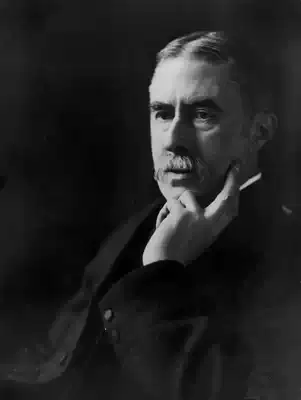
Alfred Edward Housman
In Valleys of Springs and Rivers
In Valleys of Springs and Rivers
"Clunton and Clunbury,
Clungunford and Clun,
Are the quietest places
Under the sun."
In valleys of springs and rivers,
By Ony and Teme and Clun,
The country for easy livers,
The quietest under the sun,
We still had sorrows to lighten,
One could not be always glad,
And lads knew trouble at Knighton
When I was a Knighton lad.
By bridges that Thames runs under,
In London, the town built ill,
'Tis sure small matter for wonder
If sorrow is with one still.
And if as a lad grows older
The troubles he bears are more,
He carries his griefs on a shoulder
That handselled them long before.
Where shall one halt to deliver
This luggage I'd lief set down?
Not Thames, not Teme is the river,
Nor London nor Knighton the town:
'Tis a long way further than Knighton,
A quieter place than Clun,
Where doomsday may thunder and lighten
And little 'twill matter to one.
"Clunton and Clunbury,
Clungunford and Clun,
Are the quietest places
Under the sun."
In valleys of springs and rivers,
By Ony and Teme and Clun,
The country for easy livers,
The quietest under the sun,
We still had sorrows to lighten,
One could not be always glad,
And lads knew trouble at Knighton
When I was a Knighton lad.
By bridges that Thames runs under,
In London, the town built ill,
'Tis sure small matter for wonder
If sorrow is with one still.
And if as a lad grows older
The troubles he bears are more,
He carries his griefs on a shoulder
That handselled them long before.
Where shall one halt to deliver
This luggage I'd lief set down?
Not Thames, not Teme is the river,
Nor London nor Knighton the town:
'Tis a long way further than Knighton,
A quieter place than Clun,
Where doomsday may thunder and lighten
And little 'twill matter to one.
558
Previous
Page 11