

Poems in this topic
Sadness and Melancholy

Emily Jane Brontë
I Am the Only Being Whose Doom
I Am the Only Being Whose Doom
I am the only being whose doom
No tongue would ask no eye would mourn
I never caused a thought of gloom
A smile of joy since I was born
In secret pleasure - secret tears
This changeful life has slipped away
As friendless after eighteen years
As lone as on my natal day
There have been times I cannot hide
There have been times when this was drear
When my sad soul forgot its pride
And longed for one to love me here
But those were in the early glow
Of feelings since subdued by care
And they have died so long ago
I hardly now believe they were
First melted off the hope of youth
Then Fancy's rainbow fast withdrew
And then experience told me truth
In mortal bosoms never grew
'Twas grief enough to think mankind
All hollow servile insincere -
But worse to trust to my own mind
And find the same corruption there
I am the only being whose doom
No tongue would ask no eye would mourn
I never caused a thought of gloom
A smile of joy since I was born
In secret pleasure - secret tears
This changeful life has slipped away
As friendless after eighteen years
As lone as on my natal day
There have been times I cannot hide
There have been times when this was drear
When my sad soul forgot its pride
And longed for one to love me here
But those were in the early glow
Of feelings since subdued by care
And they have died so long ago
I hardly now believe they were
First melted off the hope of youth
Then Fancy's rainbow fast withdrew
And then experience told me truth
In mortal bosoms never grew
'Twas grief enough to think mankind
All hollow servile insincere -
But worse to trust to my own mind
And find the same corruption there
206
Emily Jane Brontë
Hope
Hope
Hope was but a timid friend;
She sat without the grated den,
Watching how my fate would tend,
Even as selfish-hearted men.
She was cruel in her fear;
Through the bars, one dreary day,
I looked out to see her there,
And she turned her face away!
Like a false guard, false watch keeping,
Still, in strife, she whispered peace;
She would sing while I was weeping;
If I listened, she would cease.
False she was, and unrelenting;
When my last joys strewed the ground,
Even Sorrow saw, repenting,
Those sad relics scattered round;
Hope, whose whisper would have given
Balm to all my frenzied pain,
Stretched her wings, and soared to heaven,
Went, and ne'er returned again!
Hope was but a timid friend;
She sat without the grated den,
Watching how my fate would tend,
Even as selfish-hearted men.
She was cruel in her fear;
Through the bars, one dreary day,
I looked out to see her there,
And she turned her face away!
Like a false guard, false watch keeping,
Still, in strife, she whispered peace;
She would sing while I was weeping;
If I listened, she would cease.
False she was, and unrelenting;
When my last joys strewed the ground,
Even Sorrow saw, repenting,
Those sad relics scattered round;
Hope, whose whisper would have given
Balm to all my frenzied pain,
Stretched her wings, and soared to heaven,
Went, and ne'er returned again!
222
Emily Jane Brontë
'Fall, leaves, fall'
'Fall, leaves, fall'
Fall, leaves, fall; die, flowers, away;
Lengthen night and shorten day;
Every leaf speaks bliss to me
Fluttering from the autumn tree.
I shall smile when wreaths of snow
Blossom where the rose should grow;
I shall sing when night's decay
Ushers in a drearier day.
Fall, leaves, fall; die, flowers, away;
Lengthen night and shorten day;
Every leaf speaks bliss to me
Fluttering from the autumn tree.
I shall smile when wreaths of snow
Blossom where the rose should grow;
I shall sing when night's decay
Ushers in a drearier day.
252
Emily Jane Brontë
Ah! Why, Because the Dazzling Sun
Ah! Why, Because the Dazzling Sun
Ah! why, because the dazzling sun
Restored my earth to joy
Have you departed, every one,
And left a desert sky?
All through the night, your glorious eyes
Were gazing down in mine,
And with a full heart's thankful sighs
I blessed that watch divine!
I was at peace, and drank your beams
As they were life to me
And revelled in my changeful dreams
Like petrel on the sea.
Thought followed thought—star followed star
Through boundless regions on,
While one sweet influence, near and far,
Thrilled through and proved us one.
Why did the morning rise to break
So great, so pure a spell,
And scorch with fire the tranquil cheek
Where your cool radiance fell?
Blood-red he rose, and arrow-straight,
His fierce beams struck my brow;
The soul of Nature sprang elate,
But mine sank sad and low!
My lids closed down—yet through their veil
I saw him blazing still;
And bathe in gold the misty dale,
And flash upon the hill.
I turned me to the pillow then
To call back Night, and see
Your worlds of solemn light, again
Throb with my heart and me!
It would not do—the pillow glowed
And glowed both roof and floor,
And birds sang loudly in the wood,
And fresh winds shook the door.
The curtains waved, the wakened flies
Were murmuring round my room,
Imprisoned there, till I should rise
And give them leave to roam.
O Stars and Dreams and Gentle Night;
O Night and Stars return!
And hide me from the hostile light
That does not warm, but burn—
That drains the blood of suffering men;
Drinks tears, instead of dew:
Let me sleep through his blinding reign,
And only wake with you!
Ah! why, because the dazzling sun
Restored my earth to joy
Have you departed, every one,
And left a desert sky?
All through the night, your glorious eyes
Were gazing down in mine,
And with a full heart's thankful sighs
I blessed that watch divine!
I was at peace, and drank your beams
As they were life to me
And revelled in my changeful dreams
Like petrel on the sea.
Thought followed thought—star followed star
Through boundless regions on,
While one sweet influence, near and far,
Thrilled through and proved us one.
Why did the morning rise to break
So great, so pure a spell,
And scorch with fire the tranquil cheek
Where your cool radiance fell?
Blood-red he rose, and arrow-straight,
His fierce beams struck my brow;
The soul of Nature sprang elate,
But mine sank sad and low!
My lids closed down—yet through their veil
I saw him blazing still;
And bathe in gold the misty dale,
And flash upon the hill.
I turned me to the pillow then
To call back Night, and see
Your worlds of solemn light, again
Throb with my heart and me!
It would not do—the pillow glowed
And glowed both roof and floor,
And birds sang loudly in the wood,
And fresh winds shook the door.
The curtains waved, the wakened flies
Were murmuring round my room,
Imprisoned there, till I should rise
And give them leave to roam.
O Stars and Dreams and Gentle Night;
O Night and Stars return!
And hide me from the hostile light
That does not warm, but burn—
That drains the blood of suffering men;
Drinks tears, instead of dew:
Let me sleep through his blinding reign,
And only wake with you!
218
Emily Jane Brontë
A Day Dream
A Day Dream
On a sunny brae, alone I lay
One summer afternoon;
It was the marriage-time of May
With her young lover, June.
From her mother's heart, seemed loath to part
That queen of bridal charms,
But her father smiled on the fairest child
He ever held in his arms.
The trees did wave their plumy crests,
The glad birds caroled clear;
And I, of all the wedding guests,
Was only sullen there!
There was not one, but wished to shun
My aspect void of cheer;
The very grey rocks, looking on,
Asked, "What do you here?"
And I could utter no reply;
In sooth, I did not know
Why I had brought a clouded eye
To greet the general glow.
So, resting on a heathy bank,
I took my heart to me;
And we together sadly sank
Into a reverie.
We thought, "When winter comes again,
Where will these bright things be?
All vanished, like a vision vain,
An unreal mockery!
The birds that now so blithely sing,
Through deserts, frozen dry,
Poor spectres of the perished spring,
In famished troops, will fly.
And why should we be glad at all?
The leaf is hardly green,
Before a token of its fall
Is on the surface seen!"
Now, whether it were really so,
I never could be sure;
But as in fit of peevish woe,
I stretched me on the moor.
A thousand thousand gleaming fires
Seemed kindling in the air;
A thousand thousand silvery lyres
Resounded far and near:
Methought, the very breath I breathed
Was full of sparks divine,
And all my heather-couch was wreathed
By that celestial shine!
And, while the wide earth echoing rung
To their strange minstrelsy,
The little glittering spirits sung,
Or seemed to sing, to me.
"O mortal! mortal! let them die;
Let time and tears destroy,
That we may overflow the sky
With universal joy!
Let grief distract the sufferer's breast,
And night obscure his way;
They hasten him to endless rest,
And everlasting day.
To thee the world is like a tomb,
A desert's naked shore;
To us, in unimagined bloom,
It brightens more and more!
And could we lift the veil, and give
One brief glimpse to thine eye,
Thou wouldst rejoice for those that live,
Because they live to die."
The music ceased; the noonday dream,
Like dream of night, withdrew;
But Fancy, still, will sometimes deem
Her fond creation true.
On a sunny brae, alone I lay
One summer afternoon;
It was the marriage-time of May
With her young lover, June.
From her mother's heart, seemed loath to part
That queen of bridal charms,
But her father smiled on the fairest child
He ever held in his arms.
The trees did wave their plumy crests,
The glad birds caroled clear;
And I, of all the wedding guests,
Was only sullen there!
There was not one, but wished to shun
My aspect void of cheer;
The very grey rocks, looking on,
Asked, "What do you here?"
And I could utter no reply;
In sooth, I did not know
Why I had brought a clouded eye
To greet the general glow.
So, resting on a heathy bank,
I took my heart to me;
And we together sadly sank
Into a reverie.
We thought, "When winter comes again,
Where will these bright things be?
All vanished, like a vision vain,
An unreal mockery!
The birds that now so blithely sing,
Through deserts, frozen dry,
Poor spectres of the perished spring,
In famished troops, will fly.
And why should we be glad at all?
The leaf is hardly green,
Before a token of its fall
Is on the surface seen!"
Now, whether it were really so,
I never could be sure;
But as in fit of peevish woe,
I stretched me on the moor.
A thousand thousand gleaming fires
Seemed kindling in the air;
A thousand thousand silvery lyres
Resounded far and near:
Methought, the very breath I breathed
Was full of sparks divine,
And all my heather-couch was wreathed
By that celestial shine!
And, while the wide earth echoing rung
To their strange minstrelsy,
The little glittering spirits sung,
Or seemed to sing, to me.
"O mortal! mortal! let them die;
Let time and tears destroy,
That we may overflow the sky
With universal joy!
Let grief distract the sufferer's breast,
And night obscure his way;
They hasten him to endless rest,
And everlasting day.
To thee the world is like a tomb,
A desert's naked shore;
To us, in unimagined bloom,
It brightens more and more!
And could we lift the veil, and give
One brief glimpse to thine eye,
Thou wouldst rejoice for those that live,
Because they live to die."
The music ceased; the noonday dream,
Like dream of night, withdrew;
But Fancy, still, will sometimes deem
Her fond creation true.
263
Emily Jane Brontë
Me thinks this heart...
"Me thinks this heart..."
Me thinks this heart should rest awhile
So stilly round the evening falls
The veiled sun sheds no parting smile
Nor mirth nor music wakes my Halls
I have sat lonely all the day
Watching the drizzly mist descend
And first conceal the hills in grey
And then along the valleys wend
And I have sat and watched the trees
And the sad flowers how drear they blow
Those flowers were formed to feel the breeze
Wave their light leaves in summer's glow
Yet their lives passed in gloomy woe
And hopeless comes its dark decline
And I lament because I know
That cold departure pictures mine
Me thinks this heart should rest awhile
So stilly round the evening falls
The veiled sun sheds no parting smile
Nor mirth nor music wakes my Halls
I have sat lonely all the day
Watching the drizzly mist descend
And first conceal the hills in grey
And then along the valleys wend
And I have sat and watched the trees
And the sad flowers how drear they blow
Those flowers were formed to feel the breeze
Wave their light leaves in summer's glow
Yet their lives passed in gloomy woe
And hopeless comes its dark decline
And I lament because I know
That cold departure pictures mine
231
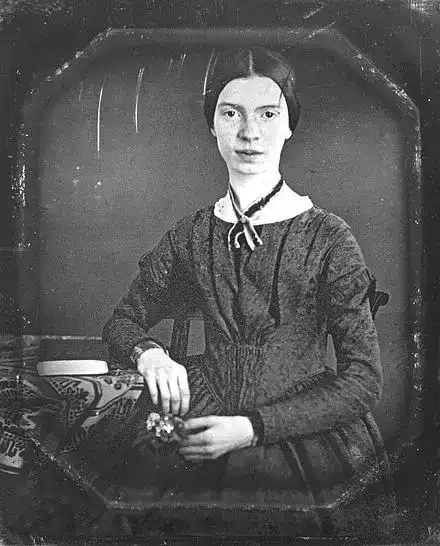
Emily Dickinson
There's something quieter than sleep
There's something quieter than sleep
45
There's something quieter than sleep
Within this inner room!
It wears a sprig upon its breast-
And will not tell its name.
Some touch it, and some kiss it-
Some chafe its idle hand-
It has a simple gravity
I do not understand!
I would not weep if I were they-
How rude in one to sob!
Might scare the quiet fairy
Back to her native wood!
While simple-hearted neighbors
Chat of the "Early dead"We-
prone to periphrasis
Remark that Birds have fled!
45
There's something quieter than sleep
Within this inner room!
It wears a sprig upon its breast-
And will not tell its name.
Some touch it, and some kiss it-
Some chafe its idle hand-
It has a simple gravity
I do not understand!
I would not weep if I were they-
How rude in one to sob!
Might scare the quiet fairy
Back to her native wood!
While simple-hearted neighbors
Chat of the "Early dead"We-
prone to periphrasis
Remark that Birds have fled!
310
Emily Dickinson
There's a certain Slant of light (258)
There's a certain Slant of light (258)
There's a certain Slant of light,
Winter Afternoons--
That oppresses, like the Heft
Of Cathedral Tunes--
Heavenly Hurt, it gives us--
We can find no scar,
But internal difference,
Where the Meanings, are--
None may teach it--Any-'
Tis the Seal Despair--
An imperial affliction
Sent us of the air--
When it comes, the Landscape listens-Shadows--
hold their breath--
When it goes, 'tis like the Distance
On the look of Death--
There's a certain Slant of light,
Winter Afternoons--
That oppresses, like the Heft
Of Cathedral Tunes--
Heavenly Hurt, it gives us--
We can find no scar,
But internal difference,
Where the Meanings, are--
None may teach it--Any-'
Tis the Seal Despair--
An imperial affliction
Sent us of the air--
When it comes, the Landscape listens-Shadows--
hold their breath--
When it goes, 'tis like the Distance
On the look of Death--
198
Emily Dickinson
The Night was wide, and furnished scant
The Night was wide, and furnished scant
589
The Night was wide, and furnished scant
With but a single Star-
That often as a Cloud it met-
Blew out itself-for fear-
The Wind pursued the little Bush-
And drove away the Leaves
November left-then clambered up
And fretted in the Eaves-
No Squirrel went abroad-
A Dog's belated feet
Like intermittent Plush, he heard
Adown the empty Street-
To feel if Blinds be fast-
And closer to the fire-
Her little Rocking Chair to draw-
And shiver for the Poor-
The Housewife's gentle Task-
How pleasanter-said she
Unto the Sofa opposite-
The Sleet-than May, no Thee-
589
The Night was wide, and furnished scant
With but a single Star-
That often as a Cloud it met-
Blew out itself-for fear-
The Wind pursued the little Bush-
And drove away the Leaves
November left-then clambered up
And fretted in the Eaves-
No Squirrel went abroad-
A Dog's belated feet
Like intermittent Plush, he heard
Adown the empty Street-
To feel if Blinds be fast-
And closer to the fire-
Her little Rocking Chair to draw-
And shiver for the Poor-
The Housewife's gentle Task-
How pleasanter-said she
Unto the Sofa opposite-
The Sleet-than May, no Thee-
272
Emily Dickinson
Speech—is a prank of Parliament—
Speech—is a prank of Parliament—
"Speech"—is a prank of Parliament—
"Tears"—is a trick of the nerve—
But the Heart with the heaviest freight on—
Doesn't—always—move—
"Speech"—is a prank of Parliament—
"Tears"—is a trick of the nerve—
But the Heart with the heaviest freight on—
Doesn't—always—move—
262
Emily Dickinson
Smiling back from Coronation
Smiling back from Coronation
385
Smiling back from Coronation
May be Luxury-
On the Heads that started with usBeing's
Peasantry-
Recognizing in Procession
Ones We former knew-
When Ourselves were also dusty-
Centuries ago-
Had the Triumph no Conviction
Of how many beStimulated-
by the Contrast-
Unto Misery-
385
Smiling back from Coronation
May be Luxury-
On the Heads that started with usBeing's
Peasantry-
Recognizing in Procession
Ones We former knew-
When Ourselves were also dusty-
Centuries ago-
Had the Triumph no Conviction
Of how many beStimulated-
by the Contrast-
Unto Misery-
207
Emily Dickinson
Poor little Heart!
Poor little Heart!
192
Poor little Heart!
Did they forget thee?
Then dinna care! Then dinna care!
Proud little Heart!
Did they forsake thee?
Be debonnaire! Be debonnaire!
Frail little Heart!
I would not break theeCould'st
credit me? Could'st credit me?
Gay little Heart-
Like Morning Glory!
Wind and Sun-wilt thee array!
192
Poor little Heart!
Did they forget thee?
Then dinna care! Then dinna care!
Proud little Heart!
Did they forsake thee?
Be debonnaire! Be debonnaire!
Frail little Heart!
I would not break theeCould'st
credit me? Could'st credit me?
Gay little Heart-
Like Morning Glory!
Wind and Sun-wilt thee array!
383
Emily Dickinson
It don't sound so terrible—quite—as it did
It don't sound so terrible—quite—as it did
426
It don't sound so terrible—quite—as it did—
I run it over—"Dead", Brain, "Dead."
Put it in Latin—left of my school—
Seems it don't shriek so—under rule.
Turn it, a little—full in the face
A Trouble looks bitterest—
Shift it—just—
Say "When Tomorrow comes this way—
I shall have waded down one Day."
I suppose it will interrupt me some
Till I get accustomed—but then the Tomb
Like other new Things—shows largest—then—
And smaller, by Habit—
It's shrewder then
Put the Thought in advance—a Year—
How like "a fit"—then—
Murder—wear!
426
It don't sound so terrible—quite—as it did—
I run it over—"Dead", Brain, "Dead."
Put it in Latin—left of my school—
Seems it don't shriek so—under rule.
Turn it, a little—full in the face
A Trouble looks bitterest—
Shift it—just—
Say "When Tomorrow comes this way—
I shall have waded down one Day."
I suppose it will interrupt me some
Till I get accustomed—but then the Tomb
Like other new Things—shows largest—then—
And smaller, by Habit—
It's shrewder then
Put the Thought in advance—a Year—
How like "a fit"—then—
Murder—wear!
302
Emily Dickinson
I was the slightest in the House
I was the slightest in the House
486
I was the slightest in the House-
I took the smallest Room-
At night, my little Lamp, and Book-
And one Geranium-
So stationed I could catch the Mint
That never ceased to fall-
And just my Basket-
Let me think-I'm sure-
That this was all-
I never spoke-unless addressed-
And then, 'twas brief and low-
I could not bear to live-aloud-
The Racket shamed me so-
And if it had not been so far-
And any one I knew
Were going-I had often thought
How noteless-I could die-
486
I was the slightest in the House-
I took the smallest Room-
At night, my little Lamp, and Book-
And one Geranium-
So stationed I could catch the Mint
That never ceased to fall-
And just my Basket-
Let me think-I'm sure-
That this was all-
I never spoke-unless addressed-
And then, 'twas brief and low-
I could not bear to live-aloud-
The Racket shamed me so-
And if it had not been so far-
And any one I knew
Were going-I had often thought
How noteless-I could die-
300
Emily Dickinson
I got so I could take his name
I got so I could take his name
293
I got so I could take his nameWithout-
Tremendous gain-
That Stop-sensation-on my Soul-
And Thunder-in the Room-
I got so I could walk across
That Angle in the floor,
Where he turned so, and I turned-how-
And all our Sinew tore-
I got so I could stir the Box-
In which his letters grew
Without that forcing, in my breath-
As Staples-driven through-
Could dimly recollect a Grace-
I think, they call it "God"-
Renowned to ease Extremity-
When Formula, had failed-
And shape my HandsPetition's
way,
Tho' ignorant of a word
That Ordination-utters-
My Business, with the Cloud,
If any Power behind it, be,
Not subject to Despair-
It care, in some remoter way,
For so minute affair
As Misery-
Itself, too vast, for interrupting-more-
293
I got so I could take his nameWithout-
Tremendous gain-
That Stop-sensation-on my Soul-
And Thunder-in the Room-
I got so I could walk across
That Angle in the floor,
Where he turned so, and I turned-how-
And all our Sinew tore-
I got so I could stir the Box-
In which his letters grew
Without that forcing, in my breath-
As Staples-driven through-
Could dimly recollect a Grace-
I think, they call it "God"-
Renowned to ease Extremity-
When Formula, had failed-
And shape my HandsPetition's
way,
Tho' ignorant of a word
That Ordination-utters-
My Business, with the Cloud,
If any Power behind it, be,
Not subject to Despair-
It care, in some remoter way,
For so minute affair
As Misery-
Itself, too vast, for interrupting-more-
275
Emily Dickinson
Houses—so the Wise Men tell me—
Houses—so the Wise Men tell me—
"Houses"—so the Wise Men tell me—
"Mansions"! Mansions must be warm!
Mansions cannot let the tears in,
Mansions must exclude the storm!
"Many Mansions," by "his Father,"
I don't know him; snugly built!
Could the Children find the way there—
Some, would even trudge tonight!
"Houses"—so the Wise Men tell me—
"Mansions"! Mansions must be warm!
Mansions cannot let the tears in,
Mansions must exclude the storm!
"Many Mansions," by "his Father,"
I don't know him; snugly built!
Could the Children find the way there—
Some, would even trudge tonight!
190
Emily Dickinson
God permit industrious angels
God permit industrious angels
God permit industrious angels
Afternoons to play.
I met one, -- forgot my school-mates,
All, for him, straightaway.
God calls home the angels promptly
At the setting sun;
I missed mine. How dreary marbles,
After playing the Crown!
God permit industrious angels
Afternoons to play.
I met one, -- forgot my school-mates,
All, for him, straightaway.
God calls home the angels promptly
At the setting sun;
I missed mine. How dreary marbles,
After playing the Crown!
261
Emily Dickinson
First Robin
First Robin
I dreaded that first robin so,
But he is mastered now,
And I'm accustomed to him grown,--
He hurts a little, though.
I thought if I could only live
Till that first shout got by,
Not all pianos in the woods
Had power to mangle me.
I dared not meet the daffodils,
For fear their yellow gown
Would pierce me with a fashion
So foreign to my own.
I wished the grass would hurry,
So when 't was time to see,
He'd be too tall, the tallest one
Could stretch to look at me.
I could not bear the bees should come,
I wished they'd stay away
In those dim countries where they go:
What word had they for me?
They're here, though; not a creature failed,
No blossom stayed away
In gentle deference to me,
The Queen of Calvary.
Each one salutes me as he goes,
And I my childish plumes
Lift, in bereaved acknowledgment
Of their unthinking drums.
I dreaded that first robin so,
But he is mastered now,
And I'm accustomed to him grown,--
He hurts a little, though.
I thought if I could only live
Till that first shout got by,
Not all pianos in the woods
Had power to mangle me.
I dared not meet the daffodils,
For fear their yellow gown
Would pierce me with a fashion
So foreign to my own.
I wished the grass would hurry,
So when 't was time to see,
He'd be too tall, the tallest one
Could stretch to look at me.
I could not bear the bees should come,
I wished they'd stay away
In those dim countries where they go:
What word had they for me?
They're here, though; not a creature failed,
No blossom stayed away
In gentle deference to me,
The Queen of Calvary.
Each one salutes me as he goes,
And I my childish plumes
Lift, in bereaved acknowledgment
Of their unthinking drums.
329
Emily Dickinson
Except the Heaven had come so near
Except the Heaven had come so near
472
Except the Heaven had come so near-
So seemed to choose My Door-
The Distance would not haunt me so-
I had not hoped-before-
But just to hear the Grace depart-
I never thought to see-
Afflicts me with a Double loss'
Tis lost-and lost to me-
472
Except the Heaven had come so near-
So seemed to choose My Door-
The Distance would not haunt me so-
I had not hoped-before-
But just to hear the Grace depart-
I never thought to see-
Afflicts me with a Double loss'
Tis lost-and lost to me-
256
Emily Dickinson
As imperceptibly as Grief
As imperceptibly as Grief
1540
As imperceptibly as Grief
The Summer lapsed away-
Too imperceptible at last
To seem like Perfidy-
A Quietness distilled
As Twilight long begun,
Or Nature spending with herself
Sequestered Afternoon-
The Dusk drew earlier in-
The Morning foreign shone-
A courteous, yet harrowing Grace,
As Guest, that would be gone-
And thus, without a Wing
Or service of a Keel
Our Summer made her light escape
Into the Beautiful.
1540
As imperceptibly as Grief
The Summer lapsed away-
Too imperceptible at last
To seem like Perfidy-
A Quietness distilled
As Twilight long begun,
Or Nature spending with herself
Sequestered Afternoon-
The Dusk drew earlier in-
The Morning foreign shone-
A courteous, yet harrowing Grace,
As Guest, that would be gone-
And thus, without a Wing
Or service of a Keel
Our Summer made her light escape
Into the Beautiful.
265
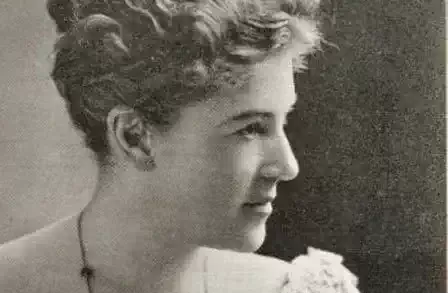
Ella Wheeler Wilcox
When Love Is Lost
When Love Is Lost
When love is lost, the day sets towards the night,
Albeit the morning sun may still be bright,
And not one cloud-ship sails across the sky.
Yet from the places where it used to lie
Gone is the lustrous glory of the light.
No splendour rests in any mountain height,
No scene spreads fair and beauteous to the sight;
All, all seems dull and dreary to the eye
When love is lost.
Love lends to life its grandeur and its might;
Love goes, and leaves behind it gloom and blight;
Like ghosts of time the pallid hours drag by,
And grief's one happy thought is that we die.
Ah, what can recompense us for its flight
When love is lost?
When love is lost, the day sets towards the night,
Albeit the morning sun may still be bright,
And not one cloud-ship sails across the sky.
Yet from the places where it used to lie
Gone is the lustrous glory of the light.
No splendour rests in any mountain height,
No scene spreads fair and beauteous to the sight;
All, all seems dull and dreary to the eye
When love is lost.
Love lends to life its grandeur and its might;
Love goes, and leaves behind it gloom and blight;
Like ghosts of time the pallid hours drag by,
And grief's one happy thought is that we die.
Ah, what can recompense us for its flight
When love is lost?
422
Ella Wheeler Wilcox
Vanity Fair
Vanity Fair
In Vanity Fair, as we bow and smile,
As we talk of the opera after the weather,
As we chat of fashion and fad and style,
We know we are playing a part together.
You know that the mirth she wears, she borrows;
She knows you laugh but to hide your sorrows;
We know that under the silks and laces,
And back of beautiful, beaming faces,
Lie secret trouble and grim despair,
In Vanity Fair.
In Vanity Fair, on dress parade,
Our colors look bright and our swords are gleaming;
But many a uniform's worn and frayed,
And most of the weapons, despite their seeming.
Are dull and blunted and badly battered,
And close inspection will show how tattered
And stained are the banners that float above us.
Our comrades hate, while they swear to love us;
And robed like Pleasure walks gaunt-eyed Care,
In Vanity Fair.
In Vanity Fair, as we strive for place,
As we rush and jostle and crowd and hurry,
We know the goal is not worth the race-
We know the prize is not worth the worry;
That all our gain means loss for another;
That in fighting for self we wound each other;
That the crown of success weighs hard and presse
The brow of the victor with thorns-not caresses;
That honors are empty and worthless to wear,
In Vanity Fair.
But in Vanity Fair, as we pass along,
We meet strong hearts that are worth the knowing;
'Mong poor paste jewels that deck the throng,
We see a solitaire sometimes glowing.
We find grand souls under robes of fashion,
'Neath light demeanors hide strength and passion;
And fair fine honor and Godlike resistance.
In halls of pleasure may have existence;
And we find pure altars and shrines of prayer,
In Vanity Fair.
In Vanity Fair, as we bow and smile,
As we talk of the opera after the weather,
As we chat of fashion and fad and style,
We know we are playing a part together.
You know that the mirth she wears, she borrows;
She knows you laugh but to hide your sorrows;
We know that under the silks and laces,
And back of beautiful, beaming faces,
Lie secret trouble and grim despair,
In Vanity Fair.
In Vanity Fair, on dress parade,
Our colors look bright and our swords are gleaming;
But many a uniform's worn and frayed,
And most of the weapons, despite their seeming.
Are dull and blunted and badly battered,
And close inspection will show how tattered
And stained are the banners that float above us.
Our comrades hate, while they swear to love us;
And robed like Pleasure walks gaunt-eyed Care,
In Vanity Fair.
In Vanity Fair, as we strive for place,
As we rush and jostle and crowd and hurry,
We know the goal is not worth the race-
We know the prize is not worth the worry;
That all our gain means loss for another;
That in fighting for self we wound each other;
That the crown of success weighs hard and presse
The brow of the victor with thorns-not caresses;
That honors are empty and worthless to wear,
In Vanity Fair.
But in Vanity Fair, as we pass along,
We meet strong hearts that are worth the knowing;
'Mong poor paste jewels that deck the throng,
We see a solitaire sometimes glowing.
We find grand souls under robes of fashion,
'Neath light demeanors hide strength and passion;
And fair fine honor and Godlike resistance.
In halls of pleasure may have existence;
And we find pure altars and shrines of prayer,
In Vanity Fair.
494
Ella Wheeler Wilcox
The Story Of Grumble Tone
The Story Of Grumble Tone
There was a boy named Grumble Tone, who ran away to sea.
'I'm sick of things on land,' he said, 'as sick as I can be,
A life upon the bounding wave is just the life for me!'
But the seething ocean billows failed to stimulate his mirth,
For he did not like the vessel or the dizzy rolling berth,
And he thought the sea was almost as unpleasant as the earth.
He wandered into foreign lands, he saw each wondrous sight,
But nothing that he heard or saw seemed just exactly right,
And so he journeyed on and on, still seeking for delight.
He talked with kings and ladies grand; he dined in courts, they say,
But always found the people dull and longed to get away
To search for that mysterious land where he should want to stay.
He wandered over all the world, his hair grew white as snow,
He reached that final bourne at last where all of us must go,
But never found the land he sought; the reason would you know?
The reason was that north or south, where'er his steps were bent,
On land or sea, in court or hall, he found but discontent,
For he took his disposition with him, everywhere he went.
There was a boy named Grumble Tone, who ran away to sea.
'I'm sick of things on land,' he said, 'as sick as I can be,
A life upon the bounding wave is just the life for me!'
But the seething ocean billows failed to stimulate his mirth,
For he did not like the vessel or the dizzy rolling berth,
And he thought the sea was almost as unpleasant as the earth.
He wandered into foreign lands, he saw each wondrous sight,
But nothing that he heard or saw seemed just exactly right,
And so he journeyed on and on, still seeking for delight.
He talked with kings and ladies grand; he dined in courts, they say,
But always found the people dull and longed to get away
To search for that mysterious land where he should want to stay.
He wandered over all the world, his hair grew white as snow,
He reached that final bourne at last where all of us must go,
But never found the land he sought; the reason would you know?
The reason was that north or south, where'er his steps were bent,
On land or sea, in court or hall, he found but discontent,
For he took his disposition with him, everywhere he went.
486
Ella Wheeler Wilcox
The Saddest Hour
The Saddest Hour
The saddest hour of anguish and of loss
Is not that season of supreme despair
When we can find no least light anywhere
To gild the dread, black shadow of the Cross;
Not in that luxury of sorrow when
We sup on salt of tears, and drink the gall
Of memories of days beyond recall—
Of lost delights that cannot come again.
But when, with eyes that are no longer wet,
We look out on the great, wide world of men,
And, smiling, lean toward a bright to-morrow,
Then backward shrink, with sudden keen regret,
To find that we are learning to forget:
Ah! then we face the saddest hour of sorrow.
The saddest hour of anguish and of loss
Is not that season of supreme despair
When we can find no least light anywhere
To gild the dread, black shadow of the Cross;
Not in that luxury of sorrow when
We sup on salt of tears, and drink the gall
Of memories of days beyond recall—
Of lost delights that cannot come again.
But when, with eyes that are no longer wet,
We look out on the great, wide world of men,
And, smiling, lean toward a bright to-morrow,
Then backward shrink, with sudden keen regret,
To find that we are learning to forget:
Ah! then we face the saddest hour of sorrow.
399