

Poems in this topic
Soul
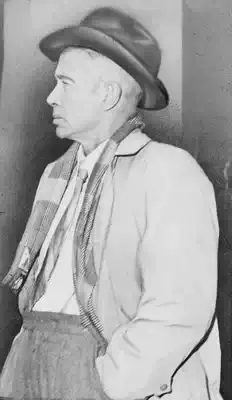
E. E. Cummings
If I have made, my lady, intricate
If I have made, my lady, intricate
If I have made, my lady, intricate
imperfect various things chiefly which wrong
your eyes (frailer than most deep dreams are frail)
songs less firm than your body's whitest song
upon my mind - if I have failed to snare
the glance too shy - if through my singing slips
the very skillful strangeness of your smile
the keen primeval silence of your hair
-let the world say "his most wise music stole
nothing from death" you
will only create
(who are so perfectly alive) my shame:
lady whose profound and fragile lips
the sweet small clumsy feet of April came
into the ragged meadow of my soul.
If I have made, my lady, intricate
imperfect various things chiefly which wrong
your eyes (frailer than most deep dreams are frail)
songs less firm than your body's whitest song
upon my mind - if I have failed to snare
the glance too shy - if through my singing slips
the very skillful strangeness of your smile
the keen primeval silence of your hair
-let the world say "his most wise music stole
nothing from death" you
will only create
(who are so perfectly alive) my shame:
lady whose profound and fragile lips
the sweet small clumsy feet of April came
into the ragged meadow of my soul.
583
E. E. Cummings
if everything happens that can't be done
if everything happens that can't be done
if everything happens that can't be done
(and anything's righter
than books
could plan)
the stupidest teacher will almost guess
(with a run
skip
around we go yes)
there's nothing as something as one
one hasn't a why or because or although
(and buds know better
than books
don't grow)
one's anything old being everything new
(with a what
which
around we come who)
one's everyanything so
so world is a leaf so tree is a bough
(and birds sing sweeter
than books
tell how)
so here is away and so your is a my
(with a down
up
around again fly)
forever was never till now
now i love you and you love me
(and books are shutter
than books
can be)
and deep in the high that does nothing but fall
(with a shout
each
around we go all)
there's somebody calling who's we
we're anything brighter than even the sun
(we're everything greater
than books
might mean)
we're everanything more than believe
(with a spin
leap
alive we're alive)
we're wonderful one times one
if everything happens that can't be done
(and anything's righter
than books
could plan)
the stupidest teacher will almost guess
(with a run
skip
around we go yes)
there's nothing as something as one
one hasn't a why or because or although
(and buds know better
than books
don't grow)
one's anything old being everything new
(with a what
which
around we come who)
one's everyanything so
so world is a leaf so tree is a bough
(and birds sing sweeter
than books
tell how)
so here is away and so your is a my
(with a down
up
around again fly)
forever was never till now
now i love you and you love me
(and books are shutter
than books
can be)
and deep in the high that does nothing but fall
(with a shout
each
around we go all)
there's somebody calling who's we
we're anything brighter than even the sun
(we're everything greater
than books
might mean)
we're everanything more than believe
(with a spin
leap
alive we're alive)
we're wonderful one times one
658
E. E. Cummings
i have found what you are like
i have found what you are like
i have found what you are like
the rain
(Who feathers frightened fields
with the superior dust-of-sleep. wields
easily the pale club of the wind
and swirled justly souls of flower strike
the air in utterable coolness
deeds of gren thrilling light
with thinned
newfragile yellows
lurch and press
--in the woods
which
stutter
and
sing
And the coolness of your smile is
stirringofbirds between my arms;but
i should rather than anything
have(almost when hugeness will shut
quietly)almost,
your kiss
i have found what you are like
the rain
(Who feathers frightened fields
with the superior dust-of-sleep. wields
easily the pale club of the wind
and swirled justly souls of flower strike
the air in utterable coolness
deeds of gren thrilling light
with thinned
newfragile yellows
lurch and press
--in the woods
which
stutter
and
sing
And the coolness of your smile is
stirringofbirds between my arms;but
i should rather than anything
have(almost when hugeness will shut
quietly)almost,
your kiss
550
E. E. Cummings
Ballad of the Scholar's Lament
Ballad of the Scholar's Lament
When I have struggled through three hundred years
of Roman history, and hastened o'er
Some French play-(though I have my private fears
Of flunking sorely when I take the floor
In class),-when I have steeped my soul in gore
And Greek, and figured over half a ream
With Algebra, which I do (not) adore,
How shall I manage to compose a theme?
It's well enough to talk of poor and peers,
And munch the golden apples' shiny core,
And lay a lot of heroes on their biers;While
the great Alec, knocking down a score,
Takes out his handkerchief, boohoo-ing, "More!"But
harshly I awaken from my dream,
To find a new,-er,-privilege,-in store:
How shall I manage to compose a theme?
After I've swallowed prophecies of seers,
And trailed Aeneas from the Trojan shore,
Learned how Achilles, after many jeers,
On piggy Agamemnon got to sore,
And heard how Hercules, Esq., tore
Around, and swept and dusted with a stream,
There's one last duty,-let's not call it bore,How
shall I manage to compose a theme?
Envoi
Of what avail is all my mighty lore?
I beat my breast, I tear my hair, I scream:
"Behold, I have a Herculean chore.
How shall I manage to compose a theme?"
When I have struggled through three hundred years
of Roman history, and hastened o'er
Some French play-(though I have my private fears
Of flunking sorely when I take the floor
In class),-when I have steeped my soul in gore
And Greek, and figured over half a ream
With Algebra, which I do (not) adore,
How shall I manage to compose a theme?
It's well enough to talk of poor and peers,
And munch the golden apples' shiny core,
And lay a lot of heroes on their biers;While
the great Alec, knocking down a score,
Takes out his handkerchief, boohoo-ing, "More!"But
harshly I awaken from my dream,
To find a new,-er,-privilege,-in store:
How shall I manage to compose a theme?
After I've swallowed prophecies of seers,
And trailed Aeneas from the Trojan shore,
Learned how Achilles, after many jeers,
On piggy Agamemnon got to sore,
And heard how Hercules, Esq., tore
Around, and swept and dusted with a stream,
There's one last duty,-let's not call it bore,How
shall I manage to compose a theme?
Envoi
Of what avail is all my mighty lore?
I beat my breast, I tear my hair, I scream:
"Behold, I have a Herculean chore.
How shall I manage to compose a theme?"
610
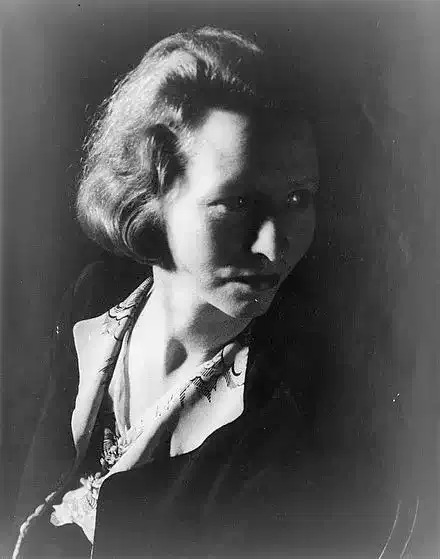
Edna St. Vincent Millay
When We Are Old And These Rejoicing Veins
When We Are Old And These Rejoicing Veins
When we are old and these rejoicing veins
Are frosty channels to a muted stream,
And out of all our burning their remains
No feeblest spark to fire us, even in dream,
This be our solace: that it was not said
When we were young and warm and in our prime,
Upon our couch we lay as lie the dead,
Sleeping away the unreturning time.
O sweet, O heavy-lidded, O my love,
When morning strikes her spear upon the land,
And we must rise and arm us and reprove
The insolent daylight with a steady hand,
Be not discountenanced if the knowing know
We rose from rapture but an hour ago.
When we are old and these rejoicing veins
Are frosty channels to a muted stream,
And out of all our burning their remains
No feeblest spark to fire us, even in dream,
This be our solace: that it was not said
When we were young and warm and in our prime,
Upon our couch we lay as lie the dead,
Sleeping away the unreturning time.
O sweet, O heavy-lidded, O my love,
When morning strikes her spear upon the land,
And we must rise and arm us and reprove
The insolent daylight with a steady hand,
Be not discountenanced if the knowing know
We rose from rapture but an hour ago.
419
Edna St. Vincent Millay
Wild Swans
Wild Swans
I looked in my heart while the wild swans went over.
And what did I see I had not seen before?
Only a question less or a question more:
Nothing to match the flight of wild birds flying.
Tiresome heart, forever living and dying,
House without air, I leave you and lock your door.
Wild swans, come over the town, come over
The town again, trailing your legs and crying!
I looked in my heart while the wild swans went over.
And what did I see I had not seen before?
Only a question less or a question more:
Nothing to match the flight of wild birds flying.
Tiresome heart, forever living and dying,
House without air, I leave you and lock your door.
Wild swans, come over the town, come over
The town again, trailing your legs and crying!
339
Edna St. Vincent Millay
When I Too Long Have Looked Upon Your Face
When I Too Long Have Looked Upon Your Face
When I too long have looked upon your face,
Wherein for me a brightness unobscured
Save by the mists of brightness has its place,
And terrible beauty not to be endured,
I turn away reluctant from your light,
And stand irresolute, a mind undone,
A silly, dazzled thing deprived of sight
From having looked too long upon the sun.
Then is my daily life a narrow room
In which a little while, uncertainly,
Surrounded by impenetrable gloom,
Among familiar things grown strange to me
Making my way, I pause, and feel, and hark,
Till I become accustomed to the dark.
When I too long have looked upon your face,
Wherein for me a brightness unobscured
Save by the mists of brightness has its place,
And terrible beauty not to be endured,
I turn away reluctant from your light,
And stand irresolute, a mind undone,
A silly, dazzled thing deprived of sight
From having looked too long upon the sun.
Then is my daily life a narrow room
In which a little while, uncertainly,
Surrounded by impenetrable gloom,
Among familiar things grown strange to me
Making my way, I pause, and feel, and hark,
Till I become accustomed to the dark.
396
Edna St. Vincent Millay
Two Sonnets In Memory
Two Sonnets In Memory
(Nicola Sacco -- Bartolomeo Vanzetti)
Executed August 23, 1927
I
As men have loved their lovers in times past
And sung their wit, their virtue and their grace,
So have we loved sweet Justice to the last,
That now lies here in an unseemly place.
The child will quit the cradle and grow wise
And stare on beauty till his senses drown;
Yet shall be seen no more by mortal eyes
Such beauty as here walked and here went down.
Like birds that hear the winter crying plain
Her courtiers leave to seek the clement south;
Many have praised her, we alone remain
To break a fist against the lying mouth
Of any man who says this was not so:
Though she be dead now, as indeed we know.
II
Where can the heart be hidden in the ground
And be at peace, and be at peace forever,
Under the world, untroubled by the sound
Of mortal tears, that cease from pouring never?
Well for the heart, by stern compassion harried,
If death be deeper than the churchmen say, --
Gone from this world indeed what's graveward carried,
And laid to rest indeed what's laid away.
Anguish enough while yet the indignant breather
Have blood to spurt upon the oppressor's hand;
Who would eternal be, and hang in ether
A stuffless ghost above his struggling land,
Retching in vain to render up the groan
That is not there, being aching dust's alone?
(Nicola Sacco -- Bartolomeo Vanzetti)
Executed August 23, 1927
I
As men have loved their lovers in times past
And sung their wit, their virtue and their grace,
So have we loved sweet Justice to the last,
That now lies here in an unseemly place.
The child will quit the cradle and grow wise
And stare on beauty till his senses drown;
Yet shall be seen no more by mortal eyes
Such beauty as here walked and here went down.
Like birds that hear the winter crying plain
Her courtiers leave to seek the clement south;
Many have praised her, we alone remain
To break a fist against the lying mouth
Of any man who says this was not so:
Though she be dead now, as indeed we know.
II
Where can the heart be hidden in the ground
And be at peace, and be at peace forever,
Under the world, untroubled by the sound
Of mortal tears, that cease from pouring never?
Well for the heart, by stern compassion harried,
If death be deeper than the churchmen say, --
Gone from this world indeed what's graveward carried,
And laid to rest indeed what's laid away.
Anguish enough while yet the indignant breather
Have blood to spurt upon the oppressor's hand;
Who would eternal be, and hang in ether
A stuffless ghost above his struggling land,
Retching in vain to render up the groan
That is not there, being aching dust's alone?
348
Edna St. Vincent Millay
To A Poet That Died Young
To A Poet That Died Young
Minstrel, what have you to do
With this man that, after you,
Sharing not your happy fate,
Sat as England's Laureate?
Vainly, in these iron days,
Strives the poet in your praise,
Minstrel, by whose singing side
Beauty walked, until you died.
Still, though none should hark again,
Drones the blue-fly in the pane,
Thickly crusts the blackest moss,
Blows the rose its musk across,
Floats the boat that is forgot
None the less to Camelot.
Many a bard's untimely death
Lends unto his verses breath;
Here's a song was never sung:
Growing old is dying young.
Minstrel, what is this to you:
That a man you never knew,
When your grave was far and green,
Sat and gossipped with a queen?
Thalia knows how rare a thing
Is it, to grow old and sing;
When a brown and tepid tide
Closes in on every side.
Who shall say if Shelley's gold
Had withstood it to grow old?
Minstrel, what have you to do
With this man that, after you,
Sharing not your happy fate,
Sat as England's Laureate?
Vainly, in these iron days,
Strives the poet in your praise,
Minstrel, by whose singing side
Beauty walked, until you died.
Still, though none should hark again,
Drones the blue-fly in the pane,
Thickly crusts the blackest moss,
Blows the rose its musk across,
Floats the boat that is forgot
None the less to Camelot.
Many a bard's untimely death
Lends unto his verses breath;
Here's a song was never sung:
Growing old is dying young.
Minstrel, what is this to you:
That a man you never knew,
When your grave was far and green,
Sat and gossipped with a queen?
Thalia knows how rare a thing
Is it, to grow old and sing;
When a brown and tepid tide
Closes in on every side.
Who shall say if Shelley's gold
Had withstood it to grow old?
328
Edna St. Vincent Millay
To Kathleen
To Kathleen
Still must the poet as of old,
In barren attic bleak and cold,
Starve, freeze, and fashion verses to
Such things as flowers and song and you;
Still as of old his being give
In Beauty's name, while she may live,
Beauty that may not die as long
As there are flowers and you and song.
Still must the poet as of old,
In barren attic bleak and cold,
Starve, freeze, and fashion verses to
Such things as flowers and song and you;
Still as of old his being give
In Beauty's name, while she may live,
Beauty that may not die as long
As there are flowers and you and song.
366
Edna St. Vincent Millay
The Singing-Woman From The Wood's Edge
The Singing-Woman From The Wood's Edge
What should I be but a prophet and a liar,
Whose mother was a leprechaun, whose father was a friar?
Teethed on a crucifix and cradled under water,
What should I be but the fiend's god-daughter?
And who should be my playmates but the adder and the frog,
That was got beneath a furze-bush and born in a bog?
And what should be my singing, that was christened at an altar,
But Aves and Credos and Psalms out of the Psalter?
You will see such webs on the wet grass, maybe,
As a pixie-mother weaves for her baby,
You will find such flame at the wave's weedy ebb
As flashes in the meshes of a mer-mother's web,
But there comes to birth no common spawn
From the love a a priest for a leprechaun,
And you never have seen and you never will see
Such things as the things that swaddled me!
After all's said and after all's done,
What should I be but a harlot and a nun?
In through the bushes, on any foggy day,
My Da would come a-swishing of the drops away,
With a prayer for my death and a groan for my birth,
A-mumbling of his beads for all that he was worth.
And there'd sit my Ma, with her knees beneath her chin,
A-looking in his face and a-drinking of it in,
And a-marking in the moss some funny little saying
That would mean just the opposite of all that he was praying!
He taught me the holy-talk of Vesper and of Matin,
He heard me my Greek and he heard me my Latin,
He blessed me and crossed me to keep my soul from evil,
And we watched him out of sight, and we conjured up the devil!
Oh, the things I haven't seen and the things I haven't known,
What with hedges and ditches till after I was grown,
And yanked both way by my mother and my father,
With a "Which would you better?" and a " Which would you
rather?"
With him for a sire and her for a dam,
What should I be but just what I am?
What should I be but a prophet and a liar,
Whose mother was a leprechaun, whose father was a friar?
Teethed on a crucifix and cradled under water,
What should I be but the fiend's god-daughter?
And who should be my playmates but the adder and the frog,
That was got beneath a furze-bush and born in a bog?
And what should be my singing, that was christened at an altar,
But Aves and Credos and Psalms out of the Psalter?
You will see such webs on the wet grass, maybe,
As a pixie-mother weaves for her baby,
You will find such flame at the wave's weedy ebb
As flashes in the meshes of a mer-mother's web,
But there comes to birth no common spawn
From the love a a priest for a leprechaun,
And you never have seen and you never will see
Such things as the things that swaddled me!
After all's said and after all's done,
What should I be but a harlot and a nun?
In through the bushes, on any foggy day,
My Da would come a-swishing of the drops away,
With a prayer for my death and a groan for my birth,
A-mumbling of his beads for all that he was worth.
And there'd sit my Ma, with her knees beneath her chin,
A-looking in his face and a-drinking of it in,
And a-marking in the moss some funny little saying
That would mean just the opposite of all that he was praying!
He taught me the holy-talk of Vesper and of Matin,
He heard me my Greek and he heard me my Latin,
He blessed me and crossed me to keep my soul from evil,
And we watched him out of sight, and we conjured up the devil!
Oh, the things I haven't seen and the things I haven't known,
What with hedges and ditches till after I was grown,
And yanked both way by my mother and my father,
With a "Which would you better?" and a " Which would you
rather?"
With him for a sire and her for a dam,
What should I be but just what I am?
358
Edna St. Vincent Millay
The Penitent
The Penitent
I had a little Sorrow,
Born of a little Sin,
I found a room all damp with gloom
And shut us all within;
And, "Little Sorrow, weep," said I,
"And, Little Sin, pray God to die,
And I upon the floor will lie
And think how bad I've been!"
Alas for pious planning—
It mattered not a whit!
As far as gloom went in that room,
The lamp might have been lit!
My little Sorrow would not weep,
My little Sin would go to sleep—
To save my soul I could not keep
My graceless mind on it!
So I got up in anger,
And took a book I had,
And put a ribbon on my hair
To please a passing lad,
And, "One thing there's no getting by—
I've been a wicked girl," said I:
"But if I can't be sorry, why,
I might as well be glad!"
I had a little Sorrow,
Born of a little Sin,
I found a room all damp with gloom
And shut us all within;
And, "Little Sorrow, weep," said I,
"And, Little Sin, pray God to die,
And I upon the floor will lie
And think how bad I've been!"
Alas for pious planning—
It mattered not a whit!
As far as gloom went in that room,
The lamp might have been lit!
My little Sorrow would not weep,
My little Sin would go to sleep—
To save my soul I could not keep
My graceless mind on it!
So I got up in anger,
And took a book I had,
And put a ribbon on my hair
To please a passing lad,
And, "One thing there's no getting by—
I've been a wicked girl," said I:
"But if I can't be sorry, why,
I might as well be glad!"
387
Edna St. Vincent Millay
The Plaid Dress
The Plaid Dress
Strong sun, that bleach
The curtains of my room, can you not render
Colourless this dress I wear?—
This violent plaid
Of purple angers and red shames; the yellow stripe
Of thin but valid treacheries; the flashy green of kind deeds done
Through indolence high judgments given here in haste;
The recurring checker of the serious breach of taste?
No more uncoloured than unmade,
I fear, can be this garment that I may not doff;
Confession does not strip it off,
To send me homeward eased and bare;
All through the formal, unoffending evening, under the clean
Bright hair,
Lining the subtle gown. . .it is not seen,
But it is there.
Strong sun, that bleach
The curtains of my room, can you not render
Colourless this dress I wear?—
This violent plaid
Of purple angers and red shames; the yellow stripe
Of thin but valid treacheries; the flashy green of kind deeds done
Through indolence high judgments given here in haste;
The recurring checker of the serious breach of taste?
No more uncoloured than unmade,
I fear, can be this garment that I may not doff;
Confession does not strip it off,
To send me homeward eased and bare;
All through the formal, unoffending evening, under the clean
Bright hair,
Lining the subtle gown. . .it is not seen,
But it is there.
358
Edna St. Vincent Millay
The Concert
The Concert
No, I will go alone.
I will come back when it's over.
Yes, of course I love you.
No, it will not be long.
Why may you not come with me?—
You are too much my lover.
You would put yourself
Between me and song.
If I go alone,
Quiet and suavely clothed,
My body will die in its chair,
And over my head a flame,
A mind that is twice my own,
Will mark with icy mirth
The wise advance and retreat
Of armies without a country,
Storming a nameless gate,
Hurling terrible javelins down
From the shouting walls of a singing town
Where no women wait!
Armies clean of love and hate,
Marching lines of pitiless sound
Climbing hills to the sun and hurling
Golden spears to the ground!
Up the lines a silver runner
Bearing a banner whereon is scored
The milk and steel of a bloodless wound
Healed at length by the sword!
You and I have nothing to do with music.
We may not make of music a filigree frame,
Within which you and I,
Tenderly glad we came,
Sit smiling, hand in hand.
Come now, be content.
I will come back to you, I swear I will;
And you will know me still.
I shall be only a little taller
Than when I went.
No, I will go alone.
I will come back when it's over.
Yes, of course I love you.
No, it will not be long.
Why may you not come with me?—
You are too much my lover.
You would put yourself
Between me and song.
If I go alone,
Quiet and suavely clothed,
My body will die in its chair,
And over my head a flame,
A mind that is twice my own,
Will mark with icy mirth
The wise advance and retreat
Of armies without a country,
Storming a nameless gate,
Hurling terrible javelins down
From the shouting walls of a singing town
Where no women wait!
Armies clean of love and hate,
Marching lines of pitiless sound
Climbing hills to the sun and hurling
Golden spears to the ground!
Up the lines a silver runner
Bearing a banner whereon is scored
The milk and steel of a bloodless wound
Healed at length by the sword!
You and I have nothing to do with music.
We may not make of music a filigree frame,
Within which you and I,
Tenderly glad we came,
Sit smiling, hand in hand.
Come now, be content.
I will come back to you, I swear I will;
And you will know me still.
I shall be only a little taller
Than when I went.
396
Edna St. Vincent Millay
The Blue Flag in the Bog
The Blue Flag in the Bog
God had called us, and we came;
Our loved Earth to ashes left;
Heaven was a neighbor's house,
Open flung to us, bereft.
Gay the lights of Heaven showed,
And 'twas God who walked ahead;
Yet I wept along the road,
Wanting my own house instead.
Wept unseen, unheeded cried,
"All you things my eyes have kissed,
Fare you well! We meet no more,
Lovely, lovely tattered mist!
Weary wings that rise and fall
All day long above the fire !"
Red with heat was every wall,
Rough with heat was every wire
"Fare you well, you little winds
That the flying embers chase!
Fare you well, you shuddering day,
With your hands before your face!
And, ah, blackened by strange blight,
Or to a false sun unfurled,
Now forevermore goodbye,
All the gardens in the world!
On the windless hills of Heaven,
That I have no wish to see,
White, eternal lilies stand,
By a lake of ebony.
But the Earth forevermore
Is a place where nothing grows,
Dawn will come, and no bud break;
Evening, and no blossom close.
Spring will come, and wander slow
Over an indifferent land,
Stand beside an empty creek,
Hold a dead seed in her hand."
God had called us, and we came,
But the blessed road I trod
Was a bitter road to me,
And at heart I questioned God.
"Though in Heaven," I said, "be all
That the heart would most desire,
Held Earth naught save souls of sinners
Worth the saving from a fire?
Withered grass,the wasted growing!
Aimless ache of laden boughs!"
Little things God had forgotten
Called me, from my burning house.
"Though in Heaven," I said, "be all
That the eye could ask to see,
All the things I ever knew
Are this blaze in back of me."
"Though in Heaven," I said, "be all
That the ear could think to lack,
All the things I ever knew
Are this roaring at my back."
It was God who walked ahead,
Like a shepherd to the fold;
In his footsteps fared the weak,
And the weary and the old,
Glad enough of gladness over,
Ready for the peace to be,
But a thing God had forgotten
Was the growing bones of me.
And I drew a bit apart,
And I lagged a bit behind,
And I thought on Peace Eternal,
Lest He look into my mind;
And I gazed upon the sky,
And I thought of Heavenly Rest,
And I slipped away like water
Through the fingers of the blest!
All their eyes were fixed on Glory,
Not a glance brushed over me;
"Alleluia ! Alleluia !"
Up the road,and I was free.
And my heart rose like a freshet,
And it swept me on before,
Giddy as a whirling stick,
Till I felt the earth once more.
All the Earth was charred and black,
Fire had swept from pole to pole;
And the bottom of the sea
Was as brittle as a bowl;
And the timbered mountain-top
Was as naked as a skull,
Nothing left, nothing left,
Of the Earth so beautiful!
"Earth," I said, "how can I leave you?"
"You are all I have," I said;
"What is left to take my mind up,
Living always, and you dead?"
"Speak!" I said, "Oh, tell me something!
Make a sign that I can see!
For a keepsake! To keep always!
Quick! Before God misses me!"
And I listened for a voice;
But my heart was all I heard;
Not a screech-owl, not a loon,
Not a tree-toad said a word.
And I waited for a sign;
Coals and cinders, nothing more;
And a little cloud of smoke
Floating on a valley floor.
And I peered into the smoke
Till it rotted, like a fog:
There, encompassed round by fire,
Stood a blue-flag in a bog!
Little flames came wading out,
Straining, straining towards its stem,
But it was so blue and tall
That it scorned to think of them!
Red and thirsty were their tongues,
As the tongues of wolves must be,
But it was so blue and tall
Oh, I laughed, I cried, to see!
All my heart became a tear,
All my soul became a tower,
Never loved I anything
As I loved that tall blue flower!
It was all the little boats
That had ever sailed the sea,
It was all the little books
That had gone to school with me;
On its roots like iron claws
Rearing up so blue and tall,
It was all the gallant Earth
With its back against a wall!
In a breath, ere I had breathed,
Oh, I laughed, I cried, to see!
I was kneeling at its side,
And it leaned its head on me!
Crumbling stones and sliding sand
Is the road to Heaven now;
Icy at my straining knees
Drags the awful under-tow;
Soon but stepping-stones of dust
Will the road to Heaven be,
Father, Son and Holy Ghost,
Reach a hand and rescue me!
"Therethere, my blue-flag flower;
Hushhushgo to sleep;
That is only God you hear,
Counting up His folded sheep!
Lullabyelullabye
That is only God that calls,
Missing me, seeking me,
Ere the road to nothing falls!
He will set His mighty feet
Firmly on the sliding sand;
Like a little frightened bird
I will creep into His hand;
I will tell Him all my grief,
I will tell Him all my sin;
He will give me half His robe
For a cloak to wrap you in.
Lullabyelullabye"
Rocks the burnt-out planet free!
Father, Son and Holy Ghost,
Reach a hand and rescue me!
Ah, the voice of love at last !
Lo, at last the face of light !
And the whole of His white robe
For a cloak against the night!
And upon my heart asleep
All the things I ever knew!
"Holds Heaven not some cranny, Lord,
For a flower so tall and blue?"
All's well and all's well!
Gay the lights of Heaven show!
In some moist and Heavenly place
We will set it out to grow.
God had called us, and we came;
Our loved Earth to ashes left;
Heaven was a neighbor's house,
Open flung to us, bereft.
Gay the lights of Heaven showed,
And 'twas God who walked ahead;
Yet I wept along the road,
Wanting my own house instead.
Wept unseen, unheeded cried,
"All you things my eyes have kissed,
Fare you well! We meet no more,
Lovely, lovely tattered mist!
Weary wings that rise and fall
All day long above the fire !"
Red with heat was every wall,
Rough with heat was every wire
"Fare you well, you little winds
That the flying embers chase!
Fare you well, you shuddering day,
With your hands before your face!
And, ah, blackened by strange blight,
Or to a false sun unfurled,
Now forevermore goodbye,
All the gardens in the world!
On the windless hills of Heaven,
That I have no wish to see,
White, eternal lilies stand,
By a lake of ebony.
But the Earth forevermore
Is a place where nothing grows,
Dawn will come, and no bud break;
Evening, and no blossom close.
Spring will come, and wander slow
Over an indifferent land,
Stand beside an empty creek,
Hold a dead seed in her hand."
God had called us, and we came,
But the blessed road I trod
Was a bitter road to me,
And at heart I questioned God.
"Though in Heaven," I said, "be all
That the heart would most desire,
Held Earth naught save souls of sinners
Worth the saving from a fire?
Withered grass,the wasted growing!
Aimless ache of laden boughs!"
Little things God had forgotten
Called me, from my burning house.
"Though in Heaven," I said, "be all
That the eye could ask to see,
All the things I ever knew
Are this blaze in back of me."
"Though in Heaven," I said, "be all
That the ear could think to lack,
All the things I ever knew
Are this roaring at my back."
It was God who walked ahead,
Like a shepherd to the fold;
In his footsteps fared the weak,
And the weary and the old,
Glad enough of gladness over,
Ready for the peace to be,
But a thing God had forgotten
Was the growing bones of me.
And I drew a bit apart,
And I lagged a bit behind,
And I thought on Peace Eternal,
Lest He look into my mind;
And I gazed upon the sky,
And I thought of Heavenly Rest,
And I slipped away like water
Through the fingers of the blest!
All their eyes were fixed on Glory,
Not a glance brushed over me;
"Alleluia ! Alleluia !"
Up the road,and I was free.
And my heart rose like a freshet,
And it swept me on before,
Giddy as a whirling stick,
Till I felt the earth once more.
All the Earth was charred and black,
Fire had swept from pole to pole;
And the bottom of the sea
Was as brittle as a bowl;
And the timbered mountain-top
Was as naked as a skull,
Nothing left, nothing left,
Of the Earth so beautiful!
"Earth," I said, "how can I leave you?"
"You are all I have," I said;
"What is left to take my mind up,
Living always, and you dead?"
"Speak!" I said, "Oh, tell me something!
Make a sign that I can see!
For a keepsake! To keep always!
Quick! Before God misses me!"
And I listened for a voice;
But my heart was all I heard;
Not a screech-owl, not a loon,
Not a tree-toad said a word.
And I waited for a sign;
Coals and cinders, nothing more;
And a little cloud of smoke
Floating on a valley floor.
And I peered into the smoke
Till it rotted, like a fog:
There, encompassed round by fire,
Stood a blue-flag in a bog!
Little flames came wading out,
Straining, straining towards its stem,
But it was so blue and tall
That it scorned to think of them!
Red and thirsty were their tongues,
As the tongues of wolves must be,
But it was so blue and tall
Oh, I laughed, I cried, to see!
All my heart became a tear,
All my soul became a tower,
Never loved I anything
As I loved that tall blue flower!
It was all the little boats
That had ever sailed the sea,
It was all the little books
That had gone to school with me;
On its roots like iron claws
Rearing up so blue and tall,
It was all the gallant Earth
With its back against a wall!
In a breath, ere I had breathed,
Oh, I laughed, I cried, to see!
I was kneeling at its side,
And it leaned its head on me!
Crumbling stones and sliding sand
Is the road to Heaven now;
Icy at my straining knees
Drags the awful under-tow;
Soon but stepping-stones of dust
Will the road to Heaven be,
Father, Son and Holy Ghost,
Reach a hand and rescue me!
"Therethere, my blue-flag flower;
Hushhushgo to sleep;
That is only God you hear,
Counting up His folded sheep!
Lullabyelullabye
That is only God that calls,
Missing me, seeking me,
Ere the road to nothing falls!
He will set His mighty feet
Firmly on the sliding sand;
Like a little frightened bird
I will creep into His hand;
I will tell Him all my grief,
I will tell Him all my sin;
He will give me half His robe
For a cloak to wrap you in.
Lullabyelullabye"
Rocks the burnt-out planet free!
Father, Son and Holy Ghost,
Reach a hand and rescue me!
Ah, the voice of love at last !
Lo, at last the face of light !
And the whole of His white robe
For a cloak against the night!
And upon my heart asleep
All the things I ever knew!
"Holds Heaven not some cranny, Lord,
For a flower so tall and blue?"
All's well and all's well!
Gay the lights of Heaven show!
In some moist and Heavenly place
We will set it out to grow.
334
Edna St. Vincent Millay
Sorrow
Sorrow
Sorrow like a ceaseless rain
Beats upon my heart.
People twist and scream in pain,—
Dawn will find them still again;
This has neither wax nor wane,
Neither stop nor start.
People dress and go to town;
I sit in my chair.
All my thoughts are slow and brown:
Standing up or sitting down
Little matters, or what gown
Or what shoes I wear.
Sorrow like a ceaseless rain
Beats upon my heart.
People twist and scream in pain,—
Dawn will find them still again;
This has neither wax nor wane,
Neither stop nor start.
People dress and go to town;
I sit in my chair.
All my thoughts are slow and brown:
Standing up or sitting down
Little matters, or what gown
Or what shoes I wear.
322
Edna St. Vincent Millay
Sonnets 12: Cherish You Then The Hope I Shall Forget
Sonnets 12: Cherish You Then The Hope I Shall Forget
Cherish you then the hope I shall forget
At length, my lord, Pieria?—put away
For your so passing sake, this mouth of clay
These mortal bones against my body set,
For all the puny fever and frail sweat
Of human love,—renounce for these, I say,
The Singing Mountain's memory, and betray
The silent lyre that hangs upon me yet?
Ah, but indeed, some day shall you awake,
Rather, from dreams of me, that at your side
So many nights, a lover and a bride,
But stern in my soul's chastity, have lain,
To walk the world forever for my sake,
And in each chamber find me gone again!
Cherish you then the hope I shall forget
At length, my lord, Pieria?—put away
For your so passing sake, this mouth of clay
These mortal bones against my body set,
For all the puny fever and frail sweat
Of human love,—renounce for these, I say,
The Singing Mountain's memory, and betray
The silent lyre that hangs upon me yet?
Ah, but indeed, some day shall you awake,
Rather, from dreams of me, that at your side
So many nights, a lover and a bride,
But stern in my soul's chastity, have lain,
To walk the world forever for my sake,
And in each chamber find me gone again!
291
Edna St. Vincent Millay
Sonnets 08: And You As Well Must Die, Beloved Dust
Sonnets 08: And You As Well Must Die, Beloved Dust
And you as well must die, beloved dust,
And all your beauty stand you in no stead;
This flawless, vital hand, this perfect head,
This body of flame and steel, before the gust
Of Death, or under his autumnal frost,
Shall be as any leaf, be no less dead
Than the first leaf that fell,--this wonder fled.
Altered, estranged, disintegrated, lost.
Nor shall my love avail you in your hour.
In spite of all my love, you will arise
Upon that day and wander down the air
Obscurely as the unattended flower,
It mattering not how beautiful you were,
Or how beloved above all else that dies.
And you as well must die, beloved dust,
And all your beauty stand you in no stead;
This flawless, vital hand, this perfect head,
This body of flame and steel, before the gust
Of Death, or under his autumnal frost,
Shall be as any leaf, be no less dead
Than the first leaf that fell,--this wonder fled.
Altered, estranged, disintegrated, lost.
Nor shall my love avail you in your hour.
In spite of all my love, you will arise
Upon that day and wander down the air
Obscurely as the unattended flower,
It mattering not how beautiful you were,
Or how beloved above all else that dies.
262
Edna St. Vincent Millay
Sonnets 06: No Rose That In A Garden Ever Grew
Sonnets 06: No Rose That In A Garden Ever Grew
No rose that in a garden ever grew,
In Homer's or in Omar's or in mine,
Though buried under centuries of fine
Dead dust of roses, shut from sun and dew
Forever, and forever lost from view,
But must again in fragrance rich as wine
The grey aisles of the air incarnadine
When the old summers surge into a new.
Thus when I swear, "I love with all my heart,"
'Tis with the heart of Lilith that I swear,
'Tis with the love of Lesbia and Lucrece;
And thus as well my love must lose some part
Of what it is, had Helen been less fair,
Or perished young, or stayed at home in Greece.
No rose that in a garden ever grew,
In Homer's or in Omar's or in mine,
Though buried under centuries of fine
Dead dust of roses, shut from sun and dew
Forever, and forever lost from view,
But must again in fragrance rich as wine
The grey aisles of the air incarnadine
When the old summers surge into a new.
Thus when I swear, "I love with all my heart,"
'Tis with the heart of Lilith that I swear,
'Tis with the love of Lesbia and Lucrece;
And thus as well my love must lose some part
Of what it is, had Helen been less fair,
Or perished young, or stayed at home in Greece.
294
Edna St. Vincent Millay
Sonnets 02: Into The Golden Vessel Of Great Song
Sonnets 02: Into The Golden Vessel Of Great Song
Into the golden vessel of great song
Let us pour all our passion; breast to breast
Let other lovers lie, in love and rest;
Not we,—articulate, so, but with the tongue
Of all the world: the churning blood, the long
Shuddering quiet, the desperate hot palms pressed
Sharply together upon the escaping guest,
The common soul, unguarded, and grown strong.
Longing alone is singer to the lute;
Let still on nettles in the open sigh
The minstrel, that in slumber is as mute
As any man, and love be far and high,
That else forsakes the topmost branch, a fruit
Found on the ground by every passer-by.
Into the golden vessel of great song
Let us pour all our passion; breast to breast
Let other lovers lie, in love and rest;
Not we,—articulate, so, but with the tongue
Of all the world: the churning blood, the long
Shuddering quiet, the desperate hot palms pressed
Sharply together upon the escaping guest,
The common soul, unguarded, and grown strong.
Longing alone is singer to the lute;
Let still on nettles in the open sigh
The minstrel, that in slumber is as mute
As any man, and love be far and high,
That else forsakes the topmost branch, a fruit
Found on the ground by every passer-by.
233
Edna St. Vincent Millay
Sonnets 04: Only Until This Cigarette Is Ended
Sonnets 04: Only Until This Cigarette Is Ended
Only until this cigarette is ended,
A little moment at the end of all,
While on the floor the quiet ashes fall,
And in the firelight to a lance extended,
Bizarrely with the jazzing music blended,
The broken shadow dances on the wall,
I will permit my memory to recall
The vision of you, by all my dreams attended.
And then adieu,—farewell!—the dream is done.
Yours is a face of which I can forget
The color and the features, every one,
The words not ever, and the smiles not yet;
But in your day this moment is the sun
Upon a hill, after the sun has set.
Only until this cigarette is ended,
A little moment at the end of all,
While on the floor the quiet ashes fall,
And in the firelight to a lance extended,
Bizarrely with the jazzing music blended,
The broken shadow dances on the wall,
I will permit my memory to recall
The vision of you, by all my dreams attended.
And then adieu,—farewell!—the dream is done.
Yours is a face of which I can forget
The color and the features, every one,
The words not ever, and the smiles not yet;
But in your day this moment is the sun
Upon a hill, after the sun has set.
253
Edna St. Vincent Millay
Sonnets (1923)
Sonnets (1923)
VIII8.
Oh, oh, you will be sorry for that word!
.
Give back my book and take my kiss instead.
.
Was it my enemy or my friend I heard,
.
"What a big book for such a little head!"
.
Come, I will show you now my newest hat,
.
And you may watch me purse my mouth and prink!
.
Oh, I shall love you still, and all of that.
.
I never again shall tell you what I think.
.
I shall be sweet and crafty, soft and sly;
.
You will not catch me reading any more:
.
I shall be called a wife to pattern by;
.
And some day when you knock and push the door,
.
Some sane day, not too bright and not too stormy,
.
I shall be gone, and you may whistle for me. IX9.
Here is a wound that never will heal, I know,
.
Being wrought not of a dearness and a death,
.
But of a love turned ashes and the breath
.
Gone out of beauty; never again will grow
.
The grass on that scarred acre, though I sow
.
Young seed there yearly and the sky bequeath
.
Its friendly weathers down, far underneath
.
Shall be such bitterness of an old woe.
.
That April should be shattered by a gust,
.
That August should be levelled by a rain,
.
I can endure, and that the lifted dust
.
Of man should settle to the earth again;
.
But that a dream can die, will be a thrust
.
Between my ribs forever of hot pain. XVIII18.
I, being born a woman and distressed
.
By all the needs and notions of my kind,
.
Am urged by your propinquity to find
.
Your person fair, and feel a certain zest
.
To bear your body's weight upon my breast:
.
So subtly is the fume of life designed,
.
To clarify the pulse and cloud the mind,
.
And leave me once again undone, possessed.
.
Think not for this, however, the poor treason
.
Of my stout blood against my staggering brain,
.
I shall remember you with love, or season
.
My scorn with pity, -- let me make it plain:
.
I find this frenzy insufficient reason
.
For conversation when we meet again. XIX19.
What lips my lips have kissed, and where, and why,
.
I have forgotten, and what arms have lain
.
Under my head till morning; but the rain
.
Is full of ghosts to-night, that tap and sigh
.
Upon the glass and listen for reply,
.
And in my heart there stirs a quiet pain
.
For unremembered lads that not again
.
Will turn to me at midnight with a cry.
.
Thus in the winter stands the lonely tree,
.
Nor knows what birds have vanished one by one,
.
Yet knows its boughs more silent than before:
.
I cannot say what loves have come and gone,
.
I only know that summer sang in me
.
A little while, that in me sings no more.
VIII8.
Oh, oh, you will be sorry for that word!
.
Give back my book and take my kiss instead.
.
Was it my enemy or my friend I heard,
.
"What a big book for such a little head!"
.
Come, I will show you now my newest hat,
.
And you may watch me purse my mouth and prink!
.
Oh, I shall love you still, and all of that.
.
I never again shall tell you what I think.
.
I shall be sweet and crafty, soft and sly;
.
You will not catch me reading any more:
.
I shall be called a wife to pattern by;
.
And some day when you knock and push the door,
.
Some sane day, not too bright and not too stormy,
.
I shall be gone, and you may whistle for me. IX9.
Here is a wound that never will heal, I know,
.
Being wrought not of a dearness and a death,
.
But of a love turned ashes and the breath
.
Gone out of beauty; never again will grow
.
The grass on that scarred acre, though I sow
.
Young seed there yearly and the sky bequeath
.
Its friendly weathers down, far underneath
.
Shall be such bitterness of an old woe.
.
That April should be shattered by a gust,
.
That August should be levelled by a rain,
.
I can endure, and that the lifted dust
.
Of man should settle to the earth again;
.
But that a dream can die, will be a thrust
.
Between my ribs forever of hot pain. XVIII18.
I, being born a woman and distressed
.
By all the needs and notions of my kind,
.
Am urged by your propinquity to find
.
Your person fair, and feel a certain zest
.
To bear your body's weight upon my breast:
.
So subtly is the fume of life designed,
.
To clarify the pulse and cloud the mind,
.
And leave me once again undone, possessed.
.
Think not for this, however, the poor treason
.
Of my stout blood against my staggering brain,
.
I shall remember you with love, or season
.
My scorn with pity, -- let me make it plain:
.
I find this frenzy insufficient reason
.
For conversation when we meet again. XIX19.
What lips my lips have kissed, and where, and why,
.
I have forgotten, and what arms have lain
.
Under my head till morning; but the rain
.
Is full of ghosts to-night, that tap and sigh
.
Upon the glass and listen for reply,
.
And in my heart there stirs a quiet pain
.
For unremembered lads that not again
.
Will turn to me at midnight with a cry.
.
Thus in the winter stands the lonely tree,
.
Nor knows what birds have vanished one by one,
.
Yet knows its boughs more silent than before:
.
I cannot say what loves have come and gone,
.
I only know that summer sang in me
.
A little while, that in me sings no more.
366
Edna St. Vincent Millay
Sonnet V: If I should learn
Sonnet V: If I should learn
If I should learn, in some quite casual way,
That you were gone, not to return again--
Read from the back-page of a paper, say,
Held by a neighbor in a subway train,
How at the corner of this avenue
And such a street (so are the papers filled)
A hurrying man--who happened to be you-At
noon to-day had happened to be killed,
I should not cry aloud--I could not cry
Aloud, or wring my hands in such a place--
I should but watch the station lights rush by
With a more careful interest on my face,
Or raise my eyes and read with greater care
Where to store furs and how to treat the hair.
If I should learn, in some quite casual way,
That you were gone, not to return again--
Read from the back-page of a paper, say,
Held by a neighbor in a subway train,
How at the corner of this avenue
And such a street (so are the papers filled)
A hurrying man--who happened to be you-At
noon to-day had happened to be killed,
I should not cry aloud--I could not cry
Aloud, or wring my hands in such a place--
I should but watch the station lights rush by
With a more careful interest on my face,
Or raise my eyes and read with greater care
Where to store furs and how to treat the hair.
308
Edna St. Vincent Millay
Sonnet I: Thou art not lovelier than lilacs
Sonnet I: Thou art not lovelier than lilacs
Thou art not lovelier than lilacs,--no,
Nor honeysuckle; thou art not more fair
Than small white single poppies,--I can bear
Thy beauty; though I bend before thee, though
From left to right, not knowing where to go,
I turn my troubled eyes, nor here nor there
Find any refuge from thee, yet I swear
So has it been with mist,--with moonlight so.
Like him who day by day unto his draught
Of delicate poison adds him one drop more
Till he may drink unharmed the death of ten,
Even so, inured to beauty, who have quaffed
Each hour more deeply than the hour before,
I drink--and live--what has destroyed some men.
Thou art not lovelier than lilacs,--no,
Nor honeysuckle; thou art not more fair
Than small white single poppies,--I can bear
Thy beauty; though I bend before thee, though
From left to right, not knowing where to go,
I turn my troubled eyes, nor here nor there
Find any refuge from thee, yet I swear
So has it been with mist,--with moonlight so.
Like him who day by day unto his draught
Of delicate poison adds him one drop more
Till he may drink unharmed the death of ten,
Even so, inured to beauty, who have quaffed
Each hour more deeply than the hour before,
I drink--and live--what has destroyed some men.
296