

Poems in this topic
Soul

D.H. Lawrence
Listening
Listening
I listen to the stillness of you,
My dear, among it all;
I feel your silence touch my words as I talk,
And take them in thrall.
My words fly off a forge
The length of a spark;
I see the night-sky easily sip them
Up in the dark.
The lark sings loud and glad,
Yet I am not loth
That silence should take the song and the bird
And lose them both.
A train goes roaring south,
The steam-flag flying;
I see the stealthy shadow of silence
Alongside going.
And off the forge of the world,
Whirling in the draught of life,
Go sparks of myriad people, filling
The night with strife.
Yet they never change the darkness
Or blench it with noise;
Alone on the perfect silence
The stars are buoys.
I listen to the stillness of you,
My dear, among it all;
I feel your silence touch my words as I talk,
And take them in thrall.
My words fly off a forge
The length of a spark;
I see the night-sky easily sip them
Up in the dark.
The lark sings loud and glad,
Yet I am not loth
That silence should take the song and the bird
And lose them both.
A train goes roaring south,
The steam-flag flying;
I see the stealthy shadow of silence
Alongside going.
And off the forge of the world,
Whirling in the draught of life,
Go sparks of myriad people, filling
The night with strife.
Yet they never change the darkness
Or blench it with noise;
Alone on the perfect silence
The stars are buoys.
191
D.H. Lawrence
Liaison
Liaison
A big bud of moon hangs out of the twilight,
Star-spiders spinning their thread
Hang high suspended, withouten respite
Watching us overhead.
Come then under the trees, where the leaf-cloths
Curtain us in so dark
That here we’re safe from even the ermin-moth’s
Flitting remark.
Here in this swarthy, secret tent,
Where black boughs flap the ground,
You shall draw the thorn from my discontent,
Surgeon me sound.
This rare, rich night! For in here
Under the yew-tree tent
The darkness is loveliest where I could sear
You like frankincense into scent.
Here not even the stars can spy us,
Not even the white moths write
With their little pale signs on the wall, to try us
And set us affright.
Kiss but then the dust from off my lips,
But draw the turgid pain
From my breast to your bosom, eclipse
My soul again.
Waste me not, I beg you, waste
Not the inner night:
Taste, oh taste and let me taste
The core of delight.
A big bud of moon hangs out of the twilight,
Star-spiders spinning their thread
Hang high suspended, withouten respite
Watching us overhead.
Come then under the trees, where the leaf-cloths
Curtain us in so dark
That here we’re safe from even the ermin-moth’s
Flitting remark.
Here in this swarthy, secret tent,
Where black boughs flap the ground,
You shall draw the thorn from my discontent,
Surgeon me sound.
This rare, rich night! For in here
Under the yew-tree tent
The darkness is loveliest where I could sear
You like frankincense into scent.
Here not even the stars can spy us,
Not even the white moths write
With their little pale signs on the wall, to try us
And set us affright.
Kiss but then the dust from off my lips,
But draw the turgid pain
From my breast to your bosom, eclipse
My soul again.
Waste me not, I beg you, waste
Not the inner night:
Taste, oh taste and let me taste
The core of delight.
217
D.H. Lawrence
Kangaroo
Kangaroo
Delicate mother Kangaroo
Sitting up there rabbit-wise, but huge, plump-weighted,
And lifting her beautiful slender face, oh! so much more
gently and finely lined than a rabbit's, or than a hare's,
Lifting her face to nibble at a round white peppermint drop
which she loves, sensitive mother Kangaroo.
Her sensitive, long, pure-bred face.
Her full antipodal eyes, so dark,
So big and quiet and remote, having watched so many
empty dawns in silent Australia.
Her little loose hands, and drooping Victorian shoulders.
And then her great weight below the waist, her vast pale belly,
With a thin young yellow little paw hanging out, and
straggle of a long thin ear, like ribbon,
Like a funny trimming to the middle of her belly, thin
little dangle of an immature paw, and one thin ear.
Her belly, her big haunches
And, in addition, the great muscular python-stretch of her tail.
There, she shan't have any more peppermint drops.
So she wistfully, sensitively sniffs the air, and then turns,
goes off in slow sad leaps
On the long flat skis of her legs,
Steered and propelled by that steel-strong snake of a tail.
Stops again, half turns, inquisitive to look back.
While something stirs quickly in her belly, and a lean little
face comes out, as from a window,
Peaked and a bit dismayed,
Only to disappear again quickly away from the sight of the
world, to snuggle down in the warmth,
Leaving the trail of a different paw hanging out.
Still she watches with eternal, cocked wistfulness!
How full her eyes are, like the full, fathomless, shining
eyes of an Australian black-boy
Who has been lost so many centuries on the margins of
existence!
She watches with insatiable wistfulness.
Untold centuries of watching for something to come,
For a new signal from life, in that silent lost land of the
South.
Where nothing bites but insects and snakes and the sun,
small life.
Where no bull roared, no cow ever lowed, no stag cried,
no leopard screeched, no lion coughed, no dog barked,
But all was silent save for parrots occasionally, in the
haunted blue bush.
Wistfully watching, with wonderful liquid eyes.
And all her weight, all her blood, dropping sackwise down
towards the earth's centre,
And the live little-one taking in its paw at the door of her
belly.
Delicate mother Kangaroo
Sitting up there rabbit-wise, but huge, plump-weighted,
And lifting her beautiful slender face, oh! so much more
gently and finely lined than a rabbit's, or than a hare's,
Lifting her face to nibble at a round white peppermint drop
which she loves, sensitive mother Kangaroo.
Her sensitive, long, pure-bred face.
Her full antipodal eyes, so dark,
So big and quiet and remote, having watched so many
empty dawns in silent Australia.
Her little loose hands, and drooping Victorian shoulders.
And then her great weight below the waist, her vast pale belly,
With a thin young yellow little paw hanging out, and
straggle of a long thin ear, like ribbon,
Like a funny trimming to the middle of her belly, thin
little dangle of an immature paw, and one thin ear.
Her belly, her big haunches
And, in addition, the great muscular python-stretch of her tail.
There, she shan't have any more peppermint drops.
So she wistfully, sensitively sniffs the air, and then turns,
goes off in slow sad leaps
On the long flat skis of her legs,
Steered and propelled by that steel-strong snake of a tail.
Stops again, half turns, inquisitive to look back.
While something stirs quickly in her belly, and a lean little
face comes out, as from a window,
Peaked and a bit dismayed,
Only to disappear again quickly away from the sight of the
world, to snuggle down in the warmth,
Leaving the trail of a different paw hanging out.
Still she watches with eternal, cocked wistfulness!
How full her eyes are, like the full, fathomless, shining
eyes of an Australian black-boy
Who has been lost so many centuries on the margins of
existence!
She watches with insatiable wistfulness.
Untold centuries of watching for something to come,
For a new signal from life, in that silent lost land of the
South.
Where nothing bites but insects and snakes and the sun,
small life.
Where no bull roared, no cow ever lowed, no stag cried,
no leopard screeched, no lion coughed, no dog barked,
But all was silent save for parrots occasionally, in the
haunted blue bush.
Wistfully watching, with wonderful liquid eyes.
And all her weight, all her blood, dropping sackwise down
towards the earth's centre,
And the live little-one taking in its paw at the door of her
belly.
255
D.H. Lawrence
Intimates
Intimates
Don't you care for my love? she said bitterly.
I handed her the mirror, and said:
Please address these questions to the proper person!
Please make all requests to head-quarters!
In all matters of emotional importance
please approach the supreme authority direct! -
So I handed her the mirror.
And she would have broken it over my head,
but she caught sight of her own reflection
and that held her spellbound for two seconds
while I fled.
Don't you care for my love? she said bitterly.
I handed her the mirror, and said:
Please address these questions to the proper person!
Please make all requests to head-quarters!
In all matters of emotional importance
please approach the supreme authority direct! -
So I handed her the mirror.
And she would have broken it over my head,
but she caught sight of her own reflection
and that held her spellbound for two seconds
while I fled.
187
D.H. Lawrence
In a Boat
In a Boat
See the stars, love,
In the water much clearer and brighter
Than those above us, and whiter,
Like nenuphars.
Star-shadows shine, love,
How many stars in your bowl?
How many shadows in your soul,
Only mine, love, mine?
When I move the oars, love,
See how the stars are tossed,
Distorted, the brightest lost.
—So that bright one of yours, love.
The poor waters spill
The stars, waters broken, forsaken.
—The heavens are not shaken, you say, love,
Its stars stand still.
There, did you see
That spark fly up at us; even
Stars are not safe in heaven.
—What of yours, then, love, yours?
What then, love, if soon
Your light be tossed over a wave?
Will you count the darkness a grave,
And swoon, love, swoon?
See the stars, love,
In the water much clearer and brighter
Than those above us, and whiter,
Like nenuphars.
Star-shadows shine, love,
How many stars in your bowl?
How many shadows in your soul,
Only mine, love, mine?
When I move the oars, love,
See how the stars are tossed,
Distorted, the brightest lost.
—So that bright one of yours, love.
The poor waters spill
The stars, waters broken, forsaken.
—The heavens are not shaken, you say, love,
Its stars stand still.
There, did you see
That spark fly up at us; even
Stars are not safe in heaven.
—What of yours, then, love, yours?
What then, love, if soon
Your light be tossed over a wave?
Will you count the darkness a grave,
And swoon, love, swoon?
253
D.H. Lawrence
Elegy
Elegy
Since I lost you, my darling, the sky has come near,
And I am of it, the small sharp stars are quite near,
The white moon going among them like a white bird among snow-berries,
And the sound of her gently rustling in heaven like a bird I hear.
And I am willing to come to you now, my dear,
As a pigeon lets itself off from a cathedral dome
To be lost in the haze of the sky, I would like to come,
And be lost out of sight with you, and be gone like foam.
For I am tired, my dear, and if I could lift my feet,
My tenacious feet from off the dome of the earth
To fall like a breath within the breathing wind
Where you are lost, what rest, my love, what rest!
Since I lost you, my darling, the sky has come near,
And I am of it, the small sharp stars are quite near,
The white moon going among them like a white bird among snow-berries,
And the sound of her gently rustling in heaven like a bird I hear.
And I am willing to come to you now, my dear,
As a pigeon lets itself off from a cathedral dome
To be lost in the haze of the sky, I would like to come,
And be lost out of sight with you, and be gone like foam.
For I am tired, my dear, and if I could lift my feet,
My tenacious feet from off the dome of the earth
To fall like a breath within the breathing wind
Where you are lost, what rest, my love, what rest!
248
D.H. Lawrence
Excursion
Excursion
I wonder, can the night go by;
Can this shot arrow of travel fly
Shaft-golden with light, sheer into the sky
Of a dawned to-morrow,
Without ever sleep delivering us
From each other, or loosing the dolorous
Unfruitful sorrow!
What is it then that you can see
That at the window endlessly
You watch the red sparks whirl and flee
And the night look through?
Your presence peering lonelily there
Oppresses me so, I can hardly bear
To share the train with you.
You hurt my heart-beats’ privacy;
I wish I could put you away from me;
I suffocate in this intimacy,
For all that I love you;
How I have longed for this night in the train,
Yet now every fibre of me cries in pain
To God to remove you.
But surely my soul’s best dream is still
That one night pouring down shall swill
Us away in an utter sleep, until
We are one, smooth-rounded.
Yet closely bitten in to me
Is this armour of stiff reluctancy
That keeps me impounded.
So, dear love, when another night
Pours on us, lift your fingers white
And strip me naked, touch me light,
Light, light all over.
For I ache most earnestly for your touch,
Yet I cannot move, however much
I would be your lover.
Night after night with a blemish of day
Unblown and unblossomed has withered away;
Come another night, come a new night, say
Will you pluck me apart?
Will you open the amorous, aching bud
Of my body, and loose the burning flood
That would leap to you from my heart?
I wonder, can the night go by;
Can this shot arrow of travel fly
Shaft-golden with light, sheer into the sky
Of a dawned to-morrow,
Without ever sleep delivering us
From each other, or loosing the dolorous
Unfruitful sorrow!
What is it then that you can see
That at the window endlessly
You watch the red sparks whirl and flee
And the night look through?
Your presence peering lonelily there
Oppresses me so, I can hardly bear
To share the train with you.
You hurt my heart-beats’ privacy;
I wish I could put you away from me;
I suffocate in this intimacy,
For all that I love you;
How I have longed for this night in the train,
Yet now every fibre of me cries in pain
To God to remove you.
But surely my soul’s best dream is still
That one night pouring down shall swill
Us away in an utter sleep, until
We are one, smooth-rounded.
Yet closely bitten in to me
Is this armour of stiff reluctancy
That keeps me impounded.
So, dear love, when another night
Pours on us, lift your fingers white
And strip me naked, touch me light,
Light, light all over.
For I ache most earnestly for your touch,
Yet I cannot move, however much
I would be your lover.
Night after night with a blemish of day
Unblown and unblossomed has withered away;
Come another night, come a new night, say
Will you pluck me apart?
Will you open the amorous, aching bud
Of my body, and loose the burning flood
That would leap to you from my heart?
225
D.H. Lawrence
Dreams Old
Dreams Old
I have opened the window to warm my hands on the sill
Where the sunlight soaks in the stone: the afternoon
Is full of dreams, my love, the boys are all still
In a wistful dream of Lorna Doone.
The clink of the shunting engines is sharp and fine,
Like savage music striking far off, and there
On the great, uplifted blue palace, lights stir and shine
Where the glass is domed in the blue, soft air.
There lies the world, my darling, full of wonder and wistfulness and strange
Recognition and greetings of half-acquaint things, as I greet the cloud
Of blue palace aloft there, among misty indefinite dreams that range
At the back of my life’s horizon, where the dreamings of past lives crowd.
Over the nearness of Norwood Hill, through the mellow veil
Of the afternoon glows to me the old romance of David and Dora,
With the old, sweet, soothing tears, and laughter that shakes the sail
Of the ship of the soul over seas where dreamed dreams lure the unoceaned explorer.
All the bygone, hushèd years
Streaming back where the mist distils
Into forgetfulness: soft-sailing waters where fears
No longer shake, where the silk sail fills
With an unfelt breeze that ebbs over the seas, where the storm
Of living has passed, on and on
Through the coloured iridescence that swims in the warm
Wake of the tumult now spent and gone,
Drifts my boat, wistfully lapsing after
The mists of vanishing tears and the echo of laughter.
I have opened the window to warm my hands on the sill
Where the sunlight soaks in the stone: the afternoon
Is full of dreams, my love, the boys are all still
In a wistful dream of Lorna Doone.
The clink of the shunting engines is sharp and fine,
Like savage music striking far off, and there
On the great, uplifted blue palace, lights stir and shine
Where the glass is domed in the blue, soft air.
There lies the world, my darling, full of wonder and wistfulness and strange
Recognition and greetings of half-acquaint things, as I greet the cloud
Of blue palace aloft there, among misty indefinite dreams that range
At the back of my life’s horizon, where the dreamings of past lives crowd.
Over the nearness of Norwood Hill, through the mellow veil
Of the afternoon glows to me the old romance of David and Dora,
With the old, sweet, soothing tears, and laughter that shakes the sail
Of the ship of the soul over seas where dreamed dreams lure the unoceaned explorer.
All the bygone, hushèd years
Streaming back where the mist distils
Into forgetfulness: soft-sailing waters where fears
No longer shake, where the silk sail fills
With an unfelt breeze that ebbs over the seas, where the storm
Of living has passed, on and on
Through the coloured iridescence that swims in the warm
Wake of the tumult now spent and gone,
Drifts my boat, wistfully lapsing after
The mists of vanishing tears and the echo of laughter.
270
D.H. Lawrence
Discipline
Discipline
It is stormy, and raindrops cling like silver bees to the pane,
The thin sycamores in the playground are swinging with flattened leaves;
The heads of the boys move dimly through a yellow gloom that stains
The class; over them all the dark net of my discipline weaves.
It is no good, dear, gentleness and forbearance, I endured too long:
I have pushed my hands in the dark soil, under the flower of my soul
And the gentle leaves, and have felt where the roots are strong
Fixed in the darkness, grappling for the deep soil’s little control.
And there is the dark, my darling, where the roots are entangled and fight
Each one for its hold on the oblivious darkness, I know that there
In the night where we first have being, before we rise on the light,
We are not brothers, my darling, we fight and we do not spare.
And in the original dark the roots cannot keep, cannot know
Any communion whatever, but they bind themselves on to the dark,
And drawing the darkness together, crush from it a twilight, a slow
Burning that breaks at last into leaves and a flower’s bright spark.
I came to the boys with love, my dear, but they turned on me;
I came with gentleness, with my heart ’twixt my hands like a bowl,
Like a loving-cup, like a grail, but they spilt it triumphantly
And tried to break the vessel, and to violate my soul.
But what have I to do with the boys, deep down in my soul, my love?
I throw from out of the darkness my self like a flower into sight,
Like a flower from out of the night-time, I lift my face, and those
Who will may warm their hands at me, comfort this night.
But whosoever would pluck apart my flowering shall burn their hands,
So flowers are tender folk, and roots can only hide,
Yet my flowerings of love are a fire, and the scarlet brands
Of my love are roses to look at, but flames to chide.
But comfort me, my love, now the fires are low,
Now I am broken to earth like a winter destroyed, and all
Myself but a knowledge of roots, of roots in the dark that throw
A net on the undersoil, which lies passive beneath their thrall.
But comfort me, for henceforth my love is yours alone,
To you alone will I offer the bowl, to you will I give
My essence only, but love me, and I will atone
To you for my general loving, atone as long as I live.
It is stormy, and raindrops cling like silver bees to the pane,
The thin sycamores in the playground are swinging with flattened leaves;
The heads of the boys move dimly through a yellow gloom that stains
The class; over them all the dark net of my discipline weaves.
It is no good, dear, gentleness and forbearance, I endured too long:
I have pushed my hands in the dark soil, under the flower of my soul
And the gentle leaves, and have felt where the roots are strong
Fixed in the darkness, grappling for the deep soil’s little control.
And there is the dark, my darling, where the roots are entangled and fight
Each one for its hold on the oblivious darkness, I know that there
In the night where we first have being, before we rise on the light,
We are not brothers, my darling, we fight and we do not spare.
And in the original dark the roots cannot keep, cannot know
Any communion whatever, but they bind themselves on to the dark,
And drawing the darkness together, crush from it a twilight, a slow
Burning that breaks at last into leaves and a flower’s bright spark.
I came to the boys with love, my dear, but they turned on me;
I came with gentleness, with my heart ’twixt my hands like a bowl,
Like a loving-cup, like a grail, but they spilt it triumphantly
And tried to break the vessel, and to violate my soul.
But what have I to do with the boys, deep down in my soul, my love?
I throw from out of the darkness my self like a flower into sight,
Like a flower from out of the night-time, I lift my face, and those
Who will may warm their hands at me, comfort this night.
But whosoever would pluck apart my flowering shall burn their hands,
So flowers are tender folk, and roots can only hide,
Yet my flowerings of love are a fire, and the scarlet brands
Of my love are roses to look at, but flames to chide.
But comfort me, my love, now the fires are low,
Now I am broken to earth like a winter destroyed, and all
Myself but a knowledge of roots, of roots in the dark that throw
A net on the undersoil, which lies passive beneath their thrall.
But comfort me, for henceforth my love is yours alone,
To you alone will I offer the bowl, to you will I give
My essence only, but love me, and I will atone
To you for my general loving, atone as long as I live.
231
D.H. Lawrence
Dissolute
Dissolute
Many years have I still to burn, detained
Like a candle flame on this body; but I enshine
A darkness within me, a presence which sleeps contained
In my flame of living, her soul enfolded in mine.
And through these years, while I burn on the fuel of life,
What matter the stuff I lick up in my living flame,
Seeing I keep in the fire-core, inviolate,
A night where she dreams my dreams for me, ever the same.
Many years have I still to burn, detained
Like a candle flame on this body; but I enshine
A darkness within me, a presence which sleeps contained
In my flame of living, her soul enfolded in mine.
And through these years, while I burn on the fuel of life,
What matter the stuff I lick up in my living flame,
Seeing I keep in the fire-core, inviolate,
A night where she dreams my dreams for me, ever the same.
199
D.H. Lawrence
Blue
Blue
The earth again like a ship steams out of the dark sea over
The edge of the blue, and the sun stands up to see us glide
Slowly into another day; slowly the rover
Vessel of darkness takes the rising tide.
I, on the deck, am startled by this dawn confronting
Me who am issued amazed from the darkness, stripped
And quailing here in the sunshine, delivered from haunting
The night unsounded whereon our days are shipped.
Feeling myself undawning, the day’s light playing upon me,
I who am substance of shadow, I all compact
Of the stuff of the night, finding myself all wrongly
Among the crowds of things in the sunshine jostled and racked.
I with the night on my lips, I sigh with the silence of death;
And what do I care though the very stones should cry me unreal, though the clouds
Shine in conceit of substance upon me, who am less than the rain.
Do I know the darkness within them? What are they but shrouds?
The clouds go down the sky with a wealthy ease
Casting a shadow of scorn upon me for my share in death; but I
Hold my own in the midst of them, darkling, defy
The whole of the day to extinguish the shadow I lift on the breeze.
Yea, though the very clouds have vantage over me,
Enjoying their glancing flight, though my love is dead,
I still am not homeless here, I’ve a tent by day
Of darkness where she sleeps on her perfect bed.
And I know the host, the minute sparkling of darkness
Which vibrates untouched and virile through the grandeur of night,
But which, when dawn crows challenge, assaulting the vivid motes
Of living darkness, bursts fretfully, and is bright:
Runs like a fretted arc-lamp into light,
Stirred by conflict to shining, which else
Were dark and whole with the night.
Runs to a fret of speed like a racing wheel,
Which else were aslumber along with the whole
Of the dark, swinging rhythmic instead of a-reel.
Is chafed to anger, bursts into rage like thunder;
Which else were a silent grasp that held the heavens
Arrested, beating thick with wonder.
Leaps like a fountain of blue sparks leaping
In a jet from out of obscurity,
Which erst was darkness sleeping.
Runs into streams of bright blue drops,
Water and stones and stars, and myriads
Of twin-blue eyes, and crops
Of floury grain, and all the hosts of day,
All lovely hosts of ripples caused by fretting
The Darkness into play.
The earth again like a ship steams out of the dark sea over
The edge of the blue, and the sun stands up to see us glide
Slowly into another day; slowly the rover
Vessel of darkness takes the rising tide.
I, on the deck, am startled by this dawn confronting
Me who am issued amazed from the darkness, stripped
And quailing here in the sunshine, delivered from haunting
The night unsounded whereon our days are shipped.
Feeling myself undawning, the day’s light playing upon me,
I who am substance of shadow, I all compact
Of the stuff of the night, finding myself all wrongly
Among the crowds of things in the sunshine jostled and racked.
I with the night on my lips, I sigh with the silence of death;
And what do I care though the very stones should cry me unreal, though the clouds
Shine in conceit of substance upon me, who am less than the rain.
Do I know the darkness within them? What are they but shrouds?
The clouds go down the sky with a wealthy ease
Casting a shadow of scorn upon me for my share in death; but I
Hold my own in the midst of them, darkling, defy
The whole of the day to extinguish the shadow I lift on the breeze.
Yea, though the very clouds have vantage over me,
Enjoying their glancing flight, though my love is dead,
I still am not homeless here, I’ve a tent by day
Of darkness where she sleeps on her perfect bed.
And I know the host, the minute sparkling of darkness
Which vibrates untouched and virile through the grandeur of night,
But which, when dawn crows challenge, assaulting the vivid motes
Of living darkness, bursts fretfully, and is bright:
Runs like a fretted arc-lamp into light,
Stirred by conflict to shining, which else
Were dark and whole with the night.
Runs to a fret of speed like a racing wheel,
Which else were aslumber along with the whole
Of the dark, swinging rhythmic instead of a-reel.
Is chafed to anger, bursts into rage like thunder;
Which else were a silent grasp that held the heavens
Arrested, beating thick with wonder.
Leaps like a fountain of blue sparks leaping
In a jet from out of obscurity,
Which erst was darkness sleeping.
Runs into streams of bright blue drops,
Water and stones and stars, and myriads
Of twin-blue eyes, and crops
Of floury grain, and all the hosts of day,
All lovely hosts of ripples caused by fretting
The Darkness into play.
238
D.H. Lawrence
Brother and Sister
Brother and Sister
The shorn moon trembling indistinct on her path,
Frail as a scar upon the pale blue sky,
Draws towards the downward slope: some sorrow hath
Worn her down to the quick, so she faintly fares
Along her foot-searched way without knowing why
She creeps persistent down the sky’s long stairs.
Some day they see, though I have never seen,
The dead moon heaped within the new moon’s arms;
For surely the fragile, fine young thing had been
Too heavily burdened to mount the heavens so.
But my heart stands still, as a new, strong dread alarms
Me; might a young girl be heaped with such shadow of woe?
Since Death from the mother moon has pared us down to the quick,
And cast us forth like shorn, thin moons, to travel
An uncharted way among the myriad thick
Strewn stars of silent people, and luminous litter
Of lives which sorrows like mischievous dark mice chavel
To nought, diminishing each star’s glitter,
Since Death has delivered us utterly, naked and white,
Since the month of childhood is over, and we stand alone,
Since the beloved, faded moon that set us alight
Is delivered from us and pays no heed though we moan
In sorrow, since we stand in bewilderment, strange
And fearful to sally forth down the sky’s long range.
We may not cry to her still to sustain us here,
We may not hold her shadow back from the dark.
Oh, let us here forget, let us take the sheer
Unknown that lies before us, bearing the ark
Of the covenant onwards where she cannot go.
Let us rise and leave her now, she will never know.
The shorn moon trembling indistinct on her path,
Frail as a scar upon the pale blue sky,
Draws towards the downward slope: some sorrow hath
Worn her down to the quick, so she faintly fares
Along her foot-searched way without knowing why
She creeps persistent down the sky’s long stairs.
Some day they see, though I have never seen,
The dead moon heaped within the new moon’s arms;
For surely the fragile, fine young thing had been
Too heavily burdened to mount the heavens so.
But my heart stands still, as a new, strong dread alarms
Me; might a young girl be heaped with such shadow of woe?
Since Death from the mother moon has pared us down to the quick,
And cast us forth like shorn, thin moons, to travel
An uncharted way among the myriad thick
Strewn stars of silent people, and luminous litter
Of lives which sorrows like mischievous dark mice chavel
To nought, diminishing each star’s glitter,
Since Death has delivered us utterly, naked and white,
Since the month of childhood is over, and we stand alone,
Since the beloved, faded moon that set us alight
Is delivered from us and pays no heed though we moan
In sorrow, since we stand in bewilderment, strange
And fearful to sally forth down the sky’s long range.
We may not cry to her still to sustain us here,
We may not hold her shadow back from the dark.
Oh, let us here forget, let us take the sheer
Unknown that lies before us, bearing the ark
Of the covenant onwards where she cannot go.
Let us rise and leave her now, she will never know.
214
D.H. Lawrence
Belief
Belief
Forever nameless
Forever unknwon
Forever unconceived
Forever unrepresented
yet forever felt in the soul.
Forever nameless
Forever unknwon
Forever unconceived
Forever unrepresented
yet forever felt in the soul.
203
D.H. Lawrence
A Spiritual Woman
A Spiritual Woman
Close your eyes, my love, let me make you blind;
They have taught you to see
Only a mean arithmetic on the face of things,
A cunning algebra in the faces of men,
And God like geometry
Completing his circles, and working cleverly.
I’ll kiss you over the eyes till I kiss you blind;
If I can—if any one could.
Then perhaps in the dark you’ll have got what you want to find.
You’ve discovered so many bits, with your clever eyes,
And I’m a kaleidoscope
That you shake and shake, and yet it won’t come to your mind.
Now stop carping at me.—But God, how I hate you!
Do you fear I shall swindle you?
Do you think if you take me as I am, that that will abate you
Somehow?—so sad, so intrinsic, so spiritual, yet so cautious, you
Must have me all in your will and your consciousness—
I hate you.
Close your eyes, my love, let me make you blind;
They have taught you to see
Only a mean arithmetic on the face of things,
A cunning algebra in the faces of men,
And God like geometry
Completing his circles, and working cleverly.
I’ll kiss you over the eyes till I kiss you blind;
If I can—if any one could.
Then perhaps in the dark you’ll have got what you want to find.
You’ve discovered so many bits, with your clever eyes,
And I’m a kaleidoscope
That you shake and shake, and yet it won’t come to your mind.
Now stop carping at me.—But God, how I hate you!
Do you fear I shall swindle you?
Do you think if you take me as I am, that that will abate you
Somehow?—so sad, so intrinsic, so spiritual, yet so cautious, you
Must have me all in your will and your consciousness—
I hate you.
197
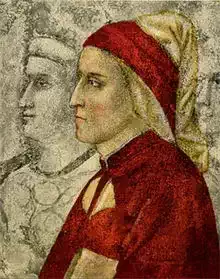
Dante Alighieri
There is a Gentle Thought
There is a Gentle Thought
There is a gentle thought that often springs
to life in me, because it speaks of you.
Its reasoning about love’s so sweet and true,
the heart is conquered, and accepts these things.
‘Who is this’ the mind enquires of the heart,
‘who comes here to seduce our intellect?
Is his power so great we must reject
every other intellectual art?
The heart replies ‘O, meditative mind
this is love’s messenger and newly sent
to bring me all Love’s words and desires.
His life, and all the strength that he can find,
from her sweet eyes are mercifully lent,
who feels compassion for our inner fires.’
There is a gentle thought that often springs
to life in me, because it speaks of you.
Its reasoning about love’s so sweet and true,
the heart is conquered, and accepts these things.
‘Who is this’ the mind enquires of the heart,
‘who comes here to seduce our intellect?
Is his power so great we must reject
every other intellectual art?
The heart replies ‘O, meditative mind
this is love’s messenger and newly sent
to bring me all Love’s words and desires.
His life, and all the strength that he can find,
from her sweet eyes are mercifully lent,
who feels compassion for our inner fires.’
300
Dante Alighieri
Sonnet: Love and the Gentle
Sonnet: Love and the Gentle
Love and the gentle heart are one same thing,
Even as the wise man in his ditty saith.
Each, of itself, would be such life in death
As rational soul bereft of reasoning.
'Tis Nature makes them when she loves: a king
Love is, whose palace where he sojourneth
Is call'd the Heart; there draws he quiet breath
At first, with brief or longer slumbering.
Then beauty seen in virtuous womankind
Will make the eyes desire, and through the heart
Send the desiring of the eyes again;
Where often it abides so long enshrined
That Love at length out of his sleep will start.
And women feel the same for worthy men.
Love and the gentle heart are one same thing,
Even as the wise man in his ditty saith.
Each, of itself, would be such life in death
As rational soul bereft of reasoning.
'Tis Nature makes them when she loves: a king
Love is, whose palace where he sojourneth
Is call'd the Heart; there draws he quiet breath
At first, with brief or longer slumbering.
Then beauty seen in virtuous womankind
Will make the eyes desire, and through the heart
Send the desiring of the eyes again;
Where often it abides so long enshrined
That Love at length out of his sleep will start.
And women feel the same for worthy men.
333
Dante Alighieri
Sonnet: Spirit Of Love
Sonnet: Spirit Of Love
I felt a spirit of love begin to stir
Within my heart, long time unfelt till then;
And saw Love coming towards me fair and fain
(That I scarce knew him for his joyful cheer),
Saying, 'Be now indeed my worshipper!'
And in his speech he laughed and laughed again.
Then, while it was his pleasure to remain,
I chanced to look the way he had drawn near,
And saw the Ladies Joan and Beatrice
Approach me, this the other following,
One and a second marvel instantly.
And even as now my memory speaketh this,
Love spake it then: 'The first is christened Spring;
The second Love, she is so like to me.'
I felt a spirit of love begin to stir
Within my heart, long time unfelt till then;
And saw Love coming towards me fair and fain
(That I scarce knew him for his joyful cheer),
Saying, 'Be now indeed my worshipper!'
And in his speech he laughed and laughed again.
Then, while it was his pleasure to remain,
I chanced to look the way he had drawn near,
And saw the Ladies Joan and Beatrice
Approach me, this the other following,
One and a second marvel instantly.
And even as now my memory speaketh this,
Love spake it then: 'The first is christened Spring;
The second Love, she is so like to me.'
314
Dante Alighieri
Sonnet: Beauty Of Her Face
Sonnet: Beauty Of Her Face
For certain he hath seen all perfectness
Who among other ladies hath seen mine:
They that go with her humbly should combine
To thank their God for such peculiar grace.
So perfect is the beauty of her face
That is begets in no wise any sigh
Of envy, but draws round her a clear line
Of love, and blessed faith, and gentleness.
Merely the sight of her makes all things bow:
Not she herself alone is holier
Than all; but hers, through her, are raised above.
From all her acts such lovely graces flow
That truly one may never think of her
Without a passion of exceeding love.
For certain he hath seen all perfectness
Who among other ladies hath seen mine:
They that go with her humbly should combine
To thank their God for such peculiar grace.
So perfect is the beauty of her face
That is begets in no wise any sigh
Of envy, but draws round her a clear line
Of love, and blessed faith, and gentleness.
Merely the sight of her makes all things bow:
Not she herself alone is holier
Than all; but hers, through her, are raised above.
From all her acts such lovely graces flow
That truly one may never think of her
Without a passion of exceeding love.
434
Dante Alighieri
Sestina
Sestina
I have come, alas, to the great circle of shadow,
to the short day and to the whitening hills,
when the colour is all lost from the grass,
though my desire will not lose its green,
so rooted is it in this hardest stone,
that speaks and feels as though it were a woman.
And likewise this heaven-born woman
stays frozen, like the snow in shadow,
and is unmoved, or moved like a stone,
by the sweet season that warms all the hills,
and makes them alter from pure white to green,
so as to clothe them with the flowers and grass.
When her head wears a crown of grass
she draws the mind from any other woman,
because she blends her gold hair with the green
so well that Amor lingers in their shadow,
he who fastens me in these low hills,
more certainly than lime fastens stone.
Her beauty has more virtue than rare stone.
The wound she gives cannot be healed with grass,
since I have travelled, through the plains and hills,
to find my release from such a woman,
yet from her light had never a shadow
thrown on me, by hill, wall, or leaves’ green.
I have seen her walk all dressed in green,
so formed she would have sparked love in a stone,
that love I bear for her very shadow,
so that I wished her, in those fields of grass,
as much in love as ever yet was woman,
closed around by all the highest hills.
The rivers will flow upwards to the hills
before this wood, that is so soft and green,
takes fire, as might ever lovely woman,
for me, who would choose to sleep on stone,
all my life, and go eating grass,
only to gaze at where her clothes cast shadow.
Whenever the hills cast blackest shadow,
with her sweet green, the lovely woman
hides it, as a man hides stone in grass.
I have come, alas, to the great circle of shadow,
to the short day and to the whitening hills,
when the colour is all lost from the grass,
though my desire will not lose its green,
so rooted is it in this hardest stone,
that speaks and feels as though it were a woman.
And likewise this heaven-born woman
stays frozen, like the snow in shadow,
and is unmoved, or moved like a stone,
by the sweet season that warms all the hills,
and makes them alter from pure white to green,
so as to clothe them with the flowers and grass.
When her head wears a crown of grass
she draws the mind from any other woman,
because she blends her gold hair with the green
so well that Amor lingers in their shadow,
he who fastens me in these low hills,
more certainly than lime fastens stone.
Her beauty has more virtue than rare stone.
The wound she gives cannot be healed with grass,
since I have travelled, through the plains and hills,
to find my release from such a woman,
yet from her light had never a shadow
thrown on me, by hill, wall, or leaves’ green.
I have seen her walk all dressed in green,
so formed she would have sparked love in a stone,
that love I bear for her very shadow,
so that I wished her, in those fields of grass,
as much in love as ever yet was woman,
closed around by all the highest hills.
The rivers will flow upwards to the hills
before this wood, that is so soft and green,
takes fire, as might ever lovely woman,
for me, who would choose to sleep on stone,
all my life, and go eating grass,
only to gaze at where her clothes cast shadow.
Whenever the hills cast blackest shadow,
with her sweet green, the lovely woman
hides it, as a man hides stone in grass.
337
Dante Alighieri
Of Beauty and Duty
Of Beauty and Duty
TWO ladies to the summit of my mind
Have clomb, to hold an argument of love.
The one has wisdom with her from above,
For every noblest virtue well designed:
The other, beauty's tempting power refined
And the high charm of perfect grace approve:
And I, as my sweet Master's will doth move,
At feet of both their favors am reclined.
Beauty and Duty in my soul keep strife,
At question if the heart such course can take
And 'twixt the two ladies hold its love complete.
The fount of gentle speech yields answer meet,
That Beauty may be loved for gladness sake,
And Duty in the lofty ends of life
TWO ladies to the summit of my mind
Have clomb, to hold an argument of love.
The one has wisdom with her from above,
For every noblest virtue well designed:
The other, beauty's tempting power refined
And the high charm of perfect grace approve:
And I, as my sweet Master's will doth move,
At feet of both their favors am reclined.
Beauty and Duty in my soul keep strife,
At question if the heart such course can take
And 'twixt the two ladies hold its love complete.
The fount of gentle speech yields answer meet,
That Beauty may be loved for gladness sake,
And Duty in the lofty ends of life
338
Dante Alighieri
Love and the Gentle Heart
Love and the Gentle Heart
Love and the gentle heart are one thing,
just as the poet says in his verse,
each from the other one as well divorced
as reason from the mind’s reasoning.
Nature craves love, and then creates love king,
and makes the heart a palace where he’ll stay,
perhaps a shorter or a longer day,
breathing quietly, gently slumbering.
Then beauty in a virtuous woman’s face
makes the eyes yearn, and strikes the heart,
so that the eyes’ desire’s reborn again,
and often, rooting there with longing, stays,
Till love, at last, out of its dreaming starts.
Woman’s moved likewise by a virtuous man.
Love and the gentle heart are one thing,
just as the poet says in his verse,
each from the other one as well divorced
as reason from the mind’s reasoning.
Nature craves love, and then creates love king,
and makes the heart a palace where he’ll stay,
perhaps a shorter or a longer day,
breathing quietly, gently slumbering.
Then beauty in a virtuous woman’s face
makes the eyes yearn, and strikes the heart,
so that the eyes’ desire’s reborn again,
and often, rooting there with longing, stays,
Till love, at last, out of its dreaming starts.
Woman’s moved likewise by a virtuous man.
299
Dante Alighieri
Autumn Song
Autumn Song
Know'st thou not at the fall of the leaf
How the heart feels a languid grief
Laid on it for a covering,
And how sleep seems a goodly thing
In Autumn at the fall of the leaf?
And how the swift beat of the brain
Falters because it is in vain,
In Autumn at the fall of the leaf
Knowest thou not? and how the chief
Of joys seems--not to suffer pain?
Know'st thou not at the fall of the leaf
How the soul feels like a dried sheaf
Bound up at length for harvesting,
And how death seems a comely thing
In Autumn at the fall of the leaf?
Know'st thou not at the fall of the leaf
How the heart feels a languid grief
Laid on it for a covering,
And how sleep seems a goodly thing
In Autumn at the fall of the leaf?
And how the swift beat of the brain
Falters because it is in vain,
In Autumn at the fall of the leaf
Knowest thou not? and how the chief
Of joys seems--not to suffer pain?
Know'st thou not at the fall of the leaf
How the soul feels like a dried sheaf
Bound up at length for harvesting,
And how death seems a comely thing
In Autumn at the fall of the leaf?
283

Claude Mckay
Tormented
Tormented
I will not reason, wrestle here with you,
Though you pursue and worry me about;
As well put forth my swarthy arm to stop
The wild wind howling, darkly mad without.
The night is yours for revels; day will light.
I will not fight you, bold and tigerish,
For I am weak, while you are gaining strength;
Peace! cease tormenting me to have your wish.
But when you're filled and sated with the flesh,
I shall go swiftly to the silver stream,
To cleanse my body for the spirit's sake,
And sun my limbs, and close my eyes to dream.
I will not reason, wrestle here with you,
Though you pursue and worry me about;
As well put forth my swarthy arm to stop
The wild wind howling, darkly mad without.
The night is yours for revels; day will light.
I will not fight you, bold and tigerish,
For I am weak, while you are gaining strength;
Peace! cease tormenting me to have your wish.
But when you're filled and sated with the flesh,
I shall go swiftly to the silver stream,
To cleanse my body for the spirit's sake,
And sun my limbs, and close my eyes to dream.
516
Claude Mckay
Thirst
Thirst
My spirit wails for water, water now!
My tongue is aching dry, my throat is hot
For water, fresh rain shaken from a bough,
Or dawn dews heavy in some leafy spot.
My hungry body's burning for a swim
In sunlit water where the air is cool,
As in Trout Valley where upon a limb
The golden finch sings sweetly to the pool.
Oh water, water, when the night is done,
When day steals gray-white through the windowpane,
Clear silver water when I wake, alone,
All impotent of parts, of fevered brain;
Pure water from a forest fountain first,
To wash me, cleanse me, and to quench my thirst!
My spirit wails for water, water now!
My tongue is aching dry, my throat is hot
For water, fresh rain shaken from a bough,
Or dawn dews heavy in some leafy spot.
My hungry body's burning for a swim
In sunlit water where the air is cool,
As in Trout Valley where upon a limb
The golden finch sings sweetly to the pool.
Oh water, water, when the night is done,
When day steals gray-white through the windowpane,
Clear silver water when I wake, alone,
All impotent of parts, of fevered brain;
Pure water from a forest fountain first,
To wash me, cleanse me, and to quench my thirst!
381