

Poems in this topic
Soul
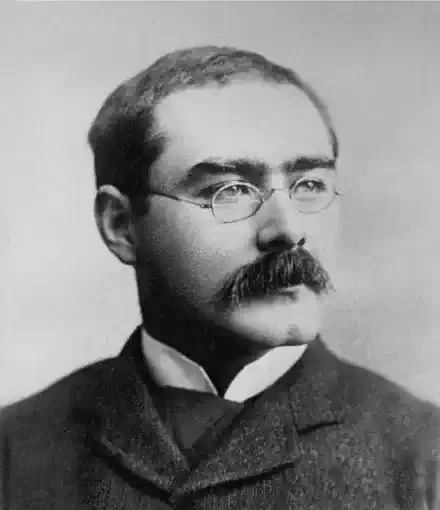
Rudyard Kipling
M'Andrew's Hymn
M'Andrew's Hymn
Lord, Thou hast made this world below the shadow of a dream,
An', taught by time, I tak' it so -- exceptin' always Steam.
From coupler-flange to spindle-guide I see Thy Hand, O God --
Predestination in the stride o' yon connectin'-rod.
John Calvin might ha' forged the same -- enorrmous, certain, slow --
Ay, wrought it in the furnace-flame -- ~my~ "Institutio".
I cannot get my sleep to-night; old bones are hard to please;
I'll stand the middle watch up here -- alone wi' God an' these
My engines, after ninety days o' race an' rack an' strain
Through all the seas of all Thy world, slam-bangin' home again.
Slam-bang too much -- they knock a wee -- the crosshead-gibs are loose;
But thirty thousand mile o' sea has gied them fair excuse. . . .
Fine, clear an' dark -- a full-draught breeze, wi' Ushant out o' sight,
An' Ferguson relievin' Hay. Old girl, ye'll walk to-night!
His wife's at Plymouth. . . . Seventy --
One -- Two -- Three since he began --
Three turns for Mistress Ferguson. . .and who's to blame the man?
There's none at any port for me, by drivin' fast or slow,
Since Elsie Campbell went to Thee, Lord, thirty years ago.
(The year the ~Sarah Sands~ was burned. Oh roads we used to tread,
Fra' Maryhill to Pollokshaws -- fra' Govan to Parkhead!)
Not but they're ceevil on the Board. Ye'll hear Sir Kenneth say:
"Good-morrn, M'Andrew! Back again? An' how's your bilge to-day?"
Miscallin' technicalities but handin' me my chair
To drink Madeira wi' three Earls -- the auld Fleet Engineer,
That started as a boiler-whelp -- when steam and he were low.
I mind the time we used to serve a broken pipe wi' tow.
Ten pound was all the pressure then -- Eh! Eh! -- a man wad drive;
An' here, our workin' gauges give one hunder fifty-five!
We're creepin' on wi' each new rig -- less weight an' larger power:
There'll be the loco-boiler next an' thirty knots an hour!
Thirty an' more. What I ha' seen since ocean-steam began
Leaves me no doot for the machine: but what about the man?
The man that counts, wi' all his runs, one million mile o' sea:
Four time the span from earth to moon. . . . How far, O Lord, from Thee?
That wast beside him night an' day. Ye mind my first typhoon?
It scoughed the skipper on his way to jock wi' the saloon.
Three feet were on the stokehold-floor -- just slappin' to an' fro --
An' cast me on a furnace-door. I have the marks to show.
Marks! I ha' marks o' more than burns -- deep in my soul an' black,
An' times like this, when things go smooth, my wickudness comes back.
The sins o' four and forty years, all up an' down the seas,
Clack an' repeat like valves half-fed. . . . Forgie's our trespasses.
Nights when I'd come on deck to mark, wi' envy in my gaze,
The couples kittlin' in the dark between the funnel stays;
Years when I raked the ports wi' pride to fill my cup o' wrong --
Judge not, O Lord, my steps aside at Gay Street in Hong-Kong!
Blot out the wastrel hours of mine in sin when I abode --
Jane Harrigan's an' Number Nine, The Reddick an' Grant Road!
An' waur than all -- my crownin' sin -- rank blasphemy an' wild.
I was not four and twenty then -- Ye wadna judge a child?
I'd seen the Tropics first that run -- new fruit, new smells, new air --
How could I tell -- blind-fou wi' sun -- the Deil was lurkin' there?
By day like playhouse-scenes the shore slid past our sleepy eyes;
By night those soft, lasceevious stars leered from those velvet skies,
In port (we used no cargo-steam) I'd daunder down the streets --
An ijjit grinnin' in a dream -- for shells an' parrakeets,
An' walkin'-sticks o' carved bamboo an' blowfish stuffed an' dried --
Fillin' my bunk wi' rubbishry the Chief put overside.
Till, off Sambawa Head, Ye mind, I heard a land-breeze ca',
Milk-warm wi' breath o' spice an' bloom: "M'Andrew, come awa'!"
Firm, clear an' low -- no haste, no hate -- the ghostly whisper went,
Just statin' eevidential facts beyon' all argument:
"Your mither's God's a graspin' deil, the shadow o' yoursel',
Got out o' books by meenisters clean daft on Heaven an' Hell.
They mak' Him in the Broomielaw, o' Glasgie cold an' dirt,
A jealous, pridefu' fetich, lad, that's only strong to hurt,
Ye'll not go back to Him again an' kiss His red-hot rod,
But come wi' Us" (Now, who were ~They~?) "an' know the Leevin' God,
That does not kipper souls for sport or break a life in jest,
But swells the ripenin' cocoanuts an' ripes the woman's breast."
An' there it stopped: cut off: no more; that quiet, certain voice --
For me, six months o' twenty-four, to leave or take at choice.
'Twas on me like a thunderclap -- it racked me through an' through --
Temptation past the show o' speech, unnameable an' new --
The Sin against the Holy Ghost? . . . An' under all, our screw.
That storm blew by but left behind her anchor-shiftin' swell,
Thou knowest all my heart an' mind, Thou knowest, Lord, I fell.
Third on the ~Mary Gloster~ then, and first that night in Hell!
Yet was Thy hand beneath my head, about my feet Thy care --
Fra' Deli clear to Torres Strait, the trial o' despair,
But when we touched the Barrier Reef Thy answer to my prayer!
We dared not run that sea by night but lay an' held our fire,
An' I was drowsin' on the hatch -- sick -- sick wi' doubt an' tire:
"~Better the sight of eyes that see than wanderin' o' desire!~"
Ye mind that word? Clear as our gongs -- again, an' once again,
When rippin' down through coral-trash ran out our moorin'-chain;
An' by Thy Grace I had the Light to see my duty plain.
Light on the engine-room -- no more -- bright as our carbons burn.
I've lost it since a thousand times, but never past return.
Obsairve. Per annum we'll have here two thousand souls aboard --
Think not I dare to justify myself before the Lord,
But -- average fifteen hunder souls safe-borne fra' port to port --
I ~am~ o' service to my kind. Ye wadna blame the thought?
Maybe they steam from grace to wrath -- to sin by folly led, --
It isna mine to judge their path -- their lives are on my head.
Mine at the last -- when all is done it all comes back to me,
The fault that leaves six thousand ton a log upon the sea.
We'll tak' one stretch -- three weeks an' odd by any road ye steer --
Fra' Cape Town east to Wellington -- ye need an engineer.
Fail there -- ye've time to weld your shaft -- ay, eat it, ere ye're spoke;
Or make Kerguelen under sail -- three jiggers burned wi' smoke!
An' home again, the Rio run: it's no child's play to go
Steamin' to bell for fourteen days o' snow an' floe an' blow --
The bergs like kelpies overside that girn an' turn an' shift
Whaur, grindin' like the Mills o' God, goes by the big South drift.
(Hail, snow an' ice that praise the Lord: I've met them at their work,
An' wished we had anither route or they anither kirk.)
Yon's strain, hard strain, o' head an' hand, for though Thy Power brings
All skill to naught, Ye'll understand a man must think o' things.
Then, at the last, we'll get to port an' hoist their baggage clear --
The passengers, wi' gloves an' canes -- an' this is what I'll hear:
"Well, thank ye for a pleasant voyage. The tender's comin' now."
While I go testin' follower-bolts an' watch the skipper bow.
They've words for every one but me -- shake hands wi' half the crew,
Except the dour Scots engineer, the man they never knew.
An' yet I like the wark for all we've dam' few pickin's here --
No pension, an' the most we earn's four hunder pound a year.
Better myself abroad? Maybe. ~I'd~ sooner starve than sail
Wi' such as call a snifter-rod ~ross~. . .French for nightingale.
Commeesion on my stores? Some do; but I can not afford
To lie like stewards wi' patty-pans --. I'm older than the Board.
A bonus on the coal I save? Ou ay, the Scots are close,
But when I grudge the strength Ye gave I'll grudge their food to ~those~.
(There's bricks that I might recommend -- an' clink the fire-bars cruel.
No! Welsh -- Wangarti at the worst -- an' damn all patent fuel!)
Inventions? Ye must stay in port to mak' a patent pay.
My Deeferential Valve-Gear taught me how that business lay,
I blame no chaps wi' clearer head for aught they make or sell.
~I~ found that I could not invent an' look to these -- as well.
So, wrestled wi' Apollyon -- Nah! -- fretted like a bairn --
But burned the workin'-plans last run wi' all I hoped to earn.
Ye know how hard an Idol dies, an' what that meant to me --
E'en tak' it for a sacrifice acceptable to Thee. . . .
~Below there! Oiler! What's your wark? Ye find it runnin' hard?
Ye needn't swill the cap wi' oil -- this isn't the Cunard!
Ye thought? Ye are not paid to think. Go, sweat that off again!~
Tck! Tck! It's deeficult to sweer nor tak' The Name in vain!
Men, ay an' women, call me stern. Wi' these to oversee
Ye'll note I've little time to burn on social repartee.
The bairns see what their elders miss; they'll hunt me to an' fro,
Till for the sake of -- well, a kiss -- I tak' 'em down below.
That minds me of our Viscount loon -- Sir Kenneth's kin -- the chap
Wi' Russia leather tennis-shoon an' spar-decked yachtin'-cap.
I showed him round last week, o'er all -- an' at the last says he:
"Mister M'Andrew, don't you think steam spoils romance at sea?"
Damned ijjit! I'd been doon that morn to see what ailed the throws,
Manholin', on my back -- the cranks three inches off my nose.
Romance! Those first-class passengers they like it very well,
Printed an' bound in little books; but why don't poets tell?
I'm sick of all their quirks an' turns -- the loves an' doves they dream --
Lord, send a man like Robbie Burns to sing the Song o' Steam!
To match wi' Scotia's noblest speech yon orchestra sublime
Whaurto -- uplifted like the Just -- the tail-rods mark the time.
The crank-throws give the double-bass, the feed-pump sobs an' heaves,
An' now the main eccentrics start their quarrel on the sheaves:
Her time, her own appointed time, the rocking link-head bides,
Till -- hear that note? -- the rod's return
whings glimmerin' through the guides.
They're all awa'! True beat, full power, the clangin' chorus goes
Clear to the tunnel where they sit, my purrin' dynamos.
Interdependence absolute, foreseen, ordained, decreed,
To work, Ye'll note, at any tilt an' every rate o' speed.
Fra' skylight-lift to furnace-bars, backed, bolted, braced an' stayed,
An' singin' like the Mornin' Stars for joy that they are made;
While, out o' touch o' vanity, the sweatin' thrust-block says:
"Not unto us the praise, or man -- not unto us the praise!"
Now, a' together, hear them lift their lesson -- theirs an' mine:
"Law, Orrder, Duty an' Restraint, Obedience, Discipline!"
Mill, forge an' try-pit taught them that when roarin' they arose,
An' whiles I wonder if a soul was gied them wi' the blows.
Oh for a man to weld it then, in one trip-hammer strain,
Till even first-class passengers could tell the meanin' plain!
But no one cares except mysel' that serve an' understand
My seven thousand horse-power here.
Eh, Lord! They're grand -- they're grand!
Uplift am I? When first in store the new-made beasties stood,
Were Ye cast down that breathed the Word declarin' all things good?
Not so! O' that warld-liftin' joy no after-fall could vex,
Ye've left a glimmer still to cheer the Man -- the Arrtifex!
~That~ holds, in spite o' knock and scale, o' friction, waste an' slip,
An' by that light -- now, mark my word -- we'll build the Perfect Ship.
I'll never last to judge her lines or take her curve -- not I.
But I ha' lived an' I ha' worked. 'Be thanks to Thee, Most High!
An' I ha' done what I ha' done -- judge Thou if ill or well --
Always Thy Grace preventin' me. . . .
Losh! Yon's the "Stand by" bell.
Pilot so soon? His flare it is. The mornin'-watch is set.
Well, God be thanked, as I was sayin', I'm no Pelagian yet.
Now I'll tak' on. . . .
~'Morrn, Ferguson. Man, have ye ever thought
What your good leddy costs in coal? . . . I'll burn 'em down to port.
Lord, Thou hast made this world below the shadow of a dream,
An', taught by time, I tak' it so -- exceptin' always Steam.
From coupler-flange to spindle-guide I see Thy Hand, O God --
Predestination in the stride o' yon connectin'-rod.
John Calvin might ha' forged the same -- enorrmous, certain, slow --
Ay, wrought it in the furnace-flame -- ~my~ "Institutio".
I cannot get my sleep to-night; old bones are hard to please;
I'll stand the middle watch up here -- alone wi' God an' these
My engines, after ninety days o' race an' rack an' strain
Through all the seas of all Thy world, slam-bangin' home again.
Slam-bang too much -- they knock a wee -- the crosshead-gibs are loose;
But thirty thousand mile o' sea has gied them fair excuse. . . .
Fine, clear an' dark -- a full-draught breeze, wi' Ushant out o' sight,
An' Ferguson relievin' Hay. Old girl, ye'll walk to-night!
His wife's at Plymouth. . . . Seventy --
One -- Two -- Three since he began --
Three turns for Mistress Ferguson. . .and who's to blame the man?
There's none at any port for me, by drivin' fast or slow,
Since Elsie Campbell went to Thee, Lord, thirty years ago.
(The year the ~Sarah Sands~ was burned. Oh roads we used to tread,
Fra' Maryhill to Pollokshaws -- fra' Govan to Parkhead!)
Not but they're ceevil on the Board. Ye'll hear Sir Kenneth say:
"Good-morrn, M'Andrew! Back again? An' how's your bilge to-day?"
Miscallin' technicalities but handin' me my chair
To drink Madeira wi' three Earls -- the auld Fleet Engineer,
That started as a boiler-whelp -- when steam and he were low.
I mind the time we used to serve a broken pipe wi' tow.
Ten pound was all the pressure then -- Eh! Eh! -- a man wad drive;
An' here, our workin' gauges give one hunder fifty-five!
We're creepin' on wi' each new rig -- less weight an' larger power:
There'll be the loco-boiler next an' thirty knots an hour!
Thirty an' more. What I ha' seen since ocean-steam began
Leaves me no doot for the machine: but what about the man?
The man that counts, wi' all his runs, one million mile o' sea:
Four time the span from earth to moon. . . . How far, O Lord, from Thee?
That wast beside him night an' day. Ye mind my first typhoon?
It scoughed the skipper on his way to jock wi' the saloon.
Three feet were on the stokehold-floor -- just slappin' to an' fro --
An' cast me on a furnace-door. I have the marks to show.
Marks! I ha' marks o' more than burns -- deep in my soul an' black,
An' times like this, when things go smooth, my wickudness comes back.
The sins o' four and forty years, all up an' down the seas,
Clack an' repeat like valves half-fed. . . . Forgie's our trespasses.
Nights when I'd come on deck to mark, wi' envy in my gaze,
The couples kittlin' in the dark between the funnel stays;
Years when I raked the ports wi' pride to fill my cup o' wrong --
Judge not, O Lord, my steps aside at Gay Street in Hong-Kong!
Blot out the wastrel hours of mine in sin when I abode --
Jane Harrigan's an' Number Nine, The Reddick an' Grant Road!
An' waur than all -- my crownin' sin -- rank blasphemy an' wild.
I was not four and twenty then -- Ye wadna judge a child?
I'd seen the Tropics first that run -- new fruit, new smells, new air --
How could I tell -- blind-fou wi' sun -- the Deil was lurkin' there?
By day like playhouse-scenes the shore slid past our sleepy eyes;
By night those soft, lasceevious stars leered from those velvet skies,
In port (we used no cargo-steam) I'd daunder down the streets --
An ijjit grinnin' in a dream -- for shells an' parrakeets,
An' walkin'-sticks o' carved bamboo an' blowfish stuffed an' dried --
Fillin' my bunk wi' rubbishry the Chief put overside.
Till, off Sambawa Head, Ye mind, I heard a land-breeze ca',
Milk-warm wi' breath o' spice an' bloom: "M'Andrew, come awa'!"
Firm, clear an' low -- no haste, no hate -- the ghostly whisper went,
Just statin' eevidential facts beyon' all argument:
"Your mither's God's a graspin' deil, the shadow o' yoursel',
Got out o' books by meenisters clean daft on Heaven an' Hell.
They mak' Him in the Broomielaw, o' Glasgie cold an' dirt,
A jealous, pridefu' fetich, lad, that's only strong to hurt,
Ye'll not go back to Him again an' kiss His red-hot rod,
But come wi' Us" (Now, who were ~They~?) "an' know the Leevin' God,
That does not kipper souls for sport or break a life in jest,
But swells the ripenin' cocoanuts an' ripes the woman's breast."
An' there it stopped: cut off: no more; that quiet, certain voice --
For me, six months o' twenty-four, to leave or take at choice.
'Twas on me like a thunderclap -- it racked me through an' through --
Temptation past the show o' speech, unnameable an' new --
The Sin against the Holy Ghost? . . . An' under all, our screw.
That storm blew by but left behind her anchor-shiftin' swell,
Thou knowest all my heart an' mind, Thou knowest, Lord, I fell.
Third on the ~Mary Gloster~ then, and first that night in Hell!
Yet was Thy hand beneath my head, about my feet Thy care --
Fra' Deli clear to Torres Strait, the trial o' despair,
But when we touched the Barrier Reef Thy answer to my prayer!
We dared not run that sea by night but lay an' held our fire,
An' I was drowsin' on the hatch -- sick -- sick wi' doubt an' tire:
"~Better the sight of eyes that see than wanderin' o' desire!~"
Ye mind that word? Clear as our gongs -- again, an' once again,
When rippin' down through coral-trash ran out our moorin'-chain;
An' by Thy Grace I had the Light to see my duty plain.
Light on the engine-room -- no more -- bright as our carbons burn.
I've lost it since a thousand times, but never past return.
Obsairve. Per annum we'll have here two thousand souls aboard --
Think not I dare to justify myself before the Lord,
But -- average fifteen hunder souls safe-borne fra' port to port --
I ~am~ o' service to my kind. Ye wadna blame the thought?
Maybe they steam from grace to wrath -- to sin by folly led, --
It isna mine to judge their path -- their lives are on my head.
Mine at the last -- when all is done it all comes back to me,
The fault that leaves six thousand ton a log upon the sea.
We'll tak' one stretch -- three weeks an' odd by any road ye steer --
Fra' Cape Town east to Wellington -- ye need an engineer.
Fail there -- ye've time to weld your shaft -- ay, eat it, ere ye're spoke;
Or make Kerguelen under sail -- three jiggers burned wi' smoke!
An' home again, the Rio run: it's no child's play to go
Steamin' to bell for fourteen days o' snow an' floe an' blow --
The bergs like kelpies overside that girn an' turn an' shift
Whaur, grindin' like the Mills o' God, goes by the big South drift.
(Hail, snow an' ice that praise the Lord: I've met them at their work,
An' wished we had anither route or they anither kirk.)
Yon's strain, hard strain, o' head an' hand, for though Thy Power brings
All skill to naught, Ye'll understand a man must think o' things.
Then, at the last, we'll get to port an' hoist their baggage clear --
The passengers, wi' gloves an' canes -- an' this is what I'll hear:
"Well, thank ye for a pleasant voyage. The tender's comin' now."
While I go testin' follower-bolts an' watch the skipper bow.
They've words for every one but me -- shake hands wi' half the crew,
Except the dour Scots engineer, the man they never knew.
An' yet I like the wark for all we've dam' few pickin's here --
No pension, an' the most we earn's four hunder pound a year.
Better myself abroad? Maybe. ~I'd~ sooner starve than sail
Wi' such as call a snifter-rod ~ross~. . .French for nightingale.
Commeesion on my stores? Some do; but I can not afford
To lie like stewards wi' patty-pans --. I'm older than the Board.
A bonus on the coal I save? Ou ay, the Scots are close,
But when I grudge the strength Ye gave I'll grudge their food to ~those~.
(There's bricks that I might recommend -- an' clink the fire-bars cruel.
No! Welsh -- Wangarti at the worst -- an' damn all patent fuel!)
Inventions? Ye must stay in port to mak' a patent pay.
My Deeferential Valve-Gear taught me how that business lay,
I blame no chaps wi' clearer head for aught they make or sell.
~I~ found that I could not invent an' look to these -- as well.
So, wrestled wi' Apollyon -- Nah! -- fretted like a bairn --
But burned the workin'-plans last run wi' all I hoped to earn.
Ye know how hard an Idol dies, an' what that meant to me --
E'en tak' it for a sacrifice acceptable to Thee. . . .
~Below there! Oiler! What's your wark? Ye find it runnin' hard?
Ye needn't swill the cap wi' oil -- this isn't the Cunard!
Ye thought? Ye are not paid to think. Go, sweat that off again!~
Tck! Tck! It's deeficult to sweer nor tak' The Name in vain!
Men, ay an' women, call me stern. Wi' these to oversee
Ye'll note I've little time to burn on social repartee.
The bairns see what their elders miss; they'll hunt me to an' fro,
Till for the sake of -- well, a kiss -- I tak' 'em down below.
That minds me of our Viscount loon -- Sir Kenneth's kin -- the chap
Wi' Russia leather tennis-shoon an' spar-decked yachtin'-cap.
I showed him round last week, o'er all -- an' at the last says he:
"Mister M'Andrew, don't you think steam spoils romance at sea?"
Damned ijjit! I'd been doon that morn to see what ailed the throws,
Manholin', on my back -- the cranks three inches off my nose.
Romance! Those first-class passengers they like it very well,
Printed an' bound in little books; but why don't poets tell?
I'm sick of all their quirks an' turns -- the loves an' doves they dream --
Lord, send a man like Robbie Burns to sing the Song o' Steam!
To match wi' Scotia's noblest speech yon orchestra sublime
Whaurto -- uplifted like the Just -- the tail-rods mark the time.
The crank-throws give the double-bass, the feed-pump sobs an' heaves,
An' now the main eccentrics start their quarrel on the sheaves:
Her time, her own appointed time, the rocking link-head bides,
Till -- hear that note? -- the rod's return
whings glimmerin' through the guides.
They're all awa'! True beat, full power, the clangin' chorus goes
Clear to the tunnel where they sit, my purrin' dynamos.
Interdependence absolute, foreseen, ordained, decreed,
To work, Ye'll note, at any tilt an' every rate o' speed.
Fra' skylight-lift to furnace-bars, backed, bolted, braced an' stayed,
An' singin' like the Mornin' Stars for joy that they are made;
While, out o' touch o' vanity, the sweatin' thrust-block says:
"Not unto us the praise, or man -- not unto us the praise!"
Now, a' together, hear them lift their lesson -- theirs an' mine:
"Law, Orrder, Duty an' Restraint, Obedience, Discipline!"
Mill, forge an' try-pit taught them that when roarin' they arose,
An' whiles I wonder if a soul was gied them wi' the blows.
Oh for a man to weld it then, in one trip-hammer strain,
Till even first-class passengers could tell the meanin' plain!
But no one cares except mysel' that serve an' understand
My seven thousand horse-power here.
Eh, Lord! They're grand -- they're grand!
Uplift am I? When first in store the new-made beasties stood,
Were Ye cast down that breathed the Word declarin' all things good?
Not so! O' that warld-liftin' joy no after-fall could vex,
Ye've left a glimmer still to cheer the Man -- the Arrtifex!
~That~ holds, in spite o' knock and scale, o' friction, waste an' slip,
An' by that light -- now, mark my word -- we'll build the Perfect Ship.
I'll never last to judge her lines or take her curve -- not I.
But I ha' lived an' I ha' worked. 'Be thanks to Thee, Most High!
An' I ha' done what I ha' done -- judge Thou if ill or well --
Always Thy Grace preventin' me. . . .
Losh! Yon's the "Stand by" bell.
Pilot so soon? His flare it is. The mornin'-watch is set.
Well, God be thanked, as I was sayin', I'm no Pelagian yet.
Now I'll tak' on. . . .
~'Morrn, Ferguson. Man, have ye ever thought
What your good leddy costs in coal? . . . I'll burn 'em down to port.
430
Rudyard Kipling
Lispeth
Lispeth
Look, you have cast out Love! What Gods are these
You bid me please?
The Three in One, the One in Three? Not so!
To my own Gods I go.
It may be they shall give me greater ease
Than your cold Christ and tangled Trinities.
Look, you have cast out Love! What Gods are these
You bid me please?
The Three in One, the One in Three? Not so!
To my own Gods I go.
It may be they shall give me greater ease
Than your cold Christ and tangled Trinities.
475
Rudyard Kipling
Late Came the God
Late Came the God
Late came the God, having sent his forerunners who were
not regarded--
Late, but in wrath;
Saying: "The wrong shall be paid, the contempt be rewarded
On all that she hath."
He poisoned the blade and struck home, the full bosom receiving
The wound and the venom in one, past cure or relieving.
He made treaty with Time to stand still that the grief might
be fresh--
Daily renewed and nightly pursued through her soul to her
flesh--
Mornings of memory, noontides of agony, midnights unslaked
for her,
Till the stones of the streets of her Hells and her Paradise ached
for her.
So she lived while her body corrupted upon her.
And she called on the Night for a sign, and a Sign was allowed,
And she builded an Altar and served by the light of her Vision--
Alone, without hope of regard or reward, but uncowed,
Resolute, selfless, divine.
These things she did in Love's honour...
What is a God beside Woman? Dust and derision!
Late came the God, having sent his forerunners who were
not regarded--
Late, but in wrath;
Saying: "The wrong shall be paid, the contempt be rewarded
On all that she hath."
He poisoned the blade and struck home, the full bosom receiving
The wound and the venom in one, past cure or relieving.
He made treaty with Time to stand still that the grief might
be fresh--
Daily renewed and nightly pursued through her soul to her
flesh--
Mornings of memory, noontides of agony, midnights unslaked
for her,
Till the stones of the streets of her Hells and her Paradise ached
for her.
So she lived while her body corrupted upon her.
And she called on the Night for a sign, and a Sign was allowed,
And she builded an Altar and served by the light of her Vision--
Alone, without hope of regard or reward, but uncowed,
Resolute, selfless, divine.
These things she did in Love's honour...
What is a God beside Woman? Dust and derision!
476
Rudyard Kipling
Hymn to Physical Pain
Hymn to Physical Pain
Dread Mother of Forgetfulness
Who, when Thy reign begins,
Wipest away the Soul's distress,
And memory of her sins.
The trusty Worm that dieth not--
The steadfast Fire also,
By Thy contrivance are forgot
In a completer woe.
Thine are the lidless eyes of night
That stare upon our tears,
Through certain hours which in our sight
Exceed a thousand years:
Thine is the thickness of the Dark
That presses in our pain,
As Thine the Dawn that bids us mark
Life's grinning face again.
Thine is the weariness outworn
No promise shall relieve,
That says at eve, "Would God 'twere morn"
At morn, "Would God 'twere eve!"
And when Thy tender mercies cease
And life unvexed is due,
Instant upon the false release
The Worm and Fire renew.
Wherefore we praise Thee in the deep,
And on our beds we pray
For Thy return that Thou may'st keep
The Pains of Hell at bay!
Dread Mother of Forgetfulness
Who, when Thy reign begins,
Wipest away the Soul's distress,
And memory of her sins.
The trusty Worm that dieth not--
The steadfast Fire also,
By Thy contrivance are forgot
In a completer woe.
Thine are the lidless eyes of night
That stare upon our tears,
Through certain hours which in our sight
Exceed a thousand years:
Thine is the thickness of the Dark
That presses in our pain,
As Thine the Dawn that bids us mark
Life's grinning face again.
Thine is the weariness outworn
No promise shall relieve,
That says at eve, "Would God 'twere morn"
At morn, "Would God 'twere eve!"
And when Thy tender mercies cease
And life unvexed is due,
Instant upon the false release
The Worm and Fire renew.
Wherefore we praise Thee in the deep,
And on our beds we pray
For Thy return that Thou may'st keep
The Pains of Hell at bay!
448
Rudyard Kipling
Heriot's Ford
Heriot's Ford
"What's that that hirples at my side?"
The foe that you must fight, my lord.
"That rides as fast as I can ride?"
The shadow of your might, my lord.
"Then wheel my horse against the foe!"
He's down and overpast, my lord.
You war against the sunset-glow,
The judgment follows fast, my lord!
"Oh, who will stay the sun's descent?"
King Joshua he is dead, my lord.
"I need an hour to repent!"
'Tis what our sister said, my lord.
"Oh, do not slay me in my sins!"
You're safe awhile with us, my lord.
"Nay, kill me ere my fear begins!"
We would not serve you thus, my lord.
"Where is the doom that I must face?"
Three little leagues away, my lord.
"Then mend the horses' laggard pace!"
We need them for next day, my lord.
"Next day--next day! Unloose my cords!"
Our sister needed none, my lord.
You had no mind to face our swords,
And--where can cowards run, my lord?
"You would not kill the soul alive?"
'Twas thus our sister cried, my lord.
"I dare not die with none to shrive."
But so our sister died, my lord.
"Then wipe the sweat from brow and cheek."
It runnels forth afresh, my lord.
"Uphold me--for the flesh is weak."
You've finished with the Flesh, my lord!
"What's that that hirples at my side?"
The foe that you must fight, my lord.
"That rides as fast as I can ride?"
The shadow of your might, my lord.
"Then wheel my horse against the foe!"
He's down and overpast, my lord.
You war against the sunset-glow,
The judgment follows fast, my lord!
"Oh, who will stay the sun's descent?"
King Joshua he is dead, my lord.
"I need an hour to repent!"
'Tis what our sister said, my lord.
"Oh, do not slay me in my sins!"
You're safe awhile with us, my lord.
"Nay, kill me ere my fear begins!"
We would not serve you thus, my lord.
"Where is the doom that I must face?"
Three little leagues away, my lord.
"Then mend the horses' laggard pace!"
We need them for next day, my lord.
"Next day--next day! Unloose my cords!"
Our sister needed none, my lord.
You had no mind to face our swords,
And--where can cowards run, my lord?
"You would not kill the soul alive?"
'Twas thus our sister cried, my lord.
"I dare not die with none to shrive."
But so our sister died, my lord.
"Then wipe the sweat from brow and cheek."
It runnels forth afresh, my lord.
"Uphold me--for the flesh is weak."
You've finished with the Flesh, my lord!
454
Rudyard Kipling
Hadramauti
Hadramauti
Who knows the heart of the Christian? How does he reason?
What are his measures and balances? Which is his season
For laughter, forbearance or bloodshed, and what devils move him
When he arises to smite us? I do not love him.
He invites the derision of strangers—he enters all places.
Booted, bareheaded he enters. With shouts and embraces
He asks of us news of the household whom we reckon nameless.
Certainly Allah created him forty-fold shameless!
So it is not in the Desert. One came to me weeping—
The Avenger of Blood on his track—I took him in keeping.
Demanding not whom he had slain, I refreshed him, I fed him
As he were even a brother. But Eblis had bred him.
He was the son of an ape, ill at ease in his clothing.
He talked with his head, hands and feet. I endured him with loathing.
Whatever his spirit conceived his countenance showed it
As a frog shows in a mud-puddle. Yet I abode it!
I fingered my beard and was dumb, in silence confronting him.
His soul was too shallow for silence, e'en with Death hunting him.
I said: "'Tis his weariness speaks," but, when he had rested,
He chirped in my face like some sparrow, and, presently, jested!
Wherefore slew I that stranger? He brought me dishonour.
I saddled my mare, Bijli, I set him upon her.
I gave him rice and goat's flesh. He bared me to laughter.
When he was gone from my tent, swift I followed after,
Taking my sword in my hand. The hot wine had filled him.
Under the stars he mocked me—therefore I killed him!
Who knows the heart of the Christian? How does he reason?
What are his measures and balances? Which is his season
For laughter, forbearance or bloodshed, and what devils move him
When he arises to smite us? I do not love him.
He invites the derision of strangers—he enters all places.
Booted, bareheaded he enters. With shouts and embraces
He asks of us news of the household whom we reckon nameless.
Certainly Allah created him forty-fold shameless!
So it is not in the Desert. One came to me weeping—
The Avenger of Blood on his track—I took him in keeping.
Demanding not whom he had slain, I refreshed him, I fed him
As he were even a brother. But Eblis had bred him.
He was the son of an ape, ill at ease in his clothing.
He talked with his head, hands and feet. I endured him with loathing.
Whatever his spirit conceived his countenance showed it
As a frog shows in a mud-puddle. Yet I abode it!
I fingered my beard and was dumb, in silence confronting him.
His soul was too shallow for silence, e'en with Death hunting him.
I said: "'Tis his weariness speaks," but, when he had rested,
He chirped in my face like some sparrow, and, presently, jested!
Wherefore slew I that stranger? He brought me dishonour.
I saddled my mare, Bijli, I set him upon her.
I gave him rice and goat's flesh. He bared me to laughter.
When he was gone from my tent, swift I followed after,
Taking my sword in my hand. The hot wine had filled him.
Under the stars he mocked me—therefore I killed him!
445
Rudyard Kipling
By the Hoof of the Wild Goat
By the Hoof of the Wild Goat
By the Hoof of the Wild Goat uptossed
From the cliff where she lay in the Sun
Fell the Stone
To the Tarn where the daylight is lost,
So she fell from the light of the Sun
And alone!
Now the fall was ordained from the first
With the Goat and the Cliff and the Tarn,
But the Stone
Knows only her life is accursed
As she sinks from the light of the Sun
And alone!
Oh Thou Who hast builded the World,
Oh Thou Who hast lighted the Sun,
Oh Thou Who hast darkened the Tarn,
Judge Thou
The sin of the Stone that was hurled
By the goat from the light of the Sun,
As she sinks in the mire of the Tarn,
Even now--even now--even now!
By the Hoof of the Wild Goat uptossed
From the cliff where she lay in the Sun
Fell the Stone
To the Tarn where the daylight is lost,
So she fell from the light of the Sun
And alone!
Now the fall was ordained from the first
With the Goat and the Cliff and the Tarn,
But the Stone
Knows only her life is accursed
As she sinks from the light of the Sun
And alone!
Oh Thou Who hast builded the World,
Oh Thou Who hast lighted the Sun,
Oh Thou Who hast darkened the Tarn,
Judge Thou
The sin of the Stone that was hurled
By the goat from the light of the Sun,
As she sinks in the mire of the Tarn,
Even now--even now--even now!
502
Rudyard Kipling
Buddha at Kamakura
Buddha at Kamakura
Oye who treated the Narrow Way
By Tophet-flare to Judgment Day,
Be gentle when "the heathen" pray
To Buddha at Kamakura!
To him the Way, the Law, apart,
Whom Maya held beneath her heart,
Ananda's Lord, the Bodhisat,
The Buddha of Kamakura.
For though he neither burns nor sees,
Nor hears ye thank your Deities,
Ye have not sinned with such as these,
His children at Kamakura,
Yet spare us still the Western joke
When joss-sticks turn to scented smoke
The little sins of little folk
That worship at Kamakura --
The grey-robed, gay-sashed butterflies
That flit beneath the Master's eyes.
He is beyond the Mysteries
But loves them at Kamakura.
And whoso will, from Pride released,
Contemning neither creed nor priest,
May feel the Soul of all the East
About him at Kamakura.
Yea, every tale Ananda heard,
Of birth as fish or beast or bird,
While yet in lives the Master stirred,
The warm wind brings Kamakura.
Till drowsy eyelids seem to see
A-flower 'neath her golden htee
The Shwe-Dagon flare easterly
From Burmah to Kamakura,
And down the loaded air there comes
The thunder of Thibetan drums,
And droned -- "Om mane padme hums" --
A world's-width from Kamakura.
Yet Brahmans rule Benares still,
Buddh-Gaya's ruins pit the hill,
And beef-fed zealots threaten ill
To Buddha and Kamakura.
A tourist-show, a legend told,
A rusting bulk of bronze and gold,
So much, and scarce so much, ye hold
The meaning of Kamakura?
But when the morning prayer is prayed,
Think, ere ye pass to strife and trade,
Is God in human image made
No nearer than Kamakura?
Oye who treated the Narrow Way
By Tophet-flare to Judgment Day,
Be gentle when "the heathen" pray
To Buddha at Kamakura!
To him the Way, the Law, apart,
Whom Maya held beneath her heart,
Ananda's Lord, the Bodhisat,
The Buddha of Kamakura.
For though he neither burns nor sees,
Nor hears ye thank your Deities,
Ye have not sinned with such as these,
His children at Kamakura,
Yet spare us still the Western joke
When joss-sticks turn to scented smoke
The little sins of little folk
That worship at Kamakura --
The grey-robed, gay-sashed butterflies
That flit beneath the Master's eyes.
He is beyond the Mysteries
But loves them at Kamakura.
And whoso will, from Pride released,
Contemning neither creed nor priest,
May feel the Soul of all the East
About him at Kamakura.
Yea, every tale Ananda heard,
Of birth as fish or beast or bird,
While yet in lives the Master stirred,
The warm wind brings Kamakura.
Till drowsy eyelids seem to see
A-flower 'neath her golden htee
The Shwe-Dagon flare easterly
From Burmah to Kamakura,
And down the loaded air there comes
The thunder of Thibetan drums,
And droned -- "Om mane padme hums" --
A world's-width from Kamakura.
Yet Brahmans rule Benares still,
Buddh-Gaya's ruins pit the hill,
And beef-fed zealots threaten ill
To Buddha and Kamakura.
A tourist-show, a legend told,
A rusting bulk of bronze and gold,
So much, and scarce so much, ye hold
The meaning of Kamakura?
But when the morning prayer is prayed,
Think, ere ye pass to strife and trade,
Is God in human image made
No nearer than Kamakura?
490
Rudyard Kipling
An American
An American
The American Spirit speaks:
"If the Led Striker call it a strike,
Or the papers call it a war,
They know not much what I am like,
Nor what he is, my Avatar."
Through many roads, by me possessed,
He shambles forth in cosmic guise;
He is the Jester and the Jest,
And he the Text himself applies.
The Celt is in his heart and hand,
The Gaul is in his brain and nerve;
Where, cosmopolitanly planned,
He guards the Redskin's dry reserve.
His easy unswept hearth he lends
From Labrador to Guadeloupe;
Till, elbowed out by sloven friends,
He camps, at sufferance, on the stoop.
Calm-eyed he scoffs at sword and crown,
Or panic-blinded stabs and slays:
Blatant he bids the world bow down,
Or cringing begs a crust of praise;
Or, sombre-drunk, at mine and mart,
He dubs his dreary brethren Kings.
His hands are black with blood -- his heart
Leaps, as a babe's, at little things.
But, through the shift of mood and mood,
Mine ancient humour saves him whole --
The cynic devil in his blood
That bids him mock his hurrying soul;
That bids him flout the Law he makes,
That bids him make the Law he flouts,
Till, dazed by many doubts, he wakes
The drumming guns that -- have no doubts;
That checks him foolish -- hot and fond,
That chuckles through his deepest ire,
That gilds the slough of his despond
But dims the goal of his desire;
Inopportune, shrill-accented,
The acrid Asiatic mirth
That leaves him, careless 'mid his dead,
The scandal of the elder earth.
How shall he clear himself, how reach
Your bar or weighed defence prefer?
A brother hedged with alien speech
And lacking all interpreter.
Which knowledge vexes him a space;
But while Reproof around him rings,
He turns a keen untroubled face
Home, to the instant need of things.
Enslaved, illogical, elate,
He greets th' embarrassed Gods, nor fears
To shake the iron hand of Fate
Or match with Destiny for beers.
Lo, imperturbable he rules,
Unkempt, disreputable, vast --
And, in the teeth of all the schools,
I -- I shall save him at the last!
The American Spirit speaks:
"If the Led Striker call it a strike,
Or the papers call it a war,
They know not much what I am like,
Nor what he is, my Avatar."
Through many roads, by me possessed,
He shambles forth in cosmic guise;
He is the Jester and the Jest,
And he the Text himself applies.
The Celt is in his heart and hand,
The Gaul is in his brain and nerve;
Where, cosmopolitanly planned,
He guards the Redskin's dry reserve.
His easy unswept hearth he lends
From Labrador to Guadeloupe;
Till, elbowed out by sloven friends,
He camps, at sufferance, on the stoop.
Calm-eyed he scoffs at sword and crown,
Or panic-blinded stabs and slays:
Blatant he bids the world bow down,
Or cringing begs a crust of praise;
Or, sombre-drunk, at mine and mart,
He dubs his dreary brethren Kings.
His hands are black with blood -- his heart
Leaps, as a babe's, at little things.
But, through the shift of mood and mood,
Mine ancient humour saves him whole --
The cynic devil in his blood
That bids him mock his hurrying soul;
That bids him flout the Law he makes,
That bids him make the Law he flouts,
Till, dazed by many doubts, he wakes
The drumming guns that -- have no doubts;
That checks him foolish -- hot and fond,
That chuckles through his deepest ire,
That gilds the slough of his despond
But dims the goal of his desire;
Inopportune, shrill-accented,
The acrid Asiatic mirth
That leaves him, careless 'mid his dead,
The scandal of the elder earth.
How shall he clear himself, how reach
Your bar or weighed defence prefer?
A brother hedged with alien speech
And lacking all interpreter.
Which knowledge vexes him a space;
But while Reproof around him rings,
He turns a keen untroubled face
Home, to the instant need of things.
Enslaved, illogical, elate,
He greets th' embarrassed Gods, nor fears
To shake the iron hand of Fate
Or match with Destiny for beers.
Lo, imperturbable he rules,
Unkempt, disreputable, vast --
And, in the teeth of all the schools,
I -- I shall save him at the last!
487
Rudyard Kipling
A Song of Kabir
A Song of Kabir
Oh, light was the world that he weighed in his hands!
Oh, heavy the tale of his fiefs and his lands!
He has gone from the guddee and put on the shroud,
And departed in guise of bairagi avowed!
Now the white road to Delhi is mat for his feet.
The sal and the kikar must guard him from heat.
His home is the camp, and waste, and the crowd --
He is seeking the Way as bairagi avowed!
He has looked upon Man, and his eyeballs are clear --
(There was One; there is One, and but One, saith Kabir);
The Red Mist of Doing has thinned to a cloud --
He has taken the Path for bairagi avowed!
To learn and discern of his brother the clod,
Of his brother the brute, and his brother the God,
He has gone from the council and put on the shroud
("Can ye hear?" saith Kabir), a bairagi avowed!
Oh, light was the world that he weighed in his hands!
Oh, heavy the tale of his fiefs and his lands!
He has gone from the guddee and put on the shroud,
And departed in guise of bairagi avowed!
Now the white road to Delhi is mat for his feet.
The sal and the kikar must guard him from heat.
His home is the camp, and waste, and the crowd --
He is seeking the Way as bairagi avowed!
He has looked upon Man, and his eyeballs are clear --
(There was One; there is One, and but One, saith Kabir);
The Red Mist of Doing has thinned to a cloud --
He has taken the Path for bairagi avowed!
To learn and discern of his brother the clod,
Of his brother the brute, and his brother the God,
He has gone from the council and put on the shroud
("Can ye hear?" saith Kabir), a bairagi avowed!
457
Rudyard Kipling
A Recantation
A Recantation
What boots it on the Gods to call?
Since, answered or unheard,
We perish with the Gods and all
Things made--except the Word.
Ere certain Fate had touched a heart
By fifty years made cold,
I judged thee, Lyde, and thy art
O'erblown and over-bold.
But he--but he, of whom bereft
I suffer vacant days--
He on his shield not meanly left
He cherished all thy lays.
Witness the magic coffer stocked
With convoluted runes
Wherein thy very voice was locked
And linked to circling tunes.
Witness thy portrait, smoke-defiled,
That decked his shelter-place.
Life seemed more present, wrote the child,
Beneath thy well-known face.
And when the grudging days restored
Him for a breath to home,
He, with fresh crowds of youth, adored
Thee making mirth in Rome.
Therefore, I humble, join the hosts,
Loyal and loud, who bow
To thee as Queen of Song--and ghosts,
For I remember how
Never more rampant rose the Hall
At thy audacious line
Than when the news came in from Gaul
Thy son had--followed mine.
But thou didst hide it in thy breast
And, capering, took the brunt
Of blaze and blare, and launched the jest
That swept next week the front.
Singer to children! Ours possessed
Sleep before noon--but thee,
Wakeful each midnight for the rest,
No holocaust shall free!
Yet they who use the Word assigned,
To hearten and make whole,
Not less than Gods have served mankind,
Though vultures rend their soul.
What boots it on the Gods to call?
Since, answered or unheard,
We perish with the Gods and all
Things made--except the Word.
Ere certain Fate had touched a heart
By fifty years made cold,
I judged thee, Lyde, and thy art
O'erblown and over-bold.
But he--but he, of whom bereft
I suffer vacant days--
He on his shield not meanly left
He cherished all thy lays.
Witness the magic coffer stocked
With convoluted runes
Wherein thy very voice was locked
And linked to circling tunes.
Witness thy portrait, smoke-defiled,
That decked his shelter-place.
Life seemed more present, wrote the child,
Beneath thy well-known face.
And when the grudging days restored
Him for a breath to home,
He, with fresh crowds of youth, adored
Thee making mirth in Rome.
Therefore, I humble, join the hosts,
Loyal and loud, who bow
To thee as Queen of Song--and ghosts,
For I remember how
Never more rampant rose the Hall
At thy audacious line
Than when the news came in from Gaul
Thy son had--followed mine.
But thou didst hide it in thy breast
And, capering, took the brunt
Of blaze and blare, and launched the jest
That swept next week the front.
Singer to children! Ours possessed
Sleep before noon--but thee,
Wakeful each midnight for the rest,
No holocaust shall free!
Yet they who use the Word assigned,
To hearten and make whole,
Not less than Gods have served mankind,
Though vultures rend their soul.
545
Rudyard Kipling
A Dedication
A Dedication
And they were stronger hands than mine
That digged the Ruby from the earth--
More cunning brains that made it worth
The large desire of a king,
And stouter hearts that through the brine
Went down the perfect Pearl to bring.
Lo, I have wrought in common clay
Rude figures of a rough-hewn race,
Since pearls strew not the market-place
In this my town of banishment,
Where with the shifting dust I play,
And eat the bread of discontent.
Yet is there life in that I make.
thou who knowest, turn and see--
As thou hast power over me
So have I power over these,
Because I wrought them for thy sake,
And breathed in them mine agonies.
Small mirth was in the making--now
I lift the cloth that cloaks the clay,
And, wearied, at thy feet I lay
My wares, ere I go forth to sell.
The long bazar will praise, but thou--
Heart of my heart--have I done well?
And they were stronger hands than mine
That digged the Ruby from the earth--
More cunning brains that made it worth
The large desire of a king,
And stouter hearts that through the brine
Went down the perfect Pearl to bring.
Lo, I have wrought in common clay
Rude figures of a rough-hewn race,
Since pearls strew not the market-place
In this my town of banishment,
Where with the shifting dust I play,
And eat the bread of discontent.
Yet is there life in that I make.
thou who knowest, turn and see--
As thou hast power over me
So have I power over these,
Because I wrought them for thy sake,
And breathed in them mine agonies.
Small mirth was in the making--now
I lift the cloth that cloaks the clay,
And, wearied, at thy feet I lay
My wares, ere I go forth to sell.
The long bazar will praise, but thou--
Heart of my heart--have I done well?
504
Rudyard Kipling
Helen All Alone
"Helen All Alone"
There was darkness under Heaven
For an hour's space--
Darkness that we knew was given
Us for special grace.
Sun and noon and stars were hid,
God had left His Throne,
When Helen came to me, she did,
Helen all alone!
Side by side (because our fate
Damned us ere our birth)
We stole out of Limbo Gate
Looking for the Earth.
Hand in pulling hand amid
Fear no dreams have known,
Helen ran with me, she did,
Helen all alone!
When the Horror passing speech
Hunted us along,
Each laid hold on each, and each
Found the other strong.
In the teeth of Things forbid
And Reason overthrown,
Helen stood by me, she did,
Helen all alone!
When, at last, we heard those Fires
Dull and die away,
When, at last, our linked desires
Dragged us up to day;
When, at last, our souls were rid
Of what that Night had shown,
Helen passed from me, she did,
Helen all alone!
Let her go and find a mate,
As I will find a bride,
Knowing naught of Limbo Gate
Or Who are penned inside.
There is knowledge God forbid
More than one should own.
So Helen went from me, she did,
Oh, my soul, be glad she did!
Helen all alone!
There was darkness under Heaven
For an hour's space--
Darkness that we knew was given
Us for special grace.
Sun and noon and stars were hid,
God had left His Throne,
When Helen came to me, she did,
Helen all alone!
Side by side (because our fate
Damned us ere our birth)
We stole out of Limbo Gate
Looking for the Earth.
Hand in pulling hand amid
Fear no dreams have known,
Helen ran with me, she did,
Helen all alone!
When the Horror passing speech
Hunted us along,
Each laid hold on each, and each
Found the other strong.
In the teeth of Things forbid
And Reason overthrown,
Helen stood by me, she did,
Helen all alone!
When, at last, we heard those Fires
Dull and die away,
When, at last, our linked desires
Dragged us up to day;
When, at last, our souls were rid
Of what that Night had shown,
Helen passed from me, she did,
Helen all alone!
Let her go and find a mate,
As I will find a bride,
Knowing naught of Limbo Gate
Or Who are penned inside.
There is knowledge God forbid
More than one should own.
So Helen went from me, she did,
Oh, my soul, be glad she did!
Helen all alone!
520

Robert W. Service
You And Me
You And Me
I'm part of people I have known
And they are part of me;
The seeds of thought that I have sown
In other minds I see.
There's something of me in the throne
And in the gallows tree.
There's something of me in each one
With whom I work and play,
For islanded there can be none
In this dynamic day;
And meshed with me perchance may be
A leper in Cathay.
There's me in you and you in me,
For deeply in us delves
Such common thought that never we
Can call ourselves ourselves.
In coils of universal fate
No man is isolate.
For you and I are History,
The all that ever was;
And woven in the tapestry
Of everlasting laws,
Persist will we in Time to be,
Forever you and me.
I'm part of people I have known
And they are part of me;
The seeds of thought that I have sown
In other minds I see.
There's something of me in the throne
And in the gallows tree.
There's something of me in each one
With whom I work and play,
For islanded there can be none
In this dynamic day;
And meshed with me perchance may be
A leper in Cathay.
There's me in you and you in me,
For deeply in us delves
Such common thought that never we
Can call ourselves ourselves.
In coils of universal fate
No man is isolate.
For you and I are History,
The all that ever was;
And woven in the tapestry
Of everlasting laws,
Persist will we in Time to be,
Forever you and me.
256
Robert W. Service
Worms
Worms
Worms finer for fishing you couldn't be wishing;
I delved them dismayed from the velvety sod;
The rich loam upturning I gathered them squirming,
big, fat, gleamy earthworms, all ripe for my rod.
Thinks I, without waiting, my hook I'll be baiting,
And flip me a fish from the foam of the pool;
Then Mother beholding, came crying and scolding:
"You're late, ye young devil! Be off to the school."
So grabbing me bait-tin I dropped them fat worms in,
With globs of green turf for their comfort and cheer;
And there, clean forgotten, no doubt dead and rotten;
I left them to languish for nigh on a year.
One day to be cleaning the byre I was meaning,
When seeing that old rusty can on the shelf,
Says I: "To my thinking, them worms must be stinking:
Begorrah! I'd better find out for myself."
So I opened the tin, held my nose and looked in;
And what did I see? Why, most nothing at all.
Just darkness and dank. and . . . a something that stank,
Tucked down in a corner, a greasy grey ball.
My worms -no, not dead, but thin as a thread,
Each seemed to reproach me, protesting its worth:
So softly I took them and tenderly shook them
Back into the bosom of mothering earth.
I'm now in the City; 'tis grand, but I pity
The weariful wretches that crawl in its grime;
The dregs and the scum and the spawn of the slum,
And the poor little children that's cradled in crime.
Sure I see them in terms of my pitiful worms,
surviving despite desperation and doom,
And I wish I was God, with a smile and a nod
To set them all down in a valley of bloom,
Saying: "Let these rejoice with a wonderful voice
For mothering earth and for fathering sea,
And healing of sun, for each weariful one
Of these poor human worms is a wee bit of me. . . .
Let your be the blame and yours be the shame:
What ye do unto them ye do also to ME."
Worms finer for fishing you couldn't be wishing;
I delved them dismayed from the velvety sod;
The rich loam upturning I gathered them squirming,
big, fat, gleamy earthworms, all ripe for my rod.
Thinks I, without waiting, my hook I'll be baiting,
And flip me a fish from the foam of the pool;
Then Mother beholding, came crying and scolding:
"You're late, ye young devil! Be off to the school."
So grabbing me bait-tin I dropped them fat worms in,
With globs of green turf for their comfort and cheer;
And there, clean forgotten, no doubt dead and rotten;
I left them to languish for nigh on a year.
One day to be cleaning the byre I was meaning,
When seeing that old rusty can on the shelf,
Says I: "To my thinking, them worms must be stinking:
Begorrah! I'd better find out for myself."
So I opened the tin, held my nose and looked in;
And what did I see? Why, most nothing at all.
Just darkness and dank. and . . . a something that stank,
Tucked down in a corner, a greasy grey ball.
My worms -no, not dead, but thin as a thread,
Each seemed to reproach me, protesting its worth:
So softly I took them and tenderly shook them
Back into the bosom of mothering earth.
I'm now in the City; 'tis grand, but I pity
The weariful wretches that crawl in its grime;
The dregs and the scum and the spawn of the slum,
And the poor little children that's cradled in crime.
Sure I see them in terms of my pitiful worms,
surviving despite desperation and doom,
And I wish I was God, with a smile and a nod
To set them all down in a valley of bloom,
Saying: "Let these rejoice with a wonderful voice
For mothering earth and for fathering sea,
And healing of sun, for each weariful one
Of these poor human worms is a wee bit of me. . . .
Let your be the blame and yours be the shame:
What ye do unto them ye do also to ME."
238
Robert W. Service
Wonder
Wonder
For failure I was well equipped
And should have come to grief,
By atavism grimly gripped,
A fool beyond belief.
But lo! the Lord was good to me,
And with a heart to sing,
He gave me to a rare degree
The Gift of Wondering.
I could not play a stalwart part
My shoddy soul to save,
And should have gone with broken heart
A begger to the grave;
But praise to my anointed sight
As wandering I went,
I sang of living with delight
In terms of Wonderment.
Aye, starry-eyed did I rejoice
With marvel of a child,
And there were those who heard my voice
Although my words were wild:
So as I go my wistful way,
With worship let me sing,
A treasure to my farewell day
God's Gift of Wondering.
For failure I was well equipped
And should have come to grief,
By atavism grimly gripped,
A fool beyond belief.
But lo! the Lord was good to me,
And with a heart to sing,
He gave me to a rare degree
The Gift of Wondering.
I could not play a stalwart part
My shoddy soul to save,
And should have gone with broken heart
A begger to the grave;
But praise to my anointed sight
As wandering I went,
I sang of living with delight
In terms of Wonderment.
Aye, starry-eyed did I rejoice
With marvel of a child,
And there were those who heard my voice
Although my words were wild:
So as I go my wistful way,
With worship let me sing,
A treasure to my farewell day
God's Gift of Wondering.
281
Robert W. Service
White Christmas
White Christmas
My folks think I'm a serving maid
Each time I visit home;
They do not dream I ply a trade
As old as Greece or Rome;
For if they found I'd fouled their name
And was not white as snow,
I'm sure that they would die of shame . . .
Please, God, they'll never know.
I clean the paint from off my face,
In sober black I dress;
Of coquetry I leave no trace
To give them vague distress;
And though it causes me a pang
To play such sorry tricks,
About my neck I meekly hang
A silver crufix.
And so with humble step I go
Just like a child again,
To greet their Christmas candle-glow,
A soul without a stain;
So well I play my contrite part
I make myself believe
There's not a stain within my heart
On Holy Christmas Eve.
With double natures we are vext,
And what we feel, we are;
A saint one day, a sinner next,
A red light or a star;
A prostitute or proselyte,
And in each part sincere:
So I become a vestal white
One week in every year.
For this I say without demur
From out life's lurid lore,
Each righteous women has in her
A tincture of the whore;
While every harpy of the night,
As I have learned too well;
Holds in her heart a heaven-light
To ransom her from hell.
So I'll go home and sweep and dust;
I'll make the kitchen fire,
And be a model of daughters just
The best they could desire;
I'll fondle them and cook their food,
And Mother dear will say:
"Thank God! my darling is as good
As when she went away."
But after New Year's Day I'll fill
My bag and though they grieve,
I'll bid them both good-bye until
Another Christmas Eve;
And then . . . a knock upon the door:
I'll find them waiting there,
And angel-like I'll come once more
In answer to their prayer.
Then Lo! one night when candle-light
Gleams mystic on the snow,
And music swells of Christmas bells,
I'll come, no more to go:
The old folks need my love and care,
Their gold shall gild my dross,
And evermore my breast shall bear
My little silver cross.
My folks think I'm a serving maid
Each time I visit home;
They do not dream I ply a trade
As old as Greece or Rome;
For if they found I'd fouled their name
And was not white as snow,
I'm sure that they would die of shame . . .
Please, God, they'll never know.
I clean the paint from off my face,
In sober black I dress;
Of coquetry I leave no trace
To give them vague distress;
And though it causes me a pang
To play such sorry tricks,
About my neck I meekly hang
A silver crufix.
And so with humble step I go
Just like a child again,
To greet their Christmas candle-glow,
A soul without a stain;
So well I play my contrite part
I make myself believe
There's not a stain within my heart
On Holy Christmas Eve.
With double natures we are vext,
And what we feel, we are;
A saint one day, a sinner next,
A red light or a star;
A prostitute or proselyte,
And in each part sincere:
So I become a vestal white
One week in every year.
For this I say without demur
From out life's lurid lore,
Each righteous women has in her
A tincture of the whore;
While every harpy of the night,
As I have learned too well;
Holds in her heart a heaven-light
To ransom her from hell.
So I'll go home and sweep and dust;
I'll make the kitchen fire,
And be a model of daughters just
The best they could desire;
I'll fondle them and cook their food,
And Mother dear will say:
"Thank God! my darling is as good
As when she went away."
But after New Year's Day I'll fill
My bag and though they grieve,
I'll bid them both good-bye until
Another Christmas Eve;
And then . . . a knock upon the door:
I'll find them waiting there,
And angel-like I'll come once more
In answer to their prayer.
Then Lo! one night when candle-light
Gleams mystic on the snow,
And music swells of Christmas bells,
I'll come, no more to go:
The old folks need my love and care,
Their gold shall gild my dross,
And evermore my breast shall bear
My little silver cross.
259
Robert W. Service
Why Do Birds Sing?
Why Do Birds Sing?
Let poets piece prismatic words,
Give me the jewelled joy of birds!
What ecstasy moves them to sing?
Is it the lyric glee of Spring,
The dewy rapture of the rose?
Is it the worship born in those
Who are of Nature's self a part,
The adoration of the heart?
Is it the mating mood in them
That makes each crystal note a gem?
Oh mocking bird and nightingale,
Oh mavis, lark and robin - hail!
Tell me what perfect passion glows
In your inspired arpeggios?
A thrush is thrilling as I write
Its obligato of delight;
And in its fervour, as in mine,
I fathom tenderness divine,
And pity those of earthy ear
Who cannot hear . . . who cannot hear.
Let poets pattern pretty words:
For lovely largesse - bless you, Birds!
Let poets piece prismatic words,
Give me the jewelled joy of birds!
What ecstasy moves them to sing?
Is it the lyric glee of Spring,
The dewy rapture of the rose?
Is it the worship born in those
Who are of Nature's self a part,
The adoration of the heart?
Is it the mating mood in them
That makes each crystal note a gem?
Oh mocking bird and nightingale,
Oh mavis, lark and robin - hail!
Tell me what perfect passion glows
In your inspired arpeggios?
A thrush is thrilling as I write
Its obligato of delight;
And in its fervour, as in mine,
I fathom tenderness divine,
And pity those of earthy ear
Who cannot hear . . . who cannot hear.
Let poets pattern pretty words:
For lovely largesse - bless you, Birds!
187
Robert W. Service
Visibility
Visibility
Because my eyes were none to bright
Strong spectacles I bought,
And lo! there sprang into my sight
A life beyond my thought:
A world of wonder and delight
My magic lenses brought.
Aye, sudden leaping in my sight
The far became the near;
Life unbelievably was bright,
And vividly was clear.
My heart was lifted with delight,
Then--then I shrank in fear.
For faces I had thought were gay
I saw were lined with care,
While strange corruption and decay
Surprised me everywhere:
Dismayed I put my specs away,-Such
truth I could not bear.
And now I do not want to see
With clarity of view;
For while there's heaven hell may be
More tragically true:
Though dim may be Reality,
Sheer love shines through.
Because my eyes were none to bright
Strong spectacles I bought,
And lo! there sprang into my sight
A life beyond my thought:
A world of wonder and delight
My magic lenses brought.
Aye, sudden leaping in my sight
The far became the near;
Life unbelievably was bright,
And vividly was clear.
My heart was lifted with delight,
Then--then I shrank in fear.
For faces I had thought were gay
I saw were lined with care,
While strange corruption and decay
Surprised me everywhere:
Dismayed I put my specs away,-Such
truth I could not bear.
And now I do not want to see
With clarity of view;
For while there's heaven hell may be
More tragically true:
Though dim may be Reality,
Sheer love shines through.
276
Robert W. Service
To A Tycoon
To A Tycoon
Since much has been your mirth
And fair your fate,
Friend, leave your lot of earth
Less desolate.
With frailing overdue,
Why don't you try
The bit of God in you
To justify?
Try to discern the grace
All greed above,
That may uplift the race
To realm of love.
For in you is a spark,
A heaven-glow,
That will illume the dark
Before you go.
Aye, though it be that you
To Faith are blind,
There's one thing you can do,
It's--just be kind.
The anguish understand,
Of hearts that bleed:
Friends, lend a helping hand
To those in need.
Since much has been your mirth
And fair your fate,
Friend, leave your lot of earth
Less desolate.
With frailing overdue,
Why don't you try
The bit of God in you
To justify?
Try to discern the grace
All greed above,
That may uplift the race
To realm of love.
For in you is a spark,
A heaven-glow,
That will illume the dark
Before you go.
Aye, though it be that you
To Faith are blind,
There's one thing you can do,
It's--just be kind.
The anguish understand,
Of hearts that bleed:
Friends, lend a helping hand
To those in need.
215
Robert W. Service
The Wood-Cutter
The Wood-Cutter
The sky is like an envelope,
One of those blue official things;
And, sealing it, to mock our hope,
The moon, a silver wafer, clings.
What shall we find when death gives leave
To read--our sentence or reprieve?
I'm holding it down on God's scrap-pile, up on the fag-end of earth;
O'er me a menace of mountains, a river that grits at my feet;
Face to face with my soul-self, weighing my life at its worth;
Wondering what I was made for, here in my last retreat.
Last! Ah, yes, it's the finish. Have ever you heard a man cry?
(Sobs that rake him and rend him, right from the base of the chest.)
That's how I've cried, oh, so often; and now that my tears are dry,
I sit in the desolate quiet and wait for the infinite Rest.
Rest! Well, it's restful around me; it's quiet clean to the core.
The mountains pose in their ermine, in golden the hills are clad;
The big, blue, silt-freighted Yukon seethes by my cabin door,
And I think it's only the river that keeps me from going mad.
By day it's a ruthless monster, a callous, insatiate thing,
With oily bubble and eddy, with sudden swirling of breast;
By night it's a writhing Titan, sullenly murmuring,
Ever and ever goaded, and ever crying for rest.
It cries for its human tribute, but me it will never drown.
I've learned the lore of my river; my river obeys me well.
I hew and I launch my cordwood, and raft it to Dawson town,
Where wood means wine and women, and, incidentally, hell.
Hell and the anguish thereafter. Here as I sit alone
I'd give the life I have left me to lighten some load of care:
(The bitterest part of the bitter is being denied to atone;
Lips that have mocked at Heaven lend themselves ill to prayer.)
Impotent as a beetle pierced on the needle of Fate;
A wretch in a cosmic death-cell, peaks for my prison bars;
'Whelmed by a world stupendous, lonely and listless I wait,
Drowned in a sea of silence, strewn with confetti of stars.
See! from far up the valley a rapier pierces the night,
The white search-ray of a steamer. Swiftly, serenely it nears;
A proud, white, alien presence, a glittering galley of light,
Confident-poised, triumphant, freighted with hopes and fears.
I look as one looks on a vision; I see it pulsating by;
I glimpse joy-radiant faces; I hear the thresh of the wheel.
Hoof-like my heart beats a moment; then silence swoops from the sky.
Darkness is piled upon darkness. God only knows how I feel.
Maybe you've seen me sometimes; maybe you've pitied me then-The
lonely waif of the wood-camp, here by my cabin door.
Some day you'll look and see not; futile and outcast of men,
I shall be far from your pity, resting forevermore.
My life was a problem in ciphers, a weary and profitless sum.
Slipshod and stupid I worked it, dazed by negation and doubt.
Ciphers the total confronts me. Oh, Death, with thy moistened thumb,
Stoop like a petulant schoolboy, wipe me forever out!
The sky is like an envelope,
One of those blue official things;
And, sealing it, to mock our hope,
The moon, a silver wafer, clings.
What shall we find when death gives leave
To read--our sentence or reprieve?
I'm holding it down on God's scrap-pile, up on the fag-end of earth;
O'er me a menace of mountains, a river that grits at my feet;
Face to face with my soul-self, weighing my life at its worth;
Wondering what I was made for, here in my last retreat.
Last! Ah, yes, it's the finish. Have ever you heard a man cry?
(Sobs that rake him and rend him, right from the base of the chest.)
That's how I've cried, oh, so often; and now that my tears are dry,
I sit in the desolate quiet and wait for the infinite Rest.
Rest! Well, it's restful around me; it's quiet clean to the core.
The mountains pose in their ermine, in golden the hills are clad;
The big, blue, silt-freighted Yukon seethes by my cabin door,
And I think it's only the river that keeps me from going mad.
By day it's a ruthless monster, a callous, insatiate thing,
With oily bubble and eddy, with sudden swirling of breast;
By night it's a writhing Titan, sullenly murmuring,
Ever and ever goaded, and ever crying for rest.
It cries for its human tribute, but me it will never drown.
I've learned the lore of my river; my river obeys me well.
I hew and I launch my cordwood, and raft it to Dawson town,
Where wood means wine and women, and, incidentally, hell.
Hell and the anguish thereafter. Here as I sit alone
I'd give the life I have left me to lighten some load of care:
(The bitterest part of the bitter is being denied to atone;
Lips that have mocked at Heaven lend themselves ill to prayer.)
Impotent as a beetle pierced on the needle of Fate;
A wretch in a cosmic death-cell, peaks for my prison bars;
'Whelmed by a world stupendous, lonely and listless I wait,
Drowned in a sea of silence, strewn with confetti of stars.
See! from far up the valley a rapier pierces the night,
The white search-ray of a steamer. Swiftly, serenely it nears;
A proud, white, alien presence, a glittering galley of light,
Confident-poised, triumphant, freighted with hopes and fears.
I look as one looks on a vision; I see it pulsating by;
I glimpse joy-radiant faces; I hear the thresh of the wheel.
Hoof-like my heart beats a moment; then silence swoops from the sky.
Darkness is piled upon darkness. God only knows how I feel.
Maybe you've seen me sometimes; maybe you've pitied me then-The
lonely waif of the wood-camp, here by my cabin door.
Some day you'll look and see not; futile and outcast of men,
I shall be far from your pity, resting forevermore.
My life was a problem in ciphers, a weary and profitless sum.
Slipshod and stupid I worked it, dazed by negation and doubt.
Ciphers the total confronts me. Oh, Death, with thy moistened thumb,
Stoop like a petulant schoolboy, wipe me forever out!
158
Robert W. Service
The Widower
The Widower
Oh I have worn my mourning out,
And on her grave the green grass grows;
So I will hang each sorry clout
High in the corn to scare the crows.
And I will buy a peacock tie,
And coat of cloth of Donegal;
Then to the Farmer's Fair I'll hie
And peek in at the Barley Ball.
But though the fiddlers saw a jig
I used to foot when I was wed,
I'll walk me home and feed the pig,
And go a lonesome man to bed.
So I will wait another year,
As any decent chap would do,
Till I can think without a tear
Of her whose eyes were cornflower blue.
Then to the Harvest Ball I'll hie,
And I will wear a flower-sprigged vest;
For Maggie has a nut-brown eyes,
And we will foot it with the best.
And if kind-minded she should be
To wife me - 'tis the will if God . . .
But Oh the broken heart f me
For her who lies below the sod!
Oh I have worn my mourning out,
And on her grave the green grass grows;
So I will hang each sorry clout
High in the corn to scare the crows.
And I will buy a peacock tie,
And coat of cloth of Donegal;
Then to the Farmer's Fair I'll hie
And peek in at the Barley Ball.
But though the fiddlers saw a jig
I used to foot when I was wed,
I'll walk me home and feed the pig,
And go a lonesome man to bed.
So I will wait another year,
As any decent chap would do,
Till I can think without a tear
Of her whose eyes were cornflower blue.
Then to the Harvest Ball I'll hie,
And I will wear a flower-sprigged vest;
For Maggie has a nut-brown eyes,
And we will foot it with the best.
And if kind-minded she should be
To wife me - 'tis the will if God . . .
But Oh the broken heart f me
For her who lies below the sod!
232
Robert W. Service
The Whistle Of Sandy McGraw
The Whistle Of Sandy McGraw
You may talk o' your lutes and your dulcimers fine,
Your harps and your tabors and cymbals and a',
But here in the trenches jist gie me for mine
The wee penny whistle o' Sandy McGraw.
Oh, it's: "Sandy, ma lad, will you lilt us a tune?"
And Sandy is willin' and trillin' like mad;
Sae silvery sweet that we a' throng aroun',
And some o' it's gay, but the maist o' it's sad.
Jist the wee simple airs that sink intae your hert,
And grup ye wi' love and wi' longin' for hame;
And ye glour like an owl till you're feelin' the stert
O' a tear, and you blink wi' a feelin' o' shame.
For his song's o' the heather, and here in the dirt
You listen and dream o' a land that's sae braw,
And he mak's you forget a' the harm and the hurt,
For he pipes like a laverock, does Sandy McGraw.
* * * * *
At Eepers I mind me when rank upon rank
We rose from the trenches and swept like the gale,
Till the rapid-fire guns got us fell on the flank
And the murderin' bullets came swishin' like hail:
Till a' that were left o' us faltered and broke;
Till it seemed for a moment a panicky rout,
When shrill through the fume and the flash and the smoke
The wee valiant voice o' a whistle piped out.
`The Campbells are Comin'': Then into the fray
We bounded wi' bayonets reekin' and raw,
And oh we fair revelled in glory that day,
Jist thanks to the whistle o' Sandy McGraw.
* * * * *
At Loose, it wis after a sconnersome fecht,
On the field o' the slain I wis crawlin' aboot;
And the rockets were burnin' red holes in the nicht;
And the guns they were veciously thunderin' oot;
When sudden I heard a bit sound like a sigh,
And there in a crump-hole a kiltie I saw:
"Whit ails ye, ma lad? Are ye woundit?" says I.
"I've lost ma wee whustle," says Sandy McGraw.
"'Twas oot by yon bing where we pressed the attack,
It drapped frae ma pooch, and between noo and dawn
There isna much time so I'm jist crawlin' back. . . ."
"Ye're daft, man!" I telt him, but Sandy wis gone.
Weel, I waited a wee, then I crawled oot masel,
And the big stuff wis gorin' and roarin' around,
And I seemed tae be under the oxter o' hell,
And Creation wis crackin' tae bits by the sound.
And I says in ma mind: "Gang ye back, ye auld fule!"
When I thrilled tae a note that wis saucy and sma';
And there in a crater, collected and cool,
Wi' his wee penny whistle wis Sandy McGraw.
Ay, there he wis playin' as gleg as could be,
And listenin' hard wis a spectacled Boche;
Then Sandy turned roon' and he noddit tae me,
And he says: "Dinna blab on me, Sergeant McTosh.
The auld chap is deein'. He likes me tae play.
It's makin' him happy. Jist see his een shine!"
And thrillin' and sweet in the hert o' the fray
Wee Sandy wis playin' The Watch on the Rhine.
* * * * *
The last scene o' a' -- 'twas the day that we took
That bit o' black ruin they ca' Labbiesell.
It seemed the hale hillside jist shivered and shook,
And the red skies were roarin' and spewin' oot shell.
And the Sergeants were cursin' tae keep us in hand,
And hard on the leash we were strainin' like dugs,
When upward we shot at the word o' command,
And the bullets were dingin' their songs in oor lugs.
And onward we swept wi' a yell and a cheer,
And a' wis destruction, confusion and din,
And we knew that the trench o' the Boches wis near,
And it seemed jist the safest bit hole tae be in.
So we a' tumbled doon, and the Boches were there,
And they held up their hands, and they yelled: "Kamarad!"
And I merched aff wi' ten, wi' their palms in the air,
And my! I wis prood-like, and my! I wis glad.
And I thocht: if ma lassie could see me jist then. . . .
When sudden I sobered at somethin' I saw,
And I stopped and I stared, and I halted ma men,
For there on a stretcher wis Sandy McGraw.
Weel, he looks in ma face, jist as game as ye please:
"Ye ken hoo I hate tae be workin'," says he;
"But noo I can play in the street for bawbees,
Wi' baith o' ma legs taken aff at the knee."
And though I could see he wis rackit wi' pain,
He reached for his whistle and stertit tae play;
And quaverin' sweet wis the pensive refrain:
The floors o' the forest are a' wede away.
Then sudden he stoppit: "Man, wis it no grand
Hoo we took a' them trenches?" . . . He shakit his heid:
"I'll -- no -- play -- nae -- mair ----" feebly doon frae his hand
Slipped the wee penny whistle and -- Sandy wis deid.
* * * * *
And so you may talk o' your Steinways and Strads,
Your wonderful organs and brasses sae braw;
But oot in the trenches jist gie me, ma lads,
Yon wee penny whistle o' Sandy McGraw.
You may talk o' your lutes and your dulcimers fine,
Your harps and your tabors and cymbals and a',
But here in the trenches jist gie me for mine
The wee penny whistle o' Sandy McGraw.
Oh, it's: "Sandy, ma lad, will you lilt us a tune?"
And Sandy is willin' and trillin' like mad;
Sae silvery sweet that we a' throng aroun',
And some o' it's gay, but the maist o' it's sad.
Jist the wee simple airs that sink intae your hert,
And grup ye wi' love and wi' longin' for hame;
And ye glour like an owl till you're feelin' the stert
O' a tear, and you blink wi' a feelin' o' shame.
For his song's o' the heather, and here in the dirt
You listen and dream o' a land that's sae braw,
And he mak's you forget a' the harm and the hurt,
For he pipes like a laverock, does Sandy McGraw.
* * * * *
At Eepers I mind me when rank upon rank
We rose from the trenches and swept like the gale,
Till the rapid-fire guns got us fell on the flank
And the murderin' bullets came swishin' like hail:
Till a' that were left o' us faltered and broke;
Till it seemed for a moment a panicky rout,
When shrill through the fume and the flash and the smoke
The wee valiant voice o' a whistle piped out.
`The Campbells are Comin'': Then into the fray
We bounded wi' bayonets reekin' and raw,
And oh we fair revelled in glory that day,
Jist thanks to the whistle o' Sandy McGraw.
* * * * *
At Loose, it wis after a sconnersome fecht,
On the field o' the slain I wis crawlin' aboot;
And the rockets were burnin' red holes in the nicht;
And the guns they were veciously thunderin' oot;
When sudden I heard a bit sound like a sigh,
And there in a crump-hole a kiltie I saw:
"Whit ails ye, ma lad? Are ye woundit?" says I.
"I've lost ma wee whustle," says Sandy McGraw.
"'Twas oot by yon bing where we pressed the attack,
It drapped frae ma pooch, and between noo and dawn
There isna much time so I'm jist crawlin' back. . . ."
"Ye're daft, man!" I telt him, but Sandy wis gone.
Weel, I waited a wee, then I crawled oot masel,
And the big stuff wis gorin' and roarin' around,
And I seemed tae be under the oxter o' hell,
And Creation wis crackin' tae bits by the sound.
And I says in ma mind: "Gang ye back, ye auld fule!"
When I thrilled tae a note that wis saucy and sma';
And there in a crater, collected and cool,
Wi' his wee penny whistle wis Sandy McGraw.
Ay, there he wis playin' as gleg as could be,
And listenin' hard wis a spectacled Boche;
Then Sandy turned roon' and he noddit tae me,
And he says: "Dinna blab on me, Sergeant McTosh.
The auld chap is deein'. He likes me tae play.
It's makin' him happy. Jist see his een shine!"
And thrillin' and sweet in the hert o' the fray
Wee Sandy wis playin' The Watch on the Rhine.
* * * * *
The last scene o' a' -- 'twas the day that we took
That bit o' black ruin they ca' Labbiesell.
It seemed the hale hillside jist shivered and shook,
And the red skies were roarin' and spewin' oot shell.
And the Sergeants were cursin' tae keep us in hand,
And hard on the leash we were strainin' like dugs,
When upward we shot at the word o' command,
And the bullets were dingin' their songs in oor lugs.
And onward we swept wi' a yell and a cheer,
And a' wis destruction, confusion and din,
And we knew that the trench o' the Boches wis near,
And it seemed jist the safest bit hole tae be in.
So we a' tumbled doon, and the Boches were there,
And they held up their hands, and they yelled: "Kamarad!"
And I merched aff wi' ten, wi' their palms in the air,
And my! I wis prood-like, and my! I wis glad.
And I thocht: if ma lassie could see me jist then. . . .
When sudden I sobered at somethin' I saw,
And I stopped and I stared, and I halted ma men,
For there on a stretcher wis Sandy McGraw.
Weel, he looks in ma face, jist as game as ye please:
"Ye ken hoo I hate tae be workin'," says he;
"But noo I can play in the street for bawbees,
Wi' baith o' ma legs taken aff at the knee."
And though I could see he wis rackit wi' pain,
He reached for his whistle and stertit tae play;
And quaverin' sweet wis the pensive refrain:
The floors o' the forest are a' wede away.
Then sudden he stoppit: "Man, wis it no grand
Hoo we took a' them trenches?" . . . He shakit his heid:
"I'll -- no -- play -- nae -- mair ----" feebly doon frae his hand
Slipped the wee penny whistle and -- Sandy wis deid.
* * * * *
And so you may talk o' your Steinways and Strads,
Your wonderful organs and brasses sae braw;
But oot in the trenches jist gie me, ma lads,
Yon wee penny whistle o' Sandy McGraw.
210
Robert W. Service
The Visionary
The Visionary
If fortune had not granted me
To suck the Muse's teats,
I think I would have liked to be
A sweeper of the streets;
And city gutters glad to groom,
Have heft a bonny broom.
There--as amid the crass and crush
The limousines swished by,
I would have leaned upon my brush
With visionary eye:
Deeming despite their loud allure
That I was rich, they poor.
Aye, though in garb terrestrial,
To Heaven I would pray,
And dream with broom celestial
I swept the Milky Way;
And golden chariots would ring,
And harps of Heaven sing.
And all the strumpets passing me,
And heelers of the Ward
Would glorified Madonnas be,
And angels of the Lord;
And all the brats in gutters grim
Be rosy cherubim.
If fortune had not granted me
To suck the Muse's teats,
I think I would have liked to be
A sweeper of the streets;
And city gutters glad to groom,
Have heft a bonny broom.
There--as amid the crass and crush
The limousines swished by,
I would have leaned upon my brush
With visionary eye:
Deeming despite their loud allure
That I was rich, they poor.
Aye, though in garb terrestrial,
To Heaven I would pray,
And dream with broom celestial
I swept the Milky Way;
And golden chariots would ring,
And harps of Heaven sing.
And all the strumpets passing me,
And heelers of the Ward
Would glorified Madonnas be,
And angels of the Lord;
And all the brats in gutters grim
Be rosy cherubim.
220