

Poems in this topic
Soul
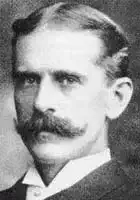
Henry Van Dyke
Longfellow
Longfellow
In a great land, a new land, a land full of labour
and riches and confusion,
Where there were many running to and fro, and
shouting, and striving together,
In the midst of the hurry and the troubled noise,
I heard the voice of one singing.
"What are you doing there, O man, singing
quietly amid all this tumult?
This is the time for new inventions, mighty
shoutings, and blowings of the trumpet."
But he answered, "I am only shepherding my
sheep with music."
So he went along his chosen way, keeping his
little flock around him;
And he paused to listen, now and then, beside
the antique fountains,
Where the faces of forgotten gods were refreshed
with musically falling waters;
Or he sat for a while at the blacksmith's door,
and heard the cling-clang of the anvils;
Or he rested beneath old steeples full of bells,
that showered their chimes upon him;
Or he walked along the border of the sea,
drinking in the long roar of the billows;
Or he sunned himself in the pine-scented shipyard,
amid the tattoo of the mallets;
Or he leaned on the rail of the bridge, letting
his thoughts flow with the whispering river;
He hearkened also to ancient tales, and made
them young again with his singing.
Then a flaming arrow of death fell on his flock,
and pierced the heart of his dearest!
Silent the music now, as the shepherd entered
the mystical temple of sorrow:
Long he tarried in darkness there: but when he
came out he was singing.
And I saw the faces of men and women and
children silently turning toward him;
The youth setting out on the journey of life, and
the old man waiting beside the last mile-stone;
The toiler sweating beneath his load; and the
happy mother rocking her cradle;
The lonely sailor on far-off seas; and the greyminded
scholar in his book-room;
The mill-hand bound to a clacking machine; and
the hunter in the forest;
And the solitary soul hiding friendless in the
wilderness of the city;
Many human faces, full of care and longing, were
drawn irresistibly toward him,
By the charm of something known to every heart,
yet very strange and lovely,
And at the sound of that singing wonderfully
all their faces were lightened.
"Why do you listen, O you people, to this old
and world-worn music?
This is not for you, in the splendour of a new
age, in the democratic triumph!
Listen to the clashing cymbals, the big drums, the
brazen trumpets of your poets."
But the people made no answer, following in
their hearts the simpler music:
For it seemed to them, noise-weary, nothing
could be better worth the hearing
Than the melodies which brought sweet order
into life's confusion.
So the shepherd sang his way along, until he
came unto a mountain:
And I know not surely whether it was called
Parnassus,
But he climbed it out of sight, and still I heard
the voice of one singing.
In a great land, a new land, a land full of labour
and riches and confusion,
Where there were many running to and fro, and
shouting, and striving together,
In the midst of the hurry and the troubled noise,
I heard the voice of one singing.
"What are you doing there, O man, singing
quietly amid all this tumult?
This is the time for new inventions, mighty
shoutings, and blowings of the trumpet."
But he answered, "I am only shepherding my
sheep with music."
So he went along his chosen way, keeping his
little flock around him;
And he paused to listen, now and then, beside
the antique fountains,
Where the faces of forgotten gods were refreshed
with musically falling waters;
Or he sat for a while at the blacksmith's door,
and heard the cling-clang of the anvils;
Or he rested beneath old steeples full of bells,
that showered their chimes upon him;
Or he walked along the border of the sea,
drinking in the long roar of the billows;
Or he sunned himself in the pine-scented shipyard,
amid the tattoo of the mallets;
Or he leaned on the rail of the bridge, letting
his thoughts flow with the whispering river;
He hearkened also to ancient tales, and made
them young again with his singing.
Then a flaming arrow of death fell on his flock,
and pierced the heart of his dearest!
Silent the music now, as the shepherd entered
the mystical temple of sorrow:
Long he tarried in darkness there: but when he
came out he was singing.
And I saw the faces of men and women and
children silently turning toward him;
The youth setting out on the journey of life, and
the old man waiting beside the last mile-stone;
The toiler sweating beneath his load; and the
happy mother rocking her cradle;
The lonely sailor on far-off seas; and the greyminded
scholar in his book-room;
The mill-hand bound to a clacking machine; and
the hunter in the forest;
And the solitary soul hiding friendless in the
wilderness of the city;
Many human faces, full of care and longing, were
drawn irresistibly toward him,
By the charm of something known to every heart,
yet very strange and lovely,
And at the sound of that singing wonderfully
all their faces were lightened.
"Why do you listen, O you people, to this old
and world-worn music?
This is not for you, in the splendour of a new
age, in the democratic triumph!
Listen to the clashing cymbals, the big drums, the
brazen trumpets of your poets."
But the people made no answer, following in
their hearts the simpler music:
For it seemed to them, noise-weary, nothing
could be better worth the hearing
Than the melodies which brought sweet order
into life's confusion.
So the shepherd sang his way along, until he
came unto a mountain:
And I know not surely whether it was called
Parnassus,
But he climbed it out of sight, and still I heard
the voice of one singing.
295
Henry Van Dyke
Keats
Keats
The melancholy gift Aurora gained
From Jove, that her sad lover should not see
The face of death, no goddess asked for thee,
My Keats! But when the crimson blood-drop stained
Thy pillow, thou didst read the fate ordained, --
Brief life, wild love, a flight of poesy!
And then, -- a shadow fell on Italy:
Thy star went down before its brightness waned,
Yet thou hast won the gift Tithonus missed:
Never to feel the pain of growing old,
Nor lose the blissful sight of beauty's truth,
But with the ardent lips that music kissed
To breathe thy song, and, ere thy heart grew cold,
Become the Poet of Immortal Youth.
The melancholy gift Aurora gained
From Jove, that her sad lover should not see
The face of death, no goddess asked for thee,
My Keats! But when the crimson blood-drop stained
Thy pillow, thou didst read the fate ordained, --
Brief life, wild love, a flight of poesy!
And then, -- a shadow fell on Italy:
Thy star went down before its brightness waned,
Yet thou hast won the gift Tithonus missed:
Never to feel the pain of growing old,
Nor lose the blissful sight of beauty's truth,
But with the ardent lips that music kissed
To breathe thy song, and, ere thy heart grew cold,
Become the Poet of Immortal Youth.
254
Henry Van Dyke
Joyful, Joyful, We Adore Thee
Joyful, Joyful, We Adore Thee
Joyful, joyful we adore Thee, God of glory, Lord of love,
Hearts unfold like flowers before Thee, hail Thee as the sun above.
Melt the clouds of sin and sadness, drive the dark of doubt away;
Giver of immortal gladness, fill us with the light of day.
All Thy works with joy surround Thee, earth and heav'n reflect Thy rays,
Stars and agnels sing around Thee, center of unbroken praise;
Field and forest, vale and moutain, flow'ry meadow, flashing sea,
Chanting birds and flowing fountain call us to rejoice in Thee.
Thou art givind and forgiving, ever blessing, ever blest,
Wellspring of the joy of living, ocean depth of happy rest.
Thou our Father, Christ our Brother, all who live in love are Thine;
Teach us how to love each other, lift us to the Joy Divine.
Mortals, join the mighty chorus which the morning stars began,
Father love is reigning o'er us, brother love binds man to man.
Ever singing, march we onward, victors in the midst of strife;
Joyful music lifts us sunward, in the triumph song of life.
Joyful, joyful we adore Thee, God of glory, Lord of love,
Hearts unfold like flowers before Thee, hail Thee as the sun above.
Melt the clouds of sin and sadness, drive the dark of doubt away;
Giver of immortal gladness, fill us with the light of day.
All Thy works with joy surround Thee, earth and heav'n reflect Thy rays,
Stars and agnels sing around Thee, center of unbroken praise;
Field and forest, vale and moutain, flow'ry meadow, flashing sea,
Chanting birds and flowing fountain call us to rejoice in Thee.
Thou art givind and forgiving, ever blessing, ever blest,
Wellspring of the joy of living, ocean depth of happy rest.
Thou our Father, Christ our Brother, all who live in love are Thine;
Teach us how to love each other, lift us to the Joy Divine.
Mortals, join the mighty chorus which the morning stars began,
Father love is reigning o'er us, brother love binds man to man.
Ever singing, march we onward, victors in the midst of strife;
Joyful music lifts us sunward, in the triumph song of life.
389
Henry Van Dyke
Jeanne d'Arc Returns
Jeanne d'Arc Returns
1914-1916
What hast thou done, O womanhood of France,
Mother and daughter, sister, sweetheart, wife,
What hast thou done, amid this fateful strife,
To prove the pride of thine inheritance
In this fair land of freedom and romance?
I hear thy voice with tears and courage rife,--
Smiling against the swords that seek thy life,--
Make answer in a noble utterance:
"I give France all I have, and all she asks.
Would it were more! Ah, let her ask and take:
My hands to nurse her wounded, do her tasks,--
My feet to run her errands through the dark,--
My heart to bleed in triumph for her sake,--
And all my soul to follow thee, Jeanne d'Arc!"
1914-1916
What hast thou done, O womanhood of France,
Mother and daughter, sister, sweetheart, wife,
What hast thou done, amid this fateful strife,
To prove the pride of thine inheritance
In this fair land of freedom and romance?
I hear thy voice with tears and courage rife,--
Smiling against the swords that seek thy life,--
Make answer in a noble utterance:
"I give France all I have, and all she asks.
Would it were more! Ah, let her ask and take:
My hands to nurse her wounded, do her tasks,--
My feet to run her errands through the dark,--
My heart to bleed in triumph for her sake,--
And all my soul to follow thee, Jeanne d'Arc!"
339
Henry Van Dyke
Inscriptions for a Friend's House
Inscriptions for a Friend's House
THE HOUSE
The cornerstone in Truth is laid,
The guardian walls of Honour made,
The roof of Faith is built above,
The fire upon the hearth is Love:
Though rains descend and loud winds call,
This happy house shall never fall.
THE DOORSTEAD
The lintel low enough to keep out pomp and pride:
The threshold high enough to turn deceit aside:
The doorband strong enough from robbers to defend:
This door will open at a touch to welcome every friend.
THE HEARTHSTONE
When the logs are burning free,
Then the fire is full of glee:
When each heart gives out its best,
Then the talk is full of zest:
Light your fire and never fear,
Life was made for love and cheer.
THE SUN-DIAL
Time can never take
What Time did not give;
When my shadows have all passed,
You shall live.
THE HOUSE
The cornerstone in Truth is laid,
The guardian walls of Honour made,
The roof of Faith is built above,
The fire upon the hearth is Love:
Though rains descend and loud winds call,
This happy house shall never fall.
THE DOORSTEAD
The lintel low enough to keep out pomp and pride:
The threshold high enough to turn deceit aside:
The doorband strong enough from robbers to defend:
This door will open at a touch to welcome every friend.
THE HEARTHSTONE
When the logs are burning free,
Then the fire is full of glee:
When each heart gives out its best,
Then the talk is full of zest:
Light your fire and never fear,
Life was made for love and cheer.
THE SUN-DIAL
Time can never take
What Time did not give;
When my shadows have all passed,
You shall live.
333
Henry Van Dyke
If All the Skies
If All the Skies
If all the skies were sunshine,
Our faces would be fain
To feel once more upon them
The cooling splash of rain.
If all the world were music,
Our hearts would often long
For one sweet strain of silence,
To break the endless song.
If life were always merry,
Our souls would seek relief,
And rest from weary laughter
In the quiet arms of grief.
If all the skies were sunshine,
Our faces would be fain
To feel once more upon them
The cooling splash of rain.
If all the world were music,
Our hearts would often long
For one sweet strain of silence,
To break the endless song.
If life were always merry,
Our souls would seek relief,
And rest from weary laughter
In the quiet arms of grief.
268
Henry Van Dyke
Hide and Seek
Hide and Seek
All the trees are sleeping, all the winds are still,
All the flocks of fleecy clouds have wandered past the hill;
Through the noonday silence, down the woods of June,
Hark, a little hunter's voice comes running with a tune.
"Hide and seek!
"When I speak,
"You must answer me:
"Call again,
"Merry men,
"Coo-ee, coo-ee, coo-ee!"
Now I hear his footsteps, rustling through the grass:
Hidden in my leafy nook, shall I let him pass?
Just a low, soft whistle,--quick the hunter turns,
Leaps upon me laughing, rolls me in the ferns.
"Hold him fast,
"Caught at last!
"Now you're it, you see.
"Hide your eye,
"Till I cry,
"Coo-ee, coo-ee, coo-ee!"
II
Long ago he left me, long and long ago:
Now I wander through the world and seek him high and low;
Hidden safe and happy, in some pleasant place,--
Ah, if I could hear his voice, I soon should find his face.
Far away,
Many a day,
Where can Barney be?
Answer, dear,
Don't you hear?
Coo-ee, coo-ee, coo-ee!
Birds that in the spring-time thrilled his heart with joy,
Flowers he loved to pick for me, mind me of my boy.
Surely he is waiting till my steps come nigh;
Love may hide itself awhile, but love can never die.
Heart, be glad,
The little lad
Will call some day to thee:
"Father dear,
"Heaven is here,
"Coo-ee, coo-ee, coo-ee!"
All the trees are sleeping, all the winds are still,
All the flocks of fleecy clouds have wandered past the hill;
Through the noonday silence, down the woods of June,
Hark, a little hunter's voice comes running with a tune.
"Hide and seek!
"When I speak,
"You must answer me:
"Call again,
"Merry men,
"Coo-ee, coo-ee, coo-ee!"
Now I hear his footsteps, rustling through the grass:
Hidden in my leafy nook, shall I let him pass?
Just a low, soft whistle,--quick the hunter turns,
Leaps upon me laughing, rolls me in the ferns.
"Hold him fast,
"Caught at last!
"Now you're it, you see.
"Hide your eye,
"Till I cry,
"Coo-ee, coo-ee, coo-ee!"
II
Long ago he left me, long and long ago:
Now I wander through the world and seek him high and low;
Hidden safe and happy, in some pleasant place,--
Ah, if I could hear his voice, I soon should find his face.
Far away,
Many a day,
Where can Barney be?
Answer, dear,
Don't you hear?
Coo-ee, coo-ee, coo-ee!
Birds that in the spring-time thrilled his heart with joy,
Flowers he loved to pick for me, mind me of my boy.
Surely he is waiting till my steps come nigh;
Love may hide itself awhile, but love can never die.
Heart, be glad,
The little lad
Will call some day to thee:
"Father dear,
"Heaven is here,
"Coo-ee, coo-ee, coo-ee!"
325
Henry Van Dyke
Gratitude
Gratitude
"Do you give thanks for this? -- or that?"
No, God be thanked
I am not grateful
In that cold, calculating way, with blessing ranked
As one, two, three, and four, -- that would be hateful.
I only know that every day brings good above"
My poor deserving;
I only feel that, in the road of Life, true Love
Is leading me along and never swerving.
Whatever gifts and mercies in my lot may fall,
I would not measure
As worth a certain price in praise, or great or small;
But take and use them all with simple pleasure.
For when we gladly eat our daily bread, we bless
The Hand that feeds us;
And when we tread the road of Life in cheerfulness,
Our very heart-beats praise the Love that leads us.
"Do you give thanks for this? -- or that?"
No, God be thanked
I am not grateful
In that cold, calculating way, with blessing ranked
As one, two, three, and four, -- that would be hateful.
I only know that every day brings good above"
My poor deserving;
I only feel that, in the road of Life, true Love
Is leading me along and never swerving.
Whatever gifts and mercies in my lot may fall,
I would not measure
As worth a certain price in praise, or great or small;
But take and use them all with simple pleasure.
For when we gladly eat our daily bread, we bless
The Hand that feeds us;
And when we tread the road of Life in cheerfulness,
Our very heart-beats praise the Love that leads us.
309
Henry Van Dyke
Edmund Clarence Stedman
Edmund Clarence Stedman
Oh, quick to feel the lightest touch
Of beauty or of truth,
Rich in the thoughtfulness of age,
The hopefulness of youth,
The courage of the gentle heart,
The wisdom of the pure,
The strength of finely tempered souls
To labour and endure!
The blue of springtime in your eyes
Was never quenched by pain;
And winter brought your head the crown
Of snow without a stain.
The poet's mind, the prince's heart,
You kept until the end,
Nor ever faltered in your work,
Nor ever failed a friend.
Oh, quick to feel the lightest touch
Of beauty or of truth,
Rich in the thoughtfulness of age,
The hopefulness of youth,
The courage of the gentle heart,
The wisdom of the pure,
The strength of finely tempered souls
To labour and endure!
The blue of springtime in your eyes
Was never quenched by pain;
And winter brought your head the crown
Of snow without a stain.
The poet's mind, the prince's heart,
You kept until the end,
Nor ever faltered in your work,
Nor ever failed a friend.
319
Henry Van Dyke
Departure
Departure
Oh, why are you shining so bright, big Sun,
And why is the garden so gay?
Do you know that my days of delight are done,
Do you know I am going away?
If you covered your face with a cloud, I 'd dream
You were sorry for me in my pain,
And the heads of the flowers all bowed would seem
To be weeping with me in the rain.
But why is your head so low, sweet heart,
And why are your eyes overcast?
Are they clouded because you know we must part,
Do you think this embrace is our last?
Then kiss me again, and again, and again,
Look up as you bid me good-bye!
For your face is too dear for the stain of a tear,
And your smile is the sun in my sky.
Oh, why are you shining so bright, big Sun,
And why is the garden so gay?
Do you know that my days of delight are done,
Do you know I am going away?
If you covered your face with a cloud, I 'd dream
You were sorry for me in my pain,
And the heads of the flowers all bowed would seem
To be weeping with me in the rain.
But why is your head so low, sweet heart,
And why are your eyes overcast?
Are they clouded because you know we must part,
Do you think this embrace is our last?
Then kiss me again, and again, and again,
Look up as you bid me good-bye!
For your face is too dear for the stain of a tear,
And your smile is the sun in my sky.
294
Henry Van Dyke
Dulcis Memoria
Dulcis Memoria
Long, long ago I heard a little song,
(Ah, was it long ago, or yesterday?)
So lowly, slowly wound the tune along,
That far into my heart it found the way:
A melody consoling and endearing;
And still, in silent hours, I'm often hearing
The small, sweet song that does not die away.
Long, long ago I saw a little flower,-(
Ah, was it long ago, or yesterday?)
So fair of face and fragrant for an hour,
That something dear to me it seemed to say:
A thought of joy that blossomed into being
Without a word; and now I'm often seeing
The friendly flower that does not fade away.
Long, long ago we had a little child,-(
Ah, was it long ago, or yesterday?)
Into his mother's eyes and mine he smiled
Unconscious love; warm in our arms he lay.
An angel called! Dear heart, we could not hold him;
Yet secretly your arms and mine infold him--
Our little child who does not go away.
Long, long ago? Ah, memory, make it clear-(
It was not long ago, but yesterday,)
So little and so helpless and so dear
Let not the song be lost, the flower decay!
His voice, his waking eyes, his gentle sleeping:
The smallest things are safest in thy keeping.
Sweet memory, keep our child with us always.
Long, long ago I heard a little song,
(Ah, was it long ago, or yesterday?)
So lowly, slowly wound the tune along,
That far into my heart it found the way:
A melody consoling and endearing;
And still, in silent hours, I'm often hearing
The small, sweet song that does not die away.
Long, long ago I saw a little flower,-(
Ah, was it long ago, or yesterday?)
So fair of face and fragrant for an hour,
That something dear to me it seemed to say:
A thought of joy that blossomed into being
Without a word; and now I'm often seeing
The friendly flower that does not fade away.
Long, long ago we had a little child,-(
Ah, was it long ago, or yesterday?)
Into his mother's eyes and mine he smiled
Unconscious love; warm in our arms he lay.
An angel called! Dear heart, we could not hold him;
Yet secretly your arms and mine infold him--
Our little child who does not go away.
Long, long ago? Ah, memory, make it clear-(
It was not long ago, but yesterday,)
So little and so helpless and so dear
Let not the song be lost, the flower decay!
His voice, his waking eyes, his gentle sleeping:
The smallest things are safest in thy keeping.
Sweet memory, keep our child with us always.
360
Henry Van Dyke
Autumn in the Garden
Autumn in the Garden
When the frosty kiss of Autumn in the dark
Makes its mark
On the flowers, and the misty morning grieves
Over fallen leaves;
Then my olden garden, where the golden soil
Through the toil
Of a hundred years is mellow, rich, and deep,
Whispers in its sleep.
'Mid the crumpled beds of marigold and phlox,
Where the box
Borders with its glossy green the ancient walks,
There's a voice that talks
Of the human hopes that bloomed and withered here
Year by year,--
Dreams of joy, that brightened all the labouring hours,
Fading as the flowers.
Yet the whispered story does not deepen grief;
But relief
For the loneliness of sorrow seems to flow
From the Long-Ago,
When I think of other lives that learned, like mine,
To resign,
And remember that the sadness of the fall
Comes alike to all.
What regrets, what longings for the lost were theirs!
And what prayers
For the silent strength that nerves us to endure
Things we cannot cure!
Pacing up and down the garden where they paced,
I have traced
All their well-worn paths of patience, till I find
Comfort in my mind.
Faint and far away their ancient griefs appear:
Yet how near
Is the tender voice, the careworn, kindly face,
Of the human race!
Let us walk together in the garden, dearest heart,
Not apart!
They who know the sorrows other lives have known
Never walk alone.
When the frosty kiss of Autumn in the dark
Makes its mark
On the flowers, and the misty morning grieves
Over fallen leaves;
Then my olden garden, where the golden soil
Through the toil
Of a hundred years is mellow, rich, and deep,
Whispers in its sleep.
'Mid the crumpled beds of marigold and phlox,
Where the box
Borders with its glossy green the ancient walks,
There's a voice that talks
Of the human hopes that bloomed and withered here
Year by year,--
Dreams of joy, that brightened all the labouring hours,
Fading as the flowers.
Yet the whispered story does not deepen grief;
But relief
For the loneliness of sorrow seems to flow
From the Long-Ago,
When I think of other lives that learned, like mine,
To resign,
And remember that the sadness of the fall
Comes alike to all.
What regrets, what longings for the lost were theirs!
And what prayers
For the silent strength that nerves us to endure
Things we cannot cure!
Pacing up and down the garden where they paced,
I have traced
All their well-worn paths of patience, till I find
Comfort in my mind.
Faint and far away their ancient griefs appear:
Yet how near
Is the tender voice, the careworn, kindly face,
Of the human race!
Let us walk together in the garden, dearest heart,
Not apart!
They who know the sorrows other lives have known
Never walk alone.
309
Henry Van Dyke
A Mile With Me
A Mile With Me
O who will walk a mile with me
Along life's merry way?
A comrade blithe and full of glee,
Who dares to laugh out loud and free,
And let his frolic fancy play,
Like a happy child, through the flowers gay
That fill the field and fringe the way
Where he walks a mile with me.
And who will walk a mile with me
Along life's weary way?
A friend whose heart has eyes to see
The stars shine out o'er the darkening lea,
And the quiet rest at the end o' the day,--
A friend who knows, and dares to say,
The brave, sweet words that cheer the way
Where he walks a mile with me.
With such a comrade, such a friend,
I fain would walk till journeys end,
Through summer sunshine, winter rain,
And then?--Farewell, we shall meet again!
O who will walk a mile with me
Along life's merry way?
A comrade blithe and full of glee,
Who dares to laugh out loud and free,
And let his frolic fancy play,
Like a happy child, through the flowers gay
That fill the field and fringe the way
Where he walks a mile with me.
And who will walk a mile with me
Along life's weary way?
A friend whose heart has eyes to see
The stars shine out o'er the darkening lea,
And the quiet rest at the end o' the day,--
A friend who knows, and dares to say,
The brave, sweet words that cheer the way
Where he walks a mile with me.
With such a comrade, such a friend,
I fain would walk till journeys end,
Through summer sunshine, winter rain,
And then?--Farewell, we shall meet again!
245
Henry Van Dyke
A Child in the Garden
A Child in the Garden
When to the garden of untroubled thought
I came of late, and saw the open door,
And wished again to enter, and explore
The sweet, wild ways with stainless bloom inwrought,
And bowers of innocence with beauty fraught,
It seemed some purer voice must speak before
I dared to tread that garden loved of yore,
That Eden lost unknown and found unsought.
Then just within the gate I saw a child, --
A stranger-child, yet to my heart most dear;
He held his hands to me, and softly smiled
With eyes that knew no shade of sin or fear:
"Come in," he said, "and play awhile with me;"
"I am the little child you used to be."
When to the garden of untroubled thought
I came of late, and saw the open door,
And wished again to enter, and explore
The sweet, wild ways with stainless bloom inwrought,
And bowers of innocence with beauty fraught,
It seemed some purer voice must speak before
I dared to tread that garden loved of yore,
That Eden lost unknown and found unsought.
Then just within the gate I saw a child, --
A stranger-child, yet to my heart most dear;
He held his hands to me, and softly smiled
With eyes that knew no shade of sin or fear:
"Come in," he said, "and play awhile with me;"
"I am the little child you used to be."
328
Henry Van Dyke
A Health to Mark Twain
A Health to Mark Twain
At his Birthday Feast
With memories old and wishes new
We crown our cups again,
And here's to you, and here's to you
With love that ne'er shall wane!
And may you keep, at sixty-seven,
The joy of earth, the hope of heaven,
And fame well-earned, and friendship true,
And peace that comforts every pain,
And faith that fights the battle through,
And all your heart's unbounded wealth,
And all your wit, and all your health,--
Yes, here's a hearty health to you,
And here's to you, and here's to you,
Long life to you, Mark Twain.
At his Birthday Feast
With memories old and wishes new
We crown our cups again,
And here's to you, and here's to you
With love that ne'er shall wane!
And may you keep, at sixty-seven,
The joy of earth, the hope of heaven,
And fame well-earned, and friendship true,
And peace that comforts every pain,
And faith that fights the battle through,
And all your heart's unbounded wealth,
And all your wit, and all your health,--
Yes, here's a hearty health to you,
And here's to you, and here's to you,
Long life to you, Mark Twain.
236

Henry Lawson
Written Afterwards
Written Afterwards
So the days of my tramping are over,
And the days of my riding are done—
I’m about as content as a rover
Will ever be under the sun;
I write, after reading your letter—
My pipe with old memories rife—
And I feel in a mood that had better
Not meet the true eyes of the wife.
You must never admit a suggestion
That old things are good to recall;
You must never consider the question:
‘Was I happier then, after all?’
You must banish the old hope and sorrow
That make the sad pleasures of life,
You must live for To-day and To-morrow
If you want to be just to the wife.
I have changed since the first day I kissed her.
Which is due—Heaven bless her!—to her;
I’m respected and trusted—I’m ‘Mister,’
Addressed by the children as ‘Sir.’
And I feel the respect without feigning—
But you’d laugh the great laugh of your life
If you only saw me entertaining
An old lady friend of the wife.
By-the-way, when you’re writing, remember
That you never went drinking with me,
And forget our last night of December,
Lest our sev’ral accounts disagree.
And, for my sake, old man, you had better
Avoid the old language of strife,
For the technical terms of your letter
May be misunderstood by the wife.
Never hint of the girls appertaining
To the past (when you’re writing again),
For they take such a lot of explaining,
And you know how I hate to explain.
There are some things, we know to our sorrow,
That cut to the heart like a knife,
And your past is To-day and To-morrow
If you want to be true to the wife.
I believe that the creed we were chums in
Was grand, but too abstract and bold,
And the knowledge of life only comes in
When you’re married and fathered and old.
And it’s well. You may travel as few men,
You may stick to a mistress for life;
But the world, as it is, born of woman
Must be seen through the eyes of the wife.
No doubt you are dreaming as I did
And going the careless old pace,
While my future grows dull and decided,
And the world narrows down to the Place.
Let it be. If my ‘treason’s’ resented,
You may do worse, old man, in your life;
Let me dream, too, that I am contented—
For the sake of a true little wife.
So the days of my tramping are over,
And the days of my riding are done—
I’m about as content as a rover
Will ever be under the sun;
I write, after reading your letter—
My pipe with old memories rife—
And I feel in a mood that had better
Not meet the true eyes of the wife.
You must never admit a suggestion
That old things are good to recall;
You must never consider the question:
‘Was I happier then, after all?’
You must banish the old hope and sorrow
That make the sad pleasures of life,
You must live for To-day and To-morrow
If you want to be just to the wife.
I have changed since the first day I kissed her.
Which is due—Heaven bless her!—to her;
I’m respected and trusted—I’m ‘Mister,’
Addressed by the children as ‘Sir.’
And I feel the respect without feigning—
But you’d laugh the great laugh of your life
If you only saw me entertaining
An old lady friend of the wife.
By-the-way, when you’re writing, remember
That you never went drinking with me,
And forget our last night of December,
Lest our sev’ral accounts disagree.
And, for my sake, old man, you had better
Avoid the old language of strife,
For the technical terms of your letter
May be misunderstood by the wife.
Never hint of the girls appertaining
To the past (when you’re writing again),
For they take such a lot of explaining,
And you know how I hate to explain.
There are some things, we know to our sorrow,
That cut to the heart like a knife,
And your past is To-day and To-morrow
If you want to be true to the wife.
I believe that the creed we were chums in
Was grand, but too abstract and bold,
And the knowledge of life only comes in
When you’re married and fathered and old.
And it’s well. You may travel as few men,
You may stick to a mistress for life;
But the world, as it is, born of woman
Must be seen through the eyes of the wife.
No doubt you are dreaming as I did
And going the careless old pace,
While my future grows dull and decided,
And the world narrows down to the Place.
Let it be. If my ‘treason’s’ resented,
You may do worse, old man, in your life;
Let me dream, too, that I am contented—
For the sake of a true little wife.
221
Henry Lawson
Will Yer Write It Down for Me?
Will Yer Write It Down for Me?
In the parlour of the shanty where the lives have all gone wrong,
When a singer or reciter gives a story or a song,
Where the poet’s heart is speaking to their hearts in every line,
Till the hardest curse and blubber at the thoughts of Auld Lang Syne;
Then a boozer lurches forward with an oath for all disguise—
Prayers and curses in his soul, and tears and liquor in his eyes—
Grasps the singer or reciter with a death-grip by the hand:
‘That’s the truth, bloke! Sling it at ’em! Oh! Gorbli’me, that was grand!
‘Don’t mind me; I’ve got ’em. You know! What’s yer name, bloke! Don’t yer see?
‘Who’s the bloke what wrote the po’try? Will yer write it down fer me?’
And the backblocks’ bard goes through it, ever seeking as he goes
For the line of least resistance to the hearts of men he knows;
And he tracks their hearts in mateship, and he tracks them out alone—
Seeking for the power to sway them, till he finds it in his own,
Feels what they feel, loves what they love, learns to hate what they condemn,
Takes his pen in tears and triumph, and he writes it down for them.
In the parlour of the shanty where the lives have all gone wrong,
When a singer or reciter gives a story or a song,
Where the poet’s heart is speaking to their hearts in every line,
Till the hardest curse and blubber at the thoughts of Auld Lang Syne;
Then a boozer lurches forward with an oath for all disguise—
Prayers and curses in his soul, and tears and liquor in his eyes—
Grasps the singer or reciter with a death-grip by the hand:
‘That’s the truth, bloke! Sling it at ’em! Oh! Gorbli’me, that was grand!
‘Don’t mind me; I’ve got ’em. You know! What’s yer name, bloke! Don’t yer see?
‘Who’s the bloke what wrote the po’try? Will yer write it down fer me?’
And the backblocks’ bard goes through it, ever seeking as he goes
For the line of least resistance to the hearts of men he knows;
And he tracks their hearts in mateship, and he tracks them out alone—
Seeking for the power to sway them, till he finds it in his own,
Feels what they feel, loves what they love, learns to hate what they condemn,
Takes his pen in tears and triumph, and he writes it down for them.
261
Henry Lawson
When The `Army' Prays For Watty
When The `Army' Prays For Watty
When the kindly hours of darkness, save for light of moon and star,
Hide the picture on the signboard over Doughty's Horse Bazaar;
When the last rose-tint is fading on the distant mulga scrub,
Then the Army prays for Watty at the entrance of his pub.
Now, I often sit at Watty's when the night is very near,
With a head that's full of jingles and the fumes of bottled beer,
For I always have a fancy that, if I am over there
When the Army prays for Watty, I'm included in the prayer.
Watty lounges in his arm-chair, in its old accustomed place,
With a fatherly expression on his round and passive face;
And his arms are clasped before him in a calm, contented way,
And he nods his head and dozes when he hears the Army pray.
And I wonder does he ponder on the distant years and dim,
Or his chances over yonder, when the Army prays for him?
Has he not a fear connected with the warm place down below,
Where, according to good Christians, all the publicans should go?
But his features give no token of a feeling in his breast,
Save of peace that is unbroken and a conscience well at rest;
And we guzzle as we guzzled long before the Army came,
And the loafers wait for `shouters' and -- they get there just the same.
It would take a lot of praying -- lots of thumping on the drum --
To prepare our sinful, straying, erring souls for Kingdom Come;
But I love my fellow-sinners, and I hope, upon the whole,
That the Army gets a hearing when it prays for Watty's soul.
When the kindly hours of darkness, save for light of moon and star,
Hide the picture on the signboard over Doughty's Horse Bazaar;
When the last rose-tint is fading on the distant mulga scrub,
Then the Army prays for Watty at the entrance of his pub.
Now, I often sit at Watty's when the night is very near,
With a head that's full of jingles and the fumes of bottled beer,
For I always have a fancy that, if I am over there
When the Army prays for Watty, I'm included in the prayer.
Watty lounges in his arm-chair, in its old accustomed place,
With a fatherly expression on his round and passive face;
And his arms are clasped before him in a calm, contented way,
And he nods his head and dozes when he hears the Army pray.
And I wonder does he ponder on the distant years and dim,
Or his chances over yonder, when the Army prays for him?
Has he not a fear connected with the warm place down below,
Where, according to good Christians, all the publicans should go?
But his features give no token of a feeling in his breast,
Save of peace that is unbroken and a conscience well at rest;
And we guzzle as we guzzled long before the Army came,
And the loafers wait for `shouters' and -- they get there just the same.
It would take a lot of praying -- lots of thumping on the drum --
To prepare our sinful, straying, erring souls for Kingdom Come;
But I love my fellow-sinners, and I hope, upon the whole,
That the Army gets a hearing when it prays for Watty's soul.
245
Henry Lawson
To-Morrow
To-Morrow
When you’re suffering hard for your sins, old man,
When you wake to trouble and sleep ill—
Oh, this is the clack of the middle class,
‘Win back the respect of the people!’
You are weak, you’re a fool, or a drunken brute
When you’re deep in trouble and sorrow;
But walk down the street in a decent suit,
And their hats will be off to-morrow! Old Chap—
And their hats will be off to-morrow!
They cant and they cackle—‘Redeem the Past!’
Who never had past worth redeeming:
Your soul seems dead, but you’ll find at last
That somewhere your soul lay dreaming.
You may stagger down-hill in a beer-stained coat,
You may loaf, you may cadge and borrow—
But walk down the street with a ten-pound note
And their hats will be off to-morrow! Old Man—
Yes, their hats will be off to-morrow!
But stick to it, man! for your old self’s sake,
Though to brood on the past is human;
Hold up for the sake of the mate who was true,
And the sake of the Other Woman.
And as for the rest, you may take off your hat
And banish all signs of sorrow;
You may take their hands, but in spite of that,
Can they win your respect to-morrow? Old Man—
Can they win your respect to-morrow?
When you’re suffering hard for your sins, old man,
When you wake to trouble and sleep ill—
Oh, this is the clack of the middle class,
‘Win back the respect of the people!’
You are weak, you’re a fool, or a drunken brute
When you’re deep in trouble and sorrow;
But walk down the street in a decent suit,
And their hats will be off to-morrow! Old Chap—
And their hats will be off to-morrow!
They cant and they cackle—‘Redeem the Past!’
Who never had past worth redeeming:
Your soul seems dead, but you’ll find at last
That somewhere your soul lay dreaming.
You may stagger down-hill in a beer-stained coat,
You may loaf, you may cadge and borrow—
But walk down the street with a ten-pound note
And their hats will be off to-morrow! Old Man—
Yes, their hats will be off to-morrow!
But stick to it, man! for your old self’s sake,
Though to brood on the past is human;
Hold up for the sake of the mate who was true,
And the sake of the Other Woman.
And as for the rest, you may take off your hat
And banish all signs of sorrow;
You may take their hands, but in spite of that,
Can they win your respect to-morrow? Old Man—
Can they win your respect to-morrow?
250
Henry Lawson
To Jack
To Jack
SO, I’ve battled it through on my own, Jack,
I have done with all dreaming and doubt.
Though “stoney” to-night and alone, Jack,
I am watching the Old Year out.
I have finished with brooding and fears,
Jack, And the spirit is rising in me,
For the sake of the old New Years, Jack,
And the bright New Years to be.
I have fallen in worldly disgrace, Jack,
And I know very well that you heard;
They have blackened my name in this place, Jack,
And I answered them never a word.
But why should I bluster or grieve,
Jack? So narrow and paltry they be—
I knew you would never believe, Jack,
The lies that were said against me.
That is done which shall never be undone,
And I blame not, I blame not my land,
But I’m hearing the Calling of London,
And I long for the roar of the Strand.
It was always the same with our race,
Jack; You know how a vagabond feels—
We can fight a straight man face to face, Jack.
But we can’t keep the curs from our heels.
You know I loved women and drink, Jack,
And that’s how the trouble began;
But you know that I never would shrink,
Jack, From a deed that was worthy a man!
I never was paltry or mean, Jack.
And cruel I never could be,
I will give you a hand which is clean,
Jack, When we meet again over the sea.
I will bring a few wrinkles of care,
Jack; I have altered a lot, I am told;
The steel-filings show in my hair, Jack;
But my heart is as young as of old.
I have faith still in women, and men, Jack,
Though selfish and blind they may be.
I still have my soul and my pen, Jack,
And my country seems dearer to me.
I will sail when your summer sets in, Jack,
And good-bye to my own native land;
Oh, I long for a glimpse of your grin, Jack,
And I long for the grip of your hand.
We both suffered sorrow and pain, Jack,
And sinned in the days that are done;
But we’ll fight the old battle again, Jack,
Where the battle is worth being won.
SO, I’ve battled it through on my own, Jack,
I have done with all dreaming and doubt.
Though “stoney” to-night and alone, Jack,
I am watching the Old Year out.
I have finished with brooding and fears,
Jack, And the spirit is rising in me,
For the sake of the old New Years, Jack,
And the bright New Years to be.
I have fallen in worldly disgrace, Jack,
And I know very well that you heard;
They have blackened my name in this place, Jack,
And I answered them never a word.
But why should I bluster or grieve,
Jack? So narrow and paltry they be—
I knew you would never believe, Jack,
The lies that were said against me.
That is done which shall never be undone,
And I blame not, I blame not my land,
But I’m hearing the Calling of London,
And I long for the roar of the Strand.
It was always the same with our race,
Jack; You know how a vagabond feels—
We can fight a straight man face to face, Jack.
But we can’t keep the curs from our heels.
You know I loved women and drink, Jack,
And that’s how the trouble began;
But you know that I never would shrink,
Jack, From a deed that was worthy a man!
I never was paltry or mean, Jack.
And cruel I never could be,
I will give you a hand which is clean,
Jack, When we meet again over the sea.
I will bring a few wrinkles of care,
Jack; I have altered a lot, I am told;
The steel-filings show in my hair, Jack;
But my heart is as young as of old.
I have faith still in women, and men, Jack,
Though selfish and blind they may be.
I still have my soul and my pen, Jack,
And my country seems dearer to me.
I will sail when your summer sets in, Jack,
And good-bye to my own native land;
Oh, I long for a glimpse of your grin, Jack,
And I long for the grip of your hand.
We both suffered sorrow and pain, Jack,
And sinned in the days that are done;
But we’ll fight the old battle again, Jack,
Where the battle is worth being won.
240
Henry Lawson
The Women of the Town
The Women of the Town
It is up from out the alleys, from the alleys dark and vile—
It is up from out the alleys I have struggled for a while—
Just to breathe the breath of Heaven ere my devil drags me down,
And to sing a song of pity for the women of the town.
Johnnies in the private bar room, weak and silly, vain and blind—
Even they would shrink and shudder if they knew the hell behind,
And the meanest wouldn’t grumble when he’s bilked of half-a-crown
If he knew as much as I do of the women of the town.
For I see the end too plainly of the golden-headed star
Who is smiling like an angel in the gilded private bar—
Drifting to the third-rate houses, drifting, sinking lower down
Till she raves in some foul parlour with the women of the town.
To the dingy beer-stained parlour all day long the outcasts come—
Draggled, dirty, bleared, repulsive, shameless, aye, and rotten some—
They have sold their bodies and would sell their souls for drink to drown
Memories of wrong that haunt them—haunt the women of the town.
I have seen the haunting terror of the ‘horrors’ in their eyes,
Heard them cry to Christ to help them as the mansoul never cries,
While the smirking landlord listened with a grin or with a frown.
Oh, they suffer hell in drinking, do the women of the town.
I have known too well, God help me! to what depths a man can sink,
Sacrificing wife and children, fame and honour, all for drink.
Deeper, deeper sink the women, for the veriest drunken clown
Has his feet upon the shoulders of the women of the town.
There’s a heavy cloud that’s lying on my spirit like a pall—
’Tis the horror and injustice and the hopelessness of all—
There’s the love of one for ever that no sea of sin can drown,
And she loves a brute, God help her! does the woman of the town.
O my sisters, O my sisters, I am powerless to aid;
’Tis a world of prostitution, it is business, it is trade,
And they profit from the brewer and the smirking landlord down
To the bully and the bludger, on the women of the town.
Oh, the heart of one great poet* called to heaven in a line—
Crying, ‘Mary, pity women!’—You have whiter souls than mine.
And if in the grand Hereafter there is one shall wear a crown—
For the hell that men made for her—’tis the Woman of the Town.
It is up from out the alleys, from the alleys dark and vile—
It is up from out the alleys I have struggled for a while—
Just to breathe the breath of Heaven ere my devil drags me down,
And to sing a song of pity for the women of the town.
Johnnies in the private bar room, weak and silly, vain and blind—
Even they would shrink and shudder if they knew the hell behind,
And the meanest wouldn’t grumble when he’s bilked of half-a-crown
If he knew as much as I do of the women of the town.
For I see the end too plainly of the golden-headed star
Who is smiling like an angel in the gilded private bar—
Drifting to the third-rate houses, drifting, sinking lower down
Till she raves in some foul parlour with the women of the town.
To the dingy beer-stained parlour all day long the outcasts come—
Draggled, dirty, bleared, repulsive, shameless, aye, and rotten some—
They have sold their bodies and would sell their souls for drink to drown
Memories of wrong that haunt them—haunt the women of the town.
I have seen the haunting terror of the ‘horrors’ in their eyes,
Heard them cry to Christ to help them as the mansoul never cries,
While the smirking landlord listened with a grin or with a frown.
Oh, they suffer hell in drinking, do the women of the town.
I have known too well, God help me! to what depths a man can sink,
Sacrificing wife and children, fame and honour, all for drink.
Deeper, deeper sink the women, for the veriest drunken clown
Has his feet upon the shoulders of the women of the town.
There’s a heavy cloud that’s lying on my spirit like a pall—
’Tis the horror and injustice and the hopelessness of all—
There’s the love of one for ever that no sea of sin can drown,
And she loves a brute, God help her! does the woman of the town.
O my sisters, O my sisters, I am powerless to aid;
’Tis a world of prostitution, it is business, it is trade,
And they profit from the brewer and the smirking landlord down
To the bully and the bludger, on the women of the town.
Oh, the heart of one great poet* called to heaven in a line—
Crying, ‘Mary, pity women!’—You have whiter souls than mine.
And if in the grand Hereafter there is one shall wear a crown—
For the hell that men made for her—’tis the Woman of the Town.
255
Henry Lawson
The Water Lily
The Water Lily
A lonely young wife
In her dreaming discerns
A lily-decked pool
With a border of ferns,
And a beautiful child,
With butterfly wings,
Trips down to the edge of the water and sings:
‘Come, mamma! come!
‘Quick! follow me—
‘Step out on the leaves of the water-lily!’
And the lonely young wife,
Her heart beating wild,
Cries, ‘Wait till I come,
‘Till I reach you, my child!’
But the beautiful child
With butterfly wings
Steps out on the leaves of the lily and sings:
‘Come, mamma! come!
‘Quick! follow me!
‘And step on the leaves of the water-lily!
And the wife in her dreaming
Steps out on the stream,
But the lily leaves sink
And she wakes from her dream.
Ah, the waking is sad,
For the tears that it brings,
And she knows ’tis her dead baby’s spirit that sings:
‘Come, mamma! come!
‘Quick! follow me!
‘Step out on the leaves of the water-lily!’
A lonely young wife
In her dreaming discerns
A lily-decked pool
With a border of ferns,
And a beautiful child,
With butterfly wings,
Trips down to the edge of the water and sings:
‘Come, mamma! come!
‘Quick! follow me—
‘Step out on the leaves of the water-lily!’
And the lonely young wife,
Her heart beating wild,
Cries, ‘Wait till I come,
‘Till I reach you, my child!’
But the beautiful child
With butterfly wings
Steps out on the leaves of the lily and sings:
‘Come, mamma! come!
‘Quick! follow me!
‘And step on the leaves of the water-lily!
And the wife in her dreaming
Steps out on the stream,
But the lily leaves sink
And she wakes from her dream.
Ah, the waking is sad,
For the tears that it brings,
And she knows ’tis her dead baby’s spirit that sings:
‘Come, mamma! come!
‘Quick! follow me!
‘Step out on the leaves of the water-lily!’
271
Henry Lawson
The Wander-Light
The Wander-Light
And they heard the tent-poles clatter,
And the fly in twain was torn –
'Tis the soiled rag of a tatter
Of the tent where I was born.
And what matters it, I wonder?
Brick or stone or calico? –
Or a bush you were born under,
When it happened long ago?
And my beds were camp beds and tramp beds and damp beds,
And my beds were dry beds on drought-stricken ground,
Hard beds and soft beds, and wide beds and narrow –
For my beds were strange beds the wide world round.
And the old hag seemed to ponder
('Twas my mother told me so),
And she said that I would wander
Where but few would think to go.
"He will fly the haunts of tailors,
He will cross the ocean wide,
For his fathers, they were sailors
All on his good father's side."
Behind me, before me, Oh! my roads are stormy
The thunder of skies and the sea's sullen sound,
The coaster or liner, the English or foreign,
The state-room or steerage the wide world round.
And the old hag she seemed troubled
As she bent above the bed,
"He will dream things and he'll see things
To come true when he is dead.
He will see things all too plainly,
And his fellows will deride,
For his mothers they were gipsies
All on his good mother's side."
And my dreams are strange dreams, are day dreams, are grey dreams,
And my dreams are wild dreams, and old dreams and new;
They haunt me and daunt me with fears of the morrow –
My brothers they doubt me – but my dreams come true.
And so I was born of fathers
From where ice-bound harbours are
Men whose strong limbs never rested
And whose blue eyes saw afar.
Till, for gold, one left the ocean,
Seeking over plain and hill;
And so I was born of mothers
Whose deep minds were never still.
I rest not, 'tis best not, the world is a wide one
And, caged for an hour, I pace to and fro;
I see things and dree things and plan while I'm sleeping,
I wander for ever and dream as I go.
I have stood by Table Mountain
On the Lion at Capetown,
And I watched the sunset fading
From the roads that I marked down,
And I looked out with my brothers
From the heights behind Bombay,
Gazing north and west and eastward,
Over roads I'll tread some day.
For my ways are strange ways and new ways and old ways,
And deep ways and steep ways and high ways and low;
I'm at home and at ease on a track that I know not,
And restless and lost on a road that I know.
And they heard the tent-poles clatter,
And the fly in twain was torn –
'Tis the soiled rag of a tatter
Of the tent where I was born.
And what matters it, I wonder?
Brick or stone or calico? –
Or a bush you were born under,
When it happened long ago?
And my beds were camp beds and tramp beds and damp beds,
And my beds were dry beds on drought-stricken ground,
Hard beds and soft beds, and wide beds and narrow –
For my beds were strange beds the wide world round.
And the old hag seemed to ponder
('Twas my mother told me so),
And she said that I would wander
Where but few would think to go.
"He will fly the haunts of tailors,
He will cross the ocean wide,
For his fathers, they were sailors
All on his good father's side."
Behind me, before me, Oh! my roads are stormy
The thunder of skies and the sea's sullen sound,
The coaster or liner, the English or foreign,
The state-room or steerage the wide world round.
And the old hag she seemed troubled
As she bent above the bed,
"He will dream things and he'll see things
To come true when he is dead.
He will see things all too plainly,
And his fellows will deride,
For his mothers they were gipsies
All on his good mother's side."
And my dreams are strange dreams, are day dreams, are grey dreams,
And my dreams are wild dreams, and old dreams and new;
They haunt me and daunt me with fears of the morrow –
My brothers they doubt me – but my dreams come true.
And so I was born of fathers
From where ice-bound harbours are
Men whose strong limbs never rested
And whose blue eyes saw afar.
Till, for gold, one left the ocean,
Seeking over plain and hill;
And so I was born of mothers
Whose deep minds were never still.
I rest not, 'tis best not, the world is a wide one
And, caged for an hour, I pace to and fro;
I see things and dree things and plan while I'm sleeping,
I wander for ever and dream as I go.
I have stood by Table Mountain
On the Lion at Capetown,
And I watched the sunset fading
From the roads that I marked down,
And I looked out with my brothers
From the heights behind Bombay,
Gazing north and west and eastward,
Over roads I'll tread some day.
For my ways are strange ways and new ways and old ways,
And deep ways and steep ways and high ways and low;
I'm at home and at ease on a track that I know not,
And restless and lost on a road that I know.
282
Henry Lawson
The Unknown God
The Unknown God
The President to Kingdoms,
As in the Days of Old;
The King to the Republic,
As it had been foretold.
They could not read the spelling,
They would not hear the call;
They would not brook the telling
Of Writing on the Wall.
I buy my Peace with Slaughter,
With Peace I fashion War;
I drown the land with water,
With land I build the shore.
I walk with Son and Daughter
Where Ocean rolled before.
I build a town where sea was
A tower where tempests roar.
From bays in distant islands,
And rocks in lonely seas,
With unseen Death in silence
I smite mine enemies!
The great Cathedral crashes
Where once a city stood;
I build again on ashes
And breed on clotted blood!
I link the seas together,
And at my sign and will
The train runs on the ocean bed,
The great ship climbs the hill!
For pastime I flood deserts
With water from the rill;
And in my tireless leisure hours
I empty lakes, and fill.
I plumb the seas beneath us
And fathom skies above,
Yet I make Peace for hatred
And I make War for love.
I race beneath the ranges
And sit where Mystery dwells—
Yet mankind sees no changes,
They ask for “miracles!”
I own the world and span its
Lone lands from Pole to Pole;
I live in other planets,
Yet do not know my soul—
The soul that none may fathom,
Whose secrets none may tell,
The soul that none may humble,
The Soul Unconquerable!
I am the God of Ages!
I am the Unknown God!
My life is written pages
Wherever man hath trod.
From bounds of Polar regions,
To where the Desert reigns,
I’ve left my myriad legions
On countless vanished plains.
And I shall reign for ever
On earth while oceans roll,
In shape of man, or woman,
Through my immortal soul;
Yet I can love and suffer,
Be angry, or be mild,
And I can bow me down and weep
Just like a mortal child.
I conquer Death and Living,
And Fiends in shape of men,
For I rejoice in giving
Not to receive again.
For I am Man!—and Mortal!
And Mammon’s Towers must fall,
Though Greed draws all his pencils through
The Writing on the Wall!
The President to Kingdoms,
As in the Days of Old;
The King to the Republic,
As it had been foretold.
They could not read the spelling,
They would not hear the call;
They would not brook the telling
Of Writing on the Wall.
I buy my Peace with Slaughter,
With Peace I fashion War;
I drown the land with water,
With land I build the shore.
I walk with Son and Daughter
Where Ocean rolled before.
I build a town where sea was
A tower where tempests roar.
From bays in distant islands,
And rocks in lonely seas,
With unseen Death in silence
I smite mine enemies!
The great Cathedral crashes
Where once a city stood;
I build again on ashes
And breed on clotted blood!
I link the seas together,
And at my sign and will
The train runs on the ocean bed,
The great ship climbs the hill!
For pastime I flood deserts
With water from the rill;
And in my tireless leisure hours
I empty lakes, and fill.
I plumb the seas beneath us
And fathom skies above,
Yet I make Peace for hatred
And I make War for love.
I race beneath the ranges
And sit where Mystery dwells—
Yet mankind sees no changes,
They ask for “miracles!”
I own the world and span its
Lone lands from Pole to Pole;
I live in other planets,
Yet do not know my soul—
The soul that none may fathom,
Whose secrets none may tell,
The soul that none may humble,
The Soul Unconquerable!
I am the God of Ages!
I am the Unknown God!
My life is written pages
Wherever man hath trod.
From bounds of Polar regions,
To where the Desert reigns,
I’ve left my myriad legions
On countless vanished plains.
And I shall reign for ever
On earth while oceans roll,
In shape of man, or woman,
Through my immortal soul;
Yet I can love and suffer,
Be angry, or be mild,
And I can bow me down and weep
Just like a mortal child.
I conquer Death and Living,
And Fiends in shape of men,
For I rejoice in giving
Not to receive again.
For I am Man!—and Mortal!
And Mammon’s Towers must fall,
Though Greed draws all his pencils through
The Writing on the Wall!
224