

Anguish
Poems in this topic
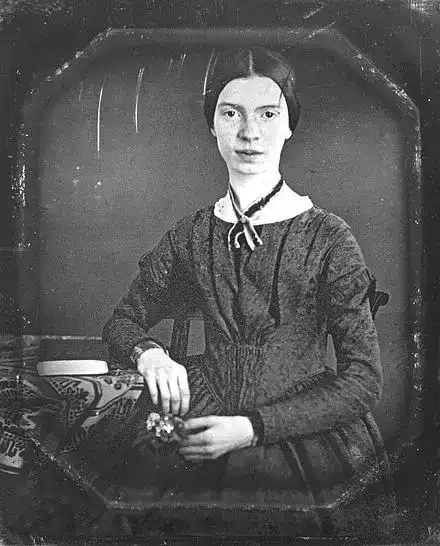
Emily Dickinson
We see-Comparatively
We see-Comparatively
534
We see-Comparatively-
The Thing so towering high
We could not grasp its segment
Unaided-Yesterday-
This Morning's finer Verdict-
Makes scarcely worth the toil-
A furrow-Our Cordillera-
Our Apennine-a Knoll-
Perhaps 'tis kindly-done us-
The Anguish-and the loss-
The wrenching-for His Firmament
The Thing belonged to us-
To spare these Striding Spirits
Some Morning of Chagrin-
The waking in a Gnat's-embrace-
Our Giants-further on-
534
We see-Comparatively-
The Thing so towering high
We could not grasp its segment
Unaided-Yesterday-
This Morning's finer Verdict-
Makes scarcely worth the toil-
A furrow-Our Cordillera-
Our Apennine-a Knoll-
Perhaps 'tis kindly-done us-
The Anguish-and the loss-
The wrenching-for His Firmament
The Thing belonged to us-
To spare these Striding Spirits
Some Morning of Chagrin-
The waking in a Gnat's-embrace-
Our Giants-further on-
1,027
1
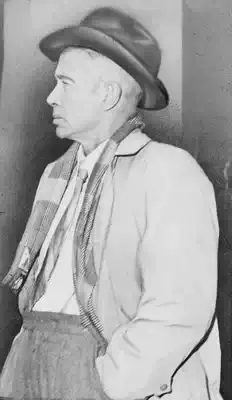
E. E. Cummings
I Am A Beggar Always
I Am A Beggar Always
i am a beggar always
who begs in your mind
(slightly smiling, patient, unspeaking
with a sign on his
chest
BLIND)yes i
am this person of whom somehow
you are never wholly rid(and who
does not ask for more than
just enough dreams to
live on)
after all, kid
you might as well
toss him a few thoughts
a little love preferably,
anything which you can't
pass off on other people: for
instance a
plugged promise
the he will maybe (hearing something
fall into his hat)go wandering
after it with fingers;till having
found
what was thrown away
himself
taptaptaps out of your brain, hopes, life
to(carefully turning a
corner)never bother you any more
Anonymous submission.
i am a beggar always
who begs in your mind
(slightly smiling, patient, unspeaking
with a sign on his
chest
BLIND)yes i
am this person of whom somehow
you are never wholly rid(and who
does not ask for more than
just enough dreams to
live on)
after all, kid
you might as well
toss him a few thoughts
a little love preferably,
anything which you can't
pass off on other people: for
instance a
plugged promise
the he will maybe (hearing something
fall into his hat)go wandering
after it with fingers;till having
found
what was thrown away
himself
taptaptaps out of your brain, hopes, life
to(carefully turning a
corner)never bother you any more
Anonymous submission.
1,392
1
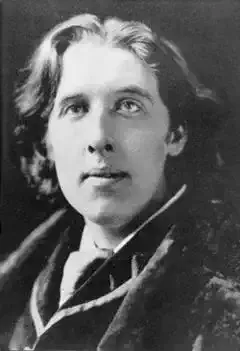
Oscar Wilde
Soneto: E Tenebris
Come down, O Christ, and help me! reach Thy hand,
For I am drowning in a stormier sea
Than Simon on Thy lake of Galilee:
The wine of life is spilt upon the sand,
My heart is as some famine-murdered land
Whence all good things have perished utterly,
And well I know my soul in Hell must lie
If I this night before God's throne should stand.
'He sleeps perchance, or rideth to the chase,
Like Baal, when his prophets howled that name
From morn to noon on Carmel's smitten height.'
Nay, peace, I shall behold, before the night,
The feet of brass, the robe more white than flame,
The wounded hands, the weary human face.
For I am drowning in a stormier sea
Than Simon on Thy lake of Galilee:
The wine of life is spilt upon the sand,
My heart is as some famine-murdered land
Whence all good things have perished utterly,
And well I know my soul in Hell must lie
If I this night before God's throne should stand.
'He sleeps perchance, or rideth to the chase,
Like Baal, when his prophets howled that name
From morn to noon on Carmel's smitten height.'
Nay, peace, I shall behold, before the night,
The feet of brass, the robe more white than flame,
The wounded hands, the weary human face.
629
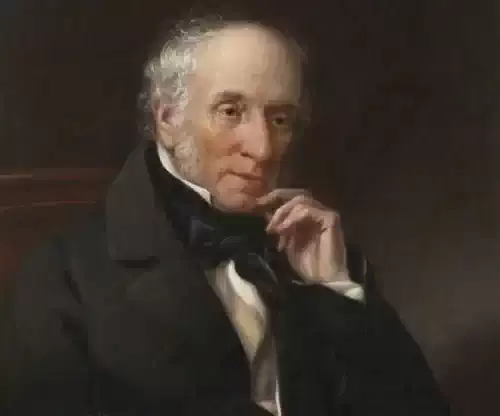
William Wordsworth
Lament of Mary Queen of Scots, on The Eve of a New Year
Lament of Mary Queen of Scots, on The Eve of a New Year
Smile of the Moon!---for I so name
That silent greeting from above;
A gentle flash of light that came
From her whom drooping captives love;
Or art thou of still higher birth?
Thou that didst part the clouds of earth,
My torpor to reprove!
Bright boon of pitying Heaven!---alas,
I may not trust thy placid cheer!
Pondering that Time tonight will pass
The threshold of another year;
For years to me are sad and dull;
My very moments are too full
Of hopelessness and fear.
And yet, the soul-awakening gleam,
That struck perchance the farthest cone
Of Scotland's rocky wilds, did seem
To visit me, and me alone;
Me, unapproached by any friend,
Save those who to my sorrow lend
Tears due unto their own.
To night the church-tower bells will ring
Through these wide realms a festire peal;
To the new year a welcoming;
A tuneful offering for the weal
Of happy millions lulled in deep;
While I am forced to watch and weep,
By wounds that may not heal.
Born all too high, by wedlock raised
Still higherÑto be cast thus low!
Would that mine eyes had never gazed
On aught of more ambitious show
Than the sweet flowerets of the fields
---It is my royal state that yields
This bitterness of woe.
Yet how?---for I, if there be truth
In the world's voice, was passing fair;
And beauty, for confiding youth,
Those shocks of passion can prepare
That kill the bloom before its time;
And blanch, without the owner's crime,
The most resplendent hair.
Unblest distinction! showered on me
To bind a lingering life in chains:
All that could quit my grasp, or flee,
Is gone;---but not the subtle stains
Fixed in the spirit; for even here
Can I be proud that jealous fear
Of what I was remains.
A Woman rules my prison's key;
A sister Queen, against the bent
O£ law and holiest sympathy,
Detains me, doubtful of the event;
Great God, who feel'st for my distress,
My thoughts are all that I possess,
O keep them innocent!
Farewell desire of human aid,
Which abject mortals vainly court!
By friends deceived, by foes betrayed,
Of fears the prey, of hopes the sport;
Nought but the world-redeeming Cross
Is able to support my loss,
My burthen to support.
Hark! the death-note of the year
Sounded by the castle-clock!
From her sunk eyes a stagnant tear
Stole forth, unsettled by the shock;
But oft the woods renewed their green,
Ere the tired head of Scotland's Queen
Reposed upon the block!
Smile of the Moon!---for I so name
That silent greeting from above;
A gentle flash of light that came
From her whom drooping captives love;
Or art thou of still higher birth?
Thou that didst part the clouds of earth,
My torpor to reprove!
Bright boon of pitying Heaven!---alas,
I may not trust thy placid cheer!
Pondering that Time tonight will pass
The threshold of another year;
For years to me are sad and dull;
My very moments are too full
Of hopelessness and fear.
And yet, the soul-awakening gleam,
That struck perchance the farthest cone
Of Scotland's rocky wilds, did seem
To visit me, and me alone;
Me, unapproached by any friend,
Save those who to my sorrow lend
Tears due unto their own.
To night the church-tower bells will ring
Through these wide realms a festire peal;
To the new year a welcoming;
A tuneful offering for the weal
Of happy millions lulled in deep;
While I am forced to watch and weep,
By wounds that may not heal.
Born all too high, by wedlock raised
Still higherÑto be cast thus low!
Would that mine eyes had never gazed
On aught of more ambitious show
Than the sweet flowerets of the fields
---It is my royal state that yields
This bitterness of woe.
Yet how?---for I, if there be truth
In the world's voice, was passing fair;
And beauty, for confiding youth,
Those shocks of passion can prepare
That kill the bloom before its time;
And blanch, without the owner's crime,
The most resplendent hair.
Unblest distinction! showered on me
To bind a lingering life in chains:
All that could quit my grasp, or flee,
Is gone;---but not the subtle stains
Fixed in the spirit; for even here
Can I be proud that jealous fear
Of what I was remains.
A Woman rules my prison's key;
A sister Queen, against the bent
O£ law and holiest sympathy,
Detains me, doubtful of the event;
Great God, who feel'st for my distress,
My thoughts are all that I possess,
O keep them innocent!
Farewell desire of human aid,
Which abject mortals vainly court!
By friends deceived, by foes betrayed,
Of fears the prey, of hopes the sport;
Nought but the world-redeeming Cross
Is able to support my loss,
My burthen to support.
Hark! the death-note of the year
Sounded by the castle-clock!
From her sunk eyes a stagnant tear
Stole forth, unsettled by the shock;
But oft the woods renewed their green,
Ere the tired head of Scotland's Queen
Reposed upon the block!
270
William Wordsworth
Strange Fits of Passion Have I Known
"Strange Fits of Passion Have I Known"
Strange fits of passion have I known:
And I will dare to tell,
But in the lover's ear alone,
What once to me befell.
When she I loved looked every day
Fresh as a rose in June,
I to her cottage bent my way,
Beneath an evening-moon.
Upon the moon I fixed my eye,
All over the wide lea;
With quickening pace my horse drew nigh
Those paths so dear to me.
And now we reached the orchard-plot;
And, as we climbed the hill,
The sinking moon to Lucy's cot
Came near, and nearer still.
In one of those sweet dreams I slept,
Kind Nature's gentlest boon!
And all the while my eye I kept
On the descending moon.
My horse moved on; hoof after hoof
He raised, and never stopped:
When down behind the cottage roof,
At once, the bright moon dropped.
What fond and wayward thoughts will slide
Into a Lover's head!
"O mercy!" to myself I cried,
"If Lucy hould be dead!"
Strange fits of passion have I known:
And I will dare to tell,
But in the lover's ear alone,
What once to me befell.
When she I loved looked every day
Fresh as a rose in June,
I to her cottage bent my way,
Beneath an evening-moon.
Upon the moon I fixed my eye,
All over the wide lea;
With quickening pace my horse drew nigh
Those paths so dear to me.
And now we reached the orchard-plot;
And, as we climbed the hill,
The sinking moon to Lucy's cot
Came near, and nearer still.
In one of those sweet dreams I slept,
Kind Nature's gentlest boon!
And all the while my eye I kept
On the descending moon.
My horse moved on; hoof after hoof
He raised, and never stopped:
When down behind the cottage roof,
At once, the bright moon dropped.
What fond and wayward thoughts will slide
Into a Lover's head!
"O mercy!" to myself I cried,
"If Lucy hould be dead!"
281

William Shakespeare
When in disgrace with fortune and men's eyes (Sonnet 29)
When in disgrace with fortune and men's eyes (Sonnet 29)
When in disgrace with fortune and men's eyes,
I all alone beweep my outcast state,
And trouble deaf heaven with my bootless cries,
And look upon myself and curse my fate,
wishing me like to one more rich in hope,
Featured like him, like him with friends possessed,
Desiring this man's art, and that man's scope,
With what I most enjoy contented least;
Yet in these thoughts myself almost despising,
Haply I think on thee--and then my state,
Like to the lark at break of day arising
From sullen earth sings hymns at heaven's gate;
For thy sweet love remembered such wealth brings,
That then I scorn to change my state with kings.
When in disgrace with fortune and men's eyes,
I all alone beweep my outcast state,
And trouble deaf heaven with my bootless cries,
And look upon myself and curse my fate,
wishing me like to one more rich in hope,
Featured like him, like him with friends possessed,
Desiring this man's art, and that man's scope,
With what I most enjoy contented least;
Yet in these thoughts myself almost despising,
Haply I think on thee--and then my state,
Like to the lark at break of day arising
From sullen earth sings hymns at heaven's gate;
For thy sweet love remembered such wealth brings,
That then I scorn to change my state with kings.
336
William Shakespeare
Sonnet XXIX: When, in disgrace with fortune and men's eyes
Sonnet XXIX: When, in disgrace with fortune and men's eyes
When, in disgrace with fortune and men's eyes,
I all alone beweep my outcast state
And trouble deaf heaven with my bootless cries
And look upon myself and curse my fate,
Wishing me like to one more rich in hope,
Featur'd like him, like him with friends possess'd,
Desiring this man's art and that man's scope,
With what I most enjoy contented least;
Yet in these thoughts myself almost despising,
Haply I think on thee, and then my state,
Like to the lark at break of day arising
From sullen earth, sings hymns at heaven's gate;
For thy sweet love remember'd such wealth brings
That then I scorn to change my state with kings.
When, in disgrace with fortune and men's eyes,
I all alone beweep my outcast state
And trouble deaf heaven with my bootless cries
And look upon myself and curse my fate,
Wishing me like to one more rich in hope,
Featur'd like him, like him with friends possess'd,
Desiring this man's art and that man's scope,
With what I most enjoy contented least;
Yet in these thoughts myself almost despising,
Haply I think on thee, and then my state,
Like to the lark at break of day arising
From sullen earth, sings hymns at heaven's gate;
For thy sweet love remember'd such wealth brings
That then I scorn to change my state with kings.
287
William Shakespeare
Sonnet XC
Sonnet XC
Then hate me when thou wilt; if ever, now;
Now, while the world is bent my deeds to cross,
Join with the spite of fortune, make me bow,
And do not drop in for an after-loss:
Ah, do not, when my heart hath 'scoped this sorrow,
Come in the rearward of a conquer'd woe;
Give not a windy night a rainy morrow,
To linger out a purposed overthrow.
If thou wilt leave me, do not leave me last,
When other petty griefs have done their spite
But in the onset come; so shall I taste
At first the very worst of fortune's might,
And other strains of woe, which now seem woe,
Compared with loss of thee will not seem so.
Then hate me when thou wilt; if ever, now;
Now, while the world is bent my deeds to cross,
Join with the spite of fortune, make me bow,
And do not drop in for an after-loss:
Ah, do not, when my heart hath 'scoped this sorrow,
Come in the rearward of a conquer'd woe;
Give not a windy night a rainy morrow,
To linger out a purposed overthrow.
If thou wilt leave me, do not leave me last,
When other petty griefs have done their spite
But in the onset come; so shall I taste
At first the very worst of fortune's might,
And other strains of woe, which now seem woe,
Compared with loss of thee will not seem so.
255
William Shakespeare
Sonnet CXXXIX
Sonnet CXXXIX
O, call not me to justify the wrong
That thy unkindness lays upon my heart;
Wound me not with thine eye but with thy tongue;
Use power with power and slay me not by art.
Tell me thou lovest elsewhere, but in my sight,
Dear heart, forbear to glance thine eye aside:
What need'st thou wound with cunning when thy might
Is more than my o'er-press'd defense can bide?
Let me excuse thee: ah! my love well knows
Her pretty looks have been mine enemies,
And therefore from my face she turns my foes,
That they elsewhere might dart their injuries:
Yet do not so; but since I am near slain,
Kill me outright with looks and rid my pain.
O, call not me to justify the wrong
That thy unkindness lays upon my heart;
Wound me not with thine eye but with thy tongue;
Use power with power and slay me not by art.
Tell me thou lovest elsewhere, but in my sight,
Dear heart, forbear to glance thine eye aside:
What need'st thou wound with cunning when thy might
Is more than my o'er-press'd defense can bide?
Let me excuse thee: ah! my love well knows
Her pretty looks have been mine enemies,
And therefore from my face she turns my foes,
That they elsewhere might dart their injuries:
Yet do not so; but since I am near slain,
Kill me outright with looks and rid my pain.
288
William Shakespeare
Sonnet CXI: O, for my sake do you with Fortune chide
Sonnet CXI: O, for my sake do you with Fortune chide
O, for my sake do you with Fortune chide,
The guilty goddess of my harmful deeds,
That did not better for my life provide
Than public means which public manners breeds.
Thence comes it that my name receives a brand,
And almost thence my nature is subdu'd
To what it works in, like the dyer's hand.
Pity me then and wish I were renew'd;
Whilst, like a willing patient, I will drink
Potions of eisel 'gainst my strong infection;
No bitterness that I will bitter think,
Nor double penance, to correct correction.
Pity me then, dear friend, and I assure ye
Even that your pity is enough to cure me.
O, for my sake do you with Fortune chide,
The guilty goddess of my harmful deeds,
That did not better for my life provide
Than public means which public manners breeds.
Thence comes it that my name receives a brand,
And almost thence my nature is subdu'd
To what it works in, like the dyer's hand.
Pity me then and wish I were renew'd;
Whilst, like a willing patient, I will drink
Potions of eisel 'gainst my strong infection;
No bitterness that I will bitter think,
Nor double penance, to correct correction.
Pity me then, dear friend, and I assure ye
Even that your pity is enough to cure me.
244
William Shakespeare
Sonnet 94: They that have power to hurt and will do none
Sonnet 94: They that have power to hurt and will do none
They that have power to hurt and will do none,
That do not do the thing, they most do show,
Who, moving others, are themselves as stone,
Unmovèd, cold, and to temptation slow,
They rightly do inherit heaven's graces,
And husband nature's riches from expense;
They are the lords and owners of their faces,
Others, but stewards of their excellence.
The summer's flower is to the summer sweet,
Though to itself, it only live and die,
But if that flower with base infection meet,
The basest weed outbraves his dignity.
For sweetest things turn sourest by their deeds;
Lilies that fester smell far worse than weeds.
They that have power to hurt and will do none,
That do not do the thing, they most do show,
Who, moving others, are themselves as stone,
Unmovèd, cold, and to temptation slow,
They rightly do inherit heaven's graces,
And husband nature's riches from expense;
They are the lords and owners of their faces,
Others, but stewards of their excellence.
The summer's flower is to the summer sweet,
Though to itself, it only live and die,
But if that flower with base infection meet,
The basest weed outbraves his dignity.
For sweetest things turn sourest by their deeds;
Lilies that fester smell far worse than weeds.
295
William Shakespeare
Sonnet 133: Beshrew that heart that makes my heart to groan
Sonnet 133: Beshrew that heart that makes my heart to groan
Beshrew that heart that makes my heart to groan
For that deep wound it gives my friend and me!
Is't not enough to torture me alone,
But slave to slavery my sweet'st friend must be?
Me from my self thy cruel eye hath taken,
And my next self thou harder hast engrossed.
Of him, myself, and thee I am forsaken—
A torment thrice threefold thus to be crossed.
Prison my heart in thy steel bosom's ward,
But then my friend's heart let my poor heart bail;
Whoe'er keeps me, let my heart be his guard,
Thou canst not then use rigour in my jail.
And yet thou wilt; for I, being pent in thee,
Perforce am thine, and all that is in me.
Beshrew that heart that makes my heart to groan
For that deep wound it gives my friend and me!
Is't not enough to torture me alone,
But slave to slavery my sweet'st friend must be?
Me from my self thy cruel eye hath taken,
And my next self thou harder hast engrossed.
Of him, myself, and thee I am forsaken—
A torment thrice threefold thus to be crossed.
Prison my heart in thy steel bosom's ward,
But then my friend's heart let my poor heart bail;
Whoe'er keeps me, let my heart be his guard,
Thou canst not then use rigour in my jail.
And yet thou wilt; for I, being pent in thee,
Perforce am thine, and all that is in me.
285
William Shakespeare
Sonnet 118: Like as to make our appetite more keen
Sonnet 118: Like as to make our appetite more keen
Like as to make our appetite more keen
With eager compounds we our palate urge,
As to prevent our maladies unseen,
We sicken to shun sickness when we purge.
Even so being full of your ne'er-cloying sweetness,
To bitter sauces did I frame my feeding;
And, sick of welfare, found a kind of meetness
To be diseased ere that there was true needing.
Thus policy in love t' anticipate
The ills that were not, grew to faults assured,
And brought to medicine a healthful state
Which, rank of goodness, would by ill be cured.
But thence I learn and find the lesson true:
Drugs poison him that so fell sick of you.
Like as to make our appetite more keen
With eager compounds we our palate urge,
As to prevent our maladies unseen,
We sicken to shun sickness when we purge.
Even so being full of your ne'er-cloying sweetness,
To bitter sauces did I frame my feeding;
And, sick of welfare, found a kind of meetness
To be diseased ere that there was true needing.
Thus policy in love t' anticipate
The ills that were not, grew to faults assured,
And brought to medicine a healthful state
Which, rank of goodness, would by ill be cured.
But thence I learn and find the lesson true:
Drugs poison him that so fell sick of you.
448
William Shakespeare
A Lover's Complaint
A Lover's Complaint
FROM off a hill whose concave womb reworded
A plaintful story from a sistering vale,
My spirits to attend this double voice accorded,
And down I laid to list the sad-tuned tale;
Ere long espied a fickle maid full pale,
Tearing of papers, breaking rings a-twain,
Storming her world with sorrow's wind and rain.
Upon her head a platted hive of straw,
Which fortified her visage from the sun,
Whereon the thought might think sometime it saw
The carcass of beauty spent and done:
Time had not scythed all that youth begun,
Nor youth all quit; but, spite of heaven's fell rage,
Some beauty peep'd through lattice of sear'd age.
Oft did she heave her napkin to her eyne,
Which on it had conceited characters,
Laundering the silken figures in the brine
That season'd woe had pelleted in tears,
And often reading what contents it bears;
As often shrieking undistinguish'd woe,
In clamours of all size, both high and low.
Sometimes her levell'd eyes their carriage ride,
As they did battery to the spheres intend;
Sometime diverted their poor balls are tied
To the orbed earth; sometimes they do extend
Their view right on; anon their gazes lend
To every place at once, and, nowhere fix'd,
The mind and sight distractedly commix'd.
Her hair, nor loose nor tied in formal plat,
Proclaim'd in her a careless hand of pride
For some, untuck'd, descended her sheaved hat,
Hanging her pale and pined cheek beside;
Some in her threaden fillet still did bide,
And true to bondage would not break from thence,
Though slackly braided in loose negligence.
A thousand favours from a maund she drew
Of amber, crystal, and of beaded jet,
Which one by one she in a river threw,
Upon whose weeping margent she was set;
Like usury, applying wet to wet,
Or monarch's hands that let not bounty fall
Where want cries some, but where excess begs all.
Of folded schedules had she many a one,
Which she perused, sigh'd, tore, and gave the flood;
Crack'd many a ring of posied gold and bone
Bidding them find their sepulchres in mud;
Found yet moe letters sadly penn'd in blood,
With sleided silk feat and affectedly
Enswathed, and seal'd to curious secrecy.
These often bathed she in her fluxive eyes,
And often kiss'd, and often 'gan to tear:
Cried 'O false blood, thou register of lies,
What unapproved witness dost thou bear!
Ink would have seem'd more black and damned here!'
This said, in top of rage the lines she rents,
Big discontent so breaking their contents.
A reverend man that grazed his cattle nigh-Sometime
a blusterer, that the ruffle knew
Of court, of city, and had let go by
The swiftest hours, observed as they flew-Towards
this afflicted fancy fastly drew,
And, privileged by age, desires to know
In brief the grounds and motives of her woe.
So slides he down upon his grained bat,
And comely-distant sits he by her side;
When he again desires her, being sat,
Her grievance with his hearing to divide:
If that from him there may be aught applied
Which may her suffering ecstasy assuage,
'Tis promised in the charity of age.
'Father,' she says, 'though in me you behold
The injury of many a blasting hour,
Let it not tell your judgment I am old;
Not age, but sorrow, over me hath power:
I might as yet have been a spreading flower,
Fresh to myself, If I had self-applied
Love to myself and to no love beside.
'But, woe is me! too early I attended
A youthful suit--it was to gain my grace-Of
one by nature's outwards so commended,
That maidens' eyes stuck over all his face:
Love lack'd a dwelling, and made him her place;
And when in his fair parts she did abide,
She was new lodged and newly deified.
'His browny locks did hang in crooked curls;
And every light occasion of the wind
Upon his lips their silken parcels hurls.
What's sweet to do, to do will aptly find:
Each eye that saw him did enchant the mind,
For on his visage was in little drawn
What largeness thinks in Paradise was sawn.
'Small show of man was yet upon his chin;
His phoenix down began but to appear
Like unshorn velvet on that termless skin
Whose bare out-bragg'd the web it seem'd to wear:
Yet show'd his visage by that cost more dear;
And nice affections wavering stood in doubt
If best were as it was, or best without.
'His qualities were beauteous as his form,
For maiden-tongued he was, and thereof free;
Yet, if men moved him, was he such a storm
As oft 'twixt May and April is to see,
When winds breathe sweet, untidy though they be.
His rudeness so with his authorized youth
Did livery falseness in a pride of truth.
'Well could he ride, and often men would say
'That horse his mettle from his rider takes:
Proud of subjection, noble by the sway,
What rounds, what bounds, what course, what stop
he makes!'
And controversy hence a question takes,
Whether the horse by him became his deed,
Or he his manage by the well-doing steed.
'But quickly on this side the verdict went:
His real habitude gave life and grace
To appertainings and to ornament,
Accomplish'd in himself, not in his case:
All aids, themselves made fairer by their place,
Came for additions; yet their purposed trim
Pieced not his grace, but were all graced by him.
'So on the tip of his subduing tongue
All kinds of arguments and question deep,
All replication prompt, and reason strong,
For his advantage still did wake and sleep:
To make the weeper laugh, the laugher weep,
He had the dialect and different skill,
Catching all passions in his craft of will:
'That he did in the general bosom reign
Of young, of old; and sexes both enchanted,
To dwell with him in thoughts, or to remain
In personal duty, following where he haunted:
Consents bewitch'd, ere he desire, have granted;
And dialogued for him what he would say,
Ask'd their own wills, and made their wills obey.
'Many there were that did his picture get,
To serve their eyes, and in it put their mind;
Like fools that in th' imagination set
The goodly objects which abroad they find
Of lands and mansions, theirs in thought assign'd;
And labouring in moe pleasures to bestow them
Than the true gouty landlord which doth owe them:
'So many have, that never touch'd his hand,
Sweetly supposed them mistress of his heart.
My woeful self, that did in freedom stand,
And was my own fee-simple, not in part,
What with his art in youth, and youth in art,
Threw my affections in his charmed power,
Reserved the stalk and gave him all my flower.
'Yet did I not, as some my equals did,
Demand of him, nor being desired yielded;
Finding myself in honour so forbid,
With safest distance I mine honour shielded:
Experience for me many bulwarks builded
Of proofs new-bleeding, which remain'd the foil
Of this false jewel, and his amorous spoil.
'But, ah, who ever shunn'd by precedent
The destined ill she must herself assay?
Or forced examples, 'gainst her own content,
To put the by-past perils in her way?
Counsel may stop awhile what will not stay;
For when we rage, advice is often seen
By blunting us to make our wits more keen.
'Nor gives it satisfaction to our blood,
That we must curb it upon others' proof;
To be forbod the sweets that seem so good,
For fear of harms that preach in our behoof.
O appetite, from judgment stand aloof!
The one a palate hath that needs will taste,
Though Reason weep, and cry, 'It is thy last.'
'For further I could say 'This man's untrue,'
And knew the patterns of his foul beguiling;
Heard where his plants in others' orchards grew,
Saw how deceits were gilded in his smiling;
Knew vows were ever brokers to defiling;
Thought characters and words merely but art,
And bastards of his foul adulterate heart.
'And long upon these terms I held my city,
Till thus he gan besiege me: 'Gentle maid,
Have of my suffering youth some feeling pity,
And be not of my holy vows afraid:
That's to ye sworn to none was ever said;
For feasts of love I have been call'd unto,
Till now did ne'er invite, nor never woo.
''All my offences that abroad you see
Are errors of the blood, none of the mind;
Love made them not: with acture they may be,
Where neither party is nor true nor kind:
They sought their shame that so their shame did find;
And so much less of shame in me remains,
By how much of me their reproach contains.
''Among the many that mine eyes have seen,
Not one whose flame my heart so much as warm'd,
Or my affection put to the smallest teen,
Or any of my leisures ever charm'd:
Harm have I done to them, but ne'er was harm'd;
Kept hearts in liveries, but mine own was free,
And reign'd, commanding in his monarchy.
''Look here, what tributes wounded fancies sent me,
Of paled pearls and rubies red as blood;
Figuring that they their passions likewise lent me
Of grief and blushes, aptly understood
In bloodless white and the encrimson'd mood;
Effects of terror and dear modesty,
Encamp'd in hearts, but fighting outwardly.
''And, lo, behold these talents of their hair,
With twisted metal amorously impleach'd,
I have received from many a several fair,
Their kind acceptance weepingly beseech'd,
With the annexions of fair gems enrich'd,
And deep-brain'd sonnets that did amplify
Each stone's dear nature, worth, and quality.
''The diamond,--why, 'twas beautiful and hard,
Whereto his invised properties did tend;
The deep-green emerald, in whose fresh regard
Weak sights their sickly radiance do amend;
The heaven-hued sapphire and the opal blend
With objects manifold: each several stone,
With wit well blazon'd, smiled or made some moan.
''Lo, all these trophies of affections hot,
Of pensived and subdued desires the tender,
Nature hath charged me that I hoard them not,
But yield them up where I myself must render,
That is, to you, my origin and ender;
For these, of force, must your oblations be,
Since I their altar, you enpatron me.
''O, then, advance of yours that phraseless hand,
Whose white weighs down the airy scale of praise;
Take all these similes to your own command,
Hallow'd with sighs that burning lungs did raise;
What me your minister, for you obeys,
Works under you; and to your audit comes
Their distract parcels in combined sums.
''Lo, this device was sent me from a nun,
Or sister sanctified, of holiest note;
Which late her noble suit in court did shun,
Whose rarest havings made the blossoms dote;
For she was sought by spirits of richest coat,
But kept cold distance, and did thence remove,
To spend her living in eternal love.
''But, O my sweet, what labour is't to leave
The thing we have not, mastering what not strives,
Playing the place which did no form receive,
Playing patient sports in unconstrained gyves?
She that her fame so to herself contrives,
The scars of battle 'scapeth by the flight,
And makes her absence valiant, not her might.
''O, pardon me, in that my boast is true:
The accident which brought me to her eye
Upon the moment did her force subdue,
And now she would the caged cloister fly:
Religious love put out Religion's eye:
Not to be tempted, would she be immured,
And now, to tempt, all liberty procured.
''How mighty then you are, O, hear me tell!
The broken bosoms that to me belong
Have emptied all their fountains in my well,
And mine I pour your ocean all among:
I strong o'er them, and you o'er me being strong,
Must for your victory us all congest,
As compound love to physic your cold breast.
''My parts had power to charm a sacred nun,
Who, disciplined, ay, dieted in grace,
Believed her eyes when they to assail begun,
All vows and consecrations giving place:
O most potential love! vow, bond, nor space,
In thee hath neither sting, knot, nor confine,
For thou art all, and all things else are thine.
''When thou impressest, what are precepts worth
Of stale example? When thou wilt inflame,
How coldly those impediments stand forth
Of wealth, of filial fear, law, kindred, fame!
Love's arms are peace, 'gainst rule, 'gainst sense,
'gainst shame,
And sweetens, in the suffering pangs it bears,
The aloes of all forces, shocks, and fears.
''Now all these hearts that do on mine depend,
Feeling it break, with bleeding groans they pine;
And supplicant their sighs to you extend,
To leave the battery that you make 'gainst mine,
Lending soft audience to my sweet design,
And credent soul to that strong-bonded oath
That shall prefer and undertake my troth.'
'This said, his watery eyes he did dismount,
Whose sights till then were levell'd on my face;
Each cheek a river running from a fount
With brinish current downward flow'd apace:
O, how the channel to the stream gave grace!
Who glazed with crystal gate the glowing roses
That flame through water which their hue encloses.
'O father, what a hell of witchcraft lies
In the small orb of one particular tear!
But with the inundation of the eyes
What rocky heart to water will not wear?
What breast so cold that is not warmed here?
O cleft effect! cold modesty, hot wrath,
Both fire from hence and chill extincture hath.
'For, lo, his passion, but an art of craft,
Even there resolved my reason into tears;
There my white stole of chastity I daff'd,
Shook off my sober guards and civil fears;
Appear to him, as he to me appears,
All melting; though our drops this difference bore,
His poison'd me, and mine did him restore.
'In him a plenitude of subtle matter,
Applied to cautels, all strange forms receives,
Of burning blushes, or of weeping water,
Or swooning paleness; and he takes and leaves,
In either's aptness, as it best deceives,
To blush at speeches rank to weep at woes,
Or to turn white and swoon at tragic shows.
'That not a heart which in his level came
Could 'scape the hail of his all-hurting aim,
Showing fair nature is both kind and tame;
And, veil'd in them, did win whom he would maim:
Against the thing he sought he would exclaim;
When he most burn'd in heart-wish'd luxury,
He preach'd pure maid, and praised cold chastity.
'Thus merely with the garment of a Grace
The naked and concealed fiend he cover'd;
That th' unexperient gave the tempter place,
Which like a cherubin above them hover'd.
Who, young and simple, would not be so lover'd?
Ay me! I fell; and yet do question make
What I should do again for such a sake.
'O, that infected moisture of his eye,
O, that false fire which in his cheek so glow'd,
O, that forced thunder from his heart did fly,
O, that sad breath his spongy lungs bestow'd,
O, all that borrow'd motion seeming owed,
Would yet again betray the fore-betray'd,
And new pervert a reconciled maid!'
FROM off a hill whose concave womb reworded
A plaintful story from a sistering vale,
My spirits to attend this double voice accorded,
And down I laid to list the sad-tuned tale;
Ere long espied a fickle maid full pale,
Tearing of papers, breaking rings a-twain,
Storming her world with sorrow's wind and rain.
Upon her head a platted hive of straw,
Which fortified her visage from the sun,
Whereon the thought might think sometime it saw
The carcass of beauty spent and done:
Time had not scythed all that youth begun,
Nor youth all quit; but, spite of heaven's fell rage,
Some beauty peep'd through lattice of sear'd age.
Oft did she heave her napkin to her eyne,
Which on it had conceited characters,
Laundering the silken figures in the brine
That season'd woe had pelleted in tears,
And often reading what contents it bears;
As often shrieking undistinguish'd woe,
In clamours of all size, both high and low.
Sometimes her levell'd eyes their carriage ride,
As they did battery to the spheres intend;
Sometime diverted their poor balls are tied
To the orbed earth; sometimes they do extend
Their view right on; anon their gazes lend
To every place at once, and, nowhere fix'd,
The mind and sight distractedly commix'd.
Her hair, nor loose nor tied in formal plat,
Proclaim'd in her a careless hand of pride
For some, untuck'd, descended her sheaved hat,
Hanging her pale and pined cheek beside;
Some in her threaden fillet still did bide,
And true to bondage would not break from thence,
Though slackly braided in loose negligence.
A thousand favours from a maund she drew
Of amber, crystal, and of beaded jet,
Which one by one she in a river threw,
Upon whose weeping margent she was set;
Like usury, applying wet to wet,
Or monarch's hands that let not bounty fall
Where want cries some, but where excess begs all.
Of folded schedules had she many a one,
Which she perused, sigh'd, tore, and gave the flood;
Crack'd many a ring of posied gold and bone
Bidding them find their sepulchres in mud;
Found yet moe letters sadly penn'd in blood,
With sleided silk feat and affectedly
Enswathed, and seal'd to curious secrecy.
These often bathed she in her fluxive eyes,
And often kiss'd, and often 'gan to tear:
Cried 'O false blood, thou register of lies,
What unapproved witness dost thou bear!
Ink would have seem'd more black and damned here!'
This said, in top of rage the lines she rents,
Big discontent so breaking their contents.
A reverend man that grazed his cattle nigh-Sometime
a blusterer, that the ruffle knew
Of court, of city, and had let go by
The swiftest hours, observed as they flew-Towards
this afflicted fancy fastly drew,
And, privileged by age, desires to know
In brief the grounds and motives of her woe.
So slides he down upon his grained bat,
And comely-distant sits he by her side;
When he again desires her, being sat,
Her grievance with his hearing to divide:
If that from him there may be aught applied
Which may her suffering ecstasy assuage,
'Tis promised in the charity of age.
'Father,' she says, 'though in me you behold
The injury of many a blasting hour,
Let it not tell your judgment I am old;
Not age, but sorrow, over me hath power:
I might as yet have been a spreading flower,
Fresh to myself, If I had self-applied
Love to myself and to no love beside.
'But, woe is me! too early I attended
A youthful suit--it was to gain my grace-Of
one by nature's outwards so commended,
That maidens' eyes stuck over all his face:
Love lack'd a dwelling, and made him her place;
And when in his fair parts she did abide,
She was new lodged and newly deified.
'His browny locks did hang in crooked curls;
And every light occasion of the wind
Upon his lips their silken parcels hurls.
What's sweet to do, to do will aptly find:
Each eye that saw him did enchant the mind,
For on his visage was in little drawn
What largeness thinks in Paradise was sawn.
'Small show of man was yet upon his chin;
His phoenix down began but to appear
Like unshorn velvet on that termless skin
Whose bare out-bragg'd the web it seem'd to wear:
Yet show'd his visage by that cost more dear;
And nice affections wavering stood in doubt
If best were as it was, or best without.
'His qualities were beauteous as his form,
For maiden-tongued he was, and thereof free;
Yet, if men moved him, was he such a storm
As oft 'twixt May and April is to see,
When winds breathe sweet, untidy though they be.
His rudeness so with his authorized youth
Did livery falseness in a pride of truth.
'Well could he ride, and often men would say
'That horse his mettle from his rider takes:
Proud of subjection, noble by the sway,
What rounds, what bounds, what course, what stop
he makes!'
And controversy hence a question takes,
Whether the horse by him became his deed,
Or he his manage by the well-doing steed.
'But quickly on this side the verdict went:
His real habitude gave life and grace
To appertainings and to ornament,
Accomplish'd in himself, not in his case:
All aids, themselves made fairer by their place,
Came for additions; yet their purposed trim
Pieced not his grace, but were all graced by him.
'So on the tip of his subduing tongue
All kinds of arguments and question deep,
All replication prompt, and reason strong,
For his advantage still did wake and sleep:
To make the weeper laugh, the laugher weep,
He had the dialect and different skill,
Catching all passions in his craft of will:
'That he did in the general bosom reign
Of young, of old; and sexes both enchanted,
To dwell with him in thoughts, or to remain
In personal duty, following where he haunted:
Consents bewitch'd, ere he desire, have granted;
And dialogued for him what he would say,
Ask'd their own wills, and made their wills obey.
'Many there were that did his picture get,
To serve their eyes, and in it put their mind;
Like fools that in th' imagination set
The goodly objects which abroad they find
Of lands and mansions, theirs in thought assign'd;
And labouring in moe pleasures to bestow them
Than the true gouty landlord which doth owe them:
'So many have, that never touch'd his hand,
Sweetly supposed them mistress of his heart.
My woeful self, that did in freedom stand,
And was my own fee-simple, not in part,
What with his art in youth, and youth in art,
Threw my affections in his charmed power,
Reserved the stalk and gave him all my flower.
'Yet did I not, as some my equals did,
Demand of him, nor being desired yielded;
Finding myself in honour so forbid,
With safest distance I mine honour shielded:
Experience for me many bulwarks builded
Of proofs new-bleeding, which remain'd the foil
Of this false jewel, and his amorous spoil.
'But, ah, who ever shunn'd by precedent
The destined ill she must herself assay?
Or forced examples, 'gainst her own content,
To put the by-past perils in her way?
Counsel may stop awhile what will not stay;
For when we rage, advice is often seen
By blunting us to make our wits more keen.
'Nor gives it satisfaction to our blood,
That we must curb it upon others' proof;
To be forbod the sweets that seem so good,
For fear of harms that preach in our behoof.
O appetite, from judgment stand aloof!
The one a palate hath that needs will taste,
Though Reason weep, and cry, 'It is thy last.'
'For further I could say 'This man's untrue,'
And knew the patterns of his foul beguiling;
Heard where his plants in others' orchards grew,
Saw how deceits were gilded in his smiling;
Knew vows were ever brokers to defiling;
Thought characters and words merely but art,
And bastards of his foul adulterate heart.
'And long upon these terms I held my city,
Till thus he gan besiege me: 'Gentle maid,
Have of my suffering youth some feeling pity,
And be not of my holy vows afraid:
That's to ye sworn to none was ever said;
For feasts of love I have been call'd unto,
Till now did ne'er invite, nor never woo.
''All my offences that abroad you see
Are errors of the blood, none of the mind;
Love made them not: with acture they may be,
Where neither party is nor true nor kind:
They sought their shame that so their shame did find;
And so much less of shame in me remains,
By how much of me their reproach contains.
''Among the many that mine eyes have seen,
Not one whose flame my heart so much as warm'd,
Or my affection put to the smallest teen,
Or any of my leisures ever charm'd:
Harm have I done to them, but ne'er was harm'd;
Kept hearts in liveries, but mine own was free,
And reign'd, commanding in his monarchy.
''Look here, what tributes wounded fancies sent me,
Of paled pearls and rubies red as blood;
Figuring that they their passions likewise lent me
Of grief and blushes, aptly understood
In bloodless white and the encrimson'd mood;
Effects of terror and dear modesty,
Encamp'd in hearts, but fighting outwardly.
''And, lo, behold these talents of their hair,
With twisted metal amorously impleach'd,
I have received from many a several fair,
Their kind acceptance weepingly beseech'd,
With the annexions of fair gems enrich'd,
And deep-brain'd sonnets that did amplify
Each stone's dear nature, worth, and quality.
''The diamond,--why, 'twas beautiful and hard,
Whereto his invised properties did tend;
The deep-green emerald, in whose fresh regard
Weak sights their sickly radiance do amend;
The heaven-hued sapphire and the opal blend
With objects manifold: each several stone,
With wit well blazon'd, smiled or made some moan.
''Lo, all these trophies of affections hot,
Of pensived and subdued desires the tender,
Nature hath charged me that I hoard them not,
But yield them up where I myself must render,
That is, to you, my origin and ender;
For these, of force, must your oblations be,
Since I their altar, you enpatron me.
''O, then, advance of yours that phraseless hand,
Whose white weighs down the airy scale of praise;
Take all these similes to your own command,
Hallow'd with sighs that burning lungs did raise;
What me your minister, for you obeys,
Works under you; and to your audit comes
Their distract parcels in combined sums.
''Lo, this device was sent me from a nun,
Or sister sanctified, of holiest note;
Which late her noble suit in court did shun,
Whose rarest havings made the blossoms dote;
For she was sought by spirits of richest coat,
But kept cold distance, and did thence remove,
To spend her living in eternal love.
''But, O my sweet, what labour is't to leave
The thing we have not, mastering what not strives,
Playing the place which did no form receive,
Playing patient sports in unconstrained gyves?
She that her fame so to herself contrives,
The scars of battle 'scapeth by the flight,
And makes her absence valiant, not her might.
''O, pardon me, in that my boast is true:
The accident which brought me to her eye
Upon the moment did her force subdue,
And now she would the caged cloister fly:
Religious love put out Religion's eye:
Not to be tempted, would she be immured,
And now, to tempt, all liberty procured.
''How mighty then you are, O, hear me tell!
The broken bosoms that to me belong
Have emptied all their fountains in my well,
And mine I pour your ocean all among:
I strong o'er them, and you o'er me being strong,
Must for your victory us all congest,
As compound love to physic your cold breast.
''My parts had power to charm a sacred nun,
Who, disciplined, ay, dieted in grace,
Believed her eyes when they to assail begun,
All vows and consecrations giving place:
O most potential love! vow, bond, nor space,
In thee hath neither sting, knot, nor confine,
For thou art all, and all things else are thine.
''When thou impressest, what are precepts worth
Of stale example? When thou wilt inflame,
How coldly those impediments stand forth
Of wealth, of filial fear, law, kindred, fame!
Love's arms are peace, 'gainst rule, 'gainst sense,
'gainst shame,
And sweetens, in the suffering pangs it bears,
The aloes of all forces, shocks, and fears.
''Now all these hearts that do on mine depend,
Feeling it break, with bleeding groans they pine;
And supplicant their sighs to you extend,
To leave the battery that you make 'gainst mine,
Lending soft audience to my sweet design,
And credent soul to that strong-bonded oath
That shall prefer and undertake my troth.'
'This said, his watery eyes he did dismount,
Whose sights till then were levell'd on my face;
Each cheek a river running from a fount
With brinish current downward flow'd apace:
O, how the channel to the stream gave grace!
Who glazed with crystal gate the glowing roses
That flame through water which their hue encloses.
'O father, what a hell of witchcraft lies
In the small orb of one particular tear!
But with the inundation of the eyes
What rocky heart to water will not wear?
What breast so cold that is not warmed here?
O cleft effect! cold modesty, hot wrath,
Both fire from hence and chill extincture hath.
'For, lo, his passion, but an art of craft,
Even there resolved my reason into tears;
There my white stole of chastity I daff'd,
Shook off my sober guards and civil fears;
Appear to him, as he to me appears,
All melting; though our drops this difference bore,
His poison'd me, and mine did him restore.
'In him a plenitude of subtle matter,
Applied to cautels, all strange forms receives,
Of burning blushes, or of weeping water,
Or swooning paleness; and he takes and leaves,
In either's aptness, as it best deceives,
To blush at speeches rank to weep at woes,
Or to turn white and swoon at tragic shows.
'That not a heart which in his level came
Could 'scape the hail of his all-hurting aim,
Showing fair nature is both kind and tame;
And, veil'd in them, did win whom he would maim:
Against the thing he sought he would exclaim;
When he most burn'd in heart-wish'd luxury,
He preach'd pure maid, and praised cold chastity.
'Thus merely with the garment of a Grace
The naked and concealed fiend he cover'd;
That th' unexperient gave the tempter place,
Which like a cherubin above them hover'd.
Who, young and simple, would not be so lover'd?
Ay me! I fell; and yet do question make
What I should do again for such a sake.
'O, that infected moisture of his eye,
O, that false fire which in his cheek so glow'd,
O, that forced thunder from his heart did fly,
O, that sad breath his spongy lungs bestow'd,
O, all that borrow'd motion seeming owed,
Would yet again betray the fore-betray'd,
And new pervert a reconciled maid!'
461
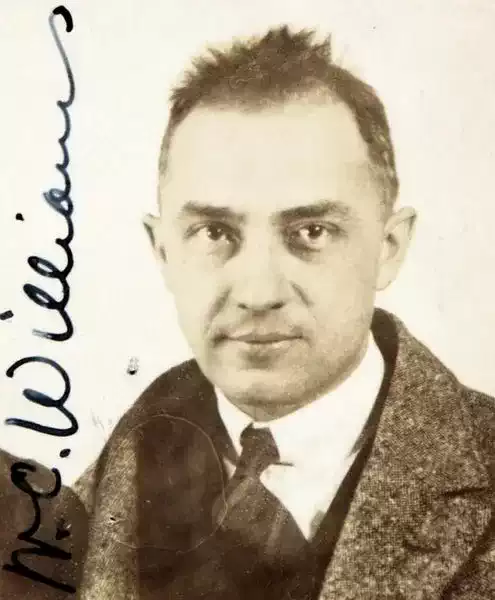
William Carlos Williams
The Uses of Poetry
The Uses of Poetry
I've fond anticipation of a day
O'erfilled with pure diversion presently,
For I must read a lady poesy
The while we glide by many a leafy bay,
Hid deep in rushes, where at random play
The glossy black winged May-flies, or whence flee
Hush-throated nestlings in alarm,
Whom we have idly frighted with our boat's long sway.
For, lest o'ersaddened by such woes as spring
To rural peace from our meek onward trend,
What else more fit? We'll draw the latch-string
And close the door of sense; then satiate wend,
On poesy's transforming giant wing,
To worlds afar whose fruits all anguish mend.
I've fond anticipation of a day
O'erfilled with pure diversion presently,
For I must read a lady poesy
The while we glide by many a leafy bay,
Hid deep in rushes, where at random play
The glossy black winged May-flies, or whence flee
Hush-throated nestlings in alarm,
Whom we have idly frighted with our boat's long sway.
For, lest o'ersaddened by such woes as spring
To rural peace from our meek onward trend,
What else more fit? We'll draw the latch-string
And close the door of sense; then satiate wend,
On poesy's transforming giant wing,
To worlds afar whose fruits all anguish mend.
436
William Carlos Williams
Light Hearted Author
Light Hearted Author
The birches are mad with green points
the wood's edge is burning with their green,
burning, seething--No, no, no.
The birches are opening their leaves one
by one. Their delicate leaves unfold cold
and separate, one by one. Slender tassels
hang swaying from the delicate branch tips--
Oh, I cannot say it. There is no word.
Black is split at once into flowers. In
every bog and ditch, flares of
small fire, white flowers!--Agh,
the birches are mad, mad with their green.
The world is gone, torn into shreds
with this blessing. What have I left undone
that I should have undertaken?
O my brother, you redfaced, living man
ignorant, stupid whose feet are upon
this same dirt that I touch--and eat.
We are alone in this terror, alone,
face to face on this road, you and I,
wrapped by this flame!
Let the polished plows stay idle,
their gloss already on the black soil.
But that face of yours--!
Answer me. I will clutch you. I
will hug you, grip you. I will poke my face
into your face and force you to see me.
Take me in your arms, tell me the commonest
thing that is in your mind to say,
say anything. I will understand you--!
It is the madness of the birch leaves opening
cold, one by one.
My rooms will receive me. But my rooms
are no longer sweet spaces where comfort
is ready to wait on me with its crumbs.
A darkness has brushed them. The mass
of yellow tulips in the bowl is shrunken.
Every familiar object is changed and dwarfed.
I am shaken, broken against a might
that splits comfort, blows apart
my careful partitions, crushes my house
and leaves me--with shrinking heart
and startled, empty eyes--peering out
into a cold world.
In the spring I would be drunk! In the spring
I would be drunk and lie forgetting all things.
Your face! Give me your face, Yang Kue Fei!
your hands, your lips to drink!
Give me your wrists to drink--
I drag you, I am drowned in you, you
overwhelm me! Drink!
Save me! The shad bush is in the edge
of the clearing. The yards in a fury
of lilac blossoms are driving me mad with terror.
Drink and lie forgetting the world.
And coldly the birch leaves are opening one by one.
Coldly I observe them and wait for the end.
And it ends.
The birches are mad with green points
the wood's edge is burning with their green,
burning, seething--No, no, no.
The birches are opening their leaves one
by one. Their delicate leaves unfold cold
and separate, one by one. Slender tassels
hang swaying from the delicate branch tips--
Oh, I cannot say it. There is no word.
Black is split at once into flowers. In
every bog and ditch, flares of
small fire, white flowers!--Agh,
the birches are mad, mad with their green.
The world is gone, torn into shreds
with this blessing. What have I left undone
that I should have undertaken?
O my brother, you redfaced, living man
ignorant, stupid whose feet are upon
this same dirt that I touch--and eat.
We are alone in this terror, alone,
face to face on this road, you and I,
wrapped by this flame!
Let the polished plows stay idle,
their gloss already on the black soil.
But that face of yours--!
Answer me. I will clutch you. I
will hug you, grip you. I will poke my face
into your face and force you to see me.
Take me in your arms, tell me the commonest
thing that is in your mind to say,
say anything. I will understand you--!
It is the madness of the birch leaves opening
cold, one by one.
My rooms will receive me. But my rooms
are no longer sweet spaces where comfort
is ready to wait on me with its crumbs.
A darkness has brushed them. The mass
of yellow tulips in the bowl is shrunken.
Every familiar object is changed and dwarfed.
I am shaken, broken against a might
that splits comfort, blows apart
my careful partitions, crushes my house
and leaves me--with shrinking heart
and startled, empty eyes--peering out
into a cold world.
In the spring I would be drunk! In the spring
I would be drunk and lie forgetting all things.
Your face! Give me your face, Yang Kue Fei!
your hands, your lips to drink!
Give me your wrists to drink--
I drag you, I am drowned in you, you
overwhelm me! Drink!
Save me! The shad bush is in the edge
of the clearing. The yards in a fury
of lilac blossoms are driving me mad with terror.
Drink and lie forgetting the world.
And coldly the birch leaves are opening one by one.
Coldly I observe them and wait for the end.
And it ends.
344
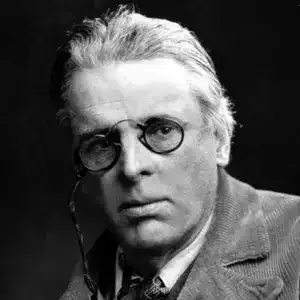
William Butler Yeats
To Some I Have Talked With By The Fire
To Some I Have Talked With By The Fire
WHILE I wrought out these fitful Danaan rhymes,
My heart would brim with dreams about the times
When we bent down above the fading coals
And talked of the dark folk who live in souls
Of passionate men, like bats in the dead trees;
And of the wayward twilight companies
Who sigh with mingled sorrow and content,
Because their blossoming dreams have never bent
Under the fruit of evil and of good:
And of the embattled flaming multitude
Who rise, wing above wing, flame above flame,
And, like a storm, cry the Ineffable Name,
And with the clashing of their sword-blades make
A rapturous music, till the morning break
And the white hush end all but the loud beat
Of their long wings, the flash of their white feet.
WHILE I wrought out these fitful Danaan rhymes,
My heart would brim with dreams about the times
When we bent down above the fading coals
And talked of the dark folk who live in souls
Of passionate men, like bats in the dead trees;
And of the wayward twilight companies
Who sigh with mingled sorrow and content,
Because their blossoming dreams have never bent
Under the fruit of evil and of good:
And of the embattled flaming multitude
Who rise, wing above wing, flame above flame,
And, like a storm, cry the Ineffable Name,
And with the clashing of their sword-blades make
A rapturous music, till the morning break
And the white hush end all but the loud beat
Of their long wings, the flash of their white feet.
401
William Butler Yeats
The Travail Of Passion
The Travail Of Passion
WHEN the flaming lute-thronged angelic door is wide;
When an immortal passion breathes in mortal clay;
Our hearts endure the scourge, the plaited thorns, the way
Crowded with bitter faces, the wounds in palm and side,
The vinegar-heavy sponge, the flowers by Kedron stream;
We will bend down and loosen our hair over you,
That it may drop faint perfume, and be heavy with dew,
Lilies of death-pale hope, roses of passionate dream.
WHEN the flaming lute-thronged angelic door is wide;
When an immortal passion breathes in mortal clay;
Our hearts endure the scourge, the plaited thorns, the way
Crowded with bitter faces, the wounds in palm and side,
The vinegar-heavy sponge, the flowers by Kedron stream;
We will bend down and loosen our hair over you,
That it may drop faint perfume, and be heavy with dew,
Lilies of death-pale hope, roses of passionate dream.
331
William Butler Yeats
The Lady's First Song
The Lady's First Song
I TURN round
Like a dumb beast in a show.
Neither know what I am
Nor where I go,
My language beaten
Into one name;
I am in love
And that is my shame.
What hurts the soul
My soul adores,
No better than a beast
Upon all fours.
I TURN round
Like a dumb beast in a show.
Neither know what I am
Nor where I go,
My language beaten
Into one name;
I am in love
And that is my shame.
What hurts the soul
My soul adores,
No better than a beast
Upon all fours.
338
William Butler Yeats
The Fascination Of What's Difficult
The Fascination Of What's Difficult
THE fascination of what's difficult
Has dried the sap out of my veins, and rent
Spontaneous joy and natural content
Out of my heart. There's something ails our colt
That must, as if it had not holy blood
Nor on Olympus leaped from cloud to cloud,
Shiver under the lash, strain, sweat and jolt
As though it dragged road-metal. My curse on plays
That have to be set up in fifty ways,
On the day's war with every knave and dolt,
Theatre business, management of men.
I swear before the dawn comes round again
I'll find the stable and pull out the bolt.
THE fascination of what's difficult
Has dried the sap out of my veins, and rent
Spontaneous joy and natural content
Out of my heart. There's something ails our colt
That must, as if it had not holy blood
Nor on Olympus leaped from cloud to cloud,
Shiver under the lash, strain, sweat and jolt
As though it dragged road-metal. My curse on plays
That have to be set up in fifty ways,
On the day's war with every knave and dolt,
Theatre business, management of men.
I swear before the dawn comes round again
I'll find the stable and pull out the bolt.
358
William Butler Yeats
The Double Vision Of Michael Robartes
The Double Vision Of Michael Robartes
I
ON the grey rock of Cashel the mind's eye
Has called up the cold spirits that are born
When the old moon is vanished from the sky
And the new still hides her horn.
Under blank eyes and fingers never still
The particular is pounded till it is man.
When had I my own will?
O not since life began.
Constrained, arraigned, baffled, bent and unbent
By these wire-jointed jaws and limbs of wood,
Themselves obedient,
Knowing not evil and good;
Obedient to some hidden magical breath.
They do not even feel, so abstract are they.
So dead beyond our death,
Triumph that we obey.
On the grey rock of Cashel I suddenly saw
A Sphinx with woman breast and lion paw.
A Buddha, hand at rest,
Hand lifted up that blest;
And right between these two a girl at play
That, it may be, had danced her life away,
For now being dead it seemed
That she of dancing dreamed.
Although I saw it all in the mind's eye
There can be nothing solider till I die;
I saw by the moon's light
Now at its fifteenth night.
One lashed her tail; her eyes lit by the moon
Gazed upon all things known, all things unknown,
In triumph of intellect
With motionless head erect.
That other's moonlit eyeballs never moved,
Being fixed on all things loved, all things unloved.
Yet little peace he had,
For those that love are sad.
Little did they care who danced between,
And little she by whom her dance was seen
So she had outdanced thought.
Body perfection brought,
For what but eye and ear silence the mind
With the minute particulars of mankind?
Mind moved yet seemed to stop
As 'twere a spinning-top.
In contemplation had those three so wrought
Upon a moment, and so stretched it out
That they, time overthrown,
Were dead yet flesh and bone.
I knew that I had seen, had seen at last
That girl my unremembering nights hold fast
Or else my dreams that fly
If I should rub an eye,
And yet in flying fling into my meat
A crazy juice that makes the pulses beat
As though I had been undone
By Homer's Paragon
Who never gave the burning town a thought;
To such a pitch of folly I am brought,
Being caught between the pull
Of the dark moon and the full,
The commonness of thought and images
That have the frenzy of our western seas.
Thereon I made my moan,
And after kissed a stone,
And after that arranged it in a song
Seeing that I, ignorant for So long,
Had been rewarded thus
In Cormac's ruined house.
MICHAEL ROBARTES AND THE DANCER
He. Opinion is not worth a rush;
In this altar-piece the knight,
Who grips his long spear so to push
That dragon through the fading light,
Loved the lady; and it's plain
The half-dead dragon was her thought,
That every morning rose again
And dug its claws and shrieked and fought.
Could the impossible come to pass
She would have time to turn her eyes,
Her lover thought, upon the glass
And on the instant would grow wise.
She. You mean they argued.
He. Put it so;
But bear in mind your lover's wage
Is what your looking-glass can show,
And that he will turn green with rage
At all that is not pictured there.
She. May I not put myself to college?
He. Go pluck Athene by the hair;
For what mere book can grant a knowledge
With an impassioned gravity
Appropriate to that beating breast,
That vigorous thigh, that dreaming eye?
And may the Devil take the rest.
She. And must no beautiful woman be
Learned like a man?
He. Paul Veronese
And all his sacred company
Imagined bodies all their days
By the lagoon you love so much,
For proud, soft, ceremonious proof
That all must come to sight and touch;
While Michael Angelo's Sistine roof,
His 'Morning' and his 'Night' disclose
How sinew that has been pulled tight,
Or it may be loosened in repose,
Can rule by supernatural right
Yet be but sinew.
She. I have heard said
There is great danger in the body.
He. Did God in portioning wine and bread
Give man His thought or His mere body?
She. My wretched dragon is perplexed.
Hec. I have principles to prove me right.
It follows from this Latin text
That blest souls are not composite,
And that all beautiful women may
Live in uncomposite blessedness,
And lead us to the like -- if they
Will banish every thought, unless
The lineaments that please their view
When the long looking-glass is full,
Even from the foot-sole think it too.
She. They say such different things at school.
I
ON the grey rock of Cashel the mind's eye
Has called up the cold spirits that are born
When the old moon is vanished from the sky
And the new still hides her horn.
Under blank eyes and fingers never still
The particular is pounded till it is man.
When had I my own will?
O not since life began.
Constrained, arraigned, baffled, bent and unbent
By these wire-jointed jaws and limbs of wood,
Themselves obedient,
Knowing not evil and good;
Obedient to some hidden magical breath.
They do not even feel, so abstract are they.
So dead beyond our death,
Triumph that we obey.
On the grey rock of Cashel I suddenly saw
A Sphinx with woman breast and lion paw.
A Buddha, hand at rest,
Hand lifted up that blest;
And right between these two a girl at play
That, it may be, had danced her life away,
For now being dead it seemed
That she of dancing dreamed.
Although I saw it all in the mind's eye
There can be nothing solider till I die;
I saw by the moon's light
Now at its fifteenth night.
One lashed her tail; her eyes lit by the moon
Gazed upon all things known, all things unknown,
In triumph of intellect
With motionless head erect.
That other's moonlit eyeballs never moved,
Being fixed on all things loved, all things unloved.
Yet little peace he had,
For those that love are sad.
Little did they care who danced between,
And little she by whom her dance was seen
So she had outdanced thought.
Body perfection brought,
For what but eye and ear silence the mind
With the minute particulars of mankind?
Mind moved yet seemed to stop
As 'twere a spinning-top.
In contemplation had those three so wrought
Upon a moment, and so stretched it out
That they, time overthrown,
Were dead yet flesh and bone.
I knew that I had seen, had seen at last
That girl my unremembering nights hold fast
Or else my dreams that fly
If I should rub an eye,
And yet in flying fling into my meat
A crazy juice that makes the pulses beat
As though I had been undone
By Homer's Paragon
Who never gave the burning town a thought;
To such a pitch of folly I am brought,
Being caught between the pull
Of the dark moon and the full,
The commonness of thought and images
That have the frenzy of our western seas.
Thereon I made my moan,
And after kissed a stone,
And after that arranged it in a song
Seeing that I, ignorant for So long,
Had been rewarded thus
In Cormac's ruined house.
MICHAEL ROBARTES AND THE DANCER
He. Opinion is not worth a rush;
In this altar-piece the knight,
Who grips his long spear so to push
That dragon through the fading light,
Loved the lady; and it's plain
The half-dead dragon was her thought,
That every morning rose again
And dug its claws and shrieked and fought.
Could the impossible come to pass
She would have time to turn her eyes,
Her lover thought, upon the glass
And on the instant would grow wise.
She. You mean they argued.
He. Put it so;
But bear in mind your lover's wage
Is what your looking-glass can show,
And that he will turn green with rage
At all that is not pictured there.
She. May I not put myself to college?
He. Go pluck Athene by the hair;
For what mere book can grant a knowledge
With an impassioned gravity
Appropriate to that beating breast,
That vigorous thigh, that dreaming eye?
And may the Devil take the rest.
She. And must no beautiful woman be
Learned like a man?
He. Paul Veronese
And all his sacred company
Imagined bodies all their days
By the lagoon you love so much,
For proud, soft, ceremonious proof
That all must come to sight and touch;
While Michael Angelo's Sistine roof,
His 'Morning' and his 'Night' disclose
How sinew that has been pulled tight,
Or it may be loosened in repose,
Can rule by supernatural right
Yet be but sinew.
She. I have heard said
There is great danger in the body.
He. Did God in portioning wine and bread
Give man His thought or His mere body?
She. My wretched dragon is perplexed.
Hec. I have principles to prove me right.
It follows from this Latin text
That blest souls are not composite,
And that all beautiful women may
Live in uncomposite blessedness,
And lead us to the like -- if they
Will banish every thought, unless
The lineaments that please their view
When the long looking-glass is full,
Even from the foot-sole think it too.
She. They say such different things at school.
372
William Butler Yeats
The Crazed Moon
The Crazed Moon
CRAZED through much child-bearing
The moon is staggering in the sky;
Moon-struck by the despairing
Glances of her wandering eye
We grope, and grope in vain,
For children born of her pain.
Children dazed or dead!
When she in all her virginal pride
First trod on the mountain's head
What stir ran through the countryside
Where every foot obeyed her glance!
What manhood led the dance!
Fly-catchers of the moon,
Our hands are blenched, our fingers seem
But slender needles of bone;
Blenched by that malicious dream
They are spread wide that each
May rend what comes in reach.
CRAZED through much child-bearing
The moon is staggering in the sky;
Moon-struck by the despairing
Glances of her wandering eye
We grope, and grope in vain,
For children born of her pain.
Children dazed or dead!
When she in all her virginal pride
First trod on the mountain's head
What stir ran through the countryside
Where every foot obeyed her glance!
What manhood led the dance!
Fly-catchers of the moon,
Our hands are blenched, our fingers seem
But slender needles of bone;
Blenched by that malicious dream
They are spread wide that each
May rend what comes in reach.
325
William Butler Yeats
The Cold Heaven
The Cold Heaven
SUDDENLY I saw the cold and rook-delighting heaven
That seemed as though ice burned and was but the more ice,
And thereupon imagination and heart were driven
So wild that every casual thought of that and this
Vanished, and left but memories, that should be out of season
With the hot blood of youth, of love crossed long ago;
And I took all thc blame out of all sense and reason,
Until I cried and trembled and rocked to and fro,
Riddled with light. Ah! when the ghost begins to quicken,
Confusion of the death-bed over, is it sent
Out naked on the roads, as the books say, and stricken
By the injustice of the skies for punishment?
SUDDENLY I saw the cold and rook-delighting heaven
That seemed as though ice burned and was but the more ice,
And thereupon imagination and heart were driven
So wild that every casual thought of that and this
Vanished, and left but memories, that should be out of season
With the hot blood of youth, of love crossed long ago;
And I took all thc blame out of all sense and reason,
Until I cried and trembled and rocked to and fro,
Riddled with light. Ah! when the ghost begins to quicken,
Confusion of the death-bed over, is it sent
Out naked on the roads, as the books say, and stricken
By the injustice of the skies for punishment?
283
William Butler Yeats
Presences
Presences
THIS night has been so strange that it seemed
As if the hair stood up on my head.
From going-down of the sun I have dreamed
That women laughing, or timid or wild,
In rustle of lace or silken stuff,
Climbed up my creaking stair. They had read
All I had rhymed of that monstrous thing
Returned and yet unrequited love.
They stood in the door and stood between
My great wood lectern and the fire
Till I could hear their hearts beating:
One is a harlot, and one a child
That never looked upon man with desire.
And one, it may be, a queen.
THIS night has been so strange that it seemed
As if the hair stood up on my head.
From going-down of the sun I have dreamed
That women laughing, or timid or wild,
In rustle of lace or silken stuff,
Climbed up my creaking stair. They had read
All I had rhymed of that monstrous thing
Returned and yet unrequited love.
They stood in the door and stood between
My great wood lectern and the fire
Till I could hear their hearts beating:
One is a harlot, and one a child
That never looked upon man with desire.
And one, it may be, a queen.
348
Page 1
Next