

Art
Poems in this topic
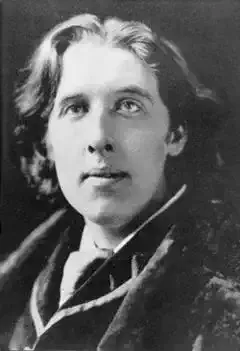
Oscar Wilde
A Vision
Two crowned Kings, and One that stood alone
With no green weight of laurels round his head,
But with sad eyes as one uncomforted,
And wearied with man's never-ceasing moan
For sins no bleating victim can atone,
And sweet long lips with tears and kisses fed.
Girt was he in a garment black and red,
And at his feet I marked a broken stone
Which sent up lilies, dove-like, to his knees.
Now at their sight, my heart being lit with flame,
I cried to Beatrice, 'Who are these?'
And she made answer, knowing well each name,
'AEschylos first, the second Sophokles,
And last (wide stream of tears!) Euripides.'
With no green weight of laurels round his head,
But with sad eyes as one uncomforted,
And wearied with man's never-ceasing moan
For sins no bleating victim can atone,
And sweet long lips with tears and kisses fed.
Girt was he in a garment black and red,
And at his feet I marked a broken stone
Which sent up lilies, dove-like, to his knees.
Now at their sight, my heart being lit with flame,
I cried to Beatrice, 'Who are these?'
And she made answer, knowing well each name,
'AEschylos first, the second Sophokles,
And last (wide stream of tears!) Euripides.'
2,037
1
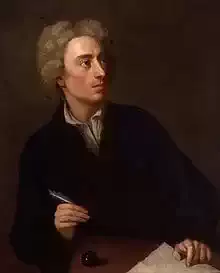
Alexander Pope
With sweeter notes each rising temple rung;
With sweeter notes each rising temple rung;
A Raphael painted and a Vida sung;
Immortal Vida! on whose honour'd brow
The poet's bays and critics ivy grow:
Cremona now shall ever boast they name,
As next in place to Mantua, next in fame!
But soon by impious arms from Latium chased,
Their ancient bounds the banish'd Muses pass'd;
Thence arts o'er all the northern world advance,
But critic learning flourish'd most in France;
The rules a nation born to serve obeys,
And Boileau still in right of Horace sways.
But we, brave Britons, foreign laws despised,
And kept unconquer'd and uncivilized;
Fierce for the liberties of wit, and bold,
We still defied the Romans, as of old.
Yet some there were, among the sounder few
Of those who less presumed and better knew,
Who durst assert the juster ancient cause,
And here restor'd WIt's fundamental laws.
Such was the Muse whose rules and practice tell
``Nature's chief masterpiece is writing well.''
Such was Roscommon, not more learn'd than good,
With manners gen'rous as his noble blood;
To him the wit of Greece and Rome was known,
And every author's merit but his own.
Such late was Walsh--the Muse's judge and friend,
Who justly knew to blame or to commend;
To failings mild but zealous for desert,
The clearest head, and the sincerest heart.
This humble praise, lamented Shade! receive;
This praise at least a grateful Muse may give:
The Muse whose early voice you taught to sing,
Prescribed her heights, and pruned her tender wing,
(Her guide now lost), no more attempts to rise,
But in low numbers short excursions tries;
Content if hence th'unlearn'd their wants may view,
The learn'd reflect on what before they knew;
Careless of censure, nor too fond of fame;
Still pleas'd to praise, yet not afraid to blame;
Averse alike to flatter or offend;
Not free from faults, nor yet too vain to mend.
A Raphael painted and a Vida sung;
Immortal Vida! on whose honour'd brow
The poet's bays and critics ivy grow:
Cremona now shall ever boast they name,
As next in place to Mantua, next in fame!
But soon by impious arms from Latium chased,
Their ancient bounds the banish'd Muses pass'd;
Thence arts o'er all the northern world advance,
But critic learning flourish'd most in France;
The rules a nation born to serve obeys,
And Boileau still in right of Horace sways.
But we, brave Britons, foreign laws despised,
And kept unconquer'd and uncivilized;
Fierce for the liberties of wit, and bold,
We still defied the Romans, as of old.
Yet some there were, among the sounder few
Of those who less presumed and better knew,
Who durst assert the juster ancient cause,
And here restor'd WIt's fundamental laws.
Such was the Muse whose rules and practice tell
``Nature's chief masterpiece is writing well.''
Such was Roscommon, not more learn'd than good,
With manners gen'rous as his noble blood;
To him the wit of Greece and Rome was known,
And every author's merit but his own.
Such late was Walsh--the Muse's judge and friend,
Who justly knew to blame or to commend;
To failings mild but zealous for desert,
The clearest head, and the sincerest heart.
This humble praise, lamented Shade! receive;
This praise at least a grateful Muse may give:
The Muse whose early voice you taught to sing,
Prescribed her heights, and pruned her tender wing,
(Her guide now lost), no more attempts to rise,
But in low numbers short excursions tries;
Content if hence th'unlearn'd their wants may view,
The learn'd reflect on what before they knew;
Careless of censure, nor too fond of fame;
Still pleas'd to praise, yet not afraid to blame;
Averse alike to flatter or offend;
Not free from faults, nor yet too vain to mend.
677
1
Oscar Wilde
Soneto: On the Sale by Auction of Keats' Love Letters
These are the letters which Endymion wrote
To one he loved in secret, and apart.
And now the brawlers of the auction mart
Bargain and bid for each poor blotted note,
Ay! for each separate pulse of passion quote
The merchant's price. I think they love not art
Who break the crystal of a poet's heart
That small and sickly eyes may glare and gloat.
Is it not said that many years ago,
In a far Eastern town, some soldiers ran
With torches through the midnight, and began
To wrangle for mean raiment, and to throw
Dice for the garments of a wretched man,
Not knowing the God's wonder, or His woe?
To one he loved in secret, and apart.
And now the brawlers of the auction mart
Bargain and bid for each poor blotted note,
Ay! for each separate pulse of passion quote
The merchant's price. I think they love not art
Who break the crystal of a poet's heart
That small and sickly eyes may glare and gloat.
Is it not said that many years ago,
In a far Eastern town, some soldiers ran
With torches through the midnight, and began
To wrangle for mean raiment, and to throw
Dice for the garments of a wretched man,
Not knowing the God's wonder, or His woe?
626
Oscar Wilde
Amor Intellectualis
Oft have we trod the vales of Castaly
And heard sweet notes of sylvan music blown
From antique reeds to common folk unknown:
And often launched our bark upon that sea
Which the nine Muses hold in empery,
And ploughed free furrows through the wave and foam,
Nor spread reluctant sail for more safe home
Till we had freighted well our argosy.
Of which despoiled treasures these remain,
Sordello's passion, and the honeyed line
Of young Endymion, lordly Tamburlaine
Driving his pampered jades, and more than these,
The seven-fold vision of the Florentine,
And grave-browed Milton's solemn harmonies.
And heard sweet notes of sylvan music blown
From antique reeds to common folk unknown:
And often launched our bark upon that sea
Which the nine Muses hold in empery,
And ploughed free furrows through the wave and foam,
Nor spread reluctant sail for more safe home
Till we had freighted well our argosy.
Of which despoiled treasures these remain,
Sordello's passion, and the honeyed line
Of young Endymion, lordly Tamburlaine
Driving his pampered jades, and more than these,
The seven-fold vision of the Florentine,
And grave-browed Milton's solemn harmonies.
798
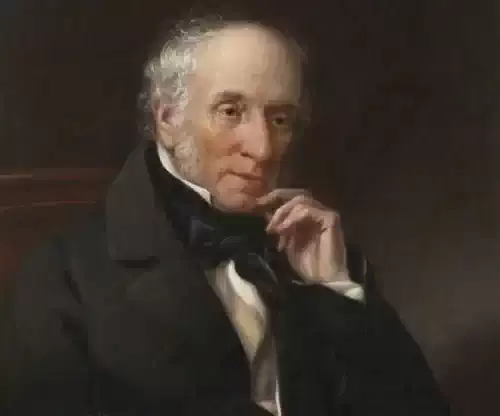
William Wordsworth
Scorn Not the Sonnet
Scorn Not the Sonnet
Scorn not the Sonnet; Critic, you have frowned,
Mindless of its just honours; with this key
Shakspeare unlocked his heart; the melody
Of this small lute gave ease to Petrarch's wound;
A thousand times this pipe did Tasso sound;
With it Camoens soothed an exile's grief;
The Sonnet glittered a gay myrtle leaf
Amid the cypress with which Dante crowned
His visionary brow: a glow-worm lamp,
It cheered mild Spenser, called from Faery-land
To struggle through dark ways; and when a damp
Fell round the path of Milton, in his hand
The Thing became a trumpet; whence he blew
Soul-animating strains--alas, too few!
Scorn not the Sonnet; Critic, you have frowned,
Mindless of its just honours; with this key
Shakspeare unlocked his heart; the melody
Of this small lute gave ease to Petrarch's wound;
A thousand times this pipe did Tasso sound;
With it Camoens soothed an exile's grief;
The Sonnet glittered a gay myrtle leaf
Amid the cypress with which Dante crowned
His visionary brow: a glow-worm lamp,
It cheered mild Spenser, called from Faery-land
To struggle through dark ways; and when a damp
Fell round the path of Milton, in his hand
The Thing became a trumpet; whence he blew
Soul-animating strains--alas, too few!
562
William Wordsworth
Inside of King's College Chapel, Cambridge
Inside of King's College Chapel, Cambridge
. Tax not the royal Saint with vain expense,
With ill-matched aims the Architect who planned--
Albeit labouring for a scanty band
Of white-robed Scholars only--this immense
And glorious Work of fine intelligence!
Give all thou canst; high Heaven rejects the lore
Of nicely-calculated less or more;
So deemed the man who fashioned for the sense
These lofty pillars, spread that branching roof
Self-poised, and scooped into ten thousand cells,
Where light and shade repose, where music dwells
Lingering--and wandering on as loth to die;
Like thoughts whose very sweetness yieldeth proof
That they were born for immortality.
. Tax not the royal Saint with vain expense,
With ill-matched aims the Architect who planned--
Albeit labouring for a scanty band
Of white-robed Scholars only--this immense
And glorious Work of fine intelligence!
Give all thou canst; high Heaven rejects the lore
Of nicely-calculated less or more;
So deemed the man who fashioned for the sense
These lofty pillars, spread that branching roof
Self-poised, and scooped into ten thousand cells,
Where light and shade repose, where music dwells
Lingering--and wandering on as loth to die;
Like thoughts whose very sweetness yieldeth proof
That they were born for immortality.
176
William Wordsworth
A Poet! He Hath Put his Heart to School
A Poet! He Hath Put his Heart to School
. A poet!--He hath put his heart to school,
Nor dares to move unpropped upon the staff
Which art hath lodged within his hand--must laugh
By precept only, and shed tears by rule.
Thy Art be Nature; the live current quaff,
And let the groveller sip his stagnant pool,
In fear that else, when Critics grave and cool
Have killed him, Scorn should write his epitaph.
How does the Meadow-flower its bloom unfold?
Because the lovely little flower is free
Down to its root, and, in that freedom, bold;
And so the grandeur of the Forest-tree
Comes not by casting in a formal mould,
But from its own divine vitality.
. A poet!--He hath put his heart to school,
Nor dares to move unpropped upon the staff
Which art hath lodged within his hand--must laugh
By precept only, and shed tears by rule.
Thy Art be Nature; the live current quaff,
And let the groveller sip his stagnant pool,
In fear that else, when Critics grave and cool
Have killed him, Scorn should write his epitaph.
How does the Meadow-flower its bloom unfold?
Because the lovely little flower is free
Down to its root, and, in that freedom, bold;
And so the grandeur of the Forest-tree
Comes not by casting in a formal mould,
But from its own divine vitality.
190

William Shakespeare
The Rival Poet Sonnets (78 - 86)
The Rival Poet Sonnets (78 - 86)
LXXVIII
So oft have I invoked thee for my Muse,
And found such fair assistance in my verse
As every alien pen hath got my use
And under thee their poesy disperse.
Thine eyes, that taught the dumb on high to sing
And heavy ignorance aloft to fly,
Have added feathers to the learned's wing
And given grace a double majesty.
Yet be most proud of that which I compile,
Whose influence is thine, and born of thee:
In others' works thou dost but mend the style,
And arts with thy sweet graces graced be;
But thou art all my art, and dost advance
As high as learning my rude ignorance.
LXXIX
Whilst I alone did call upon thy aid,
My verse alone had all thy gentle grace;
But now my gracious numbers are decay'd,
And my sick Muse doth give an other place.
I grant, sweet love, thy lovely argument
Deserves the travail of a worthier pen;
Yet what of thee thy poet doth invent
He robs thee of, and pays it thee again.
He lends thee virtue, and he stole that word
From thy behaviour; beauty doth he give,
And found it in thy cheek: he can afford
No praise to thee, but what in thee doth live.
Then thank him not for that which he doth say,
Since what he owes thee, thou thyself dost pay.
LXXX
O! how I faint when I of you do write,
Knowing a better spirit doth use your name,
And in the praise thereof spends all his might,
To make me tongue-tied speaking of your fame.
But since your worth, wide as the ocean is,
The humble as the proudest sail doth bear,
My saucy bark, inferior far to his,
On your broad main doth wilfully appear.
Your shallowest help will hold me up afloat,
Whilst he upon your soundless deep doth ride;
Or, being wrack'd, I am a worthless boat,
He of tall building, and of goodly pride:
Then if he thrive and I be cast away,
The worst was this, my love was my decay.
LXXXI
Or I shall live your epitaph to make,
Or you survive when I in earth am rotten,
From hence your memory death cannot take,
Although in me each part will be forgotten.
Your name from hence immortal life shall have,
Though I, once gone, to all the world must die:
The earth can yield me but a common grave,
When you entombed in men's eyes shall lie.
Your monument shall be my gentle verse,
Which eyes not yet created shall o'er-read;
And tongues to be, your being shall rehearse,
When all the breathers of this world are dead;
You still shall live, such virtue hath my pen,
Where breath most breathes, even in the mouths of men.
LXXXII
I grant thou wert not married to my Muse,
And therefore mayst without attaint o'erlook
The dedicated words which writers use
Of their fair subject, blessing every book.
Thou art as fair in knowledge as in hue,
Finding thy worth a limit past my praise;
And therefore art enforced to seek anew
Some fresher stamp of the time-bettering days.
And do so, love; yet when they have devis'd,
What strained touches rhetoric can lend,
Thou truly fair, wert truly sympathiz'd
In true plain words, by thy true-telling friend;
And their gross painting might be better usd
Where cheeks need blood; in thee it is abusd.
LXXXIII
I never saw that you did painting need,
And therefore to your fair no painting set;
I found, or thought I found, you did exceed
The barren tender of a poet's debt:
And therefore have I slept in your report,
That you yourself, being extant, well might show
How far a modern quill doth come too short,
Speaking of worth, what worth in you doth grow.
This silence for my sin you did impute,
Which shall be most my glory being dumb;
For I impair not beauty being mute,
When others would give life, and bring a tomb.
There lives more life in one of your fair eyes
Than both your poets can in praise devise.
LXXXIV
Who is it that says most, which can say more,
Than this rich praise, that you alone, are you,
In whose confine immured is the store
Which should example where your equal grew?
Lean penury within that pen doth dwell
That to his subject lends not some small glory;
But he that writes of you, if he can tell
That you are you, so dignifies his story.
Let him but copy what in you is writ,
Not making worse what nature made so clear,
And such a counterpart shall fame his wit,
Making his style admired every where.
You to your beauteous blessings add a curse,
Being fond on praise, which makes your praises worse.
LXXXV
My tongue-tied Muse in manners holds her still,
While comments of your praise richly compiled,
Reserve thy character with golden quill,
And precious phrase by all the Muses filed.
I think good thoughts, whilst others write good words,
And like unlettered clerk still cry 'Amen'
To every hymn that able spirit affords,
In polished form of well-refined pen.
Hearing you praised, I say ''tis so, 'tis true,'
And to the most of praise add something more;
But that is in my thought, whose love to you,
Though words come hindmost, holds his rank before.
Then others, for the breath of words respect,
Me for my dumb thoughts, speaking in effect.
LXXXVI
Was it the proud full sail of his great verse,
Bound for the prize of all too precious you,
That did my ripe thoughts in my brain inhearse,
Making their tomb the womb wherein they grew?
Was it his spirit, by spirits taught to write
Above a mortal pitch, that struck me dead?
No, neither he, nor his compeers by night
Giving him aid, my verse astonished.
He, nor that affable familiar ghost
Which nightly gulls him with intelligence,
As victors of my silence cannot boast;
I was not sick of any fear from thence:
But when your countenance filled up his line,
Then lacked I matter; that enfeebled mine.
LXXVIII
So oft have I invoked thee for my Muse,
And found such fair assistance in my verse
As every alien pen hath got my use
And under thee their poesy disperse.
Thine eyes, that taught the dumb on high to sing
And heavy ignorance aloft to fly,
Have added feathers to the learned's wing
And given grace a double majesty.
Yet be most proud of that which I compile,
Whose influence is thine, and born of thee:
In others' works thou dost but mend the style,
And arts with thy sweet graces graced be;
But thou art all my art, and dost advance
As high as learning my rude ignorance.
LXXIX
Whilst I alone did call upon thy aid,
My verse alone had all thy gentle grace;
But now my gracious numbers are decay'd,
And my sick Muse doth give an other place.
I grant, sweet love, thy lovely argument
Deserves the travail of a worthier pen;
Yet what of thee thy poet doth invent
He robs thee of, and pays it thee again.
He lends thee virtue, and he stole that word
From thy behaviour; beauty doth he give,
And found it in thy cheek: he can afford
No praise to thee, but what in thee doth live.
Then thank him not for that which he doth say,
Since what he owes thee, thou thyself dost pay.
LXXX
O! how I faint when I of you do write,
Knowing a better spirit doth use your name,
And in the praise thereof spends all his might,
To make me tongue-tied speaking of your fame.
But since your worth, wide as the ocean is,
The humble as the proudest sail doth bear,
My saucy bark, inferior far to his,
On your broad main doth wilfully appear.
Your shallowest help will hold me up afloat,
Whilst he upon your soundless deep doth ride;
Or, being wrack'd, I am a worthless boat,
He of tall building, and of goodly pride:
Then if he thrive and I be cast away,
The worst was this, my love was my decay.
LXXXI
Or I shall live your epitaph to make,
Or you survive when I in earth am rotten,
From hence your memory death cannot take,
Although in me each part will be forgotten.
Your name from hence immortal life shall have,
Though I, once gone, to all the world must die:
The earth can yield me but a common grave,
When you entombed in men's eyes shall lie.
Your monument shall be my gentle verse,
Which eyes not yet created shall o'er-read;
And tongues to be, your being shall rehearse,
When all the breathers of this world are dead;
You still shall live, such virtue hath my pen,
Where breath most breathes, even in the mouths of men.
LXXXII
I grant thou wert not married to my Muse,
And therefore mayst without attaint o'erlook
The dedicated words which writers use
Of their fair subject, blessing every book.
Thou art as fair in knowledge as in hue,
Finding thy worth a limit past my praise;
And therefore art enforced to seek anew
Some fresher stamp of the time-bettering days.
And do so, love; yet when they have devis'd,
What strained touches rhetoric can lend,
Thou truly fair, wert truly sympathiz'd
In true plain words, by thy true-telling friend;
And their gross painting might be better usd
Where cheeks need blood; in thee it is abusd.
LXXXIII
I never saw that you did painting need,
And therefore to your fair no painting set;
I found, or thought I found, you did exceed
The barren tender of a poet's debt:
And therefore have I slept in your report,
That you yourself, being extant, well might show
How far a modern quill doth come too short,
Speaking of worth, what worth in you doth grow.
This silence for my sin you did impute,
Which shall be most my glory being dumb;
For I impair not beauty being mute,
When others would give life, and bring a tomb.
There lives more life in one of your fair eyes
Than both your poets can in praise devise.
LXXXIV
Who is it that says most, which can say more,
Than this rich praise, that you alone, are you,
In whose confine immured is the store
Which should example where your equal grew?
Lean penury within that pen doth dwell
That to his subject lends not some small glory;
But he that writes of you, if he can tell
That you are you, so dignifies his story.
Let him but copy what in you is writ,
Not making worse what nature made so clear,
And such a counterpart shall fame his wit,
Making his style admired every where.
You to your beauteous blessings add a curse,
Being fond on praise, which makes your praises worse.
LXXXV
My tongue-tied Muse in manners holds her still,
While comments of your praise richly compiled,
Reserve thy character with golden quill,
And precious phrase by all the Muses filed.
I think good thoughts, whilst others write good words,
And like unlettered clerk still cry 'Amen'
To every hymn that able spirit affords,
In polished form of well-refined pen.
Hearing you praised, I say ''tis so, 'tis true,'
And to the most of praise add something more;
But that is in my thought, whose love to you,
Though words come hindmost, holds his rank before.
Then others, for the breath of words respect,
Me for my dumb thoughts, speaking in effect.
LXXXVI
Was it the proud full sail of his great verse,
Bound for the prize of all too precious you,
That did my ripe thoughts in my brain inhearse,
Making their tomb the womb wherein they grew?
Was it his spirit, by spirits taught to write
Above a mortal pitch, that struck me dead?
No, neither he, nor his compeers by night
Giving him aid, my verse astonished.
He, nor that affable familiar ghost
Which nightly gulls him with intelligence,
As victors of my silence cannot boast;
I was not sick of any fear from thence:
But when your countenance filled up his line,
Then lacked I matter; that enfeebled mine.
344
William Shakespeare
Sonnets to the Sundry Notes of Music
Sonnets to the Sundry Notes of Music
I.
IT was a lording's daughter, the fairest one of three,
That liked of her master as well as well might be,
Till looking on an Englishman, the fair'st that eye could see,
Her fancy fell a-turning.
Long was the combat doubtful that love with love did fight,
To leave the master loveless, or kill the gallant knight:
To put in practise either, alas, it was a spite
Unto the silly damsel!
But one must be refused; more mickle was the pain
That nothing could be used to turn them both to gain,
For of the two the trusty knight was wounded with disdain:
Alas, she could not help it!
Thus art with arms contending was victor of the day,
Which by a gift of learning did bear the maid away:
Then, lullaby, the learned man hath got the lady gay;
For now my song is ended.
II.
On a day, alack the day!
Love, whose month was ever May,
Spied a blossom passing fair,
Playing in the wanton air:
Through the velvet leaves the wind
All unseen, gan passage find;
That the lover, sick to death,
Wish'd himself the heaven's breath,
'Air,' quoth he, 'thy cheeks may blow;
Air, would I might triumph so!
But, alas! my hand hath sworn
Ne'er to pluck thee from thy thorn:
Vow, alack! for youth unmeet:
Youth, so apt to pluck a sweet.
Thou for whom Jove would swear
Juno but an Ethiope were;
Turning mortal for thy love.'
III.
My flocks feed not,
My ewes breed not,
My rams speed not,
All is amiss:
Love's denying,
Faith's defying,
Heart's renying,
Causer of this.
All my merry jigs are quite forgot,
All my lady's love is lost, God wot:
Where her faith was firmly fix'd in love,
There a nay is placed without remove.
One silly cross
Wrought all my loss;
O frowning Fortune, cursed, fickle dame!
For now I see
Inconstancy
More in women than in men remain.
In black mourn I,
All fears scorn I,
Love hath forlorn me,
Living in thrall:
Heart is bleeding,
All help needing,
O cruel speeding,
Fraughted with gall.
My shepherd's pipe can sound no deal;
My wether's bell rings doleful knell;
My curtail dog, that wont to have play'd
Plays not at all, but seems afraid;
My sighs so deep
Procure to weep,
In howling wise, to see my doleful plight.
How sighs resound
Through heartless ground,
Like a thousand vanquish'd men in bloody fight!
Clear wells spring not,
Sweet birds sing not,
Green plants bring not
Forth their dye;
Herds stand weeping,
Flocks all sleeping,
Nymphs back peeping
Fearfully:
All our pleasure known to us poor swains,
All our merry meetings on the plains,
All our evening sport from us is fled,
All our love is lost, for Love is dead
Farewell, sweet lass,
Thy like ne'er was
For a sweet content, the cause of all my moan:
Poor Corydon
Must live alone;
Other help for him I see that there is none.
IV.
When as thine eye hath chose the dame,
And stall'd the deer that thou shouldst strike,
Let reason rule things worthy blame,
As well as fancy partial might:
Take counsel of some wiser head,
Neither too young nor yet unwed.
And when thou comest thy tale to tell,
Smooth not thy tongue with filed talk,
Lest she some subtle practise smell,--
A cripple soon can find a halt;--
But plainly say thou lovest her well,
And set thy person forth to sell.
What though her frowning brows be bent,
Her cloudy looks will calm ere night:
And then too late she will repent
That thus dissembled her delight;
And twice desire, ere it be day,
That which with scorn she put away.
What though she strive to try her strength,
And ban and brawl, and say thee nay,
Her feeble force will yield at length,
When craft hath taught her thus to say,
'Had women been so strong as men,
In faith, you had not had it then.'
And to her will frame all thy ways;
Spare not to spend, and chiefly there
Where thy desert may merit praise,
By ringing in thy lady's ear:
The strongest castle, tower, and town,
The golden bullet beats it down.
Serve always with assured trust,
And in thy suit be humble true;
Unless thy lady prove unjust,
Press never thou to choose anew:
When time shall serve, be thou not slack
To proffer, though she put thee back.
The wiles and guiles that women work,
Dissembled with an outward show,
The tricks and toys that in them lurk,
The cock that treads them shall not know.
Have you not heard it said full oft,
A woman's nay doth stand for nought?
Think women still to strive with men,
To sin and never for to saint:
There is no heaven, by holy then,
When time with age doth them attaint.
Were kisses all the joys in bed,
One woman would another wed.
But, soft! enough, too much, I fear
Lest that my mistress hear my song,
She will not stick to round me i' the ear,
To teach my tongue to be so long:
Yet will she blush, here be it said,
To hear her secrets so bewray'd.
V.
Live with me, and be my love,
And we will all the pleasures prove
That hills and valleys, dales and fields,
And all the craggy mountains yields.
There will we sit upon the rocks,
And see the shepherds feed their flocks,
By shallow rivers, by whose falls
Melodious birds sing madrigals.
There will I make thee a bed of roses,
With a thousand fragrant posies,
A cap of flowers, and a kirtle
Embroider'd all with leaves of myrtle.
A belt of straw and ivy buds,
With coral clasps and amber studs;
And if these pleasures may thee move,
Then live with me and be my love.
LOVE'S ANSWER.
If that the world and love were young,
And truth in every shepherd's tongue,
These pretty pleasures might me move
To live with thee and be thy love.
VI.
As it fell upon a day
In the merry month of May,
Sitting in a pleasant shade
Which a grove of myrtles made,
Beasts did leap, and birds did sing,
Trees did grow, and plants did spring;
Every thing did banish moan,
Save the nightingale alone:
She, poor bird, as all forlorn,
Lean'd her breast up-till a thorn
And there sung the dolefull'st ditty,
That to hear it was great pity:
'Fie, fie, fie,' now would she cry;
'Tereu, tereu!' by and by;
That to hear her so complain,
Scarce I could from tears refrain;
For her griefs, so lively shown,
Made me think upon mine own.
Ah, thought I, thou mourn'st in vain!
None takes pity on thy pain:
Senseless trees they cannot hear thee;
Ruthless beasts they will not cheer thee:
King Pandion he is dead;
All thy friends are lapp'd in lead;
All thy fellow birds do sing,
Careless of thy sorrowing.
Even so, poor bird, like thee,
None alive will pity me.
Whilst as fickle Fortune smiled,
Thou and I were both beguiled.
Every one that flatters thee
Is no friend in misery.
Words are easy, like the wind;
Faithful friends are hard to find:
Every man will be thy friend
Whilst thou hast wherewith to spend;
But if store of crowns be scant,
No man will supply thy want.
If that one be prodigal,
Bountiful they will him call,
And with such-like flattering,
'Pity but he were a king;'
If he be addict to vice,
Quickly him they will entice;
If to women he be bent,
They have at commandement:
But if Fortune once do frown,
Then farewell his great renown
They that fawn'd on him before
Use his company no more.
He that is thy friend indeed,
He will help thee in thy need:
If thou sorrow, he will weep;
If thou wake, he cannot sleep;
Thus of every grief in heart
He with thee doth bear a part.
These are certain signs to know
Faithful friend from flattering foe.
I.
IT was a lording's daughter, the fairest one of three,
That liked of her master as well as well might be,
Till looking on an Englishman, the fair'st that eye could see,
Her fancy fell a-turning.
Long was the combat doubtful that love with love did fight,
To leave the master loveless, or kill the gallant knight:
To put in practise either, alas, it was a spite
Unto the silly damsel!
But one must be refused; more mickle was the pain
That nothing could be used to turn them both to gain,
For of the two the trusty knight was wounded with disdain:
Alas, she could not help it!
Thus art with arms contending was victor of the day,
Which by a gift of learning did bear the maid away:
Then, lullaby, the learned man hath got the lady gay;
For now my song is ended.
II.
On a day, alack the day!
Love, whose month was ever May,
Spied a blossom passing fair,
Playing in the wanton air:
Through the velvet leaves the wind
All unseen, gan passage find;
That the lover, sick to death,
Wish'd himself the heaven's breath,
'Air,' quoth he, 'thy cheeks may blow;
Air, would I might triumph so!
But, alas! my hand hath sworn
Ne'er to pluck thee from thy thorn:
Vow, alack! for youth unmeet:
Youth, so apt to pluck a sweet.
Thou for whom Jove would swear
Juno but an Ethiope were;
Turning mortal for thy love.'
III.
My flocks feed not,
My ewes breed not,
My rams speed not,
All is amiss:
Love's denying,
Faith's defying,
Heart's renying,
Causer of this.
All my merry jigs are quite forgot,
All my lady's love is lost, God wot:
Where her faith was firmly fix'd in love,
There a nay is placed without remove.
One silly cross
Wrought all my loss;
O frowning Fortune, cursed, fickle dame!
For now I see
Inconstancy
More in women than in men remain.
In black mourn I,
All fears scorn I,
Love hath forlorn me,
Living in thrall:
Heart is bleeding,
All help needing,
O cruel speeding,
Fraughted with gall.
My shepherd's pipe can sound no deal;
My wether's bell rings doleful knell;
My curtail dog, that wont to have play'd
Plays not at all, but seems afraid;
My sighs so deep
Procure to weep,
In howling wise, to see my doleful plight.
How sighs resound
Through heartless ground,
Like a thousand vanquish'd men in bloody fight!
Clear wells spring not,
Sweet birds sing not,
Green plants bring not
Forth their dye;
Herds stand weeping,
Flocks all sleeping,
Nymphs back peeping
Fearfully:
All our pleasure known to us poor swains,
All our merry meetings on the plains,
All our evening sport from us is fled,
All our love is lost, for Love is dead
Farewell, sweet lass,
Thy like ne'er was
For a sweet content, the cause of all my moan:
Poor Corydon
Must live alone;
Other help for him I see that there is none.
IV.
When as thine eye hath chose the dame,
And stall'd the deer that thou shouldst strike,
Let reason rule things worthy blame,
As well as fancy partial might:
Take counsel of some wiser head,
Neither too young nor yet unwed.
And when thou comest thy tale to tell,
Smooth not thy tongue with filed talk,
Lest she some subtle practise smell,--
A cripple soon can find a halt;--
But plainly say thou lovest her well,
And set thy person forth to sell.
What though her frowning brows be bent,
Her cloudy looks will calm ere night:
And then too late she will repent
That thus dissembled her delight;
And twice desire, ere it be day,
That which with scorn she put away.
What though she strive to try her strength,
And ban and brawl, and say thee nay,
Her feeble force will yield at length,
When craft hath taught her thus to say,
'Had women been so strong as men,
In faith, you had not had it then.'
And to her will frame all thy ways;
Spare not to spend, and chiefly there
Where thy desert may merit praise,
By ringing in thy lady's ear:
The strongest castle, tower, and town,
The golden bullet beats it down.
Serve always with assured trust,
And in thy suit be humble true;
Unless thy lady prove unjust,
Press never thou to choose anew:
When time shall serve, be thou not slack
To proffer, though she put thee back.
The wiles and guiles that women work,
Dissembled with an outward show,
The tricks and toys that in them lurk,
The cock that treads them shall not know.
Have you not heard it said full oft,
A woman's nay doth stand for nought?
Think women still to strive with men,
To sin and never for to saint:
There is no heaven, by holy then,
When time with age doth them attaint.
Were kisses all the joys in bed,
One woman would another wed.
But, soft! enough, too much, I fear
Lest that my mistress hear my song,
She will not stick to round me i' the ear,
To teach my tongue to be so long:
Yet will she blush, here be it said,
To hear her secrets so bewray'd.
V.
Live with me, and be my love,
And we will all the pleasures prove
That hills and valleys, dales and fields,
And all the craggy mountains yields.
There will we sit upon the rocks,
And see the shepherds feed their flocks,
By shallow rivers, by whose falls
Melodious birds sing madrigals.
There will I make thee a bed of roses,
With a thousand fragrant posies,
A cap of flowers, and a kirtle
Embroider'd all with leaves of myrtle.
A belt of straw and ivy buds,
With coral clasps and amber studs;
And if these pleasures may thee move,
Then live with me and be my love.
LOVE'S ANSWER.
If that the world and love were young,
And truth in every shepherd's tongue,
These pretty pleasures might me move
To live with thee and be thy love.
VI.
As it fell upon a day
In the merry month of May,
Sitting in a pleasant shade
Which a grove of myrtles made,
Beasts did leap, and birds did sing,
Trees did grow, and plants did spring;
Every thing did banish moan,
Save the nightingale alone:
She, poor bird, as all forlorn,
Lean'd her breast up-till a thorn
And there sung the dolefull'st ditty,
That to hear it was great pity:
'Fie, fie, fie,' now would she cry;
'Tereu, tereu!' by and by;
That to hear her so complain,
Scarce I could from tears refrain;
For her griefs, so lively shown,
Made me think upon mine own.
Ah, thought I, thou mourn'st in vain!
None takes pity on thy pain:
Senseless trees they cannot hear thee;
Ruthless beasts they will not cheer thee:
King Pandion he is dead;
All thy friends are lapp'd in lead;
All thy fellow birds do sing,
Careless of thy sorrowing.
Even so, poor bird, like thee,
None alive will pity me.
Whilst as fickle Fortune smiled,
Thou and I were both beguiled.
Every one that flatters thee
Is no friend in misery.
Words are easy, like the wind;
Faithful friends are hard to find:
Every man will be thy friend
Whilst thou hast wherewith to spend;
But if store of crowns be scant,
No man will supply thy want.
If that one be prodigal,
Bountiful they will him call,
And with such-like flattering,
'Pity but he were a king;'
If he be addict to vice,
Quickly him they will entice;
If to women he be bent,
They have at commandement:
But if Fortune once do frown,
Then farewell his great renown
They that fawn'd on him before
Use his company no more.
He that is thy friend indeed,
He will help thee in thy need:
If thou sorrow, he will weep;
If thou wake, he cannot sleep;
Thus of every grief in heart
He with thee doth bear a part.
These are certain signs to know
Faithful friend from flattering foe.
255
William Shakespeare
Sonnets LIII: What is your substance, whereof are you made
Sonnets LIII: What is your substance, whereof are you made
What is your substance, whereof are you made,
That millions of strange shadows on you tend?
Since everyone hath, everyone, one shade,
And you, but one, can every shadow lend.
Describe Adonis, and the counterfeit
Is poorly imitated after you;
On Helen's cheek all art of beauty set,
And you in Grecian tires are painted new.
Speak of the spring and foison of the year,
The one doth shadow of your beauty show,
The other as your bounty doth appear;
And you in every blessed shape we know.
In all external grace you have some part,
But you like none, none you, for constant heart.
What is your substance, whereof are you made,
That millions of strange shadows on you tend?
Since everyone hath, everyone, one shade,
And you, but one, can every shadow lend.
Describe Adonis, and the counterfeit
Is poorly imitated after you;
On Helen's cheek all art of beauty set,
And you in Grecian tires are painted new.
Speak of the spring and foison of the year,
The one doth shadow of your beauty show,
The other as your bounty doth appear;
And you in every blessed shape we know.
In all external grace you have some part,
But you like none, none you, for constant heart.
276
William Shakespeare
Sonnet XVI
Sonnet XVI
But wherefore do not you a mightier way
Make war upon this bloody tyrant, Time?
And fortify yourself in your decay
With means more blessed than my barren rhyme?
Now stand you on the top of happy hours,
And many maiden gardens yet unset
With virtuous wish would bear your living flowers,
Much liker than your painted counterfeit:
So should the lines of life that life repair,
Which this, Time's pencil, or my pupil pen,
Neither in inward worth nor outward fair,
Can make you live yourself in eyes of men.
To give away yourself keeps yourself still,
And you must live, drawn by your own sweet skill.
But wherefore do not you a mightier way
Make war upon this bloody tyrant, Time?
And fortify yourself in your decay
With means more blessed than my barren rhyme?
Now stand you on the top of happy hours,
And many maiden gardens yet unset
With virtuous wish would bear your living flowers,
Much liker than your painted counterfeit:
So should the lines of life that life repair,
Which this, Time's pencil, or my pupil pen,
Neither in inward worth nor outward fair,
Can make you live yourself in eyes of men.
To give away yourself keeps yourself still,
And you must live, drawn by your own sweet skill.
358
William Shakespeare
Sonnet LXXXVI
Sonnet LXXXVI
Was it the proud full sail of his great verse,
Bound for the prize of all too precious you,
That did my ripe thoughts in my brain inhearse,
Making their tomb the womb wherein they grew?
Was it his spirit, by spirits taught to write
Above a mortal pitch, that struck me dead?
No, neither he, nor his compeers by night
Giving him aid, my verse astonished.
He, nor that affable familiar ghost
Which nightly gulls him with intelligence
As victors of my silence cannot boast;
I was not sick of any fear from thence:
But when your countenance fill'd up his line,
Then lack'd I matter; that enfeebled mine.
Was it the proud full sail of his great verse,
Bound for the prize of all too precious you,
That did my ripe thoughts in my brain inhearse,
Making their tomb the womb wherein they grew?
Was it his spirit, by spirits taught to write
Above a mortal pitch, that struck me dead?
No, neither he, nor his compeers by night
Giving him aid, my verse astonished.
He, nor that affable familiar ghost
Which nightly gulls him with intelligence
As victors of my silence cannot boast;
I was not sick of any fear from thence:
But when your countenance fill'd up his line,
Then lack'd I matter; that enfeebled mine.
324
William Shakespeare
Sonnet LXXVIII
Sonnet LXXVIII
So oft have I invoked thee for my Muse
And found such fair assistance in my verse
As every alien pen hath got my use
And under thee their poesy disperse.
Thine eyes that taught the dumb on high to sing
And heavy ignorance aloft to fly
Have added feathers to the learned's wing
And given grace a double majesty.
Yet be most proud of that which I compile,
Whose influence is thine and born of thee:
In others' works thou dost but mend the style,
And arts with thy sweet graces graced be;
But thou art all my art and dost advance
As high as learning my rude ignorance.
So oft have I invoked thee for my Muse
And found such fair assistance in my verse
As every alien pen hath got my use
And under thee their poesy disperse.
Thine eyes that taught the dumb on high to sing
And heavy ignorance aloft to fly
Have added feathers to the learned's wing
And given grace a double majesty.
Yet be most proud of that which I compile,
Whose influence is thine and born of thee:
In others' works thou dost but mend the style,
And arts with thy sweet graces graced be;
But thou art all my art and dost advance
As high as learning my rude ignorance.
372
William Shakespeare
Sonnet LXXIX
Sonnet LXXIX
Whilst I alone did call upon thy aid,
My verse alone had all thy gentle grace,
But now my gracious numbers are decay'd
And my sick Muse doth give another place.
I grant, sweet love, thy lovely argument
Deserves the travail of a worthier pen,
Yet what of thee thy poet doth invent
He robs thee of and pays it thee again.
He lends thee virtue and he stole that word
From thy behavior; beauty doth he give
And found it in thy cheek; he can afford
No praise to thee but what in thee doth live.
Then thank him not for that which he doth say,
Since what he owes thee thou thyself dost pay.
Whilst I alone did call upon thy aid,
My verse alone had all thy gentle grace,
But now my gracious numbers are decay'd
And my sick Muse doth give another place.
I grant, sweet love, thy lovely argument
Deserves the travail of a worthier pen,
Yet what of thee thy poet doth invent
He robs thee of and pays it thee again.
He lends thee virtue and he stole that word
From thy behavior; beauty doth he give
And found it in thy cheek; he can afford
No praise to thee but what in thee doth live.
Then thank him not for that which he doth say,
Since what he owes thee thou thyself dost pay.
369
William Shakespeare
Sonnet 83: I never saw that you did painting need
Sonnet 83: I never saw that you did painting need
I never saw that you did painting need,
And therefore to your fair no painting set;
I found, or thought I found, you did exceed
That barren tender of a poet's debt;
And therefore have I slept in your report,
That you yourself being extant well might show
How far a modern quill doth come too short,
Speaking of worth, what worth in you doth grow.
This silence for my sin you did impute,
Which shall be most my glory, being dumb,
For I impair not beauty, being mute,
When others would give life and bring a tomb.
There lives more life in one of your fair eyes,
Than both your poets can in praise devise.
I never saw that you did painting need,
And therefore to your fair no painting set;
I found, or thought I found, you did exceed
That barren tender of a poet's debt;
And therefore have I slept in your report,
That you yourself being extant well might show
How far a modern quill doth come too short,
Speaking of worth, what worth in you doth grow.
This silence for my sin you did impute,
Which shall be most my glory, being dumb,
For I impair not beauty, being mute,
When others would give life and bring a tomb.
There lives more life in one of your fair eyes,
Than both your poets can in praise devise.
346
William Shakespeare
Sonnet 24: “Mine eye hath played the painter and hath stelled…”
Sonnet 24: “Mine eye hath played the painter and hath stelled…”
Mine eye hath played the painter and hath stelled,
Thy beauty's form in table of my heart,
My body is the frame wherein 'tis held,
And perspective it is best painter's art.
For through the painter must you see his skill,
To find where your true image pictured lies,
Which in my bosom's shop is hanging still,
That hath his windows glazed with thine eyes:
Now see what good turns eyes for eyes have done,
Mine eyes have drawn thy shape, and thine for me
Are windows to my breast, where-through the sun
Delights to peep, to gaze therein on thee;
Yet eyes this cunning want to grace their art,
They draw but what they see, know not the heart.
Mine eye hath played the painter and hath stelled,
Thy beauty's form in table of my heart,
My body is the frame wherein 'tis held,
And perspective it is best painter's art.
For through the painter must you see his skill,
To find where your true image pictured lies,
Which in my bosom's shop is hanging still,
That hath his windows glazed with thine eyes:
Now see what good turns eyes for eyes have done,
Mine eyes have drawn thy shape, and thine for me
Are windows to my breast, where-through the sun
Delights to peep, to gaze therein on thee;
Yet eyes this cunning want to grace their art,
They draw but what they see, know not the heart.
283
William Shakespeare
Sonnet 103: Alack, what poverty my Muse brings forth
Sonnet 103: Alack, what poverty my Muse brings forth
Alack, what poverty my Muse brings forth,
That having such a scope to show her pride,
The argument all bare is of more worth
Than when it hath my added praise beside.
O, blame me not if I no more can write!
Look in your glass, and there appears a face
That overgoes my blunt invention quite,
Dulling my lines, and doing me disgrace.
Were it not sinful then striving to mend,
To mar the subject that before was well?
For to no other pass my verses tend
Than of your graces and your gifts to tell;
And more, much more than in my verse can sit,
Your own glass shows you when you look in it.
Alack, what poverty my Muse brings forth,
That having such a scope to show her pride,
The argument all bare is of more worth
Than when it hath my added praise beside.
O, blame me not if I no more can write!
Look in your glass, and there appears a face
That overgoes my blunt invention quite,
Dulling my lines, and doing me disgrace.
Were it not sinful then striving to mend,
To mar the subject that before was well?
For to no other pass my verses tend
Than of your graces and your gifts to tell;
And more, much more than in my verse can sit,
Your own glass shows you when you look in it.
323
William Shakespeare
Sonnet 101: O truant Muse, what shall be thy amends
Sonnet 101: O truant Muse, what shall be thy amends
O truant Muse, what shall be thy amends
For thy neglect of truth in beauty dyed?
Both truth and beauty on my love depends;
So dost thou too, and therein dignified.
Make answer, Muse. Wilt thou not haply say,
"Truth needs no colour with his colour fixed,
Beauty no pencil, beauty's truth to lay,
But best is best, if never intermixed"?
Because he needs no praise, wilt thou be dumb?
Excuse not silence so, for't lies in thee
To make him much outlive a gilded tomb
And to be praised of ages yet to be.
Then do thy office, Muse; I teach thee how
To make him seem, long hence, as he shows now.
O truant Muse, what shall be thy amends
For thy neglect of truth in beauty dyed?
Both truth and beauty on my love depends;
So dost thou too, and therein dignified.
Make answer, Muse. Wilt thou not haply say,
"Truth needs no colour with his colour fixed,
Beauty no pencil, beauty's truth to lay,
But best is best, if never intermixed"?
Because he needs no praise, wilt thou be dumb?
Excuse not silence so, for't lies in thee
To make him much outlive a gilded tomb
And to be praised of ages yet to be.
Then do thy office, Muse; I teach thee how
To make him seem, long hence, as he shows now.
332

William Ernest Henley
Ballade of Dead Actors
Ballade of Dead Actors
Where are the passions they essayed,
And where the tears they made to flow?
Where the wild humours they portrayed
For laughing worlds to see and know?
Othello's wrath and Juliet's woe?
Sir Peter's whims and Timon's gall?
And Millamant and Romeo?
Into the night go one and all.
Where are the braveries, fresh or frayed?
The plumes, the armours -- friend and foe?
The cloth of gold, the rare brocade,
The mantles glittering to and fro?
The pomp, the pride, the royal show?
The cries of war and festival?
The youth, the grace, the charm, the glow?
Into the night go one and all.
The curtain falls, the play is played:
The Beggar packs beside the Beau;
The Monarch troops, and troops the Maid;
The Thunder huddles with the Snow.
Where are the revellers high and low?
The clashing swords? The lover's call?
The dancers gleaming row on row?
Into the night go one and all.
Where are the passions they essayed,
And where the tears they made to flow?
Where the wild humours they portrayed
For laughing worlds to see and know?
Othello's wrath and Juliet's woe?
Sir Peter's whims and Timon's gall?
And Millamant and Romeo?
Into the night go one and all.
Where are the braveries, fresh or frayed?
The plumes, the armours -- friend and foe?
The cloth of gold, the rare brocade,
The mantles glittering to and fro?
The pomp, the pride, the royal show?
The cries of war and festival?
The youth, the grace, the charm, the glow?
Into the night go one and all.
The curtain falls, the play is played:
The Beggar packs beside the Beau;
The Monarch troops, and troops the Maid;
The Thunder huddles with the Snow.
Where are the revellers high and low?
The clashing swords? The lover's call?
The dancers gleaming row on row?
Into the night go one and all.
115
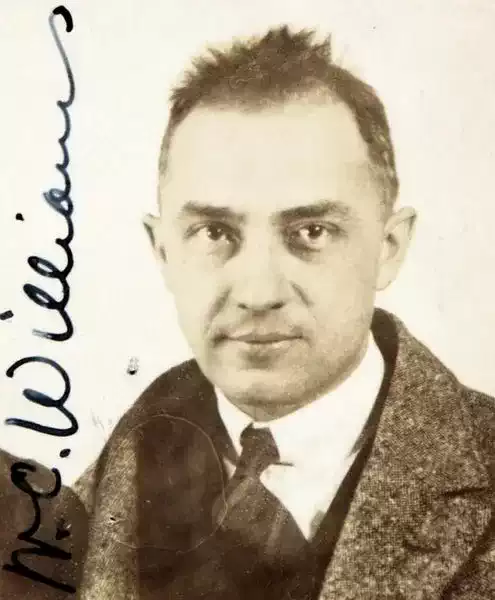
William Carlos Williams
Tract
Tract
I will teach you my townspeople
how to perform a funeral
for you have it over a troop
of artistsunless
one should scour the worldyou
have the ground sense necessary.
See! the hearse leads.
I begin with a design for a hearse.
For Christ's sake not blacknor
white either - and not polished!
Let it be whethered - like a farm wagon -
with gilt wheels (this could be
applied fresh at small expense)
or no wheels at all:
a rough dray to drag over the ground.
Knock the glass out!
My God - glass, my townspeople!
For what purpose? Is it for the dead
to look out or for us to see
the flowers or the lack of them -
or what?
To keep the rain and snow from him?
He will have a heavier rain soon:
pebbles and dirt and what not.
Let there be no glass -
and no upholstery, phew!
and no little brass rollers
and small easy wheels on the bottom -
my townspeople, what are you thinking of?
A rough plain hearse then
with gilt wheels and no top at all.
On this the coffin lies
by its own weight.
No wreathes pleaseespecially
no hot house flowers.
Some common memento is better,
something he prized and is known by:
his old clothes - a few books perhaps -
God knows what! You realize
how we are about these things
my townspeople -
something will be found - anything
even flowers if he had come to that.
So much for the hearse.
For heaven's sake though see to the driver!
Take off the silk hat! In fact
that's no place at all for him -
up there unceremoniously
dragging our friend out to his own dignity!
Bring him down - bring him down!
Low and inconspicuous! I'd not have him ride
on the wagon at all - damn him! -
the undertaker's understrapper!
Let him hold the reins
and walk at the side
and inconspicuously too!
Then briefly as to yourselves:
Walk behind - as they do in France,
seventh class, or if you ride
Hell take curtains! Go with some show
of inconvenience; sit openly -
to the weather as to grief.
Or do you think you can shut grief in?
What - from us? We who have perhaps
nothing to lose? Share with us
share with us - it will be money
in your pockets.
Go now
I think you are ready.
I will teach you my townspeople
how to perform a funeral
for you have it over a troop
of artistsunless
one should scour the worldyou
have the ground sense necessary.
See! the hearse leads.
I begin with a design for a hearse.
For Christ's sake not blacknor
white either - and not polished!
Let it be whethered - like a farm wagon -
with gilt wheels (this could be
applied fresh at small expense)
or no wheels at all:
a rough dray to drag over the ground.
Knock the glass out!
My God - glass, my townspeople!
For what purpose? Is it for the dead
to look out or for us to see
the flowers or the lack of them -
or what?
To keep the rain and snow from him?
He will have a heavier rain soon:
pebbles and dirt and what not.
Let there be no glass -
and no upholstery, phew!
and no little brass rollers
and small easy wheels on the bottom -
my townspeople, what are you thinking of?
A rough plain hearse then
with gilt wheels and no top at all.
On this the coffin lies
by its own weight.
No wreathes pleaseespecially
no hot house flowers.
Some common memento is better,
something he prized and is known by:
his old clothes - a few books perhaps -
God knows what! You realize
how we are about these things
my townspeople -
something will be found - anything
even flowers if he had come to that.
So much for the hearse.
For heaven's sake though see to the driver!
Take off the silk hat! In fact
that's no place at all for him -
up there unceremoniously
dragging our friend out to his own dignity!
Bring him down - bring him down!
Low and inconspicuous! I'd not have him ride
on the wagon at all - damn him! -
the undertaker's understrapper!
Let him hold the reins
and walk at the side
and inconspicuously too!
Then briefly as to yourselves:
Walk behind - as they do in France,
seventh class, or if you ride
Hell take curtains! Go with some show
of inconvenience; sit openly -
to the weather as to grief.
Or do you think you can shut grief in?
What - from us? We who have perhaps
nothing to lose? Share with us
share with us - it will be money
in your pockets.
Go now
I think you are ready.
441
William Carlos Williams
The Uses of Poetry
The Uses of Poetry
I've fond anticipation of a day
O'erfilled with pure diversion presently,
For I must read a lady poesy
The while we glide by many a leafy bay,
Hid deep in rushes, where at random play
The glossy black winged May-flies, or whence flee
Hush-throated nestlings in alarm,
Whom we have idly frighted with our boat's long sway.
For, lest o'ersaddened by such woes as spring
To rural peace from our meek onward trend,
What else more fit? We'll draw the latch-string
And close the door of sense; then satiate wend,
On poesy's transforming giant wing,
To worlds afar whose fruits all anguish mend.
I've fond anticipation of a day
O'erfilled with pure diversion presently,
For I must read a lady poesy
The while we glide by many a leafy bay,
Hid deep in rushes, where at random play
The glossy black winged May-flies, or whence flee
Hush-throated nestlings in alarm,
Whom we have idly frighted with our boat's long sway.
For, lest o'ersaddened by such woes as spring
To rural peace from our meek onward trend,
What else more fit? We'll draw the latch-string
And close the door of sense; then satiate wend,
On poesy's transforming giant wing,
To worlds afar whose fruits all anguish mend.
436
William Carlos Williams
The Artist
The Artist
Mr T.
bareheaded
in a soiled undershirt
his hair standing out
on all sides
stood on his toes
heels together
arms gracefully
for the moment
curled above his head.
Then he whirled about
bounded
into the air
and with an entrechat
perfectly achieved
completed the figure.
My mother
taken by surprise
where she sat
in her invalid's chair
was left speechless.
Bravo! she cried at last
and clapped her hands.
The man's wife
came from the kitchen:
What goes on here? she said.
But the show was over.
Mr T.
bareheaded
in a soiled undershirt
his hair standing out
on all sides
stood on his toes
heels together
arms gracefully
for the moment
curled above his head.
Then he whirled about
bounded
into the air
and with an entrechat
perfectly achieved
completed the figure.
My mother
taken by surprise
where she sat
in her invalid's chair
was left speechless.
Bravo! she cried at last
and clapped her hands.
The man's wife
came from the kitchen:
What goes on here? she said.
But the show was over.
460
William Carlos Williams
A Sort of a Song
A Sort of a Song
Let the snake wait under
his weed
and the writing
be of words, slow and quick, sharp
to strike, quiet to wait,
sleepless.
-- through metaphor to reconcile
the people and the stones.
Compose. (No ideas
but in things) Invent!
Saxifrage is my flower that splits
the rocks.
Let the snake wait under
his weed
and the writing
be of words, slow and quick, sharp
to strike, quiet to wait,
sleepless.
-- through metaphor to reconcile
the people and the stones.
Compose. (No ideas
but in things) Invent!
Saxifrage is my flower that splits
the rocks.
496
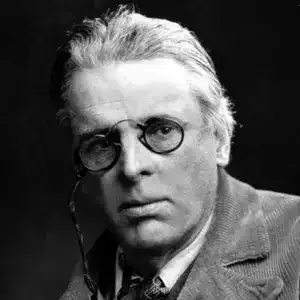
William Butler Yeats
Wisdom
Wisdom
THE true faith discovered was
When painted panel, statuary.
Glass-mosaic, window-glass,
Amended what was told awry
By some peasant gospeller;
Swept the Sawdust from the floor
Of that working-carpenter.
Miracle had its playtime where
In damask clothed and on a seat
Chryselephantine, cedar-boarded,
His majestic Mother sat
Stitching at a purple hoarded
That He might be nobly breeched
In starry towers of Babylon
Noah's freshet never reached.
King Abundance got Him on
Innocence; and Wisdom He.
That cognomen sounded best
Considering what wild infancy
Drove horror from His Mother's breast.
THE true faith discovered was
When painted panel, statuary.
Glass-mosaic, window-glass,
Amended what was told awry
By some peasant gospeller;
Swept the Sawdust from the floor
Of that working-carpenter.
Miracle had its playtime where
In damask clothed and on a seat
Chryselephantine, cedar-boarded,
His majestic Mother sat
Stitching at a purple hoarded
That He might be nobly breeched
In starry towers of Babylon
Noah's freshet never reached.
King Abundance got Him on
Innocence; and Wisdom He.
That cognomen sounded best
Considering what wild infancy
Drove horror from His Mother's breast.
421
Page 1
Next