

Betrayal and Disappointment
Poems in this topic
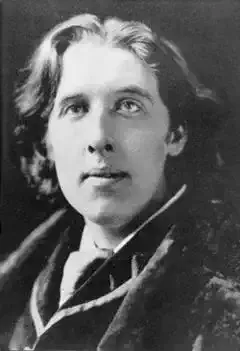
Oscar Wilde
Soneto: The New Remorse
The sin was mine; I did not understand.
So now is music prisoned in her cave,
Save where some ebbing desultory wave
Frets with its restless whirls this meagre strand.
And in the withered hollow of this land
Hath Summer dug herself so deep a grave,
That hardly can the leaden willow crave
One silver blossom from keen Winter's hand.
But who is this who cometh by the shore?
(Nay, love, look up and wonder!) Who is this
Who cometh in dyed garments from the South?
It is thy new-found Lord, and he shall kiss
The yet unravished roses of thy mouth,
And I shall weep and worship, as before.
So now is music prisoned in her cave,
Save where some ebbing desultory wave
Frets with its restless whirls this meagre strand.
And in the withered hollow of this land
Hath Summer dug herself so deep a grave,
That hardly can the leaden willow crave
One silver blossom from keen Winter's hand.
But who is this who cometh by the shore?
(Nay, love, look up and wonder!) Who is this
Who cometh in dyed garments from the South?
It is thy new-found Lord, and he shall kiss
The yet unravished roses of thy mouth,
And I shall weep and worship, as before.
644
Oscar Wilde
Soneto: On the Sale by Auction of Keats' Love Letters
These are the letters which Endymion wrote
To one he loved in secret, and apart.
And now the brawlers of the auction mart
Bargain and bid for each poor blotted note,
Ay! for each separate pulse of passion quote
The merchant's price. I think they love not art
Who break the crystal of a poet's heart
That small and sickly eyes may glare and gloat.
Is it not said that many years ago,
In a far Eastern town, some soldiers ran
With torches through the midnight, and began
To wrangle for mean raiment, and to throw
Dice for the garments of a wretched man,
Not knowing the God's wonder, or His woe?
To one he loved in secret, and apart.
And now the brawlers of the auction mart
Bargain and bid for each poor blotted note,
Ay! for each separate pulse of passion quote
The merchant's price. I think they love not art
Who break the crystal of a poet's heart
That small and sickly eyes may glare and gloat.
Is it not said that many years ago,
In a far Eastern town, some soldiers ran
With torches through the midnight, and began
To wrangle for mean raiment, and to throw
Dice for the garments of a wretched man,
Not knowing the God's wonder, or His woe?
627
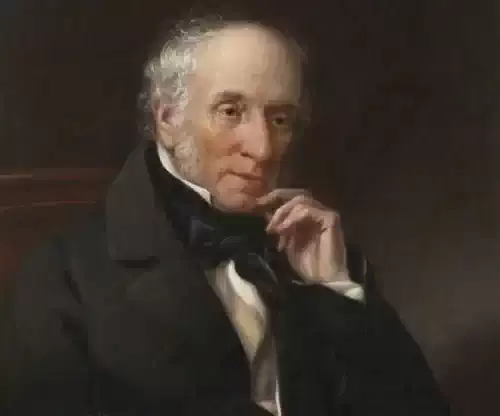
William Wordsworth
Ellen Irwin
Ellen Irwin
Fair Ellen Irwin, when she sate
Upon the braes of Kirtle,
Was lovely as a Grecian maid
Adorned with wreaths of myrtle;
Young Adam Bruce beside her lay,
And there did they beguile the day
With love and gentle speeches,
Beneath the budding beeches.
From many knights and many squires
The Bruce had been selected;
And Gordon, fairest of them all,
By Ellen was rejected.
Sad tidings to that noble Youth!
For it may be proclaimed with truth,
If Bruce hath loved sincerely,
That Gordon loves as dearly.
But what are Gordon's form and face,
His shattered hopes and crosses,
To them, 'mid Kirtle's pleasant braes,
Reclined on flowers and mosses?
Alas that ever he was born!
The Gordon, couched behind a thorn,
Sees them and their caressing;
Beholds them blest and blessing.
Proud Gordon, maddened by the thoughts
That through his brain are travelling,
Rushed forth, and at the heart of Bruce
He launched a deadly javelin!
Fair Ellen saw it as it came,
And, starting up to meet the same,
Did with her body cover
The Youth, her chosen lover.
And, falling into Bruce's arms,
Thus died the beauteous Ellen,
Thus, from the heart of her True-love,
The mortal spear repelling.
And Bruce, as soon as he had slain
The Gordon, sailed away to Spain;
And fought with rage incessant
Against the Moorish crescent.
But many days, and many months,
And many years ensuing,
This wretched Knight did vainly seek
The death that he was wooing.
So, coming his last help to crave,
Heart-broken, upon Ellen's grave
His body he extended,
And there his sorrow ended.
Now ye, who willingly have heard
The tale I have been telling,
May in Kirkconnel churchyard view
The grave of lovely Ellen:
By Ellen's side the Bruce is laid;
And, for the stone upon his head,
May no rude hand deface it,
And its forlorn "Hie jacet"!
Fair Ellen Irwin, when she sate
Upon the braes of Kirtle,
Was lovely as a Grecian maid
Adorned with wreaths of myrtle;
Young Adam Bruce beside her lay,
And there did they beguile the day
With love and gentle speeches,
Beneath the budding beeches.
From many knights and many squires
The Bruce had been selected;
And Gordon, fairest of them all,
By Ellen was rejected.
Sad tidings to that noble Youth!
For it may be proclaimed with truth,
If Bruce hath loved sincerely,
That Gordon loves as dearly.
But what are Gordon's form and face,
His shattered hopes and crosses,
To them, 'mid Kirtle's pleasant braes,
Reclined on flowers and mosses?
Alas that ever he was born!
The Gordon, couched behind a thorn,
Sees them and their caressing;
Beholds them blest and blessing.
Proud Gordon, maddened by the thoughts
That through his brain are travelling,
Rushed forth, and at the heart of Bruce
He launched a deadly javelin!
Fair Ellen saw it as it came,
And, starting up to meet the same,
Did with her body cover
The Youth, her chosen lover.
And, falling into Bruce's arms,
Thus died the beauteous Ellen,
Thus, from the heart of her True-love,
The mortal spear repelling.
And Bruce, as soon as he had slain
The Gordon, sailed away to Spain;
And fought with rage incessant
Against the Moorish crescent.
But many days, and many months,
And many years ensuing,
This wretched Knight did vainly seek
The death that he was wooing.
So, coming his last help to crave,
Heart-broken, upon Ellen's grave
His body he extended,
And there his sorrow ended.
Now ye, who willingly have heard
The tale I have been telling,
May in Kirkconnel churchyard view
The grave of lovely Ellen:
By Ellen's side the Bruce is laid;
And, for the stone upon his head,
May no rude hand deface it,
And its forlorn "Hie jacet"!
222

William Shakespeare
Sonnets xix
Sonnets xix
TH' expense of Spirit in a waste of shame
Is lust in action; and till action, lust
Is perjured, murderous, bloody, full of blame,
Savage, extreme, rude, cruel, not to trust;
Enjoy'd no sooner but despised straight;
Past reason hunted; and, no sooner had,
Past reason hated, as a swallow'd bait
On purpose laid to make the taker mad:
Mad in pursuit, and in possession so;
Had, having, and in quest to have, extreme;
A bliss in proof, and proved, a very woe;
Before, a joy proposed; behind, a dream.
All this the world well knows; yet none knows well
To shun the heaven that leads men to this hell.
TH' expense of Spirit in a waste of shame
Is lust in action; and till action, lust
Is perjured, murderous, bloody, full of blame,
Savage, extreme, rude, cruel, not to trust;
Enjoy'd no sooner but despised straight;
Past reason hunted; and, no sooner had,
Past reason hated, as a swallow'd bait
On purpose laid to make the taker mad:
Mad in pursuit, and in possession so;
Had, having, and in quest to have, extreme;
A bliss in proof, and proved, a very woe;
Before, a joy proposed; behind, a dream.
All this the world well knows; yet none knows well
To shun the heaven that leads men to this hell.
313
William Shakespeare
Sonnets x
Sonnets x
THEN hate me when thou wilt; if ever, now;
Now, while the world is bent my deeds to cross,
Join with the spite of fortune, make me bow,
And do not drop in for an after loss:
Ah! do not, when my heart hath 'scaped this sorrow,
Come in the rearward of a conquer'd woe;
Give not a windy night a rainy morrow,
To linger out a purposed overthrow.
If thou wilt leave me, do not leave me last,
When other petty griefs have done their spite,
But in the onset come: so shall I taste
At first the very worst of fortune's might;
And other strains of woe, which now seem woe,
Compared with loss of thee will not seem so!
THEN hate me when thou wilt; if ever, now;
Now, while the world is bent my deeds to cross,
Join with the spite of fortune, make me bow,
And do not drop in for an after loss:
Ah! do not, when my heart hath 'scaped this sorrow,
Come in the rearward of a conquer'd woe;
Give not a windy night a rainy morrow,
To linger out a purposed overthrow.
If thou wilt leave me, do not leave me last,
When other petty griefs have done their spite,
But in the onset come: so shall I taste
At first the very worst of fortune's might;
And other strains of woe, which now seem woe,
Compared with loss of thee will not seem so!
353
William Shakespeare
Sonnets to the Sundry Notes of Music
Sonnets to the Sundry Notes of Music
I.
IT was a lording's daughter, the fairest one of three,
That liked of her master as well as well might be,
Till looking on an Englishman, the fair'st that eye could see,
Her fancy fell a-turning.
Long was the combat doubtful that love with love did fight,
To leave the master loveless, or kill the gallant knight:
To put in practise either, alas, it was a spite
Unto the silly damsel!
But one must be refused; more mickle was the pain
That nothing could be used to turn them both to gain,
For of the two the trusty knight was wounded with disdain:
Alas, she could not help it!
Thus art with arms contending was victor of the day,
Which by a gift of learning did bear the maid away:
Then, lullaby, the learned man hath got the lady gay;
For now my song is ended.
II.
On a day, alack the day!
Love, whose month was ever May,
Spied a blossom passing fair,
Playing in the wanton air:
Through the velvet leaves the wind
All unseen, gan passage find;
That the lover, sick to death,
Wish'd himself the heaven's breath,
'Air,' quoth he, 'thy cheeks may blow;
Air, would I might triumph so!
But, alas! my hand hath sworn
Ne'er to pluck thee from thy thorn:
Vow, alack! for youth unmeet:
Youth, so apt to pluck a sweet.
Thou for whom Jove would swear
Juno but an Ethiope were;
Turning mortal for thy love.'
III.
My flocks feed not,
My ewes breed not,
My rams speed not,
All is amiss:
Love's denying,
Faith's defying,
Heart's renying,
Causer of this.
All my merry jigs are quite forgot,
All my lady's love is lost, God wot:
Where her faith was firmly fix'd in love,
There a nay is placed without remove.
One silly cross
Wrought all my loss;
O frowning Fortune, cursed, fickle dame!
For now I see
Inconstancy
More in women than in men remain.
In black mourn I,
All fears scorn I,
Love hath forlorn me,
Living in thrall:
Heart is bleeding,
All help needing,
O cruel speeding,
Fraughted with gall.
My shepherd's pipe can sound no deal;
My wether's bell rings doleful knell;
My curtail dog, that wont to have play'd
Plays not at all, but seems afraid;
My sighs so deep
Procure to weep,
In howling wise, to see my doleful plight.
How sighs resound
Through heartless ground,
Like a thousand vanquish'd men in bloody fight!
Clear wells spring not,
Sweet birds sing not,
Green plants bring not
Forth their dye;
Herds stand weeping,
Flocks all sleeping,
Nymphs back peeping
Fearfully:
All our pleasure known to us poor swains,
All our merry meetings on the plains,
All our evening sport from us is fled,
All our love is lost, for Love is dead
Farewell, sweet lass,
Thy like ne'er was
For a sweet content, the cause of all my moan:
Poor Corydon
Must live alone;
Other help for him I see that there is none.
IV.
When as thine eye hath chose the dame,
And stall'd the deer that thou shouldst strike,
Let reason rule things worthy blame,
As well as fancy partial might:
Take counsel of some wiser head,
Neither too young nor yet unwed.
And when thou comest thy tale to tell,
Smooth not thy tongue with filed talk,
Lest she some subtle practise smell,--
A cripple soon can find a halt;--
But plainly say thou lovest her well,
And set thy person forth to sell.
What though her frowning brows be bent,
Her cloudy looks will calm ere night:
And then too late she will repent
That thus dissembled her delight;
And twice desire, ere it be day,
That which with scorn she put away.
What though she strive to try her strength,
And ban and brawl, and say thee nay,
Her feeble force will yield at length,
When craft hath taught her thus to say,
'Had women been so strong as men,
In faith, you had not had it then.'
And to her will frame all thy ways;
Spare not to spend, and chiefly there
Where thy desert may merit praise,
By ringing in thy lady's ear:
The strongest castle, tower, and town,
The golden bullet beats it down.
Serve always with assured trust,
And in thy suit be humble true;
Unless thy lady prove unjust,
Press never thou to choose anew:
When time shall serve, be thou not slack
To proffer, though she put thee back.
The wiles and guiles that women work,
Dissembled with an outward show,
The tricks and toys that in them lurk,
The cock that treads them shall not know.
Have you not heard it said full oft,
A woman's nay doth stand for nought?
Think women still to strive with men,
To sin and never for to saint:
There is no heaven, by holy then,
When time with age doth them attaint.
Were kisses all the joys in bed,
One woman would another wed.
But, soft! enough, too much, I fear
Lest that my mistress hear my song,
She will not stick to round me i' the ear,
To teach my tongue to be so long:
Yet will she blush, here be it said,
To hear her secrets so bewray'd.
V.
Live with me, and be my love,
And we will all the pleasures prove
That hills and valleys, dales and fields,
And all the craggy mountains yields.
There will we sit upon the rocks,
And see the shepherds feed their flocks,
By shallow rivers, by whose falls
Melodious birds sing madrigals.
There will I make thee a bed of roses,
With a thousand fragrant posies,
A cap of flowers, and a kirtle
Embroider'd all with leaves of myrtle.
A belt of straw and ivy buds,
With coral clasps and amber studs;
And if these pleasures may thee move,
Then live with me and be my love.
LOVE'S ANSWER.
If that the world and love were young,
And truth in every shepherd's tongue,
These pretty pleasures might me move
To live with thee and be thy love.
VI.
As it fell upon a day
In the merry month of May,
Sitting in a pleasant shade
Which a grove of myrtles made,
Beasts did leap, and birds did sing,
Trees did grow, and plants did spring;
Every thing did banish moan,
Save the nightingale alone:
She, poor bird, as all forlorn,
Lean'd her breast up-till a thorn
And there sung the dolefull'st ditty,
That to hear it was great pity:
'Fie, fie, fie,' now would she cry;
'Tereu, tereu!' by and by;
That to hear her so complain,
Scarce I could from tears refrain;
For her griefs, so lively shown,
Made me think upon mine own.
Ah, thought I, thou mourn'st in vain!
None takes pity on thy pain:
Senseless trees they cannot hear thee;
Ruthless beasts they will not cheer thee:
King Pandion he is dead;
All thy friends are lapp'd in lead;
All thy fellow birds do sing,
Careless of thy sorrowing.
Even so, poor bird, like thee,
None alive will pity me.
Whilst as fickle Fortune smiled,
Thou and I were both beguiled.
Every one that flatters thee
Is no friend in misery.
Words are easy, like the wind;
Faithful friends are hard to find:
Every man will be thy friend
Whilst thou hast wherewith to spend;
But if store of crowns be scant,
No man will supply thy want.
If that one be prodigal,
Bountiful they will him call,
And with such-like flattering,
'Pity but he were a king;'
If he be addict to vice,
Quickly him they will entice;
If to women he be bent,
They have at commandement:
But if Fortune once do frown,
Then farewell his great renown
They that fawn'd on him before
Use his company no more.
He that is thy friend indeed,
He will help thee in thy need:
If thou sorrow, he will weep;
If thou wake, he cannot sleep;
Thus of every grief in heart
He with thee doth bear a part.
These are certain signs to know
Faithful friend from flattering foe.
I.
IT was a lording's daughter, the fairest one of three,
That liked of her master as well as well might be,
Till looking on an Englishman, the fair'st that eye could see,
Her fancy fell a-turning.
Long was the combat doubtful that love with love did fight,
To leave the master loveless, or kill the gallant knight:
To put in practise either, alas, it was a spite
Unto the silly damsel!
But one must be refused; more mickle was the pain
That nothing could be used to turn them both to gain,
For of the two the trusty knight was wounded with disdain:
Alas, she could not help it!
Thus art with arms contending was victor of the day,
Which by a gift of learning did bear the maid away:
Then, lullaby, the learned man hath got the lady gay;
For now my song is ended.
II.
On a day, alack the day!
Love, whose month was ever May,
Spied a blossom passing fair,
Playing in the wanton air:
Through the velvet leaves the wind
All unseen, gan passage find;
That the lover, sick to death,
Wish'd himself the heaven's breath,
'Air,' quoth he, 'thy cheeks may blow;
Air, would I might triumph so!
But, alas! my hand hath sworn
Ne'er to pluck thee from thy thorn:
Vow, alack! for youth unmeet:
Youth, so apt to pluck a sweet.
Thou for whom Jove would swear
Juno but an Ethiope were;
Turning mortal for thy love.'
III.
My flocks feed not,
My ewes breed not,
My rams speed not,
All is amiss:
Love's denying,
Faith's defying,
Heart's renying,
Causer of this.
All my merry jigs are quite forgot,
All my lady's love is lost, God wot:
Where her faith was firmly fix'd in love,
There a nay is placed without remove.
One silly cross
Wrought all my loss;
O frowning Fortune, cursed, fickle dame!
For now I see
Inconstancy
More in women than in men remain.
In black mourn I,
All fears scorn I,
Love hath forlorn me,
Living in thrall:
Heart is bleeding,
All help needing,
O cruel speeding,
Fraughted with gall.
My shepherd's pipe can sound no deal;
My wether's bell rings doleful knell;
My curtail dog, that wont to have play'd
Plays not at all, but seems afraid;
My sighs so deep
Procure to weep,
In howling wise, to see my doleful plight.
How sighs resound
Through heartless ground,
Like a thousand vanquish'd men in bloody fight!
Clear wells spring not,
Sweet birds sing not,
Green plants bring not
Forth their dye;
Herds stand weeping,
Flocks all sleeping,
Nymphs back peeping
Fearfully:
All our pleasure known to us poor swains,
All our merry meetings on the plains,
All our evening sport from us is fled,
All our love is lost, for Love is dead
Farewell, sweet lass,
Thy like ne'er was
For a sweet content, the cause of all my moan:
Poor Corydon
Must live alone;
Other help for him I see that there is none.
IV.
When as thine eye hath chose the dame,
And stall'd the deer that thou shouldst strike,
Let reason rule things worthy blame,
As well as fancy partial might:
Take counsel of some wiser head,
Neither too young nor yet unwed.
And when thou comest thy tale to tell,
Smooth not thy tongue with filed talk,
Lest she some subtle practise smell,--
A cripple soon can find a halt;--
But plainly say thou lovest her well,
And set thy person forth to sell.
What though her frowning brows be bent,
Her cloudy looks will calm ere night:
And then too late she will repent
That thus dissembled her delight;
And twice desire, ere it be day,
That which with scorn she put away.
What though she strive to try her strength,
And ban and brawl, and say thee nay,
Her feeble force will yield at length,
When craft hath taught her thus to say,
'Had women been so strong as men,
In faith, you had not had it then.'
And to her will frame all thy ways;
Spare not to spend, and chiefly there
Where thy desert may merit praise,
By ringing in thy lady's ear:
The strongest castle, tower, and town,
The golden bullet beats it down.
Serve always with assured trust,
And in thy suit be humble true;
Unless thy lady prove unjust,
Press never thou to choose anew:
When time shall serve, be thou not slack
To proffer, though she put thee back.
The wiles and guiles that women work,
Dissembled with an outward show,
The tricks and toys that in them lurk,
The cock that treads them shall not know.
Have you not heard it said full oft,
A woman's nay doth stand for nought?
Think women still to strive with men,
To sin and never for to saint:
There is no heaven, by holy then,
When time with age doth them attaint.
Were kisses all the joys in bed,
One woman would another wed.
But, soft! enough, too much, I fear
Lest that my mistress hear my song,
She will not stick to round me i' the ear,
To teach my tongue to be so long:
Yet will she blush, here be it said,
To hear her secrets so bewray'd.
V.
Live with me, and be my love,
And we will all the pleasures prove
That hills and valleys, dales and fields,
And all the craggy mountains yields.
There will we sit upon the rocks,
And see the shepherds feed their flocks,
By shallow rivers, by whose falls
Melodious birds sing madrigals.
There will I make thee a bed of roses,
With a thousand fragrant posies,
A cap of flowers, and a kirtle
Embroider'd all with leaves of myrtle.
A belt of straw and ivy buds,
With coral clasps and amber studs;
And if these pleasures may thee move,
Then live with me and be my love.
LOVE'S ANSWER.
If that the world and love were young,
And truth in every shepherd's tongue,
These pretty pleasures might me move
To live with thee and be thy love.
VI.
As it fell upon a day
In the merry month of May,
Sitting in a pleasant shade
Which a grove of myrtles made,
Beasts did leap, and birds did sing,
Trees did grow, and plants did spring;
Every thing did banish moan,
Save the nightingale alone:
She, poor bird, as all forlorn,
Lean'd her breast up-till a thorn
And there sung the dolefull'st ditty,
That to hear it was great pity:
'Fie, fie, fie,' now would she cry;
'Tereu, tereu!' by and by;
That to hear her so complain,
Scarce I could from tears refrain;
For her griefs, so lively shown,
Made me think upon mine own.
Ah, thought I, thou mourn'st in vain!
None takes pity on thy pain:
Senseless trees they cannot hear thee;
Ruthless beasts they will not cheer thee:
King Pandion he is dead;
All thy friends are lapp'd in lead;
All thy fellow birds do sing,
Careless of thy sorrowing.
Even so, poor bird, like thee,
None alive will pity me.
Whilst as fickle Fortune smiled,
Thou and I were both beguiled.
Every one that flatters thee
Is no friend in misery.
Words are easy, like the wind;
Faithful friends are hard to find:
Every man will be thy friend
Whilst thou hast wherewith to spend;
But if store of crowns be scant,
No man will supply thy want.
If that one be prodigal,
Bountiful they will him call,
And with such-like flattering,
'Pity but he were a king;'
If he be addict to vice,
Quickly him they will entice;
If to women he be bent,
They have at commandement:
But if Fortune once do frown,
Then farewell his great renown
They that fawn'd on him before
Use his company no more.
He that is thy friend indeed,
He will help thee in thy need:
If thou sorrow, he will weep;
If thou wake, he cannot sleep;
Thus of every grief in heart
He with thee doth bear a part.
These are certain signs to know
Faithful friend from flattering foe.
255
William Shakespeare
Sonnets CXXIX: Th' expense of spirit in a waste of shame
Sonnets CXXIX: Th' expense of spirit in a waste of shame
Th' expense of spirit in a waste of shame
Is lust in action; and till action, lust
Is perjur'd, murd'rous, bloody, full of blame,
Savage, extreme, rude, cruel, not to trust;
Enjoy'd no sooner but despised straight;
Past reason hunted; and, no sooner had,
Past reason hated, as a swallow'd bait,
On purpose laid to make the taker mad:
Mad in pursuit, and in possession so;
Had, having, and in quest to have, extreme;
A bliss in proof, and prov'd, a very woe;
Before, a joy propos'd; behind, a dream.
All this the world well knows; yet none knows well
To shun the heaven that leads men to this hell.
Th' expense of spirit in a waste of shame
Is lust in action; and till action, lust
Is perjur'd, murd'rous, bloody, full of blame,
Savage, extreme, rude, cruel, not to trust;
Enjoy'd no sooner but despised straight;
Past reason hunted; and, no sooner had,
Past reason hated, as a swallow'd bait,
On purpose laid to make the taker mad:
Mad in pursuit, and in possession so;
Had, having, and in quest to have, extreme;
A bliss in proof, and prov'd, a very woe;
Before, a joy propos'd; behind, a dream.
All this the world well knows; yet none knows well
To shun the heaven that leads men to this hell.
281
William Shakespeare
Sonnet XXXVI
Sonnet XXXVI
Let me confess that we two must be twain,
Although our undivided loves are one:
So shall those blots that do with me remain
Without thy help by me be borne alone.
In our two loves there is but one respect,
Though in our lives a separable spite,
Which though it alter not love's sole effect,
Yet doth it steal sweet hours from love's delight.
I may not evermore acknowledge thee,
Lest my bewailed guilt should do thee shame,
Nor thou with public kindness honour me,
Unless thou take that honour from thy name:
But do not so; I love thee in such sort
As, thou being mine, mine is thy good report.
Let me confess that we two must be twain,
Although our undivided loves are one:
So shall those blots that do with me remain
Without thy help by me be borne alone.
In our two loves there is but one respect,
Though in our lives a separable spite,
Which though it alter not love's sole effect,
Yet doth it steal sweet hours from love's delight.
I may not evermore acknowledge thee,
Lest my bewailed guilt should do thee shame,
Nor thou with public kindness honour me,
Unless thou take that honour from thy name:
But do not so; I love thee in such sort
As, thou being mine, mine is thy good report.
337
William Shakespeare
Sonnet XLVIII
Sonnet XLVIII
How careful was I, when I took my way,
Each trifle under truest bars to thrust,
That to my use it might unused stay
From hands of falsehood, in sure wards of trust!
But thou, to whom my jewels trifles are,
Most worthy of comfort, now my greatest grief,
Thou, best of dearest and mine only care,
Art left the prey of every vulgar thief.
Thee have I not lock'd up in any chest,
Save where thou art not, though I feel thou art,
Within the gentle closure of my breast,
From whence at pleasure thou mayst come and part;
And even thence thou wilt be stol'n, I fear,
For truth proves thievish for a prize so dear.
How careful was I, when I took my way,
Each trifle under truest bars to thrust,
That to my use it might unused stay
From hands of falsehood, in sure wards of trust!
But thou, to whom my jewels trifles are,
Most worthy of comfort, now my greatest grief,
Thou, best of dearest and mine only care,
Art left the prey of every vulgar thief.
Thee have I not lock'd up in any chest,
Save where thou art not, though I feel thou art,
Within the gentle closure of my breast,
From whence at pleasure thou mayst come and part;
And even thence thou wilt be stol'n, I fear,
For truth proves thievish for a prize so dear.
338
William Shakespeare
Sonnet XLI
Sonnet XLI
Those petty wrongs that liberty commits,
When I am sometime absent from thy heart,
Thy beauty and thy years full well befits,
For still temptation follows where thou art.
Gentle thou art and therefore to be won,
Beauteous thou art, therefore to be assailed;
And when a woman woos, what woman's son
Will sourly leave her till she have prevailed?
Ay me! but yet thou mightest my seat forbear,
And chide try beauty and thy straying youth,
Who lead thee in their riot even there
Where thou art forced to break a twofold truth,
Hers by thy beauty tempting her to thee,
Thine, by thy beauty being false to me.
Those petty wrongs that liberty commits,
When I am sometime absent from thy heart,
Thy beauty and thy years full well befits,
For still temptation follows where thou art.
Gentle thou art and therefore to be won,
Beauteous thou art, therefore to be assailed;
And when a woman woos, what woman's son
Will sourly leave her till she have prevailed?
Ay me! but yet thou mightest my seat forbear,
And chide try beauty and thy straying youth,
Who lead thee in their riot even there
Where thou art forced to break a twofold truth,
Hers by thy beauty tempting her to thee,
Thine, by thy beauty being false to me.
357
William Shakespeare
Sonnet LXXXIX
Sonnet LXXXIX
Say that thou didst forsake me for some fault,
And I will comment upon that offence;
Speak of my lameness, and I straight will halt,
Against thy reasons making no defence.
Thou canst not, love, disgrace me half so ill,
To set a form upon desired change,
As I'll myself disgrace: knowing thy will,
I will acquaintance strangle and look strange,
Be absent from thy walks, and in my tongue
Thy sweet beloved name no more shall dwell,
Lest I, too much profane, should do it wrong
And haply of our old acquaintance tell.
For thee against myself I'll vow debate,
For I must ne'er love him whom thou dost hate.
Say that thou didst forsake me for some fault,
And I will comment upon that offence;
Speak of my lameness, and I straight will halt,
Against thy reasons making no defence.
Thou canst not, love, disgrace me half so ill,
To set a form upon desired change,
As I'll myself disgrace: knowing thy will,
I will acquaintance strangle and look strange,
Be absent from thy walks, and in my tongue
Thy sweet beloved name no more shall dwell,
Lest I, too much profane, should do it wrong
And haply of our old acquaintance tell.
For thee against myself I'll vow debate,
For I must ne'er love him whom thou dost hate.
313
William Shakespeare
Sonnet CXVII
Sonnet CXVII
Accuse me thus: that I have scanted all
Wherein I should your great deserts repay,
Forgot upon your dearest love to call,
Whereto all bonds do tie me day by day;
That I have frequent been with unknown minds
And given to time your own dear-purchased right
That I have hoisted sail to all the winds
Which should transport me farthest from your sight.
Book both my wilfulness and errors down
And on just proof surmise accumulate;
Bring me within the level of your frown,
But shoot not at me in your waken'd hate;
Since my appeal says I did strive to prove
The constancy and virtue of your love.
Accuse me thus: that I have scanted all
Wherein I should your great deserts repay,
Forgot upon your dearest love to call,
Whereto all bonds do tie me day by day;
That I have frequent been with unknown minds
And given to time your own dear-purchased right
That I have hoisted sail to all the winds
Which should transport me farthest from your sight.
Book both my wilfulness and errors down
And on just proof surmise accumulate;
Bring me within the level of your frown,
But shoot not at me in your waken'd hate;
Since my appeal says I did strive to prove
The constancy and virtue of your love.
329
William Shakespeare
Sonnet CXIX
Sonnet CXIX
What potions have I drunk of Siren tears,
Distill'd from limbecks foul as hell within,
Applying fears to hopes and hopes to fears,
Still losing when I saw myself to win!
What wretched errors hath my heart committed,
Whilst it hath thought itself so blessed never!
How have mine eyes out of their spheres been fitted
In the distraction of this madding fever!
O benefit of ill! now I find true
That better is by evil still made better;
And ruin'd love, when it is built anew,
Grows fairer than at first, more strong, far greater.
So I return rebuked to my content
And gain by ill thrice more than I have spent.
What potions have I drunk of Siren tears,
Distill'd from limbecks foul as hell within,
Applying fears to hopes and hopes to fears,
Still losing when I saw myself to win!
What wretched errors hath my heart committed,
Whilst it hath thought itself so blessed never!
How have mine eyes out of their spheres been fitted
In the distraction of this madding fever!
O benefit of ill! now I find true
That better is by evil still made better;
And ruin'd love, when it is built anew,
Grows fairer than at first, more strong, far greater.
So I return rebuked to my content
And gain by ill thrice more than I have spent.
321
William Shakespeare
Sonnet CLII
Sonnet CLII
In loving thee thou know'st I am forsworn,
But thou art twice forsworn, to me love swearing,
In act thy bed-vow broke and new faith torn,
In vowing new hate after new love bearing.
But why of two oaths' breach do I accuse thee,
When I break twenty? I am perjured most;
For all my vows are oaths but to misuse thee
And all my honest faith in thee is lost,
For I have sworn deep oaths of thy deep kindness,
Oaths of thy love, thy truth, thy constancy,
And, to enlighten thee, gave eyes to blindness,
Or made them swear against the thing they see;
For I have sworn thee fair; more perjured I,
To swear against the truth so foul a lie!
In loving thee thou know'st I am forsworn,
But thou art twice forsworn, to me love swearing,
In act thy bed-vow broke and new faith torn,
In vowing new hate after new love bearing.
But why of two oaths' breach do I accuse thee,
When I break twenty? I am perjured most;
For all my vows are oaths but to misuse thee
And all my honest faith in thee is lost,
For I have sworn deep oaths of thy deep kindness,
Oaths of thy love, thy truth, thy constancy,
And, to enlighten thee, gave eyes to blindness,
Or made them swear against the thing they see;
For I have sworn thee fair; more perjured I,
To swear against the truth so foul a lie!
342
William Shakespeare
Sonnet CL
Sonnet CL
O, from what power hast thou this powerful might
With insufficiency my heart to sway?
To make me give the lie to my true sight,
And swear that brightness doth not grace the day?
Whence hast thou this becoming of things ill,
That in the very refuse of thy deeds
There is such strength and warrantize of skill
That, in my mind, thy worst all best exceeds?
Who taught thee how to make me love thee more
The more I hear and see just cause of hate?
O, though I love what others do abhor,
With others thou shouldst not abhor my state:
If thy unworthiness raised love in me,
More worthy I to be beloved of thee.
O, from what power hast thou this powerful might
With insufficiency my heart to sway?
To make me give the lie to my true sight,
And swear that brightness doth not grace the day?
Whence hast thou this becoming of things ill,
That in the very refuse of thy deeds
There is such strength and warrantize of skill
That, in my mind, thy worst all best exceeds?
Who taught thee how to make me love thee more
The more I hear and see just cause of hate?
O, though I love what others do abhor,
With others thou shouldst not abhor my state:
If thy unworthiness raised love in me,
More worthy I to be beloved of thee.
343
William Shakespeare
Sonnet 93: So shall I live, supposing thou art true
Sonnet 93: So shall I live, supposing thou art true
So shall I live, supposing thou art true,
Like a deceived husband; so love's face
May still seem love to me, though altered new;
Thy looks with me, thy heart in other place:
For there can live no hatred in thine eye,
Therefore in that I cannot know thy change.
In many's looks, the false heart's history
Is writ in moods, and frowns, and wrinkles strange.
But heaven in thy creation did decree
That in thy face sweet love should ever dwell;
Whate'er thy thoughts, or thy heart's workings be,
Thy looks should nothing thence, but sweetness tell.
How like Eve's apple doth thy beauty grow,
If thy sweet virtue answer not thy show!
So shall I live, supposing thou art true,
Like a deceived husband; so love's face
May still seem love to me, though altered new;
Thy looks with me, thy heart in other place:
For there can live no hatred in thine eye,
Therefore in that I cannot know thy change.
In many's looks, the false heart's history
Is writ in moods, and frowns, and wrinkles strange.
But heaven in thy creation did decree
That in thy face sweet love should ever dwell;
Whate'er thy thoughts, or thy heart's workings be,
Thy looks should nothing thence, but sweetness tell.
How like Eve's apple doth thy beauty grow,
If thy sweet virtue answer not thy show!
322
William Shakespeare
Sonnet 88: When thou shalt be disposed to set me light
Sonnet 88: When thou shalt be disposed to set me light
When thou shalt be disposed to set me light
And place my merit in the eye of scorn,
Upon thy side, against myself I'll fight,
And prove thee virtuous, though thou art forsworn.
With mine own weakness being best acquainted,
Upon thy part I can set down a story
Of faults concealed, wherein I am attainted,
That thou in losing me shalt win much glory.
And I by this will be a gainer too;
For bending all my loving thoughts on thee,
The injuries that to myself I do,
Doing thee vantage, double-vantage me.
Such is my love, to thee I so belong,
That for thy right, myself will bear all wrong.
When thou shalt be disposed to set me light
And place my merit in the eye of scorn,
Upon thy side, against myself I'll fight,
And prove thee virtuous, though thou art forsworn.
With mine own weakness being best acquainted,
Upon thy part I can set down a story
Of faults concealed, wherein I am attainted,
That thou in losing me shalt win much glory.
And I by this will be a gainer too;
For bending all my loving thoughts on thee,
The injuries that to myself I do,
Doing thee vantage, double-vantage me.
Such is my love, to thee I so belong,
That for thy right, myself will bear all wrong.
359
William Shakespeare
Sonnet 70:That thou art blamed shall not be thy defect…
Sonnet 70:That thou art blamed shall not be thy defect…
That thou art blamed shall not be thy defect,
For slander's mark was ever yet the fair,
The ornament of beauty is suspect,
A crow that flies in heaven's sweetest air.
So thou be good, slander doth but approve,
Thy worth the greater being wooed of time,
For canker vice the sweetest buds doth love,
And thou present'st a pure unstained prime.
Thou hast passed by the ambush of young days,
Either not assailed, or victor being charged,
Yet this thy praise cannot be so thy praise,
To tie up envy, evermore enlarged,
If some suspect of ill masked not thy show,
Then thou alone kingdoms of hearts shouldst owe.
That thou art blamed shall not be thy defect,
For slander's mark was ever yet the fair,
The ornament of beauty is suspect,
A crow that flies in heaven's sweetest air.
So thou be good, slander doth but approve,
Thy worth the greater being wooed of time,
For canker vice the sweetest buds doth love,
And thou present'st a pure unstained prime.
Thou hast passed by the ambush of young days,
Either not assailed, or victor being charged,
Yet this thy praise cannot be so thy praise,
To tie up envy, evermore enlarged,
If some suspect of ill masked not thy show,
Then thou alone kingdoms of hearts shouldst owe.
217
William Shakespeare
Sonnet 48: How careful was I, when I took my way
Sonnet 48: How careful was I, when I took my way
How careful was I, when I took my way,
Each trifle under truest bars to thrust,
That to my use it might unusèd stay
From hands of falsehood, in sure wards of trust!
But thou, to whom my jewels trifles are,
Most worthy comfort, now my greatest grief,
Thou best of dearest, and mine only care,
Art left the prey of every vulgar thief.
Thee have I not locked up in any chest,
Save where thou art not—though I feel thou art—
Within the gentle closure of my breast,
From whence at pleasure thou mayst come and part;
And even thence thou wilt be stol'n, I fear,
For truth proves thievish for a prize so dear.
How careful was I, when I took my way,
Each trifle under truest bars to thrust,
That to my use it might unusèd stay
From hands of falsehood, in sure wards of trust!
But thou, to whom my jewels trifles are,
Most worthy comfort, now my greatest grief,
Thou best of dearest, and mine only care,
Art left the prey of every vulgar thief.
Thee have I not locked up in any chest,
Save where thou art not—though I feel thou art—
Within the gentle closure of my breast,
From whence at pleasure thou mayst come and part;
And even thence thou wilt be stol'n, I fear,
For truth proves thievish for a prize so dear.
283
William Shakespeare
Sonnet 40: Take all my loves, my love, yea, take them all
Sonnet 40: Take all my loves, my love, yea, take them all
Take all my loves, my love, yea, take them all;
What hast thou then more than thou hadst before?
No love, my love, that thou mayst true love call;
All mine was thine, before thou hadst this more.
Then if for my love, thou my love receivest,
I cannot blame thee, for my love thou usest;
But yet be blamed, if thou thy self deceivest
By wilful taste of what thy self refusest.
I do forgive thy robbery, gentle thief,
Although thou steal thee all my poverty;
And yet love knows it is a greater grief
To bear love's wrong, than hate's known injury.
Lascivious grace, in whom all ill well shows,
Kill me with spites; yet we must not be foes.
Take all my loves, my love, yea, take them all;
What hast thou then more than thou hadst before?
No love, my love, that thou mayst true love call;
All mine was thine, before thou hadst this more.
Then if for my love, thou my love receivest,
I cannot blame thee, for my love thou usest;
But yet be blamed, if thou thy self deceivest
By wilful taste of what thy self refusest.
I do forgive thy robbery, gentle thief,
Although thou steal thee all my poverty;
And yet love knows it is a greater grief
To bear love's wrong, than hate's known injury.
Lascivious grace, in whom all ill well shows,
Kill me with spites; yet we must not be foes.
217
William Shakespeare
Sonnet 34: Why didst thou promise such a beauteous day
Sonnet 34: Why didst thou promise such a beauteous day
Why didst thou promise such a beauteous day
And make me travel forth without my cloak,
To let base clouds o'ertake me in my way,
Hiding thy brav'ry in their rotten smoke?
'Tis not enough that through the cloud thou break,
To dry the rain on my storm-beaten face,
For no man well of such a salve can speak
That heals the wound and cures not the disgrace.
Nor can thy shame give physic to my grief;
Though thou repent, yet I have still the loss.
Th' offender's sorrow lends but weak relief
To him that bears the strong offence's cross.
Ah, but those tears are pearl which thy love sheds,
And they are rich, and ransom all ill deeds.
Why didst thou promise such a beauteous day
And make me travel forth without my cloak,
To let base clouds o'ertake me in my way,
Hiding thy brav'ry in their rotten smoke?
'Tis not enough that through the cloud thou break,
To dry the rain on my storm-beaten face,
For no man well of such a salve can speak
That heals the wound and cures not the disgrace.
Nor can thy shame give physic to my grief;
Though thou repent, yet I have still the loss.
Th' offender's sorrow lends but weak relief
To him that bears the strong offence's cross.
Ah, but those tears are pearl which thy love sheds,
And they are rich, and ransom all ill deeds.
329
William Shakespeare
Sonnet 151: Love is too young to know what conscience is
Sonnet 151: Love is too young to know what conscience is
Love is too young to know what conscience is;
Yet who knows not conscience is born of love?
Then, gentle cheater, urge not my amiss,
Lest guilty of my faults thy sweet self prove.
For thou betraying me, I do betray
My nobler part to my gross body's treason;
My soul doth tell my body that he may
Triumph in love; flesh stays no farther reason,
But, rising at thy name, doth point out thee
As his triumphant prize. Proud of this pride,
He is contented thy poor drudge to be,
To stand in thy affairs, fall by thy side.
No want of conscience hold it that I call,
Her "love" for whose dear love I rise and fall.
Love is too young to know what conscience is;
Yet who knows not conscience is born of love?
Then, gentle cheater, urge not my amiss,
Lest guilty of my faults thy sweet self prove.
For thou betraying me, I do betray
My nobler part to my gross body's treason;
My soul doth tell my body that he may
Triumph in love; flesh stays no farther reason,
But, rising at thy name, doth point out thee
As his triumphant prize. Proud of this pride,
He is contented thy poor drudge to be,
To stand in thy affairs, fall by thy side.
No want of conscience hold it that I call,
Her "love" for whose dear love I rise and fall.
301
William Shakespeare
Sonnet 147: My love is as a fever, longing still
Sonnet 147: My love is as a fever, longing still
My love is as a fever, longing still
For that which longer nurseth the disease,
Feeding on that which doth preserve the ill,
Th' uncertain sickly appetite to please.
My reason, the physician to my love,
Angry that his prescriptions are not kept,
Hath left me, and I desperate now approve
Desire is death, which physic did except.
Past cure I am, now reason is past care,
And frantic-mad with evermore unrest;
My thoughts and my discourse as mad men's are,
At random from the truth vainly expressed.
For I have sworn thee fair, and thought thee bright,
Who art as black as hell, as dark as night.
My love is as a fever, longing still
For that which longer nurseth the disease,
Feeding on that which doth preserve the ill,
Th' uncertain sickly appetite to please.
My reason, the physician to my love,
Angry that his prescriptions are not kept,
Hath left me, and I desperate now approve
Desire is death, which physic did except.
Past cure I am, now reason is past care,
And frantic-mad with evermore unrest;
My thoughts and my discourse as mad men's are,
At random from the truth vainly expressed.
For I have sworn thee fair, and thought thee bright,
Who art as black as hell, as dark as night.
313
William Shakespeare
Sonnet 118: Like as to make our appetite more keen
Sonnet 118: Like as to make our appetite more keen
Like as to make our appetite more keen
With eager compounds we our palate urge,
As to prevent our maladies unseen,
We sicken to shun sickness when we purge.
Even so being full of your ne'er-cloying sweetness,
To bitter sauces did I frame my feeding;
And, sick of welfare, found a kind of meetness
To be diseased ere that there was true needing.
Thus policy in love t' anticipate
The ills that were not, grew to faults assured,
And brought to medicine a healthful state
Which, rank of goodness, would by ill be cured.
But thence I learn and find the lesson true:
Drugs poison him that so fell sick of you.
Like as to make our appetite more keen
With eager compounds we our palate urge,
As to prevent our maladies unseen,
We sicken to shun sickness when we purge.
Even so being full of your ne'er-cloying sweetness,
To bitter sauces did I frame my feeding;
And, sick of welfare, found a kind of meetness
To be diseased ere that there was true needing.
Thus policy in love t' anticipate
The ills that were not, grew to faults assured,
And brought to medicine a healthful state
Which, rank of goodness, would by ill be cured.
But thence I learn and find the lesson true:
Drugs poison him that so fell sick of you.
448
Page 1
Next