

Body
Poems in this topic
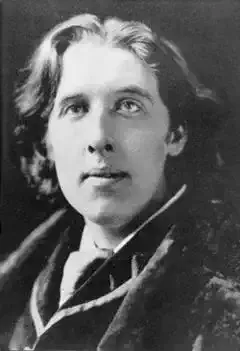
Oscar Wilde
In The Gold Room - A Harmony
Her ivory hands on the ivory keys
Strayed in a fitful fantasy,
Like the silver gleam when the poplar trees
Rustle their pale-leaves listlessly,
Or the drifting foam of a restless sea
When the waves show their teeth in the flying breeze.
Her gold hair fell on the wall of gold
Like the delicate gossamer tangles spun
On the burnished disk of the marigold,
Or the sunflower turning to meet the sun
When the gloom of the dark blue night is done,
And the spear of the lily is aureoled.
And her sweet red lips on these lips of mine
Burned like the ruby fire set
In the swinging lamp of a crimson shrine,
Or the bleeding wounds of the pomegranate,
Or the heart of the lotus drenched and wet
With the spilt-out blood of the rose-red wine.
Strayed in a fitful fantasy,
Like the silver gleam when the poplar trees
Rustle their pale-leaves listlessly,
Or the drifting foam of a restless sea
When the waves show their teeth in the flying breeze.
Her gold hair fell on the wall of gold
Like the delicate gossamer tangles spun
On the burnished disk of the marigold,
Or the sunflower turning to meet the sun
When the gloom of the dark blue night is done,
And the spear of the lily is aureoled.
And her sweet red lips on these lips of mine
Burned like the ruby fire set
In the swinging lamp of a crimson shrine,
Or the bleeding wounds of the pomegranate,
Or the heart of the lotus drenched and wet
With the spilt-out blood of the rose-red wine.
670

William Shakespeare
Sonnet XLVI
Sonnet XLVI
Mine eye and heart are at a mortal war
How to divide the conquest of thy sight;
Mine eye my heart thy picture's sight would bar,
My heart mine eye the freedom of that right.
My heart doth plead that thou in him dost lie-A
closet never pierced with crystal eyes-But
the defendant doth that plea deny
And says in him thy fair appearance lies.
To 'cide this title is impanneled
A quest of thoughts, all tenants to the heart,
And by their verdict is determined
The clear eye's moiety and the dear heart's part:
As thus; mine eye's due is thy outward part,
And my heart's right thy inward love of heart.
Mine eye and heart are at a mortal war
How to divide the conquest of thy sight;
Mine eye my heart thy picture's sight would bar,
My heart mine eye the freedom of that right.
My heart doth plead that thou in him dost lie-A
closet never pierced with crystal eyes-But
the defendant doth that plea deny
And says in him thy fair appearance lies.
To 'cide this title is impanneled
A quest of thoughts, all tenants to the heart,
And by their verdict is determined
The clear eye's moiety and the dear heart's part:
As thus; mine eye's due is thy outward part,
And my heart's right thy inward love of heart.
273
William Shakespeare
Sonnet 46: Mine eye and heart are at a mortal war
Sonnet 46: Mine eye and heart are at a mortal war
Mine eye and heart are at a mortal war
How to divide the conquest of thy sight;
Mine eye my heart thy picture's sight would bar,
My heart mine eye the freedom of that right,
My heart doth plead that thou in him dost lie—
A closet never pierced with crystal eyes—
But the defendant doth that plea deny,
And says in him thy fair appearance lies.
To 'cide this title is impanellèd
A quest of thoughts, all tenants to the heart,
And by their verdict is determinèd
The clear eye's moiety, and the dear heart's part.
As thus, mine eye's due is thy outward part,
And my heart's right thy inward love of heart.
Mine eye and heart are at a mortal war
How to divide the conquest of thy sight;
Mine eye my heart thy picture's sight would bar,
My heart mine eye the freedom of that right,
My heart doth plead that thou in him dost lie—
A closet never pierced with crystal eyes—
But the defendant doth that plea deny,
And says in him thy fair appearance lies.
To 'cide this title is impanellèd
A quest of thoughts, all tenants to the heart,
And by their verdict is determinèd
The clear eye's moiety, and the dear heart's part.
As thus, mine eye's due is thy outward part,
And my heart's right thy inward love of heart.
320
William Shakespeare
Sonnet 146:
Sonnet 146:
Poor soul, the centre of my sinful earth,
[……] these rebel powers that thee array,
Why dost thou pine within and suffer dearth,
Painting thy outward walls so costly gay?
Why so large cost, having so short a lease,
Dost thou upon thy fading mansion spend?
Shall worms, inheritors of this excess,
Eat up thy charge? Is this thy body's end?
Then soul, live thou upon thy servant's loss
And let that pine to aggravate thy store;
Buy terms divine in selling hours of dross;
Within be fed, without be rich no more.
So shalt thou feed on Death, that feeds on men,
And, Death once dead, there's no more dying then.
Poor soul, the centre of my sinful earth,
[……] these rebel powers that thee array,
Why dost thou pine within and suffer dearth,
Painting thy outward walls so costly gay?
Why so large cost, having so short a lease,
Dost thou upon thy fading mansion spend?
Shall worms, inheritors of this excess,
Eat up thy charge? Is this thy body's end?
Then soul, live thou upon thy servant's loss
And let that pine to aggravate thy store;
Buy terms divine in selling hours of dross;
Within be fed, without be rich no more.
So shalt thou feed on Death, that feeds on men,
And, Death once dead, there's no more dying then.
268
William Shakespeare
Sonnet 128: How oft, when thou, my music, music play'st
Sonnet 128: How oft, when thou, my music, music play'st
How oft, when thou, my music, music play'st,
Upon that blessèd wood whose motion sounds
With thy sweet fingers when thou gently sway'st
The wiry concord that mine ear confounds,
Do I envy those jacks that nimble leap
To kiss the tender inward of thy hand,
Whilst my poor lips, which should that harvest reap,
At the wood's boldness by thee blushing stand!
To be so tickled, they would change their state
And situation with those dancing chips
O'er whom thy fingers walk with gentle gait,
Making dead wood more blest than living lips.
Since saucy jacks so happy are in this,
Give them thy fingers, me thy lips to kiss.
How oft, when thou, my music, music play'st,
Upon that blessèd wood whose motion sounds
With thy sweet fingers when thou gently sway'st
The wiry concord that mine ear confounds,
Do I envy those jacks that nimble leap
To kiss the tender inward of thy hand,
Whilst my poor lips, which should that harvest reap,
At the wood's boldness by thee blushing stand!
To be so tickled, they would change their state
And situation with those dancing chips
O'er whom thy fingers walk with gentle gait,
Making dead wood more blest than living lips.
Since saucy jacks so happy are in this,
Give them thy fingers, me thy lips to kiss.
328
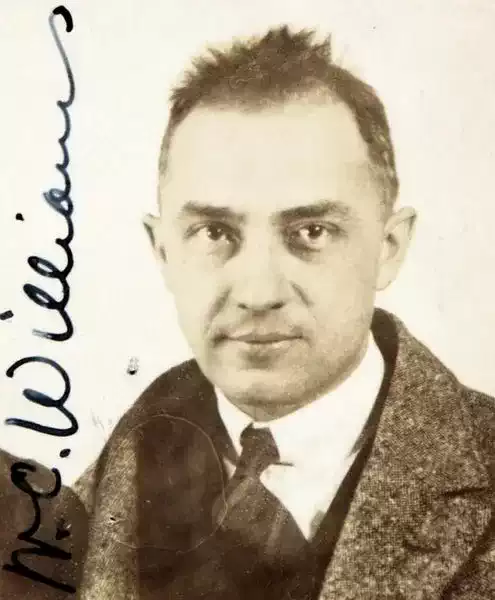
William Carlos Williams
The Spouts
The Spouts
In this world of
as fine a pair of breasts
as ever I saw
the fountain in
Madison Square
spouts up of water
a white tree
that dies and lives
as the rocking water
in the basin
turns from the stonerim
back upon the jet
and rising there
reflectively drops down again.
In this world of
as fine a pair of breasts
as ever I saw
the fountain in
Madison Square
spouts up of water
a white tree
that dies and lives
as the rocking water
in the basin
turns from the stonerim
back upon the jet
and rising there
reflectively drops down again.
275
William Carlos Williams
Queen Anne's Lace
Queen Anne's Lace
Her body is not so white as
anemone petals nor so smooth--nor
so remote a thing. It is a field
of the wild carrot taking
thefield by force; the grass
does not raise above it.
Here is no question of whiteness,
white as can be, with a purple mole
at the center of each flower.
Each flower is a hand's span
of her whiteness. Wherever
his hand has lain there is
a tiny purple blossom under his touch
to which the fibres of her being
stem one by one, each to its end,
until the whole field is a
white desire, empty, a single stem,
a cluster, flower by flower,
a pious wish to whiteness gone over--
or nothing.
Her body is not so white as
anemone petals nor so smooth--nor
so remote a thing. It is a field
of the wild carrot taking
thefield by force; the grass
does not raise above it.
Here is no question of whiteness,
white as can be, with a purple mole
at the center of each flower.
Each flower is a hand's span
of her whiteness. Wherever
his hand has lain there is
a tiny purple blossom under his touch
to which the fibres of her being
stem one by one, each to its end,
until the whole field is a
white desire, empty, a single stem,
a cluster, flower by flower,
a pious wish to whiteness gone over--
or nothing.
467
William Carlos Williams
Portrait of a Lady
Portrait of a Lady
Your thighs are appletrees
whose blossoms touch the sky.
Which sky? The sky
where Watteau hung a lady's
slipper. Your knees
are a southern breeze -- or
a gust of snow. Agh! what
sort of man was Fragonard?
-- As if that answered
anything. -- Ah, yes. Below
the knees, since the tune
drops that way, it is
one of those white summer days,
the tall grass of your ankles
flickers upon the shore --
Which shore? --
the sand clings to my lips --
Which shore?
Agh, petals maybe. How
should I know?
Which shore? Which shore?
-- the petals from some hidden
appletree -- Which shore?
I said petals from an appletree.
Your thighs are appletrees
whose blossoms touch the sky.
Which sky? The sky
where Watteau hung a lady's
slipper. Your knees
are a southern breeze -- or
a gust of snow. Agh! what
sort of man was Fragonard?
-- As if that answered
anything. -- Ah, yes. Below
the knees, since the tune
drops that way, it is
one of those white summer days,
the tall grass of your ankles
flickers upon the shore --
Which shore? --
the sand clings to my lips --
Which shore?
Agh, petals maybe. How
should I know?
Which shore? Which shore?
-- the petals from some hidden
appletree -- Which shore?
I said petals from an appletree.
312
William Carlos Williams
Arrival
Arrival
And yet one arrives somehow,
finds himself loosening the hooks of
her dress
in a strange bedroom--
feels the autumn
dropping its silk and linen leaves
about her ankles.
The tawdry veined body emerges
twisted upon itself
like a winter wind . . . !
And yet one arrives somehow,
finds himself loosening the hooks of
her dress
in a strange bedroom--
feels the autumn
dropping its silk and linen leaves
about her ankles.
The tawdry veined body emerges
twisted upon itself
like a winter wind . . . !
369
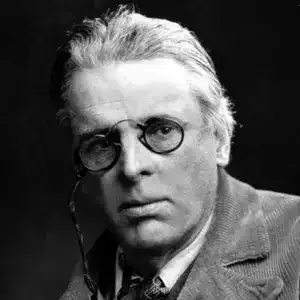
William Butler Yeats
The Double Vision Of Michael Robartes
The Double Vision Of Michael Robartes
I
ON the grey rock of Cashel the mind's eye
Has called up the cold spirits that are born
When the old moon is vanished from the sky
And the new still hides her horn.
Under blank eyes and fingers never still
The particular is pounded till it is man.
When had I my own will?
O not since life began.
Constrained, arraigned, baffled, bent and unbent
By these wire-jointed jaws and limbs of wood,
Themselves obedient,
Knowing not evil and good;
Obedient to some hidden magical breath.
They do not even feel, so abstract are they.
So dead beyond our death,
Triumph that we obey.
On the grey rock of Cashel I suddenly saw
A Sphinx with woman breast and lion paw.
A Buddha, hand at rest,
Hand lifted up that blest;
And right between these two a girl at play
That, it may be, had danced her life away,
For now being dead it seemed
That she of dancing dreamed.
Although I saw it all in the mind's eye
There can be nothing solider till I die;
I saw by the moon's light
Now at its fifteenth night.
One lashed her tail; her eyes lit by the moon
Gazed upon all things known, all things unknown,
In triumph of intellect
With motionless head erect.
That other's moonlit eyeballs never moved,
Being fixed on all things loved, all things unloved.
Yet little peace he had,
For those that love are sad.
Little did they care who danced between,
And little she by whom her dance was seen
So she had outdanced thought.
Body perfection brought,
For what but eye and ear silence the mind
With the minute particulars of mankind?
Mind moved yet seemed to stop
As 'twere a spinning-top.
In contemplation had those three so wrought
Upon a moment, and so stretched it out
That they, time overthrown,
Were dead yet flesh and bone.
I knew that I had seen, had seen at last
That girl my unremembering nights hold fast
Or else my dreams that fly
If I should rub an eye,
And yet in flying fling into my meat
A crazy juice that makes the pulses beat
As though I had been undone
By Homer's Paragon
Who never gave the burning town a thought;
To such a pitch of folly I am brought,
Being caught between the pull
Of the dark moon and the full,
The commonness of thought and images
That have the frenzy of our western seas.
Thereon I made my moan,
And after kissed a stone,
And after that arranged it in a song
Seeing that I, ignorant for So long,
Had been rewarded thus
In Cormac's ruined house.
MICHAEL ROBARTES AND THE DANCER
He. Opinion is not worth a rush;
In this altar-piece the knight,
Who grips his long spear so to push
That dragon through the fading light,
Loved the lady; and it's plain
The half-dead dragon was her thought,
That every morning rose again
And dug its claws and shrieked and fought.
Could the impossible come to pass
She would have time to turn her eyes,
Her lover thought, upon the glass
And on the instant would grow wise.
She. You mean they argued.
He. Put it so;
But bear in mind your lover's wage
Is what your looking-glass can show,
And that he will turn green with rage
At all that is not pictured there.
She. May I not put myself to college?
He. Go pluck Athene by the hair;
For what mere book can grant a knowledge
With an impassioned gravity
Appropriate to that beating breast,
That vigorous thigh, that dreaming eye?
And may the Devil take the rest.
She. And must no beautiful woman be
Learned like a man?
He. Paul Veronese
And all his sacred company
Imagined bodies all their days
By the lagoon you love so much,
For proud, soft, ceremonious proof
That all must come to sight and touch;
While Michael Angelo's Sistine roof,
His 'Morning' and his 'Night' disclose
How sinew that has been pulled tight,
Or it may be loosened in repose,
Can rule by supernatural right
Yet be but sinew.
She. I have heard said
There is great danger in the body.
He. Did God in portioning wine and bread
Give man His thought or His mere body?
She. My wretched dragon is perplexed.
Hec. I have principles to prove me right.
It follows from this Latin text
That blest souls are not composite,
And that all beautiful women may
Live in uncomposite blessedness,
And lead us to the like -- if they
Will banish every thought, unless
The lineaments that please their view
When the long looking-glass is full,
Even from the foot-sole think it too.
She. They say such different things at school.
I
ON the grey rock of Cashel the mind's eye
Has called up the cold spirits that are born
When the old moon is vanished from the sky
And the new still hides her horn.
Under blank eyes and fingers never still
The particular is pounded till it is man.
When had I my own will?
O not since life began.
Constrained, arraigned, baffled, bent and unbent
By these wire-jointed jaws and limbs of wood,
Themselves obedient,
Knowing not evil and good;
Obedient to some hidden magical breath.
They do not even feel, so abstract are they.
So dead beyond our death,
Triumph that we obey.
On the grey rock of Cashel I suddenly saw
A Sphinx with woman breast and lion paw.
A Buddha, hand at rest,
Hand lifted up that blest;
And right between these two a girl at play
That, it may be, had danced her life away,
For now being dead it seemed
That she of dancing dreamed.
Although I saw it all in the mind's eye
There can be nothing solider till I die;
I saw by the moon's light
Now at its fifteenth night.
One lashed her tail; her eyes lit by the moon
Gazed upon all things known, all things unknown,
In triumph of intellect
With motionless head erect.
That other's moonlit eyeballs never moved,
Being fixed on all things loved, all things unloved.
Yet little peace he had,
For those that love are sad.
Little did they care who danced between,
And little she by whom her dance was seen
So she had outdanced thought.
Body perfection brought,
For what but eye and ear silence the mind
With the minute particulars of mankind?
Mind moved yet seemed to stop
As 'twere a spinning-top.
In contemplation had those three so wrought
Upon a moment, and so stretched it out
That they, time overthrown,
Were dead yet flesh and bone.
I knew that I had seen, had seen at last
That girl my unremembering nights hold fast
Or else my dreams that fly
If I should rub an eye,
And yet in flying fling into my meat
A crazy juice that makes the pulses beat
As though I had been undone
By Homer's Paragon
Who never gave the burning town a thought;
To such a pitch of folly I am brought,
Being caught between the pull
Of the dark moon and the full,
The commonness of thought and images
That have the frenzy of our western seas.
Thereon I made my moan,
And after kissed a stone,
And after that arranged it in a song
Seeing that I, ignorant for So long,
Had been rewarded thus
In Cormac's ruined house.
MICHAEL ROBARTES AND THE DANCER
He. Opinion is not worth a rush;
In this altar-piece the knight,
Who grips his long spear so to push
That dragon through the fading light,
Loved the lady; and it's plain
The half-dead dragon was her thought,
That every morning rose again
And dug its claws and shrieked and fought.
Could the impossible come to pass
She would have time to turn her eyes,
Her lover thought, upon the glass
And on the instant would grow wise.
She. You mean they argued.
He. Put it so;
But bear in mind your lover's wage
Is what your looking-glass can show,
And that he will turn green with rage
At all that is not pictured there.
She. May I not put myself to college?
He. Go pluck Athene by the hair;
For what mere book can grant a knowledge
With an impassioned gravity
Appropriate to that beating breast,
That vigorous thigh, that dreaming eye?
And may the Devil take the rest.
She. And must no beautiful woman be
Learned like a man?
He. Paul Veronese
And all his sacred company
Imagined bodies all their days
By the lagoon you love so much,
For proud, soft, ceremonious proof
That all must come to sight and touch;
While Michael Angelo's Sistine roof,
His 'Morning' and his 'Night' disclose
How sinew that has been pulled tight,
Or it may be loosened in repose,
Can rule by supernatural right
Yet be but sinew.
She. I have heard said
There is great danger in the body.
He. Did God in portioning wine and bread
Give man His thought or His mere body?
She. My wretched dragon is perplexed.
Hec. I have principles to prove me right.
It follows from this Latin text
That blest souls are not composite,
And that all beautiful women may
Live in uncomposite blessedness,
And lead us to the like -- if they
Will banish every thought, unless
The lineaments that please their view
When the long looking-glass is full,
Even from the foot-sole think it too.
She. They say such different things at school.
372
William Butler Yeats
Michael Robartes and the Dancer
Michael Robartes and the Dancer
He. Opinion is not worth a rush;
In this altar-piece the knight,
Who grips his long spear so to push
That dragon through the fading light,
Loved the lady; and it's plain
The half-dead dragon was her thought,
That every morning rose again
And dug its claws and shrieked and fought.
Could the impossible come to pass
She would have time to turn her eyes,
Her lover thought, upon the glass
And on the instant would grow wise.
She. You mean they argued.
He. Put it so;
But bear in mind your lover's wage
Is what your looking-glass can show,
And that he will turn green with rage
At all that is not pictured there.
She. May I not put myself to college?
He. Go pluck Athena by the hair;
For what mere book can grant a knowledge
With an impassioned gravity
Appropriate to that beating breast,
That vigorous thigh, that dreaming eye?
And may the devil take the rest.
She. And must no beautiful woman be
Learned like a man?
He. Paul Veronese
And all his sacred company
Imagined bodies all their days
By the lagoon you love so much,
For proud, soft, ceremonious proof
That all must come to sight and touch;
While Michael Angelo's Sistine roof
His 'Morning' and his 'Night' disclose
How sinew that has been pulled tight,
Or it may be loosened in repose,
Can rule by supernatural right
Yet be but sinew.
She. I have heard said
There is great danger in the body.
He. Did God in portioning wine and bread
Give man His thought or His mere body?
She. My wretched dragon is perplexed.
He. I have principles to prove me right.
It follows from this Latin text
That blest souls are not composite,
And that all beautiful women may
Live in uncomposite blessedness,
And lead us to the like -- if they
Will banish every thought, unless
The lineaments that please their view
When the long looking-glass is full,
Even from the foot-sole think it too.
She. They say such different things at school.
He. Opinion is not worth a rush;
In this altar-piece the knight,
Who grips his long spear so to push
That dragon through the fading light,
Loved the lady; and it's plain
The half-dead dragon was her thought,
That every morning rose again
And dug its claws and shrieked and fought.
Could the impossible come to pass
She would have time to turn her eyes,
Her lover thought, upon the glass
And on the instant would grow wise.
She. You mean they argued.
He. Put it so;
But bear in mind your lover's wage
Is what your looking-glass can show,
And that he will turn green with rage
At all that is not pictured there.
She. May I not put myself to college?
He. Go pluck Athena by the hair;
For what mere book can grant a knowledge
With an impassioned gravity
Appropriate to that beating breast,
That vigorous thigh, that dreaming eye?
And may the devil take the rest.
She. And must no beautiful woman be
Learned like a man?
He. Paul Veronese
And all his sacred company
Imagined bodies all their days
By the lagoon you love so much,
For proud, soft, ceremonious proof
That all must come to sight and touch;
While Michael Angelo's Sistine roof
His 'Morning' and his 'Night' disclose
How sinew that has been pulled tight,
Or it may be loosened in repose,
Can rule by supernatural right
Yet be but sinew.
She. I have heard said
There is great danger in the body.
He. Did God in portioning wine and bread
Give man His thought or His mere body?
She. My wretched dragon is perplexed.
He. I have principles to prove me right.
It follows from this Latin text
That blest souls are not composite,
And that all beautiful women may
Live in uncomposite blessedness,
And lead us to the like -- if they
Will banish every thought, unless
The lineaments that please their view
When the long looking-glass is full,
Even from the foot-sole think it too.
She. They say such different things at school.
359
William Butler Yeats
Leda And The Swan
Leda And The Swan
A SUDDEN blow: the great wings beating still
Above the staggering girl, her thighs caressed
By the dark webs, her nape caught in his bill,
He holds her helpless breast upon his breast.
How can those terrified vague fingers push
The feathered glory from her loosening thighs?
And how can body, laid in that white rush,
But feel the strange heart beating where it lies?
A shudder in the loins engenders there
The broken wall, the burning roof and tower
And Agamemnon dead.
Being so caught up,
So mastered by the brute blood of the air,
Did she put on his knowledge with his power
Before the indifferent beak could let her drop?
A SUDDEN blow: the great wings beating still
Above the staggering girl, her thighs caressed
By the dark webs, her nape caught in his bill,
He holds her helpless breast upon his breast.
How can those terrified vague fingers push
The feathered glory from her loosening thighs?
And how can body, laid in that white rush,
But feel the strange heart beating where it lies?
A shudder in the loins engenders there
The broken wall, the burning roof and tower
And Agamemnon dead.
Being so caught up,
So mastered by the brute blood of the air,
Did she put on his knowledge with his power
Before the indifferent beak could let her drop?
498
William Butler Yeats
A Woman homer Sung
A Woman homer Sung
IF any man drew near
When I was young,
I thought, 'He holds her dear,'
And shook with hate and fear.
But O! 'twas bitter wrong
If he could pass her by
With an indifferent eye.
Whereon I wrote and wrought,
And now, being grey,
I dream that I have brought
To such a pitch my thought
That coming time can say,
'He shadowed in a glass
What thing her body was.'
For she had fiery blood
When I was young,
And trod so sweetly proud
As 'twere upon a cloud,
A woman Homer sung,
That life and letters seem
But an heroic dream.
IF any man drew near
When I was young,
I thought, 'He holds her dear,'
And shook with hate and fear.
But O! 'twas bitter wrong
If he could pass her by
With an indifferent eye.
Whereon I wrote and wrought,
And now, being grey,
I dream that I have brought
To such a pitch my thought
That coming time can say,
'He shadowed in a glass
What thing her body was.'
For she had fiery blood
When I was young,
And trod so sweetly proud
As 'twere upon a cloud,
A woman Homer sung,
That life and letters seem
But an heroic dream.
309
William Butler Yeats
A Last Confession
A Last Confession
What lively lad most pleasured me
Of all that with me lay?
I answer that I gave my soul
And loved in misery,
But had great pleasure with a lad
That I loved bodily.
Flinging from his arms I laughed
To think his passion such
He fancied that I gave a soul
Did but our bodies touch,
And laughed upon his breast to think
Beast gave beast as much.
I gave what other women gave
That stepped out of their clothes.
But when this soul, its body off,
Naked to naked goes,
He it has found shall find therein
What none other knows,
And give his own and take his own
And rule in his own right;
And though it loved in misery
Close and cling so tight,
There's not a bird of day that dare
Extinguish that delight.
What lively lad most pleasured me
Of all that with me lay?
I answer that I gave my soul
And loved in misery,
But had great pleasure with a lad
That I loved bodily.
Flinging from his arms I laughed
To think his passion such
He fancied that I gave a soul
Did but our bodies touch,
And laughed upon his breast to think
Beast gave beast as much.
I gave what other women gave
That stepped out of their clothes.
But when this soul, its body off,
Naked to naked goes,
He it has found shall find therein
What none other knows,
And give his own and take his own
And rule in his own right;
And though it loved in misery
Close and cling so tight,
There's not a bird of day that dare
Extinguish that delight.
455
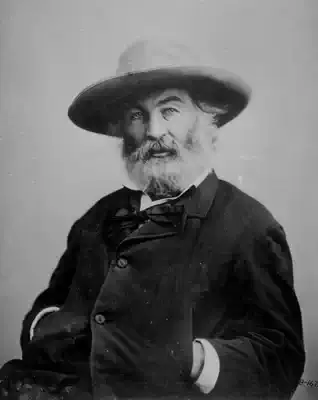
Walt Whitman
One's Self I Sing
One's Self I Sing
ONE'S-SELF I sing--a simple, separate Person;
Yet utter the word Democratic, the word En-masse.
Of Physiology from top to toe I sing;
Not physiognomy alone, nor brain alone, is worthy for the muse--I say
the Form complete is worthier far;
The Female equally with the male I sing.
Of Life immense in passion, pulse, and power,
Cheerful--for freest action form'd, under the laws divine,
The Modern Man I sing.
ONE'S-SELF I sing--a simple, separate Person;
Yet utter the word Democratic, the word En-masse.
Of Physiology from top to toe I sing;
Not physiognomy alone, nor brain alone, is worthy for the muse--I say
the Form complete is worthier far;
The Female equally with the male I sing.
Of Life immense in passion, pulse, and power,
Cheerful--for freest action form'd, under the laws divine,
The Modern Man I sing.
301
Walt Whitman
I Am He That Aches With Love
I Am He That Aches With Love
I AM he that aches with amorous love;
Does the earth gravitate? Does not all matter, aching, attract all
matter?
So the Body of me, to all I meet, or know.
I AM he that aches with amorous love;
Does the earth gravitate? Does not all matter, aching, attract all
matter?
So the Body of me, to all I meet, or know.
469
Walt Whitman
Behold This Swarthy Face
Behold This Swarthy Face
BEHOLD this swarthy face--these gray eyes,
This beard--the white wool, unclipt upon my neck,
My brown hands, and the silent manner of me, without charm;
Yet comes one, a Manhattanese, and ever at parting, kisses me lightly
on the lips with robust love,
And I, on the crossing of the street, or on the ship's deck, give a
kiss in return;
We observe that salute of American comrades, land and sea,
We are those two natural and nonchalant persons.
BEHOLD this swarthy face--these gray eyes,
This beard--the white wool, unclipt upon my neck,
My brown hands, and the silent manner of me, without charm;
Yet comes one, a Manhattanese, and ever at parting, kisses me lightly
on the lips with robust love,
And I, on the crossing of the street, or on the ship's deck, give a
kiss in return;
We observe that salute of American comrades, land and sea,
We are those two natural and nonchalant persons.
442
Walt Whitman
A Woman Waits For Me
A Woman Waits For Me
A WOMAN waits for me--she contains all, nothing is lacking,
Yet all were lacking, if sex were lacking, or if the moisture of the
right man were lacking.
Sex contains all,
Bodies, Souls, meanings, proofs, purities, delicacies, results,
promulgations,
Songs, commands, health, pride, the maternal mystery, the seminal
milk;
All hopes, benefactions, bestowals,
All the passions, loves, beauties, delights of the earth,
All the governments, judges, gods, follow'd persons of the earth,
These are contain'd in sex, as parts of itself, and justifications of
itself.
Without shame the man I like knows and avows the deliciousness of his
sex, 10
Without shame the woman I like knows and avows hers.
Now I will dismiss myself from impassive women,
I will go stay with her who waits for me, and with those women that
are warm-blooded and sufficient for me;
I see that they understand me, and do not deny me;
I see that they are worthy of me--I will be the robust husband of
those women.
They are not one jot less than I am,
They are tann'd in the face by shining suns and blowing winds,
Their flesh has the old divine suppleness and strength,
They know how to swim, row, ride, wrestle, shoot, run, strike,
retreat, advance, resist, defend themselves,
They are ultimate in their own right--they are calm, clear, wellpossess'd
of themselves. 20
I draw you close to me, you women!
I cannot let you go, I would do you good,
I am for you, and you are for me, not only for our own sake, but for
others' sakes;
Envelop'd in you sleep greater heroes and bards,
They refuse to awake at the touch of any man but me.
It is I, you women--I make my way,
I am stern, acrid, large, undissuadable--but I love you,
I do not hurt you any more than is necessary for you,
I pour the stuff to start sons and daughters fit for These States--I
press with slow rude muscle,
I brace myself effectually--I listen to no entreaties, 30
I dare not withdraw till I deposit what has so long accumulated
within me.
Through you I drain the pent-up rivers of myself,
In you I wrap a thousand onward years,
On you I graft the grafts of the best-beloved of me and America,
The drops I distil upon you shall grow fierce and athletic girls, new
artists, musicians, and singers,
The babes I beget upon you are to beget babes in their turn,
I shall demand perfect men and women out of my love-spendings,
I shall expect them to interpenetrate with others, as I and you
interpenetrate now,
I shall count on the fruits of the gushing showers of them, as I
count on the fruits of the gushing showers I give now,
I shall look for loving crops from the birth, life, death,
immortality, I plant so lovingly now. 40
A WOMAN waits for me--she contains all, nothing is lacking,
Yet all were lacking, if sex were lacking, or if the moisture of the
right man were lacking.
Sex contains all,
Bodies, Souls, meanings, proofs, purities, delicacies, results,
promulgations,
Songs, commands, health, pride, the maternal mystery, the seminal
milk;
All hopes, benefactions, bestowals,
All the passions, loves, beauties, delights of the earth,
All the governments, judges, gods, follow'd persons of the earth,
These are contain'd in sex, as parts of itself, and justifications of
itself.
Without shame the man I like knows and avows the deliciousness of his
sex, 10
Without shame the woman I like knows and avows hers.
Now I will dismiss myself from impassive women,
I will go stay with her who waits for me, and with those women that
are warm-blooded and sufficient for me;
I see that they understand me, and do not deny me;
I see that they are worthy of me--I will be the robust husband of
those women.
They are not one jot less than I am,
They are tann'd in the face by shining suns and blowing winds,
Their flesh has the old divine suppleness and strength,
They know how to swim, row, ride, wrestle, shoot, run, strike,
retreat, advance, resist, defend themselves,
They are ultimate in their own right--they are calm, clear, wellpossess'd
of themselves. 20
I draw you close to me, you women!
I cannot let you go, I would do you good,
I am for you, and you are for me, not only for our own sake, but for
others' sakes;
Envelop'd in you sleep greater heroes and bards,
They refuse to awake at the touch of any man but me.
It is I, you women--I make my way,
I am stern, acrid, large, undissuadable--but I love you,
I do not hurt you any more than is necessary for you,
I pour the stuff to start sons and daughters fit for These States--I
press with slow rude muscle,
I brace myself effectually--I listen to no entreaties, 30
I dare not withdraw till I deposit what has so long accumulated
within me.
Through you I drain the pent-up rivers of myself,
In you I wrap a thousand onward years,
On you I graft the grafts of the best-beloved of me and America,
The drops I distil upon you shall grow fierce and athletic girls, new
artists, musicians, and singers,
The babes I beget upon you are to beget babes in their turn,
I shall demand perfect men and women out of my love-spendings,
I shall expect them to interpenetrate with others, as I and you
interpenetrate now,
I shall count on the fruits of the gushing showers of them, as I
count on the fruits of the gushing showers I give now,
I shall look for loving crops from the birth, life, death,
immortality, I plant so lovingly now. 40
663
Walt Whitman
A Hand-Mirror
A Hand-Mirror
HOLD it up sternly! See this it sends back! (Who is it? Is it you?)
Outside fair costume--within ashes and filth,
No more a flashing eye--no more a sonorous voice or springy step;
Now some slave's eye, voice, hands, step,
A drunkard's breath, unwholesome eater's face, venerealee's flesh,
Lungs rotting away piecemeal, stomach sour and cankerous,
Joints rheumatic, bowels clogged with abomination,
Blood circulating dark and poisonous streams,
Words babble, hearing and touch callous,
No brain, no heart left--no magnetism of sex; 10
Such, from one look in this looking-glass ere you go hence,
Such a result so soon--and from such a beginning!
HOLD it up sternly! See this it sends back! (Who is it? Is it you?)
Outside fair costume--within ashes and filth,
No more a flashing eye--no more a sonorous voice or springy step;
Now some slave's eye, voice, hands, step,
A drunkard's breath, unwholesome eater's face, venerealee's flesh,
Lungs rotting away piecemeal, stomach sour and cankerous,
Joints rheumatic, bowels clogged with abomination,
Blood circulating dark and poisonous streams,
Words babble, hearing and touch callous,
No brain, no heart left--no magnetism of sex; 10
Such, from one look in this looking-glass ere you go hence,
Such a result so soon--and from such a beginning!
510
Ted Hughes
Bride and Groom Lie Hidden for Three Days
Bride and Groom Lie Hidden for Three Days
She gives him his eyes, she found them
Among some rubble, among some beetles
He gives her her skin
He just seemed to pull it down out of the air and lay it over her
She weeps with fearfulness and astonishment
She has found his hands for him, and fitted them freshly at the wrists
They are amazed at themselves, they go feeling all over her
He has assembled her spine, he cleaned each piece carefully
And sets them in perfect order
A superhuman puzzle but he is inspired
She leans back twisting this way and that, using it and laughing
Incredulous
Now she has brought his feet, she is connecting them
So that his whole body lights up
And he has fashioned her new hips
With all fittings complete and with newly wound coils, all shiningly oiled
He is polishing every part, he himself can hardly believe it
They keep taking each other to the sun, they find they can easily
To test each new thing at each new step
And now she smoothes over him the plates of his skull
So that the joints are invisible
And now he connects her throat, her breasts and the pit of her stomach
With a single wire
She gives him his teeth, tying the the roots to the centrepin of his body
He sets the little circlets on her fingertips
She stiches his body here and there with steely purple silk
He oils the delicate cogs of her mouth
She inlays with deep cut scrolls the nape of his neck
He sinks into place the inside of her thighs
So, gasping with joy, with cries of wonderment
Like two gods of mud
Sprawling in the dirt, but with infinite care
They bring each other to perfection.
She gives him his eyes, she found them
Among some rubble, among some beetles
He gives her her skin
He just seemed to pull it down out of the air and lay it over her
She weeps with fearfulness and astonishment
She has found his hands for him, and fitted them freshly at the wrists
They are amazed at themselves, they go feeling all over her
He has assembled her spine, he cleaned each piece carefully
And sets them in perfect order
A superhuman puzzle but he is inspired
She leans back twisting this way and that, using it and laughing
Incredulous
Now she has brought his feet, she is connecting them
So that his whole body lights up
And he has fashioned her new hips
With all fittings complete and with newly wound coils, all shiningly oiled
He is polishing every part, he himself can hardly believe it
They keep taking each other to the sun, they find they can easily
To test each new thing at each new step
And now she smoothes over him the plates of his skull
So that the joints are invisible
And now he connects her throat, her breasts and the pit of her stomach
With a single wire
She gives him his teeth, tying the the roots to the centrepin of his body
He sets the little circlets on her fingertips
She stiches his body here and there with steely purple silk
He oils the delicate cogs of her mouth
She inlays with deep cut scrolls the nape of his neck
He sinks into place the inside of her thighs
So, gasping with joy, with cries of wonderment
Like two gods of mud
Sprawling in the dirt, but with infinite care
They bring each other to perfection.
306

Siegfried Sassoon
Arms and the Man
Arms and the Man
Young Croesus went to pay his call
On Colonel Sawbones, Caxton Hall:
And, though his wound was healed and mended,
He hoped he’d get his leave extended.
The waiting-room was dark and bare.
He eyed a neat-framed notice there
Above the fireplace hung to show
Disabled heroes where to go
For arms and legs; with scale of price,
And words of dignified advice
How officers could get them free.
Elbow or shoulder, hip or knee,
Two arms, two legs, though all were lost,
They’d be restored him free of cost.
Then a Girl Guide looked to say,
‘Will Captain Croesus come this way?’
Young Croesus went to pay his call
On Colonel Sawbones, Caxton Hall:
And, though his wound was healed and mended,
He hoped he’d get his leave extended.
The waiting-room was dark and bare.
He eyed a neat-framed notice there
Above the fireplace hung to show
Disabled heroes where to go
For arms and legs; with scale of price,
And words of dignified advice
How officers could get them free.
Elbow or shoulder, hip or knee,
Two arms, two legs, though all were lost,
They’d be restored him free of cost.
Then a Girl Guide looked to say,
‘Will Captain Croesus come this way?’
100

Sarah Teasdale
June Night
June Night
Oh Earth, you are too dear to-night,
How can I sleep while all around
Floats rainy fragrance and the far
Deep voice of the ocean that talks to the ground?
Oh Earth, you gave me all I have,
I love you, I love you, -- oh what have I
That I can give you in return --
Except my body after I die?
Oh Earth, you are too dear to-night,
How can I sleep while all around
Floats rainy fragrance and the far
Deep voice of the ocean that talks to the ground?
Oh Earth, you gave me all I have,
I love you, I love you, -- oh what have I
That I can give you in return --
Except my body after I die?
455
Rupert Brooke
Wagner
Wagner
Creeps in half wanton, half asleep,
One with a fat wide hairless face.
He likes love-music that is cheap;
Likes women in a crowded place;
And wants to hear the noise they're making.
His heavy eyelids droop half-over,
Great pouches swing beneath his eyes.
He listens, thinks himself the lover,
Heaves from his stomach wheezy sighs;
He likes to feel his heart's a-breaking.
The music swells. His gross legs quiver.
His little lips are bright with slime.
The music swells. The women shiver.
And all the while, in perfect time,
His pendulous stomach hangs a-shaking.
Creeps in half wanton, half asleep,
One with a fat wide hairless face.
He likes love-music that is cheap;
Likes women in a crowded place;
And wants to hear the noise they're making.
His heavy eyelids droop half-over,
Great pouches swing beneath his eyes.
He listens, thinks himself the lover,
Heaves from his stomach wheezy sighs;
He likes to feel his heart's a-breaking.
The music swells. His gross legs quiver.
His little lips are bright with slime.
The music swells. The women shiver.
And all the while, in perfect time,
His pendulous stomach hangs a-shaking.
208
Rupert Brooke
Mary and Gabriel
Mary and Gabriel
Young Mary, loitering once her garden way,
Felt a warm splendour grow in the April day,
As wine that blushes water through. And soon,
Out of the gold air of the afternoon,
One knelt before her: hair he had, or fire,
Bound back above his ears with golden wire,
Baring the eager marble of his face.
Not man's nor woman's was the immortal grace
Rounding the limbs beneath that robe of white,
And lighting the proud eyes with changeless light,
Incurious. Calm as his wings, and fair,
That presence filled the garden.
She stood there,
Saying, "What would you, Sir?"
He told his word,
"Blessed art thou of women!" Half she heard,
Hands folded and face bowed, half long had known,
The message of that clear and holy tone,
That fluttered hot sweet sobs about her heart;
Such serene tidings moved such human smart.
Her breath came quick as little flakes of snow.
Her hands crept up her breast. She did but know
It was not hers. She felt a trembling stir
Within her body, a will too strong for her
That held and filled and mastered all. With eyes
Closed, and a thousand soft short broken sighs,
She gave submission; fearful, meek, and glad. . . .
She wished to speak. Under her breasts she had
Such multitudinous burnings, to and fro,
And throbs not understood; she did not know
If they were hurt or joy for her; but only
That she was grown strange to herself, half lonely,
All wonderful, filled full of pains to come
And thoughts she dare not think, swift thoughts and dumb,
Human, and quaint, her own, yet very far,
Divine, dear, terrible, familiar . . .
Her heart was faint for telling; to relate
Her limbs' sweet treachery, her strange high estate,
Over and over, whispering, half revealing,
Weeping; and so find kindness to her healing.
'Twixt tears and laughter, panic hurrying her,
She raised her eyes to that fair messenger.
He knelt unmoved, immortal; with his eyes
Gazing beyond her, calm to the calm skies;
Radiant, untroubled in his wisdom, kind.
His sheaf of lilies stirred not in the wind.
How should she, pitiful with mortality,
Try the wide peace of that felicity
With ripples of her perplexed shaken heart,
And hints of human ecstasy, human smart,
And whispers of the lonely weight she bore,
And how her womb within was hers no more
And at length hers?
Being tired, she bowed her head;
And said, "So be it!"
The great wings were spread
Showering glory on the fields, and fire.
The whole air, singing, bore him up, and higher,
Unswerving, unreluctant. Soon he shone
A gold speck in the gold skies; then was gone.
The air was colder, and grey. She stood alone.
Young Mary, loitering once her garden way,
Felt a warm splendour grow in the April day,
As wine that blushes water through. And soon,
Out of the gold air of the afternoon,
One knelt before her: hair he had, or fire,
Bound back above his ears with golden wire,
Baring the eager marble of his face.
Not man's nor woman's was the immortal grace
Rounding the limbs beneath that robe of white,
And lighting the proud eyes with changeless light,
Incurious. Calm as his wings, and fair,
That presence filled the garden.
She stood there,
Saying, "What would you, Sir?"
He told his word,
"Blessed art thou of women!" Half she heard,
Hands folded and face bowed, half long had known,
The message of that clear and holy tone,
That fluttered hot sweet sobs about her heart;
Such serene tidings moved such human smart.
Her breath came quick as little flakes of snow.
Her hands crept up her breast. She did but know
It was not hers. She felt a trembling stir
Within her body, a will too strong for her
That held and filled and mastered all. With eyes
Closed, and a thousand soft short broken sighs,
She gave submission; fearful, meek, and glad. . . .
She wished to speak. Under her breasts she had
Such multitudinous burnings, to and fro,
And throbs not understood; she did not know
If they were hurt or joy for her; but only
That she was grown strange to herself, half lonely,
All wonderful, filled full of pains to come
And thoughts she dare not think, swift thoughts and dumb,
Human, and quaint, her own, yet very far,
Divine, dear, terrible, familiar . . .
Her heart was faint for telling; to relate
Her limbs' sweet treachery, her strange high estate,
Over and over, whispering, half revealing,
Weeping; and so find kindness to her healing.
'Twixt tears and laughter, panic hurrying her,
She raised her eyes to that fair messenger.
He knelt unmoved, immortal; with his eyes
Gazing beyond her, calm to the calm skies;
Radiant, untroubled in his wisdom, kind.
His sheaf of lilies stirred not in the wind.
How should she, pitiful with mortality,
Try the wide peace of that felicity
With ripples of her perplexed shaken heart,
And hints of human ecstasy, human smart,
And whispers of the lonely weight she bore,
And how her womb within was hers no more
And at length hers?
Being tired, she bowed her head;
And said, "So be it!"
The great wings were spread
Showering glory on the fields, and fire.
The whole air, singing, bore him up, and higher,
Unswerving, unreluctant. Soon he shone
A gold speck in the gold skies; then was gone.
The air was colder, and grey. She stood alone.
222
Page 1
Next