

Childhood
Poems in this topic
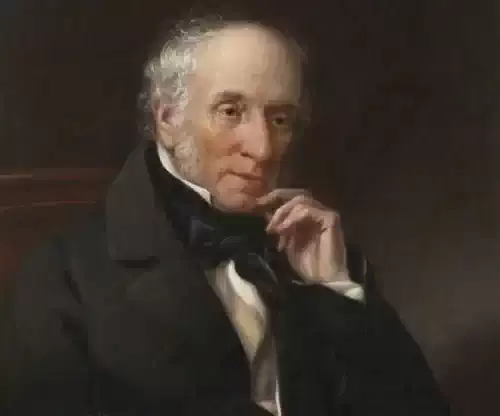
William Wordsworth
To A Butterfly (second poem)
To A Butterfly (second poem)
I've watched you now a full half-hour,
Self-poised upon that yellow flower;
And, little Butterfly! indeed
I know not if you sleep or feed.
How motionless!---not frozen seas
More motionless! and then
What joy awaits you, when the breeze
Hath found you out among the trees,
And calls you forth again !
This plot of orchard-ground is ours;
My trees they are, my Sister's flowers;
Here rest your wing when they are weary;
Here lodge as in a sanctuary!
Come often to us, fear no wrong;
Sit near us on the bough!
We'll talk of sunshine and of song,
And summer days, when we were young;
Sweet childish days, that were as long
As twenty days are now.
I've watched you now a full half-hour,
Self-poised upon that yellow flower;
And, little Butterfly! indeed
I know not if you sleep or feed.
How motionless!---not frozen seas
More motionless! and then
What joy awaits you, when the breeze
Hath found you out among the trees,
And calls you forth again !
This plot of orchard-ground is ours;
My trees they are, my Sister's flowers;
Here rest your wing when they are weary;
Here lodge as in a sanctuary!
Come often to us, fear no wrong;
Sit near us on the bough!
We'll talk of sunshine and of song,
And summer days, when we were young;
Sweet childish days, that were as long
As twenty days are now.
418
William Wordsworth
To A Butterfly ()
To A Butterfly ()
I'VE watched you now a full half-hour,
Self-poised upon that yellow flower;
And, little Butterfly! indeed
I know not if you sleep or feed.
How motionless!---not frozen seas
More motionless! and then
What joy awaits you, when the breeze
Hath found you out among the trees,
And calls you forth again !
This plot of orchard-ground is ours;
My trees they are, my Sister's flowers;
Here rest your wing when they are weary;
Here lodge as in a sanctuary!
Come often to us, fear no wrong;
Sit near us on the bough!
We'll talk of sunshine and of song,
And summer days, when we were young;
Sweet childish days, that were as long
As twenty days are now.
I'VE watched you now a full half-hour,
Self-poised upon that yellow flower;
And, little Butterfly! indeed
I know not if you sleep or feed.
How motionless!---not frozen seas
More motionless! and then
What joy awaits you, when the breeze
Hath found you out among the trees,
And calls you forth again !
This plot of orchard-ground is ours;
My trees they are, my Sister's flowers;
Here rest your wing when they are weary;
Here lodge as in a sanctuary!
Come often to us, fear no wrong;
Sit near us on the bough!
We'll talk of sunshine and of song,
And summer days, when we were young;
Sweet childish days, that were as long
As twenty days are now.
349
William Wordsworth
There was a Boy
There was a Boy
There was a Boy; ye knew him well, ye cliffs
And islands of Winander!--many a time,
At evening, when the earliest stars began
To move along the edges of the hills,
Rising or setting, would he stand alone,
Beneath the trees, or by the glimmering lake;
And there, with fingers interwoven, both hands
Pressed closely palm to palm and to his mouth
Uplifted, he, as through an instrument,
Blew mimic hootings to the silent owls,
That they might answer him.--And they would shout
Across the watery vale, and shout again,
Responsive to his call,--with quivering peals,
And long halloos, and screams, and echoes loud
Redoubled and redoubled; concourse wild
Of jocund din! And, when there came a pause
Of silence such as baffled his best skill:
Then, sometimes, in that silence, while he hung
Listening, a gentle shock of mild surprise
Has carried far into his heart the voice
Of mountain-torrents; or the visible scene
Would enter unawares into his mind
With all its solemn imagery, its rocks,
Its woods, and that uncertain heaven received
Into the bosom of the steady lake.
This boy was taken from his mates, and died
In childhood, ere he was full twelve years old.
Pre-eminent in beauty is the vale
Where he was born and bred: the churchyard hangs
Upon a slope above the village-school;
And, through that church-yard when my way has led
On summer-evenings, I believe, that there
A long half-hour together I have stood
Mute--looking at the grave in which he lies!
There was a Boy; ye knew him well, ye cliffs
And islands of Winander!--many a time,
At evening, when the earliest stars began
To move along the edges of the hills,
Rising or setting, would he stand alone,
Beneath the trees, or by the glimmering lake;
And there, with fingers interwoven, both hands
Pressed closely palm to palm and to his mouth
Uplifted, he, as through an instrument,
Blew mimic hootings to the silent owls,
That they might answer him.--And they would shout
Across the watery vale, and shout again,
Responsive to his call,--with quivering peals,
And long halloos, and screams, and echoes loud
Redoubled and redoubled; concourse wild
Of jocund din! And, when there came a pause
Of silence such as baffled his best skill:
Then, sometimes, in that silence, while he hung
Listening, a gentle shock of mild surprise
Has carried far into his heart the voice
Of mountain-torrents; or the visible scene
Would enter unawares into his mind
With all its solemn imagery, its rocks,
Its woods, and that uncertain heaven received
Into the bosom of the steady lake.
This boy was taken from his mates, and died
In childhood, ere he was full twelve years old.
Pre-eminent in beauty is the vale
Where he was born and bred: the churchyard hangs
Upon a slope above the village-school;
And, through that church-yard when my way has led
On summer-evenings, I believe, that there
A long half-hour together I have stood
Mute--looking at the grave in which he lies!
361
William Wordsworth
The Prelude, Book : School-time (Continued)
The Prelude, Book : School-time (Continued)
. Thus far, O Friend! have we, though leaving much
Unvisited, endeavour'd to retrace
My life through its first years, and measured back
The way I travell'd when I first began
To love the woods and fields; the passion yet
Was in its birth, sustain'd, as might befal,
By nourishment that came unsought, for still,
From week to week, from month to month, we liv'd
A round of tumult: duly were our games
Prolong'd in summer till the day-light fail'd;
No chair remain'd before the doors, the bench
And threshold steps were empty; fast asleep
The Labourer, and the old Man who had sate,
A later lingerer, yet the revelry
Continued, and the loud uproar: at last,
When all the ground was dark, and the huge clouds
Were edged with twinkling stars, to bed we went,
With weary joints, and with a beating mind.
Ah! is there one who ever has been young,
Nor needs a monitory voice to tame
The pride of virtue, and of intellect?
And is there one, the wisest and the best
Of all mankind, who does not sometimes wish
For things which cannot be, who would not give,
If so he might, to duty and to truth
The eagerness of infantine desire?
A tranquillizing spirit presses now
On my corporeal frame: so wide appears
The vacancy between me and those days,
Which yet have such self-presence in my mind
That, sometimes, when I think of them, I seem
Two consciousnesses, conscious of myself
And of some other Being. A grey Stone
Of native rock, left midway in the Square
Of our small market Village, was the home
And centre of these joys, and when, return'd
After long absence, thither I repair'd,
I found that it was split, and gone to build
A smart Assembly-room that perk'd and flar'd
With wash and rough-cast elbowing the ground
Which had been ours. But let the fiddle scream,
And be ye happy! yet, my Friends! I know
That more than one of you will think with me
Of those soft starry nights, and that old Dame
From whom the stone was nam'd who there had sate
And watch'd her Table with its huckster's wares
Assiduous, thro' the length of sixty years.
We ran a boisterous race; the year span round
With giddy motion. But the time approach'd
That brought with it a regular desire
For calmer pleasures, when the beauteous forms
Of Nature were collaterally attach'd
To every scheme of holiday delight,
And every boyish sport, less grateful else,
And languidly pursued. When summer came
It was the pastime of our afternoons
To beat along the plain of Windermere
With rival oars, and the selected bourne
Was now an Island musical with birds
That sang for ever; now a Sister Isle
Beneath the oaks' umbrageous covert, sown
With lillies of the valley, like a field;
And now a third small Island where remain'd
An old stone Table, and a moulder'd Cave,
A Hermit's history. In such a race,
So ended, disappointment could be none,
Uneasiness, or pain, or jealousy:
We rested in the shade, all pleas'd alike,
Conquer'd and Conqueror. Thus the pride of strength,
And the vain-glory of superior skill
Were interfus'd with objects which subdu'd
And temper'd them, and gradually produc'd
A quiet independence of the heart.
And to my Friend, who knows me, I may add,
Unapprehensive of reproof, that hence
Ensu'd a diffidence and modesty,
And I was taught to feel, perhaps too much,
The self-sufficing power of solitude.
No delicate viands sapp'd our bodily strength;
More than we wish'd we knew the blessing then
Of vigorous hunger, for our daily meals
Were frugal, Sabine fare! and then, exclude
A little weekly stipend, and we lived
Through three divisions of the quarter'd year
In pennyless poverty. But now, to School
Return'd, from the half-yearly holidays,
We came with purses more profusely fill'd,
Allowance which abundantly suffic'd
To gratify the palate with repasts
More costly than the Dame of whom I spake,
That ancient Woman, and her board supplied.
Hence inroads into distant Vales, and long
Excursions far away among the hills,
Hence rustic dinners on the cool green ground,
Or in the woods, or near a river side,
Or by some shady fountain, while soft airs
Among the leaves were stirring, and the sun
Unfelt, shone sweetly round us in our joy.
Nor is my aim neglected, if I tell
How twice in the long length of those half-years
We from our funds, perhaps, with bolder hand
Drew largely, anxious for one day, at least,
To feel the motion of the galloping Steed;
And with the good old Inn-keeper, in truth,
On such occasion sometimes we employ'd
Sly subterfuge; for the intended bound
Of the day's journey was too distant far
For any cautious man, a Structure famed
Beyond its neighbourhood, the antique Walls
Of that large Abbey which within the vale
Of Nightshade, to St. Mary's honour built,
Stands yet, a mouldering Pile, with fractured Arch,
Belfry, and Images, and living Trees,
A holy Scene! along the smooth green turf
Our Horses grazed: to more than inland peace
Left by the sea wind passing overhead
(Though wind of roughest temper) trees and towers
May in that Valley oftentimes be seen,
Both silent and both motionless alike;
Such is the shelter that is there, and such
The safeguard for repose and quietness.
Our steeds remounted, and the summons given,
With whip and spur we by the Chauntry flew
In uncouth race, and left the cross-legg'd Knight,
And the stone-Abbot, and that single Wren
Which one day sang so sweetly in the Nave
Of the old Church, that, though from recent showers
The earth was comfortless, and, touch'd by faint
Internal breezes, sobbings of the place,
And respirations, from the roofless walls
The shuddering ivy dripp'd large drops, yet still,
So sweetly 'mid the gloom the invisible Bird
Sang to itself, that there I could have made
My dwelling-place, and liv'd for ever there
To hear such music. Through the Walls we flew
And down the valley, and a circuit made
In wantonness of heart, through rough and smooth
We scamper'd homeward. Oh! ye Rocks and Streams,
And that still Spirit of the evening air!
Even in this joyous time I sometimes felt
Your presence, when with slacken'd step we breath'd
Along the sides of the steep hills, or when,
Lighted by gleams of moonlight from the sea,
We beat with thundering hoofs the level sand.
Upon the Eastern Shore of Windermere,
Above the crescent of a pleasant Bay,
There stood an Inn, no homely-featured Shed,
Brother of the surrounding Cottages,
But 'twas a splendid place, the door beset
With Chaises, Grooms, and Liveries, and within
Decanters, Glasses, and the blood-red Wine.
In ancient times, or ere the Hall was built
On the large Island, had this Dwelling been
More worthy of a Poet's love, a Hut,
Proud of its one bright fire, and sycamore shade.
But though the rhymes were gone which once inscribed
The threshold, and large golden characters
On the blue-frosted Signboard had usurp'd
The place of the old Lion, in contempt
And mockery of the rustic painter's hand,
Yet to this hour the spot to me is dear
With all its foolish pomp. The garden lay
Upon a slope surmounted by the plain
Of a small Bowling-green; beneath us stood
A grove; with gleams of water through the trees
And over the tree-tops; nor did we want
Refreshment, strawberries and mellow cream.
And there, through half an afternoon, we play'd
On the smooth platform, and the shouts we sent
Made all the mountains ring. But ere the fall
Of night, when in our pinnace we return'd
Over the dusky Lake, and to the beach
Of some small Island steer'd our course with one,
The Minstrel of our troop, and left him there,
And row'd off gently, while he blew his flute
Alone upon the rock; Oh! then the calm
And dead still water lay upon my mind
Even with a weight of pleasure, and the sky
Never before so beautiful, sank down
Into my heart, and held me like a dream.
Thus daily were my sympathies enlarged,
And thus the common range of visible things
Grew dear to me: already I began
To love the sun, a Boy I lov'd the sun,
Not as I since have lov'd him, as a pledge
And surety of our earthly life, a light
Which while we view we feel we are alive;
But, for this cause, that I had seen him lay
His beauty on the morning hills, had seen
The western mountain touch his setting orb,
In many a thoughtless hour, when, from excess
Of happiness, my blood appear'd to flow
With its own pleasure, and I breath'd with joy.
And from like feelings, humble though intense,
To patriotic and domestic love
Analogous, the moon to me was dear;
For I would dream away my purposes,
Standing to look upon her while she hung
Midway between the hills, as if she knew
No other region; but belong'd to thee,
Yea, appertain'd by a peculiar right
To thee and thy grey huts, my darling Vale!
Those incidental charms which first attach'd
My heart to rural objects, day by day
Grew weaker, and I hasten on to tell
How Nature, intervenient till this time,
And secondary, now at length was sought
For her own sake. But who shall parcel out
His intellect, by geometric rules,
Split, like a province, into round and square?
Who knows the individual hour in which
His habits were first sown, even as a seed,
Who that shall point, as with a wand, and say,
'This portion of the river of my mind
Came from yon fountain?' Thou, my Friend! art one
More deeply read in thy own thoughts; to thee
Science appears but, what in truth she is,
Not as our glory and our absolute boast,
But as a succedaneum, and a prop
To our infirmity. Thou art no slave
Of that false secondary power, by which,
In weakness, we create distinctions, then
Deem that our puny boundaries are things
Which we perceive, and not which we have made.
To thee, unblinded by these outward shows,
The unity of all has been reveal'd
And thou wilt doubt with me, less aptly skill'd
Than many are to class the cabinet
Of their sensations, and, in voluble phrase,
Run through the history and birth of each,
As of a single independent thing.
Hard task to analyse a soul, in which,
Not only general habits and desires,
But each most obvious and particular thought,
Not in a mystical and idle sense,
But in the words of reason deeply weigh'd,
Hath no beginning. Bless'd the infant Babe,
(For with my best conjectures I would trace
The progress of our Being) blest the Babe,
Nurs'd in his Mother's arms, the Babe who sleeps
Upon his Mother's breast, who, when his soul
Claims manifest kindred with an earthly soul,
Doth gather passion from his Mother's eye!
Such feelings pass into his torpid life
Like an awakening breeze, and hence his mind
Even [in the first trial of its powers]
Is prompt and watchful, eager to combine
In one appearance, all the elements
And parts of the same object, else detach'd
And loth to coalesce. Thus, day by day,
Subjected to the discipline of love,
His organs and recipient faculties
Are quicken'd, are more vigorous, his mind spreads,
Tenacious of the forms which it receives.
In one beloved presence, nay and more,
In that most apprehensive habitude
And those sensations which have been deriv'd
From this beloved Presence, there exists
A virtue which irradiates and exalts
All objects through all intercourse of sense.
No outcast he, bewilder'd and depress'd;
Along his infant veins are interfus'd
The gravitation and the filial bond
Of nature, that connect him with the world.
Emphatically such a Being lives,
An inmate of this active universe;
From nature largely he receives; nor so
Is satisfied, but largely gives again,
For feeling has to him imparted strength,
And powerful in all sentiments of grief,
Of exultation, fear, and joy, his mind,
Even as an agent of the one great mind,
Creates, creator and receiver both,
Working but in alliance with the works
Which it beholds.--Such, verily, is the first
Poetic spirit of our human life;
By uniform control of after years
In most abated or suppress'd, in some,
Through every change of growth or of decay,
Pre-eminent till death. From early days,
Beginning not long after that first time
In which, a Babe, by intercourse of touch,
I held mute dialogues with my Mother's heart
I have endeavour'd to display the means
Whereby this infant sensibility,
Great birthright of our Being, was in me
Augmented and sustain'd. Yet is a path
More difficult before me, and I fear
That in its broken windings we shall need
The chamois' sinews, and the eagle's wing:
For now a trouble came into my mind
From unknown causes. I was left alone,
Seeking the visible world, nor knowing why.
The props of my affections were remov'd,
And yet the building stood, as if sustain'd
By its own spirit! All that I beheld
Was dear to me, and from this cause it came,
That now to Nature's finer influxes
My mind lay open, to that more exact
And intimate communion which our hearts
Maintain with the minuter properties
Of objects which already are belov'd,
And of those only. Many are the joys
Of youth; but oh! what happiness to live
When every hour brings palpable access
Of knowledge, when all knowledge is delight,
And sorrow is not there. The seasons came,
And every season to my notice brought
A store of transitory qualities
Which, but for this most watchful power of love
Had been neglected, left a register
Of permanent relations, else unknown,
Hence life, and change, and beauty, solitude
More active, even, than 'best society',
Society made sweet as solitude
By silent inobtrusive sympathies,
And gentle agitations of the mind
From manifold distinctions, difference
Perceived in things, where to the common eye,
No difference is; and hence, from the same source
Sublimer joy; for I would walk alone,
In storm and tempest, or in starlight nights
Beneath the quiet Heavens; and, at that time,
Have felt whate'er there is of power in sound
To breathe an elevated mood, by form
Or image unprofaned; and I would stand,
Beneath some rock, listening to sounds that are
The ghostly language of the ancient earth,
Or make their dim abode in distant winds.
Thence did I drink the visionary power.
I deem not profitless those fleeting moods
Of shadowy exultation: not for this,
That they are kindred to our purer mind
And intellectual life; but that the soul,
Remembering how she felt, but what she felt
Remembering not, retains an obscure sense
Of possible sublimity, to which,
With growing faculties she doth aspire,
With faculties still growing, feeling still
That whatsoever point they gain, they still
Have something to pursue. And not alone,
In grandeur and in tumult, but no less
In tranquil scenes, that universal power
And fitness in the latent qualities
And essences of things, by which the mind
Is mov'd by feelings of delight, to me
Came strengthen'd with a superadded soul,
A virtue not its own. My morning walks
Were early; oft, before the hours of School
I travell'd round our little Lake, five miles
Of pleasant wandering, happy time! more dear
For this, that one was by my side, a Friend
Then passionately lov'd; with heart how full
Will he peruse these lines, this page, perhaps
A blank to other men! for many years
Have since flow'd in between us; and our minds,
Both silent to each other, at this time
We live as if those hours had never been.
Nor seldom did I lift our cottage latch
Far earlier, and before the vernal thrush
Was audible, among the hills I sate
Alone, upon some jutting eminence
At the first hour of morning, when the Vale
Lay quiet in an utter solitude.
How shall I trace the history, where seek
The origin of what I then have felt?
Oft in these moments such a holy calm
Did overspread my soul, that I forgot
That I had bodily eyes, and what I saw
Appear'd like something in myself, a dream,
A prospect in my mind. 'Twere long to tell
What spring and autumn, what the winter snows,
And what the summer shade, what day and night,
The evening and the morning, what my dreams
And what my waking thoughts supplied, to nurse
That spirit of religious love in which
I walked with Nature. But let this, at least
Be not forgotten, that I still retain'd
My first creative sensibility,
That by the regular action of the world
My soul was unsubdu'd. A plastic power
Abode with me, a forming hand, at times
Rebellious, acting in a devious mood,
A local spirit of its own, at war
With general tendency, but for the most
Subservient strictly to the external things
With which it commun'd. An auxiliar light
Came from my mind which on the setting sun
Bestow'd new splendor, the melodious birds,
The gentle breezes, fountains that ran on,
Murmuring so sweetly in themselves, obey'd
A like dominion; and the midnight storm
Grew darker in the presence of my eye.
Hence by obeisance, my devotion hence,
And hence my transport. Nor should this, perchance,
Pass unrecorded, that I still have lov'd
The exercise and produce of a toil
Than analytic industry to me
More pleasing, and whose character I deem
Is more poetic as resembling more
Creative agency. I mean to speak
Of that interminable building rear'd
By observation of affinities
In objects where no brotherhood exists
To common minds. My seventeenth year was come
And, whether from this habit, rooted now
So deeply in my mind, or from excess
Of the great social principle of life,
Coercing all things into sympathy,
To unorganic natures I transferr'd
My own enjoyments, or, the power of truth
Coming in revelation, I convers'd
With things that really are, I, at this time
Saw blessings spread around me like a sea.
Thus did my days pass on, and now at length
From Nature and her overflowing soul
I had receiv'd so much that all my thoughts
Were steep'd in feeling; I was only then
Contented when with bliss ineffable
I felt the sentiment of Being spread
O'er all that moves, and all that seemeth still,
O'er all, that, lost beyond the reach of thought
And human knowledge, to the human eye
Invisible, yet liveth to the heart,
O'er all that leaps, and runs, and shouts, and sings,
Or beats the gladsome air, o'er all that glides
Beneath the wave, yea, in the wave itself
And mighty depth of waters. Wonder not
If such my transports were; for in all things
I saw one life, and felt that it was joy.
One song they sang, and it was audible,
Most audible then when the fleshly ear,
O'ercome by grosser prelude of that strain,
Forgot its functions, and slept undisturb'd.
If this be error, and another faith
Find easier access to the pious mind,
Yet were I grossly destitute of all
Those human sentiments which make this earth
So dear, if I should fail, with grateful voice
To speak of you, Ye Mountains and Ye Lakes,
And sounding Cataracts! Ye Mists and Winds
That dwell among the hills where I was born.
If, in my youth, I have been pure in heart,
If, mingling with the world, I am content
With my own modest pleasures, and have liv'd,
With God and Nature communing, remov'd
From little enmities and low desires,
The gift is yours; if in these times of fear,
This melancholy waste of hopes o'erthrown,
If, 'mid indifference and apathy
And wicked exultation, when good men,
On every side fall off we know not how,
To selfishness, disguis'd in gentle names
Of peace, and quiet, and domestic love,
Yet mingled, not unwillingly, with sneers
On visionary minds; if in this time
Of dereliction and dismay, I yet
Despair not of our nature; but retain
A more than Roman confidence, a faith
That fails not, in all sorrow my support,
The blessing of my life, the gift is yours,
Ye mountains! thine, O Nature! Thou hast fed
My lofty speculations; and in thee,
For this uneasy heart of ours I find
A never-failing principle of joy,
And purest passion. Thou, my Friend! wert rear'd
In the great City, 'mid far other scenes;
But we, by different roads at length have gain'd
The self-same bourne. And for this cause to Thee
I speak, unapprehensive of contempt,
The insinuated scoff of coward tongues,
And all that silent language which so oft
In conversation betwixt man and man
Blots from the human countenance all trace
Of beauty and of love. For Thou hast sought
The truth in solitude, and Thou art one,
The most intense of Nature's worshippers
In many things my Brother, chiefly here
In this my deep devotion. Fare Thee well!
Health, and the quiet of a healthful mind
Attend thee! seeking oft the haunts of men,
And yet more often living with Thyself,
And for Thyself, so haply shall thy days
Be many, and a blessing to mankind.
. Thus far, O Friend! have we, though leaving much
Unvisited, endeavour'd to retrace
My life through its first years, and measured back
The way I travell'd when I first began
To love the woods and fields; the passion yet
Was in its birth, sustain'd, as might befal,
By nourishment that came unsought, for still,
From week to week, from month to month, we liv'd
A round of tumult: duly were our games
Prolong'd in summer till the day-light fail'd;
No chair remain'd before the doors, the bench
And threshold steps were empty; fast asleep
The Labourer, and the old Man who had sate,
A later lingerer, yet the revelry
Continued, and the loud uproar: at last,
When all the ground was dark, and the huge clouds
Were edged with twinkling stars, to bed we went,
With weary joints, and with a beating mind.
Ah! is there one who ever has been young,
Nor needs a monitory voice to tame
The pride of virtue, and of intellect?
And is there one, the wisest and the best
Of all mankind, who does not sometimes wish
For things which cannot be, who would not give,
If so he might, to duty and to truth
The eagerness of infantine desire?
A tranquillizing spirit presses now
On my corporeal frame: so wide appears
The vacancy between me and those days,
Which yet have such self-presence in my mind
That, sometimes, when I think of them, I seem
Two consciousnesses, conscious of myself
And of some other Being. A grey Stone
Of native rock, left midway in the Square
Of our small market Village, was the home
And centre of these joys, and when, return'd
After long absence, thither I repair'd,
I found that it was split, and gone to build
A smart Assembly-room that perk'd and flar'd
With wash and rough-cast elbowing the ground
Which had been ours. But let the fiddle scream,
And be ye happy! yet, my Friends! I know
That more than one of you will think with me
Of those soft starry nights, and that old Dame
From whom the stone was nam'd who there had sate
And watch'd her Table with its huckster's wares
Assiduous, thro' the length of sixty years.
We ran a boisterous race; the year span round
With giddy motion. But the time approach'd
That brought with it a regular desire
For calmer pleasures, when the beauteous forms
Of Nature were collaterally attach'd
To every scheme of holiday delight,
And every boyish sport, less grateful else,
And languidly pursued. When summer came
It was the pastime of our afternoons
To beat along the plain of Windermere
With rival oars, and the selected bourne
Was now an Island musical with birds
That sang for ever; now a Sister Isle
Beneath the oaks' umbrageous covert, sown
With lillies of the valley, like a field;
And now a third small Island where remain'd
An old stone Table, and a moulder'd Cave,
A Hermit's history. In such a race,
So ended, disappointment could be none,
Uneasiness, or pain, or jealousy:
We rested in the shade, all pleas'd alike,
Conquer'd and Conqueror. Thus the pride of strength,
And the vain-glory of superior skill
Were interfus'd with objects which subdu'd
And temper'd them, and gradually produc'd
A quiet independence of the heart.
And to my Friend, who knows me, I may add,
Unapprehensive of reproof, that hence
Ensu'd a diffidence and modesty,
And I was taught to feel, perhaps too much,
The self-sufficing power of solitude.
No delicate viands sapp'd our bodily strength;
More than we wish'd we knew the blessing then
Of vigorous hunger, for our daily meals
Were frugal, Sabine fare! and then, exclude
A little weekly stipend, and we lived
Through three divisions of the quarter'd year
In pennyless poverty. But now, to School
Return'd, from the half-yearly holidays,
We came with purses more profusely fill'd,
Allowance which abundantly suffic'd
To gratify the palate with repasts
More costly than the Dame of whom I spake,
That ancient Woman, and her board supplied.
Hence inroads into distant Vales, and long
Excursions far away among the hills,
Hence rustic dinners on the cool green ground,
Or in the woods, or near a river side,
Or by some shady fountain, while soft airs
Among the leaves were stirring, and the sun
Unfelt, shone sweetly round us in our joy.
Nor is my aim neglected, if I tell
How twice in the long length of those half-years
We from our funds, perhaps, with bolder hand
Drew largely, anxious for one day, at least,
To feel the motion of the galloping Steed;
And with the good old Inn-keeper, in truth,
On such occasion sometimes we employ'd
Sly subterfuge; for the intended bound
Of the day's journey was too distant far
For any cautious man, a Structure famed
Beyond its neighbourhood, the antique Walls
Of that large Abbey which within the vale
Of Nightshade, to St. Mary's honour built,
Stands yet, a mouldering Pile, with fractured Arch,
Belfry, and Images, and living Trees,
A holy Scene! along the smooth green turf
Our Horses grazed: to more than inland peace
Left by the sea wind passing overhead
(Though wind of roughest temper) trees and towers
May in that Valley oftentimes be seen,
Both silent and both motionless alike;
Such is the shelter that is there, and such
The safeguard for repose and quietness.
Our steeds remounted, and the summons given,
With whip and spur we by the Chauntry flew
In uncouth race, and left the cross-legg'd Knight,
And the stone-Abbot, and that single Wren
Which one day sang so sweetly in the Nave
Of the old Church, that, though from recent showers
The earth was comfortless, and, touch'd by faint
Internal breezes, sobbings of the place,
And respirations, from the roofless walls
The shuddering ivy dripp'd large drops, yet still,
So sweetly 'mid the gloom the invisible Bird
Sang to itself, that there I could have made
My dwelling-place, and liv'd for ever there
To hear such music. Through the Walls we flew
And down the valley, and a circuit made
In wantonness of heart, through rough and smooth
We scamper'd homeward. Oh! ye Rocks and Streams,
And that still Spirit of the evening air!
Even in this joyous time I sometimes felt
Your presence, when with slacken'd step we breath'd
Along the sides of the steep hills, or when,
Lighted by gleams of moonlight from the sea,
We beat with thundering hoofs the level sand.
Upon the Eastern Shore of Windermere,
Above the crescent of a pleasant Bay,
There stood an Inn, no homely-featured Shed,
Brother of the surrounding Cottages,
But 'twas a splendid place, the door beset
With Chaises, Grooms, and Liveries, and within
Decanters, Glasses, and the blood-red Wine.
In ancient times, or ere the Hall was built
On the large Island, had this Dwelling been
More worthy of a Poet's love, a Hut,
Proud of its one bright fire, and sycamore shade.
But though the rhymes were gone which once inscribed
The threshold, and large golden characters
On the blue-frosted Signboard had usurp'd
The place of the old Lion, in contempt
And mockery of the rustic painter's hand,
Yet to this hour the spot to me is dear
With all its foolish pomp. The garden lay
Upon a slope surmounted by the plain
Of a small Bowling-green; beneath us stood
A grove; with gleams of water through the trees
And over the tree-tops; nor did we want
Refreshment, strawberries and mellow cream.
And there, through half an afternoon, we play'd
On the smooth platform, and the shouts we sent
Made all the mountains ring. But ere the fall
Of night, when in our pinnace we return'd
Over the dusky Lake, and to the beach
Of some small Island steer'd our course with one,
The Minstrel of our troop, and left him there,
And row'd off gently, while he blew his flute
Alone upon the rock; Oh! then the calm
And dead still water lay upon my mind
Even with a weight of pleasure, and the sky
Never before so beautiful, sank down
Into my heart, and held me like a dream.
Thus daily were my sympathies enlarged,
And thus the common range of visible things
Grew dear to me: already I began
To love the sun, a Boy I lov'd the sun,
Not as I since have lov'd him, as a pledge
And surety of our earthly life, a light
Which while we view we feel we are alive;
But, for this cause, that I had seen him lay
His beauty on the morning hills, had seen
The western mountain touch his setting orb,
In many a thoughtless hour, when, from excess
Of happiness, my blood appear'd to flow
With its own pleasure, and I breath'd with joy.
And from like feelings, humble though intense,
To patriotic and domestic love
Analogous, the moon to me was dear;
For I would dream away my purposes,
Standing to look upon her while she hung
Midway between the hills, as if she knew
No other region; but belong'd to thee,
Yea, appertain'd by a peculiar right
To thee and thy grey huts, my darling Vale!
Those incidental charms which first attach'd
My heart to rural objects, day by day
Grew weaker, and I hasten on to tell
How Nature, intervenient till this time,
And secondary, now at length was sought
For her own sake. But who shall parcel out
His intellect, by geometric rules,
Split, like a province, into round and square?
Who knows the individual hour in which
His habits were first sown, even as a seed,
Who that shall point, as with a wand, and say,
'This portion of the river of my mind
Came from yon fountain?' Thou, my Friend! art one
More deeply read in thy own thoughts; to thee
Science appears but, what in truth she is,
Not as our glory and our absolute boast,
But as a succedaneum, and a prop
To our infirmity. Thou art no slave
Of that false secondary power, by which,
In weakness, we create distinctions, then
Deem that our puny boundaries are things
Which we perceive, and not which we have made.
To thee, unblinded by these outward shows,
The unity of all has been reveal'd
And thou wilt doubt with me, less aptly skill'd
Than many are to class the cabinet
Of their sensations, and, in voluble phrase,
Run through the history and birth of each,
As of a single independent thing.
Hard task to analyse a soul, in which,
Not only general habits and desires,
But each most obvious and particular thought,
Not in a mystical and idle sense,
But in the words of reason deeply weigh'd,
Hath no beginning. Bless'd the infant Babe,
(For with my best conjectures I would trace
The progress of our Being) blest the Babe,
Nurs'd in his Mother's arms, the Babe who sleeps
Upon his Mother's breast, who, when his soul
Claims manifest kindred with an earthly soul,
Doth gather passion from his Mother's eye!
Such feelings pass into his torpid life
Like an awakening breeze, and hence his mind
Even [in the first trial of its powers]
Is prompt and watchful, eager to combine
In one appearance, all the elements
And parts of the same object, else detach'd
And loth to coalesce. Thus, day by day,
Subjected to the discipline of love,
His organs and recipient faculties
Are quicken'd, are more vigorous, his mind spreads,
Tenacious of the forms which it receives.
In one beloved presence, nay and more,
In that most apprehensive habitude
And those sensations which have been deriv'd
From this beloved Presence, there exists
A virtue which irradiates and exalts
All objects through all intercourse of sense.
No outcast he, bewilder'd and depress'd;
Along his infant veins are interfus'd
The gravitation and the filial bond
Of nature, that connect him with the world.
Emphatically such a Being lives,
An inmate of this active universe;
From nature largely he receives; nor so
Is satisfied, but largely gives again,
For feeling has to him imparted strength,
And powerful in all sentiments of grief,
Of exultation, fear, and joy, his mind,
Even as an agent of the one great mind,
Creates, creator and receiver both,
Working but in alliance with the works
Which it beholds.--Such, verily, is the first
Poetic spirit of our human life;
By uniform control of after years
In most abated or suppress'd, in some,
Through every change of growth or of decay,
Pre-eminent till death. From early days,
Beginning not long after that first time
In which, a Babe, by intercourse of touch,
I held mute dialogues with my Mother's heart
I have endeavour'd to display the means
Whereby this infant sensibility,
Great birthright of our Being, was in me
Augmented and sustain'd. Yet is a path
More difficult before me, and I fear
That in its broken windings we shall need
The chamois' sinews, and the eagle's wing:
For now a trouble came into my mind
From unknown causes. I was left alone,
Seeking the visible world, nor knowing why.
The props of my affections were remov'd,
And yet the building stood, as if sustain'd
By its own spirit! All that I beheld
Was dear to me, and from this cause it came,
That now to Nature's finer influxes
My mind lay open, to that more exact
And intimate communion which our hearts
Maintain with the minuter properties
Of objects which already are belov'd,
And of those only. Many are the joys
Of youth; but oh! what happiness to live
When every hour brings palpable access
Of knowledge, when all knowledge is delight,
And sorrow is not there. The seasons came,
And every season to my notice brought
A store of transitory qualities
Which, but for this most watchful power of love
Had been neglected, left a register
Of permanent relations, else unknown,
Hence life, and change, and beauty, solitude
More active, even, than 'best society',
Society made sweet as solitude
By silent inobtrusive sympathies,
And gentle agitations of the mind
From manifold distinctions, difference
Perceived in things, where to the common eye,
No difference is; and hence, from the same source
Sublimer joy; for I would walk alone,
In storm and tempest, or in starlight nights
Beneath the quiet Heavens; and, at that time,
Have felt whate'er there is of power in sound
To breathe an elevated mood, by form
Or image unprofaned; and I would stand,
Beneath some rock, listening to sounds that are
The ghostly language of the ancient earth,
Or make their dim abode in distant winds.
Thence did I drink the visionary power.
I deem not profitless those fleeting moods
Of shadowy exultation: not for this,
That they are kindred to our purer mind
And intellectual life; but that the soul,
Remembering how she felt, but what she felt
Remembering not, retains an obscure sense
Of possible sublimity, to which,
With growing faculties she doth aspire,
With faculties still growing, feeling still
That whatsoever point they gain, they still
Have something to pursue. And not alone,
In grandeur and in tumult, but no less
In tranquil scenes, that universal power
And fitness in the latent qualities
And essences of things, by which the mind
Is mov'd by feelings of delight, to me
Came strengthen'd with a superadded soul,
A virtue not its own. My morning walks
Were early; oft, before the hours of School
I travell'd round our little Lake, five miles
Of pleasant wandering, happy time! more dear
For this, that one was by my side, a Friend
Then passionately lov'd; with heart how full
Will he peruse these lines, this page, perhaps
A blank to other men! for many years
Have since flow'd in between us; and our minds,
Both silent to each other, at this time
We live as if those hours had never been.
Nor seldom did I lift our cottage latch
Far earlier, and before the vernal thrush
Was audible, among the hills I sate
Alone, upon some jutting eminence
At the first hour of morning, when the Vale
Lay quiet in an utter solitude.
How shall I trace the history, where seek
The origin of what I then have felt?
Oft in these moments such a holy calm
Did overspread my soul, that I forgot
That I had bodily eyes, and what I saw
Appear'd like something in myself, a dream,
A prospect in my mind. 'Twere long to tell
What spring and autumn, what the winter snows,
And what the summer shade, what day and night,
The evening and the morning, what my dreams
And what my waking thoughts supplied, to nurse
That spirit of religious love in which
I walked with Nature. But let this, at least
Be not forgotten, that I still retain'd
My first creative sensibility,
That by the regular action of the world
My soul was unsubdu'd. A plastic power
Abode with me, a forming hand, at times
Rebellious, acting in a devious mood,
A local spirit of its own, at war
With general tendency, but for the most
Subservient strictly to the external things
With which it commun'd. An auxiliar light
Came from my mind which on the setting sun
Bestow'd new splendor, the melodious birds,
The gentle breezes, fountains that ran on,
Murmuring so sweetly in themselves, obey'd
A like dominion; and the midnight storm
Grew darker in the presence of my eye.
Hence by obeisance, my devotion hence,
And hence my transport. Nor should this, perchance,
Pass unrecorded, that I still have lov'd
The exercise and produce of a toil
Than analytic industry to me
More pleasing, and whose character I deem
Is more poetic as resembling more
Creative agency. I mean to speak
Of that interminable building rear'd
By observation of affinities
In objects where no brotherhood exists
To common minds. My seventeenth year was come
And, whether from this habit, rooted now
So deeply in my mind, or from excess
Of the great social principle of life,
Coercing all things into sympathy,
To unorganic natures I transferr'd
My own enjoyments, or, the power of truth
Coming in revelation, I convers'd
With things that really are, I, at this time
Saw blessings spread around me like a sea.
Thus did my days pass on, and now at length
From Nature and her overflowing soul
I had receiv'd so much that all my thoughts
Were steep'd in feeling; I was only then
Contented when with bliss ineffable
I felt the sentiment of Being spread
O'er all that moves, and all that seemeth still,
O'er all, that, lost beyond the reach of thought
And human knowledge, to the human eye
Invisible, yet liveth to the heart,
O'er all that leaps, and runs, and shouts, and sings,
Or beats the gladsome air, o'er all that glides
Beneath the wave, yea, in the wave itself
And mighty depth of waters. Wonder not
If such my transports were; for in all things
I saw one life, and felt that it was joy.
One song they sang, and it was audible,
Most audible then when the fleshly ear,
O'ercome by grosser prelude of that strain,
Forgot its functions, and slept undisturb'd.
If this be error, and another faith
Find easier access to the pious mind,
Yet were I grossly destitute of all
Those human sentiments which make this earth
So dear, if I should fail, with grateful voice
To speak of you, Ye Mountains and Ye Lakes,
And sounding Cataracts! Ye Mists and Winds
That dwell among the hills where I was born.
If, in my youth, I have been pure in heart,
If, mingling with the world, I am content
With my own modest pleasures, and have liv'd,
With God and Nature communing, remov'd
From little enmities and low desires,
The gift is yours; if in these times of fear,
This melancholy waste of hopes o'erthrown,
If, 'mid indifference and apathy
And wicked exultation, when good men,
On every side fall off we know not how,
To selfishness, disguis'd in gentle names
Of peace, and quiet, and domestic love,
Yet mingled, not unwillingly, with sneers
On visionary minds; if in this time
Of dereliction and dismay, I yet
Despair not of our nature; but retain
A more than Roman confidence, a faith
That fails not, in all sorrow my support,
The blessing of my life, the gift is yours,
Ye mountains! thine, O Nature! Thou hast fed
My lofty speculations; and in thee,
For this uneasy heart of ours I find
A never-failing principle of joy,
And purest passion. Thou, my Friend! wert rear'd
In the great City, 'mid far other scenes;
But we, by different roads at length have gain'd
The self-same bourne. And for this cause to Thee
I speak, unapprehensive of contempt,
The insinuated scoff of coward tongues,
And all that silent language which so oft
In conversation betwixt man and man
Blots from the human countenance all trace
Of beauty and of love. For Thou hast sought
The truth in solitude, and Thou art one,
The most intense of Nature's worshippers
In many things my Brother, chiefly here
In this my deep devotion. Fare Thee well!
Health, and the quiet of a healthful mind
Attend thee! seeking oft the haunts of men,
And yet more often living with Thyself,
And for Thyself, so haply shall thy days
Be many, and a blessing to mankind.
177
William Wordsworth
The Kitten And Falling Leaves
The Kitten And Falling Leaves
THAT way look, my Infant, lo!
What a pretty baby-show!
See the kitten on the wall,
Sporting with the leaves that fall,
Withered leaves---one---two---and three---
From the lofty elder-tree!
Through the calm and frosty air
Of this morning bright and fair,
Eddying round and round they sink
Softly, slowly: one might think,
From the motions that are made,
Every little leaf conveyed
Sylph or Faery hither tending,---
To this lower world descending,
Each invisible and mute,
In his wavering parachute.
---But the Kitten, how she starts,
Crouches, stretches, paws, and darts!
First at one, and then its fellow
Just as light and just as yellow;
There are many now---now one---
Now they stop and there are none
What intenseness of desire
In her upward eye of fire!
With a tiger-leap half way
Now she meets the coming prey,
Lets it go as fast, and then
Has it in her power again:
Now she works with three or four,
Like an Indian conjurer;
Quick as he in feats of art,
Far beyond in joy of heart.
Were her antics played in the eye
Of a thousand standers-by,
Clapping hands with shout and stare,
What would little Tabby care
For the plaudits of the crowd?
Over happy to be proud,
Over wealthy in the treasure
Of her own exceeding pleasure!
'Tis a pretty baby-treat;
Nor, I deem, for me unmeet;
Here, for neither Babe nor me,
Other play-mate can I see.
Of the countless living things,
That with stir of feet and wings
(In the sun or under shade,
Upon bough or grassy blade)
And with busy revellings,
Chirp and song, and murmurings,
Made this orchard's narrow space,
And this vale so blithe a place;
Multitudes are swept away
Never more to breathe the day:
Some are sleeping; some in bands
Travelled into distant lands;
Others slunk to moor and wood,
Far from human neighborhood;
And, among the Kinds that keep
With us closer fellowship,
With us openly abide,
All have laid their mirth aside.
Where is he that giddy Sprite,
Blue-cap, with his colors bright,
Who was blest as bird could be,
Feeding in the apple-tree;
Made such wanton spoil and rout,
Turning blossoms inside out;
Hung---head pointing towards the ground---
Fluttered, perched, into a round
Bound himself, and then unbound;
Lithest, gaudiest Harlequin!
Prettiest Tumbler ever seen!
Light of heart and light of limb;
What is now become of Him?
Lambs, that through the mountains went
Frisking, bleating merriment,
When the year was in its prime,
They are sobered by this time.
If you look to vale or hill,
If you listen, all is still,
Save a little neighboring rill,
That from out the rocky ground
Strikes a solitary sound.
Vainly glitter hill and plain,
And the air is calm in vain;
Vainly Morning spreads the lure
Of a sky serene and pure;
Creature none can she decoy
Into open sign of joy:
Is it that they have a fear
Of the dreary season near?
Or that other pleasures be
Sweeter even than gaiety ?
Yet, whate'er enjoyments dwell
In the impenetrable cell
Of the silent heart which Nature
Furnishes to every creature;
Whatsoe'er we feel and know
Too sedate for outward show,
Such a light of gladness breaks,
Pretty Kitten! from thy freaks,---
Spreads with such a living grace
O'er my little Dora's face;
Yes, the sight so stirs and charms
Thee, Baby, laughing in my arms,
That almost I could repine
That your transports are not mine,
That I do not wholly fare
Even as ye do, thoughtless pair!
And I will have my careless season
Spite of melancholy reason,
Will walk through life in such a way
That, when time brings on decay,
Now and then I may possess
Hours of perfect gladsomeness.
---Pleased by any random toy;
By a kitten's busy joy,
Or an infant's laughing eye
Sharing in the ecstasy;
I would fare like that or this,
Find my wisdom in my bliss;
Keep the sprightly soul awake,
And have faculties to take,
Even from things by sorrow wrought,
Matter for a jocund thought,
Spite of care, and spite of grief,
To gambol with Life's falling Leaf.
THAT way look, my Infant, lo!
What a pretty baby-show!
See the kitten on the wall,
Sporting with the leaves that fall,
Withered leaves---one---two---and three---
From the lofty elder-tree!
Through the calm and frosty air
Of this morning bright and fair,
Eddying round and round they sink
Softly, slowly: one might think,
From the motions that are made,
Every little leaf conveyed
Sylph or Faery hither tending,---
To this lower world descending,
Each invisible and mute,
In his wavering parachute.
---But the Kitten, how she starts,
Crouches, stretches, paws, and darts!
First at one, and then its fellow
Just as light and just as yellow;
There are many now---now one---
Now they stop and there are none
What intenseness of desire
In her upward eye of fire!
With a tiger-leap half way
Now she meets the coming prey,
Lets it go as fast, and then
Has it in her power again:
Now she works with three or four,
Like an Indian conjurer;
Quick as he in feats of art,
Far beyond in joy of heart.
Were her antics played in the eye
Of a thousand standers-by,
Clapping hands with shout and stare,
What would little Tabby care
For the plaudits of the crowd?
Over happy to be proud,
Over wealthy in the treasure
Of her own exceeding pleasure!
'Tis a pretty baby-treat;
Nor, I deem, for me unmeet;
Here, for neither Babe nor me,
Other play-mate can I see.
Of the countless living things,
That with stir of feet and wings
(In the sun or under shade,
Upon bough or grassy blade)
And with busy revellings,
Chirp and song, and murmurings,
Made this orchard's narrow space,
And this vale so blithe a place;
Multitudes are swept away
Never more to breathe the day:
Some are sleeping; some in bands
Travelled into distant lands;
Others slunk to moor and wood,
Far from human neighborhood;
And, among the Kinds that keep
With us closer fellowship,
With us openly abide,
All have laid their mirth aside.
Where is he that giddy Sprite,
Blue-cap, with his colors bright,
Who was blest as bird could be,
Feeding in the apple-tree;
Made such wanton spoil and rout,
Turning blossoms inside out;
Hung---head pointing towards the ground---
Fluttered, perched, into a round
Bound himself, and then unbound;
Lithest, gaudiest Harlequin!
Prettiest Tumbler ever seen!
Light of heart and light of limb;
What is now become of Him?
Lambs, that through the mountains went
Frisking, bleating merriment,
When the year was in its prime,
They are sobered by this time.
If you look to vale or hill,
If you listen, all is still,
Save a little neighboring rill,
That from out the rocky ground
Strikes a solitary sound.
Vainly glitter hill and plain,
And the air is calm in vain;
Vainly Morning spreads the lure
Of a sky serene and pure;
Creature none can she decoy
Into open sign of joy:
Is it that they have a fear
Of the dreary season near?
Or that other pleasures be
Sweeter even than gaiety ?
Yet, whate'er enjoyments dwell
In the impenetrable cell
Of the silent heart which Nature
Furnishes to every creature;
Whatsoe'er we feel and know
Too sedate for outward show,
Such a light of gladness breaks,
Pretty Kitten! from thy freaks,---
Spreads with such a living grace
O'er my little Dora's face;
Yes, the sight so stirs and charms
Thee, Baby, laughing in my arms,
That almost I could repine
That your transports are not mine,
That I do not wholly fare
Even as ye do, thoughtless pair!
And I will have my careless season
Spite of melancholy reason,
Will walk through life in such a way
That, when time brings on decay,
Now and then I may possess
Hours of perfect gladsomeness.
---Pleased by any random toy;
By a kitten's busy joy,
Or an infant's laughing eye
Sharing in the ecstasy;
I would fare like that or this,
Find my wisdom in my bliss;
Keep the sprightly soul awake,
And have faculties to take,
Even from things by sorrow wrought,
Matter for a jocund thought,
Spite of care, and spite of grief,
To gambol with Life's falling Leaf.
322
William Wordsworth
Sparrow's Nest, The
Sparrow's Nest, The
Behold, within the leafy shade,
Those bright blue eggs together laid!
On me the chance-discovered sight
Gleamed like a vision of delight.
I started---seeming to espy
The home and sheltered bed,
The Sparrow's dwelling, which, hard by
My Father' house, in wet or dry
My sister Emmeline and I
Together visited.
She looked at it and seemed to fear it;
Dreading, tho' wishing, to be near it:
Such heart was in her, being then
A little Prattler among men.
The Blessing of my later year
Was with me when a boy:
She gave me eyes, she gave me ears;
And humble care, and delicate fears;
A heart, the fountain of sweet tears;
And love, and thought, and joy.
Behold, within the leafy shade,
Those bright blue eggs together laid!
On me the chance-discovered sight
Gleamed like a vision of delight.
I started---seeming to espy
The home and sheltered bed,
The Sparrow's dwelling, which, hard by
My Father' house, in wet or dry
My sister Emmeline and I
Together visited.
She looked at it and seemed to fear it;
Dreading, tho' wishing, to be near it:
Such heart was in her, being then
A little Prattler among men.
The Blessing of my later year
Was with me when a boy:
She gave me eyes, she gave me ears;
And humble care, and delicate fears;
A heart, the fountain of sweet tears;
And love, and thought, and joy.
209
William Wordsworth
Ode, On Intimations Of Immortality
Ode, On Intimations Of Immortality
I
There was a time when meadow, grove, and stream,
The earth, and every common sight,
To me did seem
Apparelled in celestial light,
The glory and the freshness of a dream.
It is not now as it hath been of yore;--
Turn wheresoe'er I may,
By night or day,
The things which I have seen I now can see no more.
II
The Rainbow comes and goes,
And lovely is the Rose,
The Moon doth with delight
Look round her when the heavens are bare,
Waters on a starry night
Are beautiful and fair;
The sunshine is a glorious birth;
But yet I know, where'er I go,
That there hath past away a glory from the earth.
III
Now, while the birds thus sing a joyous song,
And while the young lambs bound
As to the tabor's sound,
To me alone there came a thought of grief:
A timely utterance gave that thought relief,
And I again am strong:
The cataracts blow their trumpets from the steep;
No more shall grief of mine the season wrong;
I hear the Echoes through the mountains throng,
The Winds come to me from the fields of sleep,
And all the earth is gay;
Land and sea
Give themselves up to jollity,
And with the heart of May
Doth every Beast keep holiday;--
Thou Child of Joy,
Shout round me, let me hear thy shouts, thou happy
Shepherd-boy!
IV
Ye blessed Creatures, I have heard the call
Ye to each other make; I see
The heavens laugh with you in your jubilee;
My heart is at your festival,
My head hath its coronal,
The fulness of your bliss, I feel--I feel it all.
Oh evil day! if I were sullen
While Earth herself is adorning,
This sweet May-morning,
And the Children are culling
On every side,
In a thousand valleys far and wide,
Fresh flowers; while the sun shines warm,
And the Babe leaps up on his Mother's arm:--
I hear, I hear, with joy I hear!
--But there's a Tree, of many, one,
A single Field which I have looked upon,
Both of them speak of something that is gone:
The Pansy at my feet
Doth the same tale repeat:
Whither is fled the visionary gleam?
Where is it now, the glory and the dream?
V
Our birth is but a sleep and a forgetting:
The Soul that rises with us, our life's Star,
Hath had elsewhere its setting,
And cometh from afar:
Not in entire forgetfulness,
And not in utter nakedness,
But trailing clouds of glory do we come
From God, who is our home:
Heaven lies about us in our infancy!
Shades of the prison-house begin to close
Upon the growing Boy,
But He beholds the light, and whence it flows,
He sees it in his joy;
The Youth, who daily farther from the east
Must travel, still is Nature's Priest,
And by the vision splendid
Is on his way attended;
At length the Man perceives it die away,
And fade into the light of common day.
VI
Earth fills her lap with pleasures of her own;
Yearnings she hath in her own natural kind,
And, even with something of a Mother's mind,
And no unworthy aim,
The homely Nurse doth all she can
To make her Foster-child, her Inmate Man,
Forget the glories he hath known,
And that imperial palace whence he came.
VII
Behold the Child among his new-born blisses,
A six years' Darling of a pigmy size!
See, where 'mid work of his own hand he lies,
Fretted by sallies of his mother's kisses,
With light upon him from his father's eyes!
See, at his feet, some little plan or chart,
Some fragment from his dream of human life,
Shaped by himself with newly-learned art;
A wedding or a festival,
A mourning or a funeral;
And this hath now his heart,
And unto this he frames his song:
Then will he fit his tongue
To dialogues of business, love, or strife;
But it will not be long
Ere this be thrown aside,
And with new joy and pride
The little Actor cons another part;
Filling from time to time his "humorous stage"
With all the Persons, down to palsied Age,
That Life brings with her in her equipage;
As if his whole vocation
Were endless imitation.
VIII
Thou, whose exterior semblance doth belie
Thy Soul's immensity;
Thou best Philosopher, who yet dost keep
Thy heritage, thou Eye among the blind,
That, deaf and silent, read'st the eternal deep,
Haunted for ever by the eternal mind,--
Mighty Prophet! Seer blest!
On whom those truths do rest,
Which we are toiling all our lives to find,
In darkness lost, the darkness of the grave;
Thou, over whom thy Immortality
Broods like the Day, a Master o'er a Slave,
A Presence which is not to be put by;
Thou little Child, yet glorious in the might
Of heaven-born freedom on thy being's height,
Why with such earnest pains dost thou provoke
The years to bring the inevitable yoke,
Thus blindly with thy blessedness at strife?
Full soon thy Soul shall have her earthly freight,
And custom lie upon thee with a weight
Heavy as frost, and deep almost as life!
IX
O joy! that in our embers
Is something that doth live,
That nature yet remembers
What was so fugitive!
The thought of our past years in me doth breed
Perpetual benediction: not indeed
For that which is most worthy to be blest--
Delight and liberty, the simple creed
Of Childhood, whether busy or at rest,
With new-fledged hope still fluttering in his breast:--
Not for these I raise
The song of thanks and praise;
But for those obstinate questionings
Of sense and outward things,
Fallings from us, vanishings;
Blank misgivings of a Creature
Moving about in worlds not realised,
High instincts before which our mortal Nature
Did tremble like a guilty Thing surprised:
But for those first affections,
Those shadowy recollections,
Which, be they what they may,
Are yet the fountain light of all our day,
Are yet a master light of all our seeing;
Uphold us, cherish, and have power to make
Our noisy years seem moments in the being
Of the eternal Silence: truths that wake,
To perish never;
Which neither listlessness, nor mad endeavour,
Nor Man nor Boy,
Nor all that is at enmity with joy,
Can utterly abolish or destroy!
Hence in a season of calm weather
Though inland far we be,
Our Souls have sight of that immortal sea
Which brought us hither,
Can in a moment travel thither,
And see the Children sport upon the shore,
And hear the mighty waters rolling evermore.
X
Then sing, ye Birds, sing, sing a joyous song!
And let the young Lambs bound
As to the tabor's sound!
We in thought will join your throng,
Ye that pipe and ye that play,
Ye that through your hearts to-day
Feel the gladness of the May!
What though the radiance which was once so bright
Be now for ever taken from my sight,
Though nothing can bring back the hour
Of splendour in the grass, of glory in the flower;
We will grieve not, rather find
Strength in what remains behind;
In the primal sympathy
Which having been must ever be;
In the soothing thoughts that spring
Out of human suffering;
In the faith that looks through death,
In years that bring the philosophic mind.
XI
And O, ye Fountains, Meadows, Hills, and Groves,
Forebode not any severing of our loves!
Yet in my heart of hearts I feel your might;
I only have relinquished one delight
To live beneath your more habitual sway.
I love the Brooks which down their channels fret,
Even more than when I tripped lightly as they;
The innocent brightness of a new-born Day
Is lovely yet;
The Clouds that gather round the setting sun
Do take a sober colouring from an eye
That hath kept watch o'er man's mortality;
Another race hath been, and other palms are won.
Thanks to the human heart by which we live,
Thanks to its tenderness, its joys, and fears,
To me the meanest flower that blows can give
Thoughts that do often lie too deep for tears.
I
There was a time when meadow, grove, and stream,
The earth, and every common sight,
To me did seem
Apparelled in celestial light,
The glory and the freshness of a dream.
It is not now as it hath been of yore;--
Turn wheresoe'er I may,
By night or day,
The things which I have seen I now can see no more.
II
The Rainbow comes and goes,
And lovely is the Rose,
The Moon doth with delight
Look round her when the heavens are bare,
Waters on a starry night
Are beautiful and fair;
The sunshine is a glorious birth;
But yet I know, where'er I go,
That there hath past away a glory from the earth.
III
Now, while the birds thus sing a joyous song,
And while the young lambs bound
As to the tabor's sound,
To me alone there came a thought of grief:
A timely utterance gave that thought relief,
And I again am strong:
The cataracts blow their trumpets from the steep;
No more shall grief of mine the season wrong;
I hear the Echoes through the mountains throng,
The Winds come to me from the fields of sleep,
And all the earth is gay;
Land and sea
Give themselves up to jollity,
And with the heart of May
Doth every Beast keep holiday;--
Thou Child of Joy,
Shout round me, let me hear thy shouts, thou happy
Shepherd-boy!
IV
Ye blessed Creatures, I have heard the call
Ye to each other make; I see
The heavens laugh with you in your jubilee;
My heart is at your festival,
My head hath its coronal,
The fulness of your bliss, I feel--I feel it all.
Oh evil day! if I were sullen
While Earth herself is adorning,
This sweet May-morning,
And the Children are culling
On every side,
In a thousand valleys far and wide,
Fresh flowers; while the sun shines warm,
And the Babe leaps up on his Mother's arm:--
I hear, I hear, with joy I hear!
--But there's a Tree, of many, one,
A single Field which I have looked upon,
Both of them speak of something that is gone:
The Pansy at my feet
Doth the same tale repeat:
Whither is fled the visionary gleam?
Where is it now, the glory and the dream?
V
Our birth is but a sleep and a forgetting:
The Soul that rises with us, our life's Star,
Hath had elsewhere its setting,
And cometh from afar:
Not in entire forgetfulness,
And not in utter nakedness,
But trailing clouds of glory do we come
From God, who is our home:
Heaven lies about us in our infancy!
Shades of the prison-house begin to close
Upon the growing Boy,
But He beholds the light, and whence it flows,
He sees it in his joy;
The Youth, who daily farther from the east
Must travel, still is Nature's Priest,
And by the vision splendid
Is on his way attended;
At length the Man perceives it die away,
And fade into the light of common day.
VI
Earth fills her lap with pleasures of her own;
Yearnings she hath in her own natural kind,
And, even with something of a Mother's mind,
And no unworthy aim,
The homely Nurse doth all she can
To make her Foster-child, her Inmate Man,
Forget the glories he hath known,
And that imperial palace whence he came.
VII
Behold the Child among his new-born blisses,
A six years' Darling of a pigmy size!
See, where 'mid work of his own hand he lies,
Fretted by sallies of his mother's kisses,
With light upon him from his father's eyes!
See, at his feet, some little plan or chart,
Some fragment from his dream of human life,
Shaped by himself with newly-learned art;
A wedding or a festival,
A mourning or a funeral;
And this hath now his heart,
And unto this he frames his song:
Then will he fit his tongue
To dialogues of business, love, or strife;
But it will not be long
Ere this be thrown aside,
And with new joy and pride
The little Actor cons another part;
Filling from time to time his "humorous stage"
With all the Persons, down to palsied Age,
That Life brings with her in her equipage;
As if his whole vocation
Were endless imitation.
VIII
Thou, whose exterior semblance doth belie
Thy Soul's immensity;
Thou best Philosopher, who yet dost keep
Thy heritage, thou Eye among the blind,
That, deaf and silent, read'st the eternal deep,
Haunted for ever by the eternal mind,--
Mighty Prophet! Seer blest!
On whom those truths do rest,
Which we are toiling all our lives to find,
In darkness lost, the darkness of the grave;
Thou, over whom thy Immortality
Broods like the Day, a Master o'er a Slave,
A Presence which is not to be put by;
Thou little Child, yet glorious in the might
Of heaven-born freedom on thy being's height,
Why with such earnest pains dost thou provoke
The years to bring the inevitable yoke,
Thus blindly with thy blessedness at strife?
Full soon thy Soul shall have her earthly freight,
And custom lie upon thee with a weight
Heavy as frost, and deep almost as life!
IX
O joy! that in our embers
Is something that doth live,
That nature yet remembers
What was so fugitive!
The thought of our past years in me doth breed
Perpetual benediction: not indeed
For that which is most worthy to be blest--
Delight and liberty, the simple creed
Of Childhood, whether busy or at rest,
With new-fledged hope still fluttering in his breast:--
Not for these I raise
The song of thanks and praise;
But for those obstinate questionings
Of sense and outward things,
Fallings from us, vanishings;
Blank misgivings of a Creature
Moving about in worlds not realised,
High instincts before which our mortal Nature
Did tremble like a guilty Thing surprised:
But for those first affections,
Those shadowy recollections,
Which, be they what they may,
Are yet the fountain light of all our day,
Are yet a master light of all our seeing;
Uphold us, cherish, and have power to make
Our noisy years seem moments in the being
Of the eternal Silence: truths that wake,
To perish never;
Which neither listlessness, nor mad endeavour,
Nor Man nor Boy,
Nor all that is at enmity with joy,
Can utterly abolish or destroy!
Hence in a season of calm weather
Though inland far we be,
Our Souls have sight of that immortal sea
Which brought us hither,
Can in a moment travel thither,
And see the Children sport upon the shore,
And hear the mighty waters rolling evermore.
X
Then sing, ye Birds, sing, sing a joyous song!
And let the young Lambs bound
As to the tabor's sound!
We in thought will join your throng,
Ye that pipe and ye that play,
Ye that through your hearts to-day
Feel the gladness of the May!
What though the radiance which was once so bright
Be now for ever taken from my sight,
Though nothing can bring back the hour
Of splendour in the grass, of glory in the flower;
We will grieve not, rather find
Strength in what remains behind;
In the primal sympathy
Which having been must ever be;
In the soothing thoughts that spring
Out of human suffering;
In the faith that looks through death,
In years that bring the philosophic mind.
XI
And O, ye Fountains, Meadows, Hills, and Groves,
Forebode not any severing of our loves!
Yet in my heart of hearts I feel your might;
I only have relinquished one delight
To live beneath your more habitual sway.
I love the Brooks which down their channels fret,
Even more than when I tripped lightly as they;
The innocent brightness of a new-born Day
Is lovely yet;
The Clouds that gather round the setting sun
Do take a sober colouring from an eye
That hath kept watch o'er man's mortality;
Another race hath been, and other palms are won.
Thanks to the human heart by which we live,
Thanks to its tenderness, its joys, and fears,
To me the meanest flower that blows can give
Thoughts that do often lie too deep for tears.
486
William Wordsworth
Ode on Intimations of Immortality from Recollections of Early Childhood
Ode on Intimations of Immortality from Recollections of Early Childhood
There was a time when meadow, grove, and stream,
The earth, and every common sight
To me did seem
Apparelled in celestial light,
The glory and the freshness of a dream.
It is not now as it hath been of yore;--
Turn wheresoe'er I may,
By night or day,
The things which I have seen I now can see no more.
The rainbow comes and goes,
And lovely is the rose;
The moon doth with delight
Look round her when the heavens are bare;
Waters on a starry night
Are beautiful and fair;
The sunshine is a glorious birth;
But yet I know, where'er I go,
That there hath past away a glory from the earth.
Now, while the birds thus sing a joyous song,
And while the young lambs bound
As to the tabor's sound,
To me alone there came a thought of grief:
A timely utterance gave that thought relief,
And I again am strong.
The cataracts blow their trumpets from the steep,--
No more shall grief of mine the season wrong:
I hear the echoes through the mountains throng.
The winds come to me from the fields of sleep,
And all the earth is gay;
Land and sea
Give themselves up to jollity,
And with the heart of May
Doth every beast keep holiday;--
Thou child of joy,
Shout round me, let me hear thy shouts, thou happy
Shepherd-boy!
Ye blesséd Creatures, I have heard the call
Ye to each other make; I see
The heavens laugh with you in your jubilee;
My heart is at your festival,
My head hath its coronal,
The fulness of your bliss, I feel--I feel it all.
O evil day! if I were sullen
While Earth herself is adorning
This sweet May-morning;
And the children are culling
On every side
In a thousand valleys far and wide
Fresh flowers; while the sun shines warm,
And the babe leaps up on his mother's arm:--
I hear, I hear, with joy I hear!
--But there's a tree, of many, one,
A single field which I have look'd upon,
Both of them speak of something that is gone:
The pansy at my feet
Doth the same tale repeat:
Whither is fled the visionary gleam?
Where is it now, the glory and the dream?
Our birth is but a sleep and a forgetting;
The Soul that rises with us, our life's Star,
Hath had elsewhere its setting
And cometh from afar;
Not in entire forgetfulness,
And not in utter nakedness,
But trailing clouds of glory do we come
From God, who is our home:
Heaven lies about us in our infancy!
Shades of the prison-house begin to close
Upon the growing Boy,
But he beholds the light, and whence it flows,
He sees it in his joy;
The Youth, who daily farther from the east
Must travel, still is Nature's priest,
And by the vision splendid
Is on his way attended;
At length the Man perceives it die away,
And fade into the light of common day.
Earth fills her lap with pleasures of her own;
Yearnings she hath in her own natural kind,
And, even with something of a mother's mind,
And no unworthy aim,
The homely nurse doth all she can
To make her foster-child, her inmate, Man,
Forget the glories he hath known,
And that imperial palace whence he came.
Behold the Child among his new-born blisses,
A six years' darling of a pigmy size!
See, where 'mid work of his own hand he lies,
Fretted by sallies of his mother's kisses,
With light upon him from his father's eyes!
See, at his feet, some little plan or chart,
Some fragment from his dream of human life,
Shaped by himself with newly-learned art;
A wedding or a festival,
A mourning or a funeral;
And this hath now his heart,
And unto this he frames his song:
Then will he fit his tongue
To dialogues of business, love, or strife;
But it will not be long
Ere this be thrown aside,
And with new joy and pride
The little actor cons another part;
Filling from time to time his 'humorous stage'
With all the Persons, down to palsied Age,
That life brings with her in her equipage;
As if his whole vocation
Were endless imitation.
Thou, whose exterior semblance doth belie
Thy soul's immensity;
Thou best philosopher, who yet dost keep
Thy heritage, thou eye among the blind,
That, deaf and silent, read'st the eternal deep,
Haunted for ever by the eternal Mind,--
Mighty Prophet! Seer blest!
On whom those truths rest
Which we are toiling all our lives to find,
In darkness lost, the darkness of the grave;
Thou, over whom thy Immortality
Broods like the day, a master o'er a slave,
A Presence which is not to be put by;
To whom the grave
Is but a lonely bed, without the sense of sight
Of day or the warm light,
A place of thoughts where we in waiting lie;
Thou little child, yet glorious in the might
Of heaven-born freedom on thy being's height,
Why with such earnest pains dost thou provoke
The years to bring the inevitable yoke,
Thus blindly with thy blessedness at strife?
Full soon thy soul shall have her earthly freight,
And custom lie upon thee with a weight
Heavy as frost, and deep almost as life!
joy! that in our embers
Is something that doth live,
That Nature yet remembers
What was so fugitive!
The thought of our past years in me doth breed
Perpetual benediction: not indeed
For that which is most worthy to be blest,
Delight and liberty, the simple creed
Of Childhood, whether busy or at rest,
With new-fledged hope still fluttering in his breast:--
--Not for these I raise
The song of thanks and praise;
But for those obstinate questionings
Of sense and outward things,
Failings from us, vanishings,
Blank misgivings of a creature
Moving about in worlds not realized,
High instincts, before which our mortal nature
Did tremble like a guilty thing surprised:
But for those first affections,
Those shadowy recollections,
Which, be they what they may,
Are yet the fountain-light of all our day,
Are yet a master-light of all our seeing;
Uphold us--cherish--and have power to make
Our noisy years seem moments in the being
Of the eternal Silence: truths that wake,
To perish never;
Which neither listlessness, nor mad endeavour,
Nor man nor boy,
Nor all that is at enmity with joy,
Can utterly abolish or destroy!
Hence, in a season of calm weather
Though inland far we be,
Our souls have sight of that immortal sea
Which brought us hither;
Can in a moment travel thither--
And see the children sport upon the shore,
And hear the mighty waters rolling evermore.
Then, sing, ye birds, sing, sing a joyous song!
And let the young lambs bound
As to the tabor's sound!
We, in thought, will join your throng,
Ye that pipe and ye that play,
Ye that through your hearts to-day
Feel the gladness of the May!
What though the radiance which was once so bright
Be now for ever taken from my sight,
Though nothing can bring back the hour
Of splendour in the grass, of glory in the flower;
We will grieve not, rather find
Strength in what remains behind;
In the primal sympathy
Which having been must ever be;
In the soothing thoughts that spring
Out of human suffering;
In the faith that looks through death,
In years that bring the philosophic mind.
And , ye Fountains, Meadows, Hills, and Groves,
Forebode not any severing of our loves!
Yet in my heart of hearts I feel your might;
I only have relinquish'd one delight
To live beneath your more habitual sway;
I love the brooks which down their channels fret
Even more than when I tripp'd lightly as they;
The innocent brightness of a new-born day
Is lovely yet;
The clouds that gather round the setting sun
Do take a sober colouring from an eye
That hath kept watch o'er man's mortality;
Another race hath been, and other palms are won.
Thanks to the human heart by which we live,
Thanks to its tenderness, its joys, and fears,
To me the meanest flower that blows can give
Thoughts that do often lie too deep for tears.
There was a time when meadow, grove, and stream,
The earth, and every common sight
To me did seem
Apparelled in celestial light,
The glory and the freshness of a dream.
It is not now as it hath been of yore;--
Turn wheresoe'er I may,
By night or day,
The things which I have seen I now can see no more.
The rainbow comes and goes,
And lovely is the rose;
The moon doth with delight
Look round her when the heavens are bare;
Waters on a starry night
Are beautiful and fair;
The sunshine is a glorious birth;
But yet I know, where'er I go,
That there hath past away a glory from the earth.
Now, while the birds thus sing a joyous song,
And while the young lambs bound
As to the tabor's sound,
To me alone there came a thought of grief:
A timely utterance gave that thought relief,
And I again am strong.
The cataracts blow their trumpets from the steep,--
No more shall grief of mine the season wrong:
I hear the echoes through the mountains throng.
The winds come to me from the fields of sleep,
And all the earth is gay;
Land and sea
Give themselves up to jollity,
And with the heart of May
Doth every beast keep holiday;--
Thou child of joy,
Shout round me, let me hear thy shouts, thou happy
Shepherd-boy!
Ye blesséd Creatures, I have heard the call
Ye to each other make; I see
The heavens laugh with you in your jubilee;
My heart is at your festival,
My head hath its coronal,
The fulness of your bliss, I feel--I feel it all.
O evil day! if I were sullen
While Earth herself is adorning
This sweet May-morning;
And the children are culling
On every side
In a thousand valleys far and wide
Fresh flowers; while the sun shines warm,
And the babe leaps up on his mother's arm:--
I hear, I hear, with joy I hear!
--But there's a tree, of many, one,
A single field which I have look'd upon,
Both of them speak of something that is gone:
The pansy at my feet
Doth the same tale repeat:
Whither is fled the visionary gleam?
Where is it now, the glory and the dream?
Our birth is but a sleep and a forgetting;
The Soul that rises with us, our life's Star,
Hath had elsewhere its setting
And cometh from afar;
Not in entire forgetfulness,
And not in utter nakedness,
But trailing clouds of glory do we come
From God, who is our home:
Heaven lies about us in our infancy!
Shades of the prison-house begin to close
Upon the growing Boy,
But he beholds the light, and whence it flows,
He sees it in his joy;
The Youth, who daily farther from the east
Must travel, still is Nature's priest,
And by the vision splendid
Is on his way attended;
At length the Man perceives it die away,
And fade into the light of common day.
Earth fills her lap with pleasures of her own;
Yearnings she hath in her own natural kind,
And, even with something of a mother's mind,
And no unworthy aim,
The homely nurse doth all she can
To make her foster-child, her inmate, Man,
Forget the glories he hath known,
And that imperial palace whence he came.
Behold the Child among his new-born blisses,
A six years' darling of a pigmy size!
See, where 'mid work of his own hand he lies,
Fretted by sallies of his mother's kisses,
With light upon him from his father's eyes!
See, at his feet, some little plan or chart,
Some fragment from his dream of human life,
Shaped by himself with newly-learned art;
A wedding or a festival,
A mourning or a funeral;
And this hath now his heart,
And unto this he frames his song:
Then will he fit his tongue
To dialogues of business, love, or strife;
But it will not be long
Ere this be thrown aside,
And with new joy and pride
The little actor cons another part;
Filling from time to time his 'humorous stage'
With all the Persons, down to palsied Age,
That life brings with her in her equipage;
As if his whole vocation
Were endless imitation.
Thou, whose exterior semblance doth belie
Thy soul's immensity;
Thou best philosopher, who yet dost keep
Thy heritage, thou eye among the blind,
That, deaf and silent, read'st the eternal deep,
Haunted for ever by the eternal Mind,--
Mighty Prophet! Seer blest!
On whom those truths rest
Which we are toiling all our lives to find,
In darkness lost, the darkness of the grave;
Thou, over whom thy Immortality
Broods like the day, a master o'er a slave,
A Presence which is not to be put by;
To whom the grave
Is but a lonely bed, without the sense of sight
Of day or the warm light,
A place of thoughts where we in waiting lie;
Thou little child, yet glorious in the might
Of heaven-born freedom on thy being's height,
Why with such earnest pains dost thou provoke
The years to bring the inevitable yoke,
Thus blindly with thy blessedness at strife?
Full soon thy soul shall have her earthly freight,
And custom lie upon thee with a weight
Heavy as frost, and deep almost as life!
joy! that in our embers
Is something that doth live,
That Nature yet remembers
What was so fugitive!
The thought of our past years in me doth breed
Perpetual benediction: not indeed
For that which is most worthy to be blest,
Delight and liberty, the simple creed
Of Childhood, whether busy or at rest,
With new-fledged hope still fluttering in his breast:--
--Not for these I raise
The song of thanks and praise;
But for those obstinate questionings
Of sense and outward things,
Failings from us, vanishings,
Blank misgivings of a creature
Moving about in worlds not realized,
High instincts, before which our mortal nature
Did tremble like a guilty thing surprised:
But for those first affections,
Those shadowy recollections,
Which, be they what they may,
Are yet the fountain-light of all our day,
Are yet a master-light of all our seeing;
Uphold us--cherish--and have power to make
Our noisy years seem moments in the being
Of the eternal Silence: truths that wake,
To perish never;
Which neither listlessness, nor mad endeavour,
Nor man nor boy,
Nor all that is at enmity with joy,
Can utterly abolish or destroy!
Hence, in a season of calm weather
Though inland far we be,
Our souls have sight of that immortal sea
Which brought us hither;
Can in a moment travel thither--
And see the children sport upon the shore,
And hear the mighty waters rolling evermore.
Then, sing, ye birds, sing, sing a joyous song!
And let the young lambs bound
As to the tabor's sound!
We, in thought, will join your throng,
Ye that pipe and ye that play,
Ye that through your hearts to-day
Feel the gladness of the May!
What though the radiance which was once so bright
Be now for ever taken from my sight,
Though nothing can bring back the hour
Of splendour in the grass, of glory in the flower;
We will grieve not, rather find
Strength in what remains behind;
In the primal sympathy
Which having been must ever be;
In the soothing thoughts that spring
Out of human suffering;
In the faith that looks through death,
In years that bring the philosophic mind.
And , ye Fountains, Meadows, Hills, and Groves,
Forebode not any severing of our loves!
Yet in my heart of hearts I feel your might;
I only have relinquish'd one delight
To live beneath your more habitual sway;
I love the brooks which down their channels fret
Even more than when I tripp'd lightly as they;
The innocent brightness of a new-born day
Is lovely yet;
The clouds that gather round the setting sun
Do take a sober colouring from an eye
That hath kept watch o'er man's mortality;
Another race hath been, and other palms are won.
Thanks to the human heart by which we live,
Thanks to its tenderness, its joys, and fears,
To me the meanest flower that blows can give
Thoughts that do often lie too deep for tears.
163
William Wordsworth
Nutting
Nutting
---------------------It seems a day
(I speak of one from many singled out)
One of those heavenly days that cannot die;
When, in the eagerness of boyish hope,
I left our cottage-threshold, sallying forth
With a huge wallet o'er my shoulders slung,
A nutting-crook in hand; and turned my steps
Tow'rd some far-distant wood, a Figure quaint,
Tricked out in proud disguise of cast-off weeds
Which for that service had been husbanded,
By exhortation of my frugal Dame--
Motley accoutrement, of power to smile
At thorns, and brakes, and brambles,--and, in truth,
More ragged than need was! O'er pathless rocks,
Through beds of matted fern, and tangled thickets,
Forcing my way, I came to one dear nook
Unvisited, where not a broken bough
Drooped with its withered leaves, ungracious sign
Of devastation; but the hazels rose
Tall and erect, with tempting clusters hung,
A virgin scene!--A little while I stood,
Breathing with such suppression of the heart
As joy delights in; and, with wise restraint
Voluptuous, fearless of a rival, eyed
The banquet;--or beneath the trees I sate
Among the flowers, and with the flowers I played;
A temper known to those, who, after long
And weary expectation, have been blest
With sudden happiness beyond all hope.
Perhaps it was a bower beneath whose leaves
The violets of five seasons re-appear
And fade, unseen by any human eye;
Where fairy water-breaks do murmur on
For ever; and I saw the sparkling foam,
And--with my cheek on one of those green stones
That, fleeced with moss, under the shady trees,
Lay round me, scattered like a flock of sheep--
I heard the murmur and the murmuring sound,
In that sweet mood when pleasure loves to pay
Tribute to ease; and, of its joy secure,
The heart luxuriates with indifferent things,
Wasting its kindliness on stocks and stones,
And on the vacant air. Then up I rose,
And dragged to earth both branch and bough, with crash
And merciless ravage: and the shady nook
Of hazels, and the green and mossy bower,
Deformed and sullied, patiently gave up
Their quiet being: and, unless I now
Confound my present feelings with the past;
Ere from the mutilated bower I turned
Exulting, rich beyond the wealth of kings,
I felt a sense of pain when I beheld
The silent trees, and saw the intruding sky--
Then, dearest Maiden, move along these shades
In gentleness of heart; with gentle hand
Touch--for there is a spirit in the woods.
---------------------It seems a day
(I speak of one from many singled out)
One of those heavenly days that cannot die;
When, in the eagerness of boyish hope,
I left our cottage-threshold, sallying forth
With a huge wallet o'er my shoulders slung,
A nutting-crook in hand; and turned my steps
Tow'rd some far-distant wood, a Figure quaint,
Tricked out in proud disguise of cast-off weeds
Which for that service had been husbanded,
By exhortation of my frugal Dame--
Motley accoutrement, of power to smile
At thorns, and brakes, and brambles,--and, in truth,
More ragged than need was! O'er pathless rocks,
Through beds of matted fern, and tangled thickets,
Forcing my way, I came to one dear nook
Unvisited, where not a broken bough
Drooped with its withered leaves, ungracious sign
Of devastation; but the hazels rose
Tall and erect, with tempting clusters hung,
A virgin scene!--A little while I stood,
Breathing with such suppression of the heart
As joy delights in; and, with wise restraint
Voluptuous, fearless of a rival, eyed
The banquet;--or beneath the trees I sate
Among the flowers, and with the flowers I played;
A temper known to those, who, after long
And weary expectation, have been blest
With sudden happiness beyond all hope.
Perhaps it was a bower beneath whose leaves
The violets of five seasons re-appear
And fade, unseen by any human eye;
Where fairy water-breaks do murmur on
For ever; and I saw the sparkling foam,
And--with my cheek on one of those green stones
That, fleeced with moss, under the shady trees,
Lay round me, scattered like a flock of sheep--
I heard the murmur and the murmuring sound,
In that sweet mood when pleasure loves to pay
Tribute to ease; and, of its joy secure,
The heart luxuriates with indifferent things,
Wasting its kindliness on stocks and stones,
And on the vacant air. Then up I rose,
And dragged to earth both branch and bough, with crash
And merciless ravage: and the shady nook
Of hazels, and the green and mossy bower,
Deformed and sullied, patiently gave up
Their quiet being: and, unless I now
Confound my present feelings with the past;
Ere from the mutilated bower I turned
Exulting, rich beyond the wealth of kings,
I felt a sense of pain when I beheld
The silent trees, and saw the intruding sky--
Then, dearest Maiden, move along these shades
In gentleness of heart; with gentle hand
Touch--for there is a spirit in the woods.
475
William Wordsworth
Lucy iv
Lucy iv
THREE years she grew in sun and shower;
Then Nature said, 'A lovelier flower
On earth was never sown;
This child I to myself will take;
She shall be mine, and I will make
A lady of my own.
"Myself will to my darling be
Both law and impulse: and with me
The girl, in rock and plain,
In earth and heaven, in glade and bower,
Shall feel an overseeing power
To kindle or restrain.
'She shall be sportive as the fawn
That wild with glee across the lawn
Or up the mountain springs;
And hers shall be the breathing balm,
And hers the silence and the calm
Of mute insensate things.
'The floating clouds their state shall lend
To her; for her the willow bend;
Nor shall she fail to see
Even in the motions of the storm
Grace that shall mould the maiden's form
By silent sympathy.
'The stars of midnight shall be dear
To her; and she shall lean her ear
In many a secret place
Where rivulets dance their wayward round,
And beauty born of murmuring sound
Shall pass into her face.
'And vital feelings of delight
Shall rear her form to stately height,
Her virgin bosom swell;
Such thoughts to Lucy I will give
While she and I together live
Here in this happy dell.'
Thus Nature spake--The work was done--
How soon my Lucy's race was run!
She died, and left to me
This heath, this calm, and quiet scene;
The memory of what has been,
And never more will be.
THREE years she grew in sun and shower;
Then Nature said, 'A lovelier flower
On earth was never sown;
This child I to myself will take;
She shall be mine, and I will make
A lady of my own.
"Myself will to my darling be
Both law and impulse: and with me
The girl, in rock and plain,
In earth and heaven, in glade and bower,
Shall feel an overseeing power
To kindle or restrain.
'She shall be sportive as the fawn
That wild with glee across the lawn
Or up the mountain springs;
And hers shall be the breathing balm,
And hers the silence and the calm
Of mute insensate things.
'The floating clouds their state shall lend
To her; for her the willow bend;
Nor shall she fail to see
Even in the motions of the storm
Grace that shall mould the maiden's form
By silent sympathy.
'The stars of midnight shall be dear
To her; and she shall lean her ear
In many a secret place
Where rivulets dance their wayward round,
And beauty born of murmuring sound
Shall pass into her face.
'And vital feelings of delight
Shall rear her form to stately height,
Her virgin bosom swell;
Such thoughts to Lucy I will give
While she and I together live
Here in this happy dell.'
Thus Nature spake--The work was done--
How soon my Lucy's race was run!
She died, and left to me
This heath, this calm, and quiet scene;
The memory of what has been,
And never more will be.
193
William Wordsworth
Three Years She Grew in Sun and Shower,
"Three Years She Grew in Sun and Shower,"
Three years she grew in sun and shower,
Then Nature said, "A lovelier flower
On earth was never sown;
This Child I to myself will take;
She shall be mine, and I will make
A Lady of my own.
"Myself will to my darling be
Both law and impulse: and with me
The Girl, in rock and plain
In earth and heaven, in glade and bower,
Shall feel an overseeing power
To kindle or restrain.
"She shall be sportive as the fawn
That wild with glee across the lawn
Or up the mountain springs;
And her's shall be the breathing balm,
And her's the silence and the calm
Of mute insensate things.
"The floating clouds their state shall lend
To her; for her the willow bend;
Nor shall she fail to see
Even in the motions of the Storm
Grace that shall mold the Maiden's form
By silent sympathy.
"The stars of midnight shall be dear
To her; and she shall lean her ear
In many a secret place
Where rivulets dance their wayward round,
And beauty born of murmuring sound
Shall pass into her face.
"And vital feelings of delight
Shall rear her form to stately height,
Her virgin bosom swell;
Such thoughts to Lucy I will give
While she and I together live
Here in this happy dell."
Thus Nature spake---The work was done---
How soon my Lucy's race was run!
She died, and left to me
This heath, this calm, and quiet scene;
The memory of what has been,
And never more will be.
Three years she grew in sun and shower,
Then Nature said, "A lovelier flower
On earth was never sown;
This Child I to myself will take;
She shall be mine, and I will make
A Lady of my own.
"Myself will to my darling be
Both law and impulse: and with me
The Girl, in rock and plain
In earth and heaven, in glade and bower,
Shall feel an overseeing power
To kindle or restrain.
"She shall be sportive as the fawn
That wild with glee across the lawn
Or up the mountain springs;
And her's shall be the breathing balm,
And her's the silence and the calm
Of mute insensate things.
"The floating clouds their state shall lend
To her; for her the willow bend;
Nor shall she fail to see
Even in the motions of the Storm
Grace that shall mold the Maiden's form
By silent sympathy.
"The stars of midnight shall be dear
To her; and she shall lean her ear
In many a secret place
Where rivulets dance their wayward round,
And beauty born of murmuring sound
Shall pass into her face.
"And vital feelings of delight
Shall rear her form to stately height,
Her virgin bosom swell;
Such thoughts to Lucy I will give
While she and I together live
Here in this happy dell."
Thus Nature spake---The work was done---
How soon my Lucy's race was run!
She died, and left to me
This heath, this calm, and quiet scene;
The memory of what has been,
And never more will be.
502
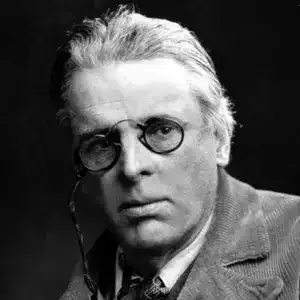
William Butler Yeats
The Stolen Child
The Stolen Child
Where dips the rocky highland
Of Sleuth Wood in the lake,
There lies a leafy island
Where flapping herons wake
The drowsy water rats;
There we've hid our faery vats,
Full of berrys
And of reddest stolen cherries.
Come away, O human child!
To the waters and the wild
With a faery, hand in hand,
For the world's more full of weeping than you can understand.
Where the wave of moonlight glosses
The dim gray sands with light,
Far off by furthest Rosses
We foot it all the night,
Weaving olden dances
Mingling hands and mingling glances
Till the moon has taken flight;
To and fro we leap
And chase the frothy bubbles,
While the world is full of troubles
And anxious in its sleep.
Come away, O human child!
To the waters and the wild
With a faery, hand in hand,
For the world's more full of weeping than you can understand.
Where the wandering water gushes
From the hills above Glen-Car,
In pools among the rushes
That scarce could bathe a star,
We seek for slumbering trout
And whispering in their ears
Give them unquiet dreams;
Leaning softly out
From ferns that dropp their tears
Over the young streams.
Come away, O human child!
To the waters and the wild
With a faery, hand in hand,
For the world's more full of weeping than you can understand.
Away with us he's going,
The solemn-eyed:
He'll hear no more the lowing
Of the calves on the warm hillside
Or the kettle on the hob
Sing peace into his breast,
Or see the brown mice bob
Round and round the oatmeal chest.
For he comes, the human child,
To the waters and the wild
With a faery, hand in hand,
For the world's more full of weeping than he can understand.
Where dips the rocky highland
Of Sleuth Wood in the lake,
There lies a leafy island
Where flapping herons wake
The drowsy water rats;
There we've hid our faery vats,
Full of berrys
And of reddest stolen cherries.
Come away, O human child!
To the waters and the wild
With a faery, hand in hand,
For the world's more full of weeping than you can understand.
Where the wave of moonlight glosses
The dim gray sands with light,
Far off by furthest Rosses
We foot it all the night,
Weaving olden dances
Mingling hands and mingling glances
Till the moon has taken flight;
To and fro we leap
And chase the frothy bubbles,
While the world is full of troubles
And anxious in its sleep.
Come away, O human child!
To the waters and the wild
With a faery, hand in hand,
For the world's more full of weeping than you can understand.
Where the wandering water gushes
From the hills above Glen-Car,
In pools among the rushes
That scarce could bathe a star,
We seek for slumbering trout
And whispering in their ears
Give them unquiet dreams;
Leaning softly out
From ferns that dropp their tears
Over the young streams.
Come away, O human child!
To the waters and the wild
With a faery, hand in hand,
For the world's more full of weeping than you can understand.
Away with us he's going,
The solemn-eyed:
He'll hear no more the lowing
Of the calves on the warm hillside
Or the kettle on the hob
Sing peace into his breast,
Or see the brown mice bob
Round and round the oatmeal chest.
For he comes, the human child,
To the waters and the wild
With a faery, hand in hand,
For the world's more full of weeping than he can understand.
705
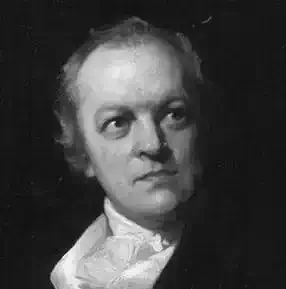
William Blake
The Schoolboy
The Schoolboy
I love to rise in a summer morn
When the birds sing on every tree;
The distant huntsman winds his horn,
And the skylark sings with me.
O! what sweet company!
But to go to school on a summer morn,
O! it drives all joy away;
Under a cruel eye outworn,
The little ones spend the day
In sighing and dismay.
Ah! then at times I drooping sit,
And spend many an anxious hour,
Nor in my book can I take delight,
Nor sit in learning's bower,
Worn thro' with the dreary shower.
How can the bird that is born for joy
Sit in a cage and sing?
How can a child, when fears annoy,
But droop his tender wing,
And forget his youthful spring?
O! father and mother, if buds are nipped
And blossoms blown away,
And if the tender plants are stripped
Of their joy in the springing day,
By sorrow and care's dismay,
How shall the summer arise in joy,
Or the summer's fruits appear?
Or how shall we gather what griefs destroy,
Or bless the mellowing year,
When the blasts of winter appear?
I love to rise in a summer morn
When the birds sing on every tree;
The distant huntsman winds his horn,
And the skylark sings with me.
O! what sweet company!
But to go to school on a summer morn,
O! it drives all joy away;
Under a cruel eye outworn,
The little ones spend the day
In sighing and dismay.
Ah! then at times I drooping sit,
And spend many an anxious hour,
Nor in my book can I take delight,
Nor sit in learning's bower,
Worn thro' with the dreary shower.
How can the bird that is born for joy
Sit in a cage and sing?
How can a child, when fears annoy,
But droop his tender wing,
And forget his youthful spring?
O! father and mother, if buds are nipped
And blossoms blown away,
And if the tender plants are stripped
Of their joy in the springing day,
By sorrow and care's dismay,
How shall the summer arise in joy,
Or the summer's fruits appear?
Or how shall we gather what griefs destroy,
Or bless the mellowing year,
When the blasts of winter appear?
781
William Blake
Reeds of Innocence
Reeds of Innocence
Piping down the valleys wild,
Piping songs of pleasant glee,
On a cloud I saw a child,
And he laughing said to me:
'Pipe a song about a Lamb!'
So I piped with merry cheer.
'Piper, pipe that song again;'
So I piped: he wept to hear.
'Drop thy pipe, thy happy pipe;
Sing thy songs of happy cheer!'
So I sung the same again,
While he wept with joy to hear.
'Piper, sit thee down and write
In a book that all may read.'
So he vanish'd from my sight;
And I pluck'd a hollow reed,
And I made a rural pen,
And I stain'd the water clear,
And I wrote my happy songs
Every child may joy to hear.
Piping down the valleys wild,
Piping songs of pleasant glee,
On a cloud I saw a child,
And he laughing said to me:
'Pipe a song about a Lamb!'
So I piped with merry cheer.
'Piper, pipe that song again;'
So I piped: he wept to hear.
'Drop thy pipe, thy happy pipe;
Sing thy songs of happy cheer!'
So I sung the same again,
While he wept with joy to hear.
'Piper, sit thee down and write
In a book that all may read.'
So he vanish'd from my sight;
And I pluck'd a hollow reed,
And I made a rural pen,
And I stain'd the water clear,
And I wrote my happy songs
Every child may joy to hear.
451
William Blake
Nurse's Song
Nurse's Song
When voices of children are heard on the green,
And whisperings are in the dale,
The days of my youth rise fresh in my mind,
My face turns green and pale.
Then come home, my children, the sun is gone down,
And the dews of night arise;
Your spring and your day are wasted in play,
And your winter and night in disguise.
When voices of children are heard on the green,
And whisperings are in the dale,
The days of my youth rise fresh in my mind,
My face turns green and pale.
Then come home, my children, the sun is gone down,
And the dews of night arise;
Your spring and your day are wasted in play,
And your winter and night in disguise.
382
William Blake
Infant Sorrow
Infant Sorrow
My mother groaned, my father wept,
Into the dangerous world I leapt;
Helpless, naked, piping loud,
Like a fiend hid in a cloud.
Struggling in my father's hands,
Striving against my swaddling bands,
Bound and weary, I thought best
To sulk upon my mother's breast.
My mother groaned, my father wept,
Into the dangerous world I leapt;
Helpless, naked, piping loud,
Like a fiend hid in a cloud.
Struggling in my father's hands,
Striving against my swaddling bands,
Bound and weary, I thought best
To sulk upon my mother's breast.
417
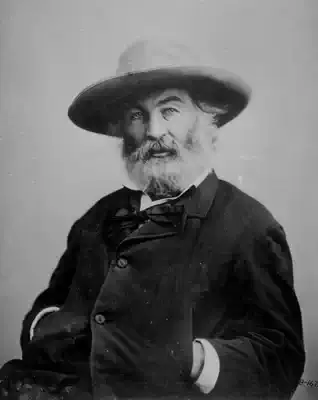
Walt Whitman
What Am I, After All?
What Am I, After All?
WHAT am I, after all, but a child, pleas'd with the sound of my own
name? repeating it over and over;
I stand apart to hear--it never tires me.
To you, your name also;
Did you think there was nothing but two or three pronunciations in
the sound of your name?
WHAT am I, after all, but a child, pleas'd with the sound of my own
name? repeating it over and over;
I stand apart to hear--it never tires me.
To you, your name also;
Did you think there was nothing but two or three pronunciations in
the sound of your name?
340
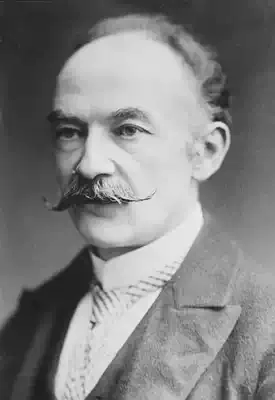
Thomas Hardy
The Self-Unseeing
The Self-Unseeing
Here is the ancient floor,
Footworn and hollowed and thin,
Here was the former door
Where the dead feet walked in.
She sat here in her chair,
Smiling into the fire;
He who played stood there,
Bowing it higher and higher.
Childlike, I danced in a dream;
Blessings emblazoned that day;
Everything glowed with a gleam;
Yet we were looking away!
Here is the ancient floor,
Footworn and hollowed and thin,
Here was the former door
Where the dead feet walked in.
She sat here in her chair,
Smiling into the fire;
He who played stood there,
Bowing it higher and higher.
Childlike, I danced in a dream;
Blessings emblazoned that day;
Everything glowed with a gleam;
Yet we were looking away!
247

Siegfried Sassoon
Prelude to an Unwritten Masterpiece
Prelude to an Unwritten Masterpiece
You like my bird-sung gardens: wings and flowers;
Calm landscapes for emotion; star-lit lawns;
And Youth against the sun-rise ... ‘Not profound;
‘But such a haunting music in the sound:
‘Do it once more; it helps us to forget’.
Last night I dreamt an old recurring scene—
Some complex out of childhood; (sex, of course!)
I can’t remember how the trouble starts;
And then I’m running blindly in the sun
Down the old orchard, and there’s something cruel
Chasing me; someone roused to a grim pursuit
Of clumsy anger ... Crash! I’m through the fence
And thrusting wildly down the wood that’s dense
With woven green of safety; paths that wind
Moss-grown from glade to glade; and far behind,
One thwarted yell; then silence. I’ve escaped.
That’s where it used to stop. Last night I went
Onward until the trees were dark and huge,
And I was lost, cut off from all return
By swamps and birdless jungles. I’d no chance
Of getting home for tea. I woke with shivers,
And thought of crocodiles in crawling rivers.
Some day I’ll build (more ruggedly than Doughty)
A dark tremendous song you’ll never hear.
My beard will be a snow-storm, drifting whiter
On bowed, prophetic shoulders, year by year.
And some will say, ‘His work has grown so dreary.’
Others, ‘He used to be a charming writer’.
And you, my friend, will query—
‘Why can’t you cut it short, you pompous blighter?’
You like my bird-sung gardens: wings and flowers;
Calm landscapes for emotion; star-lit lawns;
And Youth against the sun-rise ... ‘Not profound;
‘But such a haunting music in the sound:
‘Do it once more; it helps us to forget’.
Last night I dreamt an old recurring scene—
Some complex out of childhood; (sex, of course!)
I can’t remember how the trouble starts;
And then I’m running blindly in the sun
Down the old orchard, and there’s something cruel
Chasing me; someone roused to a grim pursuit
Of clumsy anger ... Crash! I’m through the fence
And thrusting wildly down the wood that’s dense
With woven green of safety; paths that wind
Moss-grown from glade to glade; and far behind,
One thwarted yell; then silence. I’ve escaped.
That’s where it used to stop. Last night I went
Onward until the trees were dark and huge,
And I was lost, cut off from all return
By swamps and birdless jungles. I’d no chance
Of getting home for tea. I woke with shivers,
And thought of crocodiles in crawling rivers.
Some day I’ll build (more ruggedly than Doughty)
A dark tremendous song you’ll never hear.
My beard will be a snow-storm, drifting whiter
On bowed, prophetic shoulders, year by year.
And some will say, ‘His work has grown so dreary.’
Others, ‘He used to be a charming writer’.
And you, my friend, will query—
‘Why can’t you cut it short, you pompous blighter?’
119

Robert W. Service
Window Shopper
Window Shopper
I stood before a candy shop
Which with a Christmas radiance shone;
I saw my parents pass and stop
To grin at me and then go on.
The sweets were heaped in gleamy rows;
On each I feasted - what a game!
Against the glass with flatted nose,
Gulping my spittle as it came;
So still I stood, and stared and dreamed,
Savouring sweetness with my eyes,
Devouring dainties till it seemed
My candy shop was paradise.
I had, I think, but five years old,
And though three-score and ten have passed,
I still recall the craintive cold,
The grimy street, the gritty blast;
And how I stared into that shop,
Its gifts so near and yet so far,
Of marzipan and toffee drop,
Of chocolate and walnut bar;
Imagining what I would buy
Amid delights so rich and rare . . .
The glass was misted with my sigh:
"If just one penny Pop could spare!"
And then when I went home to tea
Of bread and butter sparsely spread,
Oh, how my parents twitted me:
"You stood for full an hour," they said.
"We saw you as we passed again;
Your eyes upon the sweets were glued;
Your nose was flattened to the pane,
Like someone hypnotized you stood."
But when they laughed as at a joke,
A bitterness I could not stem
Within my little heart awoke. . . .
Oh, I have long forgiven them;
For though I know they did no own
Pennies to spare, they might, it seems
More understanding love have shown
More sympathy for those vain dreams,
Which make of me with wistful gaze
God's Window Shopper all days.
I stood before a candy shop
Which with a Christmas radiance shone;
I saw my parents pass and stop
To grin at me and then go on.
The sweets were heaped in gleamy rows;
On each I feasted - what a game!
Against the glass with flatted nose,
Gulping my spittle as it came;
So still I stood, and stared and dreamed,
Savouring sweetness with my eyes,
Devouring dainties till it seemed
My candy shop was paradise.
I had, I think, but five years old,
And though three-score and ten have passed,
I still recall the craintive cold,
The grimy street, the gritty blast;
And how I stared into that shop,
Its gifts so near and yet so far,
Of marzipan and toffee drop,
Of chocolate and walnut bar;
Imagining what I would buy
Amid delights so rich and rare . . .
The glass was misted with my sigh:
"If just one penny Pop could spare!"
And then when I went home to tea
Of bread and butter sparsely spread,
Oh, how my parents twitted me:
"You stood for full an hour," they said.
"We saw you as we passed again;
Your eyes upon the sweets were glued;
Your nose was flattened to the pane,
Like someone hypnotized you stood."
But when they laughed as at a joke,
A bitterness I could not stem
Within my little heart awoke. . . .
Oh, I have long forgiven them;
For though I know they did no own
Pennies to spare, they might, it seems
More understanding love have shown
More sympathy for those vain dreams,
Which make of me with wistful gaze
God's Window Shopper all days.
188
Robert W. Service
Two Children
Two Children
Give me your hand, oh little one!
Like children be we two;
Yet I am old, my day is done
That barely breaks for you.
A baby-basket hard you hold,
With in it cherries four:
You cherish them as men do gold,
And count them o'er.
And then you stumble in your walk;
The cherries scattered lie.
You pick them up with foolish talk
And foolish glad am I,
When you wipe one quite clean of dust
And give it unto me;
So in the baby-basket just
Are three.
All this is simple, I confess,
A moment piled with peace;
Yet loving men have died for less,
And will till time shall cease. . . .
A silken hand in crinkled one-O
Little Innocence!
O blessed moment in the son
E'er I go hence!
Give me your hand, oh little one!
Like children be we two;
Yet I am old, my day is done
That barely breaks for you.
A baby-basket hard you hold,
With in it cherries four:
You cherish them as men do gold,
And count them o'er.
And then you stumble in your walk;
The cherries scattered lie.
You pick them up with foolish talk
And foolish glad am I,
When you wipe one quite clean of dust
And give it unto me;
So in the baby-basket just
Are three.
All this is simple, I confess,
A moment piled with peace;
Yet loving men have died for less,
And will till time shall cease. . . .
A silken hand in crinkled one-O
Little Innocence!
O blessed moment in the son
E'er I go hence!
165
Robert W. Service
The Wildy Ones
The Wildy Ones
The sheep are in the silver wood,
The cows are in the broom;
The goats are in the wild mountain
And won't be home by noon.
My mother sang that olden tune
Most every night,
And to her newest she would croon
By candle light;
While cuddling in the velvet gloom
I'd dream of cows
That sought each dawn 'mid golden broom
To gently browse.
Or I would glimpse the silver wood,
The birchen glade,
Where pearly sheep in quiet mood
Cropped unafraid;
But how I loved in lapsing drowse
The mountain wild!
The goats were more than sheep and cows
To one wee child.
For cows and sheep are shelter-wise,
And love the lea;
While goats have starlight in their eyes,
In cragland free . . .
And now on edge of endless sleep
Wryly I note
How less I'm kin to kine and sheep
Than rebel goat!
The sheep are in the silver wood,
The cows are in the broom;
The goats are in the wild mountain
And won't be home by noon.
My mother sang that olden tune
Most every night,
And to her newest she would croon
By candle light;
While cuddling in the velvet gloom
I'd dream of cows
That sought each dawn 'mid golden broom
To gently browse.
Or I would glimpse the silver wood,
The birchen glade,
Where pearly sheep in quiet mood
Cropped unafraid;
But how I loved in lapsing drowse
The mountain wild!
The goats were more than sheep and cows
To one wee child.
For cows and sheep are shelter-wise,
And love the lea;
While goats have starlight in their eyes,
In cragland free . . .
And now on edge of endless sleep
Wryly I note
How less I'm kin to kine and sheep
Than rebel goat!
200
Robert W. Service
The Sceptic
The Sceptic
My Father Christmas passed away
When I was barely seven.
At twenty-one, alack-a-day,
I lost my hope of heaven.
Yet not in either lies the curse:
The hell of it's because
I don't know which loss hurt the worse --
My God or Santa Claus.
My Father Christmas passed away
When I was barely seven.
At twenty-one, alack-a-day,
I lost my hope of heaven.
Yet not in either lies the curse:
The hell of it's because
I don't know which loss hurt the worse --
My God or Santa Claus.
173
Robert W. Service
Maids In May
Maids In May
Three maids there were in meadow bright,
The eldest less then seven;
Their eyes were dancing with delight,
And innocent as Heaven.
Wild flowers they wound with tender glee,
Their cheeks with rapture rosy;
All radiant they smiled at me,
When I besought a posy.
She gave me a columbine,
And one a poppy brought me;
The tiniest, with eyes ashine,
A simple daisy sought me.
And as I went my sober way,
I heard their careless laughter;
Their hearts too happy with to-day
To care for what comes after.
. . . . . . .
That's long ago; they're gone, all three,
To walk amid the shadows;
Forgotten is their lyric glee
In still and sunny meadows.
For Columbine loved life too well,
And went adventure fairing;
And sank into the pit of hell,
And passed but little caring.
While Poppy was a poor man's wife,
And children had a-plenty;
And went, worn out with toil and strife
When she was five-and-twenty.
And Daisy died while yet a child,
As fragile blossoms perish,
When Winter winds are harsh and wild,
With none to shield and cherish.
Ah me! How fate is dark and dour
To little Children of the Poor.
Three maids there were in meadow bright,
The eldest less then seven;
Their eyes were dancing with delight,
And innocent as Heaven.
Wild flowers they wound with tender glee,
Their cheeks with rapture rosy;
All radiant they smiled at me,
When I besought a posy.
She gave me a columbine,
And one a poppy brought me;
The tiniest, with eyes ashine,
A simple daisy sought me.
And as I went my sober way,
I heard their careless laughter;
Their hearts too happy with to-day
To care for what comes after.
. . . . . . .
That's long ago; they're gone, all three,
To walk amid the shadows;
Forgotten is their lyric glee
In still and sunny meadows.
For Columbine loved life too well,
And went adventure fairing;
And sank into the pit of hell,
And passed but little caring.
While Poppy was a poor man's wife,
And children had a-plenty;
And went, worn out with toil and strife
When she was five-and-twenty.
And Daisy died while yet a child,
As fragile blossoms perish,
When Winter winds are harsh and wild,
With none to shield and cherish.
Ah me! How fate is dark and dour
To little Children of the Poor.
172
Page 1
Next