

Consciousness and Self-Knowledge
Poems in this topic
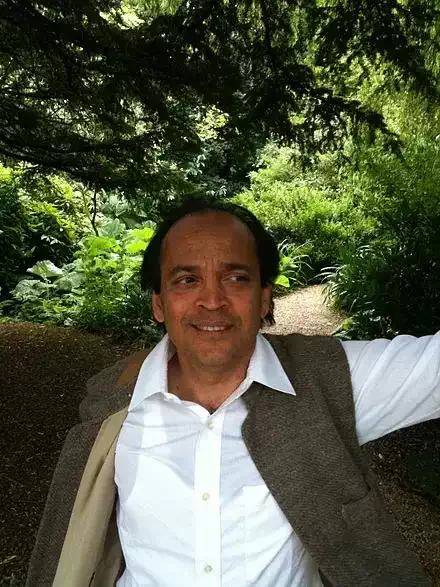
Vikram Seth
The Golden Gate - I (A novel in verse)
The Golden Gate - I (A novel in verse)
1.1.
To make a start more swift and weighty,
Hail Muse. Dear Reader, once upon
A time, say, circa 1980,
There lived a man. His name was John.
Successful in his field though only
Twenty-six, respected, lonely,
One evening as he walked across
Golden Gate Park, the ill-judged toss
Of a red frisbee almost brained him.
He thought, "Who'd gloat? Who would be glad?
Would anybody? " As it pained him,
He turned from this dispiriting theme
To ruminations less extreme.
1.2.
He tuned his thoughts to electronic
Circuitry. This soothed his mind.
He left irregular (moronic)
Sentimentality behind.
He thought of or-gates and of and-gates,
Of ROMs, of nor-gates, and of nand-gates,
Of nanoseconds, megabytes,
And bits and nibbles… but as flights
Of silhouetted birds move cawing
Across the pine-serrated sky,
Dragged from his cove, not knowing why,
He feels an urgent riptide drawing
Him far out, where, caught in the kelp
Of loneliness, he cries for help.
1.3.
John's looks are good. His dress is formal.
His voice is low. His mind is sound.
His appetite for work's abnormal.
A plastic name tag hangs around
His collar like a votive necklace.
Though well-paid, he is far from reckless,
Pays his rent promptly, jogs, does not
Smoke cigarettes, and rarely pot,
Eschews both church and heavy drinking,
Enjoys his garden, like to read
Eclectically from Mann to Bede.
(A surrogate, some say, for thinking.)
friends claim he's grown aloof and prim.
(His boss, though, is well-pleased with him.)
1.4.
Grey-eyed, blond-haired, aristocratic
In height, impatience, views, and face,
Discriminating though dogmatic,
Tender beneath a carapace
Of well-groomed tastes and tasteful grooming,
John, though his corporate stock is booming,
For all his mohair, serge, and tweed,
Senses his life has run to seed.
A passionate man, with equal parts of
Irritability and charm,
Without as such intending harm,
His flaring temper singed the hearts of
Several woman in the days
Before his chaste, ambitious phase.
1.5.
John notes the late September showers
Have tinged the blond hills round the bay
With a new green. He notes the flowers
In their pre-winter bloom. The way
That, when he was a child, the mystery
Of San Francisco's restless spark,
It strikes him now as, through the park,
Wrested from old dunes by the westward
Thrust of the greenbelt to the slow
Pacific swell, his footsteps go.
But it is late. The birds fly nestward
Towards the sunset, and the arc
Of darkness drifts across the park.
1.6.
It's Friday night. The unfettered city
Resounds with hedonistic glee.
John feels a cold cast of self-pity
Envelop him. No family
Cushions his solitude, or rather,
His mother's dead, his English father,
Retired in his native Kent,
Rarely responds to letters sent
(If rarely) by his transatlantic
Offspring. In letters to The Times
He rails against the nameless crimes
Of the post office. Waxing frantic
About delays from coast to coast,
He hones his wit and damns the post.
1.7.
A linkless node, no spouse or sibling,
No children - John wanders alone
Into an ice cream parlor. Nibbling
The edges of a sugar cone
By turns, a pair of high school lovers
Stand giggling. John, uncharmed, discovers
His favorite flavors, Pumpkin Pie
And Bubble Gum, decides to buy
A double scoop; sits down; but whether
His eyes fall on a knot of three
Schoolgirls, a clamorous family,
Or, munching cheerfully together,
A hippie and a Castro clone,
It hurts that only he's alone.
1.8.
He goes home, seeking consolation
Among old Beatles and Pink Floyd —
But "Girl" elicits mere frustration,
While "Money" leaves him more annoyed.
Alas, he hungers less for money
Than for a fleeting Taste of Honey.
Murmuring, "Money — it's a gas! …
The lunatic is on the grass,"
He pours himself a beer. Desires
And reminiscences intrude
Upon his unpropitious mood
Until he feels that he requires
A one-way Ticket to Ride — and soon —
Across the Dark Side of the Moon.
1.9.
He thinks back to his day at college,
To Phil, to Berkeley friends, to nights
When the pursuit of grades and knowledge
Foundered in beery jokes and fights.
Eheu fugaces… Silicon Valley
Lures to ambition's ulcer alley
Young graduates with siren screams
Of power and wealth beyond their dreams,
Ejects the lax, and drives the driven,
Burning their candles at both ends.
Thus files take precedence over friends,
Labor is lauded, leisure riven.
John kneels bareheaded and unshod
Before the Chip, a jealous God.
1.1.
To make a start more swift and weighty,
Hail Muse. Dear Reader, once upon
A time, say, circa 1980,
There lived a man. His name was John.
Successful in his field though only
Twenty-six, respected, lonely,
One evening as he walked across
Golden Gate Park, the ill-judged toss
Of a red frisbee almost brained him.
He thought, "Who'd gloat? Who would be glad?
Would anybody? " As it pained him,
He turned from this dispiriting theme
To ruminations less extreme.
1.2.
He tuned his thoughts to electronic
Circuitry. This soothed his mind.
He left irregular (moronic)
Sentimentality behind.
He thought of or-gates and of and-gates,
Of ROMs, of nor-gates, and of nand-gates,
Of nanoseconds, megabytes,
And bits and nibbles… but as flights
Of silhouetted birds move cawing
Across the pine-serrated sky,
Dragged from his cove, not knowing why,
He feels an urgent riptide drawing
Him far out, where, caught in the kelp
Of loneliness, he cries for help.
1.3.
John's looks are good. His dress is formal.
His voice is low. His mind is sound.
His appetite for work's abnormal.
A plastic name tag hangs around
His collar like a votive necklace.
Though well-paid, he is far from reckless,
Pays his rent promptly, jogs, does not
Smoke cigarettes, and rarely pot,
Eschews both church and heavy drinking,
Enjoys his garden, like to read
Eclectically from Mann to Bede.
(A surrogate, some say, for thinking.)
friends claim he's grown aloof and prim.
(His boss, though, is well-pleased with him.)
1.4.
Grey-eyed, blond-haired, aristocratic
In height, impatience, views, and face,
Discriminating though dogmatic,
Tender beneath a carapace
Of well-groomed tastes and tasteful grooming,
John, though his corporate stock is booming,
For all his mohair, serge, and tweed,
Senses his life has run to seed.
A passionate man, with equal parts of
Irritability and charm,
Without as such intending harm,
His flaring temper singed the hearts of
Several woman in the days
Before his chaste, ambitious phase.
1.5.
John notes the late September showers
Have tinged the blond hills round the bay
With a new green. He notes the flowers
In their pre-winter bloom. The way
That, when he was a child, the mystery
Of San Francisco's restless spark,
It strikes him now as, through the park,
Wrested from old dunes by the westward
Thrust of the greenbelt to the slow
Pacific swell, his footsteps go.
But it is late. The birds fly nestward
Towards the sunset, and the arc
Of darkness drifts across the park.
1.6.
It's Friday night. The unfettered city
Resounds with hedonistic glee.
John feels a cold cast of self-pity
Envelop him. No family
Cushions his solitude, or rather,
His mother's dead, his English father,
Retired in his native Kent,
Rarely responds to letters sent
(If rarely) by his transatlantic
Offspring. In letters to The Times
He rails against the nameless crimes
Of the post office. Waxing frantic
About delays from coast to coast,
He hones his wit and damns the post.
1.7.
A linkless node, no spouse or sibling,
No children - John wanders alone
Into an ice cream parlor. Nibbling
The edges of a sugar cone
By turns, a pair of high school lovers
Stand giggling. John, uncharmed, discovers
His favorite flavors, Pumpkin Pie
And Bubble Gum, decides to buy
A double scoop; sits down; but whether
His eyes fall on a knot of three
Schoolgirls, a clamorous family,
Or, munching cheerfully together,
A hippie and a Castro clone,
It hurts that only he's alone.
1.8.
He goes home, seeking consolation
Among old Beatles and Pink Floyd —
But "Girl" elicits mere frustration,
While "Money" leaves him more annoyed.
Alas, he hungers less for money
Than for a fleeting Taste of Honey.
Murmuring, "Money — it's a gas! …
The lunatic is on the grass,"
He pours himself a beer. Desires
And reminiscences intrude
Upon his unpropitious mood
Until he feels that he requires
A one-way Ticket to Ride — and soon —
Across the Dark Side of the Moon.
1.9.
He thinks back to his day at college,
To Phil, to Berkeley friends, to nights
When the pursuit of grades and knowledge
Foundered in beery jokes and fights.
Eheu fugaces… Silicon Valley
Lures to ambition's ulcer alley
Young graduates with siren screams
Of power and wealth beyond their dreams,
Ejects the lax, and drives the driven,
Burning their candles at both ends.
Thus files take precedence over friends,
Labor is lauded, leisure riven.
John kneels bareheaded and unshod
Before the Chip, a jealous God.
2,186
1
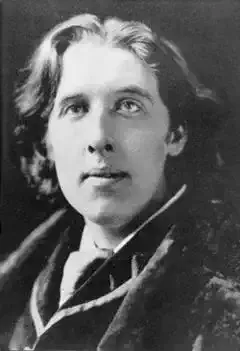
Oscar Wilde
Soneto: Helas!
To drift with every passion till my soul
Is a stringed lute on which can winds can play,
Is it for this that I have given away
Mine ancient wisdom and austere control?
Methinks my life is a twice-written scroll
Scrawled over on some boyish holiday
With idle songs for pipe and virelay,
Which do but mar the secret of the whole.
Surely there was a time I might have trod
The sunlit heights, and from life's dissonance
Struck one clear chord to reach the ears of God:
Is that time dead? lo! with a little rod
I did but touch the honey of romance -
And must I lose a soul's inheritance?
Is a stringed lute on which can winds can play,
Is it for this that I have given away
Mine ancient wisdom and austere control?
Methinks my life is a twice-written scroll
Scrawled over on some boyish holiday
With idle songs for pipe and virelay,
Which do but mar the secret of the whole.
Surely there was a time I might have trod
The sunlit heights, and from life's dissonance
Struck one clear chord to reach the ears of God:
Is that time dead? lo! with a little rod
I did but touch the honey of romance -
And must I lose a soul's inheritance?
903
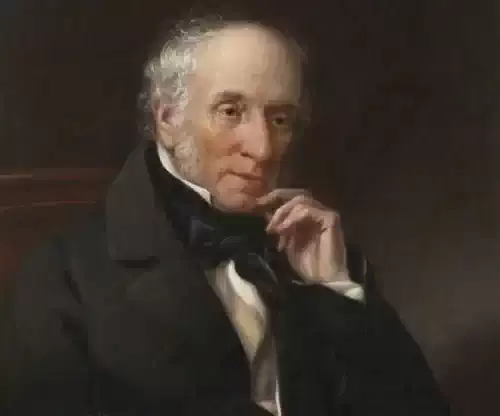
William Wordsworth
To The Daisy (third poem)
To The Daisy (third poem)
Bright Flower! whose home is everywhere,
Bold in maternal Nature's care,
And all the long year through the heir
Of joy or sorrow;
Methinks that there abides in thee
Some concord with humanity,
Given to no other flower I see
The forest thorough!
Is it that Man is soon deprest?
A thoughtless Thing! who, once unblest,
Does little on his memory rest,
Or on his reason,
And Thou would'st teach him how to find
A shelter under every wind,
A hope for times that are unkind
And every season?
Thou wander'st the wide world about,
Uncheck'd by pride or scrupulous doubt,
With friend to greet thee, or without,
Yet pleased and willing;
Meek, yielding to the occasion's call,
And all things suffering from all,
Thy function apostolical
In peace fulfilling.
Bright Flower! whose home is everywhere,
Bold in maternal Nature's care,
And all the long year through the heir
Of joy or sorrow;
Methinks that there abides in thee
Some concord with humanity,
Given to no other flower I see
The forest thorough!
Is it that Man is soon deprest?
A thoughtless Thing! who, once unblest,
Does little on his memory rest,
Or on his reason,
And Thou would'st teach him how to find
A shelter under every wind,
A hope for times that are unkind
And every season?
Thou wander'st the wide world about,
Uncheck'd by pride or scrupulous doubt,
With friend to greet thee, or without,
Yet pleased and willing;
Meek, yielding to the occasion's call,
And all things suffering from all,
Thy function apostolical
In peace fulfilling.
263
William Wordsworth
The Wishing Gate
The Wishing Gate
[In the vale of Grasmere, by the side of an old highway
leading to Ambleside, is a gate, which, from time out of
mind, has been called the Wishing-gate, from a belief that
wishes formed or indulged there have a favorable issue.]
HOPE rules a land forever green:
All powers that serve the bright-eyed Queen
Are confident and gay;
Clouds at her bidding disappear;
Points she to aught?---the bliss draws near,
And Fancy smooths the way.
Not such the land of Wishes---there
Dwell fruitless day-dreams, lawless prayer,
And thoughts with things at strife;
Yet how forlorn, should ye depart
Ye superstitions of the heart,
How poor, were human life!
When magic lore abjured its might,
Ye did not forfeit one dear right,
One tender claim abate;
Witness this symbol of your sway,
Surnving near the public way,
The rustic Wishing-gate!
Inquire not if the faery race
Shed kindly influence on the place,
Ere northward they retired;
If here a warrior left a spell,
Panting for glory as he fell;
Or here a saint expired.
Enough that all arouud is fair,
Composed with Nature's finest care,
And in her fondest love---
Peace to embosom and content---
To overawe the turbulent,
The selfish to reprove.
Yea! even the Stranger from afar,
Reclining on this moss-grown bar,
Unknowing, and unknown,
The infection of the ground partakes,
Longing for his Beloved---who maker
All happiness her own.
Then why should conscious Spirits fear
The mystic stirrings that are here,
The ancient faith disclaim?
The local Genius ne'er befriends
Desires whose course in folly ends,
Whose just reward is shame.
Smile if thou wilt, but not in scorn,
If some, by ceaseless pains outworn,
Here crave an easier lot;
If some have thirsted to renew
A broken vow, or bind a true,
With firmer, holier knot.
And not in vain, when thoughts are cast
Upon the irrevocable past,
Some Penitent sincere
May for a worthier future sigh,
While trickles from his downcast eye
No unavailing tear.
The Worldling, pining to be freed
From turmoil, who would turn or speed
The current of his fate,
Might stop before this favored scene,
At Nature's call, nor blush to lean
Upon the Wishing-gate.
The Sage, who feels how blind, how weak
Is man, though loth such help to seek,
Yet, passing, here might pause,
And thirst for insight to allay
Misgiving, while the crimson day
In quietness withdraws;
Or when the church-clock's knell profound
To Time's first step across the bound
Of midnight makes reply;
Time pressing on with starry crest,
To filial sleep upon the breast
Of dread eternity.
[In the vale of Grasmere, by the side of an old highway
leading to Ambleside, is a gate, which, from time out of
mind, has been called the Wishing-gate, from a belief that
wishes formed or indulged there have a favorable issue.]
HOPE rules a land forever green:
All powers that serve the bright-eyed Queen
Are confident and gay;
Clouds at her bidding disappear;
Points she to aught?---the bliss draws near,
And Fancy smooths the way.
Not such the land of Wishes---there
Dwell fruitless day-dreams, lawless prayer,
And thoughts with things at strife;
Yet how forlorn, should ye depart
Ye superstitions of the heart,
How poor, were human life!
When magic lore abjured its might,
Ye did not forfeit one dear right,
One tender claim abate;
Witness this symbol of your sway,
Surnving near the public way,
The rustic Wishing-gate!
Inquire not if the faery race
Shed kindly influence on the place,
Ere northward they retired;
If here a warrior left a spell,
Panting for glory as he fell;
Or here a saint expired.
Enough that all arouud is fair,
Composed with Nature's finest care,
And in her fondest love---
Peace to embosom and content---
To overawe the turbulent,
The selfish to reprove.
Yea! even the Stranger from afar,
Reclining on this moss-grown bar,
Unknowing, and unknown,
The infection of the ground partakes,
Longing for his Beloved---who maker
All happiness her own.
Then why should conscious Spirits fear
The mystic stirrings that are here,
The ancient faith disclaim?
The local Genius ne'er befriends
Desires whose course in folly ends,
Whose just reward is shame.
Smile if thou wilt, but not in scorn,
If some, by ceaseless pains outworn,
Here crave an easier lot;
If some have thirsted to renew
A broken vow, or bind a true,
With firmer, holier knot.
And not in vain, when thoughts are cast
Upon the irrevocable past,
Some Penitent sincere
May for a worthier future sigh,
While trickles from his downcast eye
No unavailing tear.
The Worldling, pining to be freed
From turmoil, who would turn or speed
The current of his fate,
Might stop before this favored scene,
At Nature's call, nor blush to lean
Upon the Wishing-gate.
The Sage, who feels how blind, how weak
Is man, though loth such help to seek,
Yet, passing, here might pause,
And thirst for insight to allay
Misgiving, while the crimson day
In quietness withdraws;
Or when the church-clock's knell profound
To Time's first step across the bound
Of midnight makes reply;
Time pressing on with starry crest,
To filial sleep upon the breast
Of dread eternity.
266
William Wordsworth
The Tables Turned
The Tables Turned
Up! up! my Friend, and quit your books;
Or surely you'll grow double:
Up! up! my Friend, and clear your looks;
Why all this toil and trouble?
The sun above the mountain's head,
A freshening lustre mellow
Through all the long green fields has spread,
His first sweet evening yellow.
Books! 'tis a dull and endless strife:
Come, hear the woodland linnet,
How sweet his music! on my life,
There's more of wisdom in it.
And hark! how blithe the throstle sings!
He, too, is no mean preacher:
Come forth into the light of things,
Let Nature be your teacher.
She has a world of ready wealth,
Our minds and hearts to bless--
Spontaneous wisdom breathed by health,
Truth breathed by cheerfulness.
One impulse from a vernal wood
May teach you more of man,
Of moral evil and of good,
Than all the sages can.
Sweet is the lore which Nature brings;
Our meddling intellect
Mis-shapes the beauteous forms of things:--
We murder to dissect.
Enough of Science and of Art;
Close up those barren leaves;
Come forth, and bring with you a heart
That watches and receives.
Up! up! my Friend, and quit your books;
Or surely you'll grow double:
Up! up! my Friend, and clear your looks;
Why all this toil and trouble?
The sun above the mountain's head,
A freshening lustre mellow
Through all the long green fields has spread,
His first sweet evening yellow.
Books! 'tis a dull and endless strife:
Come, hear the woodland linnet,
How sweet his music! on my life,
There's more of wisdom in it.
And hark! how blithe the throstle sings!
He, too, is no mean preacher:
Come forth into the light of things,
Let Nature be your teacher.
She has a world of ready wealth,
Our minds and hearts to bless--
Spontaneous wisdom breathed by health,
Truth breathed by cheerfulness.
One impulse from a vernal wood
May teach you more of man,
Of moral evil and of good,
Than all the sages can.
Sweet is the lore which Nature brings;
Our meddling intellect
Mis-shapes the beauteous forms of things:--
We murder to dissect.
Enough of Science and of Art;
Close up those barren leaves;
Come forth, and bring with you a heart
That watches and receives.
220
William Wordsworth
Stanzas
Stanzas
WITHIN our happy castle there dwelt One
Whom without blame I may not overlook;
For never sun on living creature shone
Who more devout enjoyment with us took:
Here on his hours he hung as on a book,
On his own time here would he float away,
As doth a fly upon a summer brook;
But go tomorrow, or belike today,
Seek for him,---he is fled; and whither none can say.
Thus often would he leave our peaceful home,
And find elsewhere his business or delight;
Out of our Valley's limit did he roam:
Full many a time, upon a stormy night,
His voice came to us from the neighbouring height:
Oft could we see him driving full in view
At mid-day when the sun was shining bright;
What ill was on him, what he had to do,
A mighty wonder bred among our quiet crew.
Ah! piteous sight it was to see this Man
When he came back to us, a withered flower,---
Or like a sinful creature, pale and wan.
Down would he sit; and without strength or power
Look at the common grass from hour to hour:
And oftentimes, how long I fear to say,
Where apple-trees in blossom made a bower,
Retired in that sunshiny shade he lay;
And, like a naked Indian, slept himself away.
Great wonder to our gentle tribe it was
Whenever from our Valley he withdrew;
For happier soul no living creature has
Than he had, beiug here the long day through.
Some thought he was a lover, and did woo:
Some thought far worse of him, and judged him wrong;
But verse was what he had been wedded to;
And his own mind did like a tempest strong
Come to him thus, and drove the weary Wight along.
With him there often walked in friendly guise,
Or lay upon the moss by brook or tree,
A noticeable Man with large grey eyes,
And a pale face that seemed undoubtedly
As if a blooming face it ought to be;
Heavy his low-hung lip did oft appear,
Deprest by weight of musing Phantasy;
Profound his forehead was, though not severe;
Yet some did think that he had little business here:
Sweet heaven forfend! his was a lawful right;
Noisy he was, and gamesome as a boy;
His limbs would toss about him with delight
Like branches when strong winds the trees annoy.
Nor lacked his calmer hours device or toy
To banish listlessness and irksome care;
He would have taught you how you might employ
Yourself; and many did to him repair,---
And certes not in vain; he had inventions rare.
Expedients, too, of simplest sort he tried:
Long blades of grass, plucked round him as he lay,
Made, to his ear attentively applied,
A pipe on which the wind would deftly play;
Glasses he had, that little things display,
The beetle panoplied in gems and gold,
A mailed angel on a battle-day;
The mysteries that cups of flowers enfold,
And all the gorgeous sights which fairies do behold.
He would entice that other Man to hear
His music, and to view his imagery:
And, sooth, these two were each to the other dear:
No livelier love in such a place could be:
There did they dwellÑfrom earthly labour free,
As happy spirits as were ever seen;
If but a bird, to keep them company,
Or butterfly sate down, they were, I ween,
As pleased as if the same had been a Maiden-queen.
WITHIN our happy castle there dwelt One
Whom without blame I may not overlook;
For never sun on living creature shone
Who more devout enjoyment with us took:
Here on his hours he hung as on a book,
On his own time here would he float away,
As doth a fly upon a summer brook;
But go tomorrow, or belike today,
Seek for him,---he is fled; and whither none can say.
Thus often would he leave our peaceful home,
And find elsewhere his business or delight;
Out of our Valley's limit did he roam:
Full many a time, upon a stormy night,
His voice came to us from the neighbouring height:
Oft could we see him driving full in view
At mid-day when the sun was shining bright;
What ill was on him, what he had to do,
A mighty wonder bred among our quiet crew.
Ah! piteous sight it was to see this Man
When he came back to us, a withered flower,---
Or like a sinful creature, pale and wan.
Down would he sit; and without strength or power
Look at the common grass from hour to hour:
And oftentimes, how long I fear to say,
Where apple-trees in blossom made a bower,
Retired in that sunshiny shade he lay;
And, like a naked Indian, slept himself away.
Great wonder to our gentle tribe it was
Whenever from our Valley he withdrew;
For happier soul no living creature has
Than he had, beiug here the long day through.
Some thought he was a lover, and did woo:
Some thought far worse of him, and judged him wrong;
But verse was what he had been wedded to;
And his own mind did like a tempest strong
Come to him thus, and drove the weary Wight along.
With him there often walked in friendly guise,
Or lay upon the moss by brook or tree,
A noticeable Man with large grey eyes,
And a pale face that seemed undoubtedly
As if a blooming face it ought to be;
Heavy his low-hung lip did oft appear,
Deprest by weight of musing Phantasy;
Profound his forehead was, though not severe;
Yet some did think that he had little business here:
Sweet heaven forfend! his was a lawful right;
Noisy he was, and gamesome as a boy;
His limbs would toss about him with delight
Like branches when strong winds the trees annoy.
Nor lacked his calmer hours device or toy
To banish listlessness and irksome care;
He would have taught you how you might employ
Yourself; and many did to him repair,---
And certes not in vain; he had inventions rare.
Expedients, too, of simplest sort he tried:
Long blades of grass, plucked round him as he lay,
Made, to his ear attentively applied,
A pipe on which the wind would deftly play;
Glasses he had, that little things display,
The beetle panoplied in gems and gold,
A mailed angel on a battle-day;
The mysteries that cups of flowers enfold,
And all the gorgeous sights which fairies do behold.
He would entice that other Man to hear
His music, and to view his imagery:
And, sooth, these two were each to the other dear:
No livelier love in such a place could be:
There did they dwellÑfrom earthly labour free,
As happy spirits as were ever seen;
If but a bird, to keep them company,
Or butterfly sate down, they were, I ween,
As pleased as if the same had been a Maiden-queen.
412
William Wordsworth
Resolution and Independence
Resolution and Independence
I
There was a roaring in the wind all night;
The rain came heavily and fell in floods;
But now the sun is rising calm and bright;
The birds are singing in the distant woods;
Over his own sweet voice the Stock-dove broods;
The Jay makes answer as the Magpie chatters;
And all the air is filled with pleasant noise of waters.
II
All things that love the sun are out of doors;
The sky rejoices in the morning's birth;
The grass is bright with rain-drops;--on the moors
The hare is running races in her mirth;
And with her feet she from the plashy earth
Raises a mist, that, glittering in the sun,
Runs with her all the way, wherever she doth run.
III
I was a Traveller then upon the moor,
I saw the hare that raced about with joy;
I heard the woods and distant waters roar;
Or heard them not, as happy as a boy:
The pleasant season did my heart employ:
My old remembrances went from me wholly;
And all the ways of men, so vain and melancholy.
IV
But, as it sometimes chanceth, from the might
Of joy in minds that can no further go,
As high as we have mounted in delight
In our dejection do we sink as low;
To me that morning did it happen so;
And fears and fancies thick upon me came;
Dim sadness--and blind thoughts, I knew not, nor could name.
V
I heard the sky-lark warbling in the sky;
And I bethought me of the playful hare:
Even such a happy Child of earth am I;
Even as these blissful creatures do I fare;
Far from the world I walk, and from all care;
But there may come another day to me--
Solitude, pain of heart, distress, and poverty.
VI
My whole life I have lived in pleasant thought,
As if life's business were a summer mood;
As if all needful things would come unsought
To genial faith, still rich in genial good;
But how can He expect that others should
Build for him, sow for him, and at his call
Love him, who for himself will take no heed at all?
VII
I thought of Chatterton, the marvellous Boy,
The sleepless Soul that perished in his pride;
Of Him who walked in glory and in joy
Following his plough, along the mountain-side:
By our own spirits are we deified:
We Poets in our youth begin in gladness;
But thereof come in the end despondency and madness.
VIII
Now, whether it were by peculiar grace,
A leading from above, a something given,
Yet it befell, that, in this lonely place,
When I with these untoward thoughts had striven,
Beside a pool bare to the eye of heaven
I saw a Man before me unawares:
The oldest man he seemed that ever wore grey hairs.
IX
As a huge stone is sometimes seen to lie
Couched on the bald top of an eminence;
Wonder to all who do the same espy,
By what means it could thither come, and whence;
So that it seems a thing endued with sense:
Like a sea-beast crawled forth, that on a shelf
Of rock or sand reposeth, there to sun itself;
X
Such seemed this Man, not all alive nor dead,
Nor all asleep--in his extreme old age:
His body was bent double, feet and head
Coming together in life's pilgrimage;
As if some dire constraint of pain, or rage
Of sickness felt by him in times long past,
A more than human weight upon his frame had cast.
XI
Himself he propped, limbs, body, and pale face,
Upon a long grey staff of shaven wood:
And, still as I drew near with gentle pace,
Upon the margin of that moorish flood
Motionless as a cloud the old Man stood,
That heareth not the loud winds when they call
And moveth all together, if it move at all.
XII
At length, himself unsettling, he the pond
Stirred with his staff, and fixedly did look
Upon the muddy water, which he conned,
As if he had been reading in a book:
And now a stranger's privilege I took;
And, drawing to his side, to him did say,
"This morning gives us promise of a glorious day."
XIII
A gentle answer did the old Man make,
In courteous speech which forth he slowly drew:
And him with further words I thus bespake,
"What occupation do you there pursue?
This is a lonesome place for one like you."
Ere he replied, a flash of mild surprise
Broke from the sable orbs of his yet-vivid eyes,
XIV
His words came feebly, from a feeble chest,
But each in solemn order followed each,
With something of a lofty utterance drest--
Choice word and measured phrase, above the reach
Of ordinary men; a stately speech;
Such as grave Livers do in Scotland use,
Religious men, who give to God and man their dues.
XV
He told, that to these waters he had come
To gather leeches, being old and poor:
Employment hazardous and wearisome!
And he had many hardships to endure:
From pond to pond he roamed, from moor to moor;
Housing, with God's good help, by choice or chance,
And in this way he gained an honest maintenance.
XVI
The old Man still stood talking by my side;
But now his voice to me was like a stream
Scarce heard; nor word from word could I divide;
And the whole body of the Man did seem
Like one whom I had met with in a dream;
Or like a man from some far region sent,
To give me human strength, by apt admonishment.
XVII
My former thoughts returned: the fear that kills;
And hope that is unwilling to be fed;
Cold, pain, and labour, and all fleshly ills;
And mighty Poets in their misery dead.
--Perplexed, and longing to be comforted,
My question eagerly did I renew,
"How is it that you live, and what is it you do?"
XVIII
He with a smile did then his words repeat;
And said, that, gathering leeches, far and wide
He travelled; stirring thus about his feet
The waters of the pools where they abide.
"Once I could meet with them on every side;
But they have dwindled long by slow decay;
Yet still I persevere, and find them where I may."
XIX
While he was talking thus, the lonely place,
The old Man's shape, and speech--all troubled me:
In my mind's eye I seemed to see him pace
About the weary moors continually,
Wandering about alone and silently.
While I these thoughts within myself pursued,
He, having made a pause, the same discourse renewed.
XX
And soon with this he other matter blended,
Cheerfully uttered, with demeanour kind,
But stately in the main; and when he ended,
I could have laughed myself to scorn to find
In that decrepit Man so firm a mind.
"God," said I, "be my help and stay secure;
I'll think of the Leech-gatherer on the lonely moor!"
I
There was a roaring in the wind all night;
The rain came heavily and fell in floods;
But now the sun is rising calm and bright;
The birds are singing in the distant woods;
Over his own sweet voice the Stock-dove broods;
The Jay makes answer as the Magpie chatters;
And all the air is filled with pleasant noise of waters.
II
All things that love the sun are out of doors;
The sky rejoices in the morning's birth;
The grass is bright with rain-drops;--on the moors
The hare is running races in her mirth;
And with her feet she from the plashy earth
Raises a mist, that, glittering in the sun,
Runs with her all the way, wherever she doth run.
III
I was a Traveller then upon the moor,
I saw the hare that raced about with joy;
I heard the woods and distant waters roar;
Or heard them not, as happy as a boy:
The pleasant season did my heart employ:
My old remembrances went from me wholly;
And all the ways of men, so vain and melancholy.
IV
But, as it sometimes chanceth, from the might
Of joy in minds that can no further go,
As high as we have mounted in delight
In our dejection do we sink as low;
To me that morning did it happen so;
And fears and fancies thick upon me came;
Dim sadness--and blind thoughts, I knew not, nor could name.
V
I heard the sky-lark warbling in the sky;
And I bethought me of the playful hare:
Even such a happy Child of earth am I;
Even as these blissful creatures do I fare;
Far from the world I walk, and from all care;
But there may come another day to me--
Solitude, pain of heart, distress, and poverty.
VI
My whole life I have lived in pleasant thought,
As if life's business were a summer mood;
As if all needful things would come unsought
To genial faith, still rich in genial good;
But how can He expect that others should
Build for him, sow for him, and at his call
Love him, who for himself will take no heed at all?
VII
I thought of Chatterton, the marvellous Boy,
The sleepless Soul that perished in his pride;
Of Him who walked in glory and in joy
Following his plough, along the mountain-side:
By our own spirits are we deified:
We Poets in our youth begin in gladness;
But thereof come in the end despondency and madness.
VIII
Now, whether it were by peculiar grace,
A leading from above, a something given,
Yet it befell, that, in this lonely place,
When I with these untoward thoughts had striven,
Beside a pool bare to the eye of heaven
I saw a Man before me unawares:
The oldest man he seemed that ever wore grey hairs.
IX
As a huge stone is sometimes seen to lie
Couched on the bald top of an eminence;
Wonder to all who do the same espy,
By what means it could thither come, and whence;
So that it seems a thing endued with sense:
Like a sea-beast crawled forth, that on a shelf
Of rock or sand reposeth, there to sun itself;
X
Such seemed this Man, not all alive nor dead,
Nor all asleep--in his extreme old age:
His body was bent double, feet and head
Coming together in life's pilgrimage;
As if some dire constraint of pain, or rage
Of sickness felt by him in times long past,
A more than human weight upon his frame had cast.
XI
Himself he propped, limbs, body, and pale face,
Upon a long grey staff of shaven wood:
And, still as I drew near with gentle pace,
Upon the margin of that moorish flood
Motionless as a cloud the old Man stood,
That heareth not the loud winds when they call
And moveth all together, if it move at all.
XII
At length, himself unsettling, he the pond
Stirred with his staff, and fixedly did look
Upon the muddy water, which he conned,
As if he had been reading in a book:
And now a stranger's privilege I took;
And, drawing to his side, to him did say,
"This morning gives us promise of a glorious day."
XIII
A gentle answer did the old Man make,
In courteous speech which forth he slowly drew:
And him with further words I thus bespake,
"What occupation do you there pursue?
This is a lonesome place for one like you."
Ere he replied, a flash of mild surprise
Broke from the sable orbs of his yet-vivid eyes,
XIV
His words came feebly, from a feeble chest,
But each in solemn order followed each,
With something of a lofty utterance drest--
Choice word and measured phrase, above the reach
Of ordinary men; a stately speech;
Such as grave Livers do in Scotland use,
Religious men, who give to God and man their dues.
XV
He told, that to these waters he had come
To gather leeches, being old and poor:
Employment hazardous and wearisome!
And he had many hardships to endure:
From pond to pond he roamed, from moor to moor;
Housing, with God's good help, by choice or chance,
And in this way he gained an honest maintenance.
XVI
The old Man still stood talking by my side;
But now his voice to me was like a stream
Scarce heard; nor word from word could I divide;
And the whole body of the Man did seem
Like one whom I had met with in a dream;
Or like a man from some far region sent,
To give me human strength, by apt admonishment.
XVII
My former thoughts returned: the fear that kills;
And hope that is unwilling to be fed;
Cold, pain, and labour, and all fleshly ills;
And mighty Poets in their misery dead.
--Perplexed, and longing to be comforted,
My question eagerly did I renew,
"How is it that you live, and what is it you do?"
XVIII
He with a smile did then his words repeat;
And said, that, gathering leeches, far and wide
He travelled; stirring thus about his feet
The waters of the pools where they abide.
"Once I could meet with them on every side;
But they have dwindled long by slow decay;
Yet still I persevere, and find them where I may."
XIX
While he was talking thus, the lonely place,
The old Man's shape, and speech--all troubled me:
In my mind's eye I seemed to see him pace
About the weary moors continually,
Wandering about alone and silently.
While I these thoughts within myself pursued,
He, having made a pause, the same discourse renewed.
XX
And soon with this he other matter blended,
Cheerfully uttered, with demeanour kind,
But stately in the main; and when he ended,
I could have laughed myself to scorn to find
In that decrepit Man so firm a mind.
"God," said I, "be my help and stay secure;
I'll think of the Leech-gatherer on the lonely moor!"
237
William Wordsworth
Most Sweet it is
Most Sweet it is
. Most sweet it is with unuplifted eyes
To pace the ground, if path be there or none,
While a fair region round the traveller lies
Which he forbears again to look upon;
Pleased rather with some soft ideal scene,
The work of Fancy, or some happy tone
Of meditation, slipping in between
The beauty coming and the beauty gone.
If Thought and Love desert us, from that day
Let us break off all commerce with the Muse:
With Thought and Love companions of our way,
Whate'er the senses take or may refuse,
The Mind's internal heaven shall shed her dews
Of inspiration on the humblest lay.
. Most sweet it is with unuplifted eyes
To pace the ground, if path be there or none,
While a fair region round the traveller lies
Which he forbears again to look upon;
Pleased rather with some soft ideal scene,
The work of Fancy, or some happy tone
Of meditation, slipping in between
The beauty coming and the beauty gone.
If Thought and Love desert us, from that day
Let us break off all commerce with the Muse:
With Thought and Love companions of our way,
Whate'er the senses take or may refuse,
The Mind's internal heaven shall shed her dews
Of inspiration on the humblest lay.
220
William Wordsworth
Memory
Memory
A pen--to register; a key--
That winds through secret wards
Are well assigned to Memory
By allegoric Bards.
As aptly, also, might be given
A Pencil to her hand;
That, softening objects, sometimes even
Outstrips the heart's demand;
That smooths foregone distress, the lines
Of lingering care subdues,
Long-vanished happiness refines,
And clothes in brighter hues;
Yet, like a tool of Fancy, works
Those Spectres to dilate
That startle Conscience, as she lurks
Within her lonely seat.
Oh! that our lives, which flee so fast,
In purity were such,
That not an image of the past
Should fear that pencil's touch!
Retirement then might hourly look
Upon a soothing scene,
Age steal to his allotted nook
Contented and serene;
With heart as calm as lakes that sleep,
In frosty moonlight glistening;
Or mountain rivers, where they creep
Along a channel smooth and deep,
To their own far-off murmurs listening.
A pen--to register; a key--
That winds through secret wards
Are well assigned to Memory
By allegoric Bards.
As aptly, also, might be given
A Pencil to her hand;
That, softening objects, sometimes even
Outstrips the heart's demand;
That smooths foregone distress, the lines
Of lingering care subdues,
Long-vanished happiness refines,
And clothes in brighter hues;
Yet, like a tool of Fancy, works
Those Spectres to dilate
That startle Conscience, as she lurks
Within her lonely seat.
Oh! that our lives, which flee so fast,
In purity were such,
That not an image of the past
Should fear that pencil's touch!
Retirement then might hourly look
Upon a soothing scene,
Age steal to his allotted nook
Contented and serene;
With heart as calm as lakes that sleep,
In frosty moonlight glistening;
Or mountain rivers, where they creep
Along a channel smooth and deep,
To their own far-off murmurs listening.
246
William Wordsworth
Lines Left upon a Seat in a Yew-tree
Lines Left upon a Seat in a Yew-tree
Nay, Traveller! rest. This lonely Yew-tree stands
Far from all human dwelling: what if here
No sparkling rivulet spread the verdant herb?
What if the bee love not these barren boughs?
Yet, if the wind breathe soft, the curling waves,
That break against the shore, shall lull thy mind
By one soft impulse saved from vacancy.
--------------------Who he was
That piled these stones and with the mossy sod
First covered, and here taught this aged Tree
With its dark arms to form a circling bower,
I well remember.--He was one who owned
No common soul. In youth by science nursed,
And led by nature into a wild scene
Of lofty hopes, he to the world went forth
A favoured Being, knowing no desire
Which genius did not hallow; 'gainst the taint
Of dissolute tongues, and jealousy, and hate,
And scorn,--against all enemies prepared,
All but neglect. The world, for so it thought,
Owed him no service; wherefore he at once
With indignation turned himself away,
And with the food of pride sustained his soul
In solitude.--Stranger! these gloomy boughs
Had charms for him; and here he loved to sit,
His only visitants a straggling sheep,
The stone-chat, or the glancing sand-piper:
And on these barren rocks, with fern and heath,
And juniper and thistle, sprinkled o'er,
Fixing his downcast eye, he many an hour
A morbid pleasure nourished, tracing here
An emblem of his own unfruitful life:
And, lifting up his head, he then would gaze
On the more distant scene,--how lovely 'tis
Thou seest,--and he would gaze till it became
Far lovelier, and his heart could not sustain
The beauty, still more beauteous! Nor, that time,
When nature had subdued him to herself,
Would he forget those Beings to whose minds,
Warm from the labours of benevolence,
The world, and human life, appeared a scene
Of kindred loveliness: then he would sigh,
Inly disturbed, to think that others felt
What he must never feel: and so, lost Man!
On visionary views would fancy feed,
Till his eye streamed with tears. In this deep vale
He died,--this seat his only monument.
If Thou be one whose heart the holy forms
Of young imagination have kept pure,
Stranger! henceforth be warned; and know that pride,
Howe'er disguised in its own majesty,
Is littleness; that he, who feels contempt
For any living thing, hath faculties
Which he has never used; that thought with him
Is in its infancy. The man whose eye
Is ever on himself doth look on one,
The least of Nature's works, one who might move
The wise man to that scorn which wisdom holds
Unlawful, ever. O be wiser, Thou!
Instructed that true knowledge leads to love;
True dignity abides with him alone
Who, in the silent hour of inward thought,
Can still suspect, and still revere himself
In lowliness of heart.
Nay, Traveller! rest. This lonely Yew-tree stands
Far from all human dwelling: what if here
No sparkling rivulet spread the verdant herb?
What if the bee love not these barren boughs?
Yet, if the wind breathe soft, the curling waves,
That break against the shore, shall lull thy mind
By one soft impulse saved from vacancy.
--------------------Who he was
That piled these stones and with the mossy sod
First covered, and here taught this aged Tree
With its dark arms to form a circling bower,
I well remember.--He was one who owned
No common soul. In youth by science nursed,
And led by nature into a wild scene
Of lofty hopes, he to the world went forth
A favoured Being, knowing no desire
Which genius did not hallow; 'gainst the taint
Of dissolute tongues, and jealousy, and hate,
And scorn,--against all enemies prepared,
All but neglect. The world, for so it thought,
Owed him no service; wherefore he at once
With indignation turned himself away,
And with the food of pride sustained his soul
In solitude.--Stranger! these gloomy boughs
Had charms for him; and here he loved to sit,
His only visitants a straggling sheep,
The stone-chat, or the glancing sand-piper:
And on these barren rocks, with fern and heath,
And juniper and thistle, sprinkled o'er,
Fixing his downcast eye, he many an hour
A morbid pleasure nourished, tracing here
An emblem of his own unfruitful life:
And, lifting up his head, he then would gaze
On the more distant scene,--how lovely 'tis
Thou seest,--and he would gaze till it became
Far lovelier, and his heart could not sustain
The beauty, still more beauteous! Nor, that time,
When nature had subdued him to herself,
Would he forget those Beings to whose minds,
Warm from the labours of benevolence,
The world, and human life, appeared a scene
Of kindred loveliness: then he would sigh,
Inly disturbed, to think that others felt
What he must never feel: and so, lost Man!
On visionary views would fancy feed,
Till his eye streamed with tears. In this deep vale
He died,--this seat his only monument.
If Thou be one whose heart the holy forms
Of young imagination have kept pure,
Stranger! henceforth be warned; and know that pride,
Howe'er disguised in its own majesty,
Is littleness; that he, who feels contempt
For any living thing, hath faculties
Which he has never used; that thought with him
Is in its infancy. The man whose eye
Is ever on himself doth look on one,
The least of Nature's works, one who might move
The wise man to that scorn which wisdom holds
Unlawful, ever. O be wiser, Thou!
Instructed that true knowledge leads to love;
True dignity abides with him alone
Who, in the silent hour of inward thought,
Can still suspect, and still revere himself
In lowliness of heart.
247
William Wordsworth
Influence of Natural Objects
Influence of Natural Objects
Wisdom and Spirit of the universe!
Thou Soul, that art the Eternity of thought!
And giv'st to forms and images a breath
And everlasting motion! not in vain,
By day or star-light, thus from my first dawn
Of childhood didst thou intertwine for me
The passions that build up our human soul;
Not with the mean and vulgar works of Man;
But with high objects, with enduring things,
With life and nature; purifying thus
The elements of feeling and of thought,
And sanctifying by such discipline
Both pain and fear,--until we recognise
A grandeur in the beatings of the heart.
Nor was this fellowship vouchsafed to me
With stinted kindness. In November days,
When vapours rolling down the valleys made
A lonely scene more lonesome; among woods
At noon; and 'mid the calm of summer nights,
When, by the margin of the trembling lake,
Beneath the gloomy hills, homeward I went
In solitude, such intercourse was mine:
Mine was it in the fields both day and night,
And by the waters, all the summer long.
And in the frosty season, when the sun
Was set, and, visible for many a mile,
The cottage-windows through the twilight blazed,
I heeded not the summons: happy time
It was indeed for all of us; for me
It was a time of rapture! Clear and loud
The village-clock tolled six--I wheeled about,
Proud and exulting like an untired horse
That cares not for his home.--All shod with steel
We hissed along the polished ice, in games
Confederate, imitative of the chase
And woodland pleasures,--the resounding horn,
The pack loud-chiming, and the hunted hare.
So through the darkness and the cold we flew,
And not a voice was idle: with the din
Smitten, the precipices rang aloud;
The leafless trees and every icy crag
Tinkled like iron; while far-distant hills
Into the tumult sent an alien sound
Of melancholy, not unnoticed while the stars,
Eastward, were sparkling clear, and in the west
The orange sky of evening died away.
Not seldom from the uproar I retired
Into a silent bay, or sportively
Glanced sideway, leaving the tumultuous throng,
To cut across the reflex of a star;
Image, that, flying still before me, gleamed
Upon the glassy plain: and oftentimes,
When we had given our bodies to the wind,
And all the shadowy banks on either side
Came sweeping through the darkness, spinning still
The rapid line of motion, then at once
Have I, reclining back upon my heels,
Stopped short; yet still the solitary cliffs
Wheeled by me--even as if the earth had rolled
With visible motion her diurnal round!
Behind me did they stretch in solemn train,
Feebler and feebler, and I stood and watched
Till all was tranquil as a summer sea.
Wisdom and Spirit of the universe!
Thou Soul, that art the Eternity of thought!
And giv'st to forms and images a breath
And everlasting motion! not in vain,
By day or star-light, thus from my first dawn
Of childhood didst thou intertwine for me
The passions that build up our human soul;
Not with the mean and vulgar works of Man;
But with high objects, with enduring things,
With life and nature; purifying thus
The elements of feeling and of thought,
And sanctifying by such discipline
Both pain and fear,--until we recognise
A grandeur in the beatings of the heart.
Nor was this fellowship vouchsafed to me
With stinted kindness. In November days,
When vapours rolling down the valleys made
A lonely scene more lonesome; among woods
At noon; and 'mid the calm of summer nights,
When, by the margin of the trembling lake,
Beneath the gloomy hills, homeward I went
In solitude, such intercourse was mine:
Mine was it in the fields both day and night,
And by the waters, all the summer long.
And in the frosty season, when the sun
Was set, and, visible for many a mile,
The cottage-windows through the twilight blazed,
I heeded not the summons: happy time
It was indeed for all of us; for me
It was a time of rapture! Clear and loud
The village-clock tolled six--I wheeled about,
Proud and exulting like an untired horse
That cares not for his home.--All shod with steel
We hissed along the polished ice, in games
Confederate, imitative of the chase
And woodland pleasures,--the resounding horn,
The pack loud-chiming, and the hunted hare.
So through the darkness and the cold we flew,
And not a voice was idle: with the din
Smitten, the precipices rang aloud;
The leafless trees and every icy crag
Tinkled like iron; while far-distant hills
Into the tumult sent an alien sound
Of melancholy, not unnoticed while the stars,
Eastward, were sparkling clear, and in the west
The orange sky of evening died away.
Not seldom from the uproar I retired
Into a silent bay, or sportively
Glanced sideway, leaving the tumultuous throng,
To cut across the reflex of a star;
Image, that, flying still before me, gleamed
Upon the glassy plain: and oftentimes,
When we had given our bodies to the wind,
And all the shadowy banks on either side
Came sweeping through the darkness, spinning still
The rapid line of motion, then at once
Have I, reclining back upon my heels,
Stopped short; yet still the solitary cliffs
Wheeled by me--even as if the earth had rolled
With visible motion her diurnal round!
Behind me did they stretch in solemn train,
Feebler and feebler, and I stood and watched
Till all was tranquil as a summer sea.
280
William Wordsworth
A Night Thought
A Night Thought
Lo! where the Moon along the sky
Sails with her happy destiny;
Oft is she hid from mortal eye
Or dimly seen,
But when the clouds asunder fly
How bright her mien!
Far different we--a froward race,
Thousands though rich in Fortune's grace
With cherished sullenness of pace
Their way pursue,
Ingrates who wear a smileless face
The whole year through.
If kindred humours e'er would make
My spirit droop for drooping's sake,
From Fancy following in thy wake,
Bright ship of heaven!
A counter impulse let me take
And be forgiven.
Lo! where the Moon along the sky
Sails with her happy destiny;
Oft is she hid from mortal eye
Or dimly seen,
But when the clouds asunder fly
How bright her mien!
Far different we--a froward race,
Thousands though rich in Fortune's grace
With cherished sullenness of pace
Their way pursue,
Ingrates who wear a smileless face
The whole year through.
If kindred humours e'er would make
My spirit droop for drooping's sake,
From Fancy following in thy wake,
Bright ship of heaven!
A counter impulse let me take
And be forgiven.
152
William Wordsworth
Is ample, and some little might be stored
Is ample, and some little might be stored
Wherewith to cheer him in the winter time."
Thus talking of that Peasant, we approached
Close to the spot where with his rod and line
He stood alone; whereat he turned his head
To greet us--and we saw a Mam worn down
By sickness, gaunt and lean, with sunken cheeks
And wasted limbs, his legs so long and lean
That for my single self I looked at them,
Forgetful of the body they sustained.--
Too weak to labour in the harvest field,
The Man was using his best skill to gain
A pittance from the dead unfeeling lake
That knew not of his wants. I will not say
What thoughts immediately were ours, nor how
The happy idleness of that sweet morn,
With all its lovely images, was changed
To serious musing and to self-reproach.
Nor did we fail to see within ourselves
What need there is to be reserved in speech,
And temper all our thoughts with charity.
--Therefore, unwilling to forget that day,
My Friend, Myself, and She who then received
The same admonishment, have called the place
By a memorial name, uncouth indeed
As e'er by mariner was given to bay
Or foreland, on a new-discovered coast;
And POINT RASH-JUDGMENT is the name it bears.
Wherewith to cheer him in the winter time."
Thus talking of that Peasant, we approached
Close to the spot where with his rod and line
He stood alone; whereat he turned his head
To greet us--and we saw a Mam worn down
By sickness, gaunt and lean, with sunken cheeks
And wasted limbs, his legs so long and lean
That for my single self I looked at them,
Forgetful of the body they sustained.--
Too weak to labour in the harvest field,
The Man was using his best skill to gain
A pittance from the dead unfeeling lake
That knew not of his wants. I will not say
What thoughts immediately were ours, nor how
The happy idleness of that sweet morn,
With all its lovely images, was changed
To serious musing and to self-reproach.
Nor did we fail to see within ourselves
What need there is to be reserved in speech,
And temper all our thoughts with charity.
--Therefore, unwilling to forget that day,
My Friend, Myself, and She who then received
The same admonishment, have called the place
By a memorial name, uncouth indeed
As e'er by mariner was given to bay
Or foreland, on a new-discovered coast;
And POINT RASH-JUDGMENT is the name it bears.
199

William Shakespeare
When in disgrace with fortune and men's eyes (Sonnet 29)
When in disgrace with fortune and men's eyes (Sonnet 29)
When in disgrace with fortune and men's eyes,
I all alone beweep my outcast state,
And trouble deaf heaven with my bootless cries,
And look upon myself and curse my fate,
wishing me like to one more rich in hope,
Featured like him, like him with friends possessed,
Desiring this man's art, and that man's scope,
With what I most enjoy contented least;
Yet in these thoughts myself almost despising,
Haply I think on thee--and then my state,
Like to the lark at break of day arising
From sullen earth sings hymns at heaven's gate;
For thy sweet love remembered such wealth brings,
That then I scorn to change my state with kings.
When in disgrace with fortune and men's eyes,
I all alone beweep my outcast state,
And trouble deaf heaven with my bootless cries,
And look upon myself and curse my fate,
wishing me like to one more rich in hope,
Featured like him, like him with friends possessed,
Desiring this man's art, and that man's scope,
With what I most enjoy contented least;
Yet in these thoughts myself almost despising,
Haply I think on thee--and then my state,
Like to the lark at break of day arising
From sullen earth sings hymns at heaven's gate;
For thy sweet love remembered such wealth brings,
That then I scorn to change my state with kings.
336
William Shakespeare
Sonnets LIII: What is your substance, whereof are you made
Sonnets LIII: What is your substance, whereof are you made
What is your substance, whereof are you made,
That millions of strange shadows on you tend?
Since everyone hath, everyone, one shade,
And you, but one, can every shadow lend.
Describe Adonis, and the counterfeit
Is poorly imitated after you;
On Helen's cheek all art of beauty set,
And you in Grecian tires are painted new.
Speak of the spring and foison of the year,
The one doth shadow of your beauty show,
The other as your bounty doth appear;
And you in every blessed shape we know.
In all external grace you have some part,
But you like none, none you, for constant heart.
What is your substance, whereof are you made,
That millions of strange shadows on you tend?
Since everyone hath, everyone, one shade,
And you, but one, can every shadow lend.
Describe Adonis, and the counterfeit
Is poorly imitated after you;
On Helen's cheek all art of beauty set,
And you in Grecian tires are painted new.
Speak of the spring and foison of the year,
The one doth shadow of your beauty show,
The other as your bounty doth appear;
And you in every blessed shape we know.
In all external grace you have some part,
But you like none, none you, for constant heart.
276
William Shakespeare
Sonnets CXLVI: Poor soul, the centre of my sinful earth
Sonnets CXLVI: Poor soul, the centre of my sinful earth
Poor soul, the centre of my sinful earth,
[......] these rebel powers that thee array,
Why dost thou pine within and suffer dearth,
Painting thy outward walls so costly gay?
Why so large cost, having so short a lease,
Dost thou upon thy fading mansion spend?
Shall worms, inheritors of this excess,
Eat up thy charge? Is this thy body's end?
Then soul, live thou upon thy servant's loss
And let that pine to aggravate thy store;
Buy terms divine in selling hours of dross;
Within be fed, without be rich no more.
So shalt thou feed on Death, that feeds on men,
And, Death once dead, there's no more dying then.
Poor soul, the centre of my sinful earth,
[......] these rebel powers that thee array,
Why dost thou pine within and suffer dearth,
Painting thy outward walls so costly gay?
Why so large cost, having so short a lease,
Dost thou upon thy fading mansion spend?
Shall worms, inheritors of this excess,
Eat up thy charge? Is this thy body's end?
Then soul, live thou upon thy servant's loss
And let that pine to aggravate thy store;
Buy terms divine in selling hours of dross;
Within be fed, without be rich no more.
So shalt thou feed on Death, that feeds on men,
And, Death once dead, there's no more dying then.
334
William Shakespeare
Sonnet XLVI
Sonnet XLVI
Mine eye and heart are at a mortal war
How to divide the conquest of thy sight;
Mine eye my heart thy picture's sight would bar,
My heart mine eye the freedom of that right.
My heart doth plead that thou in him dost lie-A
closet never pierced with crystal eyes-But
the defendant doth that plea deny
And says in him thy fair appearance lies.
To 'cide this title is impanneled
A quest of thoughts, all tenants to the heart,
And by their verdict is determined
The clear eye's moiety and the dear heart's part:
As thus; mine eye's due is thy outward part,
And my heart's right thy inward love of heart.
Mine eye and heart are at a mortal war
How to divide the conquest of thy sight;
Mine eye my heart thy picture's sight would bar,
My heart mine eye the freedom of that right.
My heart doth plead that thou in him dost lie-A
closet never pierced with crystal eyes-But
the defendant doth that plea deny
And says in him thy fair appearance lies.
To 'cide this title is impanneled
A quest of thoughts, all tenants to the heart,
And by their verdict is determined
The clear eye's moiety and the dear heart's part:
As thus; mine eye's due is thy outward part,
And my heart's right thy inward love of heart.
273
William Shakespeare
Sonnet XLIX
Sonnet XLIX
Against that time, if ever that time come,
When I shall see thee frown on my defects,
When as thy love hath cast his utmost sum,
Call'd to that audit by advised respects;
Against that time when thou shalt strangely pass
And scarcely greet me with that sun thine eye,
When love, converted from the thing it was,
Shall reasons find of settled gravity,-Against
that time do I ensconce me here
Within the knowledge of mine own desert,
And this my hand against myself uprear,
To guard the lawful reasons on thy part:
To leave poor me thou hast the strength of laws,
Since why to love I can allege no cause.
Against that time, if ever that time come,
When I shall see thee frown on my defects,
When as thy love hath cast his utmost sum,
Call'd to that audit by advised respects;
Against that time when thou shalt strangely pass
And scarcely greet me with that sun thine eye,
When love, converted from the thing it was,
Shall reasons find of settled gravity,-Against
that time do I ensconce me here
Within the knowledge of mine own desert,
And this my hand against myself uprear,
To guard the lawful reasons on thy part:
To leave poor me thou hast the strength of laws,
Since why to love I can allege no cause.
309
William Shakespeare
Sonnet XCV
Sonnet XCV
How sweet and lovely dost thou make the shame
Which, like a canker in the fragrant rose,
Doth spot the beauty of thy budding name!
O, in what sweets dost thou thy sins enclose!
That tongue that tells the story of thy days,
Making lascivious comments on thy sport,
Cannot dispraise but in a kind of praise;
Naming thy name blesses an ill report.
O, what a mansion have those vices got
Which for their habitation chose out thee,
Where beauty's veil doth cover every blot,
And all things turn to fair that eyes can see!
Take heed, dear heart, of this large privilege;
The hardest knife ill-used doth lose his edge.
How sweet and lovely dost thou make the shame
Which, like a canker in the fragrant rose,
Doth spot the beauty of thy budding name!
O, in what sweets dost thou thy sins enclose!
That tongue that tells the story of thy days,
Making lascivious comments on thy sport,
Cannot dispraise but in a kind of praise;
Naming thy name blesses an ill report.
O, what a mansion have those vices got
Which for their habitation chose out thee,
Where beauty's veil doth cover every blot,
And all things turn to fair that eyes can see!
Take heed, dear heart, of this large privilege;
The hardest knife ill-used doth lose his edge.
367
William Shakespeare
Sonnet LXXXIII
Sonnet LXXXIII
I never saw that you did painting need
And therefore to your fair no painting set;
I found, or thought I found, you did exceed
The barren tender of a poet's debt;
And therefore have I slept in your report,
That you yourself being extant well might show
How far a modern quill doth come too short,
Speaking of worth, what worth in you doth grow.
This silence for my sin you did impute,
Which shall be most my glory, being dumb;
For I impair not beauty being mute,
When others would give life and bring a tomb.
There lives more life in one of your fair eyes
Than both your poets can in praise devise.
I never saw that you did painting need
And therefore to your fair no painting set;
I found, or thought I found, you did exceed
The barren tender of a poet's debt;
And therefore have I slept in your report,
That you yourself being extant well might show
How far a modern quill doth come too short,
Speaking of worth, what worth in you doth grow.
This silence for my sin you did impute,
Which shall be most my glory, being dumb;
For I impair not beauty being mute,
When others would give life and bring a tomb.
There lives more life in one of your fair eyes
Than both your poets can in praise devise.
331
William Shakespeare
Sonnet LXIX
Sonnet LXIX
Those parts of thee that the world's eye doth view
Want nothing that the thought of hearts can mend;
All tongues, the voice of souls, give thee that due,
Uttering bare truth, even so as foes commend.
Thy outward thus with outward praise is crown'd;
But those same tongues that give thee so thine own
In other accents do this praise confound
By seeing farther than the eye hath shown.
They look into the beauty of thy mind,
And that, in guess, they measure by thy deeds;
Then, churls, their thoughts, although their eyes were kind,
To thy fair flower add the rank smell of weeds:
But why thy odour matcheth not thy show,
The solve is this, that thou dost common grow.
Those parts of thee that the world's eye doth view
Want nothing that the thought of hearts can mend;
All tongues, the voice of souls, give thee that due,
Uttering bare truth, even so as foes commend.
Thy outward thus with outward praise is crown'd;
But those same tongues that give thee so thine own
In other accents do this praise confound
By seeing farther than the eye hath shown.
They look into the beauty of thy mind,
And that, in guess, they measure by thy deeds;
Then, churls, their thoughts, although their eyes were kind,
To thy fair flower add the rank smell of weeds:
But why thy odour matcheth not thy show,
The solve is this, that thou dost common grow.
289
William Shakespeare
Sonnet CXXII
Sonnet CXXII
Thy gift, thy tables, are within my brain
Full character'd with lasting memory,
Which shall above that idle rank remain
Beyond all date, even to eternity;
Or at the least, so long as brain and heart
Have faculty by nature to subsist;
Till each to razed oblivion yield his part
Of thee, thy record never can be miss'd.
That poor retention could not so much hold,
Nor need I tallies thy dear love to score;
Therefore to give them from me was I bold,
To trust those tables that receive thee more:
To keep an adjunct to remember thee
Were to import forgetfulness in me.
Thy gift, thy tables, are within my brain
Full character'd with lasting memory,
Which shall above that idle rank remain
Beyond all date, even to eternity;
Or at the least, so long as brain and heart
Have faculty by nature to subsist;
Till each to razed oblivion yield his part
Of thee, thy record never can be miss'd.
That poor retention could not so much hold,
Nor need I tallies thy dear love to score;
Therefore to give them from me was I bold,
To trust those tables that receive thee more:
To keep an adjunct to remember thee
Were to import forgetfulness in me.
284
William Shakespeare
Sonnet CXLVI
Sonnet CXLVI
Poor soul, the centre of my sinful earth,
[ ] these rebel powers that thee array;
Why dost thou pine within and suffer dearth,
Painting thy outward walls so costly gay?
Why so large cost, having so short a lease,
Dost thou upon thy fading mansion spend?
Shall worms, inheritors of this excess,
Eat up thy charge? is this thy body's end?
Then soul, live thou upon thy servant's loss,
And let that pine to aggravate thy store;
Buy terms divine in selling hours of dross;
Within be fed, without be rich no more:
So shalt thou feed on Death, that feeds on men,
And Death once dead, there's no more dying then.
Poor soul, the centre of my sinful earth,
[ ] these rebel powers that thee array;
Why dost thou pine within and suffer dearth,
Painting thy outward walls so costly gay?
Why so large cost, having so short a lease,
Dost thou upon thy fading mansion spend?
Shall worms, inheritors of this excess,
Eat up thy charge? is this thy body's end?
Then soul, live thou upon thy servant's loss,
And let that pine to aggravate thy store;
Buy terms divine in selling hours of dross;
Within be fed, without be rich no more:
So shalt thou feed on Death, that feeds on men,
And Death once dead, there's no more dying then.
249
William Shakespeare
Sonnet CXIII
Sonnet CXIII
Since I left you, mine eye is in my mind;
And that which governs me to go about
Doth part his function and is partly blind,
Seems seeing, but effectually is out;
For it no form delivers to the heart
Of bird of flower, or shape, which it doth latch:
Of his quick objects hath the mind no part,
Nor his own vision holds what it doth catch:
For if it see the rudest or gentlest sight,
The most sweet favour or deformed'st creature,
The mountain or the sea, the day or night,
The crow or dove, it shapes them to your feature:
Incapable of more, replete with you,
My most true mind thus makes mine eye untrue.
Since I left you, mine eye is in my mind;
And that which governs me to go about
Doth part his function and is partly blind,
Seems seeing, but effectually is out;
For it no form delivers to the heart
Of bird of flower, or shape, which it doth latch:
Of his quick objects hath the mind no part,
Nor his own vision holds what it doth catch:
For if it see the rudest or gentlest sight,
The most sweet favour or deformed'st creature,
The mountain or the sea, the day or night,
The crow or dove, it shapes them to your feature:
Incapable of more, replete with you,
My most true mind thus makes mine eye untrue.
283
Page 1
Next