

Creativity and Inspiration
Poems in this topic
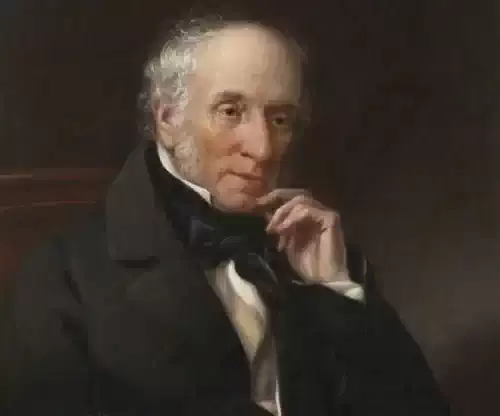
William Wordsworth
Stanzas
Stanzas
WITHIN our happy castle there dwelt One
Whom without blame I may not overlook;
For never sun on living creature shone
Who more devout enjoyment with us took:
Here on his hours he hung as on a book,
On his own time here would he float away,
As doth a fly upon a summer brook;
But go tomorrow, or belike today,
Seek for him,---he is fled; and whither none can say.
Thus often would he leave our peaceful home,
And find elsewhere his business or delight;
Out of our Valley's limit did he roam:
Full many a time, upon a stormy night,
His voice came to us from the neighbouring height:
Oft could we see him driving full in view
At mid-day when the sun was shining bright;
What ill was on him, what he had to do,
A mighty wonder bred among our quiet crew.
Ah! piteous sight it was to see this Man
When he came back to us, a withered flower,---
Or like a sinful creature, pale and wan.
Down would he sit; and without strength or power
Look at the common grass from hour to hour:
And oftentimes, how long I fear to say,
Where apple-trees in blossom made a bower,
Retired in that sunshiny shade he lay;
And, like a naked Indian, slept himself away.
Great wonder to our gentle tribe it was
Whenever from our Valley he withdrew;
For happier soul no living creature has
Than he had, beiug here the long day through.
Some thought he was a lover, and did woo:
Some thought far worse of him, and judged him wrong;
But verse was what he had been wedded to;
And his own mind did like a tempest strong
Come to him thus, and drove the weary Wight along.
With him there often walked in friendly guise,
Or lay upon the moss by brook or tree,
A noticeable Man with large grey eyes,
And a pale face that seemed undoubtedly
As if a blooming face it ought to be;
Heavy his low-hung lip did oft appear,
Deprest by weight of musing Phantasy;
Profound his forehead was, though not severe;
Yet some did think that he had little business here:
Sweet heaven forfend! his was a lawful right;
Noisy he was, and gamesome as a boy;
His limbs would toss about him with delight
Like branches when strong winds the trees annoy.
Nor lacked his calmer hours device or toy
To banish listlessness and irksome care;
He would have taught you how you might employ
Yourself; and many did to him repair,---
And certes not in vain; he had inventions rare.
Expedients, too, of simplest sort he tried:
Long blades of grass, plucked round him as he lay,
Made, to his ear attentively applied,
A pipe on which the wind would deftly play;
Glasses he had, that little things display,
The beetle panoplied in gems and gold,
A mailed angel on a battle-day;
The mysteries that cups of flowers enfold,
And all the gorgeous sights which fairies do behold.
He would entice that other Man to hear
His music, and to view his imagery:
And, sooth, these two were each to the other dear:
No livelier love in such a place could be:
There did they dwellÑfrom earthly labour free,
As happy spirits as were ever seen;
If but a bird, to keep them company,
Or butterfly sate down, they were, I ween,
As pleased as if the same had been a Maiden-queen.
WITHIN our happy castle there dwelt One
Whom without blame I may not overlook;
For never sun on living creature shone
Who more devout enjoyment with us took:
Here on his hours he hung as on a book,
On his own time here would he float away,
As doth a fly upon a summer brook;
But go tomorrow, or belike today,
Seek for him,---he is fled; and whither none can say.
Thus often would he leave our peaceful home,
And find elsewhere his business or delight;
Out of our Valley's limit did he roam:
Full many a time, upon a stormy night,
His voice came to us from the neighbouring height:
Oft could we see him driving full in view
At mid-day when the sun was shining bright;
What ill was on him, what he had to do,
A mighty wonder bred among our quiet crew.
Ah! piteous sight it was to see this Man
When he came back to us, a withered flower,---
Or like a sinful creature, pale and wan.
Down would he sit; and without strength or power
Look at the common grass from hour to hour:
And oftentimes, how long I fear to say,
Where apple-trees in blossom made a bower,
Retired in that sunshiny shade he lay;
And, like a naked Indian, slept himself away.
Great wonder to our gentle tribe it was
Whenever from our Valley he withdrew;
For happier soul no living creature has
Than he had, beiug here the long day through.
Some thought he was a lover, and did woo:
Some thought far worse of him, and judged him wrong;
But verse was what he had been wedded to;
And his own mind did like a tempest strong
Come to him thus, and drove the weary Wight along.
With him there often walked in friendly guise,
Or lay upon the moss by brook or tree,
A noticeable Man with large grey eyes,
And a pale face that seemed undoubtedly
As if a blooming face it ought to be;
Heavy his low-hung lip did oft appear,
Deprest by weight of musing Phantasy;
Profound his forehead was, though not severe;
Yet some did think that he had little business here:
Sweet heaven forfend! his was a lawful right;
Noisy he was, and gamesome as a boy;
His limbs would toss about him with delight
Like branches when strong winds the trees annoy.
Nor lacked his calmer hours device or toy
To banish listlessness and irksome care;
He would have taught you how you might employ
Yourself; and many did to him repair,---
And certes not in vain; he had inventions rare.
Expedients, too, of simplest sort he tried:
Long blades of grass, plucked round him as he lay,
Made, to his ear attentively applied,
A pipe on which the wind would deftly play;
Glasses he had, that little things display,
The beetle panoplied in gems and gold,
A mailed angel on a battle-day;
The mysteries that cups of flowers enfold,
And all the gorgeous sights which fairies do behold.
He would entice that other Man to hear
His music, and to view his imagery:
And, sooth, these two were each to the other dear:
No livelier love in such a place could be:
There did they dwellÑfrom earthly labour free,
As happy spirits as were ever seen;
If but a bird, to keep them company,
Or butterfly sate down, they were, I ween,
As pleased as if the same had been a Maiden-queen.
412
William Wordsworth
Most Sweet it is
Most Sweet it is
. Most sweet it is with unuplifted eyes
To pace the ground, if path be there or none,
While a fair region round the traveller lies
Which he forbears again to look upon;
Pleased rather with some soft ideal scene,
The work of Fancy, or some happy tone
Of meditation, slipping in between
The beauty coming and the beauty gone.
If Thought and Love desert us, from that day
Let us break off all commerce with the Muse:
With Thought and Love companions of our way,
Whate'er the senses take or may refuse,
The Mind's internal heaven shall shed her dews
Of inspiration on the humblest lay.
. Most sweet it is with unuplifted eyes
To pace the ground, if path be there or none,
While a fair region round the traveller lies
Which he forbears again to look upon;
Pleased rather with some soft ideal scene,
The work of Fancy, or some happy tone
Of meditation, slipping in between
The beauty coming and the beauty gone.
If Thought and Love desert us, from that day
Let us break off all commerce with the Muse:
With Thought and Love companions of our way,
Whate'er the senses take or may refuse,
The Mind's internal heaven shall shed her dews
Of inspiration on the humblest lay.
220

William Shakespeare
Sonnet XXXVIII: How Can My Muse Want Subject to Invent
Sonnet XXXVIII: How Can My Muse Want Subject to Invent
How can my muse want subject to invent,
While thou dost breathe, that pour'st into my verse
Thine own sweet argument, too excellent
For every vulgar paper to rehearse?
O! give thy self the thanks, if aught in me
Worthy perusal stand against thy sight;
For who's so dumb that cannot write to thee,
When thou thy self dost give invention light?
Be thou the tenth Muse, ten times more in worth
Than those old nine which rhymers invocate;
And he that calls on thee, let him bring forth
Eternal numbers to outlive long date.
If my slight muse do please these curious days,
The pain be mine, but thine shall be the praise.
How can my muse want subject to invent,
While thou dost breathe, that pour'st into my verse
Thine own sweet argument, too excellent
For every vulgar paper to rehearse?
O! give thy self the thanks, if aught in me
Worthy perusal stand against thy sight;
For who's so dumb that cannot write to thee,
When thou thy self dost give invention light?
Be thou the tenth Muse, ten times more in worth
Than those old nine which rhymers invocate;
And he that calls on thee, let him bring forth
Eternal numbers to outlive long date.
If my slight muse do please these curious days,
The pain be mine, but thine shall be the praise.
319
William Shakespeare
Sonnet LXXXVI
Sonnet LXXXVI
Was it the proud full sail of his great verse,
Bound for the prize of all too precious you,
That did my ripe thoughts in my brain inhearse,
Making their tomb the womb wherein they grew?
Was it his spirit, by spirits taught to write
Above a mortal pitch, that struck me dead?
No, neither he, nor his compeers by night
Giving him aid, my verse astonished.
He, nor that affable familiar ghost
Which nightly gulls him with intelligence
As victors of my silence cannot boast;
I was not sick of any fear from thence:
But when your countenance fill'd up his line,
Then lack'd I matter; that enfeebled mine.
Was it the proud full sail of his great verse,
Bound for the prize of all too precious you,
That did my ripe thoughts in my brain inhearse,
Making their tomb the womb wherein they grew?
Was it his spirit, by spirits taught to write
Above a mortal pitch, that struck me dead?
No, neither he, nor his compeers by night
Giving him aid, my verse astonished.
He, nor that affable familiar ghost
Which nightly gulls him with intelligence
As victors of my silence cannot boast;
I was not sick of any fear from thence:
But when your countenance fill'd up his line,
Then lack'd I matter; that enfeebled mine.
324
William Shakespeare
Sonnet LXXVIII
Sonnet LXXVIII
So oft have I invoked thee for my Muse
And found such fair assistance in my verse
As every alien pen hath got my use
And under thee their poesy disperse.
Thine eyes that taught the dumb on high to sing
And heavy ignorance aloft to fly
Have added feathers to the learned's wing
And given grace a double majesty.
Yet be most proud of that which I compile,
Whose influence is thine and born of thee:
In others' works thou dost but mend the style,
And arts with thy sweet graces graced be;
But thou art all my art and dost advance
As high as learning my rude ignorance.
So oft have I invoked thee for my Muse
And found such fair assistance in my verse
As every alien pen hath got my use
And under thee their poesy disperse.
Thine eyes that taught the dumb on high to sing
And heavy ignorance aloft to fly
Have added feathers to the learned's wing
And given grace a double majesty.
Yet be most proud of that which I compile,
Whose influence is thine and born of thee:
In others' works thou dost but mend the style,
And arts with thy sweet graces graced be;
But thou art all my art and dost advance
As high as learning my rude ignorance.
372
William Shakespeare
Sonnet LXXVI
Sonnet LXXVI
Why is my verse so barren of new pride,
So far from variation or quick change?
Why with the time do I not glance aside
To new-found methods and to compounds strange?
Why write I still all one, ever the same,
And keep invention in a noted weed,
That every word doth almost tell my name,
Showing their birth and where they did proceed?
O, know, sweet love, I always write of you,
And you and love are still my argument;
So all my best is dressing old words new,
Spending again what is already spent:
For as the sun is daily new and old,
So is my love still telling what is told.
Why is my verse so barren of new pride,
So far from variation or quick change?
Why with the time do I not glance aside
To new-found methods and to compounds strange?
Why write I still all one, ever the same,
And keep invention in a noted weed,
That every word doth almost tell my name,
Showing their birth and where they did proceed?
O, know, sweet love, I always write of you,
And you and love are still my argument;
So all my best is dressing old words new,
Spending again what is already spent:
For as the sun is daily new and old,
So is my love still telling what is told.
338
William Shakespeare
Sonnet C
Sonnet C
Where art thou, Muse, that thou forget'st so long
To speak of that which gives thee all thy might?
Spend'st thou thy fury on some worthless song,
Darkening thy power to lend base subjects light?
Return, forgetful Muse, and straight redeem
In gentle numbers time so idly spent;
Sing to the ear that doth thy lays esteem
And gives thy pen both skill and argument.
Rise, resty Muse, my love's sweet face survey,
If Time have any wrinkle graven there;
If any, be a satire to decay,
And make Time's spoils despised every where.
Give my love fame faster than Time wastes life;
So thou prevent'st his scythe and crooked knife.
Where art thou, Muse, that thou forget'st so long
To speak of that which gives thee all thy might?
Spend'st thou thy fury on some worthless song,
Darkening thy power to lend base subjects light?
Return, forgetful Muse, and straight redeem
In gentle numbers time so idly spent;
Sing to the ear that doth thy lays esteem
And gives thy pen both skill and argument.
Rise, resty Muse, my love's sweet face survey,
If Time have any wrinkle graven there;
If any, be a satire to decay,
And make Time's spoils despised every where.
Give my love fame faster than Time wastes life;
So thou prevent'st his scythe and crooked knife.
274
William Shakespeare
Sonnet 78: So oft have I invoked thee for my Muse
Sonnet 78: So oft have I invoked thee for my Muse
So oft have I invoked thee for my Muse,
And found such fair assistance in my verse
As every alien pen hath got my use,
And under thee their poesy disperse.
Thine eyes, that taught the dumb on high to sing,
And heavy ignorance aloft to fly,
Have added feathers to the learnèd's wing
And given grace a double majesty.
Yet be most proud of that which I compile,
Whose influence is thine, and born of thee.
In others' works thou dost but mend the style,
And arts with thy sweet graces gracèd be.
But thou art all my art, and dost advance
As high as learning my rude ignorance.
So oft have I invoked thee for my Muse,
And found such fair assistance in my verse
As every alien pen hath got my use,
And under thee their poesy disperse.
Thine eyes, that taught the dumb on high to sing,
And heavy ignorance aloft to fly,
Have added feathers to the learnèd's wing
And given grace a double majesty.
Yet be most proud of that which I compile,
Whose influence is thine, and born of thee.
In others' works thou dost but mend the style,
And arts with thy sweet graces gracèd be.
But thou art all my art, and dost advance
As high as learning my rude ignorance.
347
William Shakespeare
Sonnet 76: Why is my verse so barren of new pride?
Sonnet 76: Why is my verse so barren of new pride?
Why is my verse so barren of new pride?
So far from variation or quick change?
Why with the time do I not glance aside
To new-found methods, and to compounds strange?
Why write I still all one, ever the same,
And keep invention in a noted weed,
That every word doth almost tell my name,
Showing their birth and where they did proceed?
O, know, sweet love, I always write of you,
And you and love are still my argument;
So all my best is dressing old words new,
Spending again what is already spent.
For as the sun is daily new and old,
So is my love still telling what is told.
Why is my verse so barren of new pride?
So far from variation or quick change?
Why with the time do I not glance aside
To new-found methods, and to compounds strange?
Why write I still all one, ever the same,
And keep invention in a noted weed,
That every word doth almost tell my name,
Showing their birth and where they did proceed?
O, know, sweet love, I always write of you,
And you and love are still my argument;
So all my best is dressing old words new,
Spending again what is already spent.
For as the sun is daily new and old,
So is my love still telling what is told.
206
William Shakespeare
Sonnet 38:
Sonnet 38:
How can my muse want subject to invent,
While thou dost breathe, that pour'st into my verse
Thine own sweet argument, too excellent
For every vulgar paper to rehearse?
O! give thy self the thanks, if aught in me
Worthy perusal stand against thy sight;
For who's so dumb that cannot write to thee,
When thou thy self dost give invention light?
Be thou the tenth Muse, ten times more in worth
Than those old nine which rhymers invocate;
And he that calls on thee, let him bring forth
Eternal numbers to outlive long date.
If my slight muse do please these curious days,
The pain be mine, but thine shall be the praise.
How can my muse want subject to invent,
While thou dost breathe, that pour'st into my verse
Thine own sweet argument, too excellent
For every vulgar paper to rehearse?
O! give thy self the thanks, if aught in me
Worthy perusal stand against thy sight;
For who's so dumb that cannot write to thee,
When thou thy self dost give invention light?
Be thou the tenth Muse, ten times more in worth
Than those old nine which rhymers invocate;
And he that calls on thee, let him bring forth
Eternal numbers to outlive long date.
If my slight muse do please these curious days,
The pain be mine, but thine shall be the praise.
329
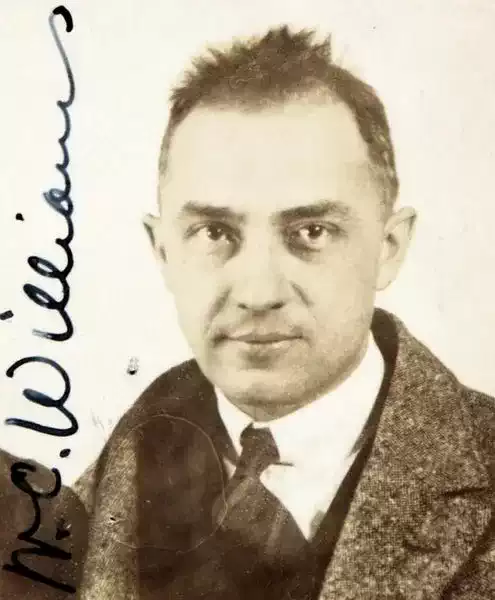
William Carlos Williams
A Sort of a Song
A Sort of a Song
Let the snake wait under
his weed
and the writing
be of words, slow and quick, sharp
to strike, quiet to wait,
sleepless.
-- through metaphor to reconcile
the people and the stones.
Compose. (No ideas
but in things) Invent!
Saxifrage is my flower that splits
the rocks.
Let the snake wait under
his weed
and the writing
be of words, slow and quick, sharp
to strike, quiet to wait,
sleepless.
-- through metaphor to reconcile
the people and the stones.
Compose. (No ideas
but in things) Invent!
Saxifrage is my flower that splits
the rocks.
497
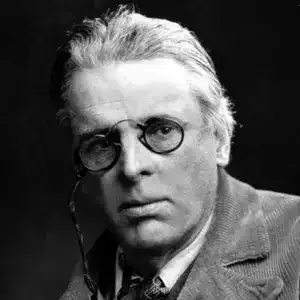
William Butler Yeats
A Crazed Girl
A Crazed Girl
THAT crazed girl improvising her music.
Her poetry, dancing upon the shore,
Her soul in division from itself
Climbing, falling She knew not where,
Hiding amid the cargo of a steamship,
Her knee-cap broken, that girl I declare
A beautiful lofty thing, or a thing
Heroically lost, heroically found.
No matter what disaster occurred
She stood in desperate music wound,
Wound, wound, and she made in her triumph
Where the bales and the baskets lay
No common intelligible sound
But sang, 'O sea-starved, hungry sea.'
THAT crazed girl improvising her music.
Her poetry, dancing upon the shore,
Her soul in division from itself
Climbing, falling She knew not where,
Hiding amid the cargo of a steamship,
Her knee-cap broken, that girl I declare
A beautiful lofty thing, or a thing
Heroically lost, heroically found.
No matter what disaster occurred
She stood in desperate music wound,
Wound, wound, and she made in her triumph
Where the bales and the baskets lay
No common intelligible sound
But sang, 'O sea-starved, hungry sea.'
404
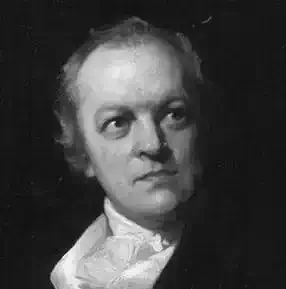
William Blake
To the Muses
To the Muses
Whether on Ida's shady brow,
Or in the chambers of the East,
The chambers of the sun, that now
From ancient melody have ceas'd;
Whether in Heav'n ye wander fair,
Or the green corners of the earth,
Or the blue regions of the air,
Where the melodious winds have birth;
Whether on crystal rocks ye rove,
Beneath the bosom of the sea
Wand'ring in many a coral grove,
Fair Nine, forsaking Poetry!
How have you left the ancient love
That bards of old enjoy'd in you!
The languid strings do scarcely move!
The sound is forc'd, the notes are few!
Whether on Ida's shady brow,
Or in the chambers of the East,
The chambers of the sun, that now
From ancient melody have ceas'd;
Whether in Heav'n ye wander fair,
Or the green corners of the earth,
Or the blue regions of the air,
Where the melodious winds have birth;
Whether on crystal rocks ye rove,
Beneath the bosom of the sea
Wand'ring in many a coral grove,
Fair Nine, forsaking Poetry!
How have you left the ancient love
That bards of old enjoy'd in you!
The languid strings do scarcely move!
The sound is forc'd, the notes are few!
452
William Blake
Reeds of Innocence
Reeds of Innocence
Piping down the valleys wild,
Piping songs of pleasant glee,
On a cloud I saw a child,
And he laughing said to me:
'Pipe a song about a Lamb!'
So I piped with merry cheer.
'Piper, pipe that song again;'
So I piped: he wept to hear.
'Drop thy pipe, thy happy pipe;
Sing thy songs of happy cheer!'
So I sung the same again,
While he wept with joy to hear.
'Piper, sit thee down and write
In a book that all may read.'
So he vanish'd from my sight;
And I pluck'd a hollow reed,
And I made a rural pen,
And I stain'd the water clear,
And I wrote my happy songs
Every child may joy to hear.
Piping down the valleys wild,
Piping songs of pleasant glee,
On a cloud I saw a child,
And he laughing said to me:
'Pipe a song about a Lamb!'
So I piped with merry cheer.
'Piper, pipe that song again;'
So I piped: he wept to hear.
'Drop thy pipe, thy happy pipe;
Sing thy songs of happy cheer!'
So I sung the same again,
While he wept with joy to hear.
'Piper, sit thee down and write
In a book that all may read.'
So he vanish'd from my sight;
And I pluck'd a hollow reed,
And I made a rural pen,
And I stain'd the water clear,
And I wrote my happy songs
Every child may joy to hear.
452

Wilfred Owen
Spells and Incantations
Spells and Incantations
A vague pearl, a wan pearl
You showed me once; I peered through far-gone winters
Until my mind was fog-bound in that gem.
Blue diamonds, cold diamonds
You shook before me, so that out of them
Glittered and glowed vast diamond dawns of spring.
Tiger-eyed rubies, wrathful rubies
You rolled. I watched their hot hearts fling
Flames from each glaring summer of my life.
Quiet amber, mellow amber
You lifted; and behold the whole air rife
With evening, and the auburn autumn cloud.
But pale skin, your pearl skin
Show this to me, and I shall have surprise
Of every snow-lit dawn before it break.
But clear eyes, your fresh eyes
Open; that I may laugh, and lightly take
All air of early April in one hour.
But brown curls, O shadow me with curls,
Full of September mist, half-gleam, half-glower,
And I shall roam warm nights in lands far south.
A vague pearl, a wan pearl
You showed me once; I peered through far-gone winters
Until my mind was fog-bound in that gem.
Blue diamonds, cold diamonds
You shook before me, so that out of them
Glittered and glowed vast diamond dawns of spring.
Tiger-eyed rubies, wrathful rubies
You rolled. I watched their hot hearts fling
Flames from each glaring summer of my life.
Quiet amber, mellow amber
You lifted; and behold the whole air rife
With evening, and the auburn autumn cloud.
But pale skin, your pearl skin
Show this to me, and I shall have surprise
Of every snow-lit dawn before it break.
But clear eyes, your fresh eyes
Open; that I may laugh, and lightly take
All air of early April in one hour.
But brown curls, O shadow me with curls,
Full of September mist, half-gleam, half-glower,
And I shall roam warm nights in lands far south.
145
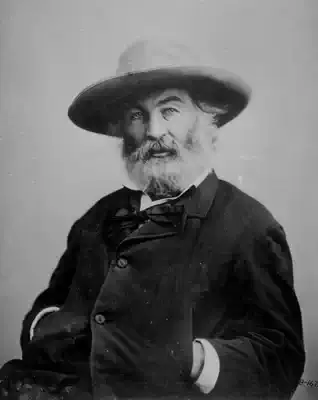
Walt Whitman
That Music Always Round Me
That Music Always Round Me
THAT music always round me, unceasing, unbeginning--yet long untaught
I did not hear;
But now the chorus I hear, and am elated;
A tenor, strong, ascending, with power and health, with glad notes of
day-break I hear,
A soprano, at intervals, sailing buoyantly over the tops of immense
waves,
A transparent bass, shuddering lusciously under and through the
universe,
The triumphant tutti--the funeral wailings, with sweet flutes and
violins--all these I fill myself with;
I hear not the volumes of sound merely--I am moved by the exquisite
meanings,
I listen to the different voices winding in and out, striving,
contending with fiery vehemence to excel each other in emotion;
I do not think the performers know themselves--but now I think I
begin to know them.
THAT music always round me, unceasing, unbeginning--yet long untaught
I did not hear;
But now the chorus I hear, and am elated;
A tenor, strong, ascending, with power and health, with glad notes of
day-break I hear,
A soprano, at intervals, sailing buoyantly over the tops of immense
waves,
A transparent bass, shuddering lusciously under and through the
universe,
The triumphant tutti--the funeral wailings, with sweet flutes and
violins--all these I fill myself with;
I hear not the volumes of sound merely--I am moved by the exquisite
meanings,
I listen to the different voices winding in and out, striving,
contending with fiery vehemence to excel each other in emotion;
I do not think the performers know themselves--but now I think I
begin to know them.
443
Walt Whitman
So Far And So Far, And On Toward The End
So Far And So Far, And On Toward The End
SO far, and so far, and on toward the end,
Singing what is sung in this book, from the irresistible impulses of
me;
But whether I continue beyond this book, to maturity,
Whether I shall dart forth the true rays, the ones that wait unfired,
(Did you think the sun was shining its brightest?
No--it has not yet fully risen;)
Whether I shall complete what is here started,
Whether I shall attain my own height, to justify these, yet
unfinished,
Whether I shall make THE POEM OF THE NEW WORLD, transcending all
others--depends, rich persons, upon you,
Depends, whoever you are now filling the current Presidentiad, upon
you, 10
Upon you, Governor, Mayor, Congressman,
And you, contemporary America.
Whitman, Walt. 1900. Leaves of Grass.
SO far, and so far, and on toward the end,
Singing what is sung in this book, from the irresistible impulses of
me;
But whether I continue beyond this book, to maturity,
Whether I shall dart forth the true rays, the ones that wait unfired,
(Did you think the sun was shining its brightest?
No--it has not yet fully risen;)
Whether I shall complete what is here started,
Whether I shall attain my own height, to justify these, yet
unfinished,
Whether I shall make THE POEM OF THE NEW WORLD, transcending all
others--depends, rich persons, upon you,
Depends, whoever you are now filling the current Presidentiad, upon
you, 10
Upon you, Governor, Mayor, Congressman,
And you, contemporary America.
Whitman, Walt. 1900. Leaves of Grass.
401
Walt Whitman
Beginning My Studies
Beginning My Studies
BEGINNING my studies, the first step pleas'd me so much,
The mere fact, consciousness--these forms--the power of motion,
The least insect or animal--the senses--eyesight--love;
The first step, I say, aw'd me and pleas'd me so much,
I have hardly gone, and hardly wish'd to go, any farther,
But stop and loiter all the time, to sing it in extatic songs.
BEGINNING my studies, the first step pleas'd me so much,
The mere fact, consciousness--these forms--the power of motion,
The least insect or animal--the senses--eyesight--love;
The first step, I say, aw'd me and pleas'd me so much,
I have hardly gone, and hardly wish'd to go, any farther,
But stop and loiter all the time, to sing it in extatic songs.
457
Walt Whitman
Ages And Ages, Returning At Intervals
Ages And Ages, Returning At Intervals
AGES and ages, returning at intervals,
Undestroy'd, wandering immortal,
Lusty, phallic, with the potent original loins, perfectly sweet,
I, chanter of Adamic songs,
Through the new garden, the West, the great cities calling,
Deliriate, thus prelude what is generated, offering these, offering
myself,
Bathing myself, bathing my songs in Sex,
Offspring of my loins.
AGES and ages, returning at intervals,
Undestroy'd, wandering immortal,
Lusty, phallic, with the potent original loins, perfectly sweet,
I, chanter of Adamic songs,
Through the new garden, the West, the great cities calling,
Deliriate, thus prelude what is generated, offering these, offering
myself,
Bathing myself, bathing my songs in Sex,
Offspring of my loins.
277
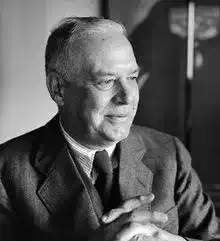
Wallace Stevens
Poem Written at Morning
Poem Written at Morning
A sunny day's complete Poussiniana
Divide it from itself. It is this or that
And it is not.
By metaphor you paint
A thing. Thus, the pineapple was a leather fruit,
A fruit for pewter, thorned and palmed and blue,
To be served by men of ice.
The senses paint
By metaphor. The juice was fragranter
Than wettest cinnamon. It was cribled pears
Dripping a morning sap.
The truth must be
That you do not see, you experience, you feel,
That the buxom eye brings merely its element
To the total thing, a shapeless giant forced
Upward.
Green were the curls upon that head.
A sunny day's complete Poussiniana
Divide it from itself. It is this or that
And it is not.
By metaphor you paint
A thing. Thus, the pineapple was a leather fruit,
A fruit for pewter, thorned and palmed and blue,
To be served by men of ice.
The senses paint
By metaphor. The juice was fragranter
Than wettest cinnamon. It was cribled pears
Dripping a morning sap.
The truth must be
That you do not see, you experience, you feel,
That the buxom eye brings merely its element
To the total thing, a shapeless giant forced
Upward.
Green were the curls upon that head.
304
Wallace Stevens
Of Modern Poetry
Of Modern Poetry
The poem of the mind in the act of finding
What will suffice. It has not always had
To find: the scene was set; it repeated what
Was in the script.
Then the theatre was changed
To something else. Its past was a souvenir.
It has to be living, to learn the speech of the place.
It has to face the men of the time and to meet
The women of the time. It has to think about war
And it has to find what will suffice. It has
To construct a new stage. It has to be on that stage,
And, like an insatiable actor, slowly and
With meditation, speak words that in the ear,
In the delicatest ear of the mind, repeat,
Exactly, that which it wants to hear, at the sound
Of which, an invisible audience listens,
Not to the play, but to itself, expressed
In an emotion as of two people, as of two
Emotions becoming one. The actor is
A metaphysician in the dark, twanging
An instrument, twanging a wiry string that gives
Sounds passing through sudden rightnesses, wholly
Containing the mind, below which it cannot descend,
Beyond which it has no will to rise.
It must
Be the finding of a satisfaction, and may
Be of a man skating, a woman dancing, a woman
Combing. The poem of the act of the mind.
The poem of the mind in the act of finding
What will suffice. It has not always had
To find: the scene was set; it repeated what
Was in the script.
Then the theatre was changed
To something else. Its past was a souvenir.
It has to be living, to learn the speech of the place.
It has to face the men of the time and to meet
The women of the time. It has to think about war
And it has to find what will suffice. It has
To construct a new stage. It has to be on that stage,
And, like an insatiable actor, slowly and
With meditation, speak words that in the ear,
In the delicatest ear of the mind, repeat,
Exactly, that which it wants to hear, at the sound
Of which, an invisible audience listens,
Not to the play, but to itself, expressed
In an emotion as of two people, as of two
Emotions becoming one. The actor is
A metaphysician in the dark, twanging
An instrument, twanging a wiry string that gives
Sounds passing through sudden rightnesses, wholly
Containing the mind, below which it cannot descend,
Beyond which it has no will to rise.
It must
Be the finding of a satisfaction, and may
Be of a man skating, a woman dancing, a woman
Combing. The poem of the act of the mind.
291
Wallace Stevens
Nomad Exquisite
Nomad Exquisite
As the immense dew of Florida
Brings forth
The big-finned palm
And green vine angering for life,
As the immense dew of Florida
Brings forth hymn and hymn
From the beholder,
Beholding all these green sides
And gold sides of green sides,
And blessed mornings,
Meet for the eye of the young alligator,
And lightning colors
So, in me, comes flinging
Forms, flames, and the flakes of flames.
As the immense dew of Florida
Brings forth
The big-finned palm
And green vine angering for life,
As the immense dew of Florida
Brings forth hymn and hymn
From the beholder,
Beholding all these green sides
And gold sides of green sides,
And blessed mornings,
Meet for the eye of the young alligator,
And lightning colors
So, in me, comes flinging
Forms, flames, and the flakes of flames.
193
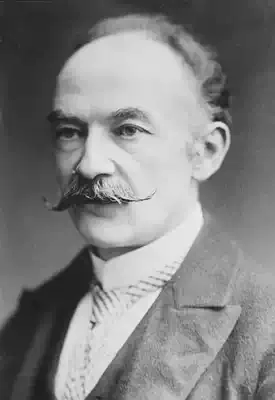
Thomas Hardy
Rome: The Vatican--Sala Delle Muse ()
Rome: The Vatican--Sala Delle Muse ()
I sat in the Muses' Hall at the mid of the day,
And it seemed to grow still, and the people to pass away,
And the chiselled shapes to combine in a haze of sun,
Till beside a Carrara column there gleamed forth One.
She was nor this nor that of those beings divine,
But each and the whole--an essence of all the Nine;
With tentative foot she neared to my halting-place,
A pensive smile on her sweet, small, marvellous face.
"Regarded so long, we render thee sad?" said she.
"Not you," sighed I, "but my own inconstancy!
I worship each and each; in the morning one,
And then, alas! another at sink of sun.
"To-day my soul clasps Form; but where is my troth
Of yesternight with Tune: can one cleave to both?"
- "Be not perturbed," said she. "Though apart in fame,
As I and my sisters are one, those, too, are the same.
- "But my loves go further--to Story, and Dance, and Hymn,
The lover of all in a sun-sweep is fool to whim -
Is swayed like a river-weed as the ripples run!"
- "Nay, wight, thou sway'st not. These are but phases of one;
"And that one is I; and I am projected from thee,
One that out of thy brain and heart thou causest to be -
Extern to thee nothing. Grieve not, nor thyself becall,
Woo where thou wilt; and rejoice thou canst love at all!
I sat in the Muses' Hall at the mid of the day,
And it seemed to grow still, and the people to pass away,
And the chiselled shapes to combine in a haze of sun,
Till beside a Carrara column there gleamed forth One.
She was nor this nor that of those beings divine,
But each and the whole--an essence of all the Nine;
With tentative foot she neared to my halting-place,
A pensive smile on her sweet, small, marvellous face.
"Regarded so long, we render thee sad?" said she.
"Not you," sighed I, "but my own inconstancy!
I worship each and each; in the morning one,
And then, alas! another at sink of sun.
"To-day my soul clasps Form; but where is my troth
Of yesternight with Tune: can one cleave to both?"
- "Be not perturbed," said she. "Though apart in fame,
As I and my sisters are one, those, too, are the same.
- "But my loves go further--to Story, and Dance, and Hymn,
The lover of all in a sun-sweep is fool to whim -
Is swayed like a river-weed as the ripples run!"
- "Nay, wight, thou sway'st not. These are but phases of one;
"And that one is I; and I am projected from thee,
One that out of thy brain and heart thou causest to be -
Extern to thee nothing. Grieve not, nor thyself becall,
Woo where thou wilt; and rejoice thou canst love at all!
203

Siegfried Sassoon
Limitations
Limitations
If you could crowd them into forty lines!
Yes; you can do it, once you get a start;
All that you want is waiting in your head,
For long-ago you’ve learnt it off by heart.
. . . .
Begin: your mind’s the room where you have slept,
(Don’t pause for rhymes), till twilight woke you early.
The window stands wide-open, as it stood
When tree-tops loomed enchanted for a child
Hearing the dawn’s first thrushes through the wood
Warbling (you know the words) serene and wild.
You’ve said it all before: you dreamed of Death,
A dim Apollo in the bird-voiced breeze
That drifts across the morning veiled with showers,
While golden weather shines among dark trees.
You’ve got your limitations; let them sing,
And all your life will waken with a cry:
Why should you halt when rapture’s on the wing
And you’ve no limit but the cloud-flocked sky?...
But some chap shouts, ‘Here, stop it; that’s been done!’—
As God might holloa to the rising sun,
And then relent, because the glorying rays
Remind Him of green-glinting Eden days,
And Adam’s trustful eyes as he looks up
From carving eagles on his beechwood cup.
Young Adam knew his job; he could condense
Life to an eagle from the unknown immense....
Go on, whoever you are; your lines can be
A whisper in the music from the weirs
Of song that plunge and tumble toward the sea
That is the uncharted mercy of our tears.
. . . .
I told you it was easy! ... Words are fools
Who follow blindly, once they get a lead.
But thoughts are kingfishers that haunt the pools
Of quiet; seldom-seen: and all you need
Is just that flash of joy above your dream.
So, when those forty platitudes are done,
You’ll hear a bird-note calling from the stream
That wandered through your childhood; and the sun
Will strike the old flaming wonder from the waters....
And there’ll be forty lines not yet begun.
If you could crowd them into forty lines!
Yes; you can do it, once you get a start;
All that you want is waiting in your head,
For long-ago you’ve learnt it off by heart.
. . . .
Begin: your mind’s the room where you have slept,
(Don’t pause for rhymes), till twilight woke you early.
The window stands wide-open, as it stood
When tree-tops loomed enchanted for a child
Hearing the dawn’s first thrushes through the wood
Warbling (you know the words) serene and wild.
You’ve said it all before: you dreamed of Death,
A dim Apollo in the bird-voiced breeze
That drifts across the morning veiled with showers,
While golden weather shines among dark trees.
You’ve got your limitations; let them sing,
And all your life will waken with a cry:
Why should you halt when rapture’s on the wing
And you’ve no limit but the cloud-flocked sky?...
But some chap shouts, ‘Here, stop it; that’s been done!’—
As God might holloa to the rising sun,
And then relent, because the glorying rays
Remind Him of green-glinting Eden days,
And Adam’s trustful eyes as he looks up
From carving eagles on his beechwood cup.
Young Adam knew his job; he could condense
Life to an eagle from the unknown immense....
Go on, whoever you are; your lines can be
A whisper in the music from the weirs
Of song that plunge and tumble toward the sea
That is the uncharted mercy of our tears.
. . . .
I told you it was easy! ... Words are fools
Who follow blindly, once they get a lead.
But thoughts are kingfishers that haunt the pools
Of quiet; seldom-seen: and all you need
Is just that flash of joy above your dream.
So, when those forty platitudes are done,
You’ll hear a bird-note calling from the stream
That wandered through your childhood; and the sun
Will strike the old flaming wonder from the waters....
And there’ll be forty lines not yet begun.
96
Page 1
Next