

Destiny and Overcoming
Poems in this topic
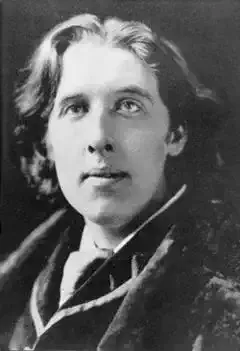
Oscar Wilde
The True Knowledge
Thou knowest all; I seek in vain
What lands to till or sow with seed -
The land is black with briar and weed,
Nor cares for falling tears or rain.
Thou knowest all; I sit and wait
With blinded eyes and hands that fail,
Till the last lifting of the veil
And the first opening of the gate.
Thou knowest all; I cannot see.
I trust I shall not live in vain,
I know that we shall meet again
In some divine eternity.
What lands to till or sow with seed -
The land is black with briar and weed,
Nor cares for falling tears or rain.
Thou knowest all; I sit and wait
With blinded eyes and hands that fail,
Till the last lifting of the veil
And the first opening of the gate.
Thou knowest all; I cannot see.
I trust I shall not live in vain,
I know that we shall meet again
In some divine eternity.
825
Oscar Wilde
Louis Napoleon
Eagle of Austerlitz! where were thy wings
When far away upon a barbarous strand,
In fight unequal, by an obscure hand,
Fell the last scion of thy brood of Kings!
Poor boy! thou shalt not flaunt thy cloak of red,
Or ride in state through Paris in the van
Of thy returning legions, but instead
Thy mother France, free and republican,
Shall on thy dead and crownless forehead place
The better laurels of a soldier's crown,
That not dishonoured should thy soul go down
To tell the mighty Sire of thy race
That France hath kissed the mouth of Liberty,
And found it sweeter than his honied bees,
And that the giant wave Democracy
Breaks on the shores where Kings lay couched at ease.
When far away upon a barbarous strand,
In fight unequal, by an obscure hand,
Fell the last scion of thy brood of Kings!
Poor boy! thou shalt not flaunt thy cloak of red,
Or ride in state through Paris in the van
Of thy returning legions, but instead
Thy mother France, free and republican,
Shall on thy dead and crownless forehead place
The better laurels of a soldier's crown,
That not dishonoured should thy soul go down
To tell the mighty Sire of thy race
That France hath kissed the mouth of Liberty,
And found it sweeter than his honied bees,
And that the giant wave Democracy
Breaks on the shores where Kings lay couched at ease.
647
Oscar Wilde
Apologia
Is it thy will that I should wax and wane,
Barter my cloth of gold for hodden grey,
And at thy pleasure weave that web of pain
Whose brightest threads are each a wasted day?
Is it thy will - Love that I love so well -
That my Soul's House should be a tortured spot
Wherein, like evil paramours, must dwell
The quenchless flame, the worm that dieth not?
Nay, if it be thy will I shall endure,
And sell ambition at the common mart,
And let dull failure be my vestiture,
And sorrow dig its grave within my heart.
Perchance it may be better so - at least
I have not made my heart a heart of stone,
Nor starved my boyhood of its goodly feast,
Nor walked where Beauty is a thing unknown.
Many a man hath done so; sought to fence
In straitened bonds the soul that should be free,
Trodden the dusty road of common sense,
While all the forest sang of liberty,
Not marking how the spotted hawk in flight
Passed on wide pinion through the lofty air,
To where some steep untrodden mountain height
Caught the last tresses of the Sun God's hair.
Or how the little flower he trod upon,
The daisy, that white-feathered shield of gold,
Followed with wistful eyes the wandering sun
Content if once its leaves were aureoled.
But surely it is something to have been
The best beloved for a little while,
To have walked hand in hand with Love, and seen
His purple wings flit once across thy smile.
Ay! though the gorged asp of passion feed
On my boy's heart, yet have I burst the bars,
Stood face to face with Beauty, known indeed
The Love which moves the Sun and all the stars!
Barter my cloth of gold for hodden grey,
And at thy pleasure weave that web of pain
Whose brightest threads are each a wasted day?
Is it thy will - Love that I love so well -
That my Soul's House should be a tortured spot
Wherein, like evil paramours, must dwell
The quenchless flame, the worm that dieth not?
Nay, if it be thy will I shall endure,
And sell ambition at the common mart,
And let dull failure be my vestiture,
And sorrow dig its grave within my heart.
Perchance it may be better so - at least
I have not made my heart a heart of stone,
Nor starved my boyhood of its goodly feast,
Nor walked where Beauty is a thing unknown.
Many a man hath done so; sought to fence
In straitened bonds the soul that should be free,
Trodden the dusty road of common sense,
While all the forest sang of liberty,
Not marking how the spotted hawk in flight
Passed on wide pinion through the lofty air,
To where some steep untrodden mountain height
Caught the last tresses of the Sun God's hair.
Or how the little flower he trod upon,
The daisy, that white-feathered shield of gold,
Followed with wistful eyes the wandering sun
Content if once its leaves were aureoled.
But surely it is something to have been
The best beloved for a little while,
To have walked hand in hand with Love, and seen
His purple wings flit once across thy smile.
Ay! though the gorged asp of passion feed
On my boy's heart, yet have I burst the bars,
Stood face to face with Beauty, known indeed
The Love which moves the Sun and all the stars!
961
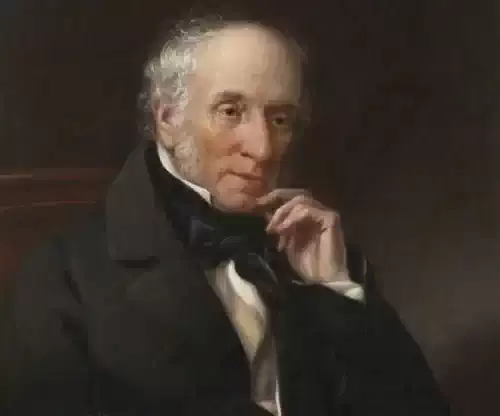
William Wordsworth
A Night Thought
A Night Thought
Lo! where the Moon along the sky
Sails with her happy destiny;
Oft is she hid from mortal eye
Or dimly seen,
But when the clouds asunder fly
How bright her mien!
Far different we--a froward race,
Thousands though rich in Fortune's grace
With cherished sullenness of pace
Their way pursue,
Ingrates who wear a smileless face
The whole year through.
If kindred humours e'er would make
My spirit droop for drooping's sake,
From Fancy following in thy wake,
Bright ship of heaven!
A counter impulse let me take
And be forgiven.
Lo! where the Moon along the sky
Sails with her happy destiny;
Oft is she hid from mortal eye
Or dimly seen,
But when the clouds asunder fly
How bright her mien!
Far different we--a froward race,
Thousands though rich in Fortune's grace
With cherished sullenness of pace
Their way pursue,
Ingrates who wear a smileless face
The whole year through.
If kindred humours e'er would make
My spirit droop for drooping's sake,
From Fancy following in thy wake,
Bright ship of heaven!
A counter impulse let me take
And be forgiven.
152
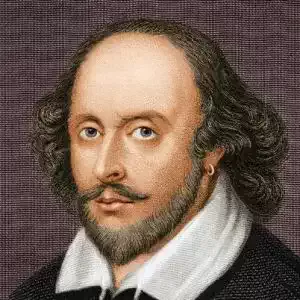
William Shakespeare
Sonnet XIII
Sonnet XIII
O, that you were yourself! but, love, you are
No longer yours than you yourself here live:
Against this coming end you should prepare,
And your sweet semblance to some other give.
So should that beauty which you hold in lease
Find no determination: then you were
Yourself again after yourself's decease,
When your sweet issue your sweet form should bear.
Who lets so fair a house fall to decay,
Which husbandry in honour might uphold
Against the stormy gusts of winter's day
And barren rage of death's eternal cold?
O, none but unthrifts! Dear my love, you know
You had a father: let your son say so.
O, that you were yourself! but, love, you are
No longer yours than you yourself here live:
Against this coming end you should prepare,
And your sweet semblance to some other give.
So should that beauty which you hold in lease
Find no determination: then you were
Yourself again after yourself's decease,
When your sweet issue your sweet form should bear.
Who lets so fair a house fall to decay,
Which husbandry in honour might uphold
Against the stormy gusts of winter's day
And barren rage of death's eternal cold?
O, none but unthrifts! Dear my love, you know
You had a father: let your son say so.
305
William Shakespeare
Sonnet CXXVI
Sonnet CXXVI
O thou, my lovely boy, who in thy power
Dost hold Time's fickle glass, his sickle, hour;
Who hast by waning grown, and therein show'st
Thy lovers withering as thy sweet self grow'st;
If Nature, sovereign mistress over wrack,
As thou goest onwards, still will pluck thee back,
She keeps thee to this purpose, that her skill
May time disgrace and wretched minutes kill.
Yet fear her, O thou minion of her pleasure!
She may detain, but not still keep, her treasure:
Her audit, though delay'd, answer'd must be,
And her quietus is to render thee.
O thou, my lovely boy, who in thy power
Dost hold Time's fickle glass, his sickle, hour;
Who hast by waning grown, and therein show'st
Thy lovers withering as thy sweet self grow'st;
If Nature, sovereign mistress over wrack,
As thou goest onwards, still will pluck thee back,
She keeps thee to this purpose, that her skill
May time disgrace and wretched minutes kill.
Yet fear her, O thou minion of her pleasure!
She may detain, but not still keep, her treasure:
Her audit, though delay'd, answer'd must be,
And her quietus is to render thee.
244

William Ernest Henley
Invictus
Invictus
Out of the night that covers me,
Black as the Pit from pole to pole,
I thank whatever gods may be
For my unconquerable soul.
In the fell clutch of circumstance
I have not winced nor cried aloud.
Under the bludgeonings of chance
My head is bloody, but unbowed.
Beyond this place of wrath and tears
Looms but the Horror of the shade,
And yet the menace of the years
Finds, and shall find, me unafraid.
It matters not how strait the gate,
How charged with punishments the scroll.
I am the master of my fate:
I am the captain of my soul.
Out of the night that covers me,
Black as the Pit from pole to pole,
I thank whatever gods may be
For my unconquerable soul.
In the fell clutch of circumstance
I have not winced nor cried aloud.
Under the bludgeonings of chance
My head is bloody, but unbowed.
Beyond this place of wrath and tears
Looms but the Horror of the shade,
And yet the menace of the years
Finds, and shall find, me unafraid.
It matters not how strait the gate,
How charged with punishments the scroll.
I am the master of my fate:
I am the captain of my soul.
113
William Ernest Henley
I. M. R. T. Hamilton Bruce (-)
I. M. R. T. Hamilton Bruce (-)
Out of the night that covers me,
Black as the Pit from pole to pole,
I thank whatever gods may be
For my unconquerable soul.
In the fell clutch of circumstance
I have not winced nor cried aloud.
Under the bludgeonings of chance
My head is bloody, but unbowed.
Beyond this place of wrath and tears
Looms but the Horror of the shade,
And yet the menace of the years
Finds, and shall find, me unafraid.
It matters not how strait the gate,
How charged with punishments the scroll,
I am the master of my fate:
I am the captain of my soul.
Out of the night that covers me,
Black as the Pit from pole to pole,
I thank whatever gods may be
For my unconquerable soul.
In the fell clutch of circumstance
I have not winced nor cried aloud.
Under the bludgeonings of chance
My head is bloody, but unbowed.
Beyond this place of wrath and tears
Looms but the Horror of the shade,
And yet the menace of the years
Finds, and shall find, me unafraid.
It matters not how strait the gate,
How charged with punishments the scroll,
I am the master of my fate:
I am the captain of my soul.
274
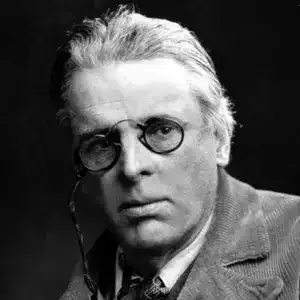
William Butler Yeats
The Indian To His Love
The Indian To His Love
THE island dreams under the dawn
And great boughs drop tranquillity;
The peahens dance on a smooth lawn,
A parrot sways upon a tree,
Raging at his own image in the enamelled sea.
Here we will moor our lonely ship
And wander ever with woven hands,
Murmuring softly lip to lip,
Along the grass, along the sands,
Murmuring how far away are the unquiet lands:
How we alone of mortals are
Hid under quiet boughs apart,
While our love grows an Indian star,
A meteor of the burning heart,
One with the tide that gleams, the wings that gleam
and dart,
The heavy boughs, the burnished dove
That moans and sighs a hundred days:
How when we die our shades will rove,
When eve has hushed the feathered ways,
With vapoury footsole by the water's drowsy blaze.
THE island dreams under the dawn
And great boughs drop tranquillity;
The peahens dance on a smooth lawn,
A parrot sways upon a tree,
Raging at his own image in the enamelled sea.
Here we will moor our lonely ship
And wander ever with woven hands,
Murmuring softly lip to lip,
Along the grass, along the sands,
Murmuring how far away are the unquiet lands:
How we alone of mortals are
Hid under quiet boughs apart,
While our love grows an Indian star,
A meteor of the burning heart,
One with the tide that gleams, the wings that gleam
and dart,
The heavy boughs, the burnished dove
That moans and sighs a hundred days:
How when we die our shades will rove,
When eve has hushed the feathered ways,
With vapoury footsole by the water's drowsy blaze.
332
William Butler Yeats
Solomon And The Witch
Solomon And The Witch
AND thus declared that Arab lady:
'Last night, where under the wild moon
On grassy mattress I had laid me,
Within my arms great Solomon,
I suddenly cried out in a strange tongue
Not his, not mine.'
Who understood
Whatever has been said, sighed, sung,
Howled, miau-d, barked, brayed, belled, yelled, cried, crowed,
Thereon replied: 'A cockerel
Crew from a blossoming apple bough
Three hundred years before the Fall,
And never crew again till now,
And would not now but that he thought,
Chance being at one with Choice at last,
All that the brigand apple brought
And this foul world were dead at last.
He that crowed out eternity
Thought to have crowed it in again.
For though love has a spider's eye
To find out some appropriate pain --
Aye, though all passion's in the glance --
For every nerve, and tests a lover
With cruelties of Choice and Chance;
And when at last that murder's over
Maybe the bride-bed brings despair,
For each an imagined image brings
And finds a real image there;
Yet the world ends when these two things,
Though several, are a single light,
When oil and wick are burned in one;
Therefore a blessed moon last night
Gave Sheba to her Solomon.'
'Yet the world stays.'
'If that be so,
Your cockerel found us in the wrong
Although he thought it. worth a crow.
Maybe an image is too strong
Or maybe is not strong enough.'
'The night has fallen; not a sound
In the forbidden sacred grove
Unless a petal hit the ground,
Nor any human sight within it
But the crushed grass where we have lain!
And the moon is wilder every minute.
O! Solomon! let us try again.'
AND thus declared that Arab lady:
'Last night, where under the wild moon
On grassy mattress I had laid me,
Within my arms great Solomon,
I suddenly cried out in a strange tongue
Not his, not mine.'
Who understood
Whatever has been said, sighed, sung,
Howled, miau-d, barked, brayed, belled, yelled, cried, crowed,
Thereon replied: 'A cockerel
Crew from a blossoming apple bough
Three hundred years before the Fall,
And never crew again till now,
And would not now but that he thought,
Chance being at one with Choice at last,
All that the brigand apple brought
And this foul world were dead at last.
He that crowed out eternity
Thought to have crowed it in again.
For though love has a spider's eye
To find out some appropriate pain --
Aye, though all passion's in the glance --
For every nerve, and tests a lover
With cruelties of Choice and Chance;
And when at last that murder's over
Maybe the bride-bed brings despair,
For each an imagined image brings
And finds a real image there;
Yet the world ends when these two things,
Though several, are a single light,
When oil and wick are burned in one;
Therefore a blessed moon last night
Gave Sheba to her Solomon.'
'Yet the world stays.'
'If that be so,
Your cockerel found us in the wrong
Although he thought it. worth a crow.
Maybe an image is too strong
Or maybe is not strong enough.'
'The night has fallen; not a sound
In the forbidden sacred grove
Unless a petal hit the ground,
Nor any human sight within it
But the crushed grass where we have lain!
And the moon is wilder every minute.
O! Solomon! let us try again.'
369
William Butler Yeats
No Second Troy
No Second Troy
WHY should I blame her that she filled my days
With misery, or that she would of late
Have taught to ignorant men most violent ways,
Or hurled the little streets upon the great.
Had they but courage equal to desire?
What could have made her peaceful with a mind
That nobleness made simple as a fire,
With beauty like a tightened bow, a kind
That is not natural in an age like this,
Being high and solitary and most stern?
Why, what could she have done, being what she is?
Was there another Troy for her to burn?
WHY should I blame her that she filled my days
With misery, or that she would of late
Have taught to ignorant men most violent ways,
Or hurled the little streets upon the great.
Had they but courage equal to desire?
What could have made her peaceful with a mind
That nobleness made simple as a fire,
With beauty like a tightened bow, a kind
That is not natural in an age like this,
Being high and solitary and most stern?
Why, what could she have done, being what she is?
Was there another Troy for her to burn?
544
William Butler Yeats
From The 'Antigone'
From The 'Antigone'
Overcome -- O bitter sweetness,
Inhabitant of the soft cheek of a girl --
The rich man and his affairs,
The fat flocks and the fields' fatness,
Mariners, rough harvesters;
Overcome Gods upon Parnassus;
Overcome the Empyrean; hurl
Heaven and Earth out of their places,
That in the Same calamity
Brother and brother, friend and friend,
Family and family,
City and city may contend,
By that great glory driven wild.
Pray I will and sing I must,
And yet I weep -- Oedipus' child
Descends into the loveless dust.
Overcome -- O bitter sweetness,
Inhabitant of the soft cheek of a girl --
The rich man and his affairs,
The fat flocks and the fields' fatness,
Mariners, rough harvesters;
Overcome Gods upon Parnassus;
Overcome the Empyrean; hurl
Heaven and Earth out of their places,
That in the Same calamity
Brother and brother, friend and friend,
Family and family,
City and city may contend,
By that great glory driven wild.
Pray I will and sing I must,
And yet I weep -- Oedipus' child
Descends into the loveless dust.
264
William Butler Yeats
Fergus And The Druid
Fergus And The Druid
Fergus. This whole day have I followed in the rocks,
And you have changed and flowed from shape to shape,
First as a raven on whose ancient wings
Scarcely a feather lingered, then you seemed
A weasel moving on from stone to stone,
And now at last you wear a human shape,
A thin grey man half lost in gathering night.
Druid. What would you, king of the proud Red Branch kings?
Fergus. This would I Say, most wise of living souls:
Young subtle Conchubar sat close by me
When I gave judgment, and his words were wise,
And what to me was burden without end,
To him seemed easy, So I laid the crown
Upon his head to cast away my sorrow.
Druid. What would you, king of the proud Red Branch kings?
Fergus. A king and proud! and that is my despair.
I feast amid my people on the hill,
And pace the woods, and drive my chariot-wheels
In the white border of the murmuring sea;
And still I feel the crown upon my head
Druid. What would you, Fergus?
Fergus. Be no more a king
But learn the dreaming wisdom that is yours.
Druid. Look on my thin grey hair and hollow cheeks
And on these hands that may not lift the sword,
This body trembling like a wind-blown reed.
No woman's loved me, no man sought my help.
Fergus. A king is but a foolish labourer
Who wastes his blood to be another's dream.
Druid. Take, if you must, this little bag of dreams;
Unloose the cord, and they will wrap you round.
Fergus. I See my life go drifting like a river
From change to change; I have been many things --
A green drop in the surge, a gleam of light
Upon a sword, a fir-tree on a hill,
An old slave grinding at a heavy quern,
A king sitting upon a chair of gold --
And all these things were wonderful and great;
But now I have grown nothing, knowing all.
Ah! Druid, Druid, how great webs of sorrow
Lay hidden in the small slate-coloured thing!
Fergus. This whole day have I followed in the rocks,
And you have changed and flowed from shape to shape,
First as a raven on whose ancient wings
Scarcely a feather lingered, then you seemed
A weasel moving on from stone to stone,
And now at last you wear a human shape,
A thin grey man half lost in gathering night.
Druid. What would you, king of the proud Red Branch kings?
Fergus. This would I Say, most wise of living souls:
Young subtle Conchubar sat close by me
When I gave judgment, and his words were wise,
And what to me was burden without end,
To him seemed easy, So I laid the crown
Upon his head to cast away my sorrow.
Druid. What would you, king of the proud Red Branch kings?
Fergus. A king and proud! and that is my despair.
I feast amid my people on the hill,
And pace the woods, and drive my chariot-wheels
In the white border of the murmuring sea;
And still I feel the crown upon my head
Druid. What would you, Fergus?
Fergus. Be no more a king
But learn the dreaming wisdom that is yours.
Druid. Look on my thin grey hair and hollow cheeks
And on these hands that may not lift the sword,
This body trembling like a wind-blown reed.
No woman's loved me, no man sought my help.
Fergus. A king is but a foolish labourer
Who wastes his blood to be another's dream.
Druid. Take, if you must, this little bag of dreams;
Unloose the cord, and they will wrap you round.
Fergus. I See my life go drifting like a river
From change to change; I have been many things --
A green drop in the surge, a gleam of light
Upon a sword, a fir-tree on a hill,
An old slave grinding at a heavy quern,
A king sitting upon a chair of gold --
And all these things were wonderful and great;
But now I have grown nothing, knowing all.
Ah! Druid, Druid, how great webs of sorrow
Lay hidden in the small slate-coloured thing!
389
William Butler Yeats
Chosen
Chosen
The lot of love is chosen. I learnt that much
Struggling for an image on the track
Of the whirling Zodiac.
Scarce did he my body touch,
Scarce sank he from the west
Or found a subtetranean rest
On the maternal midnight of my breast
Before I had marked him on his northern way,
And seemed to stand although in bed I lay.
I struggled with the horror of daybreak,
I chose it for my lot! If questioned on
My utmost pleasure with a man
By some new-married bride, I take
That stillness for a theme
Where his heart my heart did seem
And both adrift on the miraculous stream
Where -- wrote a learned astrologer --
The Zodiac is changed into a sphere.
The lot of love is chosen. I learnt that much
Struggling for an image on the track
Of the whirling Zodiac.
Scarce did he my body touch,
Scarce sank he from the west
Or found a subtetranean rest
On the maternal midnight of my breast
Before I had marked him on his northern way,
And seemed to stand although in bed I lay.
I struggled with the horror of daybreak,
I chose it for my lot! If questioned on
My utmost pleasure with a man
By some new-married bride, I take
That stillness for a theme
Where his heart my heart did seem
And both adrift on the miraculous stream
Where -- wrote a learned astrologer --
The Zodiac is changed into a sphere.
431
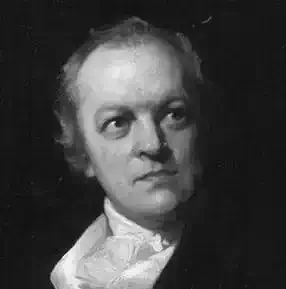
William Blake
The Marriage of Heaven and Hell (excerpt)
The Marriage of Heaven and Hell (excerpt)
In seed time learn, in harvest teach, in winter enjoy.
Drive your cart and your plow over the bones of the dead.
The road of excess leads to the palace of wisdom.
Prudence is a rich, ugly old maid courted by Incapacity.
He who desires but acts not, breeds pestilence.
The cut worm forgives the plow.
Dip him in the river who loves water.
A fool sees not the same tree that a wise man sees.
He whose face gives no light, shall never become a star.
Eternity is in love with the productions of time.
The busy bee has no time for sorrow.
The hours of folly are measur'd by the clock; but of wisdom, no clock can measure.
All wholesome food is caught without a net or a trap.
Bring out number, weight and measure in a year of dearth.
No bird soars too high, if he soars with his own wings.
A dead body revenges not injuries.
The most sublime act is to set another before you.
If the fool would persist in his folly he would become wise.
Folly is the cloak of knavery.
Shame is Pride's cloke.
Prisons are built with stones of law, brothels with bricks of religion.
The pride of the peacock is the glory of God.
The lust of the goat is the bounty of God.
The wrath of the lion is the wisdom of God.
The nakedness of woman is the work of God.
Excess of sorrow laughs. Excess of joy weeps.
The roaring of lions, the howling of wolves, the raging of the stormy sea, and the
destructive sword, are portions of
eternity, too great for the eye of man.
The fox condemns the trap, not himself.
Joys impregnate. Sorrows bring forth.
Let man wear the fell of the lion, woman the fleece of the sheep.
The bird a nest, the spider a web, man friendship.
The selfish, smiling fool, and the sullen, frowning fool shall be both thought wise,
that they may be a rod.
What is now proved was once only imagin'd.
The rat, the mouse, the fox, the rabbit watch the roots; the lion, the tyger, the
horse, the elephant watch the fruits.
The cistern contains: the fountain overflows.
One thought fills immensity.
Always be ready to speak your mind, and a base man will avoid you.
Every thing possible to be believ'd is an image of truth.
The eagle never lost so much time as when he submitted to learn of the crow.
The fox provides for himself, but God provides for the lion.
Think in the morning. Act in the noon. Eat in the evening. Sleep in the night.
He who has suffer'd you to impose on him, knows you.
As the plow follows words, so God rewards prayers.
The tygers of wrath are wiser than the horses of instruction.
Expect poison from the standing water.
You never know what is enough unless you know what is more than enough.
Listen to the fool's reproach! it is a kingly title!
The eyes of fire, the nostrils of air, the mouth of water, the beard of earth.
The weak in courage is strong in cunning.
The apple tree never asks the beech how he shall grow; nor the lion, the horse, how
he shall take his prey.
The thankful receiver bears a plentiful harvest.
If others had not been foolish, we should be so.
The soul of sweet delight can never be defil'd.
When thou seest an eagle, thou seest a portion of genius; lift up thy head!
As the caterpiller chooses the fairest leaves to lay her eggs on, so the priest lays his
curse on the fairest joys.
To create a little flower is the labour of ages.
Damn braces. Bless relaxes.
The best wine is the oldest, the best water the newest.
Prayers plow not! Praises reap not!
Joys laugh not! Sorrows weep not!
The head Sublime, the heart Pathos, the genitals Beauty, the hands and feet
Proportion.
As the air to a bird or the sea to a fish, so is contempt to the contemptible.
The crow wish'd every thing was black, the owl that every thing was white.
Exuberance is Beauty.
If the lion was advised by the fox, he would be cunning.
Improvement makes strait roads; but the crooked roads without improvement are
roads of genius.
Sooner murder an infant in its cradle than nurse unacted desires.
Where man is not, nature is barren.
Truth can never be told so as to be understood, and not be believ'd.
Enough! or too much.
In seed time learn, in harvest teach, in winter enjoy.
Drive your cart and your plow over the bones of the dead.
The road of excess leads to the palace of wisdom.
Prudence is a rich, ugly old maid courted by Incapacity.
He who desires but acts not, breeds pestilence.
The cut worm forgives the plow.
Dip him in the river who loves water.
A fool sees not the same tree that a wise man sees.
He whose face gives no light, shall never become a star.
Eternity is in love with the productions of time.
The busy bee has no time for sorrow.
The hours of folly are measur'd by the clock; but of wisdom, no clock can measure.
All wholesome food is caught without a net or a trap.
Bring out number, weight and measure in a year of dearth.
No bird soars too high, if he soars with his own wings.
A dead body revenges not injuries.
The most sublime act is to set another before you.
If the fool would persist in his folly he would become wise.
Folly is the cloak of knavery.
Shame is Pride's cloke.
Prisons are built with stones of law, brothels with bricks of religion.
The pride of the peacock is the glory of God.
The lust of the goat is the bounty of God.
The wrath of the lion is the wisdom of God.
The nakedness of woman is the work of God.
Excess of sorrow laughs. Excess of joy weeps.
The roaring of lions, the howling of wolves, the raging of the stormy sea, and the
destructive sword, are portions of
eternity, too great for the eye of man.
The fox condemns the trap, not himself.
Joys impregnate. Sorrows bring forth.
Let man wear the fell of the lion, woman the fleece of the sheep.
The bird a nest, the spider a web, man friendship.
The selfish, smiling fool, and the sullen, frowning fool shall be both thought wise,
that they may be a rod.
What is now proved was once only imagin'd.
The rat, the mouse, the fox, the rabbit watch the roots; the lion, the tyger, the
horse, the elephant watch the fruits.
The cistern contains: the fountain overflows.
One thought fills immensity.
Always be ready to speak your mind, and a base man will avoid you.
Every thing possible to be believ'd is an image of truth.
The eagle never lost so much time as when he submitted to learn of the crow.
The fox provides for himself, but God provides for the lion.
Think in the morning. Act in the noon. Eat in the evening. Sleep in the night.
He who has suffer'd you to impose on him, knows you.
As the plow follows words, so God rewards prayers.
The tygers of wrath are wiser than the horses of instruction.
Expect poison from the standing water.
You never know what is enough unless you know what is more than enough.
Listen to the fool's reproach! it is a kingly title!
The eyes of fire, the nostrils of air, the mouth of water, the beard of earth.
The weak in courage is strong in cunning.
The apple tree never asks the beech how he shall grow; nor the lion, the horse, how
he shall take his prey.
The thankful receiver bears a plentiful harvest.
If others had not been foolish, we should be so.
The soul of sweet delight can never be defil'd.
When thou seest an eagle, thou seest a portion of genius; lift up thy head!
As the caterpiller chooses the fairest leaves to lay her eggs on, so the priest lays his
curse on the fairest joys.
To create a little flower is the labour of ages.
Damn braces. Bless relaxes.
The best wine is the oldest, the best water the newest.
Prayers plow not! Praises reap not!
Joys laugh not! Sorrows weep not!
The head Sublime, the heart Pathos, the genitals Beauty, the hands and feet
Proportion.
As the air to a bird or the sea to a fish, so is contempt to the contemptible.
The crow wish'd every thing was black, the owl that every thing was white.
Exuberance is Beauty.
If the lion was advised by the fox, he would be cunning.
Improvement makes strait roads; but the crooked roads without improvement are
roads of genius.
Sooner murder an infant in its cradle than nurse unacted desires.
Where man is not, nature is barren.
Truth can never be told so as to be understood, and not be believ'd.
Enough! or too much.
475
William Blake
The French Revolution (excerpt)
The French Revolution (excerpt)
Thee the ancientest peer, Duke of Burgundy, rose from the monarch's right hand, red
as wines
From his mountains; an odor of war, like a ripe vineyard, rose from his garments,
And the chamber became as a clouded sky; o'er the council he stretch'd his red limbs,
Cloth'd in flames of crimson; as a ripe vineyard stretches over sheaves of corn,
The fierce Duke hung over the council; around him crowd, weeping in his burning robe,
A bright cloud of infant souls; his words fall like purple autumn on the sheaves:
'Shall this marble built heaven become a clay cottage, this earth an oak stool and
these mowers
From the Atlantic mountains mow down all this great starry harvest of six thousand
years?
And shall Necker, the hind of Geneva, stretch out his crook'd sickle o'er fertile
France
Till our purple and crimson is faded to russet, and the kingdoms of earth bound in
sheaves,
And the ancient forests of chivalry hewn, and the joys of the combat burnt for
fuel;
Till the power and dominion is rent from the pole, sword and sceptre from sun and
moon,
The law and gospel from fire and air, and eternal reason and science
From the deep and the solid, and man lay his faded head down on the rock
Of eternity, where the eternal lion and eagle remain to devour?
This to prevent--urg'd by cries in day, and prophetic dreams hovering in night,
To enrich the lean earth that craves, furrow'd with plows, whose seed is
departing from her--
Thy nobles have gather'd thy starry hosts round this rebellious city,
To rouze up the ancient forests of Europe, with clarions of cloud breathing war,
To hear the horse neigh to the drum and trumpet, and the trumpet and war
shout reply.
Stretch the hand that beckons the eagles of heaven; they cry over Paris, and
wait
Till Fayette point his finger to Versailles; the eagles of heaven must have their
prey!'
He ceas'd, and burn'd silent; red clouds roll round Necker; a weeping is heard
o'er the palace.
Like a dark cloud Necker paus'd, and like thunder on the just man's burial day he
paus'd;
Silent sit the winds, silent the meadows, while the husbandman and woman of
weakness
And bright children look after him into the grave, and water his clay with love,
Then turn towards pensive fields; so Necker paus'd, and his visage was covered
with clouds.
The King lean'd on his mountains, then lifted his head and look'd on his armies,
that shone
Through heaven, tinging morning with beams of blood; then turning to Burgundy,
troubled:
'Burgundy, thou wast born a lion! My soul is o'ergrown with distress.
For the nobles of France, and dark mists roll round me and blot the writing of
God
Written in my bosom. Necker rise! leave the kingdom, thy life is surrounded with
snares.
We have call'd an Assembly, but not to destroy; we have given gifts, not to the
weak;
I hear rushing of muskets, and bright'ning of swords, and visages redd'ning with
war,
Frowning and looking up from brooding villages and every dark'ning city.
Ancient wonders frown over the kingdom, and cries of women and babes are
heard,
And tempests of doubt roll around me, and fierce sorrows, because of the nobles
of France.
Depart! answer not! for the tempest must fall, as in years that are passed away.'
A wholly owned subsidiary of eMule.com . Privacy Policy . AD
Thee the ancientest peer, Duke of Burgundy, rose from the monarch's right hand, red
as wines
From his mountains; an odor of war, like a ripe vineyard, rose from his garments,
And the chamber became as a clouded sky; o'er the council he stretch'd his red limbs,
Cloth'd in flames of crimson; as a ripe vineyard stretches over sheaves of corn,
The fierce Duke hung over the council; around him crowd, weeping in his burning robe,
A bright cloud of infant souls; his words fall like purple autumn on the sheaves:
'Shall this marble built heaven become a clay cottage, this earth an oak stool and
these mowers
From the Atlantic mountains mow down all this great starry harvest of six thousand
years?
And shall Necker, the hind of Geneva, stretch out his crook'd sickle o'er fertile
France
Till our purple and crimson is faded to russet, and the kingdoms of earth bound in
sheaves,
And the ancient forests of chivalry hewn, and the joys of the combat burnt for
fuel;
Till the power and dominion is rent from the pole, sword and sceptre from sun and
moon,
The law and gospel from fire and air, and eternal reason and science
From the deep and the solid, and man lay his faded head down on the rock
Of eternity, where the eternal lion and eagle remain to devour?
This to prevent--urg'd by cries in day, and prophetic dreams hovering in night,
To enrich the lean earth that craves, furrow'd with plows, whose seed is
departing from her--
Thy nobles have gather'd thy starry hosts round this rebellious city,
To rouze up the ancient forests of Europe, with clarions of cloud breathing war,
To hear the horse neigh to the drum and trumpet, and the trumpet and war
shout reply.
Stretch the hand that beckons the eagles of heaven; they cry over Paris, and
wait
Till Fayette point his finger to Versailles; the eagles of heaven must have their
prey!'
He ceas'd, and burn'd silent; red clouds roll round Necker; a weeping is heard
o'er the palace.
Like a dark cloud Necker paus'd, and like thunder on the just man's burial day he
paus'd;
Silent sit the winds, silent the meadows, while the husbandman and woman of
weakness
And bright children look after him into the grave, and water his clay with love,
Then turn towards pensive fields; so Necker paus'd, and his visage was covered
with clouds.
The King lean'd on his mountains, then lifted his head and look'd on his armies,
that shone
Through heaven, tinging morning with beams of blood; then turning to Burgundy,
troubled:
'Burgundy, thou wast born a lion! My soul is o'ergrown with distress.
For the nobles of France, and dark mists roll round me and blot the writing of
God
Written in my bosom. Necker rise! leave the kingdom, thy life is surrounded with
snares.
We have call'd an Assembly, but not to destroy; we have given gifts, not to the
weak;
I hear rushing of muskets, and bright'ning of swords, and visages redd'ning with
war,
Frowning and looking up from brooding villages and every dark'ning city.
Ancient wonders frown over the kingdom, and cries of women and babes are
heard,
And tempests of doubt roll around me, and fierce sorrows, because of the nobles
of France.
Depart! answer not! for the tempest must fall, as in years that are passed away.'
A wholly owned subsidiary of eMule.com . Privacy Policy . AD
489

Wilfred Owen
An Imperial Elegy
An Imperial Elegy
Not one corner of a foreign field
But a span as wide as Europe;
An appearance of a titan's grave,
And the length thereof a thousand miles,
It crossed all Europe like a mystic road,
Or as the Spirits' Pathway lieth on the night.
And I heard a voice crying
This is the Path of Glory.
Not one corner of a foreign field
But a span as wide as Europe;
An appearance of a titan's grave,
And the length thereof a thousand miles,
It crossed all Europe like a mystic road,
Or as the Spirits' Pathway lieth on the night.
And I heard a voice crying
This is the Path of Glory.
137

Walter de la Mare
The Song of Finis
The Song of Finis
At the edge of All the Ages
A Knight sate on his steed,
His armor red and thin with rust
His soul from sorrow freed;
And he lifted up his visor
From a face of skin and bone,
And his horse turned head and whinnied
As the twain stood there alone.
No bird above that steep of time
Sang of a livelong quest;
No wind breathed,
Rest:
"Lone for an end!" cried Knight to steed,
Loosed an eager rein--
Charged with his challenge into space:
And quiet did quiet remain.
At the edge of All the Ages
A Knight sate on his steed,
His armor red and thin with rust
His soul from sorrow freed;
And he lifted up his visor
From a face of skin and bone,
And his horse turned head and whinnied
As the twain stood there alone.
No bird above that steep of time
Sang of a livelong quest;
No wind breathed,
Rest:
"Lone for an end!" cried Knight to steed,
Loosed an eager rein--
Charged with his challenge into space:
And quiet did quiet remain.
312
Walter de la Mare
Alexander
Alexander
It was the Great Alexander,
Capped with a golden helm,
Sate in the ages, in his floating ship,
In a dead calm.
Voices of sea-maids singing
Wandered across the deep:
The sailors labouring on their oars
Rowed as in sleep.
All the high pomp of Asia,
Charmed by that siren lay,
Out of their weary and dreaming minds
Faded away.
Like a bold boy sate their Captain,
His glamour withered and gone,
In the souls of his brooding mariners,
While the song pined on.
Time like a falling dew,
Life like the scene of a dream
Laid between slumber and slumber
Only did seem. . . .
O Alexander, then,
In all us mortals too,
Wax not so overbold
On the wave dark-blue!
Come the calm starry night,
Who then will hear
Aught save the singing
Of the sea-maids clear?
It was the Great Alexander,
Capped with a golden helm,
Sate in the ages, in his floating ship,
In a dead calm.
Voices of sea-maids singing
Wandered across the deep:
The sailors labouring on their oars
Rowed as in sleep.
All the high pomp of Asia,
Charmed by that siren lay,
Out of their weary and dreaming minds
Faded away.
Like a bold boy sate their Captain,
His glamour withered and gone,
In the souls of his brooding mariners,
While the song pined on.
Time like a falling dew,
Life like the scene of a dream
Laid between slumber and slumber
Only did seem. . . .
O Alexander, then,
In all us mortals too,
Wax not so overbold
On the wave dark-blue!
Come the calm starry night,
Who then will hear
Aught save the singing
Of the sea-maids clear?
342
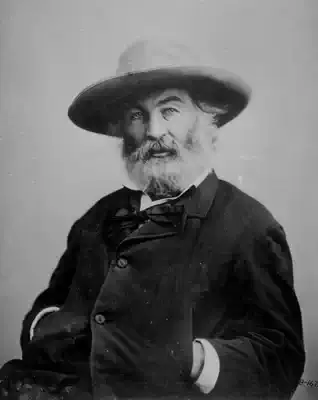
Walt Whitman
Thick-Sprinkled Bunting
Thick-Sprinkled Bunting
THICK-SPRINKLED bunting! Flag of stars!
Long yet your road, fateful flag!--long yet your road, and lined with
bloody death!
For the prize I see at issue, at last is the world!
All its ships and shores I see, interwoven with your threads, greedy
banner!
--Dream'd again the flags of kings, highest born, to flaunt
unrival'd?
O hasten, flag of man! O with sure and steady step, passing highest
flags of kings,
Walk supreme to the heavens, mighty symbol--run up above them all,
Flag of stars! thick-sprinkled bunting!
THICK-SPRINKLED bunting! Flag of stars!
Long yet your road, fateful flag!--long yet your road, and lined with
bloody death!
For the prize I see at issue, at last is the world!
All its ships and shores I see, interwoven with your threads, greedy
banner!
--Dream'd again the flags of kings, highest born, to flaunt
unrival'd?
O hasten, flag of man! O with sure and steady step, passing highest
flags of kings,
Walk supreme to the heavens, mighty symbol--run up above them all,
Flag of stars! thick-sprinkled bunting!
386
Walt Whitman
Song Of The Redwood-Tree
Song Of The Redwood-Tree
A CALIFORNIA song!
A prophecy and indirection--a thought impalpable, to breathe, as air;
A chorus of dryads, fading, departing--or hamadryads departing;
A murmuring, fateful, giant voice, out of the earth and sky,
Voice of a mighty dying tree in the Redwood forest dense.
Farewell, my brethren,
Farewell, O earth and sky--farewell, ye neighboring waters;
My time has ended, my term has come.
Along the northern coast,
Just back from the rock-bound shore, and the caves, 10
In the saline air from the sea, in the Mendocino country,
With the surge for bass and accompaniment low and hoarse,
With crackling blows of axes, sounding musically, driven by strong
arms,
Riven deep by the sharp tongues of the axes--there in the Redwood
forest dense,
I heard the mighty tree its death-chant chanting.
The choppers heard not--the camp shanties echoed not;
The quick-ear'd teamsters, and chain and jack-screw men, heard not,
As the wood-spirits came from their haunts of a thousand years, to
join the refrain;
But in my soul I plainly heard.
Murmuring out of its myriad leaves, 20
Down from its lofty top, rising two hundred feet high,
Out of its stalwart trunk and limbs--out of its foot-thick bark,
That chant of the seasons and time--chant, not of the past only, but
the future.
You untold life of me,
And all you venerable and innocent joys,
Perennial, hardy life of me, with joys, 'mid rain, and many a summer
sun,
And the white snows, and night, and the wild winds;
O the great patient, rugged joys! my soul's strong joys, unreck'd by
man;
(For know I bear the soul befitting me--I too have consciousness,
identity,
And all the rocks and mountains have--and all the earth;) 30
Joys of the life befitting me and brothers mine,
Our time, our term has come.
Nor yield we mournfully, majestic brothers,
We who have grandly fill'd our time;
With Nature's calm content, and tacit, huge delight,
We welcome what we wrought for through the past,
And leave the field for them.
For them predicted long,
For a superber Race--they too to grandly fill their time,
For them we abdicate--in them ourselves, ye forest kings! 40
In them these skies and airs--these mountain peaks--Shasta--Nevadas,
These huge, precipitous cliffs--this amplitude--these valleys grand-Yosemite,
To be in them absorb'd, assimilated.
Then to a loftier strain,
Still prouder, more ecstatic, rose the chant,
As if the heirs, the Deities of the West,
Joining, with master-tongue, bore part.
Not wan from Asia's fetishes,
Nor red from Europe's old dynastic slaughter-house,
(Area of murder-plots of thrones, with scent left yet of wars and
scaffolds every where,) 50
But come from Nature's long and harmless throes--peacefully builded
thence,
These virgin lands--Lands of the Western Shore,
To the new Culminating Man--to you, the Empire New,
You, promis'd long, we pledge, we dedicate.
You occult, deep volitions,
You average Spiritual Manhood, purpose of all, pois'd on yourself-giving,
not taking law,
You Womanhood divine, mistress and source of all, whence life and
love, and aught that comes from life and love,
You unseen Moral Essence of all the vast materials of America, (age
upon age, working in Death the same as Life,)
You that, sometimes known, oftener unknown, really shape and mould
the New World, adjusting it to Time and Space,
You hidden National Will, lying in your abysms, conceal'd, but ever
alert, 60
You past and present purposes, tenaciously pursued, may-be
unconscious of yourselves,
Unswerv'd by all the passing errors, perturbations of the surface;
You vital, universal, deathless germs, beneath all creeds, arts,
statutes, literatures,
Here build your homes for good--establish here--These areas entire,
Lands of the Western Shore,
We pledge, we dedicate to you.
For man of you--your characteristic Race,
Here may be hardy, sweet, gigantic grow--here tower, proportionate to
Nature,
Here climb the vast, pure spaces, unconfined, uncheck'd by wall or
roof,
Here laugh with storm or sun--here joy--here patiently inure,
Here heed himself, unfold himself (not others' formulas heed)--here
fill his time, 70
To duly fall, to aid, unreck'd at last,
To disappear, to serve.
Thus, on the northern coast,
In the echo of teamsters' calls, and the clinking chains, and the
music of choppers' axes,
The falling trunk and limbs, the crash, the muffled shriek, the
groan,
Such words combined from the Redwood-tree--as of wood-spirits' voices
ecstatic, ancient and rustling,
The century-lasting, unseen dryads, singing, withdrawing,
All their recesses of forests and mountains leaving,
From the Cascade range to the Wasatch--or Idaho far, or Utah,
To the deities of the Modern henceforth yielding, 80
The chorus and indications, the vistas of coming humanity--the
settlements, features all,
In the Mendocino woods I caught.
The flashing and golden pageant of California!
The sudden and gorgeous drama--the sunny and ample lands;
The long and varied stretch from Puget Sound to Colorado south;
Lands bathed in sweeter, rarer, healthier air--valleys and mountain
cliffs;
The fields of Nature long prepared and fallow--the silent, cyclic
chemistry;
The slow and steady ages plodding--the unoccupied surface ripening-
the rich ores forming beneath;
At last the New arriving, assuming, taking possession,
A swarming and busy race settling and organizing every where;
Ships coming in from the whole round world, and going out to the
whole world, 90
To India and China and Australia, and the thousand island paradises
of the Pacific;
Populous cities--the latest inventions--the steamers on the rivers-the
railroads--with many a thrifty farm, with machinery,
And wool, and wheat, and the grape--and diggings of yellow gold.
But more in you than these, Lands of the Western Shore!
(These but the means, the implements, the standing-ground,)
I see in you, certain to come, the promise of thousands of years,
till now deferr'd,
Promis'd, to be fulfill'd, our common kind, the Race.
The New Society at last, proportionate to Nature,
In Man of you, more than your mountain peaks, or stalwart trees
imperial, 100
In Woman more, far more, than all your gold, or vines, or even vital
air.
Fresh come, to a New World indeed, yet long prepared,
I see the Genius of the Modern, child of the Real and Ideal,
Clearing the ground for broad humanity, the true America, heir of the
past so grand,
To build a grander future.
A CALIFORNIA song!
A prophecy and indirection--a thought impalpable, to breathe, as air;
A chorus of dryads, fading, departing--or hamadryads departing;
A murmuring, fateful, giant voice, out of the earth and sky,
Voice of a mighty dying tree in the Redwood forest dense.
Farewell, my brethren,
Farewell, O earth and sky--farewell, ye neighboring waters;
My time has ended, my term has come.
Along the northern coast,
Just back from the rock-bound shore, and the caves, 10
In the saline air from the sea, in the Mendocino country,
With the surge for bass and accompaniment low and hoarse,
With crackling blows of axes, sounding musically, driven by strong
arms,
Riven deep by the sharp tongues of the axes--there in the Redwood
forest dense,
I heard the mighty tree its death-chant chanting.
The choppers heard not--the camp shanties echoed not;
The quick-ear'd teamsters, and chain and jack-screw men, heard not,
As the wood-spirits came from their haunts of a thousand years, to
join the refrain;
But in my soul I plainly heard.
Murmuring out of its myriad leaves, 20
Down from its lofty top, rising two hundred feet high,
Out of its stalwart trunk and limbs--out of its foot-thick bark,
That chant of the seasons and time--chant, not of the past only, but
the future.
You untold life of me,
And all you venerable and innocent joys,
Perennial, hardy life of me, with joys, 'mid rain, and many a summer
sun,
And the white snows, and night, and the wild winds;
O the great patient, rugged joys! my soul's strong joys, unreck'd by
man;
(For know I bear the soul befitting me--I too have consciousness,
identity,
And all the rocks and mountains have--and all the earth;) 30
Joys of the life befitting me and brothers mine,
Our time, our term has come.
Nor yield we mournfully, majestic brothers,
We who have grandly fill'd our time;
With Nature's calm content, and tacit, huge delight,
We welcome what we wrought for through the past,
And leave the field for them.
For them predicted long,
For a superber Race--they too to grandly fill their time,
For them we abdicate--in them ourselves, ye forest kings! 40
In them these skies and airs--these mountain peaks--Shasta--Nevadas,
These huge, precipitous cliffs--this amplitude--these valleys grand-Yosemite,
To be in them absorb'd, assimilated.
Then to a loftier strain,
Still prouder, more ecstatic, rose the chant,
As if the heirs, the Deities of the West,
Joining, with master-tongue, bore part.
Not wan from Asia's fetishes,
Nor red from Europe's old dynastic slaughter-house,
(Area of murder-plots of thrones, with scent left yet of wars and
scaffolds every where,) 50
But come from Nature's long and harmless throes--peacefully builded
thence,
These virgin lands--Lands of the Western Shore,
To the new Culminating Man--to you, the Empire New,
You, promis'd long, we pledge, we dedicate.
You occult, deep volitions,
You average Spiritual Manhood, purpose of all, pois'd on yourself-giving,
not taking law,
You Womanhood divine, mistress and source of all, whence life and
love, and aught that comes from life and love,
You unseen Moral Essence of all the vast materials of America, (age
upon age, working in Death the same as Life,)
You that, sometimes known, oftener unknown, really shape and mould
the New World, adjusting it to Time and Space,
You hidden National Will, lying in your abysms, conceal'd, but ever
alert, 60
You past and present purposes, tenaciously pursued, may-be
unconscious of yourselves,
Unswerv'd by all the passing errors, perturbations of the surface;
You vital, universal, deathless germs, beneath all creeds, arts,
statutes, literatures,
Here build your homes for good--establish here--These areas entire,
Lands of the Western Shore,
We pledge, we dedicate to you.
For man of you--your characteristic Race,
Here may be hardy, sweet, gigantic grow--here tower, proportionate to
Nature,
Here climb the vast, pure spaces, unconfined, uncheck'd by wall or
roof,
Here laugh with storm or sun--here joy--here patiently inure,
Here heed himself, unfold himself (not others' formulas heed)--here
fill his time, 70
To duly fall, to aid, unreck'd at last,
To disappear, to serve.
Thus, on the northern coast,
In the echo of teamsters' calls, and the clinking chains, and the
music of choppers' axes,
The falling trunk and limbs, the crash, the muffled shriek, the
groan,
Such words combined from the Redwood-tree--as of wood-spirits' voices
ecstatic, ancient and rustling,
The century-lasting, unseen dryads, singing, withdrawing,
All their recesses of forests and mountains leaving,
From the Cascade range to the Wasatch--or Idaho far, or Utah,
To the deities of the Modern henceforth yielding, 80
The chorus and indications, the vistas of coming humanity--the
settlements, features all,
In the Mendocino woods I caught.
The flashing and golden pageant of California!
The sudden and gorgeous drama--the sunny and ample lands;
The long and varied stretch from Puget Sound to Colorado south;
Lands bathed in sweeter, rarer, healthier air--valleys and mountain
cliffs;
The fields of Nature long prepared and fallow--the silent, cyclic
chemistry;
The slow and steady ages plodding--the unoccupied surface ripening-
the rich ores forming beneath;
At last the New arriving, assuming, taking possession,
A swarming and busy race settling and organizing every where;
Ships coming in from the whole round world, and going out to the
whole world, 90
To India and China and Australia, and the thousand island paradises
of the Pacific;
Populous cities--the latest inventions--the steamers on the rivers-the
railroads--with many a thrifty farm, with machinery,
And wool, and wheat, and the grape--and diggings of yellow gold.
But more in you than these, Lands of the Western Shore!
(These but the means, the implements, the standing-ground,)
I see in you, certain to come, the promise of thousands of years,
till now deferr'd,
Promis'd, to be fulfill'd, our common kind, the Race.
The New Society at last, proportionate to Nature,
In Man of you, more than your mountain peaks, or stalwart trees
imperial, 100
In Woman more, far more, than all your gold, or vines, or even vital
air.
Fresh come, to a New World indeed, yet long prepared,
I see the Genius of the Modern, child of the Real and Ideal,
Clearing the ground for broad humanity, the true America, heir of the
past so grand,
To build a grander future.
525
Walt Whitman
Now Finale To The Shore
Now Finale To The Shore
NOW finale to the shore!
Now, land and life, finale, and farewell!
Now Voyager depart! (much, much for thee is yet in store;)
Often enough hast thou adventur'd o'er the seas,
Cautiously cruising, studying the charts,
Duly again to port, and hawser's tie, returning:
--But now obey, thy cherish'd, secret wish,
Embrace thy friends--leave all in order;
To port, and hawser's tie, no more returning,
Depart upon thy endless cruise, old Sailor! 10
NOW finale to the shore!
Now, land and life, finale, and farewell!
Now Voyager depart! (much, much for thee is yet in store;)
Often enough hast thou adventur'd o'er the seas,
Cautiously cruising, studying the charts,
Duly again to port, and hawser's tie, returning:
--But now obey, thy cherish'd, secret wish,
Embrace thy friends--leave all in order;
To port, and hawser's tie, no more returning,
Depart upon thy endless cruise, old Sailor! 10
290
Walt Whitman
I Saw Old General At Bay
I Saw Old General At Bay
I SAW old General at bay;
(Old as he was, his grey eyes yet shone out in battle like stars;)
His small force was now completely hemm'd in, in his works;
He call'd for volunteers to run the enemy's lines--a desperate
emergency;
I saw a hundred and more step forth from the ranks--but two or three
were selected;
I saw them receive their orders aside--they listen'd with care--the
adjutant was very grave;
I saw them depart with cheerfulness, freely risking their lives.
I SAW old General at bay;
(Old as he was, his grey eyes yet shone out in battle like stars;)
His small force was now completely hemm'd in, in his works;
He call'd for volunteers to run the enemy's lines--a desperate
emergency;
I saw a hundred and more step forth from the ranks--but two or three
were selected;
I saw them receive their orders aside--they listen'd with care--the
adjutant was very grave;
I saw them depart with cheerfulness, freely risking their lives.
387
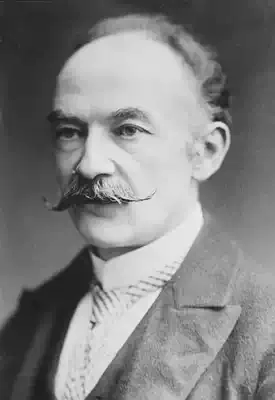
Thomas Hardy
The Peasent's Confession
The Peasent's Confession
"Si le maréchal Grouchy avait été rejoint par l'officier que
Napoléon lui avait expédié la veille à dix heures du soir, toute
question eût disparu. Mais cet officier n'était point parvenu à sa
destination, ainsi que le maréchal n'a cessé de l'affirmer toute sa
vie, et il faut l'en croire, car autrement il n'aurait eu aucune
raison pour hésiter. Cet officier avait-il été pris? avait-il passé à
l'ennemi? C'est ce qu'on a toujours ignoré."
--Thiers: Histoire de l'Empire. "Waterloo."
GOOD Father!... 'Twas an eve in middle June,
And war was waged anew
By great Napoleon, who for years had strewn
Men's bones all Europe through.
Three nights ere this, with columned corps he'd crossed
The Sambre at Charleroi,
To move on Brussels, where the English host
Dallied in Parc and Bois.
The yestertide we'd heard the gloomy gun
Growl through the long-sunned day
From Quatre-Bras and Ligny; till the dun
Twilight suppressed the fray;
Albeit therein--as lated tongues bespoke--
Brunswick's high heart was drained,
And Prussia's Line and Landwehr, though unbroke,
Stood cornered and constrained.
And at next noon-time Grouchy slowly passed
With thirty thousand men:
We hoped thenceforth no army, small or vast,
Would trouble us again.
My hut lay deeply in a vale recessed,
And never a soul seemed nigh
When, reassured at length, we went to rest--
My children, wife, and I.
But what was this that broke our humble ease?
What noise, above the rain,
Above the dripping of the poplar trees
That smote along the pane?
--A call of mastery, bidding me arise,
Compelled me to the door,
At which a horseman stood in martial guise--
Splashed--sweating from every pore.
Had I seen Grouchy? Yes? Which track took he?
Could I lead thither on?--
Fulfilment would ensure gold pieces three,
Perchance more gifts anon.
"I bear the Emperor's mandate," then he said,
"Charging the Marshal straight
To strike between the double host ahead
Ere they co-operate,
"Engaging Blücher till the Emperor put
Lord Wellington to flight,
And next the Prussians. This to set afoot
Is my emprise to-night."
I joined him in the mist; but, pausing, sought
To estimate his say,
Grouchy had made for Wavre; and yet, on thought,
I did not lead that way.
I mused: "If Grouchy thus instructed be,
The clash comes sheer hereon;
My farm is stript. While, as for pieces three,
Money the French have none.
"Grouchy unwarned, moreo'er, the English win,
And mine is left to me--
They buy, not borrow."--Hence did I begin
To lead him treacherously.
By Joidoigne, near to east, as we ondrew,
Dawn pierced the humid air;
And eastward faced I with him, though I knew
Never marched Grouchy there.
Near Ottignies we passed, across the Dyle
(Lim'lette left far aside),
And thence direct toward Pervez and Noville
Through green grain, till he cried:
"I doubt thy conduct, man! no track is here
I doubt they gagèd word!"
Thereat he scowled on me, and pranced me near,
And pricked me with his sword.
"Nay, Captain, hold! We skirt, not trace the course
Of Grouchy," said I then:
"As we go, yonder went he, with his force
Of thirty thousand men."
--At length noon nighed, when west, from Saint-John's-Mound,
A hoarse artillery boomed,
And from Saint-Lambert's upland, chapel-crowned,
The Prussian squadrons loomed.
Then to the wayless wet gray ground he leapt;
"My mission fails!" he cried;
"Too late for Grouchy now to intercept,
For, peasant, you have lied!"
He turned to pistol me. I sprang, and drew
The sabre from his flank,
And 'twixt his nape and shoulder, ere he knew,
I struck, and dead he sank.
I hid him deep in nodding rye and oat--
His shroud green stalks and loam;
His requiem the corn-blade's husky note--
And then I hastened home....
--Two armies writhe in coils of red and blue,
And brass and iron clang
From Goumont, past the front of Waterloo,
To Pap'lotte and Smohain.
The Guard Imperial wavered on the height;
The Emperor's face grew glum;
"I sent," he said, "to Grouchy yesternight,
And yet he does not come!"
'Twas then, Good Father, that the French espied,
Streaking the summer land,
The men of Blücher. But the Emperor cried,
"Grouchy is now at hand!"
And meanwhile Vand'leur, Vivian, Maitland, Kempt,
Met d'Erlon, Friant, Ney;
But Grouchy--mis-sent, blamed, yet blame-exempt--
Grouchy was far away.
Be even, slain or struck, Michel the strong,
Bold Travers, Dnop, Delord,
Smart Guyot, Reil-le, l'Heriter, Friant.
Scattered that champaign o'er.
Fallen likewise wronged Duhesme, and skilled Lobau
Did that red sunset see;
Colbert, Legros, Blancard!... And of the foe
Picton and Ponsonby;
With Gordon, Canning, Blackman, Ompteda,
L'Estrange, Delancey, Packe,
Grose, D'Oyly, Stables, Morice, Howard, Hay,
Von Schwerin, Watzdorf, Boek,
Smith, Phelips, Fuller, Lind, and Battersby,
And hosts of ranksmen round...
Memorials linger yet to speak to thee
Of those that bit the ground!
The Guards' last column yielded; dykes of dead
Lay between vale and ridge,
As, thinned yet closing, faint yet fierce, they sped
In packs to Genappe Bridge.
Safe was my stock; my capple cow unslain;
Intact each cock and hen;
But Grouchy far at Wavre all day had lain,
And thirty thousand men.
O Saints, had I but lost my earing corn
And saved the cause once prized!
O Saints, why such false witness had I borne
When late I'd sympathized!...
So, now, being old, my children eye askance
My slowly dwindling store,
And crave my mite; till, worn with tarriance,
I care for life no more.
To Almighty God henceforth I stand confessed,
And Virgin-Saint Marie;
O Michael, John, and Holy Ones in rest,
Entreat the Lord for me!
"Si le maréchal Grouchy avait été rejoint par l'officier que
Napoléon lui avait expédié la veille à dix heures du soir, toute
question eût disparu. Mais cet officier n'était point parvenu à sa
destination, ainsi que le maréchal n'a cessé de l'affirmer toute sa
vie, et il faut l'en croire, car autrement il n'aurait eu aucune
raison pour hésiter. Cet officier avait-il été pris? avait-il passé à
l'ennemi? C'est ce qu'on a toujours ignoré."
--Thiers: Histoire de l'Empire. "Waterloo."
GOOD Father!... 'Twas an eve in middle June,
And war was waged anew
By great Napoleon, who for years had strewn
Men's bones all Europe through.
Three nights ere this, with columned corps he'd crossed
The Sambre at Charleroi,
To move on Brussels, where the English host
Dallied in Parc and Bois.
The yestertide we'd heard the gloomy gun
Growl through the long-sunned day
From Quatre-Bras and Ligny; till the dun
Twilight suppressed the fray;
Albeit therein--as lated tongues bespoke--
Brunswick's high heart was drained,
And Prussia's Line and Landwehr, though unbroke,
Stood cornered and constrained.
And at next noon-time Grouchy slowly passed
With thirty thousand men:
We hoped thenceforth no army, small or vast,
Would trouble us again.
My hut lay deeply in a vale recessed,
And never a soul seemed nigh
When, reassured at length, we went to rest--
My children, wife, and I.
But what was this that broke our humble ease?
What noise, above the rain,
Above the dripping of the poplar trees
That smote along the pane?
--A call of mastery, bidding me arise,
Compelled me to the door,
At which a horseman stood in martial guise--
Splashed--sweating from every pore.
Had I seen Grouchy? Yes? Which track took he?
Could I lead thither on?--
Fulfilment would ensure gold pieces three,
Perchance more gifts anon.
"I bear the Emperor's mandate," then he said,
"Charging the Marshal straight
To strike between the double host ahead
Ere they co-operate,
"Engaging Blücher till the Emperor put
Lord Wellington to flight,
And next the Prussians. This to set afoot
Is my emprise to-night."
I joined him in the mist; but, pausing, sought
To estimate his say,
Grouchy had made for Wavre; and yet, on thought,
I did not lead that way.
I mused: "If Grouchy thus instructed be,
The clash comes sheer hereon;
My farm is stript. While, as for pieces three,
Money the French have none.
"Grouchy unwarned, moreo'er, the English win,
And mine is left to me--
They buy, not borrow."--Hence did I begin
To lead him treacherously.
By Joidoigne, near to east, as we ondrew,
Dawn pierced the humid air;
And eastward faced I with him, though I knew
Never marched Grouchy there.
Near Ottignies we passed, across the Dyle
(Lim'lette left far aside),
And thence direct toward Pervez and Noville
Through green grain, till he cried:
"I doubt thy conduct, man! no track is here
I doubt they gagèd word!"
Thereat he scowled on me, and pranced me near,
And pricked me with his sword.
"Nay, Captain, hold! We skirt, not trace the course
Of Grouchy," said I then:
"As we go, yonder went he, with his force
Of thirty thousand men."
--At length noon nighed, when west, from Saint-John's-Mound,
A hoarse artillery boomed,
And from Saint-Lambert's upland, chapel-crowned,
The Prussian squadrons loomed.
Then to the wayless wet gray ground he leapt;
"My mission fails!" he cried;
"Too late for Grouchy now to intercept,
For, peasant, you have lied!"
He turned to pistol me. I sprang, and drew
The sabre from his flank,
And 'twixt his nape and shoulder, ere he knew,
I struck, and dead he sank.
I hid him deep in nodding rye and oat--
His shroud green stalks and loam;
His requiem the corn-blade's husky note--
And then I hastened home....
--Two armies writhe in coils of red and blue,
And brass and iron clang
From Goumont, past the front of Waterloo,
To Pap'lotte and Smohain.
The Guard Imperial wavered on the height;
The Emperor's face grew glum;
"I sent," he said, "to Grouchy yesternight,
And yet he does not come!"
'Twas then, Good Father, that the French espied,
Streaking the summer land,
The men of Blücher. But the Emperor cried,
"Grouchy is now at hand!"
And meanwhile Vand'leur, Vivian, Maitland, Kempt,
Met d'Erlon, Friant, Ney;
But Grouchy--mis-sent, blamed, yet blame-exempt--
Grouchy was far away.
Be even, slain or struck, Michel the strong,
Bold Travers, Dnop, Delord,
Smart Guyot, Reil-le, l'Heriter, Friant.
Scattered that champaign o'er.
Fallen likewise wronged Duhesme, and skilled Lobau
Did that red sunset see;
Colbert, Legros, Blancard!... And of the foe
Picton and Ponsonby;
With Gordon, Canning, Blackman, Ompteda,
L'Estrange, Delancey, Packe,
Grose, D'Oyly, Stables, Morice, Howard, Hay,
Von Schwerin, Watzdorf, Boek,
Smith, Phelips, Fuller, Lind, and Battersby,
And hosts of ranksmen round...
Memorials linger yet to speak to thee
Of those that bit the ground!
The Guards' last column yielded; dykes of dead
Lay between vale and ridge,
As, thinned yet closing, faint yet fierce, they sped
In packs to Genappe Bridge.
Safe was my stock; my capple cow unslain;
Intact each cock and hen;
But Grouchy far at Wavre all day had lain,
And thirty thousand men.
O Saints, had I but lost my earing corn
And saved the cause once prized!
O Saints, why such false witness had I borne
When late I'd sympathized!...
So, now, being old, my children eye askance
My slowly dwindling store,
And crave my mite; till, worn with tarriance,
I care for life no more.
To Almighty God henceforth I stand confessed,
And Virgin-Saint Marie;
O Michael, John, and Holy Ones in rest,
Entreat the Lord for me!
526
Page 1
Next