

Disillusionment and Lost Love
Poems in this topic
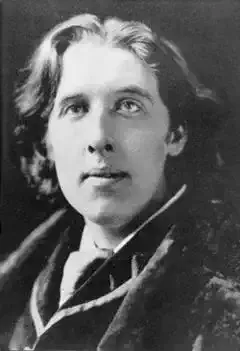
Oscar Wilde
Like burnt-out torches by a sick man's bed
We caught the tread of dancing feet,
We loitered down the moonlit street,
And stopped beneath the harlot's house.
Inside, above the din and fray,
We heard the loud musicians play
The 'Treues Liebes Herz' of Strauss.
Like strange mechanical grotesques,
Making fantastic arabesques,
The shadows raced across the blind.
We watched the ghostly dancers spin
To sound of horn and violin,
Like black leaves wheeling in the wind.
Like wire-pulled automatons,
Slim silhouetted skeletons
Went sidling through the slow quadrille,
Then took each other by the hand,
And danced a stately saraband;
Their laughter echoed thin and shrill.
Sometimes a clockwork puppet pressed
A phantom lover to her breast,
Sometimes they seemed to try to sing.
Sometimes a horrible marionette
Came out, and smoked its cigarette
Upon the steps like a live thing.
Then, turning to my love, I said,
'The dead are dancing with the dead,
The dust is whirling with the dust.'
But she - she heard the violin,
And left my side, and entered in:
Love passed into the house of lust.
Then suddenly the tune went false,
The dancers wearied of the waltz,
The shadows ceased to wheel and whirl.
And down the long and silent street,
The dawn, with silver-sandalled feet,
Crept like a frightened girl.
We loitered down the moonlit street,
And stopped beneath the harlot's house.
Inside, above the din and fray,
We heard the loud musicians play
The 'Treues Liebes Herz' of Strauss.
Like strange mechanical grotesques,
Making fantastic arabesques,
The shadows raced across the blind.
We watched the ghostly dancers spin
To sound of horn and violin,
Like black leaves wheeling in the wind.
Like wire-pulled automatons,
Slim silhouetted skeletons
Went sidling through the slow quadrille,
Then took each other by the hand,
And danced a stately saraband;
Their laughter echoed thin and shrill.
Sometimes a clockwork puppet pressed
A phantom lover to her breast,
Sometimes they seemed to try to sing.
Sometimes a horrible marionette
Came out, and smoked its cigarette
Upon the steps like a live thing.
Then, turning to my love, I said,
'The dead are dancing with the dead,
The dust is whirling with the dust.'
But she - she heard the violin,
And left my side, and entered in:
Love passed into the house of lust.
Then suddenly the tune went false,
The dancers wearied of the waltz,
The shadows ceased to wheel and whirl.
And down the long and silent street,
The dawn, with silver-sandalled feet,
Crept like a frightened girl.
800
Oscar Wilde
Roses And Rue
(To L. L.)
Could we dig up this long-buried treasure,
Were it worth the pleasure,
We never could learn love's song,
We are parted too long.
Could the passionate past that is fled
Call back its dead,
Could we live it all over again,
Were it worth the pain!
I remember we used to meet
By an ivied seat,
And you warbled each pretty word
With the air of a bird;
And your voice had a quaver in it,
Just like a linnet,
And shook, as the blackbird's throat
With its last big note;
And your eyes, they were green and grey
Like an April day,
But lit into amethyst
When I stooped and kissed;
And your mouth, it would never smile
For a long, long while,
Then it rippled all over with laughter
Five minutes after.
You were always afraid of a shower,
Just like a flower:
I remember you started and ran
When the rain began.
I remember I never could catch you,
For no one could match you,
You had wonderful, luminous, fleet,
Little wings to your feet.
I remember your hair - did I tie it?
For it always ran riot -
Like a tangled sunbeam of gold:
These things are old.
I remember so well the room,
And the lilac bloom
That beat at the dripping pane
In the warm June rain;
And the colour of your gown,
It was amber-brown,
And two yellow satin bows
From your shoulders rose.
And the handkerchief of French lace
Which you held to your face -
Had a small tear left a stain?
Or was it the rain?
On your hand as it waved adieu
There were veins of blue;
In your voice as it said good-bye
Was a petulant cry,
'You have only wasted your life.'
(Ah, that was the knife!)
When I rushed through the garden gate
It was all too late.
Could we live it over again,
Were it worth the pain,
Could the passionate past that is fled
Call back its dead!
Well, if my heart must break,
Dear love, for your sake,
It will break in music, I know,
Poets' hearts break so.
But strange that I was not told
That the brain can hold
In a tiny ivory cell
God's heaven and hell.
Could we dig up this long-buried treasure,
Were it worth the pleasure,
We never could learn love's song,
We are parted too long.
Could the passionate past that is fled
Call back its dead,
Could we live it all over again,
Were it worth the pain!
I remember we used to meet
By an ivied seat,
And you warbled each pretty word
With the air of a bird;
And your voice had a quaver in it,
Just like a linnet,
And shook, as the blackbird's throat
With its last big note;
And your eyes, they were green and grey
Like an April day,
But lit into amethyst
When I stooped and kissed;
And your mouth, it would never smile
For a long, long while,
Then it rippled all over with laughter
Five minutes after.
You were always afraid of a shower,
Just like a flower:
I remember you started and ran
When the rain began.
I remember I never could catch you,
For no one could match you,
You had wonderful, luminous, fleet,
Little wings to your feet.
I remember your hair - did I tie it?
For it always ran riot -
Like a tangled sunbeam of gold:
These things are old.
I remember so well the room,
And the lilac bloom
That beat at the dripping pane
In the warm June rain;
And the colour of your gown,
It was amber-brown,
And two yellow satin bows
From your shoulders rose.
And the handkerchief of French lace
Which you held to your face -
Had a small tear left a stain?
Or was it the rain?
On your hand as it waved adieu
There were veins of blue;
In your voice as it said good-bye
Was a petulant cry,
'You have only wasted your life.'
(Ah, that was the knife!)
When I rushed through the garden gate
It was all too late.
Could we live it over again,
Were it worth the pain,
Could the passionate past that is fled
Call back its dead!
Well, if my heart must break,
Dear love, for your sake,
It will break in music, I know,
Poets' hearts break so.
But strange that I was not told
That the brain can hold
In a tiny ivory cell
God's heaven and hell.
721
Oscar Wilde
My Voice
Within this restless, hurried, modern world
We took our hearts' full pleasure - You and I,
And now the white sails of our ship are furled,
And spent the lading of our argosy.
Wherefore my cheeks before their time are wan,
For very weeping is my gladness fled,
Sorrow has paled my young mouth's vermilion,
And Ruin draws the curtains of my bed.
But all this crowded life has been to thee
No more than lyre, or lute, or subtle spell
Of viols, or the music of the sea
That sleeps, a mimic echo, in the shell.
We took our hearts' full pleasure - You and I,
And now the white sails of our ship are furled,
And spent the lading of our argosy.
Wherefore my cheeks before their time are wan,
For very weeping is my gladness fled,
Sorrow has paled my young mouth's vermilion,
And Ruin draws the curtains of my bed.
But all this crowded life has been to thee
No more than lyre, or lute, or subtle spell
Of viols, or the music of the sea
That sleeps, a mimic echo, in the shell.
646
Oscar Wilde
From Spring Days To Winter (For Music)
In the glad springtime when leaves were green,
O merrily the throstle sings!
I sought, amid the tangled sheen,
Love whom mine eyes had never seen,
O the glad dove has golden wings!
Between the blossoms red and white,
O merrily the throstle sings!
My love first came into my sight,
O perfect vision of delight,
O the glad dove has golden wings!
The yellow apples glowed like fire,
O merrily the throstle sings!
O Love too great for lip or lyre,
Blown rose of love and of desire,
O the glad dove has golden wings!
But now with snow the tree is grey,
Ah, sadly now the throstle sings!
My love is dead: ah! well-a-day,
See at her silent feet I lay
A dove with broken wings!
Ah, Love! ah, Love! that thou wert slain -
Fond Dove, fond Dove return again!
O merrily the throstle sings!
I sought, amid the tangled sheen,
Love whom mine eyes had never seen,
O the glad dove has golden wings!
Between the blossoms red and white,
O merrily the throstle sings!
My love first came into my sight,
O perfect vision of delight,
O the glad dove has golden wings!
The yellow apples glowed like fire,
O merrily the throstle sings!
O Love too great for lip or lyre,
Blown rose of love and of desire,
O the glad dove has golden wings!
But now with snow the tree is grey,
Ah, sadly now the throstle sings!
My love is dead: ah! well-a-day,
See at her silent feet I lay
A dove with broken wings!
Ah, Love! ah, Love! that thou wert slain -
Fond Dove, fond Dove return again!
595
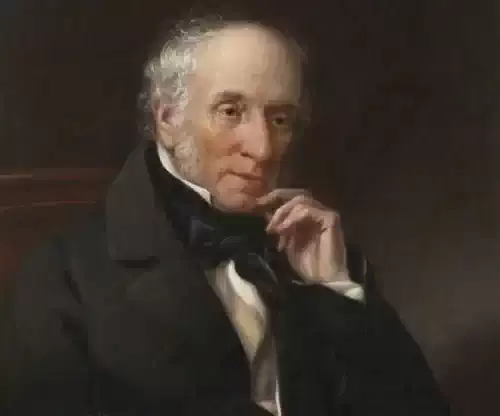
William Wordsworth
A Complaint
A Complaint
There is a change--and I am poor;
Your love hath been, nor long ago,
A fountain at my fond heart's door,
Whose only business was to flow;
And flow it did; not taking heed
Of its own bounty, or my need.
What happy moments did I count!
Blest was I then all bliss above!
Now, for that consecrated fount
Of murmuring, sparkling, living love,
What have I? Shall I dare to tell?
A comfortless and hidden well.
A well of love--it may be deep--
I trust it is,--and never dry:
What matter? If the waters sleep
In silence and obscurity.
--Such change, and at the very door
Of my fond heart, hath made me poor.
There is a change--and I am poor;
Your love hath been, nor long ago,
A fountain at my fond heart's door,
Whose only business was to flow;
And flow it did; not taking heed
Of its own bounty, or my need.
What happy moments did I count!
Blest was I then all bliss above!
Now, for that consecrated fount
Of murmuring, sparkling, living love,
What have I? Shall I dare to tell?
A comfortless and hidden well.
A well of love--it may be deep--
I trust it is,--and never dry:
What matter? If the waters sleep
In silence and obscurity.
--Such change, and at the very door
Of my fond heart, hath made me poor.
239

William Shakespeare
Take, O take those Lips away
Take, O take those Lips away
TAKE, O take those lips away,
That so sweetly were forsworn;
And those eyes, the break of day,
Lights that do mislead the morn!
But my kisses bring again,
Bring again;
Seals of love, but seal'd in vain,
Seal'd in vain!
TAKE, O take those lips away,
That so sweetly were forsworn;
And those eyes, the break of day,
Lights that do mislead the morn!
But my kisses bring again,
Bring again;
Seals of love, but seal'd in vain,
Seal'd in vain!
226
William Shakespeare
Sonnets x
Sonnets x
THEN hate me when thou wilt; if ever, now;
Now, while the world is bent my deeds to cross,
Join with the spite of fortune, make me bow,
And do not drop in for an after loss:
Ah! do not, when my heart hath 'scaped this sorrow,
Come in the rearward of a conquer'd woe;
Give not a windy night a rainy morrow,
To linger out a purposed overthrow.
If thou wilt leave me, do not leave me last,
When other petty griefs have done their spite,
But in the onset come: so shall I taste
At first the very worst of fortune's might;
And other strains of woe, which now seem woe,
Compared with loss of thee will not seem so!
THEN hate me when thou wilt; if ever, now;
Now, while the world is bent my deeds to cross,
Join with the spite of fortune, make me bow,
And do not drop in for an after loss:
Ah! do not, when my heart hath 'scaped this sorrow,
Come in the rearward of a conquer'd woe;
Give not a windy night a rainy morrow,
To linger out a purposed overthrow.
If thou wilt leave me, do not leave me last,
When other petty griefs have done their spite,
But in the onset come: so shall I taste
At first the very worst of fortune's might;
And other strains of woe, which now seem woe,
Compared with loss of thee will not seem so!
352
William Shakespeare
Sonnet LXXXIX
Sonnet LXXXIX
Say that thou didst forsake me for some fault,
And I will comment upon that offence;
Speak of my lameness, and I straight will halt,
Against thy reasons making no defence.
Thou canst not, love, disgrace me half so ill,
To set a form upon desired change,
As I'll myself disgrace: knowing thy will,
I will acquaintance strangle and look strange,
Be absent from thy walks, and in my tongue
Thy sweet beloved name no more shall dwell,
Lest I, too much profane, should do it wrong
And haply of our old acquaintance tell.
For thee against myself I'll vow debate,
For I must ne'er love him whom thou dost hate.
Say that thou didst forsake me for some fault,
And I will comment upon that offence;
Speak of my lameness, and I straight will halt,
Against thy reasons making no defence.
Thou canst not, love, disgrace me half so ill,
To set a form upon desired change,
As I'll myself disgrace: knowing thy will,
I will acquaintance strangle and look strange,
Be absent from thy walks, and in my tongue
Thy sweet beloved name no more shall dwell,
Lest I, too much profane, should do it wrong
And haply of our old acquaintance tell.
For thee against myself I'll vow debate,
For I must ne'er love him whom thou dost hate.
313
William Shakespeare
Sonnet LXVI
Sonnet LXVI
Tired with all these, for restful death I cry,
As, to behold desert a beggar born,
And needy nothing trimm'd in jollity,
And purest faith unhappily forsworn,
And guilded honour shamefully misplaced,
And maiden virtue rudely strumpeted,
And right perfection wrongfully disgraced,
And strength by limping sway disabled,
And art made tongue-tied by authority,
And folly doctor-like controlling skill,
And simple truth miscall'd simplicity,
And captive good attending captain ill:
Tired with all these, from these would I be gone,
Save that, to die, I leave my love alone.
Tired with all these, for restful death I cry,
As, to behold desert a beggar born,
And needy nothing trimm'd in jollity,
And purest faith unhappily forsworn,
And guilded honour shamefully misplaced,
And maiden virtue rudely strumpeted,
And right perfection wrongfully disgraced,
And strength by limping sway disabled,
And art made tongue-tied by authority,
And folly doctor-like controlling skill,
And simple truth miscall'd simplicity,
And captive good attending captain ill:
Tired with all these, from these would I be gone,
Save that, to die, I leave my love alone.
271
William Shakespeare
Sonnet CXIX
Sonnet CXIX
What potions have I drunk of Siren tears,
Distill'd from limbecks foul as hell within,
Applying fears to hopes and hopes to fears,
Still losing when I saw myself to win!
What wretched errors hath my heart committed,
Whilst it hath thought itself so blessed never!
How have mine eyes out of their spheres been fitted
In the distraction of this madding fever!
O benefit of ill! now I find true
That better is by evil still made better;
And ruin'd love, when it is built anew,
Grows fairer than at first, more strong, far greater.
So I return rebuked to my content
And gain by ill thrice more than I have spent.
What potions have I drunk of Siren tears,
Distill'd from limbecks foul as hell within,
Applying fears to hopes and hopes to fears,
Still losing when I saw myself to win!
What wretched errors hath my heart committed,
Whilst it hath thought itself so blessed never!
How have mine eyes out of their spheres been fitted
In the distraction of this madding fever!
O benefit of ill! now I find true
That better is by evil still made better;
And ruin'd love, when it is built anew,
Grows fairer than at first, more strong, far greater.
So I return rebuked to my content
And gain by ill thrice more than I have spent.
319
William Shakespeare
Sonnet 118: Like as to make our appetite more keen
Sonnet 118: Like as to make our appetite more keen
Like as to make our appetite more keen
With eager compounds we our palate urge,
As to prevent our maladies unseen,
We sicken to shun sickness when we purge.
Even so being full of your ne'er-cloying sweetness,
To bitter sauces did I frame my feeding;
And, sick of welfare, found a kind of meetness
To be diseased ere that there was true needing.
Thus policy in love t' anticipate
The ills that were not, grew to faults assured,
And brought to medicine a healthful state
Which, rank of goodness, would by ill be cured.
But thence I learn and find the lesson true:
Drugs poison him that so fell sick of you.
Like as to make our appetite more keen
With eager compounds we our palate urge,
As to prevent our maladies unseen,
We sicken to shun sickness when we purge.
Even so being full of your ne'er-cloying sweetness,
To bitter sauces did I frame my feeding;
And, sick of welfare, found a kind of meetness
To be diseased ere that there was true needing.
Thus policy in love t' anticipate
The ills that were not, grew to faults assured,
And brought to medicine a healthful state
Which, rank of goodness, would by ill be cured.
But thence I learn and find the lesson true:
Drugs poison him that so fell sick of you.
448
William Shakespeare
A Lover's Complaint
A Lover's Complaint
FROM off a hill whose concave womb reworded
A plaintful story from a sistering vale,
My spirits to attend this double voice accorded,
And down I laid to list the sad-tuned tale;
Ere long espied a fickle maid full pale,
Tearing of papers, breaking rings a-twain,
Storming her world with sorrow's wind and rain.
Upon her head a platted hive of straw,
Which fortified her visage from the sun,
Whereon the thought might think sometime it saw
The carcass of beauty spent and done:
Time had not scythed all that youth begun,
Nor youth all quit; but, spite of heaven's fell rage,
Some beauty peep'd through lattice of sear'd age.
Oft did she heave her napkin to her eyne,
Which on it had conceited characters,
Laundering the silken figures in the brine
That season'd woe had pelleted in tears,
And often reading what contents it bears;
As often shrieking undistinguish'd woe,
In clamours of all size, both high and low.
Sometimes her levell'd eyes their carriage ride,
As they did battery to the spheres intend;
Sometime diverted their poor balls are tied
To the orbed earth; sometimes they do extend
Their view right on; anon their gazes lend
To every place at once, and, nowhere fix'd,
The mind and sight distractedly commix'd.
Her hair, nor loose nor tied in formal plat,
Proclaim'd in her a careless hand of pride
For some, untuck'd, descended her sheaved hat,
Hanging her pale and pined cheek beside;
Some in her threaden fillet still did bide,
And true to bondage would not break from thence,
Though slackly braided in loose negligence.
A thousand favours from a maund she drew
Of amber, crystal, and of beaded jet,
Which one by one she in a river threw,
Upon whose weeping margent she was set;
Like usury, applying wet to wet,
Or monarch's hands that let not bounty fall
Where want cries some, but where excess begs all.
Of folded schedules had she many a one,
Which she perused, sigh'd, tore, and gave the flood;
Crack'd many a ring of posied gold and bone
Bidding them find their sepulchres in mud;
Found yet moe letters sadly penn'd in blood,
With sleided silk feat and affectedly
Enswathed, and seal'd to curious secrecy.
These often bathed she in her fluxive eyes,
And often kiss'd, and often 'gan to tear:
Cried 'O false blood, thou register of lies,
What unapproved witness dost thou bear!
Ink would have seem'd more black and damned here!'
This said, in top of rage the lines she rents,
Big discontent so breaking their contents.
A reverend man that grazed his cattle nigh-Sometime
a blusterer, that the ruffle knew
Of court, of city, and had let go by
The swiftest hours, observed as they flew-Towards
this afflicted fancy fastly drew,
And, privileged by age, desires to know
In brief the grounds and motives of her woe.
So slides he down upon his grained bat,
And comely-distant sits he by her side;
When he again desires her, being sat,
Her grievance with his hearing to divide:
If that from him there may be aught applied
Which may her suffering ecstasy assuage,
'Tis promised in the charity of age.
'Father,' she says, 'though in me you behold
The injury of many a blasting hour,
Let it not tell your judgment I am old;
Not age, but sorrow, over me hath power:
I might as yet have been a spreading flower,
Fresh to myself, If I had self-applied
Love to myself and to no love beside.
'But, woe is me! too early I attended
A youthful suit--it was to gain my grace-Of
one by nature's outwards so commended,
That maidens' eyes stuck over all his face:
Love lack'd a dwelling, and made him her place;
And when in his fair parts she did abide,
She was new lodged and newly deified.
'His browny locks did hang in crooked curls;
And every light occasion of the wind
Upon his lips their silken parcels hurls.
What's sweet to do, to do will aptly find:
Each eye that saw him did enchant the mind,
For on his visage was in little drawn
What largeness thinks in Paradise was sawn.
'Small show of man was yet upon his chin;
His phoenix down began but to appear
Like unshorn velvet on that termless skin
Whose bare out-bragg'd the web it seem'd to wear:
Yet show'd his visage by that cost more dear;
And nice affections wavering stood in doubt
If best were as it was, or best without.
'His qualities were beauteous as his form,
For maiden-tongued he was, and thereof free;
Yet, if men moved him, was he such a storm
As oft 'twixt May and April is to see,
When winds breathe sweet, untidy though they be.
His rudeness so with his authorized youth
Did livery falseness in a pride of truth.
'Well could he ride, and often men would say
'That horse his mettle from his rider takes:
Proud of subjection, noble by the sway,
What rounds, what bounds, what course, what stop
he makes!'
And controversy hence a question takes,
Whether the horse by him became his deed,
Or he his manage by the well-doing steed.
'But quickly on this side the verdict went:
His real habitude gave life and grace
To appertainings and to ornament,
Accomplish'd in himself, not in his case:
All aids, themselves made fairer by their place,
Came for additions; yet their purposed trim
Pieced not his grace, but were all graced by him.
'So on the tip of his subduing tongue
All kinds of arguments and question deep,
All replication prompt, and reason strong,
For his advantage still did wake and sleep:
To make the weeper laugh, the laugher weep,
He had the dialect and different skill,
Catching all passions in his craft of will:
'That he did in the general bosom reign
Of young, of old; and sexes both enchanted,
To dwell with him in thoughts, or to remain
In personal duty, following where he haunted:
Consents bewitch'd, ere he desire, have granted;
And dialogued for him what he would say,
Ask'd their own wills, and made their wills obey.
'Many there were that did his picture get,
To serve their eyes, and in it put their mind;
Like fools that in th' imagination set
The goodly objects which abroad they find
Of lands and mansions, theirs in thought assign'd;
And labouring in moe pleasures to bestow them
Than the true gouty landlord which doth owe them:
'So many have, that never touch'd his hand,
Sweetly supposed them mistress of his heart.
My woeful self, that did in freedom stand,
And was my own fee-simple, not in part,
What with his art in youth, and youth in art,
Threw my affections in his charmed power,
Reserved the stalk and gave him all my flower.
'Yet did I not, as some my equals did,
Demand of him, nor being desired yielded;
Finding myself in honour so forbid,
With safest distance I mine honour shielded:
Experience for me many bulwarks builded
Of proofs new-bleeding, which remain'd the foil
Of this false jewel, and his amorous spoil.
'But, ah, who ever shunn'd by precedent
The destined ill she must herself assay?
Or forced examples, 'gainst her own content,
To put the by-past perils in her way?
Counsel may stop awhile what will not stay;
For when we rage, advice is often seen
By blunting us to make our wits more keen.
'Nor gives it satisfaction to our blood,
That we must curb it upon others' proof;
To be forbod the sweets that seem so good,
For fear of harms that preach in our behoof.
O appetite, from judgment stand aloof!
The one a palate hath that needs will taste,
Though Reason weep, and cry, 'It is thy last.'
'For further I could say 'This man's untrue,'
And knew the patterns of his foul beguiling;
Heard where his plants in others' orchards grew,
Saw how deceits were gilded in his smiling;
Knew vows were ever brokers to defiling;
Thought characters and words merely but art,
And bastards of his foul adulterate heart.
'And long upon these terms I held my city,
Till thus he gan besiege me: 'Gentle maid,
Have of my suffering youth some feeling pity,
And be not of my holy vows afraid:
That's to ye sworn to none was ever said;
For feasts of love I have been call'd unto,
Till now did ne'er invite, nor never woo.
''All my offences that abroad you see
Are errors of the blood, none of the mind;
Love made them not: with acture they may be,
Where neither party is nor true nor kind:
They sought their shame that so their shame did find;
And so much less of shame in me remains,
By how much of me their reproach contains.
''Among the many that mine eyes have seen,
Not one whose flame my heart so much as warm'd,
Or my affection put to the smallest teen,
Or any of my leisures ever charm'd:
Harm have I done to them, but ne'er was harm'd;
Kept hearts in liveries, but mine own was free,
And reign'd, commanding in his monarchy.
''Look here, what tributes wounded fancies sent me,
Of paled pearls and rubies red as blood;
Figuring that they their passions likewise lent me
Of grief and blushes, aptly understood
In bloodless white and the encrimson'd mood;
Effects of terror and dear modesty,
Encamp'd in hearts, but fighting outwardly.
''And, lo, behold these talents of their hair,
With twisted metal amorously impleach'd,
I have received from many a several fair,
Their kind acceptance weepingly beseech'd,
With the annexions of fair gems enrich'd,
And deep-brain'd sonnets that did amplify
Each stone's dear nature, worth, and quality.
''The diamond,--why, 'twas beautiful and hard,
Whereto his invised properties did tend;
The deep-green emerald, in whose fresh regard
Weak sights their sickly radiance do amend;
The heaven-hued sapphire and the opal blend
With objects manifold: each several stone,
With wit well blazon'd, smiled or made some moan.
''Lo, all these trophies of affections hot,
Of pensived and subdued desires the tender,
Nature hath charged me that I hoard them not,
But yield them up where I myself must render,
That is, to you, my origin and ender;
For these, of force, must your oblations be,
Since I their altar, you enpatron me.
''O, then, advance of yours that phraseless hand,
Whose white weighs down the airy scale of praise;
Take all these similes to your own command,
Hallow'd with sighs that burning lungs did raise;
What me your minister, for you obeys,
Works under you; and to your audit comes
Their distract parcels in combined sums.
''Lo, this device was sent me from a nun,
Or sister sanctified, of holiest note;
Which late her noble suit in court did shun,
Whose rarest havings made the blossoms dote;
For she was sought by spirits of richest coat,
But kept cold distance, and did thence remove,
To spend her living in eternal love.
''But, O my sweet, what labour is't to leave
The thing we have not, mastering what not strives,
Playing the place which did no form receive,
Playing patient sports in unconstrained gyves?
She that her fame so to herself contrives,
The scars of battle 'scapeth by the flight,
And makes her absence valiant, not her might.
''O, pardon me, in that my boast is true:
The accident which brought me to her eye
Upon the moment did her force subdue,
And now she would the caged cloister fly:
Religious love put out Religion's eye:
Not to be tempted, would she be immured,
And now, to tempt, all liberty procured.
''How mighty then you are, O, hear me tell!
The broken bosoms that to me belong
Have emptied all their fountains in my well,
And mine I pour your ocean all among:
I strong o'er them, and you o'er me being strong,
Must for your victory us all congest,
As compound love to physic your cold breast.
''My parts had power to charm a sacred nun,
Who, disciplined, ay, dieted in grace,
Believed her eyes when they to assail begun,
All vows and consecrations giving place:
O most potential love! vow, bond, nor space,
In thee hath neither sting, knot, nor confine,
For thou art all, and all things else are thine.
''When thou impressest, what are precepts worth
Of stale example? When thou wilt inflame,
How coldly those impediments stand forth
Of wealth, of filial fear, law, kindred, fame!
Love's arms are peace, 'gainst rule, 'gainst sense,
'gainst shame,
And sweetens, in the suffering pangs it bears,
The aloes of all forces, shocks, and fears.
''Now all these hearts that do on mine depend,
Feeling it break, with bleeding groans they pine;
And supplicant their sighs to you extend,
To leave the battery that you make 'gainst mine,
Lending soft audience to my sweet design,
And credent soul to that strong-bonded oath
That shall prefer and undertake my troth.'
'This said, his watery eyes he did dismount,
Whose sights till then were levell'd on my face;
Each cheek a river running from a fount
With brinish current downward flow'd apace:
O, how the channel to the stream gave grace!
Who glazed with crystal gate the glowing roses
That flame through water which their hue encloses.
'O father, what a hell of witchcraft lies
In the small orb of one particular tear!
But with the inundation of the eyes
What rocky heart to water will not wear?
What breast so cold that is not warmed here?
O cleft effect! cold modesty, hot wrath,
Both fire from hence and chill extincture hath.
'For, lo, his passion, but an art of craft,
Even there resolved my reason into tears;
There my white stole of chastity I daff'd,
Shook off my sober guards and civil fears;
Appear to him, as he to me appears,
All melting; though our drops this difference bore,
His poison'd me, and mine did him restore.
'In him a plenitude of subtle matter,
Applied to cautels, all strange forms receives,
Of burning blushes, or of weeping water,
Or swooning paleness; and he takes and leaves,
In either's aptness, as it best deceives,
To blush at speeches rank to weep at woes,
Or to turn white and swoon at tragic shows.
'That not a heart which in his level came
Could 'scape the hail of his all-hurting aim,
Showing fair nature is both kind and tame;
And, veil'd in them, did win whom he would maim:
Against the thing he sought he would exclaim;
When he most burn'd in heart-wish'd luxury,
He preach'd pure maid, and praised cold chastity.
'Thus merely with the garment of a Grace
The naked and concealed fiend he cover'd;
That th' unexperient gave the tempter place,
Which like a cherubin above them hover'd.
Who, young and simple, would not be so lover'd?
Ay me! I fell; and yet do question make
What I should do again for such a sake.
'O, that infected moisture of his eye,
O, that false fire which in his cheek so glow'd,
O, that forced thunder from his heart did fly,
O, that sad breath his spongy lungs bestow'd,
O, all that borrow'd motion seeming owed,
Would yet again betray the fore-betray'd,
And new pervert a reconciled maid!'
FROM off a hill whose concave womb reworded
A plaintful story from a sistering vale,
My spirits to attend this double voice accorded,
And down I laid to list the sad-tuned tale;
Ere long espied a fickle maid full pale,
Tearing of papers, breaking rings a-twain,
Storming her world with sorrow's wind and rain.
Upon her head a platted hive of straw,
Which fortified her visage from the sun,
Whereon the thought might think sometime it saw
The carcass of beauty spent and done:
Time had not scythed all that youth begun,
Nor youth all quit; but, spite of heaven's fell rage,
Some beauty peep'd through lattice of sear'd age.
Oft did she heave her napkin to her eyne,
Which on it had conceited characters,
Laundering the silken figures in the brine
That season'd woe had pelleted in tears,
And often reading what contents it bears;
As often shrieking undistinguish'd woe,
In clamours of all size, both high and low.
Sometimes her levell'd eyes their carriage ride,
As they did battery to the spheres intend;
Sometime diverted their poor balls are tied
To the orbed earth; sometimes they do extend
Their view right on; anon their gazes lend
To every place at once, and, nowhere fix'd,
The mind and sight distractedly commix'd.
Her hair, nor loose nor tied in formal plat,
Proclaim'd in her a careless hand of pride
For some, untuck'd, descended her sheaved hat,
Hanging her pale and pined cheek beside;
Some in her threaden fillet still did bide,
And true to bondage would not break from thence,
Though slackly braided in loose negligence.
A thousand favours from a maund she drew
Of amber, crystal, and of beaded jet,
Which one by one she in a river threw,
Upon whose weeping margent she was set;
Like usury, applying wet to wet,
Or monarch's hands that let not bounty fall
Where want cries some, but where excess begs all.
Of folded schedules had she many a one,
Which she perused, sigh'd, tore, and gave the flood;
Crack'd many a ring of posied gold and bone
Bidding them find their sepulchres in mud;
Found yet moe letters sadly penn'd in blood,
With sleided silk feat and affectedly
Enswathed, and seal'd to curious secrecy.
These often bathed she in her fluxive eyes,
And often kiss'd, and often 'gan to tear:
Cried 'O false blood, thou register of lies,
What unapproved witness dost thou bear!
Ink would have seem'd more black and damned here!'
This said, in top of rage the lines she rents,
Big discontent so breaking their contents.
A reverend man that grazed his cattle nigh-Sometime
a blusterer, that the ruffle knew
Of court, of city, and had let go by
The swiftest hours, observed as they flew-Towards
this afflicted fancy fastly drew,
And, privileged by age, desires to know
In brief the grounds and motives of her woe.
So slides he down upon his grained bat,
And comely-distant sits he by her side;
When he again desires her, being sat,
Her grievance with his hearing to divide:
If that from him there may be aught applied
Which may her suffering ecstasy assuage,
'Tis promised in the charity of age.
'Father,' she says, 'though in me you behold
The injury of many a blasting hour,
Let it not tell your judgment I am old;
Not age, but sorrow, over me hath power:
I might as yet have been a spreading flower,
Fresh to myself, If I had self-applied
Love to myself and to no love beside.
'But, woe is me! too early I attended
A youthful suit--it was to gain my grace-Of
one by nature's outwards so commended,
That maidens' eyes stuck over all his face:
Love lack'd a dwelling, and made him her place;
And when in his fair parts she did abide,
She was new lodged and newly deified.
'His browny locks did hang in crooked curls;
And every light occasion of the wind
Upon his lips their silken parcels hurls.
What's sweet to do, to do will aptly find:
Each eye that saw him did enchant the mind,
For on his visage was in little drawn
What largeness thinks in Paradise was sawn.
'Small show of man was yet upon his chin;
His phoenix down began but to appear
Like unshorn velvet on that termless skin
Whose bare out-bragg'd the web it seem'd to wear:
Yet show'd his visage by that cost more dear;
And nice affections wavering stood in doubt
If best were as it was, or best without.
'His qualities were beauteous as his form,
For maiden-tongued he was, and thereof free;
Yet, if men moved him, was he such a storm
As oft 'twixt May and April is to see,
When winds breathe sweet, untidy though they be.
His rudeness so with his authorized youth
Did livery falseness in a pride of truth.
'Well could he ride, and often men would say
'That horse his mettle from his rider takes:
Proud of subjection, noble by the sway,
What rounds, what bounds, what course, what stop
he makes!'
And controversy hence a question takes,
Whether the horse by him became his deed,
Or he his manage by the well-doing steed.
'But quickly on this side the verdict went:
His real habitude gave life and grace
To appertainings and to ornament,
Accomplish'd in himself, not in his case:
All aids, themselves made fairer by their place,
Came for additions; yet their purposed trim
Pieced not his grace, but were all graced by him.
'So on the tip of his subduing tongue
All kinds of arguments and question deep,
All replication prompt, and reason strong,
For his advantage still did wake and sleep:
To make the weeper laugh, the laugher weep,
He had the dialect and different skill,
Catching all passions in his craft of will:
'That he did in the general bosom reign
Of young, of old; and sexes both enchanted,
To dwell with him in thoughts, or to remain
In personal duty, following where he haunted:
Consents bewitch'd, ere he desire, have granted;
And dialogued for him what he would say,
Ask'd their own wills, and made their wills obey.
'Many there were that did his picture get,
To serve their eyes, and in it put their mind;
Like fools that in th' imagination set
The goodly objects which abroad they find
Of lands and mansions, theirs in thought assign'd;
And labouring in moe pleasures to bestow them
Than the true gouty landlord which doth owe them:
'So many have, that never touch'd his hand,
Sweetly supposed them mistress of his heart.
My woeful self, that did in freedom stand,
And was my own fee-simple, not in part,
What with his art in youth, and youth in art,
Threw my affections in his charmed power,
Reserved the stalk and gave him all my flower.
'Yet did I not, as some my equals did,
Demand of him, nor being desired yielded;
Finding myself in honour so forbid,
With safest distance I mine honour shielded:
Experience for me many bulwarks builded
Of proofs new-bleeding, which remain'd the foil
Of this false jewel, and his amorous spoil.
'But, ah, who ever shunn'd by precedent
The destined ill she must herself assay?
Or forced examples, 'gainst her own content,
To put the by-past perils in her way?
Counsel may stop awhile what will not stay;
For when we rage, advice is often seen
By blunting us to make our wits more keen.
'Nor gives it satisfaction to our blood,
That we must curb it upon others' proof;
To be forbod the sweets that seem so good,
For fear of harms that preach in our behoof.
O appetite, from judgment stand aloof!
The one a palate hath that needs will taste,
Though Reason weep, and cry, 'It is thy last.'
'For further I could say 'This man's untrue,'
And knew the patterns of his foul beguiling;
Heard where his plants in others' orchards grew,
Saw how deceits were gilded in his smiling;
Knew vows were ever brokers to defiling;
Thought characters and words merely but art,
And bastards of his foul adulterate heart.
'And long upon these terms I held my city,
Till thus he gan besiege me: 'Gentle maid,
Have of my suffering youth some feeling pity,
And be not of my holy vows afraid:
That's to ye sworn to none was ever said;
For feasts of love I have been call'd unto,
Till now did ne'er invite, nor never woo.
''All my offences that abroad you see
Are errors of the blood, none of the mind;
Love made them not: with acture they may be,
Where neither party is nor true nor kind:
They sought their shame that so their shame did find;
And so much less of shame in me remains,
By how much of me their reproach contains.
''Among the many that mine eyes have seen,
Not one whose flame my heart so much as warm'd,
Or my affection put to the smallest teen,
Or any of my leisures ever charm'd:
Harm have I done to them, but ne'er was harm'd;
Kept hearts in liveries, but mine own was free,
And reign'd, commanding in his monarchy.
''Look here, what tributes wounded fancies sent me,
Of paled pearls and rubies red as blood;
Figuring that they their passions likewise lent me
Of grief and blushes, aptly understood
In bloodless white and the encrimson'd mood;
Effects of terror and dear modesty,
Encamp'd in hearts, but fighting outwardly.
''And, lo, behold these talents of their hair,
With twisted metal amorously impleach'd,
I have received from many a several fair,
Their kind acceptance weepingly beseech'd,
With the annexions of fair gems enrich'd,
And deep-brain'd sonnets that did amplify
Each stone's dear nature, worth, and quality.
''The diamond,--why, 'twas beautiful and hard,
Whereto his invised properties did tend;
The deep-green emerald, in whose fresh regard
Weak sights their sickly radiance do amend;
The heaven-hued sapphire and the opal blend
With objects manifold: each several stone,
With wit well blazon'd, smiled or made some moan.
''Lo, all these trophies of affections hot,
Of pensived and subdued desires the tender,
Nature hath charged me that I hoard them not,
But yield them up where I myself must render,
That is, to you, my origin and ender;
For these, of force, must your oblations be,
Since I their altar, you enpatron me.
''O, then, advance of yours that phraseless hand,
Whose white weighs down the airy scale of praise;
Take all these similes to your own command,
Hallow'd with sighs that burning lungs did raise;
What me your minister, for you obeys,
Works under you; and to your audit comes
Their distract parcels in combined sums.
''Lo, this device was sent me from a nun,
Or sister sanctified, of holiest note;
Which late her noble suit in court did shun,
Whose rarest havings made the blossoms dote;
For she was sought by spirits of richest coat,
But kept cold distance, and did thence remove,
To spend her living in eternal love.
''But, O my sweet, what labour is't to leave
The thing we have not, mastering what not strives,
Playing the place which did no form receive,
Playing patient sports in unconstrained gyves?
She that her fame so to herself contrives,
The scars of battle 'scapeth by the flight,
And makes her absence valiant, not her might.
''O, pardon me, in that my boast is true:
The accident which brought me to her eye
Upon the moment did her force subdue,
And now she would the caged cloister fly:
Religious love put out Religion's eye:
Not to be tempted, would she be immured,
And now, to tempt, all liberty procured.
''How mighty then you are, O, hear me tell!
The broken bosoms that to me belong
Have emptied all their fountains in my well,
And mine I pour your ocean all among:
I strong o'er them, and you o'er me being strong,
Must for your victory us all congest,
As compound love to physic your cold breast.
''My parts had power to charm a sacred nun,
Who, disciplined, ay, dieted in grace,
Believed her eyes when they to assail begun,
All vows and consecrations giving place:
O most potential love! vow, bond, nor space,
In thee hath neither sting, knot, nor confine,
For thou art all, and all things else are thine.
''When thou impressest, what are precepts worth
Of stale example? When thou wilt inflame,
How coldly those impediments stand forth
Of wealth, of filial fear, law, kindred, fame!
Love's arms are peace, 'gainst rule, 'gainst sense,
'gainst shame,
And sweetens, in the suffering pangs it bears,
The aloes of all forces, shocks, and fears.
''Now all these hearts that do on mine depend,
Feeling it break, with bleeding groans they pine;
And supplicant their sighs to you extend,
To leave the battery that you make 'gainst mine,
Lending soft audience to my sweet design,
And credent soul to that strong-bonded oath
That shall prefer and undertake my troth.'
'This said, his watery eyes he did dismount,
Whose sights till then were levell'd on my face;
Each cheek a river running from a fount
With brinish current downward flow'd apace:
O, how the channel to the stream gave grace!
Who glazed with crystal gate the glowing roses
That flame through water which their hue encloses.
'O father, what a hell of witchcraft lies
In the small orb of one particular tear!
But with the inundation of the eyes
What rocky heart to water will not wear?
What breast so cold that is not warmed here?
O cleft effect! cold modesty, hot wrath,
Both fire from hence and chill extincture hath.
'For, lo, his passion, but an art of craft,
Even there resolved my reason into tears;
There my white stole of chastity I daff'd,
Shook off my sober guards and civil fears;
Appear to him, as he to me appears,
All melting; though our drops this difference bore,
His poison'd me, and mine did him restore.
'In him a plenitude of subtle matter,
Applied to cautels, all strange forms receives,
Of burning blushes, or of weeping water,
Or swooning paleness; and he takes and leaves,
In either's aptness, as it best deceives,
To blush at speeches rank to weep at woes,
Or to turn white and swoon at tragic shows.
'That not a heart which in his level came
Could 'scape the hail of his all-hurting aim,
Showing fair nature is both kind and tame;
And, veil'd in them, did win whom he would maim:
Against the thing he sought he would exclaim;
When he most burn'd in heart-wish'd luxury,
He preach'd pure maid, and praised cold chastity.
'Thus merely with the garment of a Grace
The naked and concealed fiend he cover'd;
That th' unexperient gave the tempter place,
Which like a cherubin above them hover'd.
Who, young and simple, would not be so lover'd?
Ay me! I fell; and yet do question make
What I should do again for such a sake.
'O, that infected moisture of his eye,
O, that false fire which in his cheek so glow'd,
O, that forced thunder from his heart did fly,
O, that sad breath his spongy lungs bestow'd,
O, all that borrow'd motion seeming owed,
Would yet again betray the fore-betray'd,
And new pervert a reconciled maid!'
461
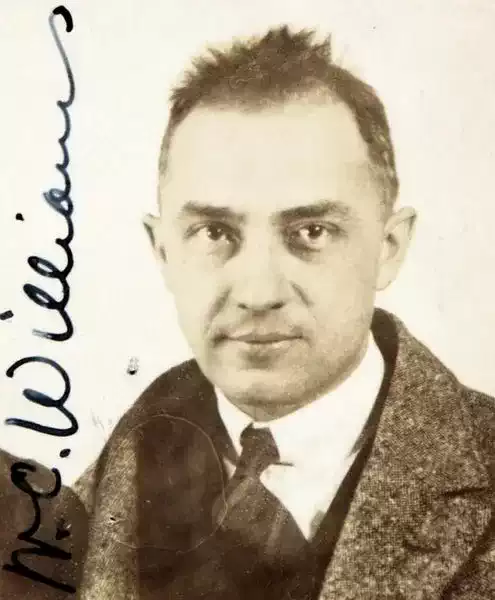
William Carlos Williams
The Young Housewife
The Young Housewife
At ten AM the young housewife
moves about in negligee behind
the wooden walls of her husband’s house.
I pass solitary in my car.
Then again she comes to the curb
to call the ice-man, fish-man, and stands
shy, uncorseted, tucking in
stray ends of hair, and I compare her
to a fallen leaf.
The noiseless wheels of my car
rush with a crackling sound over
dried leaves as I bow and pass smiling.
At ten AM the young housewife
moves about in negligee behind
the wooden walls of her husband’s house.
I pass solitary in my car.
Then again she comes to the curb
to call the ice-man, fish-man, and stands
shy, uncorseted, tucking in
stray ends of hair, and I compare her
to a fallen leaf.
The noiseless wheels of my car
rush with a crackling sound over
dried leaves as I bow and pass smiling.
340
William Carlos Williams
Thursday
Thursday
I have had my dream--like others--
and it has come to nothing, so that
I remain now carelessly
with feet planted on the ground
and look up at the sky--
feeling my clothes about me,
the weight of my body in my shoes,
the rim of my hat, air passing in and out
at my nose--and decide to dream no more.
I have had my dream--like others--
and it has come to nothing, so that
I remain now carelessly
with feet planted on the ground
and look up at the sky--
feeling my clothes about me,
the weight of my body in my shoes,
the rim of my hat, air passing in and out
at my nose--and decide to dream no more.
431
William Carlos Williams
Memory of April
Memory of April
You say love is this, love is that:
Poplar tassels, willow tendrils
the wind and the rain comb,
tinkle and drip, tinkle and drip--
branches drifting apart. Hagh!
Love has not even visited this country.
You say love is this, love is that:
Poplar tassels, willow tendrils
the wind and the rain comb,
tinkle and drip, tinkle and drip--
branches drifting apart. Hagh!
Love has not even visited this country.
317
William Carlos Williams
Libertad! Igualdad! Fraternidad!
"Libertad! Igualdad! Fraternidad!"
You sullen pig of a man
you force me into the mud
with your stinking ash-cart!
Brother!
--if we were rich
we'd stick our chests out
and hold our heads high!
It is dreams that have destroyed us.
There is no more pride
in horses or in rein holding.
We sit hunched together brooding
our fate.
Well--
all things turn bitter in the end
whether you choose the right or
the left way
and--
dreams are not a bad thing.
You sullen pig of a man
you force me into the mud
with your stinking ash-cart!
Brother!
--if we were rich
we'd stick our chests out
and hold our heads high!
It is dreams that have destroyed us.
There is no more pride
in horses or in rein holding.
We sit hunched together brooding
our fate.
Well--
all things turn bitter in the end
whether you choose the right or
the left way
and--
dreams are not a bad thing.
434
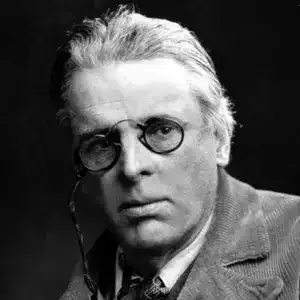
William Butler Yeats
Two Years Later
Two Years Later
HAS no one said those daring
Kind eyes should be more learn'd?
Or warned you how despairing
The moths are when they are burned?
I could have warned you; but you are young,
So we speak a different tongue.
O you will take whatever's offered
And dream that all the world's a friend,
Suffer as your mother suffered,
Be as broken in the end.
But I am old and you are young,
And I speak a barbarous tongue.
HAS no one said those daring
Kind eyes should be more learn'd?
Or warned you how despairing
The moths are when they are burned?
I could have warned you; but you are young,
So we speak a different tongue.
O you will take whatever's offered
And dream that all the world's a friend,
Suffer as your mother suffered,
Be as broken in the end.
But I am old and you are young,
And I speak a barbarous tongue.
406
William Butler Yeats
To A Shade
To A Shade
IF you have revisited the town, thin Shade,
Whether to look upon your monument
(I wonder if the builder has been paid)
Or happier-thoughted when the day is spent
To drink of that salt breath out of the sea
When grey gulls flit about instead of men,
And the gaunt houses put on majesty:
Let these content you and be gone again;
For they are at their old tricks yet.
A man
Of your own passionate serving kind who had brought
In his full hands what, had they only known,
Had given their children's children loftier thought,
Sweeter emotion, working in their veins
Like gentle blood, has been driven from the place,
And instilt heaped upon him for his pains,
And for his open-handedness, disgrace;
Your enemy, an old fotil mouth, had set
The pack upon him.
Go, unquiet wanderer,
And gather the Glasnevin coverlet
About your head till the dust stops your ear,
The time for you to taste of that Salt breath
And listen at the corners has not come;
You had enough of sorrow before death --
Away, away! You are safer in the tomb.
IF you have revisited the town, thin Shade,
Whether to look upon your monument
(I wonder if the builder has been paid)
Or happier-thoughted when the day is spent
To drink of that salt breath out of the sea
When grey gulls flit about instead of men,
And the gaunt houses put on majesty:
Let these content you and be gone again;
For they are at their old tricks yet.
A man
Of your own passionate serving kind who had brought
In his full hands what, had they only known,
Had given their children's children loftier thought,
Sweeter emotion, working in their veins
Like gentle blood, has been driven from the place,
And instilt heaped upon him for his pains,
And for his open-handedness, disgrace;
Your enemy, an old fotil mouth, had set
The pack upon him.
Go, unquiet wanderer,
And gather the Glasnevin coverlet
About your head till the dust stops your ear,
The time for you to taste of that Salt breath
And listen at the corners has not come;
You had enough of sorrow before death --
Away, away! You are safer in the tomb.
388
William Butler Yeats
The Three Bushes
The Three Bushes
SAID lady once to lover,
'None can rely upon
A love that lacks its proper food;
And if your love were gone
How could you sing those songs of love?
I should be blamed, young man.
O my dear, O my dear.
Have no lit candles in your room,'
That lovely lady said,
'That I at midnight by the clock
May creep into your bed,
For if I saw myself creep in
I think I should drop dead.'
O my dear, O my dear.
'I love a man in secret,
Dear chambermaid,' said she.
'I know that I must drop down dead
If he stop loving me,
Yet what could I but drop down dead
If I lost my chastity?
O my dear, O my dear.
'So you must lie beside him
And let him think me there.
And maybe we are all the same
Where no candles are,
And maybe we are all the same
That stip the body bare.'
O my dear, O my dear.
But no dogs barked, and midnights chimed,
And through the chime she'd say,
'That was a lucky thought of mine,
My lover. looked so gay';
But heaved a sigh if the chambermaid
Looked half asleep all day.
O my dear, O my dear.
'No, not another song,' siid he,
'Because my lady came
A year ago for the first time
At midnight to my room,
And I must lie between the sheets
When the clock begins to chime.'
O my dear, O my d-ear.
'A laughing, crying, sacred song,
A leching song,' they said.
Did ever men hear such a song?
No, but that day they did.
Did ever man ride such a race?
No, not until he rode.
O my dear, O my dear.
But when his horse had put its hoof
Into a rabbit-hole
He dropped upon his head and died.
His lady saw it all
And dropped and died thereon, for she
Loved him with her soul.
O my dear, O my dear.
The chambermaid lived long, and took
Their graves into her charge,
And there two bushes planted
That when they had grown large
Seemed sprung from but a single root
So did their roses merge.
O my dear, O my dear.
When she was old and dying,
The priest came where she was;
She made a full confession.
Long looked he in her face,
And O he was a good man
And understood her case.
O my dear, O my dear.
He bade them take and bury her
Beside her lady's man,
And set a rose-tree on her grave,
And now none living can,
When they have plucked a rose there,
Know where its roots began.
O my dear, O my dear.
SAID lady once to lover,
'None can rely upon
A love that lacks its proper food;
And if your love were gone
How could you sing those songs of love?
I should be blamed, young man.
O my dear, O my dear.
Have no lit candles in your room,'
That lovely lady said,
'That I at midnight by the clock
May creep into your bed,
For if I saw myself creep in
I think I should drop dead.'
O my dear, O my dear.
'I love a man in secret,
Dear chambermaid,' said she.
'I know that I must drop down dead
If he stop loving me,
Yet what could I but drop down dead
If I lost my chastity?
O my dear, O my dear.
'So you must lie beside him
And let him think me there.
And maybe we are all the same
Where no candles are,
And maybe we are all the same
That stip the body bare.'
O my dear, O my dear.
But no dogs barked, and midnights chimed,
And through the chime she'd say,
'That was a lucky thought of mine,
My lover. looked so gay';
But heaved a sigh if the chambermaid
Looked half asleep all day.
O my dear, O my dear.
'No, not another song,' siid he,
'Because my lady came
A year ago for the first time
At midnight to my room,
And I must lie between the sheets
When the clock begins to chime.'
O my dear, O my d-ear.
'A laughing, crying, sacred song,
A leching song,' they said.
Did ever men hear such a song?
No, but that day they did.
Did ever man ride such a race?
No, not until he rode.
O my dear, O my dear.
But when his horse had put its hoof
Into a rabbit-hole
He dropped upon his head and died.
His lady saw it all
And dropped and died thereon, for she
Loved him with her soul.
O my dear, O my dear.
The chambermaid lived long, and took
Their graves into her charge,
And there two bushes planted
That when they had grown large
Seemed sprung from but a single root
So did their roses merge.
O my dear, O my dear.
When she was old and dying,
The priest came where she was;
She made a full confession.
Long looked he in her face,
And O he was a good man
And understood her case.
O my dear, O my dear.
He bade them take and bury her
Beside her lady's man,
And set a rose-tree on her grave,
And now none living can,
When they have plucked a rose there,
Know where its roots began.
O my dear, O my dear.
403
William Butler Yeats
The People
The People
'WHAT have I earned for all that work,' I said,
'For all that I have done at my own charge?
The daily spite of this unmannerly town,
Where who has served the most is most defaned,
The reputation of his lifetime lost
Between the night and morning. I might have lived,
And you know well how great the longing has been,
Where every day my footfall Should have lit
In the green shadow of Ferrara wall;
Or climbed among the images of the past --
The unperturbed and courtly images --
Evening and morning, the steep street of Urbino
To where the Duchess and her people talked
The stately midnight through until they stood
In their great window looking at the dawn;
I might have had no friend that could not mix
Courtesy and passion into one like those
That saw the wicks grow yellow in the dawn;
I might have used the one substantial right
My trade allows: chosen my company,
And chosen what scenery had pleased me best.
Thereon my phoenix answered in reproof,
'The drunkards, pilferers of public funds,
All the dishonest crowd I had driven away,
When my luck changed and they dared meet my face,
Crawled from obscurity, and set upon me
Those I had served and some that I had fed;
Yet never have I, now nor any time,
Complained of the people.'
All I could reply
Was: 'You, that have not lived in thought but deed,
Can have the purity of a natural force,
But I, whose virtues are the definitions
Of the analytic mind, can neither close
The eye of the mind nor keep my tongue from speech.'
And yet, because my heart leaped at her words,
I was abashed, and now they come to mind
After nine years, I sink my head abashed.
'WHAT have I earned for all that work,' I said,
'For all that I have done at my own charge?
The daily spite of this unmannerly town,
Where who has served the most is most defaned,
The reputation of his lifetime lost
Between the night and morning. I might have lived,
And you know well how great the longing has been,
Where every day my footfall Should have lit
In the green shadow of Ferrara wall;
Or climbed among the images of the past --
The unperturbed and courtly images --
Evening and morning, the steep street of Urbino
To where the Duchess and her people talked
The stately midnight through until they stood
In their great window looking at the dawn;
I might have had no friend that could not mix
Courtesy and passion into one like those
That saw the wicks grow yellow in the dawn;
I might have used the one substantial right
My trade allows: chosen my company,
And chosen what scenery had pleased me best.
Thereon my phoenix answered in reproof,
'The drunkards, pilferers of public funds,
All the dishonest crowd I had driven away,
When my luck changed and they dared meet my face,
Crawled from obscurity, and set upon me
Those I had served and some that I had fed;
Yet never have I, now nor any time,
Complained of the people.'
All I could reply
Was: 'You, that have not lived in thought but deed,
Can have the purity of a natural force,
But I, whose virtues are the definitions
Of the analytic mind, can neither close
The eye of the mind nor keep my tongue from speech.'
And yet, because my heart leaped at her words,
I was abashed, and now they come to mind
After nine years, I sink my head abashed.
421
William Butler Yeats
The Lover Mourns For The Loss Of Love
The Lover Mourns For The Loss Of Love
PALE brows, still hands and dim hair,
I had a beautiful friend
And dreamed that the old despair
Would end in love in the end:
She looked in my heart one day
And saw your image was there;
She has gone weeping away.
PALE brows, still hands and dim hair,
I had a beautiful friend
And dreamed that the old despair
Would end in love in the end:
She looked in my heart one day
And saw your image was there;
She has gone weeping away.
412
William Butler Yeats
The Cold Heaven
The Cold Heaven
SUDDENLY I saw the cold and rook-delighting heaven
That seemed as though ice burned and was but the more ice,
And thereupon imagination and heart were driven
So wild that every casual thought of that and this
Vanished, and left but memories, that should be out of season
With the hot blood of youth, of love crossed long ago;
And I took all thc blame out of all sense and reason,
Until I cried and trembled and rocked to and fro,
Riddled with light. Ah! when the ghost begins to quicken,
Confusion of the death-bed over, is it sent
Out naked on the roads, as the books say, and stricken
By the injustice of the skies for punishment?
SUDDENLY I saw the cold and rook-delighting heaven
That seemed as though ice burned and was but the more ice,
And thereupon imagination and heart were driven
So wild that every casual thought of that and this
Vanished, and left but memories, that should be out of season
With the hot blood of youth, of love crossed long ago;
And I took all thc blame out of all sense and reason,
Until I cried and trembled and rocked to and fro,
Riddled with light. Ah! when the ghost begins to quicken,
Confusion of the death-bed over, is it sent
Out naked on the roads, as the books say, and stricken
By the injustice of the skies for punishment?
283
William Butler Yeats
King And No King
King And No King
WOULD it were anything but merely voice!'
The No King cried who after that was King,
Because he had not heard of anything
That balanced with a word is more than noise;
Yet Old Romance being kind, let him prevail
Somewhere or somehow that I have forgot,
Though he'd but cannon -- Whereas we that had thought
To have lit upon as clean and sweet a tale
Have been defeated by that pledge you gave
In momentary anger long ago;
And I that have not your faith, how shall I know
That in the blinding light beyond the grave
We'll find so good a thing as that we have lost?
The hourly kindness, the day's common speech.
The habitual content of each with each
Men neither soul nor body has been crossed.
WOULD it were anything but merely voice!'
The No King cried who after that was King,
Because he had not heard of anything
That balanced with a word is more than noise;
Yet Old Romance being kind, let him prevail
Somewhere or somehow that I have forgot,
Though he'd but cannon -- Whereas we that had thought
To have lit upon as clean and sweet a tale
Have been defeated by that pledge you gave
In momentary anger long ago;
And I that have not your faith, how shall I know
That in the blinding light beyond the grave
We'll find so good a thing as that we have lost?
The hourly kindness, the day's common speech.
The habitual content of each with each
Men neither soul nor body has been crossed.
443
William Butler Yeats
Her Triumph
Her Triumph
I did the dragon's will until you came
Because I had fancied love a casual
Improvisation, or a settled game
That followed if I let the kerchief fall:
Those deeds were best that gave the minute wings
And heavenly music if they gave it wit;
And then you stood among the dragon-rings.
I mocked, being crazy, but you mastered it
And broke the chain and set my ankles free,
Saint George or else a pagan Perseus;
And now we stare astonished at the sea,
And a miraculous strange bird shrieks at us.
I did the dragon's will until you came
Because I had fancied love a casual
Improvisation, or a settled game
That followed if I let the kerchief fall:
Those deeds were best that gave the minute wings
And heavenly music if they gave it wit;
And then you stood among the dragon-rings.
I mocked, being crazy, but you mastered it
And broke the chain and set my ankles free,
Saint George or else a pagan Perseus;
And now we stare astonished at the sea,
And a miraculous strange bird shrieks at us.
276
Page 1
Next