

Family
Poems in this topic
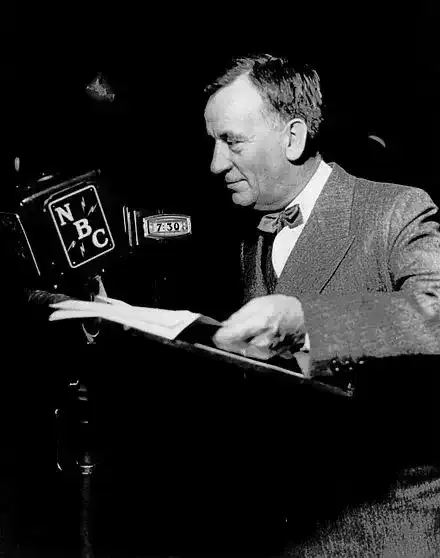
Edgar Albert Guest
A Father's Prayer
A Father's Prayer
Lord, make me tolerant and wise;
Incline my ears to hear him through;
Let him not stand with downcast eyes,
Fearing to trust me and be true.
Instruct me so that I may know
The way my son and I should go.
When he shall err, as once did I,
Or boyhood folly bids him stray,
Let me not into anger fly
And drive the good in him away.
Teach me to win his trust, that he
Shall keep no secret hid from me.
Lord, strengthen me that I may be .
A fit example for my son.
Grant he may never hear or see
A shameful deed that I have done.
However sorely I am tried,
Let me not undermine his pride.
In spite of years and temples gray,
Still let my spirit beat with joy;
Teach me to share in all his play
And be a comrade with my boy.
Wherever we may chance to be,
Let him find happiness with me.
Lord, as his father, now I pray
For manhood's strength and counsel wise;
Let me deal justly, day by day,
In all that fatherhood implies.
To be his father, keep me fit;
Let me not play the hypocrite!
Lord, make me tolerant and wise;
Incline my ears to hear him through;
Let him not stand with downcast eyes,
Fearing to trust me and be true.
Instruct me so that I may know
The way my son and I should go.
When he shall err, as once did I,
Or boyhood folly bids him stray,
Let me not into anger fly
And drive the good in him away.
Teach me to win his trust, that he
Shall keep no secret hid from me.
Lord, strengthen me that I may be .
A fit example for my son.
Grant he may never hear or see
A shameful deed that I have done.
However sorely I am tried,
Let me not undermine his pride.
In spite of years and temples gray,
Still let my spirit beat with joy;
Teach me to share in all his play
And be a comrade with my boy.
Wherever we may chance to be,
Let him find happiness with me.
Lord, as his father, now I pray
For manhood's strength and counsel wise;
Let me deal justly, day by day,
In all that fatherhood implies.
To be his father, keep me fit;
Let me not play the hypocrite!
1,286
1
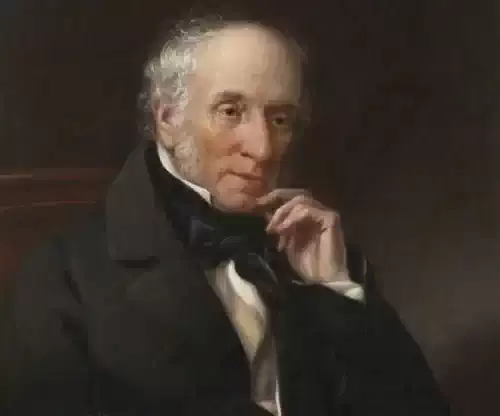
William Wordsworth
To A Sexton
To A Sexton
Let thy wheel-barrow alone--
Wherefore, Sexton, piling still
In thy bone-house bone on bone?
'Tis already like a hill
In a field of battle made,
Where three thousand skulls are laid;
These died in peace each with the other,--
Father, sister, friend, and brother.
Mark the spot to which I point!
From this platform, eight feet square,
Take not even a finger-joint:
Andrew's whole fire-side is there.
Here, alone, before thine eyes,
Simon's sickly daughter lies,
From weakness now, and pain defended,
Whom he twenty winters tended.
Look but at the gardener's pride--
How he glories, when he sees
Roses, lilies, side by side,
Violets in families!
By the heart of Man, his tears,
By his hopes and by his fears,
Thou, too heedless, art the Warden
Of a far superior garden.
Thus then, each to other dear,
Let them all in quiet lie,
Andrew there, and Susan here,
Neighbours in mortality.
And, should I live through sun and rain
Seven widowed years without my Jane,
O Sexton, do not then remove her,
Let one grave hold the Loved and Lover!
Let thy wheel-barrow alone--
Wherefore, Sexton, piling still
In thy bone-house bone on bone?
'Tis already like a hill
In a field of battle made,
Where three thousand skulls are laid;
These died in peace each with the other,--
Father, sister, friend, and brother.
Mark the spot to which I point!
From this platform, eight feet square,
Take not even a finger-joint:
Andrew's whole fire-side is there.
Here, alone, before thine eyes,
Simon's sickly daughter lies,
From weakness now, and pain defended,
Whom he twenty winters tended.
Look but at the gardener's pride--
How he glories, when he sees
Roses, lilies, side by side,
Violets in families!
By the heart of Man, his tears,
By his hopes and by his fears,
Thou, too heedless, art the Warden
Of a far superior garden.
Thus then, each to other dear,
Let them all in quiet lie,
Andrew there, and Susan here,
Neighbours in mortality.
And, should I live through sun and rain
Seven widowed years without my Jane,
O Sexton, do not then remove her,
Let one grave hold the Loved and Lover!
224
William Wordsworth
The Sparrow's Nest
The Sparrow's Nest
BEHOLD, within the leafy shade,
Those bright blue eggs together laid!
On me the chance-discovered sight
Gleamed like a vision of delight.
I started---seeming to espy
The home and sheltered bed,
The Sparrow's dwelling, which, hard by
My Father' house, in wet or dry
My sister Emmeline and I
Together visited.
She looked at it and seemed to fear it;
Dreading, tho' wishing, to be near it:
Such heart was in her, being then
A little Prattler among men.
The Blessing of my later year
Was with me when a boy:
She gave me eyes, she gave me ears;
And humble care, and delicate fears;
A heart, the fountain of sweet tears;
And love, and thought, and joy.
BEHOLD, within the leafy shade,
Those bright blue eggs together laid!
On me the chance-discovered sight
Gleamed like a vision of delight.
I started---seeming to espy
The home and sheltered bed,
The Sparrow's dwelling, which, hard by
My Father' house, in wet or dry
My sister Emmeline and I
Together visited.
She looked at it and seemed to fear it;
Dreading, tho' wishing, to be near it:
Such heart was in her, being then
A little Prattler among men.
The Blessing of my later year
Was with me when a boy:
She gave me eyes, she gave me ears;
And humble care, and delicate fears;
A heart, the fountain of sweet tears;
And love, and thought, and joy.
257
William Wordsworth
The Seven Sisters
The Seven Sisters
Or, The Solitude Of Binnorie
SEVEN Daughter had Lord Archibald,
All children of one mother:
You could not say in one short day
What love they bore each other.
A garland, of seven lilies, wrought!
Seven sisters that together dwell;
But he, bold Knight as ever fought,
Their Father, took of them no thought,
He loved the wars so well.
Sing, mournfully, oh! mournfully,
The solitude of Binnorie!
Fresh blows the wind, a western wind,
And from the shores of Erin,
Across the wave, a Rover brave
To Binnorie is steering:
Right onward to the Scottish strand
The gallant ship is borne;
The warriors leap upon the land,
And hark! the Leader of the band
Hath blown his bugle horn.
Sing, mournfully, oh! mournfully,
The solitude of Binnorie!
Beside a grotto of their own,
With boughs above them closing,
The Seven are laid, and in the shade
They lie like fawns reposing.
But now, upstarting with affright
At noise of man and steed,
Away they fly to left, to rightÑ
Of your fair household, Father-knight,
Methinks you take small heed!
Sing, mournfully, oh! mournfully,
The solitude of Binnorie!
Away the even fair Campbells fly,
And, over hill and hollow,
With menace proud, and insult loud,
The youthful Rovers follow.
Cried they, 'Your Father loves to roam:
Enough for him to find
The empty house when he comes home;
For us your yellow ringlets comb,
For us be fair and kind!'
Sing, mournfully, oh! mournfully,
The solitude of Binnorie!
Some close behind, some side to side,
Like clouds in stormy weather;
They run, and cry, 'Nay, let us die,
And let us die together.'
A lake was near; the shore was steep;
There never foot had been;
They ran, and with a deperate leap
Together plunged into the deep,
Nor ever more were seen.
Sing, mournfully, oh! mournfully,
The solitude of Binnorie!
The stream that flows out of the lake,
As through the glen it rambles,
Repeats a moan o'er moss and stone,
For those seven lovely Campbells.
Seven little Islands, green and bare,
Have risen from out the deep:
The fishers say, those sisters fair,
By faeries all are buried there,
And there together sleep.
Sing, mournfully, oh! mournfully,
The solitude of Binnorie!
Or, The Solitude Of Binnorie
SEVEN Daughter had Lord Archibald,
All children of one mother:
You could not say in one short day
What love they bore each other.
A garland, of seven lilies, wrought!
Seven sisters that together dwell;
But he, bold Knight as ever fought,
Their Father, took of them no thought,
He loved the wars so well.
Sing, mournfully, oh! mournfully,
The solitude of Binnorie!
Fresh blows the wind, a western wind,
And from the shores of Erin,
Across the wave, a Rover brave
To Binnorie is steering:
Right onward to the Scottish strand
The gallant ship is borne;
The warriors leap upon the land,
And hark! the Leader of the band
Hath blown his bugle horn.
Sing, mournfully, oh! mournfully,
The solitude of Binnorie!
Beside a grotto of their own,
With boughs above them closing,
The Seven are laid, and in the shade
They lie like fawns reposing.
But now, upstarting with affright
At noise of man and steed,
Away they fly to left, to rightÑ
Of your fair household, Father-knight,
Methinks you take small heed!
Sing, mournfully, oh! mournfully,
The solitude of Binnorie!
Away the even fair Campbells fly,
And, over hill and hollow,
With menace proud, and insult loud,
The youthful Rovers follow.
Cried they, 'Your Father loves to roam:
Enough for him to find
The empty house when he comes home;
For us your yellow ringlets comb,
For us be fair and kind!'
Sing, mournfully, oh! mournfully,
The solitude of Binnorie!
Some close behind, some side to side,
Like clouds in stormy weather;
They run, and cry, 'Nay, let us die,
And let us die together.'
A lake was near; the shore was steep;
There never foot had been;
They ran, and with a deperate leap
Together plunged into the deep,
Nor ever more were seen.
Sing, mournfully, oh! mournfully,
The solitude of Binnorie!
The stream that flows out of the lake,
As through the glen it rambles,
Repeats a moan o'er moss and stone,
For those seven lovely Campbells.
Seven little Islands, green and bare,
Have risen from out the deep:
The fishers say, those sisters fair,
By faeries all are buried there,
And there together sleep.
Sing, mournfully, oh! mournfully,
The solitude of Binnorie!
194
William Wordsworth
The Mother's Return
The Mother's Return
A MONTH, sweet Little-ones, is past
Since your dear Mother went away,---
And she tomorrow will return;
Tomorrow is the happy day.
O blessed tidings! thought of joy!
The eldest heard with steady glee;
Silent he stood; then laughed amain,---
And shouted, ' Mother, come to me!'
Louder and louder did he shout,
With witless hope to bring her near;
'Nay, patience! patience, little boy!
Your tender mother cannot hear.'
I told of hills, and far-off town,
And long, long vale to travel through;---
He listens, puzzled, sore perplexed,
But he submits; what can he do ?
No strife disturbs his sister's breast;
She wars not with the mystery
Of time and distance, night and day;
The bonds of our humanity.
Her joy is like an instinct, joy
Of kitten, bird, or summer fly;
She dances, runs without an aim,
She chatters in her ecstasy.
Her brother now takes up the note,
And echoes back his sister's glee;
They hug the infant in my arms,
As if to force his sympathy.
Then, settling into fond discourse,
We rested in the garden bower;
While sweetly shone the evening sun
In his departing hour.
We told o'er all that we had done,---
Our rambles by the swift brook's side
Far as the willow-skirted pool,
Where two fair swans together glide.
We talked of change, of winter gone,
Of green leaves on the hawthorn spray,
Of birds that build their nests and sing
And all 'since Mother went away!'
To her these tales they will repeat,
To her our new-born tribes will show,
The goslings green, the ass's colt,
The lambs that in the meadow go.
---But, see, the evening star comes forth!
To bed the children must depart;
A moment's heaviness they feel,
A sadness at the heart;
'Tis gone---and in a merry fit
They run up stairs in gamesome race;
I, too, infected by their mood,
I could have joined the wanton chase.
Five minutes past---and, O the change!
Asleep upon their beds they lie;
Their buy limbs in perfect rest,
And closed the sparkling eye.
A MONTH, sweet Little-ones, is past
Since your dear Mother went away,---
And she tomorrow will return;
Tomorrow is the happy day.
O blessed tidings! thought of joy!
The eldest heard with steady glee;
Silent he stood; then laughed amain,---
And shouted, ' Mother, come to me!'
Louder and louder did he shout,
With witless hope to bring her near;
'Nay, patience! patience, little boy!
Your tender mother cannot hear.'
I told of hills, and far-off town,
And long, long vale to travel through;---
He listens, puzzled, sore perplexed,
But he submits; what can he do ?
No strife disturbs his sister's breast;
She wars not with the mystery
Of time and distance, night and day;
The bonds of our humanity.
Her joy is like an instinct, joy
Of kitten, bird, or summer fly;
She dances, runs without an aim,
She chatters in her ecstasy.
Her brother now takes up the note,
And echoes back his sister's glee;
They hug the infant in my arms,
As if to force his sympathy.
Then, settling into fond discourse,
We rested in the garden bower;
While sweetly shone the evening sun
In his departing hour.
We told o'er all that we had done,---
Our rambles by the swift brook's side
Far as the willow-skirted pool,
Where two fair swans together glide.
We talked of change, of winter gone,
Of green leaves on the hawthorn spray,
Of birds that build their nests and sing
And all 'since Mother went away!'
To her these tales they will repeat,
To her our new-born tribes will show,
The goslings green, the ass's colt,
The lambs that in the meadow go.
---But, see, the evening star comes forth!
To bed the children must depart;
A moment's heaviness they feel,
A sadness at the heart;
'Tis gone---and in a merry fit
They run up stairs in gamesome race;
I, too, infected by their mood,
I could have joined the wanton chase.
Five minutes past---and, O the change!
Asleep upon their beds they lie;
Their buy limbs in perfect rest,
And closed the sparkling eye.
259
William Wordsworth
Sparrow's Nest, The
Sparrow's Nest, The
Behold, within the leafy shade,
Those bright blue eggs together laid!
On me the chance-discovered sight
Gleamed like a vision of delight.
I started---seeming to espy
The home and sheltered bed,
The Sparrow's dwelling, which, hard by
My Father' house, in wet or dry
My sister Emmeline and I
Together visited.
She looked at it and seemed to fear it;
Dreading, tho' wishing, to be near it:
Such heart was in her, being then
A little Prattler among men.
The Blessing of my later year
Was with me when a boy:
She gave me eyes, she gave me ears;
And humble care, and delicate fears;
A heart, the fountain of sweet tears;
And love, and thought, and joy.
Behold, within the leafy shade,
Those bright blue eggs together laid!
On me the chance-discovered sight
Gleamed like a vision of delight.
I started---seeming to espy
The home and sheltered bed,
The Sparrow's dwelling, which, hard by
My Father' house, in wet or dry
My sister Emmeline and I
Together visited.
She looked at it and seemed to fear it;
Dreading, tho' wishing, to be near it:
Such heart was in her, being then
A little Prattler among men.
The Blessing of my later year
Was with me when a boy:
She gave me eyes, she gave me ears;
And humble care, and delicate fears;
A heart, the fountain of sweet tears;
And love, and thought, and joy.
210
William Wordsworth
Seven Sisters, The
Seven Sisters, The
Seven Daughter had Lord Archibald,
All children of one mother:
You could not say in one short day
What love they bore each other.
A garland, of seven lilies, wrought!
Seven sisters that together dwell;
But he, bold Knight as ever fought,
Their Father, took of them no thought,
He loved the wars so well.
Sing, mournfully, oh! mournfully,
The solitude of Binnorie!
Fresh blows the wind, a western wind,
And from the shores of Erin,
Across the wave, a Rover brave
To Binnorie is steering:
Right onward to the Scottish strand
The gallant ship is borne;
The warriors leap upon the land,
And hark! the Leader of the band
Hath blown his bugle horn.
Sing, mournfully, oh! mournfully,
The solitude of Binnorie!
Beside a grotto of their own,
With boughs above them closing,
The Seven are laid, and in the shade
They lie like fawns reposing.
But now, upstarting with affright
At noise of man and steed,
Away they fly to left, to rightÑ
Of your fair household, Father-knight,
Methinks you take small heed!
Sing, mournfully, oh! mournfully,
The solitude of Binnorie!
Away the even fair Campbells fly,
And, over hill and hollow,
With menace proud, and insult loud,
The youthful Rovers follow.
Cried they, "Your Father loves to roam:
Enough for him to find
The empty house when he comes home;
For us your yellow ringlets comb,
For us be fair and kind!"
Sing, mournfully, oh! mournfully,
The solitude of Binnorie!
Some close behind, some side to side,
Like clouds in stormy weather;
They run, and cry, "Nay, let us die,
And let us die together."
A lake was near; the shore was steep;
There never foot had been;
They ran, and with a deperate leap
Together plunged into the deep,
Nor ever more were seen.
Sing, mournfully, oh! mournfully,
The solitude of Binnorie!
The stream that flows out of the lake,
As through the glen it rambles,
Repeats a moan o'er moss and stone,
For those seven lovely Campbells.
Seven little Islands, green and bare,
Have risen from out the deep:
The fishers say, those sisters fair,
By faeries all are buried there,
And there together sleep.
Sing, mournfully, oh! mournfully,
The solitude of Binnorie!
Seven Daughter had Lord Archibald,
All children of one mother:
You could not say in one short day
What love they bore each other.
A garland, of seven lilies, wrought!
Seven sisters that together dwell;
But he, bold Knight as ever fought,
Their Father, took of them no thought,
He loved the wars so well.
Sing, mournfully, oh! mournfully,
The solitude of Binnorie!
Fresh blows the wind, a western wind,
And from the shores of Erin,
Across the wave, a Rover brave
To Binnorie is steering:
Right onward to the Scottish strand
The gallant ship is borne;
The warriors leap upon the land,
And hark! the Leader of the band
Hath blown his bugle horn.
Sing, mournfully, oh! mournfully,
The solitude of Binnorie!
Beside a grotto of their own,
With boughs above them closing,
The Seven are laid, and in the shade
They lie like fawns reposing.
But now, upstarting with affright
At noise of man and steed,
Away they fly to left, to rightÑ
Of your fair household, Father-knight,
Methinks you take small heed!
Sing, mournfully, oh! mournfully,
The solitude of Binnorie!
Away the even fair Campbells fly,
And, over hill and hollow,
With menace proud, and insult loud,
The youthful Rovers follow.
Cried they, "Your Father loves to roam:
Enough for him to find
The empty house when he comes home;
For us your yellow ringlets comb,
For us be fair and kind!"
Sing, mournfully, oh! mournfully,
The solitude of Binnorie!
Some close behind, some side to side,
Like clouds in stormy weather;
They run, and cry, "Nay, let us die,
And let us die together."
A lake was near; the shore was steep;
There never foot had been;
They ran, and with a deperate leap
Together plunged into the deep,
Nor ever more were seen.
Sing, mournfully, oh! mournfully,
The solitude of Binnorie!
The stream that flows out of the lake,
As through the glen it rambles,
Repeats a moan o'er moss and stone,
For those seven lovely Campbells.
Seven little Islands, green and bare,
Have risen from out the deep:
The fishers say, those sisters fair,
By faeries all are buried there,
And there together sleep.
Sing, mournfully, oh! mournfully,
The solitude of Binnorie!
373
William Wordsworth
Ruth
Ruth
When Ruth was left half desolate,
Her Father took another Mate;
And Ruth, not seven years old,
A slighted child, at her own will
Went wandering over dale and hill,
In thoughtless freedom, bold.
And she had made a pipe of straw,
And music from that pipe could draw
Like sounds of winds and floods;
Had built a bower upon the green,
As if she from her birth had been
An infant of the woods.
Beneath her father's roof, alone
She seemed to live; her thoughts her own;
Herself her own delight;
Pleased with herself, nor sad, nor gay;
And, passing thus the live-long day,
She grew to woman's height.
There came a Youth from Georgia's shore--
A military casque he wore,
With splendid feathers drest;
He brought them from the Cherokees;
The feathers nodded in the breeze,
And made a gallant crest.
From Indian blood you deem him sprung:
But no! he spake the English tongue,
And bore a soldier's name;
And, when America was free
From battle and from jeopardy,
He 'cross the ocean came.
With hues of genius on his cheek
In finest tones the Youth could speak:
--While he was yet a boy,
The moon, the glory of the sun,
And streams that murmur as they run,
Had been his dearest joy.
He was a lovely Youth! I guess
The panther in the wilderness
Was not so fair as he;
And, when he chose to sport and play,
No dolphin ever was so gay
Upon the tropic sea.
Among the Indians he had fought,
And with him many tales he brought
Of pleasure and of fear;
Such tales as told to any maid
By such a Youth, in the green shade,
Were perilous to hear.
He told of girls--a happy rout!
Who quit their fold with dance and shout,
Their pleasant Indian town,
To gather strawberries all day long;
Returning with a choral song
When daylight is gone down.
He spake of plants that hourly change
Their blossoms, through a boundless range
Of intermingling hues;
With budding, fading, faded flowers
They stand the wonder of the bowers
From morn to evening dews.
He told of the magnolia, spread
High as a cloud, high over head!
The cypress and her spire;
--Of flowers that with one scarlet gleam
Cover a hundred leagues, and seem
To set the hills on fire.
The Youth of green savannahs spake,
And many an endless, endless lake,
With all its fairy crowds
Of islands, that together lie
As quietly as spots of sky
Among the evening clouds.
"How pleasant," then he said, "it were
A fisher or a hunter there,
In sunshine or in shade
To wander with an easy mind;
And build a household fire, and find
A home in every glade!
"What days and what bright years! Ah me!
Our life were life indeed, with thee
So passed in quiet bliss,
And all the while," said he, "to know
That we were in a world of woe,
On such an earth as this!"
And then he sometimes interwove
Fond thoughts about a father's love
"For there," said he, "are spun
Around the heart such tender ties,
That our own children to our eyes
Are dearer than the sun.
"Sweet Ruth! and could you go with me
My helpmate in the woods to be,
Our shed at night to rear;
Or run, my own adopted bride,
A sylvan huntress at my side,
And drive the flying deer!
"Beloved Ruth!"--No more he said,
The wakeful Ruth at midnight shed
A solitary tear:
She thought again--and did agree
With him to sail across the sea,
And drive the flying deer.
"And now, as fitting is and right,
We in the church our faith will plight,
A husband and a wife."
Even so they did; and I may say
That to sweet Ruth that happy day
Was more than human life.
Through dream and vision did she sink,
Delighted all the while to think
That on those lonesome floods,
And green savannahs, she should share
His board with lawful joy, and bear
His name in the wild woods.
But, as you have before been told,
This Stripling, sportive, gay, and bold,
And, with his dancing crest,
So beautiful, through savage lands
Had roamed about, with vagrant bands
Of Indians in the West.
The wind, the tempest roaring high,
The tumult of a tropic sky,
Might well be dangerous food
For him, a Youth to whom was given
So much of earth--so much of heaven,
And such impetuous blood.
Whatever in those climes he found
Irregular in sight or sound
Did to his mind impart
A kindred impulse, seemed allied
To his own powers, and justified
The workings of his heart.
Nor less, to feed voluptuous thought,
The beauteous forms of nature wrought,
Fair trees and gorgeous flowers;
The breezes their own languor lent;
The stars had feelings, which they sent
Into those favoured bowers.
Yet, in his worst pursuits, I ween
That sometimes there did intervene
Pure hopes of high intent:
For passions linked to forms so fair
And stately, needs must have their share
Of noble sentiment.
But ill he lived, much evil saw,
With men to whom no better law
Nor better life was known;
Deliberately, and undeceived,
Those wild men's vices he received,
And gave them back his own.
His genius and his moral frame
Were thus impaired, and he became
The slave of low desires:
A Man who without self-control
Would seek what the degraded soul
Unworthily admires.
And yet he with no feigned delight
Had wooed the Maiden, day and night
Had loved her, night and morn:
What could he less than love a Maid
Whose heart with so much nature played?
So kind and so forlorn!
Sometimes, most earnestly, he said,
"O Ruth! I have been worse than dead;
False thoughts, thoughts bold and vain,
Encompassed me on every side
When I, in confidence and pride,
Had crossed the Atlantic main.
"Before me shone a glorious world--
Fresh as a banner bright, unfurled
To music suddenly:
I looked upon those hills and plains,
And seemed as if let loose from chains,
To live at liberty.
"No more of this; for now, by thee
Dear Ruth! more happily set free
With nobler zeal I burn;
My soul from darkness is released,
Like the whole sky when to the east
The morning doth return."
Full soon that better mind was gone;
No hope, no wish remained, not one,--
They stirred him now no more;
New objects did new pleasure give,
And once again he wished to live
As lawless as before.
Meanwhile, as thus with him it fared,
They for the voyage were prepared,
And went to the sea-shore,
But, when they thither came the Youth
Deserted his poor Bride, and Ruth
Could never find him more.
God help thee, Ruth!--Such pains she had,
That she in half a year was mad,
And in a prison housed;
And there, with many a doleful song
Made of wild words, her cup of wrong
She fearfully caroused.
Yet sometimes milder hours she knew,
Nor wanted sun, nor rain, nor dew,
Nor pastimes of the May;
--They all were with her in her cell;
And a clear brook with cheerful knell
Did o'er the pebbles play.
When Ruth three seasons thus had lain,
There came a respite to her pain;
She from her prison fled;
But of the Vagrant none took thought;
And where it liked her best she sought
Her shelter and her bread.
Among the fields she breathed again:
The master-current of her brain
Ran permanent and free;
And, coming to the Banks of Tone,
There did she rest; and dwell alone
Under the greenwood tree.
The engines of her pain, the tools
That shaped her sorrow, rocks and pools,
And airs that gently stir
The vernal leaves--she loved them still;
Nor ever taxed them with the ill
Which had been done to her.
A Barn her 'winter' bed supplies;
But, till the warmth of summer skies
And summer days is gone,
(And all do in this tale agree)
She sleeps beneath the greenwood tree,
And other home hath none.
An innocent life, yet far astray!
And Ruth will, long before her day,
Be broken down and old:
Sore aches she needs must have! but less
Of mind, than body's wretchedness,
From damp, and rain, and cold.
If she is prest by want of food,
She from her dwelling in the wood
Repairs to a road-side;
And there she begs at one steep place
Where up and down with easy pace
The horsemen-travellers ride.
That oaten pipe of hers is mute,
Or thrown away; but with a flute
Her loneliness she cheers:
This flute, made of a hemlock stalk,
At evening in his homeward walk
The Quantock woodman hears.
I, too, have passed her on the hills
Setting her little water-mills
By spouts and fountains wild--
Such small machinery as she turned
Ere she had wept, ere she had mourned,
A young and happy Child!
Farewell! and when thy days are told,
Ill-fated Ruth, in hallowed mould
Thy corpse shall buried be,
For thee a funeral bell shall ring,
And all the congregation sing
A Christian psalm for thee.
When Ruth was left half desolate,
Her Father took another Mate;
And Ruth, not seven years old,
A slighted child, at her own will
Went wandering over dale and hill,
In thoughtless freedom, bold.
And she had made a pipe of straw,
And music from that pipe could draw
Like sounds of winds and floods;
Had built a bower upon the green,
As if she from her birth had been
An infant of the woods.
Beneath her father's roof, alone
She seemed to live; her thoughts her own;
Herself her own delight;
Pleased with herself, nor sad, nor gay;
And, passing thus the live-long day,
She grew to woman's height.
There came a Youth from Georgia's shore--
A military casque he wore,
With splendid feathers drest;
He brought them from the Cherokees;
The feathers nodded in the breeze,
And made a gallant crest.
From Indian blood you deem him sprung:
But no! he spake the English tongue,
And bore a soldier's name;
And, when America was free
From battle and from jeopardy,
He 'cross the ocean came.
With hues of genius on his cheek
In finest tones the Youth could speak:
--While he was yet a boy,
The moon, the glory of the sun,
And streams that murmur as they run,
Had been his dearest joy.
He was a lovely Youth! I guess
The panther in the wilderness
Was not so fair as he;
And, when he chose to sport and play,
No dolphin ever was so gay
Upon the tropic sea.
Among the Indians he had fought,
And with him many tales he brought
Of pleasure and of fear;
Such tales as told to any maid
By such a Youth, in the green shade,
Were perilous to hear.
He told of girls--a happy rout!
Who quit their fold with dance and shout,
Their pleasant Indian town,
To gather strawberries all day long;
Returning with a choral song
When daylight is gone down.
He spake of plants that hourly change
Their blossoms, through a boundless range
Of intermingling hues;
With budding, fading, faded flowers
They stand the wonder of the bowers
From morn to evening dews.
He told of the magnolia, spread
High as a cloud, high over head!
The cypress and her spire;
--Of flowers that with one scarlet gleam
Cover a hundred leagues, and seem
To set the hills on fire.
The Youth of green savannahs spake,
And many an endless, endless lake,
With all its fairy crowds
Of islands, that together lie
As quietly as spots of sky
Among the evening clouds.
"How pleasant," then he said, "it were
A fisher or a hunter there,
In sunshine or in shade
To wander with an easy mind;
And build a household fire, and find
A home in every glade!
"What days and what bright years! Ah me!
Our life were life indeed, with thee
So passed in quiet bliss,
And all the while," said he, "to know
That we were in a world of woe,
On such an earth as this!"
And then he sometimes interwove
Fond thoughts about a father's love
"For there," said he, "are spun
Around the heart such tender ties,
That our own children to our eyes
Are dearer than the sun.
"Sweet Ruth! and could you go with me
My helpmate in the woods to be,
Our shed at night to rear;
Or run, my own adopted bride,
A sylvan huntress at my side,
And drive the flying deer!
"Beloved Ruth!"--No more he said,
The wakeful Ruth at midnight shed
A solitary tear:
She thought again--and did agree
With him to sail across the sea,
And drive the flying deer.
"And now, as fitting is and right,
We in the church our faith will plight,
A husband and a wife."
Even so they did; and I may say
That to sweet Ruth that happy day
Was more than human life.
Through dream and vision did she sink,
Delighted all the while to think
That on those lonesome floods,
And green savannahs, she should share
His board with lawful joy, and bear
His name in the wild woods.
But, as you have before been told,
This Stripling, sportive, gay, and bold,
And, with his dancing crest,
So beautiful, through savage lands
Had roamed about, with vagrant bands
Of Indians in the West.
The wind, the tempest roaring high,
The tumult of a tropic sky,
Might well be dangerous food
For him, a Youth to whom was given
So much of earth--so much of heaven,
And such impetuous blood.
Whatever in those climes he found
Irregular in sight or sound
Did to his mind impart
A kindred impulse, seemed allied
To his own powers, and justified
The workings of his heart.
Nor less, to feed voluptuous thought,
The beauteous forms of nature wrought,
Fair trees and gorgeous flowers;
The breezes their own languor lent;
The stars had feelings, which they sent
Into those favoured bowers.
Yet, in his worst pursuits, I ween
That sometimes there did intervene
Pure hopes of high intent:
For passions linked to forms so fair
And stately, needs must have their share
Of noble sentiment.
But ill he lived, much evil saw,
With men to whom no better law
Nor better life was known;
Deliberately, and undeceived,
Those wild men's vices he received,
And gave them back his own.
His genius and his moral frame
Were thus impaired, and he became
The slave of low desires:
A Man who without self-control
Would seek what the degraded soul
Unworthily admires.
And yet he with no feigned delight
Had wooed the Maiden, day and night
Had loved her, night and morn:
What could he less than love a Maid
Whose heart with so much nature played?
So kind and so forlorn!
Sometimes, most earnestly, he said,
"O Ruth! I have been worse than dead;
False thoughts, thoughts bold and vain,
Encompassed me on every side
When I, in confidence and pride,
Had crossed the Atlantic main.
"Before me shone a glorious world--
Fresh as a banner bright, unfurled
To music suddenly:
I looked upon those hills and plains,
And seemed as if let loose from chains,
To live at liberty.
"No more of this; for now, by thee
Dear Ruth! more happily set free
With nobler zeal I burn;
My soul from darkness is released,
Like the whole sky when to the east
The morning doth return."
Full soon that better mind was gone;
No hope, no wish remained, not one,--
They stirred him now no more;
New objects did new pleasure give,
And once again he wished to live
As lawless as before.
Meanwhile, as thus with him it fared,
They for the voyage were prepared,
And went to the sea-shore,
But, when they thither came the Youth
Deserted his poor Bride, and Ruth
Could never find him more.
God help thee, Ruth!--Such pains she had,
That she in half a year was mad,
And in a prison housed;
And there, with many a doleful song
Made of wild words, her cup of wrong
She fearfully caroused.
Yet sometimes milder hours she knew,
Nor wanted sun, nor rain, nor dew,
Nor pastimes of the May;
--They all were with her in her cell;
And a clear brook with cheerful knell
Did o'er the pebbles play.
When Ruth three seasons thus had lain,
There came a respite to her pain;
She from her prison fled;
But of the Vagrant none took thought;
And where it liked her best she sought
Her shelter and her bread.
Among the fields she breathed again:
The master-current of her brain
Ran permanent and free;
And, coming to the Banks of Tone,
There did she rest; and dwell alone
Under the greenwood tree.
The engines of her pain, the tools
That shaped her sorrow, rocks and pools,
And airs that gently stir
The vernal leaves--she loved them still;
Nor ever taxed them with the ill
Which had been done to her.
A Barn her 'winter' bed supplies;
But, till the warmth of summer skies
And summer days is gone,
(And all do in this tale agree)
She sleeps beneath the greenwood tree,
And other home hath none.
An innocent life, yet far astray!
And Ruth will, long before her day,
Be broken down and old:
Sore aches she needs must have! but less
Of mind, than body's wretchedness,
From damp, and rain, and cold.
If she is prest by want of food,
She from her dwelling in the wood
Repairs to a road-side;
And there she begs at one steep place
Where up and down with easy pace
The horsemen-travellers ride.
That oaten pipe of hers is mute,
Or thrown away; but with a flute
Her loneliness she cheers:
This flute, made of a hemlock stalk,
At evening in his homeward walk
The Quantock woodman hears.
I, too, have passed her on the hills
Setting her little water-mills
By spouts and fountains wild--
Such small machinery as she turned
Ere she had wept, ere she had mourned,
A young and happy Child!
Farewell! and when thy days are told,
Ill-fated Ruth, in hallowed mould
Thy corpse shall buried be,
For thee a funeral bell shall ring,
And all the congregation sing
A Christian psalm for thee.
193
William Wordsworth
Idiot Boy, The
Idiot Boy, The
'Tis eight o'clock,--a clear March night,
The moon is up,--the sky is blue,
The owlet, in the moonlight air,
Shouts from nobody knows where;
He lengthens out his lonely shout,
Halloo! halloo! a long halloo!
--Why bustle thus about your door,
What means this bustle, Betty Foy?
Why are you in this mighty fret?
And why on horseback have you set
Him whom you love, your Idiot Boy?
Scarcely a soul is out of bed;
Good Betty, put him down again;
His lips with joy they burr at you;
But, Betty! what has he to do
With stirrup, saddle, or with rein?
But Betty's bent on her intent;
For her good neighbour, Susan Gale,
Old Susan, she who dwells alone,
Is sick, and makes a piteous moan
As if her very life would fail.
There's not a house within a mile,
No hand to help them in distress;
Old Susan lies a-bed in pain,
And sorely puzzled are the twain,
For what she ails they cannot guess.
And Betty's husband's at the wood,
Where by the week he doth abide,
A woodman in the distant vale;
There's none to help poor Susan Gale;
What must be done? what will betide?
And Betty from the lane has fetched
Her Pony, that is mild and good;
Whether he be in joy or pain,
Feeding at will along the lane,
Or bringing faggots from the wood.
And he is all in travelling trim,--
And, by the moonlight, Betty Foy
Has on the well-girt saddle set
(The like was never heard of yet)
Him whom she loves, her Idiot Boy.
And he must post without delay
Across the bridge and through the dale,
And by the church, and o'er the down,
To bring a Doctor from the town,
Or she will die, old Susan Gale.
There is no need of boot or spur,
There is no need of whip or wand;
For Johnny has his holly-bough,
And with a 'hurly-burly' now
He shakes the green bough in his hand.
And Betty o'er and o'er has told
The Boy, who is her best delight,
Both what to follow, what to shun,
What do, and what to leave undone,
How turn to left, and how to right.
And Betty's most especial charge,
Was, "Johnny! Johnny! mind that you
Come home again, nor stop at all,--
Come home again, whate'er befall,
My Johnny, do, I pray you do."
To this did Johnny answer make,
Both with his head and with his hand,
And proudly shook the bridle too;
And then! his words were not a few,
Which Betty well could understand.
And now that Johnny is just going,
Though Betty's in a mighty flurry,
She gently pats the Pony's side,
On which her Idiot Boy must ride,
And seems no longer in a hurry.
But when the Pony moved his legs,
Oh! then for the poor Idiot Boy!
For joy he cannot hold the bridle,
For joy his head and heels are idle,
He's idle all for very joy.
And while the Pony moves his legs,
In Johnny's left hand you may see
The green bough motionless and dead:
The Moon that shines above his head
Is not more still and mute than he.
His heart it was so full of glee,
That till full fifty yards were gone,
He quite forgot his holly whip,
And all his skill in horsemanship:
Oh! happy, happy, happy John.
And while the Mother, at the door,
Stands fixed, her face with joy o'erflows,
Proud of herself, and proud of him,
She sees him in his travelling trim,
How quietly her Johnny goes.
The silence of her Idiot Boy,
What hopes it sends to Betty's heart!
He's at the guide-post--he turns right;
She watches till he's out of sight,
And Betty will not then depart.
Burr, burr--now Johnny's lips they burr,
As loud as any mill, or near it;
Meek as a lamb the Pony moves,
And Johnny makes the noise he loves,
And Betty listens, glad to hear it.
Away she hies to Susan Gale:
Her Messenger's in merry tune;
The owlets hoot, the owlets curr,
And Johnny's lips they burr, burr, burr,
As on he goes beneath the moon.
His steed and he right well agree;
For of this Pony there's a rumour,
That, should he lose his eyes and ears,
And should he live a thousand years,
He never will be out of humour.
But then he is a horse that thinks!
And when he thinks, his pace is slack;
Now, though he knows poor Johnny well,
Yet, for his life, he cannot tell
What he has got upon his back.
So through the moonlight lanes they go,
And far into the moonlight dale,
And by the church, and o'er the down,
To bring a Doctor from the town,
To comfort poor old Susan Gale.
And Betty, now at Susan's side,
Is in the middle of her story,
What speedy help her Boy will bring,
With many a most diverting thing,
Of Johnny's wit, and Johnny's glory.
And Betty, still at Susan's side,
By this time is not quite so flurried:
Demure with porringer and plate
She sits, as if in Susan's fate
Her life and soul were buried.
But Betty, poor good woman! she,
You plainly in her face may read it,
Could lend out of that moment's store
Five years of happiness or more
To any that might need it.
But yet I guess that now and then
With Betty all was not so well;
And to the road she turns her ears,
And thence full many a sound she hears,
Which she to Susan will not tell.
Poor Susan moans, poor Susan groans;
"As sure as there's a moon in heaven,"
Cries Betty, "he'll be back again;
They'll both be here--'tis almost ten--
Both will be here before eleven."
Poor Susan moans, poor Susan groans;
The clock gives warning for eleven;
'Tis on the stroke--"He must be near,"
Quoth Betty, "and will soon be here,
As sure as there's a moon in heaven."
The clock is on the stroke of twelve,
And Johnny is not yet in sight:
--The Moon's in heaven, as Betty sees,
But Betty is not quite at ease;
And Susan has a dreadful night.
And Betty, half an hour ago,
On Johnny vile reflections cast:
"A little idle sauntering Thing!"
With other names, an endless string;
But now that time is gone and past.
And Betty's drooping at the heart,
That happy time all past and gone,
"How can it be he is so late?
The Doctor, he has made him wait;
Susan! they'll both be here anon."
And Susan's growing worse and worse,
And Betty's in a sad 'quandary';
And then there's nobody to say
If she must go, or she must stay!
--She's in a sad 'quandary'.
The clock is on the stroke of one;
But neither Doctor nor his Guide
Appears along the moonlight road;
There's neither horse nor man abroad,
And Betty's still at Susan's side.
And Susan now begins to fear
Of sad mischances not a few,
That Johnny may perhaps be drowned;
Or lost, perhaps, and never found;
Which they must both for ever rue.
She prefaced half a hint of this
With, "God forbid it should be true!"
At the first word that Susan said
Cried Betty, rising from the bed,
"Susan, I'd gladly stay with you.
"I must be gone, I must away:
Consider, Johnny's but half-wise;
Susan, we must take care of him,
If he is hurt in life or limb"--
"Oh God forbid!" poor Susan cries.
"What can I do?" says Betty, going,
"What can I do to ease your pain?
Good Susan tell me, and I'll stay;
I fear you're in a dreadful way,
But I shall soon be back again."
"Nay, Betty, go! good Betty, go!
There's nothing that can ease my pain,"
Then off she hies, but with a prayer
That God poor Susan's life would spare,
Till she comes back again.
So, through the moonlight lane she goes,
And far into the moonlight dale;
And how she ran, and how she walked,
And all that to herself she talked,
Would surely be a tedious tale.
In high and low, above, below,
In great and small, in round and square,
In tree and tower was Johnny seen,
In bush and brake, in black and green;
'Twas Johnny, Johnny, every where.
And while she crossed the bridge, there came
A thought with which her heart is sore--
Johnny perhaps his horse forsook,
To hunt the moon within the brook,
And never will be heard of more.
Now is she high upon the down,
Alone amid a prospect wide;
There's neither Johnny nor his Horse
Among the fern or in the gorse;
There's neither Doctor nor his Guide.
"O saints! what is become of him?
Perhaps he's climbed into an oak,
Where he will stay till he is dead;
Or, sadly he has been misled,
And joined the wandering gipsy-folk.
"Or him that wicked Pony's carried
To the dark cave, the goblin's hall;
Or in the castle he's pursuing
Among the ghosts his own undoing;
Or playing with the waterfall."
At poor old Susan then she railed,
While to the town she posts away;
"If Susan had not been so ill,
Alas! I should have had him still,
My Johnny, till my dying day."
Poor Betty, in this sad distemper,
The Doctor's self could hardly spare:
Unworthy things she talked, and wild;
Even he, of cattle the most mild,
The Pony had his share.
But now she's fairly in the town,
And to the Doctor's door she hies;
'Tis silence all on every side;
The town so long, the town so wide,
Is silent as the skies.
And now she's at the Doctor's door,
She lifts the knocker, rap, rap, rap;
The Doctor at the casement shows
His glimmering eyes that peep and doze!
And one hand rubs his old night-cap.
"O Doctor! Doctor! where's my Johnny?"
"I'm here, what is't you want with me?"
"O Sir! you know I'm Betty Foy,
And I have lost my poor dear Boy,
You know him--him you often see;
"He's not so wise as some folks be:"
"The devil take his wisdom!" said
The Doctor, looking somewhat grim,
"What, Woman! should I know of him?"
And, grumbling, he went back to bed!
"O woe is me! O woe is me!
Here will I die, here will I die;
I thought to find my lost one here,
But he is neither far nor near,
Oh! what a wretched Mother I!"
She stops, she stands, she looks about;
Which way to turn she cannot tell.
Poor Betty! it would ease her pain
If she had heart to knock again;
--The clock strikes three--a dismal knell!
Then up along the town she hies,
No wonder if her senses fail;
This piteous news so much it shocked her,
She quite forgot to send the Doctor,
To comfort poor old Susan Gale.
And now she's high upon the down,
And she can see a mile of road:
"O cruel! I'm almost threescore;
Such night as this was ne'er before,
There's not a single soul abroad."
She listens, but she cannot hear
The foot of horse, the voice of man;
The streams with softest sound are flowing,
The grass you almost hear it growing,
You hear it now, if e'er you can.
The owlets through the long blue night
Are shouting to each other still:
Fond lovers! yet not quite hob nob,
They lengthen out the tremulous sob,
That echoes far from hill to hill.
Poor Betty now has lost all hope,
Her thoughts are bent on deadly sin,
A green-grown pond she just has past,
And from the brink she hurries fast,
Lest she should drown herself therein.
And now she sits her down and weeps;
Such tears she never shed before;
"Oh dear, dear Pony! my sweet joy!
Oh carry back my Idiot Boy!
And we will ne'er o'erload thee more."
A thought is come into her head:
The Pony he is mild and good,
And we have always used him well;
Perhaps he's gone along the dell,
And carried Johnny to the wood.
Then up she springs as if on wings;
She thinks no more of deadly sin;
If Betty fifty ponds should see,
The last of all her thoughts would be
To drown herself therein.
O Reader! now that I might tell
What Johnny and his Horse are doing
What they've been doing all this time,
Oh could I put it into rhyme,
A most delightful tale pursuing!
Perhaps, and no unlikely thought!
He with his Pony now doth roam
The cliffs and peaks so high that are,
To lay his hands upon a star,
And in his pocket bring it home.
Perhaps he's turned himself about,
His face unto his horse's tail,
And, still and mute, in wonder lost,
All silent as a horseman-ghost,
He travels slowly down the vale.
And now, perhaps, is hunting sheep,
A fierce and dreadful hunter he;
Yon valley, now so trim and green,
In five months' time, should he be seen,
A desert wilderness will be!
Perhaps, with head and heels on fire,
And like the very soul of evil,
He's galloping away, away,
And so will gallop on for aye,
The bane of all that dread the devil!
I to the Muses have been bound
These fourteen years, by strong indentures:
O gentle Muses! let me tell
But half of what to him befell;
He surely met with strange adventures.
O gentle Muses! is this kind?
Why will ye thus my suit repel?
Why of your further aid bereave me?
And can ye thus unfriended leave me
Ye Muses! whom I love so well?
Who's yon, that, near the waterfall,
Which thunders down with headlong force,
Beneath the moon, yet shining fair,
As careless as if nothing were,
Sits upright on a feeding horse?
Unto his horse--there feeding free,
He seems, I think, the rein to give;
Of moon or stars he takes no heed;
Of such we in romances read:
--'Tis Johnny! Johnny! as I live.
And that's the very Pony, too!
Where is she, where is Betty Foy?
She hardly can sustain her fears;
The roaring waterfall she hears,
And cannot find her Idiot Boy.
Your Pony's worth his weight in gold:
Then calm your terrors, Betty Foy!
She's coming from among the trees,
And now all full in view she sees
Him whom she loves, her Idiot Boy.
And Betty sees the Pony too:
Why stand you thus, good Betty Foy?
It is no goblin, 'tis no ghost,
'Tis he whom you so long have lost,
He whom you love, your Idiot Boy.
She looks again--her arms are up--
She screams--she cannot move for joy;
She darts, as with a torrent's force,
She almost has o'erturned the Horse,
And fast she holds her Idiot Boy.
And Johnny burrs, and laughs aloud;
Whether in cunning or in joy
I cannot tell; but while he laughs,
Betty a drunken pleasure quaffs
To hear again her Idiot Boy.
And now she's at the Pony's tail,
And now is at the Pony's head,--
On that side now, and now on this;
And, almost stifled with her bliss,
A few sad tears does Betty shed.
She kisses o'er and o'er again
Him whom she loves, her Idiot Boy;
She's happy here, is happy there,
She is uneasy every where;
Her limbs are all alive with joy.
She pats the Pony, where or when
She knows not, happy Betty Foy!
The little Pony glad may be,
But he is milder far than she,
You hardly can perceive his joy.
"Oh! Johnny, never mind the Doctor;
You've done your best, and that is all:"
She took the reins, when this was said,
And gently turned the Pony's head
From the loud waterfall.
By this the stars were almost gone,
The moon was setting on the hill,
So pale you scarcely looked at her:
The little birds began to stir,
Though yet their tongues were still.
The Pony, Betty, and her Boy,
Wind slowly through the woody dale;
And who is she, betimes abroad,
That hobbles up the steep rough road?
Who is it, but old Susan Gale?
Long time lay Susan lost in thought;
And many dreadful fears beset her,
Both for her Messenger and Nurse;
And, as her mind grew worse and worse,
Her body--it grew better.
She turned, she tossed herself in bed,
On all sides doubts and terrors met her;
Point after point did she discuss;
And, while her mind was fighting thus,
Her body still grew better.
"Alas! what is become of them?
These fears can never be endured;
I'll to the wood."--The word scarce said,
Did Susan rise up from her bed,
As if by magic cured.
Away she goes up hill and down,
And to the wood at length is come;
She spies her Friends, she shouts a greeting;
Oh me! it is a merry meeting
As ever was in Christendom.
The owls have hardly sung their last,
While our four travellers homeward wend;
The owls have hooted all night long,
And with the owls began my song,
And with the owls must end.
For while they all were travelling home,
Cried Betty, "Tell us, Johnny, do,
Where all this long night you have been,
What you have heard, what you have seen:
And, Johnny, mind you tell us true."
Now Johnny all night long had heard
The owls in tuneful concert strive;
No doubt too he the moon had seen;
For in the moonlight he had been
From eight o'clock till five.
And thus, to Betty's question, he
Made answer, like a traveller bold,
(His very words I give to you,)
"The cocks did crow to-whoo, to-whoo,
And the sun did shine so cold!"
--Thus answered Johnny in his glory,
And that was all his travel's story,
'Tis eight o'clock,--a clear March night,
The moon is up,--the sky is blue,
The owlet, in the moonlight air,
Shouts from nobody knows where;
He lengthens out his lonely shout,
Halloo! halloo! a long halloo!
--Why bustle thus about your door,
What means this bustle, Betty Foy?
Why are you in this mighty fret?
And why on horseback have you set
Him whom you love, your Idiot Boy?
Scarcely a soul is out of bed;
Good Betty, put him down again;
His lips with joy they burr at you;
But, Betty! what has he to do
With stirrup, saddle, or with rein?
But Betty's bent on her intent;
For her good neighbour, Susan Gale,
Old Susan, she who dwells alone,
Is sick, and makes a piteous moan
As if her very life would fail.
There's not a house within a mile,
No hand to help them in distress;
Old Susan lies a-bed in pain,
And sorely puzzled are the twain,
For what she ails they cannot guess.
And Betty's husband's at the wood,
Where by the week he doth abide,
A woodman in the distant vale;
There's none to help poor Susan Gale;
What must be done? what will betide?
And Betty from the lane has fetched
Her Pony, that is mild and good;
Whether he be in joy or pain,
Feeding at will along the lane,
Or bringing faggots from the wood.
And he is all in travelling trim,--
And, by the moonlight, Betty Foy
Has on the well-girt saddle set
(The like was never heard of yet)
Him whom she loves, her Idiot Boy.
And he must post without delay
Across the bridge and through the dale,
And by the church, and o'er the down,
To bring a Doctor from the town,
Or she will die, old Susan Gale.
There is no need of boot or spur,
There is no need of whip or wand;
For Johnny has his holly-bough,
And with a 'hurly-burly' now
He shakes the green bough in his hand.
And Betty o'er and o'er has told
The Boy, who is her best delight,
Both what to follow, what to shun,
What do, and what to leave undone,
How turn to left, and how to right.
And Betty's most especial charge,
Was, "Johnny! Johnny! mind that you
Come home again, nor stop at all,--
Come home again, whate'er befall,
My Johnny, do, I pray you do."
To this did Johnny answer make,
Both with his head and with his hand,
And proudly shook the bridle too;
And then! his words were not a few,
Which Betty well could understand.
And now that Johnny is just going,
Though Betty's in a mighty flurry,
She gently pats the Pony's side,
On which her Idiot Boy must ride,
And seems no longer in a hurry.
But when the Pony moved his legs,
Oh! then for the poor Idiot Boy!
For joy he cannot hold the bridle,
For joy his head and heels are idle,
He's idle all for very joy.
And while the Pony moves his legs,
In Johnny's left hand you may see
The green bough motionless and dead:
The Moon that shines above his head
Is not more still and mute than he.
His heart it was so full of glee,
That till full fifty yards were gone,
He quite forgot his holly whip,
And all his skill in horsemanship:
Oh! happy, happy, happy John.
And while the Mother, at the door,
Stands fixed, her face with joy o'erflows,
Proud of herself, and proud of him,
She sees him in his travelling trim,
How quietly her Johnny goes.
The silence of her Idiot Boy,
What hopes it sends to Betty's heart!
He's at the guide-post--he turns right;
She watches till he's out of sight,
And Betty will not then depart.
Burr, burr--now Johnny's lips they burr,
As loud as any mill, or near it;
Meek as a lamb the Pony moves,
And Johnny makes the noise he loves,
And Betty listens, glad to hear it.
Away she hies to Susan Gale:
Her Messenger's in merry tune;
The owlets hoot, the owlets curr,
And Johnny's lips they burr, burr, burr,
As on he goes beneath the moon.
His steed and he right well agree;
For of this Pony there's a rumour,
That, should he lose his eyes and ears,
And should he live a thousand years,
He never will be out of humour.
But then he is a horse that thinks!
And when he thinks, his pace is slack;
Now, though he knows poor Johnny well,
Yet, for his life, he cannot tell
What he has got upon his back.
So through the moonlight lanes they go,
And far into the moonlight dale,
And by the church, and o'er the down,
To bring a Doctor from the town,
To comfort poor old Susan Gale.
And Betty, now at Susan's side,
Is in the middle of her story,
What speedy help her Boy will bring,
With many a most diverting thing,
Of Johnny's wit, and Johnny's glory.
And Betty, still at Susan's side,
By this time is not quite so flurried:
Demure with porringer and plate
She sits, as if in Susan's fate
Her life and soul were buried.
But Betty, poor good woman! she,
You plainly in her face may read it,
Could lend out of that moment's store
Five years of happiness or more
To any that might need it.
But yet I guess that now and then
With Betty all was not so well;
And to the road she turns her ears,
And thence full many a sound she hears,
Which she to Susan will not tell.
Poor Susan moans, poor Susan groans;
"As sure as there's a moon in heaven,"
Cries Betty, "he'll be back again;
They'll both be here--'tis almost ten--
Both will be here before eleven."
Poor Susan moans, poor Susan groans;
The clock gives warning for eleven;
'Tis on the stroke--"He must be near,"
Quoth Betty, "and will soon be here,
As sure as there's a moon in heaven."
The clock is on the stroke of twelve,
And Johnny is not yet in sight:
--The Moon's in heaven, as Betty sees,
But Betty is not quite at ease;
And Susan has a dreadful night.
And Betty, half an hour ago,
On Johnny vile reflections cast:
"A little idle sauntering Thing!"
With other names, an endless string;
But now that time is gone and past.
And Betty's drooping at the heart,
That happy time all past and gone,
"How can it be he is so late?
The Doctor, he has made him wait;
Susan! they'll both be here anon."
And Susan's growing worse and worse,
And Betty's in a sad 'quandary';
And then there's nobody to say
If she must go, or she must stay!
--She's in a sad 'quandary'.
The clock is on the stroke of one;
But neither Doctor nor his Guide
Appears along the moonlight road;
There's neither horse nor man abroad,
And Betty's still at Susan's side.
And Susan now begins to fear
Of sad mischances not a few,
That Johnny may perhaps be drowned;
Or lost, perhaps, and never found;
Which they must both for ever rue.
She prefaced half a hint of this
With, "God forbid it should be true!"
At the first word that Susan said
Cried Betty, rising from the bed,
"Susan, I'd gladly stay with you.
"I must be gone, I must away:
Consider, Johnny's but half-wise;
Susan, we must take care of him,
If he is hurt in life or limb"--
"Oh God forbid!" poor Susan cries.
"What can I do?" says Betty, going,
"What can I do to ease your pain?
Good Susan tell me, and I'll stay;
I fear you're in a dreadful way,
But I shall soon be back again."
"Nay, Betty, go! good Betty, go!
There's nothing that can ease my pain,"
Then off she hies, but with a prayer
That God poor Susan's life would spare,
Till she comes back again.
So, through the moonlight lane she goes,
And far into the moonlight dale;
And how she ran, and how she walked,
And all that to herself she talked,
Would surely be a tedious tale.
In high and low, above, below,
In great and small, in round and square,
In tree and tower was Johnny seen,
In bush and brake, in black and green;
'Twas Johnny, Johnny, every where.
And while she crossed the bridge, there came
A thought with which her heart is sore--
Johnny perhaps his horse forsook,
To hunt the moon within the brook,
And never will be heard of more.
Now is she high upon the down,
Alone amid a prospect wide;
There's neither Johnny nor his Horse
Among the fern or in the gorse;
There's neither Doctor nor his Guide.
"O saints! what is become of him?
Perhaps he's climbed into an oak,
Where he will stay till he is dead;
Or, sadly he has been misled,
And joined the wandering gipsy-folk.
"Or him that wicked Pony's carried
To the dark cave, the goblin's hall;
Or in the castle he's pursuing
Among the ghosts his own undoing;
Or playing with the waterfall."
At poor old Susan then she railed,
While to the town she posts away;
"If Susan had not been so ill,
Alas! I should have had him still,
My Johnny, till my dying day."
Poor Betty, in this sad distemper,
The Doctor's self could hardly spare:
Unworthy things she talked, and wild;
Even he, of cattle the most mild,
The Pony had his share.
But now she's fairly in the town,
And to the Doctor's door she hies;
'Tis silence all on every side;
The town so long, the town so wide,
Is silent as the skies.
And now she's at the Doctor's door,
She lifts the knocker, rap, rap, rap;
The Doctor at the casement shows
His glimmering eyes that peep and doze!
And one hand rubs his old night-cap.
"O Doctor! Doctor! where's my Johnny?"
"I'm here, what is't you want with me?"
"O Sir! you know I'm Betty Foy,
And I have lost my poor dear Boy,
You know him--him you often see;
"He's not so wise as some folks be:"
"The devil take his wisdom!" said
The Doctor, looking somewhat grim,
"What, Woman! should I know of him?"
And, grumbling, he went back to bed!
"O woe is me! O woe is me!
Here will I die, here will I die;
I thought to find my lost one here,
But he is neither far nor near,
Oh! what a wretched Mother I!"
She stops, she stands, she looks about;
Which way to turn she cannot tell.
Poor Betty! it would ease her pain
If she had heart to knock again;
--The clock strikes three--a dismal knell!
Then up along the town she hies,
No wonder if her senses fail;
This piteous news so much it shocked her,
She quite forgot to send the Doctor,
To comfort poor old Susan Gale.
And now she's high upon the down,
And she can see a mile of road:
"O cruel! I'm almost threescore;
Such night as this was ne'er before,
There's not a single soul abroad."
She listens, but she cannot hear
The foot of horse, the voice of man;
The streams with softest sound are flowing,
The grass you almost hear it growing,
You hear it now, if e'er you can.
The owlets through the long blue night
Are shouting to each other still:
Fond lovers! yet not quite hob nob,
They lengthen out the tremulous sob,
That echoes far from hill to hill.
Poor Betty now has lost all hope,
Her thoughts are bent on deadly sin,
A green-grown pond she just has past,
And from the brink she hurries fast,
Lest she should drown herself therein.
And now she sits her down and weeps;
Such tears she never shed before;
"Oh dear, dear Pony! my sweet joy!
Oh carry back my Idiot Boy!
And we will ne'er o'erload thee more."
A thought is come into her head:
The Pony he is mild and good,
And we have always used him well;
Perhaps he's gone along the dell,
And carried Johnny to the wood.
Then up she springs as if on wings;
She thinks no more of deadly sin;
If Betty fifty ponds should see,
The last of all her thoughts would be
To drown herself therein.
O Reader! now that I might tell
What Johnny and his Horse are doing
What they've been doing all this time,
Oh could I put it into rhyme,
A most delightful tale pursuing!
Perhaps, and no unlikely thought!
He with his Pony now doth roam
The cliffs and peaks so high that are,
To lay his hands upon a star,
And in his pocket bring it home.
Perhaps he's turned himself about,
His face unto his horse's tail,
And, still and mute, in wonder lost,
All silent as a horseman-ghost,
He travels slowly down the vale.
And now, perhaps, is hunting sheep,
A fierce and dreadful hunter he;
Yon valley, now so trim and green,
In five months' time, should he be seen,
A desert wilderness will be!
Perhaps, with head and heels on fire,
And like the very soul of evil,
He's galloping away, away,
And so will gallop on for aye,
The bane of all that dread the devil!
I to the Muses have been bound
These fourteen years, by strong indentures:
O gentle Muses! let me tell
But half of what to him befell;
He surely met with strange adventures.
O gentle Muses! is this kind?
Why will ye thus my suit repel?
Why of your further aid bereave me?
And can ye thus unfriended leave me
Ye Muses! whom I love so well?
Who's yon, that, near the waterfall,
Which thunders down with headlong force,
Beneath the moon, yet shining fair,
As careless as if nothing were,
Sits upright on a feeding horse?
Unto his horse--there feeding free,
He seems, I think, the rein to give;
Of moon or stars he takes no heed;
Of such we in romances read:
--'Tis Johnny! Johnny! as I live.
And that's the very Pony, too!
Where is she, where is Betty Foy?
She hardly can sustain her fears;
The roaring waterfall she hears,
And cannot find her Idiot Boy.
Your Pony's worth his weight in gold:
Then calm your terrors, Betty Foy!
She's coming from among the trees,
And now all full in view she sees
Him whom she loves, her Idiot Boy.
And Betty sees the Pony too:
Why stand you thus, good Betty Foy?
It is no goblin, 'tis no ghost,
'Tis he whom you so long have lost,
He whom you love, your Idiot Boy.
She looks again--her arms are up--
She screams--she cannot move for joy;
She darts, as with a torrent's force,
She almost has o'erturned the Horse,
And fast she holds her Idiot Boy.
And Johnny burrs, and laughs aloud;
Whether in cunning or in joy
I cannot tell; but while he laughs,
Betty a drunken pleasure quaffs
To hear again her Idiot Boy.
And now she's at the Pony's tail,
And now is at the Pony's head,--
On that side now, and now on this;
And, almost stifled with her bliss,
A few sad tears does Betty shed.
She kisses o'er and o'er again
Him whom she loves, her Idiot Boy;
She's happy here, is happy there,
She is uneasy every where;
Her limbs are all alive with joy.
She pats the Pony, where or when
She knows not, happy Betty Foy!
The little Pony glad may be,
But he is milder far than she,
You hardly can perceive his joy.
"Oh! Johnny, never mind the Doctor;
You've done your best, and that is all:"
She took the reins, when this was said,
And gently turned the Pony's head
From the loud waterfall.
By this the stars were almost gone,
The moon was setting on the hill,
So pale you scarcely looked at her:
The little birds began to stir,
Though yet their tongues were still.
The Pony, Betty, and her Boy,
Wind slowly through the woody dale;
And who is she, betimes abroad,
That hobbles up the steep rough road?
Who is it, but old Susan Gale?
Long time lay Susan lost in thought;
And many dreadful fears beset her,
Both for her Messenger and Nurse;
And, as her mind grew worse and worse,
Her body--it grew better.
She turned, she tossed herself in bed,
On all sides doubts and terrors met her;
Point after point did she discuss;
And, while her mind was fighting thus,
Her body still grew better.
"Alas! what is become of them?
These fears can never be endured;
I'll to the wood."--The word scarce said,
Did Susan rise up from her bed,
As if by magic cured.
Away she goes up hill and down,
And to the wood at length is come;
She spies her Friends, she shouts a greeting;
Oh me! it is a merry meeting
As ever was in Christendom.
The owls have hardly sung their last,
While our four travellers homeward wend;
The owls have hooted all night long,
And with the owls began my song,
And with the owls must end.
For while they all were travelling home,
Cried Betty, "Tell us, Johnny, do,
Where all this long night you have been,
What you have heard, what you have seen:
And, Johnny, mind you tell us true."
Now Johnny all night long had heard
The owls in tuneful concert strive;
No doubt too he the moon had seen;
For in the moonlight he had been
From eight o'clock till five.
And thus, to Betty's question, he
Made answer, like a traveller bold,
(His very words I give to you,)
"The cocks did crow to-whoo, to-whoo,
And the sun did shine so cold!"
--Thus answered Johnny in his glory,
And that was all his travel's story,
254
William Wordsworth
A Wren's Nest
A Wren's Nest
AMONG the dwellings framed by birds
In field or forest with nice care,
Is none that with the little Wren's
In snugness may compare.
No door the tenement requires,
And seldom needs a laboured roof;
Yet is it to the fiercest sun
Impervious, and storm-proof.
So warm, so beautiful withal,
In perfect fitness for its aim,
That to the Kind by special grace
Their instinct surely came.
And when for their abodes they seek
An opportune recess,
The hermit has no finer eye
For shadowy quietness.
These find, 'mid ivied abbey-walls,
A canopy in some still nook;
Others are pent-housed by a brae
That overhangs a brook.
There to the brooding bird her mate
Warbles by fits his low clear song;
And by the busy streamlet both
Are sung to all day long.
Or in sequestered lanes they build,
Where, till the flitting bird's return,
Her eggs within the nest repose,
Like relics in an urn.
But still, where general choice is good,
There is a better and a best;
And, among fairest objects, some
Are fairer than the rest;
This, one of those small builders proved
In a green covert, where, from out
The forehead of a pollard oak,
The leafy antlers sprout;
For She who planned the mossy lodge,
Mistrusting her evasive skill,
Had to a Primrose looked for aid
Her wishes to fulfill.
High on the trunk's projecting brow,
And fixed an infant's span above
The budding flowers, peeped forth the nest
The prettiest of the grove!
The treasure proudly did I show
To some whose minds without disdain
Can turn to little things; but once
Looked up for it in vain:
'Tis gone---a ruthless spoiler's prey,
Who heeds not beauty, love, or song,
'Tis gone! (so seemed it) and we grieved
Indignant at the wrong.
Just three days after, passing by
In clearer light the moss-built cell
I saw, espied its shaded mouth;
And felt that all was well.
The Primrose for a veil had spread
The largest of her upright leaves;
And thus, for purposes benign,
A simple flower deceives.
Concealed from friends who might disturb
Thy quiet with no ill intent,
Secure from evil eyes and hands
On barbarous plunder bent,
Rest, Mother-bird! and when thy young
Take flight, and thou art free to roam,
When withered is the guardian Flower,
And empty thy late home,
Think how ye prospered, thou and thine,
Amid the unviolated grove
Housed near the growing Primrose-tuft
In foresight, or in love.
AMONG the dwellings framed by birds
In field or forest with nice care,
Is none that with the little Wren's
In snugness may compare.
No door the tenement requires,
And seldom needs a laboured roof;
Yet is it to the fiercest sun
Impervious, and storm-proof.
So warm, so beautiful withal,
In perfect fitness for its aim,
That to the Kind by special grace
Their instinct surely came.
And when for their abodes they seek
An opportune recess,
The hermit has no finer eye
For shadowy quietness.
These find, 'mid ivied abbey-walls,
A canopy in some still nook;
Others are pent-housed by a brae
That overhangs a brook.
There to the brooding bird her mate
Warbles by fits his low clear song;
And by the busy streamlet both
Are sung to all day long.
Or in sequestered lanes they build,
Where, till the flitting bird's return,
Her eggs within the nest repose,
Like relics in an urn.
But still, where general choice is good,
There is a better and a best;
And, among fairest objects, some
Are fairer than the rest;
This, one of those small builders proved
In a green covert, where, from out
The forehead of a pollard oak,
The leafy antlers sprout;
For She who planned the mossy lodge,
Mistrusting her evasive skill,
Had to a Primrose looked for aid
Her wishes to fulfill.
High on the trunk's projecting brow,
And fixed an infant's span above
The budding flowers, peeped forth the nest
The prettiest of the grove!
The treasure proudly did I show
To some whose minds without disdain
Can turn to little things; but once
Looked up for it in vain:
'Tis gone---a ruthless spoiler's prey,
Who heeds not beauty, love, or song,
'Tis gone! (so seemed it) and we grieved
Indignant at the wrong.
Just three days after, passing by
In clearer light the moss-built cell
I saw, espied its shaded mouth;
And felt that all was well.
The Primrose for a veil had spread
The largest of her upright leaves;
And thus, for purposes benign,
A simple flower deceives.
Concealed from friends who might disturb
Thy quiet with no ill intent,
Secure from evil eyes and hands
On barbarous plunder bent,
Rest, Mother-bird! and when thy young
Take flight, and thou art free to roam,
When withered is the guardian Flower,
And empty thy late home,
Think how ye prospered, thou and thine,
Amid the unviolated grove
Housed near the growing Primrose-tuft
In foresight, or in love.
284

William Shakespeare
Sonnet XIII
Sonnet XIII
O, that you were yourself! but, love, you are
No longer yours than you yourself here live:
Against this coming end you should prepare,
And your sweet semblance to some other give.
So should that beauty which you hold in lease
Find no determination: then you were
Yourself again after yourself's decease,
When your sweet issue your sweet form should bear.
Who lets so fair a house fall to decay,
Which husbandry in honour might uphold
Against the stormy gusts of winter's day
And barren rage of death's eternal cold?
O, none but unthrifts! Dear my love, you know
You had a father: let your son say so.
O, that you were yourself! but, love, you are
No longer yours than you yourself here live:
Against this coming end you should prepare,
And your sweet semblance to some other give.
So should that beauty which you hold in lease
Find no determination: then you were
Yourself again after yourself's decease,
When your sweet issue your sweet form should bear.
Who lets so fair a house fall to decay,
Which husbandry in honour might uphold
Against the stormy gusts of winter's day
And barren rage of death's eternal cold?
O, none but unthrifts! Dear my love, you know
You had a father: let your son say so.
305
William Shakespeare
Sonnet VI
Sonnet VI
Then let not winter's ragged hand deface
In thee thy summer, ere thou be distill'd:
Make sweet some vial; treasure thou some place
With beauty's treasure, ere it be self-kill'd.
That use is not forbidden usury,
Which happies those that pay the willing loan;
That's for thyself to breed another thee,
Or ten times happier, be it ten for one;
Ten times thyself were happier than thou art,
If ten of thine ten times refigured thee:
Then what could death do, if thou shouldst depart,
Leaving thee living in posterity?
Be not self-will'd, for thou art much too fair
To be death's conquest and make worms thine heir.
Then let not winter's ragged hand deface
In thee thy summer, ere thou be distill'd:
Make sweet some vial; treasure thou some place
With beauty's treasure, ere it be self-kill'd.
That use is not forbidden usury,
Which happies those that pay the willing loan;
That's for thyself to breed another thee,
Or ten times happier, be it ten for one;
Ten times thyself were happier than thou art,
If ten of thine ten times refigured thee:
Then what could death do, if thou shouldst depart,
Leaving thee living in posterity?
Be not self-will'd, for thou art much too fair
To be death's conquest and make worms thine heir.
235
William Shakespeare
Sonnet II: When Forty Winters Shall Besiege Thy Brow
Sonnet II: When Forty Winters Shall Besiege Thy Brow
When forty winters shall besiege thy brow,
And dig deep trenches in thy beauty's field,
Thy youth's proud livery, so gazed on now,
Will be a tatter'd weed, of small worth held:
Then being ask'd where all thy beauty lies,
Where all the treasure of thy lusty days,
To say, within thine own deep-sunken eyes,
Were an all-eating shame and thriftless praise.
How much more praise deserved thy beauty's use,
If thou couldst answer 'This fair child of mine
Shall sum my count and make my old excuse,'
Proving his beauty by succession thine!
This were to be new made when thou art old,
And see thy blood warm when thou feel'st it cold.
When forty winters shall besiege thy brow,
And dig deep trenches in thy beauty's field,
Thy youth's proud livery, so gazed on now,
Will be a tatter'd weed, of small worth held:
Then being ask'd where all thy beauty lies,
Where all the treasure of thy lusty days,
To say, within thine own deep-sunken eyes,
Were an all-eating shame and thriftless praise.
How much more praise deserved thy beauty's use,
If thou couldst answer 'This fair child of mine
Shall sum my count and make my old excuse,'
Proving his beauty by succession thine!
This were to be new made when thou art old,
And see thy blood warm when thou feel'st it cold.
311
William Shakespeare
Sonnet 7: Lo, in the orient when the gracious light
Sonnet 7: Lo, in the orient when the gracious light
Lo, in the orient when the gracious light
Lifts up his burning head, each under eye
Doth homage to his new-appearing sight,
Serving with looks his sacred majesty;
And having climbed the steep-up heavenly hill,
Resembling strong youth in his middle age,
Yet mortal looks adore his beauty still,
Attending on his golden pilgrimage;
But when from highmost pitch, with weary car,
Like feeble age, he reeleth from the day,
The eyes, 'fore duteous, now converted are
From his low tract and look another way.
So thou, thyself outgoing in thy noon,
Unlooked on diest, unless thou get a son.
Lo, in the orient when the gracious light
Lifts up his burning head, each under eye
Doth homage to his new-appearing sight,
Serving with looks his sacred majesty;
And having climbed the steep-up heavenly hill,
Resembling strong youth in his middle age,
Yet mortal looks adore his beauty still,
Attending on his golden pilgrimage;
But when from highmost pitch, with weary car,
Like feeble age, he reeleth from the day,
The eyes, 'fore duteous, now converted are
From his low tract and look another way.
So thou, thyself outgoing in thy noon,
Unlooked on diest, unless thou get a son.
340
William Shakespeare
Sonnet 2:
Sonnet 2:
When forty winters shall besiege thy brow,
And dig deep trenches in thy beauty's field,
Thy youth's proud livery, so gazed on now,
Will be a tatter'd weed, of small worth held:
Then being ask'd where all thy beauty lies,
Where all the treasure of thy lusty days,
To say, within thine own deep-sunken eyes,
Were an all-eating shame and thriftless praise.
How much more praise deserved thy beauty's use,
If thou couldst answer 'This fair child of mine
Shall sum my count and make my old excuse,'
Proving his beauty by succession thine!
This were to be new made when thou art old,
And see thy blood warm when thou feel'st it cold.
When forty winters shall besiege thy brow,
And dig deep trenches in thy beauty's field,
Thy youth's proud livery, so gazed on now,
Will be a tatter'd weed, of small worth held:
Then being ask'd where all thy beauty lies,
Where all the treasure of thy lusty days,
To say, within thine own deep-sunken eyes,
Were an all-eating shame and thriftless praise.
How much more praise deserved thy beauty's use,
If thou couldst answer 'This fair child of mine
Shall sum my count and make my old excuse,'
Proving his beauty by succession thine!
This were to be new made when thou art old,
And see thy blood warm when thou feel'st it cold.
478
William Shakespeare
Sonnet 13: O, that you were your self! But, love, you are
Sonnet 13: O, that you were your self! But, love, you are
O, that you were your self! But, love, you are
No longer yours than you yourself here live.
Against this coming end you should prepare,
And your sweet semblance to some other give.
So should that beauty which you hold in lease
Find no determination; then you were
Yourself again after yourself's decease,
When your sweet issue your sweet form should bear.
Who lets so fair a house fall to decay,
Which husbandry in honour might uphold
Against the stormy gusts of winter's day
And barren rage of death's eternal cold?
O, none but unthrifts! Dear my love, you know,
You had a father; let your son say so.
O, that you were your self! But, love, you are
No longer yours than you yourself here live.
Against this coming end you should prepare,
And your sweet semblance to some other give.
So should that beauty which you hold in lease
Find no determination; then you were
Yourself again after yourself's decease,
When your sweet issue your sweet form should bear.
Who lets so fair a house fall to decay,
Which husbandry in honour might uphold
Against the stormy gusts of winter's day
And barren rage of death's eternal cold?
O, none but unthrifts! Dear my love, you know,
You had a father; let your son say so.
278
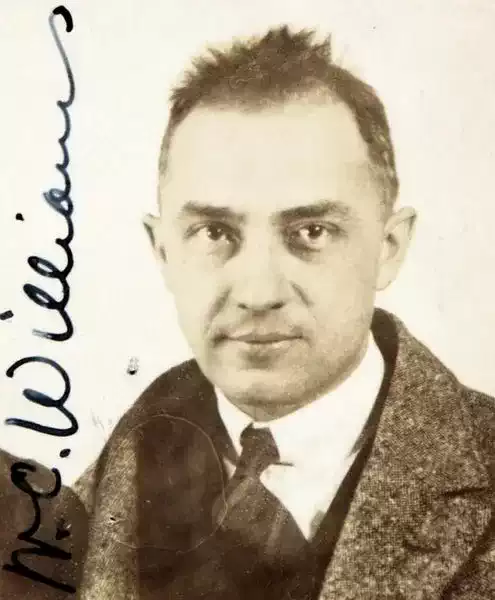
William Carlos Williams
The Last Words of My English Grandmother
The Last Words of My English Grandmother
There were some dirty plates
and a glass of milk
beside her on a small table
near the rank, disheveled bed--
Wrinkled and nearly blind
she lay and snored
rousing with anger in her tones
to cry for food,
Gimme something to eat--
They're starving me--
I'm all right--I won't go
to the hospital.No, no, no
Give me something to eat!
Let me take you
to the hospital, I said
and after you are well
you can do as you please.
She smiled, Yes
you do what you please first
then I can do what I please--
Oh, oh, oh! she cried
as the ambulance men lifted
her to the stretcher--
Is this what you call
making me comfortable?
By now her mind was clear--
Oh you think you're smart
you young people,
she said, but I'll tell you
you don't know anything.
Then we started.
On the way
we passed a long row
of elms. She looked at them
awhile out of
the ambulance window and said,
What are all those
fuzzy looking things out there?
Trees?Well, I'm tired
of them and rolled her head away.
There were some dirty plates
and a glass of milk
beside her on a small table
near the rank, disheveled bed--
Wrinkled and nearly blind
she lay and snored
rousing with anger in her tones
to cry for food,
Gimme something to eat--
They're starving me--
I'm all right--I won't go
to the hospital.No, no, no
Give me something to eat!
Let me take you
to the hospital, I said
and after you are well
you can do as you please.
She smiled, Yes
you do what you please first
then I can do what I please--
Oh, oh, oh! she cried
as the ambulance men lifted
her to the stretcher--
Is this what you call
making me comfortable?
By now her mind was clear--
Oh you think you're smart
you young people,
she said, but I'll tell you
you don't know anything.
Then we started.
On the way
we passed a long row
of elms. She looked at them
awhile out of
the ambulance window and said,
What are all those
fuzzy looking things out there?
Trees?Well, I'm tired
of them and rolled her head away.
668
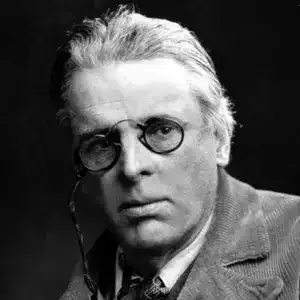
William Butler Yeats
Under The Round Tower
Under The Round Tower
'ALTHOUGH I'd lie lapped up in linen
A deal I'd sweat and little earn
If I should live as live the neighbours,'
Cried the beggar, Billy Byrne;
'Stretch bones till the daylight come
On great-grandfather's battered tomb.'
Upon a grey old battered tombstone
In Glendalough beside the stream
Where the O'Byrnes and Byrnes are buried,
He stretched his bones and fell in a dream
Of sun and moon that a good hour
Bellowed and pranced in the round tower;
Of golden king and Silver lady,
Bellowing up and bellowing round,
Till toes mastered a sweet measure,
Mouth mastered a sweet sound,
Prancing round and prancing up
Until they pranced upon the top.
That golden king and that wild lady
Sang till stars began to fade,
Hands gripped in hands, toes close together,
Hair spread on the wind they made;
That lady and that golden king
Could like a brace of blackbirds sing.
'It's certain that my luck is broken,'
That rambling jailbird Billy said;
'Before nightfall I'll pick a pocket
And snug it in a feather bed.
I cannot find the peace of home
On great-grandfather's battered tomb.'
'ALTHOUGH I'd lie lapped up in linen
A deal I'd sweat and little earn
If I should live as live the neighbours,'
Cried the beggar, Billy Byrne;
'Stretch bones till the daylight come
On great-grandfather's battered tomb.'
Upon a grey old battered tombstone
In Glendalough beside the stream
Where the O'Byrnes and Byrnes are buried,
He stretched his bones and fell in a dream
Of sun and moon that a good hour
Bellowed and pranced in the round tower;
Of golden king and Silver lady,
Bellowing up and bellowing round,
Till toes mastered a sweet measure,
Mouth mastered a sweet sound,
Prancing round and prancing up
Until they pranced upon the top.
That golden king and that wild lady
Sang till stars began to fade,
Hands gripped in hands, toes close together,
Hair spread on the wind they made;
That lady and that golden king
Could like a brace of blackbirds sing.
'It's certain that my luck is broken,'
That rambling jailbird Billy said;
'Before nightfall I'll pick a pocket
And snug it in a feather bed.
I cannot find the peace of home
On great-grandfather's battered tomb.'
350
William Butler Yeats
Under Saturn
Under Saturn
DO not because this day I have grown saturnine
Imagine that lost love, inseparable from my thought
Because I have no other youth, can make me pine;
For how should I forget the wisdom that you brought,
The comfort that you made? Although my wits have gone
On a fantastic ride, my horse's flanks are spurred
By childish memories of an old cross Pollexfen,
And of a Middleton, whose name you never heard,
And of a red-haired Yeats whose looks, although he died
Before my time, seem like a vivid memory.
You heard that labouring man who had served my people. He said
Upon the open road, near to the Sligo quay --
No, no, not said, but cried it out -- 'You have come again,
And surely after twenty years it was time to come.'
I am thinking of a child's vow sworn in vain
Never to leave that valley his fathers called their home.
DO not because this day I have grown saturnine
Imagine that lost love, inseparable from my thought
Because I have no other youth, can make me pine;
For how should I forget the wisdom that you brought,
The comfort that you made? Although my wits have gone
On a fantastic ride, my horse's flanks are spurred
By childish memories of an old cross Pollexfen,
And of a Middleton, whose name you never heard,
And of a red-haired Yeats whose looks, although he died
Before my time, seem like a vivid memory.
You heard that labouring man who had served my people. He said
Upon the open road, near to the Sligo quay --
No, no, not said, but cried it out -- 'You have come again,
And surely after twenty years it was time to come.'
I am thinking of a child's vow sworn in vain
Never to leave that valley his fathers called their home.
408
William Butler Yeats
Responsibilities - Introduction
Responsibilities - Introduction
Pardon, old fathers, if you still remain
Somewhere in ear-shot for the story's end,
Old Dublin merchant "free of the ten and four"
Or trading out of Galway into Spain;
Old country scholar, Robert Emmet's friend,
A hundred-year-old memory to the poor;
Merchant and scholar who have left me blood
That has not passed through any huckster's loin,
Soldiers that gave, whatever die was cast:
A Butler or an Armstrong that withstood
Beside the brackish waters of the Boyne
James and his Irish when the Dutchman crossed;
Old merchant skipper that leaped overboard
After a ragged hat in Biscay Bay;
You most of all, silent and fierce old man,
Because the daily spectacle that stirred
My fancy, and set my boyish lips to say,
"Only the wasteful virtues earn the sun";
Pardon that for a barren passion's sake,
Although I have come close on forty-nine,
I have no child, I have nothing but a book,
Nothing but that to prove your blood and mine.
Pardon, old fathers, if you still remain
Somewhere in ear-shot for the story's end,
Old Dublin merchant "free of the ten and four"
Or trading out of Galway into Spain;
Old country scholar, Robert Emmet's friend,
A hundred-year-old memory to the poor;
Merchant and scholar who have left me blood
That has not passed through any huckster's loin,
Soldiers that gave, whatever die was cast:
A Butler or an Armstrong that withstood
Beside the brackish waters of the Boyne
James and his Irish when the Dutchman crossed;
Old merchant skipper that leaped overboard
After a ragged hat in Biscay Bay;
You most of all, silent and fierce old man,
Because the daily spectacle that stirred
My fancy, and set my boyish lips to say,
"Only the wasteful virtues earn the sun";
Pardon that for a barren passion's sake,
Although I have come close on forty-nine,
I have no child, I have nothing but a book,
Nothing but that to prove your blood and mine.
313
William Butler Yeats
Meditations In Time Of Civil War
Meditations In Time Of Civil War
I
Ancestral Houses
SURELY among a rich man s flowering lawns,
Amid the rustle of his planted hills,
Life overflows without ambitious pains;
And rains down life until the basin spills,
And mounts more dizzy high the more it rains
As though to choose whatever shape it wills
And never stoop to a mechanical
Or servile shape, at others' beck and call.
Mere dreams, mere dreams! Yet Homer had not Sung
Had he not found it certain beyond dreams
That out of life's own self-delight had sprung
The abounding glittering jet; though now it seems
As if some marvellous empty sea-shell flung
Out of the obscure dark of the rich streams,
And not a fountain, were the symbol which
Shadows the inherited glory of the rich.
Some violent bitter man, some powerful man
Called architect and artist in, that they,
Bitter and violent men, might rear in stone
The sweetness that all longed for night and day,
The gentleness none there had ever known;
But when the master's buried mice can play.
And maybe the great-grandson of that house,
For all its bronze and marble, 's but a mouse.
O what if gardens where the peacock strays
With delicate feet upon old terraces,
Or else all Juno from an urn displays
Before the indifferent garden deities;
O what if levelled lawns and gravelled ways
Where slippered Contemplation finds his ease
And Childhood a delight for every sense,
But take our greatness with our violence?
What if the glory of escutcheoned doors,
And buildings that a haughtier age designed,
The pacing to and fro on polished floors
Amid great chambers and long galleries, lined
With famous portraits of our ancestors;
What if those things the greatest of mankind
Consider most to magnify, or to bless,
But take our greatness with our bitterness?
II
My House
An ancient bridge, and a more ancient tower,
A farmhouse that is sheltered by its wall,
An acre of stony ground,
Where the symbolic rose can break in flower,
Old ragged elms, old thorns innumerable,
The sound of the rain or sound
Of every wind that blows;
The stilted water-hen
Crossing Stream again
Scared by the splashing of a dozen cows;
A winding stair, a chamber arched with stone,
A grey stone fireplace with an open hearth,
A candle and written page.
Il Penseroso's Platonist toiled on
In some like chamber, shadowing forth
How the daemonic rage
Imagined everything.
Benighted travellers
From markets and from fairs
Have seen his midnight candle glimmering.
Two men have founded here. A man-at-arms
Gathered a score of horse and spent his days
In this tumultuous spot,
Where through long wars and sudden night alarms
His dwinding score and he seemed castaways
Forgetting and forgot;
And I, that after me
My bodily heirs may find,
To exalt a lonely mind,
Befitting emblems of adversity.
III
My Table
Two heavy trestles, and a board
Where Sato's gift, a changeless sword,
By pen and paper lies,
That it may moralise
My days out of their aimlessness.
A bit of an embroidered dress
Covers its wooden sheath.
Chaucer had not drawn breath
When it was forged. In Sato's house,
Curved like new moon, moon-luminous
It lay five hundred years.
Yet if no change appears
No moon; only an aching heart
Conceives a changeless work of art.
Our learned men have urged
That when and where 'twas forged
A marvellous accomplishment,
In painting or in pottery, went
From father unto son
And through the centuries ran
And seemed unchanging like the sword.
Soul's beauty being most adored,
Men and their business took
Me soul's unchanging look;
For the most rich inheritor,
Knowing that none could pass Heaven's door,
That loved inferior art,
Had such an aching heart
That he, although a country's talk
For silken clothes and stately walk.
Had waking wits; it seemed
Juno's peacock screamed.
IV
My Descendants
Having inherited a vigorous mind
From my old fathers, I must nourish dreams
And leave a woman and a man behind
As vigorous of mind, and yet it seems
Life scarce can cast a fragrance on the wind,
Scarce spread a glory to the morning beams,
But the torn petals strew the garden plot;
And there's but common greenness after that.
And what if my descendants lose the flower
Through natural declension of the soul,
Through too much business with the passing hour,
Through too much play, or marriage with a fool?
May this laborious stair and this stark tower
Become a roofless min that the owl
May build in the cracked masonry and cry
Her desolation to the desolate sky.
The primum Mobile that fashioned us
Has made the very owls in circles move;
And I, that count myself most prosperous,
Seeing that love and friendship are enough,
For an old neighbour's friendship chose the house
And decked and altered it for a girl's love,
And know whatever flourish and decline
These stones remain their monument and mine.
V
The Road at My Door
An affable Irregular,
A heavily-built Falstaffian man,
Comes cracking jokes of civil war
As though to die by gunshot were
The finest play under the sun.
A brown Lieutenant and his men,
Half dressed in national uniform,
Stand at my door, and I complain
Of the foul weather, hail and rain,
A pear-tree broken by the storm.
I count those feathered balls of soot
The moor-hen guides upon the stream.
To silence the envy in my thought;
And turn towards my chamber, caught
In the cold snows of a dream.
VI
The Stare's Nest by My Window
The bees build in the crevices
Of loosening masonry, and there
The mother birds bring grubs and flies.
My wall is loosening; honey-bees,
Come build in the empty house of the state.
We are closed in, and the key is turned
On our uncertainty; somewhere
A man is killed, or a house burned,
Yet no cleat fact to be discerned:
Come build in he empty house of the stare.
A barricade of stone or of wood;
Some fourteen days of civil war;
Last night they trundled down the road
That dead young soldier in his blood:
Come build in the empty house of the stare.
We had fed the heart on fantasies,
The heart's grown brutal from the fare;
More Substance in our enmities
Than in our love; O honey-bees,
Come build in the empty house of the stare.
VII
I see Phantoms of Hatred and of the Heart's
Fullness and of the Coming Emptiness
I climb to the tower-top and lean upon broken stone,
A mist that is like blown snow is sweeping over all,
Valley, river, and elms, under the light of a moon
That seems unlike itself, that seems unchangeable,
A glittering sword out of the east. A puff of wind
And those white glimmering fragments of the mist sweep by.
Frenzies bewilder, reveries perturb the mind;
Monstrous familiar images swim to the mind's eye.
'Vengeance upon the murderers,' the cry goes up,
'Vengeance for Jacques Molay.' In cloud-pale rags, or in lace,
The rage-driven, rage-tormented, and rage-hungry troop,
Trooper belabouring trooper, biting at arm or at face,
Plunges towards nothing, arms and fingers spreading wide
For the embrace of nothing; and I, my wits astray
Because of all that senseless tumult, all but cried
For vengeance on the murderers of Jacques Molay.
Their legs long, delicate and slender, aquamarine their eyes,
Magical unicorns bear ladies on their backs.
The ladies close their musing eyes. No prophecies,
Remembered out of Babylonian almanacs,
Have closed the ladies' eyes, their minds are but a pool
Where even longing drowns under its own excess;
Nothing but stillness can remain when hearts are full
Of their own sweetness, bodies of their loveliness.
The cloud-pale unicorns, the eyes of aquamarine,
The quivering half-closed eyelids, the rags of cloud or of lace,
Or eyes that rage has brightened, arms it has made lean,
Give place to an indifferent multitude, give place
To brazen hawks. Nor self-delighting reverie,
Nor hate of what's to come, nor pity for what's gone,
Nothing but grip of claw, and the eye's complacency,
The innumerable clanging wings that have put out the moon.
I turn away and shut the door, and on the stair
Wonder how many times I could have proved my worth
In something that all others understand or share;
But O! ambitious heart, had such a proof drawn forth
A company of friends, a conscience set at ease,
It had but made us pine the more. The abstract joy,
The half-read wisdom of daemonic images,
Suffice the ageing man as once the growing boy.
I
Ancestral Houses
SURELY among a rich man s flowering lawns,
Amid the rustle of his planted hills,
Life overflows without ambitious pains;
And rains down life until the basin spills,
And mounts more dizzy high the more it rains
As though to choose whatever shape it wills
And never stoop to a mechanical
Or servile shape, at others' beck and call.
Mere dreams, mere dreams! Yet Homer had not Sung
Had he not found it certain beyond dreams
That out of life's own self-delight had sprung
The abounding glittering jet; though now it seems
As if some marvellous empty sea-shell flung
Out of the obscure dark of the rich streams,
And not a fountain, were the symbol which
Shadows the inherited glory of the rich.
Some violent bitter man, some powerful man
Called architect and artist in, that they,
Bitter and violent men, might rear in stone
The sweetness that all longed for night and day,
The gentleness none there had ever known;
But when the master's buried mice can play.
And maybe the great-grandson of that house,
For all its bronze and marble, 's but a mouse.
O what if gardens where the peacock strays
With delicate feet upon old terraces,
Or else all Juno from an urn displays
Before the indifferent garden deities;
O what if levelled lawns and gravelled ways
Where slippered Contemplation finds his ease
And Childhood a delight for every sense,
But take our greatness with our violence?
What if the glory of escutcheoned doors,
And buildings that a haughtier age designed,
The pacing to and fro on polished floors
Amid great chambers and long galleries, lined
With famous portraits of our ancestors;
What if those things the greatest of mankind
Consider most to magnify, or to bless,
But take our greatness with our bitterness?
II
My House
An ancient bridge, and a more ancient tower,
A farmhouse that is sheltered by its wall,
An acre of stony ground,
Where the symbolic rose can break in flower,
Old ragged elms, old thorns innumerable,
The sound of the rain or sound
Of every wind that blows;
The stilted water-hen
Crossing Stream again
Scared by the splashing of a dozen cows;
A winding stair, a chamber arched with stone,
A grey stone fireplace with an open hearth,
A candle and written page.
Il Penseroso's Platonist toiled on
In some like chamber, shadowing forth
How the daemonic rage
Imagined everything.
Benighted travellers
From markets and from fairs
Have seen his midnight candle glimmering.
Two men have founded here. A man-at-arms
Gathered a score of horse and spent his days
In this tumultuous spot,
Where through long wars and sudden night alarms
His dwinding score and he seemed castaways
Forgetting and forgot;
And I, that after me
My bodily heirs may find,
To exalt a lonely mind,
Befitting emblems of adversity.
III
My Table
Two heavy trestles, and a board
Where Sato's gift, a changeless sword,
By pen and paper lies,
That it may moralise
My days out of their aimlessness.
A bit of an embroidered dress
Covers its wooden sheath.
Chaucer had not drawn breath
When it was forged. In Sato's house,
Curved like new moon, moon-luminous
It lay five hundred years.
Yet if no change appears
No moon; only an aching heart
Conceives a changeless work of art.
Our learned men have urged
That when and where 'twas forged
A marvellous accomplishment,
In painting or in pottery, went
From father unto son
And through the centuries ran
And seemed unchanging like the sword.
Soul's beauty being most adored,
Men and their business took
Me soul's unchanging look;
For the most rich inheritor,
Knowing that none could pass Heaven's door,
That loved inferior art,
Had such an aching heart
That he, although a country's talk
For silken clothes and stately walk.
Had waking wits; it seemed
Juno's peacock screamed.
IV
My Descendants
Having inherited a vigorous mind
From my old fathers, I must nourish dreams
And leave a woman and a man behind
As vigorous of mind, and yet it seems
Life scarce can cast a fragrance on the wind,
Scarce spread a glory to the morning beams,
But the torn petals strew the garden plot;
And there's but common greenness after that.
And what if my descendants lose the flower
Through natural declension of the soul,
Through too much business with the passing hour,
Through too much play, or marriage with a fool?
May this laborious stair and this stark tower
Become a roofless min that the owl
May build in the cracked masonry and cry
Her desolation to the desolate sky.
The primum Mobile that fashioned us
Has made the very owls in circles move;
And I, that count myself most prosperous,
Seeing that love and friendship are enough,
For an old neighbour's friendship chose the house
And decked and altered it for a girl's love,
And know whatever flourish and decline
These stones remain their monument and mine.
V
The Road at My Door
An affable Irregular,
A heavily-built Falstaffian man,
Comes cracking jokes of civil war
As though to die by gunshot were
The finest play under the sun.
A brown Lieutenant and his men,
Half dressed in national uniform,
Stand at my door, and I complain
Of the foul weather, hail and rain,
A pear-tree broken by the storm.
I count those feathered balls of soot
The moor-hen guides upon the stream.
To silence the envy in my thought;
And turn towards my chamber, caught
In the cold snows of a dream.
VI
The Stare's Nest by My Window
The bees build in the crevices
Of loosening masonry, and there
The mother birds bring grubs and flies.
My wall is loosening; honey-bees,
Come build in the empty house of the state.
We are closed in, and the key is turned
On our uncertainty; somewhere
A man is killed, or a house burned,
Yet no cleat fact to be discerned:
Come build in he empty house of the stare.
A barricade of stone or of wood;
Some fourteen days of civil war;
Last night they trundled down the road
That dead young soldier in his blood:
Come build in the empty house of the stare.
We had fed the heart on fantasies,
The heart's grown brutal from the fare;
More Substance in our enmities
Than in our love; O honey-bees,
Come build in the empty house of the stare.
VII
I see Phantoms of Hatred and of the Heart's
Fullness and of the Coming Emptiness
I climb to the tower-top and lean upon broken stone,
A mist that is like blown snow is sweeping over all,
Valley, river, and elms, under the light of a moon
That seems unlike itself, that seems unchangeable,
A glittering sword out of the east. A puff of wind
And those white glimmering fragments of the mist sweep by.
Frenzies bewilder, reveries perturb the mind;
Monstrous familiar images swim to the mind's eye.
'Vengeance upon the murderers,' the cry goes up,
'Vengeance for Jacques Molay.' In cloud-pale rags, or in lace,
The rage-driven, rage-tormented, and rage-hungry troop,
Trooper belabouring trooper, biting at arm or at face,
Plunges towards nothing, arms and fingers spreading wide
For the embrace of nothing; and I, my wits astray
Because of all that senseless tumult, all but cried
For vengeance on the murderers of Jacques Molay.
Their legs long, delicate and slender, aquamarine their eyes,
Magical unicorns bear ladies on their backs.
The ladies close their musing eyes. No prophecies,
Remembered out of Babylonian almanacs,
Have closed the ladies' eyes, their minds are but a pool
Where even longing drowns under its own excess;
Nothing but stillness can remain when hearts are full
Of their own sweetness, bodies of their loveliness.
The cloud-pale unicorns, the eyes of aquamarine,
The quivering half-closed eyelids, the rags of cloud or of lace,
Or eyes that rage has brightened, arms it has made lean,
Give place to an indifferent multitude, give place
To brazen hawks. Nor self-delighting reverie,
Nor hate of what's to come, nor pity for what's gone,
Nothing but grip of claw, and the eye's complacency,
The innumerable clanging wings that have put out the moon.
I turn away and shut the door, and on the stair
Wonder how many times I could have proved my worth
In something that all others understand or share;
But O! ambitious heart, had such a proof drawn forth
A company of friends, a conscience set at ease,
It had but made us pine the more. The abstract joy,
The half-read wisdom of daemonic images,
Suffice the ageing man as once the growing boy.
386
William Butler Yeats
Love's Loneliness
Love's Loneliness
Old fathers, great-grandfathers,
Rise as kindred should.
If ever lover's loneliness
Came where you stood,
Pray that Heaven protect us
That protect your blood.
The mountain throws a shadow,
Thin is the moon's horn;
What did we remember
Under the ragged thorn?
Dread has followed longing,
And our hearts are torn.
Old fathers, great-grandfathers,
Rise as kindred should.
If ever lover's loneliness
Came where you stood,
Pray that Heaven protect us
That protect your blood.
The mountain throws a shadow,
Thin is the moon's horn;
What did we remember
Under the ragged thorn?
Dread has followed longing,
And our hearts are torn.
269
William Butler Yeats
In Memory Of Alfred Pollexfen
In Memory Of Alfred Pollexfen
FIVE-AND-TWENTY years have gone
Since old William pollexfen
Laid his strong bones down in death
By his wife Elizabeth
In the grey stone tomb he made.
And after twenty years they laid
In that tomb by him and her
His son George, the astrologer;
And Masons drove from miles away
To scatter the Acacia spray
Upon a melancholy man
Who had ended where his breath began.
Many a son and daughter lies
Far from the customary skies,
The Mall and Eades's grammar school,
In London or in Liverpool;
But where is laid the sailor John
That so many lands had known,
Quiet lands or unquiet seas
Where the Indians trade or Japanese?
He never found his rest ashore,
Moping for one voyage more.
Where have they laid the sailor John?
And yesterday the youngest son,
A humorous, unambitious man,
Was buried near the astrologer,
Yesterday in the tenth year
Since he who had been contented long.
A nobody in a great throng,
Decided he would journey home,
Now that his fiftieth year had come,
And 'Mr. Alfred' be again
Upon the lips of common men
Who carried in their memory
His childhood and his family.
At all these death-beds women heard
A visionary white sea-bird
Lamenting that a man should die;
And with that cry I have raised my cry.
FIVE-AND-TWENTY years have gone
Since old William pollexfen
Laid his strong bones down in death
By his wife Elizabeth
In the grey stone tomb he made.
And after twenty years they laid
In that tomb by him and her
His son George, the astrologer;
And Masons drove from miles away
To scatter the Acacia spray
Upon a melancholy man
Who had ended where his breath began.
Many a son and daughter lies
Far from the customary skies,
The Mall and Eades's grammar school,
In London or in Liverpool;
But where is laid the sailor John
That so many lands had known,
Quiet lands or unquiet seas
Where the Indians trade or Japanese?
He never found his rest ashore,
Moping for one voyage more.
Where have they laid the sailor John?
And yesterday the youngest son,
A humorous, unambitious man,
Was buried near the astrologer,
Yesterday in the tenth year
Since he who had been contented long.
A nobody in a great throng,
Decided he would journey home,
Now that his fiftieth year had come,
And 'Mr. Alfred' be again
Upon the lips of common men
Who carried in their memory
His childhood and his family.
At all these death-beds women heard
A visionary white sea-bird
Lamenting that a man should die;
And with that cry I have raised my cry.
431
William Butler Yeats
From The 'Antigone'
From The 'Antigone'
Overcome -- O bitter sweetness,
Inhabitant of the soft cheek of a girl --
The rich man and his affairs,
The fat flocks and the fields' fatness,
Mariners, rough harvesters;
Overcome Gods upon Parnassus;
Overcome the Empyrean; hurl
Heaven and Earth out of their places,
That in the Same calamity
Brother and brother, friend and friend,
Family and family,
City and city may contend,
By that great glory driven wild.
Pray I will and sing I must,
And yet I weep -- Oedipus' child
Descends into the loveless dust.
Overcome -- O bitter sweetness,
Inhabitant of the soft cheek of a girl --
The rich man and his affairs,
The fat flocks and the fields' fatness,
Mariners, rough harvesters;
Overcome Gods upon Parnassus;
Overcome the Empyrean; hurl
Heaven and Earth out of their places,
That in the Same calamity
Brother and brother, friend and friend,
Family and family,
City and city may contend,
By that great glory driven wild.
Pray I will and sing I must,
And yet I weep -- Oedipus' child
Descends into the loveless dust.
264
Page 1
Next