

Flowers and Gardens
Poems in this topic
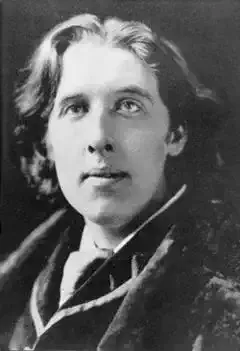
Oscar Wilde
Under The Balcony
O beautiful star with the crimson mouth!
O moon with the brows of gold!
Rise up, rise up, from the odorous south!
And light for my love her way,
Lest her little feet should stray
On the windy hill and the wold!
O beautiful star with the crimson mouth!
O moon with the brows of gold!
O ship that shakes on the desolate sea!
O ship with the wet, white sail!
Put in, put in, to the port to me!
For my love and I would go
To the land where the daffodils blow
In the heart of a violet dale!
O ship that shakes on the desolate sea!
O ship with the wet, white sail!
O rapturous bird with the low, sweet note!
O bird that sits on the spray!
Sing on, sing on, from your soft brown throat!
And my love in her little bed
Will listen, and lift her head
From the pillow, and come my way!
O rapturous bird with the low, sweet note!
O bird that sits on the spray!
O blossom that hangs in the tremulous air!
O blossom with lips of snow!
Come down, come down, for my love to wear!
You will die on her head in a crown,
You will die in a fold of her gown,
To her little light heart you will go!
O blossom that hangs in the tremulous air!
O blossom with lips of snow!
O moon with the brows of gold!
Rise up, rise up, from the odorous south!
And light for my love her way,
Lest her little feet should stray
On the windy hill and the wold!
O beautiful star with the crimson mouth!
O moon with the brows of gold!
O ship that shakes on the desolate sea!
O ship with the wet, white sail!
Put in, put in, to the port to me!
For my love and I would go
To the land where the daffodils blow
In the heart of a violet dale!
O ship that shakes on the desolate sea!
O ship with the wet, white sail!
O rapturous bird with the low, sweet note!
O bird that sits on the spray!
Sing on, sing on, from your soft brown throat!
And my love in her little bed
Will listen, and lift her head
From the pillow, and come my way!
O rapturous bird with the low, sweet note!
O bird that sits on the spray!
O blossom that hangs in the tremulous air!
O blossom with lips of snow!
Come down, come down, for my love to wear!
You will die on her head in a crown,
You will die in a fold of her gown,
To her little light heart you will go!
O blossom that hangs in the tremulous air!
O blossom with lips of snow!
710
Oscar Wilde
Magdalen Walks
The little white clouds are racing over the sky,
And the fields are strewn with the gold of the flower of March,
The daffodil breaks under foot, and the tasselled larch
Sways and swings as the thrush goes hurrying by.
A delicate odour is borne on the wings of the morning breeze,
The odour of deep wet grass, and of brown new-furrowed earth,
The birds are singing for joy of the Spring's glad birth,
Hopping from branch to branch on the rocking trees.
And all the woods are alive with the murmur and sound of Spring,
And the rose-bud breaks into pink on the climbing briar,
And the crocus-bed is a quivering moon of fire
Girdled round with the belt of an amethyst ring.
And the plane to the pine-tree is whispering some tale of love
Till it rustles with laughter and tosses its mantle of green,
And the gloom of the wych-elm's hollow is lit with the iris sheen
Of the burnished rainbow throat and the silver breast of a dove.
See! the lark starts up from his bed in the meadow there,
Breaking the gossamer threads and the nets of dew,
And flashing adown the river, a flame of blue!
The kingfisher flies like an arrow, and wounds the air.
And the fields are strewn with the gold of the flower of March,
The daffodil breaks under foot, and the tasselled larch
Sways and swings as the thrush goes hurrying by.
A delicate odour is borne on the wings of the morning breeze,
The odour of deep wet grass, and of brown new-furrowed earth,
The birds are singing for joy of the Spring's glad birth,
Hopping from branch to branch on the rocking trees.
And all the woods are alive with the murmur and sound of Spring,
And the rose-bud breaks into pink on the climbing briar,
And the crocus-bed is a quivering moon of fire
Girdled round with the belt of an amethyst ring.
And the plane to the pine-tree is whispering some tale of love
Till it rustles with laughter and tosses its mantle of green,
And the gloom of the wych-elm's hollow is lit with the iris sheen
Of the burnished rainbow throat and the silver breast of a dove.
See! the lark starts up from his bed in the meadow there,
Breaking the gossamer threads and the nets of dew,
And flashing adown the river, a flame of blue!
The kingfisher flies like an arrow, and wounds the air.
647
Oscar Wilde
Le Jardin
The lily's withered chalice falls
Around its rod of dusty gold,
And from the beech-trees on the wold
The last wood-pigeon coos and calls.
The gaudy leonine sunflower
Hangs black and barren on its stalk,
And down the windy garden walk
The dead leaves scatter, - hour by hour.
Pale privet-petals white as milk
Are blown into a snowy mass:
The roses lie upon the grass
Like little shreds of crimson silk.
Around its rod of dusty gold,
And from the beech-trees on the wold
The last wood-pigeon coos and calls.
The gaudy leonine sunflower
Hangs black and barren on its stalk,
And down the windy garden walk
The dead leaves scatter, - hour by hour.
Pale privet-petals white as milk
Are blown into a snowy mass:
The roses lie upon the grass
Like little shreds of crimson silk.
648
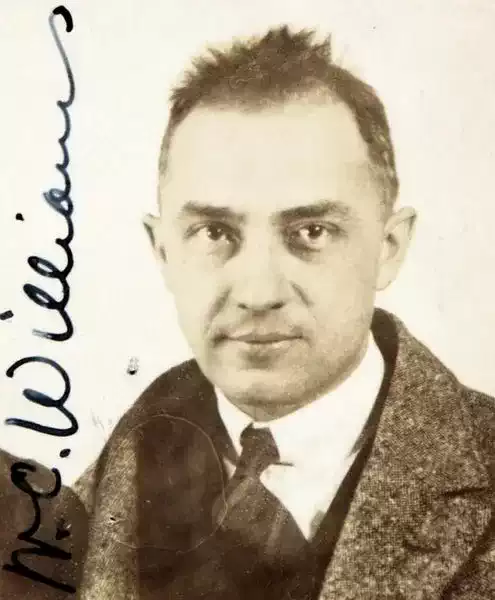
William Carlos Williams
The Disputants
The Disputants
Upon the table in their bowl
in violent disarray
of yellow sprays, green spikes
of leaves, red pointed petals
and curled heads of blue
and white among the litter
of the forks and crumbs and plates
the flowers remain composed.
Coolly their colloquy continues
above the coffee and loud talk
grown frail as vaudeville.
Upon the table in their bowl
in violent disarray
of yellow sprays, green spikes
of leaves, red pointed petals
and curled heads of blue
and white among the litter
of the forks and crumbs and plates
the flowers remain composed.
Coolly their colloquy continues
above the coffee and loud talk
grown frail as vaudeville.
356
William Carlos Williams
A Celebration
A Celebration
A middle-northern March, now as always--
gusts from the South broken against cold winds--
but from under, as if a slow hand lifted a tide,
it moves--not into April--into a second March,
the old skin of wind-clear scales dropping
upon the mold: this is the shadow projects the tree
upward causing the sun to shine in his sphere.
So we will put on our pink felt hat--new last year!
--newer this by virtue of brown eyes turning back
the seasons--and let us walk to the orchid-house,
see the flowers will take the prize tomorrow
at the Palace.
Stop here, these are our oleanders.
When they are in bloom--
You would waste words
It is clearer to me than if the pink
were on the branch. It would be a searching in
a colored cloud to reveal that which now, huskless,
shows the very reason for their being.
And these the orange-trees, in blossom--no need
to tell with this weight of perfume in the air.
If it were not so dark in this shed one could better
see the white.
It is that very perfume
has drawn the darkness down among the leaves.
Do I speak clearly enough?
It is this darkness reveals that which darkness alone
loosens and sets spinning on waxen wings--
not the touch of a finger-tip, not the motion
of a sigh. A too heavy sweetness proves
its own caretaker.
And here are the orchids!
Never having seen
such gaiety I will read these flowers for you:
This is an odd January, died--in Villon's time.
Snow, this is and this the stain of a violet
grew in that place the spring that foresaw its own doom.
And this, a certain July from Iceland:
a young woman of that place
breathed it toward the South. It took root there.
The color ran true but the plant is small.
This falling spray of snow-flakes is
a handful of dead Februaries
prayed into flower by Rafael Arevalo Martinez
of Guatemala.
Here's that old friend who
went by my side so many years: this full, fragile
head of veined lavender. Oh that April
that we first went with our stiff lusts
leaving the city behind, out to the green hill--
May, they said she was. A hand for all of us:
this branch of blue butterflies tied to this stem.
June is a yellow cup I'll not name; August
the over-heavy one. And here are--
russet and shiny, all but March. And March?
Ah, March--
Flowers are a tiresome pastime.
One has a wish to shake them from their pots
root and stem, for the sun to gnaw.
Walk out again into the cold and saunter home
to the fire. This day has blossomed long enough.
I have wiped out the red night and lit a blaze
instead which will at least warm our hands
and stir up the talk.
I think we have kept fair time.
Time is a green orchard.
A middle-northern March, now as always--
gusts from the South broken against cold winds--
but from under, as if a slow hand lifted a tide,
it moves--not into April--into a second March,
the old skin of wind-clear scales dropping
upon the mold: this is the shadow projects the tree
upward causing the sun to shine in his sphere.
So we will put on our pink felt hat--new last year!
--newer this by virtue of brown eyes turning back
the seasons--and let us walk to the orchid-house,
see the flowers will take the prize tomorrow
at the Palace.
Stop here, these are our oleanders.
When they are in bloom--
You would waste words
It is clearer to me than if the pink
were on the branch. It would be a searching in
a colored cloud to reveal that which now, huskless,
shows the very reason for their being.
And these the orange-trees, in blossom--no need
to tell with this weight of perfume in the air.
If it were not so dark in this shed one could better
see the white.
It is that very perfume
has drawn the darkness down among the leaves.
Do I speak clearly enough?
It is this darkness reveals that which darkness alone
loosens and sets spinning on waxen wings--
not the touch of a finger-tip, not the motion
of a sigh. A too heavy sweetness proves
its own caretaker.
And here are the orchids!
Never having seen
such gaiety I will read these flowers for you:
This is an odd January, died--in Villon's time.
Snow, this is and this the stain of a violet
grew in that place the spring that foresaw its own doom.
And this, a certain July from Iceland:
a young woman of that place
breathed it toward the South. It took root there.
The color ran true but the plant is small.
This falling spray of snow-flakes is
a handful of dead Februaries
prayed into flower by Rafael Arevalo Martinez
of Guatemala.
Here's that old friend who
went by my side so many years: this full, fragile
head of veined lavender. Oh that April
that we first went with our stiff lusts
leaving the city behind, out to the green hill--
May, they said she was. A hand for all of us:
this branch of blue butterflies tied to this stem.
June is a yellow cup I'll not name; August
the over-heavy one. And here are--
russet and shiny, all but March. And March?
Ah, March--
Flowers are a tiresome pastime.
One has a wish to shake them from their pots
root and stem, for the sun to gnaw.
Walk out again into the cold and saunter home
to the fire. This day has blossomed long enough.
I have wiped out the red night and lit a blaze
instead which will at least warm our hands
and stir up the talk.
I think we have kept fair time.
Time is a green orchard.
514
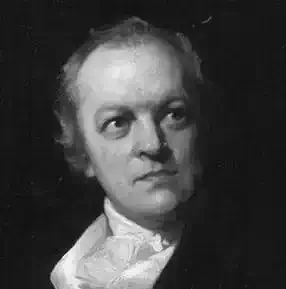
William Blake
To Autum
To Autum
O Autumn, laden with fruit, and stain'd
With the blood of the grape, pass not, but sit
Beneath my shady roof; there thou may'st rest,
And tune thy jolly voice to my fresh pipe,
And all the daughters of the year shall dance!
Sing now the lusty song of fruits and flowers.
'The narrow bud opens her beauties to
The sun, and love runs in her thrilling veins;
Blossoms hang round the brows of Morning, and
Flourish down the bright cheek of modest Eve,
Till clust'ring Summer breaks forth into singing,
And feather'd clouds strew flowers round her head.
'The spirits of the air live in the smells
Of fruit; and Joy, with pinions light, roves round
The gardens, or sits singing in the trees.'
Thus sang the jolly Autumn as he sat,
Then rose, girded himself, and o'er the bleak
Hills fled from our sight; but left his golden load.
O Autumn, laden with fruit, and stain'd
With the blood of the grape, pass not, but sit
Beneath my shady roof; there thou may'st rest,
And tune thy jolly voice to my fresh pipe,
And all the daughters of the year shall dance!
Sing now the lusty song of fruits and flowers.
'The narrow bud opens her beauties to
The sun, and love runs in her thrilling veins;
Blossoms hang round the brows of Morning, and
Flourish down the bright cheek of modest Eve,
Till clust'ring Summer breaks forth into singing,
And feather'd clouds strew flowers round her head.
'The spirits of the air live in the smells
Of fruit; and Joy, with pinions light, roves round
The gardens, or sits singing in the trees.'
Thus sang the jolly Autumn as he sat,
Then rose, girded himself, and o'er the bleak
Hills fled from our sight; but left his golden load.
471
William Blake
The Sick Rose
The Sick Rose
O Rose, thou art sick!
The invisible worm
That flies in the night,
In the howling storm,
Has found out thy bed
Of crimson joy:
And his dark secret love
Does thy life destroy.
O Rose, thou art sick!
The invisible worm
That flies in the night,
In the howling storm,
Has found out thy bed
Of crimson joy:
And his dark secret love
Does thy life destroy.
420
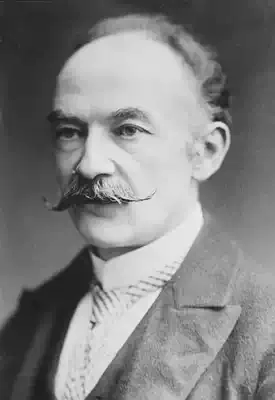
Thomas Hardy
To Flowers From Italy in Winter
To Flowers From Italy in Winter
Sunned in the South, and here to-day;
--If all organic things
Be sentient, Flowers, as some men say,
What are your ponderings?
How can you stay, nor vanish quite
From this bleak spot of thorn,
And birch, and fir, and frozen white
Expanse of the forlorn?
Frail luckless exiles hither brought!
Your dust will not regain
Old sunny haunts of Classic thought
When you shall waste and wane;
But mix with alien earth, be lit
With frigid Boreal flame,
And not a sign remain in it
To tell men whence you came.
Sunned in the South, and here to-day;
--If all organic things
Be sentient, Flowers, as some men say,
What are your ponderings?
How can you stay, nor vanish quite
From this bleak spot of thorn,
And birch, and fir, and frozen white
Expanse of the forlorn?
Frail luckless exiles hither brought!
Your dust will not regain
Old sunny haunts of Classic thought
When you shall waste and wane;
But mix with alien earth, be lit
With frigid Boreal flame,
And not a sign remain in it
To tell men whence you came.
170

Siegfried Sassoon
South Wind
South Wind
Where have you been, South Wind, this May-day morning,—
With larks aloft, or skimming with the swallow,
Or with blackbirds in a green, sun-glinted thicket?
Oh, I heard you like a tyrant in the valley;
Your ruffian haste shook the young, blossoming orchards;
You clapped rude hands, hallooing round the chimney,
And white your pennons streamed along the river.
You have robbed the bee, South Wind, in your adventure,
Blustering with gentle flowers; but I forgave you
When you stole to me shyly with scent of hawthorn.
Where have you been, South Wind, this May-day morning,—
With larks aloft, or skimming with the swallow,
Or with blackbirds in a green, sun-glinted thicket?
Oh, I heard you like a tyrant in the valley;
Your ruffian haste shook the young, blossoming orchards;
You clapped rude hands, hallooing round the chimney,
And white your pennons streamed along the river.
You have robbed the bee, South Wind, in your adventure,
Blustering with gentle flowers; but I forgave you
When you stole to me shyly with scent of hawthorn.
69
Safo
Song of The Rose
Song of The Rose
F Zeus chose us a King of the flowers in his mirth,
He would call to the rose, and would royally crown it;
For the rose, ho, the rose! is the grace of the earth,
Is the light of the plants that are growing upon it!
For the rose, ho, the rose! is the eye of the flowers,
Is the blush of the meadows that feel themselves fair,
Is the lightning of beauty that strikes through the bowers
On pale lovers that sit in the glow unaware.
Ho, the rose breathes of love! ho, the rose lifts the cup
To the red lips of Cypris invoked for a guest!
Ho, the rose having curled its sweet leaves for the world
Takes delight in the motion its petals keep up,
As they laugh to the wind as it laughs from the west.
F Zeus chose us a King of the flowers in his mirth,
He would call to the rose, and would royally crown it;
For the rose, ho, the rose! is the grace of the earth,
Is the light of the plants that are growing upon it!
For the rose, ho, the rose! is the eye of the flowers,
Is the blush of the meadows that feel themselves fair,
Is the lightning of beauty that strikes through the bowers
On pale lovers that sit in the glow unaware.
Ho, the rose breathes of love! ho, the rose lifts the cup
To the red lips of Cypris invoked for a guest!
Ho, the rose having curled its sweet leaves for the world
Takes delight in the motion its petals keep up,
As they laugh to the wind as it laughs from the west.
585

Robert W. Service
Gipsy
Gipsy
The poppies that in Spring I sow,
In rings of radiance gleam and glow,
Like lords and ladies gay.
A joy are they to dream beside,
As in the air of eventide
They flutter, dip and sway.
For some are scarlet, some are gold,
While some in fairy flame unfold,
And some are rose and white.
There's pride of breeding in their glance,
And pride of beauty as they dance
Cotillions of delight.
Yet as I lift my eyes I see
Their swarthy kindred wild and free.
Who flaunt it in the field.
"Begone, you Romanies!" I say,
"Lest you defile this bright array
Whose loveliness I shield."
My poppies are a sheen of light;
They take with ecstasy the sight,
And hold the heart elate . . . .
Yet why do I so often turn
To where their outcast brothers burn
With passion at my gate?
My poppies are my joy and pride;
Yet wistfully I gaze outside
To where their sisters yearn;
Their blowzy crimson cups afire,
Their lips aflutter with desire
To give without return.
My poppies dance a minuet;
Like courtiers in silk they set
My garden all aglow . . . .
Yet O the vagrants at my gate!
The gipsy trulls who peer and wait! . . .
Calling the heart they know.
The poppies that in Spring I sow,
In rings of radiance gleam and glow,
Like lords and ladies gay.
A joy are they to dream beside,
As in the air of eventide
They flutter, dip and sway.
For some are scarlet, some are gold,
While some in fairy flame unfold,
And some are rose and white.
There's pride of breeding in their glance,
And pride of beauty as they dance
Cotillions of delight.
Yet as I lift my eyes I see
Their swarthy kindred wild and free.
Who flaunt it in the field.
"Begone, you Romanies!" I say,
"Lest you defile this bright array
Whose loveliness I shield."
My poppies are a sheen of light;
They take with ecstasy the sight,
And hold the heart elate . . . .
Yet why do I so often turn
To where their outcast brothers burn
With passion at my gate?
My poppies are my joy and pride;
Yet wistfully I gaze outside
To where their sisters yearn;
Their blowzy crimson cups afire,
Their lips aflutter with desire
To give without return.
My poppies dance a minuet;
Like courtiers in silk they set
My garden all aglow . . . .
Yet O the vagrants at my gate!
The gipsy trulls who peer and wait! . . .
Calling the heart they know.
203
Robert Louis Stevenson
The Flowers
The Flowers
All the names I know from nurse:
Gardener's garters, Shepherd's purse,
Bachelor's buttons, Lady's smock,
And the Lady Hollyhock.
Fairy places, fairy things,
Fairy woods where the wild bee wings,
Tiny trees for tiny dames--
These must all be fairy names!
Tiny woods below whose boughs
Shady fairies weave a house;
Tiny tree-tops, rose or thyme,
Where the braver fairies climb!
Fair are grown-up people's trees,
But the fairest woods are these;
Where, if I were not so tall,
I should live for good and all.
All the names I know from nurse:
Gardener's garters, Shepherd's purse,
Bachelor's buttons, Lady's smock,
And the Lady Hollyhock.
Fairy places, fairy things,
Fairy woods where the wild bee wings,
Tiny trees for tiny dames--
These must all be fairy names!
Tiny woods below whose boughs
Shady fairies weave a house;
Tiny tree-tops, rose or thyme,
Where the braver fairies climb!
Fair are grown-up people's trees,
But the fairest woods are these;
Where, if I were not so tall,
I should live for good and all.
277
Robert Frost
Rose Pogonias
Rose Pogonias
A saturated meadow,
Sun-shaped and jewel-small,
A circle scarcely wider
Than the trees around were tall;
Where winds were quite excluded,
And the air was stifling sweet
With the breath of many flowers, --
A temple of the heat.
There we bowed us in the burning,
As the sun's right worship is,
To pick where none could miss them
A thousand orchises;
For though the grass was scattered,
yet every second spear
Seemed tipped with wings of color,
That tinged the atmosphere.
We raised a simple prayer
Before we left the spot,
That in the general mowing
That place might be forgot;
Or if not all so favored,
Obtain such grace of hours,
that none should mow the grass there
While so confused with flowers.
A saturated meadow,
Sun-shaped and jewel-small,
A circle scarcely wider
Than the trees around were tall;
Where winds were quite excluded,
And the air was stifling sweet
With the breath of many flowers, --
A temple of the heat.
There we bowed us in the burning,
As the sun's right worship is,
To pick where none could miss them
A thousand orchises;
For though the grass was scattered,
yet every second spear
Seemed tipped with wings of color,
That tinged the atmosphere.
We raised a simple prayer
Before we left the spot,
That in the general mowing
That place might be forgot;
Or if not all so favored,
Obtain such grace of hours,
that none should mow the grass there
While so confused with flowers.
487
Robert Frost
Asking for Roses
Asking for Roses
A house that lacks, seemingly, mistress and master,
With doors that none but the wind ever closes,
Its floor all littered with glass and with plaster;
It stands in a garden of old-fashioned roses.
I pass by that way in the gloaming with Mary;
'I wonder,' I say, 'who the owner of those is.'
'Oh, no one you know,' she answers me airy,
'But one we must ask if we want any roses.'
So we must join hands in the dew coming coldly
There in the hush of the wood that reposes,
And turn and go up to the open door boldly,
And knock to the echoes as beggars for roses.
'Pray, are you within there, Mistress Who-were-you?'
'Tis Mary that speaks and our errand discloses.
'Pray, are you within there? Bestir you, bestir you!
'Tis summer again; there's two come for roses.
'A word with you, that of the singer recalling--
Old Herrick: a saying that every maid knows is
A flower unplucked is but left to the falling,
And nothing is gained by not gathering roses.'
We do not loosen our hands' intertwining
(Not caring so very much what she supposes),
There when she comes on us mistily shining
And grants us by silence the boon of her roses.
A house that lacks, seemingly, mistress and master,
With doors that none but the wind ever closes,
Its floor all littered with glass and with plaster;
It stands in a garden of old-fashioned roses.
I pass by that way in the gloaming with Mary;
'I wonder,' I say, 'who the owner of those is.'
'Oh, no one you know,' she answers me airy,
'But one we must ask if we want any roses.'
So we must join hands in the dew coming coldly
There in the hush of the wood that reposes,
And turn and go up to the open door boldly,
And knock to the echoes as beggars for roses.
'Pray, are you within there, Mistress Who-were-you?'
'Tis Mary that speaks and our errand discloses.
'Pray, are you within there? Bestir you, bestir you!
'Tis summer again; there's two come for roses.
'A word with you, that of the singer recalling--
Old Herrick: a saying that every maid knows is
A flower unplucked is but left to the falling,
And nothing is gained by not gathering roses.'
We do not loosen our hands' intertwining
(Not caring so very much what she supposes),
There when she comes on us mistily shining
And grants us by silence the boon of her roses.
445
Rabindranath Tagore
Flower
Flower
Pluck this little flower and take it, delay not! I fear lest it
droop and drop into the dust.
I may not find a place in thy garland, but honour it with a touch of
pain from thy hand and pluck it. I fear lest the day end before I am
aware, and the time of offering go by.
Though its colour be not deep and its smell be faint, use this flower
in thy service and pluck it while there is time.
Pluck this little flower and take it, delay not! I fear lest it
droop and drop into the dust.
I may not find a place in thy garland, but honour it with a touch of
pain from thy hand and pluck it. I fear lest the day end before I am
aware, and the time of offering go by.
Though its colour be not deep and its smell be faint, use this flower
in thy service and pluck it while there is time.
513
Pablo Neruda
Enigma with Flower
Enigma with Flower
Victory. It has come late, I had not learnt
how to arrive, like the lily, at will,
the white figure, that pierces
the motionless eternity of earth,
pushing at clear, faint, form,
till the hour strikes: that clay,
with a white ray, or a spur of milk.
Shedding of clothing, the thick darkness of soil,
on whose cliff the fair flower advances,
till the flag of its whiteness
defeats the contemptible deep of night,
and, from the motion of light,
spills itself in astonished seed.
Victory. It has come late, I had not learnt
how to arrive, like the lily, at will,
the white figure, that pierces
the motionless eternity of earth,
pushing at clear, faint, form,
till the hour strikes: that clay,
with a white ray, or a spur of milk.
Shedding of clothing, the thick darkness of soil,
on whose cliff the fair flower advances,
till the flag of its whiteness
defeats the contemptible deep of night,
and, from the motion of light,
spills itself in astonished seed.
578

Matsuo Bashō
A monk sips morning tea
A monk sips morning tea
A monk sips morning tea,
it's quiet,
the chrysanthemum's flowering.
Translated by Robert Hass
A monk sips morning tea,
it's quiet,
the chrysanthemum's flowering.
Translated by Robert Hass
445
Khalil Gibran
Song of the Flower XXIII
Song of the Flower XXIII
I am a kind word uttered and repeated
By the voice of Nature;
I am a star fallen from the
Blue tent upon the green carpet.
I am the daughter of the elements
With whom Winter conceived;
To whom Spring gave birth; I was
Reared in the lap of Summer and I
Slept in the bed of Autumn.
At dawn I unite with the breeze
To announce the coming of light;
At eventide I join the birds
In bidding the light farewell.
The plains are decorated with
My beautiful colors, and the air
Is scented with my fragrance.
As I embrace Slumber the eyes of
Night watch over me, and as I
Awaken I stare at the sun, which is
The only eye of the day.
I drink dew for wine, and hearken to
The voices of the birds, and dance
To the rhythmic swaying of the grass.
I am the lover's gift; I am the wedding wreath;
I am the memory of a moment of happiness;
I am the last gift of the living to the dead;
I am a part of joy and a part of sorrow.
But I look up high to see only the light,
And never look down to see my shadow.
This is wisdom which man must learn.
I am a kind word uttered and repeated
By the voice of Nature;
I am a star fallen from the
Blue tent upon the green carpet.
I am the daughter of the elements
With whom Winter conceived;
To whom Spring gave birth; I was
Reared in the lap of Summer and I
Slept in the bed of Autumn.
At dawn I unite with the breeze
To announce the coming of light;
At eventide I join the birds
In bidding the light farewell.
The plains are decorated with
My beautiful colors, and the air
Is scented with my fragrance.
As I embrace Slumber the eyes of
Night watch over me, and as I
Awaken I stare at the sun, which is
The only eye of the day.
I drink dew for wine, and hearken to
The voices of the birds, and dance
To the rhythmic swaying of the grass.
I am the lover's gift; I am the wedding wreath;
I am the memory of a moment of happiness;
I am the last gift of the living to the dead;
I am a part of joy and a part of sorrow.
But I look up high to see only the light,
And never look down to see my shadow.
This is wisdom which man must learn.
346

Kabir
Do Not Go To The Garden Of Flowers
Do Not Go To The Garden Of Flowers
Do not go to the garden of flowers!
Do not go to the garden of flowers!
O Friend! go not there;
In your body is the garden of flowers.
Take your seat on the thousand petals of the lotus,
and there gaze on the Infinite Beauty.
Do not go to the garden of flowers!
Do not go to the garden of flowers!
O Friend! go not there;
In your body is the garden of flowers.
Take your seat on the thousand petals of the lotus,
and there gaze on the Infinite Beauty.
271
John Keats
To A Friend Who Sent Me Some Roses
To A Friend Who Sent Me Some Roses
As late I rambled in the happy fields,
What time the skylark shakes the tremulous dew
From his lush clover covert;-when anew
Adventurous knights take up their dinted shields;
I saw the sweetest flower wild nature yields,
A fresh-blown musk-rose; 'twas the first that threw
Its sweets upon the summer: graceful it grew
As is the wand that Queen Titania wields.
And, as I feasted on its fragrancy,
I thought the garden-rose it far excelled;
But when, O Wells! thy roses came to me,
My sense with their deliciousness was spelled:
Soft voices had they, that with tender plea
Whispered of peace, and truth, and friendliness unquelled.
As late I rambled in the happy fields,
What time the skylark shakes the tremulous dew
From his lush clover covert;-when anew
Adventurous knights take up their dinted shields;
I saw the sweetest flower wild nature yields,
A fresh-blown musk-rose; 'twas the first that threw
Its sweets upon the summer: graceful it grew
As is the wand that Queen Titania wields.
And, as I feasted on its fragrancy,
I thought the garden-rose it far excelled;
But when, O Wells! thy roses came to me,
My sense with their deliciousness was spelled:
Soft voices had they, that with tender plea
Whispered of peace, and truth, and friendliness unquelled.
425
John Keats
Stanzas To Miss Wylie
Stanzas To Miss Wylie
1.
O come Georgiana! the rose is full blown,
The riches of Flora are lavishly strown,
The air is all softness, and crystal the streams,
The West is resplendently clothed in beams.
2.
O come! let us haste to the freshening shades,
The quaintly carv'd seats, and the opening glades;
Where the faeries are chanting their evening hymns,
And in the last sun-beam the sylph lightly swims.
3.
And when thou art weary I'll find thee a bed,
Of mosses and flowers to pillow thy head:
And there Georgiana I'll sit at thy feet,
While my story of love I enraptur'd repeat.
4.
So fondly I'll breathe, and so softly I'll sigh,
Thou wilt think that some amorous Zephyr is nigh:
Yet no -- as I breathe I will press thy fair knee,
And then thou wilt know that the sigh comes from me.
5.
Ah! why dearest girl should we lose all these blisses?
That mortal's a fool who such happiness misses:
So smile acquiescence, and give me thy hand,
With love-looking eyes, and with voice sweetly bland.
1.
O come Georgiana! the rose is full blown,
The riches of Flora are lavishly strown,
The air is all softness, and crystal the streams,
The West is resplendently clothed in beams.
2.
O come! let us haste to the freshening shades,
The quaintly carv'd seats, and the opening glades;
Where the faeries are chanting their evening hymns,
And in the last sun-beam the sylph lightly swims.
3.
And when thou art weary I'll find thee a bed,
Of mosses and flowers to pillow thy head:
And there Georgiana I'll sit at thy feet,
While my story of love I enraptur'd repeat.
4.
So fondly I'll breathe, and so softly I'll sigh,
Thou wilt think that some amorous Zephyr is nigh:
Yet no -- as I breathe I will press thy fair knee,
And then thou wilt know that the sigh comes from me.
5.
Ah! why dearest girl should we lose all these blisses?
That mortal's a fool who such happiness misses:
So smile acquiescence, and give me thy hand,
With love-looking eyes, and with voice sweetly bland.
444

John Clare
Evening Primrose
Evening Primrose
When once the sun sinks in the west,
And dewdrops pearl the evening's breast;
Almost as pale as moonbeams are,
Or its companionable star,
The evening primrose opes anew
Its delicate blossoms to the dew;
And, hermit-like, shunning the light,
Wastes its fair bloom upon the night,
Who, blindfold to its fond caresses,
Knows not the beauty it possesses;
Thus it blooms on while night is by;
When day looks out with open eye,
Bashed at the gaze it cannot shun,
It faints and withers and is gone.
When once the sun sinks in the west,
And dewdrops pearl the evening's breast;
Almost as pale as moonbeams are,
Or its companionable star,
The evening primrose opes anew
Its delicate blossoms to the dew;
And, hermit-like, shunning the light,
Wastes its fair bloom upon the night,
Who, blindfold to its fond caresses,
Knows not the beauty it possesses;
Thus it blooms on while night is by;
When day looks out with open eye,
Bashed at the gaze it cannot shun,
It faints and withers and is gone.
505
John Clare
Bonny Lassie O!
Bonny Lassie O!
O the evening's for the fair, bonny lassie O!
To meet the cooler air and walk an angel there,
With the dark dishevelled hair,
Bonny lassie O!
The bloom's on the brere, bonny lassie O!
Oak apples on the tree; and wilt thou gang to see
The shed I've made for thee,
Bonny lassie O!
Tis agen the running brook, bonny lassie O!
In a grassy nook hard by, with a little patch of sky,
And a bush to keep us dry,
Bonny lassie O!
There's the daisy all the year, bonny lassie O!
There's the king-cup bright as gold, and the speedwell never cold,
And the arum leaves unrolled,
Bonny lassie O!
O meet me at the shed, bonny lassie O!
With a woodbine peeping in, and the roses like thy skin
Blushing, thy praise to win,
Bonny lassie O!
I will meet thee there at e'en, bonny lassie O!
When the bee sips in the bean, and grey willow branches lean,
And the moonbeam looks between,
Bonny lassie O!
O the evening's for the fair, bonny lassie O!
To meet the cooler air and walk an angel there,
With the dark dishevelled hair,
Bonny lassie O!
The bloom's on the brere, bonny lassie O!
Oak apples on the tree; and wilt thou gang to see
The shed I've made for thee,
Bonny lassie O!
Tis agen the running brook, bonny lassie O!
In a grassy nook hard by, with a little patch of sky,
And a bush to keep us dry,
Bonny lassie O!
There's the daisy all the year, bonny lassie O!
There's the king-cup bright as gold, and the speedwell never cold,
And the arum leaves unrolled,
Bonny lassie O!
O meet me at the shed, bonny lassie O!
With a woodbine peeping in, and the roses like thy skin
Blushing, thy praise to win,
Bonny lassie O!
I will meet thee there at e'en, bonny lassie O!
When the bee sips in the bean, and grey willow branches lean,
And the moonbeam looks between,
Bonny lassie O!
368
Johann Wolfgang von Goethe
Like And Like
Like And Like
A FAIR bell-flower
Sprang tip from the ground;
And early its fragrance
It shed all around;
A bee came thither
And sipp'd from its bell;
That they for each other
Were made, we see well.
A FAIR bell-flower
Sprang tip from the ground;
And early its fragrance
It shed all around;
A bee came thither
And sipp'd from its bell;
That they for each other
Were made, we see well.
360
Page 1
Next