

Forgiveness and Reconciliation
Poems in this topic

William Shakespeare
Sonnet CXX
Sonnet CXX
That you were once unkind befriends me now,
And for that sorrow which I then did feel
Needs must I under my transgression bow,
Unless my nerves were brass or hammer'd steel.
For if you were by my unkindness shaken
As I by yours, you've pass'd a hell of time,
And I, a tyrant, have no leisure taken
To weigh how once I suffered in your crime.
O, that our night of woe might have remember'd
My deepest sense, how hard true sorrow hits,
And soon to you, as you to me, then tender'd
The humble slave which wounded bosoms fits!
But that your trespass now becomes a fee;
Mine ransoms yours, and yours must ransom me.
That you were once unkind befriends me now,
And for that sorrow which I then did feel
Needs must I under my transgression bow,
Unless my nerves were brass or hammer'd steel.
For if you were by my unkindness shaken
As I by yours, you've pass'd a hell of time,
And I, a tyrant, have no leisure taken
To weigh how once I suffered in your crime.
O, that our night of woe might have remember'd
My deepest sense, how hard true sorrow hits,
And soon to you, as you to me, then tender'd
The humble slave which wounded bosoms fits!
But that your trespass now becomes a fee;
Mine ransoms yours, and yours must ransom me.
360
William Shakespeare
Sonnet CX
Sonnet CX
Alas, 'tis true I have gone here and there
And made myself a motley to the view,
Gored mine own thoughts, sold cheap what is most dear,
Made old offences of affections new;
Most true it is that I have look'd on truth
Askance and strangely: but, by all above,
These blenches gave my heart another youth,
And worse essays proved thee my best of love.
Now all is done, have what shall have no end:
Mine appetite I never more will grind
On newer proof, to try an older friend,
A god in love, to whom I am confined.
Then give me welcome, next my heaven the best,
Even to thy pure and most most loving breast.
Alas, 'tis true I have gone here and there
And made myself a motley to the view,
Gored mine own thoughts, sold cheap what is most dear,
Made old offences of affections new;
Most true it is that I have look'd on truth
Askance and strangely: but, by all above,
These blenches gave my heart another youth,
And worse essays proved thee my best of love.
Now all is done, have what shall have no end:
Mine appetite I never more will grind
On newer proof, to try an older friend,
A god in love, to whom I am confined.
Then give me welcome, next my heaven the best,
Even to thy pure and most most loving breast.
270
William Shakespeare
Sonnet 88: When thou shalt be disposed to set me light
Sonnet 88: When thou shalt be disposed to set me light
When thou shalt be disposed to set me light
And place my merit in the eye of scorn,
Upon thy side, against myself I'll fight,
And prove thee virtuous, though thou art forsworn.
With mine own weakness being best acquainted,
Upon thy part I can set down a story
Of faults concealed, wherein I am attainted,
That thou in losing me shalt win much glory.
And I by this will be a gainer too;
For bending all my loving thoughts on thee,
The injuries that to myself I do,
Doing thee vantage, double-vantage me.
Such is my love, to thee I so belong,
That for thy right, myself will bear all wrong.
When thou shalt be disposed to set me light
And place my merit in the eye of scorn,
Upon thy side, against myself I'll fight,
And prove thee virtuous, though thou art forsworn.
With mine own weakness being best acquainted,
Upon thy part I can set down a story
Of faults concealed, wherein I am attainted,
That thou in losing me shalt win much glory.
And I by this will be a gainer too;
For bending all my loving thoughts on thee,
The injuries that to myself I do,
Doing thee vantage, double-vantage me.
Such is my love, to thee I so belong,
That for thy right, myself will bear all wrong.
359
William Shakespeare
Sonnet 34: Why didst thou promise such a beauteous day
Sonnet 34: Why didst thou promise such a beauteous day
Why didst thou promise such a beauteous day
And make me travel forth without my cloak,
To let base clouds o'ertake me in my way,
Hiding thy brav'ry in their rotten smoke?
'Tis not enough that through the cloud thou break,
To dry the rain on my storm-beaten face,
For no man well of such a salve can speak
That heals the wound and cures not the disgrace.
Nor can thy shame give physic to my grief;
Though thou repent, yet I have still the loss.
Th' offender's sorrow lends but weak relief
To him that bears the strong offence's cross.
Ah, but those tears are pearl which thy love sheds,
And they are rich, and ransom all ill deeds.
Why didst thou promise such a beauteous day
And make me travel forth without my cloak,
To let base clouds o'ertake me in my way,
Hiding thy brav'ry in their rotten smoke?
'Tis not enough that through the cloud thou break,
To dry the rain on my storm-beaten face,
For no man well of such a salve can speak
That heals the wound and cures not the disgrace.
Nor can thy shame give physic to my grief;
Though thou repent, yet I have still the loss.
Th' offender's sorrow lends but weak relief
To him that bears the strong offence's cross.
Ah, but those tears are pearl which thy love sheds,
And they are rich, and ransom all ill deeds.
329
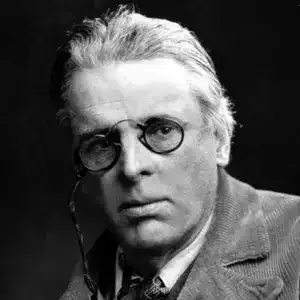
William Butler Yeats
The Three Bushes
The Three Bushes
SAID lady once to lover,
'None can rely upon
A love that lacks its proper food;
And if your love were gone
How could you sing those songs of love?
I should be blamed, young man.
O my dear, O my dear.
Have no lit candles in your room,'
That lovely lady said,
'That I at midnight by the clock
May creep into your bed,
For if I saw myself creep in
I think I should drop dead.'
O my dear, O my dear.
'I love a man in secret,
Dear chambermaid,' said she.
'I know that I must drop down dead
If he stop loving me,
Yet what could I but drop down dead
If I lost my chastity?
O my dear, O my dear.
'So you must lie beside him
And let him think me there.
And maybe we are all the same
Where no candles are,
And maybe we are all the same
That stip the body bare.'
O my dear, O my dear.
But no dogs barked, and midnights chimed,
And through the chime she'd say,
'That was a lucky thought of mine,
My lover. looked so gay';
But heaved a sigh if the chambermaid
Looked half asleep all day.
O my dear, O my dear.
'No, not another song,' siid he,
'Because my lady came
A year ago for the first time
At midnight to my room,
And I must lie between the sheets
When the clock begins to chime.'
O my dear, O my d-ear.
'A laughing, crying, sacred song,
A leching song,' they said.
Did ever men hear such a song?
No, but that day they did.
Did ever man ride such a race?
No, not until he rode.
O my dear, O my dear.
But when his horse had put its hoof
Into a rabbit-hole
He dropped upon his head and died.
His lady saw it all
And dropped and died thereon, for she
Loved him with her soul.
O my dear, O my dear.
The chambermaid lived long, and took
Their graves into her charge,
And there two bushes planted
That when they had grown large
Seemed sprung from but a single root
So did their roses merge.
O my dear, O my dear.
When she was old and dying,
The priest came where she was;
She made a full confession.
Long looked he in her face,
And O he was a good man
And understood her case.
O my dear, O my dear.
He bade them take and bury her
Beside her lady's man,
And set a rose-tree on her grave,
And now none living can,
When they have plucked a rose there,
Know where its roots began.
O my dear, O my dear.
SAID lady once to lover,
'None can rely upon
A love that lacks its proper food;
And if your love were gone
How could you sing those songs of love?
I should be blamed, young man.
O my dear, O my dear.
Have no lit candles in your room,'
That lovely lady said,
'That I at midnight by the clock
May creep into your bed,
For if I saw myself creep in
I think I should drop dead.'
O my dear, O my dear.
'I love a man in secret,
Dear chambermaid,' said she.
'I know that I must drop down dead
If he stop loving me,
Yet what could I but drop down dead
If I lost my chastity?
O my dear, O my dear.
'So you must lie beside him
And let him think me there.
And maybe we are all the same
Where no candles are,
And maybe we are all the same
That stip the body bare.'
O my dear, O my dear.
But no dogs barked, and midnights chimed,
And through the chime she'd say,
'That was a lucky thought of mine,
My lover. looked so gay';
But heaved a sigh if the chambermaid
Looked half asleep all day.
O my dear, O my dear.
'No, not another song,' siid he,
'Because my lady came
A year ago for the first time
At midnight to my room,
And I must lie between the sheets
When the clock begins to chime.'
O my dear, O my d-ear.
'A laughing, crying, sacred song,
A leching song,' they said.
Did ever men hear such a song?
No, but that day they did.
Did ever man ride such a race?
No, not until he rode.
O my dear, O my dear.
But when his horse had put its hoof
Into a rabbit-hole
He dropped upon his head and died.
His lady saw it all
And dropped and died thereon, for she
Loved him with her soul.
O my dear, O my dear.
The chambermaid lived long, and took
Their graves into her charge,
And there two bushes planted
That when they had grown large
Seemed sprung from but a single root
So did their roses merge.
O my dear, O my dear.
When she was old and dying,
The priest came where she was;
She made a full confession.
Long looked he in her face,
And O he was a good man
And understood her case.
O my dear, O my dear.
He bade them take and bury her
Beside her lady's man,
And set a rose-tree on her grave,
And now none living can,
When they have plucked a rose there,
Know where its roots began.
O my dear, O my dear.
403
William Butler Yeats
The Lover Speaks To The Hearers Of His Songs In Coming Days
The Lover Speaks To The Hearers Of His Songs In Coming Days
O WOMEN, kneeling by your altar-rails long hence,
When songs I wove for my beloved hide the prayer,
And smoke from this dead heart drifts through the violet air
And covers away the smoke of myrrh and frankincense;
Bend down and pray for all that sin I wove in song,
Till the Attorney for Lost Souls cry her sweet cry,
And.call to my beloved and me: 'No longer fly
Amid the hovering, piteouS, penitential throng.'
O WOMEN, kneeling by your altar-rails long hence,
When songs I wove for my beloved hide the prayer,
And smoke from this dead heart drifts through the violet air
And covers away the smoke of myrrh and frankincense;
Bend down and pray for all that sin I wove in song,
Till the Attorney for Lost Souls cry her sweet cry,
And.call to my beloved and me: 'No longer fly
Amid the hovering, piteouS, penitential throng.'
374
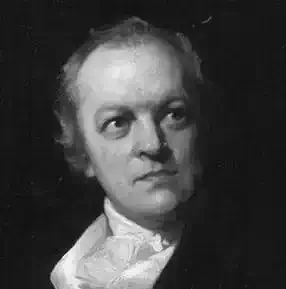
William Blake
Broken Love
Broken Love
MY Spectre around me night and day
Like a wild beast guards my way;
My Emanation far within
Weeps incessantly for my sin.
‘A fathomless and boundless deep,
There we wander, there we weep;
On the hungry craving wind
My Spectre follows thee behind.
‘He scents thy footsteps in the snow
Wheresoever thou dost go,
Thro’ the wintry hail and rain.
When wilt thou return again?
’Dost thou not in pride and scorn
Fill with tempests all my morn,
And with jealousies and fears
Fill my pleasant nights with tears?
‘Seven of my sweet loves thy knife
Has bereavèd of their life.
Their marble tombs I built with tears,
And with cold and shuddering fears.
‘Seven more loves weep night and day
Round the tombs where my loves lay,
And seven more loves attend each night
Around my couch with torches bright.
‘And seven more loves in my bed
Crown with wine my mournful head,
Pitying and forgiving all
Thy transgressions great and small.
‘When wilt thou return and view
My loves, and them to life renew?
When wilt thou return and live?
When wilt thou pity as I forgive?’
‘O’er my sins thou sit and moan:
Hast thou no sins of thy own?
O’er my sins thou sit and weep,
And lull thy own sins fast asleep.
‘What transgressions I commit
Are for thy transgressions fit.
They thy harlots, thou their slave;
And my bed becomes their grave.
‘Never, never, I return:
Still for victory I burn.
Living, thee alone I’ll have;
And when dead I’ll be thy grave.
‘Thro’ the Heaven and Earth and Hell
Thou shalt never, quell:
I will fly and thou pursue:
Night and morn the flight renew.’
‘Poor, pale, pitiable form
That I follow in a storm;
Iron tears and groans of lead
Bind around my aching head.
‘Till I turn from Female love
And root up the Infernal Grove,
I shall never worthy be
To step into Eternity.
‘And, to end thy cruel mocks,
Annihilate thee on the rocks,
And another form create
To be subservient to my fate.
‘Let us agree to give up love,
And root up the Infernal Grove;
Then shall we return and see
The worlds of happy Eternity.
‘And throughout all Eternity
I forgive you, you forgive me.
As our dear Redeemer said:
“This the Wine, and this the Bread.”’
MY Spectre around me night and day
Like a wild beast guards my way;
My Emanation far within
Weeps incessantly for my sin.
‘A fathomless and boundless deep,
There we wander, there we weep;
On the hungry craving wind
My Spectre follows thee behind.
‘He scents thy footsteps in the snow
Wheresoever thou dost go,
Thro’ the wintry hail and rain.
When wilt thou return again?
’Dost thou not in pride and scorn
Fill with tempests all my morn,
And with jealousies and fears
Fill my pleasant nights with tears?
‘Seven of my sweet loves thy knife
Has bereavèd of their life.
Their marble tombs I built with tears,
And with cold and shuddering fears.
‘Seven more loves weep night and day
Round the tombs where my loves lay,
And seven more loves attend each night
Around my couch with torches bright.
‘And seven more loves in my bed
Crown with wine my mournful head,
Pitying and forgiving all
Thy transgressions great and small.
‘When wilt thou return and view
My loves, and them to life renew?
When wilt thou return and live?
When wilt thou pity as I forgive?’
‘O’er my sins thou sit and moan:
Hast thou no sins of thy own?
O’er my sins thou sit and weep,
And lull thy own sins fast asleep.
‘What transgressions I commit
Are for thy transgressions fit.
They thy harlots, thou their slave;
And my bed becomes their grave.
‘Never, never, I return:
Still for victory I burn.
Living, thee alone I’ll have;
And when dead I’ll be thy grave.
‘Thro’ the Heaven and Earth and Hell
Thou shalt never, quell:
I will fly and thou pursue:
Night and morn the flight renew.’
‘Poor, pale, pitiable form
That I follow in a storm;
Iron tears and groans of lead
Bind around my aching head.
‘Till I turn from Female love
And root up the Infernal Grove,
I shall never worthy be
To step into Eternity.
‘And, to end thy cruel mocks,
Annihilate thee on the rocks,
And another form create
To be subservient to my fate.
‘Let us agree to give up love,
And root up the Infernal Grove;
Then shall we return and see
The worlds of happy Eternity.
‘And throughout all Eternity
I forgive you, you forgive me.
As our dear Redeemer said:
“This the Wine, and this the Bread.”’
518

Siegfried Sassoon
Villon
Villon
They threw me from the gates: my matted hair
Was dank with dungeon wetness; my spent frame
O’erlaid with marish agues: everywhere
Tortured by leaping pangs of frost and flame,
So hideous was I that even Lazarus there
In noisome rags arrayed and leprous shame,
Beside me set had seemed full sweet and fair,
And looked on me with loathing.
But one came
Who laid a cloak on me and brought me in
Tenderly to an hostel quiet and clean;
Used me with healing hands for all my needs.
The mortal stain of my reputed sin,
My state despised, and my defilèd weeds,
He hath put by as though they had not been.
They threw me from the gates: my matted hair
Was dank with dungeon wetness; my spent frame
O’erlaid with marish agues: everywhere
Tortured by leaping pangs of frost and flame,
So hideous was I that even Lazarus there
In noisome rags arrayed and leprous shame,
Beside me set had seemed full sweet and fair,
And looked on me with loathing.
But one came
Who laid a cloak on me and brought me in
Tenderly to an hostel quiet and clean;
Used me with healing hands for all my needs.
The mortal stain of my reputed sin,
My state despised, and my defilèd weeds,
He hath put by as though they had not been.
105
Siegfried Sassoon
Enemies
Enemies
He stood alone in some queer sunless place
Where Armageddon ends. Perhaps he longed
For days he might have lived; but his young face
Gazed forth untroubled: and suddenly there thronged
Round him the hulking Germans that I shot
When for his death my brooding rage was hot.
He stared at them, half-wondering; and then
They told him how I’d killed them for his sake—
Those patient, stupid, sullen ghosts of men;
And still there seemed no answer he could make.
At last he turned and smiled. One took his hand
Because his face could make them understand.
He stood alone in some queer sunless place
Where Armageddon ends. Perhaps he longed
For days he might have lived; but his young face
Gazed forth untroubled: and suddenly there thronged
Round him the hulking Germans that I shot
When for his death my brooding rage was hot.
He stared at them, half-wondering; and then
They told him how I’d killed them for his sake—
Those patient, stupid, sullen ghosts of men;
And still there seemed no answer he could make.
At last he turned and smiled. One took his hand
Because his face could make them understand.
90
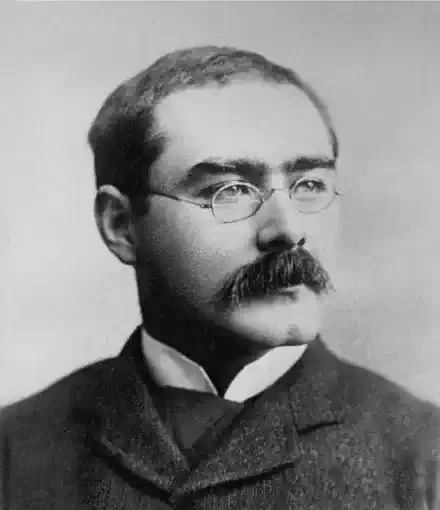
Rudyard Kipling
A Pilgrim's Way
A Pilgrim's Way
I do not look for holy saints to guide me on my way,
Or male and female devilkins to lead my feet astray.
If these are added, I rejoice---if not, I shall not mind,
So long as I have leave and choice to meet my fellow-kind.
For as we come and as we go (and deadly-soon go we!)
The people, Lord, Thy people, are good enough for me!
Thus I will honour pious men whose virtue shines so bright
(Though none are more amazed than I when I by chance do right),
And I will pity foolish men for woe their sins have bred
(Though ninety-nine per cent. of mine I brought on my own head).
And, Amorite or Eremite, or General Averagee,
The people, Lord, Thy people, are good enough for me!
And when they bore me overmuch, I will not shake mine ears,
Recalling many thousand such whom I have bored to tears.
And when they labour to impress, I will not doubt nor scoff;
Since I myself have done no less and---sometimes pulled it off.
Yea, as we are and we are not, and we pretend to be,
The people, Lord, Thy people, are good enough for me!
And when they work me random wrong, as oftentimes hath been,
I will not cherish hate too long (my hands are none too clean).
And when they do me random good I will not feign surprise.
No more than those whom I have cheered with wayside charities.
But, as we give and as we take---whate'er our takings be---
The people, Lord, Thy people, are good enough for me!
But when I meet with frantic folk who sinfully declare
There is no pardon for their sin, the same I will not spare
Till I have proved that Heaven and Hell which in our hearts we have
Show nothing irredeemable on either side of the grave.
For as we live and as we die---if utter Death there be---
The people, Lord, Thy people, are good enough for me!
Deliver me from every pride---the Middle, High, and Low---
That bars me from a brother's side, whatever pride he show.
And purge me from all heresies of thought and speech and pen
That bid me judge him otherwise than I am judged. Amen!
That I may sing of Crowd or King or road-borne company,
That I may labour in my day, vocation and degree,
To prove the same in deed and name, and hold unshakenly
(Where'er I go, whate'er I know, whoe'er my neighbor be)
This single faith in Life and Death and to Eternity:
``The people, Lord, Thy people, are good enough for me!''
I do not look for holy saints to guide me on my way,
Or male and female devilkins to lead my feet astray.
If these are added, I rejoice---if not, I shall not mind,
So long as I have leave and choice to meet my fellow-kind.
For as we come and as we go (and deadly-soon go we!)
The people, Lord, Thy people, are good enough for me!
Thus I will honour pious men whose virtue shines so bright
(Though none are more amazed than I when I by chance do right),
And I will pity foolish men for woe their sins have bred
(Though ninety-nine per cent. of mine I brought on my own head).
And, Amorite or Eremite, or General Averagee,
The people, Lord, Thy people, are good enough for me!
And when they bore me overmuch, I will not shake mine ears,
Recalling many thousand such whom I have bored to tears.
And when they labour to impress, I will not doubt nor scoff;
Since I myself have done no less and---sometimes pulled it off.
Yea, as we are and we are not, and we pretend to be,
The people, Lord, Thy people, are good enough for me!
And when they work me random wrong, as oftentimes hath been,
I will not cherish hate too long (my hands are none too clean).
And when they do me random good I will not feign surprise.
No more than those whom I have cheered with wayside charities.
But, as we give and as we take---whate'er our takings be---
The people, Lord, Thy people, are good enough for me!
But when I meet with frantic folk who sinfully declare
There is no pardon for their sin, the same I will not spare
Till I have proved that Heaven and Hell which in our hearts we have
Show nothing irredeemable on either side of the grave.
For as we live and as we die---if utter Death there be---
The people, Lord, Thy people, are good enough for me!
Deliver me from every pride---the Middle, High, and Low---
That bars me from a brother's side, whatever pride he show.
And purge me from all heresies of thought and speech and pen
That bid me judge him otherwise than I am judged. Amen!
That I may sing of Crowd or King or road-borne company,
That I may labour in my day, vocation and degree,
To prove the same in deed and name, and hold unshakenly
(Where'er I go, whate'er I know, whoe'er my neighbor be)
This single faith in Life and Death and to Eternity:
``The people, Lord, Thy people, are good enough for me!''
522

Robert W. Service
The Ballad Of One-Eyed Mike
The Ballad Of One-Eyed Mike
This is the tale that was told to me by the man with the crystal eye,
As I smoked my pipe in the camp-fire light, and the Glories swept the sky;
As the Northlights gleamed and curved and streamed, and the bottle of "hooch" was
dry.
A man once aimed that my life be shamed, and wrought me a deathly wrong;
I vowed one day I would well repay, but the heft of his hate was strong.
He thonged me East and he thonged me West; he harried me back and forth,
Till I fled in fright from his peerless spite to the bleak, bald-headed North.
And there I lay, and for many a day I hatched plan after plan,
For a golden haul of the wherewithal to crush and to kill my man;
And there I strove, and there I clove through the drift of icy streams;
And there I fought, and there I sought for the pay-streak of my dreams.
So twenty years, with their hopes and fears and smiles and tears and such,
Went by and left me long bereft of hope of the Midas touch;
About as fat as a chancel rat, and lo! despite my will,
In the weary fight I had clean lost sight of the man I sought to kill.
'Twas so far away, that evil day when I prayed to the Prince of Gloom
For the savage strength and the sullen length of life to work his doom.
Nor sign nor word had I seen or heard, and it happed so long ago;
My youth was gone and my memory wan, and I willed it even so.
It fell one night in the waning light by the Yukon's oily flow,
I smoked and sat as I marvelled at the sky's port-winey glow;
Till it paled away to an absinthe gray, and the river seemed to shrink,
All wobbly flakes and wriggling snakes and goblin eyes a-wink.
'Twas weird to see and it 'wildered me in a queer, hypnotic dream,
Till I saw a spot like an inky blot come floating down the stream;
It bobbed and swung; it sheered and hung; it romped round in a ring;
It seemed to play in a tricksome way; it sure was a merry thing.
In freakish flights strange oily lights came fluttering round its head,
Like butterflies of a monster size--then I knew it for the Dead.
Its face was rubbed and slicked and scrubbed as smooth as a shaven pate;
In the silver snakes that the water makes it gleamed like a dinner-plate.
It gurgled near, and clear and clear and large and large it grew;
It stood upright in a ring of light and it looked me through and through.
It weltered round with a woozy sound, and ere I could retreat,
With the witless roll of a sodden soul it wantoned to my feet.
And here I swear by this Cross I wear, I heard that "floater" say:
"I am the man from whom you ran, the man you sought to slay.
That you may note and gaze and gloat, and say `Revenge is sweet',
In the grit and grime of the river's slime I am rotting at your feet.
"The ill we rue we must e'en undo, though it rive us bone from bone;
So it came about that I sought you out, for I prayed I might atone.
I did you wrong, and for long and long I sought where you might live;
And now you're found, though I'm dead and drowned, I beg you to forgive."
So sad it seemed, and its cheek-bones gleamed, and its fingers flicked the shore;
And it lapped and lay in a weary way, and its hands met to implore;
That I gently said: "Poor, restless dead, I would never work you woe;
Though the wrong you rue you can ne'er undo, I forgave you long ago."
Then, wonder-wise, I rubbed my eyes and I woke from a horrid dream.
The moon rode high in the naked sky, and something bobbed in the stream.
It held my sight in a patch of light, and then it sheered from the shore;
It dipped and sank by a hollow bank, and I never saw it more.
This was the tale he told to me, that man so warped and gray,
Ere he slept and dreamed, and the camp-fire gleamed in his eye in a wolfish way--
That crystal eye that raked the sky in the weird Auroral ray.
This is the tale that was told to me by the man with the crystal eye,
As I smoked my pipe in the camp-fire light, and the Glories swept the sky;
As the Northlights gleamed and curved and streamed, and the bottle of "hooch" was
dry.
A man once aimed that my life be shamed, and wrought me a deathly wrong;
I vowed one day I would well repay, but the heft of his hate was strong.
He thonged me East and he thonged me West; he harried me back and forth,
Till I fled in fright from his peerless spite to the bleak, bald-headed North.
And there I lay, and for many a day I hatched plan after plan,
For a golden haul of the wherewithal to crush and to kill my man;
And there I strove, and there I clove through the drift of icy streams;
And there I fought, and there I sought for the pay-streak of my dreams.
So twenty years, with their hopes and fears and smiles and tears and such,
Went by and left me long bereft of hope of the Midas touch;
About as fat as a chancel rat, and lo! despite my will,
In the weary fight I had clean lost sight of the man I sought to kill.
'Twas so far away, that evil day when I prayed to the Prince of Gloom
For the savage strength and the sullen length of life to work his doom.
Nor sign nor word had I seen or heard, and it happed so long ago;
My youth was gone and my memory wan, and I willed it even so.
It fell one night in the waning light by the Yukon's oily flow,
I smoked and sat as I marvelled at the sky's port-winey glow;
Till it paled away to an absinthe gray, and the river seemed to shrink,
All wobbly flakes and wriggling snakes and goblin eyes a-wink.
'Twas weird to see and it 'wildered me in a queer, hypnotic dream,
Till I saw a spot like an inky blot come floating down the stream;
It bobbed and swung; it sheered and hung; it romped round in a ring;
It seemed to play in a tricksome way; it sure was a merry thing.
In freakish flights strange oily lights came fluttering round its head,
Like butterflies of a monster size--then I knew it for the Dead.
Its face was rubbed and slicked and scrubbed as smooth as a shaven pate;
In the silver snakes that the water makes it gleamed like a dinner-plate.
It gurgled near, and clear and clear and large and large it grew;
It stood upright in a ring of light and it looked me through and through.
It weltered round with a woozy sound, and ere I could retreat,
With the witless roll of a sodden soul it wantoned to my feet.
And here I swear by this Cross I wear, I heard that "floater" say:
"I am the man from whom you ran, the man you sought to slay.
That you may note and gaze and gloat, and say `Revenge is sweet',
In the grit and grime of the river's slime I am rotting at your feet.
"The ill we rue we must e'en undo, though it rive us bone from bone;
So it came about that I sought you out, for I prayed I might atone.
I did you wrong, and for long and long I sought where you might live;
And now you're found, though I'm dead and drowned, I beg you to forgive."
So sad it seemed, and its cheek-bones gleamed, and its fingers flicked the shore;
And it lapped and lay in a weary way, and its hands met to implore;
That I gently said: "Poor, restless dead, I would never work you woe;
Though the wrong you rue you can ne'er undo, I forgave you long ago."
Then, wonder-wise, I rubbed my eyes and I woke from a horrid dream.
The moon rode high in the naked sky, and something bobbed in the stream.
It held my sight in a patch of light, and then it sheered from the shore;
It dipped and sank by a hollow bank, and I never saw it more.
This was the tale he told to me, that man so warped and gray,
Ere he slept and dreamed, and the camp-fire gleamed in his eye in a wolfish way--
That crystal eye that raked the sky in the weird Auroral ray.
356
Robert W. Service
Regret
Regret
It's not for laws I've broken
That bitter tears I've wept,
But solemn vows I've spoken
And promises unkept;
It's not for sins committed
My heart is full of rue,
but gentle acts omitted,
Kind deeds I did not do.
I have outlived the blindness,
The selfishness of youth;
The canker of unkindness,
The cruelty of truth;
The searing hurt of rudeness . . .
By mercies great and small,
I've come to reckon goodness
The greatest gift of all.
Let us be helpful ever
to those who are in need,
And each new day endeavour
To do some gentle deed;
For faults beyond our grieving,
What kindliness atone;
On earth by love achieving
A Heaven of our own.
It's not for laws I've broken
That bitter tears I've wept,
But solemn vows I've spoken
And promises unkept;
It's not for sins committed
My heart is full of rue,
but gentle acts omitted,
Kind deeds I did not do.
I have outlived the blindness,
The selfishness of youth;
The canker of unkindness,
The cruelty of truth;
The searing hurt of rudeness . . .
By mercies great and small,
I've come to reckon goodness
The greatest gift of all.
Let us be helpful ever
to those who are in need,
And each new day endeavour
To do some gentle deed;
For faults beyond our grieving,
What kindliness atone;
On earth by love achieving
A Heaven of our own.
246

Kazi Nazrul Islam
Save Me From All Pettiness
Save Me From All Pettiness
Save me from all smallness
O my Lord, the Graciousness!
Teach me, O Lord, no sin is worse
than the sin of pettiness.
Even if I am a sinner over hundred births,
even if for eons I sojourn in hell,
Even then, I know Lord, there is forgiveness from you.
But is there forgiveness for pettiness? My Lord, Pray tell!
Please, my Lord, in my heart
don't constrict the space.
Friends, foes or strangers alike
Let my heart be able to embrace.
Let me not speak ill of others, nor harbor envy;
At others' joy, let be lustrous my soul,
Let me weep for that wretched-hapless
whose heart is like a wormhole!
[Original: Bengali, Translator: Dr. Mohammad Omar Farooq ]
Save me from all smallness
O my Lord, the Graciousness!
Teach me, O Lord, no sin is worse
than the sin of pettiness.
Even if I am a sinner over hundred births,
even if for eons I sojourn in hell,
Even then, I know Lord, there is forgiveness from you.
But is there forgiveness for pettiness? My Lord, Pray tell!
Please, my Lord, in my heart
don't constrict the space.
Friends, foes or strangers alike
Let my heart be able to embrace.
Let me not speak ill of others, nor harbor envy;
At others' joy, let be lustrous my soul,
Let me weep for that wretched-hapless
whose heart is like a wormhole!
[Original: Bengali, Translator: Dr. Mohammad Omar Farooq ]
506
Kazi Nazrul Islam
Forgive us, O Prophet!
Forgive us, O Prophet!
We haven't embraced your message,
Please forgive us, O Prophet!
We have forgotten your ideals
And the path for us that you did set.
Please forgive us, O Prophet!
You trampled like dust
Luxury and wealth, O master!
You never dreamed that
We will be kings or lords of disaster!
In this world's resource and treasure
Everyone has right of due measure;
You proclaimed, on this earth,
Equal son's treatment all will get.
Please forgive us, O Prophet!
In your religion, toward the unbelievers
You did not direct any hate;
You served them as your fellows,
For all of them was open your hospitable gate.
To demolish temples of others anywhere on land,
O valiant, you did not ever command;
Now even difference in opinion from others
We can't bear or tolerate.
Please forgive us, O Prophet!
You did not seek in the name of faith
Meaningless and shameful killing or fight;
You did not place sword in our hand,
Rather gave us guidance, so noble and upright.
Ignoring your tolerance and magnanimity
We have elevated fanaticism to a new nobility;
Is that why, from the heavenly fountain,
Does not flow that mercy, so divine and great?
Please forgive us, O Prophet!
We haven't embraced your message
Please forgive us, O Prophet!
We have forgotten your ideals
And the path for us that you did set.
Please forgive us, O Prophet!
[Translation: Mohammad Omar Farooq]
We haven't embraced your message,
Please forgive us, O Prophet!
We have forgotten your ideals
And the path for us that you did set.
Please forgive us, O Prophet!
You trampled like dust
Luxury and wealth, O master!
You never dreamed that
We will be kings or lords of disaster!
In this world's resource and treasure
Everyone has right of due measure;
You proclaimed, on this earth,
Equal son's treatment all will get.
Please forgive us, O Prophet!
In your religion, toward the unbelievers
You did not direct any hate;
You served them as your fellows,
For all of them was open your hospitable gate.
To demolish temples of others anywhere on land,
O valiant, you did not ever command;
Now even difference in opinion from others
We can't bear or tolerate.
Please forgive us, O Prophet!
You did not seek in the name of faith
Meaningless and shameful killing or fight;
You did not place sword in our hand,
Rather gave us guidance, so noble and upright.
Ignoring your tolerance and magnanimity
We have elevated fanaticism to a new nobility;
Is that why, from the heavenly fountain,
Does not flow that mercy, so divine and great?
Please forgive us, O Prophet!
We haven't embraced your message
Please forgive us, O Prophet!
We have forgotten your ideals
And the path for us that you did set.
Please forgive us, O Prophet!
[Translation: Mohammad Omar Farooq]
521
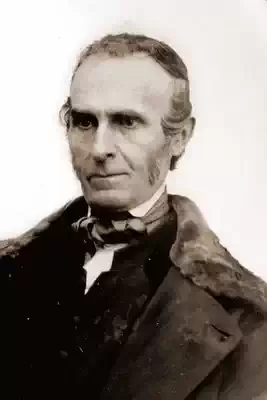
John Greenleaf Whittier
Requital
Requital
As Islam's Prophet, when his last day drew
Nigh to its close, besought all men to say
Whom he had wronged, to whom he then should pay
A debt forgotten, or for pardon sue,
And, through the silence of his weeping friends,
A strange voice cried: 'Thou owest me a debt,'
'Allah be praised!' he answered. 'Even yet
He gives me power to make to thee amends.
O friend! I thank thee for thy timely word.'
So runs the tale. Its lesson all may heed,
For all have sinned in thought, or word, or deed,
Or, like the Prophet, through neglect have erred.
All need forgiveness, all have debts to pay
Ere the night cometh, while it still is day.
As Islam's Prophet, when his last day drew
Nigh to its close, besought all men to say
Whom he had wronged, to whom he then should pay
A debt forgotten, or for pardon sue,
And, through the silence of his weeping friends,
A strange voice cried: 'Thou owest me a debt,'
'Allah be praised!' he answered. 'Even yet
He gives me power to make to thee amends.
O friend! I thank thee for thy timely word.'
So runs the tale. Its lesson all may heed,
For all have sinned in thought, or word, or deed,
Or, like the Prophet, through neglect have erred.
All need forgiveness, all have debts to pay
Ere the night cometh, while it still is day.
314
John Greenleaf Whittier
Forgiveness
Forgiveness
My heart was heavy, for its trust had been
Abused, its kindness answered with foul wrong;
So, turning gloomily from my fellow-men,
One summer Sabbath day I strolled among
The green mounds of the village burial-place;
Where, pondering how all human love and hate
Find one sad level; and how, soon or late,
Wronged and wrongdoer, each with meekened face,
And cold hands folded over a still heart,
Pass the green threshold of our common grave,
Whither all footsteps tend, whence none depart,
Awed for myself, and pitying my race,
Our common sorrow, like a mighty wave,
Swept all my pride away, and trembling I forgave!
My heart was heavy, for its trust had been
Abused, its kindness answered with foul wrong;
So, turning gloomily from my fellow-men,
One summer Sabbath day I strolled among
The green mounds of the village burial-place;
Where, pondering how all human love and hate
Find one sad level; and how, soon or late,
Wronged and wrongdoer, each with meekened face,
And cold hands folded over a still heart,
Pass the green threshold of our common grave,
Whither all footsteps tend, whence none depart,
Awed for myself, and pitying my race,
Our common sorrow, like a mighty wave,
Swept all my pride away, and trembling I forgave!
327
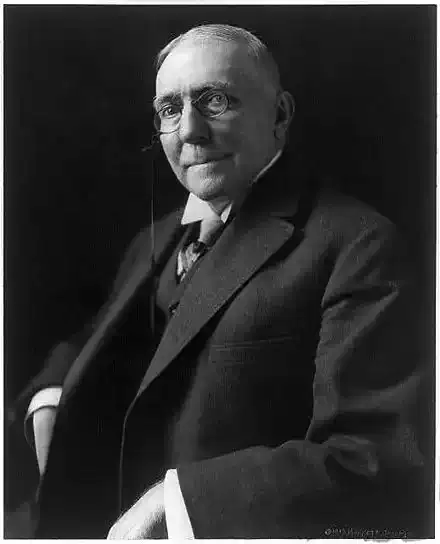
James Whitcomb Riley
Song Of The New Year
Song Of The New Year
I heard the bells at midnight
Ring in the dawning year;
And above the clanging chorus
Of the song, I seemed to hear
A choir of mystic voices
Flinging echoes, ringing clear,
From a band of angels winging
Through the haunted atmosphere:
'Ring out the shame and sorrow,
And the misery and sin,
That the dawning of the morrow
May in peace be ushered in.'
And I thought of all the trials
The departed years had cost,
And the blooming hopes and pleasures
That are withered now and lost;
And with joy I drank the music
Stealing o'er the feeling there
As the spirit song came pealing
On the silence everywhere:
'Ring out the shame and sorrow,
And the misery and sin,
That the dawning of the morrow
May in peace be ushered in.'
And I listened as a lover
To an utterance that flows
In syllables like dewdrops
From the red lips of a rose,
Till the anthem, fainter growing,
Climbing higher, chiming on
Up the rounds of happy rhyming,
Slowly vanished in the dawn:
'Ring out the shame and sorrow,
And the misery and sin,
That the dawning of the morrow
May in peace be ushered in.'
Then I raised my eyes to Heaven,
And with trembling lips I pled
For a blessing for the living
And a pardon for the dead;
And like a ghost of music
Slowly whispered--lowly sung--
Came the echo pure and holy
In the happy angel tongue:
'Ring out the shame and sorrow,
And the misery and sin,
And the dawn of every morrow
Will in peace be ushered in.'
I heard the bells at midnight
Ring in the dawning year;
And above the clanging chorus
Of the song, I seemed to hear
A choir of mystic voices
Flinging echoes, ringing clear,
From a band of angels winging
Through the haunted atmosphere:
'Ring out the shame and sorrow,
And the misery and sin,
That the dawning of the morrow
May in peace be ushered in.'
And I thought of all the trials
The departed years had cost,
And the blooming hopes and pleasures
That are withered now and lost;
And with joy I drank the music
Stealing o'er the feeling there
As the spirit song came pealing
On the silence everywhere:
'Ring out the shame and sorrow,
And the misery and sin,
That the dawning of the morrow
May in peace be ushered in.'
And I listened as a lover
To an utterance that flows
In syllables like dewdrops
From the red lips of a rose,
Till the anthem, fainter growing,
Climbing higher, chiming on
Up the rounds of happy rhyming,
Slowly vanished in the dawn:
'Ring out the shame and sorrow,
And the misery and sin,
That the dawning of the morrow
May in peace be ushered in.'
Then I raised my eyes to Heaven,
And with trembling lips I pled
For a blessing for the living
And a pardon for the dead;
And like a ghost of music
Slowly whispered--lowly sung--
Came the echo pure and holy
In the happy angel tongue:
'Ring out the shame and sorrow,
And the misery and sin,
And the dawn of every morrow
Will in peace be ushered in.'
274
James Whitcomb Riley
Man's Devotion
Man's Devotion
A lover said, 'O Maiden, love me well,
For I must go away:
And should ANOTHER ever come to tell
Of love--What WILL you say?'
And she let fall a royal robe of hair
That folded on his arm
And made a golden pillow for her there;
Her face--as bright a charm
As ever setting held in kingly crown--
Made answer with a look,
And reading it, the lover bended down,
And, trusting, 'kissed the book.'
He took a fond farewell and went away.
And slow the time went by--
So weary--dreary was it, day by day
To love, and wait, and sigh.
She kissed his pictured face sometimes, and said:
'O Lips, so cold and dumb,
I would that you would tell me, if not dead,
Why, why do you not come?'
The picture, smiling, stared her in the face
Unmoved--e'en with the touch
Of tear-drops--HERS--bejeweling the case-'
Twas plain--she loved him much.
And, thus she grew to think of him as gay
And joyous all the while,
And SHE was sorrowing--'Ah, welladay!'
But pictures ALWAYS smile!
And years--dull years--in dull monotony
As ever went and came,
Still weaving changes on unceasingly,
And changing, changed her name.
Was she untrue?--She oftentimes was glad
And happy as a wife;
But ONE remembrance oftentimes made sad
Her matrimonial life.--
Though its few years were hardly noted, when
Again her path was strown
With thorns--the roses swept away again,
And she again alone!
And then--alas! ah THEN!--her lover came:
'I come to claim you now-
My Darling, for I know you are the same,
And I have kept my vow
Through these long, long, long years, and now no more
Shall we asundered be!'
She staggered back and, sinking to the floor,
Cried in her agony:
'I have been false!' she moaned, '_I_ am not true--
I am not worthy now,
Nor ever can I be a wife to YOU--
For I have broke my vow!'
And as she kneeled there, sobbing at his feet,
He calmly spoke--no sign
Betrayed his inward agony--'I count you meet
To be a wife of mine!'
And raised her up forgiven, though untrue;
As fond he gazed on her,
She sighed,--'SO HAPPY!' And she never knew
HE was a WIDOWER.
A lover said, 'O Maiden, love me well,
For I must go away:
And should ANOTHER ever come to tell
Of love--What WILL you say?'
And she let fall a royal robe of hair
That folded on his arm
And made a golden pillow for her there;
Her face--as bright a charm
As ever setting held in kingly crown--
Made answer with a look,
And reading it, the lover bended down,
And, trusting, 'kissed the book.'
He took a fond farewell and went away.
And slow the time went by--
So weary--dreary was it, day by day
To love, and wait, and sigh.
She kissed his pictured face sometimes, and said:
'O Lips, so cold and dumb,
I would that you would tell me, if not dead,
Why, why do you not come?'
The picture, smiling, stared her in the face
Unmoved--e'en with the touch
Of tear-drops--HERS--bejeweling the case-'
Twas plain--she loved him much.
And, thus she grew to think of him as gay
And joyous all the while,
And SHE was sorrowing--'Ah, welladay!'
But pictures ALWAYS smile!
And years--dull years--in dull monotony
As ever went and came,
Still weaving changes on unceasingly,
And changing, changed her name.
Was she untrue?--She oftentimes was glad
And happy as a wife;
But ONE remembrance oftentimes made sad
Her matrimonial life.--
Though its few years were hardly noted, when
Again her path was strown
With thorns--the roses swept away again,
And she again alone!
And then--alas! ah THEN!--her lover came:
'I come to claim you now-
My Darling, for I know you are the same,
And I have kept my vow
Through these long, long, long years, and now no more
Shall we asundered be!'
She staggered back and, sinking to the floor,
Cried in her agony:
'I have been false!' she moaned, '_I_ am not true--
I am not worthy now,
Nor ever can I be a wife to YOU--
For I have broke my vow!'
And as she kneeled there, sobbing at his feet,
He calmly spoke--no sign
Betrayed his inward agony--'I count you meet
To be a wife of mine!'
And raised her up forgiven, though untrue;
As fond he gazed on her,
She sighed,--'SO HAPPY!' And she never knew
HE was a WIDOWER.
304
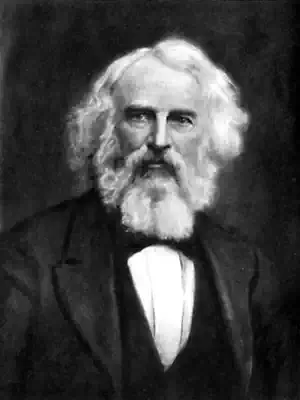
Henry Wadsworth Longfellow
The Norman Baron
The Norman Baron
et plus profonde, ou l'interet et l'avarice parlent moins haut
que la raison, dans les instants de chagrin domestique, de
maladie, et de peril de mort, les nobles se repentirent de
posseder des serfs, comme d'une chose peu agreable a Dieu, qui
avait cree tous les hommes a son image.--THIERRY, Conquete de
l'Angleterre.
In his chamber, weak and dying,
Was the Norman baron lying;
Loud, without, the tempest thundered
And the castle-turret shook,
In this fight was Death the gainer,
Spite of vassal and retainer,
And the lands his sires had plundered,
Written in the Doomsday Book.
By his bed a monk was seated,
Who in humble voice repeated
Many a prayer and pater-noster,
From the missal on his knee;
And, amid the tempest pealing,
Sounds of bells came faintly stealing,
Bells, that from the neighboring kloster
Rang for the Nativity.
In the hall, the serf and vassal
Held, that night their Christmas wassail;
Many a carol, old and saintly,
Sang the minstrels and the waits;
And so loud these Saxon gleemen
Sang to slaves the songs of freemen,
That the storm was heard but faintly,
Knocking at the castle-gates.
Till at length the lays they chanted
Reached the chamber terror-haunted,
Where the monk, with accents holy,
Whispered at the baron's ear.
Tears upon his eyelids glistened,
As he paused awhile and listened,
And the dying baron slowly
Turned his weary head to hear.
"Wassail for the kingly stranger
Born and cradled in a manger!
King, like David, priest, like Aaron,
Christ is born to set us free!"
And the lightning showed the sainted
Figures on the casement painted,
And exclaimed the shuddering baron,
"Miserere, Domine!"
In that hour of deep contrition
He beheld, with clearer vision,
Through all outward show and fashion,
Justice, the Avenger, rise.
All the pomp of earth had vanished,
Falsehood and deceit were banished,
Reason spake more loud than passion,
And the truth wore no disguise.
Every vassal of his banner,
Every serf born to his manor,
All those wronged and wretched creatures,
By his hand were freed again.
And, as on the sacred missal
He recorded their dismissal,
Death relaxed his iron features,
And the monk replied, "Amen!"
Many centuries have been numbered
Since in death the baron slumbered
By the convent's sculptured portal,
Mingling with the common dust:
But the good deed, through the ages
Living in historic pages,
Brighter grows and gleams immortal,
Unconsumed by moth or rust.
et plus profonde, ou l'interet et l'avarice parlent moins haut
que la raison, dans les instants de chagrin domestique, de
maladie, et de peril de mort, les nobles se repentirent de
posseder des serfs, comme d'une chose peu agreable a Dieu, qui
avait cree tous les hommes a son image.--THIERRY, Conquete de
l'Angleterre.
In his chamber, weak and dying,
Was the Norman baron lying;
Loud, without, the tempest thundered
And the castle-turret shook,
In this fight was Death the gainer,
Spite of vassal and retainer,
And the lands his sires had plundered,
Written in the Doomsday Book.
By his bed a monk was seated,
Who in humble voice repeated
Many a prayer and pater-noster,
From the missal on his knee;
And, amid the tempest pealing,
Sounds of bells came faintly stealing,
Bells, that from the neighboring kloster
Rang for the Nativity.
In the hall, the serf and vassal
Held, that night their Christmas wassail;
Many a carol, old and saintly,
Sang the minstrels and the waits;
And so loud these Saxon gleemen
Sang to slaves the songs of freemen,
That the storm was heard but faintly,
Knocking at the castle-gates.
Till at length the lays they chanted
Reached the chamber terror-haunted,
Where the monk, with accents holy,
Whispered at the baron's ear.
Tears upon his eyelids glistened,
As he paused awhile and listened,
And the dying baron slowly
Turned his weary head to hear.
"Wassail for the kingly stranger
Born and cradled in a manger!
King, like David, priest, like Aaron,
Christ is born to set us free!"
And the lightning showed the sainted
Figures on the casement painted,
And exclaimed the shuddering baron,
"Miserere, Domine!"
In that hour of deep contrition
He beheld, with clearer vision,
Through all outward show and fashion,
Justice, the Avenger, rise.
All the pomp of earth had vanished,
Falsehood and deceit were banished,
Reason spake more loud than passion,
And the truth wore no disguise.
Every vassal of his banner,
Every serf born to his manor,
All those wronged and wretched creatures,
By his hand were freed again.
And, as on the sacred missal
He recorded their dismissal,
Death relaxed his iron features,
And the monk replied, "Amen!"
Many centuries have been numbered
Since in death the baron slumbered
By the convent's sculptured portal,
Mingling with the common dust:
But the good deed, through the ages
Living in historic pages,
Brighter grows and gleams immortal,
Unconsumed by moth or rust.
382
Henry Wadsworth Longfellow
Flower-De-Luce: Divina Commedia
Flower-De-Luce: Divina Commedia
I.
Oft have I seen at some cathedral door
A laborer, pausing in the dust and heat,
Lay down his burden, and with reverent feet
Enter, and cross himself, and on the floor
Kneel to repeat his paternoster o'er;
Far off the noises of the world retreat;
The loud vociferations of the street
Become an undistinguishable roar.
So, as I enter here from day to day,
And leave my burden at this minster gate,
Kneeling in prayer, and not ashamed to pray,
The tumult of the time disconsolate
To inarticulate murmurs dies away,
While the eternal ages watch and wait.
II.
How strange the sculptures that adorn these towers!
This crowd of statues, in whose folded sleeves
Birds build their nests; while canopied with leaves
Parvis and portal bloom like trellised bowers,
And the vast minster seems a cross of flowers!
But fiends and dragons on the gargoyled eaves
Watch the dead Christ between the living thieves,
And, underneath, the traitor Judas lowers!
Ah! from what agonies of heart and brain,
What exultations trampling on despair,
What tenderness, what tears, what hate of wrong,
What passionate outcry of a soul in pain,
Uprose this poem of the earth and air,
This medieval miracle of song!
III.
I enter, and I see thee in the gloom
Of the long aisles, O poet saturnine!
And strive to make my steps keep pace with thine.
The air is filled with some unknown perfume;
The congregation of the dead make room
For thee to pass; the votive tapers shine;
Like rooks that haunt Ravenna's groves of pine
The hovering echoes fly from tomb to tomb.
From the confessionals I hear arise
Rehearsals of forgotten tragedies,
And lamentations from the crypts below;
And then a voice celestial, that begins
With the pathetic words, 'Although your sins
As scarlet be,' and ends with 'as the snow.'
IV.
With snow-white veil and garments as of flame,
She stands before thee, who so long ago
Filled thy young heart with passion and the woe
From which thy song and all its splendors came;
And while with stern rebuke she speaks thy name,
The ice about thy heart melts as the snow
On mountain height; and in swift overflow
Comes gushing from thy lips in sobs of shame.
Thou makest full confession; and a gleam,
As of the dawn on some dark forest cast,
Seems on thy lifted forehead to increase;
Lethe and Eunoe--the remembered dream
And the forgotten sorrow--bring at last
That perfect pardon which is perfect peace.
V.
I lift mine eyes, and all the windows blaze
With forms of saints and holy men who died,
Here martyred and hereafter glorified;
And the great Rose upon its leaves displays
Christ's Triumph, and the angelic roundelays,
With splendor upon splendor multiplied;
And Beatrice again at Dante's side
No more rebukes, but smiles her words of praise.
And then the organ sounds, and unseen choirs
Sing the old Latin hymns of peace and love,
And benedictions of the Holy Ghost;
And the melodious bells among the spires
O'er all the house-tops and through heaven above
Proclaim the elevation of the Host!
VI.
O star of morning and of liberty!
O bringer of the light, whose splendor shines
Above the darkness of the Apennines,
Forerunner of the day that is to be!
The voices of the city and the sea,
The voices of the mountains and the pines,
Repeat thy song, till the familiar lines
Are footpaths for the thought of Italy!
Thy fame is blown abroad from all the heights,
Through all the nations, and a sound is heard,
As of a mighty wind, and men devout,
Strangers of Rome, and the new proselytes,
In their own language hear thy wondrous word,
And many are amazed and many doubt.
I.
Oft have I seen at some cathedral door
A laborer, pausing in the dust and heat,
Lay down his burden, and with reverent feet
Enter, and cross himself, and on the floor
Kneel to repeat his paternoster o'er;
Far off the noises of the world retreat;
The loud vociferations of the street
Become an undistinguishable roar.
So, as I enter here from day to day,
And leave my burden at this minster gate,
Kneeling in prayer, and not ashamed to pray,
The tumult of the time disconsolate
To inarticulate murmurs dies away,
While the eternal ages watch and wait.
II.
How strange the sculptures that adorn these towers!
This crowd of statues, in whose folded sleeves
Birds build their nests; while canopied with leaves
Parvis and portal bloom like trellised bowers,
And the vast minster seems a cross of flowers!
But fiends and dragons on the gargoyled eaves
Watch the dead Christ between the living thieves,
And, underneath, the traitor Judas lowers!
Ah! from what agonies of heart and brain,
What exultations trampling on despair,
What tenderness, what tears, what hate of wrong,
What passionate outcry of a soul in pain,
Uprose this poem of the earth and air,
This medieval miracle of song!
III.
I enter, and I see thee in the gloom
Of the long aisles, O poet saturnine!
And strive to make my steps keep pace with thine.
The air is filled with some unknown perfume;
The congregation of the dead make room
For thee to pass; the votive tapers shine;
Like rooks that haunt Ravenna's groves of pine
The hovering echoes fly from tomb to tomb.
From the confessionals I hear arise
Rehearsals of forgotten tragedies,
And lamentations from the crypts below;
And then a voice celestial, that begins
With the pathetic words, 'Although your sins
As scarlet be,' and ends with 'as the snow.'
IV.
With snow-white veil and garments as of flame,
She stands before thee, who so long ago
Filled thy young heart with passion and the woe
From which thy song and all its splendors came;
And while with stern rebuke she speaks thy name,
The ice about thy heart melts as the snow
On mountain height; and in swift overflow
Comes gushing from thy lips in sobs of shame.
Thou makest full confession; and a gleam,
As of the dawn on some dark forest cast,
Seems on thy lifted forehead to increase;
Lethe and Eunoe--the remembered dream
And the forgotten sorrow--bring at last
That perfect pardon which is perfect peace.
V.
I lift mine eyes, and all the windows blaze
With forms of saints and holy men who died,
Here martyred and hereafter glorified;
And the great Rose upon its leaves displays
Christ's Triumph, and the angelic roundelays,
With splendor upon splendor multiplied;
And Beatrice again at Dante's side
No more rebukes, but smiles her words of praise.
And then the organ sounds, and unseen choirs
Sing the old Latin hymns of peace and love,
And benedictions of the Holy Ghost;
And the melodious bells among the spires
O'er all the house-tops and through heaven above
Proclaim the elevation of the Host!
VI.
O star of morning and of liberty!
O bringer of the light, whose splendor shines
Above the darkness of the Apennines,
Forerunner of the day that is to be!
The voices of the city and the sea,
The voices of the mountains and the pines,
Repeat thy song, till the familiar lines
Are footpaths for the thought of Italy!
Thy fame is blown abroad from all the heights,
Through all the nations, and a sound is heard,
As of a mighty wind, and men devout,
Strangers of Rome, and the new proselytes,
In their own language hear thy wondrous word,
And many are amazed and many doubt.
267
Henry Van Dyke
Without Disguise
Without Disguise
If I have erred in showing all my heart,
And lost your favour by a lack of pride;
If standing like a beggar at your side
With naked feet, I have forgot the art
Of those who bargain well in passion's mart,
And win the thing they want by what they hide;
Be mine the fault as mine the hope denied,
Be mine the lover's and the loser's part.
The sin, if sin it was, I do repent,
And take the penance on myself alone;
Yet after I have borne the punishment,
I shall not fear to stand before the throne
Of Love with open heart, and make this plea:
"At least I have not lied to her nor Thee!"
If I have erred in showing all my heart,
And lost your favour by a lack of pride;
If standing like a beggar at your side
With naked feet, I have forgot the art
Of those who bargain well in passion's mart,
And win the thing they want by what they hide;
Be mine the fault as mine the hope denied,
Be mine the lover's and the loser's part.
The sin, if sin it was, I do repent,
And take the penance on myself alone;
Yet after I have borne the punishment,
I shall not fear to stand before the throne
Of Love with open heart, and make this plea:
"At least I have not lied to her nor Thee!"
329

George Herbert
The Holdfast
The Holdfast
I threatened to observe the strict decree
Of my deare God with all my power and might:
But I was told by one, `It could not be;
Yet I might trust in God to be my light.'
`Then will I trust,' said I, `in Him alone.'
`Nay, ev'n to trust in Him, was also His:
We must confesse that nothing is our own.'
`Then I confesse that He my succour is.'
`But to have nought is ours, not to confesse
That we have nought.' I stood amaz'd at this,
Much troubled, till I heard a friend expresse
That all things were more ours by being His:
What Adam had, and forfeited for all,
Christ keepeth now, Who cannot fail or fall.
I threatened to observe the strict decree
Of my deare God with all my power and might:
But I was told by one, `It could not be;
Yet I might trust in God to be my light.'
`Then will I trust,' said I, `in Him alone.'
`Nay, ev'n to trust in Him, was also His:
We must confesse that nothing is our own.'
`Then I confesse that He my succour is.'
`But to have nought is ours, not to confesse
That we have nought.' I stood amaz'd at this,
Much troubled, till I heard a friend expresse
That all things were more ours by being His:
What Adam had, and forfeited for all,
Christ keepeth now, Who cannot fail or fall.
276
George Herbert
Discipline
Discipline
THROW away Thy rod,
Throw away Thy wrath;
O my God,
Take the gentle path!
For my heart's desire
Unto Thine is bent:
I aspire
To a full consent.
Not a word or look
I affect to own,
But by book,
And Thy Book alone.
Though I fail, I weep;
Though I halt in pace,
Yet I creep
To the throne of grace.
Then let wrath remove;
Love will do the deed;
For with love
Stony hearts will bleed.
Love is swift of foot;
Love 's a man of war,
And can shoot,
And can hit from far.
Who can 'scape his bow?
That which wrought on Thee,
Brought Thee low,
Needs must work on me.
Throw away Thy rod;
Though man frailties hath,
Thou art God:
Throw away Thy wrath!
THROW away Thy rod,
Throw away Thy wrath;
O my God,
Take the gentle path!
For my heart's desire
Unto Thine is bent:
I aspire
To a full consent.
Not a word or look
I affect to own,
But by book,
And Thy Book alone.
Though I fail, I weep;
Though I halt in pace,
Yet I creep
To the throne of grace.
Then let wrath remove;
Love will do the deed;
For with love
Stony hearts will bleed.
Love is swift of foot;
Love 's a man of war,
And can shoot,
And can hit from far.
Who can 'scape his bow?
That which wrought on Thee,
Brought Thee low,
Needs must work on me.
Throw away Thy rod;
Though man frailties hath,
Thou art God:
Throw away Thy wrath!
186
George Herbert
A Dialogue
A Dialogue
Man. SWEETEST Saviour, if my soul
Were but worth the having,
Quickly should I then control
Any thought of waving.
But when all my care and pains
Cannot give the name of gains
To Thy wretch so full of stains,
What delight or hope remains?
Saviour. What, child, is the balance thine,
Thine the poise and measure?
If I say, 'Thou shalt be Mine,'
Finger not My treasure.
What the gains in having thee
Do amount to, only He
Who for man was sold can see;
That transferr'd th' accounts to Me.
Man. But as I can see no merit
Leading to this favour,
So the way to fit me for it
Is beyond my savour.
As the reason, then, is Thine,
So the way is none of mine;
I disclaim the whole design;
Sin disclaims and I resign.
Saviour. That is all: if that I could
Get without repining;
And My clay, My creature, would
Follow My resigning;
That as I did freely part
With My glory and desert,
Left all joys to feel all smart----
Man. Ah, no more! Thou break'st my heart!
Man. SWEETEST Saviour, if my soul
Were but worth the having,
Quickly should I then control
Any thought of waving.
But when all my care and pains
Cannot give the name of gains
To Thy wretch so full of stains,
What delight or hope remains?
Saviour. What, child, is the balance thine,
Thine the poise and measure?
If I say, 'Thou shalt be Mine,'
Finger not My treasure.
What the gains in having thee
Do amount to, only He
Who for man was sold can see;
That transferr'd th' accounts to Me.
Man. But as I can see no merit
Leading to this favour,
So the way to fit me for it
Is beyond my savour.
As the reason, then, is Thine,
So the way is none of mine;
I disclaim the whole design;
Sin disclaims and I resign.
Saviour. That is all: if that I could
Get without repining;
And My clay, My creature, would
Follow My resigning;
That as I did freely part
With My glory and desert,
Left all joys to feel all smart----
Man. Ah, no more! Thou break'st my heart!
247
Page 1
Next