

Grandparents and Ancestors
Poems in this topic
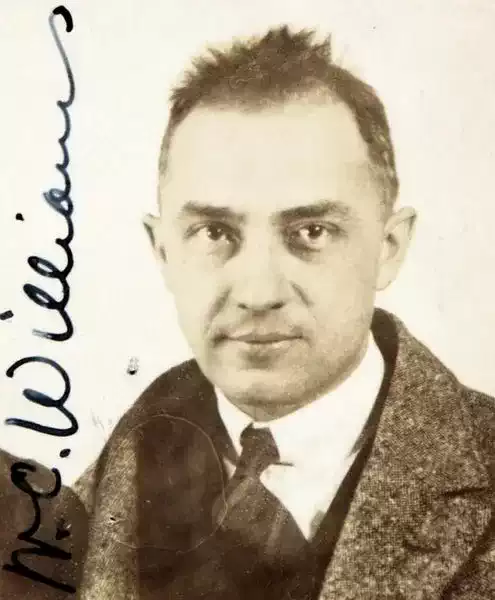
William Carlos Williams
The Last Words of My English Grandmother
The Last Words of My English Grandmother
There were some dirty plates
and a glass of milk
beside her on a small table
near the rank, disheveled bed--
Wrinkled and nearly blind
she lay and snored
rousing with anger in her tones
to cry for food,
Gimme something to eat--
They're starving me--
I'm all right--I won't go
to the hospital.No, no, no
Give me something to eat!
Let me take you
to the hospital, I said
and after you are well
you can do as you please.
She smiled, Yes
you do what you please first
then I can do what I please--
Oh, oh, oh! she cried
as the ambulance men lifted
her to the stretcher--
Is this what you call
making me comfortable?
By now her mind was clear--
Oh you think you're smart
you young people,
she said, but I'll tell you
you don't know anything.
Then we started.
On the way
we passed a long row
of elms. She looked at them
awhile out of
the ambulance window and said,
What are all those
fuzzy looking things out there?
Trees?Well, I'm tired
of them and rolled her head away.
There were some dirty plates
and a glass of milk
beside her on a small table
near the rank, disheveled bed--
Wrinkled and nearly blind
she lay and snored
rousing with anger in her tones
to cry for food,
Gimme something to eat--
They're starving me--
I'm all right--I won't go
to the hospital.No, no, no
Give me something to eat!
Let me take you
to the hospital, I said
and after you are well
you can do as you please.
She smiled, Yes
you do what you please first
then I can do what I please--
Oh, oh, oh! she cried
as the ambulance men lifted
her to the stretcher--
Is this what you call
making me comfortable?
By now her mind was clear--
Oh you think you're smart
you young people,
she said, but I'll tell you
you don't know anything.
Then we started.
On the way
we passed a long row
of elms. She looked at them
awhile out of
the ambulance window and said,
What are all those
fuzzy looking things out there?
Trees?Well, I'm tired
of them and rolled her head away.
668
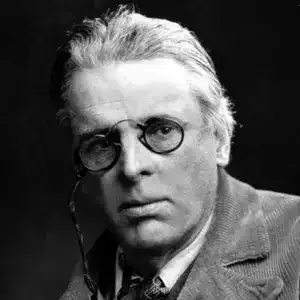
William Butler Yeats
The Ballad Of Father O'Hart
The Ballad Of Father O'Hart
GOOD Father John O'Hart
In penal days rode out
To a Shoneen who had free lands
And his own snipe and trout.
In trust took he John's lands;
Sleiveens were all his race;
And he gave them as dowers to his daughters.
And they married beyond their place.
But Father John went up,
And Father John went down;
And he wore small holes in his Shoes,
And he wore large holes in his gown.
All loved him, only the shoneen,
Whom the devils have by the hair,
From the wives, and the cats, and the children,
To the birds in the white of the air.
The birds, for he opened their cages
As he went up and down;
And he said with a smile, 'Have peace now';
And he went his way with a frown.
But if when anyone died
Came keeners hoarser than rooks,
He bade them give over their keening;
For he was a man of books.
And these were the works of John,
When, weeping score by score,
People came into Colooney;
For he'd died at ninety-four.
There was no human keening;
The birds from Knocknarea
And the world round Knocknashee
Came keening in that day.
The young birds and old birds
Came flying, heavy and sad;
Keening in from Tiraragh,
Keening from Ballinafad;
Keening from Inishmurray.
Nor stayed for bite or sup;
This way were all reproved
Who dig old customs up.
GOOD Father John O'Hart
In penal days rode out
To a Shoneen who had free lands
And his own snipe and trout.
In trust took he John's lands;
Sleiveens were all his race;
And he gave them as dowers to his daughters.
And they married beyond their place.
But Father John went up,
And Father John went down;
And he wore small holes in his Shoes,
And he wore large holes in his gown.
All loved him, only the shoneen,
Whom the devils have by the hair,
From the wives, and the cats, and the children,
To the birds in the white of the air.
The birds, for he opened their cages
As he went up and down;
And he said with a smile, 'Have peace now';
And he went his way with a frown.
But if when anyone died
Came keeners hoarser than rooks,
He bade them give over their keening;
For he was a man of books.
And these were the works of John,
When, weeping score by score,
People came into Colooney;
For he'd died at ninety-four.
There was no human keening;
The birds from Knocknarea
And the world round Knocknashee
Came keening in that day.
The young birds and old birds
Came flying, heavy and sad;
Keening in from Tiraragh,
Keening from Ballinafad;
Keening from Inishmurray.
Nor stayed for bite or sup;
This way were all reproved
Who dig old customs up.
400
William Butler Yeats
Responsibilities - Introduction
Responsibilities - Introduction
Pardon, old fathers, if you still remain
Somewhere in ear-shot for the story's end,
Old Dublin merchant "free of the ten and four"
Or trading out of Galway into Spain;
Old country scholar, Robert Emmet's friend,
A hundred-year-old memory to the poor;
Merchant and scholar who have left me blood
That has not passed through any huckster's loin,
Soldiers that gave, whatever die was cast:
A Butler or an Armstrong that withstood
Beside the brackish waters of the Boyne
James and his Irish when the Dutchman crossed;
Old merchant skipper that leaped overboard
After a ragged hat in Biscay Bay;
You most of all, silent and fierce old man,
Because the daily spectacle that stirred
My fancy, and set my boyish lips to say,
"Only the wasteful virtues earn the sun";
Pardon that for a barren passion's sake,
Although I have come close on forty-nine,
I have no child, I have nothing but a book,
Nothing but that to prove your blood and mine.
Pardon, old fathers, if you still remain
Somewhere in ear-shot for the story's end,
Old Dublin merchant "free of the ten and four"
Or trading out of Galway into Spain;
Old country scholar, Robert Emmet's friend,
A hundred-year-old memory to the poor;
Merchant and scholar who have left me blood
That has not passed through any huckster's loin,
Soldiers that gave, whatever die was cast:
A Butler or an Armstrong that withstood
Beside the brackish waters of the Boyne
James and his Irish when the Dutchman crossed;
Old merchant skipper that leaped overboard
After a ragged hat in Biscay Bay;
You most of all, silent and fierce old man,
Because the daily spectacle that stirred
My fancy, and set my boyish lips to say,
"Only the wasteful virtues earn the sun";
Pardon that for a barren passion's sake,
Although I have come close on forty-nine,
I have no child, I have nothing but a book,
Nothing but that to prove your blood and mine.
313
William Butler Yeats
Are You Content?
Are You Content?
I CALL on those that call me son,
Grandson, or great-grandson,
On uncles, aunts, great-uncles or great-aunts,
To judge what I have done.
Have I, that put it into words,
Spoilt what old loins have sent?
Eyes spiritualised by death can judge,
I cannot, but I am not content.
He that in Sligo at Drumcliff
Set up the old stone Cross,
That red-headed rector in County Down,
A good man on a horse,
Sandymount Corbets, that notable man
Old William pollexfen,
The smuggler Middleton, Butlers far back,
Half legendary men.
Infirm and aged I might stay
In some good company,
I who have always hated work,
Smiling at the sea,
Or demonstrate in my own life
What Robert Browning meant
By an old hunter talking with Gods;
But I am not content.
I CALL on those that call me son,
Grandson, or great-grandson,
On uncles, aunts, great-uncles or great-aunts,
To judge what I have done.
Have I, that put it into words,
Spoilt what old loins have sent?
Eyes spiritualised by death can judge,
I cannot, but I am not content.
He that in Sligo at Drumcliff
Set up the old stone Cross,
That red-headed rector in County Down,
A good man on a horse,
Sandymount Corbets, that notable man
Old William pollexfen,
The smuggler Middleton, Butlers far back,
Half legendary men.
Infirm and aged I might stay
In some good company,
I who have always hated work,
Smiling at the sea,
Or demonstrate in my own life
What Robert Browning meant
By an old hunter talking with Gods;
But I am not content.
322
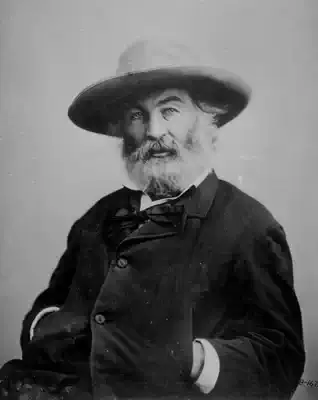
Walt Whitman
This Dust Was Once The Man
This Dust Was Once The Man
THIS dust was once the Man,
Gentle, plain, just and resolute--under whose cautious hand,
Against the foulest crime in history known in any land or age,
Was saved the Union of These States.
THIS dust was once the Man,
Gentle, plain, just and resolute--under whose cautious hand,
Against the foulest crime in history known in any land or age,
Was saved the Union of These States.
340

D.H. Lawrence
Boaz Asleep
Boaz Asleep
Boaz, overcome with weariness, by torchlight
made his pallet on the threshing floor
where all day he had worked, and now he slept
among the bushels of threshed wheat.
The old man owned wheatfields and barley,
and though he was rich, he was still fair-minded.
No filth soured the sweetness of his well.
No hot iron of torture whitened in his forge.
His beard was silver as a brook in April.
He bound sheaves without the strain of hate
or envy. He saw gleaners pass, and said,
Let handfuls of the fat ears fall to them.
The man's mind, clear of untoward feeling,
clothed itself in candor. He wore clean robes.
His heaped granaries spilled over always
toward the poor, no less than public fountains.
Boaz did well by his workers and by kinsmen.
He was generous, and moderate. Women held him
worthier than younger men, for youth is handsome,
but to him in his old age came greatness.
An old man, nearing his first source, may find
the timelessness beyond times of trouble.
And though fire burned in young men's eyes,
to Ruth the eyes of Boaz shone clear light.
Boaz, overcome with weariness, by torchlight
made his pallet on the threshing floor
where all day he had worked, and now he slept
among the bushels of threshed wheat.
The old man owned wheatfields and barley,
and though he was rich, he was still fair-minded.
No filth soured the sweetness of his well.
No hot iron of torture whitened in his forge.
His beard was silver as a brook in April.
He bound sheaves without the strain of hate
or envy. He saw gleaners pass, and said,
Let handfuls of the fat ears fall to them.
The man's mind, clear of untoward feeling,
clothed itself in candor. He wore clean robes.
His heaped granaries spilled over always
toward the poor, no less than public fountains.
Boaz did well by his workers and by kinsmen.
He was generous, and moderate. Women held him
worthier than younger men, for youth is handsome,
but to him in his old age came greatness.
An old man, nearing his first source, may find
the timelessness beyond times of trouble.
And though fire burned in young men's eyes,
to Ruth the eyes of Boaz shone clear light.
238
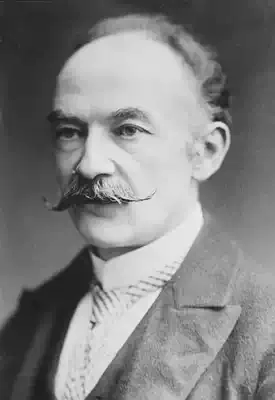
Thomas Hardy
Transformations
Transformations
Portion of this yew
Is a man my grandsire knew,
Bosomed here at its foot:
This branch may be his wife,
A ruddy human life
Now turned to a green shoot.
These grasses must be made
Of her who often prayed,
Last century, for repose;
And the fair girl long ago
Whom I often tried to know
May be entering this rose.
So, they are not underground,
But as nerves and veins abound
In the growths of upper air,
And they feel the sun and rain,
And the energy again
That made them what they were!
Portion of this yew
Is a man my grandsire knew,
Bosomed here at its foot:
This branch may be his wife,
A ruddy human life
Now turned to a green shoot.
These grasses must be made
Of her who often prayed,
Last century, for repose;
And the fair girl long ago
Whom I often tried to know
May be entering this rose.
So, they are not underground,
But as nerves and veins abound
In the growths of upper air,
And they feel the sun and rain,
And the energy again
That made them what they were!
227
Thomas Hardy
Heredity
Heredity
I am the family face;
Flesh perishes, I live on,
Projecting trait and trace
Through time to times anon,
And leaping from place to place
Over oblivion.
The years-heired feature that can
In curve and voice and eye
Despise the human span
Of durance -- that is I;
The eternal thing in man,
That heeds no call to die
I am the family face;
Flesh perishes, I live on,
Projecting trait and trace
Through time to times anon,
And leaping from place to place
Over oblivion.
The years-heired feature that can
In curve and voice and eye
Despise the human span
Of durance -- that is I;
The eternal thing in man,
That heeds no call to die
184

Spike Milligan
Bazonka
Bazonka
Say Bazonka every day
That's what my grandma used to say
It keeps at bay the Asian Flu'
And both your elbows free from glue.
So say Bazonka every day
(That's what my grandma used to say)
Don't say it if your socks are dry!
Or when the sun is in your eye!
Never say it in the dark
(The word you see emits a spark)
Only say it in the day
(That's what my grandma used to say)
Young Tiny Tim took her advice
He said it once, he said it twice
he said it till the day he died
And even after that he tried
To say Bazonka! every day
Just like my grandma used to say.
Now folks around declare it's true
That every night at half past two
If you'll stand upon your head
And shout Bazonka! from your bed
You'll hear the word as clear as day
Just like my grandma used to say!
Say Bazonka every day
That's what my grandma used to say
It keeps at bay the Asian Flu'
And both your elbows free from glue.
So say Bazonka every day
(That's what my grandma used to say)
Don't say it if your socks are dry!
Or when the sun is in your eye!
Never say it in the dark
(The word you see emits a spark)
Only say it in the day
(That's what my grandma used to say)
Young Tiny Tim took her advice
He said it once, he said it twice
he said it till the day he died
And even after that he tried
To say Bazonka! every day
Just like my grandma used to say.
Now folks around declare it's true
That every night at half past two
If you'll stand upon your head
And shout Bazonka! from your bed
You'll hear the word as clear as day
Just like my grandma used to say!
249

Siegfried Sassoon
To His Dead Body
To His Dead Body
When roaring gloom surged inward and you cried,
Groping for friendly hands, and clutched, and died,
Like racing smoke, swift from your lolling head
phantoms of thought and memory thinned and fled.
Yet, though my dreams that throng the darkened stair
Can bring me no report of how you fare,
Safe quit of wars, I speed you on your way
Up lonely, glimmering fields to find new day,
Slow-rising, saintless, confident and kind—
Dear, red-faced father God who lit your mind.
When roaring gloom surged inward and you cried,
Groping for friendly hands, and clutched, and died,
Like racing smoke, swift from your lolling head
phantoms of thought and memory thinned and fled.
Yet, though my dreams that throng the darkened stair
Can bring me no report of how you fare,
Safe quit of wars, I speed you on your way
Up lonely, glimmering fields to find new day,
Slow-rising, saintless, confident and kind—
Dear, red-faced father God who lit your mind.
89
Siegfried Sassoon
Ancient History
Ancient History
Adam, a brown old vulture in the rain,
Shivered below his wind-whipped olive-trees;
Huddling sharp chin on scarred and scraggy knees,
He moaned and mumbled to his darkening brain;
‘He was the grandest of them all was Cain!
‘A lion laired in the hills, that none could tire:
‘Swift as a stag: a stallion of the plain,
‘Hungry and fierce with deeds of huge desire.’
Grimly he thought of Abel, soft and fair
A lover with disaster in his face,
And scarlet blossom twisted in bright hair.
‘Afraid to fight; was murder more disgrace?’
‘God always hated Cain’ He bowed his head
The gaunt wild man whose lovely sons were dead.
Adam, a brown old vulture in the rain,
Shivered below his wind-whipped olive-trees;
Huddling sharp chin on scarred and scraggy knees,
He moaned and mumbled to his darkening brain;
‘He was the grandest of them all was Cain!
‘A lion laired in the hills, that none could tire:
‘Swift as a stag: a stallion of the plain,
‘Hungry and fierce with deeds of huge desire.’
Grimly he thought of Abel, soft and fair
A lover with disaster in his face,
And scarlet blossom twisted in bright hair.
‘Afraid to fight; was murder more disgrace?’
‘God always hated Cain’ He bowed his head
The gaunt wild man whose lovely sons were dead.
89
Rudyard Kipling
The Veterans
The Veterans
To-day, across our fathers' graves,
The astonished years reveal
The remnant of that desperate host
Which cleansed our East with steel.
Hail and farewell! We greet you here,
With tears that none will scorn--
O Keepers of the House of old,
Or ever we were born!
One service more we dare to ask--
Pray for us, heroes, pray,
That when Fate lays on us our task
We do not shame the Day!
To-day, across our fathers' graves,
The astonished years reveal
The remnant of that desperate host
Which cleansed our East with steel.
Hail and farewell! We greet you here,
With tears that none will scorn--
O Keepers of the House of old,
Or ever we were born!
One service more we dare to ask--
Pray for us, heroes, pray,
That when Fate lays on us our task
We do not shame the Day!
362
Rudyard Kipling
The Heritage
The Heritage
Our Fathers in a wondrous age,
Ere yet the Earth was small,
Ensured to us a heritage,
And doubted not at all
That we the children of their heart,
Which then did beat so high,
In later rime should play like part
For our posterity.
A thousand years they steadfast built,
To 'vantage us and ours,
The Walls that were a world's despair,
The sea-constraining Towers:
Yet in their midmost pride they knew,
And unto Kings made known,
Not all from these their strength they drew,
Their faith from brass or stone.
Youth's passion, manhood's fierce intent,
With age's judgment wise,
They spent, and counted not they spent,
At daily sacrifice.
Not lambs alone nor purchased doves .
Or tithe of trader's gold--
Their lives most dear, their dearer loves,
They offered up of old.
Refraining e'en from lawful things,
They bowed the neck to bear
The unadorned yoke that brings
Stark toil and sternest care.
Wherefore through them is Freedom sure;
Wherefore through them we stand,
From all but sloth and pride secure,
In a delightsome land.
Then, fretful, murmur not they gave
So great a charge to keep,
Nor dream that awestruck Time shall save
Their labour while we sleep.
Dear-bought and clear, a thousand year,
Our fathers' title runs.
Make we likewise their sacrifice,
Defrauding not our sons.
Our Fathers in a wondrous age,
Ere yet the Earth was small,
Ensured to us a heritage,
And doubted not at all
That we the children of their heart,
Which then did beat so high,
In later rime should play like part
For our posterity.
A thousand years they steadfast built,
To 'vantage us and ours,
The Walls that were a world's despair,
The sea-constraining Towers:
Yet in their midmost pride they knew,
And unto Kings made known,
Not all from these their strength they drew,
Their faith from brass or stone.
Youth's passion, manhood's fierce intent,
With age's judgment wise,
They spent, and counted not they spent,
At daily sacrifice.
Not lambs alone nor purchased doves .
Or tithe of trader's gold--
Their lives most dear, their dearer loves,
They offered up of old.
Refraining e'en from lawful things,
They bowed the neck to bear
The unadorned yoke that brings
Stark toil and sternest care.
Wherefore through them is Freedom sure;
Wherefore through them we stand,
From all but sloth and pride secure,
In a delightsome land.
Then, fretful, murmur not they gave
So great a charge to keep,
Nor dream that awestruck Time shall save
Their labour while we sleep.
Dear-bought and clear, a thousand year,
Our fathers' title runs.
Make we likewise their sacrifice,
Defrauding not our sons.
404
Rudyard Kipling
Song of the Fifth River
Song of the Fifth River
Where first by Eden Tree
The Four Great Rivers ran,
To each was appointed a Man
Her Prince and Ruler to be.
But after this was ordained
(The ancient legends' tell),
There came dark Israel,
For whom no River remained.
Then He Whom the Rivers obey
Said to him: "Fling on the ground
A handful of yellow clay,
And a Fifth Great River shall run,
Mightier than these Four,
In secret the Earth around;
And Her secret evermore,
Shall be shown to thee and thy Race."
So it was said and done.
And, deep in the veins of Earth,
And, fed by a thousand springs
That comfort the market-place,
Or sap the power of King,
The Fifth Great River had birth,
Even as it was foretold--
The Secret River of Gold!
And Israel laid down
His sceptre and his crown,
To brood on that River bank
Where the waters flashed and sank
And burrowed in earth and fell
And bided a season below,
For reason that none might know,
Save only Israel
He is Lord of the Last--
The Fifth, most wonderful, Flood.
He hears Her thunder past
And Her Song is in his blood.
He can foresay: "She will fall,"
For he knows which fountain dries
Behind which desert-belt
A thousand leagues to the South.
He can foresay: "She will rise."
He knows what far snows melt
Along what mountain-wall
A thousand leagues to the North,
He snuffs the coming drouth
As he snuffs the coming rain,
He knows what each will bring forth,
And turns it to his gain.
A Ruler without a Throne,
A Prince without a Sword,
Israel follows his quest.
In every land a guest,
Of many lands a lord,
In no land King is he.
But the Fifth Great River keeps
The secret of Her deeps
For Israel alone,
As it was ordered to be.
Where first by Eden Tree
The Four Great Rivers ran,
To each was appointed a Man
Her Prince and Ruler to be.
But after this was ordained
(The ancient legends' tell),
There came dark Israel,
For whom no River remained.
Then He Whom the Rivers obey
Said to him: "Fling on the ground
A handful of yellow clay,
And a Fifth Great River shall run,
Mightier than these Four,
In secret the Earth around;
And Her secret evermore,
Shall be shown to thee and thy Race."
So it was said and done.
And, deep in the veins of Earth,
And, fed by a thousand springs
That comfort the market-place,
Or sap the power of King,
The Fifth Great River had birth,
Even as it was foretold--
The Secret River of Gold!
And Israel laid down
His sceptre and his crown,
To brood on that River bank
Where the waters flashed and sank
And burrowed in earth and fell
And bided a season below,
For reason that none might know,
Save only Israel
He is Lord of the Last--
The Fifth, most wonderful, Flood.
He hears Her thunder past
And Her Song is in his blood.
He can foresay: "She will fall,"
For he knows which fountain dries
Behind which desert-belt
A thousand leagues to the South.
He can foresay: "She will rise."
He knows what far snows melt
Along what mountain-wall
A thousand leagues to the North,
He snuffs the coming drouth
As he snuffs the coming rain,
He knows what each will bring forth,
And turns it to his gain.
A Ruler without a Throne,
A Prince without a Sword,
Israel follows his quest.
In every land a guest,
Of many lands a lord,
In no land King is he.
But the Fifth Great River keeps
The secret of Her deeps
For Israel alone,
As it was ordered to be.
538
Rudyard Kipling
Our Fathers Also
Our Fathers Also
Thrones, Powers, Dominions, Peoples, Kings,
Are changing 'neath our hand.
Our fathers also see these things
But they do not understand.
By--they are by with mirth and tears,
Wit or the works of Desire-
Cushioned about on the kindly years
Between the wall and the fire.
The grapes are pressed, the corn is shocked--
Standeth no more to glean;
For the Gates of Love and Learning locked
When they went out between.
All lore our Lady Venus bares,
Signalled it was or told
By the dear lips long given to theirs
And longer to the mould.
All Profit, all Device, all Truth,
Written it was or said
By the mighty men of their mighty youth,
Which is mighty being dead.
The film that floats before their eyes
The Temple's Veil they call;
And the dust that on the Shewbread lies
Is holy over all.
Warn them of seas that slip our yoke,
Of slow-conspiring stars-
The ancient Front of Things unbroke
But heavy with new wars?
By--they are by with mirth and tears,
Wit or the waste of Desire-
Cushioned about on the kindly years
Between the wall and the fire!
Thrones, Powers, Dominions, Peoples, Kings,
Are changing 'neath our hand.
Our fathers also see these things
But they do not understand.
By--they are by with mirth and tears,
Wit or the works of Desire-
Cushioned about on the kindly years
Between the wall and the fire.
The grapes are pressed, the corn is shocked--
Standeth no more to glean;
For the Gates of Love and Learning locked
When they went out between.
All lore our Lady Venus bares,
Signalled it was or told
By the dear lips long given to theirs
And longer to the mould.
All Profit, all Device, all Truth,
Written it was or said
By the mighty men of their mighty youth,
Which is mighty being dead.
The film that floats before their eyes
The Temple's Veil they call;
And the dust that on the Shewbread lies
Is holy over all.
Warn them of seas that slip our yoke,
Of slow-conspiring stars-
The ancient Front of Things unbroke
But heavy with new wars?
By--they are by with mirth and tears,
Wit or the waste of Desire-
Cushioned about on the kindly years
Between the wall and the fire!
446
Rudyard Kipling
Our Fathers Also
"Our Fathers Also"
Thrones, Powers, Dominions, Peoples, Kings,
Are changing 'neath our hand.
Our fathers also see these things
But they do not understand.
By--they are by with mirth and tears,
Wit or the works of Desire-
Cushioned about on the kindly years
Between the wall and the fire.
The grapes are pressed, the corn is shocked--
Standeth no more to glean;
For the Gates of Love and Learning locked
When they went out between.
All lore our Lady Venus bares,
Signalled it was or told
By the dear lips long given to theirs
And longer to the mould.
All Profit, all Device, all Truth,
Written it was or said
By the mighty men of their mighty youth,
Which is mighty being dead.
The film that floats before their eyes
The Temple's Veil they call;
And the dust that on the Shewbread lies
Is holy over all.
Warn them of seas that slip our yoke,
Of slow-conspiring stars-
The ancient Front of Things unbroke
But heavy with new wars?
By--they are by with mirth and tears,
Wit or the waste of Desire-
Cushioned about on the kindly years
Between the wall and the fire!
Thrones, Powers, Dominions, Peoples, Kings,
Are changing 'neath our hand.
Our fathers also see these things
But they do not understand.
By--they are by with mirth and tears,
Wit or the works of Desire-
Cushioned about on the kindly years
Between the wall and the fire.
The grapes are pressed, the corn is shocked--
Standeth no more to glean;
For the Gates of Love and Learning locked
When they went out between.
All lore our Lady Venus bares,
Signalled it was or told
By the dear lips long given to theirs
And longer to the mould.
All Profit, all Device, all Truth,
Written it was or said
By the mighty men of their mighty youth,
Which is mighty being dead.
The film that floats before their eyes
The Temple's Veil they call;
And the dust that on the Shewbread lies
Is holy over all.
Warn them of seas that slip our yoke,
Of slow-conspiring stars-
The ancient Front of Things unbroke
But heavy with new wars?
By--they are by with mirth and tears,
Wit or the waste of Desire-
Cushioned about on the kindly years
Between the wall and the fire!
418

Robert W. Service
The Old Armchair
The Old Armchair
In all the pubs from Troon to Ayr
Grandfather's father would repair
With Bobby Burns, a drouthy pair,
The glass to clink;
And oftenwhiles, when not too "fou,"
They'd roar a bawdy stave or two,
From midnight muk to morning dew,
And drink and drink.
And Grandfather, with eye aglow
And proper pride, would often show
An old armchair where long ago
The Bard would sit;
Reciting there with pawky glee
"The Lass that Made the Bed for Me;"
Or whiles a rhyme about the flea
That ne'er was writ.
Then I would seek the Poet's chair
And plant my kilted buttocks there,
And read with joy the Bard of Ayr
In my own tongue;
The Diel, the Daisy and the Louse
The Hare, the Haggis and the Mouse,
(What fornication and carouse!)
When I was young.
Though Kipling, Hardy, Stevenson
Have each my admiration won,
Today, my rhyme-race almost run,
My fancy turns
To him who did Pegasus prod
For me, Bard of my native sod,
The sinner best-loved of God
Rare Robbie Burns.
In all the pubs from Troon to Ayr
Grandfather's father would repair
With Bobby Burns, a drouthy pair,
The glass to clink;
And oftenwhiles, when not too "fou,"
They'd roar a bawdy stave or two,
From midnight muk to morning dew,
And drink and drink.
And Grandfather, with eye aglow
And proper pride, would often show
An old armchair where long ago
The Bard would sit;
Reciting there with pawky glee
"The Lass that Made the Bed for Me;"
Or whiles a rhyme about the flea
That ne'er was writ.
Then I would seek the Poet's chair
And plant my kilted buttocks there,
And read with joy the Bard of Ayr
In my own tongue;
The Diel, the Daisy and the Louse
The Hare, the Haggis and the Mouse,
(What fornication and carouse!)
When I was young.
Though Kipling, Hardy, Stevenson
Have each my admiration won,
Today, my rhyme-race almost run,
My fancy turns
To him who did Pegasus prod
For me, Bard of my native sod,
The sinner best-loved of God
Rare Robbie Burns.
195
Robert W. Service
Lucindy Jane
Lucindy Jane
When I was young I was too proud
To wheel my daughter in her pram.
"It's infra dig," I said aloud,-Bot
now I'm old, behold I am
Perambulating up and down
Grand-daughter through the town.
And when I come into the Square,
Beside the fountain I will stop;
And as to rest I linger there,
The dames will say: "How do, Grand-pop!
Lucindy Jane with eyes so blue
Looks more and more like you."
And sure it's pleased as Punch I get,
And take Lucindy on my knee;
Aye, at the risk of getting wet,
I blether to the girls a wee:
Then as we have a bottle date
Home we perambulate.
Gosh! That's the joy of all my day;
And as I play the part of nurse:
"She's got your nose," I hear them say.
Thinks I: "Well now, she might have worse."
And how I dream I'll live to see
A great-grandchild upon my knee,
Whom folks say looks like me!
When I was young I was too proud
To wheel my daughter in her pram.
"It's infra dig," I said aloud,-Bot
now I'm old, behold I am
Perambulating up and down
Grand-daughter through the town.
And when I come into the Square,
Beside the fountain I will stop;
And as to rest I linger there,
The dames will say: "How do, Grand-pop!
Lucindy Jane with eyes so blue
Looks more and more like you."
And sure it's pleased as Punch I get,
And take Lucindy on my knee;
Aye, at the risk of getting wet,
I blether to the girls a wee:
Then as we have a bottle date
Home we perambulate.
Gosh! That's the joy of all my day;
And as I play the part of nurse:
"She's got your nose," I hear them say.
Thinks I: "Well now, she might have worse."
And how I dream I'll live to see
A great-grandchild upon my knee,
Whom folks say looks like me!
244
Robert W. Service
Grand-Père
Grand-Père
And so when he reached my bed
The General made a stand:
"My brave young fellow," he said,
"I would shake your hand."
So I lifted my arm, the right,
With never a hand at all;
Only a stump, a sight
Fit to appal.
"Well, well. Now that's too bad!
That's sorrowful luck," he said;
"But there! You give me, my lad,
The left instead."
So from under the blanket's rim
I raised and showed him the other,
A snag as ugly and grim
As its ugly brother.
He looked at each jagged wrist;
He looked, but he did not speak;
And then he bent down and kissed
Me on either cheek.
You wonder now I don't mind
I hadn't a hand to offer. . . .
They tell me (you know I'm blind)
'Twas Grand-Père Joffre.
And so when he reached my bed
The General made a stand:
"My brave young fellow," he said,
"I would shake your hand."
So I lifted my arm, the right,
With never a hand at all;
Only a stump, a sight
Fit to appal.
"Well, well. Now that's too bad!
That's sorrowful luck," he said;
"But there! You give me, my lad,
The left instead."
So from under the blanket's rim
I raised and showed him the other,
A snag as ugly and grim
As its ugly brother.
He looked at each jagged wrist;
He looked, but he did not speak;
And then he bent down and kissed
Me on either cheek.
You wonder now I don't mind
I hadn't a hand to offer. . . .
They tell me (you know I'm blind)
'Twas Grand-Père Joffre.
191

Ogden Nash
Come On In, The Senility Is Fine
Come On In, The Senility Is Fine
People live forever in Jacksonville and St. Petersburg and Tampa,
But you don't have to live forever to become a grampa.
The entrance requirements for grampahood are comparatively mild,
You only have to live until your child has a child.
From that point on you start looking both ways over your shoulder,
Because sometimes you feel thirty years younger and sometimes
thirty years older.
Now you begin to realize who it was that reached the height of
imbecility,
It was whoever said that grandparents have all the fun and none of
the responsibility.
This is the most enticing spiderwebs of a tarradiddle ever spun,
Because everybody would love to have a baby around who was no
responsibility and lots of fun,
But I can think of no one but a mooncalf or a gaby
Who would trust their own child to raise a baby.
So you have to personally superintend your grandchild from diapers
to pants and from bottle to spoon,
Because you know that your own child hasn't sense enough to come
in out of a typhoon.
You don't have to live forever to become a grampa, but if you do
want to live forever,
Don't try to be clever;
If you wish to reach the end of the trail with an uncut throat,
Don't go around saying Quote I don't mind being a grampa but I
hate being married to a gramma Unquote.
People live forever in Jacksonville and St. Petersburg and Tampa,
But you don't have to live forever to become a grampa.
The entrance requirements for grampahood are comparatively mild,
You only have to live until your child has a child.
From that point on you start looking both ways over your shoulder,
Because sometimes you feel thirty years younger and sometimes
thirty years older.
Now you begin to realize who it was that reached the height of
imbecility,
It was whoever said that grandparents have all the fun and none of
the responsibility.
This is the most enticing spiderwebs of a tarradiddle ever spun,
Because everybody would love to have a baby around who was no
responsibility and lots of fun,
But I can think of no one but a mooncalf or a gaby
Who would trust their own child to raise a baby.
So you have to personally superintend your grandchild from diapers
to pants and from bottle to spoon,
Because you know that your own child hasn't sense enough to come
in out of a typhoon.
You don't have to live forever to become a grampa, but if you do
want to live forever,
Don't try to be clever;
If you wish to reach the end of the trail with an uncut throat,
Don't go around saying Quote I don't mind being a grampa but I
hate being married to a gramma Unquote.
242
John Milton
Sonnet X: Daughter to that good Earl
Sonnet X: Daughter to that good Earl
To the Lady Margaret Ley
Daughter to that good Earl, once President
Of England's Council, and her Treasury,
Who lived in both, unstained with gold or fee,
And left them both, more in himself content,
Till sad the breaking of that Parliament
Broke him, as that dishonest victory
At Chaeronea, fatal to liberty,
Killed with report that old man eloquent.
Though later born than to have known the days
Wherein your father flourished, yet by you,
Madam, methinks I see him living yet;
So well your words his noble virtues praise,
That all both judge you to relate them true,
And to possess them, honoured Margaret.
To the Lady Margaret Ley
Daughter to that good Earl, once President
Of England's Council, and her Treasury,
Who lived in both, unstained with gold or fee,
And left them both, more in himself content,
Till sad the breaking of that Parliament
Broke him, as that dishonest victory
At Chaeronea, fatal to liberty,
Killed with report that old man eloquent.
Though later born than to have known the days
Wherein your father flourished, yet by you,
Madam, methinks I see him living yet;
So well your words his noble virtues praise,
That all both judge you to relate them true,
And to possess them, honoured Margaret.
483
John Milton
Sonnet 18
Sonnet 18
XVIII
Cyriack, whose Grandsire on the Royal Bench
Of Brittish Themis, with no mean applause
Pronounc't and in his volumes taught our Lawes,
Which others at their Barr so often wrench:
To day deep thoughts resolve with me to drench
In mirth, that after no repenting drawes;
Let Euclid rest and Archimedes pause,
And what the Swede intend, and what the French.
To measure life, learn thou betimes, and know
Toward solid good what leads the nearest way;
For other things mild Heav'n a time ordains,
And disapproves that care, though wise in show,
That with superfluous burden loads the day,
And when God sends a cheerful hour, refrains.
XVIII
Cyriack, whose Grandsire on the Royal Bench
Of Brittish Themis, with no mean applause
Pronounc't and in his volumes taught our Lawes,
Which others at their Barr so often wrench:
To day deep thoughts resolve with me to drench
In mirth, that after no repenting drawes;
Let Euclid rest and Archimedes pause,
And what the Swede intend, and what the French.
To measure life, learn thou betimes, and know
Toward solid good what leads the nearest way;
For other things mild Heav'n a time ordains,
And disapproves that care, though wise in show,
That with superfluous burden loads the day,
And when God sends a cheerful hour, refrains.
510
John Milton
Sonnet 10
Sonnet 10
X
Daughter to that good Earl, once President
Of Englands Counsel, and her Treasury,
Who liv'd in both, unstain'd with gold or fee,
And left them both, more in himself content,
Till the sad breaking of that Parlament
Broke him, as that dishonest victory
At Chaeronea, fatal to liberty
Kil'd with report that Old man eloquent,
Though later born, then to have known the dayes
Wherin your Father flourisht, yet by you
Madam, me thinks I see him living yet;
So well your words his noble vertues praise,
That all both judge you to relate them true,
And to possess them, Honour'd Margaret.
Note: Camb. autograph supplies title, To the Lady Margaret
Ley.
X
Daughter to that good Earl, once President
Of Englands Counsel, and her Treasury,
Who liv'd in both, unstain'd with gold or fee,
And left them both, more in himself content,
Till the sad breaking of that Parlament
Broke him, as that dishonest victory
At Chaeronea, fatal to liberty
Kil'd with report that Old man eloquent,
Though later born, then to have known the dayes
Wherin your Father flourisht, yet by you
Madam, me thinks I see him living yet;
So well your words his noble vertues praise,
That all both judge you to relate them true,
And to possess them, Honour'd Margaret.
Note: Camb. autograph supplies title, To the Lady Margaret
Ley.
484
Johann Wolfgang von Goethe
Ballad Of The Banished And Returning Count
Ballad Of The Banished And Returning Count
OH, enter old minstrel, thou time-honour'd one!
We children are here in the hall all alone,
The portals we straightway will bar.
Our mother is praying, our father is gone
To the forest, on wolves to make war.
Oh sing us a ballad, the tale then repeat,
'Till brother and I learn it right;
We long have been hoping a minstrel to meet,
For children hear tales with delight.
"At midnight, when darkness its fearful veil weaves,
His lofty and stately old castle he leaves,
But first he has buried his wealth.
What figure is that in his arms one perceives,
As the Count quits the gateway by stealth?
O'er what is his mantle so hastily thrown?
What bears he along in his flight?
A daughter it is, and she gently sleeps on"--
The children they hear with delight.
"The morning soon glimmers. the world is so wide,
In valleys and forests a home is supplied,
The bard in each village is cheer'd.
Thus lives he and wanders, while years onward glide,
And longer still waxes his beard;
But the maiden so fair in his arms grows amain,
'Neath her star all-protecting and bright,
Secured in the mantle from wind and from rain--"
The children they hear with delight.
"And year upon year with swift footstep now steals,
The mantle it fades, many rents it reveals,
The maiden no more it can hold.
The father he sees her, what rapture he feels!
His joy cannot now be controll'd.
How worthy she seems of the race whence she springs,
How noble and fair to the sight!
What wealth to her dearly-loved father she brings!"--
The children they hear with delight.
"Then comes there a princely knight galloping by,
She stretches her hand out, as soon as he's nigh,
But alms he refuses to give.
He seizes her hand, with a smile in his eye:
'Thou art mine!' he exclaims, 'while I live!'
'When thou know'st,' cries the old man, 'the treasure that's
there,
A princess thou'lt make her of right;
Betroth'd be she now, on this spot green and fair--'"
The children they hear with delight.
"So she's bless'd by the priest on the hallowed place,
And she goes with a smiling but sorrowful face,
From her father she fain would not part.
The old man still wanders with ne'er-changing pace,
He covers with joy his sad heart.
So I think of my daughter, as years pass away,
And my grandchildren far from my sight;
I bless them by night, and I bless them by day"--
The children they hear with delight.
He blesses the children: a knocking they hear,
The father it is! They spring forward in fear,
The old man they cannot conceal-"
Thou beggar, wouldst lure, then, my children so dear?
Straight seize him, ye vassals of steel!
To the dungeon most deep, with the fool-hardy knave!"
The mother from far hears the fight;
She hastens with flatt'ring entreaty to crave--
The children they hear with delight.
The vassals they suffer the Bard to stand there,
And mother and children implore him to spare,
The proud prince would stifle his ire,
'Till driven to fury at hearing their prayer,
His smouldering anger takes fire:
"Thou pitiful race! Oh, thou beggarly crew!
Eclipsing my star, once so bright!
Ye'll bring me destruction, ye sorely shall rue!"
The children they hear with affright.
The old man still stands there with dignified mien,
The vassals of steel quake before him, I ween,
The Count's fury increases in power;
"My wedded existence a curse long has been,
And these are the fruits from that flower!
'Tis ever denied, and the saying is true,
That to wed with the base-born is right;
The beggar has borne me a beggarly crew,--"
The children they hear with affright.
"If the husband, the father, thus treats you with scorn,
If the holiest bonds by him rashly are torn,
Then come to your father--to me!
The beggar may gladden life's pathway forlorn,
Though aged and weak he may be.
This castle is mine! thou hast made it thy prey,
Thy people 'twas put me to flight;
The tokens I bear will confirm what I say"--
The children they hear with delight.
"The king who erst govern'd returneth again,
And restores to the Faithful the goods that were ta'en,
I'll unseal all my treasures the while;
The laws shall be gentle, and peaceful the reign"--
The old man thus cries with a smile-
"Take courage, my son! all hath turned out for good,
And each hath a star that is bright,
Those the princess hath borne thee are princely in blood,"--
The children thy hear with delight.
OH, enter old minstrel, thou time-honour'd one!
We children are here in the hall all alone,
The portals we straightway will bar.
Our mother is praying, our father is gone
To the forest, on wolves to make war.
Oh sing us a ballad, the tale then repeat,
'Till brother and I learn it right;
We long have been hoping a minstrel to meet,
For children hear tales with delight.
"At midnight, when darkness its fearful veil weaves,
His lofty and stately old castle he leaves,
But first he has buried his wealth.
What figure is that in his arms one perceives,
As the Count quits the gateway by stealth?
O'er what is his mantle so hastily thrown?
What bears he along in his flight?
A daughter it is, and she gently sleeps on"--
The children they hear with delight.
"The morning soon glimmers. the world is so wide,
In valleys and forests a home is supplied,
The bard in each village is cheer'd.
Thus lives he and wanders, while years onward glide,
And longer still waxes his beard;
But the maiden so fair in his arms grows amain,
'Neath her star all-protecting and bright,
Secured in the mantle from wind and from rain--"
The children they hear with delight.
"And year upon year with swift footstep now steals,
The mantle it fades, many rents it reveals,
The maiden no more it can hold.
The father he sees her, what rapture he feels!
His joy cannot now be controll'd.
How worthy she seems of the race whence she springs,
How noble and fair to the sight!
What wealth to her dearly-loved father she brings!"--
The children they hear with delight.
"Then comes there a princely knight galloping by,
She stretches her hand out, as soon as he's nigh,
But alms he refuses to give.
He seizes her hand, with a smile in his eye:
'Thou art mine!' he exclaims, 'while I live!'
'When thou know'st,' cries the old man, 'the treasure that's
there,
A princess thou'lt make her of right;
Betroth'd be she now, on this spot green and fair--'"
The children they hear with delight.
"So she's bless'd by the priest on the hallowed place,
And she goes with a smiling but sorrowful face,
From her father she fain would not part.
The old man still wanders with ne'er-changing pace,
He covers with joy his sad heart.
So I think of my daughter, as years pass away,
And my grandchildren far from my sight;
I bless them by night, and I bless them by day"--
The children they hear with delight.
He blesses the children: a knocking they hear,
The father it is! They spring forward in fear,
The old man they cannot conceal-"
Thou beggar, wouldst lure, then, my children so dear?
Straight seize him, ye vassals of steel!
To the dungeon most deep, with the fool-hardy knave!"
The mother from far hears the fight;
She hastens with flatt'ring entreaty to crave--
The children they hear with delight.
The vassals they suffer the Bard to stand there,
And mother and children implore him to spare,
The proud prince would stifle his ire,
'Till driven to fury at hearing their prayer,
His smouldering anger takes fire:
"Thou pitiful race! Oh, thou beggarly crew!
Eclipsing my star, once so bright!
Ye'll bring me destruction, ye sorely shall rue!"
The children they hear with affright.
The old man still stands there with dignified mien,
The vassals of steel quake before him, I ween,
The Count's fury increases in power;
"My wedded existence a curse long has been,
And these are the fruits from that flower!
'Tis ever denied, and the saying is true,
That to wed with the base-born is right;
The beggar has borne me a beggarly crew,--"
The children they hear with affright.
"If the husband, the father, thus treats you with scorn,
If the holiest bonds by him rashly are torn,
Then come to your father--to me!
The beggar may gladden life's pathway forlorn,
Though aged and weak he may be.
This castle is mine! thou hast made it thy prey,
Thy people 'twas put me to flight;
The tokens I bear will confirm what I say"--
The children they hear with delight.
"The king who erst govern'd returneth again,
And restores to the Faithful the goods that were ta'en,
I'll unseal all my treasures the while;
The laws shall be gentle, and peaceful the reign"--
The old man thus cries with a smile-
"Take courage, my son! all hath turned out for good,
And each hath a star that is bright,
Those the princess hath borne thee are princely in blood,"--
The children thy hear with delight.
361
Page 1
Next