

Hope and Optimism
Poems in this topic

Kazi Nazrul Islam
Don't be afraid, O human soul!
Don't be afraid, O human soul!
The power thrones of today represent devil's affair,
the power-hungry monsters are busy playing there.
Don't be afraid, O human soul! Don't break down in tear!
The drunkard of the underworld won't prevail much longer here.
With injustice and wrongs black-stained is his throne,
his sword is rusted with curse of those under oppression.
Painting the sky dark yellow approaches the monsoon storm in full power,
the greedy ones are beguiled thinking, this is beautiful twilight hour.
The fire they have spread around the world, now in its flame in turn,
like blazing fire, everywhere, these wretcheds will burn.
The traveler of the path of truth! Don't be afraid, don't fear!
Those who seek peace, defeat is not for them, my dear!
Sometimes the enemies of peace win in their disguise,
at the end only in humiliation and shame comes their inevitable demise.
Dusts of the road rise off the ground as wind blows strong,
if you think, they are on the rise, won't that be wrong?
Those who want to ascend above, these trash stand in their way;
they can make the road slippery, but the mud doesn't win the day.
In tranquility, win or defeat, we will treat the same,
if we win, we will dedicate it to His glory and name.
If we lose, we will be greeted by Him in the hereafter,
if we are battle-wounded, we will be His beloved, forever.
Sometimes they will win, but never shall we retreat!
Our Lord tests us - we will take it as His treat.
Does hatred ever bring back those who are lost?
To win their heart, with love first our heart must defrost.
Those who knowingly practice oppression and take away others' right,
it is against them, the sword of God is always ready and upright.
Don't be hard on those who, in ignorance, go astray!
They might return to the truth, if you show love, and pray!
In His one name, invite people of all nation;
Hold sword in hand, while offer your heart with love and affection.
The whole world would be in your favor, if at you His grace flashes;
all the enemies of the truth, you will see, will burn into ashes.
Those whose hearts among us are stained with temptation,
they also deserve discipline, before facing God's condemnation.
March forward, O the new warriors, indomitable!
Prevent our journey and progress? No one would be able!
Let faith and patience be the lasting friends - yours and mine.
On our path, the light of such and of moon will always shine.
Don't be afraid! Have no fear!
Falsehood will definitely disappear!
Truth will triumph, O my dear!
Those who treat the meek with bloody eyes, finished is their share!
This world belongs to people, not to any throne; declare!
Those who disgrace the blessed power from their power-bed,
at the command of the King of kings, they lose their head.
The rule of the ship-owners is ending; it won't be very long,
to the real king of the universe, all the countries will belong.
O blood-eyed vultures, monsters! Beware, beware!
To beguile others and make forget God's command, how do you dare?
We fear one God only; no one else do we fear!
Our guide is the Omnipotent, our Lord so dear!
Sky, earth, moon, planets, and stars are witnesses, I say,
as to who are the followers of truth, and who go astray.
Don't be afraid; have no fear!
Falsehood will surely disappear!
Truth will be triumphant, my dear!
[Original: Bhoy Koriyo Na, He Manobata; Translation: Mohammad Omar Farooq]
The power thrones of today represent devil's affair,
the power-hungry monsters are busy playing there.
Don't be afraid, O human soul! Don't break down in tear!
The drunkard of the underworld won't prevail much longer here.
With injustice and wrongs black-stained is his throne,
his sword is rusted with curse of those under oppression.
Painting the sky dark yellow approaches the monsoon storm in full power,
the greedy ones are beguiled thinking, this is beautiful twilight hour.
The fire they have spread around the world, now in its flame in turn,
like blazing fire, everywhere, these wretcheds will burn.
The traveler of the path of truth! Don't be afraid, don't fear!
Those who seek peace, defeat is not for them, my dear!
Sometimes the enemies of peace win in their disguise,
at the end only in humiliation and shame comes their inevitable demise.
Dusts of the road rise off the ground as wind blows strong,
if you think, they are on the rise, won't that be wrong?
Those who want to ascend above, these trash stand in their way;
they can make the road slippery, but the mud doesn't win the day.
In tranquility, win or defeat, we will treat the same,
if we win, we will dedicate it to His glory and name.
If we lose, we will be greeted by Him in the hereafter,
if we are battle-wounded, we will be His beloved, forever.
Sometimes they will win, but never shall we retreat!
Our Lord tests us - we will take it as His treat.
Does hatred ever bring back those who are lost?
To win their heart, with love first our heart must defrost.
Those who knowingly practice oppression and take away others' right,
it is against them, the sword of God is always ready and upright.
Don't be hard on those who, in ignorance, go astray!
They might return to the truth, if you show love, and pray!
In His one name, invite people of all nation;
Hold sword in hand, while offer your heart with love and affection.
The whole world would be in your favor, if at you His grace flashes;
all the enemies of the truth, you will see, will burn into ashes.
Those whose hearts among us are stained with temptation,
they also deserve discipline, before facing God's condemnation.
March forward, O the new warriors, indomitable!
Prevent our journey and progress? No one would be able!
Let faith and patience be the lasting friends - yours and mine.
On our path, the light of such and of moon will always shine.
Don't be afraid! Have no fear!
Falsehood will definitely disappear!
Truth will triumph, O my dear!
Those who treat the meek with bloody eyes, finished is their share!
This world belongs to people, not to any throne; declare!
Those who disgrace the blessed power from their power-bed,
at the command of the King of kings, they lose their head.
The rule of the ship-owners is ending; it won't be very long,
to the real king of the universe, all the countries will belong.
O blood-eyed vultures, monsters! Beware, beware!
To beguile others and make forget God's command, how do you dare?
We fear one God only; no one else do we fear!
Our guide is the Omnipotent, our Lord so dear!
Sky, earth, moon, planets, and stars are witnesses, I say,
as to who are the followers of truth, and who go astray.
Don't be afraid; have no fear!
Falsehood will surely disappear!
Truth will be triumphant, my dear!
[Original: Bhoy Koriyo Na, He Manobata; Translation: Mohammad Omar Farooq]
1,702
1

Charlotte Brontë
Parting
Parting
THERE'S no use in weeping,
Though we are condemned to part:
There's such a thing as keeping
A remembrance in one's heart:
There's such a thing as dwelling
On the thought ourselves have nurs'd,
And with scorn and courage telling
The world to do its worst.
We'll not let its follies grieve us,
We'll just take them as they come;
And then every day will leave us
A merry laugh for home.
When we've left each friend and brother,
When we're parted wide and far,
We will think of one another,
As even better than we are.
Every glorious sight above us,
Every pleasant sight beneath,
We'll connect with those that love us,
Whom we truly love till death !
In the evening, when we're sitting
By the fire perchance alone,
Then shall heart with warm heart meeting,
Give responsive tone for tone.
We can burst the bonds which chain us,
Which cold human hands have wrought,
And where none shall dare restrain us
We can meet again, in thought.
So there's no use in weeping,
Bear a cheerful spirit still;
Never doubt that Fate is keeping
Future good for present ill !
THERE'S no use in weeping,
Though we are condemned to part:
There's such a thing as keeping
A remembrance in one's heart:
There's such a thing as dwelling
On the thought ourselves have nurs'd,
And with scorn and courage telling
The world to do its worst.
We'll not let its follies grieve us,
We'll just take them as they come;
And then every day will leave us
A merry laugh for home.
When we've left each friend and brother,
When we're parted wide and far,
We will think of one another,
As even better than we are.
Every glorious sight above us,
Every pleasant sight beneath,
We'll connect with those that love us,
Whom we truly love till death !
In the evening, when we're sitting
By the fire perchance alone,
Then shall heart with warm heart meeting,
Give responsive tone for tone.
We can burst the bonds which chain us,
Which cold human hands have wrought,
And where none shall dare restrain us
We can meet again, in thought.
So there's no use in weeping,
Bear a cheerful spirit still;
Never doubt that Fate is keeping
Future good for present ill !
564
1
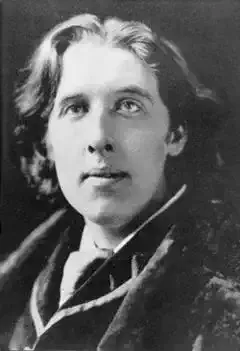
Oscar Wilde
Vita Nuova
I stood by the unvintageable sea
Till the wet waves drenched face and hair with spray;
The long red fires of the dying day
Burned in the west; the wind piped drearily;
And to the land the clamorous gulls did flee:
'Alas!' I cried, 'my life is full of pain,
And who can garner fruit or golden grain
From these waste fields which travail ceaselessly!'
My nets gaped wide with many a break and flaw,
Nathless I threw them as my final cast
Into the sea, and waited for the end.
When lo! a sudden glory! and I saw
From the black waters of my tortured past
The argent splendour of white limbs ascend!
Till the wet waves drenched face and hair with spray;
The long red fires of the dying day
Burned in the west; the wind piped drearily;
And to the land the clamorous gulls did flee:
'Alas!' I cried, 'my life is full of pain,
And who can garner fruit or golden grain
From these waste fields which travail ceaselessly!'
My nets gaped wide with many a break and flaw,
Nathless I threw them as my final cast
Into the sea, and waited for the end.
When lo! a sudden glory! and I saw
From the black waters of my tortured past
The argent splendour of white limbs ascend!
759
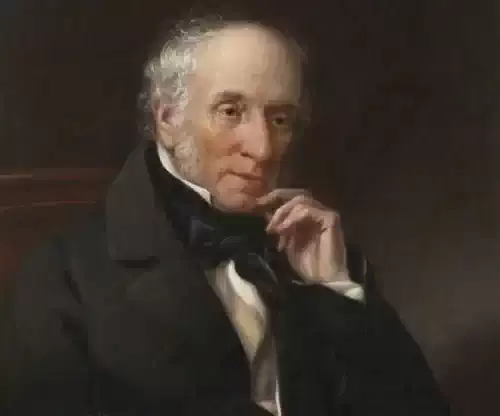
William Wordsworth
Wishing-gate, The
Wishing-gate, The
Hope rules a land forever green:
All powers that serve the bright-eyed Queen
Are confident and gay;
Clouds at her bidding disappear;
Points she to aught?---the bliss draws near,
And Fancy smooths the way.
Not such the land of Wishes---there
Dwell fruitless day-dreams, lawless prayer,
And thoughts with things at strife;
Yet how forlorn, should ye depart
Ye superstitions of the heart,
How poor, were human life!
When magic lore abjured its might,
Ye did not forfeit one dear right,
One tender claim abate;
Witness this symbol of your sway,
Surnving near the public way,
The rustic Wishing-gate!
Inquire not if the faery race
Shed kindly influence on the place,
Ere northward they retired;
If here a warrior left a spell,
Panting for glory as he fell;
Or here a saint expired.
Enough that all arouud is fair,
Composed with Nature's finest care,
And in her fondest love---
Peace to embosom and content---
To overawe the turbulent,
The selfish to reprove.
Yea! even the Stranger from afar,
Reclining on this moss-grown bar,
Unknowing, and unknown,
The infection of the ground partakes,
Longing for his Beloved---who maker
All happiness her own.
Then why should conscious Spirits fear
The mystic stirrings that are here,
The ancient faith disclaim?
The local Genius ne'er befriends
Desires whose course in folly ends,
Whose just reward is shame.
Smile if thou wilt, but not in scorn,
If some, by ceaseless pains outworn,
Here crave an easier lot;
If some have thirsted to renew
A broken vow, or bind a true,
With firmer, holier knot.
And not in vain, when thoughts are cast
Upon the irrevocable past,
Some Penitent sincere
May for a worthier future sigh,
While trickles from his downcast eye
No unavailing tear.
The Worldling, pining to be freed
From turmoil, who would turn or speed
The current of his fate,
Might stop before this favored scene,
At Nature's call, nor blush to lean
Upon the Wishing-gate.
The Sage, who feels how blind, how weak
Is man, though loth such help to seek,
Yet, passing, here might pause,
And thirst for insight to allay
Misgiving, while the crimson day
In quietness withdraws;
Or when the church-clock's knell profound
To Time's first step across the bound
Of midnight makes reply;
Time pressing on with starry crest,
To filial sleep upon the breast
Of dread eternity.
Hope rules a land forever green:
All powers that serve the bright-eyed Queen
Are confident and gay;
Clouds at her bidding disappear;
Points she to aught?---the bliss draws near,
And Fancy smooths the way.
Not such the land of Wishes---there
Dwell fruitless day-dreams, lawless prayer,
And thoughts with things at strife;
Yet how forlorn, should ye depart
Ye superstitions of the heart,
How poor, were human life!
When magic lore abjured its might,
Ye did not forfeit one dear right,
One tender claim abate;
Witness this symbol of your sway,
Surnving near the public way,
The rustic Wishing-gate!
Inquire not if the faery race
Shed kindly influence on the place,
Ere northward they retired;
If here a warrior left a spell,
Panting for glory as he fell;
Or here a saint expired.
Enough that all arouud is fair,
Composed with Nature's finest care,
And in her fondest love---
Peace to embosom and content---
To overawe the turbulent,
The selfish to reprove.
Yea! even the Stranger from afar,
Reclining on this moss-grown bar,
Unknowing, and unknown,
The infection of the ground partakes,
Longing for his Beloved---who maker
All happiness her own.
Then why should conscious Spirits fear
The mystic stirrings that are here,
The ancient faith disclaim?
The local Genius ne'er befriends
Desires whose course in folly ends,
Whose just reward is shame.
Smile if thou wilt, but not in scorn,
If some, by ceaseless pains outworn,
Here crave an easier lot;
If some have thirsted to renew
A broken vow, or bind a true,
With firmer, holier knot.
And not in vain, when thoughts are cast
Upon the irrevocable past,
Some Penitent sincere
May for a worthier future sigh,
While trickles from his downcast eye
No unavailing tear.
The Worldling, pining to be freed
From turmoil, who would turn or speed
The current of his fate,
Might stop before this favored scene,
At Nature's call, nor blush to lean
Upon the Wishing-gate.
The Sage, who feels how blind, how weak
Is man, though loth such help to seek,
Yet, passing, here might pause,
And thirst for insight to allay
Misgiving, while the crimson day
In quietness withdraws;
Or when the church-clock's knell profound
To Time's first step across the bound
Of midnight makes reply;
Time pressing on with starry crest,
To filial sleep upon the breast
Of dread eternity.
230
William Wordsworth
To The Daisy (third poem)
To The Daisy (third poem)
Bright Flower! whose home is everywhere,
Bold in maternal Nature's care,
And all the long year through the heir
Of joy or sorrow;
Methinks that there abides in thee
Some concord with humanity,
Given to no other flower I see
The forest thorough!
Is it that Man is soon deprest?
A thoughtless Thing! who, once unblest,
Does little on his memory rest,
Or on his reason,
And Thou would'st teach him how to find
A shelter under every wind,
A hope for times that are unkind
And every season?
Thou wander'st the wide world about,
Uncheck'd by pride or scrupulous doubt,
With friend to greet thee, or without,
Yet pleased and willing;
Meek, yielding to the occasion's call,
And all things suffering from all,
Thy function apostolical
In peace fulfilling.
Bright Flower! whose home is everywhere,
Bold in maternal Nature's care,
And all the long year through the heir
Of joy or sorrow;
Methinks that there abides in thee
Some concord with humanity,
Given to no other flower I see
The forest thorough!
Is it that Man is soon deprest?
A thoughtless Thing! who, once unblest,
Does little on his memory rest,
Or on his reason,
And Thou would'st teach him how to find
A shelter under every wind,
A hope for times that are unkind
And every season?
Thou wander'st the wide world about,
Uncheck'd by pride or scrupulous doubt,
With friend to greet thee, or without,
Yet pleased and willing;
Meek, yielding to the occasion's call,
And all things suffering from all,
Thy function apostolical
In peace fulfilling.
263
William Wordsworth
To a Sky-Lark
To a Sky-Lark
Up with me! up with me into the clouds!
For thy song, Lark, is strong;
Up with me, up with me into the clouds!
Singing, singing,
With clouds and sky about thee ringing,
Lift me, guide me till I find
That spot which seems so to thy mind!
I have walked through wildernesses dreary
And to-day my heart is weary;
Had I now the wings of a Faery,
Up to thee would I fly.
There is madness about thee, and joy divine
In that song of thine;
Lift me, guide me high and high
To thy banqueting-place in the sky.
Joyous as morning
Thou art laughing and scorning;
Thou hast a nest for thy love and thy rest,
And, though little troubled with sloth,
Drunken Lark! thou would'st be loth
To be such a traveller as I.
Happy, happy Liver,
With a soul as strong as a mountain river
Pouring out praise to the Almighty Giver,
Joy and jollity be with us both!
Alas! my journey, rugged and uneven,
Through prickly moors or dusty ways must wind;
But hearing thee, or others of thy kind,
As full of gladness and as free of heaven,
I, with my fate contented, will plod on,
And hope for higher raptures, when life's day is done.
Up with me! up with me into the clouds!
For thy song, Lark, is strong;
Up with me, up with me into the clouds!
Singing, singing,
With clouds and sky about thee ringing,
Lift me, guide me till I find
That spot which seems so to thy mind!
I have walked through wildernesses dreary
And to-day my heart is weary;
Had I now the wings of a Faery,
Up to thee would I fly.
There is madness about thee, and joy divine
In that song of thine;
Lift me, guide me high and high
To thy banqueting-place in the sky.
Joyous as morning
Thou art laughing and scorning;
Thou hast a nest for thy love and thy rest,
And, though little troubled with sloth,
Drunken Lark! thou would'st be loth
To be such a traveller as I.
Happy, happy Liver,
With a soul as strong as a mountain river
Pouring out praise to the Almighty Giver,
Joy and jollity be with us both!
Alas! my journey, rugged and uneven,
Through prickly moors or dusty ways must wind;
But hearing thee, or others of thy kind,
As full of gladness and as free of heaven,
I, with my fate contented, will plod on,
And hope for higher raptures, when life's day is done.
201
William Wordsworth
The Wishing Gate
The Wishing Gate
[In the vale of Grasmere, by the side of an old highway
leading to Ambleside, is a gate, which, from time out of
mind, has been called the Wishing-gate, from a belief that
wishes formed or indulged there have a favorable issue.]
HOPE rules a land forever green:
All powers that serve the bright-eyed Queen
Are confident and gay;
Clouds at her bidding disappear;
Points she to aught?---the bliss draws near,
And Fancy smooths the way.
Not such the land of Wishes---there
Dwell fruitless day-dreams, lawless prayer,
And thoughts with things at strife;
Yet how forlorn, should ye depart
Ye superstitions of the heart,
How poor, were human life!
When magic lore abjured its might,
Ye did not forfeit one dear right,
One tender claim abate;
Witness this symbol of your sway,
Surnving near the public way,
The rustic Wishing-gate!
Inquire not if the faery race
Shed kindly influence on the place,
Ere northward they retired;
If here a warrior left a spell,
Panting for glory as he fell;
Or here a saint expired.
Enough that all arouud is fair,
Composed with Nature's finest care,
And in her fondest love---
Peace to embosom and content---
To overawe the turbulent,
The selfish to reprove.
Yea! even the Stranger from afar,
Reclining on this moss-grown bar,
Unknowing, and unknown,
The infection of the ground partakes,
Longing for his Beloved---who maker
All happiness her own.
Then why should conscious Spirits fear
The mystic stirrings that are here,
The ancient faith disclaim?
The local Genius ne'er befriends
Desires whose course in folly ends,
Whose just reward is shame.
Smile if thou wilt, but not in scorn,
If some, by ceaseless pains outworn,
Here crave an easier lot;
If some have thirsted to renew
A broken vow, or bind a true,
With firmer, holier knot.
And not in vain, when thoughts are cast
Upon the irrevocable past,
Some Penitent sincere
May for a worthier future sigh,
While trickles from his downcast eye
No unavailing tear.
The Worldling, pining to be freed
From turmoil, who would turn or speed
The current of his fate,
Might stop before this favored scene,
At Nature's call, nor blush to lean
Upon the Wishing-gate.
The Sage, who feels how blind, how weak
Is man, though loth such help to seek,
Yet, passing, here might pause,
And thirst for insight to allay
Misgiving, while the crimson day
In quietness withdraws;
Or when the church-clock's knell profound
To Time's first step across the bound
Of midnight makes reply;
Time pressing on with starry crest,
To filial sleep upon the breast
Of dread eternity.
[In the vale of Grasmere, by the side of an old highway
leading to Ambleside, is a gate, which, from time out of
mind, has been called the Wishing-gate, from a belief that
wishes formed or indulged there have a favorable issue.]
HOPE rules a land forever green:
All powers that serve the bright-eyed Queen
Are confident and gay;
Clouds at her bidding disappear;
Points she to aught?---the bliss draws near,
And Fancy smooths the way.
Not such the land of Wishes---there
Dwell fruitless day-dreams, lawless prayer,
And thoughts with things at strife;
Yet how forlorn, should ye depart
Ye superstitions of the heart,
How poor, were human life!
When magic lore abjured its might,
Ye did not forfeit one dear right,
One tender claim abate;
Witness this symbol of your sway,
Surnving near the public way,
The rustic Wishing-gate!
Inquire not if the faery race
Shed kindly influence on the place,
Ere northward they retired;
If here a warrior left a spell,
Panting for glory as he fell;
Or here a saint expired.
Enough that all arouud is fair,
Composed with Nature's finest care,
And in her fondest love---
Peace to embosom and content---
To overawe the turbulent,
The selfish to reprove.
Yea! even the Stranger from afar,
Reclining on this moss-grown bar,
Unknowing, and unknown,
The infection of the ground partakes,
Longing for his Beloved---who maker
All happiness her own.
Then why should conscious Spirits fear
The mystic stirrings that are here,
The ancient faith disclaim?
The local Genius ne'er befriends
Desires whose course in folly ends,
Whose just reward is shame.
Smile if thou wilt, but not in scorn,
If some, by ceaseless pains outworn,
Here crave an easier lot;
If some have thirsted to renew
A broken vow, or bind a true,
With firmer, holier knot.
And not in vain, when thoughts are cast
Upon the irrevocable past,
Some Penitent sincere
May for a worthier future sigh,
While trickles from his downcast eye
No unavailing tear.
The Worldling, pining to be freed
From turmoil, who would turn or speed
The current of his fate,
Might stop before this favored scene,
At Nature's call, nor blush to lean
Upon the Wishing-gate.
The Sage, who feels how blind, how weak
Is man, though loth such help to seek,
Yet, passing, here might pause,
And thirst for insight to allay
Misgiving, while the crimson day
In quietness withdraws;
Or when the church-clock's knell profound
To Time's first step across the bound
Of midnight makes reply;
Time pressing on with starry crest,
To filial sleep upon the breast
Of dread eternity.
266
William Wordsworth
The Primrose of the Rock
The Primrose of the Rock
A Rock there is whose homely front
The passing traveller slights;
Yet there the glow-worms hang their lamps,
Like stars, at various heights;
And one coy Primrose to that Rock
The vernal breeze invites.
What hideous warfare hath been waged,
What kingdoms overthrown,
Since first I spied that Primrose-tuft
And marked it for my own;
A lasting link in Nature's chain
From highest heaven let down!
The flowers, still faithful to the stems,
Their fellowship renew;
The stems are faithful to the root,
That worketh out of view;
And to the rock the root adheres
In every fibre true.
Close clings to earth the living rock,
Though threatening still to fall:
The earth is constant to her sphere;
And God upholds them all:
So blooms this lonely Plant, nor dreads
Her annual funeral.
Here closed the meditative strain;
But air breathed soft that day,
The hoary mountain-heights were cheered,
The sunny vale looked gay;
And to the Primrose of the Rock
I gave this after-lay.
I sang-Let myriads of bright flowers,
Like Thee, in field and grove
Revive unenvied;-mightier far,
Than tremblings that reprove
Our vernal tendencies to hope,
Is God's redeeming love;
That love which changed-for wan disease,
For sorrow that had bent
O'er hopeless dust, for withered age-
Their moral element,
And turned the thistles of a curse
To types beneficent.
Sin-blighted though we are, we too,
The reasoning Sons of Men,
From one oblivious winter called
Shall rise, and breathe again;
And in eternal summer lose
Our threescore years and ten.
To humbleness of heart descends
This prescience from on high,
The faith that elevates the just,
Before and when they die;
And makes each soul a separate heaven
A court for Deity.
A Rock there is whose homely front
The passing traveller slights;
Yet there the glow-worms hang their lamps,
Like stars, at various heights;
And one coy Primrose to that Rock
The vernal breeze invites.
What hideous warfare hath been waged,
What kingdoms overthrown,
Since first I spied that Primrose-tuft
And marked it for my own;
A lasting link in Nature's chain
From highest heaven let down!
The flowers, still faithful to the stems,
Their fellowship renew;
The stems are faithful to the root,
That worketh out of view;
And to the rock the root adheres
In every fibre true.
Close clings to earth the living rock,
Though threatening still to fall:
The earth is constant to her sphere;
And God upholds them all:
So blooms this lonely Plant, nor dreads
Her annual funeral.
Here closed the meditative strain;
But air breathed soft that day,
The hoary mountain-heights were cheered,
The sunny vale looked gay;
And to the Primrose of the Rock
I gave this after-lay.
I sang-Let myriads of bright flowers,
Like Thee, in field and grove
Revive unenvied;-mightier far,
Than tremblings that reprove
Our vernal tendencies to hope,
Is God's redeeming love;
That love which changed-for wan disease,
For sorrow that had bent
O'er hopeless dust, for withered age-
Their moral element,
And turned the thistles of a curse
To types beneficent.
Sin-blighted though we are, we too,
The reasoning Sons of Men,
From one oblivious winter called
Shall rise, and breathe again;
And in eternal summer lose
Our threescore years and ten.
To humbleness of heart descends
This prescience from on high,
The faith that elevates the just,
Before and when they die;
And makes each soul a separate heaven
A court for Deity.
222
William Wordsworth
Ode, Composed On A May Morning
Ode, Composed On A May Morning
While from the purpling east departs
The star that led the dawn,
Blithe Flora from her couch upstarts,
For May is on the lawn.
A quickening hope, a freshening glee,
Foreran the expected Power,
Whose first-drawn breath, from bush and tree,
Shakes off that pearly shower.
All Nature welcomes Her whose sway
Tempers the year's extremes;
Who scattereth lustres o'er noon-day,
Like morning's dewy gleams;
While mellow warble, sprightly trill,
The tremulous heart excite;
And hums the balmy air to still
The balance of delight.
Time was, blest Power! when youth and maids
At peep of dawn would rise,
And wander forth, in forest glades
Thy birth to solemnize.
Though mute the song---to grace the rite
Untouched the hawthorn bough,
Thy Spirit triumphs o'er the slight;
Man changes, but not Thou!
Thy feathered Lieges bill and wings
In love's disport employ;
Warmed by thy influence, creeping things
Awake to silent joy:
Queen art thou still for each gay plant
Where the slim wild deer roves;
And served in depths where fishes haunt
Their own mysterious groves.
Cloud-piercing peak, and trackless heath,
Instinctive homage pay;
Nor wants the dim-lit cave a wreath
To honor thee, sweet May!
Where cities fanned by thy brisk airs
Behold a smokeless sky,
Their puniest flower-pot-nursling dares
To open a bright eye.
And if, on this thy natal morn,
The pole, from which thy name
Hath not departed, stands forlorn
Of song and dance and game;
Still from the village-green a vow
Aspires to thee addrest,
Wherever peace is on the brow,
Or love within the breast.
Yes! where Love nestles thou canst teach
The soul to love the more;
Hearts also shall thy lessons reach
That never loved before.
Stript is the haughty one of pride,
The bashful freed from fear,
While rising, like the ocean-tide,
In flow the joyous year.
Hush, feeble lyre! weak words refuse
The service to prolong!
To yon exulting thrush the Muse
Entrusts the imperfect song;
His voice shall chant, in accents clear,
Throughout the live-long day,
Till the first silver star appear,
The sovereignty of May.
While from the purpling east departs
The star that led the dawn,
Blithe Flora from her couch upstarts,
For May is on the lawn.
A quickening hope, a freshening glee,
Foreran the expected Power,
Whose first-drawn breath, from bush and tree,
Shakes off that pearly shower.
All Nature welcomes Her whose sway
Tempers the year's extremes;
Who scattereth lustres o'er noon-day,
Like morning's dewy gleams;
While mellow warble, sprightly trill,
The tremulous heart excite;
And hums the balmy air to still
The balance of delight.
Time was, blest Power! when youth and maids
At peep of dawn would rise,
And wander forth, in forest glades
Thy birth to solemnize.
Though mute the song---to grace the rite
Untouched the hawthorn bough,
Thy Spirit triumphs o'er the slight;
Man changes, but not Thou!
Thy feathered Lieges bill and wings
In love's disport employ;
Warmed by thy influence, creeping things
Awake to silent joy:
Queen art thou still for each gay plant
Where the slim wild deer roves;
And served in depths where fishes haunt
Their own mysterious groves.
Cloud-piercing peak, and trackless heath,
Instinctive homage pay;
Nor wants the dim-lit cave a wreath
To honor thee, sweet May!
Where cities fanned by thy brisk airs
Behold a smokeless sky,
Their puniest flower-pot-nursling dares
To open a bright eye.
And if, on this thy natal morn,
The pole, from which thy name
Hath not departed, stands forlorn
Of song and dance and game;
Still from the village-green a vow
Aspires to thee addrest,
Wherever peace is on the brow,
Or love within the breast.
Yes! where Love nestles thou canst teach
The soul to love the more;
Hearts also shall thy lessons reach
That never loved before.
Stript is the haughty one of pride,
The bashful freed from fear,
While rising, like the ocean-tide,
In flow the joyous year.
Hush, feeble lyre! weak words refuse
The service to prolong!
To yon exulting thrush the Muse
Entrusts the imperfect song;
His voice shall chant, in accents clear,
Throughout the live-long day,
Till the first silver star appear,
The sovereignty of May.
157
William Wordsworth
November,
November,
. Another year!--another deadly blow!
Another mighty Empire overthrown!
And We are left, or shall be left, alone;
The last that dare to struggle with the Foe.
'Tis well! from this day forward we shall know
That in ourselves our safety must be sought;
That by our own right hands it must be wrought;
That we must stand unpropped, or be laid low.
O dastard whom such foretaste doth not cheer!
We shall exult, if they who rule the land
Be men who hold its many blessings dear,
Wise, upright, valiant; not a servile band,
Who are to judge of danger which they fear,
And honour which they do not understand.
. Another year!--another deadly blow!
Another mighty Empire overthrown!
And We are left, or shall be left, alone;
The last that dare to struggle with the Foe.
'Tis well! from this day forward we shall know
That in ourselves our safety must be sought;
That by our own right hands it must be wrought;
That we must stand unpropped, or be laid low.
O dastard whom such foretaste doth not cheer!
We shall exult, if they who rule the land
Be men who hold its many blessings dear,
Wise, upright, valiant; not a servile band,
Who are to judge of danger which they fear,
And honour which they do not understand.
195
William Wordsworth
Birth of Love, The
Birth of Love, The
When Love was born of heavenly line,
What dire intrigues disturbed Cythera's joy!
Till Venus cried, "A mother's heart is mine;
None but myself shall nurse my boy,"
But, infant as he was, the child
In that divine embrace enchanted lay;
And, by the beauty of the vase beguiled,
Forgot the beverage--and pined away.
"And must my offspring languish in my sight?"
(Alive to all a mother's pain,
The Queen of Beauty thus her court addressed)
"No: Let the most discreet of all my train
Receive him to her breast:
Think all, he is the God of young delight."
Then TENDERNESS with CANDOUR joined,
And GAIETY the charming office sought;
Nor even DELICACY stayed behind:
But none of those fair Graces brought
Wherewith to nurse the child--and still he pined.
Some fond hearts to COMPLIANCE seemed inclined;
But she had surely spoiled the boy:
And sad experience forbade a thought
On the wild Goddess of VOLUPTUOUS JOY.
Long undecided lay th' important choice,
Till of the beauteous court, at length, a voice
Pronounced the name of HOPE:--The conscious child
Stretched forth his little arms, and smiled.
'Tis said ENJOYMENT (who averred
The charge belonged to her alone)
Jealous that HOPE had been preferred
Laid snares to make the babe her own.
Of INNOCENCE the garb she took,
The blushing mien and downcast look;
And came her services to proffer:
And HOPE (what has not Hope believed!)
By that seducing air deceived,
Accepted of the offer.
It happened that, to sleep inclined,
Deluded HOPE: for one short hour
To that false INNOCENCE'S power
Her little charge consigned.
The Goddess then her lap with sweetmeats filled
And gave, in handfuls gave, the treacherous store:
A wild delirium first the infant thrilled;
But soon upon her breast he sunk--to wake no more.
When Love was born of heavenly line,
What dire intrigues disturbed Cythera's joy!
Till Venus cried, "A mother's heart is mine;
None but myself shall nurse my boy,"
But, infant as he was, the child
In that divine embrace enchanted lay;
And, by the beauty of the vase beguiled,
Forgot the beverage--and pined away.
"And must my offspring languish in my sight?"
(Alive to all a mother's pain,
The Queen of Beauty thus her court addressed)
"No: Let the most discreet of all my train
Receive him to her breast:
Think all, he is the God of young delight."
Then TENDERNESS with CANDOUR joined,
And GAIETY the charming office sought;
Nor even DELICACY stayed behind:
But none of those fair Graces brought
Wherewith to nurse the child--and still he pined.
Some fond hearts to COMPLIANCE seemed inclined;
But she had surely spoiled the boy:
And sad experience forbade a thought
On the wild Goddess of VOLUPTUOUS JOY.
Long undecided lay th' important choice,
Till of the beauteous court, at length, a voice
Pronounced the name of HOPE:--The conscious child
Stretched forth his little arms, and smiled.
'Tis said ENJOYMENT (who averred
The charge belonged to her alone)
Jealous that HOPE had been preferred
Laid snares to make the babe her own.
Of INNOCENCE the garb she took,
The blushing mien and downcast look;
And came her services to proffer:
And HOPE (what has not Hope believed!)
By that seducing air deceived,
Accepted of the offer.
It happened that, to sleep inclined,
Deluded HOPE: for one short hour
To that false INNOCENCE'S power
Her little charge consigned.
The Goddess then her lap with sweetmeats filled
And gave, in handfuls gave, the treacherous store:
A wild delirium first the infant thrilled;
But soon upon her breast he sunk--to wake no more.
273

William Shakespeare
Sonnet LVI
Sonnet LVI
Sweet love, renew thy force; be it not said
Thy edge should blunter be than appetite,
Which but to-day by feeding is allay'd,
To-morrow sharpen'd in his former might:
So, love, be thou; although to-day thou fill
Thy hungry eyes even till they wink with fullness,
To-morrow see again, and do not kill
The spirit of love with a perpetual dullness.
Let this sad interim like the ocean be
Which parts the shore, where two contracted new
Come daily to the banks, that, when they see
Return of love, more blest may be the view;
Else call it winter, which being full of care
Makes summer's welcome thrice more wish'd, more rare.
Sweet love, renew thy force; be it not said
Thy edge should blunter be than appetite,
Which but to-day by feeding is allay'd,
To-morrow sharpen'd in his former might:
So, love, be thou; although to-day thou fill
Thy hungry eyes even till they wink with fullness,
To-morrow see again, and do not kill
The spirit of love with a perpetual dullness.
Let this sad interim like the ocean be
Which parts the shore, where two contracted new
Come daily to the banks, that, when they see
Return of love, more blest may be the view;
Else call it winter, which being full of care
Makes summer's welcome thrice more wish'd, more rare.
354
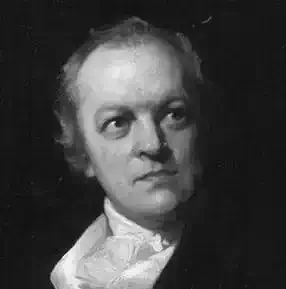
William Blake
To Spring
To Spring
O thou with dewy locks, who lookest down
Thro' the clear windows of the morning, turn
Thine angel eyes upon our western isle,
Which in full choir hails thy approach, O Spring!
The hills tell each other, and the listening
Valleys hear; all our longing eyes are turned
Up to thy bright pavilions: issue forth,
And let thy holy feet visit our clime.
Come o'er the eastern hills, and let our winds
Kiss thy perfumed garments; let us taste
Thy morn and evening breath; scatter thy pearls
Upon our love-sick land that mourns for thee.
O deck her forth with thy fair fingers; pour
Thy soft kisses on her bosom; and put
Thy golden crown upon her languished head,
Whose modest tresses were bound up for thee.
O thou with dewy locks, who lookest down
Thro' the clear windows of the morning, turn
Thine angel eyes upon our western isle,
Which in full choir hails thy approach, O Spring!
The hills tell each other, and the listening
Valleys hear; all our longing eyes are turned
Up to thy bright pavilions: issue forth,
And let thy holy feet visit our clime.
Come o'er the eastern hills, and let our winds
Kiss thy perfumed garments; let us taste
Thy morn and evening breath; scatter thy pearls
Upon our love-sick land that mourns for thee.
O deck her forth with thy fair fingers; pour
Thy soft kisses on her bosom; and put
Thy golden crown upon her languished head,
Whose modest tresses were bound up for thee.
439
William Blake
Milton: And did those feet in ancient time
Milton: And did those feet in ancient time
And did those feet in ancient time
Walk upon England's mountains green?
And was the holy Lamb of God
On England's pleasant pastures seen?
And did the Countenance Divine
Shine forth upon our clouded hills?
And was Jerusalem builded here
Among these dark Satanic mills?
Bring me my bow of burning gold:
Bring me my arrows of desire:
Bring me my spear: O clouds unfold!
Bring me my chariot of fire.
I will not cease from mental fight,
Nor shall my sword sleep in my hand
Till we have built Jerusalem
In England's green and pleasant land.
And did those feet in ancient time
Walk upon England's mountains green?
And was the holy Lamb of God
On England's pleasant pastures seen?
And did the Countenance Divine
Shine forth upon our clouded hills?
And was Jerusalem builded here
Among these dark Satanic mills?
Bring me my bow of burning gold:
Bring me my arrows of desire:
Bring me my spear: O clouds unfold!
Bring me my chariot of fire.
I will not cease from mental fight,
Nor shall my sword sleep in my hand
Till we have built Jerusalem
In England's green and pleasant land.
313
William Blake
Hear the Voice
Hear the Voice
HEAR the voice of the Bard,
Who present, past, and future, sees;
Whose ears have heard
The Holy Word
That walk'd among the ancient trees;
Calling the lapsed soul,
And weeping in the evening dew;
That might control
The starry pole,
And fallen, fallen light renew!
'O Earth, O Earth, return!
Arise from out the dewy grass!
Night is worn,
And the morn
Rises from the slumbrous mass.
'Turn away no more;
Why wilt thou turn away?
The starry floor,
The watery shore,
Is given thee till the break of day.'
HEAR the voice of the Bard,
Who present, past, and future, sees;
Whose ears have heard
The Holy Word
That walk'd among the ancient trees;
Calling the lapsed soul,
And weeping in the evening dew;
That might control
The starry pole,
And fallen, fallen light renew!
'O Earth, O Earth, return!
Arise from out the dewy grass!
Night is worn,
And the morn
Rises from the slumbrous mass.
'Turn away no more;
Why wilt thou turn away?
The starry floor,
The watery shore,
Is given thee till the break of day.'
328
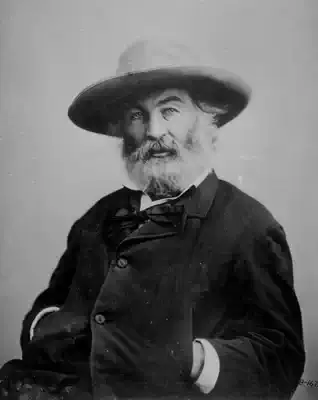
Walt Whitman
On The Beach At Night
On The Beach At Night
ON the beach, at night,
Stands a child, with her father,
Watching the east, the autumn sky.
Up through the darkness,
While ravening clouds, the burial clouds, in black masses spreading,
Lower, sullen and fast, athwart and down the sky,
Amid a transparent clear belt of ether yet left in the east,
Ascends, large and calm, the lord-star Jupiter;
And nigh at hand, only a very little above,
Swim the delicate brothers, the Pleiades. 10
From the beach, the child, holding the hand of her father,
Those burial-clouds that lower, victorious, soon to devour all,
Watching, silently weeps.
Weep not, child,
Weep not, my darling,
With these kisses let me remove your tears;
The ravening clouds shall not long be victorious,
They shall not long possess the sky--shall devour the stars only in
apparition:
Jupiter shall emerge--be patient--watch again another night--the
Pleiades shall emerge,
They are immortal--all those stars, both silvery and golden, shall
shine out again, 20
The great stars and the little ones shall shine out again--they
endure;
The vast immortal suns, and the long-enduring pensive moons, shall
again shine.
Then, dearest child, mournest thou only for Jupiter?
Considerest thou alone the burial of the stars?
Something there is,
(With my lips soothing thee, adding, I whisper,
I give thee the first suggestion, the problem and indirection,)
Something there is more immortal even than the stars,
(Many the burials, many the days and nights, passing away,)
Something that shall endure longer even than lustrous Jupiter, 30
Longer than sun, or any revolving satellite,
Or the radiant brothers, the Pleiades.
ON the beach, at night,
Stands a child, with her father,
Watching the east, the autumn sky.
Up through the darkness,
While ravening clouds, the burial clouds, in black masses spreading,
Lower, sullen and fast, athwart and down the sky,
Amid a transparent clear belt of ether yet left in the east,
Ascends, large and calm, the lord-star Jupiter;
And nigh at hand, only a very little above,
Swim the delicate brothers, the Pleiades. 10
From the beach, the child, holding the hand of her father,
Those burial-clouds that lower, victorious, soon to devour all,
Watching, silently weeps.
Weep not, child,
Weep not, my darling,
With these kisses let me remove your tears;
The ravening clouds shall not long be victorious,
They shall not long possess the sky--shall devour the stars only in
apparition:
Jupiter shall emerge--be patient--watch again another night--the
Pleiades shall emerge,
They are immortal--all those stars, both silvery and golden, shall
shine out again, 20
The great stars and the little ones shall shine out again--they
endure;
The vast immortal suns, and the long-enduring pensive moons, shall
again shine.
Then, dearest child, mournest thou only for Jupiter?
Considerest thou alone the burial of the stars?
Something there is,
(With my lips soothing thee, adding, I whisper,
I give thee the first suggestion, the problem and indirection,)
Something there is more immortal even than the stars,
(Many the burials, many the days and nights, passing away,)
Something that shall endure longer even than lustrous Jupiter, 30
Longer than sun, or any revolving satellite,
Or the radiant brothers, the Pleiades.
500
Walt Whitman
O Sun Of Real Peace
O Sun Of Real Peace
O SUN of real peace! O hastening light!
O free and extatic! O what I here, preparing, warble for!
O the sun of the world will ascend, dazzling, and take his height-
and you too, O my Ideal, will surely ascend!
O so amazing and broad--up there resplendent, darting and burning!
O vision prophetic, stagger'd with weight of light! with pouring
glories!
O lips of my soul, already becoming powerless!
O ample and grand Presidentiads! Now the war, the war is over!
New history! new heroes! I project you!
Visions of poets! only you really last! sweep on! sweep on!
O heights too swift and dizzy yet! 10
O purged and luminous! you threaten me more than I can stand!
(I must not venture--the ground under my feet menaces me--it will not
support me:
O future too immense,)--O present, I return, while yet I may, to you.
O SUN of real peace! O hastening light!
O free and extatic! O what I here, preparing, warble for!
O the sun of the world will ascend, dazzling, and take his height-
and you too, O my Ideal, will surely ascend!
O so amazing and broad--up there resplendent, darting and burning!
O vision prophetic, stagger'd with weight of light! with pouring
glories!
O lips of my soul, already becoming powerless!
O ample and grand Presidentiads! Now the war, the war is over!
New history! new heroes! I project you!
Visions of poets! only you really last! sweep on! sweep on!
O heights too swift and dizzy yet! 10
O purged and luminous! you threaten me more than I can stand!
(I must not venture--the ground under my feet menaces me--it will not
support me:
O future too immense,)--O present, I return, while yet I may, to you.
499
Walt Whitman
O Me! O Life!
O Me! O Life!
O ME! O life!... of the questions of these recurring;
Of the endless trains of the faithless--of cities fill'd with the
foolish;
Of myself forever reproaching myself, (for who more foolish than I,
and who more faithless?)
Of eyes that vainly crave the light--of the objects mean--of the
struggle ever renew'd;
Of the poor results of all--of the plodding and sordid crowds I see
around me;
Of the empty and useless years of the rest--with the rest me
intertwined;
The question, O me! so sad, recurring--What good amid these, O me, O
life?
Answer.
That you are here--that life exists, and identity;
That the powerful play goes on, and you will contribute a verse.
O ME! O life!... of the questions of these recurring;
Of the endless trains of the faithless--of cities fill'd with the
foolish;
Of myself forever reproaching myself, (for who more foolish than I,
and who more faithless?)
Of eyes that vainly crave the light--of the objects mean--of the
struggle ever renew'd;
Of the poor results of all--of the plodding and sordid crowds I see
around me;
Of the empty and useless years of the rest--with the rest me
intertwined;
The question, O me! so sad, recurring--What good amid these, O me, O
life?
Answer.
That you are here--that life exists, and identity;
That the powerful play goes on, and you will contribute a verse.
459
Walt Whitman
Brother Of All, With Genesrous Hand
Brother Of All, With Genesrous Hand
BROTHER of all, with generous hand,
Of thee, pondering on thee, as o'er thy tomb, I and my Soul,
A thought to launch in memory of thee,
A burial verse for thee.
What may we chant, O thou within this tomb?
What tablets, pictures, hang for thee, O millionaire?
--The life thou lived'st we know not,
But that thou walk'dst thy years in barter, 'mid the haunts of
brokers;
Nor heroism thine, nor war, nor glory.
Yet lingering, yearning, joining soul with thine, 10
If not thy past we chant, we chant the future,
Select, adorn the future.
Lo, Soul, the graves of heroes!
The pride of lands--the gratitudes of men,
The statues of the manifold famous dead, Old World and New,
The kings, inventors, generals, poets, (stretch wide thy vision,
Soul,)
The excellent rulers of the races, great discoverers, sailors,
Marble and brass select from them, with pictures, scenes,
(The histories of the lands, the races, bodied there,
In what they've built for, graced and graved, 20
Monuments to their heroes.)
Silent, my Soul,
With drooping lids, as waiting, ponder'd,
Turning from all the samples, all the monuments of heroes.
While through the interior vistas,
Noiseless uprose, phantasmic (as, by night, Auroras of the North,)
Lambent tableaux, prophetic, bodiless scenes,
Spiritual projections.
In one, among the city streets, a laborer's home appear'd,
After his day's work done, cleanly, sweet-air'd, the gaslight
burning, 30
The carpet swept, and a fire in the cheerful stove.
In one, the sacred parturition scene,
A happy, painless mother birth'd a perfect child.
In one, at a bounteous morning meal,
Sat peaceful parents, with contented sons.
In one, by twos and threes, young people,
Hundreds concentering, walk'd the paths and streets and roads,
Toward a tall-domed school.
In one a trio, beautiful,
Grandmother, loving daughter, loving daughter's daughter, sat, 40
Chatting and sewing.
In one, along a suite of noble rooms,
'Mid plenteous books and journals, paintings on the walls, fine
statuettes,
Were groups of friendly journeymen, mechanics, young and old,
Reading, conversing.
All, all the shows of laboring life,
City and country, women's, men's and children's,
Their wants provided for, hued in the sun, and tinged for once with
joy,
Marriage, the street, the factory, farm, the house-room, lodgingroom,
Labor and toil, the bath, gymnasium, play-ground, library,
college, 50
The student, boy or girl, led forward to be taught;
The sick cared for, the shoeless shod--the orphan father'd and
mother'd,
The hungry fed, the houseless housed;
(The intentions perfect and divine,
The workings, details, haply human.)
O thou within this tomb,
From thee, such scenes--thou stintless, lavish Giver,
Tallying the gifts of Earth--large as the Earth,
Thy name an Earth, with mountains, fields and rivers.
Nor by your streams alone, you rivers, 60
By you, your banks, Connecticut,
By you, and all your teeming life, Old Thames,
By you, Potomac, laving the ground Washington trod--by you Patapsco,
You, Hudson--you, endless Mississippi--not by you alone,
But to the high seas launch, my thought, his memory.
Lo, Soul, by this tomb's lambency,
The darkness of the arrogant standards of the world,
With all its flaunting aims, ambitions, pleasures.
(Old, commonplace, and rusty saws,
The rich, the gay, the supercilious, smiled at long, 70
Now, piercing to the marrow in my bones,
Fused with each drop my heart's blood jets,
Swim in ineffable meaning.)
Lo, Soul, the sphere requireth, portioneth,
To each his share, his measure,
The moderate to the moderate, the ample to the ample.
Lo, Soul, see'st thou not, plain as the sun,
The only real wealth of wealth in generosity,
The only life of life in goodness?
BROTHER of all, with generous hand,
Of thee, pondering on thee, as o'er thy tomb, I and my Soul,
A thought to launch in memory of thee,
A burial verse for thee.
What may we chant, O thou within this tomb?
What tablets, pictures, hang for thee, O millionaire?
--The life thou lived'st we know not,
But that thou walk'dst thy years in barter, 'mid the haunts of
brokers;
Nor heroism thine, nor war, nor glory.
Yet lingering, yearning, joining soul with thine, 10
If not thy past we chant, we chant the future,
Select, adorn the future.
Lo, Soul, the graves of heroes!
The pride of lands--the gratitudes of men,
The statues of the manifold famous dead, Old World and New,
The kings, inventors, generals, poets, (stretch wide thy vision,
Soul,)
The excellent rulers of the races, great discoverers, sailors,
Marble and brass select from them, with pictures, scenes,
(The histories of the lands, the races, bodied there,
In what they've built for, graced and graved, 20
Monuments to their heroes.)
Silent, my Soul,
With drooping lids, as waiting, ponder'd,
Turning from all the samples, all the monuments of heroes.
While through the interior vistas,
Noiseless uprose, phantasmic (as, by night, Auroras of the North,)
Lambent tableaux, prophetic, bodiless scenes,
Spiritual projections.
In one, among the city streets, a laborer's home appear'd,
After his day's work done, cleanly, sweet-air'd, the gaslight
burning, 30
The carpet swept, and a fire in the cheerful stove.
In one, the sacred parturition scene,
A happy, painless mother birth'd a perfect child.
In one, at a bounteous morning meal,
Sat peaceful parents, with contented sons.
In one, by twos and threes, young people,
Hundreds concentering, walk'd the paths and streets and roads,
Toward a tall-domed school.
In one a trio, beautiful,
Grandmother, loving daughter, loving daughter's daughter, sat, 40
Chatting and sewing.
In one, along a suite of noble rooms,
'Mid plenteous books and journals, paintings on the walls, fine
statuettes,
Were groups of friendly journeymen, mechanics, young and old,
Reading, conversing.
All, all the shows of laboring life,
City and country, women's, men's and children's,
Their wants provided for, hued in the sun, and tinged for once with
joy,
Marriage, the street, the factory, farm, the house-room, lodgingroom,
Labor and toil, the bath, gymnasium, play-ground, library,
college, 50
The student, boy or girl, led forward to be taught;
The sick cared for, the shoeless shod--the orphan father'd and
mother'd,
The hungry fed, the houseless housed;
(The intentions perfect and divine,
The workings, details, haply human.)
O thou within this tomb,
From thee, such scenes--thou stintless, lavish Giver,
Tallying the gifts of Earth--large as the Earth,
Thy name an Earth, with mountains, fields and rivers.
Nor by your streams alone, you rivers, 60
By you, your banks, Connecticut,
By you, and all your teeming life, Old Thames,
By you, Potomac, laving the ground Washington trod--by you Patapsco,
You, Hudson--you, endless Mississippi--not by you alone,
But to the high seas launch, my thought, his memory.
Lo, Soul, by this tomb's lambency,
The darkness of the arrogant standards of the world,
With all its flaunting aims, ambitions, pleasures.
(Old, commonplace, and rusty saws,
The rich, the gay, the supercilious, smiled at long, 70
Now, piercing to the marrow in my bones,
Fused with each drop my heart's blood jets,
Swim in ineffable meaning.)
Lo, Soul, the sphere requireth, portioneth,
To each his share, his measure,
The moderate to the moderate, the ample to the ample.
Lo, Soul, see'st thou not, plain as the sun,
The only real wealth of wealth in generosity,
The only life of life in goodness?
388
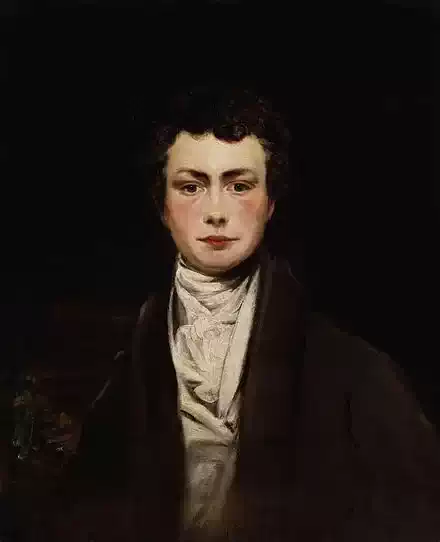
Thomas Moore
Sail On, Sail On
Sail On, Sail On
Sail on, sail on, thou fearless bark --
Where'er blows the welcome wind,
It cannot lead to scenes more dark,
More sad than those we leave behind.
Each wave that passes seems to say,
"Though death beneath our smile may be,
Less cold we are, less false than they,
Whose smiling wreck'd thy hopes and thee."
Sail on, sail on -- through endless space --
Through calm -- through tempest -- stop no more:
The stormiest sea's a resting-place
To him who leaves such hearts on shore.
Or -- if some desert land we meet,
Where never yet false-hearted men
Profaned a world, that else were sweet --
Then rest thee, bark, but not till then.
Sail on, sail on, thou fearless bark --
Where'er blows the welcome wind,
It cannot lead to scenes more dark,
More sad than those we leave behind.
Each wave that passes seems to say,
"Though death beneath our smile may be,
Less cold we are, less false than they,
Whose smiling wreck'd thy hopes and thee."
Sail on, sail on -- through endless space --
Through calm -- through tempest -- stop no more:
The stormiest sea's a resting-place
To him who leaves such hearts on shore.
Or -- if some desert land we meet,
Where never yet false-hearted men
Profaned a world, that else were sweet --
Then rest thee, bark, but not till then.
166
Thomas Moore
No, Not More Welcome
No, Not More Welcome
No, not more welcome the fairy numbers
Of music fall on the sleeper's ear,
When half awaking from fearful slumbers,
He thinks the full quire of heaven is near --
Than came that voice, when, all forsaken,
This heart long had sleeping lain,
Nor thought its cold pulse would ever waken
To such benign blessed sounds again.
Sweet voice of comfort! 'twas like the stealing
Of summer wind through some wreathed shell --
Each secret winding, each inmost feeling
Of all my soul echoed to its spell.
'Twas whisper'd balm -- 'twas sunshine spoken! --
I'd live years of grief and pain
To have my long sleep of sorrow broken
By such benign blessed sounds again.
No, not more welcome the fairy numbers
Of music fall on the sleeper's ear,
When half awaking from fearful slumbers,
He thinks the full quire of heaven is near --
Than came that voice, when, all forsaken,
This heart long had sleeping lain,
Nor thought its cold pulse would ever waken
To such benign blessed sounds again.
Sweet voice of comfort! 'twas like the stealing
Of summer wind through some wreathed shell --
Each secret winding, each inmost feeling
Of all my soul echoed to its spell.
'Twas whisper'd balm -- 'twas sunshine spoken! --
I'd live years of grief and pain
To have my long sleep of sorrow broken
By such benign blessed sounds again.
174
Thomas Moore
Erin, Oh Erin
Erin, Oh Erin
Like the bright lamp, that shone in Kildare's holy fane,
And burn'd through long ages of darkness and storm,
Is the heart that sorrows have frown'd on in vain,
Whose spirit outlives them, unfading and warm.
Erin, oh Erin, thus bright through the tears
Of a long night of bondage, thy spirit appears.
The nations have fallen, and thou still art young,
Thy sun is but rising, when others are set;
And though slavery's cloud o'er thy morning hath hung,
The full noon of freedom shall beam round thee yet.
Erin, oh Erin, though long in the shade,
Thy star will shine out when the proudest shall fade.
Unchill'd by the rain, and unwaked by the wind,
The lily lies sleeping through winter's cold hour,
Till Spring's light touch her fetters unbind,
And daylight and liberty bless the young flower.
Thus Erin, oh Erin, thy winter is past,
And the hope that lived through it shall blossom at last.
Like the bright lamp, that shone in Kildare's holy fane,
And burn'd through long ages of darkness and storm,
Is the heart that sorrows have frown'd on in vain,
Whose spirit outlives them, unfading and warm.
Erin, oh Erin, thus bright through the tears
Of a long night of bondage, thy spirit appears.
The nations have fallen, and thou still art young,
Thy sun is but rising, when others are set;
And though slavery's cloud o'er thy morning hath hung,
The full noon of freedom shall beam round thee yet.
Erin, oh Erin, though long in the shade,
Thy star will shine out when the proudest shall fade.
Unchill'd by the rain, and unwaked by the wind,
The lily lies sleeping through winter's cold hour,
Till Spring's light touch her fetters unbind,
And daylight and liberty bless the young flower.
Thus Erin, oh Erin, thy winter is past,
And the hope that lived through it shall blossom at last.
159
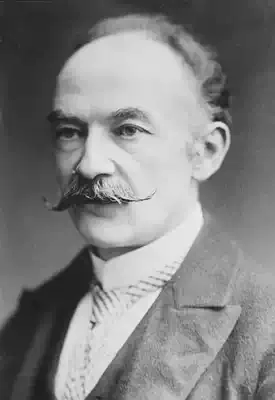
Thomas Hardy
The Going of the Battery Wives. (Lament)
The Going of the Battery Wives. (Lament)
I
O it was sad enough, weak enough, mad enough -
Light in their loving as soldiers can be -
First to risk choosing them, leave alone losing them
Now, in far battle, beyond the South Sea! . . .
II
- Rain came down drenchingly; but we unblenchingly
Trudged on beside them through mirk and through mire,
They stepping steadily--only too readily! -
Scarce as if stepping brought parting-time nigher.
III
Great guns were gleaming there, living things seeming there,
Cloaked in their tar-cloths, upmouthed to the night;
Wheels wet and yellow from axle to felloe,
Throats blank of sound, but prophetic to sight.
IV
Gas-glimmers drearily, blearily, eerily
Lit our pale faces outstretched for one kiss,
While we stood prest to them, with a last quest to them
Not to court perils that honour could miss.
V
Sharp were those sighs of ours, blinded these eyes of ours,
When at last moved away under the arch
All we loved. Aid for them each woman prayed for them,
Treading back slowly the track of their march.
VI
Someone said: "Nevermore will they come: evermore
Are they now lost to us." O it was wrong!
Though may be hard their ways, some Hand will guard their ways,
Bear them through safely, in brief time or long.
VII
- Yet, voices haunting us, daunting us, taunting us,
Hint in the night-time when life beats are low
Other and graver things . . . Hold we to braver things,
Wait we, in trust, what Time's fulness shall show.
I
O it was sad enough, weak enough, mad enough -
Light in their loving as soldiers can be -
First to risk choosing them, leave alone losing them
Now, in far battle, beyond the South Sea! . . .
II
- Rain came down drenchingly; but we unblenchingly
Trudged on beside them through mirk and through mire,
They stepping steadily--only too readily! -
Scarce as if stepping brought parting-time nigher.
III
Great guns were gleaming there, living things seeming there,
Cloaked in their tar-cloths, upmouthed to the night;
Wheels wet and yellow from axle to felloe,
Throats blank of sound, but prophetic to sight.
IV
Gas-glimmers drearily, blearily, eerily
Lit our pale faces outstretched for one kiss,
While we stood prest to them, with a last quest to them
Not to court perils that honour could miss.
V
Sharp were those sighs of ours, blinded these eyes of ours,
When at last moved away under the arch
All we loved. Aid for them each woman prayed for them,
Treading back slowly the track of their march.
VI
Someone said: "Nevermore will they come: evermore
Are they now lost to us." O it was wrong!
Though may be hard their ways, some Hand will guard their ways,
Bear them through safely, in brief time or long.
VII
- Yet, voices haunting us, daunting us, taunting us,
Hint in the night-time when life beats are low
Other and graver things . . . Hold we to braver things,
Wait we, in trust, what Time's fulness shall show.
224
Thomas Hardy
The Darkling Thrush
The Darkling Thrush
The Darkling Thrush
I leant upon a coppice gate,
When Frost was spectre-gray,
And Winter's dregs made desolate
The weakening eye of day.
The tangled vine-stems scored the sky
Like strings of broken lyres,
And all mankind that haunted nigh
Had sought their household fires.
The land's sharp features seemed to me
The Century's corpse outleant,
Its crypt the cloudy canopy,
The wind its death-lament.
The ancient pulse of germ and birth
Was shrunken hard and dry,
And every spirit upon earth
Seemed fervorless as I.
At once a voice arose among
The bleak twigs overhead,
In a full-throated evensong
Of joy illimited.
An ancient thrush, frail, gaunt and small,
With blast-beruffled plume,
Had chosen thus to fling his soul
Upon the growing gloom.
So little cause for carolings
Of such ecstatic sound
Was written on terrestrial things
Afar or nigh around,
That I could think there trembled through
His happy good-night air
Some blessed Hope, whereof he knew,
And I was unaware.
The Darkling Thrush
I leant upon a coppice gate,
When Frost was spectre-gray,
And Winter's dregs made desolate
The weakening eye of day.
The tangled vine-stems scored the sky
Like strings of broken lyres,
And all mankind that haunted nigh
Had sought their household fires.
The land's sharp features seemed to me
The Century's corpse outleant,
Its crypt the cloudy canopy,
The wind its death-lament.
The ancient pulse of germ and birth
Was shrunken hard and dry,
And every spirit upon earth
Seemed fervorless as I.
At once a voice arose among
The bleak twigs overhead,
In a full-throated evensong
Of joy illimited.
An ancient thrush, frail, gaunt and small,
With blast-beruffled plume,
Had chosen thus to fling his soul
Upon the growing gloom.
So little cause for carolings
Of such ecstatic sound
Was written on terrestrial things
Afar or nigh around,
That I could think there trembled through
His happy good-night air
Some blessed Hope, whereof he knew,
And I was unaware.
210
Page 1
Next