

Humanity and Solidarity
Poems in this topic
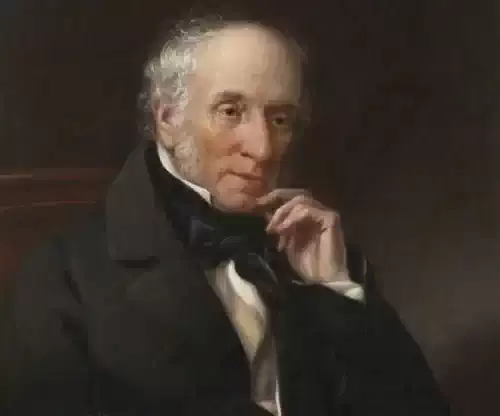
William Wordsworth
Written in Early Spring
Written in Early Spring
I heard a thousand blended notes
While in a grove I sat reclined,
In that sweet mood when pleasant thoughts
Bring sad thoughts to the mind.
To her fair works did Nature link
The human soul that through me ran;
And much it grieved my heart to think
What Man has made of Man.
Through primrose tufts, in that sweet bower,
The periwinkle trailed its wreaths;
And 'tis my faith that every flower
Enjoys the air it breathes.
The birds around me hopped and played,
Their thoughts I cannot measure -
But the least motion which they made
It seemed a thrill of pleasure.
The budding twigs spread out their fan
To catch the breezy air;
And I must think, do all I can,
That there was pleasure there.
If this belief from heaven be sent,
If such be Nature's holy plan,
Have I not reason to lament
What Man has made of Man?
I heard a thousand blended notes
While in a grove I sat reclined,
In that sweet mood when pleasant thoughts
Bring sad thoughts to the mind.
To her fair works did Nature link
The human soul that through me ran;
And much it grieved my heart to think
What Man has made of Man.
Through primrose tufts, in that sweet bower,
The periwinkle trailed its wreaths;
And 'tis my faith that every flower
Enjoys the air it breathes.
The birds around me hopped and played,
Their thoughts I cannot measure -
But the least motion which they made
It seemed a thrill of pleasure.
The budding twigs spread out their fan
To catch the breezy air;
And I must think, do all I can,
That there was pleasure there.
If this belief from heaven be sent,
If such be Nature's holy plan,
Have I not reason to lament
What Man has made of Man?
344
William Wordsworth
The Power of Armies Is a Visible Thing
The Power of Armies Is a Visible Thing
The power of Armies is a visible thing,
Formal, and circumscribed in time and space;
But who the limits of that power shall trace
Which a brave People into light can bring
Or hide, at will,--for freedom combating
By just revenge inflamed? No foot may chase,
No eye can follow, to a fatal place
That power, that spirit, whether on the wing
Like the strong wind, or sleeping like the wind
Within its awful caves.--From year to year
Springs this indigenous produce far and near;
No craft this subtle element can bind,
Rising like water from the soil, to find
In every nook a lip that it may cheer.
The power of Armies is a visible thing,
Formal, and circumscribed in time and space;
But who the limits of that power shall trace
Which a brave People into light can bring
Or hide, at will,--for freedom combating
By just revenge inflamed? No foot may chase,
No eye can follow, to a fatal place
That power, that spirit, whether on the wing
Like the strong wind, or sleeping like the wind
Within its awful caves.--From year to year
Springs this indigenous produce far and near;
No craft this subtle element can bind,
Rising like water from the soil, to find
In every nook a lip that it may cheer.
156
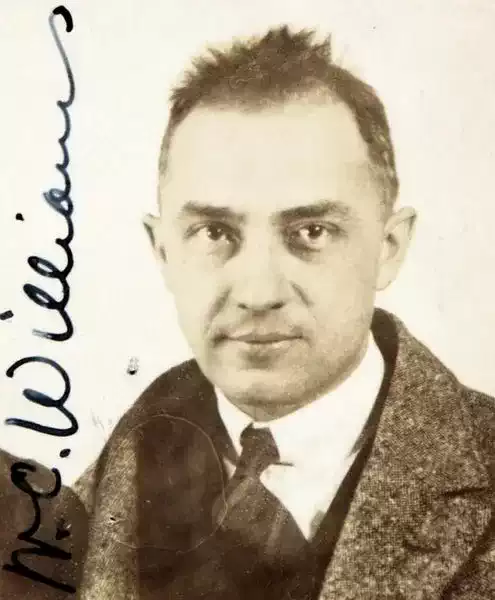
William Carlos Williams
To Elsie
To Elsie
The pure products of America
go crazy--
mountain folk from Kentucky
or the ribbed north end of
Jersey
with its isolate lakes and
valleys, its deaf-mutes, thieves
old names
and promiscuity between
devil-may-care men who have taken
to railroading
out of sheer lust of adventure--
and young slatterns, bathed
in filth
from Monday to Saturday
to be tricked out that night
with gauds
from imaginations which have no
peasant traditions to give them
character
but flutter and flaunt
sheer rags-succumbing without
emotion
save numbed terror
under some hedge of choke-cherry
or viburnumwhich
they cannot express--
Unless it be that marriage
perhaps
with a dash of Indian blood
will throw up a girl so desolate
so hemmed round
with disease or murder
that she'll be rescued by an
agent--
reared by the state and
sent out at fifteen to work in
some hard-pressed
house in the suburbs--
some doctor's family, some Elsie--
voluptuous water
expressing with broken
brain the truth about us--
her great
ungainly hips and flopping breasts
addressed to cheap
jewelry
and rich young men with fine eyes
as if the earth under our feet
were
an excrement of some sky
and we degraded prisoners
destined
to hunger until we eat filth
while the imagination strains
after deer
going by fields of goldenrod in
the stifling heat of September
Somehow
it seems to destroy us
It is only in isolate flecks that
something
is given off
No one
to witness
and adjust, no one to drive the car
The pure products of America
go crazy--
mountain folk from Kentucky
or the ribbed north end of
Jersey
with its isolate lakes and
valleys, its deaf-mutes, thieves
old names
and promiscuity between
devil-may-care men who have taken
to railroading
out of sheer lust of adventure--
and young slatterns, bathed
in filth
from Monday to Saturday
to be tricked out that night
with gauds
from imaginations which have no
peasant traditions to give them
character
but flutter and flaunt
sheer rags-succumbing without
emotion
save numbed terror
under some hedge of choke-cherry
or viburnumwhich
they cannot express--
Unless it be that marriage
perhaps
with a dash of Indian blood
will throw up a girl so desolate
so hemmed round
with disease or murder
that she'll be rescued by an
agent--
reared by the state and
sent out at fifteen to work in
some hard-pressed
house in the suburbs--
some doctor's family, some Elsie--
voluptuous water
expressing with broken
brain the truth about us--
her great
ungainly hips and flopping breasts
addressed to cheap
jewelry
and rich young men with fine eyes
as if the earth under our feet
were
an excrement of some sky
and we degraded prisoners
destined
to hunger until we eat filth
while the imagination strains
after deer
going by fields of goldenrod in
the stifling heat of September
Somehow
it seems to destroy us
It is only in isolate flecks that
something
is given off
No one
to witness
and adjust, no one to drive the car
423
William Carlos Williams
The Poor
The Poor
By constantly tormenting them
with reminders of the lice in
their children's hair, the
School Physician first
brought their hatred down on him.
But by this familiarity
they grew used to him, and so,
at last,
took him for their friend and adviser.
By constantly tormenting them
with reminders of the lice in
their children's hair, the
School Physician first
brought their hatred down on him.
But by this familiarity
they grew used to him, and so,
at last,
took him for their friend and adviser.
438
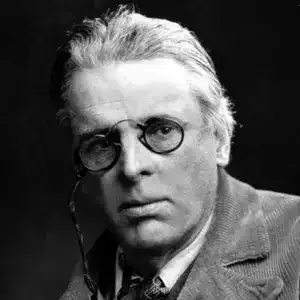
William Butler Yeats
The Magi
The Magi
NOW as at all times I can see in the mind's eye,
In their stiff, painted clothes, the pale unsatisfied ones
Appear and disappear in the blue depth of the sky
With all their ancient faces like rain-beaten stones,
And all their helms of Silver hovering side by side,
And all their eyes still fixed, hoping to find once more,
Being by Calvary's turbulence unsatisfied,
The uncontrollable mystery on the bestial floor.
NOW as at all times I can see in the mind's eye,
In their stiff, painted clothes, the pale unsatisfied ones
Appear and disappear in the blue depth of the sky
With all their ancient faces like rain-beaten stones,
And all their helms of Silver hovering side by side,
And all their eyes still fixed, hoping to find once more,
Being by Calvary's turbulence unsatisfied,
The uncontrollable mystery on the bestial floor.
426
William Butler Yeats
Mad As The Mist And Snow
Mad As The Mist And Snow
Bolt and bar the shutter,
For the foul winds blow:
Our minds are at their best this night,
And I seem to know
That everything outside us is
Mad as the mist and snow.
Horace there by Homer stands,
Plato stands below,
And here is Tully's open page.
How many years ago
Were you and I unlettered lads
Mad as the mist and snow?
You ask what makes me sigh, old friend,
What makes me shudder so?
I shudder and I sigh to think
That even Cicero
And many-minded Homer were
Mad as the mist and snow.
Bolt and bar the shutter,
For the foul winds blow:
Our minds are at their best this night,
And I seem to know
That everything outside us is
Mad as the mist and snow.
Horace there by Homer stands,
Plato stands below,
And here is Tully's open page.
How many years ago
Were you and I unlettered lads
Mad as the mist and snow?
You ask what makes me sigh, old friend,
What makes me shudder so?
I shudder and I sigh to think
That even Cicero
And many-minded Homer were
Mad as the mist and snow.
388
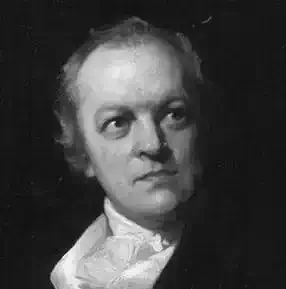
William Blake
Three Things to Remember
Three Things to Remember
A Robin Redbreast in a cage,
Puts all Heaven in a rage.
A skylark wounded on the wing
Doth make a cherub cease to sing.
He who shall hurt the little wren
Shall never be beloved by men.
A Robin Redbreast in a cage,
Puts all Heaven in a rage.
A skylark wounded on the wing
Doth make a cherub cease to sing.
He who shall hurt the little wren
Shall never be beloved by men.
425
William Blake
The Two Songs
The Two Songs
I heard an Angel Singing
When the day was springing:
"Mercy, pity, and peace,
Are the world's release."
So he sang all day
Over the new-mown hay,
Till the sun went down,
And the haycocks looked brown.
I heard a devil curse
Over the heath and the furse:
"Mercy vould be no more
If there were nobody poor,
And pity no more could be
If all were happy as ye:
And mutual fear brings peace,
Misery's increase
Are mercy, pity, and peace."
At his curse the sun went down,
And the heavens gave a frown.
I heard an Angel Singing
When the day was springing:
"Mercy, pity, and peace,
Are the world's release."
So he sang all day
Over the new-mown hay,
Till the sun went down,
And the haycocks looked brown.
I heard a devil curse
Over the heath and the furse:
"Mercy vould be no more
If there were nobody poor,
And pity no more could be
If all were happy as ye:
And mutual fear brings peace,
Misery's increase
Are mercy, pity, and peace."
At his curse the sun went down,
And the heavens gave a frown.
343
William Blake
The Human Abstract
The Human Abstract
Pity would be no more
If we did not make somebody Poor;
And Mercy no more could be
If all were as happy as we.
And mutual fear brings peace,
Till the selfish loves increase:
Then Cruelty knits a snare,
And spreads his baits with care.
He sits down with holy fears,
And waters the grounds with tears;
Then Humility takes its root
Underneath his foot.
Soon spreads the dismal shade
Of Mystery over his head;
And the Catterpiller and Fly
Feed on the Mystery.
And it bears the fruit of Deceit,
Ruddy and sweet to eat;
And the Raven his nest has made
In its thickest shade.
The Gods of the earth and sea
Sought thro' Nature to find this Tree;
But their search was all in vain:
There grows one in the Human Brain.
Pity would be no more
If we did not make somebody Poor;
And Mercy no more could be
If all were as happy as we.
And mutual fear brings peace,
Till the selfish loves increase:
Then Cruelty knits a snare,
And spreads his baits with care.
He sits down with holy fears,
And waters the grounds with tears;
Then Humility takes its root
Underneath his foot.
Soon spreads the dismal shade
Of Mystery over his head;
And the Catterpiller and Fly
Feed on the Mystery.
And it bears the fruit of Deceit,
Ruddy and sweet to eat;
And the Raven his nest has made
In its thickest shade.
The Gods of the earth and sea
Sought thro' Nature to find this Tree;
But their search was all in vain:
There grows one in the Human Brain.
485
William Blake
On Another's Sorrow
On Another's Sorrow
Can I see another's woe,
And not be in sorrow too?
Can I see another's grief,
And not seek for kind relief?
Can I see a falling tear,
And not feel my sorrow's share?
Can a father see his child
Weep, nor be with sorrow filled?
Can a mother sit and hear
An infant groan, an infant fear?
No, no! never can it be!
Never, never can it be!
And can He who smiles on all
Hear the wren with sorrows small,
Hear the small bird's grief and care,
Hear the woes that infants bear --
And not sit beside the next,
Pouring pity in their breast,
And not sit the cradle near,
Weeping tear on infant's tear?
And not sit both night and day,
Wiping all our tears away?
Oh no! never can it be!
Never, never can it be!
He doth give his joy to all:
He becomes an infant small,
He becomes a man of woe,
He doth feel the sorrow too.
Think not thou canst sigh a sigh,
And thy Maker is not by:
Think not thou canst weep a tear,
And thy Maker is not year.
Oh He gives to us his joy,
That our grief He may destroy:
Till our grief is fled an gone
He doth sit by us and moan.
Can I see another's woe,
And not be in sorrow too?
Can I see another's grief,
And not seek for kind relief?
Can I see a falling tear,
And not feel my sorrow's share?
Can a father see his child
Weep, nor be with sorrow filled?
Can a mother sit and hear
An infant groan, an infant fear?
No, no! never can it be!
Never, never can it be!
And can He who smiles on all
Hear the wren with sorrows small,
Hear the small bird's grief and care,
Hear the woes that infants bear --
And not sit beside the next,
Pouring pity in their breast,
And not sit the cradle near,
Weeping tear on infant's tear?
And not sit both night and day,
Wiping all our tears away?
Oh no! never can it be!
Never, never can it be!
He doth give his joy to all:
He becomes an infant small,
He becomes a man of woe,
He doth feel the sorrow too.
Think not thou canst sigh a sigh,
And thy Maker is not by:
Think not thou canst weep a tear,
And thy Maker is not year.
Oh He gives to us his joy,
That our grief He may destroy:
Till our grief is fled an gone
He doth sit by us and moan.
486
William Blake
Jerusalem: I see the Four-fold Man, The Humanity in deadly sleep
Jerusalem: I see the Four-fold Man, The Humanity in deadly sleep
I see the Four-fold Man, The Humanity in deadly sleep
And its fallen Emanation, the Spectre and its cruel Shadow.
I see the Past, Present and Future existing all at once
Before me. O Divine Spirit, sustain me on thy wings,
That I may awake Albion from his long and cold repose;
For Bacon and Newton, sheath'd in dismal steel, their terrors hang
Like iron scourges over Albion: reasonings like vast serpents
Infold around my limbs, bruising my minute articulations.
I turn my eyes to the schools and universities of Europe
And there behold the Loom of Locke, whose Woof rages dire,
Wash'd by the Water-wheels of Newton: black the cloth
In heavy wreaths folds over every nation: cruel works
Of many Wheels I view, wheel without wheel, with cogs tyrannic
Moving by compulsion each other, not as those in Eden, which,
Wheel within wheel, in freedom revolve in harmony and peace.
I see the Four-fold Man, The Humanity in deadly sleep
And its fallen Emanation, the Spectre and its cruel Shadow.
I see the Past, Present and Future existing all at once
Before me. O Divine Spirit, sustain me on thy wings,
That I may awake Albion from his long and cold repose;
For Bacon and Newton, sheath'd in dismal steel, their terrors hang
Like iron scourges over Albion: reasonings like vast serpents
Infold around my limbs, bruising my minute articulations.
I turn my eyes to the schools and universities of Europe
And there behold the Loom of Locke, whose Woof rages dire,
Wash'd by the Water-wheels of Newton: black the cloth
In heavy wreaths folds over every nation: cruel works
Of many Wheels I view, wheel without wheel, with cogs tyrannic
Moving by compulsion each other, not as those in Eden, which,
Wheel within wheel, in freedom revolve in harmony and peace.
476
William Blake
I Heard an Angel
I Heard an Angel
I heard an Angel singing
When the day was springing,
'Mercy, Pity, Peace
Is the world's release.'
Thus he sung all day
Over the new mown hay,
Till the sun went down
And haycocks looked brown.
I heard a Devil curse
Over the heath and the furze,
'Mercy could be no more,
If there was nobody poor,
And pity no more could be,
If all were as happy as we.'
At his curse the sun went down,
And the heavens gave a frown.
Down pour'd the heavy rain
Over the new reap'd grain ...
And Miseries' increase
Is Mercy, Pity, Peace.
I heard an Angel singing
When the day was springing,
'Mercy, Pity, Peace
Is the world's release.'
Thus he sung all day
Over the new mown hay,
Till the sun went down
And haycocks looked brown.
I heard a Devil curse
Over the heath and the furze,
'Mercy could be no more,
If there was nobody poor,
And pity no more could be,
If all were as happy as we.'
At his curse the sun went down,
And the heavens gave a frown.
Down pour'd the heavy rain
Over the new reap'd grain ...
And Miseries' increase
Is Mercy, Pity, Peace.
459
William Blake
Four Zoas, The (excerpt)
Four Zoas, The (excerpt)
. "What is the price of Experience? do men buy it for a song?
. Or wisdom for a dance in the street? No, it is bought with the price
. Of all that a man hath, his house, his wife, his children.
. Wisdom is sold in the desolate market where none come to buy,
. And in the wither'd field where the farmer plows for bread in vain.
. It is an easy thing to triumph in the summer's sun
. And in the vintage and to sing on the waggon loaded with corn.
. It is an easy thing to talk of patience to the afflicted,
. To speak the laws of prudence to the houseless wanderer,
. To listen to the hungry raven's cry in wintry season
. When the red blood is fill'd with wine and with the marrow of lambs.
. It is an easy thing to laugh at wrathful elements,
. To hear the dog howl at the wintry door, the ox in the slaughter house moan;
. To see a god on every wind and a blessing on every blast;
. To hear sounds of love in the thunder storm that destroys our enemies' house;
. To rejoice in the blight that covers his field, and the sickness that cuts off his
children,
. While our olive and vine sing and laugh round our door, and our children bring
fruits and flowers.
. Then the groan and the dolor are quite forgotten, and the slave grinding at the
mill,
. And the captive in chains, and the poor in the prison, and the soldier in the field
. When the shatter'd bone hath laid him groaning among the happier dead.
. It is an easy thing to rejoice in the tents of prosperity:
. Thus could I sing and thus rejoice: but it is not so with me."
. "Compel the poor to live upon a crust of bread, by soft mild arts.
. Smile when they frown, frown when they smile; and when a man looks pale
. With labour and abstinence, say he looks healthy and happy;
. And when his children sicken, let them die; there are enough
. Born, even too many, and our earth will be overrun
. Without these arts. If you would make the poor live with temper,
. With pomp give every crust of bread you give; with gracious cunning
. Magnify small gifts; reduce the man to want a gift, and then give with pomp.
. Say he smiles if you hear him sigh. If pale, say he is ruddy.
. Preach temperance: say he is overgorg'd and drowns his wit
. In strong drink, though you know that bread and water are all
. He can afford. Flatter his wife, pity his children, till we can
. Reduce all to our will, as spaniels are taught with art."
. The sun has left his blackness and has found a fresher morning,
. And the mild moon rejoices in the clear and cloudless night,
. And Man walks forth from midst of the fires: the evil is all consum'd.
. His eyes behold the Angelic spheres arising night and day;
. The stars consum'd like a lamp blown out, and in their stead, behold
. The expanding eyes of Man behold the depths of wondrous worlds!
. One Earth, one sea beneath; nor erring globes wander, but stars
. Of fire rise up nightly from the ocean; and one sun
. Each morning, like a new born man, issues with songs and joy
. Calling the Plowman to his labour and the Shepherd to his rest.
. He walks upon the Eternal Mountains, raising his heavenly voice,
. Conversing with the animal forms of wisdom night and day,
. That, risen from the sea of fire, renew'd walk o'er the Earth;
. For Tharmas brought his flocks upon the hills, and in the vales
. Around the Eternal Man's bright tent, the little children play
. Among the woolly flocks. The hammer of Urthona sounds
. In the deep caves beneath; his limbs renew'd, his Lions roar
. Around the Furnaces and in evening sport upon the plains.
. They raise their faces from the earth, conversing with the Man:
. "How is it we have walk'd through fires and yet are not consum'd?
. How is it that all things are chang'd, even as in ancient times?"
. "What is the price of Experience? do men buy it for a song?
. Or wisdom for a dance in the street? No, it is bought with the price
. Of all that a man hath, his house, his wife, his children.
. Wisdom is sold in the desolate market where none come to buy,
. And in the wither'd field where the farmer plows for bread in vain.
. It is an easy thing to triumph in the summer's sun
. And in the vintage and to sing on the waggon loaded with corn.
. It is an easy thing to talk of patience to the afflicted,
. To speak the laws of prudence to the houseless wanderer,
. To listen to the hungry raven's cry in wintry season
. When the red blood is fill'd with wine and with the marrow of lambs.
. It is an easy thing to laugh at wrathful elements,
. To hear the dog howl at the wintry door, the ox in the slaughter house moan;
. To see a god on every wind and a blessing on every blast;
. To hear sounds of love in the thunder storm that destroys our enemies' house;
. To rejoice in the blight that covers his field, and the sickness that cuts off his
children,
. While our olive and vine sing and laugh round our door, and our children bring
fruits and flowers.
. Then the groan and the dolor are quite forgotten, and the slave grinding at the
mill,
. And the captive in chains, and the poor in the prison, and the soldier in the field
. When the shatter'd bone hath laid him groaning among the happier dead.
. It is an easy thing to rejoice in the tents of prosperity:
. Thus could I sing and thus rejoice: but it is not so with me."
. "Compel the poor to live upon a crust of bread, by soft mild arts.
. Smile when they frown, frown when they smile; and when a man looks pale
. With labour and abstinence, say he looks healthy and happy;
. And when his children sicken, let them die; there are enough
. Born, even too many, and our earth will be overrun
. Without these arts. If you would make the poor live with temper,
. With pomp give every crust of bread you give; with gracious cunning
. Magnify small gifts; reduce the man to want a gift, and then give with pomp.
. Say he smiles if you hear him sigh. If pale, say he is ruddy.
. Preach temperance: say he is overgorg'd and drowns his wit
. In strong drink, though you know that bread and water are all
. He can afford. Flatter his wife, pity his children, till we can
. Reduce all to our will, as spaniels are taught with art."
. The sun has left his blackness and has found a fresher morning,
. And the mild moon rejoices in the clear and cloudless night,
. And Man walks forth from midst of the fires: the evil is all consum'd.
. His eyes behold the Angelic spheres arising night and day;
. The stars consum'd like a lamp blown out, and in their stead, behold
. The expanding eyes of Man behold the depths of wondrous worlds!
. One Earth, one sea beneath; nor erring globes wander, but stars
. Of fire rise up nightly from the ocean; and one sun
. Each morning, like a new born man, issues with songs and joy
. Calling the Plowman to his labour and the Shepherd to his rest.
. He walks upon the Eternal Mountains, raising his heavenly voice,
. Conversing with the animal forms of wisdom night and day,
. That, risen from the sea of fire, renew'd walk o'er the Earth;
. For Tharmas brought his flocks upon the hills, and in the vales
. Around the Eternal Man's bright tent, the little children play
. Among the woolly flocks. The hammer of Urthona sounds
. In the deep caves beneath; his limbs renew'd, his Lions roar
. Around the Furnaces and in evening sport upon the plains.
. They raise their faces from the earth, conversing with the Man:
. "How is it we have walk'd through fires and yet are not consum'd?
. How is it that all things are chang'd, even as in ancient times?"
556
William Blake
Devine Image
Devine Image
To Mercy, Pity, Peace, and Love,
All pray in their distress,
And to these virtues of delight
Return their thankfulness.
For Mercy, Pity, Peace, and Love,
Is God our Father dear;
And Mercy, Pity, Peace, and Love,
Is man, his child and care.
For Mercy has a human heart
Pity, a human face;
And Love, the human form divine;
And Peace, the human dress.
Then every man, of every clime,
That prays in his distress,
Prays to the human form divine:
Love, Mercy, Pity, Peace.
And all must love the human form,
In heathen, Turk, or Jew.
Where Mercy, Love, and Pity dwell,
There God is dwelling too.
To Mercy, Pity, Peace, and Love,
All pray in their distress,
And to these virtues of delight
Return their thankfulness.
For Mercy, Pity, Peace, and Love,
Is God our Father dear;
And Mercy, Pity, Peace, and Love,
Is man, his child and care.
For Mercy has a human heart
Pity, a human face;
And Love, the human form divine;
And Peace, the human dress.
Then every man, of every clime,
That prays in his distress,
Prays to the human form divine:
Love, Mercy, Pity, Peace.
And all must love the human form,
In heathen, Turk, or Jew.
Where Mercy, Love, and Pity dwell,
There God is dwelling too.
501
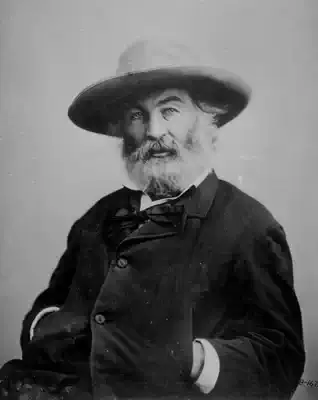
Walt Whitman
Years Of The Modern
Years Of The Modern
YEARS of the modern! years of the unperform'd!
Your horizon rises--I see it parting away for more august dramas;
I see not America only--I see not only Liberty's nation, but other
nations preparing;
I see tremendous entrances and exits--I see new combinations--I see
the solidarity of races;
I see that force advancing with irresistible power on the world's
stage;
(Have the old forces, the old wars, played their parts? are the acts
suitable to them closed?)
I see Freedom, completely arm'd, and victorious, and very haughty,
with Law on one side, and Peace on the other,
A stupendous Trio, all issuing forth against the idea of caste;
--What historic denouements are these we so rapidly approach?
I see men marching and countermarching by swift millions; 10
I see the frontiers and boundaries of the old aristocracies broken;
I see the landmarks of European kings removed;
I see this day the People beginning their landmarks, (all others give
way;)
--Never were such sharp questions ask'd as this day;
Never was average man, his soul, more energetic, more like a God;
Lo! how he urges and urges, leaving the masses no rest;
His daring foot is on land and sea everywhere--he colonizes the
Pacific, the archipelagoes;
With the steam-ship, the electric telegraph, the newspaper, the
wholesale engines of war,
With these, and the world-spreading factories, he interlinks all
geography, all lands;
--What whispers are these, O lands, running ahead of you, passing
under the seas? 20
Are all nations communing? is there going to be but one heart to the
globe?
Is humanity forming, en-masse?--for lo! tyrants tremble, crowns grow
dim;
The earth, restive, confronts a new era, perhaps a general divine
war;
No one knows what will happen next--such portents fill the days and
nights;
Years prophetical! the space ahead as I walk, as I vainly try to
pierce it, is full of phantoms;
Unborn deeds, things soon to be, project their shapes around me;
This incredible rush and heat--this strange extatic fever of dreams,
O years!
Your dreams, O year, how they penetrate through me! (I know not
whether I sleep or wake!)
The perform'd America and Europe grow dim, retiring in shadow behind
me,
The unperform'd, more gigantic than ever, advance, advance upon
me. 30
YEARS of the modern! years of the unperform'd!
Your horizon rises--I see it parting away for more august dramas;
I see not America only--I see not only Liberty's nation, but other
nations preparing;
I see tremendous entrances and exits--I see new combinations--I see
the solidarity of races;
I see that force advancing with irresistible power on the world's
stage;
(Have the old forces, the old wars, played their parts? are the acts
suitable to them closed?)
I see Freedom, completely arm'd, and victorious, and very haughty,
with Law on one side, and Peace on the other,
A stupendous Trio, all issuing forth against the idea of caste;
--What historic denouements are these we so rapidly approach?
I see men marching and countermarching by swift millions; 10
I see the frontiers and boundaries of the old aristocracies broken;
I see the landmarks of European kings removed;
I see this day the People beginning their landmarks, (all others give
way;)
--Never were such sharp questions ask'd as this day;
Never was average man, his soul, more energetic, more like a God;
Lo! how he urges and urges, leaving the masses no rest;
His daring foot is on land and sea everywhere--he colonizes the
Pacific, the archipelagoes;
With the steam-ship, the electric telegraph, the newspaper, the
wholesale engines of war,
With these, and the world-spreading factories, he interlinks all
geography, all lands;
--What whispers are these, O lands, running ahead of you, passing
under the seas? 20
Are all nations communing? is there going to be but one heart to the
globe?
Is humanity forming, en-masse?--for lo! tyrants tremble, crowns grow
dim;
The earth, restive, confronts a new era, perhaps a general divine
war;
No one knows what will happen next--such portents fill the days and
nights;
Years prophetical! the space ahead as I walk, as I vainly try to
pierce it, is full of phantoms;
Unborn deeds, things soon to be, project their shapes around me;
This incredible rush and heat--this strange extatic fever of dreams,
O years!
Your dreams, O year, how they penetrate through me! (I know not
whether I sleep or wake!)
The perform'd America and Europe grow dim, retiring in shadow behind
me,
The unperform'd, more gigantic than ever, advance, advance upon
me. 30
415
Walt Whitman
Unfolded Out Of The Folds
Unfolded Out Of The Folds
UNFOLDED out of the folds of the woman, man comes unfolded, and is
always to come unfolded;
Unfolded only out of the superbest woman of the earth, is to come the
superbest man of the earth;
Unfolded out of the friendliest woman, is to come the friendliest
man;
Unfolded only out of the perfect body of a woman, can a man be form'd
of perfect body;
Unfolded only out of the inimitable poem of the woman, can come the
poems of man--(only thence have my poems come;)
Unfolded out of the strong and arrogant woman I love, only thence can
appear the strong and arrogant man I love;
Unfolded by brawny embraces from the well-muscled woman I love, only
thence come the brawny embraces of the man;
Unfolded out of the folds of the woman's brain, come all the folds of
the man's brain, duly obedient;
Unfolded out of the justice of the woman, all justice is unfolded;
Unfolded out of the sympathy of the woman is all sympathy: 10
A man is a great thing upon the earth, and through eternity--but
every jot of the greatness of man is unfolded out of woman,
First the man is shaped in the woman, he can then be shaped in
himself.
UNFOLDED out of the folds of the woman, man comes unfolded, and is
always to come unfolded;
Unfolded only out of the superbest woman of the earth, is to come the
superbest man of the earth;
Unfolded out of the friendliest woman, is to come the friendliest
man;
Unfolded only out of the perfect body of a woman, can a man be form'd
of perfect body;
Unfolded only out of the inimitable poem of the woman, can come the
poems of man--(only thence have my poems come;)
Unfolded out of the strong and arrogant woman I love, only thence can
appear the strong and arrogant man I love;
Unfolded by brawny embraces from the well-muscled woman I love, only
thence come the brawny embraces of the man;
Unfolded out of the folds of the woman's brain, come all the folds of
the man's brain, duly obedient;
Unfolded out of the justice of the woman, all justice is unfolded;
Unfolded out of the sympathy of the woman is all sympathy: 10
A man is a great thing upon the earth, and through eternity--but
every jot of the greatness of man is unfolded out of woman,
First the man is shaped in the woman, he can then be shaped in
himself.
397
Walt Whitman
To The East And To The West
To The East And To The West
TO the East and to the West;
To the man of the Seaside State, and of Pennsylvania,
To the Kanadian of the North--to the Southerner I love;
These, with perfect trust, to depict you as myself--the germs are in
all men;
I believe the main purport of These States is to found a superb
friendship, exalté, previously unknown,
Because I perceive it waits, and has been always waiting, latent in
all men.
TO the East and to the West;
To the man of the Seaside State, and of Pennsylvania,
To the Kanadian of the North--to the Southerner I love;
These, with perfect trust, to depict you as myself--the germs are in
all men;
I believe the main purport of These States is to found a superb
friendship, exalté, previously unknown,
Because I perceive it waits, and has been always waiting, latent in
all men.
405
Walt Whitman
To A Common Prostitute
To A Common Prostitute
To a Common Prostitute
BE composed--be at ease with me--I am Walt Whitman, liberal and lusty
as Nature;
Not till the sun excludes you, do I exclude you;
Not till the waters refuse to glisten for you, and the leaves to
rustle for you, do my words refuse to glisten and rustle for
you.
My girl, I appoint with you an appointment--and I charge you that you
make preparation to be worthy to meet me,
And I charge you that you be patient and perfect till I come.
Till then, I salute you with a significant look, that you do not
forget me.
To a Common Prostitute
BE composed--be at ease with me--I am Walt Whitman, liberal and lusty
as Nature;
Not till the sun excludes you, do I exclude you;
Not till the waters refuse to glisten for you, and the leaves to
rustle for you, do my words refuse to glisten and rustle for
you.
My girl, I appoint with you an appointment--and I charge you that you
make preparation to be worthy to meet me,
And I charge you that you be patient and perfect till I come.
Till then, I salute you with a significant look, that you do not
forget me.
351
Walt Whitman
The Wound Dresser
The Wound Dresser
1
AN old man bending, I come, among new faces,
Years looking backward, resuming, in answer to children,
Come tell us, old man, as from young men and maidens that love me;
(Arous'd and angry, I'd thought to beat the alarum, and urge relentless war,
but soon my fingers fail'd me, my face droop'd and I resign'd myself,
To sit by the wounded and soothe them, or silently watch the dead
Years hence of these scenes, of these furious passions, these chances,
Of unsurpass’d heroes, (was one side so brave? the other was equally brave
Now be witness again—paint the mightiest armies of earth;
Of those armies so rapid, so wondrous, what saw you to tell us?
What stays with you latest and deepest? of curious panics,
Of hard-fought engagements, or sieges tremendous, what deepest remains?
2
O maidens and young men I love, and that love me,
What you ask of my days, those the strangest and sudden your talking recalls;
Soldier alert I arrive, after a long march, cover’d with sweat and dust;
In the nick of time I come, plunge in the fight, loudly shout in the rush of successful
charge;
Enter the captur’d works.... yet lo! like a swift-running river, they fade;
Pass and are gone, they fade—I dwell not on soldiers’ perils or soldiers’ joys;
(Both I remember well—many the hardships, few the joys, yet I was content.)
But in silence, in dreams’ projections,
While the world of gain and appearance and mirth goes on,
So soon what is over forgotten, and waves wash the imprints off the sand,
With hinged knees returning, I enter the doors—(while for you up there,
Whoever you are, follow me without noise, and be of strong heart.)
3
Bearing the bandages, water and sponge,
Straight and swift to my wounded I go,
Where they lie on the ground, after the battle brought in;
Where their priceless blood reddens the grass, the ground;
Or to the rows of the hospital tent, or under the roof’d hospital;
To the long rows of cots, up and down, each side, I return;
To each and all, one after another, I draw near—not one do I miss;
An attendant follows, holding a tray—he carries a refuse pail,
Soon to be fill’d with clotted rags and blood, emptied and fill’d again.
I onward go, I stop,
With hinged knees and steady hand, to dress wounds;
I am firm with each—the pangs are sharp, yet unavoidable;
One turns to me his appealing eyes—(poor boy! I never knew you,
Yet I think I could not refuse this moment to die for you, if that would save you.)
On, on I go!—(open doors of time! open hospital doors!)
The crush’d head I dress, (poor crazed hand, tear not the bandage away
The neck of the cavalry-man, with the bullet through and through, I examine;
Hard the breathing rattles, quite glazed already the eye, yet life struggles hard;
(Come, sweet death! be persuaded, O beautiful death!
In mercy come quickly.)
From the stump of the arm, the amputated hand,
I undo the clotted lint, remove the slough, wash off the matter and blood;
Back on his pillow the soldier bends, with curv’d neck, and side-falling head;
His eyes are closed, his face is pale, he dares not look on the bloody stump,
And has not yet look’d on it.
I dress a wound in the side, deep, deep;
But a day or two more—for see, the frame all wasted already, and sinking,
And the yellow-blue countenance see.
I dress the perforated shoulder, the foot with the bullet wound,
Cleanse the one with a gnawing and putrid gangrene, so sickening, so offensive,
While the attendant stands behind aside me, holding the tray and pail.
I am faithful, I do not give out;
The fractur’d thigh, the knee, the wound in the abdomen,
These and more I dress with impassive hand, (yet deep in my breast a fire, a burning
flame.)
4
Thus in silence, in dreams’ projections,
Returning, resuming, I thread my way through the hospitals;
The hurt and wounded I pacify with soothing hand,
I sit by the restless all the dark night—some are so young;
Some suffer so much—I recall the experience sweet and sad;
(Many a soldier’s loving arms about this neck have cross’d and rested,
Many a soldier’s kiss dwells on these bearded lips.)
1
AN old man bending, I come, among new faces,
Years looking backward, resuming, in answer to children,
Come tell us, old man, as from young men and maidens that love me;
(Arous'd and angry, I'd thought to beat the alarum, and urge relentless war,
but soon my fingers fail'd me, my face droop'd and I resign'd myself,
To sit by the wounded and soothe them, or silently watch the dead
Years hence of these scenes, of these furious passions, these chances,
Of unsurpass’d heroes, (was one side so brave? the other was equally brave
Now be witness again—paint the mightiest armies of earth;
Of those armies so rapid, so wondrous, what saw you to tell us?
What stays with you latest and deepest? of curious panics,
Of hard-fought engagements, or sieges tremendous, what deepest remains?
2
O maidens and young men I love, and that love me,
What you ask of my days, those the strangest and sudden your talking recalls;
Soldier alert I arrive, after a long march, cover’d with sweat and dust;
In the nick of time I come, plunge in the fight, loudly shout in the rush of successful
charge;
Enter the captur’d works.... yet lo! like a swift-running river, they fade;
Pass and are gone, they fade—I dwell not on soldiers’ perils or soldiers’ joys;
(Both I remember well—many the hardships, few the joys, yet I was content.)
But in silence, in dreams’ projections,
While the world of gain and appearance and mirth goes on,
So soon what is over forgotten, and waves wash the imprints off the sand,
With hinged knees returning, I enter the doors—(while for you up there,
Whoever you are, follow me without noise, and be of strong heart.)
3
Bearing the bandages, water and sponge,
Straight and swift to my wounded I go,
Where they lie on the ground, after the battle brought in;
Where their priceless blood reddens the grass, the ground;
Or to the rows of the hospital tent, or under the roof’d hospital;
To the long rows of cots, up and down, each side, I return;
To each and all, one after another, I draw near—not one do I miss;
An attendant follows, holding a tray—he carries a refuse pail,
Soon to be fill’d with clotted rags and blood, emptied and fill’d again.
I onward go, I stop,
With hinged knees and steady hand, to dress wounds;
I am firm with each—the pangs are sharp, yet unavoidable;
One turns to me his appealing eyes—(poor boy! I never knew you,
Yet I think I could not refuse this moment to die for you, if that would save you.)
On, on I go!—(open doors of time! open hospital doors!)
The crush’d head I dress, (poor crazed hand, tear not the bandage away
The neck of the cavalry-man, with the bullet through and through, I examine;
Hard the breathing rattles, quite glazed already the eye, yet life struggles hard;
(Come, sweet death! be persuaded, O beautiful death!
In mercy come quickly.)
From the stump of the arm, the amputated hand,
I undo the clotted lint, remove the slough, wash off the matter and blood;
Back on his pillow the soldier bends, with curv’d neck, and side-falling head;
His eyes are closed, his face is pale, he dares not look on the bloody stump,
And has not yet look’d on it.
I dress a wound in the side, deep, deep;
But a day or two more—for see, the frame all wasted already, and sinking,
And the yellow-blue countenance see.
I dress the perforated shoulder, the foot with the bullet wound,
Cleanse the one with a gnawing and putrid gangrene, so sickening, so offensive,
While the attendant stands behind aside me, holding the tray and pail.
I am faithful, I do not give out;
The fractur’d thigh, the knee, the wound in the abdomen,
These and more I dress with impassive hand, (yet deep in my breast a fire, a burning
flame.)
4
Thus in silence, in dreams’ projections,
Returning, resuming, I thread my way through the hospitals;
The hurt and wounded I pacify with soothing hand,
I sit by the restless all the dark night—some are so young;
Some suffer so much—I recall the experience sweet and sad;
(Many a soldier’s loving arms about this neck have cross’d and rested,
Many a soldier’s kiss dwells on these bearded lips.)
618
Walt Whitman
The Sleepers
The Sleepers
I WANDER all night in my vision,
Stepping with light feet, swiftly and noiselessly stepping and
stopping,
Bending with open eyes over the shut eyes of sleepers,
Wandering and confused, lost to myself, ill-assorted, contradictory,
Pausing, gazing, bending, and stopping.
How solemn they look there, stretch'd and still!
How quiet they breathe, the little children in their cradles!
The wretched features of ennuyés, the white features of
corpses, the livid faces of drunkards, the sick-gray faces of
onanists,
The gash'd bodies on battle-fields, the insane in their strong-door'd
rooms, the sacred idiots, the new-born emerging from gates, and
the dying emerging from gates,
The night pervades them and infolds them. 10
The married couple sleep calmly in their bed--he with his palm on the
hip of the wife, and she with her palm on the hip of the
husband,
The sisters sleep lovingly side by side in their bed,
The men sleep lovingly side by side in theirs,
And the mother sleeps, with her little child carefully wrapt.
The blind sleep, and the deaf and dumb sleep,
The prisoner sleeps well in the prison--the run-away son sleeps;
The murderer that is to be hung next day--how does he sleep?
And the murder'd person--how does he sleep?
The female that loves unrequited sleeps,
And the male that loves unrequited sleeps, 20
The head of the money-maker that plotted all day sleeps,
And the enraged and treacherous dispositions--all, all sleep.
I stand in the dark with drooping eyes by the worst-suffering and the
most restless,
I pass my hands soothingly to and fro a few inches from them,
The restless sink in their beds--they fitfully sleep.
Now I pierce the darkness--new beings appear,
The earth recedes from me into the night,
I saw that it was beautiful, and I see that what is not the earth is
beautiful.
I go from bedside to bedside--I sleep close with the other sleepers,
each in turn,
I dream in my dream all the dreams of the other dreamers, 30
And I become the other dreamers.
I am a dance--Play up, there! the fit is whirling me fast!
I am the ever-laughing--it is new moon and twilight,
I see the hiding of douceurs--I see nimble ghosts whichever way I
look,
Cache, and cache again, deep in the ground and sea, and where it is
neither ground or sea.
Well do they do their jobs, those journeymen divine,
Only from me can they hide nothing, and would not if they could,
I reckon I am their boss, and they make me a pet besides,
And surround me and lead me, and run ahead when I walk,
To lift their cunning covers, to signify me with stretch'd arms, and
resume the way; 40
Onward we move! a gay gang of blackguards! with mirth-shouting music,
and wild-flapping pennants of joy!
I am the actor, the actress, the voter, the politician;
The emigrant and the exile, the criminal that stood in the box,
He who has been famous, and he who shall be famous after to-day,
The stammerer, the well-form'd person, the wasted or feeble person.
I am she who adorn'd herself and folded her hair expectantly,
My truant lover has come, and it is dark.
Double yourself and receive me, darkness!
Receive me and my lover too--he will not let me go without him.
I roll myself upon you, as upon a bed--I resign myself to the
dusk. 50
He whom I call answers me, and takes the place of my lover,
He rises with me silently from the bed.
Darkness! you are gentler than my lover--his flesh was sweaty and
panting,
I feel the hot moisture yet that he left me.
My hands are spread forth, I pass them in all directions,
I would sound up the shadowy shore to which you are journeying.
Be careful, darkness! already, what was it touch'd me?
I thought my lover had gone, else darkness and he are one,
I hear the heart-beat--I follow, I fade away.
O hot-cheek'd and blushing! O foolish hectic! 60
O for pity's sake, no one must see me now! my clothes were stolen
while I was abed,
Now I am thrust forth, where shall I run?
Pier that I saw dimly last night, when I look'd from the windows!
Pier out from the main, let me catch myself with you, and stay--I
will not chafe you,
I feel ashamed to go naked about the world.
I am curious to know where my feet stand--and what this is flooding
me, childhood or manhood--and the hunger that crosses the
bridge between.
The cloth laps a first sweet eating and drinking,
Laps life-swelling yolks--laps ear of rose-corn, milky and just
ripen'd;
The white teeth stay, and the boss-tooth advances in darkness,
And liquor is spill'd on lips and bosoms by touching glasses, and the
best liquor afterward. 70
I descend my western course, my sinews are flaccid,
Perfume and youth course through me, and I am their wake.
It is my face yellow and wrinkled, instead of the old woman's,
I sit low in a straw-bottom chair, and carefully darn my grandson's
stockings.
It is I too, the sleepless widow, looking out on the winter midnight,
I see the sparkles of starshine on the icy and pallid earth.
A shroud I see, and I am the shroud--I wrap a body, and lie in the
coffin,
It is dark here under ground--it is not evil or pain here--it is
blank here, for reasons.
It seems to me that everything in the light and air ought to be
happy,
Whoever is not in his coffin and the dark grave, let him know he has
enough. 80
I see a beautiful gigantic swimmer, swimming naked through the eddies
of the sea,
His brown hair lies close and even to his head--he strikes out with
courageous arms--he urges himself with his legs,
I see his white body--I see his undaunted eyes,
I hate the swift-running eddies that would dash him head-foremost on
the rocks.
What are you doing, you ruffianly red-trickled waves?
Will you kill the courageous giant? Will you kill him in the prime of
his middle age?
Steady and long he struggles,
He is baffled, bang'd, bruis'd--he holds out while his strength holds
out,
The slapping eddies are spotted with his blood--they bear him away-they
roll him, swing him, turn him,
His beautiful body is borne in the circling eddies, it is continually
bruis'd on rocks, 90
Swiftly and out of sight is borne the brave corpse.
I turn, but do not extricate myself,
Confused, a past-reading, another, but with darkness yet.
The beach is cut by the razory ice-wind--the wreck-guns sound,
The tempest lulls--the moon comes floundering through the drifts.
I look where the ship helplessly heads end on--I hear the burst as
she strikes--I hear the howls of dismay--they grow fainter and
fainter.
I cannot aid with my wringing fingers,
I can but rush to the surf, and let it drench me and freeze upon me.
I search with the crowd--not one of the company is wash'd to us
alive;
In the morning I help pick up the dead and lay them in rows in a
barn. 100
Now of the older war-days, the defeat at Brooklyn,
Washington stands inside the lines--he stands on the intrench'd
hills, amid a crowd of officers,
His face is cold and damp--he cannot repress the weeping drops,
He lifts the glass perpetually to his eyes--the color is blanch'd
from his cheeks,
He sees the slaughter of the southern braves confided to him by their
parents.
The same, at last and at last, when peace is declared,
He stands in the room of the old tavern--the well-belov'd soldiers
all pass through,
The officers speechless and slow draw near in their turns,
The chief encircles their necks with his arm, and kisses them on the
cheek,
He kisses lightly the wet cheeks one after another--he shakes hands,
and bids good-by to the army. 110
Now I tell what my mother told me to-day as we sat at dinner
together,
Of when she was a nearly grown girl, living home with her parents on
the old homestead.
A red squaw came one breakfast time to the old homestead,
On her back she carried a bundle of rushes for rush-bottoming chairs,
Her hair, straight, shiny, coarse, black, profuse, half-envelop'd her
face,
Her step was free and elastic, and her voice sounded exquisitely as
she spoke.
My mother look'd in delight and amazement at the stranger,
She look'd at the freshness of her tall-borne face, and full and
pliant limbs,
The more she look'd upon her, she loved her,
Never before had she seen such wonderful beauty and purity, 120
She made her sit on a bench by the jamb of the fireplace--she cook'd
food for her,
She had no work to give her, but she gave her remembrance and
fondness.
The red squaw staid all the forenoon, and toward the middle of the
afternoon she went away,
O my mother was loth to have her go away!
All the week she thought of her--she watch'd for her many a month,
She remember'd her many a winter and many a summer,
But the red squaw never came, nor was heard of there again.
Now Lucifer was not dead--or if he was, I am his sorrowful terrible
heir;
I have been wrong'd--I am oppress'd--I hate him that oppresses me,
I will either destroy him, or he shall release me. 130
Damn him! how he does defile me!
How he informs against my brother and sister, and takes pay for their
blood!
How he laughs when I look down the bend, after the steamboat that
carries away my woman!
Now the vast dusk bulk that is the whale's bulk, it seems mine;
Warily, sportsman! though I lie so sleepy and sluggish, the tap of my
flukes is death.
A show of the summer softness! a contact of something unseen! an
amour of the light and air!
I am jealous, and overwhelm'd with friendliness,
And will go gallivant with the light and air myself,
And have an unseen something to be in contact with them also.
O love and summer! you are in the dreams, and in me! 140
Autumn and winter are in the dreams--the farmer goes with his thrift,
The droves and crops increase, and the barns are well-fill'd.
Elements merge in the night--ships make tacks in the dreams,
The sailor sails--the exile returns home,
The fugitive returns unharm'd--the immigrant is back beyond months
and years,
The poor Irishman lives in the simple house of his childhood, with
the well-known neighbors and faces,
They warmly welcome him--he is barefoot again, he forgets he is well
off;
The Dutchman voyages home, and the Scotchman and Welshman voyage
home, and the native of the Mediterranean voyages home,
To every port of England, France, Spain, enter well-fill'd ships,
The Swiss foots it toward his hills--the Prussian goes his way, the
Hungarian his way, and the Pole his way, 150
The Swede returns, and the Dane and Norwegian return.
The homeward bound, and the outward bound,
The beautiful lost swimmer, the ennuyé, the onanist, the
female that loves unrequited, the money-maker,
The actor and actress, those through with their parts, and those
waiting to commence,
The affectionate boy, the husband and wife, the voter, the nominee
that is chosen, and the nominee that has fail'd,
The great already known, and the great any time after to-day,
The stammerer, the sick, the perfect-form'd, the homely,
The criminal that stood in the box, the judge that sat and sentenced
him, the fluent lawyers, the jury, the audience,
The laugher and weeper, the dancer, the midnight widow, the red
squaw,
The consumptive, the erysipelite, the idiot, he that is wrong'd, 160
The antipodes, and every one between this and them in the dark,
I swear they are averaged now--one is no better than the other,
The night and sleep have liken'd them and restored them.
I swear they are all beautiful;
Every one that sleeps is beautiful--everything in the dim light is
beautiful,
The wildest and bloodiest is over, and all is peace.
Peace is always beautiful, The myth of heaven indicates peace and
night.
The myth of heaven indicates the Soul;
The Soul is always beautiful--it appears more or it appears less--it
comes, or it lags behind, 170
It comes from its embower'd garden, and looks pleasantly on itself,
and encloses the world,
Perfect and clean the genitals previously jetting, and perfect and
clean the womb cohering,
The head well-grown, proportion'd and plumb, and the bowels and
joints proportion'd and plumb.
The Soul is always beautiful,
The universe is duly in order, everything is in its place,
What has arrived is in its place, and what waits is in its place;
The twisted skull waits, the watery or rotten blood waits,
The child of the glutton or venerealee waits long, and the child of
the drunkard waits long, and the drunkard himself waits long,
The sleepers that lived and died wait--the far advanced are to go on
in their turns, and the far behind are to come on in their
turns,
The diverse shall be no less diverse, but they shall flow and unite-they
unite now. 180
The sleepers are very beautiful as they lie unclothed,
They flow hand in hand over the whole earth, from east to west, as
they lie unclothed,
The Asiatic and African are hand in hand--the European and American
are hand in hand,
Learn'd and unlearn'd are hand in hand, and male and female are hand
in hand,
The bare arm of the girl crosses the bare breast of her lover--they
press close without lust--his lips press her neck,
The father holds his grown or ungrown son in his arms with
measureless love, and the son holds the father in his arms with
measureless love,
The white hair of the mother shines on the white wrist of the
daughter,
The breath of the boy goes with the breath of the man, friend is
inarm'd by friend,
The scholar kisses the teacher, and the teacher kisses the scholar-the
wrong'd is made right,
The call of the slave is one with the master's call, and the master
salutes the slave, 190
The felon steps forth from the prison--the insane becomes sane--the
suffering of sick persons is reliev'd,
The sweatings and fevers stop--the throat that was unsound is sound-the
lungs of the consumptive are resumed--the poor distress'd
head is free,
The joints of the rheumatic move as smoothly as ever, and smoother
than ever,
Stiflings and passages open--the paralyzed become supple,
The swell'd and convuls'd and congested awake to themselves in
condition,
They pass the invigoration of the night, and the chemistry of the
night, and awake.
I too pass from the night,
I stay a while away, O night, but I return to you again, and love
you.
Why should I be afraid to trust myself to you?
I am not afraid--I have been well brought forward by you; 200
I love the rich running day, but I do not desert her in whom I lay so
long,
I know not how I came of you, and I know not where I go with you--but
I know I came well, and shall go well.
I will stop only a time with the night, and rise betimes;
I will duly pass the day, O my mother, and duly return to you.
I WANDER all night in my vision,
Stepping with light feet, swiftly and noiselessly stepping and
stopping,
Bending with open eyes over the shut eyes of sleepers,
Wandering and confused, lost to myself, ill-assorted, contradictory,
Pausing, gazing, bending, and stopping.
How solemn they look there, stretch'd and still!
How quiet they breathe, the little children in their cradles!
The wretched features of ennuyés, the white features of
corpses, the livid faces of drunkards, the sick-gray faces of
onanists,
The gash'd bodies on battle-fields, the insane in their strong-door'd
rooms, the sacred idiots, the new-born emerging from gates, and
the dying emerging from gates,
The night pervades them and infolds them. 10
The married couple sleep calmly in their bed--he with his palm on the
hip of the wife, and she with her palm on the hip of the
husband,
The sisters sleep lovingly side by side in their bed,
The men sleep lovingly side by side in theirs,
And the mother sleeps, with her little child carefully wrapt.
The blind sleep, and the deaf and dumb sleep,
The prisoner sleeps well in the prison--the run-away son sleeps;
The murderer that is to be hung next day--how does he sleep?
And the murder'd person--how does he sleep?
The female that loves unrequited sleeps,
And the male that loves unrequited sleeps, 20
The head of the money-maker that plotted all day sleeps,
And the enraged and treacherous dispositions--all, all sleep.
I stand in the dark with drooping eyes by the worst-suffering and the
most restless,
I pass my hands soothingly to and fro a few inches from them,
The restless sink in their beds--they fitfully sleep.
Now I pierce the darkness--new beings appear,
The earth recedes from me into the night,
I saw that it was beautiful, and I see that what is not the earth is
beautiful.
I go from bedside to bedside--I sleep close with the other sleepers,
each in turn,
I dream in my dream all the dreams of the other dreamers, 30
And I become the other dreamers.
I am a dance--Play up, there! the fit is whirling me fast!
I am the ever-laughing--it is new moon and twilight,
I see the hiding of douceurs--I see nimble ghosts whichever way I
look,
Cache, and cache again, deep in the ground and sea, and where it is
neither ground or sea.
Well do they do their jobs, those journeymen divine,
Only from me can they hide nothing, and would not if they could,
I reckon I am their boss, and they make me a pet besides,
And surround me and lead me, and run ahead when I walk,
To lift their cunning covers, to signify me with stretch'd arms, and
resume the way; 40
Onward we move! a gay gang of blackguards! with mirth-shouting music,
and wild-flapping pennants of joy!
I am the actor, the actress, the voter, the politician;
The emigrant and the exile, the criminal that stood in the box,
He who has been famous, and he who shall be famous after to-day,
The stammerer, the well-form'd person, the wasted or feeble person.
I am she who adorn'd herself and folded her hair expectantly,
My truant lover has come, and it is dark.
Double yourself and receive me, darkness!
Receive me and my lover too--he will not let me go without him.
I roll myself upon you, as upon a bed--I resign myself to the
dusk. 50
He whom I call answers me, and takes the place of my lover,
He rises with me silently from the bed.
Darkness! you are gentler than my lover--his flesh was sweaty and
panting,
I feel the hot moisture yet that he left me.
My hands are spread forth, I pass them in all directions,
I would sound up the shadowy shore to which you are journeying.
Be careful, darkness! already, what was it touch'd me?
I thought my lover had gone, else darkness and he are one,
I hear the heart-beat--I follow, I fade away.
O hot-cheek'd and blushing! O foolish hectic! 60
O for pity's sake, no one must see me now! my clothes were stolen
while I was abed,
Now I am thrust forth, where shall I run?
Pier that I saw dimly last night, when I look'd from the windows!
Pier out from the main, let me catch myself with you, and stay--I
will not chafe you,
I feel ashamed to go naked about the world.
I am curious to know where my feet stand--and what this is flooding
me, childhood or manhood--and the hunger that crosses the
bridge between.
The cloth laps a first sweet eating and drinking,
Laps life-swelling yolks--laps ear of rose-corn, milky and just
ripen'd;
The white teeth stay, and the boss-tooth advances in darkness,
And liquor is spill'd on lips and bosoms by touching glasses, and the
best liquor afterward. 70
I descend my western course, my sinews are flaccid,
Perfume and youth course through me, and I am their wake.
It is my face yellow and wrinkled, instead of the old woman's,
I sit low in a straw-bottom chair, and carefully darn my grandson's
stockings.
It is I too, the sleepless widow, looking out on the winter midnight,
I see the sparkles of starshine on the icy and pallid earth.
A shroud I see, and I am the shroud--I wrap a body, and lie in the
coffin,
It is dark here under ground--it is not evil or pain here--it is
blank here, for reasons.
It seems to me that everything in the light and air ought to be
happy,
Whoever is not in his coffin and the dark grave, let him know he has
enough. 80
I see a beautiful gigantic swimmer, swimming naked through the eddies
of the sea,
His brown hair lies close and even to his head--he strikes out with
courageous arms--he urges himself with his legs,
I see his white body--I see his undaunted eyes,
I hate the swift-running eddies that would dash him head-foremost on
the rocks.
What are you doing, you ruffianly red-trickled waves?
Will you kill the courageous giant? Will you kill him in the prime of
his middle age?
Steady and long he struggles,
He is baffled, bang'd, bruis'd--he holds out while his strength holds
out,
The slapping eddies are spotted with his blood--they bear him away-they
roll him, swing him, turn him,
His beautiful body is borne in the circling eddies, it is continually
bruis'd on rocks, 90
Swiftly and out of sight is borne the brave corpse.
I turn, but do not extricate myself,
Confused, a past-reading, another, but with darkness yet.
The beach is cut by the razory ice-wind--the wreck-guns sound,
The tempest lulls--the moon comes floundering through the drifts.
I look where the ship helplessly heads end on--I hear the burst as
she strikes--I hear the howls of dismay--they grow fainter and
fainter.
I cannot aid with my wringing fingers,
I can but rush to the surf, and let it drench me and freeze upon me.
I search with the crowd--not one of the company is wash'd to us
alive;
In the morning I help pick up the dead and lay them in rows in a
barn. 100
Now of the older war-days, the defeat at Brooklyn,
Washington stands inside the lines--he stands on the intrench'd
hills, amid a crowd of officers,
His face is cold and damp--he cannot repress the weeping drops,
He lifts the glass perpetually to his eyes--the color is blanch'd
from his cheeks,
He sees the slaughter of the southern braves confided to him by their
parents.
The same, at last and at last, when peace is declared,
He stands in the room of the old tavern--the well-belov'd soldiers
all pass through,
The officers speechless and slow draw near in their turns,
The chief encircles their necks with his arm, and kisses them on the
cheek,
He kisses lightly the wet cheeks one after another--he shakes hands,
and bids good-by to the army. 110
Now I tell what my mother told me to-day as we sat at dinner
together,
Of when she was a nearly grown girl, living home with her parents on
the old homestead.
A red squaw came one breakfast time to the old homestead,
On her back she carried a bundle of rushes for rush-bottoming chairs,
Her hair, straight, shiny, coarse, black, profuse, half-envelop'd her
face,
Her step was free and elastic, and her voice sounded exquisitely as
she spoke.
My mother look'd in delight and amazement at the stranger,
She look'd at the freshness of her tall-borne face, and full and
pliant limbs,
The more she look'd upon her, she loved her,
Never before had she seen such wonderful beauty and purity, 120
She made her sit on a bench by the jamb of the fireplace--she cook'd
food for her,
She had no work to give her, but she gave her remembrance and
fondness.
The red squaw staid all the forenoon, and toward the middle of the
afternoon she went away,
O my mother was loth to have her go away!
All the week she thought of her--she watch'd for her many a month,
She remember'd her many a winter and many a summer,
But the red squaw never came, nor was heard of there again.
Now Lucifer was not dead--or if he was, I am his sorrowful terrible
heir;
I have been wrong'd--I am oppress'd--I hate him that oppresses me,
I will either destroy him, or he shall release me. 130
Damn him! how he does defile me!
How he informs against my brother and sister, and takes pay for their
blood!
How he laughs when I look down the bend, after the steamboat that
carries away my woman!
Now the vast dusk bulk that is the whale's bulk, it seems mine;
Warily, sportsman! though I lie so sleepy and sluggish, the tap of my
flukes is death.
A show of the summer softness! a contact of something unseen! an
amour of the light and air!
I am jealous, and overwhelm'd with friendliness,
And will go gallivant with the light and air myself,
And have an unseen something to be in contact with them also.
O love and summer! you are in the dreams, and in me! 140
Autumn and winter are in the dreams--the farmer goes with his thrift,
The droves and crops increase, and the barns are well-fill'd.
Elements merge in the night--ships make tacks in the dreams,
The sailor sails--the exile returns home,
The fugitive returns unharm'd--the immigrant is back beyond months
and years,
The poor Irishman lives in the simple house of his childhood, with
the well-known neighbors and faces,
They warmly welcome him--he is barefoot again, he forgets he is well
off;
The Dutchman voyages home, and the Scotchman and Welshman voyage
home, and the native of the Mediterranean voyages home,
To every port of England, France, Spain, enter well-fill'd ships,
The Swiss foots it toward his hills--the Prussian goes his way, the
Hungarian his way, and the Pole his way, 150
The Swede returns, and the Dane and Norwegian return.
The homeward bound, and the outward bound,
The beautiful lost swimmer, the ennuyé, the onanist, the
female that loves unrequited, the money-maker,
The actor and actress, those through with their parts, and those
waiting to commence,
The affectionate boy, the husband and wife, the voter, the nominee
that is chosen, and the nominee that has fail'd,
The great already known, and the great any time after to-day,
The stammerer, the sick, the perfect-form'd, the homely,
The criminal that stood in the box, the judge that sat and sentenced
him, the fluent lawyers, the jury, the audience,
The laugher and weeper, the dancer, the midnight widow, the red
squaw,
The consumptive, the erysipelite, the idiot, he that is wrong'd, 160
The antipodes, and every one between this and them in the dark,
I swear they are averaged now--one is no better than the other,
The night and sleep have liken'd them and restored them.
I swear they are all beautiful;
Every one that sleeps is beautiful--everything in the dim light is
beautiful,
The wildest and bloodiest is over, and all is peace.
Peace is always beautiful, The myth of heaven indicates peace and
night.
The myth of heaven indicates the Soul;
The Soul is always beautiful--it appears more or it appears less--it
comes, or it lags behind, 170
It comes from its embower'd garden, and looks pleasantly on itself,
and encloses the world,
Perfect and clean the genitals previously jetting, and perfect and
clean the womb cohering,
The head well-grown, proportion'd and plumb, and the bowels and
joints proportion'd and plumb.
The Soul is always beautiful,
The universe is duly in order, everything is in its place,
What has arrived is in its place, and what waits is in its place;
The twisted skull waits, the watery or rotten blood waits,
The child of the glutton or venerealee waits long, and the child of
the drunkard waits long, and the drunkard himself waits long,
The sleepers that lived and died wait--the far advanced are to go on
in their turns, and the far behind are to come on in their
turns,
The diverse shall be no less diverse, but they shall flow and unite-they
unite now. 180
The sleepers are very beautiful as they lie unclothed,
They flow hand in hand over the whole earth, from east to west, as
they lie unclothed,
The Asiatic and African are hand in hand--the European and American
are hand in hand,
Learn'd and unlearn'd are hand in hand, and male and female are hand
in hand,
The bare arm of the girl crosses the bare breast of her lover--they
press close without lust--his lips press her neck,
The father holds his grown or ungrown son in his arms with
measureless love, and the son holds the father in his arms with
measureless love,
The white hair of the mother shines on the white wrist of the
daughter,
The breath of the boy goes with the breath of the man, friend is
inarm'd by friend,
The scholar kisses the teacher, and the teacher kisses the scholar-the
wrong'd is made right,
The call of the slave is one with the master's call, and the master
salutes the slave, 190
The felon steps forth from the prison--the insane becomes sane--the
suffering of sick persons is reliev'd,
The sweatings and fevers stop--the throat that was unsound is sound-the
lungs of the consumptive are resumed--the poor distress'd
head is free,
The joints of the rheumatic move as smoothly as ever, and smoother
than ever,
Stiflings and passages open--the paralyzed become supple,
The swell'd and convuls'd and congested awake to themselves in
condition,
They pass the invigoration of the night, and the chemistry of the
night, and awake.
I too pass from the night,
I stay a while away, O night, but I return to you again, and love
you.
Why should I be afraid to trust myself to you?
I am not afraid--I have been well brought forward by you; 200
I love the rich running day, but I do not desert her in whom I lay so
long,
I know not how I came of you, and I know not where I go with you--but
I know I came well, and shall go well.
I will stop only a time with the night, and rise betimes;
I will duly pass the day, O my mother, and duly return to you.
528
Walt Whitman
Song of Myself, I, II, VI & LII
Song of Myself, I, II, VI & LII
I Celebrate myself, and sing myself,
And what I assume you shall assume,
For every atom belonging to me as good belongs to you.
I loafe and invite my soul,
I lean and loafe at my ease observing a spear of summer grass.
My tongue, every atom of my blood, form'd from this soil,
this air,
Born here of parents born here from parents the same, and
their parents the same,
I, now thirty-seven years old in perfect health begin,
Hoping to cease not till death.
Creeds and schools in abeyance,
Retiring back a while sufficed at what they are, but never
forgotten,
I harbor for good or bad, I permit to speak at every hazard,
Nature without check with original energy.
I Celebrate myself, and sing myself,
And what I assume you shall assume,
For every atom belonging to me as good belongs to you.
I loafe and invite my soul,
I lean and loafe at my ease observing a spear of summer grass.
My tongue, every atom of my blood, form'd from this soil,
this air,
Born here of parents born here from parents the same, and
their parents the same,
I, now thirty-seven years old in perfect health begin,
Hoping to cease not till death.
Creeds and schools in abeyance,
Retiring back a while sufficed at what they are, but never
forgotten,
I harbor for good or bad, I permit to speak at every hazard,
Nature without check with original energy.
446
Walt Whitman
Over The Carnage
Over The Carnage
OVER the carnage rose prophetic a voice,
Be not dishearten'd--Affection shall solve the problems of Freedom
yet;
Those who love each other shall become invincible--they shall yet
make Columbia victorious.
Sons of the Mother of All! you shall yet be victorious!
You shall yet laugh to scorn the attacks of all the remainder of the
earth.
No danger shall balk Columbia's lovers;
If need be, a thousand shall sternly immolate themselves for one.
One from Massachusetts shall be a Missourian's comrade;
From Maine and from hot Carolina, and another, an Oregonese, shall be
friends triune,
More precious to each other than all the riches of the earth. 10
To Michigan, Florida perfumes shall tenderly come;
Not the perfumes of flowers, but sweeter, and wafted beyond death.
It shall be customary in the houses and streets to see manly
affection;
The most dauntless and rude shall touch face to face lightly;
The dependence of Liberty shall be lovers,
The continuance of Equality shall be comrades.
These shall tie you and band you stronger than hoops of iron;
I, extatic, O partners! O lands! with the love of lovers tie you.
(Were you looking to be held together by the lawyers?
Or by an agreement on a paper? or by arms? 20
--Nay--nor the world, nor any living thing, will so cohere.)
OVER the carnage rose prophetic a voice,
Be not dishearten'd--Affection shall solve the problems of Freedom
yet;
Those who love each other shall become invincible--they shall yet
make Columbia victorious.
Sons of the Mother of All! you shall yet be victorious!
You shall yet laugh to scorn the attacks of all the remainder of the
earth.
No danger shall balk Columbia's lovers;
If need be, a thousand shall sternly immolate themselves for one.
One from Massachusetts shall be a Missourian's comrade;
From Maine and from hot Carolina, and another, an Oregonese, shall be
friends triune,
More precious to each other than all the riches of the earth. 10
To Michigan, Florida perfumes shall tenderly come;
Not the perfumes of flowers, but sweeter, and wafted beyond death.
It shall be customary in the houses and streets to see manly
affection;
The most dauntless and rude shall touch face to face lightly;
The dependence of Liberty shall be lovers,
The continuance of Equality shall be comrades.
These shall tie you and band you stronger than hoops of iron;
I, extatic, O partners! O lands! with the love of lovers tie you.
(Were you looking to be held together by the lawyers?
Or by an agreement on a paper? or by arms? 20
--Nay--nor the world, nor any living thing, will so cohere.)
473
Walt Whitman
One's Self I Sing
One's Self I Sing
ONE'S-SELF I sing--a simple, separate Person;
Yet utter the word Democratic, the word En-masse.
Of Physiology from top to toe I sing;
Not physiognomy alone, nor brain alone, is worthy for the muse--I say
the Form complete is worthier far;
The Female equally with the male I sing.
Of Life immense in passion, pulse, and power,
Cheerful--for freest action form'd, under the laws divine,
The Modern Man I sing.
ONE'S-SELF I sing--a simple, separate Person;
Yet utter the word Democratic, the word En-masse.
Of Physiology from top to toe I sing;
Not physiognomy alone, nor brain alone, is worthy for the muse--I say
the Form complete is worthier far;
The Female equally with the male I sing.
Of Life immense in passion, pulse, and power,
Cheerful--for freest action form'd, under the laws divine,
The Modern Man I sing.
301
Walt Whitman
Native Moments
Native Moments
NATIVE moments! when you come upon me--Ah you are here now! Give me now
libidinous joys only! Give me the drench of my passions! Give me life
coarse and rank! To-day, I go consort with nature's darlings--to-night too;
I am for those who believe in loose delights--I share the midnight orgies
of young men; I dance with the dancers, and drink with the drinkers; The
echoes ring with our indecent calls; I take for my love some prostitute--I
pick out some low person for my dearest friend, He shall be lawless, rude,
illiterate--he shall be one condemn'd by others for deeds done; I will play
a part no longer--Why should I exile myself from my companions? 10 O you
shunn'd persons! I at least do not shun you, I come forthwith in your
midst--I will be your poet, I will be more to you than to any of the rest.
NATIVE moments! when you come upon me--Ah you are here now! Give me now
libidinous joys only! Give me the drench of my passions! Give me life
coarse and rank! To-day, I go consort with nature's darlings--to-night too;
I am for those who believe in loose delights--I share the midnight orgies
of young men; I dance with the dancers, and drink with the drinkers; The
echoes ring with our indecent calls; I take for my love some prostitute--I
pick out some low person for my dearest friend, He shall be lawless, rude,
illiterate--he shall be one condemn'd by others for deeds done; I will play
a part no longer--Why should I exile myself from my companions? 10 O you
shunn'd persons! I at least do not shun you, I come forthwith in your
midst--I will be your poet, I will be more to you than to any of the rest.
365
Page 1
Next