

Passion
Poems in this topic
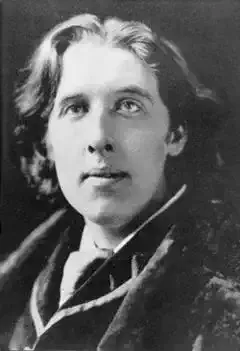
Oscar Wilde
Silentium Amoris
As often-times the too resplendent sun
Hurries the pallid and reluctant moon
Back to her sombre cave, ere she hath won
A single ballad from the nightingale,
So doth thy Beauty make my lips to fail,
And all my sweetest singing out of tune.
And as at dawn across the level mead
On wings impetuous some wind will come,
And with its too harsh kisses break the reed
Which was its only instrument of song,
So my too stormy passions work me wrong,
And for excess of Love my Love is dumb.
But surely unto Thee mine eyes did show
Why I am silent, and my lute unstrung;
Else it were better we should part, and go,
Thou to some lips of sweeter melody,
And I to nurse the barren memory
Of unkissed kisses, and songs never sung.
Hurries the pallid and reluctant moon
Back to her sombre cave, ere she hath won
A single ballad from the nightingale,
So doth thy Beauty make my lips to fail,
And all my sweetest singing out of tune.
And as at dawn across the level mead
On wings impetuous some wind will come,
And with its too harsh kisses break the reed
Which was its only instrument of song,
So my too stormy passions work me wrong,
And for excess of Love my Love is dumb.
But surely unto Thee mine eyes did show
Why I am silent, and my lute unstrung;
Else it were better we should part, and go,
Thou to some lips of sweeter melody,
And I to nurse the barren memory
Of unkissed kisses, and songs never sung.
726
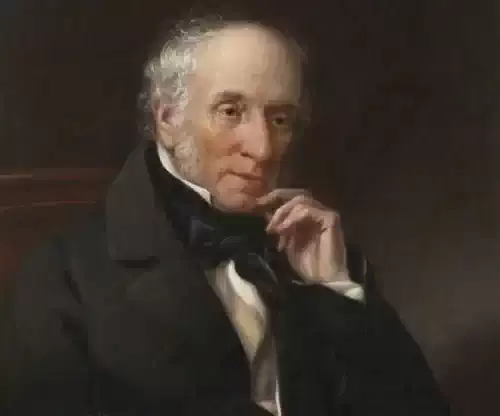
William Wordsworth
Hart-Leap Well
Hart-Leap Well
The Knight had ridden down from Wensley Moor
With the slow motion of a summer's cloud,
And now, as he approached a vassal's door,
"Bring forth another horse!" he cried aloud.
"Another horse!"--That shout the vassal heard
And saddled his best Steed, a comely grey;
Sir Walter mounted him; he was the third
Which he had mounted on that glorious day.
Joy sparkled in the prancing courser's eyes;
The horse and horseman are a happy pair;
But, though Sir Walter like a falcon flies,
There is a doleful silence in the air.
A rout this morning left Sir Walter's Hall,
That as they galloped made the echoes roar;
But horse and man are vanished, one and all;
Such race, I think, was never seen before.
Sir Walter, restless as a veering wind,
Calls to the few tired dogs that yet remain:
Blanch, Swift, and Music, noblest of their kind,
Follow, and up the weary mountain strain.
The Knight hallooed, he cheered and chid them on
With suppliant gestures and upbraidings stern;
But breath and eyesight fail; and, one by one,
The dogs are stretched among the mountain fern.
Where is the throng, the tumult of the race?
The bugles that so joyfully were blown?
--This chase it looks not like an earthly chase;
Sir Walter and the Hart are left alone.
The poor Hart toils along the mountainside;
I will not stop to tell how far he fled,
Nor will I mention by what death he died;
But now the Knight beholds him lying dead.
Dismounting, then, he leaned against a thorn;
He had no follower, dog, nor man, nor boy:
He neither cracked his whip, nor blew his horn,
But gazed upon the spoil with silent joy.
Close to the thorn on which Sir Walter leaned,
Stood his dumb partner in this glorious feat;
Weak as a lamb the hour that it is yeaned;
And white with foam as if with cleaving sleet.
Upon his side the Hart was lying stretched:
His nostril touched a spring beneath a hill,
And with the last deep groan his breath had fetched
The waters of the spring were trembling still.
And now, too happy for repose or rest,
(Never had living man such joyful lot!)
Sir Walter walked all round, north, south, and west,
And gazed and gazed upon that darling spot.
And climbing up the hill--(it was at least
Four roods of sheer ascent) Sir Walter found
Three several hoof-marks which the hunted Beast
Had left imprinted on the grassy ground.
Sir Walter wiped his face, and cried, "Till now
Such sight was never seen by human eyes:
Three leaps have borne him from this lofty brow,
Down to the very fountain where he lies.
"I'll build a pleasure-house upon this spot,
And a small arbour, made for rural joy;
'Twill be the traveller's shed, the pilgrim's cot,
A place of love for damsels that are coy.
"A cunning artist will I have to frame
A basin for that fountain in the dell!
And they who do make mention of the same,
From this day forth, shall call it HART-LEAP WELL.
"And, gallant Stag! to make thy praises known,
Another monument shall here be raised;
Three several pillars, each a rough-hewn stone,
And planted where thy hoofs the turf have grazed.
"And, in the summer-time when days are long,
I will come hither with my Paramour;
And with the dancers and the minstrel's song
We will make merry in that pleasant bower.
"Till the foundations of the mountains fail
My mansion with its arbour shall endure;--
The joy of them who till the fields of Swale,
And them who dwell among the woods of Ure!"
Then home he went, and left the Hart, stone-dead,
With breathless nostrils stretched above the spring.
--Soon did the Knight perform what he had said;
And far and wide the fame thereof did ring.
Ere thrice the Moon into her port had steered,
A cup of stone received the living well;
Three pillars of rude stone Sir Walter reared,
And built a house of pleasure in the dell.
And near the fountain, flowers of stature tall
With trailing plants and trees were intertwined,--
Which soon composed a little sylvan hall,
A leafy shelter from the sun and wind.
And thither, when the summer days were long,
Sir Walter led his wondering Paramour;
And with the dancers and the minstrel's song
Made merriment within that pleasant bower.
The Knight, Sir Walter, died in course of time,
And his bones lie in his paternal vale.--
But there is matter for a second rhyme,
And I to this would add another tale.
PART SECOND
THE moving accident is not my trade;
To freeze the blood I have no ready arts:
'Tis my delight, alone in summer shade,
To pipe a simple song for thinking hearts.
As I from Hawes to Richmond did repair,
It chanced that I saw standing in a dell
Three aspens at three corners of a square;
And one, not four yards distant, near a well.
What this imported I could ill divine:
And, pulling now the rein my horse to stop,
I saw three pillars standing in a line,--
The last stone-pillar on a dark hill-top.
The trees were grey, with neither arms nor head;
Half wasted the square mound of tawny green;
So that you just might say, as then I said,
"Here in old time the hand of man hath been."
I looked upon the hill both far and near,
More doleful place did never eye survey;
It seemed as if the spring-time came not here,
And Nature here were willing to decay.
I stood in various thoughts and fancies lost,
When one, who was in shepherd's garb attired,
Came up the hollow:--him did I accost,
And what this place might be I then inquired.
The Shepherd stopped, and that same story told
Which in my former rhyme I have rehearsed.
"A jolly place," said he, "in times of old!
But something ails it now: the spot is curst.
"You see these lifeless stumps of aspen wood--
Some say that they are beeches, others elms--
These were the bower; and here a mansion stood,
The finest palace of a hundred realms!
"The arbour does its own condition tell;
You see the stones, the fountain, and the stream;
But as to the great Lodge! you might as well
Hunt half a day for a forgotten dream.
"There's neither dog nor heifer, horse nor sheep,
Will wet his lips within that cup of stone;
And oftentimes, when all are fast asleep,
This water doth send forth a dolorous groan.
"Some say that here a murder has been done,
And blood cries out for blood: but, for my part,
I've guessed, when I've been sitting in the sun,
That it was all for that unhappy Hart.
"What thoughts must through the creature's brain have past!
Even from the topmost stone, upon the steep,
Are but three bounds--and look, Sir, at this last--
O Master! it has been a cruel leap.
"For thirteen hours he ran a desperate race;
And in my simple mind we cannot tell
What cause the Hart might have to love this place,
And come and make his deathbed near the well.
"Here on the grass perhaps asleep he sank,
Lulled by the fountain in the summer-tide;
This water was perhaps the first he drank
When he had wandered from his mother's side.
"In April here beneath the flowering thorn
He heard the birds their morning carols sing;
And he, perhaps, for aught we know, was born
Not half a furlong from that self-same spring.
"Now, here is neither grass nor pleasant shade;
The sun on drearier hollow never shone;
So will it be, as I have often said,
Till trees, and stones, and fountain, all are gone."
"Grey-headed Shepherd, thou hast spoken well;
Small difference lies between thy creed and mine:
This Beast not unobserved by Nature fell;
His death was mourned by sympathy divine.
"The Being, that is in the clouds and air,
That is in the green leaves among the groves,
Maintains a deep and reverential care
For the unoffending creatures whom he loves.
"The pleasure-house is dust:--behind, before,
This is no common waste, no common gloom;
But Nature, in due course of time, once more
Shall here put on her beauty and her bloom.
"She leaves these objects to a slow decay,
That what we are, and have been, may be known;
But at the coming of the milder day,
These monuments shall all be overgrown.
"One lesson, Shepherd, let us two divide,
Taught both by what she shows, and what conceals;
Never to blend our pleasure or our pride
With sorrow of the meanest thing that feels."
The Knight had ridden down from Wensley Moor
With the slow motion of a summer's cloud,
And now, as he approached a vassal's door,
"Bring forth another horse!" he cried aloud.
"Another horse!"--That shout the vassal heard
And saddled his best Steed, a comely grey;
Sir Walter mounted him; he was the third
Which he had mounted on that glorious day.
Joy sparkled in the prancing courser's eyes;
The horse and horseman are a happy pair;
But, though Sir Walter like a falcon flies,
There is a doleful silence in the air.
A rout this morning left Sir Walter's Hall,
That as they galloped made the echoes roar;
But horse and man are vanished, one and all;
Such race, I think, was never seen before.
Sir Walter, restless as a veering wind,
Calls to the few tired dogs that yet remain:
Blanch, Swift, and Music, noblest of their kind,
Follow, and up the weary mountain strain.
The Knight hallooed, he cheered and chid them on
With suppliant gestures and upbraidings stern;
But breath and eyesight fail; and, one by one,
The dogs are stretched among the mountain fern.
Where is the throng, the tumult of the race?
The bugles that so joyfully were blown?
--This chase it looks not like an earthly chase;
Sir Walter and the Hart are left alone.
The poor Hart toils along the mountainside;
I will not stop to tell how far he fled,
Nor will I mention by what death he died;
But now the Knight beholds him lying dead.
Dismounting, then, he leaned against a thorn;
He had no follower, dog, nor man, nor boy:
He neither cracked his whip, nor blew his horn,
But gazed upon the spoil with silent joy.
Close to the thorn on which Sir Walter leaned,
Stood his dumb partner in this glorious feat;
Weak as a lamb the hour that it is yeaned;
And white with foam as if with cleaving sleet.
Upon his side the Hart was lying stretched:
His nostril touched a spring beneath a hill,
And with the last deep groan his breath had fetched
The waters of the spring were trembling still.
And now, too happy for repose or rest,
(Never had living man such joyful lot!)
Sir Walter walked all round, north, south, and west,
And gazed and gazed upon that darling spot.
And climbing up the hill--(it was at least
Four roods of sheer ascent) Sir Walter found
Three several hoof-marks which the hunted Beast
Had left imprinted on the grassy ground.
Sir Walter wiped his face, and cried, "Till now
Such sight was never seen by human eyes:
Three leaps have borne him from this lofty brow,
Down to the very fountain where he lies.
"I'll build a pleasure-house upon this spot,
And a small arbour, made for rural joy;
'Twill be the traveller's shed, the pilgrim's cot,
A place of love for damsels that are coy.
"A cunning artist will I have to frame
A basin for that fountain in the dell!
And they who do make mention of the same,
From this day forth, shall call it HART-LEAP WELL.
"And, gallant Stag! to make thy praises known,
Another monument shall here be raised;
Three several pillars, each a rough-hewn stone,
And planted where thy hoofs the turf have grazed.
"And, in the summer-time when days are long,
I will come hither with my Paramour;
And with the dancers and the minstrel's song
We will make merry in that pleasant bower.
"Till the foundations of the mountains fail
My mansion with its arbour shall endure;--
The joy of them who till the fields of Swale,
And them who dwell among the woods of Ure!"
Then home he went, and left the Hart, stone-dead,
With breathless nostrils stretched above the spring.
--Soon did the Knight perform what he had said;
And far and wide the fame thereof did ring.
Ere thrice the Moon into her port had steered,
A cup of stone received the living well;
Three pillars of rude stone Sir Walter reared,
And built a house of pleasure in the dell.
And near the fountain, flowers of stature tall
With trailing plants and trees were intertwined,--
Which soon composed a little sylvan hall,
A leafy shelter from the sun and wind.
And thither, when the summer days were long,
Sir Walter led his wondering Paramour;
And with the dancers and the minstrel's song
Made merriment within that pleasant bower.
The Knight, Sir Walter, died in course of time,
And his bones lie in his paternal vale.--
But there is matter for a second rhyme,
And I to this would add another tale.
PART SECOND
THE moving accident is not my trade;
To freeze the blood I have no ready arts:
'Tis my delight, alone in summer shade,
To pipe a simple song for thinking hearts.
As I from Hawes to Richmond did repair,
It chanced that I saw standing in a dell
Three aspens at three corners of a square;
And one, not four yards distant, near a well.
What this imported I could ill divine:
And, pulling now the rein my horse to stop,
I saw three pillars standing in a line,--
The last stone-pillar on a dark hill-top.
The trees were grey, with neither arms nor head;
Half wasted the square mound of tawny green;
So that you just might say, as then I said,
"Here in old time the hand of man hath been."
I looked upon the hill both far and near,
More doleful place did never eye survey;
It seemed as if the spring-time came not here,
And Nature here were willing to decay.
I stood in various thoughts and fancies lost,
When one, who was in shepherd's garb attired,
Came up the hollow:--him did I accost,
And what this place might be I then inquired.
The Shepherd stopped, and that same story told
Which in my former rhyme I have rehearsed.
"A jolly place," said he, "in times of old!
But something ails it now: the spot is curst.
"You see these lifeless stumps of aspen wood--
Some say that they are beeches, others elms--
These were the bower; and here a mansion stood,
The finest palace of a hundred realms!
"The arbour does its own condition tell;
You see the stones, the fountain, and the stream;
But as to the great Lodge! you might as well
Hunt half a day for a forgotten dream.
"There's neither dog nor heifer, horse nor sheep,
Will wet his lips within that cup of stone;
And oftentimes, when all are fast asleep,
This water doth send forth a dolorous groan.
"Some say that here a murder has been done,
And blood cries out for blood: but, for my part,
I've guessed, when I've been sitting in the sun,
That it was all for that unhappy Hart.
"What thoughts must through the creature's brain have past!
Even from the topmost stone, upon the steep,
Are but three bounds--and look, Sir, at this last--
O Master! it has been a cruel leap.
"For thirteen hours he ran a desperate race;
And in my simple mind we cannot tell
What cause the Hart might have to love this place,
And come and make his deathbed near the well.
"Here on the grass perhaps asleep he sank,
Lulled by the fountain in the summer-tide;
This water was perhaps the first he drank
When he had wandered from his mother's side.
"In April here beneath the flowering thorn
He heard the birds their morning carols sing;
And he, perhaps, for aught we know, was born
Not half a furlong from that self-same spring.
"Now, here is neither grass nor pleasant shade;
The sun on drearier hollow never shone;
So will it be, as I have often said,
Till trees, and stones, and fountain, all are gone."
"Grey-headed Shepherd, thou hast spoken well;
Small difference lies between thy creed and mine:
This Beast not unobserved by Nature fell;
His death was mourned by sympathy divine.
"The Being, that is in the clouds and air,
That is in the green leaves among the groves,
Maintains a deep and reverential care
For the unoffending creatures whom he loves.
"The pleasure-house is dust:--behind, before,
This is no common waste, no common gloom;
But Nature, in due course of time, once more
Shall here put on her beauty and her bloom.
"She leaves these objects to a slow decay,
That what we are, and have been, may be known;
But at the coming of the milder day,
These monuments shall all be overgrown.
"One lesson, Shepherd, let us two divide,
Taught both by what she shows, and what conceals;
Never to blend our pleasure or our pride
With sorrow of the meanest thing that feels."
231

William Shakespeare
Sonnet 131: Thou art as tyrannous, so as thou art
Sonnet 131: Thou art as tyrannous, so as thou art
Thou art as tyrannous, so as thou art,
As those whose beauties proudly make them cruel;
For well thou know'st to my dear doting heart
Thou art the fairest and most precious jewel.
Yet, in good faith, some say that thee behold
Thy face hath not the power to make love groan;
To say they err I dare not be so bold,
Although I swear it to myself alone.
And to be sure that is not false I swear,
A thousand groans but thinking on thy face,
One on another's neck do witness bear
Thy black is fairest in my judgment's place.
In nothing art thou black save in thy deeds,
And thence this slander, as I think, proceeds.
Thou art as tyrannous, so as thou art,
As those whose beauties proudly make them cruel;
For well thou know'st to my dear doting heart
Thou art the fairest and most precious jewel.
Yet, in good faith, some say that thee behold
Thy face hath not the power to make love groan;
To say they err I dare not be so bold,
Although I swear it to myself alone.
And to be sure that is not false I swear,
A thousand groans but thinking on thy face,
One on another's neck do witness bear
Thy black is fairest in my judgment's place.
In nothing art thou black save in thy deeds,
And thence this slander, as I think, proceeds.
376
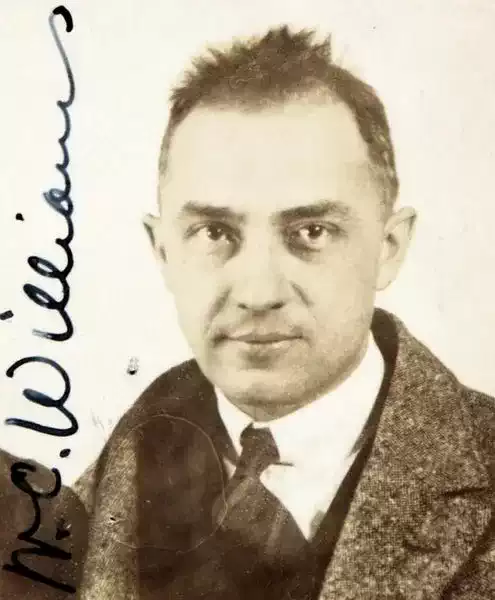
William Carlos Williams
Love Song
Love Song
I lie here thinking of you:---
the stain of love
is upon the world!
Yellow, yellow, yellow
it eats into the leaves,
smears with saffron
the horned branched the lean
heavily
against a smooth purple sky!
There is no light
only a honey-thick stain
that drips from leaf to leaf
and limb to limb
spoiling the colors
of the whole worldyou
far off there under
the wine-red selvage of the west!
I lie here thinking of you:---
the stain of love
is upon the world!
Yellow, yellow, yellow
it eats into the leaves,
smears with saffron
the horned branched the lean
heavily
against a smooth purple sky!
There is no light
only a honey-thick stain
that drips from leaf to leaf
and limb to limb
spoiling the colors
of the whole worldyou
far off there under
the wine-red selvage of the west!
392
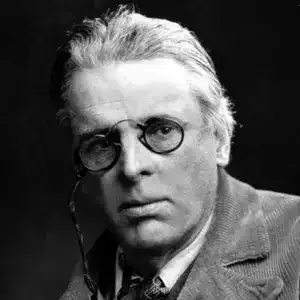
William Butler Yeats
Upon A House Shaken By The Land Agitation
Upon A House Shaken By The Land Agitation
HOW should the world be luckier if this house,
Where passion and precision have been one
Time out of mind, became too ruinous
To breed the lidleSs eye that loves the sun?
And the sweet laughing eagle thoughts that grow
Where wings have memory of wings, and all
That comes of the best knit to the best? Although
Mean roof-trees were the sturdier for its fall.
How should their luck run high enough to reach
The gifts that govern men, and after these
To gradual Time's last gift, a written speech
Wrought of high laughter, loveliness and ease?
HOW should the world be luckier if this house,
Where passion and precision have been one
Time out of mind, became too ruinous
To breed the lidleSs eye that loves the sun?
And the sweet laughing eagle thoughts that grow
Where wings have memory of wings, and all
That comes of the best knit to the best? Although
Mean roof-trees were the sturdier for its fall.
How should their luck run high enough to reach
The gifts that govern men, and after these
To gradual Time's last gift, a written speech
Wrought of high laughter, loveliness and ease?
389
William Butler Yeats
The Travail Of Passion
The Travail Of Passion
WHEN the flaming lute-thronged angelic door is wide;
When an immortal passion breathes in mortal clay;
Our hearts endure the scourge, the plaited thorns, the way
Crowded with bitter faces, the wounds in palm and side,
The vinegar-heavy sponge, the flowers by Kedron stream;
We will bend down and loosen our hair over you,
That it may drop faint perfume, and be heavy with dew,
Lilies of death-pale hope, roses of passionate dream.
WHEN the flaming lute-thronged angelic door is wide;
When an immortal passion breathes in mortal clay;
Our hearts endure the scourge, the plaited thorns, the way
Crowded with bitter faces, the wounds in palm and side,
The vinegar-heavy sponge, the flowers by Kedron stream;
We will bend down and loosen our hair over you,
That it may drop faint perfume, and be heavy with dew,
Lilies of death-pale hope, roses of passionate dream.
331
William Butler Yeats
The Lady's Third Song
The Lady's Third Song
WHEN you and my true lover meet
And he plays tunes between your feet.
Speak no evil of the soul,
Nor think that body is the whole,
For I that am his daylight lady
Know worse evil of the body;
But in honour split his love
Till either neither have enough,
That I may hear if we should kiss
A contrapuntal serpent hiss,
You, should hand explore a thigh,
All the labouring heavens sigh.
WHEN you and my true lover meet
And he plays tunes between your feet.
Speak no evil of the soul,
Nor think that body is the whole,
For I that am his daylight lady
Know worse evil of the body;
But in honour split his love
Till either neither have enough,
That I may hear if we should kiss
A contrapuntal serpent hiss,
You, should hand explore a thigh,
All the labouring heavens sigh.
335
William Butler Yeats
The Heart Of The Woman
The Heart Of The Woman
O WHAT to me the little room
That was brimmed up with prayer and rest;
He bade me out into the gloom,
And my breast lies upon his breast.
O what to me my mother's care,
The house where I was safe and warm;
The shadowy blossom of my hair
Will hide us from the bitter storm.
O hiding hair and dewy eyes,
I am no more with life and death,
My heart upon his warm heart lies,
My breath is mixed into his breath.
O WHAT to me the little room
That was brimmed up with prayer and rest;
He bade me out into the gloom,
And my breast lies upon his breast.
O what to me my mother's care,
The house where I was safe and warm;
The shadowy blossom of my hair
Will hide us from the bitter storm.
O hiding hair and dewy eyes,
I am no more with life and death,
My heart upon his warm heart lies,
My breath is mixed into his breath.
370
William Butler Yeats
Solomon And The Witch
Solomon And The Witch
AND thus declared that Arab lady:
'Last night, where under the wild moon
On grassy mattress I had laid me,
Within my arms great Solomon,
I suddenly cried out in a strange tongue
Not his, not mine.'
Who understood
Whatever has been said, sighed, sung,
Howled, miau-d, barked, brayed, belled, yelled, cried, crowed,
Thereon replied: 'A cockerel
Crew from a blossoming apple bough
Three hundred years before the Fall,
And never crew again till now,
And would not now but that he thought,
Chance being at one with Choice at last,
All that the brigand apple brought
And this foul world were dead at last.
He that crowed out eternity
Thought to have crowed it in again.
For though love has a spider's eye
To find out some appropriate pain --
Aye, though all passion's in the glance --
For every nerve, and tests a lover
With cruelties of Choice and Chance;
And when at last that murder's over
Maybe the bride-bed brings despair,
For each an imagined image brings
And finds a real image there;
Yet the world ends when these two things,
Though several, are a single light,
When oil and wick are burned in one;
Therefore a blessed moon last night
Gave Sheba to her Solomon.'
'Yet the world stays.'
'If that be so,
Your cockerel found us in the wrong
Although he thought it. worth a crow.
Maybe an image is too strong
Or maybe is not strong enough.'
'The night has fallen; not a sound
In the forbidden sacred grove
Unless a petal hit the ground,
Nor any human sight within it
But the crushed grass where we have lain!
And the moon is wilder every minute.
O! Solomon! let us try again.'
AND thus declared that Arab lady:
'Last night, where under the wild moon
On grassy mattress I had laid me,
Within my arms great Solomon,
I suddenly cried out in a strange tongue
Not his, not mine.'
Who understood
Whatever has been said, sighed, sung,
Howled, miau-d, barked, brayed, belled, yelled, cried, crowed,
Thereon replied: 'A cockerel
Crew from a blossoming apple bough
Three hundred years before the Fall,
And never crew again till now,
And would not now but that he thought,
Chance being at one with Choice at last,
All that the brigand apple brought
And this foul world were dead at last.
He that crowed out eternity
Thought to have crowed it in again.
For though love has a spider's eye
To find out some appropriate pain --
Aye, though all passion's in the glance --
For every nerve, and tests a lover
With cruelties of Choice and Chance;
And when at last that murder's over
Maybe the bride-bed brings despair,
For each an imagined image brings
And finds a real image there;
Yet the world ends when these two things,
Though several, are a single light,
When oil and wick are burned in one;
Therefore a blessed moon last night
Gave Sheba to her Solomon.'
'Yet the world stays.'
'If that be so,
Your cockerel found us in the wrong
Although he thought it. worth a crow.
Maybe an image is too strong
Or maybe is not strong enough.'
'The night has fallen; not a sound
In the forbidden sacred grove
Unless a petal hit the ground,
Nor any human sight within it
But the crushed grass where we have lain!
And the moon is wilder every minute.
O! Solomon! let us try again.'
369
William Butler Yeats
Crazy Jane On The Day Of Judgment
Crazy Jane On The Day Of Judgment
'Love is all
Unsatisfied
That cannot take the whole
Body and soul';
And that is what Jane said.
'Take the sour
If you take me
I can scoff and lour
And scold for an hour.'
"That's certainly the case,' said he.
'Naked I lay,
The grass my bed;
Naked and hidden away,
That black day';
And that is what Jane said.
'What can be shown?
What true love be?
All could be known or shown
If Time were but gone.'
'That's certainly the case,' said he.
'Love is all
Unsatisfied
That cannot take the whole
Body and soul';
And that is what Jane said.
'Take the sour
If you take me
I can scoff and lour
And scold for an hour.'
"That's certainly the case,' said he.
'Naked I lay,
The grass my bed;
Naked and hidden away,
That black day';
And that is what Jane said.
'What can be shown?
What true love be?
All could be known or shown
If Time were but gone.'
'That's certainly the case,' said he.
420
William Butler Yeats
Crazy Jane Grown Old Looks At The Dancers
Crazy Jane Grown Old Looks At The Dancers
I found that ivory image there
Dancing with her chosen youth,
But when he wound her coal-black hair
As though to strangle her, no scream
Or bodily movement did I dare,
Eyes under eyelids did so gleam;
Love is like the lion's tooth.
When She, and though some said she played
I said that she had danced heart's truth,
Drew a knife to strike him dead,
I could but leave him to his fate;
For no matter what is said
They had all that had their hate;
Love is like the lion's tooth.
Did he die or did she die?
Seemed to die or died they both?
God be with the times when I
Cared not a thraneen for what chanced
So that I had the limbs to try
Such a dance as there was danced -
Love is like the lion's tooth.
I found that ivory image there
Dancing with her chosen youth,
But when he wound her coal-black hair
As though to strangle her, no scream
Or bodily movement did I dare,
Eyes under eyelids did so gleam;
Love is like the lion's tooth.
When She, and though some said she played
I said that she had danced heart's truth,
Drew a knife to strike him dead,
I could but leave him to his fate;
For no matter what is said
They had all that had their hate;
Love is like the lion's tooth.
Did he die or did she die?
Seemed to die or died they both?
God be with the times when I
Cared not a thraneen for what chanced
So that I had the limbs to try
Such a dance as there was danced -
Love is like the lion's tooth.
349
William Butler Yeats
Chosen
Chosen
The lot of love is chosen. I learnt that much
Struggling for an image on the track
Of the whirling Zodiac.
Scarce did he my body touch,
Scarce sank he from the west
Or found a subtetranean rest
On the maternal midnight of my breast
Before I had marked him on his northern way,
And seemed to stand although in bed I lay.
I struggled with the horror of daybreak,
I chose it for my lot! If questioned on
My utmost pleasure with a man
By some new-married bride, I take
That stillness for a theme
Where his heart my heart did seem
And both adrift on the miraculous stream
Where -- wrote a learned astrologer --
The Zodiac is changed into a sphere.
The lot of love is chosen. I learnt that much
Struggling for an image on the track
Of the whirling Zodiac.
Scarce did he my body touch,
Scarce sank he from the west
Or found a subtetranean rest
On the maternal midnight of my breast
Before I had marked him on his northern way,
And seemed to stand although in bed I lay.
I struggled with the horror of daybreak,
I chose it for my lot! If questioned on
My utmost pleasure with a man
By some new-married bride, I take
That stillness for a theme
Where his heart my heart did seem
And both adrift on the miraculous stream
Where -- wrote a learned astrologer --
The Zodiac is changed into a sphere.
431
William Butler Yeats
A Poet To His Beloved
A Poet To His Beloved
I BRING you with reverent hands
The books of my numberless dreams,
White woman that passion has worn
As the tide wears the dove-grey sands,
And with heart more old than the horn
That is brimmed from the pale fire of time:
White woman with numberless dreams,
I bring you my passionate rhyme.
I BRING you with reverent hands
The books of my numberless dreams,
White woman that passion has worn
As the tide wears the dove-grey sands,
And with heart more old than the horn
That is brimmed from the pale fire of time:
White woman with numberless dreams,
I bring you my passionate rhyme.
385
Walt Whitman
To Thee, Old Cause!
To Thee, Old Cause!
TO thee, old Cause!
Thou peerless, passionate, good cause!
Thou stern, remorseless, sweet Idea!
Deathless throughout the ages, races, lands!
After a strange, sad war--great war for thee,
(I think all war through time was really fought, and ever will be
really fought, for thee;)
These chants for thee--the eternal march of thee.
Thou orb of many orbs!
Thou seething principle! Thou well-kept, latent germ! Thou centre!
Around the idea of thee the strange sad war revolving, 10
With all its angry and vehement play of causes,
(With yet unknown results to come, for thrice a thousand years,)
These recitatives for thee--my Book and the War are one,
Merged in its spirit I and mine--as the contest hinged on thee,
As a wheel on its axis turns, this Book, unwitting to itself,
Around the Idea of thee.
TO thee, old Cause!
Thou peerless, passionate, good cause!
Thou stern, remorseless, sweet Idea!
Deathless throughout the ages, races, lands!
After a strange, sad war--great war for thee,
(I think all war through time was really fought, and ever will be
really fought, for thee;)
These chants for thee--the eternal march of thee.
Thou orb of many orbs!
Thou seething principle! Thou well-kept, latent germ! Thou centre!
Around the idea of thee the strange sad war revolving, 10
With all its angry and vehement play of causes,
(With yet unknown results to come, for thrice a thousand years,)
These recitatives for thee--my Book and the War are one,
Merged in its spirit I and mine--as the contest hinged on thee,
As a wheel on its axis turns, this Book, unwitting to itself,
Around the Idea of thee.
385
Thomas Moore
Thee, Thee, Only Thee
Thee, Thee, Only Thee
The dawning of morn, the daylight's sinking,
The night's long hours still find me thinking
Of thee, thee, only thee.
When friends are met, and goblets crown'd,
And smiles are near, that once enchanted,
Unreach'd by all that sunshine round,
My soul, like some dark spot, is haunted
By thee, thee, only thee.
Whatever in fame's high path could waken
My spirit once, is now forsaken
For thee, thee, only thee.
Like shores, by which some headlong bark
To the ocean hurries, resting never,
Life's scenes go by me, bright or dark,
I know not, heed not, hastening ever
To thee, thee, only thee.
I have not a joy but of thy bringing,
And pain itself seems sweet when springing
From thee, thee, only thee.
Like spells, that nought on earth can break,
Till lips, that know the charm, have spoken,
This heart, howe'er the world may wake
Its grief, its scorn, can but be broken
By thee, thee, only thee.
The dawning of morn, the daylight's sinking,
The night's long hours still find me thinking
Of thee, thee, only thee.
When friends are met, and goblets crown'd,
And smiles are near, that once enchanted,
Unreach'd by all that sunshine round,
My soul, like some dark spot, is haunted
By thee, thee, only thee.
Whatever in fame's high path could waken
My spirit once, is now forsaken
For thee, thee, only thee.
Like shores, by which some headlong bark
To the ocean hurries, resting never,
Life's scenes go by me, bright or dark,
I know not, heed not, hastening ever
To thee, thee, only thee.
I have not a joy but of thy bringing,
And pain itself seems sweet when springing
From thee, thee, only thee.
Like spells, that nought on earth can break,
Till lips, that know the charm, have spoken,
This heart, howe'er the world may wake
Its grief, its scorn, can but be broken
By thee, thee, only thee.
176
Thomas Moore
Quantum Est Quod Desit
Quantum Est Quod Desit
'Twas a new feeling - something more
Than we had dar'd to own before,
Which then we hid not;
We saw it in each other's eye,
And wish'd in every broken sigh
To speak, but did not!
She felt my lips' impassion'd touch;
'Twas the first time I dar'd so much,
And yet, she chid not;
But whisper'd o'er my burning brow,
'Oh! do you doubt I love you now?'
Sweet soul! I did not!
Warmly I felt her bosom thrill,
I prest it closer, closer still,
Though gently bid not;
Till - oh! the world hath seldom heard
Of lovers, who so nearly err'd,
And yet who - did not!
'Twas a new feeling - something more
Than we had dar'd to own before,
Which then we hid not;
We saw it in each other's eye,
And wish'd in every broken sigh
To speak, but did not!
She felt my lips' impassion'd touch;
'Twas the first time I dar'd so much,
And yet, she chid not;
But whisper'd o'er my burning brow,
'Oh! do you doubt I love you now?'
Sweet soul! I did not!
Warmly I felt her bosom thrill,
I prest it closer, closer still,
Though gently bid not;
Till - oh! the world hath seldom heard
Of lovers, who so nearly err'd,
And yet who - did not!
143
Thomas Moore
Nay, Tell Me Not, Dear
Nay, Tell Me Not, Dear
Nay, tell me not, dear, that the goblet drowns
One charm of feeling, one fond regret;
Believe me, a few of thy angry frowns
Are all I've sunk in its bright wave yet.
Ne'er hath a beam
Been lost in the stream
That ever was shed from thy form or soul;
The spell of those eyes,
The balm of thy sighs,
Still float on the surface, and hallow by bowl.
Then fancy not, dearest, that wine can steal
One blissful dream of the heart from me;
Like founts that awaken the pilgrim's zeal,
The bowl but brightens my love for thee.
They tell us the Love in his fairy bower
Had two blush-roses, of birth divine;
He sprinkled the one with a rainbow's shower,
But bathed the other with mantling wine.
Soon did the buds
That drunk of the floods
Distill'd by the rainbow decline and fade;
While those which the tide
Of ruby had dyed
All blush'd into beauty, like thee, sweet maid!
Then fancy not, dearest, that wine can steal
One blissful dream of the heart from me;
Like founts that awaken the pilgrim's zeal,
The bowl but brightens my love for thee.
Nay, tell me not, dear, that the goblet drowns
One charm of feeling, one fond regret;
Believe me, a few of thy angry frowns
Are all I've sunk in its bright wave yet.
Ne'er hath a beam
Been lost in the stream
That ever was shed from thy form or soul;
The spell of those eyes,
The balm of thy sighs,
Still float on the surface, and hallow by bowl.
Then fancy not, dearest, that wine can steal
One blissful dream of the heart from me;
Like founts that awaken the pilgrim's zeal,
The bowl but brightens my love for thee.
They tell us the Love in his fairy bower
Had two blush-roses, of birth divine;
He sprinkled the one with a rainbow's shower,
But bathed the other with mantling wine.
Soon did the buds
That drunk of the floods
Distill'd by the rainbow decline and fade;
While those which the tide
Of ruby had dyed
All blush'd into beauty, like thee, sweet maid!
Then fancy not, dearest, that wine can steal
One blissful dream of the heart from me;
Like founts that awaken the pilgrim's zeal,
The bowl but brightens my love for thee.
177
Thomas Hardy
She, to Him, IV
She, to Him, IV
This love puts all humanity from me;
I can but maledict her, pray her dead,
For giving love and getting love of thee—
Feeding a heart that else mine own had fed!
How much I love I know not, life not known,
Save as some unit I would add love by;
But this I know, my being is but thine own—
Fused from its separateness by ecstasy.
And thus I grasp thy amplitudes, of her
Ungrasped, though helped by nigh-regarding eyes;
Canst thou then hate me as an envier
Who see unrecked what I so dearly prize?
Believe me, Lost One, Love is lovelier
The more it shapes its moans in selfish-wise.
This love puts all humanity from me;
I can but maledict her, pray her dead,
For giving love and getting love of thee—
Feeding a heart that else mine own had fed!
How much I love I know not, life not known,
Save as some unit I would add love by;
But this I know, my being is but thine own—
Fused from its separateness by ecstasy.
And thus I grasp thy amplitudes, of her
Ungrasped, though helped by nigh-regarding eyes;
Canst thou then hate me as an envier
Who see unrecked what I so dearly prize?
Believe me, Lost One, Love is lovelier
The more it shapes its moans in selfish-wise.
221
Thomas Hardy
She, To Him IV
She, To Him IV
THIS love puts all humanity from me;
I can but maledict her, pray her dead,
For giving love and getting love of thee--
Feeding a heart that else mine own had fed!
How much I love I know not, life not known,
Save as some unit I would add love by;
But this I know, my being is but thine own--
Fused from its separateness by ecstasy.
And thus I grasp thy amplitudes, of her
Ungrasped, though helped by nigh-regarding eyes;
Canst thou then hate me as an envier
Who see unrecked what I so dearly prize?
Believe me, Lost One, Love is lovelier
The more it shapes its moans in selfish-wise.
THIS love puts all humanity from me;
I can but maledict her, pray her dead,
For giving love and getting love of thee--
Feeding a heart that else mine own had fed!
How much I love I know not, life not known,
Save as some unit I would add love by;
But this I know, my being is but thine own--
Fused from its separateness by ecstasy.
And thus I grasp thy amplitudes, of her
Ungrasped, though helped by nigh-regarding eyes;
Canst thou then hate me as an envier
Who see unrecked what I so dearly prize?
Believe me, Lost One, Love is lovelier
The more it shapes its moans in selfish-wise.
262

Sarah Teasdale
I Am Not Yours
"I Am Not Yours"
I am not yours, not lost in you,
Not lost, although I long to be
Lost as a candle lit at noon,
Lost as a snowflake in the sea.
You love me, and I find you still
A spirit beautiful and bright,
Yet I am I, who long to be
Lost as a light is lost in light.
Oh plunge me deep in love -- put out
My senses, leave me deaf and blind,
Swept by the tempest of your love,
A taper in a rushing wind.
I am not yours, not lost in you,
Not lost, although I long to be
Lost as a candle lit at noon,
Lost as a snowflake in the sea.
You love me, and I find you still
A spirit beautiful and bright,
Yet I am I, who long to be
Lost as a light is lost in light.
Oh plunge me deep in love -- put out
My senses, leave me deaf and blind,
Swept by the tempest of your love,
A taper in a rushing wind.
453
Safo
With his venom
With his venom
With his venom
irresistible
and bittersweet
that loosener
of limbs, Love
reptile-like
strikes me down
With his venom
irresistible
and bittersweet
that loosener
of limbs, Love
reptile-like
strikes me down
600
Safo
Ode to a Loved One
Ode to a Loved One
LEST as the immortal gods is he,
The youth who fondly sits by thee,
And hears and sees thee, all the while,
Softly speaks and sweetly smile.
'Twas this deprived my soul of rest,
And raised such tumults in my breast;
For, while I gazed, in transport tossed,
My breath was gone, my voice was lost;
My bosom glowed; the subtle flame
Ran quick through all my vital frame;
O'er my dim eyes a darkness hung;
My ears with hollow murmurs rung;
In dewy damps my limbs were chilled;
My blood with gentle horrors thrilled:
My feeble pulse forgot to play;
I fainted, sunk, and died away.
LEST as the immortal gods is he,
The youth who fondly sits by thee,
And hears and sees thee, all the while,
Softly speaks and sweetly smile.
'Twas this deprived my soul of rest,
And raised such tumults in my breast;
For, while I gazed, in transport tossed,
My breath was gone, my voice was lost;
My bosom glowed; the subtle flame
Ran quick through all my vital frame;
O'er my dim eyes a darkness hung;
My ears with hollow murmurs rung;
In dewy damps my limbs were chilled;
My blood with gentle horrors thrilled:
My feeble pulse forgot to play;
I fainted, sunk, and died away.
481
Safo
Like the gods. . .
Like the gods. . .
In my eyes he matches the gods, that man who
sits there facing you--any man whatever--
listening from closeby to the sweetness of your
voice as you talk, the
sweetness of your laughter: yes, that--I swear it--
sets the heart to shaking inside my breast, since
once I look at you for a moment, I can't
speak any longer,
but my tongue breaks down, and then all at once a
subtle fire races inside my skin, my
eyes can't see a thing and a whirring whistle
thrums at my hearing,
cold sweat covers me and a trembling takes
ahold of me all over: I'm greener than the
grass is and appear to myself to be little
short of dying.
But all must be endured, since even a poor [
In my eyes he matches the gods, that man who
sits there facing you--any man whatever--
listening from closeby to the sweetness of your
voice as you talk, the
sweetness of your laughter: yes, that--I swear it--
sets the heart to shaking inside my breast, since
once I look at you for a moment, I can't
speak any longer,
but my tongue breaks down, and then all at once a
subtle fire races inside my skin, my
eyes can't see a thing and a whirring whistle
thrums at my hearing,
cold sweat covers me and a trembling takes
ahold of me all over: I'm greener than the
grass is and appear to myself to be little
short of dying.
But all must be endured, since even a poor [
486
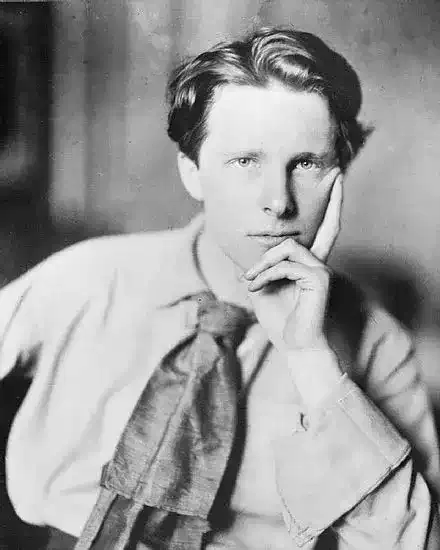
Rupert Brooke
Mummia
Mummia
As those of old drank mummia
To fire their limbs of lead,
Making dead kings from Africa
Stand pandar to their bed;
Drunk on the dead, and medicined
With spiced imperial dust,
In a short night they reeled to find
Ten centuries of lust.
So I, from paint, stone, tale, and rhyme,
Stuffed love's infinity,
And sucked all lovers of all time
To rarify ecstasy.
Helen's the hair shuts out from me
Verona's livid skies;
Gypsy the lips I press; and see
Two Antonys in your eyes.
The unheard invisible lovely dead
Lie with us in this place,
And ghostly hands above my head
Close face to straining face;
Their blood is wine along our limbs;
Their whispering voices wreathe
Savage forgotten drowsy hymns
Under the names we breathe;
Woven from their tomb, and one with it,
The night wherein we press;
Their thousand pitchy pyres have lit
Your flaming nakedness.
For the uttermost years have cried and clung
To kiss your mouth to mine;
And hair long dust was caught, was flung,
Hand shaken to hand divine,
And Life has fired, and Death not shaded,
All Time's uncounted bliss,
And the height o' the world has flamed and faded,
Love, that our love be this!
As those of old drank mummia
To fire their limbs of lead,
Making dead kings from Africa
Stand pandar to their bed;
Drunk on the dead, and medicined
With spiced imperial dust,
In a short night they reeled to find
Ten centuries of lust.
So I, from paint, stone, tale, and rhyme,
Stuffed love's infinity,
And sucked all lovers of all time
To rarify ecstasy.
Helen's the hair shuts out from me
Verona's livid skies;
Gypsy the lips I press; and see
Two Antonys in your eyes.
The unheard invisible lovely dead
Lie with us in this place,
And ghostly hands above my head
Close face to straining face;
Their blood is wine along our limbs;
Their whispering voices wreathe
Savage forgotten drowsy hymns
Under the names we breathe;
Woven from their tomb, and one with it,
The night wherein we press;
Their thousand pitchy pyres have lit
Your flaming nakedness.
For the uttermost years have cried and clung
To kiss your mouth to mine;
And hair long dust was caught, was flung,
Hand shaken to hand divine,
And Life has fired, and Death not shaded,
All Time's uncounted bliss,
And the height o' the world has flamed and faded,
Love, that our love be this!
214
Page 1
Next