

Pride
Poems in this topic
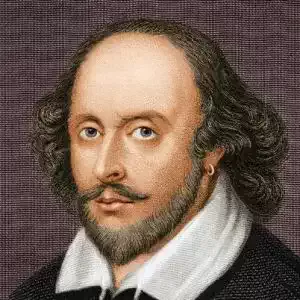
William Shakespeare
Sonnets XXIX: When, in disgrace with fortune and men's eyes
Sonnets XXIX: When, in disgrace with fortune and men's eyes
When, in disgrace with fortune and men's eyes,
I all alone beweep my outcast state
And trouble deaf heaven with my bootless cries
And look upon myself and curse my fate,
Wishing me like to one more rich in hope,
Featur'd like him, like him with friends possess'd,
Desiring this man's art and that man's scope,
With what I most enjoy contented least;
Yet in these thoughts myself almost despising,
Haply I think on thee, and then my state,
Like to the lark at break of day arising
From sullen earth, sings hymns at heaven's gate;
For thy sweet love remember'd such wealth brings
That then I scorn to change my state with kings.
When, in disgrace with fortune and men's eyes,
I all alone beweep my outcast state
And trouble deaf heaven with my bootless cries
And look upon myself and curse my fate,
Wishing me like to one more rich in hope,
Featur'd like him, like him with friends possess'd,
Desiring this man's art and that man's scope,
With what I most enjoy contented least;
Yet in these thoughts myself almost despising,
Haply I think on thee, and then my state,
Like to the lark at break of day arising
From sullen earth, sings hymns at heaven's gate;
For thy sweet love remember'd such wealth brings
That then I scorn to change my state with kings.
249
William Shakespeare
Sonnet XXVI
Sonnet XXVI
Lord of my love, to whom in vassalage
Thy merit hath my duty strongly knit,
To thee I send this written embassage,
To witness duty, not to show my wit:
Duty so great, which wit so poor as mine
May make seem bare, in wanting words to show it,
But that I hope some good conceit of thine
In thy soul's thought, all naked, will bestow it;
Till whatsoever star that guides my moving
Points on me graciously with fair aspect
And puts apparel on my tatter'd loving,
To show me worthy of thy sweet respect:
Then may I dare to boast how I do love thee;
Till then not show my head where thou mayst prove me.
Lord of my love, to whom in vassalage
Thy merit hath my duty strongly knit,
To thee I send this written embassage,
To witness duty, not to show my wit:
Duty so great, which wit so poor as mine
May make seem bare, in wanting words to show it,
But that I hope some good conceit of thine
In thy soul's thought, all naked, will bestow it;
Till whatsoever star that guides my moving
Points on me graciously with fair aspect
And puts apparel on my tatter'd loving,
To show me worthy of thy sweet respect:
Then may I dare to boast how I do love thee;
Till then not show my head where thou mayst prove me.
261
William Shakespeare
Sonnet 94: They that have power to hurt and will do none
Sonnet 94: They that have power to hurt and will do none
They that have power to hurt and will do none,
That do not do the thing, they most do show,
Who, moving others, are themselves as stone,
Unmovèd, cold, and to temptation slow,
They rightly do inherit heaven's graces,
And husband nature's riches from expense;
They are the lords and owners of their faces,
Others, but stewards of their excellence.
The summer's flower is to the summer sweet,
Though to itself, it only live and die,
But if that flower with base infection meet,
The basest weed outbraves his dignity.
For sweetest things turn sourest by their deeds;
Lilies that fester smell far worse than weeds.
They that have power to hurt and will do none,
That do not do the thing, they most do show,
Who, moving others, are themselves as stone,
Unmovèd, cold, and to temptation slow,
They rightly do inherit heaven's graces,
And husband nature's riches from expense;
They are the lords and owners of their faces,
Others, but stewards of their excellence.
The summer's flower is to the summer sweet,
Though to itself, it only live and die,
But if that flower with base infection meet,
The basest weed outbraves his dignity.
For sweetest things turn sourest by their deeds;
Lilies that fester smell far worse than weeds.
294
William Shakespeare
Sonnet 91: Some glory in their birth, some in their skill
Sonnet 91: Some glory in their birth, some in their skill
Some glory in their birth, some in their skill,
Some in their wealth, some in their body's force,
Some in their garments though new-fangled ill,
Some in their hawks and hounds, some in their horse;
And every humour hath his adjunct pleasure,
Wherein it finds a joy above the rest,
But these particulars are not my measure;
All these I better in one general best.
Thy love is better than high birth to me,
Richer than wealth, prouder than garments' costs,
Of more delight than hawks and horses be;
And having thee, of all men's pride I boast—
Wretched in this alone, that thou mayst take,
All this away and me most wretched make.
Some glory in their birth, some in their skill,
Some in their wealth, some in their body's force,
Some in their garments though new-fangled ill,
Some in their hawks and hounds, some in their horse;
And every humour hath his adjunct pleasure,
Wherein it finds a joy above the rest,
But these particulars are not my measure;
All these I better in one general best.
Thy love is better than high birth to me,
Richer than wealth, prouder than garments' costs,
Of more delight than hawks and horses be;
And having thee, of all men's pride I boast—
Wretched in this alone, that thou mayst take,
All this away and me most wretched make.
359
William Shakespeare
Sonnet 70:That thou art blamed shall not be thy defect…
Sonnet 70:That thou art blamed shall not be thy defect…
That thou art blamed shall not be thy defect,
For slander's mark was ever yet the fair,
The ornament of beauty is suspect,
A crow that flies in heaven's sweetest air.
So thou be good, slander doth but approve,
Thy worth the greater being wooed of time,
For canker vice the sweetest buds doth love,
And thou present'st a pure unstained prime.
Thou hast passed by the ambush of young days,
Either not assailed, or victor being charged,
Yet this thy praise cannot be so thy praise,
To tie up envy, evermore enlarged,
If some suspect of ill masked not thy show,
Then thou alone kingdoms of hearts shouldst owe.
That thou art blamed shall not be thy defect,
For slander's mark was ever yet the fair,
The ornament of beauty is suspect,
A crow that flies in heaven's sweetest air.
So thou be good, slander doth but approve,
Thy worth the greater being wooed of time,
For canker vice the sweetest buds doth love,
And thou present'st a pure unstained prime.
Thou hast passed by the ambush of young days,
Either not assailed, or victor being charged,
Yet this thy praise cannot be so thy praise,
To tie up envy, evermore enlarged,
If some suspect of ill masked not thy show,
Then thou alone kingdoms of hearts shouldst owe.
217
William Shakespeare
Sonnet 62: Sin of self-love possesseth all mine eye
Sonnet 62: Sin of self-love possesseth all mine eye
Sin of self-love possesseth all mine eye,
And all my soul, and all my every part;
And for this sin there is no remedy,
It is so grounded inward in my heart.
Methinks no face so gracious is as mine,
No shape so true, no truth of such account;
And for my self mine own worth do define,
As I all other in all worths surmount.
But when my glass shows me myself indeed
Beated and chapped with tanned antiquity,
Mine own self-love quite contrary I read;
Self so self-loving were iniquity.
'Tis thee, myself, that for my self I praise,
Painting my age with beauty of thy days.
Sin of self-love possesseth all mine eye,
And all my soul, and all my every part;
And for this sin there is no remedy,
It is so grounded inward in my heart.
Methinks no face so gracious is as mine,
No shape so true, no truth of such account;
And for my self mine own worth do define,
As I all other in all worths surmount.
But when my glass shows me myself indeed
Beated and chapped with tanned antiquity,
Mine own self-love quite contrary I read;
Self so self-loving were iniquity.
'Tis thee, myself, that for my self I praise,
Painting my age with beauty of thy days.
293
William Shakespeare
Sonnet 125: Were't aught to me I bore the canopy
Sonnet 125: Were't aught to me I bore the canopy
Were't aught to me I bore the canopy,
With my extern the outward honouring,
Or laid great bases for eternity,
Which proves more short than waste or ruining?
Have I not seen dwellers on form and favour
Lose all, and more, by paying too much rent
For compound sweet forgoing simple savour,
Pitiful thrivers in their gazing spent?
No, let me be obsequious in thy heart,
And take thou my oblation, poor but free,
Which is not mixed with seconds, knows no art
But mutual render, only me for thee.
Hence, thou suborned informer, a true soul
When most impeached stands least in thy control.
Were't aught to me I bore the canopy,
With my extern the outward honouring,
Or laid great bases for eternity,
Which proves more short than waste or ruining?
Have I not seen dwellers on form and favour
Lose all, and more, by paying too much rent
For compound sweet forgoing simple savour,
Pitiful thrivers in their gazing spent?
No, let me be obsequious in thy heart,
And take thou my oblation, poor but free,
Which is not mixed with seconds, knows no art
But mutual render, only me for thee.
Hence, thou suborned informer, a true soul
When most impeached stands least in thy control.
356
William Shakespeare
Sonnet 121:Tis better to be vile than vile esteemed
Sonnet 121:Tis better to be vile than vile esteemed
'Tis better to be vile than vile esteemed,
When not to be receives reproach of being;
And the just pleasure lost, which is so deemed
Not by our feeling, but by others' seeing:
For why should others' false adulterate eyes
Give salutation to my sportive blood?
Or on my frailties why are frailer spies,
Which in their wills count bad what I think good?
No, I am that I am, and they that level
At my abuses reckon up their own:
I may be straight though they themselves be bevel;
By their rank thoughts, my deeds must not be shown;
Unless this general evil they maintain,
All men are bad and in their badness reign.
'Tis better to be vile than vile esteemed,
When not to be receives reproach of being;
And the just pleasure lost, which is so deemed
Not by our feeling, but by others' seeing:
For why should others' false adulterate eyes
Give salutation to my sportive blood?
Or on my frailties why are frailer spies,
Which in their wills count bad what I think good?
No, I am that I am, and they that level
At my abuses reckon up their own:
I may be straight though they themselves be bevel;
By their rank thoughts, my deeds must not be shown;
Unless this general evil they maintain,
All men are bad and in their badness reign.
292

William Ernest Henley
England, My England
England, My England
WHAT have I done for you,
England, my England?
What is there I would not do,
England, my own?
With your glorious eyes austere,
As the Lord were walking near,
Whispering terrible things and dear
As the Song on your bugles blown,
England--
Round the world on your bugles blown!
Where shall the watchful sun,
England, my England,
Match the master-work you've done,
England, my own?
When shall he rejoice agen
Such a breed of mighty men
As come forward, one to ten,
To the Song on your bugles blown,
England--
Down the years on your bugles blown?
Ever the faith endures,
England, my England:--
'Take and break us: we are yours,
England, my own!
Life is good, and joy runs high
Between English earth and sky:
Death is death; but we shall die
To the Song on your bugles blown,
England--
To the stars on your bugles blown!'
They call you proud and hard,
England, my England:
You with worlds to watch and ward,
England, my own!
You whose mail'd hand keeps the keys
Of such teeming destinies,
You could know nor dread nor ease
Were the Song on your bugles blown,
England,
Round the Pit on your bugles blown!
Mother of Ships whose might,
England, my England,
Is the fierce old Sea's delight,
England, my own,
Chosen daughter of the Lord,
Spouse-in-Chief of the ancient Sword,
There 's the menace of the Word
In the Song on your bugles blown,
England--
Out of heaven on your bugles blown!
WHAT have I done for you,
England, my England?
What is there I would not do,
England, my own?
With your glorious eyes austere,
As the Lord were walking near,
Whispering terrible things and dear
As the Song on your bugles blown,
England--
Round the world on your bugles blown!
Where shall the watchful sun,
England, my England,
Match the master-work you've done,
England, my own?
When shall he rejoice agen
Such a breed of mighty men
As come forward, one to ten,
To the Song on your bugles blown,
England--
Down the years on your bugles blown?
Ever the faith endures,
England, my England:--
'Take and break us: we are yours,
England, my own!
Life is good, and joy runs high
Between English earth and sky:
Death is death; but we shall die
To the Song on your bugles blown,
England--
To the stars on your bugles blown!'
They call you proud and hard,
England, my England:
You with worlds to watch and ward,
England, my own!
You whose mail'd hand keeps the keys
Of such teeming destinies,
You could know nor dread nor ease
Were the Song on your bugles blown,
England,
Round the Pit on your bugles blown!
Mother of Ships whose might,
England, my England,
Is the fierce old Sea's delight,
England, my own,
Chosen daughter of the Lord,
Spouse-in-Chief of the ancient Sword,
There 's the menace of the Word
In the Song on your bugles blown,
England--
Out of heaven on your bugles blown!
182
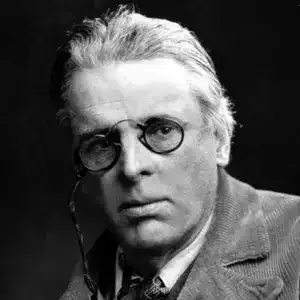
William Butler Yeats
To A Young Beauty
To A Young Beauty
DEAR fellow-artist, why so free
With every sort of company,
With every Jack and Jill?
Choose your companions from the best;
Who draws a bucket with the rest
Soon topples down the hill.
You may, that mirror for a school,
Be passionate, not bountiful
As common beauties may,
Who were not born to keep in trim
With old Ezekiel's cherubim
But those of Beauvarlet.
I know what wages beauty gives,
How hard a life her setvant lives,
Yet praise the winters gone:
There is not a fool can call me friend,
And I may dine at journey's end
With Landor and with Donne.
DEAR fellow-artist, why so free
With every sort of company,
With every Jack and Jill?
Choose your companions from the best;
Who draws a bucket with the rest
Soon topples down the hill.
You may, that mirror for a school,
Be passionate, not bountiful
As common beauties may,
Who were not born to keep in trim
With old Ezekiel's cherubim
But those of Beauvarlet.
I know what wages beauty gives,
How hard a life her setvant lives,
Yet praise the winters gone:
There is not a fool can call me friend,
And I may dine at journey's end
With Landor and with Donne.
338
William Butler Yeats
To A Friend Whose Work Has Come To Nothing
To A Friend Whose Work Has Come To Nothing
NOW all the truth is out,
Be secret and take defeat
From any brazen throat,
For how can you compete,
Being honour bred, with one
Who, were it proved he lies,
Were neither shamed in his own
Nor in his neighbours' eyes?
Bred to a harder thing
Than Triumph, turn away
And like a laughing string
Whereon mad fingers play
Amid a place of stone,
Be secret and exult,
Because of all things known
That is most difficult.
NOW all the truth is out,
Be secret and take defeat
From any brazen throat,
For how can you compete,
Being honour bred, with one
Who, were it proved he lies,
Were neither shamed in his own
Nor in his neighbours' eyes?
Bred to a harder thing
Than Triumph, turn away
And like a laughing string
Whereon mad fingers play
Amid a place of stone,
Be secret and exult,
Because of all things known
That is most difficult.
469
William Butler Yeats
High Talk
High Talk
PROCESSIONS that lack high stilts have nothing that catches the eye.
What if my great-granddad had a pair that were twenty foot high,
And mine were but fifteen foot, no modern Stalks upon higher,
Some rogue of the world stole them to patch up a fence or a fire.
Because piebald ponies, led bears, caged lions, ake but poor shows,
Because children demand Daddy-long-legs upon This timber toes,
Because women in the upper storeys demand a face at the pane,
That patching old heels they may shriek, I take to chisel and plane.
Malachi Stilt-Jack am I, whatever I learned has run wild, From collar to collar, from stilt
to stilt, from father to child.
All metaphor, Malachi, stilts and all. A barnacle goose
Far up in the stretches of night; night splits and the dawn breaks loose;
I, through the terrible novelty of light, stalk on, stalk on;
Those great sea-horses bare their teeth and laugh at the dawn.
PROCESSIONS that lack high stilts have nothing that catches the eye.
What if my great-granddad had a pair that were twenty foot high,
And mine were but fifteen foot, no modern Stalks upon higher,
Some rogue of the world stole them to patch up a fence or a fire.
Because piebald ponies, led bears, caged lions, ake but poor shows,
Because children demand Daddy-long-legs upon This timber toes,
Because women in the upper storeys demand a face at the pane,
That patching old heels they may shriek, I take to chisel and plane.
Malachi Stilt-Jack am I, whatever I learned has run wild, From collar to collar, from stilt
to stilt, from father to child.
All metaphor, Malachi, stilts and all. A barnacle goose
Far up in the stretches of night; night splits and the dawn breaks loose;
I, through the terrible novelty of light, stalk on, stalk on;
Those great sea-horses bare their teeth and laugh at the dawn.
377
William Butler Yeats
Fallen Majesty
Fallen Majesty
Although crowds gathered once if she but showed her face,
And even old men's eyes grew dim, this hand alone,
Like some last courtier at a gypsy camping-place
Babbling of fallen majesty, records what's gone.
The lineaments, a heart that laughter has made sweet,
These, these remain, but I record what's gone. A crowd
Will gather, and not know it walks the very street
Whereon a thing once walked that seemed a burning cloud.
Although crowds gathered once if she but showed her face,
And even old men's eyes grew dim, this hand alone,
Like some last courtier at a gypsy camping-place
Babbling of fallen majesty, records what's gone.
The lineaments, a heart that laughter has made sweet,
These, these remain, but I record what's gone. A crowd
Will gather, and not know it walks the very street
Whereon a thing once walked that seemed a burning cloud.
295
William Butler Yeats
A Man Young And Old: II. Human Dignity
A Man Young And Old: II. Human Dignity
Like the moon her kindness is,
If kindness I may call
What has no comprehension in't,
But is the same for all
As though my sorrow were a scene
Upon a painted wall.
So like a bit of stone I lie
Under a broken tree.
I could recover if I shrieked
My heart's agony
To passing bird, but I am dumb
From human dignity.
Like the moon her kindness is,
If kindness I may call
What has no comprehension in't,
But is the same for all
As though my sorrow were a scene
Upon a painted wall.
So like a bit of stone I lie
Under a broken tree.
I could recover if I shrieked
My heart's agony
To passing bird, but I am dumb
From human dignity.
322
William Butler Yeats
A Coat
A Coat
I MADE my song a coat
Covered with embroideries
Out of old mythologies
From heel to throat;
But the fools caught it,
Wore it in the world's eyes
As though they'd wrought it.
Song, let them take it,
For there's more enterprise
In walking naked.
I MADE my song a coat
Covered with embroideries
Out of old mythologies
From heel to throat;
But the fools caught it,
Wore it in the world's eyes
As though they'd wrought it.
Song, let them take it,
For there's more enterprise
In walking naked.
368
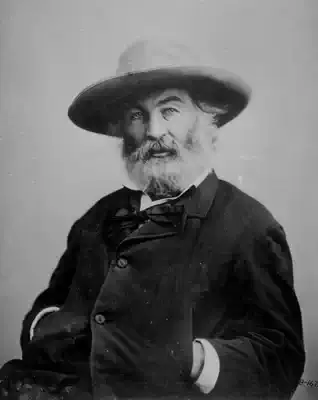
Walt Whitman
What Am I, After All?
What Am I, After All?
WHAT am I, after all, but a child, pleas'd with the sound of my own
name? repeating it over and over;
I stand apart to hear--it never tires me.
To you, your name also;
Did you think there was nothing but two or three pronunciations in
the sound of your name?
WHAT am I, after all, but a child, pleas'd with the sound of my own
name? repeating it over and over;
I stand apart to hear--it never tires me.
To you, your name also;
Did you think there was nothing but two or three pronunciations in
the sound of your name?
340
Walt Whitman
Excelsior
Excelsior
WHO has gone farthest? For lo! have not I gone farther?
And who has been just? For I would be the most just person of the
earth;
And who most cautious? For I would be more cautious;
And who has been happiest? O I think it is I! I think no one was ever
happier than I;
And who has lavish'd all? For I lavish constantly the best I have;
And who has been firmest? For I would be firmer;
And who proudest? For I think I have reason to be the proudest son
alive--for I am the son of the brawny and tall-topt city;
And who has been bold and true? For I would be the boldest and truest
being of the universe;
And who benevolent? For I would show more benevolence than all the
rest;
And who has projected beautiful words through the longest time? Have
I not outvied him? have I not said the words that shall stretch
through longer time? 10
And who has receiv'd the love of the most friends? For I know what it
is to receive the passionate love of many friends;
And who possesses a perfect and enamour'd body? For I do not believe
any one possesses a more perfect or enamour'd body than mine;
And who thinks the amplest thoughts? For I will surround those
thoughts;
And who has made hymns fit for the earth? For I am mad with devouring
extasy to make joyous hymns for the whole earth!
WHO has gone farthest? For lo! have not I gone farther?
And who has been just? For I would be the most just person of the
earth;
And who most cautious? For I would be more cautious;
And who has been happiest? O I think it is I! I think no one was ever
happier than I;
And who has lavish'd all? For I lavish constantly the best I have;
And who has been firmest? For I would be firmer;
And who proudest? For I think I have reason to be the proudest son
alive--for I am the son of the brawny and tall-topt city;
And who has been bold and true? For I would be the boldest and truest
being of the universe;
And who benevolent? For I would show more benevolence than all the
rest;
And who has projected beautiful words through the longest time? Have
I not outvied him? have I not said the words that shall stretch
through longer time? 10
And who has receiv'd the love of the most friends? For I know what it
is to receive the passionate love of many friends;
And who possesses a perfect and enamour'd body? For I do not believe
any one possesses a more perfect or enamour'd body than mine;
And who thinks the amplest thoughts? For I will surround those
thoughts;
And who has made hymns fit for the earth? For I am mad with devouring
extasy to make joyous hymns for the whole earth!
457
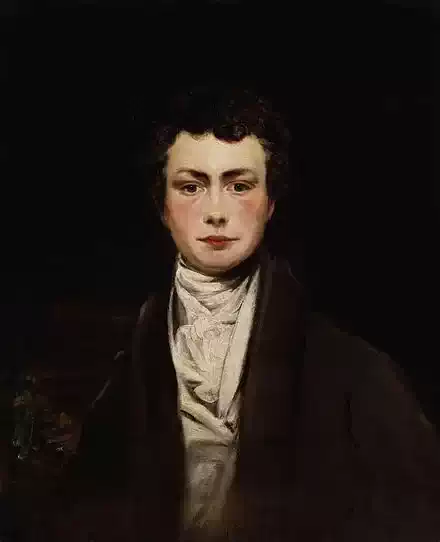
Thomas Moore
Desmond's Song
Desmond's Song
By the Feal's wave benighted,
No star in the skies,
To thy door by Love lighted,
I first saw those eyes.
Some voice whisper'd o'er me,
As the threshold I cross'd,
There was ruin before me,
If I loved, I was lost.
Love came, and brought sorrow
Too soon in his train;
Yet so sweet, that to-morrow
'Twere welcome again.
Though misery's full measure
My portion should be,
I would drain it with pleasure,
If pour'd out by thee.
You, who call it dishonour
To bow to this flame,
If you've eyes, look but on her,
And blush while you blame.
Hath the pearl less whiteness
Because of its birth?
Hath the violet less brightness
For growing near earth?
No -- Man for his glory
To ancestry flies;
But Woman's bright story
Is told in her eyes.
While the Monarch but traces
Through mortals his line,
Beauty, born of the Graces,
Ranks next to Divine!
By the Feal's wave benighted,
No star in the skies,
To thy door by Love lighted,
I first saw those eyes.
Some voice whisper'd o'er me,
As the threshold I cross'd,
There was ruin before me,
If I loved, I was lost.
Love came, and brought sorrow
Too soon in his train;
Yet so sweet, that to-morrow
'Twere welcome again.
Though misery's full measure
My portion should be,
I would drain it with pleasure,
If pour'd out by thee.
You, who call it dishonour
To bow to this flame,
If you've eyes, look but on her,
And blush while you blame.
Hath the pearl less whiteness
Because of its birth?
Hath the violet less brightness
For growing near earth?
No -- Man for his glory
To ancestry flies;
But Woman's bright story
Is told in her eyes.
While the Monarch but traces
Through mortals his line,
Beauty, born of the Graces,
Ranks next to Divine!
182
Sarojini Naidu
The Song Of Princess Zeb-Un-Nissa In Praise Of Her Own Beauty
The Song Of Princess Zeb-Un-Nissa In Praise Of Her Own Beauty
WHEN from my cheek I lift my veil,
The roses turn with envy pale,
And from their pierced hearts, rich with pain,
Send forth their fragrance like a wail.
Or if perchance one perfumed tress
Be lowered to the wind's caress,
The honeyed hyacinths complain,
And languish in a sweet distress.
And, when I pause, still groves among,
(Such loveliness is mine) a throng
Of nightingales awake and strain
Their souls into a quivering song.
WHEN from my cheek I lift my veil,
The roses turn with envy pale,
And from their pierced hearts, rich with pain,
Send forth their fragrance like a wail.
Or if perchance one perfumed tress
Be lowered to the wind's caress,
The honeyed hyacinths complain,
And languish in a sweet distress.
And, when I pause, still groves among,
(Such loveliness is mine) a throng
Of nightingales awake and strain
Their souls into a quivering song.
427
Rudyard Kipling
The Song of the Old Guard
The Song of the Old Guard
Know this, my brethren, Heaven is clear
And all the clouds are gone--
The Proper Sort shall flourish now,
Good times are coming on"--
The evil that was threatened late
To all of our degree
Hath passed in discord and debate,
And,Hey then up go we!
A common people strove in vain
To shame us unto toil,
But they are spent and we remain,
And we shall share the spoil
According to our several needs
As Beauty shall decree,
As Age ordains or Birth concedes,
And, Hey then up go we!
And they that with accursed zeal
Our Service would amend,
Shall own the odds and come to heel
Ere worse befall their end:
For though no naked word be wrote
Yet plainly shall they see
What pinneth Orders on their coat,
And, Hey then up go we!
Our doorways that, in time of fear,
We opened overwide
Shall softly close from year to year
Till all be purified;
For though no fluttering fan be heard .
Nor chaff be seen to flee--
The Lord shall winnow the Lord's Preferred--
And, Hey then up go we!
Our altars which the heathen brake
Shall rankly smoke anew,
And anise, mint and cummin take
Their dread and sovereign due,
Whereby the buttons of our trade
Shall soon restored be
With curious work in gilt and braid,
And, Hey then up go we!
Then come, my brethren, and prepare
The candlesticks and bells,
The scarlet, brass, and badger's hair
Wherein our Honour dwells,
And straitly fence and strictly keep
The Ark's integrity
Till Armageddon break our sleep . . .
And, Hey then go we!
Know this, my brethren, Heaven is clear
And all the clouds are gone--
The Proper Sort shall flourish now,
Good times are coming on"--
The evil that was threatened late
To all of our degree
Hath passed in discord and debate,
And,Hey then up go we!
A common people strove in vain
To shame us unto toil,
But they are spent and we remain,
And we shall share the spoil
According to our several needs
As Beauty shall decree,
As Age ordains or Birth concedes,
And, Hey then up go we!
And they that with accursed zeal
Our Service would amend,
Shall own the odds and come to heel
Ere worse befall their end:
For though no naked word be wrote
Yet plainly shall they see
What pinneth Orders on their coat,
And, Hey then up go we!
Our doorways that, in time of fear,
We opened overwide
Shall softly close from year to year
Till all be purified;
For though no fluttering fan be heard .
Nor chaff be seen to flee--
The Lord shall winnow the Lord's Preferred--
And, Hey then up go we!
Our altars which the heathen brake
Shall rankly smoke anew,
And anise, mint and cummin take
Their dread and sovereign due,
Whereby the buttons of our trade
Shall soon restored be
With curious work in gilt and braid,
And, Hey then up go we!
Then come, my brethren, and prepare
The candlesticks and bells,
The scarlet, brass, and badger's hair
Wherein our Honour dwells,
And straitly fence and strictly keep
The Ark's integrity
Till Armageddon break our sleep . . .
And, Hey then go we!
401
Rudyard Kipling
The Last of the Light Brigade
The Last of the Light Brigade
There were thirty million English who talked of England's might,
There were twenty broken troopers who lacked a bed for the night.
They had neither food nor money, they had neither service nor trade;
They were only shiftless soldiers, the last of the Light Brigade.
They felt that life was fleeting; they knew not that art was long,
That though they were dying of famine, they lived in deathless song.
They asked for a little money to keep the wolf from the door;
And the thirty million English sent twenty pounds and four!
They laid their heads together that were scarred and lined and grey;
Keen were the Russian sabres, but want was keener than they;
And an old Troop-Sergeant muttered, "Let us go to the man who writes
The things on Balaclava the kiddies at school recites."
They went without bands or colours, a regiment ten-file strong,
To look for the Master-singer who had crowned them all in his song;
And, waiting his servant's order, by the garden gate they stayed,
A desolate little cluster, the last of the Light Brigade.
They strove to stand to attention, to straighten the toil-bowed back;
They drilled on an empty stomach, the loose-knit files fell slack;
With stooping of weary shoulders, in garments tattered and frayed,
They shambled into his presence, the last of the Light Brigade.
The old Troop-Sergeant was spokesman, and "Beggin' your pardon," he said,
"You wrote o' the Light Brigade, sir. Here's all that isn't dead.
An' it's all come true what you wrote, sir, regardin' the mouth of hell;
For we're all of us nigh to the workhouse, an, we thought we'd call an' tell.
"No, thank you, we don't want food, sir; but couldn't you take an' write
A sort of 'to be continued' and 'see next page' o' the fight?
We think that someone has blundered, an' couldn't you tell 'em how?
You wrote we were heroes once, sir. Please, write we are starving now."
The poor little army departed, limping and lean and forlorn.
And the heart of the Master-singer grew hot with "the scorn of scorn."
And he wrote for them wonderful verses that swept the land like flame,
Till the fatted souls of the English were scourged with the thing called Shame.
O thirty million English that babble of England's might,
Behold there are twenty heroes who lack their food to-night;
Our children's children are lisping to "honour the charge they made-"
And we leave to the streets and the workhouse the charge of the Light Brigade!
There were thirty million English who talked of England's might,
There were twenty broken troopers who lacked a bed for the night.
They had neither food nor money, they had neither service nor trade;
They were only shiftless soldiers, the last of the Light Brigade.
They felt that life was fleeting; they knew not that art was long,
That though they were dying of famine, they lived in deathless song.
They asked for a little money to keep the wolf from the door;
And the thirty million English sent twenty pounds and four!
They laid their heads together that were scarred and lined and grey;
Keen were the Russian sabres, but want was keener than they;
And an old Troop-Sergeant muttered, "Let us go to the man who writes
The things on Balaclava the kiddies at school recites."
They went without bands or colours, a regiment ten-file strong,
To look for the Master-singer who had crowned them all in his song;
And, waiting his servant's order, by the garden gate they stayed,
A desolate little cluster, the last of the Light Brigade.
They strove to stand to attention, to straighten the toil-bowed back;
They drilled on an empty stomach, the loose-knit files fell slack;
With stooping of weary shoulders, in garments tattered and frayed,
They shambled into his presence, the last of the Light Brigade.
The old Troop-Sergeant was spokesman, and "Beggin' your pardon," he said,
"You wrote o' the Light Brigade, sir. Here's all that isn't dead.
An' it's all come true what you wrote, sir, regardin' the mouth of hell;
For we're all of us nigh to the workhouse, an, we thought we'd call an' tell.
"No, thank you, we don't want food, sir; but couldn't you take an' write
A sort of 'to be continued' and 'see next page' o' the fight?
We think that someone has blundered, an' couldn't you tell 'em how?
You wrote we were heroes once, sir. Please, write we are starving now."
The poor little army departed, limping and lean and forlorn.
And the heart of the Master-singer grew hot with "the scorn of scorn."
And he wrote for them wonderful verses that swept the land like flame,
Till the fatted souls of the English were scourged with the thing called Shame.
O thirty million English that babble of England's might,
Behold there are twenty heroes who lack their food to-night;
Our children's children are lisping to "honour the charge they made-"
And we leave to the streets and the workhouse the charge of the Light Brigade!
514
Rudyard Kipling
If
If
If you can keep your head when all about you
Are losing theirs and blaming it on you;
If you can trust yourself when all men doubt you,
But make allowance for their doubting too:
If you can wait and not be tired by waiting,
Or, being lied about, don't deal in lies,
Or being hated don't give way to hating,
And yet don't look too good, nor talk too wise;
If you can dream---and not make dreams your master;
If you can think---and not make thoughts your aim,
If you can meet with Triumph and Disaster
And treat those two impostors just the same:.
If you can bear to hear the truth you've spoken
Twisted by knaves to make a trap for fools,
Or watch the things you gave your life to, broken,
And stoop and build'em up with worn-out tools;
If you can make one heap of all your winnings
And risk it on one turn of pitch-and-toss,
And lose, and start again at your beginnings,
And never breathe a word about your loss:
If you can force your heart and nerve and sinew
To serve your turn long after they are gone,
And so hold on when there is nothing in you
Except the Will which says to them: "Hold on!"
If you can talk with crowds and keep your virtue,
Or walk with Kings---nor lose the common touch,
If neither foes nor loving friends can hurt you,
If all men count with you, but none too much:
If you can fill the unforgiving minute
With sixty seconds' worth of distance run,
Yours is the Earth and everything that's in it,
And---which is more---you'll be a Man, my son!
If you can keep your head when all about you
Are losing theirs and blaming it on you;
If you can trust yourself when all men doubt you,
But make allowance for their doubting too:
If you can wait and not be tired by waiting,
Or, being lied about, don't deal in lies,
Or being hated don't give way to hating,
And yet don't look too good, nor talk too wise;
If you can dream---and not make dreams your master;
If you can think---and not make thoughts your aim,
If you can meet with Triumph and Disaster
And treat those two impostors just the same:.
If you can bear to hear the truth you've spoken
Twisted by knaves to make a trap for fools,
Or watch the things you gave your life to, broken,
And stoop and build'em up with worn-out tools;
If you can make one heap of all your winnings
And risk it on one turn of pitch-and-toss,
And lose, and start again at your beginnings,
And never breathe a word about your loss:
If you can force your heart and nerve and sinew
To serve your turn long after they are gone,
And so hold on when there is nothing in you
Except the Will which says to them: "Hold on!"
If you can talk with crowds and keep your virtue,
Or walk with Kings---nor lose the common touch,
If neither foes nor loving friends can hurt you,
If all men count with you, but none too much:
If you can fill the unforgiving minute
With sixty seconds' worth of distance run,
Yours is the Earth and everything that's in it,
And---which is more---you'll be a Man, my son!
647
Rudyard Kipling
Evarra And His Gods
Evarra And His Gods
~Read here:
This is the story of Evarra -- man --
Maker of Gods in lands beyond the sea.~
Because the city gave him of her gold,
Because the caravans brought turquoises,
Because his life was sheltered by the King,
So that no man should maim him, none should steal,
Or break his rest with babble in the streets
When he was weary after toil, he made
An image of his God in gold and pearl,
With turquoise diadem and human eyes,
A wonder in the sunshine, known afar,
And worshipped by the King; but, drunk with pride,
Because the city bowed to him for God,
He wrote above the shrine: "~Thus Gods are made,
And whoso makes them otherwise shall die.~"
And all the city praised him. . . . Then he died.
~Read here the story of Evarra -- man --
Maker of Gods in lands beyond the sea.~
Because the city had no wealth to give,
Because the caravans were spoiled afar,
Because his life was threatened by the King,
So that all men despised him in the streets,
He hewed the living rock, with sweat and tears,
And reared a God against the morning-gold,
A terror in the sunshine, seen afar,
And worshipped by the King; but, drunk with pride,
Because the city fawned to bring him back,
He carved upon the plinth: "~Thus Gods are made,
And whoso makes them otherwise shall die.~"
And all the people praised him. . . . Then he died.
~Read here the story of Evarra -- man --
Maker of Gods in lands beyond the sea.~
Because he lived among a simple folk,
Because his village was between the hills,
Because he smeared his cheeks with blood of ewes,
He cut an idol from a fallen pine,
Smeared blood upon its cheeks, and wedged a shell
Above its brows for eyes, and gave it hair
Of trailing moss, and plaited straw for crown.
And all the village praised him for this craft,
And brought him butter, honey, milk, and curds.
Wherefore, because the shoutings drove him mad,
He scratched upon that log: "~Thus Gods are made,
And whoso makes them otherwise shall die.~"
And all the people praised him. . . . Then he died.
~Read here the story of Evarra -- man --
Maker of Gods in lands beyond the sea.~
Because his God decreed one clot of blood
Should swerve one hair's-breadth from the pulse's path,
And chafe his brain, Evarra mowed alone,
Rag-wrapped, among the cattle in the fields,
Counting his fingers, jesting with the trees,
And mocking at the mist, until his God
Drove him to labour. Out of dung and horns
Dropped in the mire he made a monstrous God,
Abhorrent, shapeless, crowned with plantain tufts,
And when the cattle lowed at twilight-time,
He dreamed it was the clamour of lost crowds,
And howled among the beasts: "~Thus Gods are made,
And whoso makes them otherwise shall die.~"
Thereat the cattle bellowed. . . . Then he died.
Yet at the last he came to Paradise,
And found his own four Gods, and that he wrote;
And marvelled, being very near to God,
What oaf on earth had made his toil God's law,
Till God said mocking: "Mock not. These be thine."
Then cried Evarra: "I have sinned!" -- "Not so.
If thou hadst written otherwise, thy Gods
Had rested in the mountain and the mine,
And I were poorer by four wondrous Gods,
And thy more wondrous law, Evarra. Thine,
Servant of shouting crowds and lowing kine."
Thereat, with laughing mouth, but tear-wet eyes,
Evarra cast his Gods from Paradise.
~This is the story of Evarra -- man --
Maker of Gods in lands beyond the sea.~
~Read here:
This is the story of Evarra -- man --
Maker of Gods in lands beyond the sea.~
Because the city gave him of her gold,
Because the caravans brought turquoises,
Because his life was sheltered by the King,
So that no man should maim him, none should steal,
Or break his rest with babble in the streets
When he was weary after toil, he made
An image of his God in gold and pearl,
With turquoise diadem and human eyes,
A wonder in the sunshine, known afar,
And worshipped by the King; but, drunk with pride,
Because the city bowed to him for God,
He wrote above the shrine: "~Thus Gods are made,
And whoso makes them otherwise shall die.~"
And all the city praised him. . . . Then he died.
~Read here the story of Evarra -- man --
Maker of Gods in lands beyond the sea.~
Because the city had no wealth to give,
Because the caravans were spoiled afar,
Because his life was threatened by the King,
So that all men despised him in the streets,
He hewed the living rock, with sweat and tears,
And reared a God against the morning-gold,
A terror in the sunshine, seen afar,
And worshipped by the King; but, drunk with pride,
Because the city fawned to bring him back,
He carved upon the plinth: "~Thus Gods are made,
And whoso makes them otherwise shall die.~"
And all the people praised him. . . . Then he died.
~Read here the story of Evarra -- man --
Maker of Gods in lands beyond the sea.~
Because he lived among a simple folk,
Because his village was between the hills,
Because he smeared his cheeks with blood of ewes,
He cut an idol from a fallen pine,
Smeared blood upon its cheeks, and wedged a shell
Above its brows for eyes, and gave it hair
Of trailing moss, and plaited straw for crown.
And all the village praised him for this craft,
And brought him butter, honey, milk, and curds.
Wherefore, because the shoutings drove him mad,
He scratched upon that log: "~Thus Gods are made,
And whoso makes them otherwise shall die.~"
And all the people praised him. . . . Then he died.
~Read here the story of Evarra -- man --
Maker of Gods in lands beyond the sea.~
Because his God decreed one clot of blood
Should swerve one hair's-breadth from the pulse's path,
And chafe his brain, Evarra mowed alone,
Rag-wrapped, among the cattle in the fields,
Counting his fingers, jesting with the trees,
And mocking at the mist, until his God
Drove him to labour. Out of dung and horns
Dropped in the mire he made a monstrous God,
Abhorrent, shapeless, crowned with plantain tufts,
And when the cattle lowed at twilight-time,
He dreamed it was the clamour of lost crowds,
And howled among the beasts: "~Thus Gods are made,
And whoso makes them otherwise shall die.~"
Thereat the cattle bellowed. . . . Then he died.
Yet at the last he came to Paradise,
And found his own four Gods, and that he wrote;
And marvelled, being very near to God,
What oaf on earth had made his toil God's law,
Till God said mocking: "Mock not. These be thine."
Then cried Evarra: "I have sinned!" -- "Not so.
If thou hadst written otherwise, thy Gods
Had rested in the mountain and the mine,
And I were poorer by four wondrous Gods,
And thy more wondrous law, Evarra. Thine,
Servant of shouting crowds and lowing kine."
Thereat, with laughing mouth, but tear-wet eyes,
Evarra cast his Gods from Paradise.
~This is the story of Evarra -- man --
Maker of Gods in lands beyond the sea.~
560

Robert W. Service
Violet De Vere
Violet De Vere
You've heard of Violet de Vere, strip-teaser of renown,
Whose sitting-base out-faired the face of any girl in town;
Well, she was haled before the Bench for breachin' of the Peace,
Which signifies araisin' Cain, an' beatin' up the police.
So there she stood before the Court of ruddy Judge McGraw
Whom folks called Old Necessity, because he knew no law.
Aye, crackin' in a silken gown, an' sheddin' of a tear,
Ashine wi' gold an' precious stones sat Violet de Vere.
Old Judge McGraw looked dourly down an' stroked his silver beard.
Says he: "Although the Sheriff's bruised, the lady should be heared.
What can you say in your defence? We'll give you a square deal."
"I jest forget," said Violet. "Maybe it was my heel.
I always want to kick the gong when I am feelin' gay;
It's most unfortunate, I guess, his face was in the way."
Then scratchin' of his snowy pow the Judge looked down severe,
Where bright wi' paint like plaster saint sat Violet de Vere.
Says he: "I'm going to impose a twenty dollar fine."
Says Violet: "Your Honour, to your judgement I resign.
I realize I should not my agility reveal:
Next time I'll kick the Sheriff with my toe and not my heel.
I'm grateful to the Court because I'm not put in the clink;
There's twenty plunks to pay my fine,--but now I come to think:
Judge, darlin', you've been owin' me five bucks for near a year:
Take fifteen,--there! We'll call it square," said Violet de Vere.
You've heard of Violet de Vere, strip-teaser of renown,
Whose sitting-base out-faired the face of any girl in town;
Well, she was haled before the Bench for breachin' of the Peace,
Which signifies araisin' Cain, an' beatin' up the police.
So there she stood before the Court of ruddy Judge McGraw
Whom folks called Old Necessity, because he knew no law.
Aye, crackin' in a silken gown, an' sheddin' of a tear,
Ashine wi' gold an' precious stones sat Violet de Vere.
Old Judge McGraw looked dourly down an' stroked his silver beard.
Says he: "Although the Sheriff's bruised, the lady should be heared.
What can you say in your defence? We'll give you a square deal."
"I jest forget," said Violet. "Maybe it was my heel.
I always want to kick the gong when I am feelin' gay;
It's most unfortunate, I guess, his face was in the way."
Then scratchin' of his snowy pow the Judge looked down severe,
Where bright wi' paint like plaster saint sat Violet de Vere.
Says he: "I'm going to impose a twenty dollar fine."
Says Violet: "Your Honour, to your judgement I resign.
I realize I should not my agility reveal:
Next time I'll kick the Sheriff with my toe and not my heel.
I'm grateful to the Court because I'm not put in the clink;
There's twenty plunks to pay my fine,--but now I come to think:
Judge, darlin', you've been owin' me five bucks for near a year:
Take fifteen,--there! We'll call it square," said Violet de Vere.
208
Page 1
Next