

Purpose and Meaning of Life
Poems in this topic
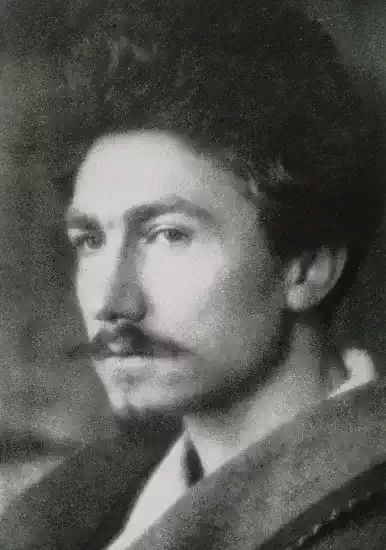
Ezra Pound
Dum Capitolium Scandet
Dum Capitolium Scandet
How many will come after me
singing as well as I sing, none better;
Telling the heart of their truth
as I have taught them to tell it;
Fruit of my seed,
O my unnameable children.
Know then that I loved you from afore-time,
Clear speakers, naked in the sun, untrammelled.
How many will come after me
singing as well as I sing, none better;
Telling the heart of their truth
as I have taught them to tell it;
Fruit of my seed,
O my unnameable children.
Know then that I loved you from afore-time,
Clear speakers, naked in the sun, untrammelled.
1,146
1
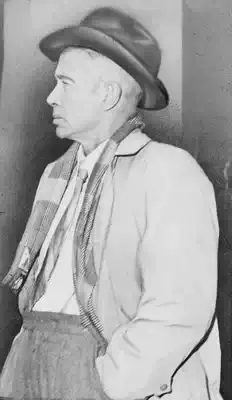
E. E. Cummings
I Am A Beggar Always
I Am A Beggar Always
i am a beggar always
who begs in your mind
(slightly smiling, patient, unspeaking
with a sign on his
chest
BLIND)yes i
am this person of whom somehow
you are never wholly rid(and who
does not ask for more than
just enough dreams to
live on)
after all, kid
you might as well
toss him a few thoughts
a little love preferably,
anything which you can't
pass off on other people: for
instance a
plugged promise
the he will maybe (hearing something
fall into his hat)go wandering
after it with fingers;till having
found
what was thrown away
himself
taptaptaps out of your brain, hopes, life
to(carefully turning a
corner)never bother you any more
Anonymous submission.
i am a beggar always
who begs in your mind
(slightly smiling, patient, unspeaking
with a sign on his
chest
BLIND)yes i
am this person of whom somehow
you are never wholly rid(and who
does not ask for more than
just enough dreams to
live on)
after all, kid
you might as well
toss him a few thoughts
a little love preferably,
anything which you can't
pass off on other people: for
instance a
plugged promise
the he will maybe (hearing something
fall into his hat)go wandering
after it with fingers;till having
found
what was thrown away
himself
taptaptaps out of your brain, hopes, life
to(carefully turning a
corner)never bother you any more
Anonymous submission.
1,391
1
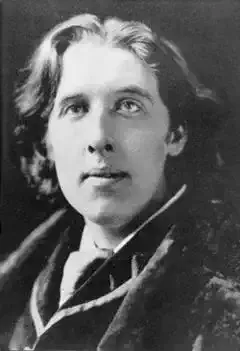
Oscar Wilde
Apologia
Is it thy will that I should wax and wane,
Barter my cloth of gold for hodden grey,
And at thy pleasure weave that web of pain
Whose brightest threads are each a wasted day?
Is it thy will - Love that I love so well -
That my Soul's House should be a tortured spot
Wherein, like evil paramours, must dwell
The quenchless flame, the worm that dieth not?
Nay, if it be thy will I shall endure,
And sell ambition at the common mart,
And let dull failure be my vestiture,
And sorrow dig its grave within my heart.
Perchance it may be better so - at least
I have not made my heart a heart of stone,
Nor starved my boyhood of its goodly feast,
Nor walked where Beauty is a thing unknown.
Many a man hath done so; sought to fence
In straitened bonds the soul that should be free,
Trodden the dusty road of common sense,
While all the forest sang of liberty,
Not marking how the spotted hawk in flight
Passed on wide pinion through the lofty air,
To where some steep untrodden mountain height
Caught the last tresses of the Sun God's hair.
Or how the little flower he trod upon,
The daisy, that white-feathered shield of gold,
Followed with wistful eyes the wandering sun
Content if once its leaves were aureoled.
But surely it is something to have been
The best beloved for a little while,
To have walked hand in hand with Love, and seen
His purple wings flit once across thy smile.
Ay! though the gorged asp of passion feed
On my boy's heart, yet have I burst the bars,
Stood face to face with Beauty, known indeed
The Love which moves the Sun and all the stars!
Barter my cloth of gold for hodden grey,
And at thy pleasure weave that web of pain
Whose brightest threads are each a wasted day?
Is it thy will - Love that I love so well -
That my Soul's House should be a tortured spot
Wherein, like evil paramours, must dwell
The quenchless flame, the worm that dieth not?
Nay, if it be thy will I shall endure,
And sell ambition at the common mart,
And let dull failure be my vestiture,
And sorrow dig its grave within my heart.
Perchance it may be better so - at least
I have not made my heart a heart of stone,
Nor starved my boyhood of its goodly feast,
Nor walked where Beauty is a thing unknown.
Many a man hath done so; sought to fence
In straitened bonds the soul that should be free,
Trodden the dusty road of common sense,
While all the forest sang of liberty,
Not marking how the spotted hawk in flight
Passed on wide pinion through the lofty air,
To where some steep untrodden mountain height
Caught the last tresses of the Sun God's hair.
Or how the little flower he trod upon,
The daisy, that white-feathered shield of gold,
Followed with wistful eyes the wandering sun
Content if once its leaves were aureoled.
But surely it is something to have been
The best beloved for a little while,
To have walked hand in hand with Love, and seen
His purple wings flit once across thy smile.
Ay! though the gorged asp of passion feed
On my boy's heart, yet have I burst the bars,
Stood face to face with Beauty, known indeed
The Love which moves the Sun and all the stars!
961
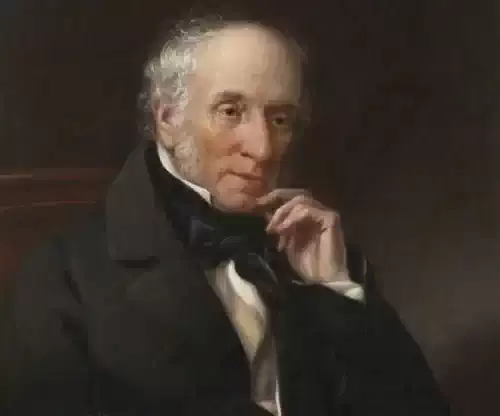
William Wordsworth
Simplon Pass, The
Simplon Pass, The
------Brook and road
Were fellow-travellers in this gloomy Pass,
And with them did we journey several hours
At a slow step. The immeasurable height
Of woods decaying, never to be decayed,
The stationary blasts of waterfalls,
And in the narrow rent, at every turn,
Winds thwarting winds bewildered and forlorn,
The torrents shooting from the clear blue sky,
The rocks that muttered close upon our ears,
Black drizzling crags that spake by the wayside
As if a voice were in them, the sick sight
And giddy prospect of the raving stream,
The unfettered clouds and region of the heavens,
Tumult and peace, the darkness and the light--
Were all like workings of one mind, the features
Of the same face, blossoms upon one tree,
Characters of the great Apocalypse,
The types and symbols of Eternity,
Of first, and last, and midst, and without end.
------Brook and road
Were fellow-travellers in this gloomy Pass,
And with them did we journey several hours
At a slow step. The immeasurable height
Of woods decaying, never to be decayed,
The stationary blasts of waterfalls,
And in the narrow rent, at every turn,
Winds thwarting winds bewildered and forlorn,
The torrents shooting from the clear blue sky,
The rocks that muttered close upon our ears,
Black drizzling crags that spake by the wayside
As if a voice were in them, the sick sight
And giddy prospect of the raving stream,
The unfettered clouds and region of the heavens,
Tumult and peace, the darkness and the light--
Were all like workings of one mind, the features
Of the same face, blossoms upon one tree,
Characters of the great Apocalypse,
The types and symbols of Eternity,
Of first, and last, and midst, and without end.
226
William Wordsworth
Ode on Intimations of Immortality from Recollections of Early Childhood
Ode on Intimations of Immortality from Recollections of Early Childhood
There was a time when meadow, grove, and stream,
The earth, and every common sight
To me did seem
Apparelled in celestial light,
The glory and the freshness of a dream.
It is not now as it hath been of yore;--
Turn wheresoe'er I may,
By night or day,
The things which I have seen I now can see no more.
The rainbow comes and goes,
And lovely is the rose;
The moon doth with delight
Look round her when the heavens are bare;
Waters on a starry night
Are beautiful and fair;
The sunshine is a glorious birth;
But yet I know, where'er I go,
That there hath past away a glory from the earth.
Now, while the birds thus sing a joyous song,
And while the young lambs bound
As to the tabor's sound,
To me alone there came a thought of grief:
A timely utterance gave that thought relief,
And I again am strong.
The cataracts blow their trumpets from the steep,--
No more shall grief of mine the season wrong:
I hear the echoes through the mountains throng.
The winds come to me from the fields of sleep,
And all the earth is gay;
Land and sea
Give themselves up to jollity,
And with the heart of May
Doth every beast keep holiday;--
Thou child of joy,
Shout round me, let me hear thy shouts, thou happy
Shepherd-boy!
Ye blesséd Creatures, I have heard the call
Ye to each other make; I see
The heavens laugh with you in your jubilee;
My heart is at your festival,
My head hath its coronal,
The fulness of your bliss, I feel--I feel it all.
O evil day! if I were sullen
While Earth herself is adorning
This sweet May-morning;
And the children are culling
On every side
In a thousand valleys far and wide
Fresh flowers; while the sun shines warm,
And the babe leaps up on his mother's arm:--
I hear, I hear, with joy I hear!
--But there's a tree, of many, one,
A single field which I have look'd upon,
Both of them speak of something that is gone:
The pansy at my feet
Doth the same tale repeat:
Whither is fled the visionary gleam?
Where is it now, the glory and the dream?
Our birth is but a sleep and a forgetting;
The Soul that rises with us, our life's Star,
Hath had elsewhere its setting
And cometh from afar;
Not in entire forgetfulness,
And not in utter nakedness,
But trailing clouds of glory do we come
From God, who is our home:
Heaven lies about us in our infancy!
Shades of the prison-house begin to close
Upon the growing Boy,
But he beholds the light, and whence it flows,
He sees it in his joy;
The Youth, who daily farther from the east
Must travel, still is Nature's priest,
And by the vision splendid
Is on his way attended;
At length the Man perceives it die away,
And fade into the light of common day.
Earth fills her lap with pleasures of her own;
Yearnings she hath in her own natural kind,
And, even with something of a mother's mind,
And no unworthy aim,
The homely nurse doth all she can
To make her foster-child, her inmate, Man,
Forget the glories he hath known,
And that imperial palace whence he came.
Behold the Child among his new-born blisses,
A six years' darling of a pigmy size!
See, where 'mid work of his own hand he lies,
Fretted by sallies of his mother's kisses,
With light upon him from his father's eyes!
See, at his feet, some little plan or chart,
Some fragment from his dream of human life,
Shaped by himself with newly-learned art;
A wedding or a festival,
A mourning or a funeral;
And this hath now his heart,
And unto this he frames his song:
Then will he fit his tongue
To dialogues of business, love, or strife;
But it will not be long
Ere this be thrown aside,
And with new joy and pride
The little actor cons another part;
Filling from time to time his 'humorous stage'
With all the Persons, down to palsied Age,
That life brings with her in her equipage;
As if his whole vocation
Were endless imitation.
Thou, whose exterior semblance doth belie
Thy soul's immensity;
Thou best philosopher, who yet dost keep
Thy heritage, thou eye among the blind,
That, deaf and silent, read'st the eternal deep,
Haunted for ever by the eternal Mind,--
Mighty Prophet! Seer blest!
On whom those truths rest
Which we are toiling all our lives to find,
In darkness lost, the darkness of the grave;
Thou, over whom thy Immortality
Broods like the day, a master o'er a slave,
A Presence which is not to be put by;
To whom the grave
Is but a lonely bed, without the sense of sight
Of day or the warm light,
A place of thoughts where we in waiting lie;
Thou little child, yet glorious in the might
Of heaven-born freedom on thy being's height,
Why with such earnest pains dost thou provoke
The years to bring the inevitable yoke,
Thus blindly with thy blessedness at strife?
Full soon thy soul shall have her earthly freight,
And custom lie upon thee with a weight
Heavy as frost, and deep almost as life!
joy! that in our embers
Is something that doth live,
That Nature yet remembers
What was so fugitive!
The thought of our past years in me doth breed
Perpetual benediction: not indeed
For that which is most worthy to be blest,
Delight and liberty, the simple creed
Of Childhood, whether busy or at rest,
With new-fledged hope still fluttering in his breast:--
--Not for these I raise
The song of thanks and praise;
But for those obstinate questionings
Of sense and outward things,
Failings from us, vanishings,
Blank misgivings of a creature
Moving about in worlds not realized,
High instincts, before which our mortal nature
Did tremble like a guilty thing surprised:
But for those first affections,
Those shadowy recollections,
Which, be they what they may,
Are yet the fountain-light of all our day,
Are yet a master-light of all our seeing;
Uphold us--cherish--and have power to make
Our noisy years seem moments in the being
Of the eternal Silence: truths that wake,
To perish never;
Which neither listlessness, nor mad endeavour,
Nor man nor boy,
Nor all that is at enmity with joy,
Can utterly abolish or destroy!
Hence, in a season of calm weather
Though inland far we be,
Our souls have sight of that immortal sea
Which brought us hither;
Can in a moment travel thither--
And see the children sport upon the shore,
And hear the mighty waters rolling evermore.
Then, sing, ye birds, sing, sing a joyous song!
And let the young lambs bound
As to the tabor's sound!
We, in thought, will join your throng,
Ye that pipe and ye that play,
Ye that through your hearts to-day
Feel the gladness of the May!
What though the radiance which was once so bright
Be now for ever taken from my sight,
Though nothing can bring back the hour
Of splendour in the grass, of glory in the flower;
We will grieve not, rather find
Strength in what remains behind;
In the primal sympathy
Which having been must ever be;
In the soothing thoughts that spring
Out of human suffering;
In the faith that looks through death,
In years that bring the philosophic mind.
And , ye Fountains, Meadows, Hills, and Groves,
Forebode not any severing of our loves!
Yet in my heart of hearts I feel your might;
I only have relinquish'd one delight
To live beneath your more habitual sway;
I love the brooks which down their channels fret
Even more than when I tripp'd lightly as they;
The innocent brightness of a new-born day
Is lovely yet;
The clouds that gather round the setting sun
Do take a sober colouring from an eye
That hath kept watch o'er man's mortality;
Another race hath been, and other palms are won.
Thanks to the human heart by which we live,
Thanks to its tenderness, its joys, and fears,
To me the meanest flower that blows can give
Thoughts that do often lie too deep for tears.
There was a time when meadow, grove, and stream,
The earth, and every common sight
To me did seem
Apparelled in celestial light,
The glory and the freshness of a dream.
It is not now as it hath been of yore;--
Turn wheresoe'er I may,
By night or day,
The things which I have seen I now can see no more.
The rainbow comes and goes,
And lovely is the rose;
The moon doth with delight
Look round her when the heavens are bare;
Waters on a starry night
Are beautiful and fair;
The sunshine is a glorious birth;
But yet I know, where'er I go,
That there hath past away a glory from the earth.
Now, while the birds thus sing a joyous song,
And while the young lambs bound
As to the tabor's sound,
To me alone there came a thought of grief:
A timely utterance gave that thought relief,
And I again am strong.
The cataracts blow their trumpets from the steep,--
No more shall grief of mine the season wrong:
I hear the echoes through the mountains throng.
The winds come to me from the fields of sleep,
And all the earth is gay;
Land and sea
Give themselves up to jollity,
And with the heart of May
Doth every beast keep holiday;--
Thou child of joy,
Shout round me, let me hear thy shouts, thou happy
Shepherd-boy!
Ye blesséd Creatures, I have heard the call
Ye to each other make; I see
The heavens laugh with you in your jubilee;
My heart is at your festival,
My head hath its coronal,
The fulness of your bliss, I feel--I feel it all.
O evil day! if I were sullen
While Earth herself is adorning
This sweet May-morning;
And the children are culling
On every side
In a thousand valleys far and wide
Fresh flowers; while the sun shines warm,
And the babe leaps up on his mother's arm:--
I hear, I hear, with joy I hear!
--But there's a tree, of many, one,
A single field which I have look'd upon,
Both of them speak of something that is gone:
The pansy at my feet
Doth the same tale repeat:
Whither is fled the visionary gleam?
Where is it now, the glory and the dream?
Our birth is but a sleep and a forgetting;
The Soul that rises with us, our life's Star,
Hath had elsewhere its setting
And cometh from afar;
Not in entire forgetfulness,
And not in utter nakedness,
But trailing clouds of glory do we come
From God, who is our home:
Heaven lies about us in our infancy!
Shades of the prison-house begin to close
Upon the growing Boy,
But he beholds the light, and whence it flows,
He sees it in his joy;
The Youth, who daily farther from the east
Must travel, still is Nature's priest,
And by the vision splendid
Is on his way attended;
At length the Man perceives it die away,
And fade into the light of common day.
Earth fills her lap with pleasures of her own;
Yearnings she hath in her own natural kind,
And, even with something of a mother's mind,
And no unworthy aim,
The homely nurse doth all she can
To make her foster-child, her inmate, Man,
Forget the glories he hath known,
And that imperial palace whence he came.
Behold the Child among his new-born blisses,
A six years' darling of a pigmy size!
See, where 'mid work of his own hand he lies,
Fretted by sallies of his mother's kisses,
With light upon him from his father's eyes!
See, at his feet, some little plan or chart,
Some fragment from his dream of human life,
Shaped by himself with newly-learned art;
A wedding or a festival,
A mourning or a funeral;
And this hath now his heart,
And unto this he frames his song:
Then will he fit his tongue
To dialogues of business, love, or strife;
But it will not be long
Ere this be thrown aside,
And with new joy and pride
The little actor cons another part;
Filling from time to time his 'humorous stage'
With all the Persons, down to palsied Age,
That life brings with her in her equipage;
As if his whole vocation
Were endless imitation.
Thou, whose exterior semblance doth belie
Thy soul's immensity;
Thou best philosopher, who yet dost keep
Thy heritage, thou eye among the blind,
That, deaf and silent, read'st the eternal deep,
Haunted for ever by the eternal Mind,--
Mighty Prophet! Seer blest!
On whom those truths rest
Which we are toiling all our lives to find,
In darkness lost, the darkness of the grave;
Thou, over whom thy Immortality
Broods like the day, a master o'er a slave,
A Presence which is not to be put by;
To whom the grave
Is but a lonely bed, without the sense of sight
Of day or the warm light,
A place of thoughts where we in waiting lie;
Thou little child, yet glorious in the might
Of heaven-born freedom on thy being's height,
Why with such earnest pains dost thou provoke
The years to bring the inevitable yoke,
Thus blindly with thy blessedness at strife?
Full soon thy soul shall have her earthly freight,
And custom lie upon thee with a weight
Heavy as frost, and deep almost as life!
joy! that in our embers
Is something that doth live,
That Nature yet remembers
What was so fugitive!
The thought of our past years in me doth breed
Perpetual benediction: not indeed
For that which is most worthy to be blest,
Delight and liberty, the simple creed
Of Childhood, whether busy or at rest,
With new-fledged hope still fluttering in his breast:--
--Not for these I raise
The song of thanks and praise;
But for those obstinate questionings
Of sense and outward things,
Failings from us, vanishings,
Blank misgivings of a creature
Moving about in worlds not realized,
High instincts, before which our mortal nature
Did tremble like a guilty thing surprised:
But for those first affections,
Those shadowy recollections,
Which, be they what they may,
Are yet the fountain-light of all our day,
Are yet a master-light of all our seeing;
Uphold us--cherish--and have power to make
Our noisy years seem moments in the being
Of the eternal Silence: truths that wake,
To perish never;
Which neither listlessness, nor mad endeavour,
Nor man nor boy,
Nor all that is at enmity with joy,
Can utterly abolish or destroy!
Hence, in a season of calm weather
Though inland far we be,
Our souls have sight of that immortal sea
Which brought us hither;
Can in a moment travel thither--
And see the children sport upon the shore,
And hear the mighty waters rolling evermore.
Then, sing, ye birds, sing, sing a joyous song!
And let the young lambs bound
As to the tabor's sound!
We, in thought, will join your throng,
Ye that pipe and ye that play,
Ye that through your hearts to-day
Feel the gladness of the May!
What though the radiance which was once so bright
Be now for ever taken from my sight,
Though nothing can bring back the hour
Of splendour in the grass, of glory in the flower;
We will grieve not, rather find
Strength in what remains behind;
In the primal sympathy
Which having been must ever be;
In the soothing thoughts that spring
Out of human suffering;
In the faith that looks through death,
In years that bring the philosophic mind.
And , ye Fountains, Meadows, Hills, and Groves,
Forebode not any severing of our loves!
Yet in my heart of hearts I feel your might;
I only have relinquish'd one delight
To live beneath your more habitual sway;
I love the brooks which down their channels fret
Even more than when I tripp'd lightly as they;
The innocent brightness of a new-born day
Is lovely yet;
The clouds that gather round the setting sun
Do take a sober colouring from an eye
That hath kept watch o'er man's mortality;
Another race hath been, and other palms are won.
Thanks to the human heart by which we live,
Thanks to its tenderness, its joys, and fears,
To me the meanest flower that blows can give
Thoughts that do often lie too deep for tears.
163
William Wordsworth
Character of the Happy Warrior
Character of the Happy Warrior
. Who is the happy Warrior? Who is he
That every man in arms should wish to be?
--It is the generous Spirit, who, when brought
Among the tasks of real life, hath wrought
Upon the plan that pleased his boyish thought:
Whose high endeavours are an inward light
That makes the path before him always bright;
Who, with a natural instinct to discern
What knowledge can perform, is diligent to learn;
Abides by this resolve, and stops not there,
But makes his moral being his prime care;
Who, doomed to go in company with Pain,
And Fear, and Bloodshed, miserable train!
Turns his necessity to glorious gain;
In face of these doth exercise a power
Which is our human nature's highest dower:
Controls them and subdues, transmutes, bereaves
Of their bad influence, and their good receives:
By objects, which might force the soul to abate
Her feeling, rendered more compassionate;
Is placable--because occasions rise
So often that demand such sacrifice;
More skilful in self-knowledge, even more pure,
As tempted more; more able to endure,
As more exposed to suffering and distress;
Thence, also, more alive to tenderness.
--'Tis he whose law is reason; who depends
Upon that law as on the best of friends;
Whence, in a state where men are tempted still
To evil for a guard against worse ill,
And what in quality or act is best
Doth seldom on a right foundation rest,
He labours good on good to fix, and owes
To virtue every triumph that he knows:
--Who, if he rise to station of command,
Rises by open means; and there will stand
On honourable terms, or else retire,
And in himself possess his own desire;
Who comprehends his trust, and to the same
Keeps faithful with a singleness of aim;
And therefore does not stoop, nor lie in wait
For wealth, or honours, or for worldly state;
Whom they must follow; on whose head must fall,
Like showers of manna, if they come at all:
Whose powers shed round him in the common strife,
Or mild concerns of ordinary life,
A constant influence, a peculiar grace;
But who, if he be called upon to face
Some awful moment to which Heaven has joined
Great issues, good or bad for human kind,
Is happy as a Lover; and attired
With sudden brightness, like a Man inspired;
And, through the heat of conflict, keeps the law
In calmness made, and sees what he foresaw;
Or if an unexpected call succeed,
Come when it will, is equal to the need:
--He who, though thus endued as with a sense
And faculty for storm and turbulence,
Is yet a Soul whose master-bias leans
To homefelt pleasures and to gentle scenes;
Sweet images! which, wheresoe'er he be,
Are at his heart; and such fidelity
It is his darling passion to approve;
More brave for this, that he hath much to love:--
'Tis, finally, the Man, who, lifted high,
Conspicuous object in a Nation's eye,
Or left unthought-of in obscurity,--
Who, with a toward or untoward lot,
Prosperous or adverse, to his wish or not--
Plays, in the many games of life, that one
Where what he most doth value must be won:
Whom neither shape or danger can dismay,
Nor thought of tender happiness betray;
Who, not content that former worth stand fast,
Looks forward, persevering to the last,
From well to better, daily self-surpast:
Who, whether praise of him must walk the earth
For ever, and to noble deeds give birth,
Or he must fall, to sleep without his fame,
And leave a dead unprofitable name--
Finds comfort in himself and in his cause;
And, while the mortal mist is gathering, draws
His breath in confidence of Heaven's applause:
This is the happy Warrior; this is he
That every man in arms should wish to be.
. Who is the happy Warrior? Who is he
That every man in arms should wish to be?
--It is the generous Spirit, who, when brought
Among the tasks of real life, hath wrought
Upon the plan that pleased his boyish thought:
Whose high endeavours are an inward light
That makes the path before him always bright;
Who, with a natural instinct to discern
What knowledge can perform, is diligent to learn;
Abides by this resolve, and stops not there,
But makes his moral being his prime care;
Who, doomed to go in company with Pain,
And Fear, and Bloodshed, miserable train!
Turns his necessity to glorious gain;
In face of these doth exercise a power
Which is our human nature's highest dower:
Controls them and subdues, transmutes, bereaves
Of their bad influence, and their good receives:
By objects, which might force the soul to abate
Her feeling, rendered more compassionate;
Is placable--because occasions rise
So often that demand such sacrifice;
More skilful in self-knowledge, even more pure,
As tempted more; more able to endure,
As more exposed to suffering and distress;
Thence, also, more alive to tenderness.
--'Tis he whose law is reason; who depends
Upon that law as on the best of friends;
Whence, in a state where men are tempted still
To evil for a guard against worse ill,
And what in quality or act is best
Doth seldom on a right foundation rest,
He labours good on good to fix, and owes
To virtue every triumph that he knows:
--Who, if he rise to station of command,
Rises by open means; and there will stand
On honourable terms, or else retire,
And in himself possess his own desire;
Who comprehends his trust, and to the same
Keeps faithful with a singleness of aim;
And therefore does not stoop, nor lie in wait
For wealth, or honours, or for worldly state;
Whom they must follow; on whose head must fall,
Like showers of manna, if they come at all:
Whose powers shed round him in the common strife,
Or mild concerns of ordinary life,
A constant influence, a peculiar grace;
But who, if he be called upon to face
Some awful moment to which Heaven has joined
Great issues, good or bad for human kind,
Is happy as a Lover; and attired
With sudden brightness, like a Man inspired;
And, through the heat of conflict, keeps the law
In calmness made, and sees what he foresaw;
Or if an unexpected call succeed,
Come when it will, is equal to the need:
--He who, though thus endued as with a sense
And faculty for storm and turbulence,
Is yet a Soul whose master-bias leans
To homefelt pleasures and to gentle scenes;
Sweet images! which, wheresoe'er he be,
Are at his heart; and such fidelity
It is his darling passion to approve;
More brave for this, that he hath much to love:--
'Tis, finally, the Man, who, lifted high,
Conspicuous object in a Nation's eye,
Or left unthought-of in obscurity,--
Who, with a toward or untoward lot,
Prosperous or adverse, to his wish or not--
Plays, in the many games of life, that one
Where what he most doth value must be won:
Whom neither shape or danger can dismay,
Nor thought of tender happiness betray;
Who, not content that former worth stand fast,
Looks forward, persevering to the last,
From well to better, daily self-surpast:
Who, whether praise of him must walk the earth
For ever, and to noble deeds give birth,
Or he must fall, to sleep without his fame,
And leave a dead unprofitable name--
Finds comfort in himself and in his cause;
And, while the mortal mist is gathering, draws
His breath in confidence of Heaven's applause:
This is the happy Warrior; this is he
That every man in arms should wish to be.
488

William Shakespeare
The Procreation Sonnets (1 - 17)
The Procreation Sonnets (1 - 17)
I
From fairest creatures we desire increase,
That thereby beauty's rose might never die,
But as the riper should by time decease,
His tender heir might bear his memory:
But thou contracted to thine own bright eyes,
Feed'st thy light's flame with self-substantial fuel,
Making a famine where abundance lies,
Thy self thy foe, to thy sweet self too cruel:
Thou that art now the world's fresh ornament,
And only herald to the gaudy spring,
Within thine own bud buriest thy content,
And, tender churl, mak'st waste in niggarding:
Pity the world, or else this glutton be,
To eat the world's due, by the grave and thee.
II
When forty winters shall besiege thy brow,
And dig deep trenches in thy beauty's field,
Thy youth's proud livery so gazed on now,
Will be a totter'd weed of small worth held:
Then being asked, where all thy beauty lies,
Where all the treasure of thy lusty days;
To say, within thine own deep sunken eyes,
Were an all-eating shame, and thriftless praise.
How much more praise deserv'd thy beauty's use,
If thou couldst answer 'This fair child of mine
Shall sum my count, and make my old excuse,'
Proving his beauty by succession thine!
This were to be new made when thou art old,
And see thy blood warm when thou feel'st it cold.
III
Look in thy glass and tell the face thou viewest
Now is the time that face should form another;
Whose fresh repair if now thou not renewest,
Thou dost beguile the world, unbless some mother.
For where is she so fair whose unear'd womb
Disdains the tillage of thy husbandry?
Or who is he so fond will be the tomb
Of his self-love, to stop posterity?
Thou art thy mother's glass and she in thee
Calls back the lovely April of her prime;
So thou through windows of thine age shalt see,
Despite of wrinkles this thy golden time.
But if thou live, remember'd not to be,
Die single and thine image dies with thee.
IV
Unthrifty loveliness, why dost thou spend
Upon thy self thy beauty's legacy?
Nature's bequest gives nothing, but doth lend,
And being frank she lends to those are free:
Then, beauteous niggard, why dost thou abuse
The bounteous largess given thee to give?
Profitless usurer, why dost thou use
So great a sum of sums, yet canst not live?
For having traffic with thy self alone,
Thou of thy self thy sweet self dost deceive:
Then how when nature calls thee to be gone,
What acceptable audit canst thou leave?
Thy unused beauty must be tombed with thee,
Which, used, lives th' executor to be.
V
Those hours, that with gentle work did frame
The lovely gaze where every eye doth dwell,
Will play the tyrants to the very same
And that unfair which fairly doth excel;
For never-resting time leads summer on
To hideous winter, and confounds him there;
Sap checked with frost, and lusty leaves quite gone,
Beauty o'er-snowed and bareness every where:
Then were not summer's distillation left,
A liquid prisoner pent in walls of glass,
Beauty's effect with beauty were bereft,
Nor it, nor no remembrance what it was:
But flowers distill'd, though they with winter meet,
Leese but their show; their substance still lives sweet.
VI
Then let not winter's ragged hand deface,
In thee thy summer, ere thou be distilled:
Make sweet some vial; treasure thou some place
With beauty's treasure ere it be self-killed.
That use is not forbidden usury,
Which happies those that pay the willing loan;
That's for thy self to breed another thee,
Or ten times happier, be it ten for one;
Ten times thy self were happier than thou art,
If ten of thine ten times refigured thee:
Then what could death do if thou shouldst depart,
Leaving thee living in posterity?
Be not self-willed, for thou art much too fair
To be death's conquest and make worms thine heir.
VII
Lo! in the orient when the gracious light
Lifts up his burning head, each under eye
Doth homage to his new-appearing sight,
Serving with looks his sacred majesty;
And having climbed the steep-up heavenly hill,
Resembling strong youth in his middle age,
Yet mortal looks adore his beauty still,
Attending on his golden pilgrimage:
But when from highmost pitch, with weary car,
Like feeble age, he reeleth from the day,
The eyes, 'fore duteous, now converted are
From his low tract, and look another way:
So thou, thyself outgoing in thy noon
Unlooked on diest unless thou get a son.
VIII
Music to hear, why hear'st thou music sadly?
Sweets with sweets war not, joy delights in joy:
Why lov'st thou that which thou receiv'st not gladly,
Or else receiv'st with pleasure thine annoy?
If the true concord of well-tuned sounds,
By unions married, do offend thine ear,
They do but sweetly chide thee, who confounds
In singleness the parts that thou shouldst bear.
Mark how one string, sweet husband to another,
Strikes each in each by mutual ordering;
Resembling sire and child and happy mother,
Who, all in one, one pleasing note do sing:
Whose speechless song being many, seeming one,
Sings this to thee: 'Thou single wilt prove none.'
IX
Is it for fear to wet a widow's eye,
That thou consum'st thy self in single life?
Ah! if thou issueless shalt hap to die,
The world will wail thee like a makeless wife;
The world will be thy widow and still weep
That thou no form of thee hast left behind,
When every private widow well may keep
By children's eyes, her husband's shape in mind:
Look what an unthrift in the world doth spend
Shifts but his place, for still the world enjoys it;
But beauty's waste hath in the world an end,
And kept unused the user so destroys it.
No love toward others in that bosom sits
That on himself such murd'rous shame commits.
X
For shame deny that thou bear'st love to any,
Who for thy self art so unprovident.
Grant, if thou wilt, thou art beloved of many,
But that thou none lov'st is most evident:
For thou art so possessed with murderous hate,
That 'gainst thy self thou stick'st not to conspire,
Seeking that beauteous roof to ruinate
Which to repair should be thy chief desire.
O! change thy thought, that I may change my mind:
Shall hate be fairer lodged than gentle love?
Be, as thy presence is, gracious and kind,
Or to thyself at least kind-hearted prove:
Make thee another self for love of me,
That beauty still may live in thine or thee.
XI
As fast as thou shalt wane, so fast thou grow'st
In one of thine, from that which thou departest;
And that fresh blood which youngly thou bestow'st,
Thou mayst call thine when thou from youth convertest.
Herein lives wisdom, beauty, and increase;
Without this folly, age, and cold decay:
If all were minded so, the times should cease
And threescore year would make the world away.
Let those whom nature hath not made for store,
Harsh, featureless, and rude, barrenly perish:
Look whom she best endow'd, she gave the more;
Which bounteous gift thou shouldst in bounty cherish:
She carv'd thee for her seal, and meant thereby,
Thou shouldst print more, not let that copy die.
XII
When I do count the clock that tells the time,
And see the brave day sunk in hideous night;
When I behold the violet past prime,
And sable curls, all silvered o'er with white;
When lofty trees I see barren of leaves,
Which erst from heat did canopy the herd,
And summer's green all girded up in sheaves,
Borne on the bier with white and bristly beard,
Then of thy beauty do I question make,
That thou among the wastes of time must go,
Since sweets and beauties do themselves forsake
And die as fast as they see others grow;
And nothing 'gainst Time's scythe can make defence
Save breed, to brave him when he takes thee hence.
XIII
O! that you were your self; but, love, you are
No longer yours, than you your self here live:
Against this coming end you should prepare,
And your sweet semblance to some other give:
So should that beauty which you hold in lease
Find no determination; then you were
Yourself again, after yourself's decease,
When your sweet issue your sweet form should bear.
Who lets so fair a house fall to decay,
Which husbandry in honour might uphold,
Against the stormy gusts of winter's day
And barren rage of death's eternal cold?
O! none but unthrifts. Dear my love, you know,
You had a father: let your son say so.
XIV
Not from the stars do I my judgement pluck;
And yet methinks I have Astronomy,
But not to tell of good or evil luck,
Of plagues, of dearths, or seasons' quality;
Nor can I fortune to brief minutes tell,
Pointing to each his thunder, rain and wind,
Or say with princes if it shall go well
By oft predict that I in heaven find:
But from thine eyes my knowledge I derive,
And, constant stars, in them I read such art
As truth and beauty shall together thrive,
If from thyself, to store thou wouldst convert;
Or else of thee this I prognosticate:
Thy end is truth's and beauty's doom and date.
XV
When I consider every thing that grows
Holds in perfection but a little moment,
That this huge stage presenteth nought but shows
Whereon the stars in secret influence comment;
When I perceive that men as plants increase,
Cheered and checked even by the self-same sky,
Vaunt in their youthful sap, at height decrease,
And wear their brave state out of memory;
Then the conceit of this inconstant stay
Sets you most rich in youth before my sight,
Where wasteful Time debateth with decay
To change your day of youth to sullied night,
And all in war with Time for love of you,
As he takes from you, I engraft you new.
XVI
But wherefore do not you a mightier way
Make war upon this bloody tyrant, Time?
And fortify your self in your decay
With means more blessed than my barren rhyme?
Now stand you on the top of happy hours,
And many maiden gardens, yet unset,
With virtuous wish would bear you living flowers,
Much liker than your painted counterfeit:
So should the lines of life that life repair,
Which this, Time's pencil, or my pupil pen,
Neither in inward worth nor outward fair,
Can make you live your self in eyes of men.
To give away yourself, keeps yourself still,
And you must live, drawn by your own sweet skill.
XVII
Who will believe my verse in time to come,
If it were fill'd with your most high deserts?
Though yet heaven knows it is but as a tomb
Which hides your life, and shows not half your parts.
If I could write the beauty of your eyes,
And in fresh numbers number all your graces,
The age to come would say 'This poet lies;
Such heavenly touches ne'er touch'd earthly faces.'
So should my papers, yellow'd with their age,
Be scorn'd, like old men of less truth than tongue,
And your true rights be term'd a poet's rage
And stretched metre of an antique song:
But were some child of yours alive that time,
You should live twice, in it, and in my rhyme.
I
From fairest creatures we desire increase,
That thereby beauty's rose might never die,
But as the riper should by time decease,
His tender heir might bear his memory:
But thou contracted to thine own bright eyes,
Feed'st thy light's flame with self-substantial fuel,
Making a famine where abundance lies,
Thy self thy foe, to thy sweet self too cruel:
Thou that art now the world's fresh ornament,
And only herald to the gaudy spring,
Within thine own bud buriest thy content,
And, tender churl, mak'st waste in niggarding:
Pity the world, or else this glutton be,
To eat the world's due, by the grave and thee.
II
When forty winters shall besiege thy brow,
And dig deep trenches in thy beauty's field,
Thy youth's proud livery so gazed on now,
Will be a totter'd weed of small worth held:
Then being asked, where all thy beauty lies,
Where all the treasure of thy lusty days;
To say, within thine own deep sunken eyes,
Were an all-eating shame, and thriftless praise.
How much more praise deserv'd thy beauty's use,
If thou couldst answer 'This fair child of mine
Shall sum my count, and make my old excuse,'
Proving his beauty by succession thine!
This were to be new made when thou art old,
And see thy blood warm when thou feel'st it cold.
III
Look in thy glass and tell the face thou viewest
Now is the time that face should form another;
Whose fresh repair if now thou not renewest,
Thou dost beguile the world, unbless some mother.
For where is she so fair whose unear'd womb
Disdains the tillage of thy husbandry?
Or who is he so fond will be the tomb
Of his self-love, to stop posterity?
Thou art thy mother's glass and she in thee
Calls back the lovely April of her prime;
So thou through windows of thine age shalt see,
Despite of wrinkles this thy golden time.
But if thou live, remember'd not to be,
Die single and thine image dies with thee.
IV
Unthrifty loveliness, why dost thou spend
Upon thy self thy beauty's legacy?
Nature's bequest gives nothing, but doth lend,
And being frank she lends to those are free:
Then, beauteous niggard, why dost thou abuse
The bounteous largess given thee to give?
Profitless usurer, why dost thou use
So great a sum of sums, yet canst not live?
For having traffic with thy self alone,
Thou of thy self thy sweet self dost deceive:
Then how when nature calls thee to be gone,
What acceptable audit canst thou leave?
Thy unused beauty must be tombed with thee,
Which, used, lives th' executor to be.
V
Those hours, that with gentle work did frame
The lovely gaze where every eye doth dwell,
Will play the tyrants to the very same
And that unfair which fairly doth excel;
For never-resting time leads summer on
To hideous winter, and confounds him there;
Sap checked with frost, and lusty leaves quite gone,
Beauty o'er-snowed and bareness every where:
Then were not summer's distillation left,
A liquid prisoner pent in walls of glass,
Beauty's effect with beauty were bereft,
Nor it, nor no remembrance what it was:
But flowers distill'd, though they with winter meet,
Leese but their show; their substance still lives sweet.
VI
Then let not winter's ragged hand deface,
In thee thy summer, ere thou be distilled:
Make sweet some vial; treasure thou some place
With beauty's treasure ere it be self-killed.
That use is not forbidden usury,
Which happies those that pay the willing loan;
That's for thy self to breed another thee,
Or ten times happier, be it ten for one;
Ten times thy self were happier than thou art,
If ten of thine ten times refigured thee:
Then what could death do if thou shouldst depart,
Leaving thee living in posterity?
Be not self-willed, for thou art much too fair
To be death's conquest and make worms thine heir.
VII
Lo! in the orient when the gracious light
Lifts up his burning head, each under eye
Doth homage to his new-appearing sight,
Serving with looks his sacred majesty;
And having climbed the steep-up heavenly hill,
Resembling strong youth in his middle age,
Yet mortal looks adore his beauty still,
Attending on his golden pilgrimage:
But when from highmost pitch, with weary car,
Like feeble age, he reeleth from the day,
The eyes, 'fore duteous, now converted are
From his low tract, and look another way:
So thou, thyself outgoing in thy noon
Unlooked on diest unless thou get a son.
VIII
Music to hear, why hear'st thou music sadly?
Sweets with sweets war not, joy delights in joy:
Why lov'st thou that which thou receiv'st not gladly,
Or else receiv'st with pleasure thine annoy?
If the true concord of well-tuned sounds,
By unions married, do offend thine ear,
They do but sweetly chide thee, who confounds
In singleness the parts that thou shouldst bear.
Mark how one string, sweet husband to another,
Strikes each in each by mutual ordering;
Resembling sire and child and happy mother,
Who, all in one, one pleasing note do sing:
Whose speechless song being many, seeming one,
Sings this to thee: 'Thou single wilt prove none.'
IX
Is it for fear to wet a widow's eye,
That thou consum'st thy self in single life?
Ah! if thou issueless shalt hap to die,
The world will wail thee like a makeless wife;
The world will be thy widow and still weep
That thou no form of thee hast left behind,
When every private widow well may keep
By children's eyes, her husband's shape in mind:
Look what an unthrift in the world doth spend
Shifts but his place, for still the world enjoys it;
But beauty's waste hath in the world an end,
And kept unused the user so destroys it.
No love toward others in that bosom sits
That on himself such murd'rous shame commits.
X
For shame deny that thou bear'st love to any,
Who for thy self art so unprovident.
Grant, if thou wilt, thou art beloved of many,
But that thou none lov'st is most evident:
For thou art so possessed with murderous hate,
That 'gainst thy self thou stick'st not to conspire,
Seeking that beauteous roof to ruinate
Which to repair should be thy chief desire.
O! change thy thought, that I may change my mind:
Shall hate be fairer lodged than gentle love?
Be, as thy presence is, gracious and kind,
Or to thyself at least kind-hearted prove:
Make thee another self for love of me,
That beauty still may live in thine or thee.
XI
As fast as thou shalt wane, so fast thou grow'st
In one of thine, from that which thou departest;
And that fresh blood which youngly thou bestow'st,
Thou mayst call thine when thou from youth convertest.
Herein lives wisdom, beauty, and increase;
Without this folly, age, and cold decay:
If all were minded so, the times should cease
And threescore year would make the world away.
Let those whom nature hath not made for store,
Harsh, featureless, and rude, barrenly perish:
Look whom she best endow'd, she gave the more;
Which bounteous gift thou shouldst in bounty cherish:
She carv'd thee for her seal, and meant thereby,
Thou shouldst print more, not let that copy die.
XII
When I do count the clock that tells the time,
And see the brave day sunk in hideous night;
When I behold the violet past prime,
And sable curls, all silvered o'er with white;
When lofty trees I see barren of leaves,
Which erst from heat did canopy the herd,
And summer's green all girded up in sheaves,
Borne on the bier with white and bristly beard,
Then of thy beauty do I question make,
That thou among the wastes of time must go,
Since sweets and beauties do themselves forsake
And die as fast as they see others grow;
And nothing 'gainst Time's scythe can make defence
Save breed, to brave him when he takes thee hence.
XIII
O! that you were your self; but, love, you are
No longer yours, than you your self here live:
Against this coming end you should prepare,
And your sweet semblance to some other give:
So should that beauty which you hold in lease
Find no determination; then you were
Yourself again, after yourself's decease,
When your sweet issue your sweet form should bear.
Who lets so fair a house fall to decay,
Which husbandry in honour might uphold,
Against the stormy gusts of winter's day
And barren rage of death's eternal cold?
O! none but unthrifts. Dear my love, you know,
You had a father: let your son say so.
XIV
Not from the stars do I my judgement pluck;
And yet methinks I have Astronomy,
But not to tell of good or evil luck,
Of plagues, of dearths, or seasons' quality;
Nor can I fortune to brief minutes tell,
Pointing to each his thunder, rain and wind,
Or say with princes if it shall go well
By oft predict that I in heaven find:
But from thine eyes my knowledge I derive,
And, constant stars, in them I read such art
As truth and beauty shall together thrive,
If from thyself, to store thou wouldst convert;
Or else of thee this I prognosticate:
Thy end is truth's and beauty's doom and date.
XV
When I consider every thing that grows
Holds in perfection but a little moment,
That this huge stage presenteth nought but shows
Whereon the stars in secret influence comment;
When I perceive that men as plants increase,
Cheered and checked even by the self-same sky,
Vaunt in their youthful sap, at height decrease,
And wear their brave state out of memory;
Then the conceit of this inconstant stay
Sets you most rich in youth before my sight,
Where wasteful Time debateth with decay
To change your day of youth to sullied night,
And all in war with Time for love of you,
As he takes from you, I engraft you new.
XVI
But wherefore do not you a mightier way
Make war upon this bloody tyrant, Time?
And fortify your self in your decay
With means more blessed than my barren rhyme?
Now stand you on the top of happy hours,
And many maiden gardens, yet unset,
With virtuous wish would bear you living flowers,
Much liker than your painted counterfeit:
So should the lines of life that life repair,
Which this, Time's pencil, or my pupil pen,
Neither in inward worth nor outward fair,
Can make you live your self in eyes of men.
To give away yourself, keeps yourself still,
And you must live, drawn by your own sweet skill.
XVII
Who will believe my verse in time to come,
If it were fill'd with your most high deserts?
Though yet heaven knows it is but as a tomb
Which hides your life, and shows not half your parts.
If I could write the beauty of your eyes,
And in fresh numbers number all your graces,
The age to come would say 'This poet lies;
Such heavenly touches ne'er touch'd earthly faces.'
So should my papers, yellow'd with their age,
Be scorn'd, like old men of less truth than tongue,
And your true rights be term'd a poet's rage
And stretched metre of an antique song:
But were some child of yours alive that time,
You should live twice, in it, and in my rhyme.
274
William Shakespeare
Sonnets CXLVI: Poor soul, the centre of my sinful earth
Sonnets CXLVI: Poor soul, the centre of my sinful earth
Poor soul, the centre of my sinful earth,
[......] these rebel powers that thee array,
Why dost thou pine within and suffer dearth,
Painting thy outward walls so costly gay?
Why so large cost, having so short a lease,
Dost thou upon thy fading mansion spend?
Shall worms, inheritors of this excess,
Eat up thy charge? Is this thy body's end?
Then soul, live thou upon thy servant's loss
And let that pine to aggravate thy store;
Buy terms divine in selling hours of dross;
Within be fed, without be rich no more.
So shalt thou feed on Death, that feeds on men,
And, Death once dead, there's no more dying then.
Poor soul, the centre of my sinful earth,
[......] these rebel powers that thee array,
Why dost thou pine within and suffer dearth,
Painting thy outward walls so costly gay?
Why so large cost, having so short a lease,
Dost thou upon thy fading mansion spend?
Shall worms, inheritors of this excess,
Eat up thy charge? Is this thy body's end?
Then soul, live thou upon thy servant's loss
And let that pine to aggravate thy store;
Buy terms divine in selling hours of dross;
Within be fed, without be rich no more.
So shalt thou feed on Death, that feeds on men,
And, Death once dead, there's no more dying then.
334
William Shakespeare
Sonnet XI
Sonnet XI
As fast as thou shalt wane, so fast thou growest
In one of thine, from that which thou departest;
And that fresh blood which youngly thou bestowest
Thou mayst call thine when thou from youth convertest.
Herein lives wisdom, beauty and increase:
Without this, folly, age and cold decay:
If all were minded so, the times should cease
And threescore year would make the world away.
Let those whom Nature hath not made for store,
Harsh featureless and rude, barrenly perish:
Look, whom she best endow'd she gave the more;
Which bounteous gift thou shouldst in bounty cherish:
She carved thee for her seal, and meant thereby
Thou shouldst print more, not let that copy die.
As fast as thou shalt wane, so fast thou growest
In one of thine, from that which thou departest;
And that fresh blood which youngly thou bestowest
Thou mayst call thine when thou from youth convertest.
Herein lives wisdom, beauty and increase:
Without this, folly, age and cold decay:
If all were minded so, the times should cease
And threescore year would make the world away.
Let those whom Nature hath not made for store,
Harsh featureless and rude, barrenly perish:
Look, whom she best endow'd she gave the more;
Which bounteous gift thou shouldst in bounty cherish:
She carved thee for her seal, and meant thereby
Thou shouldst print more, not let that copy die.
234
William Shakespeare
Sonnet 146:
Sonnet 146:
Poor soul, the centre of my sinful earth,
[……] these rebel powers that thee array,
Why dost thou pine within and suffer dearth,
Painting thy outward walls so costly gay?
Why so large cost, having so short a lease,
Dost thou upon thy fading mansion spend?
Shall worms, inheritors of this excess,
Eat up thy charge? Is this thy body's end?
Then soul, live thou upon thy servant's loss
And let that pine to aggravate thy store;
Buy terms divine in selling hours of dross;
Within be fed, without be rich no more.
So shalt thou feed on Death, that feeds on men,
And, Death once dead, there's no more dying then.
Poor soul, the centre of my sinful earth,
[……] these rebel powers that thee array,
Why dost thou pine within and suffer dearth,
Painting thy outward walls so costly gay?
Why so large cost, having so short a lease,
Dost thou upon thy fading mansion spend?
Shall worms, inheritors of this excess,
Eat up thy charge? Is this thy body's end?
Then soul, live thou upon thy servant's loss
And let that pine to aggravate thy store;
Buy terms divine in selling hours of dross;
Within be fed, without be rich no more.
So shalt thou feed on Death, that feeds on men,
And, Death once dead, there's no more dying then.
268
William Shakespeare
Sonnet 1:
Sonnet 1:
From fairest creatures we desire increase,
That thereby beauty's rose might never die,
But as the riper should by time decease,
His tender heir might bear his memory:
But thou, contracted to thine own bright eyes,
Feed'st thy light'st flame with self-substantial fuel,
Making a famine where abundance lies,
Thyself thy foe, to thy sweet self too cruel.
Thou that art now the world's fresh ornament
And only herald to the gaudy spring,
Within thine own bud buriest thy content
And, tender churl, makest waste in niggarding.
Pity the world, or else this glutton be,
To eat the world's due, by the grave and thee.
From fairest creatures we desire increase,
That thereby beauty's rose might never die,
But as the riper should by time decease,
His tender heir might bear his memory:
But thou, contracted to thine own bright eyes,
Feed'st thy light'st flame with self-substantial fuel,
Making a famine where abundance lies,
Thyself thy foe, to thy sweet self too cruel.
Thou that art now the world's fresh ornament
And only herald to the gaudy spring,
Within thine own bud buriest thy content
And, tender churl, makest waste in niggarding.
Pity the world, or else this glutton be,
To eat the world's due, by the grave and thee.
303
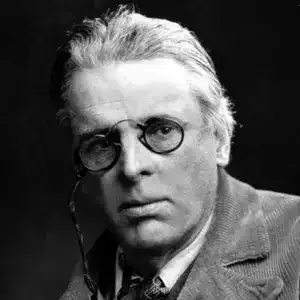
William Butler Yeats
Two Songs of a Fool
Two Songs of a Fool
I
A speckled cat and a tame hare
Eat at my hearthstone
And seep there;
And both look up to me alone
For learning and defence
As I look up to Providence.
I start out of my sleep to think
Some day I may forget
Their food and drink;
Or, the house door left unshut,
The hare may run till it's found
The horn's sweet note and the tooth of the hound.
I bear a burden that might well try
Men that do all by rule,
And what can I
That am a wandering-witted fool
But pray to God that He ease
My great responsibilities?
II
I slept on my three-leged stool by the fire,
The speckled cat slept on my knee;
We never thought to enquire
Where the brown hare might be,
And whether the door were shut.
Who knows how she drank the wind
Stretched up on two legs from the mat,
Before she had settled her mind
To drum with her heel and to leap?
Had I but awakened from sleep
And called her name, she had heard,
It may be, and not have stirred,
That now, it may be, has found
The horn's sweet note and the tooth of the hound.
I
A speckled cat and a tame hare
Eat at my hearthstone
And seep there;
And both look up to me alone
For learning and defence
As I look up to Providence.
I start out of my sleep to think
Some day I may forget
Their food and drink;
Or, the house door left unshut,
The hare may run till it's found
The horn's sweet note and the tooth of the hound.
I bear a burden that might well try
Men that do all by rule,
And what can I
That am a wandering-witted fool
But pray to God that He ease
My great responsibilities?
II
I slept on my three-leged stool by the fire,
The speckled cat slept on my knee;
We never thought to enquire
Where the brown hare might be,
And whether the door were shut.
Who knows how she drank the wind
Stretched up on two legs from the mat,
Before she had settled her mind
To drum with her heel and to leap?
Had I but awakened from sleep
And called her name, she had heard,
It may be, and not have stirred,
That now, it may be, has found
The horn's sweet note and the tooth of the hound.
346
William Butler Yeats
The Choice
The Choice
The intellect of man is forced to choose
perfection of the life, or of the work,
And if it take the second must refuse
A heavenly mansion, raging in the dark.
When all that story's finished, what's the news?
In luck or out the toil has left its mark:
That old perplexity an empty purse,
Or the day's vanity, the night's remorse.
The intellect of man is forced to choose
perfection of the life, or of the work,
And if it take the second must refuse
A heavenly mansion, raging in the dark.
When all that story's finished, what's the news?
In luck or out the toil has left its mark:
That old perplexity an empty purse,
Or the day's vanity, the night's remorse.
325
William Butler Yeats
Stream And Sun At Glendalough
Stream And Sun At Glendalough
THROUGH intricate motions ran
Stream and gliding sun
And all my heart seemed gay:
Some stupid thing that I had done
Made my attention stray.
Repentance keeps my heart impure;
But what am I that dare
Fancy that I can
Better conduct myself or have more
Sense than a common man?
What motion of the sun or stream
Or eyelid shot the gleam
That pierced my body through?
What made me live like these that seem
Self-born, born anew?
THROUGH intricate motions ran
Stream and gliding sun
And all my heart seemed gay:
Some stupid thing that I had done
Made my attention stray.
Repentance keeps my heart impure;
But what am I that dare
Fancy that I can
Better conduct myself or have more
Sense than a common man?
What motion of the sun or stream
Or eyelid shot the gleam
That pierced my body through?
What made me live like these that seem
Self-born, born anew?
426
William Butler Yeats
Man And The Echo
Man And The Echo
Man. In a cleft that's christened Alt
Under broken stone I halt
At the bottom of a pit
That broad noon has never lit,
And shout a secret to the stone.
All that I have said and done,
Now that I am old and ill,
Turns into a question till
I lie awake night after night
And never get the answers right.
Did that play of mine send out
Certain men the English shot?
Did words of mine put too great strain
On that woman's reeling brain?
Could my spoken words have checked
That whereby a house lay wrecked?
And all seems evil until I
Sleepless would lie down and die.
Echo. Lie down and die.
Man. That were to shirk
The spiritual intellect's great work,
And shirk it in vain. There is no release
In a bodkin or disease,
Nor can there be work so great
As that which cleans man's dirty slate.
While man can still his body keep
Wine or love drug him to sleep,
Waking he thanks the Lord that he
Has body and its stupidity,
But body gone he sleeps no more,
And till his intellect grows sure
That all's arranged in one clear view,
pursues the thoughts that I pursue,
Then stands in judgment on his soul,
And, all work done, dismisses all
Out of intellect and sight
And sinks at last into the night.
Echo. Into the night.
Man. O Rocky Voice,
Shall we in that great night rejoice?
What do we know but that we face
One another in this place?
But hush, for I have lost the theme,
Its joy or night-seem but a dream;
Up there some hawk or owl has struck,
Dropping out of sky or rock,
A stricken rabbit is crying out,
And its cry distracts my thought.
Man. In a cleft that's christened Alt
Under broken stone I halt
At the bottom of a pit
That broad noon has never lit,
And shout a secret to the stone.
All that I have said and done,
Now that I am old and ill,
Turns into a question till
I lie awake night after night
And never get the answers right.
Did that play of mine send out
Certain men the English shot?
Did words of mine put too great strain
On that woman's reeling brain?
Could my spoken words have checked
That whereby a house lay wrecked?
And all seems evil until I
Sleepless would lie down and die.
Echo. Lie down and die.
Man. That were to shirk
The spiritual intellect's great work,
And shirk it in vain. There is no release
In a bodkin or disease,
Nor can there be work so great
As that which cleans man's dirty slate.
While man can still his body keep
Wine or love drug him to sleep,
Waking he thanks the Lord that he
Has body and its stupidity,
But body gone he sleeps no more,
And till his intellect grows sure
That all's arranged in one clear view,
pursues the thoughts that I pursue,
Then stands in judgment on his soul,
And, all work done, dismisses all
Out of intellect and sight
And sinks at last into the night.
Echo. Into the night.
Man. O Rocky Voice,
Shall we in that great night rejoice?
What do we know but that we face
One another in this place?
But hush, for I have lost the theme,
Its joy or night-seem but a dream;
Up there some hawk or owl has struck,
Dropping out of sky or rock,
A stricken rabbit is crying out,
And its cry distracts my thought.
369
William Butler Yeats
High Talk
High Talk
PROCESSIONS that lack high stilts have nothing that catches the eye.
What if my great-granddad had a pair that were twenty foot high,
And mine were but fifteen foot, no modern Stalks upon higher,
Some rogue of the world stole them to patch up a fence or a fire.
Because piebald ponies, led bears, caged lions, ake but poor shows,
Because children demand Daddy-long-legs upon This timber toes,
Because women in the upper storeys demand a face at the pane,
That patching old heels they may shriek, I take to chisel and plane.
Malachi Stilt-Jack am I, whatever I learned has run wild, From collar to collar, from stilt
to stilt, from father to child.
All metaphor, Malachi, stilts and all. A barnacle goose
Far up in the stretches of night; night splits and the dawn breaks loose;
I, through the terrible novelty of light, stalk on, stalk on;
Those great sea-horses bare their teeth and laugh at the dawn.
PROCESSIONS that lack high stilts have nothing that catches the eye.
What if my great-granddad had a pair that were twenty foot high,
And mine were but fifteen foot, no modern Stalks upon higher,
Some rogue of the world stole them to patch up a fence or a fire.
Because piebald ponies, led bears, caged lions, ake but poor shows,
Because children demand Daddy-long-legs upon This timber toes,
Because women in the upper storeys demand a face at the pane,
That patching old heels they may shriek, I take to chisel and plane.
Malachi Stilt-Jack am I, whatever I learned has run wild, From collar to collar, from stilt
to stilt, from father to child.
All metaphor, Malachi, stilts and all. A barnacle goose
Far up in the stretches of night; night splits and the dawn breaks loose;
I, through the terrible novelty of light, stalk on, stalk on;
Those great sea-horses bare their teeth and laugh at the dawn.
377
William Butler Yeats
Fergus And The Druid
Fergus And The Druid
Fergus. This whole day have I followed in the rocks,
And you have changed and flowed from shape to shape,
First as a raven on whose ancient wings
Scarcely a feather lingered, then you seemed
A weasel moving on from stone to stone,
And now at last you wear a human shape,
A thin grey man half lost in gathering night.
Druid. What would you, king of the proud Red Branch kings?
Fergus. This would I Say, most wise of living souls:
Young subtle Conchubar sat close by me
When I gave judgment, and his words were wise,
And what to me was burden without end,
To him seemed easy, So I laid the crown
Upon his head to cast away my sorrow.
Druid. What would you, king of the proud Red Branch kings?
Fergus. A king and proud! and that is my despair.
I feast amid my people on the hill,
And pace the woods, and drive my chariot-wheels
In the white border of the murmuring sea;
And still I feel the crown upon my head
Druid. What would you, Fergus?
Fergus. Be no more a king
But learn the dreaming wisdom that is yours.
Druid. Look on my thin grey hair and hollow cheeks
And on these hands that may not lift the sword,
This body trembling like a wind-blown reed.
No woman's loved me, no man sought my help.
Fergus. A king is but a foolish labourer
Who wastes his blood to be another's dream.
Druid. Take, if you must, this little bag of dreams;
Unloose the cord, and they will wrap you round.
Fergus. I See my life go drifting like a river
From change to change; I have been many things --
A green drop in the surge, a gleam of light
Upon a sword, a fir-tree on a hill,
An old slave grinding at a heavy quern,
A king sitting upon a chair of gold --
And all these things were wonderful and great;
But now I have grown nothing, knowing all.
Ah! Druid, Druid, how great webs of sorrow
Lay hidden in the small slate-coloured thing!
Fergus. This whole day have I followed in the rocks,
And you have changed and flowed from shape to shape,
First as a raven on whose ancient wings
Scarcely a feather lingered, then you seemed
A weasel moving on from stone to stone,
And now at last you wear a human shape,
A thin grey man half lost in gathering night.
Druid. What would you, king of the proud Red Branch kings?
Fergus. This would I Say, most wise of living souls:
Young subtle Conchubar sat close by me
When I gave judgment, and his words were wise,
And what to me was burden without end,
To him seemed easy, So I laid the crown
Upon his head to cast away my sorrow.
Druid. What would you, king of the proud Red Branch kings?
Fergus. A king and proud! and that is my despair.
I feast amid my people on the hill,
And pace the woods, and drive my chariot-wheels
In the white border of the murmuring sea;
And still I feel the crown upon my head
Druid. What would you, Fergus?
Fergus. Be no more a king
But learn the dreaming wisdom that is yours.
Druid. Look on my thin grey hair and hollow cheeks
And on these hands that may not lift the sword,
This body trembling like a wind-blown reed.
No woman's loved me, no man sought my help.
Fergus. A king is but a foolish labourer
Who wastes his blood to be another's dream.
Druid. Take, if you must, this little bag of dreams;
Unloose the cord, and they will wrap you round.
Fergus. I See my life go drifting like a river
From change to change; I have been many things --
A green drop in the surge, a gleam of light
Upon a sword, a fir-tree on a hill,
An old slave grinding at a heavy quern,
A king sitting upon a chair of gold --
And all these things were wonderful and great;
But now I have grown nothing, knowing all.
Ah! Druid, Druid, how great webs of sorrow
Lay hidden in the small slate-coloured thing!
389
William Butler Yeats
Are You Content?
Are You Content?
I CALL on those that call me son,
Grandson, or great-grandson,
On uncles, aunts, great-uncles or great-aunts,
To judge what I have done.
Have I, that put it into words,
Spoilt what old loins have sent?
Eyes spiritualised by death can judge,
I cannot, but I am not content.
He that in Sligo at Drumcliff
Set up the old stone Cross,
That red-headed rector in County Down,
A good man on a horse,
Sandymount Corbets, that notable man
Old William pollexfen,
The smuggler Middleton, Butlers far back,
Half legendary men.
Infirm and aged I might stay
In some good company,
I who have always hated work,
Smiling at the sea,
Or demonstrate in my own life
What Robert Browning meant
By an old hunter talking with Gods;
But I am not content.
I CALL on those that call me son,
Grandson, or great-grandson,
On uncles, aunts, great-uncles or great-aunts,
To judge what I have done.
Have I, that put it into words,
Spoilt what old loins have sent?
Eyes spiritualised by death can judge,
I cannot, but I am not content.
He that in Sligo at Drumcliff
Set up the old stone Cross,
That red-headed rector in County Down,
A good man on a horse,
Sandymount Corbets, that notable man
Old William pollexfen,
The smuggler Middleton, Butlers far back,
Half legendary men.
Infirm and aged I might stay
In some good company,
I who have always hated work,
Smiling at the sea,
Or demonstrate in my own life
What Robert Browning meant
By an old hunter talking with Gods;
But I am not content.
322
William Blake
To The Accuser Who is The God of This World
To The Accuser Who is The God of This World
Truly My Satan thou art but a Dunce
And dost not know the Garment from the Man
Every Harlot was a Virgin once
Nor canst thou ever change Kate into Nan
Tho thou art Worship'd by the Names Divine
Of Jesus & Jehovah thou art still
The Son of Morn in weary Nights decline
The lost Travellers Dream under the Hill
Truly My Satan thou art but a Dunce
And dost not know the Garment from the Man
Every Harlot was a Virgin once
Nor canst thou ever change Kate into Nan
Tho thou art Worship'd by the Names Divine
Of Jesus & Jehovah thou art still
The Son of Morn in weary Nights decline
The lost Travellers Dream under the Hill
375
William Blake
The Voice of the Ancient Bard
The Voice of the Ancient Bard
Youth of delight, come hither,
And see the opening morn,
Image of truth new born.
Doubt is fled, & clouds of reason,
Dark disputes & artful teazing.
Folly is an endless maze,
Tangled roots perplex her ways.
How many have fallen there!
They stumble all night over bones of the dead,
And feel they know not what but care,
And wish to lead others, when they should be led.
Youth of delight, come hither,
And see the opening morn,
Image of truth new born.
Doubt is fled, & clouds of reason,
Dark disputes & artful teazing.
Folly is an endless maze,
Tangled roots perplex her ways.
How many have fallen there!
They stumble all night over bones of the dead,
And feel they know not what but care,
And wish to lead others, when they should be led.
363
William Blake
The Book of Thel
The Book of Thel
Does the Eagle know what is in the pit?
Or wilt thou go ask the Mole?
Can Wisdom be put in a silver rod?
Or Love in a golden bowl?
I
. The daughters of the Seraphim led round their sunny flocks,
. All but the youngest: she in paleness sought the secret air,
. To fade away like morning beauty from her mortal day:
. Down by the river of Adona her soft voice is heard,
. And thus her gentle lamentation falls like morning dew:
. 'O life of this our spring! why fades the lotus of the water,
. Why fade these children of the spring, born but to smile and fall?
. Ah! Thel is like a wat'ry bow, and like a parting cloud;
. Like a reflection in a glass; like shadows in the water;
. Like dreams of infants, like a smile upon an infant's face;
. Like the dove's voice; like transient day; like music in the air.
. Ah! gentle may I lay me down, and gentle rest my head,
. And gentle sleep the sleep of death, and gentle hear the voice
. Of him that walketh in the garden in the evening time.'
. The Lily of the valley, breathing in the humble grass,
. Answer'd the lovely maid and said: 'I am a wat'ry weed,
. And I am very small and love to dwell in lowly vales;
. So weak, the gilded butterfly scarce perches on my head.
. Yet I am visited from heaven, and he that smiles on all
. Walks in the valley and each morn over me spreads his hand,
. Saying, 'Rejoice, thou humble grass, thou new-born lily-flower,
. Thou gentle maid of silent valleys and of modest brooks;
. For thou shalt be clothed in light, and fed with morning manna,
. Till summer's heat melts thee beside the fountains and the springs
. To flourish in eternal vales.' Then why should Thel complain?
. Why should the mistress of the vales of Har utter a sigh?'
. She ceas'd and smil'd in tears, then sat down in her silver shrine.
. Thel answer'd: 'O thou little virgin of the peaceful valley,
. Giving to those that cannot crave, the voiceless, the o'ertired;
. Thy breath doth nourish the innocent lamb, he smells thy milky garments,
. He crops thy flowers while thou sittest smiling in his face,
. Wiping his mild and meekin mouth from all contagious taints.
. Thy wine doth purify the golden honey; thy perfume,
. Which thou dost scatter on every little blade of grass that springs,
. Revives the milked cow, and tames the fire-breathing steed.
. But Thel is like a faint cloud kindled at the rising sun:
. I vanish from my pearly throne, and who shall find my place?'
. 'Queen of the vales,' the Lily answer'd, 'ask the tender cloud,
. And it shall tell thee why it glitters in the morning sky,
. And why it scatters its bright beauty thro' the humid air.
. Descend, O little Cloud, and hover before the eyes of Thel.'
. The Cloud descended, and the Lily bow'd her modest head
. And went to mind her numerous charge among the verdant grass.
II
. 'O little Cloud,' the virgin said, 'I charge thee tell to me
. Why thou complainest not when in one hour thou fade away:
. Then we shall seek thee, but not find. Ah! Thel is like to thee:
. I pass away: yet I complain, and no one hears my voice.'
. The Cloud then shew'd his golden head and his bright form emerg'd,
. Hovering and glittering on the air before the face of Thel.
. 'O virgin, know'st thou not our steeds drink of the golden springs
. Where Luvah doth renew his horses? Look'st thou on my youth,
. And fearest thou, because I vanish and am seen no more,
. Nothing remains? O maid, I tell thee, when I pass away
. It is to tenfold life, to love, to peace and raptures holy:
. Unseen descending, weigh my light wings upon balmy flowers,
. And court the fair-eyed dew to take me to her shining tent:
. The weeping virgin trembling kneels before the risen sun,
. Till we arise link'd in a golden band and never part,
. But walk united, bearing food to all our tender flowers.'
. 'Dost thou, O little Cloud? I fear that I am not like thee,
. For I walk thro' the vales of Har, and smell the sweetest flowers,
. But I feed not the little flowers; I hear the warbling birds,
. But I feed not the warbling birds; they fly and seek their food:
. But Thel delights in these no more, because I fade away;
. And all shall say, 'Without a use this shining woman liv'd,
. Or did she only live to be at death the food of worms?' '
. The Cloud reclin'd upon his airy throne and answer'd thus:
. 'Then if thou art the food of worms, O virgin of the skies,
. How great thy use, how great thy blessing! Every thing that lives
. Lives not alone nor for itself. Fear not, and I will call
. The weak worm from its lowly bed, and thou shalt hear its voice,
. Come forth, worm of the silent valley, to thy pensive queen.'
. The helpless worm arose, and sat upon the Lily's leaf,
. And the bright Cloud sail'd on, to find his partner in the vale.
III
. Then Thel astonish'd view'd the Worm upon its dewy bed.
. 'Art thou a Worm? Image of weakness, art thou but a Worm?
. I see thee like an infant wrapped in the Lily's leaf
. Ah! weep not, little voice, thou canst not speak, but thou canst weep.
. Is this a Worm? I see thee lay helpless and naked, weeping,
. And none to answer, none to cherish thee with mother's smiles.'
. The Clod of Clay heard the Worm's voice and rais'd her pitying head:
. She bow'd over the weeping infant, and her life exhal'd
. In milky fondness: then on Thel she fix'd her humble eyes.
. 'O beauty of the vales of Har! we live not for ourselves.
. Thou seest me the meanest thing, and so I am indeed.
. My bosom of itself is cold, and of itself is dark;
. But he, that loves the lowly, pours his oil upon my head,
. And kisses me, and binds his nuptial bands around my breast,
. And says: 'Thou mother of my children, I have loved thee
. And I have given thee a crown that none can take away.'
. But how this is, sweet maid, I know not, and I cannot know;
. I ponder, and I cannot ponder; yet I live and love.'
. The daughter of beauty wip'd her pitying tears with her white veil,
. And said: 'Alas! I knew not this, and therefore did I weep.
. That God would love a Worm I knew, and punish the evil foot
. That wilful bruis'd its helpless form; but that he cherish'd it
. With milk and oil I never knew, and therefore did I weep;
. And I complain'd in the mild air, because I fade away,
. And lay me down in thy cold bed, and leave my shining lot.'
. 'Queen of the vales,' the matron Clay answer'd, 'I heard thy sighs,
. And all thy moans flew o'er my roof, but I have call'd them down.
. Wilt thou, O Queen, enter my house? 'Tis given thee to enter
. And to return: fear nothing, enter with thy virgin feet.'
IV
. The eternal gates' terrific porter lifted the northern bar:
. Thel enter'd in and saw the secrets of the land unknown.
. She saw the couches of the dead, and where the fibrous roots
. Of every heart on earth infixes deep its restless twists:
. A land of sorrows and of tears where never smile was seen.
. She wander'd in the land of clouds thro' valleys dark, list'ning
. Dolours and lamentations; waiting oft beside a dewy grave
. She stood in silence, list'ning to the voices of the ground,
. Till to her own grave plot she came, and there she sat down,
. And heard this voice of sorrow breathed from the hollow pit.
. 'Why cannot the Ear be closed to its own destruction?
. Or the glist'ning Eye to the poison of a smile?
. Why are Eyelids stor'd with arrows ready drawn,
. Where a thousand fighting men in ambush lie?
. Or an Eye of gifts and graces show'ring fruits and coined gold?
. Why a Tongue impress'd with honey from every wind?
. Why an Ear, a whirlpool fierce to draw creations in?
. Why a Nostril wide inhaling terror, trembling, and affright?
. Why a tender curb upon the youthful burning boy?
. Why a little curtain of flesh on the bed of our desire?'
. The Virgin started from her seat, and with a shriek
. Fled back unhinder'd till she came into the vales of Har.
Does the Eagle know what is in the pit?
Or wilt thou go ask the Mole?
Can Wisdom be put in a silver rod?
Or Love in a golden bowl?
I
. The daughters of the Seraphim led round their sunny flocks,
. All but the youngest: she in paleness sought the secret air,
. To fade away like morning beauty from her mortal day:
. Down by the river of Adona her soft voice is heard,
. And thus her gentle lamentation falls like morning dew:
. 'O life of this our spring! why fades the lotus of the water,
. Why fade these children of the spring, born but to smile and fall?
. Ah! Thel is like a wat'ry bow, and like a parting cloud;
. Like a reflection in a glass; like shadows in the water;
. Like dreams of infants, like a smile upon an infant's face;
. Like the dove's voice; like transient day; like music in the air.
. Ah! gentle may I lay me down, and gentle rest my head,
. And gentle sleep the sleep of death, and gentle hear the voice
. Of him that walketh in the garden in the evening time.'
. The Lily of the valley, breathing in the humble grass,
. Answer'd the lovely maid and said: 'I am a wat'ry weed,
. And I am very small and love to dwell in lowly vales;
. So weak, the gilded butterfly scarce perches on my head.
. Yet I am visited from heaven, and he that smiles on all
. Walks in the valley and each morn over me spreads his hand,
. Saying, 'Rejoice, thou humble grass, thou new-born lily-flower,
. Thou gentle maid of silent valleys and of modest brooks;
. For thou shalt be clothed in light, and fed with morning manna,
. Till summer's heat melts thee beside the fountains and the springs
. To flourish in eternal vales.' Then why should Thel complain?
. Why should the mistress of the vales of Har utter a sigh?'
. She ceas'd and smil'd in tears, then sat down in her silver shrine.
. Thel answer'd: 'O thou little virgin of the peaceful valley,
. Giving to those that cannot crave, the voiceless, the o'ertired;
. Thy breath doth nourish the innocent lamb, he smells thy milky garments,
. He crops thy flowers while thou sittest smiling in his face,
. Wiping his mild and meekin mouth from all contagious taints.
. Thy wine doth purify the golden honey; thy perfume,
. Which thou dost scatter on every little blade of grass that springs,
. Revives the milked cow, and tames the fire-breathing steed.
. But Thel is like a faint cloud kindled at the rising sun:
. I vanish from my pearly throne, and who shall find my place?'
. 'Queen of the vales,' the Lily answer'd, 'ask the tender cloud,
. And it shall tell thee why it glitters in the morning sky,
. And why it scatters its bright beauty thro' the humid air.
. Descend, O little Cloud, and hover before the eyes of Thel.'
. The Cloud descended, and the Lily bow'd her modest head
. And went to mind her numerous charge among the verdant grass.
II
. 'O little Cloud,' the virgin said, 'I charge thee tell to me
. Why thou complainest not when in one hour thou fade away:
. Then we shall seek thee, but not find. Ah! Thel is like to thee:
. I pass away: yet I complain, and no one hears my voice.'
. The Cloud then shew'd his golden head and his bright form emerg'd,
. Hovering and glittering on the air before the face of Thel.
. 'O virgin, know'st thou not our steeds drink of the golden springs
. Where Luvah doth renew his horses? Look'st thou on my youth,
. And fearest thou, because I vanish and am seen no more,
. Nothing remains? O maid, I tell thee, when I pass away
. It is to tenfold life, to love, to peace and raptures holy:
. Unseen descending, weigh my light wings upon balmy flowers,
. And court the fair-eyed dew to take me to her shining tent:
. The weeping virgin trembling kneels before the risen sun,
. Till we arise link'd in a golden band and never part,
. But walk united, bearing food to all our tender flowers.'
. 'Dost thou, O little Cloud? I fear that I am not like thee,
. For I walk thro' the vales of Har, and smell the sweetest flowers,
. But I feed not the little flowers; I hear the warbling birds,
. But I feed not the warbling birds; they fly and seek their food:
. But Thel delights in these no more, because I fade away;
. And all shall say, 'Without a use this shining woman liv'd,
. Or did she only live to be at death the food of worms?' '
. The Cloud reclin'd upon his airy throne and answer'd thus:
. 'Then if thou art the food of worms, O virgin of the skies,
. How great thy use, how great thy blessing! Every thing that lives
. Lives not alone nor for itself. Fear not, and I will call
. The weak worm from its lowly bed, and thou shalt hear its voice,
. Come forth, worm of the silent valley, to thy pensive queen.'
. The helpless worm arose, and sat upon the Lily's leaf,
. And the bright Cloud sail'd on, to find his partner in the vale.
III
. Then Thel astonish'd view'd the Worm upon its dewy bed.
. 'Art thou a Worm? Image of weakness, art thou but a Worm?
. I see thee like an infant wrapped in the Lily's leaf
. Ah! weep not, little voice, thou canst not speak, but thou canst weep.
. Is this a Worm? I see thee lay helpless and naked, weeping,
. And none to answer, none to cherish thee with mother's smiles.'
. The Clod of Clay heard the Worm's voice and rais'd her pitying head:
. She bow'd over the weeping infant, and her life exhal'd
. In milky fondness: then on Thel she fix'd her humble eyes.
. 'O beauty of the vales of Har! we live not for ourselves.
. Thou seest me the meanest thing, and so I am indeed.
. My bosom of itself is cold, and of itself is dark;
. But he, that loves the lowly, pours his oil upon my head,
. And kisses me, and binds his nuptial bands around my breast,
. And says: 'Thou mother of my children, I have loved thee
. And I have given thee a crown that none can take away.'
. But how this is, sweet maid, I know not, and I cannot know;
. I ponder, and I cannot ponder; yet I live and love.'
. The daughter of beauty wip'd her pitying tears with her white veil,
. And said: 'Alas! I knew not this, and therefore did I weep.
. That God would love a Worm I knew, and punish the evil foot
. That wilful bruis'd its helpless form; but that he cherish'd it
. With milk and oil I never knew, and therefore did I weep;
. And I complain'd in the mild air, because I fade away,
. And lay me down in thy cold bed, and leave my shining lot.'
. 'Queen of the vales,' the matron Clay answer'd, 'I heard thy sighs,
. And all thy moans flew o'er my roof, but I have call'd them down.
. Wilt thou, O Queen, enter my house? 'Tis given thee to enter
. And to return: fear nothing, enter with thy virgin feet.'
IV
. The eternal gates' terrific porter lifted the northern bar:
. Thel enter'd in and saw the secrets of the land unknown.
. She saw the couches of the dead, and where the fibrous roots
. Of every heart on earth infixes deep its restless twists:
. A land of sorrows and of tears where never smile was seen.
. She wander'd in the land of clouds thro' valleys dark, list'ning
. Dolours and lamentations; waiting oft beside a dewy grave
. She stood in silence, list'ning to the voices of the ground,
. Till to her own grave plot she came, and there she sat down,
. And heard this voice of sorrow breathed from the hollow pit.
. 'Why cannot the Ear be closed to its own destruction?
. Or the glist'ning Eye to the poison of a smile?
. Why are Eyelids stor'd with arrows ready drawn,
. Where a thousand fighting men in ambush lie?
. Or an Eye of gifts and graces show'ring fruits and coined gold?
. Why a Tongue impress'd with honey from every wind?
. Why an Ear, a whirlpool fierce to draw creations in?
. Why a Nostril wide inhaling terror, trembling, and affright?
. Why a tender curb upon the youthful burning boy?
. Why a little curtain of flesh on the bed of our desire?'
. The Virgin started from her seat, and with a shriek
. Fled back unhinder'd till she came into the vales of Har.
493
William Blake
Four Zoas, The (excerpt)
Four Zoas, The (excerpt)
. "What is the price of Experience? do men buy it for a song?
. Or wisdom for a dance in the street? No, it is bought with the price
. Of all that a man hath, his house, his wife, his children.
. Wisdom is sold in the desolate market where none come to buy,
. And in the wither'd field where the farmer plows for bread in vain.
. It is an easy thing to triumph in the summer's sun
. And in the vintage and to sing on the waggon loaded with corn.
. It is an easy thing to talk of patience to the afflicted,
. To speak the laws of prudence to the houseless wanderer,
. To listen to the hungry raven's cry in wintry season
. When the red blood is fill'd with wine and with the marrow of lambs.
. It is an easy thing to laugh at wrathful elements,
. To hear the dog howl at the wintry door, the ox in the slaughter house moan;
. To see a god on every wind and a blessing on every blast;
. To hear sounds of love in the thunder storm that destroys our enemies' house;
. To rejoice in the blight that covers his field, and the sickness that cuts off his
children,
. While our olive and vine sing and laugh round our door, and our children bring
fruits and flowers.
. Then the groan and the dolor are quite forgotten, and the slave grinding at the
mill,
. And the captive in chains, and the poor in the prison, and the soldier in the field
. When the shatter'd bone hath laid him groaning among the happier dead.
. It is an easy thing to rejoice in the tents of prosperity:
. Thus could I sing and thus rejoice: but it is not so with me."
. "Compel the poor to live upon a crust of bread, by soft mild arts.
. Smile when they frown, frown when they smile; and when a man looks pale
. With labour and abstinence, say he looks healthy and happy;
. And when his children sicken, let them die; there are enough
. Born, even too many, and our earth will be overrun
. Without these arts. If you would make the poor live with temper,
. With pomp give every crust of bread you give; with gracious cunning
. Magnify small gifts; reduce the man to want a gift, and then give with pomp.
. Say he smiles if you hear him sigh. If pale, say he is ruddy.
. Preach temperance: say he is overgorg'd and drowns his wit
. In strong drink, though you know that bread and water are all
. He can afford. Flatter his wife, pity his children, till we can
. Reduce all to our will, as spaniels are taught with art."
. The sun has left his blackness and has found a fresher morning,
. And the mild moon rejoices in the clear and cloudless night,
. And Man walks forth from midst of the fires: the evil is all consum'd.
. His eyes behold the Angelic spheres arising night and day;
. The stars consum'd like a lamp blown out, and in their stead, behold
. The expanding eyes of Man behold the depths of wondrous worlds!
. One Earth, one sea beneath; nor erring globes wander, but stars
. Of fire rise up nightly from the ocean; and one sun
. Each morning, like a new born man, issues with songs and joy
. Calling the Plowman to his labour and the Shepherd to his rest.
. He walks upon the Eternal Mountains, raising his heavenly voice,
. Conversing with the animal forms of wisdom night and day,
. That, risen from the sea of fire, renew'd walk o'er the Earth;
. For Tharmas brought his flocks upon the hills, and in the vales
. Around the Eternal Man's bright tent, the little children play
. Among the woolly flocks. The hammer of Urthona sounds
. In the deep caves beneath; his limbs renew'd, his Lions roar
. Around the Furnaces and in evening sport upon the plains.
. They raise their faces from the earth, conversing with the Man:
. "How is it we have walk'd through fires and yet are not consum'd?
. How is it that all things are chang'd, even as in ancient times?"
. "What is the price of Experience? do men buy it for a song?
. Or wisdom for a dance in the street? No, it is bought with the price
. Of all that a man hath, his house, his wife, his children.
. Wisdom is sold in the desolate market where none come to buy,
. And in the wither'd field where the farmer plows for bread in vain.
. It is an easy thing to triumph in the summer's sun
. And in the vintage and to sing on the waggon loaded with corn.
. It is an easy thing to talk of patience to the afflicted,
. To speak the laws of prudence to the houseless wanderer,
. To listen to the hungry raven's cry in wintry season
. When the red blood is fill'd with wine and with the marrow of lambs.
. It is an easy thing to laugh at wrathful elements,
. To hear the dog howl at the wintry door, the ox in the slaughter house moan;
. To see a god on every wind and a blessing on every blast;
. To hear sounds of love in the thunder storm that destroys our enemies' house;
. To rejoice in the blight that covers his field, and the sickness that cuts off his
children,
. While our olive and vine sing and laugh round our door, and our children bring
fruits and flowers.
. Then the groan and the dolor are quite forgotten, and the slave grinding at the
mill,
. And the captive in chains, and the poor in the prison, and the soldier in the field
. When the shatter'd bone hath laid him groaning among the happier dead.
. It is an easy thing to rejoice in the tents of prosperity:
. Thus could I sing and thus rejoice: but it is not so with me."
. "Compel the poor to live upon a crust of bread, by soft mild arts.
. Smile when they frown, frown when they smile; and when a man looks pale
. With labour and abstinence, say he looks healthy and happy;
. And when his children sicken, let them die; there are enough
. Born, even too many, and our earth will be overrun
. Without these arts. If you would make the poor live with temper,
. With pomp give every crust of bread you give; with gracious cunning
. Magnify small gifts; reduce the man to want a gift, and then give with pomp.
. Say he smiles if you hear him sigh. If pale, say he is ruddy.
. Preach temperance: say he is overgorg'd and drowns his wit
. In strong drink, though you know that bread and water are all
. He can afford. Flatter his wife, pity his children, till we can
. Reduce all to our will, as spaniels are taught with art."
. The sun has left his blackness and has found a fresher morning,
. And the mild moon rejoices in the clear and cloudless night,
. And Man walks forth from midst of the fires: the evil is all consum'd.
. His eyes behold the Angelic spheres arising night and day;
. The stars consum'd like a lamp blown out, and in their stead, behold
. The expanding eyes of Man behold the depths of wondrous worlds!
. One Earth, one sea beneath; nor erring globes wander, but stars
. Of fire rise up nightly from the ocean; and one sun
. Each morning, like a new born man, issues with songs and joy
. Calling the Plowman to his labour and the Shepherd to his rest.
. He walks upon the Eternal Mountains, raising his heavenly voice,
. Conversing with the animal forms of wisdom night and day,
. That, risen from the sea of fire, renew'd walk o'er the Earth;
. For Tharmas brought his flocks upon the hills, and in the vales
. Around the Eternal Man's bright tent, the little children play
. Among the woolly flocks. The hammer of Urthona sounds
. In the deep caves beneath; his limbs renew'd, his Lions roar
. Around the Furnaces and in evening sport upon the plains.
. They raise their faces from the earth, conversing with the Man:
. "How is it we have walk'd through fires and yet are not consum'd?
. How is it that all things are chang'd, even as in ancient times?"
556
William Blake
Book of Thel, The
Book of Thel, The
THEL'S MOTTO
Does the Eagle know what is in the pit?
Or wilt thou go ask the Mole?
Can Wisdom be put in a silver rod?
Or Love in a golden bowl?
I
. The daughters of the Seraphim led round their sunny flocks,
. All but the youngest: she in paleness sought the secret air,
. To fade away like morning beauty from her mortal day:
. Down by the river of Adona her soft voice is heard,
. And thus her gentle lamentation falls like morning dew:
. "O life of this our spring! why fades the lotus of the water,
. Why fade these children of the spring, born but to smile and fall?
. Ah! Thel is like a wat'ry bow, and like a parting cloud;
. Like a reflection in a glass; like shadows in the water;
. Like dreams of infants, like a smile upon an infant's face;
. Like the dove's voice; like transient day; like music in the air.
. Ah! gentle may I lay me down, and gentle rest my head,
. And gentle sleep the sleep of death, and gentle hear the voice
. Of him that walketh in the garden in the evening time."
. The Lily of the valley, breathing in the humble grass,
. Answer'd the lovely maid and said: "I am a wat'ry weed,
. And I am very small and love to dwell in lowly vales;
. So weak, the gilded butterfly scarce perches on my head.
. Yet I am visited from heaven, and he that smiles on all
. Walks in the valley and each morn over me spreads his hand,
. Saying, 'Rejoice, thou humble grass, thou new-born lily-flower,
. Thou gentle maid of silent valleys and of modest brooks;
. For thou shalt be clothed in light, and fed with morning manna,
. Till summer's heat melts thee beside the fountains and the springs
. To flourish in eternal vales.' Then why should Thel complain?
. Why should the mistress of the vales of Har utter a sigh?"
. She ceas'd and smil'd in tears, then sat down in her silver shrine.
. Thel answer'd: "O thou little virgin of the peaceful valley,
. Giving to those that cannot crave, the voiceless, the o'ertired;
. Thy breath doth nourish the innocent lamb, he smells thy milky garments,
. He crops thy flowers while thou sittest smiling in his face,
. Wiping his mild and meekin mouth from all contagious taints.
. Thy wine doth purify the golden honey; thy perfume,
. Which thou dost scatter on every little blade of grass that springs,
. Revives the milked cow, and tames the fire-breathing steed.
. But Thel is like a faint cloud kindled at the rising sun:
. I vanish from my pearly throne, and who shall find my place?"
. "Queen of the vales," the Lily answer'd, "ask the tender cloud,
. And it shall tell thee why it glitters in the morning sky,
. And why it scatters its bright beauty thro' the humid air.
. Descend, O little Cloud, and hover before the eyes of Thel."
. The Cloud descended, and the Lily bow'd her modest head
. And went to mind her numerous charge among the verdant grass.
II
. "O little Cloud," the virgin said, "I charge thee tell to me
. Why thou complainest not when in one hour thou fade away:
. Then we shall seek thee, but not find. Ah! Thel is like to thee:
. I pass away: yet I complain, and no one hears my voice."
. The Cloud then shew'd his golden head and his bright form emerg'd,
. Hovering and glittering on the air before the face of Thel.
. "O virgin, know'st thou not our steeds drink of the golden springs
. Where Luvah doth renew his horses? Look'st thou on my youth,
. And fearest thou, because I vanish and am seen no more,
. Nothing remains? O maid, I tell thee, when I pass away
. It is to tenfold life, to love, to peace and raptures holy:
. Unseen descending, weigh my light wings upon balmy flowers,
. And court the fair-eyed dew to take me to her shining tent:
. The weeping virgin trembling kneels before the risen sun,
. Till we arise link'd in a golden band and never part,
. But walk united, bearing food to all our tender flowers."
. "Dost thou, O little Cloud? I fear that I am not like thee,
. For I walk thro' the vales of Har, and smell the sweetest flowers,
. But I feed not the little flowers; I hear the warbling birds,
. But I feed not the warbling birds; they fly and seek their food:
. But Thel delights in these no more, because I fade away;
. And all shall say, 'Without a use this shining woman liv'd,
. Or did she only live to be at death the food of worms?' "
. The Cloud reclin'd upon his airy throne and answer'd thus:
. "Then if thou art the food of worms, O virgin of the skies,
. How great thy use, how great thy blessing! Every thing that lives
. Lives not alone nor for itself. Fear not, and I will call
. The weak worm from its lowly bed, and thou shalt hear its voice,
. Come forth, worm of the silent valley, to thy pensive queen."
. The helpless worm arose, and sat upon the Lily's leaf,
. And the bright Cloud sail'd on, to find his partner in the vale.
III
. Then Thel astonish'd view'd the Worm upon its dewy bed.
. "Art thou a Worm? Image of weakness, art thou but a Worm?
. I see thee like an infant wrapped in the Lily's leaf
. Ah! weep not, little voice, thou canst not speak, but thou canst weep.
. Is this a Worm? I see thee lay helpless and naked, weeping,
. And none to answer, none to cherish thee with mother's smiles."
. The Clod of Clay heard the Worm's voice and rais'd her pitying head:
. She bow'd over the weeping infant, and her life exhal'd
. In milky fondness: then on Thel she fix'd her humble eyes.
. "O beauty of the vales of Har! we live not for ourselves.
. Thou seest me the meanest thing, and so I am indeed.
. My bosom of itself is cold, and of itself is dark;
. But he, that loves the lowly, pours his oil upon my head,
. And kisses me, and binds his nuptial bands around my breast,
. And says: 'Thou mother of my children, I have loved thee
. And I have given thee a crown that none can take away.'
. But how this is, sweet maid, I know not, and I cannot know;
. I ponder, and I cannot ponder; yet I live and love."
. The daughter of beauty wip'd her pitying tears with her white veil,
. And said: "Alas! I knew not this, and therefore did I weep.
. That God would love a Worm I knew, and punish the evil foot
. That wilful bruis'd its helpless form; but that he cherish'd it
. With milk and oil I never knew, and therefore did I weep;
. And I complain'd in the mild air, because I fade away,
. And lay me down in thy cold bed, and leave my shining lot."
. "Queen of the vales," the matron Clay answer'd, "I heard thy sighs,
. And all thy moans flew o'er my roof, but I have call'd them down.
. Wilt thou, O Queen, enter my house? 'Tis given thee to enter
. And to return: fear nothing, enter with thy virgin feet."
IV
. The eternal gates' terrific porter lifted the northern bar:
. Thel enter'd in and saw the secrets of the land unknown.
. She saw the couches of the dead, and where the fibrous roots
. Of every heart on earth infixes deep its restless twists:
. A land of sorrows and of tears where never smile was seen.
. She wander'd in the land of clouds thro' valleys dark, list'ning
. Dolours and lamentations; waiting oft beside a dewy grave
. She stood in silence, list'ning to the voices of the ground,
. Till to her own grave plot she came, and there she sat down,
. And heard this voice of sorrow breathed from the hollow pit.
. "Why cannot the Ear be closed to its own destruction?
. Or the glist'ning Eye to the poison of a smile?
. Why are Eyelids stor'd with arrows ready drawn,
. Where a thousand fighting men in ambush lie?
. Or an Eye of gifts and graces show'ring fruits and coined gold?
. Why a Tongue impress'd with honey from every wind?
. Why an Ear, a whirlpool fierce to draw creations in?
. Why a Nostril wide inhaling terror, trembling, and affright?
. Why a tender curb upon the youthful burning boy?
. Why a little curtain of flesh on the bed of our desire?"
. The Virgin started from her seat, and with a shriek
. Fled back unhinder'd till she came into the vales of Har.
THEL'S MOTTO
Does the Eagle know what is in the pit?
Or wilt thou go ask the Mole?
Can Wisdom be put in a silver rod?
Or Love in a golden bowl?
I
. The daughters of the Seraphim led round their sunny flocks,
. All but the youngest: she in paleness sought the secret air,
. To fade away like morning beauty from her mortal day:
. Down by the river of Adona her soft voice is heard,
. And thus her gentle lamentation falls like morning dew:
. "O life of this our spring! why fades the lotus of the water,
. Why fade these children of the spring, born but to smile and fall?
. Ah! Thel is like a wat'ry bow, and like a parting cloud;
. Like a reflection in a glass; like shadows in the water;
. Like dreams of infants, like a smile upon an infant's face;
. Like the dove's voice; like transient day; like music in the air.
. Ah! gentle may I lay me down, and gentle rest my head,
. And gentle sleep the sleep of death, and gentle hear the voice
. Of him that walketh in the garden in the evening time."
. The Lily of the valley, breathing in the humble grass,
. Answer'd the lovely maid and said: "I am a wat'ry weed,
. And I am very small and love to dwell in lowly vales;
. So weak, the gilded butterfly scarce perches on my head.
. Yet I am visited from heaven, and he that smiles on all
. Walks in the valley and each morn over me spreads his hand,
. Saying, 'Rejoice, thou humble grass, thou new-born lily-flower,
. Thou gentle maid of silent valleys and of modest brooks;
. For thou shalt be clothed in light, and fed with morning manna,
. Till summer's heat melts thee beside the fountains and the springs
. To flourish in eternal vales.' Then why should Thel complain?
. Why should the mistress of the vales of Har utter a sigh?"
. She ceas'd and smil'd in tears, then sat down in her silver shrine.
. Thel answer'd: "O thou little virgin of the peaceful valley,
. Giving to those that cannot crave, the voiceless, the o'ertired;
. Thy breath doth nourish the innocent lamb, he smells thy milky garments,
. He crops thy flowers while thou sittest smiling in his face,
. Wiping his mild and meekin mouth from all contagious taints.
. Thy wine doth purify the golden honey; thy perfume,
. Which thou dost scatter on every little blade of grass that springs,
. Revives the milked cow, and tames the fire-breathing steed.
. But Thel is like a faint cloud kindled at the rising sun:
. I vanish from my pearly throne, and who shall find my place?"
. "Queen of the vales," the Lily answer'd, "ask the tender cloud,
. And it shall tell thee why it glitters in the morning sky,
. And why it scatters its bright beauty thro' the humid air.
. Descend, O little Cloud, and hover before the eyes of Thel."
. The Cloud descended, and the Lily bow'd her modest head
. And went to mind her numerous charge among the verdant grass.
II
. "O little Cloud," the virgin said, "I charge thee tell to me
. Why thou complainest not when in one hour thou fade away:
. Then we shall seek thee, but not find. Ah! Thel is like to thee:
. I pass away: yet I complain, and no one hears my voice."
. The Cloud then shew'd his golden head and his bright form emerg'd,
. Hovering and glittering on the air before the face of Thel.
. "O virgin, know'st thou not our steeds drink of the golden springs
. Where Luvah doth renew his horses? Look'st thou on my youth,
. And fearest thou, because I vanish and am seen no more,
. Nothing remains? O maid, I tell thee, when I pass away
. It is to tenfold life, to love, to peace and raptures holy:
. Unseen descending, weigh my light wings upon balmy flowers,
. And court the fair-eyed dew to take me to her shining tent:
. The weeping virgin trembling kneels before the risen sun,
. Till we arise link'd in a golden band and never part,
. But walk united, bearing food to all our tender flowers."
. "Dost thou, O little Cloud? I fear that I am not like thee,
. For I walk thro' the vales of Har, and smell the sweetest flowers,
. But I feed not the little flowers; I hear the warbling birds,
. But I feed not the warbling birds; they fly and seek their food:
. But Thel delights in these no more, because I fade away;
. And all shall say, 'Without a use this shining woman liv'd,
. Or did she only live to be at death the food of worms?' "
. The Cloud reclin'd upon his airy throne and answer'd thus:
. "Then if thou art the food of worms, O virgin of the skies,
. How great thy use, how great thy blessing! Every thing that lives
. Lives not alone nor for itself. Fear not, and I will call
. The weak worm from its lowly bed, and thou shalt hear its voice,
. Come forth, worm of the silent valley, to thy pensive queen."
. The helpless worm arose, and sat upon the Lily's leaf,
. And the bright Cloud sail'd on, to find his partner in the vale.
III
. Then Thel astonish'd view'd the Worm upon its dewy bed.
. "Art thou a Worm? Image of weakness, art thou but a Worm?
. I see thee like an infant wrapped in the Lily's leaf
. Ah! weep not, little voice, thou canst not speak, but thou canst weep.
. Is this a Worm? I see thee lay helpless and naked, weeping,
. And none to answer, none to cherish thee with mother's smiles."
. The Clod of Clay heard the Worm's voice and rais'd her pitying head:
. She bow'd over the weeping infant, and her life exhal'd
. In milky fondness: then on Thel she fix'd her humble eyes.
. "O beauty of the vales of Har! we live not for ourselves.
. Thou seest me the meanest thing, and so I am indeed.
. My bosom of itself is cold, and of itself is dark;
. But he, that loves the lowly, pours his oil upon my head,
. And kisses me, and binds his nuptial bands around my breast,
. And says: 'Thou mother of my children, I have loved thee
. And I have given thee a crown that none can take away.'
. But how this is, sweet maid, I know not, and I cannot know;
. I ponder, and I cannot ponder; yet I live and love."
. The daughter of beauty wip'd her pitying tears with her white veil,
. And said: "Alas! I knew not this, and therefore did I weep.
. That God would love a Worm I knew, and punish the evil foot
. That wilful bruis'd its helpless form; but that he cherish'd it
. With milk and oil I never knew, and therefore did I weep;
. And I complain'd in the mild air, because I fade away,
. And lay me down in thy cold bed, and leave my shining lot."
. "Queen of the vales," the matron Clay answer'd, "I heard thy sighs,
. And all thy moans flew o'er my roof, but I have call'd them down.
. Wilt thou, O Queen, enter my house? 'Tis given thee to enter
. And to return: fear nothing, enter with thy virgin feet."
IV
. The eternal gates' terrific porter lifted the northern bar:
. Thel enter'd in and saw the secrets of the land unknown.
. She saw the couches of the dead, and where the fibrous roots
. Of every heart on earth infixes deep its restless twists:
. A land of sorrows and of tears where never smile was seen.
. She wander'd in the land of clouds thro' valleys dark, list'ning
. Dolours and lamentations; waiting oft beside a dewy grave
. She stood in silence, list'ning to the voices of the ground,
. Till to her own grave plot she came, and there she sat down,
. And heard this voice of sorrow breathed from the hollow pit.
. "Why cannot the Ear be closed to its own destruction?
. Or the glist'ning Eye to the poison of a smile?
. Why are Eyelids stor'd with arrows ready drawn,
. Where a thousand fighting men in ambush lie?
. Or an Eye of gifts and graces show'ring fruits and coined gold?
. Why a Tongue impress'd with honey from every wind?
. Why an Ear, a whirlpool fierce to draw creations in?
. Why a Nostril wide inhaling terror, trembling, and affright?
. Why a tender curb upon the youthful burning boy?
. Why a little curtain of flesh on the bed of our desire?"
. The Virgin started from her seat, and with a shriek
. Fled back unhinder'd till she came into the vales of Har.
479
Walt Whitman
Warble Of Lilac-Time
Warble Of Lilac-Time
WARBLE me now, for joy of Lilac-time,
Sort me, O tongue and lips, for Nature's sake, and sweet life's
sake--and death's the same as life's,
Souvenirs of earliest summer--birds' eggs, and the first berries;
Gather the welcome signs, (as children, with pebbles, or stringing
shells;)
Put in April and May--the hylas croaking in the ponds--the elastic
air,
Bees, butterflies, the sparrow with its simple notes,
Blue-bird, and darting swallow--nor forget the high-hole flashing his
golden wings,
The tranquil sunny haze, the clinging smoke, the vapor,
Spiritual, airy insects, humming on gossamer wings,
Shimmer of waters, with fish in them--the cerulean above; 10
All that is jocund and sparkling--the brooks running,
The maple woods, the crisp February days, and the sugar-making;
The robin, where he hops, bright-eyed, brown-breasted,
With musical clear call at sunrise, and again at sunset,
Or flitting among the trees of the apple-orchard, building the nest
of his mate;
The melted snow of March--the willow sending forth its yellow-green
sprouts;
--For spring-time is here! the summer is here! and what is this in it
and from it?
Thou, Soul, unloosen'd--the restlessness after I know not what;
Come! let us lag here no longer--let us be up and away!
O for another world! O if one could but fly like a bird! 20
O to escape--to sail forth, as in a ship!
To glide with thee, O Soul, o'er all, in all, as a ship o'er the
waters!
--Gathering these hints, these preludes--the blue sky, the grass, the
morning drops of dew;
(With additional songs--every spring will I now strike up additional
songs,
Nor ever again forget, these tender days, the chants of Death as well
as Life;)
The lilac-scent, the bushes, and the dark green, heart-shaped leaves,
Wood violets, the little delicate pale blossoms called innocence,
Samples and sorts not for themselves alone, but for their atmosphere,
To tally, drench'd with them, tested by them,
Cities and artificial life, and all their sights and scenes, 30
My mind henceforth, and all its meditations--my recitatives,
My land, my age, my race, for once to serve in songs,
(Sprouts, tokens ever of death indeed the same as life,)
To grace the bush I love--to sing with the birds,
A warble for joy of Lilac-time.
WARBLE me now, for joy of Lilac-time,
Sort me, O tongue and lips, for Nature's sake, and sweet life's
sake--and death's the same as life's,
Souvenirs of earliest summer--birds' eggs, and the first berries;
Gather the welcome signs, (as children, with pebbles, or stringing
shells;)
Put in April and May--the hylas croaking in the ponds--the elastic
air,
Bees, butterflies, the sparrow with its simple notes,
Blue-bird, and darting swallow--nor forget the high-hole flashing his
golden wings,
The tranquil sunny haze, the clinging smoke, the vapor,
Spiritual, airy insects, humming on gossamer wings,
Shimmer of waters, with fish in them--the cerulean above; 10
All that is jocund and sparkling--the brooks running,
The maple woods, the crisp February days, and the sugar-making;
The robin, where he hops, bright-eyed, brown-breasted,
With musical clear call at sunrise, and again at sunset,
Or flitting among the trees of the apple-orchard, building the nest
of his mate;
The melted snow of March--the willow sending forth its yellow-green
sprouts;
--For spring-time is here! the summer is here! and what is this in it
and from it?
Thou, Soul, unloosen'd--the restlessness after I know not what;
Come! let us lag here no longer--let us be up and away!
O for another world! O if one could but fly like a bird! 20
O to escape--to sail forth, as in a ship!
To glide with thee, O Soul, o'er all, in all, as a ship o'er the
waters!
--Gathering these hints, these preludes--the blue sky, the grass, the
morning drops of dew;
(With additional songs--every spring will I now strike up additional
songs,
Nor ever again forget, these tender days, the chants of Death as well
as Life;)
The lilac-scent, the bushes, and the dark green, heart-shaped leaves,
Wood violets, the little delicate pale blossoms called innocence,
Samples and sorts not for themselves alone, but for their atmosphere,
To tally, drench'd with them, tested by them,
Cities and artificial life, and all their sights and scenes, 30
My mind henceforth, and all its meditations--my recitatives,
My land, my age, my race, for once to serve in songs,
(Sprouts, tokens ever of death indeed the same as life,)
To grace the bush I love--to sing with the birds,
A warble for joy of Lilac-time.
413
Page 1
Next