

Sadness and Melancholy
Poems in this topic
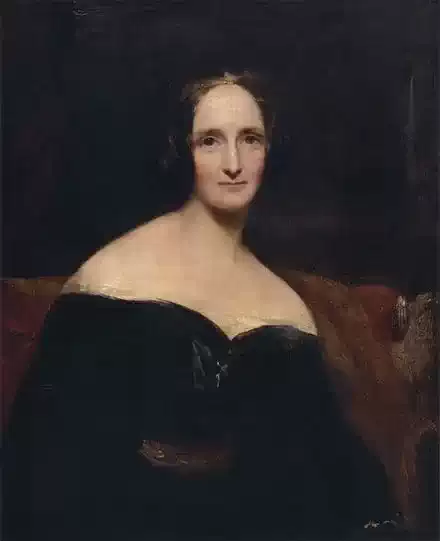
Percy Bysshe Shelley
On A Dead Violet
On A Dead Violet
The odor from the flower is gone
Which like thy kisses breathed on me;
The color from the flower is flown
Which glowed of thee and only thee!
A shrivelled, lifeless, vacant form,
It lies on my abandoned breast;
And mocks the heart, which yet is warm,
With cold and silent rest.
I weep--my tears revive it not;
I sigh--it breathes no more on me:
Its mute and uncomplaining lot
Is such as mine should be.
The odor from the flower is gone
Which like thy kisses breathed on me;
The color from the flower is flown
Which glowed of thee and only thee!
A shrivelled, lifeless, vacant form,
It lies on my abandoned breast;
And mocks the heart, which yet is warm,
With cold and silent rest.
I weep--my tears revive it not;
I sigh--it breathes no more on me:
Its mute and uncomplaining lot
Is such as mine should be.
1,004
1
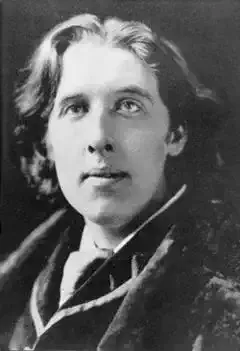
Oscar Wilde
Requiescat
Tread lightly, she is near
Under the snow,
Speak gently, she can hear
The daisies grow.
All her bright golden hair
Tarnished with rust,
She that was young and fair
Fallen to dust.
Lily-like, white as snow,
She hardly knew
She was a woman, so
Sweetly she grew.
Coffin-board, heavy stone,
Lie on her breast,
I vex my heart alone,
She is at rest.
Peace, Peace, she cannot hear
Lyre or sonnet,
All my life's buried here,
Heap earth upon it.
AVIGNON
Under the snow,
Speak gently, she can hear
The daisies grow.
All her bright golden hair
Tarnished with rust,
She that was young and fair
Fallen to dust.
Lily-like, white as snow,
She hardly knew
She was a woman, so
Sweetly she grew.
Coffin-board, heavy stone,
Lie on her breast,
I vex my heart alone,
She is at rest.
Peace, Peace, she cannot hear
Lyre or sonnet,
All my life's buried here,
Heap earth upon it.
AVIGNON
885
Oscar Wilde
My Voice
Within this restless, hurried, modern world
We took our hearts' full pleasure - You and I,
And now the white sails of our ship are furled,
And spent the lading of our argosy.
Wherefore my cheeks before their time are wan,
For very weeping is my gladness fled,
Sorrow has paled my young mouth's vermilion,
And Ruin draws the curtains of my bed.
But all this crowded life has been to thee
No more than lyre, or lute, or subtle spell
Of viols, or the music of the sea
That sleeps, a mimic echo, in the shell.
We took our hearts' full pleasure - You and I,
And now the white sails of our ship are furled,
And spent the lading of our argosy.
Wherefore my cheeks before their time are wan,
For very weeping is my gladness fled,
Sorrow has paled my young mouth's vermilion,
And Ruin draws the curtains of my bed.
But all this crowded life has been to thee
No more than lyre, or lute, or subtle spell
Of viols, or the music of the sea
That sleeps, a mimic echo, in the shell.
646
Oscar Wilde
Impression Du Matin
The Thames nocturne of blue and gold
Changed to a Harmony in grey:
A barge with ochre-coloured hay
Dropt from the wharf: and chill and cold
The yellow fog came creeping down
The bridges, till the houses' walls
Seemed changed to shadows and St. Paul's
Loomed like a bubble o'er the town.
Then suddenly arose the clang
Of waking life; the streets were stirred
With country waggons: and a bird
Flew to the glistening roofs and sang.
But one pale woman all alone,
The daylight kissing her wan hair,
Loitered beneath the gas lamps' flare,
With lips of flame and heart of stone.
Changed to a Harmony in grey:
A barge with ochre-coloured hay
Dropt from the wharf: and chill and cold
The yellow fog came creeping down
The bridges, till the houses' walls
Seemed changed to shadows and St. Paul's
Loomed like a bubble o'er the town.
Then suddenly arose the clang
Of waking life; the streets were stirred
With country waggons: and a bird
Flew to the glistening roofs and sang.
But one pale woman all alone,
The daylight kissing her wan hair,
Loitered beneath the gas lamps' flare,
With lips of flame and heart of stone.
613
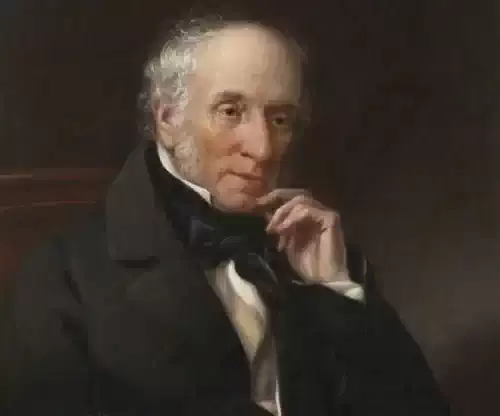
William Wordsworth
The Reaper
The Reaper
Behold her, single in the field,
Yon solitary Highland Lass!
Reaping and singing by herself;
Stop here, or gently pass!
Alone she cuts and binds the grain,
And sings a melancholy strain;
O listen! for the vale profound
Is overflowing with the sound.
No nightingale did ever chaunt
More welcome notes to weary bands
Of travellers in some shady haunt,
Among Arabian sands:
A voice so thrilling ne'er was heard
In spring-time from the cuckoo-bird
Breaking the silence of the seas
Among the farthest Hebrides.
Will no one tell me what she sings?
Perhaps the plaintive numbers flow
For old, unhappy, far-off things,
And battles long ago:
Or is it some more humble lay,
Familiar matter of today?
Some natural sorrow, loss, or pain,
That has been, and may be again!
Whate'er the theme, the maiden sang
As if her song could have no ending;
I saw her singing at her work,
And o'er the sickle bending;
I listened, motionless and still;
And as I mounted up the hill
The music in my heart I bore,
Long after it was heard no more.
Behold her, single in the field,
Yon solitary Highland Lass!
Reaping and singing by herself;
Stop here, or gently pass!
Alone she cuts and binds the grain,
And sings a melancholy strain;
O listen! for the vale profound
Is overflowing with the sound.
No nightingale did ever chaunt
More welcome notes to weary bands
Of travellers in some shady haunt,
Among Arabian sands:
A voice so thrilling ne'er was heard
In spring-time from the cuckoo-bird
Breaking the silence of the seas
Among the farthest Hebrides.
Will no one tell me what she sings?
Perhaps the plaintive numbers flow
For old, unhappy, far-off things,
And battles long ago:
Or is it some more humble lay,
Familiar matter of today?
Some natural sorrow, loss, or pain,
That has been, and may be again!
Whate'er the theme, the maiden sang
As if her song could have no ending;
I saw her singing at her work,
And o'er the sickle bending;
I listened, motionless and still;
And as I mounted up the hill
The music in my heart I bore,
Long after it was heard no more.
221
William Wordsworth
Lines Written In Early Spring
Lines Written In Early Spring
I HEARD a thousand blended notes,
While in a grove I sate reclined,
In that sweet mood when pleasant thoughts
Bring sad thoughts to the mind.
To her fair works did Nature link
The human soul that through me ran;
And much it grieved my heart to think
What man has made of man.
Through primrose tufts, in that green bower,
The periwinkle trailed its wreaths;
And 'tis my faith that every flower
Enjoys the air it breathes.
The birds around me hopped and played,
Their thoughts I cannot measure:---
But the least motion which they made,
It seemed a thrill of pleasure.
The budding twigs spread out their fan,
To catch the breezy air;
And I must think, do all I can,
That there was pleasure there.
If this belief from heaven be sent,
If such be Nature's holy plan,
Have I not reason to lament
What man has made of man?
I HEARD a thousand blended notes,
While in a grove I sate reclined,
In that sweet mood when pleasant thoughts
Bring sad thoughts to the mind.
To her fair works did Nature link
The human soul that through me ran;
And much it grieved my heart to think
What man has made of man.
Through primrose tufts, in that green bower,
The periwinkle trailed its wreaths;
And 'tis my faith that every flower
Enjoys the air it breathes.
The birds around me hopped and played,
Their thoughts I cannot measure:---
But the least motion which they made,
It seemed a thrill of pleasure.
The budding twigs spread out their fan,
To catch the breezy air;
And I must think, do all I can,
That there was pleasure there.
If this belief from heaven be sent,
If such be Nature's holy plan,
Have I not reason to lament
What man has made of man?
197
William Wordsworth
She Dwelt Among Untrodden Ways
"She Dwelt Among Untrodden Ways"
She dwelt among the untrodden ways
Beside the springs of Dove,
Maid whom there were none to praise
And very few to love:
A violet by a mosy tone
Half hidden from the eye!
---Fair as a star, when only one
Is shining in the sky.
She lived unknown, and few could know
When Lucy ceased to be;
But she is in her grave, and, oh,
The difference to me!
She dwelt among the untrodden ways
Beside the springs of Dove,
Maid whom there were none to praise
And very few to love:
A violet by a mosy tone
Half hidden from the eye!
---Fair as a star, when only one
Is shining in the sky.
She lived unknown, and few could know
When Lucy ceased to be;
But she is in her grave, and, oh,
The difference to me!
421

William Shakespeare
When to the sessions of sweet silent thought (Sonnet 30)
When to the sessions of sweet silent thought (Sonnet 30)
When to the sessions of sweet silent thought
I summon up remembrance of things past,
I sigh the lack of many a thing I sought,
And with old woes new wail my dear time's waste:
Then can I drown an eye, unused to flow,
For precious friends hid in death's dateless night,
And weep afresh love's long since cancelled woe,
And moan the expense of many a vanished sight:
Then can I grieve at grievances foregone,
And heavily from woe to woe tell o'er
The sad account of fore-bemoanèd moan,
Which I new pay as if not paid before.
But if the while I think on thee, dear friend,
All losses are restored and sorrows end.
When to the sessions of sweet silent thought
I summon up remembrance of things past,
I sigh the lack of many a thing I sought,
And with old woes new wail my dear time's waste:
Then can I drown an eye, unused to flow,
For precious friends hid in death's dateless night,
And weep afresh love's long since cancelled woe,
And moan the expense of many a vanished sight:
Then can I grieve at grievances foregone,
And heavily from woe to woe tell o'er
The sad account of fore-bemoanèd moan,
Which I new pay as if not paid before.
But if the while I think on thee, dear friend,
All losses are restored and sorrows end.
269
William Shakespeare
Sonnet 71: No longer mourn for me when I am dead
Sonnet 71: No longer mourn for me when I am dead
No longer mourn for me when I am dead
Than you shall hear the surly sullen bell
Give warning to the world that I am fled
From this vile world with vilest worms to dwell.
Nay if you read this line, remember not
The hand that writ it, for I love you so
That I in your sweet thoughts would be forgot
If thinking on me then should make you woe.
O, if, I say, you look upon this verse,
When I perhaps compounded am with clay,
Do not so much as my poor name rehearse,
But let your love even with my life decay,
Lest the wise world should look into your moan
And mock you with me after I am gone.
No longer mourn for me when I am dead
Than you shall hear the surly sullen bell
Give warning to the world that I am fled
From this vile world with vilest worms to dwell.
Nay if you read this line, remember not
The hand that writ it, for I love you so
That I in your sweet thoughts would be forgot
If thinking on me then should make you woe.
O, if, I say, you look upon this verse,
When I perhaps compounded am with clay,
Do not so much as my poor name rehearse,
But let your love even with my life decay,
Lest the wise world should look into your moan
And mock you with me after I am gone.
258

William Ernest Henley
Croquis
Croquis
The beach was crowded. Pausing now and then,
He groped and fiddled doggedly along,
His worn face glaring on the thoughtless throng
The stony peevishness of sightless men.
He seemed scarce older than his clothes. Again,
Grotesquing thinly many an old sweet song,
So cracked his fiddle, his hand so frail and wrong,
You hardly could distinguish one in ten.
He stopped at last, and sat him on the sand,
And, grasping wearily his bread-winner,
Staring dim towards the blue immensity,
Then leaned his head upon his poor old hand.
He may have slept: he did not speak nor stir:
His gesture spoke a vast despondency.
The beach was crowded. Pausing now and then,
He groped and fiddled doggedly along,
His worn face glaring on the thoughtless throng
The stony peevishness of sightless men.
He seemed scarce older than his clothes. Again,
Grotesquing thinly many an old sweet song,
So cracked his fiddle, his hand so frail and wrong,
You hardly could distinguish one in ten.
He stopped at last, and sat him on the sand,
And, grasping wearily his bread-winner,
Staring dim towards the blue immensity,
Then leaned his head upon his poor old hand.
He may have slept: he did not speak nor stir:
His gesture spoke a vast despondency.
149
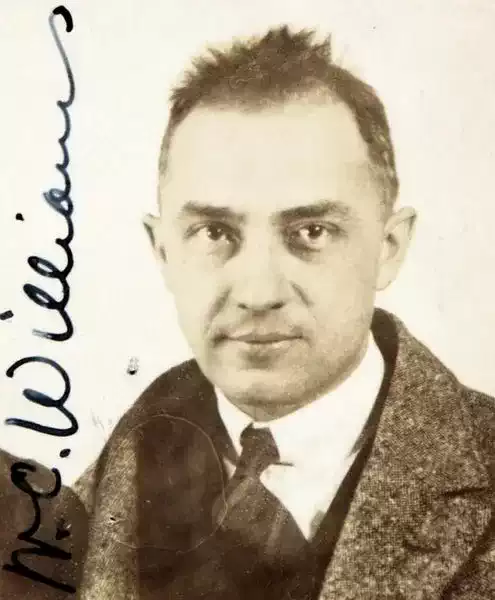
William Carlos Williams
The Dark Day
The Dark Day
A three-day-long rain from the east--
an terminable talking, talking
of no consequence--patter, patter, patter.
Hand in hand little winds
blow the thin streams aslant.
Warm. Distance cut off. Seclusion.
A few passers-by, drawn in upon themselves,
hurry from one place to another.
Winds of the white poppy! there is no escape!--
An interminable talking, talking,
talking . . .it has happened before.
Backward, backward, backward.
A three-day-long rain from the east--
an terminable talking, talking
of no consequence--patter, patter, patter.
Hand in hand little winds
blow the thin streams aslant.
Warm. Distance cut off. Seclusion.
A few passers-by, drawn in upon themselves,
hurry from one place to another.
Winds of the white poppy! there is no escape!--
An interminable talking, talking,
talking . . .it has happened before.
Backward, backward, backward.
451
William Butler Yeats
The Sad Shepherd
The Sad Shepherd
THERE was a man whom Sorrow named his Friend,
And he, of his high comrade Sorrow dreaming,
Went walking with slow steps along the gleaming
And humming Sands, where windy surges wend:
And he called loudly to the stars to bend
From their pale thrones and comfort him, but they
Among themselves laugh on and sing alway:
And then the man whom Sorrow named his friend
Cried out, Dim sea, hear my most piteous story.!
The sea Swept on and cried her old cry still,
Rolling along in dreams from hill to hill.
He fled the persecution of her glory
And, in a far-off, gentle valley stopping,
Cried all his story to the dewdrops glistening.
But naught they heard, for they are always listening,
The dewdrops, for the sound of their own dropping.
And then the man whom Sorrow named his friend
Sought once again the shore, and found a shell,
And thought, I will my heavy story tell
Till my own words, re-echoing, shall send
Their sadness through a hollow, pearly heart;
And my own talc again for me shall sing,
And my own whispering words be comforting,
And lo! my ancient burden may depart.
Then he sang softly nigh the pearly rim;
But the sad dweller by the sea-ways lone
Changed all he sang to inarticulate moan
Among her wildering whirls, forgetting him.
THERE was a man whom Sorrow named his Friend,
And he, of his high comrade Sorrow dreaming,
Went walking with slow steps along the gleaming
And humming Sands, where windy surges wend:
And he called loudly to the stars to bend
From their pale thrones and comfort him, but they
Among themselves laugh on and sing alway:
And then the man whom Sorrow named his friend
Cried out, Dim sea, hear my most piteous story.!
The sea Swept on and cried her old cry still,
Rolling along in dreams from hill to hill.
He fled the persecution of her glory
And, in a far-off, gentle valley stopping,
Cried all his story to the dewdrops glistening.
But naught they heard, for they are always listening,
The dewdrops, for the sound of their own dropping.
And then the man whom Sorrow named his friend
Sought once again the shore, and found a shell,
And thought, I will my heavy story tell
Till my own words, re-echoing, shall send
Their sadness through a hollow, pearly heart;
And my own talc again for me shall sing,
And my own whispering words be comforting,
And lo! my ancient burden may depart.
Then he sang softly nigh the pearly rim;
But the sad dweller by the sea-ways lone
Changed all he sang to inarticulate moan
Among her wildering whirls, forgetting him.
360
William Butler Yeats
The Old Men Admiring Themselves In The Water
The Old Men Admiring Themselves In The Water
I HEARD the old, old men say,
'Everything alters,
And one by one we drop away.'
They had hands like claws, and their knees
Were twisted like the old thorn-trees
By the waters.
I heard the old, old men say,
'All that's beautiful drifts away
Like the waters.'
I HEARD the old, old men say,
'Everything alters,
And one by one we drop away.'
They had hands like claws, and their knees
Were twisted like the old thorn-trees
By the waters.
I heard the old, old men say,
'All that's beautiful drifts away
Like the waters.'
329
William Butler Yeats
The Cloak, The Boat And The Shoes
The Cloak, The Boat And The Shoes
'What do you make so fair and bright?'
'I make the cloak of Sorrow:
O lovely to see in all men's sight
Shall be the cloak of Sorrow,
In all men's sight.'
'What do you build with sails for flight?'
'I build a boat for Sorrow:
O swift on the seas all day and night
Saileth the rover Sorrow,
All day and night.'
What do you weave with wool so white?'
'I weave the shoes of Sorrow:
Soundless shall be the footfall light
In all men's ears of Sorrow,
Sudden and light.'
'What do you make so fair and bright?'
'I make the cloak of Sorrow:
O lovely to see in all men's sight
Shall be the cloak of Sorrow,
In all men's sight.'
'What do you build with sails for flight?'
'I build a boat for Sorrow:
O swift on the seas all day and night
Saileth the rover Sorrow,
All day and night.'
What do you weave with wool so white?'
'I weave the shoes of Sorrow:
Soundless shall be the footfall light
In all men's ears of Sorrow,
Sudden and light.'
346
William Blake
Song: Memory, hither come
Song: Memory, hither come
Memory, hither come,
And tune your merry notes;
And, while upon the wind
Your music floats,
I'll pore upon the stream
Where sighing lovers dream,
And fish for fancies as they pass
Within the watery glass.
I'll drink of the clear stream,
And hear the linnet's song;
And there I'll lie and dream
The day along:
And, when night comes, I'll go
To places fit for woe,
Walking along the darken'd valley
With silent Melancholy.
Memory, hither come,
And tune your merry notes;
And, while upon the wind
Your music floats,
I'll pore upon the stream
Where sighing lovers dream,
And fish for fancies as they pass
Within the watery glass.
I'll drink of the clear stream,
And hear the linnet's song;
And there I'll lie and dream
The day along:
And, when night comes, I'll go
To places fit for woe,
Walking along the darken'd valley
With silent Melancholy.
341

Wilfred Owen
The Send-off
The Send-off
Down the close, darkening lanes they sang their way
To the siding-shed,
And lined the train with faces grimly gay.
Their breasts were stuck all white with wreath and spray
As men's are, dead.
Dull porters watched them, and a casual tramp
Stood staring hard,
Sorry to miss them from the upland camp.
Then, unmoved, signals nodded, and a lamp
Winked to the guard.
So secretly, like wrongs hushed-up, they went.
They were not ours:
We never heard to which front these were sent.
Nor there if they yet mock what women meant
Who gave them flowers.
Shall they return to beatings of great bells
In wild trainloads?
A few, a few, too few for drums and yells,
May creep back, silent, to still village wells
Up half-known roads.
Down the close, darkening lanes they sang their way
To the siding-shed,
And lined the train with faces grimly gay.
Their breasts were stuck all white with wreath and spray
As men's are, dead.
Dull porters watched them, and a casual tramp
Stood staring hard,
Sorry to miss them from the upland camp.
Then, unmoved, signals nodded, and a lamp
Winked to the guard.
So secretly, like wrongs hushed-up, they went.
They were not ours:
We never heard to which front these were sent.
Nor there if they yet mock what women meant
Who gave them flowers.
Shall they return to beatings of great bells
In wild trainloads?
A few, a few, too few for drums and yells,
May creep back, silent, to still village wells
Up half-known roads.
415
Wilfred Owen
Happiness
Happiness
Ever again to breathe pure happiness,
So happy that we gave away our toy?
We smiled at nothings, needing no caress?
Have we not laughed too often since with Joy?
Have we not stolen too strange and sorrowful wrongs
For her hands' pardoning? The sun may cleanse,
And time, and starlight. Life will sing great songs,
And gods will show us pleasures more than men's.
Yet heaven looks smaller than the old doll's-home,
No nestling place is left in bluebell bloom,
And the wide arms of trees have lost their scope.
The former happiness is unreturning:
Boys' griefs are not so grievous as our yearning,
Boys have no sadness sadder than our hope.
Ever again to breathe pure happiness,
So happy that we gave away our toy?
We smiled at nothings, needing no caress?
Have we not laughed too often since with Joy?
Have we not stolen too strange and sorrowful wrongs
For her hands' pardoning? The sun may cleanse,
And time, and starlight. Life will sing great songs,
And gods will show us pleasures more than men's.
Yet heaven looks smaller than the old doll's-home,
No nestling place is left in bluebell bloom,
And the wide arms of trees have lost their scope.
The former happiness is unreturning:
Boys' griefs are not so grievous as our yearning,
Boys have no sadness sadder than our hope.
165
Walt Whitman
Hours Continuing Long
Hours Continuing Long
HOURS continuing long, sore and heavy-hearted,
Hours of the dusk, when I withdraw to a lonesome and unfrequented
spot, seating myself, leaning my face in my hands;
Hours sleepless, deep in the night, when I go forth, speeding swiftly
the country roads, or through the city streets, or pacing miles
and miles, stifling plaintive cries;
Hours discouraged, distracted--for the one I cannot content myself
without, soon I saw him content himself without me;
Hours when I am forgotten, (O weeks and months are passing, but I
believe I am never to forget!)
Sullen and suffering hours! (I am ashamed--but it is useless--I am
what I am;)
Hours of my torment--I wonder if other men ever have the like, out of
the like feelings?
Is there even one other like me--distracted--his friend, his lover,
lost to him?
Is he too as I am now? Does he still rise in the morning, dejected,
thinking who is lost to him? and at night, awaking, think who
is lost?
Does he too harbor his friendship silent and endless? harbor his
anguish and passion? 10
Does some stray reminder, or the casual mention of a name, bring the
fit back upon him, taciturn and deprest?
Does he see himself reflected in me? In these hours, does he see the
face of his hours reflected?
HOURS continuing long, sore and heavy-hearted,
Hours of the dusk, when I withdraw to a lonesome and unfrequented
spot, seating myself, leaning my face in my hands;
Hours sleepless, deep in the night, when I go forth, speeding swiftly
the country roads, or through the city streets, or pacing miles
and miles, stifling plaintive cries;
Hours discouraged, distracted--for the one I cannot content myself
without, soon I saw him content himself without me;
Hours when I am forgotten, (O weeks and months are passing, but I
believe I am never to forget!)
Sullen and suffering hours! (I am ashamed--but it is useless--I am
what I am;)
Hours of my torment--I wonder if other men ever have the like, out of
the like feelings?
Is there even one other like me--distracted--his friend, his lover,
lost to him?
Is he too as I am now? Does he still rise in the morning, dejected,
thinking who is lost to him? and at night, awaking, think who
is lost?
Does he too harbor his friendship silent and endless? harbor his
anguish and passion? 10
Does some stray reminder, or the casual mention of a name, bring the
fit back upon him, taciturn and deprest?
Does he see himself reflected in me? In these hours, does he see the
face of his hours reflected?
576
Wallace Stevens
The Man Whose Pharynx Was Bad
The Man Whose Pharynx Was Bad
The time of year has grown indifferent.
Mildew of summer and the deepening snow
Are both alike in the routine I know:
I am too dumbly in my being pent.
The wind attendant on the solstices
Blows on the shutters of the metropoles,
Stirring no poet in his sleep, and tolls
The grand ideas of the villages.
The malady of the quotidian . . .
Perhaps if summer ever came to rest
And lengthened, deepened, comforted, caressed
Through days like oceans in obsidian
Horizons, full of night's midsummer blaze;
Perhaps, if winter once could penetrate
Through all its purples to the final slate,
Persisting bleakly in an icy haze;
One might in turn become less diffident,
Out of such mildew plucking neater mould
And spouting new orations of the cold.
One might. One might. But time will not relent.
The time of year has grown indifferent.
Mildew of summer and the deepening snow
Are both alike in the routine I know:
I am too dumbly in my being pent.
The wind attendant on the solstices
Blows on the shutters of the metropoles,
Stirring no poet in his sleep, and tolls
The grand ideas of the villages.
The malady of the quotidian . . .
Perhaps if summer ever came to rest
And lengthened, deepened, comforted, caressed
Through days like oceans in obsidian
Horizons, full of night's midsummer blaze;
Perhaps, if winter once could penetrate
Through all its purples to the final slate,
Persisting bleakly in an icy haze;
One might in turn become less diffident,
Out of such mildew plucking neater mould
And spouting new orations of the cold.
One might. One might. But time will not relent.
316
Wallace Stevens
Gray Room
Gray Room
Although you sit in a room that is gray,
Except for the silver
Of the straw-paper,
And pick
At your pale white gown;
Or lift one of the green beads
Of your necklace,
To let it fall;
Or gaze at your green fan
Printed with the red branches of a red willow;
Or, with one finger,
Move the leaf in the bowl--
The leaf that has fallen from the branches of the forsythia
Beside you...
What is all this?
I know how furiously your heart is beating.
Although you sit in a room that is gray,
Except for the silver
Of the straw-paper,
And pick
At your pale white gown;
Or lift one of the green beads
Of your necklace,
To let it fall;
Or gaze at your green fan
Printed with the red branches of a red willow;
Or, with one finger,
Move the leaf in the bowl--
The leaf that has fallen from the branches of the forsythia
Beside you...
What is all this?
I know how furiously your heart is beating.
278
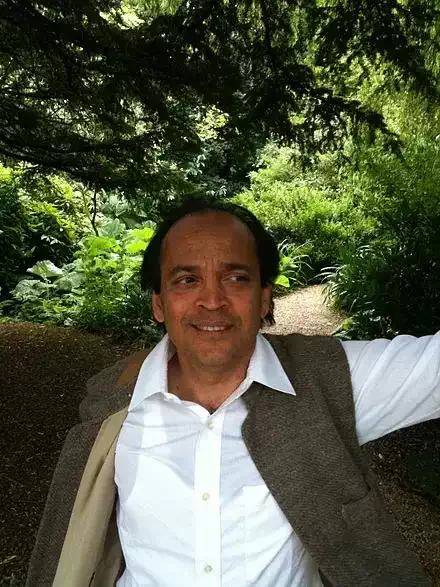
Vikram Seth
Song 'Coast Starlight'
Song 'Coast Starlight'
Some days I feel a sadness not of grief
The shadows lengthen on the earth's relief
Salinas flows by like a silver shawl
A girl waves from the mission wall.
Some days I feel a sadness not of grief
The shadows lengthen on the earth's relief
Salinas flows by like a silver shawl
A girl waves from the mission wall.
530
Vikram Seth
Mistaken
Mistaken
I smiled at you because I thought that you
Were someone else; you smiled back; and there grew
Between two strangers in a library
Something that seemes like love; but you loved me
(If that's the word) because you thought that I
Was other than I was. And by and by
We found we'd been mistaken all the while
From that first glance, that first mistaken smile.
I smiled at you because I thought that you
Were someone else; you smiled back; and there grew
Between two strangers in a library
Something that seemes like love; but you loved me
(If that's the word) because you thought that I
Was other than I was. And by and by
We found we'd been mistaken all the while
From that first glance, that first mistaken smile.
806
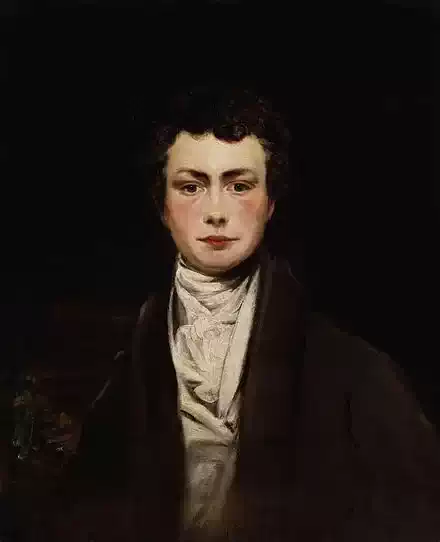
Thomas Moore
Whene'er I See Those Smiling Eyes
Whene'er I See Those Smiling Eyes
Whene'er I see those smiling eyes,
So full of hope, and joy, and light,
As if no cloud could ever rise,
To dim a heaven so purely bright --
I sigh to think how soon that brow
In grief may lose its every ray,
And that light heart, so joyous now,
Almost forget it once was gay.
For time will come with all its blights,
The ruin'd hope, the friend unkind,
And love, that leaves, where'er it lights,
A chill'd or burning heart behind:
While youth, that now like snow appears,
Ere sullied by the darkening rain,
When once 'tis touch'd by sorrow's tears,
Can never shine so bright again.
Whene'er I see those smiling eyes,
So full of hope, and joy, and light,
As if no cloud could ever rise,
To dim a heaven so purely bright --
I sigh to think how soon that brow
In grief may lose its every ray,
And that light heart, so joyous now,
Almost forget it once was gay.
For time will come with all its blights,
The ruin'd hope, the friend unkind,
And love, that leaves, where'er it lights,
A chill'd or burning heart behind:
While youth, that now like snow appears,
Ere sullied by the darkening rain,
When once 'tis touch'd by sorrow's tears,
Can never shine so bright again.
186
Thomas Moore
This Life Is All Chequer'd With Pleasures and Woes
This Life Is All Chequer'd With Pleasures and Woes
This life is all chequer'd with pleasures and woes,
That chase one another like waves of the deep --
Each brightly or darkly, as onward it flows,
Reflecting our eyes, as they sparkle or weep.
So closely our whims on our miseries tread,
That the laugh is awaked ere the tear can be dried;
And, as fast as the rain-drop of Pity is shed,
The goose-plumage of Folly can turn it aside.
But pledge me the cup -- if existence would cloy,
With hearts ever happy and heads ever wise,
Be ours the light Sorrow, half-sister to Joy,
And the light brilliant Folly that flashes and dies.
When Hylas was sent with his urn to the fount,
Through fields full of light, and with heart full of play,
Light rambled the boy, over meadow and mount,
And neglected his task for the flowers on the way.
Thus many, like me, who in youth should have tasted
The fountain that runs by Philosophy's shrine,
Their time with the flowers on the margin have wasted,
And left their light urns all as empty as mine.
But pledge me the goblet; -- while idleness weaves
These flowerets together, should Wisdom but see
One bright drop or two that has fall'n on the leaves
From her fountain divine, 'tis sufficient for me.
This life is all chequer'd with pleasures and woes,
That chase one another like waves of the deep --
Each brightly or darkly, as onward it flows,
Reflecting our eyes, as they sparkle or weep.
So closely our whims on our miseries tread,
That the laugh is awaked ere the tear can be dried;
And, as fast as the rain-drop of Pity is shed,
The goose-plumage of Folly can turn it aside.
But pledge me the cup -- if existence would cloy,
With hearts ever happy and heads ever wise,
Be ours the light Sorrow, half-sister to Joy,
And the light brilliant Folly that flashes and dies.
When Hylas was sent with his urn to the fount,
Through fields full of light, and with heart full of play,
Light rambled the boy, over meadow and mount,
And neglected his task for the flowers on the way.
Thus many, like me, who in youth should have tasted
The fountain that runs by Philosophy's shrine,
Their time with the flowers on the margin have wasted,
And left their light urns all as empty as mine.
But pledge me the goblet; -- while idleness weaves
These flowerets together, should Wisdom but see
One bright drop or two that has fall'n on the leaves
From her fountain divine, 'tis sufficient for me.
170
Page 1
Next