

Solitude
Poems in this topic
Vikram Seth
The Golden Gate - I (A novel in verse)
The Golden Gate - I (A novel in verse)
1.1.
To make a start more swift and weighty,
Hail Muse. Dear Reader, once upon
A time, say, circa 1980,
There lived a man. His name was John.
Successful in his field though only
Twenty-six, respected, lonely,
One evening as he walked across
Golden Gate Park, the ill-judged toss
Of a red frisbee almost brained him.
He thought, "Who'd gloat? Who would be glad?
Would anybody? " As it pained him,
He turned from this dispiriting theme
To ruminations less extreme.
1.2.
He tuned his thoughts to electronic
Circuitry. This soothed his mind.
He left irregular (moronic)
Sentimentality behind.
He thought of or-gates and of and-gates,
Of ROMs, of nor-gates, and of nand-gates,
Of nanoseconds, megabytes,
And bits and nibbles… but as flights
Of silhouetted birds move cawing
Across the pine-serrated sky,
Dragged from his cove, not knowing why,
He feels an urgent riptide drawing
Him far out, where, caught in the kelp
Of loneliness, he cries for help.
1.3.
John's looks are good. His dress is formal.
His voice is low. His mind is sound.
His appetite for work's abnormal.
A plastic name tag hangs around
His collar like a votive necklace.
Though well-paid, he is far from reckless,
Pays his rent promptly, jogs, does not
Smoke cigarettes, and rarely pot,
Eschews both church and heavy drinking,
Enjoys his garden, like to read
Eclectically from Mann to Bede.
(A surrogate, some say, for thinking.)
friends claim he's grown aloof and prim.
(His boss, though, is well-pleased with him.)
1.4.
Grey-eyed, blond-haired, aristocratic
In height, impatience, views, and face,
Discriminating though dogmatic,
Tender beneath a carapace
Of well-groomed tastes and tasteful grooming,
John, though his corporate stock is booming,
For all his mohair, serge, and tweed,
Senses his life has run to seed.
A passionate man, with equal parts of
Irritability and charm,
Without as such intending harm,
His flaring temper singed the hearts of
Several woman in the days
Before his chaste, ambitious phase.
1.5.
John notes the late September showers
Have tinged the blond hills round the bay
With a new green. He notes the flowers
In their pre-winter bloom. The way
That, when he was a child, the mystery
Of San Francisco's restless spark,
It strikes him now as, through the park,
Wrested from old dunes by the westward
Thrust of the greenbelt to the slow
Pacific swell, his footsteps go.
But it is late. The birds fly nestward
Towards the sunset, and the arc
Of darkness drifts across the park.
1.6.
It's Friday night. The unfettered city
Resounds with hedonistic glee.
John feels a cold cast of self-pity
Envelop him. No family
Cushions his solitude, or rather,
His mother's dead, his English father,
Retired in his native Kent,
Rarely responds to letters sent
(If rarely) by his transatlantic
Offspring. In letters to The Times
He rails against the nameless crimes
Of the post office. Waxing frantic
About delays from coast to coast,
He hones his wit and damns the post.
1.7.
A linkless node, no spouse or sibling,
No children - John wanders alone
Into an ice cream parlor. Nibbling
The edges of a sugar cone
By turns, a pair of high school lovers
Stand giggling. John, uncharmed, discovers
His favorite flavors, Pumpkin Pie
And Bubble Gum, decides to buy
A double scoop; sits down; but whether
His eyes fall on a knot of three
Schoolgirls, a clamorous family,
Or, munching cheerfully together,
A hippie and a Castro clone,
It hurts that only he's alone.
1.8.
He goes home, seeking consolation
Among old Beatles and Pink Floyd —
But "Girl" elicits mere frustration,
While "Money" leaves him more annoyed.
Alas, he hungers less for money
Than for a fleeting Taste of Honey.
Murmuring, "Money — it's a gas! …
The lunatic is on the grass,"
He pours himself a beer. Desires
And reminiscences intrude
Upon his unpropitious mood
Until he feels that he requires
A one-way Ticket to Ride — and soon —
Across the Dark Side of the Moon.
1.9.
He thinks back to his day at college,
To Phil, to Berkeley friends, to nights
When the pursuit of grades and knowledge
Foundered in beery jokes and fights.
Eheu fugaces… Silicon Valley
Lures to ambition's ulcer alley
Young graduates with siren screams
Of power and wealth beyond their dreams,
Ejects the lax, and drives the driven,
Burning their candles at both ends.
Thus files take precedence over friends,
Labor is lauded, leisure riven.
John kneels bareheaded and unshod
Before the Chip, a jealous God.
1.1.
To make a start more swift and weighty,
Hail Muse. Dear Reader, once upon
A time, say, circa 1980,
There lived a man. His name was John.
Successful in his field though only
Twenty-six, respected, lonely,
One evening as he walked across
Golden Gate Park, the ill-judged toss
Of a red frisbee almost brained him.
He thought, "Who'd gloat? Who would be glad?
Would anybody? " As it pained him,
He turned from this dispiriting theme
To ruminations less extreme.
1.2.
He tuned his thoughts to electronic
Circuitry. This soothed his mind.
He left irregular (moronic)
Sentimentality behind.
He thought of or-gates and of and-gates,
Of ROMs, of nor-gates, and of nand-gates,
Of nanoseconds, megabytes,
And bits and nibbles… but as flights
Of silhouetted birds move cawing
Across the pine-serrated sky,
Dragged from his cove, not knowing why,
He feels an urgent riptide drawing
Him far out, where, caught in the kelp
Of loneliness, he cries for help.
1.3.
John's looks are good. His dress is formal.
His voice is low. His mind is sound.
His appetite for work's abnormal.
A plastic name tag hangs around
His collar like a votive necklace.
Though well-paid, he is far from reckless,
Pays his rent promptly, jogs, does not
Smoke cigarettes, and rarely pot,
Eschews both church and heavy drinking,
Enjoys his garden, like to read
Eclectically from Mann to Bede.
(A surrogate, some say, for thinking.)
friends claim he's grown aloof and prim.
(His boss, though, is well-pleased with him.)
1.4.
Grey-eyed, blond-haired, aristocratic
In height, impatience, views, and face,
Discriminating though dogmatic,
Tender beneath a carapace
Of well-groomed tastes and tasteful grooming,
John, though his corporate stock is booming,
For all his mohair, serge, and tweed,
Senses his life has run to seed.
A passionate man, with equal parts of
Irritability and charm,
Without as such intending harm,
His flaring temper singed the hearts of
Several woman in the days
Before his chaste, ambitious phase.
1.5.
John notes the late September showers
Have tinged the blond hills round the bay
With a new green. He notes the flowers
In their pre-winter bloom. The way
That, when he was a child, the mystery
Of San Francisco's restless spark,
It strikes him now as, through the park,
Wrested from old dunes by the westward
Thrust of the greenbelt to the slow
Pacific swell, his footsteps go.
But it is late. The birds fly nestward
Towards the sunset, and the arc
Of darkness drifts across the park.
1.6.
It's Friday night. The unfettered city
Resounds with hedonistic glee.
John feels a cold cast of self-pity
Envelop him. No family
Cushions his solitude, or rather,
His mother's dead, his English father,
Retired in his native Kent,
Rarely responds to letters sent
(If rarely) by his transatlantic
Offspring. In letters to The Times
He rails against the nameless crimes
Of the post office. Waxing frantic
About delays from coast to coast,
He hones his wit and damns the post.
1.7.
A linkless node, no spouse or sibling,
No children - John wanders alone
Into an ice cream parlor. Nibbling
The edges of a sugar cone
By turns, a pair of high school lovers
Stand giggling. John, uncharmed, discovers
His favorite flavors, Pumpkin Pie
And Bubble Gum, decides to buy
A double scoop; sits down; but whether
His eyes fall on a knot of three
Schoolgirls, a clamorous family,
Or, munching cheerfully together,
A hippie and a Castro clone,
It hurts that only he's alone.
1.8.
He goes home, seeking consolation
Among old Beatles and Pink Floyd —
But "Girl" elicits mere frustration,
While "Money" leaves him more annoyed.
Alas, he hungers less for money
Than for a fleeting Taste of Honey.
Murmuring, "Money — it's a gas! …
The lunatic is on the grass,"
He pours himself a beer. Desires
And reminiscences intrude
Upon his unpropitious mood
Until he feels that he requires
A one-way Ticket to Ride — and soon —
Across the Dark Side of the Moon.
1.9.
He thinks back to his day at college,
To Phil, to Berkeley friends, to nights
When the pursuit of grades and knowledge
Foundered in beery jokes and fights.
Eheu fugaces… Silicon Valley
Lures to ambition's ulcer alley
Young graduates with siren screams
Of power and wealth beyond their dreams,
Ejects the lax, and drives the driven,
Burning their candles at both ends.
Thus files take precedence over friends,
Labor is lauded, leisure riven.
John kneels bareheaded and unshod
Before the Chip, a jealous God.
2,183
1
Oscar Wilde
The Grave Of Shelley
Like burnt-out torches by a sick man's bed
Gaunt cypress-trees stand round the sun-bleached stone;
Here doth the little night-owl make her throne,
And the slight lizard show his jewelled head.
And, where the chaliced poppies flame to red,
In the still chamber of yon pyramid
Surely some Old-World Sphinx lurks darkly hid,
Grim warder of this pleasaunce of the dead.
Ah! sweet indeed to rest within the womb
Of Earth, great mother of eternal sleep,
But sweeter far for thee a restless tomb
In the blue cavern of an echoing deep,
Or where the tall ships founder in the gloom
Against the rocks of some wave-shattered steep.
ROME.
Gaunt cypress-trees stand round the sun-bleached stone;
Here doth the little night-owl make her throne,
And the slight lizard show his jewelled head.
And, where the chaliced poppies flame to red,
In the still chamber of yon pyramid
Surely some Old-World Sphinx lurks darkly hid,
Grim warder of this pleasaunce of the dead.
Ah! sweet indeed to rest within the womb
Of Earth, great mother of eternal sleep,
But sweeter far for thee a restless tomb
In the blue cavern of an echoing deep,
Or where the tall ships founder in the gloom
Against the rocks of some wave-shattered steep.
ROME.
805
William Wordsworth
Old Cumberland Beggar, The
Old Cumberland Beggar, The
I saw an aged Beggar in my walk;
And he was seated, by the highway side,
On a low structure of rude masonry
Built at the foot of a huge hill, that they
Who lead their horses down the steep rough road
May thence remount at ease. The aged Man
Had placed his staff across the broad smooth stone
That overlays the pile; and, from a bag
All white with flour, the dole of village dames,
He drew his scraps and fragments, one by one;
And scanned them with a fixed and serious look
Of idle computation. In the sun,
Upon the second step of that small pile,
Surrounded by those wild unpeopled hills,
He sat, and ate his food in solitude:
And ever, scattered from his palsied hand,
That, still attempting to prevent the waste,
Was baffled still, the crumbs in little showers
Fell on the ground; and the small mountain birds,
Not venturing yet to peck their destined meal,
Approached within the length of half his staff.
Him from my childhood have I known; and then
He was so old, he seems not older now;
He travels on, a solitary Man,
So helpless in appearance, that for him
The sauntering Horseman throws not with a slack
And careless hand his alms upon the ground,
But stops,--that he may safely lodge the coin
Within the old Man's hat; nor quits him so,
But still, when he has given his horse the rein,
Watches the aged Beggar with a look
Sidelong, and half-reverted. She who tends
The toll-gate, when in summer at her door
She turns her wheel, if on the road she sees
The aged beggar coming, quits her work,
And lifts the latch for him that he may pass.
The post-boy, when his rattling wheels o'ertake
The aged Beggar in the woody lane,
Shouts to him from behind; and if, thus warned,
The old man does not change his course, the boy
Turns with less noisy wheels to the roadside,
And passes gently by, without a curse
Upon his lips, or anger at his heart.
He travels on, a solitary Man;
His age has no companion. On the ground
His eyes are turned, and, as he moves along
'They' move along the ground; and, evermore,
Instead of common and habitual sight
Of fields with rural works, of hill and dale,
And the blue sky, one little span of earth
Is all his prospect. Thus, from day to day,
Bow-bent, his eyes for ever on the ground,
He plies his weary journey; seeing still,
And seldom knowing that he sees, some straw,
Some scattered leaf, or marks which, in one track,
The nails of cart or chariot-wheel have left
Impressed on the white road,--in the same line,
At distance still the same. Poor Traveller!
His staff trails with him; scarcely do his feet
Disturb the summer dust; he is so still
In look and motion, that the cottage curs,
Ere he has passed the door, will turn away,
Weary of barking at him. Boys and girls,
The vacant and the busy, maids and youths,
And urchins newly breeched--all pass him by:
Him even the slow-paced waggon leaves behind.
But deem not this Man useless.--Statesmen! ye
Who are so restless in your wisdom, ye
Who have a broom still ready in your hands
To rid the world of nuisances; ye proud,
Heart-swoln, while in your pride ye contemplate
Your talents, power, or wisdom, deem him not
A burthen of the earth! 'Tis Nature's law
That none, the meanest of created things,
Or forms created the most vile and brute,
The dullest or most noxious, should exist
Divorced from good--a spirit and pulse of good,
A life and soul, to every mode of being
Inseparably linked. Then be assured
That least of all can aught--that ever owned
The heaven-regarding eye and front sublime
Which man is born to--sink, howe'er depressed,
So low as to be scorned without a sin;
Without offence to God cast out of view;
Like the dry remnant of a garden-flower
Whose seeds are shed, or as an implement
Worn out and worthless. While from door to door,
This old Man creeps, the villagers in him
Behold a record which together binds
Past deeds and offices of charity,
Else unremembered, and so keeps alive
The kindly mood in hearts which lapse of years,
And that half-wisdom half-experience gives,
Make slow to feel, and by sure steps resign
To selfishness and cold oblivious cares.
Among the farms and solitary huts,
Hamlets and thinly-scattered villages,
Where'er the aged Beggar takes his rounds,
The mild necessity of use compels
To acts of love; and habit does the work
Of reason; yet prepares that after-joy
Which reason cherishes. And thus the soul,
By that sweet taste of pleasure unpursued,
Doth find herself insensibly disposed
To virtue and true goodness.
Some there are,
By their good works exalted, lofty minds
And meditative, authors of delight
And happiness, which to the end of time
Will live, and spread, and kindle: even such minds
In childhood, from this solitary Being,
Or from like wanderer, haply have received
(A thing more precious far than all that books
Or the solicitudes of love can do!)
That first mild touch of sympathy and thought,
In which they found their kindred with a world
Where want and sorrow were. The easy man
Who sits at his own door,--and, like the pear
That overhangs his head from the green wall,
Feeds in the sunshine; the robust and young,
The prosperous and unthinking, they who live
Sheltered, and flourish in a little grove
Of their own kindred;--all behold in him
A silent monitor, which on their minds
Must needs impress a transitory thought
Of self-congratulation, to the heart
Of each recalling his peculiar boons,
His charters and exemptions; and, perchance,
Though he to no one give the fortitude
And circumspection needful to preserve
His present blessings, and to husband up
The respite of the season, he, at least,
And 'tis no vulgar service, makes them felt.
Yet further.----Many, I believe, there are
Who live a life of virtuous decency,
Men who can hear the Decalogue and feel
No self-reproach; who of the moral law
Established in the land where they abide
Are strict observers; and not negligent
In acts of love to those with whom they dwell,
Their kindred, and the children of their blood.
Praise be to such, and to their slumbers peace!
--But of the poor man ask, the abject poor;
Go, and demand of him, if there be here
In this cold abstinence from evil deeds,
And these inevitable charities,
Wherewith to satisfy the human soul?
No--man is dear to man; the poorest poor
Long for some moments in a weary life
When they can know and feel that they have been,
Themselves, the fathers and the dealers-out
Of some small blessings; have been kind to such
As needed kindness, for this single cause,
That we have all of us one human heart.
--Such pleasure is to one kind Being known,
My neighbour, when with punctual care, each week
Duly as Friday comes, though pressed herself
By her own wants, she from her store of meal
Takes one unsparing handful for the scrip
Of this old Mendicant, and, from her door
Returning with exhilarated heart,
Sits by her fire, and builds her hope in heaven.
Then let him pass, a blessing on his head!
And while in that vast solitude to which
The tide of things has borne him, he appears
To breathe and live but for himself alone,
Unblamed, uninjured, let him bear about
The good which the benignant law of Heaven
Has hung around him: and, while life is his,
Still let him prompt the unlettered villagers
To tender offices and pensive thoughts.
--Then let him pass, a blessing on his head!
And, long as he can wander, let him breathe
The freshness of the valleys; let his blood
Struggle with frosty air and winter snows;
And let the chartered wind that sweeps the heath
Beat his grey locks against his withered face.
Reverence the hope whose vital anxiousness
Gives the last human interest to his heart.
May never HOUSE, misnamed of INDUSTRY,
Make him a captive!--for that pent-up din,
Those life-consuming sounds that clog the air,
Be his the natural silence of old age!
Let him be free of mountain solitudes;
And have around him, whether heard or not,
The pleasant melody of woodland birds.
Few are his pleasures: if his eyes have now
Been doomed so long to settle upon earth
That not without some effort they behold
The countenance of the horizontal sun,
Rising or setting, let the light at least
Find a free entrance to their languid orbs.
And let him, 'where' and 'when' he will, sit down
Beneath the trees, or on a grassy bank
Of highway side, and with the little birds
Share his chance-gathered meal; and, finally,
As in the eye of Nature he has lived,
So in the eye of Nature let him die!
I saw an aged Beggar in my walk;
And he was seated, by the highway side,
On a low structure of rude masonry
Built at the foot of a huge hill, that they
Who lead their horses down the steep rough road
May thence remount at ease. The aged Man
Had placed his staff across the broad smooth stone
That overlays the pile; and, from a bag
All white with flour, the dole of village dames,
He drew his scraps and fragments, one by one;
And scanned them with a fixed and serious look
Of idle computation. In the sun,
Upon the second step of that small pile,
Surrounded by those wild unpeopled hills,
He sat, and ate his food in solitude:
And ever, scattered from his palsied hand,
That, still attempting to prevent the waste,
Was baffled still, the crumbs in little showers
Fell on the ground; and the small mountain birds,
Not venturing yet to peck their destined meal,
Approached within the length of half his staff.
Him from my childhood have I known; and then
He was so old, he seems not older now;
He travels on, a solitary Man,
So helpless in appearance, that for him
The sauntering Horseman throws not with a slack
And careless hand his alms upon the ground,
But stops,--that he may safely lodge the coin
Within the old Man's hat; nor quits him so,
But still, when he has given his horse the rein,
Watches the aged Beggar with a look
Sidelong, and half-reverted. She who tends
The toll-gate, when in summer at her door
She turns her wheel, if on the road she sees
The aged beggar coming, quits her work,
And lifts the latch for him that he may pass.
The post-boy, when his rattling wheels o'ertake
The aged Beggar in the woody lane,
Shouts to him from behind; and if, thus warned,
The old man does not change his course, the boy
Turns with less noisy wheels to the roadside,
And passes gently by, without a curse
Upon his lips, or anger at his heart.
He travels on, a solitary Man;
His age has no companion. On the ground
His eyes are turned, and, as he moves along
'They' move along the ground; and, evermore,
Instead of common and habitual sight
Of fields with rural works, of hill and dale,
And the blue sky, one little span of earth
Is all his prospect. Thus, from day to day,
Bow-bent, his eyes for ever on the ground,
He plies his weary journey; seeing still,
And seldom knowing that he sees, some straw,
Some scattered leaf, or marks which, in one track,
The nails of cart or chariot-wheel have left
Impressed on the white road,--in the same line,
At distance still the same. Poor Traveller!
His staff trails with him; scarcely do his feet
Disturb the summer dust; he is so still
In look and motion, that the cottage curs,
Ere he has passed the door, will turn away,
Weary of barking at him. Boys and girls,
The vacant and the busy, maids and youths,
And urchins newly breeched--all pass him by:
Him even the slow-paced waggon leaves behind.
But deem not this Man useless.--Statesmen! ye
Who are so restless in your wisdom, ye
Who have a broom still ready in your hands
To rid the world of nuisances; ye proud,
Heart-swoln, while in your pride ye contemplate
Your talents, power, or wisdom, deem him not
A burthen of the earth! 'Tis Nature's law
That none, the meanest of created things,
Or forms created the most vile and brute,
The dullest or most noxious, should exist
Divorced from good--a spirit and pulse of good,
A life and soul, to every mode of being
Inseparably linked. Then be assured
That least of all can aught--that ever owned
The heaven-regarding eye and front sublime
Which man is born to--sink, howe'er depressed,
So low as to be scorned without a sin;
Without offence to God cast out of view;
Like the dry remnant of a garden-flower
Whose seeds are shed, or as an implement
Worn out and worthless. While from door to door,
This old Man creeps, the villagers in him
Behold a record which together binds
Past deeds and offices of charity,
Else unremembered, and so keeps alive
The kindly mood in hearts which lapse of years,
And that half-wisdom half-experience gives,
Make slow to feel, and by sure steps resign
To selfishness and cold oblivious cares.
Among the farms and solitary huts,
Hamlets and thinly-scattered villages,
Where'er the aged Beggar takes his rounds,
The mild necessity of use compels
To acts of love; and habit does the work
Of reason; yet prepares that after-joy
Which reason cherishes. And thus the soul,
By that sweet taste of pleasure unpursued,
Doth find herself insensibly disposed
To virtue and true goodness.
Some there are,
By their good works exalted, lofty minds
And meditative, authors of delight
And happiness, which to the end of time
Will live, and spread, and kindle: even such minds
In childhood, from this solitary Being,
Or from like wanderer, haply have received
(A thing more precious far than all that books
Or the solicitudes of love can do!)
That first mild touch of sympathy and thought,
In which they found their kindred with a world
Where want and sorrow were. The easy man
Who sits at his own door,--and, like the pear
That overhangs his head from the green wall,
Feeds in the sunshine; the robust and young,
The prosperous and unthinking, they who live
Sheltered, and flourish in a little grove
Of their own kindred;--all behold in him
A silent monitor, which on their minds
Must needs impress a transitory thought
Of self-congratulation, to the heart
Of each recalling his peculiar boons,
His charters and exemptions; and, perchance,
Though he to no one give the fortitude
And circumspection needful to preserve
His present blessings, and to husband up
The respite of the season, he, at least,
And 'tis no vulgar service, makes them felt.
Yet further.----Many, I believe, there are
Who live a life of virtuous decency,
Men who can hear the Decalogue and feel
No self-reproach; who of the moral law
Established in the land where they abide
Are strict observers; and not negligent
In acts of love to those with whom they dwell,
Their kindred, and the children of their blood.
Praise be to such, and to their slumbers peace!
--But of the poor man ask, the abject poor;
Go, and demand of him, if there be here
In this cold abstinence from evil deeds,
And these inevitable charities,
Wherewith to satisfy the human soul?
No--man is dear to man; the poorest poor
Long for some moments in a weary life
When they can know and feel that they have been,
Themselves, the fathers and the dealers-out
Of some small blessings; have been kind to such
As needed kindness, for this single cause,
That we have all of us one human heart.
--Such pleasure is to one kind Being known,
My neighbour, when with punctual care, each week
Duly as Friday comes, though pressed herself
By her own wants, she from her store of meal
Takes one unsparing handful for the scrip
Of this old Mendicant, and, from her door
Returning with exhilarated heart,
Sits by her fire, and builds her hope in heaven.
Then let him pass, a blessing on his head!
And while in that vast solitude to which
The tide of things has borne him, he appears
To breathe and live but for himself alone,
Unblamed, uninjured, let him bear about
The good which the benignant law of Heaven
Has hung around him: and, while life is his,
Still let him prompt the unlettered villagers
To tender offices and pensive thoughts.
--Then let him pass, a blessing on his head!
And, long as he can wander, let him breathe
The freshness of the valleys; let his blood
Struggle with frosty air and winter snows;
And let the chartered wind that sweeps the heath
Beat his grey locks against his withered face.
Reverence the hope whose vital anxiousness
Gives the last human interest to his heart.
May never HOUSE, misnamed of INDUSTRY,
Make him a captive!--for that pent-up din,
Those life-consuming sounds that clog the air,
Be his the natural silence of old age!
Let him be free of mountain solitudes;
And have around him, whether heard or not,
The pleasant melody of woodland birds.
Few are his pleasures: if his eyes have now
Been doomed so long to settle upon earth
That not without some effort they behold
The countenance of the horizontal sun,
Rising or setting, let the light at least
Find a free entrance to their languid orbs.
And let him, 'where' and 'when' he will, sit down
Beneath the trees, or on a grassy bank
Of highway side, and with the little birds
Share his chance-gathered meal; and, finally,
As in the eye of Nature he has lived,
So in the eye of Nature let him die!
488
William Wordsworth
Lines Left upon a Seat in a Yew-tree
Lines Left upon a Seat in a Yew-tree
Nay, Traveller! rest. This lonely Yew-tree stands
Far from all human dwelling: what if here
No sparkling rivulet spread the verdant herb?
What if the bee love not these barren boughs?
Yet, if the wind breathe soft, the curling waves,
That break against the shore, shall lull thy mind
By one soft impulse saved from vacancy.
--------------------Who he was
That piled these stones and with the mossy sod
First covered, and here taught this aged Tree
With its dark arms to form a circling bower,
I well remember.--He was one who owned
No common soul. In youth by science nursed,
And led by nature into a wild scene
Of lofty hopes, he to the world went forth
A favoured Being, knowing no desire
Which genius did not hallow; 'gainst the taint
Of dissolute tongues, and jealousy, and hate,
And scorn,--against all enemies prepared,
All but neglect. The world, for so it thought,
Owed him no service; wherefore he at once
With indignation turned himself away,
And with the food of pride sustained his soul
In solitude.--Stranger! these gloomy boughs
Had charms for him; and here he loved to sit,
His only visitants a straggling sheep,
The stone-chat, or the glancing sand-piper:
And on these barren rocks, with fern and heath,
And juniper and thistle, sprinkled o'er,
Fixing his downcast eye, he many an hour
A morbid pleasure nourished, tracing here
An emblem of his own unfruitful life:
And, lifting up his head, he then would gaze
On the more distant scene,--how lovely 'tis
Thou seest,--and he would gaze till it became
Far lovelier, and his heart could not sustain
The beauty, still more beauteous! Nor, that time,
When nature had subdued him to herself,
Would he forget those Beings to whose minds,
Warm from the labours of benevolence,
The world, and human life, appeared a scene
Of kindred loveliness: then he would sigh,
Inly disturbed, to think that others felt
What he must never feel: and so, lost Man!
On visionary views would fancy feed,
Till his eye streamed with tears. In this deep vale
He died,--this seat his only monument.
If Thou be one whose heart the holy forms
Of young imagination have kept pure,
Stranger! henceforth be warned; and know that pride,
Howe'er disguised in its own majesty,
Is littleness; that he, who feels contempt
For any living thing, hath faculties
Which he has never used; that thought with him
Is in its infancy. The man whose eye
Is ever on himself doth look on one,
The least of Nature's works, one who might move
The wise man to that scorn which wisdom holds
Unlawful, ever. O be wiser, Thou!
Instructed that true knowledge leads to love;
True dignity abides with him alone
Who, in the silent hour of inward thought,
Can still suspect, and still revere himself
In lowliness of heart.
Nay, Traveller! rest. This lonely Yew-tree stands
Far from all human dwelling: what if here
No sparkling rivulet spread the verdant herb?
What if the bee love not these barren boughs?
Yet, if the wind breathe soft, the curling waves,
That break against the shore, shall lull thy mind
By one soft impulse saved from vacancy.
--------------------Who he was
That piled these stones and with the mossy sod
First covered, and here taught this aged Tree
With its dark arms to form a circling bower,
I well remember.--He was one who owned
No common soul. In youth by science nursed,
And led by nature into a wild scene
Of lofty hopes, he to the world went forth
A favoured Being, knowing no desire
Which genius did not hallow; 'gainst the taint
Of dissolute tongues, and jealousy, and hate,
And scorn,--against all enemies prepared,
All but neglect. The world, for so it thought,
Owed him no service; wherefore he at once
With indignation turned himself away,
And with the food of pride sustained his soul
In solitude.--Stranger! these gloomy boughs
Had charms for him; and here he loved to sit,
His only visitants a straggling sheep,
The stone-chat, or the glancing sand-piper:
And on these barren rocks, with fern and heath,
And juniper and thistle, sprinkled o'er,
Fixing his downcast eye, he many an hour
A morbid pleasure nourished, tracing here
An emblem of his own unfruitful life:
And, lifting up his head, he then would gaze
On the more distant scene,--how lovely 'tis
Thou seest,--and he would gaze till it became
Far lovelier, and his heart could not sustain
The beauty, still more beauteous! Nor, that time,
When nature had subdued him to herself,
Would he forget those Beings to whose minds,
Warm from the labours of benevolence,
The world, and human life, appeared a scene
Of kindred loveliness: then he would sigh,
Inly disturbed, to think that others felt
What he must never feel: and so, lost Man!
On visionary views would fancy feed,
Till his eye streamed with tears. In this deep vale
He died,--this seat his only monument.
If Thou be one whose heart the holy forms
Of young imagination have kept pure,
Stranger! henceforth be warned; and know that pride,
Howe'er disguised in its own majesty,
Is littleness; that he, who feels contempt
For any living thing, hath faculties
Which he has never used; that thought with him
Is in its infancy. The man whose eye
Is ever on himself doth look on one,
The least of Nature's works, one who might move
The wise man to that scorn which wisdom holds
Unlawful, ever. O be wiser, Thou!
Instructed that true knowledge leads to love;
True dignity abides with him alone
Who, in the silent hour of inward thought,
Can still suspect, and still revere himself
In lowliness of heart.
247
William Wordsworth
I Wandered Lonely as a Cloud
I Wandered Lonely as a Cloud
I wandered lonely as a cloud
That floats on high o'er vales and hills,
When all at once I saw a crowd,
A host, of golden daffodils;
Beside the lake, beneath the trees,
Fluttering and dancing in the breeze.
Continuous as the stars that shine
And twinkle on the milky way,
They stretched in never-ending line
Along the margin of a bay:
Ten thousand saw I at a glance,
Tossing their heads in sprightly dance.
The waves beside them danced; but they
Out-did the sparkling waves in glee:
A poet could not but be gay,
In such a jocund company:
I gazed---and gazed---but little thought
What wealth the show to me had brought:
For oft, when on my couch I lie
In vacant or in pensive mood,
They flash upon that inward eye
Which is the bliss of solitude;
And then my heart with pleasure fills,
And dances with the daffodils.
I wandered lonely as a cloud
That floats on high o'er vales and hills,
When all at once I saw a crowd,
A host, of golden daffodils;
Beside the lake, beneath the trees,
Fluttering and dancing in the breeze.
Continuous as the stars that shine
And twinkle on the milky way,
They stretched in never-ending line
Along the margin of a bay:
Ten thousand saw I at a glance,
Tossing their heads in sprightly dance.
The waves beside them danced; but they
Out-did the sparkling waves in glee:
A poet could not but be gay,
In such a jocund company:
I gazed---and gazed---but little thought
What wealth the show to me had brought:
For oft, when on my couch I lie
In vacant or in pensive mood,
They flash upon that inward eye
Which is the bliss of solitude;
And then my heart with pleasure fills,
And dances with the daffodils.
417
William Wordsworth
Daffodils
Daffodils
I wandered lonely as a cloud
That floats on high o'er vales and hills,
When all at once I saw a crowd,
A host, of golden daffodils;
Beside the lake, beneath the trees,
Fluttering and dancing in the breeze.
Continuous as the stars that shine
And twinkle on the milky way,
They stretched in never-ending line
Along the margin of a bay:
Ten thousand saw I at a glance,
Tossing their heads in sprightly dance.
The waves beside them danced; but they
Out-did the sparkling waves in glee:
A poet could not but be gay,
In such a jocund company:
I gazed--and gazed--but little thought
What wealth the show to me had brought:
For oft, when on my couch I lie
In vacant or in pensive mood,
They flash upon that inward eye
Which is the bliss of solitude;
And then my heart with pleasure fills,
And dances with the daffodils.
I wandered lonely as a cloud
That floats on high o'er vales and hills,
When all at once I saw a crowd,
A host, of golden daffodils;
Beside the lake, beneath the trees,
Fluttering and dancing in the breeze.
Continuous as the stars that shine
And twinkle on the milky way,
They stretched in never-ending line
Along the margin of a bay:
Ten thousand saw I at a glance,
Tossing their heads in sprightly dance.
The waves beside them danced; but they
Out-did the sparkling waves in glee:
A poet could not but be gay,
In such a jocund company:
I gazed--and gazed--but little thought
What wealth the show to me had brought:
For oft, when on my couch I lie
In vacant or in pensive mood,
They flash upon that inward eye
Which is the bliss of solitude;
And then my heart with pleasure fills,
And dances with the daffodils.
381
William Wordsworth
I Wandered Lonely as a Cloud
"I Wandered Lonely as a Cloud"
I wandered lonely as a cloud
That floats on high o'er vales and hills,
When all at once I saw a crowd,
A host, of golden daffodils;
Beside the lake, beneath the trees,
Fluttering and dancing in the breeze.
Continuous as the stars that shine
And twinkle on the milky way,
They stretched in never-ending line
Along the margin of a bay:
Ten thousand saw I at a glance,
Tossing their heads in sprightly dance.
The waves beside them danced; but they
Out-did the sparkling waves in glee:
A poet could not but be gay,
In such a jocund company:
I gazed---and gazed---but little thought
What wealth the show to me had brought:
For oft, when on my couch I lie
In vacant or in pensive mood,
They flash upon that inward eye
Which is the bliss of solitude;
And then my heart with pleasure fills,
And dances with the daffodils.
I wandered lonely as a cloud
That floats on high o'er vales and hills,
When all at once I saw a crowd,
A host, of golden daffodils;
Beside the lake, beneath the trees,
Fluttering and dancing in the breeze.
Continuous as the stars that shine
And twinkle on the milky way,
They stretched in never-ending line
Along the margin of a bay:
Ten thousand saw I at a glance,
Tossing their heads in sprightly dance.
The waves beside them danced; but they
Out-did the sparkling waves in glee:
A poet could not but be gay,
In such a jocund company:
I gazed---and gazed---but little thought
What wealth the show to me had brought:
For oft, when on my couch I lie
In vacant or in pensive mood,
They flash upon that inward eye
Which is the bliss of solitude;
And then my heart with pleasure fills,
And dances with the daffodils.
197
William Carlos Williams
Blizzard
Blizzard
Snow falls:
years of anger following
hours that float idly down --
the blizzard
drifts its weight
deeper and deeper for three days
or sixty years, eh? Then
the sun! a clutter of
yellow and blue flakes --
Hairy looking trees stand out
in long alleys
over a wild solitude.
The man turns and there --
his solitary track stretched out
upon the world.
Snow falls:
years of anger following
hours that float idly down --
the blizzard
drifts its weight
deeper and deeper for three days
or sixty years, eh? Then
the sun! a clutter of
yellow and blue flakes --
Hairy looking trees stand out
in long alleys
over a wild solitude.
The man turns and there --
his solitary track stretched out
upon the world.
270
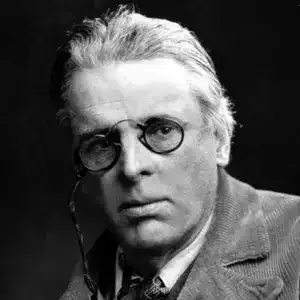
William Butler Yeats
The Sad Shepherd
The Sad Shepherd
THERE was a man whom Sorrow named his Friend,
And he, of his high comrade Sorrow dreaming,
Went walking with slow steps along the gleaming
And humming Sands, where windy surges wend:
And he called loudly to the stars to bend
From their pale thrones and comfort him, but they
Among themselves laugh on and sing alway:
And then the man whom Sorrow named his friend
Cried out, Dim sea, hear my most piteous story.!
The sea Swept on and cried her old cry still,
Rolling along in dreams from hill to hill.
He fled the persecution of her glory
And, in a far-off, gentle valley stopping,
Cried all his story to the dewdrops glistening.
But naught they heard, for they are always listening,
The dewdrops, for the sound of their own dropping.
And then the man whom Sorrow named his friend
Sought once again the shore, and found a shell,
And thought, I will my heavy story tell
Till my own words, re-echoing, shall send
Their sadness through a hollow, pearly heart;
And my own talc again for me shall sing,
And my own whispering words be comforting,
And lo! my ancient burden may depart.
Then he sang softly nigh the pearly rim;
But the sad dweller by the sea-ways lone
Changed all he sang to inarticulate moan
Among her wildering whirls, forgetting him.
THERE was a man whom Sorrow named his Friend,
And he, of his high comrade Sorrow dreaming,
Went walking with slow steps along the gleaming
And humming Sands, where windy surges wend:
And he called loudly to the stars to bend
From their pale thrones and comfort him, but they
Among themselves laugh on and sing alway:
And then the man whom Sorrow named his friend
Cried out, Dim sea, hear my most piteous story.!
The sea Swept on and cried her old cry still,
Rolling along in dreams from hill to hill.
He fled the persecution of her glory
And, in a far-off, gentle valley stopping,
Cried all his story to the dewdrops glistening.
But naught they heard, for they are always listening,
The dewdrops, for the sound of their own dropping.
And then the man whom Sorrow named his friend
Sought once again the shore, and found a shell,
And thought, I will my heavy story tell
Till my own words, re-echoing, shall send
Their sadness through a hollow, pearly heart;
And my own talc again for me shall sing,
And my own whispering words be comforting,
And lo! my ancient burden may depart.
Then he sang softly nigh the pearly rim;
But the sad dweller by the sea-ways lone
Changed all he sang to inarticulate moan
Among her wildering whirls, forgetting him.
360
William Butler Yeats
The Fairy Pendant
The Fairy Pendant
Scene: A circle of Druidic stones
First Fairy: Afar from our lawn and our levee,
O sister of sorrowful gaze!
Where the roses in scarlet are heavy
And dream of the end of their days,
You move in another dominion
And hang o'er the historied stone:
Unpruned in your beautiful pinion
Who wander and whisper alone.
All: Come away while the moon's in the woodland,
We'll dance and then feast in a dairy.
Though youngest of all in our good band,
You are wasting away, little fairy.
Second Fairy: Ah! cruel ones, leave me alone now
While I murmur a little and ponder
The history here in the stone now;
Then away and away I will wander,
And measure the minds of the flowers,
And gaze on the meadow-mice wary,
And number their days and their hours--
All: You're wasting away, little fairy.
Second Fairy: O shining ones, lightly with song pass,
Ah! leave me, I pray you and beg.
My mother drew forth from the long grass
A piece of a nightingle's egg,
And cradled me here where are sung,
Of birds even, longings for aery
Wild wisdoms of spirit and tongue.
All: You're wasting away, little fairy.
First Fairy [turning away]: Though the tenderest roses were round you,
The soul of this pitiless place
With pitiless magic has bound you--
Ah! woe for the loss of your face,
And the loss of your laugh with its lightness--
Ah! woe for your wings and your head--
Ah! woe for your eyes and their brightness--
Ah! woe for your slippers of red.
We'll dance and then feast in a dairy.
Though youngest of all in our good band,
She's wasting away, little fairy.
Scene: A circle of Druidic stones
First Fairy: Afar from our lawn and our levee,
O sister of sorrowful gaze!
Where the roses in scarlet are heavy
And dream of the end of their days,
You move in another dominion
And hang o'er the historied stone:
Unpruned in your beautiful pinion
Who wander and whisper alone.
All: Come away while the moon's in the woodland,
We'll dance and then feast in a dairy.
Though youngest of all in our good band,
You are wasting away, little fairy.
Second Fairy: Ah! cruel ones, leave me alone now
While I murmur a little and ponder
The history here in the stone now;
Then away and away I will wander,
And measure the minds of the flowers,
And gaze on the meadow-mice wary,
And number their days and their hours--
All: You're wasting away, little fairy.
Second Fairy: O shining ones, lightly with song pass,
Ah! leave me, I pray you and beg.
My mother drew forth from the long grass
A piece of a nightingle's egg,
And cradled me here where are sung,
Of birds even, longings for aery
Wild wisdoms of spirit and tongue.
All: You're wasting away, little fairy.
First Fairy [turning away]: Though the tenderest roses were round you,
The soul of this pitiless place
With pitiless magic has bound you--
Ah! woe for the loss of your face,
And the loss of your laugh with its lightness--
Ah! woe for your wings and your head--
Ah! woe for your eyes and their brightness--
Ah! woe for your slippers of red.
We'll dance and then feast in a dairy.
Though youngest of all in our good band,
She's wasting away, little fairy.
375
William Butler Yeats
The Apparitions
The Apparitions
BECAUSE there is safety in derision
I talked about an apparition,
I took no trouble to convince,
Or seem plausible to a man of sense.
Distrustful of thar popular eye
Whether it be bold or sly.
Fifteen apparitions have I seen;
The worst a coat upon a coat-hanger.
I have found nothing half so good
As my long-planned half solitude,
Where I can sit up half the night
With some friend that has the wit
Not to allow his looks to tell
When I am unintelligible.
Fifteen apparitions have I seen;
The worst a coat upon a coat-hanger.
When a man grows old his joy
Grows more deep day after day,
His empty heart is full at length,
But he has need of all that strength
Because of the increasing Night
That opens her mystery and fright.
Fifteen apparitions have I seen;
The worst a coat upon a coat-hanger.
BECAUSE there is safety in derision
I talked about an apparition,
I took no trouble to convince,
Or seem plausible to a man of sense.
Distrustful of thar popular eye
Whether it be bold or sly.
Fifteen apparitions have I seen;
The worst a coat upon a coat-hanger.
I have found nothing half so good
As my long-planned half solitude,
Where I can sit up half the night
With some friend that has the wit
Not to allow his looks to tell
When I am unintelligible.
Fifteen apparitions have I seen;
The worst a coat upon a coat-hanger.
When a man grows old his joy
Grows more deep day after day,
His empty heart is full at length,
But he has need of all that strength
Because of the increasing Night
That opens her mystery and fright.
Fifteen apparitions have I seen;
The worst a coat upon a coat-hanger.
350
William Butler Yeats
A Man Young And Old: X. His Wildness
A Man Young And Old: X. His Wildness
O bid me mount and sail up there
Amid the cloudy wrack,
For peg and Meg and Paris' love
That had so straight a back,
Are gone away, and some that stay
Have changed their silk for sack.
Were I but there and none to hear
I'd have a peacock cry,
For that is natural to a man
That lives in memory,
Being all alone I'd nurse a stone
And sing it lullaby.
O bid me mount and sail up there
Amid the cloudy wrack,
For peg and Meg and Paris' love
That had so straight a back,
Are gone away, and some that stay
Have changed their silk for sack.
Were I but there and none to hear
I'd have a peacock cry,
For that is natural to a man
That lives in memory,
Being all alone I'd nurse a stone
And sing it lullaby.
263

Walter de la Mare
Nicholas Nye
Nicholas Nye
Thistle and darnell and dock grew there,
And a bush, in the corner, of may,
On the orchard wall I used to sprawl
In the blazing heat of the day;
Half asleep and half awake,
While the birds went twittering by,
And nobody there my lone to share
But Nicholas Nye.
Nicholas Nye was lean and gray,
Lame of leg and old,
More than a score of donkey's years
He had been since he was foaled;
He munched the thistles, purple and spiked,
Would sometimes stoop and sigh,
And turn to his head, as if he said,
"Poor Nicholas Nye!"
Alone with his shadow he'd drowse in the meadow,
Lazily swinging his tail,
At break of day he used to bray,--
Not much too hearty and hale;
But a wonderful gumption was under his skin,
And a clean calm light in his eye,
And once in a while; he'd smile:--
Would Nicholas Nye.
Seem to be smiling at me, he would,
From his bush in the corner, of may,--
Bony and ownerless, widowed and worn,
Knobble-kneed, lonely and gray;
And over the grass would seem to pass
'Neath the deep dark blue of the sky,
Something much better than words between me
And Nicholas Nye.
But dusk would come in the apple boughs,
The green of the glow-worm shine,
The birds in nest would crouch to rest,
And home I'd trudge to mine;
And there, in the moonlight, dark with dew,
Asking not wherefore nor why,
Would brood like a ghost, and as still as a post,
Old Nicholas Nye.
Thistle and darnell and dock grew there,
And a bush, in the corner, of may,
On the orchard wall I used to sprawl
In the blazing heat of the day;
Half asleep and half awake,
While the birds went twittering by,
And nobody there my lone to share
But Nicholas Nye.
Nicholas Nye was lean and gray,
Lame of leg and old,
More than a score of donkey's years
He had been since he was foaled;
He munched the thistles, purple and spiked,
Would sometimes stoop and sigh,
And turn to his head, as if he said,
"Poor Nicholas Nye!"
Alone with his shadow he'd drowse in the meadow,
Lazily swinging his tail,
At break of day he used to bray,--
Not much too hearty and hale;
But a wonderful gumption was under his skin,
And a clean calm light in his eye,
And once in a while; he'd smile:--
Would Nicholas Nye.
Seem to be smiling at me, he would,
From his bush in the corner, of may,--
Bony and ownerless, widowed and worn,
Knobble-kneed, lonely and gray;
And over the grass would seem to pass
'Neath the deep dark blue of the sky,
Something much better than words between me
And Nicholas Nye.
But dusk would come in the apple boughs,
The green of the glow-worm shine,
The birds in nest would crouch to rest,
And home I'd trudge to mine;
And there, in the moonlight, dark with dew,
Asking not wherefore nor why,
Would brood like a ghost, and as still as a post,
Old Nicholas Nye.
633
Walter de la Mare
Melmillo
Melmillo
Three and thirty birds there stood
In an elder in a wood;
Called Melmillo -- flew off three,
Leaving thirty in the tree;
Called Melmillo -- nine now gone,
And the boughs held twenty-one;
Called Melmillo -- and eighteen
Left but three to nod and preen;
Called Melmillo -- three--two--one--
Now of birds were feathers none.
Then stole slim Me.millo in
To that wood all dusk and green,
And with lean long palms outspread
Softly a strange dance did tread;
Not a note of music she
Had for echoing company;
All the birds were flown to rest
In the hollow of her breast;
In the wood -- thorn, elder willow --
Danced alone -- lone danced Melmillo.
Three and thirty birds there stood
In an elder in a wood;
Called Melmillo -- flew off three,
Leaving thirty in the tree;
Called Melmillo -- nine now gone,
And the boughs held twenty-one;
Called Melmillo -- and eighteen
Left but three to nod and preen;
Called Melmillo -- three--two--one--
Now of birds were feathers none.
Then stole slim Me.millo in
To that wood all dusk and green,
And with lean long palms outspread
Softly a strange dance did tread;
Not a note of music she
Had for echoing company;
All the birds were flown to rest
In the hollow of her breast;
In the wood -- thorn, elder willow --
Danced alone -- lone danced Melmillo.
287
Walter de la Mare
Alone
Alone
The abode of the nightingale is bare,
Flowered frost congeals in the gelid air,
The fox howls from his frozen lair:
Alas, my loved one is gone,
I am alone:
It is winter.
Once the pink cast a winy smell,
The wild bee hung in the hyacinth bell,
Light in effulgence of beauty fell:
I am alone:
It is winter.
My candle a silent fire doth shed,
Starry Orion hunts o'erhead;
Come moth, come shadow, the world is dead:
Alas, my loved one is gone,
I am alone;
It is winter.
The abode of the nightingale is bare,
Flowered frost congeals in the gelid air,
The fox howls from his frozen lair:
Alas, my loved one is gone,
I am alone:
It is winter.
Once the pink cast a winy smell,
The wild bee hung in the hyacinth bell,
Light in effulgence of beauty fell:
I am alone:
It is winter.
My candle a silent fire doth shed,
Starry Orion hunts o'erhead;
Come moth, come shadow, the world is dead:
Alas, my loved one is gone,
I am alone;
It is winter.
276
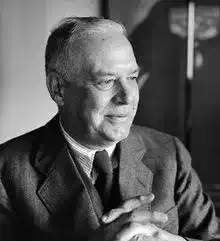
Wallace Stevens
The Snow Man
The Snow Man
One must have a mind of winter
To regard the frost and the boughs
Of the pine-trees crusted with snow;
And have been cold a long time
To behold the junipers shagged with ice,
The spruces rough in the distant glitter
Of the January sun; and not to think
Of any misery in the sound of the wind,
In the sound of a few leaves,
Which is the sound of the land
Full of the same wind
That is blowing in the same bare place
For the listener, who listens in the snow,
And, nothing himself, beholds
Nothing that is not there and the nothing that is.
One must have a mind of winter
To regard the frost and the boughs
Of the pine-trees crusted with snow;
And have been cold a long time
To behold the junipers shagged with ice,
The spruces rough in the distant glitter
Of the January sun; and not to think
Of any misery in the sound of the wind,
In the sound of a few leaves,
Which is the sound of the land
Full of the same wind
That is blowing in the same bare place
For the listener, who listens in the snow,
And, nothing himself, beholds
Nothing that is not there and the nothing that is.
317

Sarah Teasdale
Morning Song
Morning Song
A diamond of a morning
Waked me an hour too soon;
Dawn had taken in the stars
And left the faint white moon.
O white moon, you are lonely,
It is the same with me,
But we have the world to roam over,
Only the lonely are free.
A diamond of a morning
Waked me an hour too soon;
Dawn had taken in the stars
And left the faint white moon.
O white moon, you are lonely,
It is the same with me,
But we have the world to roam over,
Only the lonely are free.
458
Sarah Teasdale
Alone
Alone
I am alone, in spite of love,
In spite of all I take and give --
In spite of all your tenderness,
Sometimes I am not glad to live.
I am alone, as though I stood
On the highest peak of the tired gray world,
About me only swirling snow,
Above me, endless space unfurled;
With earth hidden and heaven hidden,
And only my own spirit's pride
To keep me from the peace of those
Who are not lonely, having died.
I am alone, in spite of love,
In spite of all I take and give --
In spite of all your tenderness,
Sometimes I am not glad to live.
I am alone, as though I stood
On the highest peak of the tired gray world,
About me only swirling snow,
Above me, endless space unfurled;
With earth hidden and heaven hidden,
And only my own spirit's pride
To keep me from the peace of those
Who are not lonely, having died.
375
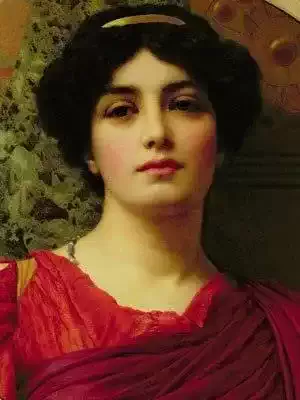
Safo
Tonight I've watched
Tonight I've watched
Tonight I've watched
the moon and then
the Pleiades
go down
The night is now
half-gone; youth
goes; I am
in bed alone
Tonight I've watched
the moon and then
the Pleiades
go down
The night is now
half-gone; youth
goes; I am
in bed alone
460
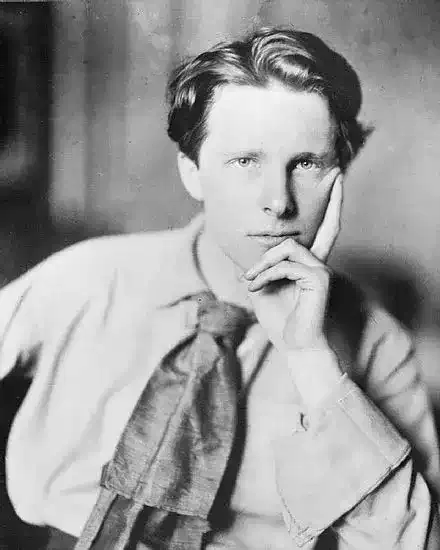
Rupert Brooke
Seaside
Seaside
Swiftly out from the friendly lilt of the band,
The crowd's good laughter, the loved eyes of men,
I am drawn nightward; I must turn again
Where, down beyond the low untrodden strand,
There curves and glimmers outward to the unknown
The old unquiet ocean. All the shade
Is rife with magic and movement. I stray alone
Here on the edge of silence, half afraid,
Waiting a sign. In the deep heart of me
The sullen waters swell towards the moon,
And all my tides set seaward.
From inland
Leaps a gay fragment of some mocking tune,
That tinkles and laughs and fades along the sand,
And dies between the seawall and the sea.
Swiftly out from the friendly lilt of the band,
The crowd's good laughter, the loved eyes of men,
I am drawn nightward; I must turn again
Where, down beyond the low untrodden strand,
There curves and glimmers outward to the unknown
The old unquiet ocean. All the shade
Is rife with magic and movement. I stray alone
Here on the edge of silence, half afraid,
Waiting a sign. In the deep heart of me
The sullen waters swell towards the moon,
And all my tides set seaward.
From inland
Leaps a gay fragment of some mocking tune,
That tinkles and laughs and fades along the sand,
And dies between the seawall and the sea.
200
Rupert Brooke
Paralysis
Paralysis
For moveless limbs no pity I crave,
That never were swift! Still all I prize,
Laughter and thought and friends, I have;
No fool to heave luxurious sighs
For the woods and hills that I never knew.
The more excellent way's yet mine! And you
Flower-laden come to the clean white cell,
And we talk as ever -- am I not the same?
With our hearts we love, immutable,
You without pity, I without shame.
We talk as of old; as of old you go
Out under the sky, and laughing, I know,
Flit through the streets, your heart all me;
Till you gain the world beyond the town.
Then -- I fade from your heart, quietly;
And your fleet steps quicken. The strong down
Smiles you welcome there; the woods that love you
Close lovely and conquering arms above you.
O ever-moving, O lithe and free!
Fast in my linen prison I press
On impassable bars, or emptily
Laugh in my great loneliness.
And still in the white neat bed I strive
Most impotently against that gyve;
Being less now than a thought, even,
To you alone with your hills and heaven.
For moveless limbs no pity I crave,
That never were swift! Still all I prize,
Laughter and thought and friends, I have;
No fool to heave luxurious sighs
For the woods and hills that I never knew.
The more excellent way's yet mine! And you
Flower-laden come to the clean white cell,
And we talk as ever -- am I not the same?
With our hearts we love, immutable,
You without pity, I without shame.
We talk as of old; as of old you go
Out under the sky, and laughing, I know,
Flit through the streets, your heart all me;
Till you gain the world beyond the town.
Then -- I fade from your heart, quietly;
And your fleet steps quicken. The strong down
Smiles you welcome there; the woods that love you
Close lovely and conquering arms above you.
O ever-moving, O lithe and free!
Fast in my linen prison I press
On impassable bars, or emptily
Laugh in my great loneliness.
And still in the white neat bed I strive
Most impotently against that gyve;
Being less now than a thought, even,
To you alone with your hills and heaven.
213
Rupert Brooke
Jolly Company, The
Jolly Company, The
The stars, a jolly company,
I envied, straying late and lonely;
And cried upon their revelry:
"O white companionship! You only
In love, in faith unbroken dwell,
Friends radiant and inseparable!"
Light-heart and glad they seemed to me
And merry comrades (EVEN SO
GOD OUT OF HEAVEN MAY LAUGH TO SEE
THE HAPPY CROWDS; AND NEVER KNOW
THAT IN HIS LONE OBSCURE DISTRESS
EACH WALKETH IN A WILDERNESS).
But I, remembering, pitied well
And loved them, who, with lonely light,
In empty infinite spaces dwell,
Disconsolate. For, all the night,
I heard the thin gnat-voices cry,
Star to faint star, across the sky.
The stars, a jolly company,
I envied, straying late and lonely;
And cried upon their revelry:
"O white companionship! You only
In love, in faith unbroken dwell,
Friends radiant and inseparable!"
Light-heart and glad they seemed to me
And merry comrades (EVEN SO
GOD OUT OF HEAVEN MAY LAUGH TO SEE
THE HAPPY CROWDS; AND NEVER KNOW
THAT IN HIS LONE OBSCURE DISTRESS
EACH WALKETH IN A WILDERNESS).
But I, remembering, pitied well
And loved them, who, with lonely light,
In empty infinite spaces dwell,
Disconsolate. For, all the night,
I heard the thin gnat-voices cry,
Star to faint star, across the sky.
216
Rupert Brooke
Flight
Flight
Voices out of the shade that cried,
And long noon in the hot calm places,
And children's play by the wayside,
And country eyes, and quiet faces --
All these were round my steady paces.
Those that I could have loved went by me;
Cool gardened homes slept in the sun;
I heard the whisper of water nigh me,
Saw hands that beckoned, shone, were gone
In the green and gold. And I went on.
For if my echoing footfall slept,
Soon a far whispering there'd be
Of a little lonely wind that crept
From tree to tree, and distantly
Followed me, followed me. . . .
But the blue vaporous end of day
Brought peace, and pursuit baffled quite,
Where between pine-woods dipped the way.
I turned, slipped in and out of sight.
I trod as quiet as the night.
The pine-boles kept perpetual hush;
And in the boughs wind never swirled.
I found a flowering lowly bush,
And bowed, slid in, and sighed and curled,
Hidden at rest from all the world.
Safe! I was safe, and glad, I knew!
Yet -- with cold heart and cold wet brows
I lay. And the dark fell. . . . There grew
Meward a sound of shaken boughs;
And ceased, above my intricate house;
And silence, silence, silence found me. . . .
I felt the unfaltering movement creep
Among the leaves. They shed around me
Calm clouds of scent, that I did weep;
And stroked my face. I fell asleep.
Voices out of the shade that cried,
And long noon in the hot calm places,
And children's play by the wayside,
And country eyes, and quiet faces --
All these were round my steady paces.
Those that I could have loved went by me;
Cool gardened homes slept in the sun;
I heard the whisper of water nigh me,
Saw hands that beckoned, shone, were gone
In the green and gold. And I went on.
For if my echoing footfall slept,
Soon a far whispering there'd be
Of a little lonely wind that crept
From tree to tree, and distantly
Followed me, followed me. . . .
But the blue vaporous end of day
Brought peace, and pursuit baffled quite,
Where between pine-woods dipped the way.
I turned, slipped in and out of sight.
I trod as quiet as the night.
The pine-boles kept perpetual hush;
And in the boughs wind never swirled.
I found a flowering lowly bush,
And bowed, slid in, and sighed and curled,
Hidden at rest from all the world.
Safe! I was safe, and glad, I knew!
Yet -- with cold heart and cold wet brows
I lay. And the dark fell. . . . There grew
Meward a sound of shaken boughs;
And ceased, above my intricate house;
And silence, silence, silence found me. . . .
I felt the unfaltering movement creep
Among the leaves. They shed around me
Calm clouds of scent, that I did weep;
And stroked my face. I fell asleep.
186

Robert W. Service
Trixie
Trixie
Dogs have a sense beyond our ken -
At least my little Trixie had:
Tail-wagging when I laughed, and when
I sighed, eyes luminously sad.
And if I planned to go away,
She'd know, oh, days and days before:
Aye, dogs I think are sometimes fey,
They seem to sense our fate in store.
Now take the case of old Tome Low;
With flowers each week he'd call on me.
Dear Trixie used to love him so,
With joyous jump upon his knee.
Yet when he wandered in one day,
Her hair grew sudden stark with dread;
She growled, she howled, she ran away . . .
Well, ten hours later Tom was dead.
Aye, dogs hear sounds we cannot hear,
And dogs see sights we cannot see;
And that is why I took the fear
That one day she would glare at me
As if a Shape cowered on my bead,
And with each hair on end she'd creep
Beneath the couch and whine with dread . . .
And so I've had her put to sleep.
Now Trixie's gone, the only one
Who loved me in my lonely life,
And here I wait, my race nigh run,
My ill too grievous for the knife.
My hand of ice she'll never lick,
My heedless mask she'll never see:
No heartbreak - just a needle prick. . . .
Oh, Doctor, do the same for me!
Dogs have a sense beyond our ken -
At least my little Trixie had:
Tail-wagging when I laughed, and when
I sighed, eyes luminously sad.
And if I planned to go away,
She'd know, oh, days and days before:
Aye, dogs I think are sometimes fey,
They seem to sense our fate in store.
Now take the case of old Tome Low;
With flowers each week he'd call on me.
Dear Trixie used to love him so,
With joyous jump upon his knee.
Yet when he wandered in one day,
Her hair grew sudden stark with dread;
She growled, she howled, she ran away . . .
Well, ten hours later Tom was dead.
Aye, dogs hear sounds we cannot hear,
And dogs see sights we cannot see;
And that is why I took the fear
That one day she would glare at me
As if a Shape cowered on my bead,
And with each hair on end she'd creep
Beneath the couch and whine with dread . . .
And so I've had her put to sleep.
Now Trixie's gone, the only one
Who loved me in my lonely life,
And here I wait, my race nigh run,
My ill too grievous for the knife.
My hand of ice she'll never lick,
My heedless mask she'll never see:
No heartbreak - just a needle prick. . . .
Oh, Doctor, do the same for me!
210
Page 1
Next