

Trees, Forests and Mountains
Poems in this topic
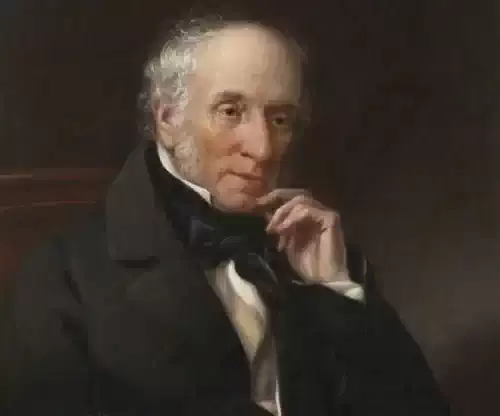
William Wordsworth
The Simplon Pass
The Simplon Pass
-Brook and road
Were fellow-travellers in this gloomy Pass,
And with them did we journey several hours
At a slow step. The immeasurable height
Of woods decaying, never to be decayed,
The stationary blasts of waterfalls,
And in the narrow rent, at every turn,
Winds thwarting winds bewildered and forlorn,
The torrents shooting from the clear blue sky,
The rocks that muttered close upon our ears,
Black drizzling crags that spake by the wayside
As if a voice were in them, the sick sight
And giddy prospect of the raving stream,
The unfettered clouds and region of the heavens,
Tumult and peace, the darkness and the light--
Were all like workings of one mind, the features
Of the same face, blossoms upon one tree,
Characters of the great Apocalypse,
The types and symbols of Eternity,
Of first and last, and midst, and without end.
-Brook and road
Were fellow-travellers in this gloomy Pass,
And with them did we journey several hours
At a slow step. The immeasurable height
Of woods decaying, never to be decayed,
The stationary blasts of waterfalls,
And in the narrow rent, at every turn,
Winds thwarting winds bewildered and forlorn,
The torrents shooting from the clear blue sky,
The rocks that muttered close upon our ears,
Black drizzling crags that spake by the wayside
As if a voice were in them, the sick sight
And giddy prospect of the raving stream,
The unfettered clouds and region of the heavens,
Tumult and peace, the darkness and the light--
Were all like workings of one mind, the features
Of the same face, blossoms upon one tree,
Characters of the great Apocalypse,
The types and symbols of Eternity,
Of first and last, and midst, and without end.
255
William Wordsworth
Simplon Pass, The
Simplon Pass, The
------Brook and road
Were fellow-travellers in this gloomy Pass,
And with them did we journey several hours
At a slow step. The immeasurable height
Of woods decaying, never to be decayed,
The stationary blasts of waterfalls,
And in the narrow rent, at every turn,
Winds thwarting winds bewildered and forlorn,
The torrents shooting from the clear blue sky,
The rocks that muttered close upon our ears,
Black drizzling crags that spake by the wayside
As if a voice were in them, the sick sight
And giddy prospect of the raving stream,
The unfettered clouds and region of the heavens,
Tumult and peace, the darkness and the light--
Were all like workings of one mind, the features
Of the same face, blossoms upon one tree,
Characters of the great Apocalypse,
The types and symbols of Eternity,
Of first, and last, and midst, and without end.
------Brook and road
Were fellow-travellers in this gloomy Pass,
And with them did we journey several hours
At a slow step. The immeasurable height
Of woods decaying, never to be decayed,
The stationary blasts of waterfalls,
And in the narrow rent, at every turn,
Winds thwarting winds bewildered and forlorn,
The torrents shooting from the clear blue sky,
The rocks that muttered close upon our ears,
Black drizzling crags that spake by the wayside
As if a voice were in them, the sick sight
And giddy prospect of the raving stream,
The unfettered clouds and region of the heavens,
Tumult and peace, the darkness and the light--
Were all like workings of one mind, the features
Of the same face, blossoms upon one tree,
Characters of the great Apocalypse,
The types and symbols of Eternity,
Of first, and last, and midst, and without end.
227
William Wordsworth
Oak and The Broom, The: A Pastoral Poem
Oak and The Broom, The: A Pastoral Poem
I
His simple truths did Andrew glean
Beside the babbling rills;
A careful student he had been
Among the woods and hills.
One winter's night, when through the trees
The wind was roaring, on his knees
His youngest born did Andrew hold:
And while the rest, a ruddy quire,
Were seated round their blazing fire,
This Tale the Shepherd told.
II
"I saw a crag, a lofty stone
As ever tempest beat!
Out of its head an Oak had grown,
A Broom out of its feet.
The time was March, a cheerful noon--
The thaw-wind, with the breath of June,
Breathed gently from the warm south-west:
When, in a voice sedate with age,
This Oak, a giant and a sage,
His neighbour thus addressed:--
III
"'Eight weary weeks, through rock and clay,
Along this mountain's edge,
The Frost hath wrought both night and day,
Wedge driving after wedge.
Look up! and think, above your head
What trouble, surely, will be bred;
Last night I heard a crash--'tis true,
The splinters took another road--
I see them yonder--what a load
For such a Thing as you!
IV
"'You are preparing as before,
To deck your slender shape;
And yet, just three years back--no more--
You had a strange escape:
Down from yon cliff a fragment broke;
It thundered down, with fire and smoke,
And hitherward pursued its way;
This ponderous block was caught by me,
And o'er your head, as you may see,
'Tis hanging to this day!
V
"'If breeze or bird to this rough steep
Your kind's first seed did bear;
The breeze had better been asleep,
The bird caught in a snare:
For you and your green twigs decoy
The little witless shepherd-boy
To come and slumber in your bower;
And, trust me, on some sultry noon,
Both you and he, Heaven knows how soon!
Will perish in one hour.
VI
"'From me this friendly warning take'--
The Broom began to doze,
And thus, to keep herself awake,
Did gently interpose:
'My thanks for your discourse are due;
That more than what you say is true,
I know, and I have known it long;
Frail is the bond by which we hold
Our being, whether young or old,
Wise, foolish, weak, or strong.
VII
"'Disasters, do the best we can,
Will reach both great and small;
And he is oft the wisest man,
Who is not wise at all.
For me, why should I wish to roam?
This spot is my paternal home,
It is my pleasant heritage;
My father many a happy year,
Spread here his careless blossoms, here
Attained a good old age.
VIII
"'Even such as his may be my lot.
What cause have I to haunt
My heart with terrors? Am I not
In truth a favoured plant!
On me such bounty Summer pours,
That I am covered o'er with flowers;
And, when the Frost is in the sky,
My branches are so fresh and gay
That you might look at me and say,
This Plant can never die.
IX
"'The butterfly, all green and gold,
To me hath often flown,
Here in my blossoms to behold
Wings lovely as his own.
When grass is chill with rain or dew,
Beneath my shade, the mother-ewe
Lies with her infant lamb; I see
The love they to each other make,
And the sweet joy which they partake,
It is a joy to me.'
X
"Her voice was blithe, her heart was light;
The Broom might have pursued
Her speech, until the stars of night
Their journey had renewed;
But in the branches of the oak
Two ravens now began to croak
Their nuptial song, a gladsome air;
And to her own green bower the breeze
That instant brought two stripling bees
To rest, or murmur there.
XI
"One night, my Children! from the north
There came a furious blast;
At break of day I ventured forth,
And near the cliff I passed.
The storm had fallen upon the Oak,
And struck him with a mighty stroke,
And whirled, and whirled him far away;
And, in one hospitable cleft,
The little careless Broom was left
To live for many a day."
I
His simple truths did Andrew glean
Beside the babbling rills;
A careful student he had been
Among the woods and hills.
One winter's night, when through the trees
The wind was roaring, on his knees
His youngest born did Andrew hold:
And while the rest, a ruddy quire,
Were seated round their blazing fire,
This Tale the Shepherd told.
II
"I saw a crag, a lofty stone
As ever tempest beat!
Out of its head an Oak had grown,
A Broom out of its feet.
The time was March, a cheerful noon--
The thaw-wind, with the breath of June,
Breathed gently from the warm south-west:
When, in a voice sedate with age,
This Oak, a giant and a sage,
His neighbour thus addressed:--
III
"'Eight weary weeks, through rock and clay,
Along this mountain's edge,
The Frost hath wrought both night and day,
Wedge driving after wedge.
Look up! and think, above your head
What trouble, surely, will be bred;
Last night I heard a crash--'tis true,
The splinters took another road--
I see them yonder--what a load
For such a Thing as you!
IV
"'You are preparing as before,
To deck your slender shape;
And yet, just three years back--no more--
You had a strange escape:
Down from yon cliff a fragment broke;
It thundered down, with fire and smoke,
And hitherward pursued its way;
This ponderous block was caught by me,
And o'er your head, as you may see,
'Tis hanging to this day!
V
"'If breeze or bird to this rough steep
Your kind's first seed did bear;
The breeze had better been asleep,
The bird caught in a snare:
For you and your green twigs decoy
The little witless shepherd-boy
To come and slumber in your bower;
And, trust me, on some sultry noon,
Both you and he, Heaven knows how soon!
Will perish in one hour.
VI
"'From me this friendly warning take'--
The Broom began to doze,
And thus, to keep herself awake,
Did gently interpose:
'My thanks for your discourse are due;
That more than what you say is true,
I know, and I have known it long;
Frail is the bond by which we hold
Our being, whether young or old,
Wise, foolish, weak, or strong.
VII
"'Disasters, do the best we can,
Will reach both great and small;
And he is oft the wisest man,
Who is not wise at all.
For me, why should I wish to roam?
This spot is my paternal home,
It is my pleasant heritage;
My father many a happy year,
Spread here his careless blossoms, here
Attained a good old age.
VIII
"'Even such as his may be my lot.
What cause have I to haunt
My heart with terrors? Am I not
In truth a favoured plant!
On me such bounty Summer pours,
That I am covered o'er with flowers;
And, when the Frost is in the sky,
My branches are so fresh and gay
That you might look at me and say,
This Plant can never die.
IX
"'The butterfly, all green and gold,
To me hath often flown,
Here in my blossoms to behold
Wings lovely as his own.
When grass is chill with rain or dew,
Beneath my shade, the mother-ewe
Lies with her infant lamb; I see
The love they to each other make,
And the sweet joy which they partake,
It is a joy to me.'
X
"Her voice was blithe, her heart was light;
The Broom might have pursued
Her speech, until the stars of night
Their journey had renewed;
But in the branches of the oak
Two ravens now began to croak
Their nuptial song, a gladsome air;
And to her own green bower the breeze
That instant brought two stripling bees
To rest, or murmur there.
XI
"One night, my Children! from the north
There came a furious blast;
At break of day I ventured forth,
And near the cliff I passed.
The storm had fallen upon the Oak,
And struck him with a mighty stroke,
And whirled, and whirled him far away;
And, in one hospitable cleft,
The little careless Broom was left
To live for many a day."
195
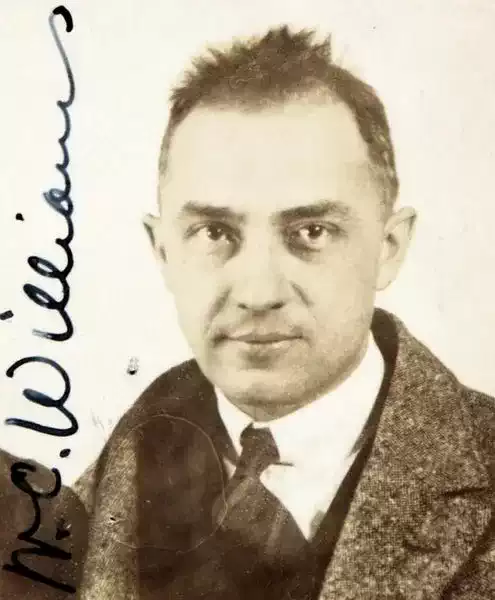
William Carlos Williams
Willow Poem
Willow Poem
It is a willow when summer is over,
a willow by the river
from which no leaf has fallen nor
bitten by the sun
turned orange or crimson.
The leaves cling and grow paler,
swing and grow paler
over the swirling waters of the river
as if loth to let go,
they are so cool, so drunk with
the swirl of the wind and of the river --
oblivious to winter,
the last to let go and fall
into the water and on the ground.
It is a willow when summer is over,
a willow by the river
from which no leaf has fallen nor
bitten by the sun
turned orange or crimson.
The leaves cling and grow paler,
swing and grow paler
over the swirling waters of the river
as if loth to let go,
they are so cool, so drunk with
the swirl of the wind and of the river --
oblivious to winter,
the last to let go and fall
into the water and on the ground.
415
William Carlos Williams
Epitaph
Epitaph
An old willow with hollow branches
slowly swayed his few high gright tendrils
and sang:
Love is a young green willow
shimmering at the bare wood's edge.
An old willow with hollow branches
slowly swayed his few high gright tendrils
and sang:
Love is a young green willow
shimmering at the bare wood's edge.
477
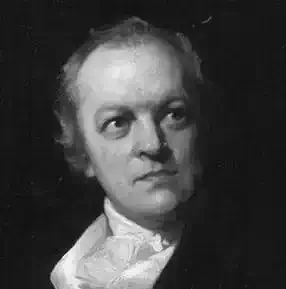
William Blake
Love and Harmony
Love and Harmony
Love and harmony combine,
And round our souls entwine
While thy branches mix with mine,
And our roots together join.
Joys upon our branches sit,
Chirping loud and singing sweet;
Like gentle streams beneath our feet
Innocence and virtue meet.
Thou the golden fruit dost bear,
I am clad in flowers fair;
Thy sweet boughs perfume the air,
And the turtle buildeth there.
There she sits and feeds her young,
Sweet I hear her mournful song;
And thy lovely leaves among,
There is love, I hear his tongue.
There his charming nest doth lay,
There he sleeps the night away;
There he sports along the day,
And doth among our branches play.
Love and harmony combine,
And round our souls entwine
While thy branches mix with mine,
And our roots together join.
Joys upon our branches sit,
Chirping loud and singing sweet;
Like gentle streams beneath our feet
Innocence and virtue meet.
Thou the golden fruit dost bear,
I am clad in flowers fair;
Thy sweet boughs perfume the air,
And the turtle buildeth there.
There she sits and feeds her young,
Sweet I hear her mournful song;
And thy lovely leaves among,
There is love, I hear his tongue.
There his charming nest doth lay,
There he sleeps the night away;
There he sports along the day,
And doth among our branches play.
597
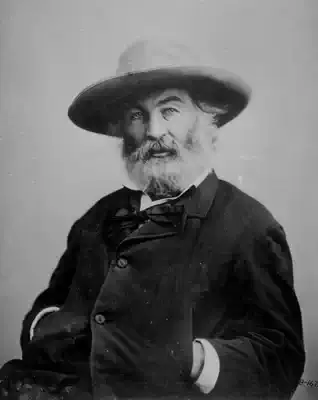
Walt Whitman
Song Of The Redwood-Tree
Song Of The Redwood-Tree
A CALIFORNIA song!
A prophecy and indirection--a thought impalpable, to breathe, as air;
A chorus of dryads, fading, departing--or hamadryads departing;
A murmuring, fateful, giant voice, out of the earth and sky,
Voice of a mighty dying tree in the Redwood forest dense.
Farewell, my brethren,
Farewell, O earth and sky--farewell, ye neighboring waters;
My time has ended, my term has come.
Along the northern coast,
Just back from the rock-bound shore, and the caves, 10
In the saline air from the sea, in the Mendocino country,
With the surge for bass and accompaniment low and hoarse,
With crackling blows of axes, sounding musically, driven by strong
arms,
Riven deep by the sharp tongues of the axes--there in the Redwood
forest dense,
I heard the mighty tree its death-chant chanting.
The choppers heard not--the camp shanties echoed not;
The quick-ear'd teamsters, and chain and jack-screw men, heard not,
As the wood-spirits came from their haunts of a thousand years, to
join the refrain;
But in my soul I plainly heard.
Murmuring out of its myriad leaves, 20
Down from its lofty top, rising two hundred feet high,
Out of its stalwart trunk and limbs--out of its foot-thick bark,
That chant of the seasons and time--chant, not of the past only, but
the future.
You untold life of me,
And all you venerable and innocent joys,
Perennial, hardy life of me, with joys, 'mid rain, and many a summer
sun,
And the white snows, and night, and the wild winds;
O the great patient, rugged joys! my soul's strong joys, unreck'd by
man;
(For know I bear the soul befitting me--I too have consciousness,
identity,
And all the rocks and mountains have--and all the earth;) 30
Joys of the life befitting me and brothers mine,
Our time, our term has come.
Nor yield we mournfully, majestic brothers,
We who have grandly fill'd our time;
With Nature's calm content, and tacit, huge delight,
We welcome what we wrought for through the past,
And leave the field for them.
For them predicted long,
For a superber Race--they too to grandly fill their time,
For them we abdicate--in them ourselves, ye forest kings! 40
In them these skies and airs--these mountain peaks--Shasta--Nevadas,
These huge, precipitous cliffs--this amplitude--these valleys grand-Yosemite,
To be in them absorb'd, assimilated.
Then to a loftier strain,
Still prouder, more ecstatic, rose the chant,
As if the heirs, the Deities of the West,
Joining, with master-tongue, bore part.
Not wan from Asia's fetishes,
Nor red from Europe's old dynastic slaughter-house,
(Area of murder-plots of thrones, with scent left yet of wars and
scaffolds every where,) 50
But come from Nature's long and harmless throes--peacefully builded
thence,
These virgin lands--Lands of the Western Shore,
To the new Culminating Man--to you, the Empire New,
You, promis'd long, we pledge, we dedicate.
You occult, deep volitions,
You average Spiritual Manhood, purpose of all, pois'd on yourself-giving,
not taking law,
You Womanhood divine, mistress and source of all, whence life and
love, and aught that comes from life and love,
You unseen Moral Essence of all the vast materials of America, (age
upon age, working in Death the same as Life,)
You that, sometimes known, oftener unknown, really shape and mould
the New World, adjusting it to Time and Space,
You hidden National Will, lying in your abysms, conceal'd, but ever
alert, 60
You past and present purposes, tenaciously pursued, may-be
unconscious of yourselves,
Unswerv'd by all the passing errors, perturbations of the surface;
You vital, universal, deathless germs, beneath all creeds, arts,
statutes, literatures,
Here build your homes for good--establish here--These areas entire,
Lands of the Western Shore,
We pledge, we dedicate to you.
For man of you--your characteristic Race,
Here may be hardy, sweet, gigantic grow--here tower, proportionate to
Nature,
Here climb the vast, pure spaces, unconfined, uncheck'd by wall or
roof,
Here laugh with storm or sun--here joy--here patiently inure,
Here heed himself, unfold himself (not others' formulas heed)--here
fill his time, 70
To duly fall, to aid, unreck'd at last,
To disappear, to serve.
Thus, on the northern coast,
In the echo of teamsters' calls, and the clinking chains, and the
music of choppers' axes,
The falling trunk and limbs, the crash, the muffled shriek, the
groan,
Such words combined from the Redwood-tree--as of wood-spirits' voices
ecstatic, ancient and rustling,
The century-lasting, unseen dryads, singing, withdrawing,
All their recesses of forests and mountains leaving,
From the Cascade range to the Wasatch--or Idaho far, or Utah,
To the deities of the Modern henceforth yielding, 80
The chorus and indications, the vistas of coming humanity--the
settlements, features all,
In the Mendocino woods I caught.
The flashing and golden pageant of California!
The sudden and gorgeous drama--the sunny and ample lands;
The long and varied stretch from Puget Sound to Colorado south;
Lands bathed in sweeter, rarer, healthier air--valleys and mountain
cliffs;
The fields of Nature long prepared and fallow--the silent, cyclic
chemistry;
The slow and steady ages plodding--the unoccupied surface ripening-
the rich ores forming beneath;
At last the New arriving, assuming, taking possession,
A swarming and busy race settling and organizing every where;
Ships coming in from the whole round world, and going out to the
whole world, 90
To India and China and Australia, and the thousand island paradises
of the Pacific;
Populous cities--the latest inventions--the steamers on the rivers-the
railroads--with many a thrifty farm, with machinery,
And wool, and wheat, and the grape--and diggings of yellow gold.
But more in you than these, Lands of the Western Shore!
(These but the means, the implements, the standing-ground,)
I see in you, certain to come, the promise of thousands of years,
till now deferr'd,
Promis'd, to be fulfill'd, our common kind, the Race.
The New Society at last, proportionate to Nature,
In Man of you, more than your mountain peaks, or stalwart trees
imperial, 100
In Woman more, far more, than all your gold, or vines, or even vital
air.
Fresh come, to a New World indeed, yet long prepared,
I see the Genius of the Modern, child of the Real and Ideal,
Clearing the ground for broad humanity, the true America, heir of the
past so grand,
To build a grander future.
A CALIFORNIA song!
A prophecy and indirection--a thought impalpable, to breathe, as air;
A chorus of dryads, fading, departing--or hamadryads departing;
A murmuring, fateful, giant voice, out of the earth and sky,
Voice of a mighty dying tree in the Redwood forest dense.
Farewell, my brethren,
Farewell, O earth and sky--farewell, ye neighboring waters;
My time has ended, my term has come.
Along the northern coast,
Just back from the rock-bound shore, and the caves, 10
In the saline air from the sea, in the Mendocino country,
With the surge for bass and accompaniment low and hoarse,
With crackling blows of axes, sounding musically, driven by strong
arms,
Riven deep by the sharp tongues of the axes--there in the Redwood
forest dense,
I heard the mighty tree its death-chant chanting.
The choppers heard not--the camp shanties echoed not;
The quick-ear'd teamsters, and chain and jack-screw men, heard not,
As the wood-spirits came from their haunts of a thousand years, to
join the refrain;
But in my soul I plainly heard.
Murmuring out of its myriad leaves, 20
Down from its lofty top, rising two hundred feet high,
Out of its stalwart trunk and limbs--out of its foot-thick bark,
That chant of the seasons and time--chant, not of the past only, but
the future.
You untold life of me,
And all you venerable and innocent joys,
Perennial, hardy life of me, with joys, 'mid rain, and many a summer
sun,
And the white snows, and night, and the wild winds;
O the great patient, rugged joys! my soul's strong joys, unreck'd by
man;
(For know I bear the soul befitting me--I too have consciousness,
identity,
And all the rocks and mountains have--and all the earth;) 30
Joys of the life befitting me and brothers mine,
Our time, our term has come.
Nor yield we mournfully, majestic brothers,
We who have grandly fill'd our time;
With Nature's calm content, and tacit, huge delight,
We welcome what we wrought for through the past,
And leave the field for them.
For them predicted long,
For a superber Race--they too to grandly fill their time,
For them we abdicate--in them ourselves, ye forest kings! 40
In them these skies and airs--these mountain peaks--Shasta--Nevadas,
These huge, precipitous cliffs--this amplitude--these valleys grand-Yosemite,
To be in them absorb'd, assimilated.
Then to a loftier strain,
Still prouder, more ecstatic, rose the chant,
As if the heirs, the Deities of the West,
Joining, with master-tongue, bore part.
Not wan from Asia's fetishes,
Nor red from Europe's old dynastic slaughter-house,
(Area of murder-plots of thrones, with scent left yet of wars and
scaffolds every where,) 50
But come from Nature's long and harmless throes--peacefully builded
thence,
These virgin lands--Lands of the Western Shore,
To the new Culminating Man--to you, the Empire New,
You, promis'd long, we pledge, we dedicate.
You occult, deep volitions,
You average Spiritual Manhood, purpose of all, pois'd on yourself-giving,
not taking law,
You Womanhood divine, mistress and source of all, whence life and
love, and aught that comes from life and love,
You unseen Moral Essence of all the vast materials of America, (age
upon age, working in Death the same as Life,)
You that, sometimes known, oftener unknown, really shape and mould
the New World, adjusting it to Time and Space,
You hidden National Will, lying in your abysms, conceal'd, but ever
alert, 60
You past and present purposes, tenaciously pursued, may-be
unconscious of yourselves,
Unswerv'd by all the passing errors, perturbations of the surface;
You vital, universal, deathless germs, beneath all creeds, arts,
statutes, literatures,
Here build your homes for good--establish here--These areas entire,
Lands of the Western Shore,
We pledge, we dedicate to you.
For man of you--your characteristic Race,
Here may be hardy, sweet, gigantic grow--here tower, proportionate to
Nature,
Here climb the vast, pure spaces, unconfined, uncheck'd by wall or
roof,
Here laugh with storm or sun--here joy--here patiently inure,
Here heed himself, unfold himself (not others' formulas heed)--here
fill his time, 70
To duly fall, to aid, unreck'd at last,
To disappear, to serve.
Thus, on the northern coast,
In the echo of teamsters' calls, and the clinking chains, and the
music of choppers' axes,
The falling trunk and limbs, the crash, the muffled shriek, the
groan,
Such words combined from the Redwood-tree--as of wood-spirits' voices
ecstatic, ancient and rustling,
The century-lasting, unseen dryads, singing, withdrawing,
All their recesses of forests and mountains leaving,
From the Cascade range to the Wasatch--or Idaho far, or Utah,
To the deities of the Modern henceforth yielding, 80
The chorus and indications, the vistas of coming humanity--the
settlements, features all,
In the Mendocino woods I caught.
The flashing and golden pageant of California!
The sudden and gorgeous drama--the sunny and ample lands;
The long and varied stretch from Puget Sound to Colorado south;
Lands bathed in sweeter, rarer, healthier air--valleys and mountain
cliffs;
The fields of Nature long prepared and fallow--the silent, cyclic
chemistry;
The slow and steady ages plodding--the unoccupied surface ripening-
the rich ores forming beneath;
At last the New arriving, assuming, taking possession,
A swarming and busy race settling and organizing every where;
Ships coming in from the whole round world, and going out to the
whole world, 90
To India and China and Australia, and the thousand island paradises
of the Pacific;
Populous cities--the latest inventions--the steamers on the rivers-the
railroads--with many a thrifty farm, with machinery,
And wool, and wheat, and the grape--and diggings of yellow gold.
But more in you than these, Lands of the Western Shore!
(These but the means, the implements, the standing-ground,)
I see in you, certain to come, the promise of thousands of years,
till now deferr'd,
Promis'd, to be fulfill'd, our common kind, the Race.
The New Society at last, proportionate to Nature,
In Man of you, more than your mountain peaks, or stalwart trees
imperial, 100
In Woman more, far more, than all your gold, or vines, or even vital
air.
Fresh come, to a New World indeed, yet long prepared,
I see the Genius of the Modern, child of the Real and Ideal,
Clearing the ground for broad humanity, the true America, heir of the
past so grand,
To build a grander future.
525
Walt Whitman
For Him I Sing
For Him I Sing
FOR him I sing,
I raise the Present on the Past,
(As some perennial tree, out of its roots, the present on the past:)
With time and space I him dilate--and fuse the immortal laws,
To make himself, by them, the law unto himself.
FOR him I sing,
I raise the Present on the Past,
(As some perennial tree, out of its roots, the present on the past:)
With time and space I him dilate--and fuse the immortal laws,
To make himself, by them, the law unto himself.
451
Wallace Stevens
Anecdote of the Jar
Anecdote of the Jar
I placed a jar in Tennessee,
And round it was, upon a hill.
It made the slovenly wilderness
Surround that hill.
The wilderness rose up to it,
And sprawled around, no longer wild.
The jar was round upon the ground
And tall and of a port in air.
It took dominion everywhere.
The jar was gray and bare.
It did not give of bird or bush,
Like nothing else in Tennessee.
I placed a jar in Tennessee,
And round it was, upon a hill.
It made the slovenly wilderness
Surround that hill.
The wilderness rose up to it,
And sprawled around, no longer wild.
The jar was round upon the ground
And tall and of a port in air.
It took dominion everywhere.
The jar was gray and bare.
It did not give of bird or bush,
Like nothing else in Tennessee.
241
Thomas Hardy
Transformations
Transformations
Portion of this yew
Is a man my grandsire knew,
Bosomed here at its foot:
This branch may be his wife,
A ruddy human life
Now turned to a green shoot.
These grasses must be made
Of her who often prayed,
Last century, for repose;
And the fair girl long ago
Whom I often tried to know
May be entering this rose.
So, they are not underground,
But as nerves and veins abound
In the growths of upper air,
And they feel the sun and rain,
And the energy again
That made them what they were!
Portion of this yew
Is a man my grandsire knew,
Bosomed here at its foot:
This branch may be his wife,
A ruddy human life
Now turned to a green shoot.
These grasses must be made
Of her who often prayed,
Last century, for repose;
And the fair girl long ago
Whom I often tried to know
May be entering this rose.
So, they are not underground,
But as nerves and veins abound
In the growths of upper air,
And they feel the sun and rain,
And the energy again
That made them what they were!
227

Siegfried Sassoon
Wind in the Beechwood
Wind in the Beechwood
The glorying forest shakes and swings with glancing
Of boughs that dip and strain; young, slanting sprays
Beckon and shift like lissom creatures dancing,
While the blown beechwood streams with drifting rays.
Rooted in steadfast calm, grey stems are seen
Like weather-beaten masts; the wood, unfurled,
Seems as a ship with crowding sails of green
That sweeps across the lonely billowing world.
O luminous and lovely! Let your flowers,
Your ageless-squadroned wings, your surge and gleam,
Drown me in quivering brightness: let me fade
In the warm, rustling music of the hours
That guard your ancient wisdom, till my dream
Moves with the chant and whisper of the glade.
The glorying forest shakes and swings with glancing
Of boughs that dip and strain; young, slanting sprays
Beckon and shift like lissom creatures dancing,
While the blown beechwood streams with drifting rays.
Rooted in steadfast calm, grey stems are seen
Like weather-beaten masts; the wood, unfurled,
Seems as a ship with crowding sails of green
That sweeps across the lonely billowing world.
O luminous and lovely! Let your flowers,
Your ageless-squadroned wings, your surge and gleam,
Drown me in quivering brightness: let me fade
In the warm, rustling music of the hours
That guard your ancient wisdom, till my dream
Moves with the chant and whisper of the glade.
109
Siegfried Sassoon
Tree and Sky
Tree and Sky
Let my soul, a shining tree,
Silver branches lift towards thee,
Where on a hallowed winter’s night
The clear-eyed angels may alight.
And if there should be tempests in
My spirit, let them surge like din
Of noble melodies at war;
With fervour of such blades of triumph as are
Flashed in white orisons of saints who go
On shafts of glory to the ecstasies they know.
Let my soul, a shining tree,
Silver branches lift towards thee,
Where on a hallowed winter’s night
The clear-eyed angels may alight.
And if there should be tempests in
My spirit, let them surge like din
Of noble melodies at war;
With fervour of such blades of triumph as are
Flashed in white orisons of saints who go
On shafts of glory to the ecstasies they know.
116
Siegfried Sassoon
Dream-Forest
Dream-Forest
Where sunshine flecks the green,
Through towering woods my way
Goes winding all the day.
Scant are the flowers that bloom
Beneath the bosky screen
And cage of golden gloom.
Few are the birds that call,
Shrill-voiced and seldom seen.
Where silence masters all,
And light my footsteps fall,
The whispering runnels only
With blazing noon confer;
And comes no breeze to stir
The tangled thickets lonely.
Where sunshine flecks the green,
Through towering woods my way
Goes winding all the day.
Scant are the flowers that bloom
Beneath the bosky screen
And cage of golden gloom.
Few are the birds that call,
Shrill-voiced and seldom seen.
Where silence masters all,
And light my footsteps fall,
The whispering runnels only
With blazing noon confer;
And comes no breeze to stir
The tangled thickets lonely.
89
Siegfried Sassoon
A Poplar and the Moon
A Poplar and the Moon
There stood a Poplar, tall and straight;
The fair, round Moon, uprisen late,
Made the long shadow on the grass
A ghostly bridge ’twixt heaven and me.
But May, with slumbrous nights, must pass;
And blustering winds will strip the tree.
And I’ve no magic to express
The moment of that loveliness;
So from these words you’ll never guess
The stars and lilies I could see.
There stood a Poplar, tall and straight;
The fair, round Moon, uprisen late,
Made the long shadow on the grass
A ghostly bridge ’twixt heaven and me.
But May, with slumbrous nights, must pass;
And blustering winds will strip the tree.
And I’ve no magic to express
The moment of that loveliness;
So from these words you’ll never guess
The stars and lilies I could see.
91
Rupert Brooke
Pine-Trees And The Sky: Evening
Pine-Trees And The Sky: Evening
I'd watched the sorrow of the evening sky,
And smelt the sea, and earth, and the warm clover,
And heard the waves, and the seagull's mocking cry.
And in them all was only the old cry,
That song they always sing -- "The best is over!
You may remember now, and think, and sigh,
O silly lover!"
And I was tired and sick that all was over,
And because I,
For all my thinking, never could recover
One moment of the good hours that were over.
And I was sorry and sick, and wished to die.
Then from the sad west turning wearily,
I saw the pines against the white north sky,
Very beautiful, and still, and bending over
Their sharp black heads against a quiet sky.
And there was peace in them; and I
Was happy, and forgot to play the lover,
And laughed, and did no longer wish to die;
Being glad of you, O pine-trees and the sky!
I'd watched the sorrow of the evening sky,
And smelt the sea, and earth, and the warm clover,
And heard the waves, and the seagull's mocking cry.
And in them all was only the old cry,
That song they always sing -- "The best is over!
You may remember now, and think, and sigh,
O silly lover!"
And I was tired and sick that all was over,
And because I,
For all my thinking, never could recover
One moment of the good hours that were over.
And I was sorry and sick, and wished to die.
Then from the sad west turning wearily,
I saw the pines against the white north sky,
Very beautiful, and still, and bending over
Their sharp black heads against a quiet sky.
And there was peace in them; and I
Was happy, and forgot to play the lover,
And laughed, and did no longer wish to die;
Being glad of you, O pine-trees and the sky!
153
Rudyard Kipling
The Sea and the Hills
The Sea and the Hills
Who hath desired the Sea? -- the sight of salt water unbounded --
The heave and the halt and the hurl and the crash of the comber wind-hounded?
The sleek-barrelled swell before storm, grey, foamless, enormous, and growing --
Stark calm on the lap of the Line or the crazy-eyed hurricane blowing --
His Sea in no showing the same his Sea and the same 'neath each showing:
His Sea as she slackens or thrills?
So and no otherwise -- so and no otherwise -- hillmen desire their Hills!
Who hath desired the Sea? -- the immense and contemptuous surges?
The shudder, the stumble, the swerve, as the star-stabbing bow-sprit emerges?
The orderly clouds of the Trades, the ridged, roaring sapphire thereunder --
Unheralded cliff-haunting flaws and the headsail's low-volleying thunder --
His Sea in no wonder the same his Sea and the same through each wonder:
His Sea as she rages or stills?
So and no otherwise -- so and no otherwise -- hillmen desire their Hills.
Who hath desired the Sea? Her menaces swift as her mercies?
The in-rolling walls of the fog and the silver-winged breeze that disperses?
The unstable mined berg going South and the calvings and groans that declare it --
White water half-guessed overside and the moon breaking timely to bare it --
His Sea as his fathers have dared -- his Sea as his children shall dare it:
His Sea as she serves him or kills?
So and no otherwise -- so and no otherwise -- hillmen desire their Hills.
Who hath desired the Sea? Her excellent loneliness rather
Than forecourts of kings, and her outermost pits than the streets where men gather
Inland, among dust, under trees -- inland where the slayer may slay him --
Inland, out of reach of her arms, and the bosom whereon he must lay him
His Sea from the first that betrayed -- at the last that shall never betray him:
His Sea that his being fulfils?
So and no otherwise -- so and no otherwise -- hillmen desire their Hills.
Who hath desired the Sea? -- the sight of salt water unbounded --
The heave and the halt and the hurl and the crash of the comber wind-hounded?
The sleek-barrelled swell before storm, grey, foamless, enormous, and growing --
Stark calm on the lap of the Line or the crazy-eyed hurricane blowing --
His Sea in no showing the same his Sea and the same 'neath each showing:
His Sea as she slackens or thrills?
So and no otherwise -- so and no otherwise -- hillmen desire their Hills!
Who hath desired the Sea? -- the immense and contemptuous surges?
The shudder, the stumble, the swerve, as the star-stabbing bow-sprit emerges?
The orderly clouds of the Trades, the ridged, roaring sapphire thereunder --
Unheralded cliff-haunting flaws and the headsail's low-volleying thunder --
His Sea in no wonder the same his Sea and the same through each wonder:
His Sea as she rages or stills?
So and no otherwise -- so and no otherwise -- hillmen desire their Hills.
Who hath desired the Sea? Her menaces swift as her mercies?
The in-rolling walls of the fog and the silver-winged breeze that disperses?
The unstable mined berg going South and the calvings and groans that declare it --
White water half-guessed overside and the moon breaking timely to bare it --
His Sea as his fathers have dared -- his Sea as his children shall dare it:
His Sea as she serves him or kills?
So and no otherwise -- so and no otherwise -- hillmen desire their Hills.
Who hath desired the Sea? Her excellent loneliness rather
Than forecourts of kings, and her outermost pits than the streets where men gather
Inland, among dust, under trees -- inland where the slayer may slay him --
Inland, out of reach of her arms, and the bosom whereon he must lay him
His Sea from the first that betrayed -- at the last that shall never betray him:
His Sea that his being fulfils?
So and no otherwise -- so and no otherwise -- hillmen desire their Hills.
561
Rudyard Kipling
The Run of the Downs
The Run of the Downs
The Weald is good, the Downs are best---
I'll give you the run of 'em, East to West.
Beachy Head and Winddoor Hill,
They were once and they are still.
Firle Mount Caburn and Mount Harry
Go back as far as sums 'l carry.
Ditchling Beacon and Chanctonbury Ring
They have looked on many a thing,
And what those two have missed between 'em
I reckon Truleigh Hill has seen 'em.
Highden, Bignor and Duncton Down
Knew Old England before the Crown.
Linch Down, Treyford and Sunwood
Knew Old England before the Flood;
And when you end on the Hampshire side--
Butser's old as Time and Tide.
The Downs are sheep, the Weald is corn,
You be glad you are Sussex born!
The Weald is good, the Downs are best---
I'll give you the run of 'em, East to West.
Beachy Head and Winddoor Hill,
They were once and they are still.
Firle Mount Caburn and Mount Harry
Go back as far as sums 'l carry.
Ditchling Beacon and Chanctonbury Ring
They have looked on many a thing,
And what those two have missed between 'em
I reckon Truleigh Hill has seen 'em.
Highden, Bignor and Duncton Down
Knew Old England before the Crown.
Linch Down, Treyford and Sunwood
Knew Old England before the Flood;
And when you end on the Hampshire side--
Butser's old as Time and Tide.
The Downs are sheep, the Weald is corn,
You be glad you are Sussex born!
368
Rudyard Kipling
The Land
The Land
When Julius Fabricius, Sub-Prefect of the Weald,
In the days of Diocletian owned our Lower River-field,
He called to him Hobdenius-a Briton of the Clay,
Saying: "What about that River-piece for layin' in to hay?"
And the aged Hobden answered: "I remember as a lad
My father told your father that she wanted dreenin' bad.
An' the more that you neeglect her the less you'll get her clean.
Have it jest as you've a mind to, but, if I was you, I'd dreen."
So they drained it long and crossways in the lavish Roman style--
Still we find among the river-drift their flakes of ancient tile,
And in drouthy middle August, when the bones of meadows show,
We can trace the lines they followed sixteen hundred years ago.
Then Julius Fabricius died as even Prefects do,
And after certain centuries, Imperial Rome died too.
Then did robbers enter Britain from across the Northern main
And our Lower River-field was won by Ogier the Dane.
Well could Ogier work his war-boat --well could Ogier wield his brand--
Much he knew of foaming waters--not so much of farming land.
So he called to him a Hobden of the old unaltered blood,
Saying: "What about that River-piece; she doesn't look no good?"
And that aged Hobden answered "'Tain't for me not interfere.
But I've known that bit o' meadow now for five and fifty year.
Have it jest as you've a mind to, but I've proved it time on ' time,
If you want to change her nature you have got to give her lime!"
Ogier sent his wains to Lewes, twenty hours' solemn walk,
And drew back great abundance of the cool, grey, healing chalk.
And old Hobden spread it broadcast, never heeding what was in't.--
Which is why in cleaning ditches, now and then we find a flint.
Ogier died. His sons grew English -- Anglo-Saxon was their name--
Till out of blossomed Normandy another pirate came;
For Duke William conquered England and divided with his men,
And our Lower River-field he gave to William of Warenne.
But the Brook (you know her habit) rose one rainy autumn night
And tore down sodden flitches of the bank to left and right.
So, said William to his Bailiff as they rode their dripping rounds:
"Hob, what about that River-bit--the Brook's got up no bounds? "
And that aged Hobden answered: "'Tain't my business to advise,
But ye might ha' known 'twould happen from the way the valley lies.
Where ye can't hold back the water you must try and save the sile.
Hev it jest as you've a mind to, but, if I was you, I'd spile!"
They spiled along the water-course with trunks of willow-trees,
And planks of elms behind 'em and immortal oaken knees.
And when the spates of Autumn whirl the gravel-beds away
You can see their faithful fragments, iron-hard in iron clay.
. . . . . . . . . .
Georgii Quinti Anno Sexto, I, who own the River-field,
Am fortified with title-deeds, attested, signed and sealed,
Guaranteeing me, my assigns, my executors and heirs
All sorts of powers and profits which-are neither mine nor theirs,
I have rights of chase and warren, as my dignity requires.
I can fish-but Hobden tickles--I can shoot--but Hobden wires.
I repair, but he reopens, certain gaps which, men allege,
Have been used by every Hobden since a Hobden swapped a hedge.
Shall I dog his morning progress o'er the track-betraying dew?
Demand his dinner-basket into which my pheasant flew?
Confiscate his evening faggot under which my conies ran,
And summons him to judgment? I would sooner summons Pan.
His dead are in the churchyard--thirty generations laid.
Their names were old in history when Domesday Book was made;
And the passion and the piety and prowess of his line
Have seeded, rooted, fruited in some land the Law calls mine.
Not for any beast that burrows, not for any bird that flies,
Would I lose his large sound council, miss his keen amending eyes.
He is bailiff, woodman, wheelwright, field-surveyor, engineer,
And if flagrantly a poacher--'tain't for me to interfere.
"Hob, what about that River-bit?" I turn to him again,
With Fabricius and Ogier and William of Warenne.
"Hev it jest as you've a mind to, but"-and here he takes command.
For whoever pays the taxes old Mus' Hobden owns the land.
When Julius Fabricius, Sub-Prefect of the Weald,
In the days of Diocletian owned our Lower River-field,
He called to him Hobdenius-a Briton of the Clay,
Saying: "What about that River-piece for layin' in to hay?"
And the aged Hobden answered: "I remember as a lad
My father told your father that she wanted dreenin' bad.
An' the more that you neeglect her the less you'll get her clean.
Have it jest as you've a mind to, but, if I was you, I'd dreen."
So they drained it long and crossways in the lavish Roman style--
Still we find among the river-drift their flakes of ancient tile,
And in drouthy middle August, when the bones of meadows show,
We can trace the lines they followed sixteen hundred years ago.
Then Julius Fabricius died as even Prefects do,
And after certain centuries, Imperial Rome died too.
Then did robbers enter Britain from across the Northern main
And our Lower River-field was won by Ogier the Dane.
Well could Ogier work his war-boat --well could Ogier wield his brand--
Much he knew of foaming waters--not so much of farming land.
So he called to him a Hobden of the old unaltered blood,
Saying: "What about that River-piece; she doesn't look no good?"
And that aged Hobden answered "'Tain't for me not interfere.
But I've known that bit o' meadow now for five and fifty year.
Have it jest as you've a mind to, but I've proved it time on ' time,
If you want to change her nature you have got to give her lime!"
Ogier sent his wains to Lewes, twenty hours' solemn walk,
And drew back great abundance of the cool, grey, healing chalk.
And old Hobden spread it broadcast, never heeding what was in't.--
Which is why in cleaning ditches, now and then we find a flint.
Ogier died. His sons grew English -- Anglo-Saxon was their name--
Till out of blossomed Normandy another pirate came;
For Duke William conquered England and divided with his men,
And our Lower River-field he gave to William of Warenne.
But the Brook (you know her habit) rose one rainy autumn night
And tore down sodden flitches of the bank to left and right.
So, said William to his Bailiff as they rode their dripping rounds:
"Hob, what about that River-bit--the Brook's got up no bounds? "
And that aged Hobden answered: "'Tain't my business to advise,
But ye might ha' known 'twould happen from the way the valley lies.
Where ye can't hold back the water you must try and save the sile.
Hev it jest as you've a mind to, but, if I was you, I'd spile!"
They spiled along the water-course with trunks of willow-trees,
And planks of elms behind 'em and immortal oaken knees.
And when the spates of Autumn whirl the gravel-beds away
You can see their faithful fragments, iron-hard in iron clay.
. . . . . . . . . .
Georgii Quinti Anno Sexto, I, who own the River-field,
Am fortified with title-deeds, attested, signed and sealed,
Guaranteeing me, my assigns, my executors and heirs
All sorts of powers and profits which-are neither mine nor theirs,
I have rights of chase and warren, as my dignity requires.
I can fish-but Hobden tickles--I can shoot--but Hobden wires.
I repair, but he reopens, certain gaps which, men allege,
Have been used by every Hobden since a Hobden swapped a hedge.
Shall I dog his morning progress o'er the track-betraying dew?
Demand his dinner-basket into which my pheasant flew?
Confiscate his evening faggot under which my conies ran,
And summons him to judgment? I would sooner summons Pan.
His dead are in the churchyard--thirty generations laid.
Their names were old in history when Domesday Book was made;
And the passion and the piety and prowess of his line
Have seeded, rooted, fruited in some land the Law calls mine.
Not for any beast that burrows, not for any bird that flies,
Would I lose his large sound council, miss his keen amending eyes.
He is bailiff, woodman, wheelwright, field-surveyor, engineer,
And if flagrantly a poacher--'tain't for me to interfere.
"Hob, what about that River-bit?" I turn to him again,
With Fabricius and Ogier and William of Warenne.
"Hev it jest as you've a mind to, but"-and here he takes command.
For whoever pays the taxes old Mus' Hobden owns the land.
471

Robert W. Service
The Mountain And The Lake
The Mountain And The Lake
I know a mountain thrilling to the stars,
Peerless and pure, and pinnacled with snow;
Glimpsing the golden dawn o'er coral bars,
Flaunting the vanisht sunset's garnet glow;
Proudly patrician, passionless, serene;
Soaring in silvered steeps where cloud-surfs break;
Virgin and vestal -- Oh, a very Queen!
And at her feet there dreams a quiet lake.
My lake adores my mountain -- well I know,
For I have watched it from its dawn-dream start,
Stilling its mirror to her splendid snow,
Framing her image in its trembling heart;
Glassing her graciousness of greening wood,
Kissing her throne, melodiously mad,
Thrilling responsive to her every mood,
Gloomed with her sadness, gay when she is glad.
My lake has dreamed and loved since time was born;
Will love and dream till time shall cease to be;
Gazing to Her in worship half forlorn,
Who looks towards the stars and will not see --
My peerless mountain, splendid in her scorn. . . .
Alas! poor little lake! Alas! poor me!
I know a mountain thrilling to the stars,
Peerless and pure, and pinnacled with snow;
Glimpsing the golden dawn o'er coral bars,
Flaunting the vanisht sunset's garnet glow;
Proudly patrician, passionless, serene;
Soaring in silvered steeps where cloud-surfs break;
Virgin and vestal -- Oh, a very Queen!
And at her feet there dreams a quiet lake.
My lake adores my mountain -- well I know,
For I have watched it from its dawn-dream start,
Stilling its mirror to her splendid snow,
Framing her image in its trembling heart;
Glassing her graciousness of greening wood,
Kissing her throne, melodiously mad,
Thrilling responsive to her every mood,
Gloomed with her sadness, gay when she is glad.
My lake has dreamed and loved since time was born;
Will love and dream till time shall cease to be;
Gazing to Her in worship half forlorn,
Who looks towards the stars and will not see --
My peerless mountain, splendid in her scorn. . . .
Alas! poor little lake! Alas! poor me!
196
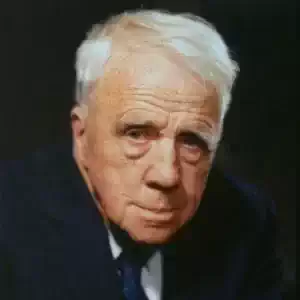
Robert Frost
The Vantage Point
The Vantage Point
If tires of trees I seek again mankind, Well I know where to hie me--in the dawn, To a
slope where the cattle keep the lawn. There amid loggin juniper reclined, Myself
unseen, I see in white defined Far off the homes of men, and farther still, The graves
of men on an opposing hill, Living or dead, whichever are to mind. And if by noon I
have too much of these, I have but to turn on my arm, and lo, The sun-burned hillside
sets my face aglow, My breathing shakes the bluet like a breeze, I smell the earth, I
smell the bruisèd plant, I look into the crater of the ant.
If tires of trees I seek again mankind, Well I know where to hie me--in the dawn, To a
slope where the cattle keep the lawn. There amid loggin juniper reclined, Myself
unseen, I see in white defined Far off the homes of men, and farther still, The graves
of men on an opposing hill, Living or dead, whichever are to mind. And if by noon I
have too much of these, I have but to turn on my arm, and lo, The sun-burned hillside
sets my face aglow, My breathing shakes the bluet like a breeze, I smell the earth, I
smell the bruisèd plant, I look into the crater of the ant.
487
Robert Frost
Leaves Compared with Flowers
Leaves Compared with Flowers
A tree's leaves may be ever so good,
So may its bar, so may its wood;
But unless you put the right thing to its root
It never will show much flower or fruit.
But I may be one who does not care
Ever to have tree bloom or bear.
Leaves for smooth and bark for rough,
Leaves and bark may be tree enough.
Some giant trees have bloom so small
They might as well have none at all.
Late in life I have come on fern.
Now lichens are due to have their turn.
I bade men tell me which in brief,
Which is fairer, flower or leaf.
They did not have the wit to say,
Leaves by night and flowers by day.
Leaves and bar, leaves and bark,
To lean against and hear in the dark.
Petals I may have once pursued.
Leaves are all my darker mood.
A tree's leaves may be ever so good,
So may its bar, so may its wood;
But unless you put the right thing to its root
It never will show much flower or fruit.
But I may be one who does not care
Ever to have tree bloom or bear.
Leaves for smooth and bark for rough,
Leaves and bark may be tree enough.
Some giant trees have bloom so small
They might as well have none at all.
Late in life I have come on fern.
Now lichens are due to have their turn.
I bade men tell me which in brief,
Which is fairer, flower or leaf.
They did not have the wit to say,
Leaves by night and flowers by day.
Leaves and bar, leaves and bark,
To lean against and hear in the dark.
Petals I may have once pursued.
Leaves are all my darker mood.
418
Robert Frost
Good-bye, and Keep Cold
Good-bye, and Keep Cold
This saying good-bye on the edge of the dark
And cold to an orchard so young in the bark
Reminds me of all that can happen to harm
An orchard away at the end of the farm
All winter, cut off by a hill from the house.
I don't want it girdled by rabbit and mouse,
I don't want it dreamily nibbled for browse
By deer, and I don't want it budded by grouse.
(If certain it wouldn't be idle to call
I'd summon grouse, rabbit, and deer to the wall
And warn them away with a stick for a gun.)
I don't want it stirred by the heat of the sun.
(We made it secure against being, I hope,
By setting it out on a northerly slope.)
No orchard's the worse for the wintriest storm;
But one thing about it, it mustn't get warm.
"How often already you've had to be told,
Keep cold, young orchard. Good-bye and keep cold.
Dread fifty above more than fifty below."
I have to be gone for a season or so.
My business awhile is with different trees,
Less carefully nourished, less fruitful than these,
And such as is done to their wood with an axe--
Maples and birches and tamaracks.
I wish I could promise to lie in the night
And think of an orchard's arboreal plight
When slowly (and nobody comes with a light)
Its heart sinks lower under the sod.
But something has to be left to God.
This saying good-bye on the edge of the dark
And cold to an orchard so young in the bark
Reminds me of all that can happen to harm
An orchard away at the end of the farm
All winter, cut off by a hill from the house.
I don't want it girdled by rabbit and mouse,
I don't want it dreamily nibbled for browse
By deer, and I don't want it budded by grouse.
(If certain it wouldn't be idle to call
I'd summon grouse, rabbit, and deer to the wall
And warn them away with a stick for a gun.)
I don't want it stirred by the heat of the sun.
(We made it secure against being, I hope,
By setting it out on a northerly slope.)
No orchard's the worse for the wintriest storm;
But one thing about it, it mustn't get warm.
"How often already you've had to be told,
Keep cold, young orchard. Good-bye and keep cold.
Dread fifty above more than fifty below."
I have to be gone for a season or so.
My business awhile is with different trees,
Less carefully nourished, less fruitful than these,
And such as is done to their wood with an axe--
Maples and birches and tamaracks.
I wish I could promise to lie in the night
And think of an orchard's arboreal plight
When slowly (and nobody comes with a light)
Its heart sinks lower under the sod.
But something has to be left to God.
469

Robert Browning
De Gustibus---
De Gustibus---
I.
Your ghost will walk, you lover of trees,
(If our loves remain)
In an English lane,
By a cornfield-side a-flutter with poppies.
Hark, those two in the hazel coppice---
A boy and a girl, if the good fates please,
Making love, say,---
The happier they!
Draw yourself up from the light of the moon,
And let them pass, as they will too soon,
With the bean-flowers' boon,
And the blackbird's tune,
And May, and June!
II.
What I love best in all the world
Is a castle, precipice-encurled,
In a gash of the wind-grieved Apennine
Or look for me, old fellow of mine,
(If I get my head from out the mouth
O' the grave, and loose my spirit's bands,
And come again to the land of lands)---
In a sea-side house to the farther South,
Where the baked cicala dies of drouth,
And one sharp tree---'tis a cypress---stands,
By the many hundred years red-rusted,
Rough iron-spiked, ripe fruit-o'ercrusted,
My sentinel to guard the sands
To the water's edge. For, what expands
Before the house, but the great opaque
Blue breadth of sea without a break?
While, in the house, for ever crumbles
Some fragment of the frescoed walls,
From blisters where a scorpion sprawls.
A girl bare-footed brings, and tumbles
Down on the pavement, green-flesh melons,
And says there's news to-day---the king
Was shot at, touched in the liver-wing,
Goes with his Bourbon arm in a sling:
---She hopes they have not caught the felons.
Italy, my Italy!
Queen Mary's saying serves for me---
(When fortune's malice
Lost her---Calais)---
Open my heart and you will see
Graved inside of it, ``Italy.''
Such lovers old are I and she:
So it always was, so shall ever be!
I.
Your ghost will walk, you lover of trees,
(If our loves remain)
In an English lane,
By a cornfield-side a-flutter with poppies.
Hark, those two in the hazel coppice---
A boy and a girl, if the good fates please,
Making love, say,---
The happier they!
Draw yourself up from the light of the moon,
And let them pass, as they will too soon,
With the bean-flowers' boon,
And the blackbird's tune,
And May, and June!
II.
What I love best in all the world
Is a castle, precipice-encurled,
In a gash of the wind-grieved Apennine
Or look for me, old fellow of mine,
(If I get my head from out the mouth
O' the grave, and loose my spirit's bands,
And come again to the land of lands)---
In a sea-side house to the farther South,
Where the baked cicala dies of drouth,
And one sharp tree---'tis a cypress---stands,
By the many hundred years red-rusted,
Rough iron-spiked, ripe fruit-o'ercrusted,
My sentinel to guard the sands
To the water's edge. For, what expands
Before the house, but the great opaque
Blue breadth of sea without a break?
While, in the house, for ever crumbles
Some fragment of the frescoed walls,
From blisters where a scorpion sprawls.
A girl bare-footed brings, and tumbles
Down on the pavement, green-flesh melons,
And says there's news to-day---the king
Was shot at, touched in the liver-wing,
Goes with his Bourbon arm in a sling:
---She hopes they have not caught the felons.
Italy, my Italy!
Queen Mary's saying serves for me---
(When fortune's malice
Lost her---Calais)---
Open my heart and you will see
Graved inside of it, ``Italy.''
Such lovers old are I and she:
So it always was, so shall ever be!
324
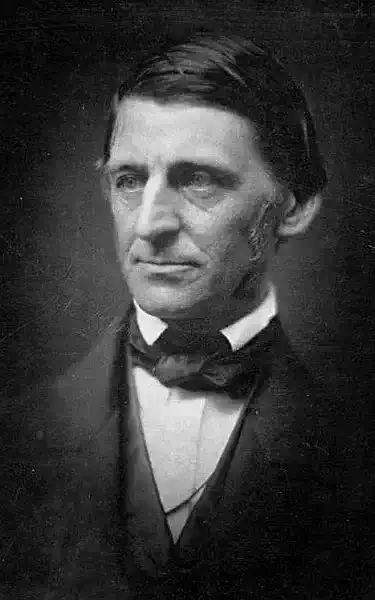
Ralph Waldo Emerson
My Garden
My Garden
If I could put my woods in song
And tell what's there enjoyed,
All men would to my gardens throng,
And leave the cities void.
In my plot no tulips blow,--
Snow-loving pines and oaks instead;
And rank the savage maples grow
From Spring's faint flush to Autumn red.
My garden is a forest ledge
Which older forests bound;
The banks slope down to the blue lake-edge,
Then plunge to depths profound.
Here once the Deluge ploughed,
Laid the terraces, one by one;
Ebbing later whence it flowed,
They bleach and dry in the sun.
The sowers made haste to depart,--
The wind and the birds which sowed it;
Not for fame, nor by rules of art,
Planted these, and tempests flowed it.
Waters that wash my garden-side
Play not in Nature's lawful web,
They heed not moon or solar tide,--
Five years elapse from flood to ebb.
Hither hasted, in old time, Jove,
And every god,--none did refuse;
And be sure at last came Love,
And after Love, the Muse.
Keen ears can catch a syllable,
As if one spake to another,
In the hemlocks tall, untamable,
And what the whispering grasses smother.
Æolian harps in the pine
Ring with the song of the Fates;
Infant Bacchus in the vine,--
Far distant yet his chorus waits.
Canst thou copy in verse one chime
Of the wood-bell's peal and cry,
Write in a book the morning's prime,
Or match with words that tender sky?
Wonderful verse of the gods,
Of one import, of varied tone;
They chant the bliss of their abodes
To man imprisoned in his own.
Ever the words of the gods resound;
But the porches of man's ear
Seldom in this low life's round
Are unsealed, that he may hear.
Wandering voices in the air
And murmurs in the wold
Speak what I cannot declare,
Yet cannot all withhold.
When the shadow fell on the lake,
The whirlwind in ripples wrote
Air-bells of fortune that shine and break,
And omens above thought.
But the meanings cleave to the lake,
Cannot be carried in book or urn;
Go thy ways now, come later back,
On waves and hedges still they burn.
These the fates of men forecast,
Of better men than live to-day;
If who can read them comes at last
He will spell in the sculpture,'Stay.'
If I could put my woods in song
And tell what's there enjoyed,
All men would to my gardens throng,
And leave the cities void.
In my plot no tulips blow,--
Snow-loving pines and oaks instead;
And rank the savage maples grow
From Spring's faint flush to Autumn red.
My garden is a forest ledge
Which older forests bound;
The banks slope down to the blue lake-edge,
Then plunge to depths profound.
Here once the Deluge ploughed,
Laid the terraces, one by one;
Ebbing later whence it flowed,
They bleach and dry in the sun.
The sowers made haste to depart,--
The wind and the birds which sowed it;
Not for fame, nor by rules of art,
Planted these, and tempests flowed it.
Waters that wash my garden-side
Play not in Nature's lawful web,
They heed not moon or solar tide,--
Five years elapse from flood to ebb.
Hither hasted, in old time, Jove,
And every god,--none did refuse;
And be sure at last came Love,
And after Love, the Muse.
Keen ears can catch a syllable,
As if one spake to another,
In the hemlocks tall, untamable,
And what the whispering grasses smother.
Æolian harps in the pine
Ring with the song of the Fates;
Infant Bacchus in the vine,--
Far distant yet his chorus waits.
Canst thou copy in verse one chime
Of the wood-bell's peal and cry,
Write in a book the morning's prime,
Or match with words that tender sky?
Wonderful verse of the gods,
Of one import, of varied tone;
They chant the bliss of their abodes
To man imprisoned in his own.
Ever the words of the gods resound;
But the porches of man's ear
Seldom in this low life's round
Are unsealed, that he may hear.
Wandering voices in the air
And murmurs in the wold
Speak what I cannot declare,
Yet cannot all withhold.
When the shadow fell on the lake,
The whirlwind in ripples wrote
Air-bells of fortune that shine and break,
And omens above thought.
But the meanings cleave to the lake,
Cannot be carried in book or urn;
Go thy ways now, come later back,
On waves and hedges still they burn.
These the fates of men forecast,
Of better men than live to-day;
If who can read them comes at last
He will spell in the sculpture,'Stay.'
367
Page 1
Next