
Ode to a Nightingale

My heart aches, and a drowsy numbness pains
My sense, as though of hemlock I had drunk,
Or emptied some dull opiate to the drains
One minute past, and Lethe-wards had sunk:
'Tis not through envy of thy happy lot,
But being too happy in thine happiness,—
That thou, light-winged Dryad of the trees,
In some melodious plot
Of beechen green, and shadows numberless,
Singest of summer in full-throated ease.
O, for a draught of vintage! that hath been
Cool'd a long age in the deep-delved earth,
Tasting of Flora and the country green,
Dance, and Provençal song, and sunburnt mirth!
O for a beaker full of the warm South,
Full of the true, the blushful Hippocrene,
With beaded bubbles winking at the brim,
And purple-stained mouth;
That I might drink, and leave the world unseen,
And with thee fade away into the forest dim:
Fade far away, dissolve, and quite forget
What thou among the leaves hast never known,
The weariness, the fever, and the fret
Here, where men sit and hear each other groan;
Where palsy shakes a few, sad, last gray hairs,
Where youth grows pale, and spectre-thin, and dies;
Where but to think is to be full of sorrow
And leaden-eyed despairs,
Where Beauty cannot keep her lustrous eyes,
Or new Love pine at them beyond to-morrow.
Away! away! for I will fly to thee,
Not charioted by Bacchus and his pards,
But on the viewless wings of Poesy,
Though the dull brain perplexes and retards:
Already with thee! tender is the night,
And haply the Queen-Moon is on her throne,
Cluster'd around by all her starry Fays;
But here there is no light,
Save what from heaven is with the breezes blown
Through verdurous glooms and winding mossy ways.
I cannot see what flowers are at my feet,
Nor what soft incense hangs upon the boughs,
But, in embalmed darkness, guess each sweet
Wherewith the seasonable month endows
The grass, the thicket, and the fruit-tree wild;
White hawthorn, and the pastoral eglantine;
Fast fading violets cover'd up in leaves;
And mid-May's eldest child,
The coming musk-rose, full of dewy wine,
The murmurous haunt of flies on summer eves.
Darkling I listen; and, for many a time
I have been half in love with easeful Death,
Call'd him soft names in many a mused rhyme,
To take into the air my quiet breath;
Now more than ever seems it rich to die,
To cease upon the midnight with no pain,
While thou art pouring forth thy soul abroad
In such an ecstasy!
Still wouldst thou sing, and I have ears in vain—
To thy high requiem become a sod.
Thou wast not born for death, immortal Bird!
No hungry generations tread thee down;
The voice I hear this passing night was heard
In ancient days by emperor and clown:
Perhaps the self-same song that found a path
Through the sad heart of Ruth, when, sick for home,
She stood in tears amid the alien corn;
The same that oft-times hath
Charm'd magic casements, opening on the foam
Of perilous seas, in faery lands forlorn.
Forlorn! the very word is like a bell
To toll me back from thee to my sole self!
Adieu! the fancy cannot cheat so well
As she is fam'd to do, deceiving elf.
Adieu! adieu! thy plaintive anthem fades
Past the near meadows, over the still stream,
Up the hill-side; and now 'tis buried deep
In the next valley-glades:
Was it a vision, or a waking dream?
Fled is that music:—Do I wake or sleep?
More by John Keats
On First Looking Into Chapman's Homer
Much have I travell'd in the realms of gold, And many goodly states and kingdoms seen; Round many western islands have I been Which b…
Read more →
You Say You Love
I You say you love ; but with a voice Chaster than a nun's, who singeth The soft Vespers to herself While the chime-bell ringeth- O l…
Read more →
♥ 8
Bards of Passion and of Mirth, written on the Blank Page before Beaumont and
Fletcher's Tragi-Comedy 'The Fair Maid of the Inn' BARDS of Passion and of Mirth, Ye have left your souls on earth! Have ye souls in …
Read more →
Sonnet To Byron
Byron! how sweetly sad thy melody! Attuning still the soul to tenderness, As if soft Pity, with unusual stress, Had touch'd her plaint…
Read more →
O Captain! My Captain!
O Captain! my Captain! our fearful trip is done, The ship has weather'd every rack, the prize we sought is won, The port is near, the b…
Read more →
 Walt Whitman
Do Not Go Gentle Into That Good Night
Do not go gentle into that good night, Old age should burn and rave at close of day; Rage, rage against the dying of the light. Thoug…
Read more →
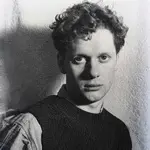 Dylan Thomas
The Red Wheelbarrow
so much depends upon a red wheel barrow glazed with rain water beside the white chickens.
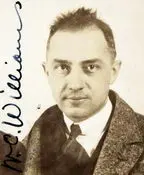 William Carlos Williams
To A Skylark
Hail to thee, blithe Spirit! Bird thou never wert, That from Heaven, or near it, Pourest thy full heart In profuse strains of unpreme…
Read more →
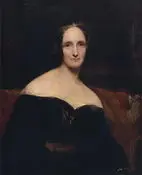 Percy Bysshe Shelley
Walt Whitman
Do Not Go Gentle Into That Good Night
Do not go gentle into that good night, Old age should burn and rave at close of day; Rage, rage against the dying of the light. Thoug…
Read more →
Dylan Thomas
The Red Wheelbarrow
so much depends upon a red wheel barrow glazed with rain water beside the white chickens.
William Carlos Williams
To A Skylark
Hail to thee, blithe Spirit! Bird thou never wert, That from Heaven, or near it, Pourest thy full heart In profuse strains of unpreme…
Read more →
Percy Bysshe Shelley