

Poemas neste tema
Relações e Família
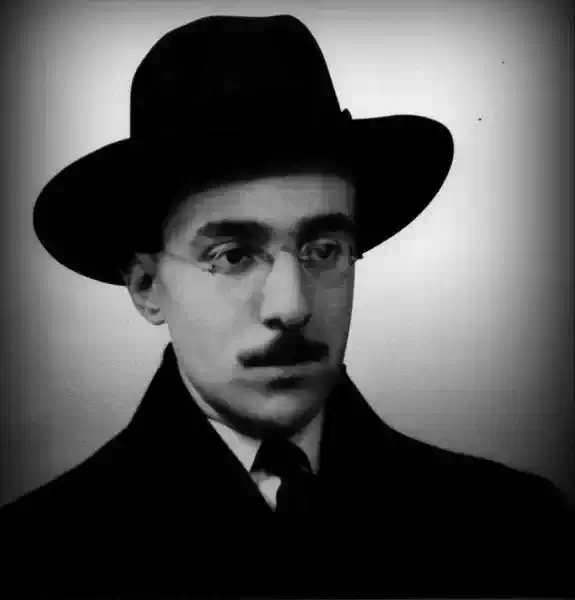
Fernando Pessoa
Eu te pedi duas vezes
Eu te pedi duas vezes
Duas vezes, bem o sei.
Que por fim me respondesses
Ao que não te perguntei.
Duas vezes, bem o sei.
Que por fim me respondesses
Ao que não te perguntei.
1 288
Fernando Pessoa
Disseste-me quase rindo:
Disseste-me quase rindo:
«Conheço-te muito bem!»
Dito por quem me não quer,
Tem muita graça, não tem?
«Conheço-te muito bem!»
Dito por quem me não quer,
Tem muita graça, não tem?
1 455
Fernando Pessoa
Disseste-me quase rindo:
Disseste-me quase rindo:
«Conheço-te muito bem!»
Dito por quem me não quer,
Tem muita graça, não tem?
«Conheço-te muito bem!»
Dito por quem me não quer,
Tem muita graça, não tem?
1 455
Fernando Pessoa
Eu no tempo não choro que me leve
Eu no tempo não choro que me leve
A juventude, o já encanecer
A cabeça que pouco ainda esteve
Sob o Sol solto e a tarde a arrefecer.
Nem choro que não me ames, que faleça
O amor que vi em ti, que também haja
Uma tarde do amar, que desfaleça
E a noite fique, (...)
Mais que tudo choro já não te amar,
Sim, choro a tragédia de não ser o mesmo na alma,
De te ser infiel sem infidelidade,
De me ter esquecido de ti sem propriamente te aborrecer.
Não é o tempo ido em que te amei que choro.
Choro não te amar já por isso ser natural.
Choro ter-te esquecido, choro não me poder lembrar
Com saudade do tempo em que te amei.
Isso é que choro, sim, com as verdadeiras lágrimas
Que contém em si os piores mistérios —
A morte essencial das coisas,
O acabar das almas, mais grave que o dos corpos,
O abismo onde a única esperança é poder haver Deus
E um outro sentido desconhecido a tudo que se teve e se foi
Um outro lado, nem côncavo nem convexo à curva da vida.
1 603
Fernando Pessoa
Pobre do pobre que é ele
Pobre do pobre que é ele
E não é quem se fingiu!
Por muito que a gente vele
Descobre que já dormiu.
E não é quem se fingiu!
Por muito que a gente vele
Descobre que já dormiu.
1 502
Fernando Pessoa
Boca de romã perfeita
Boca de romã perfeita
Quando a abres p’ra comer,
Que feitiço é que me espreita
Quando ris só de me ver?
Quando a abres p’ra comer,
Que feitiço é que me espreita
Quando ris só de me ver?
1 218
Fernando Pessoa
Nuvem que passas no céu,
Nuvem que passas no céu,
Dize a quem não perguntou
Se é bom dizer a quem deu:
«O que deste, não to dou.»
Dize a quem não perguntou
Se é bom dizer a quem deu:
«O que deste, não to dou.»
1 583
Fernando Pessoa
Quis que comigo vísseis
Quis que comigo vísseis
A sombra essencial, o abstracto fruto
Do inúmero universo. Mas, não fostes
Mais que uma luz extinta em noite densa
Um pampal sem fruto.
(...) — Que é pensar
Sem ser? poeta, o que pensa vive o que é,
E a raiz não medita.
A sombra essencial, o abstracto fruto
Do inúmero universo. Mas, não fostes
Mais que uma luz extinta em noite densa
Um pampal sem fruto.
(...) — Que é pensar
Sem ser? poeta, o que pensa vive o que é,
E a raiz não medita.
1 190
Fernando Pessoa
Dá-me um sorriso a brincar,
Dá-me um sorriso a brincar,
Dá-me uma palavra a rir,
Eu me tenho por feliz
Só de te ver e te ouvir.
Dá-me uma palavra a rir,
Eu me tenho por feliz
Só de te ver e te ouvir.
2 434
Fernando Pessoa
A mantilha de espanhola
A mantilha de espanhola
Que trazias por trazer
Não te dava um ar de tola
Porque o não podias ter.
Que trazias por trazer
Não te dava um ar de tola
Porque o não podias ter.
1 208
Fernando Pessoa
Trazes um lenço apertado
Trazes um lenço apertado
Na cabeça, e um nó atrás.
Mas o que me traz cansado
É o nó que nunca se faz.
Na cabeça, e um nó atrás.
Mas o que me traz cansado
É o nó que nunca se faz.
1 103
Fernando Pessoa
Trazes um lenço apertado
Trazes um lenço apertado
Na cabeça, e um nó atrás.
Mas o que me traz cansado
É o nó que nunca se faz.
Na cabeça, e um nó atrás.
Mas o que me traz cansado
É o nó que nunca se faz.
1 103
Fernando Pessoa
Tenho um segredo comigo
Tenho um segredo comigo
Que me faz sempre cismar.
É se quero estar contigo
Ou quero contigo estar.
Que me faz sempre cismar.
É se quero estar contigo
Ou quero contigo estar.
1 968
Fernando Pessoa
IX - Now is she gowned completely, her face won
IX
Now is she gowned completely, her face won
To a flush. Look how the sun
Shines hot and how the creeper, loosed, doth strain
To hit the heated pane!
She is all white, all she's awaiting him.
Her eyes are bright and dim.
Her hands are cold, her lips are dry, her heart
Pants like a pursued hart.
Now is she gowned completely, her face won
To a flush. Look how the sun
Shines hot and how the creeper, loosed, doth strain
To hit the heated pane!
She is all white, all she's awaiting him.
Her eyes are bright and dim.
Her hands are cold, her lips are dry, her heart
Pants like a pursued hart.
1 249
Fernando Pessoa
Teu olhar não tem remorsos
Teu olhar não tem remorsos
Não é por não ter que os ter.
É porque hoje não é ontem
E viver é só esquecer.
Não é por não ter que os ter.
É porque hoje não é ontem
E viver é só esquecer.
1 321
Fernando Pessoa
A luva que retiraste
A luva que retiraste
Deixou livre a tua mão.
Foi com ela que tocaste,
Sem tocar, meu coração.
Deixou livre a tua mão.
Foi com ela que tocaste,
Sem tocar, meu coração.
1 572
Fernando Pessoa
O avental, que à gaveta
O avental, que à gaveta
Foste buscar, não terá
Algibeira em que me meta
Para estar contigo já?
Foste buscar, não terá
Algibeira em que me meta
Para estar contigo já?
2 384
Fernando Pessoa
Rouxinol que não cantaste,
Rouxinol que não cantaste,
Gaio que não cantarás,
Qual de vós me empresta o canto
Para ver o que ela faz?
Gaio que não cantarás,
Qual de vós me empresta o canto
Para ver o que ela faz?
987
Fernando Pessoa
Folha após folha vemos caem
De amore suo
Folha após folha vemos caem,
Cloé, as folhas todas.
Nem antes para elas, para nós
Que sabemos que morrem.
Assim, Cloé, assim,
O amor, antes que o corpo que empregamos
Nele, em nós envelhece;
E nós, diversos, somos, inda jovens,
Só a mútua lembrança.
Ah, se o que somos será isto sempre
E só uma hora é o que somos,
Com tal excesso e fúria em cada amplexo
A hausta vida ponhamos,
Que encha toda a memória, e nos beijemos
Como se, findo o beijo
Único, sobre nós ruísse a súbita
Mole do inteiro mundo.
1 538
Fernando Pessoa
Trazes já aquele cinto
Trazes já aquele cinto
Que compraste no outro dia.
Eu trago o que sempre sinto
E que é contigo, Maria.
Que compraste no outro dia.
Eu trago o que sempre sinto
E que é contigo, Maria.
1 438
Fernando Pessoa
Trazes já aquele cinto
Trazes já aquele cinto
Que compraste no outro dia.
Eu trago o que sempre sinto
E que é contigo, Maria.
Que compraste no outro dia.
Eu trago o que sempre sinto
E que é contigo, Maria.
1 438
Fernando Pessoa
ELEGY
On the marriage of my dear friend Mr. Jinks
(but which may with equal aptness be applied
to the marriage of many other gentlemen)
I
Ye nymphs whose beauties all your hills
Adorn,
Embodied graces of the sun‑traced rills,
Mourn;
For gentle Corydon henceforth,
In this hard world where all must pass,
Will feel as icy as the North.
Alas!
II
Ah, Corydon! Ah, Corydon!
And hast thou left all happiness,
Immoraled joy and whiskied liberty?
Ah, Corydon!
Great is our distress.
And art thou no more free?
Bars shall be useless now. Alas! in vain
The music‑hall shall ring with voices known,
In vain the horse shall course the plain
And the struck sparrer groan.
And dogs and beasts and women,
And brandy, gin and wine,
And brutish brutes and human -
Oh, say, shall all these joys no more be thine?
lll
Ah, frailness of mankind!
Thou who didst laugh at woman and didst hold
Thyself superior, now, alas! wilt find,
Amid thy waning joy and waning gold,
Thou learnedst in a sorry school
That taught thee to disdain
The seeming‑tender being whose dread rule
Shall now wreak on thee horrid pain.
Too late now wilt thou learn, too late,
When thy voice is low and humble thy gait,
When thy soul is crushed and thy dress sedate,
The greatest of all ills the gods on humans rain.
IV
Ah, what avails all mourning? Thou art gone
From life and youth and gaudy loveliness,
From that deep rest that men call drunkenness.
Ah, Corydon! Ah, Corydon!
Thou the first hope of all our race
Hast left the blessed paths of peace and love.
Ah, wilt thou be content to rove
From shop to shop with her, thy mother‑in‑law,
Or tremble full to hear at night,
With horror deep and deep affright.
The wordy torrent from thy spouse's jaw?
V
Oh, the troubles to come to thee can ever I dare name?
To work in the day, and at night to walk the bedroom's length,
On a seeming‑heavy baby to waste thy seeming‑waning strength,
And as the husband of thy wife to reach the light of fame.
Now my voice is broke with weeping, and mine eyes red, as with sand,
And my spirit worn with sighing, and with sighing worn my breast
Ah, farewell, that thou art gone now to the dreaded obscure land
Where the wicked cease from troubling and the weary never rest.
1 740