

Poemas neste tema
Emoções e Sentimentos
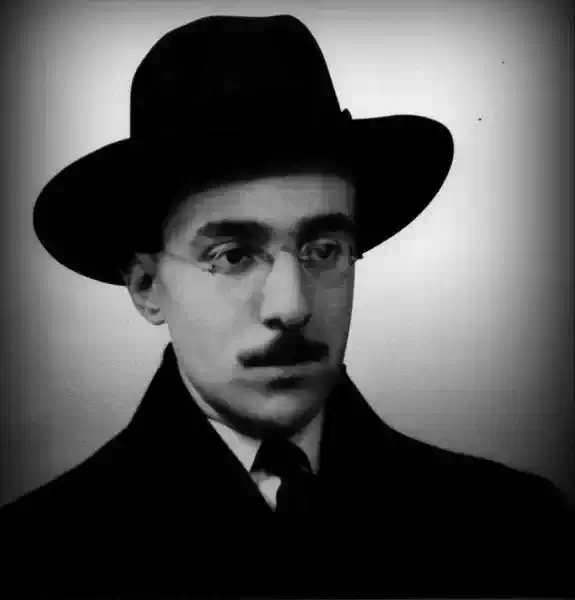
Fernando Pessoa
Durmo ou não? Passam juntas em minha alma
Durmo ou não? Passam juntas em minha alma
Coisas da alma e da vida em confusão,
Nesta mistura atribulada e calma
Em que não sei se durmo ou não.
Sou dois seres e duas consciências
Como dois homens indo braço-dado.
Sonolento revolvo omnisciências,
Turbulentamente estagnado.
Mas, lento, vago, emerjo de meu dois.
Disperto. Enfim: sou um, na realidade.
Espreguiço-me. Estou bem... Porquê depois,
De quê, esta vaga saudade?
4 876
1
Fernando Pessoa
4 - SPELL
SPELL
From the moonlit brink of dreams
I stretch foiled hands to thee,
O borne down other streams
Than eye can think to see!
O crowned with spirit beams!
O veiled spirituality!
My dreams and thoughts abate
Their pennons at thy feet.
O angel born too late
For fallen man to meet!
In what new sensual state
Could our twined lives feel sweet?
What new emotion must
I dream to think thee mine?
What purity of lust?
O tendrilled as a vine
Around my caressed trust!
O dream-pressed spirit-wine!
4 632
1
Fernando Pessoa
SONNET - Could I say what I think, could I express
SONNET
Could I say what I think, could I express
My every hidden and too-silent though,
And bring my feelings, in perfection wrought,
To one unforced point of living stress.
Could I breathe forth my soul, could I confess
The inmost secrets to my nature brought;
I might be great, yet none to me hath taught
A language well to figure my distress.
Yet day and night to me new whispers bring,
And night, and day from me old whispers take...
Oh for a word, one phrase in which to fling
All that I think and feel, and so to wake
The world; but I am dumb and cannot sing,
Dumb as You clouds before the thunders break.
Alexander Search, May 1904
4 802
1
Herberto Helder
Três Canções do Epiro - o Desejo
Se houvesse degraus na terra e tivesse anéis o céu,
eu subiria os degraus e aos anéis me prenderia.
No céu podia tecer uma nuvem toda negra.
E que nevasse, e chovesse, e houvesse luz nas montanhas,
e à porta do meu amor o ouro se acumulasse.
Beijei uma boca vermelha e a minha boca tingiu-se,
levei um lenço à boca e o lenço fez-se vermelho.
Fui lavá-lo na ribeira e a água tornou-se rubra,
e a fímbria do mar, e o meio do mar,
e vermelhas se volveram as asas da águia
que desceu para beber,
e metade do sol e a lua inteira se tornaram vermelhas.
Maldito seja quem atirou uma maçã para o outro mundo.
Uma maça, uma mantilha de ouro e uma espada de prata.
Correram os rapazes á procura da espada,
e as raparigas correram á procura da mantilha,
e correram, correram as crianças á procura da maça.
8 296
1
Fernando Pessoa
16 - LULLABY
LULLABY *
My heart is full of lazy pain
And an old English lullaby
Comes out of that mist of my brain.
Upon my lap my sovereign sits
And sucks upon my breast;
Meantime his love maintains my life
And gives my sense her rest.
Sing lullaby, my little boy,
Sing lullaby, mine only joy!
I would give all my singing trade
To be the distant English child
For whom this happy song was made.
When thou hast taken thy repast,
Repose, my babe, on me;
So may thy mother and thy nurse
Thy cradle also be.
Sing lullaby, my little boy,
Sing lullably, mine only joy!
There must have been true happiness
Near where this song was sung to small
White hands clutching a mother's dress.
I grieve that duty doth not work
All that my wishing would,
Because I would not be to thee
But in the best I should.
Sing lullaby, my little boy,
Sing lullaby, mine only joy!
O what a sorrow comes to me
Knowing the bitterness I have
While that child had this lullaby!
Yet as I am, and as I may,
I must and will be thine,
Though all too little for thy self
Vouchsafing to be mine,
Sing lullaby, my little boy,
Sing lullaby, mine only joy!
My heart aches to be able to weep.
O to think of this song being sung
And the child smiling in its sleep!
Upon my lap my sovereign sits
And sucks upon my breast;
Meantime his love maintains my life
And gives my sense her rest.
Sing lullaby, my little boy,
Sing lullaby, mine only joy!
I was a child too, but would now
Be the child, and no other hearing
This song low-breathed upon its brow.
When thou hast taken thy repast,
Repose, my babe, on me,
So may thy mother and thy nurse
Thy cradle also be.
Sing lullaby, my little boy,
Sing lullaby, mine only joy!
O that I could return to that
Happy time that was never mine
And which I live but to regret!
I grieve that duty doth not work
All that my wishing would,
Because I would not be to thee
But in the best I should.
Sing lullaby, my little boy,
Sing lullaby, mine only joy!
Ay, sing on in my soul, old voice,
So motherfully laying to sleep
The babe that quietly doth rejoice.
Yet as I am, and as I may,
I must and will be thine,
Though all too little for thy self
Vouchsafing to be mine.
Sing lullaby, my little boy,
Sing lullaby, mine only joy!
Sing on and let my heart not weep
Because sometime a child could have
This song to lull him into sleep!
Yet as I am, and as I may,
I must and will be thine,
Though all too little for thy self
Vouchsafing to be mine.
Sing lullaby, my little boy,
Sing lullaby, mine only joy!
Somehow somewhere I heard this song,
I was part of the happiness
That lived its idle lines along.
Yet as I am, and as I may,
I must and will be thine,
Though all too little for thy self
Vouchsafing to be mine.
Sing lullaby, my little boy
Sing lullaby, mine only joy!
Ay, somehow, somewhere I was that
Child, and my heart lay happy asleep.
Now – oh my sad and unknown fate!
* The «Lullaby» quoted is the 134th. poem in Palgrave's Golden Treasury. It was taken by him from Martin Peerson's Private Music, a Song-Book of 1620. The «Lullaby» is here given twice over, and the last stanza twice again.
4 882
1
Fernando Pessoa
REGRET
REGRET
I would that I were again a child
And a child you sweet and pure,
That we might be free and wild
In our consciousness obscure;
That we might play fantastic games
Under trees silent and shady,
That we might have fairy-book names,
I be a lord, you a lady.
And all were a strong ignorance
And a healthy want of thought,
And many a prank, many a dance
Our unresting feet had wrought;
And I would act well a clown's part
To your childish laughter winning,
And I would call you my sweetheart
And the name would have no meaning.
Or sitting close we each other would move
With tales that now gone are sad;
We would have no sex, would feel no love,
Good without fighting the bad.
And a flower would be our life's delight
And a nutshell boat our treasure:
We would lock it in a cupboard at night
As in memory a pleasure.
We would spend hours and days like a wealth
Of goodness too great to cloy,
We would deep enjoy innocence and health
Knowing not we did enjoy...
Ah, what bitterest is is that alone
Now one feeling in me I trace –
That knowledge of what from us hath gone
And of what it left in its place.
Alexander Search
May 29th. 1907
4 797
1
Gil Vicente
Tanto que o Frade foi embarcado
Tanto que o Frade foi embarcado, veio üa Alcoviteira, per nome Brízida Vaz, a qual chegando à barca infernal, diz desta maneira:
BRÍZIDA Hou lá da barca, hou lá!
DIABO Quem chama?
BRÍZIDA Brízida Vaz.
DIABO E aguarda-me, rapaz?
Como nom vem ela já?
COMPANHEIRO Diz que nom há-de vir cá
sem Joana#de#Valdês.
DIABO Entrai vós, e remarês.
BRÍZIDA Nom quero eu entrar lá.
DIABO Que sabroso arrecear!
BRÍZIDA No é essa barca que eu cato.
DIABO E trazês vós muito fato?
BRÍZIDA O que me convém levar.
Día. Que é o que havês d'embarcar?
BRÍZIDA Seiscentos virgos postiços
e três arcas de feitiços
que nom podem mais levar.
Três almários de mentir,
e cinco cofres de enlheos,
e alguns furtos alheos,
assi em jóias de vestir,
guarda-roupa d'encobrir,
enfim - casa movediça;
um estrado de cortiça
com dous coxins d'encobrir.
A mor cárrega que é:
essas moças que vendia.
Daquestra mercadoria
trago eu muita, à bofé!
DIABO Ora ponde aqui o pé...
BRÍZIDA Hui! E eu vou pera o Paraíso!
DIABO E quem te dixe a ti isso?
BRÍZIDA Lá hei-de ir desta maré.
Eu sô üa mártela tal!...
Açoutes tenho levados
e tormentos suportados
que ninguém me foi igual.
Se fosse ò fogo infernal,
lá iria todo o mundo!
A estoutra barca, cá fundo,
me vou, que é mais real.
chegando à Barca da Glória diz ao Anjo:
Barqueiro mano, meus olhos,
prancha a Brísida Vaz.
ANJO: Eu não sei quem te cá traz...
BRÍZIDA Peço-vo-lo de giolhos!
Cuidais que trago piolhos,
anjo de Deos, minha rosa?
Eu sô aquela preciosa
que dava as moças a molhos,
a que criava as meninas
pera os cónegos da Sé...
Passai-me, por vossa fé,
meu amor, minhas boninas,
olho de perlinhas finas!
E eu som apostolada,
angelada e martelada,
e fiz cousas mui divinas.
Santa#Úrsula nom converteu
tantas cachopas como eu:
todas salvas polo meu
que nenhüa se perdeu.
E prouve Àquele do Céu
que todas acharam dono.
Cuidais que dormia eu sono?
Nem ponto se me perdeu!
ANJO Ora vai lá embarcar,
não estês importunando.
BRÍZIDA Pois estou-vos eu contando
o porque me haveis de levar.
ANJO Não cures de importunar,
que não podes vir aqui.
BRÍZIDA E que má-hora eu servi,
pois não me há-de aproveitar!...
torna-se Brízida Vaz à Barca do Inferno, dizendo:
BRÍZIDA Hou barqueiros da má-hora,
que é da prancha, que eis me vou?
E já há muito que aqui estou,
e pareço mal cá de fora.
DIABO Ora entrai, minha senhora,
e sereis bem recebida;
se vivestes santa vida,
vós o sentirês agora...
tanto que Brízida Vaz se embarcou, veo um Judeu, com um bode às costas; e, chegando ao batel#dos#danados, diz:
JUDEU Que vai cá? Hou marinheiro!
DIABO Oh! Que má-hora vieste!...
JUDEU Cuj'é esta barca que preste?
DIABO Esta barca é do barqueiro.
JUDEU. Passai-me por meu dinheiro.
DIABO E o bode há cá de vir?
JUDEU Pois também o bode há-de vir.
DIABO Que escusado passageiro!
JUDEU Sem bode, como irei lá?
DIABO Nem eu nom passo cabrões.
JUDEU Eis aqui quatro tostões
e mais se vos pagará.
Por vida do Semifará
que me passeis o cabrão!
Querês mais outro tostão?
DIABO Nem tu nom hás-de vir cá.
JUDEU Porque nom irá o judeu
onde vai Brísida Vaz?
Ao senhor meirinho apraz?
Senhor meirinho, irei eu?
DIABO E o fidalgo, quem lhe deu...
JUDEU O mando, dizês, do batel?
Corregedor, coronel,
castigai este sandeu!
Azará, pedra miúda,
lodo, chanto, fogo, lenha,
caganeira que te venha!
Má corrença que te acuda!
Par el Deu, que te sacuda
coa beca nos focinhos!
Fazes burla dos meirinhos?
Dize, filho da cornuda!
PARVO Furtaste a chiba cabrão?
Parecês-me vós a mim
gafanhoto d'Almeirim
chacinado em um seirão.
DIABO Judeu, lá te passarão,
porque vão mais despejados.
PARVO E ele mijou nos finados
n'ergueja de São#Gião!
E comia a carne da panela
no dia de Nosso Senhor!
E aperta o salvador,
e mija na caravela!
DIABO Sus, sus! Demos à vela!
Vós, Judeu, irês à toa,
que sois mui ruim pessoa.
Levai o cabrão na trela!
vem um Corregedor, carregado de feitos, e, chegando à barca do Inferno, com sua vara na mão, diz:
CORREGEDOR Hou da barca!
DIABO Que quereis?
CORREGEDOR Está aqui o senhor juiz?
DIABO Oh amador de perdiz.
Gentil cárrega trazeis!
CORREGEDOR No meu ar conhecereis
que nom é ela do meu jeito.
DIABO Como vai lá o direito?
CORREGEDOR Nestes feitos o vereis.
DIABO Ora, pois, entrai. Veremos
que diz i nesse papel...
CORREGEDOR E onde vai o batel?
DIABO No Inferno vos poeremos.
CORREGEDOR Como? À terra dos demos
há-de ir um corregedor?
DIABO Santo descorregedor,
embarcai, e remaremos!
Ora, entrai, pois que viestes!
CORREGEDOR Non#est#de#regulae#juris, não!
DIABO Ita, Ita! Dai cá a mão!
Remaremos um remo destes.
Fazei conta que nacestes
pera nosso companheiro.
- Que fazes tu, barzoneiro?
Faze-lhe essa prancha prestes!
CORREGEDOR Oh! Renego da viagem
e de quem me há-de levar!
Há 'qui meirinho do mar?
DIABO Não há tal costumagem.
CORREGEDOR Nom entendo esta barcagem,
nem hoc#non#potest#esse.
DIABO Se ora vos parecesse
que nom sei mais que linguagem...
Entrai, entrai, corregedor!
CORREGEDOR Hou! Videtis#qui#petatis -
Super#jure#magestatis
tem vosso mando vigor?
DIABO Quando éreis ouvidor
nonne#accepistis#rapina?
Pois ireis pela bolina
onde nossa mercê for...
Oh! Que isca esse papel
pera um fogo que eu sei!
CORREGEDOR Domine,#memento#mei!
DIABO Non#est#tempus, bacharel!
Imbarquemini in batel
quia#judicastis#malitia.
CORREGEDOR Semper#ego#justitia
fecit, e bem por nivel.
DIABO E as peitas dos judeus
que a vossa mulher levava?
CORREGEDOR Isso eu não o tomava
eram lá percalços seus.
Nom som peccatus#meus,
peccavit#uxore#mea.
DIABO Et#vobis#quoque#cum#ea,
não temuistis#Deus.
A largo modo adquiristis
sanguinis#laboratorum
ignorantis#peccatorum.
Ut#quid#eos#non#audistis?
CORREGEDOR Vós, arrais, nonne#legistis
que o dar quebra os pinedos?
Os direitos estão quedos,
sed#aliquid#tradidistis...
DIABO Ora entrai, nos negros fados!
Ireis ao lago dos cães
e vereis os escrivães
como estão tão prosperados.
CORREGEDOR E na terra#dos#danados
estão os Evangelistas?
3 696
1
Natércia Freire
Canção do Verdadeiro Abandono
Podem todos rir de mim,
podem correr-me à pedrada,
podem espreitar-me à janela
e ter a porta fechada.
Com palavras de ilusão
não me convence ninguém.
Tudo o que guardo na mão
não tem vislumbres de além.
Não sou irmã das estrelas,
nem das pombas nem dos astros.
Tenho uma dor consciente
de bicho que sofre as pedras
e se desloca de rastos.
1 489
1
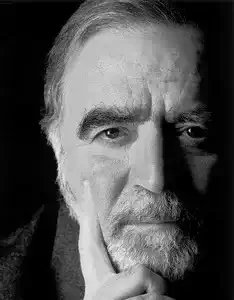
Manuel Alegre
Variações sobre
O POEMA POUCO ORIGINAL DO MEDO
de Alexandre ONeill
Os ratos invadiram a cidade
povoaram as casas os ratos roeram
o coração das gentes.
Cada homem traz um rato na alma.
Na rua os ratos roeram a vida.
É proibido não ser rato.
Canto na toca. E sou um homem.
Os ratos não tiveram tempo de roer-me
os ratos não podem roer um homem
que grita não aos ratos.
Encho a toca de sol.
(Cá fora os ratos roeram o sol).
Encho a toca de luar.
(Cá fora os ratos roeram a lua).
Encho a toca de amor.
(Cá fora os ratos roeram o amor).
Na toca que já foi dos ratos cantam
os homens que não chiam. E cantando
a toca enche-se de sol.
(O pouco sol que os ratos não roeram).
3 822
1
Fernando Pessoa
ANTINOUS
ANTINOUS
The rain outside was cold in Hadrian's soul.
The boy lay dead
On the low couch, on whose denuded whole,
To Hadrian's eyes, whose sorrow was a dread,
The shadowy light of Death's eclipse was shed.
The boy lay dead, and the day seemed a night
Outside. The rain fell like a sick affright
Of Nature at her work in killing him.
Memory of what he was gave no delight,
Delight at what he was was dead and dim.
O hands that once had clasped Hadrian's warm hands,
Whose cold now found them cold!
O hair bound erstwhile with the Pressing bands!
O eyes half-diffidently bold!
O bare female male-body such
As a god's likeness to humanity!
O lips whose opening redness erst could touch
Lust's seats with a live art's variety!
O fingers skilled in things not to be told!
O tongue which, counter-tongued, made the blood bold!
6 204
1
Fernando Pessoa
Tudo que sou não é mais do que abismo
Tudo o que sou não é mais do que abismo
Em que uma vaga luz
Com que sei que sou eu, e nisto cismo,
Obscura me conduz.
Um intervalo entre não-ser e ser
Feito de eu ter lugar
Como o pó, que se vê o vento erguer,
Vive de ele o mostrar.
Em que uma vaga luz
Com que sei que sou eu, e nisto cismo,
Obscura me conduz.
Um intervalo entre não-ser e ser
Feito de eu ter lugar
Como o pó, que se vê o vento erguer,
Vive de ele o mostrar.
5 053
1

Almeida Garrett
Gozo e dor
Se estou contente, querida,
Com esta imensa ternura
De que me enche o teu amor?
Não. Ai não; falta-me a vida;
Sucumbe-me a alma à ventura:
O excesso de gozo é dor.
Dói-me alma, sim; e a tristeza
Vaga, inerte e sem motivo,
No coração me poisou.
Absorto em tua beleza,
Não sei se morro ou se vivo,
Porque a vida me parou.
É que não há ser bastante
Para este gozar sem fim
Que me inunda o coração.
Tremo dele, e delirante
Sinto que se exaure em mim
Ou a vida ou a razão.
2 804
1
Fernando Pessoa
Bóiam farrapos de sombra
Bóiam farrapos de sombra
Em torno ao que não sei ser.
É todo um céu que se escombra
Sem me o deixar entrever.
O mistério das alturas
Desfaz-se em ritmos sem forma
Nas desregradas negruras
Com que o ar se treva torna.
Mas em tudo isto, que faz
O universo um ser desfeito,
Guardei, como a minha paz,
A sprança, que a dor me traz,
Apertada contra o peito.
4 959
1