

Poemas neste tema
Emoções e Sentimentos
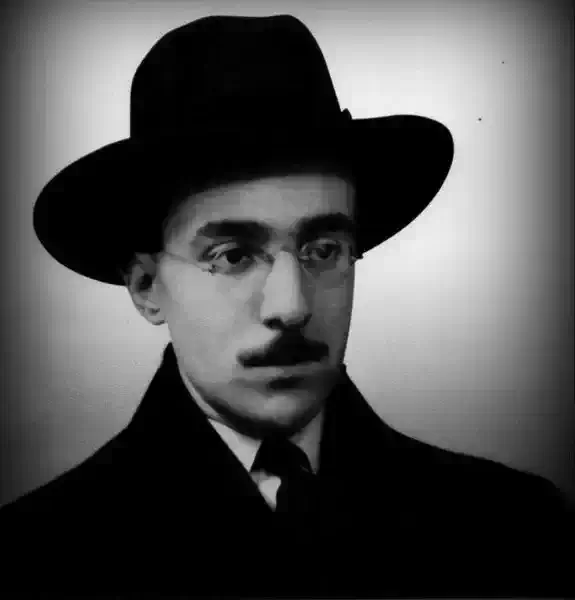
Fernando Pessoa
Eu queria ter o tempo e o sossego suficientes
Eu queria ter o tempo e o sossego suficientes
Para não pensar em coisa nenhuma,
Para nem me sentir viver,
Para só saber de mim nos olhos dos outros, reflectido.
Para não pensar em coisa nenhuma,
Para nem me sentir viver,
Para só saber de mim nos olhos dos outros, reflectido.
1 317
Fernando Pessoa
Ó meu amor! ó meu damasco, ó minha seda.
Ó meu amor! ó meu damasco, ó minha seda,
Ó meu guizo de prata,
Meu colar de pérolas deixado em cima da cómoda,
Minha aliança de ouro em dedos já velhinhos e fieis,
Minha cantiga de raparigas ao poente,
Ó meu fumo de cigarro, tão inútil e tão necessário,
Minha Bíblia para as crianças brincarem,
Minha amante que eu queria trazer ao colo como uma filha...
Olha, tenho as mãos em febre...
Tenho a testa a escaldar, tenho os olhos muito estranhos...
Todos olham para o brilho dos meus olhos e espetam-se neles...
Eu tenho febre e tenho sede e lembro-me de ti por causa disso
Porque se eu te tivesse como te quereria ter
(Não sei se é de um modo físico, ou de um modo psíquico)
Eu não teria nem febre, nem sede, nem a testa a arder,
Nem os olhos secos, muito secos, sob a fronte...
Tu não sabes o que tem sido a minha vida!...
Tu não sabes que martírio tem sido o meu...
Se tu soubesses o que é amar as coisas simples e calmas
E não ter jeito para procurar senão as outras coisas!
Se tu soubesses porque é que quando eu estou na minha quinta de dia
Tenho saudades dela como se não estivesse lá...
Se tu soubesses o que eu sinto à noite, nos hotéis, pelas ruas,
Se tu soubesses! Mas eu próprio não sei o que é que sinto...
Minha lantejoula, minha casa de bonecas,
Ó meus brinquedos da minha infância atados com cordéis!
Ó meu regimento que passa com a banda à frente,
Minha noite no circo, nos cavalinhos, a rir dos palhaços...
Ó minha (...)
Ó meu guizo de prata,
Meu colar de pérolas deixado em cima da cómoda,
Minha aliança de ouro em dedos já velhinhos e fieis,
Minha cantiga de raparigas ao poente,
Ó meu fumo de cigarro, tão inútil e tão necessário,
Minha Bíblia para as crianças brincarem,
Minha amante que eu queria trazer ao colo como uma filha...
Olha, tenho as mãos em febre...
Tenho a testa a escaldar, tenho os olhos muito estranhos...
Todos olham para o brilho dos meus olhos e espetam-se neles...
Eu tenho febre e tenho sede e lembro-me de ti por causa disso
Porque se eu te tivesse como te quereria ter
(Não sei se é de um modo físico, ou de um modo psíquico)
Eu não teria nem febre, nem sede, nem a testa a arder,
Nem os olhos secos, muito secos, sob a fronte...
Tu não sabes o que tem sido a minha vida!...
Tu não sabes que martírio tem sido o meu...
Se tu soubesses o que é amar as coisas simples e calmas
E não ter jeito para procurar senão as outras coisas!
Se tu soubesses porque é que quando eu estou na minha quinta de dia
Tenho saudades dela como se não estivesse lá...
Se tu soubesses o que eu sinto à noite, nos hotéis, pelas ruas,
Se tu soubesses! Mas eu próprio não sei o que é que sinto...
Minha lantejoula, minha casa de bonecas,
Ó meus brinquedos da minha infância atados com cordéis!
Ó meu regimento que passa com a banda à frente,
Minha noite no circo, nos cavalinhos, a rir dos palhaços...
Ó minha (...)
1 656
Fernando Pessoa
Ó meu amor! ó meu damasco, ó minha seda.
Ó meu amor! ó meu damasco, ó minha seda,
Ó meu guizo de prata,
Meu colar de pérolas deixado em cima da cómoda,
Minha aliança de ouro em dedos já velhinhos e fieis,
Minha cantiga de raparigas ao poente,
Ó meu fumo de cigarro, tão inútil e tão necessário,
Minha Bíblia para as crianças brincarem,
Minha amante que eu queria trazer ao colo como uma filha...
Olha, tenho as mãos em febre...
Tenho a testa a escaldar, tenho os olhos muito estranhos...
Todos olham para o brilho dos meus olhos e espetam-se neles...
Eu tenho febre e tenho sede e lembro-me de ti por causa disso
Porque se eu te tivesse como te quereria ter
(Não sei se é de um modo físico, ou de um modo psíquico)
Eu não teria nem febre, nem sede, nem a testa a arder,
Nem os olhos secos, muito secos, sob a fronte...
Tu não sabes o que tem sido a minha vida!...
Tu não sabes que martírio tem sido o meu...
Se tu soubesses o que é amar as coisas simples e calmas
E não ter jeito para procurar senão as outras coisas!
Se tu soubesses porque é que quando eu estou na minha quinta de dia
Tenho saudades dela como se não estivesse lá...
Se tu soubesses o que eu sinto à noite, nos hotéis, pelas ruas,
Se tu soubesses! Mas eu próprio não sei o que é que sinto...
Minha lantejoula, minha casa de bonecas,
Ó meus brinquedos da minha infância atados com cordéis!
Ó meu regimento que passa com a banda à frente,
Minha noite no circo, nos cavalinhos, a rir dos palhaços...
Ó minha (...)
Ó meu guizo de prata,
Meu colar de pérolas deixado em cima da cómoda,
Minha aliança de ouro em dedos já velhinhos e fieis,
Minha cantiga de raparigas ao poente,
Ó meu fumo de cigarro, tão inútil e tão necessário,
Minha Bíblia para as crianças brincarem,
Minha amante que eu queria trazer ao colo como uma filha...
Olha, tenho as mãos em febre...
Tenho a testa a escaldar, tenho os olhos muito estranhos...
Todos olham para o brilho dos meus olhos e espetam-se neles...
Eu tenho febre e tenho sede e lembro-me de ti por causa disso
Porque se eu te tivesse como te quereria ter
(Não sei se é de um modo físico, ou de um modo psíquico)
Eu não teria nem febre, nem sede, nem a testa a arder,
Nem os olhos secos, muito secos, sob a fronte...
Tu não sabes o que tem sido a minha vida!...
Tu não sabes que martírio tem sido o meu...
Se tu soubesses o que é amar as coisas simples e calmas
E não ter jeito para procurar senão as outras coisas!
Se tu soubesses porque é que quando eu estou na minha quinta de dia
Tenho saudades dela como se não estivesse lá...
Se tu soubesses o que eu sinto à noite, nos hotéis, pelas ruas,
Se tu soubesses! Mas eu próprio não sei o que é que sinto...
Minha lantejoula, minha casa de bonecas,
Ó meus brinquedos da minha infância atados com cordéis!
Ó meu regimento que passa com a banda à frente,
Minha noite no circo, nos cavalinhos, a rir dos palhaços...
Ó minha (...)
1 656
Fernando Pessoa
O BIBLIÓFILO
Ó ambições!... Como eu quisera ser
Um pobre bibliófilo parado
Sobre o eterno fólio desdobrado
E sem mais na consciência de viver.
Podia a primavera enverdecer
E eu sempre sobre o livro recurvado
Sorriria a um arcaico pecado
A uma medieval moça e qualquer.
A vida não perdia nem ganhava
Nada por mim, nenhum gesto meu dava
Um gesto mais ao seu profundo
E eu lia, a testa contra a luz acesa.
Sem nada querer ser como a beleza
E sem nada ter sido como o mundo
Um pobre bibliófilo parado
Sobre o eterno fólio desdobrado
E sem mais na consciência de viver.
Podia a primavera enverdecer
E eu sempre sobre o livro recurvado
Sorriria a um arcaico pecado
A uma medieval moça e qualquer.
A vida não perdia nem ganhava
Nada por mim, nenhum gesto meu dava
Um gesto mais ao seu profundo
E eu lia, a testa contra a luz acesa.
Sem nada querer ser como a beleza
E sem nada ter sido como o mundo
1 460
Fernando Pessoa
Eu sou como um que entre o mar que lhe avança
Eu sou como um que entre o mar que lhe avança
Se vê e entre um rochedo alto e (...)
Mas com maior horror — ah, quão maior!
Perante a morte — aquilo que eu temo
Com horror que transcende todo o horror
Que os homens hão sentido — lhe aproxima...
Coroai-me de espinhos — sou aquele
Que mais no mundo tem sofrido.
P'ra resignar-se à morte é necessário
Não lhe compreender todo o horror,
Não lho medir. Perdi
A última ilusão que até agora
Ninguém perdera, nem o mais audaz
Cogitador metafísico — essa que faz
Com que o pavor não desça às nossas veias
Tornando-se um com a nossa vida.
Se vê e entre um rochedo alto e (...)
Mas com maior horror — ah, quão maior!
Perante a morte — aquilo que eu temo
Com horror que transcende todo o horror
Que os homens hão sentido — lhe aproxima...
Coroai-me de espinhos — sou aquele
Que mais no mundo tem sofrido.
P'ra resignar-se à morte é necessário
Não lhe compreender todo o horror,
Não lho medir. Perdi
A última ilusão que até agora
Ninguém perdera, nem o mais audaz
Cogitador metafísico — essa que faz
Com que o pavor não desça às nossas veias
Tornando-se um com a nossa vida.
1 262
Fernando Pessoa
ANTÍNOO - T
Era em Adriano fria a chuva fora.
Jaz morto o jovem
No raso leito, e sobre o seu desnudo todo,
Aos olhos rasos de Adriano, cuja dor é medo,
A umbrosa luz do eclipse-morte era difusa.
Jaz morto o jovem, e o dia semelhava noite
Lá fora. A chuva cai como um exausto alarme
Da Natureza em acto de matá-lo.
Memória de que el' foi não dava já deleite,
Deleite no que el' foi era morto e indistinto.
Ó mãos que já apertaram as de Adriano quentes,
Cuja frieza agora as sente frias!
Ó cabelo antes preso p'lo penteado justo!
Ó olhos algo inquietantemente ousados!
Ó simples macho corpo feminino qual
O aparentar-se um deus à humanidade!
Os lábios cujo abrir vermelho titilava
Os sítios da luxúria com tanta arte viva!
Ó dedos que hábeis eram no de não ser dito!
Ó língua que na língua o sangue audaz tornava!
[...]
Jaz morto o jovem
No raso leito, e sobre o seu desnudo todo,
Aos olhos rasos de Adriano, cuja dor é medo,
A umbrosa luz do eclipse-morte era difusa.
Jaz morto o jovem, e o dia semelhava noite
Lá fora. A chuva cai como um exausto alarme
Da Natureza em acto de matá-lo.
Memória de que el' foi não dava já deleite,
Deleite no que el' foi era morto e indistinto.
Ó mãos que já apertaram as de Adriano quentes,
Cuja frieza agora as sente frias!
Ó cabelo antes preso p'lo penteado justo!
Ó olhos algo inquietantemente ousados!
Ó simples macho corpo feminino qual
O aparentar-se um deus à humanidade!
Os lábios cujo abrir vermelho titilava
Os sítios da luxúria com tanta arte viva!
Ó dedos que hábeis eram no de não ser dito!
Ó língua que na língua o sangue audaz tornava!
[...]
1 523
Fernando Pessoa
V - Ténue, roçando sedas pelas horas,
V
Ténue, roçando sedas pelas horas,
Teu vulto ciciante passa e esquece,
E dia a dia adias para prece
O rito cujo ritmo só decoras...
Um mar longínquo e próximo humedece
Teus lábios onde, mais que em ti, descoras...
E, alada, leve, sobre a dor que choras,
Sem querer saber de ti a tarde desce...
Erra no anteluar a voz dos tanques...
Na quinta imensa gorgolejam águas,
Na treva vaga ao meu ter dor estanques...
Meu império é das horas desiguais,
E dei meu gesto lasso às algas mágoas
Que há para além de sermos outonais...
Ténue, roçando sedas pelas horas,
Teu vulto ciciante passa e esquece,
E dia a dia adias para prece
O rito cujo ritmo só decoras...
Um mar longínquo e próximo humedece
Teus lábios onde, mais que em ti, descoras...
E, alada, leve, sobre a dor que choras,
Sem querer saber de ti a tarde desce...
Erra no anteluar a voz dos tanques...
Na quinta imensa gorgolejam águas,
Na treva vaga ao meu ter dor estanques...
Meu império é das horas desiguais,
E dei meu gesto lasso às algas mágoas
Que há para além de sermos outonais...
1 377
Fernando Pessoa
V - Ténue, roçando sedas pelas horas,
V
Ténue, roçando sedas pelas horas,
Teu vulto ciciante passa e esquece,
E dia a dia adias para prece
O rito cujo ritmo só decoras...
Um mar longínquo e próximo humedece
Teus lábios onde, mais que em ti, descoras...
E, alada, leve, sobre a dor que choras,
Sem querer saber de ti a tarde desce...
Erra no anteluar a voz dos tanques...
Na quinta imensa gorgolejam águas,
Na treva vaga ao meu ter dor estanques...
Meu império é das horas desiguais,
E dei meu gesto lasso às algas mágoas
Que há para além de sermos outonais...
Ténue, roçando sedas pelas horas,
Teu vulto ciciante passa e esquece,
E dia a dia adias para prece
O rito cujo ritmo só decoras...
Um mar longínquo e próximo humedece
Teus lábios onde, mais que em ti, descoras...
E, alada, leve, sobre a dor que choras,
Sem querer saber de ti a tarde desce...
Erra no anteluar a voz dos tanques...
Na quinta imensa gorgolejam águas,
Na treva vaga ao meu ter dor estanques...
Meu império é das horas desiguais,
E dei meu gesto lasso às algas mágoas
Que há para além de sermos outonais...
1 377
Fernando Pessoa
V - Ténue, roçando sedas pelas horas,
V
Ténue, roçando sedas pelas horas,
Teu vulto ciciante passa e esquece,
E dia a dia adias para prece
O rito cujo ritmo só decoras...
Um mar longínquo e próximo humedece
Teus lábios onde, mais que em ti, descoras...
E, alada, leve, sobre a dor que choras,
Sem querer saber de ti a tarde desce...
Erra no anteluar a voz dos tanques...
Na quinta imensa gorgolejam águas,
Na treva vaga ao meu ter dor estanques...
Meu império é das horas desiguais,
E dei meu gesto lasso às algas mágoas
Que há para além de sermos outonais...
Ténue, roçando sedas pelas horas,
Teu vulto ciciante passa e esquece,
E dia a dia adias para prece
O rito cujo ritmo só decoras...
Um mar longínquo e próximo humedece
Teus lábios onde, mais que em ti, descoras...
E, alada, leve, sobre a dor que choras,
Sem querer saber de ti a tarde desce...
Erra no anteluar a voz dos tanques...
Na quinta imensa gorgolejam águas,
Na treva vaga ao meu ter dor estanques...
Meu império é das horas desiguais,
E dei meu gesto lasso às algas mágoas
Que há para além de sermos outonais...
1 377
Fernando Pessoa
JULIANO EM ANTIOQUIA [b]
Agir, sabendo
Que a acção é vil e o esforço nada.
Ir para a frente por dever, mas vendo
Que não há estrada.
Tomar a pôr altares, templos mortos
Aos deuses reerguer, sem ignorar
Que as almas são de Cristo já, e há outros
Homens (...)
O esforço inútil feito por dever
E o amor à verdade inaceitável,
A teimosia estóica em dever ser.
Venceste, Galileu. Mas nada prova
Da verdade de ti teres vencido.
Constantemente o mundo se renova
Um dia é o dia do mal (…)
Que a acção é vil e o esforço nada.
Ir para a frente por dever, mas vendo
Que não há estrada.
Tomar a pôr altares, templos mortos
Aos deuses reerguer, sem ignorar
Que as almas são de Cristo já, e há outros
Homens (...)
O esforço inútil feito por dever
E o amor à verdade inaceitável,
A teimosia estóica em dever ser.
Venceste, Galileu. Mas nada prova
Da verdade de ti teres vencido.
Constantemente o mundo se renova
Um dia é o dia do mal (…)
1 008
Fernando Pessoa
Talvez quem vê bem não sirva para sentir
Talvez quem vê bem não sirva para sentir
E não agrada por estar muito antes das maneiras.
É preciso ter modos para todas as coisas,
E cada coisa tem o seu modo, e o amor também.
Quem tem o modo de ver os campos pelas ervas
Não deve ter a cegueira que faz fazer sentir.
Amei, e não fui amado, o que só vi no fim,
Porque não se é amado como se nasce mas como acontece.
Ela continua tão bonita de cabelo e boca como dantes,
E eu continuo como era dantes, sozinho no campo.
Como se tivesse estado de cabeça baixa,
Penso isto, e fico de cabeça alta
E o dourado sol seca a vontade de lágrimas que não posso deixar de ter.
Como o campo é vasto e o amor interior...!
Olho, e esqueço, como seca onde foi água e nas árvores desfolha.
Eu não sei falar porque estou a sentir.
Estou a escutar a minha voz como se fosse de outra pessoa,
E a minha voz fala dela como se ela é que falasse.
Tem o cabelo de um louro amarelo de trigo ao sol claro,
E a boca quando fala diz coisas que não só as palavras.
Sorri, e os dentes são limpos como pedras do rio.
E não agrada por estar muito antes das maneiras.
É preciso ter modos para todas as coisas,
E cada coisa tem o seu modo, e o amor também.
Quem tem o modo de ver os campos pelas ervas
Não deve ter a cegueira que faz fazer sentir.
Amei, e não fui amado, o que só vi no fim,
Porque não se é amado como se nasce mas como acontece.
Ela continua tão bonita de cabelo e boca como dantes,
E eu continuo como era dantes, sozinho no campo.
Como se tivesse estado de cabeça baixa,
Penso isto, e fico de cabeça alta
E o dourado sol seca a vontade de lágrimas que não posso deixar de ter.
Como o campo é vasto e o amor interior...!
Olho, e esqueço, como seca onde foi água e nas árvores desfolha.
Eu não sei falar porque estou a sentir.
Estou a escutar a minha voz como se fosse de outra pessoa,
E a minha voz fala dela como se ela é que falasse.
Tem o cabelo de um louro amarelo de trigo ao sol claro,
E a boca quando fala diz coisas que não só as palavras.
Sorri, e os dentes são limpos como pedras do rio.
1 698
Fernando Pessoa
VIII - Ignorado ficasse o meu destino
VIII
Ignorado ficasse o meu destino
Entre pálios (e a ponte sempre à vista),
E anel concluso a chispas de ametista
A frase falha do meu póstumo hino...
Florescesse em meu glabro desatino
O himeneu das escadas da conquista
Cuja preguiça, arrecadada, dista
Almas do meu impulso cristalino...
Meus ócios ricos assim fossem, vilas
Pelo campo romano, e a toga traça
No meu soslaio anónimas (desgraça
A vida) curvas sob mãos intranquilas...
E tudo sem Cleópatra teria
Findado perto de onde raia o dia...
Ignorado ficasse o meu destino
Entre pálios (e a ponte sempre à vista),
E anel concluso a chispas de ametista
A frase falha do meu póstumo hino...
Florescesse em meu glabro desatino
O himeneu das escadas da conquista
Cuja preguiça, arrecadada, dista
Almas do meu impulso cristalino...
Meus ócios ricos assim fossem, vilas
Pelo campo romano, e a toga traça
No meu soslaio anónimas (desgraça
A vida) curvas sob mãos intranquilas...
E tudo sem Cleópatra teria
Findado perto de onde raia o dia...
1 299
Fernando Pessoa
IV - Ó tocadora de harpa, se eu beijasse
IV
Ó tocadora de harpa, se eu beijasse
Teu gesto, sem beijar as tuas mãos!,
E, beijando-o, descesse pelos desvãos
Do sonho, até que enfim eu o encontrasse
Tornado Puro Gesto, gesto-face
Da medalha sinistra — reis cristãos
Ajoelhando, inimigos e irmãos,
Quando processional o andor passasse!...
Teu gesto que arrepanha e se extasia...
O teu gesto completo, lua fria
Subindo, e em baixo, negros, os juncais...
Caverna em estalactites o teu gesto...
Não poder eu prendê-lo, fazer mais
Que vê-lo e que perdê-lo!... E o sonho é o resto...
Ó tocadora de harpa, se eu beijasse
Teu gesto, sem beijar as tuas mãos!,
E, beijando-o, descesse pelos desvãos
Do sonho, até que enfim eu o encontrasse
Tornado Puro Gesto, gesto-face
Da medalha sinistra — reis cristãos
Ajoelhando, inimigos e irmãos,
Quando processional o andor passasse!...
Teu gesto que arrepanha e se extasia...
O teu gesto completo, lua fria
Subindo, e em baixo, negros, os juncais...
Caverna em estalactites o teu gesto...
Não poder eu prendê-lo, fazer mais
Que vê-lo e que perdê-lo!... E o sonho é o resto...
1 518
Fernando Pessoa
O manjerico comprado
O manjerico comprado
Não é melhor que o que dão.
Põe o manjerico ao lado
E dá-me o teu coração.
Não é melhor que o que dão.
Põe o manjerico ao lado
E dá-me o teu coração.
1 634
Fernando Pessoa
Nuvem do céu, que pareces
Nuvem do céu, que pareces
Tudo quanto a gente quer,
Se tu, ao menos, me desses
O que se não pode ter!
Tudo quanto a gente quer,
Se tu, ao menos, me desses
O que se não pode ter!
833
Fernando Pessoa
Nuvem do céu, que pareces
Nuvem do céu, que pareces
Tudo quanto a gente quer,
Se tu, ao menos, me desses
O que se não pode ter!
Tudo quanto a gente quer,
Se tu, ao menos, me desses
O que se não pode ter!
833
Fernando Pessoa
Olho os campos, Neera [4]
Olho os campos, Neera
Verdes campos, e sinto
Como virá um dia
Em que não mais os veja.
Par de árvores cobre
O céu aqui sem nuvens
E faz correr mais triste
A viva e alegre linfa.
Mas por um só momento
Fugaz e passageiro
Esta ideia eu emprego
Para o seu uso triste.
Cedo me volve a calma
Com que me faço o espelho
Do céu imperturbado
E da fonte insciente.
Deixa o futuro, — porque
Não está aqui, não é nada;
Só o fugaz presente
Enquanto dura existe.
Vive a imperfeita hora
Sem olhar além dela
E sem nada esperares
Dos homens, nem dos deuses.
Verdes campos, e sinto
Como virá um dia
Em que não mais os veja.
Par de árvores cobre
O céu aqui sem nuvens
E faz correr mais triste
A viva e alegre linfa.
Mas por um só momento
Fugaz e passageiro
Esta ideia eu emprego
Para o seu uso triste.
Cedo me volve a calma
Com que me faço o espelho
Do céu imperturbado
E da fonte insciente.
Deixa o futuro, — porque
Não está aqui, não é nada;
Só o fugaz presente
Enquanto dura existe.
Vive a imperfeita hora
Sem olhar além dela
E sem nada esperares
Dos homens, nem dos deuses.
1 464
Fernando Pessoa
Quantas vezes a memória
Quantas vezes a memória
Para fingir que inda é gente,
Nos conta uma grande história
Em que ninguém está presente.
Para fingir que inda é gente,
Nos conta uma grande história
Em que ninguém está presente.
1 308
Fernando Pessoa
Não morreram, Neera, os velhos deuses.
Não morreram, Neera, os velhos deuses.
Sempre que a humana alegria
Renasce, eles se voltam
Para a nossa saudade.
Sempre que a humana alegria
Renasce, eles se voltam
Para a nossa saudade.
1 358
Fernando Pessoa
Não morreram, Neera, os velhos deuses.
Não morreram, Neera, os velhos deuses.
Sempre que a humana alegria
Renasce, eles se voltam
Para a nossa saudade.
Sempre que a humana alegria
Renasce, eles se voltam
Para a nossa saudade.
1 358
Fernando Pessoa
Em vão procuro o bem que me negaram.
Em vão procuro o bem que me negaram.
As flores dos jardins herdadas de outros
Como hão-de mais que perfumar de longe
Meu desejo de tê-las?
As flores dos jardins herdadas de outros
Como hão-de mais que perfumar de longe
Meu desejo de tê-las?
1 471
Fernando Pessoa
Neste dia em que os campos são de Apolo
Neste dia em que os campos são de Apolo
Verde colónia dominada a ouro,
Seja como uma dança dentro em nós
O sentirmos a vida.
Não turbulenta, mas com os seus ritmos
Que a nossa sensação como uma ninfa
Acompanhe em cadências suas a
Disciplina da dança...
Ao fim do dia quando os campos forem
Império conquistado pelas sombras
Como uma legião que segue marcha
Abdiquemos do dia,
E na nossa memória coloquemos,
Com um deus novo duma nova terra
Trazido, o que ficou em nós da calma
Do dia passageiro.
Verde colónia dominada a ouro,
Seja como uma dança dentro em nós
O sentirmos a vida.
Não turbulenta, mas com os seus ritmos
Que a nossa sensação como uma ninfa
Acompanhe em cadências suas a
Disciplina da dança...
Ao fim do dia quando os campos forem
Império conquistado pelas sombras
Como uma legião que segue marcha
Abdiquemos do dia,
E na nossa memória coloquemos,
Com um deus novo duma nova terra
Trazido, o que ficou em nós da calma
Do dia passageiro.
1 492