

Poemas neste tema
Emoções e Sentimentos
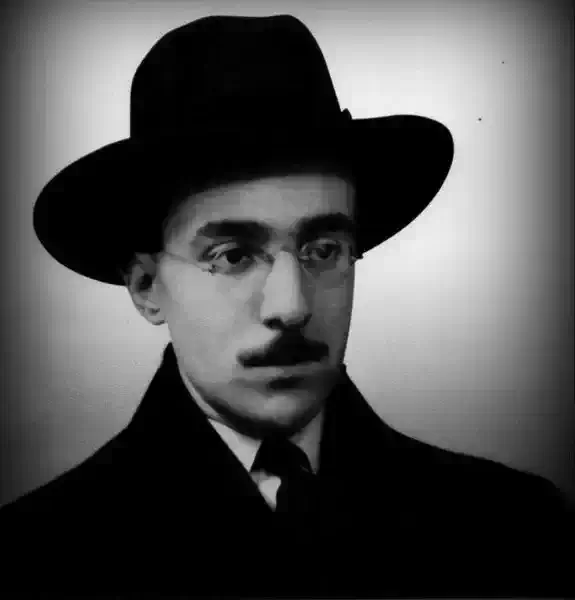
Fernando Pessoa
Deixaste cair no chão
O embrulho das queijadas.
Ris-te disso — e porque não?
A vida é feita de nadas.
O embrulho das queijadas.
Ris-te disso — e porque não?
A vida é feita de nadas.
991
Fernando Pessoa
«Vou trabalhando a peneira
E pensando assim assim.
Eu não nasci para freira.
Gosto que gostem de mim.»
E pensando assim assim.
Eu não nasci para freira.
Gosto que gostem de mim.»
1 363
Fernando Pessoa
A WINTER DAY
I
'Tis a void winter day, sad as a moan.
A sense of loneliness, as of a stone
Upon a grave, or of a rock in sea
Rests like a mighty shadow over me.
I am unnerved, unminded by the pall
Of solemn clouds that, weighty over all,
Curtail the vision; and upon mine ear
The City's rumble brings despair and fear
To crush my spirit free and wild.
The rain,
Reiterated horribly, again
Beast with its drops at my cold window‑pane
With such a sound as makes us know it cold.
The world is ghostly, undaylike and old,
And weary passengers, with cautious tread,
Yet hurried, walk within the streets soul‑dead
In the unkindness of their hue of lead.
The streets are streamlets, and perpetual
A sound of little waters, on roof, on wall,
Down in the streets, in pipes, in window‑glass
And into rooms doth wetly come and pass.
All is the rain's.
All is pale wetness, darkness inly cold,
A sentiment of waste things and of old
Making all things exterior sorrows, pains;
And all we hear and feel and know and see
Is wrapt around as with a masking cloak
In inconceivable monotony.
All in the houses and up from the street
Is a long watery shuffle of heavy feet,
A sound of drenched garments, and a sense
Of a sad chillness, latently intense.
Through cracks in doors and windows a gust cold
Of wind penetrates like a memory of old
Times to make freeze my body, ill reclined
Upon a couch, a sufferer with my mind.
Life in the streets is sad, a monotone
More dull than usual ordinariness:
Business and work have lost their usual stress,
The vender's cries are each of them a moan
Grotesque, desolate, as forlorn and half‑dead
Hearts might produce which make a war (?) attempt
At talking normally, as if they not bled.
Half‑childish urchins, gloriously unkempt
Laugh at the water that cart‑wheels upshed.
The muddy urchins in the streets that play
Make shades of envy in my soul to stay.
Couples, some newly‑married, others not,
Who in the commonness of their no‑thought
Have a deep happiness I would not have,
A joy to which I would prefer the grave,
Pass in the street. some gay and some sedate.
I feel me no like men in any way.
I envy those - I speak true - without hate
And without admiration, isolate (?).
I would that l were happy as they are
But not with that their happiness. Thus far
Such living as theirs is were unto me
Misery, penury, monotony.
Alas for all who dream! Alas for us,
Poor poets, more or less mad, more or less
Foolish! In this consists true happiness!
In knowing how to be monotonous.
Happy are they who can see without sorrow
To‑day yield us to‑morrow
And yet to‑morrow and to‑day to them
Different days because different days,
Which are to me (save that they pass) the same.
II
The view I have of this cold winter day,
The deep depression that makes my thoughts stray
Is but a symbol and a synthesis
Of what my life perpetually is.
How deep my thoughts in pain and sadness are!
How wreck'd my soul in its intense despair!
How desolate, disconsolately mute
My heart is of the words that like scents shoot
From the full flower of true youthfulness!
How locked am I within my own distress!
How in the tragic circle soul‑confined
Of my abhorred self!
Not one ambition leads me - power nor pelf,
No wish for fame, no love of poor mankind.
But I am weary, desolate and cold
E'vn as this winter day. I have grown old
In watching dreams go by and pass away
Leaving a memory pure and bright
Of aught that was and died as light
Without the living horror of decay.
Is this thy life, irresolute soul of mine?
How pale the sun of thy sad morn doth shine!
How it forebodes the cloudiness that comes
Outstretched wings of the storm whose muffled drums
Of warning in the paling day are heard
Deep in the distance lesseningly blurred.
Thou look'st not death nor evil in the face
Poor soul despairing in life's troubled race!
All forms of life, all things have been to thee
Mutations of eternal misery.
All years, all homes to thee have been
In the same drama many a change of scene.
Thou hast not learned to live, but thou dost cling
Madly to life (dreading Death's night severe),
As if life or the world were anything!
'Tis a void winter day, sad as a moan.
A sense of loneliness, as of a stone
Upon a grave, or of a rock in sea
Rests like a mighty shadow over me.
I am unnerved, unminded by the pall
Of solemn clouds that, weighty over all,
Curtail the vision; and upon mine ear
The City's rumble brings despair and fear
To crush my spirit free and wild.
The rain,
Reiterated horribly, again
Beast with its drops at my cold window‑pane
With such a sound as makes us know it cold.
The world is ghostly, undaylike and old,
And weary passengers, with cautious tread,
Yet hurried, walk within the streets soul‑dead
In the unkindness of their hue of lead.
The streets are streamlets, and perpetual
A sound of little waters, on roof, on wall,
Down in the streets, in pipes, in window‑glass
And into rooms doth wetly come and pass.
All is the rain's.
All is pale wetness, darkness inly cold,
A sentiment of waste things and of old
Making all things exterior sorrows, pains;
And all we hear and feel and know and see
Is wrapt around as with a masking cloak
In inconceivable monotony.
All in the houses and up from the street
Is a long watery shuffle of heavy feet,
A sound of drenched garments, and a sense
Of a sad chillness, latently intense.
Through cracks in doors and windows a gust cold
Of wind penetrates like a memory of old
Times to make freeze my body, ill reclined
Upon a couch, a sufferer with my mind.
Life in the streets is sad, a monotone
More dull than usual ordinariness:
Business and work have lost their usual stress,
The vender's cries are each of them a moan
Grotesque, desolate, as forlorn and half‑dead
Hearts might produce which make a war (?) attempt
At talking normally, as if they not bled.
Half‑childish urchins, gloriously unkempt
Laugh at the water that cart‑wheels upshed.
The muddy urchins in the streets that play
Make shades of envy in my soul to stay.
Couples, some newly‑married, others not,
Who in the commonness of their no‑thought
Have a deep happiness I would not have,
A joy to which I would prefer the grave,
Pass in the street. some gay and some sedate.
I feel me no like men in any way.
I envy those - I speak true - without hate
And without admiration, isolate (?).
I would that l were happy as they are
But not with that their happiness. Thus far
Such living as theirs is were unto me
Misery, penury, monotony.
Alas for all who dream! Alas for us,
Poor poets, more or less mad, more or less
Foolish! In this consists true happiness!
In knowing how to be monotonous.
Happy are they who can see without sorrow
To‑day yield us to‑morrow
And yet to‑morrow and to‑day to them
Different days because different days,
Which are to me (save that they pass) the same.
II
The view I have of this cold winter day,
The deep depression that makes my thoughts stray
Is but a symbol and a synthesis
Of what my life perpetually is.
How deep my thoughts in pain and sadness are!
How wreck'd my soul in its intense despair!
How desolate, disconsolately mute
My heart is of the words that like scents shoot
From the full flower of true youthfulness!
How locked am I within my own distress!
How in the tragic circle soul‑confined
Of my abhorred self!
Not one ambition leads me - power nor pelf,
No wish for fame, no love of poor mankind.
But I am weary, desolate and cold
E'vn as this winter day. I have grown old
In watching dreams go by and pass away
Leaving a memory pure and bright
Of aught that was and died as light
Without the living horror of decay.
Is this thy life, irresolute soul of mine?
How pale the sun of thy sad morn doth shine!
How it forebodes the cloudiness that comes
Outstretched wings of the storm whose muffled drums
Of warning in the paling day are heard
Deep in the distance lesseningly blurred.
Thou look'st not death nor evil in the face
Poor soul despairing in life's troubled race!
All forms of life, all things have been to thee
Mutations of eternal misery.
All years, all homes to thee have been
In the same drama many a change of scene.
Thou hast not learned to live, but thou dost cling
Madly to life (dreading Death's night severe),
As if life or the world were anything!
1 737
Fernando Pessoa
A WINTER DAY
I
'Tis a void winter day, sad as a moan.
A sense of loneliness, as of a stone
Upon a grave, or of a rock in sea
Rests like a mighty shadow over me.
I am unnerved, unminded by the pall
Of solemn clouds that, weighty over all,
Curtail the vision; and upon mine ear
The City's rumble brings despair and fear
To crush my spirit free and wild.
The rain,
Reiterated horribly, again
Beast with its drops at my cold window‑pane
With such a sound as makes us know it cold.
The world is ghostly, undaylike and old,
And weary passengers, with cautious tread,
Yet hurried, walk within the streets soul‑dead
In the unkindness of their hue of lead.
The streets are streamlets, and perpetual
A sound of little waters, on roof, on wall,
Down in the streets, in pipes, in window‑glass
And into rooms doth wetly come and pass.
All is the rain's.
All is pale wetness, darkness inly cold,
A sentiment of waste things and of old
Making all things exterior sorrows, pains;
And all we hear and feel and know and see
Is wrapt around as with a masking cloak
In inconceivable monotony.
All in the houses and up from the street
Is a long watery shuffle of heavy feet,
A sound of drenched garments, and a sense
Of a sad chillness, latently intense.
Through cracks in doors and windows a gust cold
Of wind penetrates like a memory of old
Times to make freeze my body, ill reclined
Upon a couch, a sufferer with my mind.
Life in the streets is sad, a monotone
More dull than usual ordinariness:
Business and work have lost their usual stress,
The vender's cries are each of them a moan
Grotesque, desolate, as forlorn and half‑dead
Hearts might produce which make a war (?) attempt
At talking normally, as if they not bled.
Half‑childish urchins, gloriously unkempt
Laugh at the water that cart‑wheels upshed.
The muddy urchins in the streets that play
Make shades of envy in my soul to stay.
Couples, some newly‑married, others not,
Who in the commonness of their no‑thought
Have a deep happiness I would not have,
A joy to which I would prefer the grave,
Pass in the street. some gay and some sedate.
I feel me no like men in any way.
I envy those - I speak true - without hate
And without admiration, isolate (?).
I would that l were happy as they are
But not with that their happiness. Thus far
Such living as theirs is were unto me
Misery, penury, monotony.
Alas for all who dream! Alas for us,
Poor poets, more or less mad, more or less
Foolish! In this consists true happiness!
In knowing how to be monotonous.
Happy are they who can see without sorrow
To‑day yield us to‑morrow
And yet to‑morrow and to‑day to them
Different days because different days,
Which are to me (save that they pass) the same.
II
The view I have of this cold winter day,
The deep depression that makes my thoughts stray
Is but a symbol and a synthesis
Of what my life perpetually is.
How deep my thoughts in pain and sadness are!
How wreck'd my soul in its intense despair!
How desolate, disconsolately mute
My heart is of the words that like scents shoot
From the full flower of true youthfulness!
How locked am I within my own distress!
How in the tragic circle soul‑confined
Of my abhorred self!
Not one ambition leads me - power nor pelf,
No wish for fame, no love of poor mankind.
But I am weary, desolate and cold
E'vn as this winter day. I have grown old
In watching dreams go by and pass away
Leaving a memory pure and bright
Of aught that was and died as light
Without the living horror of decay.
Is this thy life, irresolute soul of mine?
How pale the sun of thy sad morn doth shine!
How it forebodes the cloudiness that comes
Outstretched wings of the storm whose muffled drums
Of warning in the paling day are heard
Deep in the distance lesseningly blurred.
Thou look'st not death nor evil in the face
Poor soul despairing in life's troubled race!
All forms of life, all things have been to thee
Mutations of eternal misery.
All years, all homes to thee have been
In the same drama many a change of scene.
Thou hast not learned to live, but thou dost cling
Madly to life (dreading Death's night severe),
As if life or the world were anything!
'Tis a void winter day, sad as a moan.
A sense of loneliness, as of a stone
Upon a grave, or of a rock in sea
Rests like a mighty shadow over me.
I am unnerved, unminded by the pall
Of solemn clouds that, weighty over all,
Curtail the vision; and upon mine ear
The City's rumble brings despair and fear
To crush my spirit free and wild.
The rain,
Reiterated horribly, again
Beast with its drops at my cold window‑pane
With such a sound as makes us know it cold.
The world is ghostly, undaylike and old,
And weary passengers, with cautious tread,
Yet hurried, walk within the streets soul‑dead
In the unkindness of their hue of lead.
The streets are streamlets, and perpetual
A sound of little waters, on roof, on wall,
Down in the streets, in pipes, in window‑glass
And into rooms doth wetly come and pass.
All is the rain's.
All is pale wetness, darkness inly cold,
A sentiment of waste things and of old
Making all things exterior sorrows, pains;
And all we hear and feel and know and see
Is wrapt around as with a masking cloak
In inconceivable monotony.
All in the houses and up from the street
Is a long watery shuffle of heavy feet,
A sound of drenched garments, and a sense
Of a sad chillness, latently intense.
Through cracks in doors and windows a gust cold
Of wind penetrates like a memory of old
Times to make freeze my body, ill reclined
Upon a couch, a sufferer with my mind.
Life in the streets is sad, a monotone
More dull than usual ordinariness:
Business and work have lost their usual stress,
The vender's cries are each of them a moan
Grotesque, desolate, as forlorn and half‑dead
Hearts might produce which make a war (?) attempt
At talking normally, as if they not bled.
Half‑childish urchins, gloriously unkempt
Laugh at the water that cart‑wheels upshed.
The muddy urchins in the streets that play
Make shades of envy in my soul to stay.
Couples, some newly‑married, others not,
Who in the commonness of their no‑thought
Have a deep happiness I would not have,
A joy to which I would prefer the grave,
Pass in the street. some gay and some sedate.
I feel me no like men in any way.
I envy those - I speak true - without hate
And without admiration, isolate (?).
I would that l were happy as they are
But not with that their happiness. Thus far
Such living as theirs is were unto me
Misery, penury, monotony.
Alas for all who dream! Alas for us,
Poor poets, more or less mad, more or less
Foolish! In this consists true happiness!
In knowing how to be monotonous.
Happy are they who can see without sorrow
To‑day yield us to‑morrow
And yet to‑morrow and to‑day to them
Different days because different days,
Which are to me (save that they pass) the same.
II
The view I have of this cold winter day,
The deep depression that makes my thoughts stray
Is but a symbol and a synthesis
Of what my life perpetually is.
How deep my thoughts in pain and sadness are!
How wreck'd my soul in its intense despair!
How desolate, disconsolately mute
My heart is of the words that like scents shoot
From the full flower of true youthfulness!
How locked am I within my own distress!
How in the tragic circle soul‑confined
Of my abhorred self!
Not one ambition leads me - power nor pelf,
No wish for fame, no love of poor mankind.
But I am weary, desolate and cold
E'vn as this winter day. I have grown old
In watching dreams go by and pass away
Leaving a memory pure and bright
Of aught that was and died as light
Without the living horror of decay.
Is this thy life, irresolute soul of mine?
How pale the sun of thy sad morn doth shine!
How it forebodes the cloudiness that comes
Outstretched wings of the storm whose muffled drums
Of warning in the paling day are heard
Deep in the distance lesseningly blurred.
Thou look'st not death nor evil in the face
Poor soul despairing in life's troubled race!
All forms of life, all things have been to thee
Mutations of eternal misery.
All years, all homes to thee have been
In the same drama many a change of scene.
Thou hast not learned to live, but thou dost cling
Madly to life (dreading Death's night severe),
As if life or the world were anything!
1 737
Fernando Pessoa
Toda a noite ouvi os cães
P’ra manhã ouvi os galos.
Tristeza — vem ter connosco.
Prazeres — é ir achá-los.
P’ra manhã ouvi os galos.
Tristeza — vem ter connosco.
Prazeres — é ir achá-los.
1 350
Fernando Pessoa
Toda a noite ouvi os cães
P’ra manhã ouvi os galos.
Tristeza — vem ter connosco.
Prazeres — é ir achá-los.
P’ra manhã ouvi os galos.
Tristeza — vem ter connosco.
Prazeres — é ir achá-los.
1 350
Fernando Pessoa
THE WOMAN IN BLACK
I
My tale is simple, sad and brief -
As simple as all tales of grief,
As brief as all that is ours, though
It seem eternal to its woe;
No tale of glorious deeds or fair,
But one short poem of despair;
Dark as all things where man is caught
In the fine‑poisoned nets of thought.
Here is no flame of love's old fire,
Nor song of pent or free desire,
No thousand herses [?] fill its plan,
But it is centred round one man.
A man? A boy, if boyhood be
That where is sober misery.
About a boy all moves, an elf
Careless of happiness or pelf,
But fated to sing but himself.
I was not born to joy nor love.
The earth below, the sky above
Compel a sense within my soul
That deeply, heavily doth roll,
Like a tremendous, mystic sea
In lands where dreams alone can be;
A feeling that a sadness is,
Weeping in broken‑hearted bliss;
A sense that is a deep despair -
I know not why I should feel this
Before the things that are most fair.
Beauty is more than pleasure's joy:
That which must please is made to cloy,
And Nature cloys not with distaste
But gives a sorrow [?], as of past
Things whence the Present does inherit
Something where [...] is and deep
Beauty delicious in a sleep
That is half‑sadness to the spirit.
For Pleasure is not Joy - we know
Joy lives as sorrow in the heart;
One or the other lives; the dart
That Sorrow kills comes from Joy's bow.
Pleasure and distaste are not so.
Sorrow and Joy are as the strange
And unknown forms of life and change
That are ignored in depths of ocean:
Pure is the depth of their emotion.
Pleasure and Pain are not like these,
But as on surfaces of seas
The alternation of their motion
And shows of shifting without end.
Joy may like the sun's light transcend
The clouds of Pain; Pleasure may be
The face and look of Misery.
III
Ay, Nature chills me with deep fear,
For Nature, to my seeing, spent
With looking on my woes too near,
It is but Mystery eloquent.
The plainest stone, the simplest flower -
All have a meaning deep and vast,
Mocking their living of an hour.
But this significance, that hath past
So oft to poet’s song and word,
Makes them but madmen, even as I,
Speaking in outline [?] sense absurd
Strange thoughts for beings that must die.
But Man to me is dreader still,
The thing of thought, feeling and will,
Which is so dark unto mine eyes
That of the sense he calls his soul
- Let not of seeing speak the mole [?] -
I cannot dream to theorize.
For men, who have wrought creeds and codes
And guided nations by the roads
Of feeling and of speculation,
Have seen as much - nothing - as I
Into the world. All could perceive
That Nature aught doth signify:
Beyond this they could stop or rave.
Most raved and therefore could believe.
Yet I, naturally wrapt about,
Normally, as in feathers the bird,
With hesitation and with doubt,
Find all the world a thing absurd.
Because myself, a part of it,
Am an absurdity unfit.
Too young I learnt to reason coldly
And draw conclusions firmly, boldly,
From thoughts and facts to shatter creeds,
Careless of man's mendacious needs.
Preciseness cast in me the seeds
Of madness, and the soil was good
For that abnormal growth of pain
Whose flowers are red, colour of blood.
Too soon I learned to see too clear,
And therefore nothing now can capture
My heart, to which reasoning is rapture,
That sees night where most poets say
«'Tis day - I see it all - 'tis day.ª
They sing of joy, T sing of fear.
Alas! Why should I stop thus long
Over the illness of my life,
That has Insanity for wife?
Turn I back with an impulse strong.
Leave I this shallowness and sing.
The deeper sorrow of my song.
My tale is simple, sad and brief -
As simple as all tales of grief,
As brief as all that is ours, though
It seem eternal to its woe;
No tale of glorious deeds or fair,
But one short poem of despair;
Dark as all things where man is caught
In the fine‑poisoned nets of thought.
Here is no flame of love's old fire,
Nor song of pent or free desire,
No thousand herses [?] fill its plan,
But it is centred round one man.
A man? A boy, if boyhood be
That where is sober misery.
About a boy all moves, an elf
Careless of happiness or pelf,
But fated to sing but himself.
I was not born to joy nor love.
The earth below, the sky above
Compel a sense within my soul
That deeply, heavily doth roll,
Like a tremendous, mystic sea
In lands where dreams alone can be;
A feeling that a sadness is,
Weeping in broken‑hearted bliss;
A sense that is a deep despair -
I know not why I should feel this
Before the things that are most fair.
Beauty is more than pleasure's joy:
That which must please is made to cloy,
And Nature cloys not with distaste
But gives a sorrow [?], as of past
Things whence the Present does inherit
Something where [...] is and deep
Beauty delicious in a sleep
That is half‑sadness to the spirit.
For Pleasure is not Joy - we know
Joy lives as sorrow in the heart;
One or the other lives; the dart
That Sorrow kills comes from Joy's bow.
Pleasure and distaste are not so.
Sorrow and Joy are as the strange
And unknown forms of life and change
That are ignored in depths of ocean:
Pure is the depth of their emotion.
Pleasure and Pain are not like these,
But as on surfaces of seas
The alternation of their motion
And shows of shifting without end.
Joy may like the sun's light transcend
The clouds of Pain; Pleasure may be
The face and look of Misery.
III
Ay, Nature chills me with deep fear,
For Nature, to my seeing, spent
With looking on my woes too near,
It is but Mystery eloquent.
The plainest stone, the simplest flower -
All have a meaning deep and vast,
Mocking their living of an hour.
But this significance, that hath past
So oft to poet’s song and word,
Makes them but madmen, even as I,
Speaking in outline [?] sense absurd
Strange thoughts for beings that must die.
But Man to me is dreader still,
The thing of thought, feeling and will,
Which is so dark unto mine eyes
That of the sense he calls his soul
- Let not of seeing speak the mole [?] -
I cannot dream to theorize.
For men, who have wrought creeds and codes
And guided nations by the roads
Of feeling and of speculation,
Have seen as much - nothing - as I
Into the world. All could perceive
That Nature aught doth signify:
Beyond this they could stop or rave.
Most raved and therefore could believe.
Yet I, naturally wrapt about,
Normally, as in feathers the bird,
With hesitation and with doubt,
Find all the world a thing absurd.
Because myself, a part of it,
Am an absurdity unfit.
Too young I learnt to reason coldly
And draw conclusions firmly, boldly,
From thoughts and facts to shatter creeds,
Careless of man's mendacious needs.
Preciseness cast in me the seeds
Of madness, and the soil was good
For that abnormal growth of pain
Whose flowers are red, colour of blood.
Too soon I learned to see too clear,
And therefore nothing now can capture
My heart, to which reasoning is rapture,
That sees night where most poets say
«'Tis day - I see it all - 'tis day.ª
They sing of joy, T sing of fear.
Alas! Why should I stop thus long
Over the illness of my life,
That has Insanity for wife?
Turn I back with an impulse strong.
Leave I this shallowness and sing.
The deeper sorrow of my song.
1 659
Fernando Pessoa
THE WOMAN IN BLACK
I
My tale is simple, sad and brief -
As simple as all tales of grief,
As brief as all that is ours, though
It seem eternal to its woe;
No tale of glorious deeds or fair,
But one short poem of despair;
Dark as all things where man is caught
In the fine‑poisoned nets of thought.
Here is no flame of love's old fire,
Nor song of pent or free desire,
No thousand herses [?] fill its plan,
But it is centred round one man.
A man? A boy, if boyhood be
That where is sober misery.
About a boy all moves, an elf
Careless of happiness or pelf,
But fated to sing but himself.
I was not born to joy nor love.
The earth below, the sky above
Compel a sense within my soul
That deeply, heavily doth roll,
Like a tremendous, mystic sea
In lands where dreams alone can be;
A feeling that a sadness is,
Weeping in broken‑hearted bliss;
A sense that is a deep despair -
I know not why I should feel this
Before the things that are most fair.
Beauty is more than pleasure's joy:
That which must please is made to cloy,
And Nature cloys not with distaste
But gives a sorrow [?], as of past
Things whence the Present does inherit
Something where [...] is and deep
Beauty delicious in a sleep
That is half‑sadness to the spirit.
For Pleasure is not Joy - we know
Joy lives as sorrow in the heart;
One or the other lives; the dart
That Sorrow kills comes from Joy's bow.
Pleasure and distaste are not so.
Sorrow and Joy are as the strange
And unknown forms of life and change
That are ignored in depths of ocean:
Pure is the depth of their emotion.
Pleasure and Pain are not like these,
But as on surfaces of seas
The alternation of their motion
And shows of shifting without end.
Joy may like the sun's light transcend
The clouds of Pain; Pleasure may be
The face and look of Misery.
III
Ay, Nature chills me with deep fear,
For Nature, to my seeing, spent
With looking on my woes too near,
It is but Mystery eloquent.
The plainest stone, the simplest flower -
All have a meaning deep and vast,
Mocking their living of an hour.
But this significance, that hath past
So oft to poet’s song and word,
Makes them but madmen, even as I,
Speaking in outline [?] sense absurd
Strange thoughts for beings that must die.
But Man to me is dreader still,
The thing of thought, feeling and will,
Which is so dark unto mine eyes
That of the sense he calls his soul
- Let not of seeing speak the mole [?] -
I cannot dream to theorize.
For men, who have wrought creeds and codes
And guided nations by the roads
Of feeling and of speculation,
Have seen as much - nothing - as I
Into the world. All could perceive
That Nature aught doth signify:
Beyond this they could stop or rave.
Most raved and therefore could believe.
Yet I, naturally wrapt about,
Normally, as in feathers the bird,
With hesitation and with doubt,
Find all the world a thing absurd.
Because myself, a part of it,
Am an absurdity unfit.
Too young I learnt to reason coldly
And draw conclusions firmly, boldly,
From thoughts and facts to shatter creeds,
Careless of man's mendacious needs.
Preciseness cast in me the seeds
Of madness, and the soil was good
For that abnormal growth of pain
Whose flowers are red, colour of blood.
Too soon I learned to see too clear,
And therefore nothing now can capture
My heart, to which reasoning is rapture,
That sees night where most poets say
«'Tis day - I see it all - 'tis day.ª
They sing of joy, T sing of fear.
Alas! Why should I stop thus long
Over the illness of my life,
That has Insanity for wife?
Turn I back with an impulse strong.
Leave I this shallowness and sing.
The deeper sorrow of my song.
My tale is simple, sad and brief -
As simple as all tales of grief,
As brief as all that is ours, though
It seem eternal to its woe;
No tale of glorious deeds or fair,
But one short poem of despair;
Dark as all things where man is caught
In the fine‑poisoned nets of thought.
Here is no flame of love's old fire,
Nor song of pent or free desire,
No thousand herses [?] fill its plan,
But it is centred round one man.
A man? A boy, if boyhood be
That where is sober misery.
About a boy all moves, an elf
Careless of happiness or pelf,
But fated to sing but himself.
I was not born to joy nor love.
The earth below, the sky above
Compel a sense within my soul
That deeply, heavily doth roll,
Like a tremendous, mystic sea
In lands where dreams alone can be;
A feeling that a sadness is,
Weeping in broken‑hearted bliss;
A sense that is a deep despair -
I know not why I should feel this
Before the things that are most fair.
Beauty is more than pleasure's joy:
That which must please is made to cloy,
And Nature cloys not with distaste
But gives a sorrow [?], as of past
Things whence the Present does inherit
Something where [...] is and deep
Beauty delicious in a sleep
That is half‑sadness to the spirit.
For Pleasure is not Joy - we know
Joy lives as sorrow in the heart;
One or the other lives; the dart
That Sorrow kills comes from Joy's bow.
Pleasure and distaste are not so.
Sorrow and Joy are as the strange
And unknown forms of life and change
That are ignored in depths of ocean:
Pure is the depth of their emotion.
Pleasure and Pain are not like these,
But as on surfaces of seas
The alternation of their motion
And shows of shifting without end.
Joy may like the sun's light transcend
The clouds of Pain; Pleasure may be
The face and look of Misery.
III
Ay, Nature chills me with deep fear,
For Nature, to my seeing, spent
With looking on my woes too near,
It is but Mystery eloquent.
The plainest stone, the simplest flower -
All have a meaning deep and vast,
Mocking their living of an hour.
But this significance, that hath past
So oft to poet’s song and word,
Makes them but madmen, even as I,
Speaking in outline [?] sense absurd
Strange thoughts for beings that must die.
But Man to me is dreader still,
The thing of thought, feeling and will,
Which is so dark unto mine eyes
That of the sense he calls his soul
- Let not of seeing speak the mole [?] -
I cannot dream to theorize.
For men, who have wrought creeds and codes
And guided nations by the roads
Of feeling and of speculation,
Have seen as much - nothing - as I
Into the world. All could perceive
That Nature aught doth signify:
Beyond this they could stop or rave.
Most raved and therefore could believe.
Yet I, naturally wrapt about,
Normally, as in feathers the bird,
With hesitation and with doubt,
Find all the world a thing absurd.
Because myself, a part of it,
Am an absurdity unfit.
Too young I learnt to reason coldly
And draw conclusions firmly, boldly,
From thoughts and facts to shatter creeds,
Careless of man's mendacious needs.
Preciseness cast in me the seeds
Of madness, and the soil was good
For that abnormal growth of pain
Whose flowers are red, colour of blood.
Too soon I learned to see too clear,
And therefore nothing now can capture
My heart, to which reasoning is rapture,
That sees night where most poets say
«'Tis day - I see it all - 'tis day.ª
They sing of joy, T sing of fear.
Alas! Why should I stop thus long
Over the illness of my life,
That has Insanity for wife?
Turn I back with an impulse strong.
Leave I this shallowness and sing.
The deeper sorrow of my song.
1 659
Fernando Pessoa
THE WOMAN IN BLACK
I
My tale is simple, sad and brief -
As simple as all tales of grief,
As brief as all that is ours, though
It seem eternal to its woe;
No tale of glorious deeds or fair,
But one short poem of despair;
Dark as all things where man is caught
In the fine‑poisoned nets of thought.
Here is no flame of love's old fire,
Nor song of pent or free desire,
No thousand herses [?] fill its plan,
But it is centred round one man.
A man? A boy, if boyhood be
That where is sober misery.
About a boy all moves, an elf
Careless of happiness or pelf,
But fated to sing but himself.
I was not born to joy nor love.
The earth below, the sky above
Compel a sense within my soul
That deeply, heavily doth roll,
Like a tremendous, mystic sea
In lands where dreams alone can be;
A feeling that a sadness is,
Weeping in broken‑hearted bliss;
A sense that is a deep despair -
I know not why I should feel this
Before the things that are most fair.
Beauty is more than pleasure's joy:
That which must please is made to cloy,
And Nature cloys not with distaste
But gives a sorrow [?], as of past
Things whence the Present does inherit
Something where [...] is and deep
Beauty delicious in a sleep
That is half‑sadness to the spirit.
For Pleasure is not Joy - we know
Joy lives as sorrow in the heart;
One or the other lives; the dart
That Sorrow kills comes from Joy's bow.
Pleasure and distaste are not so.
Sorrow and Joy are as the strange
And unknown forms of life and change
That are ignored in depths of ocean:
Pure is the depth of their emotion.
Pleasure and Pain are not like these,
But as on surfaces of seas
The alternation of their motion
And shows of shifting without end.
Joy may like the sun's light transcend
The clouds of Pain; Pleasure may be
The face and look of Misery.
III
Ay, Nature chills me with deep fear,
For Nature, to my seeing, spent
With looking on my woes too near,
It is but Mystery eloquent.
The plainest stone, the simplest flower -
All have a meaning deep and vast,
Mocking their living of an hour.
But this significance, that hath past
So oft to poet’s song and word,
Makes them but madmen, even as I,
Speaking in outline [?] sense absurd
Strange thoughts for beings that must die.
But Man to me is dreader still,
The thing of thought, feeling and will,
Which is so dark unto mine eyes
That of the sense he calls his soul
- Let not of seeing speak the mole [?] -
I cannot dream to theorize.
For men, who have wrought creeds and codes
And guided nations by the roads
Of feeling and of speculation,
Have seen as much - nothing - as I
Into the world. All could perceive
That Nature aught doth signify:
Beyond this they could stop or rave.
Most raved and therefore could believe.
Yet I, naturally wrapt about,
Normally, as in feathers the bird,
With hesitation and with doubt,
Find all the world a thing absurd.
Because myself, a part of it,
Am an absurdity unfit.
Too young I learnt to reason coldly
And draw conclusions firmly, boldly,
From thoughts and facts to shatter creeds,
Careless of man's mendacious needs.
Preciseness cast in me the seeds
Of madness, and the soil was good
For that abnormal growth of pain
Whose flowers are red, colour of blood.
Too soon I learned to see too clear,
And therefore nothing now can capture
My heart, to which reasoning is rapture,
That sees night where most poets say
«'Tis day - I see it all - 'tis day.ª
They sing of joy, T sing of fear.
Alas! Why should I stop thus long
Over the illness of my life,
That has Insanity for wife?
Turn I back with an impulse strong.
Leave I this shallowness and sing.
The deeper sorrow of my song.
My tale is simple, sad and brief -
As simple as all tales of grief,
As brief as all that is ours, though
It seem eternal to its woe;
No tale of glorious deeds or fair,
But one short poem of despair;
Dark as all things where man is caught
In the fine‑poisoned nets of thought.
Here is no flame of love's old fire,
Nor song of pent or free desire,
No thousand herses [?] fill its plan,
But it is centred round one man.
A man? A boy, if boyhood be
That where is sober misery.
About a boy all moves, an elf
Careless of happiness or pelf,
But fated to sing but himself.
I was not born to joy nor love.
The earth below, the sky above
Compel a sense within my soul
That deeply, heavily doth roll,
Like a tremendous, mystic sea
In lands where dreams alone can be;
A feeling that a sadness is,
Weeping in broken‑hearted bliss;
A sense that is a deep despair -
I know not why I should feel this
Before the things that are most fair.
Beauty is more than pleasure's joy:
That which must please is made to cloy,
And Nature cloys not with distaste
But gives a sorrow [?], as of past
Things whence the Present does inherit
Something where [...] is and deep
Beauty delicious in a sleep
That is half‑sadness to the spirit.
For Pleasure is not Joy - we know
Joy lives as sorrow in the heart;
One or the other lives; the dart
That Sorrow kills comes from Joy's bow.
Pleasure and distaste are not so.
Sorrow and Joy are as the strange
And unknown forms of life and change
That are ignored in depths of ocean:
Pure is the depth of their emotion.
Pleasure and Pain are not like these,
But as on surfaces of seas
The alternation of their motion
And shows of shifting without end.
Joy may like the sun's light transcend
The clouds of Pain; Pleasure may be
The face and look of Misery.
III
Ay, Nature chills me with deep fear,
For Nature, to my seeing, spent
With looking on my woes too near,
It is but Mystery eloquent.
The plainest stone, the simplest flower -
All have a meaning deep and vast,
Mocking their living of an hour.
But this significance, that hath past
So oft to poet’s song and word,
Makes them but madmen, even as I,
Speaking in outline [?] sense absurd
Strange thoughts for beings that must die.
But Man to me is dreader still,
The thing of thought, feeling and will,
Which is so dark unto mine eyes
That of the sense he calls his soul
- Let not of seeing speak the mole [?] -
I cannot dream to theorize.
For men, who have wrought creeds and codes
And guided nations by the roads
Of feeling and of speculation,
Have seen as much - nothing - as I
Into the world. All could perceive
That Nature aught doth signify:
Beyond this they could stop or rave.
Most raved and therefore could believe.
Yet I, naturally wrapt about,
Normally, as in feathers the bird,
With hesitation and with doubt,
Find all the world a thing absurd.
Because myself, a part of it,
Am an absurdity unfit.
Too young I learnt to reason coldly
And draw conclusions firmly, boldly,
From thoughts and facts to shatter creeds,
Careless of man's mendacious needs.
Preciseness cast in me the seeds
Of madness, and the soil was good
For that abnormal growth of pain
Whose flowers are red, colour of blood.
Too soon I learned to see too clear,
And therefore nothing now can capture
My heart, to which reasoning is rapture,
That sees night where most poets say
«'Tis day - I see it all - 'tis day.ª
They sing of joy, T sing of fear.
Alas! Why should I stop thus long
Over the illness of my life,
That has Insanity for wife?
Turn I back with an impulse strong.
Leave I this shallowness and sing.
The deeper sorrow of my song.
1 659
Fernando Pessoa
A tua saia, que é curta,
Deixa-te a perna a mostrar:
Meu coração já se furta
A sentir sem eu pensar.
Deixa-te a perna a mostrar:
Meu coração já se furta
A sentir sem eu pensar.
1 362
Fernando Pessoa
Deram-me, para se rirem,
Uma corneta de barro,
Para eu tocar à entrada
Do Castelo do Diabo.
Uma corneta de barro,
Para eu tocar à entrada
Do Castelo do Diabo.
1 296
Fernando Pessoa
Deram-me, para se rirem,
Uma corneta de barro,
Para eu tocar à entrada
Do Castelo do Diabo.
Uma corneta de barro,
Para eu tocar à entrada
Do Castelo do Diabo.
1 296
Fernando Pessoa
Deram-me, para se rirem,
Uma corneta de barro,
Para eu tocar à entrada
Do Castelo do Diabo.
Uma corneta de barro,
Para eu tocar à entrada
Do Castelo do Diabo.
1 296
Fernando Pessoa
Tu és Maria da Graça,
Mas a que graça é que vem
Ser essa graça a desgraça
De quem a graça não tem?
Mas a que graça é que vem
Ser essa graça a desgraça
De quem a graça não tem?
1 235
Fernando Pessoa
FLASHES OF MADNESS — I
I.
Thy hand with its lovely fingers
And the heavy rings on them!
How my soul over them lingers
Each finger with a heavy gem,
Each ring like a small diadem!
When thou and I are alone,
One only wish my soul stings —
Holding thy hand in my own,
All night, while the night-bird sings,
To take off and replace thy rings.
Thy hand with its lovely fingers
And the heavy rings on them!
How my soul over them lingers
Each finger with a heavy gem,
Each ring like a small diadem!
When thou and I are alone,
One only wish my soul stings —
Holding thy hand in my own,
All night, while the night-bird sings,
To take off and replace thy rings.
1 008
Fernando Pessoa
Meia volta, toda a volta,
Muitas voltas de dançar...
Quem tem sonhos por escolta
Não é capaz de parar.
Muitas voltas de dançar...
Quem tem sonhos por escolta
Não é capaz de parar.
1 711
Fernando Pessoa
Meia volta, toda a volta,
Muitas voltas de dançar...
Quem tem sonhos por escolta
Não é capaz de parar.
Muitas voltas de dançar...
Quem tem sonhos por escolta
Não é capaz de parar.
1 711
Fernando Pessoa
Sob estas árvores ou aquelas árvores
Conduzi a dança,
Conduzi a dança, ninfas singelas
Até ao amplo gozo
Que tomais da vida. Conduzi a dança
E sê quase humanas
Com o vosso gozo derramado em ritmos
Em ritmos solenes
Que a nossa alegria torna maliciosos
Para nossa triste
Vida que não sabe sob as mesmas árvores
Conduzir a dança...
Conduzi a dança,
Conduzi a dança, ninfas singelas
Até ao amplo gozo
Que tomais da vida. Conduzi a dança
E sê quase humanas
Com o vosso gozo derramado em ritmos
Em ritmos solenes
Que a nossa alegria torna maliciosos
Para nossa triste
Vida que não sabe sob as mesmas árvores
Conduzir a dança...
1 474
Fernando Pessoa
Sob estas árvores ou aquelas árvores
Conduzi a dança,
Conduzi a dança, ninfas singelas
Até ao amplo gozo
Que tomais da vida. Conduzi a dança
E sê quase humanas
Com o vosso gozo derramado em ritmos
Em ritmos solenes
Que a nossa alegria torna maliciosos
Para nossa triste
Vida que não sabe sob as mesmas árvores
Conduzir a dança...
Conduzi a dança,
Conduzi a dança, ninfas singelas
Até ao amplo gozo
Que tomais da vida. Conduzi a dança
E sê quase humanas
Com o vosso gozo derramado em ritmos
Em ritmos solenes
Que a nossa alegria torna maliciosos
Para nossa triste
Vida que não sabe sob as mesmas árvores
Conduzir a dança...
1 474
Fernando Pessoa
Fausto no seu laboratório
FAUSTO: (só)
Ondas de aspiração que vãs morreis
Sem mesmo o coração e alma atingir
Do vosso sentimento; ondas de pranto,
Não vos posso chorar, e em mim subis,
Maré imensa rumorosa e surda,
Para morrer na praia do limite
Que a vida impõe ao Ser; ondas saudosas
D'algum mar alto Aonde a praia seja
Um sonho inútil, ou d'alguma terra
Desconhecida mais que a eterna aura
Do eterno sofrimento, e onde formas
Dos olhos d'alma não imaginadas
Vagam, essências lúcidas e (...)
Esquecidas daquilo que chamamos
Suspiro, lágrima, desolação;
Ondas nas quais não posso visionar,
Nem dentro em mim, em sonho, barco ou ilha,
Nem esperança transitória, nem
Ilusão nada da desilusão;
Oh ondas sem brancuras, asperezas,
Mas redondas, como óleos e silentes
No vosso intérmino e total rumor...
Oh ondas d'alma, decaí em lago
Ou levantai-vos ásperas e brancas
Com o sussurro ácido da espuma
Erguei em tempestades no meu ser.
Vós sois um mar sem céu, sem luz, sem ar
Sentido, visto não, rumorejante
Sobre o fundo profundo da minha alma!
Lágrimas, sinto em mim vosso amargor!
Não vos quero chorar. Se vos chorasse
Como chegar — tantas! — ao vosso fim?
Chegado ao vosso fim que encontraria?
Talvez uma aridez desesperada
Uma ânsia vã de não poder trazer-vos
Outra vez para mim para chorar-vos
Em vã consolação inda outra vez!
Não haver alma, inda ideia vã!
Havê-la e imortal, sonho pequeno
De término[?], embora coerente
À sua pequenez. Que mais? Havê-la,
Havê-la e ser mortal, morrer num Todo
Celeste? Vago, vão. Não haverá
Além da morte e da imortalidade
Qualquer cousa maior? Ah, deve haver
Além de vida e morte, ser, não ser,
Um Inominável supertranscendente
Eterno Incógnito e incognoscível!
Deus? Nojo. Céu, inferno? Nojo, nojo.
P'ra quê pensar, se há-de parar aqui
O curto voo do entendimento?
Mais além! Pensamento, mais além!
Ondas de aspiração que vãs morreis
Sem mesmo o coração e alma atingir
Do vosso sentimento; ondas de pranto,
Não vos posso chorar, e em mim subis,
Maré imensa rumorosa e surda,
Para morrer na praia do limite
Que a vida impõe ao Ser; ondas saudosas
D'algum mar alto Aonde a praia seja
Um sonho inútil, ou d'alguma terra
Desconhecida mais que a eterna aura
Do eterno sofrimento, e onde formas
Dos olhos d'alma não imaginadas
Vagam, essências lúcidas e (...)
Esquecidas daquilo que chamamos
Suspiro, lágrima, desolação;
Ondas nas quais não posso visionar,
Nem dentro em mim, em sonho, barco ou ilha,
Nem esperança transitória, nem
Ilusão nada da desilusão;
Oh ondas sem brancuras, asperezas,
Mas redondas, como óleos e silentes
No vosso intérmino e total rumor...
Oh ondas d'alma, decaí em lago
Ou levantai-vos ásperas e brancas
Com o sussurro ácido da espuma
Erguei em tempestades no meu ser.
Vós sois um mar sem céu, sem luz, sem ar
Sentido, visto não, rumorejante
Sobre o fundo profundo da minha alma!
Lágrimas, sinto em mim vosso amargor!
Não vos quero chorar. Se vos chorasse
Como chegar — tantas! — ao vosso fim?
Chegado ao vosso fim que encontraria?
Talvez uma aridez desesperada
Uma ânsia vã de não poder trazer-vos
Outra vez para mim para chorar-vos
Em vã consolação inda outra vez!
Não haver alma, inda ideia vã!
Havê-la e imortal, sonho pequeno
De término[?], embora coerente
À sua pequenez. Que mais? Havê-la,
Havê-la e ser mortal, morrer num Todo
Celeste? Vago, vão. Não haverá
Além da morte e da imortalidade
Qualquer cousa maior? Ah, deve haver
Além de vida e morte, ser, não ser,
Um Inominável supertranscendente
Eterno Incógnito e incognoscível!
Deus? Nojo. Céu, inferno? Nojo, nojo.
P'ra quê pensar, se há-de parar aqui
O curto voo do entendimento?
Mais além! Pensamento, mais além!
1 199
Fernando Pessoa
A tua irmã é pequena,
Quando tiver tua idade,
Transferirei minha pena
Ou fico só com metade?
Quando tiver tua idade,
Transferirei minha pena
Ou fico só com metade?
1 705
Fernando Pessoa
A tua irmã é pequena,
Quando tiver tua idade,
Transferirei minha pena
Ou fico só com metade?
Quando tiver tua idade,
Transferirei minha pena
Ou fico só com metade?
1 705
Fernando Pessoa
Quando me deste os bons-dias
Deste-mos como a qualquer.
Mais vale não dizer nada
Do que assim nada dizer.
Deste-mos como a qualquer.
Mais vale não dizer nada
Do que assim nada dizer.
896
Fernando Pessoa
O mistério dos olhos e do olhar
Do sujeito e do objecto, transparente
Ao horror que além dele está; o mudo
Sentimento de se desconhecer,
E a confrangida comoção que nasce
De sentir a loucura do vazio;
O horror duma existência incompreendida
Quando à alma se chega desse horror
Faz toda a dor humana uma ilusão.
Essa é a suprema dor, a vera cruz.
Querem desdenhar o teu sentir orgulho
Oh, Cristo!
Então eu vejo — horror — a íntima alma,
O perene mistério que atravessa
Como um suspiro céus e corações.
Do sujeito e do objecto, transparente
Ao horror que além dele está; o mudo
Sentimento de se desconhecer,
E a confrangida comoção que nasce
De sentir a loucura do vazio;
O horror duma existência incompreendida
Quando à alma se chega desse horror
Faz toda a dor humana uma ilusão.
Essa é a suprema dor, a vera cruz.
Querem desdenhar o teu sentir orgulho
Oh, Cristo!
Então eu vejo — horror — a íntima alma,
O perene mistério que atravessa
Como um suspiro céus e corações.
1 200