

Poemas neste tema
Emoções e Sentimentos
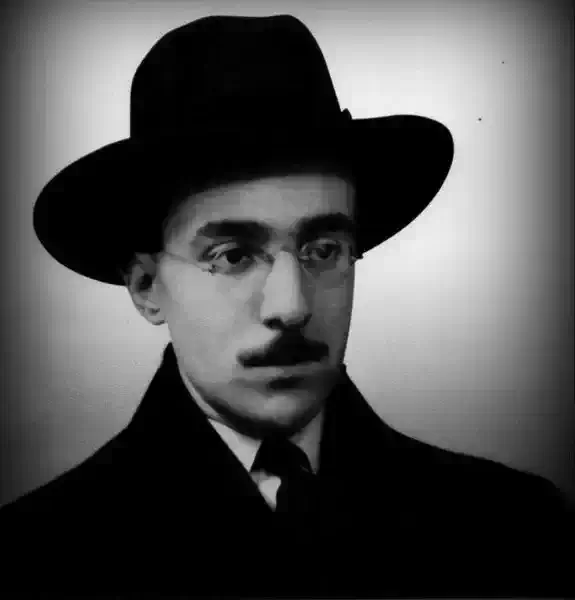
Fernando Pessoa
Meu pobre Portugal,
Meu pobre Portugal,
Dóis-me no coração.
Teu mal é o meu mal
Por imaginação.
Tão fraco, tão doente,
E com a boa cor
Que a tísica põe quente
Na cara, o exterior.
Meu pobre e magro povo
A quem deram, às peças,
Um fato em estado novo
Para que o não pareças!
Tens a cara lavada,
Um fato de se ver
Mas não te deram nada,
Coitado, que comer.
E aí, nessa cadeira,
Jazes, apresentável.
(…)
O transeunte amável.
Dóis-me no coração.
Teu mal é o meu mal
Por imaginação.
Tão fraco, tão doente,
E com a boa cor
Que a tísica põe quente
Na cara, o exterior.
Meu pobre e magro povo
A quem deram, às peças,
Um fato em estado novo
Para que o não pareças!
Tens a cara lavada,
Um fato de se ver
Mas não te deram nada,
Coitado, que comer.
E aí, nessa cadeira,
Jazes, apresentável.
(…)
O transeunte amável.
1 702
Fernando Pessoa
Mother, my cheeks are wet.
Mother, my cheeks are wet.
Let down my hair and kiss
My brow. I seem to forget
Even if I think of this.
Lullaby to me, mother,
Lullaby to me.
I loved and was not loved, mother.
Kiss me and let me be.
Let me sleep as of old, thy hand
On my brow, so calm and so deep,
That I feel't on my soul, my soul fanned
By thy breath on the face of my sleep.
I am but a little ship, mother,
Lost out in the sea.
Lullaby to me, mother,
Lullaby to me.
Let down my hair and kiss
My brow. I seem to forget
Even if I think of this.
Lullaby to me, mother,
Lullaby to me.
I loved and was not loved, mother.
Kiss me and let me be.
Let me sleep as of old, thy hand
On my brow, so calm and so deep,
That I feel't on my soul, my soul fanned
By thy breath on the face of my sleep.
I am but a little ship, mother,
Lost out in the sea.
Lullaby to me, mother,
Lullaby to me.
1 397
Fernando Pessoa
Vai longe, na serra alta,
Vai longe, na serra alta,
A nuvem que nela toca...
Dá-me aquilo que me falta —
Os beijos da tua boca.
A nuvem que nela toca...
Dá-me aquilo que me falta —
Os beijos da tua boca.
930
Fernando Pessoa
Vai longe, na serra alta,
Vai longe, na serra alta,
A nuvem que nela toca...
Dá-me aquilo que me falta —
Os beijos da tua boca.
A nuvem que nela toca...
Dá-me aquilo que me falta —
Os beijos da tua boca.
930
Fernando Pessoa
Deram-me, para se rirem,
Deram-me, para se rirem,
Uma corneta de barro,
Para eu tocar à entrada
Do Castelo do Diabo.
Uma corneta de barro,
Para eu tocar à entrada
Do Castelo do Diabo.
1 304
Fernando Pessoa
Deram-me, para se rirem,
Deram-me, para se rirem,
Uma corneta de barro,
Para eu tocar à entrada
Do Castelo do Diabo.
Uma corneta de barro,
Para eu tocar à entrada
Do Castelo do Diabo.
1 304
Fernando Pessoa
Deram-me, para se rirem,
Deram-me, para se rirem,
Uma corneta de barro,
Para eu tocar à entrada
Do Castelo do Diabo.
Uma corneta de barro,
Para eu tocar à entrada
Do Castelo do Diabo.
1 304
Fernando Pessoa
Deste-me um cordel comprido
Deste-me um cordel comprido
Para atar bem um papel.
Fiquei tão agradecido
Que inda tenho esse cordel.
Para atar bem um papel.
Fiquei tão agradecido
Que inda tenho esse cordel.
1 477
Fernando Pessoa
«Vesti-me toda de novo
«Vesti-me toda de novo
E calcei sapato baixo
Para passar entre o povo
E procurar quem não acho.»
E calcei sapato baixo
Para passar entre o povo
E procurar quem não acho.»
1 362
Fernando Pessoa
«Vesti-me toda de novo
«Vesti-me toda de novo
E calcei sapato baixo
Para passar entre o povo
E procurar quem não acho.»
E calcei sapato baixo
Para passar entre o povo
E procurar quem não acho.»
1 362
Fernando Pessoa
2 - THE ISLAND
Weep, violin and viol,
Low flute and fine bassoon.
Lo, an enchanted isle
Moon‑bound beneath the moon!
My dream‑feet rustle through it
Chequered by shade and beam.
Oh, could my soul but woo it
From being but a dream!
Violin, viol and flute.
Lo, the isle hangs in air!
Through it I wander, mute
With too much loss of care.
And the air where't doth float
No air's, but light of moon.
Its paths are known to each note
Of viol and bassoon.
Yet is it real, that isle,
As our clear islands mortal?
Do flute, bassoon and viol
But ope with sound a portal,
And show, somehow, somewhere,
To what looks out from me
That pendulous island rare
In a moon‑woven sea?
Maybe 'tis truer than ours.
How true are these? But lo!
That isle that knows no hours
Nor needeth hours to know,
And that hath truth and root
Somewhere known of the moon,
Fades in the fading of flute,
Violin and bassoon.
Low flute and fine bassoon.
Lo, an enchanted isle
Moon‑bound beneath the moon!
My dream‑feet rustle through it
Chequered by shade and beam.
Oh, could my soul but woo it
From being but a dream!
Violin, viol and flute.
Lo, the isle hangs in air!
Through it I wander, mute
With too much loss of care.
And the air where't doth float
No air's, but light of moon.
Its paths are known to each note
Of viol and bassoon.
Yet is it real, that isle,
As our clear islands mortal?
Do flute, bassoon and viol
But ope with sound a portal,
And show, somehow, somewhere,
To what looks out from me
That pendulous island rare
In a moon‑woven sea?
Maybe 'tis truer than ours.
How true are these? But lo!
That isle that knows no hours
Nor needeth hours to know,
And that hath truth and root
Somewhere known of the moon,
Fades in the fading of flute,
Violin and bassoon.
1 496
Fernando Pessoa
No dia de Santo António
No dia de Santo António
Todos riem sem razão.
Em São João e São Pedro
Como é que todos rirão?
Todos riem sem razão.
Em São João e São Pedro
Como é que todos rirão?
1 955
Fernando Pessoa
Why do I desire
Why do I desire
What I do not need?
Why does my soul, like fire,
Or a hot abstract greed,
Seek all that is higher?
Why, if not because
It is a soul? (...)
Who can know the cause
When it lies in its whole
Hidden in (...) laws?
Yet this matters not.
What matters is pining
And that stress of thought
That comes of divining
What to wish that may not be got.
What I do not need?
Why does my soul, like fire,
Or a hot abstract greed,
Seek all that is higher?
Why, if not because
It is a soul? (...)
Who can know the cause
When it lies in its whole
Hidden in (...) laws?
Yet this matters not.
What matters is pining
And that stress of thought
That comes of divining
What to wish that may not be got.
1 252
Fernando Pessoa
Cantos, risos e flores alumiem
Cantos, risos e flores alumiem
Nosso mortal destino,
Para o ermo ocultar fundo, nocturno
De nosso pensamento,
Curvado, já em vida, sob a ideia
Do plutónico gozo,
Cônscio já da lívida esperança
Do caos redivivo.
Nosso mortal destino,
Para o ermo ocultar fundo, nocturno
De nosso pensamento,
Curvado, já em vida, sob a ideia
Do plutónico gozo,
Cônscio já da lívida esperança
Do caos redivivo.
1 532
Fernando Pessoa
A WINTER DAY
I
'Tis a void winter day, sad as a moan.
A sense of loneliness, as of a stone
Upon a grave, or of a rock in sea
Rests like a mighty shadow over me.
I am unnerved, unminded by the pall
Of solemn clouds that, weighty over all,
Curtail the vision; and upon mine ear
The City's rumble brings despair and fear
To crush my spirit free and wild.
The rain,
Reiterated horribly, again
Beast with its drops at my cold window‑pane
With such a sound as makes us know it cold.
The world is ghostly, undaylike and old,
And weary passengers, with cautious tread,
Yet hurried, walk within the streets soul‑dead
In the unkindness of their hue of lead.
The streets are streamlets, and perpetual
A sound of little waters, on roof, on wall,
Down in the streets, in pipes, in window‑glass
And into rooms doth wetly come and pass.
All is the rain's.
All is pale wetness, darkness inly cold,
A sentiment of waste things and of old
Making all things exterior sorrows, pains;
And all we hear and feel and know and see
Is wrapt around as with a masking cloak
In inconceivable monotony.
All in the houses and up from the street
Is a long watery shuffle of heavy feet,
A sound of drenched garments, and a sense
Of a sad chillness, latently intense.
Through cracks in doors and windows a gust cold
Of wind penetrates like a memory of old
Times to make freeze my body, ill reclined
Upon a couch, a sufferer with my mind.
Life in the streets is sad, a monotone
More dull than usual ordinariness:
Business and work have lost their usual stress,
The vender's cries are each of them a moan
Grotesque, desolate, as forlorn and half‑dead
Hearts might produce which make a war (?) attempt
At talking normally, as if they not bled.
Half‑childish urchins, gloriously unkempt
Laugh at the water that cart‑wheels upshed.
The muddy urchins in the streets that play
Make shades of envy in my soul to stay.
Couples, some newly‑married, others not,
Who in the commonness of their no‑thought
Have a deep happiness I would not have,
A joy to which I would prefer the grave,
Pass in the street. some gay and some sedate.
I feel me no like men in any way.
I envy those - I speak true - without hate
And without admiration, isolate (?).
I would that l were happy as they are
But not with that their happiness. Thus far
Such living as theirs is were unto me
Misery, penury, monotony.
Alas for all who dream! Alas for us,
Poor poets, more or less mad, more or less
Foolish! In this consists true happiness!
In knowing how to be monotonous.
Happy are they who can see without sorrow
To‑day yield us to‑morrow
And yet to‑morrow and to‑day to them
Different days because different days,
Which are to me (save that they pass) the same.
II
The view I have of this cold winter day,
The deep depression that makes my thoughts stray
Is but a symbol and a synthesis
Of what my life perpetually is.
How deep my thoughts in pain and sadness are!
How wreck'd my soul in its intense despair!
How desolate, disconsolately mute
My heart is of the words that like scents shoot
From the full flower of true youthfulness!
How locked am I within my own distress!
How in the tragic circle soul‑confined
Of my abhorred self!
Not one ambition leads me - power nor pelf,
No wish for fame, no love of poor mankind.
But I am weary, desolate and cold
E'vn as this winter day. I have grown old
In watching dreams go by and pass away
Leaving a memory pure and bright
Of aught that was and died as light
Without the living horror of decay.
Is this thy life, irresolute soul of mine?
How pale the sun of thy sad morn doth shine!
How it forebodes the cloudiness that comes
Outstretched wings of the storm whose muffled drums
Of warning in the paling day are heard
Deep in the distance lesseningly blurred.
Thou look'st not death nor evil in the face
Poor soul despairing in life's troubled race!
All forms of life, all things have been to thee
Mutations of eternal misery.
All years, all homes to thee have been
In the same drama many a change of scene.
Thou hast not learned to live, but thou dost cling
Madly to life (dreading Death's night severe),
As if life or the world were anything!
'Tis a void winter day, sad as a moan.
A sense of loneliness, as of a stone
Upon a grave, or of a rock in sea
Rests like a mighty shadow over me.
I am unnerved, unminded by the pall
Of solemn clouds that, weighty over all,
Curtail the vision; and upon mine ear
The City's rumble brings despair and fear
To crush my spirit free and wild.
The rain,
Reiterated horribly, again
Beast with its drops at my cold window‑pane
With such a sound as makes us know it cold.
The world is ghostly, undaylike and old,
And weary passengers, with cautious tread,
Yet hurried, walk within the streets soul‑dead
In the unkindness of their hue of lead.
The streets are streamlets, and perpetual
A sound of little waters, on roof, on wall,
Down in the streets, in pipes, in window‑glass
And into rooms doth wetly come and pass.
All is the rain's.
All is pale wetness, darkness inly cold,
A sentiment of waste things and of old
Making all things exterior sorrows, pains;
And all we hear and feel and know and see
Is wrapt around as with a masking cloak
In inconceivable monotony.
All in the houses and up from the street
Is a long watery shuffle of heavy feet,
A sound of drenched garments, and a sense
Of a sad chillness, latently intense.
Through cracks in doors and windows a gust cold
Of wind penetrates like a memory of old
Times to make freeze my body, ill reclined
Upon a couch, a sufferer with my mind.
Life in the streets is sad, a monotone
More dull than usual ordinariness:
Business and work have lost their usual stress,
The vender's cries are each of them a moan
Grotesque, desolate, as forlorn and half‑dead
Hearts might produce which make a war (?) attempt
At talking normally, as if they not bled.
Half‑childish urchins, gloriously unkempt
Laugh at the water that cart‑wheels upshed.
The muddy urchins in the streets that play
Make shades of envy in my soul to stay.
Couples, some newly‑married, others not,
Who in the commonness of their no‑thought
Have a deep happiness I would not have,
A joy to which I would prefer the grave,
Pass in the street. some gay and some sedate.
I feel me no like men in any way.
I envy those - I speak true - without hate
And without admiration, isolate (?).
I would that l were happy as they are
But not with that their happiness. Thus far
Such living as theirs is were unto me
Misery, penury, monotony.
Alas for all who dream! Alas for us,
Poor poets, more or less mad, more or less
Foolish! In this consists true happiness!
In knowing how to be monotonous.
Happy are they who can see without sorrow
To‑day yield us to‑morrow
And yet to‑morrow and to‑day to them
Different days because different days,
Which are to me (save that they pass) the same.
II
The view I have of this cold winter day,
The deep depression that makes my thoughts stray
Is but a symbol and a synthesis
Of what my life perpetually is.
How deep my thoughts in pain and sadness are!
How wreck'd my soul in its intense despair!
How desolate, disconsolately mute
My heart is of the words that like scents shoot
From the full flower of true youthfulness!
How locked am I within my own distress!
How in the tragic circle soul‑confined
Of my abhorred self!
Not one ambition leads me - power nor pelf,
No wish for fame, no love of poor mankind.
But I am weary, desolate and cold
E'vn as this winter day. I have grown old
In watching dreams go by and pass away
Leaving a memory pure and bright
Of aught that was and died as light
Without the living horror of decay.
Is this thy life, irresolute soul of mine?
How pale the sun of thy sad morn doth shine!
How it forebodes the cloudiness that comes
Outstretched wings of the storm whose muffled drums
Of warning in the paling day are heard
Deep in the distance lesseningly blurred.
Thou look'st not death nor evil in the face
Poor soul despairing in life's troubled race!
All forms of life, all things have been to thee
Mutations of eternal misery.
All years, all homes to thee have been
In the same drama many a change of scene.
Thou hast not learned to live, but thou dost cling
Madly to life (dreading Death's night severe),
As if life or the world were anything!
1 751
Fernando Pessoa
A WINTER DAY
I
'Tis a void winter day, sad as a moan.
A sense of loneliness, as of a stone
Upon a grave, or of a rock in sea
Rests like a mighty shadow over me.
I am unnerved, unminded by the pall
Of solemn clouds that, weighty over all,
Curtail the vision; and upon mine ear
The City's rumble brings despair and fear
To crush my spirit free and wild.
The rain,
Reiterated horribly, again
Beast with its drops at my cold window‑pane
With such a sound as makes us know it cold.
The world is ghostly, undaylike and old,
And weary passengers, with cautious tread,
Yet hurried, walk within the streets soul‑dead
In the unkindness of their hue of lead.
The streets are streamlets, and perpetual
A sound of little waters, on roof, on wall,
Down in the streets, in pipes, in window‑glass
And into rooms doth wetly come and pass.
All is the rain's.
All is pale wetness, darkness inly cold,
A sentiment of waste things and of old
Making all things exterior sorrows, pains;
And all we hear and feel and know and see
Is wrapt around as with a masking cloak
In inconceivable monotony.
All in the houses and up from the street
Is a long watery shuffle of heavy feet,
A sound of drenched garments, and a sense
Of a sad chillness, latently intense.
Through cracks in doors and windows a gust cold
Of wind penetrates like a memory of old
Times to make freeze my body, ill reclined
Upon a couch, a sufferer with my mind.
Life in the streets is sad, a monotone
More dull than usual ordinariness:
Business and work have lost their usual stress,
The vender's cries are each of them a moan
Grotesque, desolate, as forlorn and half‑dead
Hearts might produce which make a war (?) attempt
At talking normally, as if they not bled.
Half‑childish urchins, gloriously unkempt
Laugh at the water that cart‑wheels upshed.
The muddy urchins in the streets that play
Make shades of envy in my soul to stay.
Couples, some newly‑married, others not,
Who in the commonness of their no‑thought
Have a deep happiness I would not have,
A joy to which I would prefer the grave,
Pass in the street. some gay and some sedate.
I feel me no like men in any way.
I envy those - I speak true - without hate
And without admiration, isolate (?).
I would that l were happy as they are
But not with that their happiness. Thus far
Such living as theirs is were unto me
Misery, penury, monotony.
Alas for all who dream! Alas for us,
Poor poets, more or less mad, more or less
Foolish! In this consists true happiness!
In knowing how to be monotonous.
Happy are they who can see without sorrow
To‑day yield us to‑morrow
And yet to‑morrow and to‑day to them
Different days because different days,
Which are to me (save that they pass) the same.
II
The view I have of this cold winter day,
The deep depression that makes my thoughts stray
Is but a symbol and a synthesis
Of what my life perpetually is.
How deep my thoughts in pain and sadness are!
How wreck'd my soul in its intense despair!
How desolate, disconsolately mute
My heart is of the words that like scents shoot
From the full flower of true youthfulness!
How locked am I within my own distress!
How in the tragic circle soul‑confined
Of my abhorred self!
Not one ambition leads me - power nor pelf,
No wish for fame, no love of poor mankind.
But I am weary, desolate and cold
E'vn as this winter day. I have grown old
In watching dreams go by and pass away
Leaving a memory pure and bright
Of aught that was and died as light
Without the living horror of decay.
Is this thy life, irresolute soul of mine?
How pale the sun of thy sad morn doth shine!
How it forebodes the cloudiness that comes
Outstretched wings of the storm whose muffled drums
Of warning in the paling day are heard
Deep in the distance lesseningly blurred.
Thou look'st not death nor evil in the face
Poor soul despairing in life's troubled race!
All forms of life, all things have been to thee
Mutations of eternal misery.
All years, all homes to thee have been
In the same drama many a change of scene.
Thou hast not learned to live, but thou dost cling
Madly to life (dreading Death's night severe),
As if life or the world were anything!
'Tis a void winter day, sad as a moan.
A sense of loneliness, as of a stone
Upon a grave, or of a rock in sea
Rests like a mighty shadow over me.
I am unnerved, unminded by the pall
Of solemn clouds that, weighty over all,
Curtail the vision; and upon mine ear
The City's rumble brings despair and fear
To crush my spirit free and wild.
The rain,
Reiterated horribly, again
Beast with its drops at my cold window‑pane
With such a sound as makes us know it cold.
The world is ghostly, undaylike and old,
And weary passengers, with cautious tread,
Yet hurried, walk within the streets soul‑dead
In the unkindness of their hue of lead.
The streets are streamlets, and perpetual
A sound of little waters, on roof, on wall,
Down in the streets, in pipes, in window‑glass
And into rooms doth wetly come and pass.
All is the rain's.
All is pale wetness, darkness inly cold,
A sentiment of waste things and of old
Making all things exterior sorrows, pains;
And all we hear and feel and know and see
Is wrapt around as with a masking cloak
In inconceivable monotony.
All in the houses and up from the street
Is a long watery shuffle of heavy feet,
A sound of drenched garments, and a sense
Of a sad chillness, latently intense.
Through cracks in doors and windows a gust cold
Of wind penetrates like a memory of old
Times to make freeze my body, ill reclined
Upon a couch, a sufferer with my mind.
Life in the streets is sad, a monotone
More dull than usual ordinariness:
Business and work have lost their usual stress,
The vender's cries are each of them a moan
Grotesque, desolate, as forlorn and half‑dead
Hearts might produce which make a war (?) attempt
At talking normally, as if they not bled.
Half‑childish urchins, gloriously unkempt
Laugh at the water that cart‑wheels upshed.
The muddy urchins in the streets that play
Make shades of envy in my soul to stay.
Couples, some newly‑married, others not,
Who in the commonness of their no‑thought
Have a deep happiness I would not have,
A joy to which I would prefer the grave,
Pass in the street. some gay and some sedate.
I feel me no like men in any way.
I envy those - I speak true - without hate
And without admiration, isolate (?).
I would that l were happy as they are
But not with that their happiness. Thus far
Such living as theirs is were unto me
Misery, penury, monotony.
Alas for all who dream! Alas for us,
Poor poets, more or less mad, more or less
Foolish! In this consists true happiness!
In knowing how to be monotonous.
Happy are they who can see without sorrow
To‑day yield us to‑morrow
And yet to‑morrow and to‑day to them
Different days because different days,
Which are to me (save that they pass) the same.
II
The view I have of this cold winter day,
The deep depression that makes my thoughts stray
Is but a symbol and a synthesis
Of what my life perpetually is.
How deep my thoughts in pain and sadness are!
How wreck'd my soul in its intense despair!
How desolate, disconsolately mute
My heart is of the words that like scents shoot
From the full flower of true youthfulness!
How locked am I within my own distress!
How in the tragic circle soul‑confined
Of my abhorred self!
Not one ambition leads me - power nor pelf,
No wish for fame, no love of poor mankind.
But I am weary, desolate and cold
E'vn as this winter day. I have grown old
In watching dreams go by and pass away
Leaving a memory pure and bright
Of aught that was and died as light
Without the living horror of decay.
Is this thy life, irresolute soul of mine?
How pale the sun of thy sad morn doth shine!
How it forebodes the cloudiness that comes
Outstretched wings of the storm whose muffled drums
Of warning in the paling day are heard
Deep in the distance lesseningly blurred.
Thou look'st not death nor evil in the face
Poor soul despairing in life's troubled race!
All forms of life, all things have been to thee
Mutations of eternal misery.
All years, all homes to thee have been
In the same drama many a change of scene.
Thou hast not learned to live, but thou dost cling
Madly to life (dreading Death's night severe),
As if life or the world were anything!
1 751
Fernando Pessoa
Let us rest. Every hour is not the next.
Let us rest. Every hour is not the next.
May this wreathe round with more than emptiness
The meaning of the ciphered living text
We owe to living and to thought confess.
Let us rest. Every hour is not the last.
A consolation comes from being late
Even at happiness, lest near winds blast
The present flower and fate still follow fate.
Let us rest. Power is useless and life vain.
To ask means to be answered with not giving.
To move towards pleasure is to walk on pain,
And having to live takes life out of living.
So there is no true thought nor just behest,
Nor pomp worthing having. Let us rest.
May this wreathe round with more than emptiness
The meaning of the ciphered living text
We owe to living and to thought confess.
Let us rest. Every hour is not the last.
A consolation comes from being late
Even at happiness, lest near winds blast
The present flower and fate still follow fate.
Let us rest. Power is useless and life vain.
To ask means to be answered with not giving.
To move towards pleasure is to walk on pain,
And having to live takes life out of living.
So there is no true thought nor just behest,
Nor pomp worthing having. Let us rest.
1 077
Fernando Pessoa
FLASHES OF MADNESS — II
II.
When thou seeëst me spend hours
Holding in a feverish glance
Thy mouth or teeth, or thy hand,
And notest how my soul devours
With a sleepness like to trance
The commonest things that stand
And askest what in them I see
That into each my spirit delves
As if each had a mystery,
Thou err'st in thy conjecturings,
For what ever obsesses me
Is not things in their weary selves
But the being there of things.
When thou seeëst me spend hours
Holding in a feverish glance
Thy mouth or teeth, or thy hand,
And notest how my soul devours
With a sleepness like to trance
The commonest things that stand
And askest what in them I see
That into each my spirit delves
As if each had a mystery,
Thou err'st in thy conjecturings,
For what ever obsesses me
Is not things in their weary selves
But the being there of things.
1 285
Fernando Pessoa
O capilé é barato
O capilé é barato
E é fresco quando há calor.
Vou sonhar o teu retrato
Já que não tenho melhor.
E é fresco quando há calor.
Vou sonhar o teu retrato
Já que não tenho melhor.
1 382
Fernando Pessoa
Tu és Maria da Graça,
Tu és Maria da Graça,
Mas a que graça é que vem
Ser essa graça a desgraça
De quem a graça não tem?
Mas a que graça é que vem
Ser essa graça a desgraça
De quem a graça não tem?
1 244
Fernando Pessoa
THE WOMAN IN BLACK
I
My tale is simple, sad and brief -
As simple as all tales of grief,
As brief as all that is ours, though
It seem eternal to its woe;
No tale of glorious deeds or fair,
But one short poem of despair;
Dark as all things where man is caught
In the fine‑poisoned nets of thought.
Here is no flame of love's old fire,
Nor song of pent or free desire,
No thousand herses [?] fill its plan,
But it is centred round one man.
A man? A boy, if boyhood be
That where is sober misery.
About a boy all moves, an elf
Careless of happiness or pelf,
But fated to sing but himself.
I was not born to joy nor love.
The earth below, the sky above
Compel a sense within my soul
That deeply, heavily doth roll,
Like a tremendous, mystic sea
In lands where dreams alone can be;
A feeling that a sadness is,
Weeping in broken‑hearted bliss;
A sense that is a deep despair -
I know not why I should feel this
Before the things that are most fair.
Beauty is more than pleasure's joy:
That which must please is made to cloy,
And Nature cloys not with distaste
But gives a sorrow [?], as of past
Things whence the Present does inherit
Something where [...] is and deep
Beauty delicious in a sleep
That is half‑sadness to the spirit.
For Pleasure is not Joy - we know
Joy lives as sorrow in the heart;
One or the other lives; the dart
That Sorrow kills comes from Joy's bow.
Pleasure and distaste are not so.
Sorrow and Joy are as the strange
And unknown forms of life and change
That are ignored in depths of ocean:
Pure is the depth of their emotion.
Pleasure and Pain are not like these,
But as on surfaces of seas
The alternation of their motion
And shows of shifting without end.
Joy may like the sun's light transcend
The clouds of Pain; Pleasure may be
The face and look of Misery.
III
Ay, Nature chills me with deep fear,
For Nature, to my seeing, spent
With looking on my woes too near,
It is but Mystery eloquent.
The plainest stone, the simplest flower -
All have a meaning deep and vast,
Mocking their living of an hour.
But this significance, that hath past
So oft to poet’s song and word,
Makes them but madmen, even as I,
Speaking in outline [?] sense absurd
Strange thoughts for beings that must die.
But Man to me is dreader still,
The thing of thought, feeling and will,
Which is so dark unto mine eyes
That of the sense he calls his soul
- Let not of seeing speak the mole [?] -
I cannot dream to theorize.
For men, who have wrought creeds and codes
And guided nations by the roads
Of feeling and of speculation,
Have seen as much - nothing - as I
Into the world. All could perceive
That Nature aught doth signify:
Beyond this they could stop or rave.
Most raved and therefore could believe.
Yet I, naturally wrapt about,
Normally, as in feathers the bird,
With hesitation and with doubt,
Find all the world a thing absurd.
Because myself, a part of it,
Am an absurdity unfit.
Too young I learnt to reason coldly
And draw conclusions firmly, boldly,
From thoughts and facts to shatter creeds,
Careless of man's mendacious needs.
Preciseness cast in me the seeds
Of madness, and the soil was good
For that abnormal growth of pain
Whose flowers are red, colour of blood.
Too soon I learned to see too clear,
And therefore nothing now can capture
My heart, to which reasoning is rapture,
That sees night where most poets say
«'Tis day - I see it all - 'tis day.ª
They sing of joy, T sing of fear.
Alas! Why should I stop thus long
Over the illness of my life,
That has Insanity for wife?
Turn I back with an impulse strong.
Leave I this shallowness and sing.
The deeper sorrow of my song.
My tale is simple, sad and brief -
As simple as all tales of grief,
As brief as all that is ours, though
It seem eternal to its woe;
No tale of glorious deeds or fair,
But one short poem of despair;
Dark as all things where man is caught
In the fine‑poisoned nets of thought.
Here is no flame of love's old fire,
Nor song of pent or free desire,
No thousand herses [?] fill its plan,
But it is centred round one man.
A man? A boy, if boyhood be
That where is sober misery.
About a boy all moves, an elf
Careless of happiness or pelf,
But fated to sing but himself.
I was not born to joy nor love.
The earth below, the sky above
Compel a sense within my soul
That deeply, heavily doth roll,
Like a tremendous, mystic sea
In lands where dreams alone can be;
A feeling that a sadness is,
Weeping in broken‑hearted bliss;
A sense that is a deep despair -
I know not why I should feel this
Before the things that are most fair.
Beauty is more than pleasure's joy:
That which must please is made to cloy,
And Nature cloys not with distaste
But gives a sorrow [?], as of past
Things whence the Present does inherit
Something where [...] is and deep
Beauty delicious in a sleep
That is half‑sadness to the spirit.
For Pleasure is not Joy - we know
Joy lives as sorrow in the heart;
One or the other lives; the dart
That Sorrow kills comes from Joy's bow.
Pleasure and distaste are not so.
Sorrow and Joy are as the strange
And unknown forms of life and change
That are ignored in depths of ocean:
Pure is the depth of their emotion.
Pleasure and Pain are not like these,
But as on surfaces of seas
The alternation of their motion
And shows of shifting without end.
Joy may like the sun's light transcend
The clouds of Pain; Pleasure may be
The face and look of Misery.
III
Ay, Nature chills me with deep fear,
For Nature, to my seeing, spent
With looking on my woes too near,
It is but Mystery eloquent.
The plainest stone, the simplest flower -
All have a meaning deep and vast,
Mocking their living of an hour.
But this significance, that hath past
So oft to poet’s song and word,
Makes them but madmen, even as I,
Speaking in outline [?] sense absurd
Strange thoughts for beings that must die.
But Man to me is dreader still,
The thing of thought, feeling and will,
Which is so dark unto mine eyes
That of the sense he calls his soul
- Let not of seeing speak the mole [?] -
I cannot dream to theorize.
For men, who have wrought creeds and codes
And guided nations by the roads
Of feeling and of speculation,
Have seen as much - nothing - as I
Into the world. All could perceive
That Nature aught doth signify:
Beyond this they could stop or rave.
Most raved and therefore could believe.
Yet I, naturally wrapt about,
Normally, as in feathers the bird,
With hesitation and with doubt,
Find all the world a thing absurd.
Because myself, a part of it,
Am an absurdity unfit.
Too young I learnt to reason coldly
And draw conclusions firmly, boldly,
From thoughts and facts to shatter creeds,
Careless of man's mendacious needs.
Preciseness cast in me the seeds
Of madness, and the soil was good
For that abnormal growth of pain
Whose flowers are red, colour of blood.
Too soon I learned to see too clear,
And therefore nothing now can capture
My heart, to which reasoning is rapture,
That sees night where most poets say
«'Tis day - I see it all - 'tis day.ª
They sing of joy, T sing of fear.
Alas! Why should I stop thus long
Over the illness of my life,
That has Insanity for wife?
Turn I back with an impulse strong.
Leave I this shallowness and sing.
The deeper sorrow of my song.
1 673
Fernando Pessoa
THE WOMAN IN BLACK
I
My tale is simple, sad and brief -
As simple as all tales of grief,
As brief as all that is ours, though
It seem eternal to its woe;
No tale of glorious deeds or fair,
But one short poem of despair;
Dark as all things where man is caught
In the fine‑poisoned nets of thought.
Here is no flame of love's old fire,
Nor song of pent or free desire,
No thousand herses [?] fill its plan,
But it is centred round one man.
A man? A boy, if boyhood be
That where is sober misery.
About a boy all moves, an elf
Careless of happiness or pelf,
But fated to sing but himself.
I was not born to joy nor love.
The earth below, the sky above
Compel a sense within my soul
That deeply, heavily doth roll,
Like a tremendous, mystic sea
In lands where dreams alone can be;
A feeling that a sadness is,
Weeping in broken‑hearted bliss;
A sense that is a deep despair -
I know not why I should feel this
Before the things that are most fair.
Beauty is more than pleasure's joy:
That which must please is made to cloy,
And Nature cloys not with distaste
But gives a sorrow [?], as of past
Things whence the Present does inherit
Something where [...] is and deep
Beauty delicious in a sleep
That is half‑sadness to the spirit.
For Pleasure is not Joy - we know
Joy lives as sorrow in the heart;
One or the other lives; the dart
That Sorrow kills comes from Joy's bow.
Pleasure and distaste are not so.
Sorrow and Joy are as the strange
And unknown forms of life and change
That are ignored in depths of ocean:
Pure is the depth of their emotion.
Pleasure and Pain are not like these,
But as on surfaces of seas
The alternation of their motion
And shows of shifting without end.
Joy may like the sun's light transcend
The clouds of Pain; Pleasure may be
The face and look of Misery.
III
Ay, Nature chills me with deep fear,
For Nature, to my seeing, spent
With looking on my woes too near,
It is but Mystery eloquent.
The plainest stone, the simplest flower -
All have a meaning deep and vast,
Mocking their living of an hour.
But this significance, that hath past
So oft to poet’s song and word,
Makes them but madmen, even as I,
Speaking in outline [?] sense absurd
Strange thoughts for beings that must die.
But Man to me is dreader still,
The thing of thought, feeling and will,
Which is so dark unto mine eyes
That of the sense he calls his soul
- Let not of seeing speak the mole [?] -
I cannot dream to theorize.
For men, who have wrought creeds and codes
And guided nations by the roads
Of feeling and of speculation,
Have seen as much - nothing - as I
Into the world. All could perceive
That Nature aught doth signify:
Beyond this they could stop or rave.
Most raved and therefore could believe.
Yet I, naturally wrapt about,
Normally, as in feathers the bird,
With hesitation and with doubt,
Find all the world a thing absurd.
Because myself, a part of it,
Am an absurdity unfit.
Too young I learnt to reason coldly
And draw conclusions firmly, boldly,
From thoughts and facts to shatter creeds,
Careless of man's mendacious needs.
Preciseness cast in me the seeds
Of madness, and the soil was good
For that abnormal growth of pain
Whose flowers are red, colour of blood.
Too soon I learned to see too clear,
And therefore nothing now can capture
My heart, to which reasoning is rapture,
That sees night where most poets say
«'Tis day - I see it all - 'tis day.ª
They sing of joy, T sing of fear.
Alas! Why should I stop thus long
Over the illness of my life,
That has Insanity for wife?
Turn I back with an impulse strong.
Leave I this shallowness and sing.
The deeper sorrow of my song.
My tale is simple, sad and brief -
As simple as all tales of grief,
As brief as all that is ours, though
It seem eternal to its woe;
No tale of glorious deeds or fair,
But one short poem of despair;
Dark as all things where man is caught
In the fine‑poisoned nets of thought.
Here is no flame of love's old fire,
Nor song of pent or free desire,
No thousand herses [?] fill its plan,
But it is centred round one man.
A man? A boy, if boyhood be
That where is sober misery.
About a boy all moves, an elf
Careless of happiness or pelf,
But fated to sing but himself.
I was not born to joy nor love.
The earth below, the sky above
Compel a sense within my soul
That deeply, heavily doth roll,
Like a tremendous, mystic sea
In lands where dreams alone can be;
A feeling that a sadness is,
Weeping in broken‑hearted bliss;
A sense that is a deep despair -
I know not why I should feel this
Before the things that are most fair.
Beauty is more than pleasure's joy:
That which must please is made to cloy,
And Nature cloys not with distaste
But gives a sorrow [?], as of past
Things whence the Present does inherit
Something where [...] is and deep
Beauty delicious in a sleep
That is half‑sadness to the spirit.
For Pleasure is not Joy - we know
Joy lives as sorrow in the heart;
One or the other lives; the dart
That Sorrow kills comes from Joy's bow.
Pleasure and distaste are not so.
Sorrow and Joy are as the strange
And unknown forms of life and change
That are ignored in depths of ocean:
Pure is the depth of their emotion.
Pleasure and Pain are not like these,
But as on surfaces of seas
The alternation of their motion
And shows of shifting without end.
Joy may like the sun's light transcend
The clouds of Pain; Pleasure may be
The face and look of Misery.
III
Ay, Nature chills me with deep fear,
For Nature, to my seeing, spent
With looking on my woes too near,
It is but Mystery eloquent.
The plainest stone, the simplest flower -
All have a meaning deep and vast,
Mocking their living of an hour.
But this significance, that hath past
So oft to poet’s song and word,
Makes them but madmen, even as I,
Speaking in outline [?] sense absurd
Strange thoughts for beings that must die.
But Man to me is dreader still,
The thing of thought, feeling and will,
Which is so dark unto mine eyes
That of the sense he calls his soul
- Let not of seeing speak the mole [?] -
I cannot dream to theorize.
For men, who have wrought creeds and codes
And guided nations by the roads
Of feeling and of speculation,
Have seen as much - nothing - as I
Into the world. All could perceive
That Nature aught doth signify:
Beyond this they could stop or rave.
Most raved and therefore could believe.
Yet I, naturally wrapt about,
Normally, as in feathers the bird,
With hesitation and with doubt,
Find all the world a thing absurd.
Because myself, a part of it,
Am an absurdity unfit.
Too young I learnt to reason coldly
And draw conclusions firmly, boldly,
From thoughts and facts to shatter creeds,
Careless of man's mendacious needs.
Preciseness cast in me the seeds
Of madness, and the soil was good
For that abnormal growth of pain
Whose flowers are red, colour of blood.
Too soon I learned to see too clear,
And therefore nothing now can capture
My heart, to which reasoning is rapture,
That sees night where most poets say
«'Tis day - I see it all - 'tis day.ª
They sing of joy, T sing of fear.
Alas! Why should I stop thus long
Over the illness of my life,
That has Insanity for wife?
Turn I back with an impulse strong.
Leave I this shallowness and sing.
The deeper sorrow of my song.
1 673
Fernando Pessoa
THE WOMAN IN BLACK
I
My tale is simple, sad and brief -
As simple as all tales of grief,
As brief as all that is ours, though
It seem eternal to its woe;
No tale of glorious deeds or fair,
But one short poem of despair;
Dark as all things where man is caught
In the fine‑poisoned nets of thought.
Here is no flame of love's old fire,
Nor song of pent or free desire,
No thousand herses [?] fill its plan,
But it is centred round one man.
A man? A boy, if boyhood be
That where is sober misery.
About a boy all moves, an elf
Careless of happiness or pelf,
But fated to sing but himself.
I was not born to joy nor love.
The earth below, the sky above
Compel a sense within my soul
That deeply, heavily doth roll,
Like a tremendous, mystic sea
In lands where dreams alone can be;
A feeling that a sadness is,
Weeping in broken‑hearted bliss;
A sense that is a deep despair -
I know not why I should feel this
Before the things that are most fair.
Beauty is more than pleasure's joy:
That which must please is made to cloy,
And Nature cloys not with distaste
But gives a sorrow [?], as of past
Things whence the Present does inherit
Something where [...] is and deep
Beauty delicious in a sleep
That is half‑sadness to the spirit.
For Pleasure is not Joy - we know
Joy lives as sorrow in the heart;
One or the other lives; the dart
That Sorrow kills comes from Joy's bow.
Pleasure and distaste are not so.
Sorrow and Joy are as the strange
And unknown forms of life and change
That are ignored in depths of ocean:
Pure is the depth of their emotion.
Pleasure and Pain are not like these,
But as on surfaces of seas
The alternation of their motion
And shows of shifting without end.
Joy may like the sun's light transcend
The clouds of Pain; Pleasure may be
The face and look of Misery.
III
Ay, Nature chills me with deep fear,
For Nature, to my seeing, spent
With looking on my woes too near,
It is but Mystery eloquent.
The plainest stone, the simplest flower -
All have a meaning deep and vast,
Mocking their living of an hour.
But this significance, that hath past
So oft to poet’s song and word,
Makes them but madmen, even as I,
Speaking in outline [?] sense absurd
Strange thoughts for beings that must die.
But Man to me is dreader still,
The thing of thought, feeling and will,
Which is so dark unto mine eyes
That of the sense he calls his soul
- Let not of seeing speak the mole [?] -
I cannot dream to theorize.
For men, who have wrought creeds and codes
And guided nations by the roads
Of feeling and of speculation,
Have seen as much - nothing - as I
Into the world. All could perceive
That Nature aught doth signify:
Beyond this they could stop or rave.
Most raved and therefore could believe.
Yet I, naturally wrapt about,
Normally, as in feathers the bird,
With hesitation and with doubt,
Find all the world a thing absurd.
Because myself, a part of it,
Am an absurdity unfit.
Too young I learnt to reason coldly
And draw conclusions firmly, boldly,
From thoughts and facts to shatter creeds,
Careless of man's mendacious needs.
Preciseness cast in me the seeds
Of madness, and the soil was good
For that abnormal growth of pain
Whose flowers are red, colour of blood.
Too soon I learned to see too clear,
And therefore nothing now can capture
My heart, to which reasoning is rapture,
That sees night where most poets say
«'Tis day - I see it all - 'tis day.ª
They sing of joy, T sing of fear.
Alas! Why should I stop thus long
Over the illness of my life,
That has Insanity for wife?
Turn I back with an impulse strong.
Leave I this shallowness and sing.
The deeper sorrow of my song.
My tale is simple, sad and brief -
As simple as all tales of grief,
As brief as all that is ours, though
It seem eternal to its woe;
No tale of glorious deeds or fair,
But one short poem of despair;
Dark as all things where man is caught
In the fine‑poisoned nets of thought.
Here is no flame of love's old fire,
Nor song of pent or free desire,
No thousand herses [?] fill its plan,
But it is centred round one man.
A man? A boy, if boyhood be
That where is sober misery.
About a boy all moves, an elf
Careless of happiness or pelf,
But fated to sing but himself.
I was not born to joy nor love.
The earth below, the sky above
Compel a sense within my soul
That deeply, heavily doth roll,
Like a tremendous, mystic sea
In lands where dreams alone can be;
A feeling that a sadness is,
Weeping in broken‑hearted bliss;
A sense that is a deep despair -
I know not why I should feel this
Before the things that are most fair.
Beauty is more than pleasure's joy:
That which must please is made to cloy,
And Nature cloys not with distaste
But gives a sorrow [?], as of past
Things whence the Present does inherit
Something where [...] is and deep
Beauty delicious in a sleep
That is half‑sadness to the spirit.
For Pleasure is not Joy - we know
Joy lives as sorrow in the heart;
One or the other lives; the dart
That Sorrow kills comes from Joy's bow.
Pleasure and distaste are not so.
Sorrow and Joy are as the strange
And unknown forms of life and change
That are ignored in depths of ocean:
Pure is the depth of their emotion.
Pleasure and Pain are not like these,
But as on surfaces of seas
The alternation of their motion
And shows of shifting without end.
Joy may like the sun's light transcend
The clouds of Pain; Pleasure may be
The face and look of Misery.
III
Ay, Nature chills me with deep fear,
For Nature, to my seeing, spent
With looking on my woes too near,
It is but Mystery eloquent.
The plainest stone, the simplest flower -
All have a meaning deep and vast,
Mocking their living of an hour.
But this significance, that hath past
So oft to poet’s song and word,
Makes them but madmen, even as I,
Speaking in outline [?] sense absurd
Strange thoughts for beings that must die.
But Man to me is dreader still,
The thing of thought, feeling and will,
Which is so dark unto mine eyes
That of the sense he calls his soul
- Let not of seeing speak the mole [?] -
I cannot dream to theorize.
For men, who have wrought creeds and codes
And guided nations by the roads
Of feeling and of speculation,
Have seen as much - nothing - as I
Into the world. All could perceive
That Nature aught doth signify:
Beyond this they could stop or rave.
Most raved and therefore could believe.
Yet I, naturally wrapt about,
Normally, as in feathers the bird,
With hesitation and with doubt,
Find all the world a thing absurd.
Because myself, a part of it,
Am an absurdity unfit.
Too young I learnt to reason coldly
And draw conclusions firmly, boldly,
From thoughts and facts to shatter creeds,
Careless of man's mendacious needs.
Preciseness cast in me the seeds
Of madness, and the soil was good
For that abnormal growth of pain
Whose flowers are red, colour of blood.
Too soon I learned to see too clear,
And therefore nothing now can capture
My heart, to which reasoning is rapture,
That sees night where most poets say
«'Tis day - I see it all - 'tis day.ª
They sing of joy, T sing of fear.
Alas! Why should I stop thus long
Over the illness of my life,
That has Insanity for wife?
Turn I back with an impulse strong.
Leave I this shallowness and sing.
The deeper sorrow of my song.
1 673