

Poemas neste tema
Emoções e Sentimentos
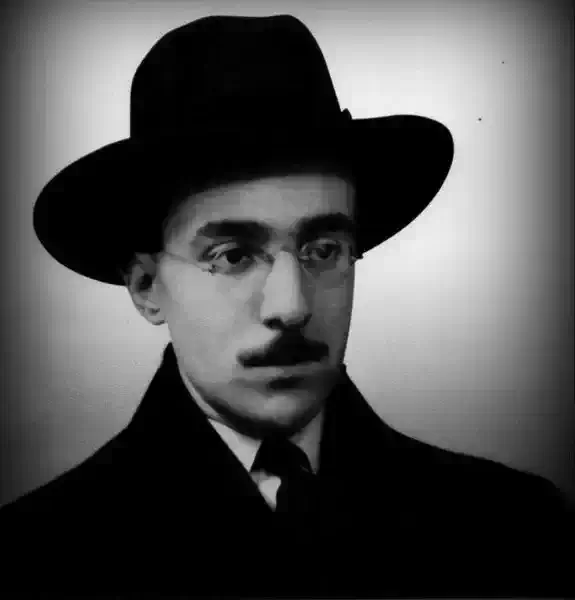
Fernando Pessoa
BE IT SO!
Be it so; we are sundered for ever -
I and life's happy and sane.
My nature and theirs did us sever;
Nought can unite us again.
Again? We were never unparted,
Differently destined and born -
They born to be light and stout‑hearted,
I to be pained and worn.
Be it so; we for ever are sundered!
What would the normal with me?
My own inner reason hath wondered
Trembling at its misery.
I give me all over to terror
All unto madness and woe;
I yield up my thoughts unto error.
'Twas to be so; be it so!
Of my thoughts I no longer am master,
Ceasing is now all control.
My mind doth decay: take your pasture
Ravings, ye worms of the soul!
I and life's happy and sane.
My nature and theirs did us sever;
Nought can unite us again.
Again? We were never unparted,
Differently destined and born -
They born to be light and stout‑hearted,
I to be pained and worn.
Be it so; we for ever are sundered!
What would the normal with me?
My own inner reason hath wondered
Trembling at its misery.
I give me all over to terror
All unto madness and woe;
I yield up my thoughts unto error.
'Twas to be so; be it so!
Of my thoughts I no longer am master,
Ceasing is now all control.
My mind doth decay: take your pasture
Ravings, ye worms of the soul!
1 243
Fernando Pessoa
BE IT SO!
Be it so; we are sundered for ever -
I and life's happy and sane.
My nature and theirs did us sever;
Nought can unite us again.
Again? We were never unparted,
Differently destined and born -
They born to be light and stout‑hearted,
I to be pained and worn.
Be it so; we for ever are sundered!
What would the normal with me?
My own inner reason hath wondered
Trembling at its misery.
I give me all over to terror
All unto madness and woe;
I yield up my thoughts unto error.
'Twas to be so; be it so!
Of my thoughts I no longer am master,
Ceasing is now all control.
My mind doth decay: take your pasture
Ravings, ye worms of the soul!
I and life's happy and sane.
My nature and theirs did us sever;
Nought can unite us again.
Again? We were never unparted,
Differently destined and born -
They born to be light and stout‑hearted,
I to be pained and worn.
Be it so; we for ever are sundered!
What would the normal with me?
My own inner reason hath wondered
Trembling at its misery.
I give me all over to terror
All unto madness and woe;
I yield up my thoughts unto error.
'Twas to be so; be it so!
Of my thoughts I no longer am master,
Ceasing is now all control.
My mind doth decay: take your pasture
Ravings, ye worms of the soul!
1 243
Fernando Pessoa
BE IT SO!
Be it so; we are sundered for ever -
I and life's happy and sane.
My nature and theirs did us sever;
Nought can unite us again.
Again? We were never unparted,
Differently destined and born -
They born to be light and stout‑hearted,
I to be pained and worn.
Be it so; we for ever are sundered!
What would the normal with me?
My own inner reason hath wondered
Trembling at its misery.
I give me all over to terror
All unto madness and woe;
I yield up my thoughts unto error.
'Twas to be so; be it so!
Of my thoughts I no longer am master,
Ceasing is now all control.
My mind doth decay: take your pasture
Ravings, ye worms of the soul!
I and life's happy and sane.
My nature and theirs did us sever;
Nought can unite us again.
Again? We were never unparted,
Differently destined and born -
They born to be light and stout‑hearted,
I to be pained and worn.
Be it so; we for ever are sundered!
What would the normal with me?
My own inner reason hath wondered
Trembling at its misery.
I give me all over to terror
All unto madness and woe;
I yield up my thoughts unto error.
'Twas to be so; be it so!
Of my thoughts I no longer am master,
Ceasing is now all control.
My mind doth decay: take your pasture
Ravings, ye worms of the soul!
1 243
Fernando Pessoa
Quando acorda p'ra vida o pensamento
Quando acorda p'ra vida o pensamento
E sente a luz e (...) do existir
Diz «Tudo é bom». Depois, exausto já
O que ao ser a novidade (...)
Exausta a variedade invariável
Da vida, diz (...) «tudo é mau».
Mas, acordando mais o raciocínio,
Pensa que mal é o nome universal
Do limitado que se sente
Limitado, e diz «tudo é limitado
E porque é limitado é tudo mau»
E então como (...) uma esperança
Nasce, de que outra vida possa vir
E fazer esquecer ou relembrar
Em loucas transcendências esta vida,
[...]
Mas se além vai o duro pensamento,
Se mais pensa e mais (...)
Vê que o mundo, o universo, enfim o Ser
Transcende na sua essência incognoscível
(Única essência, pois o ser é o ser)
Bem e mal, limitado e ilimitado.
E quanto o pensamento assoberbado
Aqui chega e enfim se reconhece
À verdade chegado, vê que a orla
Da terra do pensar é procurar
Ter um mar que (...) não navegue.
A verdade esta é e eu a achei.
Achei-a, não a achando; conheci-a,
Reconhecendo-a sempre incognoscível,
Não vulgarmente, com a isenção
Do filósofo cinto em (...)
Mas pensei-a sentindo-a, e assim estou,
De ter chegado aqui pávido e mudo,
Orgulhoso de ter chegado aqui,
E orgulhoso e irado de não poder
Manifestar (que palavras não o dizem)
Aos homens o que sinto e o que penso
E até onde penso e onde sinto.
Nesta desolação de pensamento
Minha alma rígida reside e sorve
O fel do incognoscíel compreendido
Pelos poros doridos do pensar.
O incognoscível compreendido enfim
E incognoscível sempre. Aqui ninguém
Chega nem chegará.
Orgulho vão.
A que vens? Não sei eu o que tu és?
E sente a luz e (...) do existir
Diz «Tudo é bom». Depois, exausto já
O que ao ser a novidade (...)
Exausta a variedade invariável
Da vida, diz (...) «tudo é mau».
Mas, acordando mais o raciocínio,
Pensa que mal é o nome universal
Do limitado que se sente
Limitado, e diz «tudo é limitado
E porque é limitado é tudo mau»
E então como (...) uma esperança
Nasce, de que outra vida possa vir
E fazer esquecer ou relembrar
Em loucas transcendências esta vida,
[...]
Mas se além vai o duro pensamento,
Se mais pensa e mais (...)
Vê que o mundo, o universo, enfim o Ser
Transcende na sua essência incognoscível
(Única essência, pois o ser é o ser)
Bem e mal, limitado e ilimitado.
E quanto o pensamento assoberbado
Aqui chega e enfim se reconhece
À verdade chegado, vê que a orla
Da terra do pensar é procurar
Ter um mar que (...) não navegue.
A verdade esta é e eu a achei.
Achei-a, não a achando; conheci-a,
Reconhecendo-a sempre incognoscível,
Não vulgarmente, com a isenção
Do filósofo cinto em (...)
Mas pensei-a sentindo-a, e assim estou,
De ter chegado aqui pávido e mudo,
Orgulhoso de ter chegado aqui,
E orgulhoso e irado de não poder
Manifestar (que palavras não o dizem)
Aos homens o que sinto e o que penso
E até onde penso e onde sinto.
Nesta desolação de pensamento
Minha alma rígida reside e sorve
O fel do incognoscíel compreendido
Pelos poros doridos do pensar.
O incognoscível compreendido enfim
E incognoscível sempre. Aqui ninguém
Chega nem chegará.
Orgulho vão.
A que vens? Não sei eu o que tu és?
1 189
Fernando Pessoa
ON DEATH
When I consider how each day's career
Doth with its footstep dark [?] yet heavy tread
Approach my soul to those great regions dread
And bring my youth to timeless death more near,
Though strange and sad to one it doth appear
That I (who now feel life) must soon he dead
Some vague, uncertain sorrow weighs my head
And whelms my coward mind with lengthless fear.
Nevertheless through sorrow, rage and tear,
My heart yet each moment's boon shall sense.
And shake rude laughter from each heart-felt moan:
Not without hope is most extreme despair,
I know not death and think it no release -
The bad, indeed, is better than the unknown.
Doth with its footstep dark [?] yet heavy tread
Approach my soul to those great regions dread
And bring my youth to timeless death more near,
Though strange and sad to one it doth appear
That I (who now feel life) must soon he dead
Some vague, uncertain sorrow weighs my head
And whelms my coward mind with lengthless fear.
Nevertheless through sorrow, rage and tear,
My heart yet each moment's boon shall sense.
And shake rude laughter from each heart-felt moan:
Not without hope is most extreme despair,
I know not death and think it no release -
The bad, indeed, is better than the unknown.
1 912
Fernando Pessoa
ON DEATH
When I consider how each day's career
Doth with its footstep dark [?] yet heavy tread
Approach my soul to those great regions dread
And bring my youth to timeless death more near,
Though strange and sad to one it doth appear
That I (who now feel life) must soon he dead
Some vague, uncertain sorrow weighs my head
And whelms my coward mind with lengthless fear.
Nevertheless through sorrow, rage and tear,
My heart yet each moment's boon shall sense.
And shake rude laughter from each heart-felt moan:
Not without hope is most extreme despair,
I know not death and think it no release -
The bad, indeed, is better than the unknown.
Doth with its footstep dark [?] yet heavy tread
Approach my soul to those great regions dread
And bring my youth to timeless death more near,
Though strange and sad to one it doth appear
That I (who now feel life) must soon he dead
Some vague, uncertain sorrow weighs my head
And whelms my coward mind with lengthless fear.
Nevertheless through sorrow, rage and tear,
My heart yet each moment's boon shall sense.
And shake rude laughter from each heart-felt moan:
Not without hope is most extreme despair,
I know not death and think it no release -
The bad, indeed, is better than the unknown.
1 912
Fernando Pessoa
PERSEVERANCE
Say not that work is e'er ill‑spent,
Say not that effort fails or seems;
Say not that he o'er labour bent
Is one in the world's many dreams.
For not in vain with patient shocks,
With timely rush and quick'ning roar,
The ocean crashes on the rocks
And bounds on to the sounding shore.
They check, ‘tis true, his rolling rush,
His sturdy beat they seem to scorn,
His surging waves with force they crush
And turn in spray his billows torn.
But days and weeks and months and years
He strikes and strikes and strikes amain.
And dent on dent in them appears
That shows his weary, patient gain.
And years may pass or ages go,
Those eaten rocks will smaller stand;
Still he, with measured aim and slow
Shall bend his surging to the land.
Sure as the sun, and unperceived
As is the growing of a tree,
He works and works, nor is deceived
By sturdy from that men can see.
And when his object full he gains
With last and sounding, rending crash,
His mighty power he still sustains
And onward still his waters dash.
Say not that effort fails or seems;
Say not that he o'er labour bent
Is one in the world's many dreams.
For not in vain with patient shocks,
With timely rush and quick'ning roar,
The ocean crashes on the rocks
And bounds on to the sounding shore.
They check, ‘tis true, his rolling rush,
His sturdy beat they seem to scorn,
His surging waves with force they crush
And turn in spray his billows torn.
But days and weeks and months and years
He strikes and strikes and strikes amain.
And dent on dent in them appears
That shows his weary, patient gain.
And years may pass or ages go,
Those eaten rocks will smaller stand;
Still he, with measured aim and slow
Shall bend his surging to the land.
Sure as the sun, and unperceived
As is the growing of a tree,
He works and works, nor is deceived
By sturdy from that men can see.
And when his object full he gains
With last and sounding, rending crash,
His mighty power he still sustains
And onward still his waters dash.
1 687
Fernando Pessoa
PERSEVERANCE
Say not that work is e'er ill‑spent,
Say not that effort fails or seems;
Say not that he o'er labour bent
Is one in the world's many dreams.
For not in vain with patient shocks,
With timely rush and quick'ning roar,
The ocean crashes on the rocks
And bounds on to the sounding shore.
They check, ‘tis true, his rolling rush,
His sturdy beat they seem to scorn,
His surging waves with force they crush
And turn in spray his billows torn.
But days and weeks and months and years
He strikes and strikes and strikes amain.
And dent on dent in them appears
That shows his weary, patient gain.
And years may pass or ages go,
Those eaten rocks will smaller stand;
Still he, with measured aim and slow
Shall bend his surging to the land.
Sure as the sun, and unperceived
As is the growing of a tree,
He works and works, nor is deceived
By sturdy from that men can see.
And when his object full he gains
With last and sounding, rending crash,
His mighty power he still sustains
And onward still his waters dash.
Say not that effort fails or seems;
Say not that he o'er labour bent
Is one in the world's many dreams.
For not in vain with patient shocks,
With timely rush and quick'ning roar,
The ocean crashes on the rocks
And bounds on to the sounding shore.
They check, ‘tis true, his rolling rush,
His sturdy beat they seem to scorn,
His surging waves with force they crush
And turn in spray his billows torn.
But days and weeks and months and years
He strikes and strikes and strikes amain.
And dent on dent in them appears
That shows his weary, patient gain.
And years may pass or ages go,
Those eaten rocks will smaller stand;
Still he, with measured aim and slow
Shall bend his surging to the land.
Sure as the sun, and unperceived
As is the growing of a tree,
He works and works, nor is deceived
By sturdy from that men can see.
And when his object full he gains
With last and sounding, rending crash,
His mighty power he still sustains
And onward still his waters dash.
1 687
Fernando Pessoa
Cuidas tu, louco Flaco, que apertando [1]
Cuidas tu, louco Flaco, que apertando
Os teus estéreis, trabalhosos dias
Em feixes de hirta lenha,
Cumpres a tua vida?
A tua lenha é só peso que levas
Para onde não tens fogo que aquecer-te,
Nem levam peso ao colo
As sombras que seremos.
Aprende calma com o céu havido
E com o pranto a ter contínuo curso.
Não sigas a clepsidra
Que conta a hora dos outros.
Os teus estéreis, trabalhosos dias
Em feixes de hirta lenha,
Cumpres a tua vida?
A tua lenha é só peso que levas
Para onde não tens fogo que aquecer-te,
Nem levam peso ao colo
As sombras que seremos.
Aprende calma com o céu havido
E com o pranto a ter contínuo curso.
Não sigas a clepsidra
Que conta a hora dos outros.
1 396
Fernando Pessoa
II - Part from the windows the small curtains set
II
Part from the windows the small curtains set
Sight more than light to omit!
Look on the general fields, how bright they lie
Under the broad blue sky,
Cloudless, and the beginning of t1e heat
Does the sight half iil-treat!
The bride hath wakened. Lo! she feels her shaking
Heart better all her waking!
Her breasts are with fear's coldness inward clutched
And more felt on her grown,
That will by hands other than hers be touched
And will find lips sucking their budded crown.
Lo! the thought of the bridegroom's hands already
Feels her about where even her hands are shy,
And her thoughts shrink till they become unready.
She gathers up her body and still doth lie.
She vaguely lets her eyes feel opening.
In a fringed mist each thing
Looms, and the present day is truly clear
But to her sense of fear.
Like a hue, light lies on her lidded sight,
And she half hates the inevitable light.
Part from the windows the small curtains set
Sight more than light to omit!
Look on the general fields, how bright they lie
Under the broad blue sky,
Cloudless, and the beginning of t1e heat
Does the sight half iil-treat!
The bride hath wakened. Lo! she feels her shaking
Heart better all her waking!
Her breasts are with fear's coldness inward clutched
And more felt on her grown,
That will by hands other than hers be touched
And will find lips sucking their budded crown.
Lo! the thought of the bridegroom's hands already
Feels her about where even her hands are shy,
And her thoughts shrink till they become unready.
She gathers up her body and still doth lie.
She vaguely lets her eyes feel opening.
In a fringed mist each thing
Looms, and the present day is truly clear
But to her sense of fear.
Like a hue, light lies on her lidded sight,
And she half hates the inevitable light.
1 486
Fernando Pessoa
II - Part from the windows the small curtains set
II
Part from the windows the small curtains set
Sight more than light to omit!
Look on the general fields, how bright they lie
Under the broad blue sky,
Cloudless, and the beginning of t1e heat
Does the sight half iil-treat!
The bride hath wakened. Lo! she feels her shaking
Heart better all her waking!
Her breasts are with fear's coldness inward clutched
And more felt on her grown,
That will by hands other than hers be touched
And will find lips sucking their budded crown.
Lo! the thought of the bridegroom's hands already
Feels her about where even her hands are shy,
And her thoughts shrink till they become unready.
She gathers up her body and still doth lie.
She vaguely lets her eyes feel opening.
In a fringed mist each thing
Looms, and the present day is truly clear
But to her sense of fear.
Like a hue, light lies on her lidded sight,
And she half hates the inevitable light.
Part from the windows the small curtains set
Sight more than light to omit!
Look on the general fields, how bright they lie
Under the broad blue sky,
Cloudless, and the beginning of t1e heat
Does the sight half iil-treat!
The bride hath wakened. Lo! she feels her shaking
Heart better all her waking!
Her breasts are with fear's coldness inward clutched
And more felt on her grown,
That will by hands other than hers be touched
And will find lips sucking their budded crown.
Lo! the thought of the bridegroom's hands already
Feels her about where even her hands are shy,
And her thoughts shrink till they become unready.
She gathers up her body and still doth lie.
She vaguely lets her eyes feel opening.
In a fringed mist each thing
Looms, and the present day is truly clear
But to her sense of fear.
Like a hue, light lies on her lidded sight,
And she half hates the inevitable light.
1 486
Fernando Pessoa
SONNET OF A SCEPTIC
Long ere now Phoebus sunk in western skies
Behind his dreamy hills of tinted rose;
When I in pain my troubled eyelids close
And look upon the world that in me lies.
For in the night the silent river flows,
In darkness hid the bat unheeded flies:
In my soul's night, alas! no calmness lies,
With Nature's night too well my horror grows.
Darkness I hate, for I am like the night,
And yet in me no star, serenely bright,
The clouds of mind and soul so purely clears.
But as night with its pall of shades of old,
Unheard, unseen, l sit in heatless cold,
Enwrapped in my doubts and in my fears.
Behind his dreamy hills of tinted rose;
When I in pain my troubled eyelids close
And look upon the world that in me lies.
For in the night the silent river flows,
In darkness hid the bat unheeded flies:
In my soul's night, alas! no calmness lies,
With Nature's night too well my horror grows.
Darkness I hate, for I am like the night,
And yet in me no star, serenely bright,
The clouds of mind and soul so purely clears.
But as night with its pall of shades of old,
Unheard, unseen, l sit in heatless cold,
Enwrapped in my doubts and in my fears.
1 612
Fernando Pessoa
SONNET OF A SCEPTIC
Long ere now Phoebus sunk in western skies
Behind his dreamy hills of tinted rose;
When I in pain my troubled eyelids close
And look upon the world that in me lies.
For in the night the silent river flows,
In darkness hid the bat unheeded flies:
In my soul's night, alas! no calmness lies,
With Nature's night too well my horror grows.
Darkness I hate, for I am like the night,
And yet in me no star, serenely bright,
The clouds of mind and soul so purely clears.
But as night with its pall of shades of old,
Unheard, unseen, l sit in heatless cold,
Enwrapped in my doubts and in my fears.
Behind his dreamy hills of tinted rose;
When I in pain my troubled eyelids close
And look upon the world that in me lies.
For in the night the silent river flows,
In darkness hid the bat unheeded flies:
In my soul's night, alas! no calmness lies,
With Nature's night too well my horror grows.
Darkness I hate, for I am like the night,
And yet in me no star, serenely bright,
The clouds of mind and soul so purely clears.
But as night with its pall of shades of old,
Unheard, unseen, l sit in heatless cold,
Enwrapped in my doubts and in my fears.
1 612
Fernando Pessoa
SONNET OF A SCEPTIC
Long ere now Phoebus sunk in western skies
Behind his dreamy hills of tinted rose;
When I in pain my troubled eyelids close
And look upon the world that in me lies.
For in the night the silent river flows,
In darkness hid the bat unheeded flies:
In my soul's night, alas! no calmness lies,
With Nature's night too well my horror grows.
Darkness I hate, for I am like the night,
And yet in me no star, serenely bright,
The clouds of mind and soul so purely clears.
But as night with its pall of shades of old,
Unheard, unseen, l sit in heatless cold,
Enwrapped in my doubts and in my fears.
Behind his dreamy hills of tinted rose;
When I in pain my troubled eyelids close
And look upon the world that in me lies.
For in the night the silent river flows,
In darkness hid the bat unheeded flies:
In my soul's night, alas! no calmness lies,
With Nature's night too well my horror grows.
Darkness I hate, for I am like the night,
And yet in me no star, serenely bright,
The clouds of mind and soul so purely clears.
But as night with its pall of shades of old,
Unheard, unseen, l sit in heatless cold,
Enwrapped in my doubts and in my fears.
1 612
Fernando Pessoa
EPITALÂMIO – XIV - T
O noivo anseia pelo fim de tudo isto no cio
De conhecer essas entranhas em chupados sorvos,
De pôr primeira mão nesse cabelo do ventre
E apalpar o fojo labiado,
A fortaleza feita para ser tomada, e pela qual
Sente o aríete engrossar e doer de desejo.
A trémula alegre noiva sente todo o calor do dia
Nesse lugar ainda enclaustrado
Onde a sua virginal mão nocturna fingia
Um vazio lucro de prazer.
E dos outros a maior parte é disto que segredará,
Sabendo o rápido trabalho que é;
E as crianças, que observam com ávidos olhos,
Agora antegozam de saber
Da carne, e com homens e mulheres crescidos fazer
O acto coceguento e líquido
Por cujo sabor em cantos escusos tentam
O que mal sabem como é seco ainda.
De conhecer essas entranhas em chupados sorvos,
De pôr primeira mão nesse cabelo do ventre
E apalpar o fojo labiado,
A fortaleza feita para ser tomada, e pela qual
Sente o aríete engrossar e doer de desejo.
A trémula alegre noiva sente todo o calor do dia
Nesse lugar ainda enclaustrado
Onde a sua virginal mão nocturna fingia
Um vazio lucro de prazer.
E dos outros a maior parte é disto que segredará,
Sabendo o rápido trabalho que é;
E as crianças, que observam com ávidos olhos,
Agora antegozam de saber
Da carne, e com homens e mulheres crescidos fazer
O acto coceguento e líquido
Por cujo sabor em cantos escusos tentam
O que mal sabem como é seco ainda.
1 395
Fernando Pessoa
EPITALÂMIO – XIV - T
O noivo anseia pelo fim de tudo isto no cio
De conhecer essas entranhas em chupados sorvos,
De pôr primeira mão nesse cabelo do ventre
E apalpar o fojo labiado,
A fortaleza feita para ser tomada, e pela qual
Sente o aríete engrossar e doer de desejo.
A trémula alegre noiva sente todo o calor do dia
Nesse lugar ainda enclaustrado
Onde a sua virginal mão nocturna fingia
Um vazio lucro de prazer.
E dos outros a maior parte é disto que segredará,
Sabendo o rápido trabalho que é;
E as crianças, que observam com ávidos olhos,
Agora antegozam de saber
Da carne, e com homens e mulheres crescidos fazer
O acto coceguento e líquido
Por cujo sabor em cantos escusos tentam
O que mal sabem como é seco ainda.
De conhecer essas entranhas em chupados sorvos,
De pôr primeira mão nesse cabelo do ventre
E apalpar o fojo labiado,
A fortaleza feita para ser tomada, e pela qual
Sente o aríete engrossar e doer de desejo.
A trémula alegre noiva sente todo o calor do dia
Nesse lugar ainda enclaustrado
Onde a sua virginal mão nocturna fingia
Um vazio lucro de prazer.
E dos outros a maior parte é disto que segredará,
Sabendo o rápido trabalho que é;
E as crianças, que observam com ávidos olhos,
Agora antegozam de saber
Da carne, e com homens e mulheres crescidos fazer
O acto coceguento e líquido
Por cujo sabor em cantos escusos tentam
O que mal sabem como é seco ainda.
1 395
Fernando Pessoa
Estou doente. Meus pensamentos começam a estar confusos,
Estou doente. Meus pensamentos começam a estar confusos,
Mas o meu corpo, tocando nas coisas, entra nelas.
Sinto-me parte das coisas com o tacto
E urna grande libertação começa a fazer-se em mim,
Uma grande alegria solene como a de um acto heróico
Pondo a vis no gesto sóbrio e escondido.
Mas o meu corpo, tocando nas coisas, entra nelas.
Sinto-me parte das coisas com o tacto
E urna grande libertação começa a fazer-se em mim,
Uma grande alegria solene como a de um acto heróico
Pondo a vis no gesto sóbrio e escondido.
1 668
Fernando Pessoa
A criança que pensa em fadas e acredita nas fadas
A criança que pensa em fadas e acredita nas fadas
Age como um deus doente, mas como um deus.
Porque embora afirme que existe o que não existe
Sabe como é que as coisas existem, que é existindo,
Sabe que existir existe e não se explica,
Sabe que não há razão nenhuma para nada existir,
Sabe que ser é estar em um ponto
Só não sabe que o pensamento não é um ponto qualquer.
Age como um deus doente, mas como um deus.
Porque embora afirme que existe o que não existe
Sabe como é que as coisas existem, que é existindo,
Sabe que existir existe e não se explica,
Sabe que não há razão nenhuma para nada existir,
Sabe que ser é estar em um ponto
Só não sabe que o pensamento não é um ponto qualquer.
1 422
Fernando Pessoa
Mas não e só o cadáver
Mas não e só o cadáver
Essa pessoa horrível que não é ninguém,
Essa novidade abísmica do corpo usual,
Esse desconhecido que aparece por ausência na pessoa que conhecemos,
Esse abismo cavado entre vermos e entendermos —
Não é só o cadáver que dói na alma com medo,
Que põe um silêncio no fundo do coração,
As coisas usuais externas de quem morreu
Também perturbam a alma, mas com mais ternura no medo.
Sejam de um inimigo,
Quem pode ver sem saudade a mesa a que ele sentava,
A caneta com que escrevia?
Quem pode ver sem uma angústia própria
A espingarda do caçador desaparecido sem ela para alívio de todos os montes?
O casaco do mendigo morto, onde ele metia as mãos (já ausentes para sempre) na algibeira,
Os brinquedos, horrivelmente arrumados já, da criança morta,
Tudo isso me pesa de repente no entendimento estrangeiro
E uma saudade do tamanho do espaço apavora-me a alma...
Essa pessoa horrível que não é ninguém,
Essa novidade abísmica do corpo usual,
Esse desconhecido que aparece por ausência na pessoa que conhecemos,
Esse abismo cavado entre vermos e entendermos —
Não é só o cadáver que dói na alma com medo,
Que põe um silêncio no fundo do coração,
As coisas usuais externas de quem morreu
Também perturbam a alma, mas com mais ternura no medo.
Sejam de um inimigo,
Quem pode ver sem saudade a mesa a que ele sentava,
A caneta com que escrevia?
Quem pode ver sem uma angústia própria
A espingarda do caçador desaparecido sem ela para alívio de todos os montes?
O casaco do mendigo morto, onde ele metia as mãos (já ausentes para sempre) na algibeira,
Os brinquedos, horrivelmente arrumados já, da criança morta,
Tudo isso me pesa de repente no entendimento estrangeiro
E uma saudade do tamanho do espaço apavora-me a alma...
2 529
Fernando Pessoa
Mas não e só o cadáver
Mas não e só o cadáver
Essa pessoa horrível que não é ninguém,
Essa novidade abísmica do corpo usual,
Esse desconhecido que aparece por ausência na pessoa que conhecemos,
Esse abismo cavado entre vermos e entendermos —
Não é só o cadáver que dói na alma com medo,
Que põe um silêncio no fundo do coração,
As coisas usuais externas de quem morreu
Também perturbam a alma, mas com mais ternura no medo.
Sejam de um inimigo,
Quem pode ver sem saudade a mesa a que ele sentava,
A caneta com que escrevia?
Quem pode ver sem uma angústia própria
A espingarda do caçador desaparecido sem ela para alívio de todos os montes?
O casaco do mendigo morto, onde ele metia as mãos (já ausentes para sempre) na algibeira,
Os brinquedos, horrivelmente arrumados já, da criança morta,
Tudo isso me pesa de repente no entendimento estrangeiro
E uma saudade do tamanho do espaço apavora-me a alma...
Essa pessoa horrível que não é ninguém,
Essa novidade abísmica do corpo usual,
Esse desconhecido que aparece por ausência na pessoa que conhecemos,
Esse abismo cavado entre vermos e entendermos —
Não é só o cadáver que dói na alma com medo,
Que põe um silêncio no fundo do coração,
As coisas usuais externas de quem morreu
Também perturbam a alma, mas com mais ternura no medo.
Sejam de um inimigo,
Quem pode ver sem saudade a mesa a que ele sentava,
A caneta com que escrevia?
Quem pode ver sem uma angústia própria
A espingarda do caçador desaparecido sem ela para alívio de todos os montes?
O casaco do mendigo morto, onde ele metia as mãos (já ausentes para sempre) na algibeira,
Os brinquedos, horrivelmente arrumados já, da criança morta,
Tudo isso me pesa de repente no entendimento estrangeiro
E uma saudade do tamanho do espaço apavora-me a alma...
2 529
Fernando Pessoa
É o maior horror da alma
É o maior horror da alma
Ver claro em pensamento que é profundo
Ver o Terror Supremo! a ambição
De morrer p'ra não pensar, já não
Por duvidar — mas — oh maior horror!
Por ver, por ver, por ver!
Ver claro em pensamento que é profundo
Ver o Terror Supremo! a ambição
De morrer p'ra não pensar, já não
Por duvidar — mas — oh maior horror!
Por ver, por ver, por ver!
1 518
Fernando Pessoa
É o maior horror da alma
É o maior horror da alma
Ver claro em pensamento que é profundo
Ver o Terror Supremo! a ambição
De morrer p'ra não pensar, já não
Por duvidar — mas — oh maior horror!
Por ver, por ver, por ver!
Ver claro em pensamento que é profundo
Ver o Terror Supremo! a ambição
De morrer p'ra não pensar, já não
Por duvidar — mas — oh maior horror!
Por ver, por ver, por ver!
1 518
Fernando Pessoa
É o maior horror da alma
É o maior horror da alma
Ver claro em pensamento que é profundo
Ver o Terror Supremo! a ambição
De morrer p'ra não pensar, já não
Por duvidar — mas — oh maior horror!
Por ver, por ver, por ver!
Ver claro em pensamento que é profundo
Ver o Terror Supremo! a ambição
De morrer p'ra não pensar, já não
Por duvidar — mas — oh maior horror!
Por ver, por ver, por ver!
1 518
Fernando Pessoa
Azul, ou verde, ou roxo, quando o sol
Azul, ou verde, ou roxo, quando o sol
O doura falsamente de vermelho,
O mar é áspero [?], casual [?] ou mo(le),
É uma vez abismo e outra espelho.
Evoco porque sinto velho
O que em mim quereria mais que o mar
Já que nada ali há por desvendar.
Os grandes capitães e os marinheiros
Com que fizeram a navegação,
Jazem longínquos, lúgubres parceiros
Do nosso esquecimento e ingratidão.
Só o mar, às vezes, quando são
Grandes as ondas e é deveras mar
Parece incertamente recordar.
Mas sonho... O mar é água, é agua nua,
Serva do obscuro ímpeto distante
Que, como a poesia, vem da lua
Que uma vez o abate outra o levanta.
Mas, por mais que descante
Sobre a ignorância natural do mar,
Pressinto-o, vazante, a murmurar.
Quem sabe o que é a alma? Quem conhece
Que alma há nas coisas que parecem mortas.
Quanto em terra ou em nada nunca esquece.
Quem sabe se no espaço vácuo há portas?
Ó sonho que me exortas
A meditar assim a voz do mar,
Ensina-me a saber-te meditar.
Capitães, contramestres — todos nautas
Da descoberta infiel de cada dia ó
Acaso vos chamou de ignotas flautas
A vaga e impossível melodia.
Acaso o vosso ouvido ouvia
Qualquer coisa do mar sem ser o mar
Sereias só de ouvir e não de achar?
Quem atrás de intérminos oceanos
Vos chamou à distância como [?] quem
Sabe que há nos corações humanos
Não só uma ânsia natural de bem
Mas, mais vaga, mais subtil também,
Uma coisa que quer o som do mar
E o estar longe de tudo e não parar.
Se assim é, e se vós e o mar imenso
Sois qualquer coisa, vós por o sentir
E o mar por o ser, disto que penso;
Se no fundo ignorado do existir
Há mais alma que a que pode vir
À tona vã de nós, como à do mar,
Fazei‑me livre, enfim, de o ignorar.
Dai-me uma alma transposta de argonauta,
Fazei que eu tenha, como o capitão
Ou o contramestre, ouvidos para a flauta
Que chama ao longe o nosso coração,
Fazei-me ouvir, como a um perdão,
Numa reminiscência de ensinar,
O antigo português que fala o mar!
O doura falsamente de vermelho,
O mar é áspero [?], casual [?] ou mo(le),
É uma vez abismo e outra espelho.
Evoco porque sinto velho
O que em mim quereria mais que o mar
Já que nada ali há por desvendar.
Os grandes capitães e os marinheiros
Com que fizeram a navegação,
Jazem longínquos, lúgubres parceiros
Do nosso esquecimento e ingratidão.
Só o mar, às vezes, quando são
Grandes as ondas e é deveras mar
Parece incertamente recordar.
Mas sonho... O mar é água, é agua nua,
Serva do obscuro ímpeto distante
Que, como a poesia, vem da lua
Que uma vez o abate outra o levanta.
Mas, por mais que descante
Sobre a ignorância natural do mar,
Pressinto-o, vazante, a murmurar.
Quem sabe o que é a alma? Quem conhece
Que alma há nas coisas que parecem mortas.
Quanto em terra ou em nada nunca esquece.
Quem sabe se no espaço vácuo há portas?
Ó sonho que me exortas
A meditar assim a voz do mar,
Ensina-me a saber-te meditar.
Capitães, contramestres — todos nautas
Da descoberta infiel de cada dia ó
Acaso vos chamou de ignotas flautas
A vaga e impossível melodia.
Acaso o vosso ouvido ouvia
Qualquer coisa do mar sem ser o mar
Sereias só de ouvir e não de achar?
Quem atrás de intérminos oceanos
Vos chamou à distância como [?] quem
Sabe que há nos corações humanos
Não só uma ânsia natural de bem
Mas, mais vaga, mais subtil também,
Uma coisa que quer o som do mar
E o estar longe de tudo e não parar.
Se assim é, e se vós e o mar imenso
Sois qualquer coisa, vós por o sentir
E o mar por o ser, disto que penso;
Se no fundo ignorado do existir
Há mais alma que a que pode vir
À tona vã de nós, como à do mar,
Fazei‑me livre, enfim, de o ignorar.
Dai-me uma alma transposta de argonauta,
Fazei que eu tenha, como o capitão
Ou o contramestre, ouvidos para a flauta
Que chama ao longe o nosso coração,
Fazei-me ouvir, como a um perdão,
Numa reminiscência de ensinar,
O antigo português que fala o mar!
1 333