

Poemas neste tema
Vida e Existência
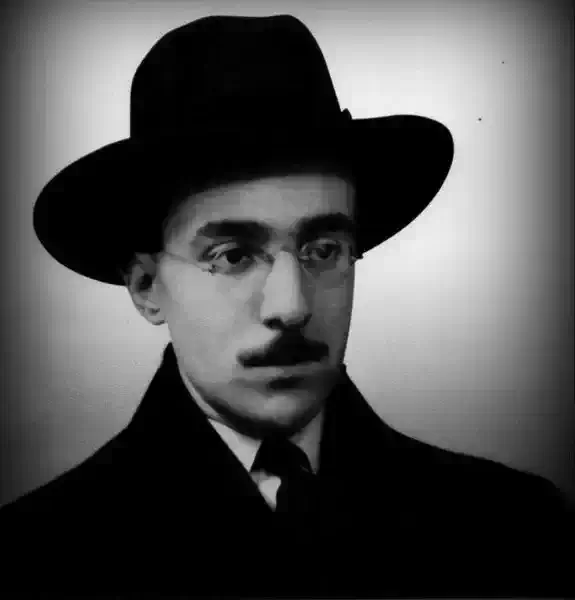
Fernando Pessoa
Com que vida encherei os poucos breves
Com que vida encherei os poucos breves
Dias que me são dados? Será minha
A minha vida ou dada
A outros ou a sombras?
À sombra de nós mesmos quantos homens
Inconscientes nos sacrificamos,
E um destino cumprimos
Nem nosso nem alheio!
Ó deuses imortais, saiba eu ao menos
Aceitar sem querê-lo, sorridente,
O curso áspero e duro
Da estrada permitida.
Porém nosso destino é o que for nosso,
Que nos deu a sorte, ou, alheio fado,
Anónimo a um anónimo,
Nos arrasta a corrente.
Dias que me são dados? Será minha
A minha vida ou dada
A outros ou a sombras?
À sombra de nós mesmos quantos homens
Inconscientes nos sacrificamos,
E um destino cumprimos
Nem nosso nem alheio!
Ó deuses imortais, saiba eu ao menos
Aceitar sem querê-lo, sorridente,
O curso áspero e duro
Da estrada permitida.
Porém nosso destino é o que for nosso,
Que nos deu a sorte, ou, alheio fado,
Anónimo a um anónimo,
Nos arrasta a corrente.
972
Fernando Pessoa
Com que vida encherei os poucos breves
Com que vida encherei os poucos breves
Dias que me são dados? Será minha
A minha vida ou dada
A outros ou a sombras?
À sombra de nós mesmos quantos homens
Inconscientes nos sacrificamos,
E um destino cumprimos
Nem nosso nem alheio!
Ó deuses imortais, saiba eu ao menos
Aceitar sem querê-lo, sorridente,
O curso áspero e duro
Da estrada permitida.
Porém nosso destino é o que for nosso,
Que nos deu a sorte, ou, alheio fado,
Anónimo a um anónimo,
Nos arrasta a corrente.
Dias que me são dados? Será minha
A minha vida ou dada
A outros ou a sombras?
À sombra de nós mesmos quantos homens
Inconscientes nos sacrificamos,
E um destino cumprimos
Nem nosso nem alheio!
Ó deuses imortais, saiba eu ao menos
Aceitar sem querê-lo, sorridente,
O curso áspero e duro
Da estrada permitida.
Porém nosso destino é o que for nosso,
Que nos deu a sorte, ou, alheio fado,
Anónimo a um anónimo,
Nos arrasta a corrente.
972
Fernando Pessoa
Com que vida encherei os poucos breves
Com que vida encherei os poucos breves
Dias que me são dados? Será minha
A minha vida ou dada
A outros ou a sombras?
À sombra de nós mesmos quantos homens
Inconscientes nos sacrificamos,
E um destino cumprimos
Nem nosso nem alheio!
Ó deuses imortais, saiba eu ao menos
Aceitar sem querê-lo, sorridente,
O curso áspero e duro
Da estrada permitida.
Porém nosso destino é o que for nosso,
Que nos deu a sorte, ou, alheio fado,
Anónimo a um anónimo,
Nos arrasta a corrente.
Dias que me são dados? Será minha
A minha vida ou dada
A outros ou a sombras?
À sombra de nós mesmos quantos homens
Inconscientes nos sacrificamos,
E um destino cumprimos
Nem nosso nem alheio!
Ó deuses imortais, saiba eu ao menos
Aceitar sem querê-lo, sorridente,
O curso áspero e duro
Da estrada permitida.
Porém nosso destino é o que for nosso,
Que nos deu a sorte, ou, alheio fado,
Anónimo a um anónimo,
Nos arrasta a corrente.
972
Fernando Pessoa
Com que vida encherei os poucos breves
Com que vida encherei os poucos breves
Dias que me são dados? Será minha
A minha vida ou dada
A outros ou a sombras?
À sombra de nós mesmos quantos homens
Inconscientes nos sacrificamos,
E um destino cumprimos
Nem nosso nem alheio!
Ó deuses imortais, saiba eu ao menos
Aceitar sem querê-lo, sorridente,
O curso áspero e duro
Da estrada permitida.
Porém nosso destino é o que for nosso,
Que nos deu a sorte, ou, alheio fado,
Anónimo a um anónimo,
Nos arrasta a corrente.
Dias que me são dados? Será minha
A minha vida ou dada
A outros ou a sombras?
À sombra de nós mesmos quantos homens
Inconscientes nos sacrificamos,
E um destino cumprimos
Nem nosso nem alheio!
Ó deuses imortais, saiba eu ao menos
Aceitar sem querê-lo, sorridente,
O curso áspero e duro
Da estrada permitida.
Porém nosso destino é o que for nosso,
Que nos deu a sorte, ou, alheio fado,
Anónimo a um anónimo,
Nos arrasta a corrente.
972
Fernando Pessoa
Pese a sentença igual da ignota morte
Pese a sentença igual da ignota morte
Em cada breve corpo, é entrudo e riem,
Felizes, porque em eles pensa e sente
A vida, que não eles.
De rosas, inda que de falsas, teçam
Capelas veras. Escasso, curto é o espaço
Que lhes é dado, e por bom caso em todos
Breve nem vão sentido.
Se a ciência é vida, sábio é só o néscio.
Quão pouco diferença a mente interna
Do homem da dos brutos! Sós! Leixai
Viver os moribundos!
Em cada breve corpo, é entrudo e riem,
Felizes, porque em eles pensa e sente
A vida, que não eles.
De rosas, inda que de falsas, teçam
Capelas veras. Escasso, curto é o espaço
Que lhes é dado, e por bom caso em todos
Breve nem vão sentido.
Se a ciência é vida, sábio é só o néscio.
Quão pouco diferença a mente interna
Do homem da dos brutos! Sós! Leixai
Viver os moribundos!
1 302
Fernando Pessoa
Pese a sentença igual da ignota morte
Pese a sentença igual da ignota morte
Em cada breve corpo, é entrudo e riem,
Felizes, porque em eles pensa e sente
A vida, que não eles.
De rosas, inda que de falsas, teçam
Capelas veras. Escasso, curto é o espaço
Que lhes é dado, e por bom caso em todos
Breve nem vão sentido.
Se a ciência é vida, sábio é só o néscio.
Quão pouco diferença a mente interna
Do homem da dos brutos! Sós! Leixai
Viver os moribundos!
Em cada breve corpo, é entrudo e riem,
Felizes, porque em eles pensa e sente
A vida, que não eles.
De rosas, inda que de falsas, teçam
Capelas veras. Escasso, curto é o espaço
Que lhes é dado, e por bom caso em todos
Breve nem vão sentido.
Se a ciência é vida, sábio é só o néscio.
Quão pouco diferença a mente interna
Do homem da dos brutos! Sós! Leixai
Viver os moribundos!
1 302
Fernando Pessoa
Pese a sentença igual da ignota morte
Pese a sentença igual da ignota morte
Em cada breve corpo, é entrudo e riem,
Felizes, porque em eles pensa e sente
A vida, que não eles.
De rosas, inda que de falsas, teçam
Capelas veras. Escasso, curto é o espaço
Que lhes é dado, e por bom caso em todos
Breve nem vão sentido.
Se a ciência é vida, sábio é só o néscio.
Quão pouco diferença a mente interna
Do homem da dos brutos! Sós! Leixai
Viver os moribundos!
Em cada breve corpo, é entrudo e riem,
Felizes, porque em eles pensa e sente
A vida, que não eles.
De rosas, inda que de falsas, teçam
Capelas veras. Escasso, curto é o espaço
Que lhes é dado, e por bom caso em todos
Breve nem vão sentido.
Se a ciência é vida, sábio é só o néscio.
Quão pouco diferença a mente interna
Do homem da dos brutos! Sós! Leixai
Viver os moribundos!
1 302
Fernando Pessoa
Toda a visão da crença se acompanha,
Toda visão da crença se acompanha,
Toda crença da acção; e a acção se perde,
Água em água entre tudo.
Conhece-te, se podes. Se não podes
Conhece que não podes. Saber sabe.
Sê teu. Não dês nem operes.
Toda crença da acção; e a acção se perde,
Água em água entre tudo.
Conhece-te, se podes. Se não podes
Conhece que não podes. Saber sabe.
Sê teu. Não dês nem operes.
1 321
Fernando Pessoa
5 - GOBLIN DANCE
First there was but the moon
And the black‑tramelled trees
In the lunar lagoon
Of the forgotten breeze.
Then some unseen thing stirred
Where the moon‑silence snowed
And a vague whirl unheard
Vacantly tip‑toed.
Slowly, idly, alone,
Beyond the eyes of sight,
Somewhere invisibly shown,
They danced their delight.
Their far vagueness wound
Round the heart a pain,
A phantom fear found
Voluble and vain.
The heart remembered lives
Before loves and homes,
Whose rare memory revives
Only when this dance comes.
A wish for a vague thing soon,
A loosened sense of selves,
A thing in the soul like moon,
Aught in the hopes like elves -
Tip‑toe aerial gliding
Shadow‑lunar blent,
Bending, mingling, hiding,
To and fro they went.
Left and right, belonging
To no place, they swayed.
A low pipe, like longing,
To their dancing played.
There, in the silence dropped
Like a thing on the ground,
Whirled they awhile, then stopped,
Then renewed their round,
Till with their slowing turns
The cold air grows more bare.
Then the mere moonlight returns
And there had been nothing there.
And the black‑tramelled trees
In the lunar lagoon
Of the forgotten breeze.
Then some unseen thing stirred
Where the moon‑silence snowed
And a vague whirl unheard
Vacantly tip‑toed.
Slowly, idly, alone,
Beyond the eyes of sight,
Somewhere invisibly shown,
They danced their delight.
Their far vagueness wound
Round the heart a pain,
A phantom fear found
Voluble and vain.
The heart remembered lives
Before loves and homes,
Whose rare memory revives
Only when this dance comes.
A wish for a vague thing soon,
A loosened sense of selves,
A thing in the soul like moon,
Aught in the hopes like elves -
Tip‑toe aerial gliding
Shadow‑lunar blent,
Bending, mingling, hiding,
To and fro they went.
Left and right, belonging
To no place, they swayed.
A low pipe, like longing,
To their dancing played.
There, in the silence dropped
Like a thing on the ground,
Whirled they awhile, then stopped,
Then renewed their round,
Till with their slowing turns
The cold air grows more bare.
Then the mere moonlight returns
And there had been nothing there.
1 599
Fernando Pessoa
Deixaste cair no chão
Deixaste cair no chão
O embrulho das queijadas.
Ris-te disso — e porque não?
A vida é feita de nadas.
O embrulho das queijadas.
Ris-te disso — e porque não?
A vida é feita de nadas.
997
Fernando Pessoa
Nada fica de nada. Nada somos. [1]
Nada fica de nada. Nada somos.
Um pouco ao sol e ao ar nos atrasamos
Da irrespirável treva que nos pese
Da húmida terra imposta,
Cadáveres adiados que procriam.
Leis feitas, estátuas vistas, odes findas —
Tudo tem cova sua. Se nós, carnes
A que um íntimo sol dá sangue, temos
Poente, porque não elas?
Somos contos contando contos, nada.
Um pouco ao sol e ao ar nos atrasamos
Da irrespirável treva que nos pese
Da húmida terra imposta,
Cadáveres adiados que procriam.
Leis feitas, estátuas vistas, odes findas —
Tudo tem cova sua. Se nós, carnes
A que um íntimo sol dá sangue, temos
Poente, porque não elas?
Somos contos contando contos, nada.
1 009
Fernando Pessoa
Nada fica de nada. Nada somos. [1]
Nada fica de nada. Nada somos.
Um pouco ao sol e ao ar nos atrasamos
Da irrespirável treva que nos pese
Da húmida terra imposta,
Cadáveres adiados que procriam.
Leis feitas, estátuas vistas, odes findas —
Tudo tem cova sua. Se nós, carnes
A que um íntimo sol dá sangue, temos
Poente, porque não elas?
Somos contos contando contos, nada.
Um pouco ao sol e ao ar nos atrasamos
Da irrespirável treva que nos pese
Da húmida terra imposta,
Cadáveres adiados que procriam.
Leis feitas, estátuas vistas, odes findas —
Tudo tem cova sua. Se nós, carnes
A que um íntimo sol dá sangue, temos
Poente, porque não elas?
Somos contos contando contos, nada.
1 009
Fernando Pessoa
Quando apertaste o teu cinto
Quando apertaste o teu cinto
Puseste o cravo na boca.
Não sei dizer o que sinto
Quando o que sinto me toca.
Puseste o cravo na boca.
Não sei dizer o que sinto
Quando o que sinto me toca.
1 558
Fernando Pessoa
I. - Take me up in thine arms, oh some mother.
[I.]
Take me up in thine arms, oh some mother.
Take me up in thine arms, make me a child.
An endless lack of joy every joy doth smother
That rises in me, sudden or great or mild.
Take me up in thine arms, rock me to sleep.
Rock me to sleep in a great meaningless way.
And may I hear, like one who sleeps in a house by a bay,
A great loud wind rise like a life from the deep
And cease as I fall asleep like a life that passes away.
II.
All I have wished to do, mother, I have not done.
Even what I wish to feel makes mistakes within me.
I grow tired, dimly tired, of the calm and constant sun,
And restless beside the happier restlessness of the sea.
Oh for a boat to believe I might sail in it and go,
Beyond the walls of my sensations' world and become
A floating absence from my worn self, a discarded woe
Trailing behind me likes a ship's trail, shining through
My consciousness of having dropt my life like a lamp in a home.
III.
Mother, my cheeks grow thin with cares I forget to know.
With things I forget to feel, nor know how to think, I pine.
Mine envy, mother, is with the figure of the sturdy man at the wheel,
That does his duty in storms and is salt at soul with good brine.
My heart is lost to a perillous life full of achievement and breath.
My thoughts are given like gifts to a life I could never live.
Teach me how to myself my own life I can forgive.
Teach me how to love life, at least how not to fear death,
And be all that you teach in the sense of a mute kiss you give.
IV.
Rock me to and fro in your arms, mother. It is night.
There is something of endless motion, of final ceasing of care,
In your rocking of me now from now into the light
That the cottage lamp sheds on your rocking fire with the same yellow flare.
Let me sleep, let me sleep, outsleep the ages and Time.
Drift far away from space like a hulk away from shore.
Be your arms around me like a land or a day or a clime,
Be your casual lips on my brow like forgiveness of crime.
Rock me till I lose being, mother, rock me still more.
V.
My pain outgrows my power to feel pain. I am numb. I am faint.
I sicken from having lived no life, but all dreams, dreams, dreams,
My soul is poisoned, mother, with an old and mysterious tai[nt]
And now that you have stopped rocking full on my brow the lamp gleams.
Hide me, mother, from the light for it seems that it sees.
Hide me, make me be blurred against your breast and the night.
Lo! outside the great swell of the dim and eternal seas!
Mother, whom do we wait, to return from beyond the seas?
Is it for anyone at sea that the joy of our lamp we light.
VI.
The wind hath risen, the wind hath risen. Something is colder and truer.
Something of life and its mystery creeps into the room.
Mother, stop the window chinks, make the door fast and sure.
We never know what horror it is that out of the Night may come.
We know not whom we await. It may be worse than the dark.
It may be shapeless unto our thought and dread as God if he be...
Mother, new sounds are creeping like snakes through the darkness. Hark!
Is it the wind you fear? Is it the sea you remark?
Mother, make me to sleep at once, ere I may hear or see.
VII.
When will it born. Mother, this fear and this smart,
This ache as of something lost or something near to be found,
Coils like a viscous impossible manner of snake round the heart
And the night, mother, the night without being nor bound!...
Put your arms so much around me, so much, so close so fast
That they cover the eyes of my fancy and cling round my thought's quick ear.
Mother, let us not see if the night will pass or last.
Let us not think nor be... Let life be as if past.
Let our total and infinite death be the day and the ceasing of fear.
Take me up in thine arms, oh some mother.
Take me up in thine arms, make me a child.
An endless lack of joy every joy doth smother
That rises in me, sudden or great or mild.
Take me up in thine arms, rock me to sleep.
Rock me to sleep in a great meaningless way.
And may I hear, like one who sleeps in a house by a bay,
A great loud wind rise like a life from the deep
And cease as I fall asleep like a life that passes away.
II.
All I have wished to do, mother, I have not done.
Even what I wish to feel makes mistakes within me.
I grow tired, dimly tired, of the calm and constant sun,
And restless beside the happier restlessness of the sea.
Oh for a boat to believe I might sail in it and go,
Beyond the walls of my sensations' world and become
A floating absence from my worn self, a discarded woe
Trailing behind me likes a ship's trail, shining through
My consciousness of having dropt my life like a lamp in a home.
III.
Mother, my cheeks grow thin with cares I forget to know.
With things I forget to feel, nor know how to think, I pine.
Mine envy, mother, is with the figure of the sturdy man at the wheel,
That does his duty in storms and is salt at soul with good brine.
My heart is lost to a perillous life full of achievement and breath.
My thoughts are given like gifts to a life I could never live.
Teach me how to myself my own life I can forgive.
Teach me how to love life, at least how not to fear death,
And be all that you teach in the sense of a mute kiss you give.
IV.
Rock me to and fro in your arms, mother. It is night.
There is something of endless motion, of final ceasing of care,
In your rocking of me now from now into the light
That the cottage lamp sheds on your rocking fire with the same yellow flare.
Let me sleep, let me sleep, outsleep the ages and Time.
Drift far away from space like a hulk away from shore.
Be your arms around me like a land or a day or a clime,
Be your casual lips on my brow like forgiveness of crime.
Rock me till I lose being, mother, rock me still more.
V.
My pain outgrows my power to feel pain. I am numb. I am faint.
I sicken from having lived no life, but all dreams, dreams, dreams,
My soul is poisoned, mother, with an old and mysterious tai[nt]
And now that you have stopped rocking full on my brow the lamp gleams.
Hide me, mother, from the light for it seems that it sees.
Hide me, make me be blurred against your breast and the night.
Lo! outside the great swell of the dim and eternal seas!
Mother, whom do we wait, to return from beyond the seas?
Is it for anyone at sea that the joy of our lamp we light.
VI.
The wind hath risen, the wind hath risen. Something is colder and truer.
Something of life and its mystery creeps into the room.
Mother, stop the window chinks, make the door fast and sure.
We never know what horror it is that out of the Night may come.
We know not whom we await. It may be worse than the dark.
It may be shapeless unto our thought and dread as God if he be...
Mother, new sounds are creeping like snakes through the darkness. Hark!
Is it the wind you fear? Is it the sea you remark?
Mother, make me to sleep at once, ere I may hear or see.
VII.
When will it born. Mother, this fear and this smart,
This ache as of something lost or something near to be found,
Coils like a viscous impossible manner of snake round the heart
And the night, mother, the night without being nor bound!...
Put your arms so much around me, so much, so close so fast
That they cover the eyes of my fancy and cling round my thought's quick ear.
Mother, let us not see if the night will pass or last.
Let us not think nor be... Let life be as if past.
Let our total and infinite death be the day and the ceasing of fear.
1 445
Fernando Pessoa
I. - Take me up in thine arms, oh some mother.
[I.]
Take me up in thine arms, oh some mother.
Take me up in thine arms, make me a child.
An endless lack of joy every joy doth smother
That rises in me, sudden or great or mild.
Take me up in thine arms, rock me to sleep.
Rock me to sleep in a great meaningless way.
And may I hear, like one who sleeps in a house by a bay,
A great loud wind rise like a life from the deep
And cease as I fall asleep like a life that passes away.
II.
All I have wished to do, mother, I have not done.
Even what I wish to feel makes mistakes within me.
I grow tired, dimly tired, of the calm and constant sun,
And restless beside the happier restlessness of the sea.
Oh for a boat to believe I might sail in it and go,
Beyond the walls of my sensations' world and become
A floating absence from my worn self, a discarded woe
Trailing behind me likes a ship's trail, shining through
My consciousness of having dropt my life like a lamp in a home.
III.
Mother, my cheeks grow thin with cares I forget to know.
With things I forget to feel, nor know how to think, I pine.
Mine envy, mother, is with the figure of the sturdy man at the wheel,
That does his duty in storms and is salt at soul with good brine.
My heart is lost to a perillous life full of achievement and breath.
My thoughts are given like gifts to a life I could never live.
Teach me how to myself my own life I can forgive.
Teach me how to love life, at least how not to fear death,
And be all that you teach in the sense of a mute kiss you give.
IV.
Rock me to and fro in your arms, mother. It is night.
There is something of endless motion, of final ceasing of care,
In your rocking of me now from now into the light
That the cottage lamp sheds on your rocking fire with the same yellow flare.
Let me sleep, let me sleep, outsleep the ages and Time.
Drift far away from space like a hulk away from shore.
Be your arms around me like a land or a day or a clime,
Be your casual lips on my brow like forgiveness of crime.
Rock me till I lose being, mother, rock me still more.
V.
My pain outgrows my power to feel pain. I am numb. I am faint.
I sicken from having lived no life, but all dreams, dreams, dreams,
My soul is poisoned, mother, with an old and mysterious tai[nt]
And now that you have stopped rocking full on my brow the lamp gleams.
Hide me, mother, from the light for it seems that it sees.
Hide me, make me be blurred against your breast and the night.
Lo! outside the great swell of the dim and eternal seas!
Mother, whom do we wait, to return from beyond the seas?
Is it for anyone at sea that the joy of our lamp we light.
VI.
The wind hath risen, the wind hath risen. Something is colder and truer.
Something of life and its mystery creeps into the room.
Mother, stop the window chinks, make the door fast and sure.
We never know what horror it is that out of the Night may come.
We know not whom we await. It may be worse than the dark.
It may be shapeless unto our thought and dread as God if he be...
Mother, new sounds are creeping like snakes through the darkness. Hark!
Is it the wind you fear? Is it the sea you remark?
Mother, make me to sleep at once, ere I may hear or see.
VII.
When will it born. Mother, this fear and this smart,
This ache as of something lost or something near to be found,
Coils like a viscous impossible manner of snake round the heart
And the night, mother, the night without being nor bound!...
Put your arms so much around me, so much, so close so fast
That they cover the eyes of my fancy and cling round my thought's quick ear.
Mother, let us not see if the night will pass or last.
Let us not think nor be... Let life be as if past.
Let our total and infinite death be the day and the ceasing of fear.
Take me up in thine arms, oh some mother.
Take me up in thine arms, make me a child.
An endless lack of joy every joy doth smother
That rises in me, sudden or great or mild.
Take me up in thine arms, rock me to sleep.
Rock me to sleep in a great meaningless way.
And may I hear, like one who sleeps in a house by a bay,
A great loud wind rise like a life from the deep
And cease as I fall asleep like a life that passes away.
II.
All I have wished to do, mother, I have not done.
Even what I wish to feel makes mistakes within me.
I grow tired, dimly tired, of the calm and constant sun,
And restless beside the happier restlessness of the sea.
Oh for a boat to believe I might sail in it and go,
Beyond the walls of my sensations' world and become
A floating absence from my worn self, a discarded woe
Trailing behind me likes a ship's trail, shining through
My consciousness of having dropt my life like a lamp in a home.
III.
Mother, my cheeks grow thin with cares I forget to know.
With things I forget to feel, nor know how to think, I pine.
Mine envy, mother, is with the figure of the sturdy man at the wheel,
That does his duty in storms and is salt at soul with good brine.
My heart is lost to a perillous life full of achievement and breath.
My thoughts are given like gifts to a life I could never live.
Teach me how to myself my own life I can forgive.
Teach me how to love life, at least how not to fear death,
And be all that you teach in the sense of a mute kiss you give.
IV.
Rock me to and fro in your arms, mother. It is night.
There is something of endless motion, of final ceasing of care,
In your rocking of me now from now into the light
That the cottage lamp sheds on your rocking fire with the same yellow flare.
Let me sleep, let me sleep, outsleep the ages and Time.
Drift far away from space like a hulk away from shore.
Be your arms around me like a land or a day or a clime,
Be your casual lips on my brow like forgiveness of crime.
Rock me till I lose being, mother, rock me still more.
V.
My pain outgrows my power to feel pain. I am numb. I am faint.
I sicken from having lived no life, but all dreams, dreams, dreams,
My soul is poisoned, mother, with an old and mysterious tai[nt]
And now that you have stopped rocking full on my brow the lamp gleams.
Hide me, mother, from the light for it seems that it sees.
Hide me, make me be blurred against your breast and the night.
Lo! outside the great swell of the dim and eternal seas!
Mother, whom do we wait, to return from beyond the seas?
Is it for anyone at sea that the joy of our lamp we light.
VI.
The wind hath risen, the wind hath risen. Something is colder and truer.
Something of life and its mystery creeps into the room.
Mother, stop the window chinks, make the door fast and sure.
We never know what horror it is that out of the Night may come.
We know not whom we await. It may be worse than the dark.
It may be shapeless unto our thought and dread as God if he be...
Mother, new sounds are creeping like snakes through the darkness. Hark!
Is it the wind you fear? Is it the sea you remark?
Mother, make me to sleep at once, ere I may hear or see.
VII.
When will it born. Mother, this fear and this smart,
This ache as of something lost or something near to be found,
Coils like a viscous impossible manner of snake round the heart
And the night, mother, the night without being nor bound!...
Put your arms so much around me, so much, so close so fast
That they cover the eyes of my fancy and cling round my thought's quick ear.
Mother, let us not see if the night will pass or last.
Let us not think nor be... Let life be as if past.
Let our total and infinite death be the day and the ceasing of fear.
1 445
Fernando Pessoa
I love this world and all these men because
I love this world and all these men because
I shall not love them long. That we do die
I believe not, bound fast to higher laws,
But that we lose this world do not deny.
This light that in the sea makes many a light,
This breeze so soft when least we feel it most,
May be replaced by a diviner sight
Or by a truer breeze; but these are lost.
Like some strange trick of childhood that was ill
Yet had the childhood, in it I regret
Perchance in some far world sublime and stiIl,
The childhood that I never shall forget —
No, nor these toys of sense —this world, these men —,
Dear now when had because dear when lost then.
I shall not love them long. That we do die
I believe not, bound fast to higher laws,
But that we lose this world do not deny.
This light that in the sea makes many a light,
This breeze so soft when least we feel it most,
May be replaced by a diviner sight
Or by a truer breeze; but these are lost.
Like some strange trick of childhood that was ill
Yet had the childhood, in it I regret
Perchance in some far world sublime and stiIl,
The childhood that I never shall forget —
No, nor these toys of sense —this world, these men —,
Dear now when had because dear when lost then.
1 524
Fernando Pessoa
I love this world and all these men because
I love this world and all these men because
I shall not love them long. That we do die
I believe not, bound fast to higher laws,
But that we lose this world do not deny.
This light that in the sea makes many a light,
This breeze so soft when least we feel it most,
May be replaced by a diviner sight
Or by a truer breeze; but these are lost.
Like some strange trick of childhood that was ill
Yet had the childhood, in it I regret
Perchance in some far world sublime and stiIl,
The childhood that I never shall forget —
No, nor these toys of sense —this world, these men —,
Dear now when had because dear when lost then.
I shall not love them long. That we do die
I believe not, bound fast to higher laws,
But that we lose this world do not deny.
This light that in the sea makes many a light,
This breeze so soft when least we feel it most,
May be replaced by a diviner sight
Or by a truer breeze; but these are lost.
Like some strange trick of childhood that was ill
Yet had the childhood, in it I regret
Perchance in some far world sublime and stiIl,
The childhood that I never shall forget —
No, nor these toys of sense —this world, these men —,
Dear now when had because dear when lost then.
1 524
Fernando Pessoa
I love this world and all these men because
I love this world and all these men because
I shall not love them long. That we do die
I believe not, bound fast to higher laws,
But that we lose this world do not deny.
This light that in the sea makes many a light,
This breeze so soft when least we feel it most,
May be replaced by a diviner sight
Or by a truer breeze; but these are lost.
Like some strange trick of childhood that was ill
Yet had the childhood, in it I regret
Perchance in some far world sublime and stiIl,
The childhood that I never shall forget —
No, nor these toys of sense —this world, these men —,
Dear now when had because dear when lost then.
I shall not love them long. That we do die
I believe not, bound fast to higher laws,
But that we lose this world do not deny.
This light that in the sea makes many a light,
This breeze so soft when least we feel it most,
May be replaced by a diviner sight
Or by a truer breeze; but these are lost.
Like some strange trick of childhood that was ill
Yet had the childhood, in it I regret
Perchance in some far world sublime and stiIl,
The childhood that I never shall forget —
No, nor these toys of sense —this world, these men —,
Dear now when had because dear when lost then.
1 524
Fernando Pessoa
I love this world and all these men because
I love this world and all these men because
I shall not love them long. That we do die
I believe not, bound fast to higher laws,
But that we lose this world do not deny.
This light that in the sea makes many a light,
This breeze so soft when least we feel it most,
May be replaced by a diviner sight
Or by a truer breeze; but these are lost.
Like some strange trick of childhood that was ill
Yet had the childhood, in it I regret
Perchance in some far world sublime and stiIl,
The childhood that I never shall forget —
No, nor these toys of sense —this world, these men —,
Dear now when had because dear when lost then.
I shall not love them long. That we do die
I believe not, bound fast to higher laws,
But that we lose this world do not deny.
This light that in the sea makes many a light,
This breeze so soft when least we feel it most,
May be replaced by a diviner sight
Or by a truer breeze; but these are lost.
Like some strange trick of childhood that was ill
Yet had the childhood, in it I regret
Perchance in some far world sublime and stiIl,
The childhood that I never shall forget —
No, nor these toys of sense —this world, these men —,
Dear now when had because dear when lost then.
1 524
Fernando Pessoa
I love this world and all these men because
I love this world and all these men because
I shall not love them long. That we do die
I believe not, bound fast to higher laws,
But that we lose this world do not deny.
This light that in the sea makes many a light,
This breeze so soft when least we feel it most,
May be replaced by a diviner sight
Or by a truer breeze; but these are lost.
Like some strange trick of childhood that was ill
Yet had the childhood, in it I regret
Perchance in some far world sublime and stiIl,
The childhood that I never shall forget —
No, nor these toys of sense —this world, these men —,
Dear now when had because dear when lost then.
I shall not love them long. That we do die
I believe not, bound fast to higher laws,
But that we lose this world do not deny.
This light that in the sea makes many a light,
This breeze so soft when least we feel it most,
May be replaced by a diviner sight
Or by a truer breeze; but these are lost.
Like some strange trick of childhood that was ill
Yet had the childhood, in it I regret
Perchance in some far world sublime and stiIl,
The childhood that I never shall forget —
No, nor these toys of sense —this world, these men —,
Dear now when had because dear when lost then.
1 524
Fernando Pessoa
Let us rest. Every hour is not the next.
Let us rest. Every hour is not the next.
May this wreathe round with more than emptiness
The meaning of the ciphered living text
We owe to living and to thought confess.
Let us rest. Every hour is not the last.
A consolation comes from being late
Even at happiness, lest near winds blast
The present flower and fate still follow fate.
Let us rest. Power is useless and life vain.
To ask means to be answered with not giving.
To move towards pleasure is to walk on pain,
And having to live takes life out of living.
So there is no true thought nor just behest,
Nor pomp worthing having. Let us rest.
May this wreathe round with more than emptiness
The meaning of the ciphered living text
We owe to living and to thought confess.
Let us rest. Every hour is not the last.
A consolation comes from being late
Even at happiness, lest near winds blast
The present flower and fate still follow fate.
Let us rest. Power is useless and life vain.
To ask means to be answered with not giving.
To move towards pleasure is to walk on pain,
And having to live takes life out of living.
So there is no true thought nor just behest,
Nor pomp worthing having. Let us rest.
1 077
Fernando Pessoa
Let us rest. Every hour is not the next.
Let us rest. Every hour is not the next.
May this wreathe round with more than emptiness
The meaning of the ciphered living text
We owe to living and to thought confess.
Let us rest. Every hour is not the last.
A consolation comes from being late
Even at happiness, lest near winds blast
The present flower and fate still follow fate.
Let us rest. Power is useless and life vain.
To ask means to be answered with not giving.
To move towards pleasure is to walk on pain,
And having to live takes life out of living.
So there is no true thought nor just behest,
Nor pomp worthing having. Let us rest.
May this wreathe round with more than emptiness
The meaning of the ciphered living text
We owe to living and to thought confess.
Let us rest. Every hour is not the last.
A consolation comes from being late
Even at happiness, lest near winds blast
The present flower and fate still follow fate.
Let us rest. Power is useless and life vain.
To ask means to be answered with not giving.
To move towards pleasure is to walk on pain,
And having to live takes life out of living.
So there is no true thought nor just behest,
Nor pomp worthing having. Let us rest.
1 077
Fernando Pessoa
O mistério supremo do Universo
O mistério supremo do Universo
O único mistério, tudo e em tudo
É haver um mistério do universo,
É haver o universo, qualquer cousa,
É haver haver. Ó forma abstracta e vaga
Que tão corrente haver em mim demora
Que pensar isto é-me no corpo um frio
Que sopra d'além terra e d'além-túmulo
E vai da alma a Deus.
O único mistério, tudo e em tudo
É haver um mistério do universo,
É haver o universo, qualquer cousa,
É haver haver. Ó forma abstracta e vaga
Que tão corrente haver em mim demora
Que pensar isto é-me no corpo um frio
Que sopra d'além terra e d'além-túmulo
E vai da alma a Deus.
1 300
Fernando Pessoa
O mistério supremo do Universo
O mistério supremo do Universo
O único mistério, tudo e em tudo
É haver um mistério do universo,
É haver o universo, qualquer cousa,
É haver haver. Ó forma abstracta e vaga
Que tão corrente haver em mim demora
Que pensar isto é-me no corpo um frio
Que sopra d'além terra e d'além-túmulo
E vai da alma a Deus.
O único mistério, tudo e em tudo
É haver um mistério do universo,
É haver o universo, qualquer cousa,
É haver haver. Ó forma abstracta e vaga
Que tão corrente haver em mim demora
Que pensar isto é-me no corpo um frio
Que sopra d'além terra e d'além-túmulo
E vai da alma a Deus.
1 300