

Poemas neste tema
Vida e Existência
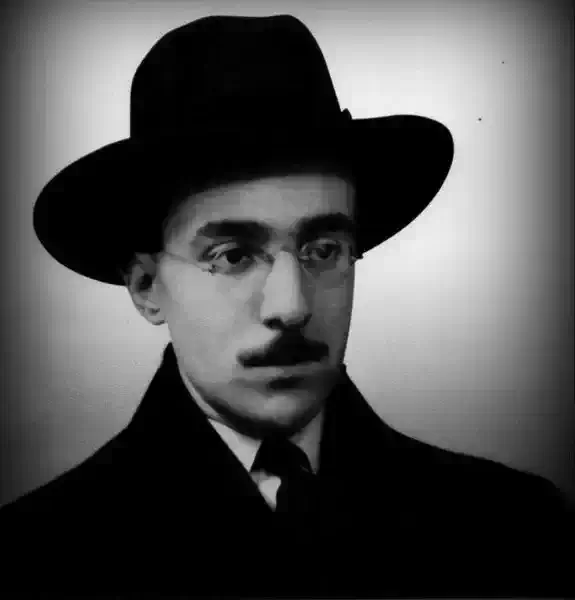
Fernando Pessoa
INTERVAL - 3
I could not be thou, being yet not thou
Were I not God; so to God my thoughts go
(To reach thee, to possess from within
To possess from being not from seeing)
Because, substance of substance, He alone
Can love being all things, and all in each one.
Thus is my love (...) religion.
And by being born, not born; by being love
None; and by being made move, not made to move,
But, indefinable and indistinct,
Wearing no form nor purpose nor precinct
Of use, it hangs, with my soul in its wake
An interval between me and thee, between
Ourselves and God, between thou being but seen
And being loved, abstract absance of place
(...) that
Life, substance of thou being a living thing
Where thought and will and feeling are one thing.
Of the two parts of love, becoming other
And unbecoming self, I do one choose —
The unbecoming, and the other lose.
Yet, as to unbecome must be becoming
Some other thing, as the end for roaming
Makes the thing found where will no matter binds,
The unbecoming of me sure love finds.
Yet if it finds the loved thing, yet not thee,
What thing finds it, that it sought not to be?
What but love's own abstraction, interval
Between souls. And as aether is purest of all
Where filling the mere spaces between things,
Because the more unmixed, the love that clings
To my large disembodiment is best,
Because no object, save love, limits its
(…)
But here not aether but consciousness is
The universal substance, so in this
Less difference between this substance and
God is there — so, if right I understand,
This love which to obtain thee loses thee
And which to complete me uncompletes me,
Which the mere interval doth occupy
Whether neither thy soul nor my soul doth lie,
To which my mere love's force abstractly sends
My void outgoing, and there my being ends,
And so the ends my being had in going
Equally endeth — this love thus foregoing
The object and the subject to be done
By missing into pure Relation;
This love finds God by its internal force,
For when all things are lost God is the loss.
See then how I, starting from me to thee,
Have like a sailor that sets out i' th' sea
For some shore, and the winds drive him away
And this chance casts him on some better bay
Than his intention had been to discover.
Yet if discovering were intended, ever
By what discovered is, where it not willed,
The purpose of discovering is filled,
And if the unwilled discovery is better,
The loss is gam, and that which seemed to fetter
The original purpose, the harsh wind,
Does lead the unled to where he best can find.
Yet this is not the journey's end, for whence
The sailor now arrived, to recommence
He may begin his voyage original
And from the better to the worse recall
For as the original purpose, better less,
Is in the found included, he may thence
His foiled task recompose and now to miss
The purpose that his (...)
So I, from God, the better may go out
To thee, and from within thee, not about
Thy presence, enter into thee and be
The very personality of thee.
Were I not God; so to God my thoughts go
(To reach thee, to possess from within
To possess from being not from seeing)
Because, substance of substance, He alone
Can love being all things, and all in each one.
Thus is my love (...) religion.
And by being born, not born; by being love
None; and by being made move, not made to move,
But, indefinable and indistinct,
Wearing no form nor purpose nor precinct
Of use, it hangs, with my soul in its wake
An interval between me and thee, between
Ourselves and God, between thou being but seen
And being loved, abstract absance of place
(...) that
Life, substance of thou being a living thing
Where thought and will and feeling are one thing.
Of the two parts of love, becoming other
And unbecoming self, I do one choose —
The unbecoming, and the other lose.
Yet, as to unbecome must be becoming
Some other thing, as the end for roaming
Makes the thing found where will no matter binds,
The unbecoming of me sure love finds.
Yet if it finds the loved thing, yet not thee,
What thing finds it, that it sought not to be?
What but love's own abstraction, interval
Between souls. And as aether is purest of all
Where filling the mere spaces between things,
Because the more unmixed, the love that clings
To my large disembodiment is best,
Because no object, save love, limits its
(…)
But here not aether but consciousness is
The universal substance, so in this
Less difference between this substance and
God is there — so, if right I understand,
This love which to obtain thee loses thee
And which to complete me uncompletes me,
Which the mere interval doth occupy
Whether neither thy soul nor my soul doth lie,
To which my mere love's force abstractly sends
My void outgoing, and there my being ends,
And so the ends my being had in going
Equally endeth — this love thus foregoing
The object and the subject to be done
By missing into pure Relation;
This love finds God by its internal force,
For when all things are lost God is the loss.
See then how I, starting from me to thee,
Have like a sailor that sets out i' th' sea
For some shore, and the winds drive him away
And this chance casts him on some better bay
Than his intention had been to discover.
Yet if discovering were intended, ever
By what discovered is, where it not willed,
The purpose of discovering is filled,
And if the unwilled discovery is better,
The loss is gam, and that which seemed to fetter
The original purpose, the harsh wind,
Does lead the unled to where he best can find.
Yet this is not the journey's end, for whence
The sailor now arrived, to recommence
He may begin his voyage original
And from the better to the worse recall
For as the original purpose, better less,
Is in the found included, he may thence
His foiled task recompose and now to miss
The purpose that his (...)
So I, from God, the better may go out
To thee, and from within thee, not about
Thy presence, enter into thee and be
The very personality of thee.
1 633
Fernando Pessoa
A tua saia, que é curta,
A tua saia, que é curta,
Deixa-te a perna a mostrar:
Meu coração já se furta
A sentir sem eu pensar.
Deixa-te a perna a mostrar:
Meu coração já se furta
A sentir sem eu pensar.
1 376
Fernando Pessoa
OPIARY
Life tastes to me like golden tobacco.
I have never done anything but smoke life.
After all of what use was it to me to have
Gone to the East and seen India and China?
The earth is similar and little
And there is only one way of living.
I pretended to study engineering.
I lived in Scotland. I visited Ireland.
My heart is a poor grandmother who goes about
Begging at the doors of Joy.
I am unfortunate by primogeniture.
The gipsies stole my luck.
Perhaps I shall not even find near death
A place to shelter me from my cold.
And I was a child like other people.
I was born in a Portuguese province,
And have met English people
Who say I speak English perfectly.
I have never done anything but smoke life.
After all of what use was it to me to have
Gone to the East and seen India and China?
The earth is similar and little
And there is only one way of living.
I pretended to study engineering.
I lived in Scotland. I visited Ireland.
My heart is a poor grandmother who goes about
Begging at the doors of Joy.
I am unfortunate by primogeniture.
The gipsies stole my luck.
Perhaps I shall not even find near death
A place to shelter me from my cold.
And I was a child like other people.
I was born in a Portuguese province,
And have met English people
Who say I speak English perfectly.
1 739
Fernando Pessoa
OPIARY
Life tastes to me like golden tobacco.
I have never done anything but smoke life.
After all of what use was it to me to have
Gone to the East and seen India and China?
The earth is similar and little
And there is only one way of living.
I pretended to study engineering.
I lived in Scotland. I visited Ireland.
My heart is a poor grandmother who goes about
Begging at the doors of Joy.
I am unfortunate by primogeniture.
The gipsies stole my luck.
Perhaps I shall not even find near death
A place to shelter me from my cold.
And I was a child like other people.
I was born in a Portuguese province,
And have met English people
Who say I speak English perfectly.
I have never done anything but smoke life.
After all of what use was it to me to have
Gone to the East and seen India and China?
The earth is similar and little
And there is only one way of living.
I pretended to study engineering.
I lived in Scotland. I visited Ireland.
My heart is a poor grandmother who goes about
Begging at the doors of Joy.
I am unfortunate by primogeniture.
The gipsies stole my luck.
Perhaps I shall not even find near death
A place to shelter me from my cold.
And I was a child like other people.
I was born in a Portuguese province,
And have met English people
Who say I speak English perfectly.
1 739
Fernando Pessoa
I. - Take me up in thine arms, oh some mother.
[I.]
Take me up in thine arms, oh some mother.
Take me up in thine arms, make me a child.
An endless lack of joy every joy doth smother
That rises in me, sudden or great or mild.
Take me up in thine arms, rock me to sleep.
Rock me to sleep in a great meaningless way.
And may I hear, like one who sleeps in a house by a bay,
A great loud wind rise like a life from the deep
And cease as I fall asleep like a life that passes away.
II.
All I have wished to do, mother, I have not done.
Even what I wish to feel makes mistakes within me.
I grow tired, dimly tired, of the calm and constant sun,
And restless beside the happier restlessness of the sea.
Oh for a boat to believe I might sail in it and go,
Beyond the walls of my sensations' world and become
A floating absence from my worn self, a discarded woe
Trailing behind me likes a ship's trail, shining through
My consciousness of having dropt my life like a lamp in a home.
III.
Mother, my cheeks grow thin with cares I forget to know.
With things I forget to feel, nor know how to think, I pine.
Mine envy, mother, is with the figure of the sturdy man at the wheel,
That does his duty in storms and is salt at soul with good brine.
My heart is lost to a perillous life full of achievement and breath.
My thoughts are given like gifts to a life I could never live.
Teach me how to myself my own life I can forgive.
Teach me how to love life, at least how not to fear death,
And be all that you teach in the sense of a mute kiss you give.
IV.
Rock me to and fro in your arms, mother. It is night.
There is something of endless motion, of final ceasing of care,
In your rocking of me now from now into the light
That the cottage lamp sheds on your rocking fire with the same yellow flare.
Let me sleep, let me sleep, outsleep the ages and Time.
Drift far away from space like a hulk away from shore.
Be your arms around me like a land or a day or a clime,
Be your casual lips on my brow like forgiveness of crime.
Rock me till I lose being, mother, rock me still more.
V.
My pain outgrows my power to feel pain. I am numb. I am faint.
I sicken from having lived no life, but all dreams, dreams, dreams,
My soul is poisoned, mother, with an old and mysterious tai[nt]
And now that you have stopped rocking full on my brow the lamp gleams.
Hide me, mother, from the light for it seems that it sees.
Hide me, make me be blurred against your breast and the night.
Lo! outside the great swell of the dim and eternal seas!
Mother, whom do we wait, to return from beyond the seas?
Is it for anyone at sea that the joy of our lamp we light.
VI.
The wind hath risen, the wind hath risen. Something is colder and truer.
Something of life and its mystery creeps into the room.
Mother, stop the window chinks, make the door fast and sure.
We never know what horror it is that out of the Night may come.
We know not whom we await. It may be worse than the dark.
It may be shapeless unto our thought and dread as God if he be...
Mother, new sounds are creeping like snakes through the darkness. Hark!
Is it the wind you fear? Is it the sea you remark?
Mother, make me to sleep at once, ere I may hear or see.
VII.
When will it born. Mother, this fear and this smart,
This ache as of something lost or something near to be found,
Coils like a viscous impossible manner of snake round the heart
And the night, mother, the night without being nor bound!...
Put your arms so much around me, so much, so close so fast
That they cover the eyes of my fancy and cling round my thought's quick ear.
Mother, let us not see if the night will pass or last.
Let us not think nor be... Let life be as if past.
Let our total and infinite death be the day and the ceasing of fear.
Take me up in thine arms, oh some mother.
Take me up in thine arms, make me a child.
An endless lack of joy every joy doth smother
That rises in me, sudden or great or mild.
Take me up in thine arms, rock me to sleep.
Rock me to sleep in a great meaningless way.
And may I hear, like one who sleeps in a house by a bay,
A great loud wind rise like a life from the deep
And cease as I fall asleep like a life that passes away.
II.
All I have wished to do, mother, I have not done.
Even what I wish to feel makes mistakes within me.
I grow tired, dimly tired, of the calm and constant sun,
And restless beside the happier restlessness of the sea.
Oh for a boat to believe I might sail in it and go,
Beyond the walls of my sensations' world and become
A floating absence from my worn self, a discarded woe
Trailing behind me likes a ship's trail, shining through
My consciousness of having dropt my life like a lamp in a home.
III.
Mother, my cheeks grow thin with cares I forget to know.
With things I forget to feel, nor know how to think, I pine.
Mine envy, mother, is with the figure of the sturdy man at the wheel,
That does his duty in storms and is salt at soul with good brine.
My heart is lost to a perillous life full of achievement and breath.
My thoughts are given like gifts to a life I could never live.
Teach me how to myself my own life I can forgive.
Teach me how to love life, at least how not to fear death,
And be all that you teach in the sense of a mute kiss you give.
IV.
Rock me to and fro in your arms, mother. It is night.
There is something of endless motion, of final ceasing of care,
In your rocking of me now from now into the light
That the cottage lamp sheds on your rocking fire with the same yellow flare.
Let me sleep, let me sleep, outsleep the ages and Time.
Drift far away from space like a hulk away from shore.
Be your arms around me like a land or a day or a clime,
Be your casual lips on my brow like forgiveness of crime.
Rock me till I lose being, mother, rock me still more.
V.
My pain outgrows my power to feel pain. I am numb. I am faint.
I sicken from having lived no life, but all dreams, dreams, dreams,
My soul is poisoned, mother, with an old and mysterious tai[nt]
And now that you have stopped rocking full on my brow the lamp gleams.
Hide me, mother, from the light for it seems that it sees.
Hide me, make me be blurred against your breast and the night.
Lo! outside the great swell of the dim and eternal seas!
Mother, whom do we wait, to return from beyond the seas?
Is it for anyone at sea that the joy of our lamp we light.
VI.
The wind hath risen, the wind hath risen. Something is colder and truer.
Something of life and its mystery creeps into the room.
Mother, stop the window chinks, make the door fast and sure.
We never know what horror it is that out of the Night may come.
We know not whom we await. It may be worse than the dark.
It may be shapeless unto our thought and dread as God if he be...
Mother, new sounds are creeping like snakes through the darkness. Hark!
Is it the wind you fear? Is it the sea you remark?
Mother, make me to sleep at once, ere I may hear or see.
VII.
When will it born. Mother, this fear and this smart,
This ache as of something lost or something near to be found,
Coils like a viscous impossible manner of snake round the heart
And the night, mother, the night without being nor bound!...
Put your arms so much around me, so much, so close so fast
That they cover the eyes of my fancy and cling round my thought's quick ear.
Mother, let us not see if the night will pass or last.
Let us not think nor be... Let life be as if past.
Let our total and infinite death be the day and the ceasing of fear.
1 445
Fernando Pessoa
I. - Take me up in thine arms, oh some mother.
[I.]
Take me up in thine arms, oh some mother.
Take me up in thine arms, make me a child.
An endless lack of joy every joy doth smother
That rises in me, sudden or great or mild.
Take me up in thine arms, rock me to sleep.
Rock me to sleep in a great meaningless way.
And may I hear, like one who sleeps in a house by a bay,
A great loud wind rise like a life from the deep
And cease as I fall asleep like a life that passes away.
II.
All I have wished to do, mother, I have not done.
Even what I wish to feel makes mistakes within me.
I grow tired, dimly tired, of the calm and constant sun,
And restless beside the happier restlessness of the sea.
Oh for a boat to believe I might sail in it and go,
Beyond the walls of my sensations' world and become
A floating absence from my worn self, a discarded woe
Trailing behind me likes a ship's trail, shining through
My consciousness of having dropt my life like a lamp in a home.
III.
Mother, my cheeks grow thin with cares I forget to know.
With things I forget to feel, nor know how to think, I pine.
Mine envy, mother, is with the figure of the sturdy man at the wheel,
That does his duty in storms and is salt at soul with good brine.
My heart is lost to a perillous life full of achievement and breath.
My thoughts are given like gifts to a life I could never live.
Teach me how to myself my own life I can forgive.
Teach me how to love life, at least how not to fear death,
And be all that you teach in the sense of a mute kiss you give.
IV.
Rock me to and fro in your arms, mother. It is night.
There is something of endless motion, of final ceasing of care,
In your rocking of me now from now into the light
That the cottage lamp sheds on your rocking fire with the same yellow flare.
Let me sleep, let me sleep, outsleep the ages and Time.
Drift far away from space like a hulk away from shore.
Be your arms around me like a land or a day or a clime,
Be your casual lips on my brow like forgiveness of crime.
Rock me till I lose being, mother, rock me still more.
V.
My pain outgrows my power to feel pain. I am numb. I am faint.
I sicken from having lived no life, but all dreams, dreams, dreams,
My soul is poisoned, mother, with an old and mysterious tai[nt]
And now that you have stopped rocking full on my brow the lamp gleams.
Hide me, mother, from the light for it seems that it sees.
Hide me, make me be blurred against your breast and the night.
Lo! outside the great swell of the dim and eternal seas!
Mother, whom do we wait, to return from beyond the seas?
Is it for anyone at sea that the joy of our lamp we light.
VI.
The wind hath risen, the wind hath risen. Something is colder and truer.
Something of life and its mystery creeps into the room.
Mother, stop the window chinks, make the door fast and sure.
We never know what horror it is that out of the Night may come.
We know not whom we await. It may be worse than the dark.
It may be shapeless unto our thought and dread as God if he be...
Mother, new sounds are creeping like snakes through the darkness. Hark!
Is it the wind you fear? Is it the sea you remark?
Mother, make me to sleep at once, ere I may hear or see.
VII.
When will it born. Mother, this fear and this smart,
This ache as of something lost or something near to be found,
Coils like a viscous impossible manner of snake round the heart
And the night, mother, the night without being nor bound!...
Put your arms so much around me, so much, so close so fast
That they cover the eyes of my fancy and cling round my thought's quick ear.
Mother, let us not see if the night will pass or last.
Let us not think nor be... Let life be as if past.
Let our total and infinite death be the day and the ceasing of fear.
Take me up in thine arms, oh some mother.
Take me up in thine arms, make me a child.
An endless lack of joy every joy doth smother
That rises in me, sudden or great or mild.
Take me up in thine arms, rock me to sleep.
Rock me to sleep in a great meaningless way.
And may I hear, like one who sleeps in a house by a bay,
A great loud wind rise like a life from the deep
And cease as I fall asleep like a life that passes away.
II.
All I have wished to do, mother, I have not done.
Even what I wish to feel makes mistakes within me.
I grow tired, dimly tired, of the calm and constant sun,
And restless beside the happier restlessness of the sea.
Oh for a boat to believe I might sail in it and go,
Beyond the walls of my sensations' world and become
A floating absence from my worn self, a discarded woe
Trailing behind me likes a ship's trail, shining through
My consciousness of having dropt my life like a lamp in a home.
III.
Mother, my cheeks grow thin with cares I forget to know.
With things I forget to feel, nor know how to think, I pine.
Mine envy, mother, is with the figure of the sturdy man at the wheel,
That does his duty in storms and is salt at soul with good brine.
My heart is lost to a perillous life full of achievement and breath.
My thoughts are given like gifts to a life I could never live.
Teach me how to myself my own life I can forgive.
Teach me how to love life, at least how not to fear death,
And be all that you teach in the sense of a mute kiss you give.
IV.
Rock me to and fro in your arms, mother. It is night.
There is something of endless motion, of final ceasing of care,
In your rocking of me now from now into the light
That the cottage lamp sheds on your rocking fire with the same yellow flare.
Let me sleep, let me sleep, outsleep the ages and Time.
Drift far away from space like a hulk away from shore.
Be your arms around me like a land or a day or a clime,
Be your casual lips on my brow like forgiveness of crime.
Rock me till I lose being, mother, rock me still more.
V.
My pain outgrows my power to feel pain. I am numb. I am faint.
I sicken from having lived no life, but all dreams, dreams, dreams,
My soul is poisoned, mother, with an old and mysterious tai[nt]
And now that you have stopped rocking full on my brow the lamp gleams.
Hide me, mother, from the light for it seems that it sees.
Hide me, make me be blurred against your breast and the night.
Lo! outside the great swell of the dim and eternal seas!
Mother, whom do we wait, to return from beyond the seas?
Is it for anyone at sea that the joy of our lamp we light.
VI.
The wind hath risen, the wind hath risen. Something is colder and truer.
Something of life and its mystery creeps into the room.
Mother, stop the window chinks, make the door fast and sure.
We never know what horror it is that out of the Night may come.
We know not whom we await. It may be worse than the dark.
It may be shapeless unto our thought and dread as God if he be...
Mother, new sounds are creeping like snakes through the darkness. Hark!
Is it the wind you fear? Is it the sea you remark?
Mother, make me to sleep at once, ere I may hear or see.
VII.
When will it born. Mother, this fear and this smart,
This ache as of something lost or something near to be found,
Coils like a viscous impossible manner of snake round the heart
And the night, mother, the night without being nor bound!...
Put your arms so much around me, so much, so close so fast
That they cover the eyes of my fancy and cling round my thought's quick ear.
Mother, let us not see if the night will pass or last.
Let us not think nor be... Let life be as if past.
Let our total and infinite death be the day and the ceasing of fear.
1 445
Fernando Pessoa
Nada fica de nada. Nada somos. [1]
Nada fica de nada. Nada somos.
Um pouco ao sol e ao ar nos atrasamos
Da irrespirável treva que nos pese
Da húmida terra imposta,
Cadáveres adiados que procriam.
Leis feitas, estátuas vistas, odes findas —
Tudo tem cova sua. Se nós, carnes
A que um íntimo sol dá sangue, temos
Poente, porque não elas?
Somos contos contando contos, nada.
Um pouco ao sol e ao ar nos atrasamos
Da irrespirável treva que nos pese
Da húmida terra imposta,
Cadáveres adiados que procriam.
Leis feitas, estátuas vistas, odes findas —
Tudo tem cova sua. Se nós, carnes
A que um íntimo sol dá sangue, temos
Poente, porque não elas?
Somos contos contando contos, nada.
1 009
Fernando Pessoa
Nada fica de nada. Nada somos. [1]
Nada fica de nada. Nada somos.
Um pouco ao sol e ao ar nos atrasamos
Da irrespirável treva que nos pese
Da húmida terra imposta,
Cadáveres adiados que procriam.
Leis feitas, estátuas vistas, odes findas —
Tudo tem cova sua. Se nós, carnes
A que um íntimo sol dá sangue, temos
Poente, porque não elas?
Somos contos contando contos, nada.
Um pouco ao sol e ao ar nos atrasamos
Da irrespirável treva que nos pese
Da húmida terra imposta,
Cadáveres adiados que procriam.
Leis feitas, estátuas vistas, odes findas —
Tudo tem cova sua. Se nós, carnes
A que um íntimo sol dá sangue, temos
Poente, porque não elas?
Somos contos contando contos, nada.
1 009
Fernando Pessoa
I love this world and all these men because
I love this world and all these men because
I shall not love them long. That we do die
I believe not, bound fast to higher laws,
But that we lose this world do not deny.
This light that in the sea makes many a light,
This breeze so soft when least we feel it most,
May be replaced by a diviner sight
Or by a truer breeze; but these are lost.
Like some strange trick of childhood that was ill
Yet had the childhood, in it I regret
Perchance in some far world sublime and stiIl,
The childhood that I never shall forget —
No, nor these toys of sense —this world, these men —,
Dear now when had because dear when lost then.
I shall not love them long. That we do die
I believe not, bound fast to higher laws,
But that we lose this world do not deny.
This light that in the sea makes many a light,
This breeze so soft when least we feel it most,
May be replaced by a diviner sight
Or by a truer breeze; but these are lost.
Like some strange trick of childhood that was ill
Yet had the childhood, in it I regret
Perchance in some far world sublime and stiIl,
The childhood that I never shall forget —
No, nor these toys of sense —this world, these men —,
Dear now when had because dear when lost then.
1 524
Fernando Pessoa
I love this world and all these men because
I love this world and all these men because
I shall not love them long. That we do die
I believe not, bound fast to higher laws,
But that we lose this world do not deny.
This light that in the sea makes many a light,
This breeze so soft when least we feel it most,
May be replaced by a diviner sight
Or by a truer breeze; but these are lost.
Like some strange trick of childhood that was ill
Yet had the childhood, in it I regret
Perchance in some far world sublime and stiIl,
The childhood that I never shall forget —
No, nor these toys of sense —this world, these men —,
Dear now when had because dear when lost then.
I shall not love them long. That we do die
I believe not, bound fast to higher laws,
But that we lose this world do not deny.
This light that in the sea makes many a light,
This breeze so soft when least we feel it most,
May be replaced by a diviner sight
Or by a truer breeze; but these are lost.
Like some strange trick of childhood that was ill
Yet had the childhood, in it I regret
Perchance in some far world sublime and stiIl,
The childhood that I never shall forget —
No, nor these toys of sense —this world, these men —,
Dear now when had because dear when lost then.
1 524
Fernando Pessoa
I love this world and all these men because
I love this world and all these men because
I shall not love them long. That we do die
I believe not, bound fast to higher laws,
But that we lose this world do not deny.
This light that in the sea makes many a light,
This breeze so soft when least we feel it most,
May be replaced by a diviner sight
Or by a truer breeze; but these are lost.
Like some strange trick of childhood that was ill
Yet had the childhood, in it I regret
Perchance in some far world sublime and stiIl,
The childhood that I never shall forget —
No, nor these toys of sense —this world, these men —,
Dear now when had because dear when lost then.
I shall not love them long. That we do die
I believe not, bound fast to higher laws,
But that we lose this world do not deny.
This light that in the sea makes many a light,
This breeze so soft when least we feel it most,
May be replaced by a diviner sight
Or by a truer breeze; but these are lost.
Like some strange trick of childhood that was ill
Yet had the childhood, in it I regret
Perchance in some far world sublime and stiIl,
The childhood that I never shall forget —
No, nor these toys of sense —this world, these men —,
Dear now when had because dear when lost then.
1 524
Fernando Pessoa
I love this world and all these men because
I love this world and all these men because
I shall not love them long. That we do die
I believe not, bound fast to higher laws,
But that we lose this world do not deny.
This light that in the sea makes many a light,
This breeze so soft when least we feel it most,
May be replaced by a diviner sight
Or by a truer breeze; but these are lost.
Like some strange trick of childhood that was ill
Yet had the childhood, in it I regret
Perchance in some far world sublime and stiIl,
The childhood that I never shall forget —
No, nor these toys of sense —this world, these men —,
Dear now when had because dear when lost then.
I shall not love them long. That we do die
I believe not, bound fast to higher laws,
But that we lose this world do not deny.
This light that in the sea makes many a light,
This breeze so soft when least we feel it most,
May be replaced by a diviner sight
Or by a truer breeze; but these are lost.
Like some strange trick of childhood that was ill
Yet had the childhood, in it I regret
Perchance in some far world sublime and stiIl,
The childhood that I never shall forget —
No, nor these toys of sense —this world, these men —,
Dear now when had because dear when lost then.
1 524
Fernando Pessoa
I love this world and all these men because
I love this world and all these men because
I shall not love them long. That we do die
I believe not, bound fast to higher laws,
But that we lose this world do not deny.
This light that in the sea makes many a light,
This breeze so soft when least we feel it most,
May be replaced by a diviner sight
Or by a truer breeze; but these are lost.
Like some strange trick of childhood that was ill
Yet had the childhood, in it I regret
Perchance in some far world sublime and stiIl,
The childhood that I never shall forget —
No, nor these toys of sense —this world, these men —,
Dear now when had because dear when lost then.
I shall not love them long. That we do die
I believe not, bound fast to higher laws,
But that we lose this world do not deny.
This light that in the sea makes many a light,
This breeze so soft when least we feel it most,
May be replaced by a diviner sight
Or by a truer breeze; but these are lost.
Like some strange trick of childhood that was ill
Yet had the childhood, in it I regret
Perchance in some far world sublime and stiIl,
The childhood that I never shall forget —
No, nor these toys of sense —this world, these men —,
Dear now when had because dear when lost then.
1 524
Fernando Pessoa
II - Mas antes era o Verbo, aqui perdido
II
Mas antes era o Verbo, aqui perdido
Quando a Infinita Luz, já apagada
Do Caos, chão do Ser, foi levantada
Em Sombra, e o Verbo ausente escurecido.
Mas se a Alma sente a sua forma errada,
Em si, que é Sombra, vê enfim luzido
O Verbo deste Mundo, humano e ungido.
Rosa Perfeita, em Deus crucificada.
Então, senhores do limiar dos Céus,
Podemos ir buscar além de Deus
O Segredo do Mestre e o Bem profundo;
Não só de aqui, mas já de nós, despertos,
No sangue actual de Cristo enfim libertos
Do a Deus que morre a geração do Mundo.
Mas antes era o Verbo, aqui perdido
Quando a Infinita Luz, já apagada
Do Caos, chão do Ser, foi levantada
Em Sombra, e o Verbo ausente escurecido.
Mas se a Alma sente a sua forma errada,
Em si, que é Sombra, vê enfim luzido
O Verbo deste Mundo, humano e ungido.
Rosa Perfeita, em Deus crucificada.
Então, senhores do limiar dos Céus,
Podemos ir buscar além de Deus
O Segredo do Mestre e o Bem profundo;
Não só de aqui, mas já de nós, despertos,
No sangue actual de Cristo enfim libertos
Do a Deus que morre a geração do Mundo.
1 371
Fernando Pessoa
II - Mas antes era o Verbo, aqui perdido
II
Mas antes era o Verbo, aqui perdido
Quando a Infinita Luz, já apagada
Do Caos, chão do Ser, foi levantada
Em Sombra, e o Verbo ausente escurecido.
Mas se a Alma sente a sua forma errada,
Em si, que é Sombra, vê enfim luzido
O Verbo deste Mundo, humano e ungido.
Rosa Perfeita, em Deus crucificada.
Então, senhores do limiar dos Céus,
Podemos ir buscar além de Deus
O Segredo do Mestre e o Bem profundo;
Não só de aqui, mas já de nós, despertos,
No sangue actual de Cristo enfim libertos
Do a Deus que morre a geração do Mundo.
Mas antes era o Verbo, aqui perdido
Quando a Infinita Luz, já apagada
Do Caos, chão do Ser, foi levantada
Em Sombra, e o Verbo ausente escurecido.
Mas se a Alma sente a sua forma errada,
Em si, que é Sombra, vê enfim luzido
O Verbo deste Mundo, humano e ungido.
Rosa Perfeita, em Deus crucificada.
Então, senhores do limiar dos Céus,
Podemos ir buscar além de Deus
O Segredo do Mestre e o Bem profundo;
Não só de aqui, mas já de nós, despertos,
No sangue actual de Cristo enfim libertos
Do a Deus que morre a geração do Mundo.
1 371
Fernando Pessoa
II - Mas antes era o Verbo, aqui perdido
II
Mas antes era o Verbo, aqui perdido
Quando a Infinita Luz, já apagada
Do Caos, chão do Ser, foi levantada
Em Sombra, e o Verbo ausente escurecido.
Mas se a Alma sente a sua forma errada,
Em si, que é Sombra, vê enfim luzido
O Verbo deste Mundo, humano e ungido.
Rosa Perfeita, em Deus crucificada.
Então, senhores do limiar dos Céus,
Podemos ir buscar além de Deus
O Segredo do Mestre e o Bem profundo;
Não só de aqui, mas já de nós, despertos,
No sangue actual de Cristo enfim libertos
Do a Deus que morre a geração do Mundo.
Mas antes era o Verbo, aqui perdido
Quando a Infinita Luz, já apagada
Do Caos, chão do Ser, foi levantada
Em Sombra, e o Verbo ausente escurecido.
Mas se a Alma sente a sua forma errada,
Em si, que é Sombra, vê enfim luzido
O Verbo deste Mundo, humano e ungido.
Rosa Perfeita, em Deus crucificada.
Então, senhores do limiar dos Céus,
Podemos ir buscar além de Deus
O Segredo do Mestre e o Bem profundo;
Não só de aqui, mas já de nós, despertos,
No sangue actual de Cristo enfim libertos
Do a Deus que morre a geração do Mundo.
1 371
Fernando Pessoa
Amo o que vejo porque deixarei
Amo o que vejo porque deixarei
Qualquer dia de o ver.
Amo-o também porque é.
No plácido intervalo em que me sinto,
Do amar, mais que ser,
Amo o haver tudo e a mim.
Melhor me não dariam, se voltassem,
Os primitivos deuses,
Que também, nada sabem.
Qualquer dia de o ver.
Amo-o também porque é.
No plácido intervalo em que me sinto,
Do amar, mais que ser,
Amo o haver tudo e a mim.
Melhor me não dariam, se voltassem,
Os primitivos deuses,
Que também, nada sabem.
1 781
Fernando Pessoa
Amo o que vejo porque deixarei
Amo o que vejo porque deixarei
Qualquer dia de o ver.
Amo-o também porque é.
No plácido intervalo em que me sinto,
Do amar, mais que ser,
Amo o haver tudo e a mim.
Melhor me não dariam, se voltassem,
Os primitivos deuses,
Que também, nada sabem.
Qualquer dia de o ver.
Amo-o também porque é.
No plácido intervalo em que me sinto,
Do amar, mais que ser,
Amo o haver tudo e a mim.
Melhor me não dariam, se voltassem,
Os primitivos deuses,
Que também, nada sabem.
1 781
Fernando Pessoa
Amo o que vejo porque deixarei
Amo o que vejo porque deixarei
Qualquer dia de o ver.
Amo-o também porque é.
No plácido intervalo em que me sinto,
Do amar, mais que ser,
Amo o haver tudo e a mim.
Melhor me não dariam, se voltassem,
Os primitivos deuses,
Que também, nada sabem.
Qualquer dia de o ver.
Amo-o também porque é.
No plácido intervalo em que me sinto,
Do amar, mais que ser,
Amo o haver tudo e a mim.
Melhor me não dariam, se voltassem,
Os primitivos deuses,
Que também, nada sabem.
1 781
Fernando Pessoa
22 - RIVERS
Many rivers run
Down to many seas.
All my cares are one:
On what river of these
Could my heart have peace?
Two banks to each river.
None where I may stray
Hearing the rushes shiver
And seeing the river ever
Pass, yet seem to stay.
Maybe there is another
River, but far from Me.
There l may meet the Brother
Of my eternity.
In what God will this be?
Down to many seas.
All my cares are one:
On what river of these
Could my heart have peace?
Two banks to each river.
None where I may stray
Hearing the rushes shiver
And seeing the river ever
Pass, yet seem to stay.
Maybe there is another
River, but far from Me.
There l may meet the Brother
Of my eternity.
In what God will this be?
1 305
Fernando Pessoa
22 - RIVERS
Many rivers run
Down to many seas.
All my cares are one:
On what river of these
Could my heart have peace?
Two banks to each river.
None where I may stray
Hearing the rushes shiver
And seeing the river ever
Pass, yet seem to stay.
Maybe there is another
River, but far from Me.
There l may meet the Brother
Of my eternity.
In what God will this be?
Down to many seas.
All my cares are one:
On what river of these
Could my heart have peace?
Two banks to each river.
None where I may stray
Hearing the rushes shiver
And seeing the river ever
Pass, yet seem to stay.
Maybe there is another
River, but far from Me.
There l may meet the Brother
Of my eternity.
In what God will this be?
1 305
Fernando Pessoa
Cada momento que a um prazer não voto
Cada momento que a um prazer não voto
Perco, nem curo se o prazer me é dado;
Porque o sonho de um gozo
No gozo não é sonho.
Perco, nem curo se o prazer me é dado;
Porque o sonho de um gozo
No gozo não é sonho.
1 451