

Poemas neste tema
Vida e Existência
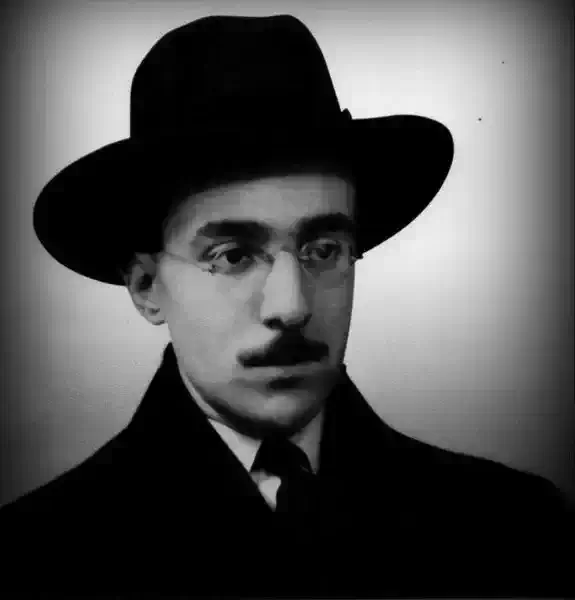
Fernando Pessoa
O mistério supremo do Universo
O mistério supremo do Universo
O único mistério, tudo e em tudo
É haver um mistério do universo,
É haver o universo, qualquer cousa,
É haver haver. Ó forma abstracta e vaga
Que tão corrente haver em mim demora
Que pensar isto é-me no corpo um frio
Que sopra d'além terra e d'além-túmulo
E vai da alma a Deus.
O único mistério, tudo e em tudo
É haver um mistério do universo,
É haver o universo, qualquer cousa,
É haver haver. Ó forma abstracta e vaga
Que tão corrente haver em mim demora
Que pensar isto é-me no corpo um frio
Que sopra d'além terra e d'além-túmulo
E vai da alma a Deus.
1 300
Fernando Pessoa
O mistério supremo do Universo
O mistério supremo do Universo
O único mistério, tudo e em tudo
É haver um mistério do universo,
É haver o universo, qualquer cousa,
É haver haver. Ó forma abstracta e vaga
Que tão corrente haver em mim demora
Que pensar isto é-me no corpo um frio
Que sopra d'além terra e d'além-túmulo
E vai da alma a Deus.
O único mistério, tudo e em tudo
É haver um mistério do universo,
É haver o universo, qualquer cousa,
É haver haver. Ó forma abstracta e vaga
Que tão corrente haver em mim demora
Que pensar isto é-me no corpo um frio
Que sopra d'além terra e d'além-túmulo
E vai da alma a Deus.
1 300
Fernando Pessoa
Como este infante que alourado dorme
Como este infante que alourado dorme
Fui. Hoje sei que há morte.
Lídia, há largas taças por encher
Nosso amor que nos tarda.
Qualquer que seja o amor ou as taças, breve
Ajamos. Teme e desfruta.
Fui. Hoje sei que há morte.
Lídia, há largas taças por encher
Nosso amor que nos tarda.
Qualquer que seja o amor ou as taças, breve
Ajamos. Teme e desfruta.
1 294
Fernando Pessoa
Como este infante que alourado dorme
Como este infante que alourado dorme
Fui. Hoje sei que há morte.
Lídia, há largas taças por encher
Nosso amor que nos tarda.
Qualquer que seja o amor ou as taças, breve
Ajamos. Teme e desfruta.
Fui. Hoje sei que há morte.
Lídia, há largas taças por encher
Nosso amor que nos tarda.
Qualquer que seja o amor ou as taças, breve
Ajamos. Teme e desfruta.
1 294
Fernando Pessoa
Let us rest. Every hour is not the next.
Let us rest. Every hour is not the next.
May this wreathe round with more than emptiness
The meaning of the ciphered living text
We owe to living and to thought confess.
Let us rest. Every hour is not the last.
A consolation comes from being late
Even at happiness, lest near winds blast
The present flower and fate still follow fate.
Let us rest. Power is useless and life vain.
To ask means to be answered with not giving.
To move towards pleasure is to walk on pain,
And having to live takes life out of living.
So there is no true thought nor just behest,
Nor pomp worthing having. Let us rest.
May this wreathe round with more than emptiness
The meaning of the ciphered living text
We owe to living and to thought confess.
Let us rest. Every hour is not the last.
A consolation comes from being late
Even at happiness, lest near winds blast
The present flower and fate still follow fate.
Let us rest. Power is useless and life vain.
To ask means to be answered with not giving.
To move towards pleasure is to walk on pain,
And having to live takes life out of living.
So there is no true thought nor just behest,
Nor pomp worthing having. Let us rest.
1 077
Fernando Pessoa
Let us rest. Every hour is not the next.
Let us rest. Every hour is not the next.
May this wreathe round with more than emptiness
The meaning of the ciphered living text
We owe to living and to thought confess.
Let us rest. Every hour is not the last.
A consolation comes from being late
Even at happiness, lest near winds blast
The present flower and fate still follow fate.
Let us rest. Power is useless and life vain.
To ask means to be answered with not giving.
To move towards pleasure is to walk on pain,
And having to live takes life out of living.
So there is no true thought nor just behest,
Nor pomp worthing having. Let us rest.
May this wreathe round with more than emptiness
The meaning of the ciphered living text
We owe to living and to thought confess.
Let us rest. Every hour is not the last.
A consolation comes from being late
Even at happiness, lest near winds blast
The present flower and fate still follow fate.
Let us rest. Power is useless and life vain.
To ask means to be answered with not giving.
To move towards pleasure is to walk on pain,
And having to live takes life out of living.
So there is no true thought nor just behest,
Nor pomp worthing having. Let us rest.
1 077
Fernando Pessoa
«Vou trabalhando a peneira
«Vou trabalhando a peneira
E pensando assim assim.
Eu não nasci para freira.
Gosto que gostem de mim.»
E pensando assim assim.
Eu não nasci para freira.
Gosto que gostem de mim.»
1 370
Fernando Pessoa
Cada um é um mundo; e como em cada fonte
Cada um é um mundo; e como em cada fonte
Uma deidade vela, em cada homem
Porque não há de haver
Um deus só de ele homem?
Na encoberta sucessão das cousas,
Só o sábio sente, que não foi mais nada
Que a vida que deixou.
Uma deidade vela, em cada homem
Porque não há de haver
Um deus só de ele homem?
Na encoberta sucessão das cousas,
Só o sábio sente, que não foi mais nada
Que a vida que deixou.
1 040
Fernando Pessoa
Cada um é um mundo; e como em cada fonte
Cada um é um mundo; e como em cada fonte
Uma deidade vela, em cada homem
Porque não há de haver
Um deus só de ele homem?
Na encoberta sucessão das cousas,
Só o sábio sente, que não foi mais nada
Que a vida que deixou.
Uma deidade vela, em cada homem
Porque não há de haver
Um deus só de ele homem?
Na encoberta sucessão das cousas,
Só o sábio sente, que não foi mais nada
Que a vida que deixou.
1 040
Fernando Pessoa
Baila o trigo quando há vento
Baila o trigo quando há vento
Baila porque o vento o toca
Também baila o pensamento
Quando o coração provoca.
Baila porque o vento o toca
Também baila o pensamento
Quando o coração provoca.
2 792
Fernando Pessoa
NAVAL ODE
Alone, on the deserted quay, this summer morning,
I look towards the bar, I look towards the Indefinite,
I look and find pleasure in seeing,
Little, black and clear, a steamer coming in.
It is very far yet, distinct and classic after its own fashion.
It leaves on the distant air behind it the vain curls of its smoke.
It is coming in, and morn comes in with it, and on the river
Here, there, naval life awakes,
Sails arise, tugs advance,
Small boats jut out from behind the ships in the port.
There is a vague breeze.
But my soul is with the things that I see least,
With the in-coming steamer,
Because it is with Distance, with Morn,
With the naval meaning of this Hour,
With the painful softness that rises in me like a qualm,
Like a beginning of sea-sickness, but in my soul.
I look from afar at the steamer, with a great independence of mind
And a whell begins to spin in me, very slowly.
The steamers that enter the bar in the morning,
Bring to my eyes with their coming
The glad and sad mystery of all who arrive and depart.
They bring memories of distant quays, and of other moments
Of another kind of the same mankind in other ports.
Every (...), every departure of a ship,
Is — I feel it in me like my blood —
Unconsciously symbolic, terribly
Threatening metaphysical meanings
That startle in me the being I once …
Ah, every quay is a regret made of stone!
And when the ship leaves the quay
And we note suddenly that a space is widening
Between the quay and the ship,
There comes to me, I know not why, a recent anguish,
A mist of feelings of sadness
That shines in the sun of my mosy anguishes
Like the first window the morning strikes on,
And clings round me like some one else's remembrance
Which is somehow mysteriously mine.
Ah, who knows, who knows,
If I did not leave long ago, before Myself,
A quay; if I did not depart, a ship in
The oblique sun of morning,
From another kind of port?
Who knows if I did not leave, before the hour
Of the exterior world as I see it
Dawned for me,
A large quay full of few people,
Of a great half-awakened city,
Of a great city commercial, overgrown, apopletical,
As much as that can be outside Time and Space?
Ay, from a quay, from a quay somehow material,
Real, visible as a quay, really a quay,
The Absolute Quay on whose type, unconsciously imitated,
Insensibly evoked,
We men have built
Our quays in our harbours,
Our quays, of actual stone overlooking true water,
Which, once built, suddenly show themselves to be
Real-Things, Things-Spirits, Entities in Stone-Souls,
At certain moments of ours of root-sentiments
When it seems that a door is opened in the outer world
And, without anything changing
Everything reveals itself to be different.
Ah, the Great Quay whence we embarked in Ship-Nations!
The Great Earlier Quay, eternal and divine!
Of what port? Over what waters? And why do I think of this?
A Great Quay like all other quays, but the Only One.
Full, as they are, of murmurous silences in the fore-dawns
And budding with the dawns in a noise of cranes
And arrivals of goods-trains
And under the black, occasional and light cloud
Of the smoke of the chimneys of the near factories
Which clouds its ground, black with small shining coal,
As if it were the shadow of a cloud passing over dark water.
Ah, what essentiality of mystery and arrested senses
In a divine revealing ecstasy
At the hours coloured like silences and anguishes
Is the bridge between any quay and THE QUAY!
Quay blackly reflected in the still waters,
Suddle [?] on board the ships,
Oh wandering and unstable soul of the people who live in ships,
Of the symbolic people who pass and for whom, nothing lasts
For when the vessel returns to the port,
There is always some change on board!
On continual flights, goings, drunknness of the Different!
Eternal soul of navigators and navigations!
Hulls slowly reflected in the waters
When the ship leaves the port!
To float as soul of life, to depart as voice,
To live the moment tremulously on eternal waters!
To wake to more direct days than the days of Europe,
To see mysterious ports over the loneliness of the sea,
To double distant capes and see sudden great landscapes
Of unnumbred astonished alones!
Ah, the distant beaches, the quays seen from afar,
And then the near beaches and the quays seen from near.
The mystery of each departure and of each arrival,
The painful instability and incomprehensibility
Of this impossible universe
At each naval hour ever more deeply felt right in my skin.
The absurd sob that our souls spill
Over the ever-different tracts of seas with islands afar,
Over the distant lines of the coasts we merely pass by,
Over the clear growing-clear of ports, with their houses and their people,
When the ship nears the land.
Ah, the freshness of morns when we arrive,
And the paleness of the morns when we depart,
When our entrails are gripped up
And a vague sensation resembling a fear
— The ancestral fear of going away and leaving,
The mysterious ancestral terror of Arrivals and New Things —
Grips up our skin and gives us qualms
And all our anguished body feels,
As if it were our soul,
An unexplained desire to feel this in some other way:
A regret at something,
A perturbation of tendernesses towards what vague fatherland?
What coast? what ship? what quay?
That thought sickens within us
And only a great vaccum remains in us,
A hollow satiety of naval minutes,
And a vague anxiety that would be weariness or pain
If it knew how to be that…
The summer morning is, nevertheless, slightly cool,
A slight night-dullness lies yet on the shaken air.
The wheel within me quickens its motion slightly.
And the steamer keeps on coming in, because surely it must coming in,
And not because I see it moving in its excessive distance.
In my imagination it is already near and visible
In all the extent of the lines of its portholes,
And everything trembles in me, all my flesh and all my skin,
On account of that creature that never arrives in any ship
And whom I have come to await to-day on this quay, through an oblique command.
I look towards the bar, I look towards the Indefinite,
I look and find pleasure in seeing,
Little, black and clear, a steamer coming in.
It is very far yet, distinct and classic after its own fashion.
It leaves on the distant air behind it the vain curls of its smoke.
It is coming in, and morn comes in with it, and on the river
Here, there, naval life awakes,
Sails arise, tugs advance,
Small boats jut out from behind the ships in the port.
There is a vague breeze.
But my soul is with the things that I see least,
With the in-coming steamer,
Because it is with Distance, with Morn,
With the naval meaning of this Hour,
With the painful softness that rises in me like a qualm,
Like a beginning of sea-sickness, but in my soul.
I look from afar at the steamer, with a great independence of mind
And a whell begins to spin in me, very slowly.
The steamers that enter the bar in the morning,
Bring to my eyes with their coming
The glad and sad mystery of all who arrive and depart.
They bring memories of distant quays, and of other moments
Of another kind of the same mankind in other ports.
Every (...), every departure of a ship,
Is — I feel it in me like my blood —
Unconsciously symbolic, terribly
Threatening metaphysical meanings
That startle in me the being I once …
Ah, every quay is a regret made of stone!
And when the ship leaves the quay
And we note suddenly that a space is widening
Between the quay and the ship,
There comes to me, I know not why, a recent anguish,
A mist of feelings of sadness
That shines in the sun of my mosy anguishes
Like the first window the morning strikes on,
And clings round me like some one else's remembrance
Which is somehow mysteriously mine.
Ah, who knows, who knows,
If I did not leave long ago, before Myself,
A quay; if I did not depart, a ship in
The oblique sun of morning,
From another kind of port?
Who knows if I did not leave, before the hour
Of the exterior world as I see it
Dawned for me,
A large quay full of few people,
Of a great half-awakened city,
Of a great city commercial, overgrown, apopletical,
As much as that can be outside Time and Space?
Ay, from a quay, from a quay somehow material,
Real, visible as a quay, really a quay,
The Absolute Quay on whose type, unconsciously imitated,
Insensibly evoked,
We men have built
Our quays in our harbours,
Our quays, of actual stone overlooking true water,
Which, once built, suddenly show themselves to be
Real-Things, Things-Spirits, Entities in Stone-Souls,
At certain moments of ours of root-sentiments
When it seems that a door is opened in the outer world
And, without anything changing
Everything reveals itself to be different.
Ah, the Great Quay whence we embarked in Ship-Nations!
The Great Earlier Quay, eternal and divine!
Of what port? Over what waters? And why do I think of this?
A Great Quay like all other quays, but the Only One.
Full, as they are, of murmurous silences in the fore-dawns
And budding with the dawns in a noise of cranes
And arrivals of goods-trains
And under the black, occasional and light cloud
Of the smoke of the chimneys of the near factories
Which clouds its ground, black with small shining coal,
As if it were the shadow of a cloud passing over dark water.
Ah, what essentiality of mystery and arrested senses
In a divine revealing ecstasy
At the hours coloured like silences and anguishes
Is the bridge between any quay and THE QUAY!
Quay blackly reflected in the still waters,
Suddle [?] on board the ships,
Oh wandering and unstable soul of the people who live in ships,
Of the symbolic people who pass and for whom, nothing lasts
For when the vessel returns to the port,
There is always some change on board!
On continual flights, goings, drunknness of the Different!
Eternal soul of navigators and navigations!
Hulls slowly reflected in the waters
When the ship leaves the port!
To float as soul of life, to depart as voice,
To live the moment tremulously on eternal waters!
To wake to more direct days than the days of Europe,
To see mysterious ports over the loneliness of the sea,
To double distant capes and see sudden great landscapes
Of unnumbred astonished alones!
Ah, the distant beaches, the quays seen from afar,
And then the near beaches and the quays seen from near.
The mystery of each departure and of each arrival,
The painful instability and incomprehensibility
Of this impossible universe
At each naval hour ever more deeply felt right in my skin.
The absurd sob that our souls spill
Over the ever-different tracts of seas with islands afar,
Over the distant lines of the coasts we merely pass by,
Over the clear growing-clear of ports, with their houses and their people,
When the ship nears the land.
Ah, the freshness of morns when we arrive,
And the paleness of the morns when we depart,
When our entrails are gripped up
And a vague sensation resembling a fear
— The ancestral fear of going away and leaving,
The mysterious ancestral terror of Arrivals and New Things —
Grips up our skin and gives us qualms
And all our anguished body feels,
As if it were our soul,
An unexplained desire to feel this in some other way:
A regret at something,
A perturbation of tendernesses towards what vague fatherland?
What coast? what ship? what quay?
That thought sickens within us
And only a great vaccum remains in us,
A hollow satiety of naval minutes,
And a vague anxiety that would be weariness or pain
If it knew how to be that…
The summer morning is, nevertheless, slightly cool,
A slight night-dullness lies yet on the shaken air.
The wheel within me quickens its motion slightly.
And the steamer keeps on coming in, because surely it must coming in,
And not because I see it moving in its excessive distance.
In my imagination it is already near and visible
In all the extent of the lines of its portholes,
And everything trembles in me, all my flesh and all my skin,
On account of that creature that never arrives in any ship
And whom I have come to await to-day on this quay, through an oblique command.
1 717
Fernando Pessoa
Cantos, risos e flores alumiem
Cantos, risos e flores alumiem
Nosso mortal destino,
Para o ermo ocultar fundo, nocturno
De nosso pensamento,
Curvado, já em vida, sob a ideia
Do plutónico gozo,
Cônscio já da lívida esperança
Do caos redivivo.
Nosso mortal destino,
Para o ermo ocultar fundo, nocturno
De nosso pensamento,
Curvado, já em vida, sob a ideia
Do plutónico gozo,
Cônscio já da lívida esperança
Do caos redivivo.
1 532
Fernando Pessoa
Cantos, risos e flores alumiem
Cantos, risos e flores alumiem
Nosso mortal destino,
Para o ermo ocultar fundo, nocturno
De nosso pensamento,
Curvado, já em vida, sob a ideia
Do plutónico gozo,
Cônscio já da lívida esperança
Do caos redivivo.
Nosso mortal destino,
Para o ermo ocultar fundo, nocturno
De nosso pensamento,
Curvado, já em vida, sob a ideia
Do plutónico gozo,
Cônscio já da lívida esperança
Do caos redivivo.
1 532
Fernando Pessoa
THE WOMAN IN BLACK
I
My tale is simple, sad and brief -
As simple as all tales of grief,
As brief as all that is ours, though
It seem eternal to its woe;
No tale of glorious deeds or fair,
But one short poem of despair;
Dark as all things where man is caught
In the fine‑poisoned nets of thought.
Here is no flame of love's old fire,
Nor song of pent or free desire,
No thousand herses [?] fill its plan,
But it is centred round one man.
A man? A boy, if boyhood be
That where is sober misery.
About a boy all moves, an elf
Careless of happiness or pelf,
But fated to sing but himself.
I was not born to joy nor love.
The earth below, the sky above
Compel a sense within my soul
That deeply, heavily doth roll,
Like a tremendous, mystic sea
In lands where dreams alone can be;
A feeling that a sadness is,
Weeping in broken‑hearted bliss;
A sense that is a deep despair -
I know not why I should feel this
Before the things that are most fair.
Beauty is more than pleasure's joy:
That which must please is made to cloy,
And Nature cloys not with distaste
But gives a sorrow [?], as of past
Things whence the Present does inherit
Something where [...] is and deep
Beauty delicious in a sleep
That is half‑sadness to the spirit.
For Pleasure is not Joy - we know
Joy lives as sorrow in the heart;
One or the other lives; the dart
That Sorrow kills comes from Joy's bow.
Pleasure and distaste are not so.
Sorrow and Joy are as the strange
And unknown forms of life and change
That are ignored in depths of ocean:
Pure is the depth of their emotion.
Pleasure and Pain are not like these,
But as on surfaces of seas
The alternation of their motion
And shows of shifting without end.
Joy may like the sun's light transcend
The clouds of Pain; Pleasure may be
The face and look of Misery.
III
Ay, Nature chills me with deep fear,
For Nature, to my seeing, spent
With looking on my woes too near,
It is but Mystery eloquent.
The plainest stone, the simplest flower -
All have a meaning deep and vast,
Mocking their living of an hour.
But this significance, that hath past
So oft to poet’s song and word,
Makes them but madmen, even as I,
Speaking in outline [?] sense absurd
Strange thoughts for beings that must die.
But Man to me is dreader still,
The thing of thought, feeling and will,
Which is so dark unto mine eyes
That of the sense he calls his soul
- Let not of seeing speak the mole [?] -
I cannot dream to theorize.
For men, who have wrought creeds and codes
And guided nations by the roads
Of feeling and of speculation,
Have seen as much - nothing - as I
Into the world. All could perceive
That Nature aught doth signify:
Beyond this they could stop or rave.
Most raved and therefore could believe.
Yet I, naturally wrapt about,
Normally, as in feathers the bird,
With hesitation and with doubt,
Find all the world a thing absurd.
Because myself, a part of it,
Am an absurdity unfit.
Too young I learnt to reason coldly
And draw conclusions firmly, boldly,
From thoughts and facts to shatter creeds,
Careless of man's mendacious needs.
Preciseness cast in me the seeds
Of madness, and the soil was good
For that abnormal growth of pain
Whose flowers are red, colour of blood.
Too soon I learned to see too clear,
And therefore nothing now can capture
My heart, to which reasoning is rapture,
That sees night where most poets say
«'Tis day - I see it all - 'tis day.ª
They sing of joy, T sing of fear.
Alas! Why should I stop thus long
Over the illness of my life,
That has Insanity for wife?
Turn I back with an impulse strong.
Leave I this shallowness and sing.
The deeper sorrow of my song.
My tale is simple, sad and brief -
As simple as all tales of grief,
As brief as all that is ours, though
It seem eternal to its woe;
No tale of glorious deeds or fair,
But one short poem of despair;
Dark as all things where man is caught
In the fine‑poisoned nets of thought.
Here is no flame of love's old fire,
Nor song of pent or free desire,
No thousand herses [?] fill its plan,
But it is centred round one man.
A man? A boy, if boyhood be
That where is sober misery.
About a boy all moves, an elf
Careless of happiness or pelf,
But fated to sing but himself.
I was not born to joy nor love.
The earth below, the sky above
Compel a sense within my soul
That deeply, heavily doth roll,
Like a tremendous, mystic sea
In lands where dreams alone can be;
A feeling that a sadness is,
Weeping in broken‑hearted bliss;
A sense that is a deep despair -
I know not why I should feel this
Before the things that are most fair.
Beauty is more than pleasure's joy:
That which must please is made to cloy,
And Nature cloys not with distaste
But gives a sorrow [?], as of past
Things whence the Present does inherit
Something where [...] is and deep
Beauty delicious in a sleep
That is half‑sadness to the spirit.
For Pleasure is not Joy - we know
Joy lives as sorrow in the heart;
One or the other lives; the dart
That Sorrow kills comes from Joy's bow.
Pleasure and distaste are not so.
Sorrow and Joy are as the strange
And unknown forms of life and change
That are ignored in depths of ocean:
Pure is the depth of their emotion.
Pleasure and Pain are not like these,
But as on surfaces of seas
The alternation of their motion
And shows of shifting without end.
Joy may like the sun's light transcend
The clouds of Pain; Pleasure may be
The face and look of Misery.
III
Ay, Nature chills me with deep fear,
For Nature, to my seeing, spent
With looking on my woes too near,
It is but Mystery eloquent.
The plainest stone, the simplest flower -
All have a meaning deep and vast,
Mocking their living of an hour.
But this significance, that hath past
So oft to poet’s song and word,
Makes them but madmen, even as I,
Speaking in outline [?] sense absurd
Strange thoughts for beings that must die.
But Man to me is dreader still,
The thing of thought, feeling and will,
Which is so dark unto mine eyes
That of the sense he calls his soul
- Let not of seeing speak the mole [?] -
I cannot dream to theorize.
For men, who have wrought creeds and codes
And guided nations by the roads
Of feeling and of speculation,
Have seen as much - nothing - as I
Into the world. All could perceive
That Nature aught doth signify:
Beyond this they could stop or rave.
Most raved and therefore could believe.
Yet I, naturally wrapt about,
Normally, as in feathers the bird,
With hesitation and with doubt,
Find all the world a thing absurd.
Because myself, a part of it,
Am an absurdity unfit.
Too young I learnt to reason coldly
And draw conclusions firmly, boldly,
From thoughts and facts to shatter creeds,
Careless of man's mendacious needs.
Preciseness cast in me the seeds
Of madness, and the soil was good
For that abnormal growth of pain
Whose flowers are red, colour of blood.
Too soon I learned to see too clear,
And therefore nothing now can capture
My heart, to which reasoning is rapture,
That sees night where most poets say
«'Tis day - I see it all - 'tis day.ª
They sing of joy, T sing of fear.
Alas! Why should I stop thus long
Over the illness of my life,
That has Insanity for wife?
Turn I back with an impulse strong.
Leave I this shallowness and sing.
The deeper sorrow of my song.
1 672
Fernando Pessoa
THE WOMAN IN BLACK
I
My tale is simple, sad and brief -
As simple as all tales of grief,
As brief as all that is ours, though
It seem eternal to its woe;
No tale of glorious deeds or fair,
But one short poem of despair;
Dark as all things where man is caught
In the fine‑poisoned nets of thought.
Here is no flame of love's old fire,
Nor song of pent or free desire,
No thousand herses [?] fill its plan,
But it is centred round one man.
A man? A boy, if boyhood be
That where is sober misery.
About a boy all moves, an elf
Careless of happiness or pelf,
But fated to sing but himself.
I was not born to joy nor love.
The earth below, the sky above
Compel a sense within my soul
That deeply, heavily doth roll,
Like a tremendous, mystic sea
In lands where dreams alone can be;
A feeling that a sadness is,
Weeping in broken‑hearted bliss;
A sense that is a deep despair -
I know not why I should feel this
Before the things that are most fair.
Beauty is more than pleasure's joy:
That which must please is made to cloy,
And Nature cloys not with distaste
But gives a sorrow [?], as of past
Things whence the Present does inherit
Something where [...] is and deep
Beauty delicious in a sleep
That is half‑sadness to the spirit.
For Pleasure is not Joy - we know
Joy lives as sorrow in the heart;
One or the other lives; the dart
That Sorrow kills comes from Joy's bow.
Pleasure and distaste are not so.
Sorrow and Joy are as the strange
And unknown forms of life and change
That are ignored in depths of ocean:
Pure is the depth of their emotion.
Pleasure and Pain are not like these,
But as on surfaces of seas
The alternation of their motion
And shows of shifting without end.
Joy may like the sun's light transcend
The clouds of Pain; Pleasure may be
The face and look of Misery.
III
Ay, Nature chills me with deep fear,
For Nature, to my seeing, spent
With looking on my woes too near,
It is but Mystery eloquent.
The plainest stone, the simplest flower -
All have a meaning deep and vast,
Mocking their living of an hour.
But this significance, that hath past
So oft to poet’s song and word,
Makes them but madmen, even as I,
Speaking in outline [?] sense absurd
Strange thoughts for beings that must die.
But Man to me is dreader still,
The thing of thought, feeling and will,
Which is so dark unto mine eyes
That of the sense he calls his soul
- Let not of seeing speak the mole [?] -
I cannot dream to theorize.
For men, who have wrought creeds and codes
And guided nations by the roads
Of feeling and of speculation,
Have seen as much - nothing - as I
Into the world. All could perceive
That Nature aught doth signify:
Beyond this they could stop or rave.
Most raved and therefore could believe.
Yet I, naturally wrapt about,
Normally, as in feathers the bird,
With hesitation and with doubt,
Find all the world a thing absurd.
Because myself, a part of it,
Am an absurdity unfit.
Too young I learnt to reason coldly
And draw conclusions firmly, boldly,
From thoughts and facts to shatter creeds,
Careless of man's mendacious needs.
Preciseness cast in me the seeds
Of madness, and the soil was good
For that abnormal growth of pain
Whose flowers are red, colour of blood.
Too soon I learned to see too clear,
And therefore nothing now can capture
My heart, to which reasoning is rapture,
That sees night where most poets say
«'Tis day - I see it all - 'tis day.ª
They sing of joy, T sing of fear.
Alas! Why should I stop thus long
Over the illness of my life,
That has Insanity for wife?
Turn I back with an impulse strong.
Leave I this shallowness and sing.
The deeper sorrow of my song.
My tale is simple, sad and brief -
As simple as all tales of grief,
As brief as all that is ours, though
It seem eternal to its woe;
No tale of glorious deeds or fair,
But one short poem of despair;
Dark as all things where man is caught
In the fine‑poisoned nets of thought.
Here is no flame of love's old fire,
Nor song of pent or free desire,
No thousand herses [?] fill its plan,
But it is centred round one man.
A man? A boy, if boyhood be
That where is sober misery.
About a boy all moves, an elf
Careless of happiness or pelf,
But fated to sing but himself.
I was not born to joy nor love.
The earth below, the sky above
Compel a sense within my soul
That deeply, heavily doth roll,
Like a tremendous, mystic sea
In lands where dreams alone can be;
A feeling that a sadness is,
Weeping in broken‑hearted bliss;
A sense that is a deep despair -
I know not why I should feel this
Before the things that are most fair.
Beauty is more than pleasure's joy:
That which must please is made to cloy,
And Nature cloys not with distaste
But gives a sorrow [?], as of past
Things whence the Present does inherit
Something where [...] is and deep
Beauty delicious in a sleep
That is half‑sadness to the spirit.
For Pleasure is not Joy - we know
Joy lives as sorrow in the heart;
One or the other lives; the dart
That Sorrow kills comes from Joy's bow.
Pleasure and distaste are not so.
Sorrow and Joy are as the strange
And unknown forms of life and change
That are ignored in depths of ocean:
Pure is the depth of their emotion.
Pleasure and Pain are not like these,
But as on surfaces of seas
The alternation of their motion
And shows of shifting without end.
Joy may like the sun's light transcend
The clouds of Pain; Pleasure may be
The face and look of Misery.
III
Ay, Nature chills me with deep fear,
For Nature, to my seeing, spent
With looking on my woes too near,
It is but Mystery eloquent.
The plainest stone, the simplest flower -
All have a meaning deep and vast,
Mocking their living of an hour.
But this significance, that hath past
So oft to poet’s song and word,
Makes them but madmen, even as I,
Speaking in outline [?] sense absurd
Strange thoughts for beings that must die.
But Man to me is dreader still,
The thing of thought, feeling and will,
Which is so dark unto mine eyes
That of the sense he calls his soul
- Let not of seeing speak the mole [?] -
I cannot dream to theorize.
For men, who have wrought creeds and codes
And guided nations by the roads
Of feeling and of speculation,
Have seen as much - nothing - as I
Into the world. All could perceive
That Nature aught doth signify:
Beyond this they could stop or rave.
Most raved and therefore could believe.
Yet I, naturally wrapt about,
Normally, as in feathers the bird,
With hesitation and with doubt,
Find all the world a thing absurd.
Because myself, a part of it,
Am an absurdity unfit.
Too young I learnt to reason coldly
And draw conclusions firmly, boldly,
From thoughts and facts to shatter creeds,
Careless of man's mendacious needs.
Preciseness cast in me the seeds
Of madness, and the soil was good
For that abnormal growth of pain
Whose flowers are red, colour of blood.
Too soon I learned to see too clear,
And therefore nothing now can capture
My heart, to which reasoning is rapture,
That sees night where most poets say
«'Tis day - I see it all - 'tis day.ª
They sing of joy, T sing of fear.
Alas! Why should I stop thus long
Over the illness of my life,
That has Insanity for wife?
Turn I back with an impulse strong.
Leave I this shallowness and sing.
The deeper sorrow of my song.
1 672
Fernando Pessoa
Fausto no seu laboratório
FAUSTO: (só)
Ondas de aspiração que vãs morreis
Sem mesmo o coração e alma atingir
Do vosso sentimento; ondas de pranto,
Não vos posso chorar, e em mim subis,
Maré imensa rumorosa e surda,
Para morrer na praia do limite
Que a vida impõe ao Ser; ondas saudosas
D'algum mar alto Aonde a praia seja
Um sonho inútil, ou d'alguma terra
Desconhecida mais que a eterna aura
Do eterno sofrimento, e onde formas
Dos olhos d'alma não imaginadas
Vagam, essências lúcidas e (...)
Esquecidas daquilo que chamamos
Suspiro, lágrima, desolação;
Ondas nas quais não posso visionar,
Nem dentro em mim, em sonho, barco ou ilha,
Nem esperança transitória, nem
Ilusão nada da desilusão;
Oh ondas sem brancuras, asperezas,
Mas redondas, como óleos e silentes
No vosso intérmino e total rumor...
Oh ondas d'alma, decaí em lago
Ou levantai-vos ásperas e brancas
Com o sussurro ácido da espuma
Erguei em tempestades no meu ser.
Vós sois um mar sem céu, sem luz, sem ar
Sentido, visto não, rumorejante
Sobre o fundo profundo da minha alma!
Lágrimas, sinto em mim vosso amargor!
Não vos quero chorar. Se vos chorasse
Como chegar — tantas! — ao vosso fim?
Chegado ao vosso fim que encontraria?
Talvez uma aridez desesperada
Uma ânsia vã de não poder trazer-vos
Outra vez para mim para chorar-vos
Em vã consolação inda outra vez!
Não haver alma, inda ideia vã!
Havê-la e imortal, sonho pequeno
De término[?], embora coerente
À sua pequenez. Que mais? Havê-la,
Havê-la e ser mortal, morrer num Todo
Celeste? Vago, vão. Não haverá
Além da morte e da imortalidade
Qualquer cousa maior? Ah, deve haver
Além de vida e morte, ser, não ser,
Um Inominável supertranscendente
Eterno Incógnito e incognoscível!
Deus? Nojo. Céu, inferno? Nojo, nojo.
P'ra quê pensar, se há-de parar aqui
O curto voo do entendimento?
Mais além! Pensamento, mais além!
Ondas de aspiração que vãs morreis
Sem mesmo o coração e alma atingir
Do vosso sentimento; ondas de pranto,
Não vos posso chorar, e em mim subis,
Maré imensa rumorosa e surda,
Para morrer na praia do limite
Que a vida impõe ao Ser; ondas saudosas
D'algum mar alto Aonde a praia seja
Um sonho inútil, ou d'alguma terra
Desconhecida mais que a eterna aura
Do eterno sofrimento, e onde formas
Dos olhos d'alma não imaginadas
Vagam, essências lúcidas e (...)
Esquecidas daquilo que chamamos
Suspiro, lágrima, desolação;
Ondas nas quais não posso visionar,
Nem dentro em mim, em sonho, barco ou ilha,
Nem esperança transitória, nem
Ilusão nada da desilusão;
Oh ondas sem brancuras, asperezas,
Mas redondas, como óleos e silentes
No vosso intérmino e total rumor...
Oh ondas d'alma, decaí em lago
Ou levantai-vos ásperas e brancas
Com o sussurro ácido da espuma
Erguei em tempestades no meu ser.
Vós sois um mar sem céu, sem luz, sem ar
Sentido, visto não, rumorejante
Sobre o fundo profundo da minha alma!
Lágrimas, sinto em mim vosso amargor!
Não vos quero chorar. Se vos chorasse
Como chegar — tantas! — ao vosso fim?
Chegado ao vosso fim que encontraria?
Talvez uma aridez desesperada
Uma ânsia vã de não poder trazer-vos
Outra vez para mim para chorar-vos
Em vã consolação inda outra vez!
Não haver alma, inda ideia vã!
Havê-la e imortal, sonho pequeno
De término[?], embora coerente
À sua pequenez. Que mais? Havê-la,
Havê-la e ser mortal, morrer num Todo
Celeste? Vago, vão. Não haverá
Além da morte e da imortalidade
Qualquer cousa maior? Ah, deve haver
Além de vida e morte, ser, não ser,
Um Inominável supertranscendente
Eterno Incógnito e incognoscível!
Deus? Nojo. Céu, inferno? Nojo, nojo.
P'ra quê pensar, se há-de parar aqui
O curto voo do entendimento?
Mais além! Pensamento, mais além!
1 206
Fernando Pessoa
Fausto no seu laboratório
FAUSTO: (só)
Ondas de aspiração que vãs morreis
Sem mesmo o coração e alma atingir
Do vosso sentimento; ondas de pranto,
Não vos posso chorar, e em mim subis,
Maré imensa rumorosa e surda,
Para morrer na praia do limite
Que a vida impõe ao Ser; ondas saudosas
D'algum mar alto Aonde a praia seja
Um sonho inútil, ou d'alguma terra
Desconhecida mais que a eterna aura
Do eterno sofrimento, e onde formas
Dos olhos d'alma não imaginadas
Vagam, essências lúcidas e (...)
Esquecidas daquilo que chamamos
Suspiro, lágrima, desolação;
Ondas nas quais não posso visionar,
Nem dentro em mim, em sonho, barco ou ilha,
Nem esperança transitória, nem
Ilusão nada da desilusão;
Oh ondas sem brancuras, asperezas,
Mas redondas, como óleos e silentes
No vosso intérmino e total rumor...
Oh ondas d'alma, decaí em lago
Ou levantai-vos ásperas e brancas
Com o sussurro ácido da espuma
Erguei em tempestades no meu ser.
Vós sois um mar sem céu, sem luz, sem ar
Sentido, visto não, rumorejante
Sobre o fundo profundo da minha alma!
Lágrimas, sinto em mim vosso amargor!
Não vos quero chorar. Se vos chorasse
Como chegar — tantas! — ao vosso fim?
Chegado ao vosso fim que encontraria?
Talvez uma aridez desesperada
Uma ânsia vã de não poder trazer-vos
Outra vez para mim para chorar-vos
Em vã consolação inda outra vez!
Não haver alma, inda ideia vã!
Havê-la e imortal, sonho pequeno
De término[?], embora coerente
À sua pequenez. Que mais? Havê-la,
Havê-la e ser mortal, morrer num Todo
Celeste? Vago, vão. Não haverá
Além da morte e da imortalidade
Qualquer cousa maior? Ah, deve haver
Além de vida e morte, ser, não ser,
Um Inominável supertranscendente
Eterno Incógnito e incognoscível!
Deus? Nojo. Céu, inferno? Nojo, nojo.
P'ra quê pensar, se há-de parar aqui
O curto voo do entendimento?
Mais além! Pensamento, mais além!
Ondas de aspiração que vãs morreis
Sem mesmo o coração e alma atingir
Do vosso sentimento; ondas de pranto,
Não vos posso chorar, e em mim subis,
Maré imensa rumorosa e surda,
Para morrer na praia do limite
Que a vida impõe ao Ser; ondas saudosas
D'algum mar alto Aonde a praia seja
Um sonho inútil, ou d'alguma terra
Desconhecida mais que a eterna aura
Do eterno sofrimento, e onde formas
Dos olhos d'alma não imaginadas
Vagam, essências lúcidas e (...)
Esquecidas daquilo que chamamos
Suspiro, lágrima, desolação;
Ondas nas quais não posso visionar,
Nem dentro em mim, em sonho, barco ou ilha,
Nem esperança transitória, nem
Ilusão nada da desilusão;
Oh ondas sem brancuras, asperezas,
Mas redondas, como óleos e silentes
No vosso intérmino e total rumor...
Oh ondas d'alma, decaí em lago
Ou levantai-vos ásperas e brancas
Com o sussurro ácido da espuma
Erguei em tempestades no meu ser.
Vós sois um mar sem céu, sem luz, sem ar
Sentido, visto não, rumorejante
Sobre o fundo profundo da minha alma!
Lágrimas, sinto em mim vosso amargor!
Não vos quero chorar. Se vos chorasse
Como chegar — tantas! — ao vosso fim?
Chegado ao vosso fim que encontraria?
Talvez uma aridez desesperada
Uma ânsia vã de não poder trazer-vos
Outra vez para mim para chorar-vos
Em vã consolação inda outra vez!
Não haver alma, inda ideia vã!
Havê-la e imortal, sonho pequeno
De término[?], embora coerente
À sua pequenez. Que mais? Havê-la,
Havê-la e ser mortal, morrer num Todo
Celeste? Vago, vão. Não haverá
Além da morte e da imortalidade
Qualquer cousa maior? Ah, deve haver
Além de vida e morte, ser, não ser,
Um Inominável supertranscendente
Eterno Incógnito e incognoscível!
Deus? Nojo. Céu, inferno? Nojo, nojo.
P'ra quê pensar, se há-de parar aqui
O curto voo do entendimento?
Mais além! Pensamento, mais além!
1 206
Fernando Pessoa
The sky is a great turquoise shining glee
The sky is a great turquoise shining glee,
All the earth is gathered up in the blue sea
Ev'n the green fields tend thereto in their joy,
The whole day playeth like a happy boy
Among the dales the hours build with their glee.
How happy, had I no cares, would I be!
But there is too much sorrow in mere seeing
The feminine disease of consciousness
Eats like a worm into the source of being.
The very thought I live gives me distress.
My heart is felt by me like some heavy place.
All the earth is gathered up in the blue sea
Ev'n the green fields tend thereto in their joy,
The whole day playeth like a happy boy
Among the dales the hours build with their glee.
How happy, had I no cares, would I be!
But there is too much sorrow in mere seeing
The feminine disease of consciousness
Eats like a worm into the source of being.
The very thought I live gives me distress.
My heart is felt by me like some heavy place.
1 210
Fernando Pessoa
Out of a great nebula of Night and Storm
Out of a great nebula of Night and Storm
Borne upon a great void within our Space,
My soul was formed and stares God in the face
Out of that silence where there is no Form.
The empty carcase of Place
The silent ecstasy of Hours,
Life, like abandoned flowers,
Thought, like a forlorn grace.
Borne upon a great void within our Space,
My soul was formed and stares God in the face
Out of that silence where there is no Form.
The empty carcase of Place
The silent ecstasy of Hours,
Life, like abandoned flowers,
Thought, like a forlorn grace.
1 317
Fernando Pessoa
Out of a great nebula of Night and Storm
Out of a great nebula of Night and Storm
Borne upon a great void within our Space,
My soul was formed and stares God in the face
Out of that silence where there is no Form.
The empty carcase of Place
The silent ecstasy of Hours,
Life, like abandoned flowers,
Thought, like a forlorn grace.
Borne upon a great void within our Space,
My soul was formed and stares God in the face
Out of that silence where there is no Form.
The empty carcase of Place
The silent ecstasy of Hours,
Life, like abandoned flowers,
Thought, like a forlorn grace.
1 317
Fernando Pessoa
Não leio já; queria abrir um livro
Não leio já; queria abrir um livro
E ver, de chofre, ali, a ciência toda...
Queria ao menos poder crer que, lendo,
E em prolongadas horas lendo e lendo,
No fim alguma cousa me ficava
Do essencial do mundo, que eu subia
Até ao menos cada vez mais perto
Do mistério... Que ele, inda que inatingido,
Ao menos dele que eu [me] aproximava...
Não fosse tudo um (...)
Como uma criança que a fingir sobe
Uns degraus que pintou no chão...
Não leio. Horas intérminas, perdido
De tudo, salvo de uma dolorosa
Consciência vazia de mim próprio,
Como um frio numa noite intensa,
Em frente ao livro aberto vivo e morro...
Nada... E a impaciência fria e dolorosa
De ler p'ra não sonhar e ter perdido
O sonho! Assim como um (...) engenho
Que, abandonado, em vão trabalha ainda,
Sem nexo, sem propósito, eu môo
E remôo a ilusão do pensamento...
E hora a hora na minha estéril alma
Mais fundo o abismo entre meu ser e mim
Se abre, e nesse (...) abismo não há nada...
Ditoso o tempo em que eu sonhava, e às vezes
Eu parava de ler para seguir
Os cortejos em mim... Amor, orgulho,
— Crenças inda! — pintavam os meus sonhos...
E com muita insistência[?], eu era (...)
O amante de belezas (...)
E o rei de povos vagos e submissos;
E quer em braços que eu sonhava, ou entre
As filas (...) prostradas, eu vivia
Sublimes nadas, alegrias sem cor.
Mas
Hoje nenhuma imagem, nenhum vulto
Evoco em mim... Só um deserto aonde
Não a cor dum areal, nem um ar morto
Posso sonhar... Mas tendo só a ideia,
Tendo da cor o pensamento apenas,
Vazio, oco, sem calor nem frio,
Sem posição, nem direcção, nem (...)
Só o vazio lugar do pensamento...
E ver, de chofre, ali, a ciência toda...
Queria ao menos poder crer que, lendo,
E em prolongadas horas lendo e lendo,
No fim alguma cousa me ficava
Do essencial do mundo, que eu subia
Até ao menos cada vez mais perto
Do mistério... Que ele, inda que inatingido,
Ao menos dele que eu [me] aproximava...
Não fosse tudo um (...)
Como uma criança que a fingir sobe
Uns degraus que pintou no chão...
Não leio. Horas intérminas, perdido
De tudo, salvo de uma dolorosa
Consciência vazia de mim próprio,
Como um frio numa noite intensa,
Em frente ao livro aberto vivo e morro...
Nada... E a impaciência fria e dolorosa
De ler p'ra não sonhar e ter perdido
O sonho! Assim como um (...) engenho
Que, abandonado, em vão trabalha ainda,
Sem nexo, sem propósito, eu môo
E remôo a ilusão do pensamento...
E hora a hora na minha estéril alma
Mais fundo o abismo entre meu ser e mim
Se abre, e nesse (...) abismo não há nada...
Ditoso o tempo em que eu sonhava, e às vezes
Eu parava de ler para seguir
Os cortejos em mim... Amor, orgulho,
— Crenças inda! — pintavam os meus sonhos...
E com muita insistência[?], eu era (...)
O amante de belezas (...)
E o rei de povos vagos e submissos;
E quer em braços que eu sonhava, ou entre
As filas (...) prostradas, eu vivia
Sublimes nadas, alegrias sem cor.
Mas
Hoje nenhuma imagem, nenhum vulto
Evoco em mim... Só um deserto aonde
Não a cor dum areal, nem um ar morto
Posso sonhar... Mas tendo só a ideia,
Tendo da cor o pensamento apenas,
Vazio, oco, sem calor nem frio,
Sem posição, nem direcção, nem (...)
Só o vazio lugar do pensamento...
779
Fernando Pessoa
O mistério dos olhos e do olhar
O mistério dos olhos e do olhar
Do sujeito e do objecto, transparente
Ao horror que além dele está; o mudo
Sentimento de se desconhecer,
E a confrangida comoção que nasce
De sentir a loucura do vazio;
O horror duma existência incompreendida
Quando à alma se chega desse horror
Faz toda a dor humana uma ilusão.
Essa é a suprema dor, a vera cruz.
Querem desdenhar o teu sentir orgulho
Oh, Cristo!
Então eu vejo — horror — a íntima alma,
O perene mistério que atravessa
Como um suspiro céus e corações.
Do sujeito e do objecto, transparente
Ao horror que além dele está; o mudo
Sentimento de se desconhecer,
E a confrangida comoção que nasce
De sentir a loucura do vazio;
O horror duma existência incompreendida
Quando à alma se chega desse horror
Faz toda a dor humana uma ilusão.
Essa é a suprema dor, a vera cruz.
Querem desdenhar o teu sentir orgulho
Oh, Cristo!
Então eu vejo — horror — a íntima alma,
O perene mistério que atravessa
Como um suspiro céus e corações.
1 206
Fernando Pessoa
O mistério dos olhos e do olhar
O mistério dos olhos e do olhar
Do sujeito e do objecto, transparente
Ao horror que além dele está; o mudo
Sentimento de se desconhecer,
E a confrangida comoção que nasce
De sentir a loucura do vazio;
O horror duma existência incompreendida
Quando à alma se chega desse horror
Faz toda a dor humana uma ilusão.
Essa é a suprema dor, a vera cruz.
Querem desdenhar o teu sentir orgulho
Oh, Cristo!
Então eu vejo — horror — a íntima alma,
O perene mistério que atravessa
Como um suspiro céus e corações.
Do sujeito e do objecto, transparente
Ao horror que além dele está; o mudo
Sentimento de se desconhecer,
E a confrangida comoção que nasce
De sentir a loucura do vazio;
O horror duma existência incompreendida
Quando à alma se chega desse horror
Faz toda a dor humana uma ilusão.
Essa é a suprema dor, a vera cruz.
Querem desdenhar o teu sentir orgulho
Oh, Cristo!
Então eu vejo — horror — a íntima alma,
O perene mistério que atravessa
Como um suspiro céus e corações.
1 206
Fernando Pessoa
SECOND SIGHT
Whene'er thou dost undo
Thy dark, strange hair before the wind
And the wind takes it up and makes it woo
Tumult and violence in the way it sweeps
Along the air, mingling, unmingling, undefined
In the snake‑like madness it keeps.
Then I do know
That somewhere whence dreams come
And passions go,
Somewhere in that world contrary to this,
Yet landscaped, peopled as this is,
In a great southern sea
There is a storm and a hurled wreck
On rising rocks that cannot reck
For human misery.
The two things are but one.
Thy floating hair is that great ship undone
In a tossed, turbulent, dashed ocean.
Neither precedeth nor doth cause the other
Nor are the two as brother and brother,
But absolutely one, samely the same,
They have somehow an equal name
Where speech is of the essence of what is.
A real sight, like God's, should see the kiss
Of the wind through thy hair and the far storm
One thing, - yet two things because we see two
When we conceive them one, the double form
Coming to oneness in what we construe.
Therefore I grieve when thou letst thy hair take
The wind upon its long, thin, changing fingers,
For that sight of me that translates that to
The sterner meaning in what world I know
Only through what in me is not here awake, -
That sight of that mad wreck visibly lingers
And does in my imagination ache.
Alas! all things are linked, and we know not
Half the contents of our each casual thought.
We never see save one little dreamed bit
Of each feeling we have; we pass through it
Like rapid travellers that scarce can see
What they pass by and what they see see erringly.
What is the meaning of my writing this?
Nothing, save that this is,
I know not why, something I know and must
Utter, the purpose of it being with
That secret Being that made my body of dust
Bear my soul's ignored presence, and that breath
Of life that survives my each moment's death.
Thy dark, strange hair before the wind
And the wind takes it up and makes it woo
Tumult and violence in the way it sweeps
Along the air, mingling, unmingling, undefined
In the snake‑like madness it keeps.
Then I do know
That somewhere whence dreams come
And passions go,
Somewhere in that world contrary to this,
Yet landscaped, peopled as this is,
In a great southern sea
There is a storm and a hurled wreck
On rising rocks that cannot reck
For human misery.
The two things are but one.
Thy floating hair is that great ship undone
In a tossed, turbulent, dashed ocean.
Neither precedeth nor doth cause the other
Nor are the two as brother and brother,
But absolutely one, samely the same,
They have somehow an equal name
Where speech is of the essence of what is.
A real sight, like God's, should see the kiss
Of the wind through thy hair and the far storm
One thing, - yet two things because we see two
When we conceive them one, the double form
Coming to oneness in what we construe.
Therefore I grieve when thou letst thy hair take
The wind upon its long, thin, changing fingers,
For that sight of me that translates that to
The sterner meaning in what world I know
Only through what in me is not here awake, -
That sight of that mad wreck visibly lingers
And does in my imagination ache.
Alas! all things are linked, and we know not
Half the contents of our each casual thought.
We never see save one little dreamed bit
Of each feeling we have; we pass through it
Like rapid travellers that scarce can see
What they pass by and what they see see erringly.
What is the meaning of my writing this?
Nothing, save that this is,
I know not why, something I know and must
Utter, the purpose of it being with
That secret Being that made my body of dust
Bear my soul's ignored presence, and that breath
Of life that survives my each moment's death.
1 569