

Poemas neste tema
Vida e Existência
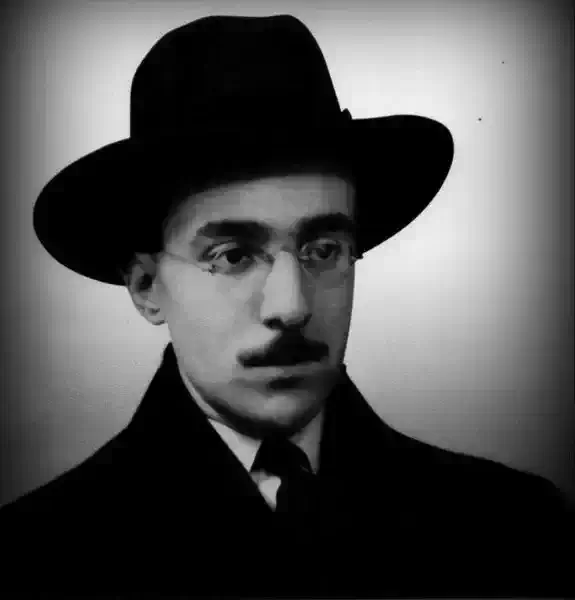
Fernando Pessoa
O FUTURO
O FUTURO
Sei que me espera qualquer coisa
Mas não sei que coisa me espera.
Como um quarto escuro
Que eu temo quando creio que nada temo
Mas só o temo, por ele, temo em vão.
Não é uma presença; é um frio e um medo.
O mistério da morte a mim o liga.
Ao [...] fim do meu poema.
Sei que me espera qualquer coisa
Mas não sei que coisa me espera.
Como um quarto escuro
Que eu temo quando creio que nada temo
Mas só o temo, por ele, temo em vão.
Não é uma presença; é um frio e um medo.
O mistério da morte a mim o liga.
Ao [...] fim do meu poema.
3 579
Fernando Pessoa
SAUDAÇÃO A W. WHITMAN [c]
SAUDAÇÂO A W. WHITMAN
Para cantar-te,
Para cantar-te como tu quererias que te cantassem,
Melhor é cantar a terra, o mar, as cidades e os campos —
Os homens, as mulheres, as crianças,
As profissões, [...], as (...)
Todas as coisas que, juntas, formam a síntese-universo,
Todas as coisas que, separadas, valem a síntese-Universo,
Todas as coisas que universais formam a síntese Deus.
Ah, o poema que te cantasse bem,
Seria o poema que todo cantasse tudo,
O poema em que estivessem todas as vestes e todas as sedas —
Todos os perfumes e todos os sabores
E o contacto em todos os sentidos do tacto de todas as coisas tangíveis.
Poema que dispensasse a música, música com vida,
Poema que transcendesse a pintura, pintura com alma
Para cantar-te,
Para cantar-te como tu quererias que te cantassem,
Melhor é cantar a terra, o mar, as cidades e os campos —
Os homens, as mulheres, as crianças,
As profissões, [...], as (...)
Todas as coisas que, juntas, formam a síntese-universo,
Todas as coisas que, separadas, valem a síntese-Universo,
Todas as coisas que universais formam a síntese Deus.
Ah, o poema que te cantasse bem,
Seria o poema que todo cantasse tudo,
O poema em que estivessem todas as vestes e todas as sedas —
Todos os perfumes e todos os sabores
E o contacto em todos os sentidos do tacto de todas as coisas tangíveis.
Poema que dispensasse a música, música com vida,
Poema que transcendesse a pintura, pintura com alma
1 306
Fernando Pessoa
SAUDAÇÃO A W. WHITMAN [c]
SAUDAÇÂO A W. WHITMAN
Para cantar-te,
Para cantar-te como tu quererias que te cantassem,
Melhor é cantar a terra, o mar, as cidades e os campos —
Os homens, as mulheres, as crianças,
As profissões, [...], as (...)
Todas as coisas que, juntas, formam a síntese-universo,
Todas as coisas que, separadas, valem a síntese-Universo,
Todas as coisas que universais formam a síntese Deus.
Ah, o poema que te cantasse bem,
Seria o poema que todo cantasse tudo,
O poema em que estivessem todas as vestes e todas as sedas —
Todos os perfumes e todos os sabores
E o contacto em todos os sentidos do tacto de todas as coisas tangíveis.
Poema que dispensasse a música, música com vida,
Poema que transcendesse a pintura, pintura com alma
Para cantar-te,
Para cantar-te como tu quererias que te cantassem,
Melhor é cantar a terra, o mar, as cidades e os campos —
Os homens, as mulheres, as crianças,
As profissões, [...], as (...)
Todas as coisas que, juntas, formam a síntese-universo,
Todas as coisas que, separadas, valem a síntese-Universo,
Todas as coisas que universais formam a síntese Deus.
Ah, o poema que te cantasse bem,
Seria o poema que todo cantasse tudo,
O poema em que estivessem todas as vestes e todas as sedas —
Todos os perfumes e todos os sabores
E o contacto em todos os sentidos do tacto de todas as coisas tangíveis.
Poema que dispensasse a música, música com vida,
Poema que transcendesse a pintura, pintura com alma
1 306
Fernando Pessoa
PASSAGEM DAS HORAS OU WALT WHITMAN
PASSAGEM DAS HORAS OU WALT WHITMAN
Eu, o ritmista febril
Para quem o parágrafo de versos é uma pessoa inteira,
Para quem, por baixo da metáfora aparente,
Como em estrofe, anti-estrofe, epodo o poema que escrevo,
Que por detrás do delírio construo
Que por detrás de sentir penso
Que amo, expludo, rujo, com ordem e oculta medida,
Eu ante ti quereria ter menos de engenheiro na alma,
Menos de grego das máquinas, de Bacante de Apolo
Nos meus momentos de alma multiplicados em verso.
Mas o ar do mar alto
Chega, por um influxo de dentro do meu sangue
Ao meu cérebro desterrado em terra,
E a fúria com que medito, a raiva com que me domino
Abre-se como uma vela, tomada de vento, aos ares
Ampla servidão ao rasgo de assombro dos (...)
Eu, o ritmista febril
Para quem o parágrafo de versos é uma pessoa inteira,
Para quem, por baixo da metáfora aparente,
Como em estrofe, anti-estrofe, epodo o poema que escrevo,
Que por detrás do delírio construo
Que por detrás de sentir penso
Que amo, expludo, rujo, com ordem e oculta medida,
Eu ante ti quereria ter menos de engenheiro na alma,
Menos de grego das máquinas, de Bacante de Apolo
Nos meus momentos de alma multiplicados em verso.
Mas o ar do mar alto
Chega, por um influxo de dentro do meu sangue
Ao meu cérebro desterrado em terra,
E a fúria com que medito, a raiva com que me domino
Abre-se como uma vela, tomada de vento, aos ares
Ampla servidão ao rasgo de assombro dos (...)
1 336
Fernando Pessoa
Ah, abram-me outra realidade!
Ah, abram-me outra realidade!
Quero ter, como Blake, a contiguidade dos anjos
E ter visões por almoço.
Quero encontrar as fadas na rua!
Quero desimaginar-me deste mundo feito com garras,
Desta civilização feita com pregos.
Quero viver como uma bandeira à brisa,
Símbolo de qualquer coisa no alto de uma coisa qualquer!
Depois encerrem-me onde queiram.
Meu coração verdadeiro continuará velando
Pano brasonado a esfinges,
No alto do mastro das visões
Aos quatro ventos do Mistério.
O Norte — o que todos querem
O Sul — o que todos desejam
O Este — de onde tudo vem
O Oeste — aonde tudo finda
— Os quatro ventos do místico ar da civilização
— Os quatro modos de não ter razão, e de entender o mundo
Quero ter, como Blake, a contiguidade dos anjos
E ter visões por almoço.
Quero encontrar as fadas na rua!
Quero desimaginar-me deste mundo feito com garras,
Desta civilização feita com pregos.
Quero viver como uma bandeira à brisa,
Símbolo de qualquer coisa no alto de uma coisa qualquer!
Depois encerrem-me onde queiram.
Meu coração verdadeiro continuará velando
Pano brasonado a esfinges,
No alto do mastro das visões
Aos quatro ventos do Mistério.
O Norte — o que todos querem
O Sul — o que todos desejam
O Este — de onde tudo vem
O Oeste — aonde tudo finda
— Os quatro ventos do místico ar da civilização
— Os quatro modos de não ter razão, e de entender o mundo
863
Fernando Pessoa
Trazes uma cruz no peito.
Trazes uma cruz no peito.
Não sei se é por devoção.
Antes tivesse o jeito
De ter lá um coração.
Não sei se é por devoção.
Antes tivesse o jeito
De ter lá um coração.
964
Fernando Pessoa
Rezas a Deus ao deitar-te
Rezas a Deus ao deitar-te
Pedindo não sei o quê.
Se rezasses ao demónio,
Eu saberia o que é.
Pedindo não sei o quê.
Se rezasses ao demónio,
Eu saberia o que é.
1 343
Fernando Pessoa
Tell me again the music of that tale
Tell me again the music of that tale
Thy nurse wit sang so oft by my soul's bed,
Whose words and persons from my memory fade,
But in the melody remembered.
Thou mightst shift all the pawns of that told game
And, so the music made it far off be,
I shall still hear the tale as if the same,
Far bark on seas of the same melody.
What fairy castles and closed beauties lie
On moonlight of not‑life away from where
Loss is, truth kills, what charms must be put by,
And but the still‑to‑be keeps fresh & fair.
What matter the song, so by it the soul weeps
Lost kinship with its antenatal sleeps?
Thy nurse wit sang so oft by my soul's bed,
Whose words and persons from my memory fade,
But in the melody remembered.
Thou mightst shift all the pawns of that told game
And, so the music made it far off be,
I shall still hear the tale as if the same,
Far bark on seas of the same melody.
What fairy castles and closed beauties lie
On moonlight of not‑life away from where
Loss is, truth kills, what charms must be put by,
And but the still‑to‑be keeps fresh & fair.
What matter the song, so by it the soul weeps
Lost kinship with its antenatal sleeps?
1 470
Fernando Pessoa
Do not think of me. Love me.
Do not think of me. Love me.
That shall somehow suffice.
……
……
Let us be purposeless
Sedately and for a task.
We can be nothing this
Dashes not with the mask
Of being anything...
Be we eer on the wing...
And towards nowhere flying,
Maybe we shall obtain
A thought of what our dying
May steal from life and pain...
That shall somehow suffice.
……
……
Let us be purposeless
Sedately and for a task.
We can be nothing this
Dashes not with the mask
Of being anything...
Be we eer on the wing...
And towards nowhere flying,
Maybe we shall obtain
A thought of what our dying
May steal from life and pain...
1 258
Fernando Pessoa
Do not think of me. Love me.
Do not think of me. Love me.
That shall somehow suffice.
……
……
Let us be purposeless
Sedately and for a task.
We can be nothing this
Dashes not with the mask
Of being anything...
Be we eer on the wing...
And towards nowhere flying,
Maybe we shall obtain
A thought of what our dying
May steal from life and pain...
That shall somehow suffice.
……
……
Let us be purposeless
Sedately and for a task.
We can be nothing this
Dashes not with the mask
Of being anything...
Be we eer on the wing...
And towards nowhere flying,
Maybe we shall obtain
A thought of what our dying
May steal from life and pain...
1 258
Fernando Pessoa
Now are no Janus’ temple-doors thrown wide
Now are no Janus' temple‑doors thrown wide
To utter thougts of war upon the land.
Now doth no double facing God divide
Him from himself, that sight of him may brand
The symbol of opposed things upon
Our hearts that at our eyes on him are thrown.
Now do no pagan cults tremble at Mars' name
Because bad‑auguring birds like clouds have flown
O'er nations' frontiers, nor do oracles frame
Strange answers unto ears of armoured chiefs,
Replies that leave perplexed their perplexed eyes
That know not whether that heart‑pang they hear
Is the first grief heralding their peoples' griefs
Or the strange cold that the Gods' mysteries
Speak to his soul that is to conquest near.
No. All is dead that wreathed war round with Gods.
Nor omens mute, nor the foiled sacrifice,
No dim words spoken by spilt blood on sods.
Nay, nor the later sense that vice and sloth,
When in a people's heart they nestle both
Do on them call the wrath of heaven, us move.
Our souls are void, like a stage mummer's cries
And our hate and our love mock hate and love.
Something of coldness, like the coming winter,
Crosses our autumn like a profecy.
Round our leaves now no swallows circle and twitter.
No more, no more, shall we heart‑wholesome be.
There is a sadness that with us doth stay
Like a billetted guest, and far away
Our ultimate death awaits us like a sea.
Alas! that even the poesy of wars
Should, like a tired thing, have gone where things go.
Alas! alas! that we have come thus far
Knowing still the same nothing that we know,
To meet more than ourselves, nor no throe
That shall be herald of a newer man.
And ever as the old woes the cold new woe
Fills with its deathless measure our life's span.
No, even the Christian manner of love or hate
Is dead. No God that lives in us survives
The winter in us that snow‑kills God and Fate
And has iced o'er the rivers of our lives.
With cuirass and with pike we laid aside
All that made battle worth the death in it.
Our science‑made war‑gestures now deride
The great eternal things that war doth fit
With helm and armour.
With mortal pomp yet pomp. We are on death's side.
All is as if were not part of it.
All clashes, rings and turmoils as if far.
The foiled imagining within our wit
Ousts war's clear image with bare thought of war.
Our plans are cold, our courage cold, our eyes
When they look inwards dream but the far plain
And vague, picture‑seen faces and their pain
Touches no sense of ours, nor do dreamed cries
Rise in us. What cold thing has become of
Our very hatred? What way has strength gone?
We die as if the sky were not above
Our heads and beneath us sand, grass and stone.
The great eternal presence of all things
No longer doth with us collaborate
To lift our hearts up on invisible wings
And bid us tremble at the thrill of Fate.
The possible fall of empires doth no more
Touch us with that great and mysterious dread
That John on Pathmos saw rise o'er his head
Like a space‑filling sea without a shore.
Alas! our nobler fear has gone away
Where our weariness pointed. We are blind
And learned to blindness. Our wild gestures stray
From us like leaves that fall far off with the wind,
And we fight clearly, coldly, night and day.
These things I thought, knowing that far behind
My visible horizon war was slave
Of that Invisible Master who doth wave
His speechless hand o'er continents and seas
And men like reaped things fall, and the blind wind
With groping hands that in the night are blind
Touches the dead men's faces' mysteries.
This I thought when, lo! before me there was
A door of iron, or what iron seemed,
An unsized portal, and its live‑seeming lock
Seemed all the uses of a lock to mock.
To see that door was to know none could pass
Through it, nor could its other‑side be dreamed.
A ribbon of broad stairs led up to it
But had no meaning, like a laugh unseen,
I looked and the door seemed to sway as hit
By blows, but no blows fell on it. That screen
Was interposed between me and no scene,
Yet, like an eye staring from out the night,
It touched my heart cold with its iron mean.
And this was not in space nor in a light.
Somewhere in me where dreams do themselves show
And have an inner meaning God doth know,
The door was set, and it seemed to my soul
That there since some inner eternity
It ever had been and I something had seen,
Yet half forgot, that like a half‑shown scroll,
Concealed its sense in what it showed to me.
And lo! as my heart looked, the door grew clear
As a near‑lit thing seen in a black night,
And a great sense of a great coming fear
Was fear already in my heart's affright.
Then as I looked I saw - yet it did seem
That in my vision that had ever been -
From beneath the strange door down the steps flow
A string of silent blood, that step by step,
Fell with a motion desolate and slow.
The thin red stream seemed conscious of its course
Though its course seemed to be none, but to fall.
I looked and it fell ever, with a force
Of relinquishment to its fall, a knell
To some hope in me, and the blood
That ever was but a small line did flood
All my pained soul and made it red. The spell
Of its thin redness spreade o'er my thought's mood
And all my thoughts became a great red wall
Set up in front of what in me doth brood.
Then everything shifted, yet was the same.
I looked on as one who sees a child's game
And finds its eyes at interest in it
And knows not why. A sense of end did hit
My power of having feelings with a rain
That did with deep red all my dim soul stain
As it had stained that soul.
Then all the outer world was dashed to night
And, though no floor remained, no sides, no light
To that space‑missed new world, set far from being,
Yet by some clearer virtue of my seeing
All I saw was without nor left nor right
With a name to it, without a place
Even in itself, without an I to see.
The mere great door and the red blood's thin trace
And all the rest was void and mystery.
Then all again seemed changing unto some
New, unimaginable and fearful thing.
The door and that blood‑line seemed to come
A strange new‑featured Face looking out through
The Universe's whole frame, traversing
It like light an invisible glass - a wing
Belonging to no bird our thoughts construe.
Then the door seemed to recede - nay, to have
Receded, when I knew not, nor was there
A when, for Time seem'd as seems a far wave
On a wide sea, something gone past. The bare
Eternal door seemed to have gone to the end
Of a visible infinity, and all
That now remained on which my soul could spend
Its terror was the blood ever at its fall.
Then, though still the same small line of red,
The blood seeemed to grow glass and in it I saw
A mighty river full of strange things - dead
Men, children, wrecks of bridges, cities, thrones,
And still the line was a small red line, (...)
Of other meaning than that
That before God for the clear world atones.
But the (...) visions in that line contained
Seemed wide as space. The red line seemed a slit
In a thin door through which our eyes can see
Large fields, a city and the whole sky stained
With clouds, and all this in the line could be;
And from some unknown where I looked on it.
It seemed the edge of a cube opening
Sideways to sides of visions, more and more.
Now and then across its glass - like being a wing
Passed a tremor ran over everything
That had in it a clear and tragic being.
Then ceased. And from, past space, the door
Still held my unconscious consciousness of seeing.
It seemed sometimes a bright, red moving veil
And through it as through a stained window I guessed
A night and stars on a vague pale day pressed,
On a same horizon desolate and pale.
Then, as I stared, suddenly before me,
Like a fan suddenly opened, the blood‑line
Took space from side to side, leaving naught to me
Left or right of it. Its red (...) fact
Became a red Niagara, a cataract.
But there were no steps, nothing: it did fall
As if drawn in the air, over no edge, and all
Was this and this was its own mystery.
Then lo! over the edge, no longer now,
But empires rolled, and I saw Greece and Rome
Pass. And still over the eternal flow
Reddened from left to right my inner sight's home
Of seeing. And all like to God's blood did come
Like a great rain off a huge thorn‑crowned brow.
And I saw more and more strange empires roll
Down and some I knew not, nor seeing them, guessed.
Awhile their falling the fall's brink caressed
Then they sunk down somewhere within my soul,
And my soul was the soul of all the world,
And from my (...) eyes that saw all this
Suddenly I felt, as if a flag unfurled,
God in me look out at these mysteries.
My eyes seemed windows of another sight
Of someone set behind my soul in the night
Looking through my eyes and my sight, mine own
Was but a glass those unknown eyes looked through,
And still the vision was blood falling down
In cataracts into Mystery, red and slow.
I became one with world and Fate and God,
And the great River that came on and fell
Let me see through its veil of (...) blood
The stars shine and a vague moonlight, then fell
Something from me. The cataract came more near
To my sight; then it seemed into mine eyes
To creep to become with them and the fear
To pass behind them into some soul (...).
Then all that did remain was the stars light
And again in the dark infinity
My pity and my dread alone with me
And my dream's meaning like a paling night.
To utter thougts of war upon the land.
Now doth no double facing God divide
Him from himself, that sight of him may brand
The symbol of opposed things upon
Our hearts that at our eyes on him are thrown.
Now do no pagan cults tremble at Mars' name
Because bad‑auguring birds like clouds have flown
O'er nations' frontiers, nor do oracles frame
Strange answers unto ears of armoured chiefs,
Replies that leave perplexed their perplexed eyes
That know not whether that heart‑pang they hear
Is the first grief heralding their peoples' griefs
Or the strange cold that the Gods' mysteries
Speak to his soul that is to conquest near.
No. All is dead that wreathed war round with Gods.
Nor omens mute, nor the foiled sacrifice,
No dim words spoken by spilt blood on sods.
Nay, nor the later sense that vice and sloth,
When in a people's heart they nestle both
Do on them call the wrath of heaven, us move.
Our souls are void, like a stage mummer's cries
And our hate and our love mock hate and love.
Something of coldness, like the coming winter,
Crosses our autumn like a profecy.
Round our leaves now no swallows circle and twitter.
No more, no more, shall we heart‑wholesome be.
There is a sadness that with us doth stay
Like a billetted guest, and far away
Our ultimate death awaits us like a sea.
Alas! that even the poesy of wars
Should, like a tired thing, have gone where things go.
Alas! alas! that we have come thus far
Knowing still the same nothing that we know,
To meet more than ourselves, nor no throe
That shall be herald of a newer man.
And ever as the old woes the cold new woe
Fills with its deathless measure our life's span.
No, even the Christian manner of love or hate
Is dead. No God that lives in us survives
The winter in us that snow‑kills God and Fate
And has iced o'er the rivers of our lives.
With cuirass and with pike we laid aside
All that made battle worth the death in it.
Our science‑made war‑gestures now deride
The great eternal things that war doth fit
With helm and armour.
With mortal pomp yet pomp. We are on death's side.
All is as if were not part of it.
All clashes, rings and turmoils as if far.
The foiled imagining within our wit
Ousts war's clear image with bare thought of war.
Our plans are cold, our courage cold, our eyes
When they look inwards dream but the far plain
And vague, picture‑seen faces and their pain
Touches no sense of ours, nor do dreamed cries
Rise in us. What cold thing has become of
Our very hatred? What way has strength gone?
We die as if the sky were not above
Our heads and beneath us sand, grass and stone.
The great eternal presence of all things
No longer doth with us collaborate
To lift our hearts up on invisible wings
And bid us tremble at the thrill of Fate.
The possible fall of empires doth no more
Touch us with that great and mysterious dread
That John on Pathmos saw rise o'er his head
Like a space‑filling sea without a shore.
Alas! our nobler fear has gone away
Where our weariness pointed. We are blind
And learned to blindness. Our wild gestures stray
From us like leaves that fall far off with the wind,
And we fight clearly, coldly, night and day.
These things I thought, knowing that far behind
My visible horizon war was slave
Of that Invisible Master who doth wave
His speechless hand o'er continents and seas
And men like reaped things fall, and the blind wind
With groping hands that in the night are blind
Touches the dead men's faces' mysteries.
This I thought when, lo! before me there was
A door of iron, or what iron seemed,
An unsized portal, and its live‑seeming lock
Seemed all the uses of a lock to mock.
To see that door was to know none could pass
Through it, nor could its other‑side be dreamed.
A ribbon of broad stairs led up to it
But had no meaning, like a laugh unseen,
I looked and the door seemed to sway as hit
By blows, but no blows fell on it. That screen
Was interposed between me and no scene,
Yet, like an eye staring from out the night,
It touched my heart cold with its iron mean.
And this was not in space nor in a light.
Somewhere in me where dreams do themselves show
And have an inner meaning God doth know,
The door was set, and it seemed to my soul
That there since some inner eternity
It ever had been and I something had seen,
Yet half forgot, that like a half‑shown scroll,
Concealed its sense in what it showed to me.
And lo! as my heart looked, the door grew clear
As a near‑lit thing seen in a black night,
And a great sense of a great coming fear
Was fear already in my heart's affright.
Then as I looked I saw - yet it did seem
That in my vision that had ever been -
From beneath the strange door down the steps flow
A string of silent blood, that step by step,
Fell with a motion desolate and slow.
The thin red stream seemed conscious of its course
Though its course seemed to be none, but to fall.
I looked and it fell ever, with a force
Of relinquishment to its fall, a knell
To some hope in me, and the blood
That ever was but a small line did flood
All my pained soul and made it red. The spell
Of its thin redness spreade o'er my thought's mood
And all my thoughts became a great red wall
Set up in front of what in me doth brood.
Then everything shifted, yet was the same.
I looked on as one who sees a child's game
And finds its eyes at interest in it
And knows not why. A sense of end did hit
My power of having feelings with a rain
That did with deep red all my dim soul stain
As it had stained that soul.
Then all the outer world was dashed to night
And, though no floor remained, no sides, no light
To that space‑missed new world, set far from being,
Yet by some clearer virtue of my seeing
All I saw was without nor left nor right
With a name to it, without a place
Even in itself, without an I to see.
The mere great door and the red blood's thin trace
And all the rest was void and mystery.
Then all again seemed changing unto some
New, unimaginable and fearful thing.
The door and that blood‑line seemed to come
A strange new‑featured Face looking out through
The Universe's whole frame, traversing
It like light an invisible glass - a wing
Belonging to no bird our thoughts construe.
Then the door seemed to recede - nay, to have
Receded, when I knew not, nor was there
A when, for Time seem'd as seems a far wave
On a wide sea, something gone past. The bare
Eternal door seemed to have gone to the end
Of a visible infinity, and all
That now remained on which my soul could spend
Its terror was the blood ever at its fall.
Then, though still the same small line of red,
The blood seeemed to grow glass and in it I saw
A mighty river full of strange things - dead
Men, children, wrecks of bridges, cities, thrones,
And still the line was a small red line, (...)
Of other meaning than that
That before God for the clear world atones.
But the (...) visions in that line contained
Seemed wide as space. The red line seemed a slit
In a thin door through which our eyes can see
Large fields, a city and the whole sky stained
With clouds, and all this in the line could be;
And from some unknown where I looked on it.
It seemed the edge of a cube opening
Sideways to sides of visions, more and more.
Now and then across its glass - like being a wing
Passed a tremor ran over everything
That had in it a clear and tragic being.
Then ceased. And from, past space, the door
Still held my unconscious consciousness of seeing.
It seemed sometimes a bright, red moving veil
And through it as through a stained window I guessed
A night and stars on a vague pale day pressed,
On a same horizon desolate and pale.
Then, as I stared, suddenly before me,
Like a fan suddenly opened, the blood‑line
Took space from side to side, leaving naught to me
Left or right of it. Its red (...) fact
Became a red Niagara, a cataract.
But there were no steps, nothing: it did fall
As if drawn in the air, over no edge, and all
Was this and this was its own mystery.
Then lo! over the edge, no longer now,
But empires rolled, and I saw Greece and Rome
Pass. And still over the eternal flow
Reddened from left to right my inner sight's home
Of seeing. And all like to God's blood did come
Like a great rain off a huge thorn‑crowned brow.
And I saw more and more strange empires roll
Down and some I knew not, nor seeing them, guessed.
Awhile their falling the fall's brink caressed
Then they sunk down somewhere within my soul,
And my soul was the soul of all the world,
And from my (...) eyes that saw all this
Suddenly I felt, as if a flag unfurled,
God in me look out at these mysteries.
My eyes seemed windows of another sight
Of someone set behind my soul in the night
Looking through my eyes and my sight, mine own
Was but a glass those unknown eyes looked through,
And still the vision was blood falling down
In cataracts into Mystery, red and slow.
I became one with world and Fate and God,
And the great River that came on and fell
Let me see through its veil of (...) blood
The stars shine and a vague moonlight, then fell
Something from me. The cataract came more near
To my sight; then it seemed into mine eyes
To creep to become with them and the fear
To pass behind them into some soul (...).
Then all that did remain was the stars light
And again in the dark infinity
My pity and my dread alone with me
And my dream's meaning like a paling night.
1 674
Fernando Pessoa
Estou cheio de tédio, de nada. Em cima da cama
Estou cheio de tédio, de nada. Em cima da cama
Leio, com uma minuciosidade atómica,
Lentamente, com uma atenção sem chama,
A Nova Enciclopédia Maçónica.
Penso no que fui (não me escapam as entrelinhas),
E o que a minha alma quis e a minha vida fez.
Coube-me, como a uma senhora um carrinho de linhas,
No meio do Grau 32 do Rito Escocês.
O que quis do passado por brisas se esfolha,
O que pude de oculto teve a tempo medo;
E olho a sorrir o título no alto da folha:
Sublime Príncipe do Real Segredo...
Leio, com uma minuciosidade atómica,
Lentamente, com uma atenção sem chama,
A Nova Enciclopédia Maçónica.
Penso no que fui (não me escapam as entrelinhas),
E o que a minha alma quis e a minha vida fez.
Coube-me, como a uma senhora um carrinho de linhas,
No meio do Grau 32 do Rito Escocês.
O que quis do passado por brisas se esfolha,
O que pude de oculto teve a tempo medo;
E olho a sorrir o título no alto da folha:
Sublime Príncipe do Real Segredo...
1 335
Fernando Pessoa
Estou cheio de tédio, de nada. Em cima da cama
Estou cheio de tédio, de nada. Em cima da cama
Leio, com uma minuciosidade atómica,
Lentamente, com uma atenção sem chama,
A Nova Enciclopédia Maçónica.
Penso no que fui (não me escapam as entrelinhas),
E o que a minha alma quis e a minha vida fez.
Coube-me, como a uma senhora um carrinho de linhas,
No meio do Grau 32 do Rito Escocês.
O que quis do passado por brisas se esfolha,
O que pude de oculto teve a tempo medo;
E olho a sorrir o título no alto da folha:
Sublime Príncipe do Real Segredo...
Leio, com uma minuciosidade atómica,
Lentamente, com uma atenção sem chama,
A Nova Enciclopédia Maçónica.
Penso no que fui (não me escapam as entrelinhas),
E o que a minha alma quis e a minha vida fez.
Coube-me, como a uma senhora um carrinho de linhas,
No meio do Grau 32 do Rito Escocês.
O que quis do passado por brisas se esfolha,
O que pude de oculto teve a tempo medo;
E olho a sorrir o título no alto da folha:
Sublime Príncipe do Real Segredo...
1 335
Fernando Pessoa
Andei sozinho na praia
Andei sozinho na praia
Andei na praia a pensar
No jeito da tua saia
Quando lá estiveste a andar.
Andei na praia a pensar
No jeito da tua saia
Quando lá estiveste a andar.
2 169
Fernando Pessoa
S. DÂMASO PORTUGUÊS
1 .
Depois de se ter passado
Os noventa mais vereis
Vir aquele desejado
Que há-de fundar novas leis.
2 .
Verá o Leão fatal
Que de Portugal lhe vem
O que lhe há-de fazer mal,
Aquele escondido Rei.
3.
Aquela manhã chuvosa
Com névoa muito escura
Verá de Deus a figura
Fazer Lisboa ditosa.
4.
Névoa já é levantada
Lá junto do meio-dia;
Haveis de a ver descoberta
A oitava maravilha.
Depois de se ter passado
Os noventa mais vereis
Vir aquele desejado
Que há-de fundar novas leis.
2 .
Verá o Leão fatal
Que de Portugal lhe vem
O que lhe há-de fazer mal,
Aquele escondido Rei.
3.
Aquela manhã chuvosa
Com névoa muito escura
Verá de Deus a figura
Fazer Lisboa ditosa.
4.
Névoa já é levantada
Lá junto do meio-dia;
Haveis de a ver descoberta
A oitava maravilha.
1 170
Fernando Pessoa
S. DÂMASO PORTUGUÊS
1 .
Depois de se ter passado
Os noventa mais vereis
Vir aquele desejado
Que há-de fundar novas leis.
2 .
Verá o Leão fatal
Que de Portugal lhe vem
O que lhe há-de fazer mal,
Aquele escondido Rei.
3.
Aquela manhã chuvosa
Com névoa muito escura
Verá de Deus a figura
Fazer Lisboa ditosa.
4.
Névoa já é levantada
Lá junto do meio-dia;
Haveis de a ver descoberta
A oitava maravilha.
Depois de se ter passado
Os noventa mais vereis
Vir aquele desejado
Que há-de fundar novas leis.
2 .
Verá o Leão fatal
Que de Portugal lhe vem
O que lhe há-de fazer mal,
Aquele escondido Rei.
3.
Aquela manhã chuvosa
Com névoa muito escura
Verá de Deus a figura
Fazer Lisboa ditosa.
4.
Névoa já é levantada
Lá junto do meio-dia;
Haveis de a ver descoberta
A oitava maravilha.
1 170
Fernando Pessoa
O cão que veio do abismo
O cão que veio do abismo
Roeu-me os ossos da alma,
E erguendo a perna — o que eu cismo —
Mijou no meu misticismo
Que me dava a minha calma.
O cão veio de onde dorme
Aquele anseio que tenho
Por qualquer coisa de enorme
Que indistintamente forme
A forma de quanto estranho.
E depois de isso completo
O cão que veio do abismo
Que estava inteiro e repleto
Fez sobre tudo o dejecto
Que é hoje o meu misticismo.
Roeu-me os ossos da alma,
E erguendo a perna — o que eu cismo —
Mijou no meu misticismo
Que me dava a minha calma.
O cão veio de onde dorme
Aquele anseio que tenho
Por qualquer coisa de enorme
Que indistintamente forme
A forma de quanto estranho.
E depois de isso completo
O cão que veio do abismo
Que estava inteiro e repleto
Fez sobre tudo o dejecto
Que é hoje o meu misticismo.
1 548
Fernando Pessoa
Meu coração, mistério batido pelas lonas dos ventos...
Meu coração, mistério batido pelas lonas dos ventos...
Bandeira a estralejar desfraldadamente ao alto,
Árvore misturada, curvada, sacudida pelo vendaval,
Agitada como uma espuma verde pegada a si mesma,
(...)
Para sempre condenada à raiz de não se poder exprimir!
Queria gritar alto com uma voz que dissesse!
Queria levar ao menos a um outro coração a consciência do meu!
Queria ser lá fora...
Mas o que Sou? O trapo que foi bandeira,
As folhas varridas para o canto que foram ramos,
As palavras socialmente desentendidas, até por quem as aprecia,
Eu que quis fora a minha alma inteira,
E ficou só a chapéu do mendigo debaixo do automóvel,
Estragado estragado,
E o riso dos rápidos Soou para trás na estrada dos felizes...
Bandeira a estralejar desfraldadamente ao alto,
Árvore misturada, curvada, sacudida pelo vendaval,
Agitada como uma espuma verde pegada a si mesma,
(...)
Para sempre condenada à raiz de não se poder exprimir!
Queria gritar alto com uma voz que dissesse!
Queria levar ao menos a um outro coração a consciência do meu!
Queria ser lá fora...
Mas o que Sou? O trapo que foi bandeira,
As folhas varridas para o canto que foram ramos,
As palavras socialmente desentendidas, até por quem as aprecia,
Eu que quis fora a minha alma inteira,
E ficou só a chapéu do mendigo debaixo do automóvel,
Estragado estragado,
E o riso dos rápidos Soou para trás na estrada dos felizes...
1 196
Fernando Pessoa
Occasion cannot make me weak or strong
Occasion cannot make me weak or strong
For mine own soul the true occasion is,
Nor shall I measure fact more short or long
Except the soul's rod space exceed or miss.
Like a revolving many‑coloured sphere
My soul turns to the event one casual side,
And shows to it what was already there;
Its hue with the turned hue the effect decide.
So, various by position, not by shape,
Outward in truth but by its motion’s seeing,
The produced act cannot foreseeing escape
Save it take colour of act for shape of being.
I am the same; change cannot change me for
More than mine own illusion of what is more.
For mine own soul the true occasion is,
Nor shall I measure fact more short or long
Except the soul's rod space exceed or miss.
Like a revolving many‑coloured sphere
My soul turns to the event one casual side,
And shows to it what was already there;
Its hue with the turned hue the effect decide.
So, various by position, not by shape,
Outward in truth but by its motion’s seeing,
The produced act cannot foreseeing escape
Save it take colour of act for shape of being.
I am the same; change cannot change me for
More than mine own illusion of what is more.
850
Fernando Pessoa
Occasion cannot make me weak or strong
Occasion cannot make me weak or strong
For mine own soul the true occasion is,
Nor shall I measure fact more short or long
Except the soul's rod space exceed or miss.
Like a revolving many‑coloured sphere
My soul turns to the event one casual side,
And shows to it what was already there;
Its hue with the turned hue the effect decide.
So, various by position, not by shape,
Outward in truth but by its motion’s seeing,
The produced act cannot foreseeing escape
Save it take colour of act for shape of being.
I am the same; change cannot change me for
More than mine own illusion of what is more.
For mine own soul the true occasion is,
Nor shall I measure fact more short or long
Except the soul's rod space exceed or miss.
Like a revolving many‑coloured sphere
My soul turns to the event one casual side,
And shows to it what was already there;
Its hue with the turned hue the effect decide.
So, various by position, not by shape,
Outward in truth but by its motion’s seeing,
The produced act cannot foreseeing escape
Save it take colour of act for shape of being.
I am the same; change cannot change me for
More than mine own illusion of what is more.
850
Fernando Pessoa
O bêbado caía de bêbado
O bêbado caía de bêbado
E eu, que passava,
Não o ajudei, pois caía de bêbado,
E eu só passava.
O bêbado caiu de bêbado
No meio da rua.
E eu não me voltei, mas ouvi. Eu bêbado
E a sua queda na rua.
O bêbado caiu de bêbado
Na rua da vida.
Meu Deus! Eu também caí de bêbado
Deus (...)
E eu, que passava,
Não o ajudei, pois caía de bêbado,
E eu só passava.
O bêbado caiu de bêbado
No meio da rua.
E eu não me voltei, mas ouvi. Eu bêbado
E a sua queda na rua.
O bêbado caiu de bêbado
Na rua da vida.
Meu Deus! Eu também caí de bêbado
Deus (...)
1 887
Fernando Pessoa
Eu cantarei,
I
Eu cantarei,
Quando a manhã abrir as portas do meu esforço,
Eu cantarei,
Quando o alto-dia me fizer fechar os olhos,
Eu cantarei,
Quando o crepúsculo limar as arestas,
Eu cantarei,
Quando a noite entrar como a Imperatriz vencida
Eu cantarei a Tua Glória e o meu desígnio.
Eu cantarei
E nas estradas ladeadas por abetos,
Nas áleas dos jardins emaranhados,
Nas esquinas das ruas, nos pátios
Das casas-de-guarda,
A Tua Vitória entrará como um som de clarim
E o meu Desígnio espera-la-á sem segundo pensamento.
II
Perto da minha porta
Onde brincam as crianças dos outros,
Rompe um canto infantil, disciplinado e cómodo,
E eu sou a quinta criança ali, se houver só quatro,
E ninguém me abandonar embora eu não esteja lá
Canto também, dormindo transparente e calado.
Eu cantarei,
Quando a manhã abrir as portas do meu esforço,
Eu cantarei,
Quando o alto-dia me fizer fechar os olhos,
Eu cantarei,
Quando o crepúsculo limar as arestas,
Eu cantarei,
Quando a noite entrar como a Imperatriz vencida
Eu cantarei a Tua Glória e o meu desígnio.
Eu cantarei
E nas estradas ladeadas por abetos,
Nas áleas dos jardins emaranhados,
Nas esquinas das ruas, nos pátios
Das casas-de-guarda,
A Tua Vitória entrará como um som de clarim
E o meu Desígnio espera-la-á sem segundo pensamento.
II
Perto da minha porta
Onde brincam as crianças dos outros,
Rompe um canto infantil, disciplinado e cómodo,
E eu sou a quinta criança ali, se houver só quatro,
E ninguém me abandonar embora eu não esteja lá
Canto também, dormindo transparente e calado.
1 012
Fernando Pessoa
Eu cantarei,
I
Eu cantarei,
Quando a manhã abrir as portas do meu esforço,
Eu cantarei,
Quando o alto-dia me fizer fechar os olhos,
Eu cantarei,
Quando o crepúsculo limar as arestas,
Eu cantarei,
Quando a noite entrar como a Imperatriz vencida
Eu cantarei a Tua Glória e o meu desígnio.
Eu cantarei
E nas estradas ladeadas por abetos,
Nas áleas dos jardins emaranhados,
Nas esquinas das ruas, nos pátios
Das casas-de-guarda,
A Tua Vitória entrará como um som de clarim
E o meu Desígnio espera-la-á sem segundo pensamento.
II
Perto da minha porta
Onde brincam as crianças dos outros,
Rompe um canto infantil, disciplinado e cómodo,
E eu sou a quinta criança ali, se houver só quatro,
E ninguém me abandonar embora eu não esteja lá
Canto também, dormindo transparente e calado.
Eu cantarei,
Quando a manhã abrir as portas do meu esforço,
Eu cantarei,
Quando o alto-dia me fizer fechar os olhos,
Eu cantarei,
Quando o crepúsculo limar as arestas,
Eu cantarei,
Quando a noite entrar como a Imperatriz vencida
Eu cantarei a Tua Glória e o meu desígnio.
Eu cantarei
E nas estradas ladeadas por abetos,
Nas áleas dos jardins emaranhados,
Nas esquinas das ruas, nos pátios
Das casas-de-guarda,
A Tua Vitória entrará como um som de clarim
E o meu Desígnio espera-la-á sem segundo pensamento.
II
Perto da minha porta
Onde brincam as crianças dos outros,
Rompe um canto infantil, disciplinado e cómodo,
E eu sou a quinta criança ali, se houver só quatro,
E ninguém me abandonar embora eu não esteja lá
Canto também, dormindo transparente e calado.
1 012