

Poemas neste tema
Sociedade e Mundo
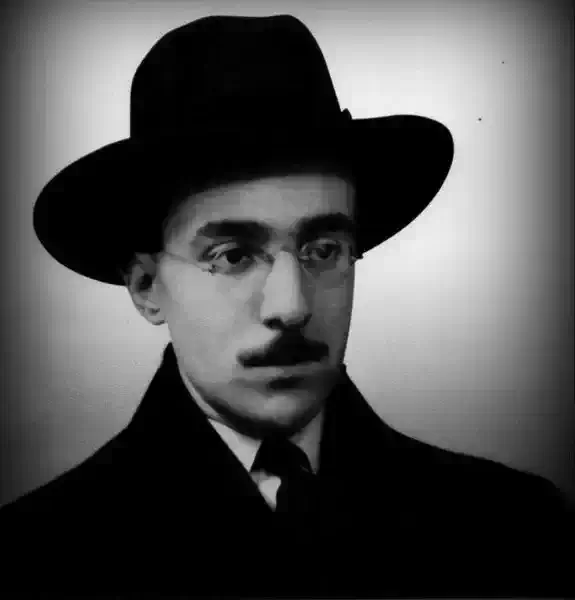
Fernando Pessoa
A CRIME
Do you know the crime I committed
Nearly twenty years ago?
At that crime my heart is torn.
What my crime was do you know?
'T was the crime of being born.
And every day another crime
I commit, and ever have done
Up to now in the face of Time.
Do you know what crime this is?
'Tis the crime of living on.
Do you know what evil's disgrace
Has made an outcast's my lot
And sundered me from my race?
Do you know what crime is that?
'Tis the crime of having thought.
Nearly twenty years ago?
At that crime my heart is torn.
What my crime was do you know?
'T was the crime of being born.
And every day another crime
I commit, and ever have done
Up to now in the face of Time.
Do you know what crime this is?
'Tis the crime of living on.
Do you know what evil's disgrace
Has made an outcast's my lot
And sundered me from my race?
Do you know what crime is that?
'Tis the crime of having thought.
1 598
Fernando Pessoa
ON THE ROAD
In a cart.
Here we go while morning life burns
In the sunlight's golden ocean,
And upon our faces a freshness comes,
A freshness whose soul is motion.
Up the hills, up! Down to the vales!
Now in the plains more slow!
Now in swift turns the shaken cart reels.
Soundless in sand now we go!
But we must come to some village or town,
And our eyes show sorrow at it.
Could we for ever and ever go on
In the sun and air that we hit;
On an infinite road, at a mighty pace,
With endless and free commotion,
With the sun eter round us and on our face
A freshness whose soul is motion!
Here we go while morning life burns
In the sunlight's golden ocean,
And upon our faces a freshness comes,
A freshness whose soul is motion.
Up the hills, up! Down to the vales!
Now in the plains more slow!
Now in swift turns the shaken cart reels.
Soundless in sand now we go!
But we must come to some village or town,
And our eyes show sorrow at it.
Could we for ever and ever go on
In the sun and air that we hit;
On an infinite road, at a mighty pace,
With endless and free commotion,
With the sun eter round us and on our face
A freshness whose soul is motion!
1 517
Fernando Pessoa
ON THE ROAD
In a cart.
Here we go while morning life burns
In the sunlight's golden ocean,
And upon our faces a freshness comes,
A freshness whose soul is motion.
Up the hills, up! Down to the vales!
Now in the plains more slow!
Now in swift turns the shaken cart reels.
Soundless in sand now we go!
But we must come to some village or town,
And our eyes show sorrow at it.
Could we for ever and ever go on
In the sun and air that we hit;
On an infinite road, at a mighty pace,
With endless and free commotion,
With the sun eter round us and on our face
A freshness whose soul is motion!
Here we go while morning life burns
In the sunlight's golden ocean,
And upon our faces a freshness comes,
A freshness whose soul is motion.
Up the hills, up! Down to the vales!
Now in the plains more slow!
Now in swift turns the shaken cart reels.
Soundless in sand now we go!
But we must come to some village or town,
And our eyes show sorrow at it.
Could we for ever and ever go on
In the sun and air that we hit;
On an infinite road, at a mighty pace,
With endless and free commotion,
With the sun eter round us and on our face
A freshness whose soul is motion!
1 517
Fernando Pessoa
THE WORLD OFFENDED
I said unto the world one day:
«I suspect thee of existence!»
And the world showed a smiled resistance
To what I did say.
«Let us go to court», he replied; «go we
Before a Court both wise and rare.
Let Reason one judge of our cause be;
Imagination be also there
And Feeling the judges our cause to hear.»
We went before the Court, and Reason
Said to me: «Thy crime is half‑treason!
The World's acquitted of what thou say'st:
Of existence 'tis guilty not.
This by the written code of Thought
In the pages of Unrest.»
(I was but in the costs condemned
Of the suit I lost as play;
But those, they leave me poor and yet
Are more than I can pay.)
«I suspect thee of existence!»
And the world showed a smiled resistance
To what I did say.
«Let us go to court», he replied; «go we
Before a Court both wise and rare.
Let Reason one judge of our cause be;
Imagination be also there
And Feeling the judges our cause to hear.»
We went before the Court, and Reason
Said to me: «Thy crime is half‑treason!
The World's acquitted of what thou say'st:
Of existence 'tis guilty not.
This by the written code of Thought
In the pages of Unrest.»
(I was but in the costs condemned
Of the suit I lost as play;
But those, they leave me poor and yet
Are more than I can pay.)
1 351
Fernando Pessoa
EPIGRAMS - IX
They say that all roads lead to Rome,
And, what's more, it is true;
But it is clear most of them must
Lead crookedly thereto.
And, what's more, it is true;
But it is clear most of them must
Lead crookedly thereto.
1 097
Fernando Pessoa
Outr'ora quis a fama — e não a quis,
Outrora quis a fama — e não a quis,
Que a fama, a popularidade, o ser
Conhecido, falado — quando não visto —
Confrange-me dum terror que não compreendo.
Violação do meu ser se me aparenta
Um desvergonhamento, não sei como.
Hoje um desgosto imenso e (...)
D'altos fins e de empresas elevadas
Boceja-me no espírito turvado
(No) coração vago de não sentir.
Que a fama, a popularidade, o ser
Conhecido, falado — quando não visto —
Confrange-me dum terror que não compreendo.
Violação do meu ser se me aparenta
Um desvergonhamento, não sei como.
Hoje um desgosto imenso e (...)
D'altos fins e de empresas elevadas
Boceja-me no espírito turvado
(No) coração vago de não sentir.
1 037
Fernando Pessoa
MEANINGLESS LlNES
I became good, and was despised.
I became bad; I hated was.
If good or bad I was not prized,
In good or evil, equal loss.
I became bad and good by turns,
And thus did but unite two ills.
The spleen that now within me burns
Therefrom, nor good nor evil stills.
I became bad; I hated was.
If good or bad I was not prized,
In good or evil, equal loss.
I became bad and good by turns,
And thus did but unite two ills.
The spleen that now within me burns
Therefrom, nor good nor evil stills.
1 374
Fernando Pessoa
Da casa do monte, símbolo eterno e perfeito,
Da casa do monte, símbolo eterno e perfeito,
Vejo os campos, os campos todos,
E eu os saúdo por fim com a voz verdadeira,
Eu lhes dou vivas, chorando, com as lágrimas certas e os vivas exactos —
Eu os aperto a meu peito, como filho que encontrasse o pai perdido.
Vivam, vivam, vivam
Os montes, e a planície, e as ervas!
Vivam os rios, vivam as fontes!
Vivam as flores, e as árvores, e as pedras!
Vivam os entes vivos e os bichos pequenos,
Os bichos que correm, insectos e aves,
Os animais todos, tão reais sem mim,
Os homens, as mulheres, as crianças,
As famílias, e as não-famílias, igualmente!
Tudo quanto sente sem saber porquê!
Tudo quanto vive sem pensar que vive!
Tudo que acaba e nunca se aumenta com nada,
Sabendo, melhor que eu, que nada há que temer,
Que nada é fim, que nada é abismo, que nada é mistério,
E que tudo é Deus, e que tudo é Ser, e que tudo é Vida.
Ah, estou liberto!
Ah, quebrei todas
As algemas do pensamento.
Eu, o claustro e a cave voluntários de mim mesmo,
Eu o próprio abismo que sonhei,
Eu, que vi em tudo caminhos e atalhos de sombra
E a sombra e os caminhos e os atalhos eram eu!
Ah, estou liberto...
Mestre Caeiro, voltei à tua casa do monte
E vi o mesmo que vias, mas com meus olhos,
Verdadeiramente com meus olhos,
Verdadeiramente verdadeiros...
Ah vi que não há muitos abismos!
Vi que (...)
Vejo os campos, os campos todos,
E eu os saúdo por fim com a voz verdadeira,
Eu lhes dou vivas, chorando, com as lágrimas certas e os vivas exactos —
Eu os aperto a meu peito, como filho que encontrasse o pai perdido.
Vivam, vivam, vivam
Os montes, e a planície, e as ervas!
Vivam os rios, vivam as fontes!
Vivam as flores, e as árvores, e as pedras!
Vivam os entes vivos e os bichos pequenos,
Os bichos que correm, insectos e aves,
Os animais todos, tão reais sem mim,
Os homens, as mulheres, as crianças,
As famílias, e as não-famílias, igualmente!
Tudo quanto sente sem saber porquê!
Tudo quanto vive sem pensar que vive!
Tudo que acaba e nunca se aumenta com nada,
Sabendo, melhor que eu, que nada há que temer,
Que nada é fim, que nada é abismo, que nada é mistério,
E que tudo é Deus, e que tudo é Ser, e que tudo é Vida.
Ah, estou liberto!
Ah, quebrei todas
As algemas do pensamento.
Eu, o claustro e a cave voluntários de mim mesmo,
Eu o próprio abismo que sonhei,
Eu, que vi em tudo caminhos e atalhos de sombra
E a sombra e os caminhos e os atalhos eram eu!
Ah, estou liberto...
Mestre Caeiro, voltei à tua casa do monte
E vi o mesmo que vias, mas com meus olhos,
Verdadeiramente com meus olhos,
Verdadeiramente verdadeiros...
Ah vi que não há muitos abismos!
Vi que (...)
1 357
Fernando Pessoa
ANTÍNOO - T
Era em Adriano fria a chuva fora.
Jaz morto o jovem
No raso leito, e sobre o seu desnudo todo,
Aos olhos rasos de Adriano, cuja dor é medo,
A umbrosa luz do eclipse-morte era difusa.
Jaz morto o jovem, e o dia semelhava noite
Lá fora. A chuva cai como um exausto alarme
Da Natureza em acto de matá-lo.
Memória de que el' foi não dava já deleite,
Deleite no que el' foi era morto e indistinto.
Ó mãos que já apertaram as de Adriano quentes,
Cuja frieza agora as sente frias!
Ó cabelo antes preso p'lo penteado justo!
Ó olhos algo inquietantemente ousados!
Ó simples macho corpo feminino qual
O aparentar-se um deus à humanidade!
Os lábios cujo abrir vermelho titilava
Os sítios da luxúria com tanta arte viva!
Ó dedos que hábeis eram no de não ser dito!
Ó língua que na língua o sangue audaz tornava!
[...]
Jaz morto o jovem
No raso leito, e sobre o seu desnudo todo,
Aos olhos rasos de Adriano, cuja dor é medo,
A umbrosa luz do eclipse-morte era difusa.
Jaz morto o jovem, e o dia semelhava noite
Lá fora. A chuva cai como um exausto alarme
Da Natureza em acto de matá-lo.
Memória de que el' foi não dava já deleite,
Deleite no que el' foi era morto e indistinto.
Ó mãos que já apertaram as de Adriano quentes,
Cuja frieza agora as sente frias!
Ó cabelo antes preso p'lo penteado justo!
Ó olhos algo inquietantemente ousados!
Ó simples macho corpo feminino qual
O aparentar-se um deus à humanidade!
Os lábios cujo abrir vermelho titilava
Os sítios da luxúria com tanta arte viva!
Ó dedos que hábeis eram no de não ser dito!
Ó língua que na língua o sangue audaz tornava!
[...]
1 522
Fernando Pessoa
Ah quem tivesse a força para desertar deveras!
Ah quem tivesse a força para desertar deveras!
1 347
Fernando Pessoa
Ah, sempre me contentou que a plebe se divertisse.
Ah, sempre me contentou que a plebe se divertisse.
Sou-lhe alheio à alegria, mas não alheio a que a tenha
Quero que sejam alegres à maneira deles.
Se o fossem à minha seriam tristes.
Não pretendo ser como eles, nem que eles sejam como eu.
Cada um no seu lugar e com a alegria dele
Cada um no seu ponto de espírito e faltando a língua dele.
Ouço a sua alegria, amo-a, não participo não a posso ter.
Sou-lhe alheio à alegria, mas não alheio a que a tenha
Quero que sejam alegres à maneira deles.
Se o fossem à minha seriam tristes.
Não pretendo ser como eles, nem que eles sejam como eu.
Cada um no seu lugar e com a alegria dele
Cada um no seu ponto de espírito e faltando a língua dele.
Ouço a sua alegria, amo-a, não participo não a posso ter.
1 163
Fernando Pessoa
FAUSTO: O casamento
A separação (...) em si
Nada valem. Perante o pensamento
São fórmulas vazias. Mas o homem,
Na sua vida humana e colectiva,
Não vive em metafísica. O real
Puerilidade tem, contradições
Necessárias a ele. O pensamento
Não, a lei da vida. Tu não vês
Que o mais real que há, base de tudo,
O movimento, uma contradição
Suprema é e [...]. Tu não leste
De que formas de elixir (...)
O próprio ser, a própria vida são
Qual fórmulas perante o pensamento?
Pertence aos ignorantes e aos doidos
Desfazer convenções...
[ANTÓNIO?]
Sim, mas os génios?
FAUSTO:
Esses, porque são doidos. Ignorando
As leves e ligeiras convenções
Que excessos do útil e do usual
As fórmulas são às necessidades
Da vida do homem. Só a decadência
Generaliza e se despreza.
Mas eu, se frio estou e confrangido
Até ao seio d'alma, não perdi
O sentimento de dever perante
Os homens pr’a que busque vãos e inúteis
Impossíveis progressos, semi-doido
Semi-inconsciente da loucura.
E o raciocínio em mim não dorme nunca
E esse obriga-me a desdenhar as fracas,
Vazias teorias que pretendem
Por sentimentos a verdade obter
E por razões vãs de sentimento nadas.
Nojo, sim tudo, filho! nojo, nojo!
O homem vive em inconsciência, nasce
E vive e morre inconscientemente
Sem sequer do mistério aperceber-se,
Mais perto que palavras, do que o cerca.
Pensar, sentir, amar — ah, se tu visses
Como eu o fundo da inconsciência vã
Em que tudo se move. Se pudesses
Compreender...
Bem sei, António,
Mal transpuseste o limiar da porta
Já meus (...) argumentos desdenhaste.
Ou por doido me tens, ou por muito
Escravo do passado. Eu! Mas assim é:
Consciente só... (ia a dizer eu) sim,
Conscientes poucos.
Havendo isto, há a vida; não a havendo
Mais vida já não há. E assim de todas
As vidas existimos — da do mundo
À da sociedade humana, António.
Impulsos jovens
Que roubam a capa ao pensamento
E parecem ao longe raciocínios,
Mas a quem o pensamento não conhece.
Eu que levei a vida a conhecê-lo
Em tão débeis palavras não me engano.
É [...] a ilustração,
António, mas é certa. A humanidade
E as suas mágoas, dores está acima
De nossa frágil preocupação
De novidade e (...) progresso.
Eu amo a humanidade — antes amei-a
(Que eu já não amo nada) se inda sinto
Como que amor por ela é por lembrança
Ou instinto daquilo que senti.
Nada valem. Perante o pensamento
São fórmulas vazias. Mas o homem,
Na sua vida humana e colectiva,
Não vive em metafísica. O real
Puerilidade tem, contradições
Necessárias a ele. O pensamento
Não, a lei da vida. Tu não vês
Que o mais real que há, base de tudo,
O movimento, uma contradição
Suprema é e [...]. Tu não leste
De que formas de elixir (...)
O próprio ser, a própria vida são
Qual fórmulas perante o pensamento?
Pertence aos ignorantes e aos doidos
Desfazer convenções...
[ANTÓNIO?]
Sim, mas os génios?
FAUSTO:
Esses, porque são doidos. Ignorando
As leves e ligeiras convenções
Que excessos do útil e do usual
As fórmulas são às necessidades
Da vida do homem. Só a decadência
Generaliza e se despreza.
Mas eu, se frio estou e confrangido
Até ao seio d'alma, não perdi
O sentimento de dever perante
Os homens pr’a que busque vãos e inúteis
Impossíveis progressos, semi-doido
Semi-inconsciente da loucura.
E o raciocínio em mim não dorme nunca
E esse obriga-me a desdenhar as fracas,
Vazias teorias que pretendem
Por sentimentos a verdade obter
E por razões vãs de sentimento nadas.
Nojo, sim tudo, filho! nojo, nojo!
O homem vive em inconsciência, nasce
E vive e morre inconscientemente
Sem sequer do mistério aperceber-se,
Mais perto que palavras, do que o cerca.
Pensar, sentir, amar — ah, se tu visses
Como eu o fundo da inconsciência vã
Em que tudo se move. Se pudesses
Compreender...
Bem sei, António,
Mal transpuseste o limiar da porta
Já meus (...) argumentos desdenhaste.
Ou por doido me tens, ou por muito
Escravo do passado. Eu! Mas assim é:
Consciente só... (ia a dizer eu) sim,
Conscientes poucos.
Havendo isto, há a vida; não a havendo
Mais vida já não há. E assim de todas
As vidas existimos — da do mundo
À da sociedade humana, António.
Impulsos jovens
Que roubam a capa ao pensamento
E parecem ao longe raciocínios,
Mas a quem o pensamento não conhece.
Eu que levei a vida a conhecê-lo
Em tão débeis palavras não me engano.
É [...] a ilustração,
António, mas é certa. A humanidade
E as suas mágoas, dores está acima
De nossa frágil preocupação
De novidade e (...) progresso.
Eu amo a humanidade — antes amei-a
(Que eu já não amo nada) se inda sinto
Como que amor por ela é por lembrança
Ou instinto daquilo que senti.
1 997
Fernando Pessoa
FAUSTO: O casamento
A separação (...) em si
Nada valem. Perante o pensamento
São fórmulas vazias. Mas o homem,
Na sua vida humana e colectiva,
Não vive em metafísica. O real
Puerilidade tem, contradições
Necessárias a ele. O pensamento
Não, a lei da vida. Tu não vês
Que o mais real que há, base de tudo,
O movimento, uma contradição
Suprema é e [...]. Tu não leste
De que formas de elixir (...)
O próprio ser, a própria vida são
Qual fórmulas perante o pensamento?
Pertence aos ignorantes e aos doidos
Desfazer convenções...
[ANTÓNIO?]
Sim, mas os génios?
FAUSTO:
Esses, porque são doidos. Ignorando
As leves e ligeiras convenções
Que excessos do útil e do usual
As fórmulas são às necessidades
Da vida do homem. Só a decadência
Generaliza e se despreza.
Mas eu, se frio estou e confrangido
Até ao seio d'alma, não perdi
O sentimento de dever perante
Os homens pr’a que busque vãos e inúteis
Impossíveis progressos, semi-doido
Semi-inconsciente da loucura.
E o raciocínio em mim não dorme nunca
E esse obriga-me a desdenhar as fracas,
Vazias teorias que pretendem
Por sentimentos a verdade obter
E por razões vãs de sentimento nadas.
Nojo, sim tudo, filho! nojo, nojo!
O homem vive em inconsciência, nasce
E vive e morre inconscientemente
Sem sequer do mistério aperceber-se,
Mais perto que palavras, do que o cerca.
Pensar, sentir, amar — ah, se tu visses
Como eu o fundo da inconsciência vã
Em que tudo se move. Se pudesses
Compreender...
Bem sei, António,
Mal transpuseste o limiar da porta
Já meus (...) argumentos desdenhaste.
Ou por doido me tens, ou por muito
Escravo do passado. Eu! Mas assim é:
Consciente só... (ia a dizer eu) sim,
Conscientes poucos.
Havendo isto, há a vida; não a havendo
Mais vida já não há. E assim de todas
As vidas existimos — da do mundo
À da sociedade humana, António.
Impulsos jovens
Que roubam a capa ao pensamento
E parecem ao longe raciocínios,
Mas a quem o pensamento não conhece.
Eu que levei a vida a conhecê-lo
Em tão débeis palavras não me engano.
É [...] a ilustração,
António, mas é certa. A humanidade
E as suas mágoas, dores está acima
De nossa frágil preocupação
De novidade e (...) progresso.
Eu amo a humanidade — antes amei-a
(Que eu já não amo nada) se inda sinto
Como que amor por ela é por lembrança
Ou instinto daquilo que senti.
Nada valem. Perante o pensamento
São fórmulas vazias. Mas o homem,
Na sua vida humana e colectiva,
Não vive em metafísica. O real
Puerilidade tem, contradições
Necessárias a ele. O pensamento
Não, a lei da vida. Tu não vês
Que o mais real que há, base de tudo,
O movimento, uma contradição
Suprema é e [...]. Tu não leste
De que formas de elixir (...)
O próprio ser, a própria vida são
Qual fórmulas perante o pensamento?
Pertence aos ignorantes e aos doidos
Desfazer convenções...
[ANTÓNIO?]
Sim, mas os génios?
FAUSTO:
Esses, porque são doidos. Ignorando
As leves e ligeiras convenções
Que excessos do útil e do usual
As fórmulas são às necessidades
Da vida do homem. Só a decadência
Generaliza e se despreza.
Mas eu, se frio estou e confrangido
Até ao seio d'alma, não perdi
O sentimento de dever perante
Os homens pr’a que busque vãos e inúteis
Impossíveis progressos, semi-doido
Semi-inconsciente da loucura.
E o raciocínio em mim não dorme nunca
E esse obriga-me a desdenhar as fracas,
Vazias teorias que pretendem
Por sentimentos a verdade obter
E por razões vãs de sentimento nadas.
Nojo, sim tudo, filho! nojo, nojo!
O homem vive em inconsciência, nasce
E vive e morre inconscientemente
Sem sequer do mistério aperceber-se,
Mais perto que palavras, do que o cerca.
Pensar, sentir, amar — ah, se tu visses
Como eu o fundo da inconsciência vã
Em que tudo se move. Se pudesses
Compreender...
Bem sei, António,
Mal transpuseste o limiar da porta
Já meus (...) argumentos desdenhaste.
Ou por doido me tens, ou por muito
Escravo do passado. Eu! Mas assim é:
Consciente só... (ia a dizer eu) sim,
Conscientes poucos.
Havendo isto, há a vida; não a havendo
Mais vida já não há. E assim de todas
As vidas existimos — da do mundo
À da sociedade humana, António.
Impulsos jovens
Que roubam a capa ao pensamento
E parecem ao longe raciocínios,
Mas a quem o pensamento não conhece.
Eu que levei a vida a conhecê-lo
Em tão débeis palavras não me engano.
É [...] a ilustração,
António, mas é certa. A humanidade
E as suas mágoas, dores está acima
De nossa frágil preocupação
De novidade e (...) progresso.
Eu amo a humanidade — antes amei-a
(Que eu já não amo nada) se inda sinto
Como que amor por ela é por lembrança
Ou instinto daquilo que senti.
1 997
Fernando Pessoa
Com teu gesto pintado e exagerado
Com teu gesto pintado e exagerado
E o teu prolixo modo de sorrir
E o teu olhar, sob o torpor copado
Da expressão, veludineo em dirigir
Tu nada sabes do essencial pecado
E uma inocência (...) vem luzir
Como uma luz de azeite em descampado
No teu gesto ensinado a conseguir.
Porque a análise é a vera perversão...
O único vício é rebuscar a alma,
Dor a dor, sensação a sensação...
Tu, a exterior, que mal tens na alma oca?
Nada... Ai de nós de quem a vida é calma.
E quem é que fica dentro ... (Abre a tua boca!)
E o teu prolixo modo de sorrir
E o teu olhar, sob o torpor copado
Da expressão, veludineo em dirigir
Tu nada sabes do essencial pecado
E uma inocência (...) vem luzir
Como uma luz de azeite em descampado
No teu gesto ensinado a conseguir.
Porque a análise é a vera perversão...
O único vício é rebuscar a alma,
Dor a dor, sensação a sensação...
Tu, a exterior, que mal tens na alma oca?
Nada... Ai de nós de quem a vida é calma.
E quem é que fica dentro ... (Abre a tua boca!)
1 072
Fernando Pessoa
Uma vontade física de comer o Universo
[1ª Ode]
Uma vontade física de comer o Universo
Toma às vezes o lugar do meu pensamento...
Uma fúria desmedida
A conquistar a pose como que observadora
Dos céus e das estrelas
Persegue-me como um remorso de não ter cometido um crime.
Como quem olha um mar
Olho os que partem em viagem...
Olho os comboios como quem os estranha
Grandes coisas férreas e absurdas que levam almas.
Que levam consciências da vida e de si-próprias
Para lugares verdadeiramente reais,
Para os lugares que — custa a crer — realmente existem
Não sei como, mas é no espaço e no tempo
E têm gente que tem vidas reais
Seguidas hora a hora como as nossas vidas...
Ah, por uma nova sensação física
Pela qual eu possuísse o universo inteiro
Um uno tacto que fizesse pertencer-me,
A meu ser possuidor fisicamente,
O universo com todos os seus sóis e as suas estrelas
E as vidas múltiplas das suas almas...
Uma vontade física de comer o Universo
Toma às vezes o lugar do meu pensamento...
Uma fúria desmedida
A conquistar a pose como que observadora
Dos céus e das estrelas
Persegue-me como um remorso de não ter cometido um crime.
Como quem olha um mar
Olho os que partem em viagem...
Olho os comboios como quem os estranha
Grandes coisas férreas e absurdas que levam almas.
Que levam consciências da vida e de si-próprias
Para lugares verdadeiramente reais,
Para os lugares que — custa a crer — realmente existem
Não sei como, mas é no espaço e no tempo
E têm gente que tem vidas reais
Seguidas hora a hora como as nossas vidas...
Ah, por uma nova sensação física
Pela qual eu possuísse o universo inteiro
Um uno tacto que fizesse pertencer-me,
A meu ser possuidor fisicamente,
O universo com todos os seus sóis e as suas estrelas
E as vidas múltiplas das suas almas...
986
Fernando Pessoa
OS EMIGRADOS
OS EMIGRADOS
Sós nas grandes cidades desamigas,
Sem falar a língua que se fala nem a que se pensa
Mutilados da relação com os outros
Que depois contado na pátria os triunfos da sua estada.
Coitados dos que conquistam Londres e Paris!
Voltam ao lar sem melhores maneiras nem melhores caras
Apenas sonharam de perto o que viram —
Permanentemente estrangeiros.
Mas não rio deles. Tenho eu feito outra coisa com o ideal?
E o propósito que uma vez formei num hotel planeando a legenda?
É um dos pontos negros da biografia que não tive.
Sós nas grandes cidades desamigas,
Sem falar a língua que se fala nem a que se pensa
Mutilados da relação com os outros
Que depois contado na pátria os triunfos da sua estada.
Coitados dos que conquistam Londres e Paris!
Voltam ao lar sem melhores maneiras nem melhores caras
Apenas sonharam de perto o que viram —
Permanentemente estrangeiros.
Mas não rio deles. Tenho eu feito outra coisa com o ideal?
E o propósito que uma vez formei num hotel planeando a legenda?
É um dos pontos negros da biografia que não tive.
998
Fernando Pessoa
Todas as teorias, todos os poemas
Todas as teorias, todos os poemas
Duram mais que esta flor.
Mas isso é como o nevoeiro, que é desagradável e húmido,
E maior que esta flor...
O tamanho, a duração não têm importância nenhuma...
São apenas tamanho e duração...
O que importa é a flor a durar e ter tamanho...
(Se verdadeira dimensão é a realidade)
Ser real é a única coisa verdadeira do mundo.
Duram mais que esta flor.
Mas isso é como o nevoeiro, que é desagradável e húmido,
E maior que esta flor...
O tamanho, a duração não têm importância nenhuma...
São apenas tamanho e duração...
O que importa é a flor a durar e ter tamanho...
(Se verdadeira dimensão é a realidade)
Ser real é a única coisa verdadeira do mundo.
1 392
Fernando Pessoa
Toda a gente é interessante
Toda a gente é interessante se a gente souber ver toda a gente
Que obra-prima para um pintor possível em cada cara que existe!
Que expressões em todas, em tudo!
Que maravilhosos perfis todos os perfis!
Vista de frente, que cara qualquer cara!
Os gestos humanos de cada qual, que humanos os gestos!
Que obra-prima para um pintor possível em cada cara que existe!
Que expressões em todas, em tudo!
Que maravilhosos perfis todos os perfis!
Vista de frente, que cara qualquer cara!
Os gestos humanos de cada qual, que humanos os gestos!
1 267
Fernando Pessoa
Como uma criança, antes de a ensinarem a ser grande,
Como uma criança antes de a ensinarem a ser grande,
Fui verdadeiro e leal ao que vi e ouvi.
Fui verdadeiro e leal ao que vi e ouvi.
1 422
Fernando Pessoa
EPIGRAMS - III
If rank [?] the guinea‑stamp but be,
Why, to this one thing may be said:
That 'tis only midst men we see
A guinea‑stamp on head [?]
Why, to this one thing may be said:
That 'tis only midst men we see
A guinea‑stamp on head [?]
950
Fernando Pessoa
EPIGRAMS - III
If rank [?] the guinea‑stamp but be,
Why, to this one thing may be said:
That 'tis only midst men we see
A guinea‑stamp on head [?]
Why, to this one thing may be said:
That 'tis only midst men we see
A guinea‑stamp on head [?]
950
Fernando Pessoa
EPITAPHS
A.S. (Alex[ander] Search)
Here lies a poet who was mad and young
The two things may go together
As to the songs he sung
They were found in winter weather.
EPITAPHS FOR THE FUTURE
Monarchy
Here lies a part of hell that on earth was
(It took it long to pass,
Riddled by way of Justice
[…]
Here lies the other part.
Religion
Here lies the beautiful assassin cold
who smiled upon his victim and singing
Murdering sweet songs to his imagining
Till by his each a (...) he sells
It died because it was old.
Here lies a poet who was mad and young
The two things may go together
As to the songs he sung
They were found in winter weather.
EPITAPHS FOR THE FUTURE
Monarchy
Here lies a part of hell that on earth was
(It took it long to pass,
Riddled by way of Justice
[…]
Here lies the other part.
Religion
Here lies the beautiful assassin cold
who smiled upon his victim and singing
Murdering sweet songs to his imagining
Till by his each a (...) he sells
It died because it was old.
1 161