

Poemas neste tema
Natureza e Elementos
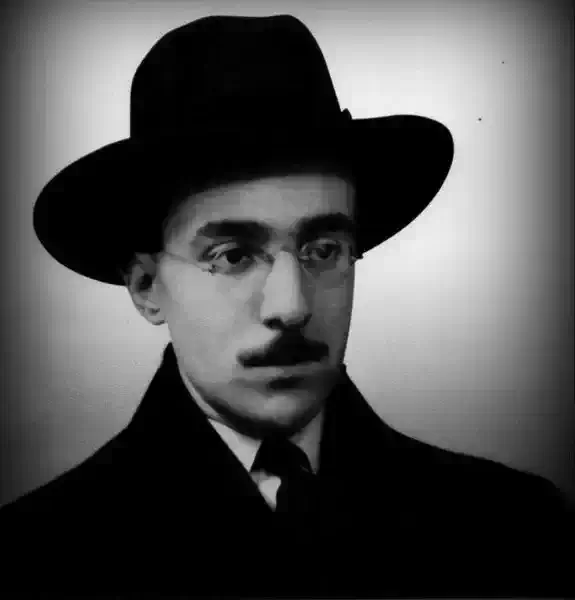
Fernando Pessoa
Vou dormir, dormir, dormir,
Nirvana
Vou dormir, dormir, dormir,
Vou dormir sem despertar,
Mas não dormir sem sentir
Que estou dormindo a sonhar.
Não insciência e só treva
Mas também estrelas a abrir
Olhos cujo olhar me enleva,
Que estou sonhando a dormir.
Constelada inexistência
Em que subsiste de meu
Só uma abstracta insciência
Una com estrelas e céu.
Vou dormir, dormir, dormir,
Vou dormir sem despertar,
Mas não dormir sem sentir
Que estou dormindo a sonhar.
Não insciência e só treva
Mas também estrelas a abrir
Olhos cujo olhar me enleva,
Que estou sonhando a dormir.
Constelada inexistência
Em que subsiste de meu
Só uma abstracta insciência
Una com estrelas e céu.
1 915
Fernando Pessoa
«Ribeirinho, ribeirinho,/Que vais a correr ao léu
«Ribeirinho, ribeirinho,
Que vais a correr ao léu
Tu vais a correr sozinho,
Ribeirinho, como eu.»
Que vais a correr ao léu
Tu vais a correr sozinho,
Ribeirinho, como eu.»
1 662
Fernando Pessoa
5 - GOBLIN DANCE
First there was but the moon
And the black‑tramelled trees
In the lunar lagoon
Of the forgotten breeze.
Then some unseen thing stirred
Where the moon‑silence snowed
And a vague whirl unheard
Vacantly tip‑toed.
Slowly, idly, alone,
Beyond the eyes of sight,
Somewhere invisibly shown,
They danced their delight.
Their far vagueness wound
Round the heart a pain,
A phantom fear found
Voluble and vain.
The heart remembered lives
Before loves and homes,
Whose rare memory revives
Only when this dance comes.
A wish for a vague thing soon,
A loosened sense of selves,
A thing in the soul like moon,
Aught in the hopes like elves -
Tip‑toe aerial gliding
Shadow‑lunar blent,
Bending, mingling, hiding,
To and fro they went.
Left and right, belonging
To no place, they swayed.
A low pipe, like longing,
To their dancing played.
There, in the silence dropped
Like a thing on the ground,
Whirled they awhile, then stopped,
Then renewed their round,
Till with their slowing turns
The cold air grows more bare.
Then the mere moonlight returns
And there had been nothing there.
And the black‑tramelled trees
In the lunar lagoon
Of the forgotten breeze.
Then some unseen thing stirred
Where the moon‑silence snowed
And a vague whirl unheard
Vacantly tip‑toed.
Slowly, idly, alone,
Beyond the eyes of sight,
Somewhere invisibly shown,
They danced their delight.
Their far vagueness wound
Round the heart a pain,
A phantom fear found
Voluble and vain.
The heart remembered lives
Before loves and homes,
Whose rare memory revives
Only when this dance comes.
A wish for a vague thing soon,
A loosened sense of selves,
A thing in the soul like moon,
Aught in the hopes like elves -
Tip‑toe aerial gliding
Shadow‑lunar blent,
Bending, mingling, hiding,
To and fro they went.
Left and right, belonging
To no place, they swayed.
A low pipe, like longing,
To their dancing played.
There, in the silence dropped
Like a thing on the ground,
Whirled they awhile, then stopped,
Then renewed their round,
Till with their slowing turns
The cold air grows more bare.
Then the mere moonlight returns
And there had been nothing there.
1 591
Fernando Pessoa
Fizeste molhos de flores
Fizeste molhos de flores
Para não dar a ninguém.
São como os molhos de amores
Que foras fazer a alguém.
Para não dar a ninguém.
São como os molhos de amores
Que foras fazer a alguém.
1 085
Fernando Pessoa
Floresce em ti, ó magna terra, em cores
Floresce em ti, ó magna terra, em cores
A vária primavera, e o verão vasto,
E os campos são de alegres.
Mas dorme em cada campo o outono dele
O inverno cresce com as folhas verdes
Tudo será esquecido.
A vária primavera, e o verão vasto,
E os campos são de alegres.
Mas dorme em cada campo o outono dele
O inverno cresce com as folhas verdes
Tudo será esquecido.
1 316
Fernando Pessoa
Enquanto eu vir o sol luzir nas folhas
Enquanto eu vir o sol luzir nas folhas
E sentir toda a brisa nos cabelos
Não quererei mais nada.
Que me pode o Destino conceder
Melhor que o lapso sensual da vida
Entre ignorâncias destas?
Sábio deveras o que não procura,
Que, procurando, achara o abismo em tudo
E a dúvida em si mesmo.
Pomos a dúvida onde há rosas. Damos
Quase tudo do sentido a entendê-lo
E ignoramos, pensantes.
Estranha a nós a natureza extensa
Campos ondula, flores abre, frutos
Cora, e a morte chega.
Terei razão, se a alguém razão é dada,
Quando me a morte conturbar a mente
E já não veja mais
Que à razão de saber porque vivemos
Nós nem a achamos nem achar se deve,
Impropícia e profunda.
E sentir toda a brisa nos cabelos
Não quererei mais nada.
Que me pode o Destino conceder
Melhor que o lapso sensual da vida
Entre ignorâncias destas?
Sábio deveras o que não procura,
Que, procurando, achara o abismo em tudo
E a dúvida em si mesmo.
Pomos a dúvida onde há rosas. Damos
Quase tudo do sentido a entendê-lo
E ignoramos, pensantes.
Estranha a nós a natureza extensa
Campos ondula, flores abre, frutos
Cora, e a morte chega.
Terei razão, se a alguém razão é dada,
Quando me a morte conturbar a mente
E já não veja mais
Que à razão de saber porque vivemos
Nós nem a achamos nem achar se deve,
Impropícia e profunda.
1 022
Fernando Pessoa
Roseiral que não dás rosas
Roseiral que não dás rosas
Senão quando as rosas vêm,
Há muitas que são formosas
Sem que o amor lhes vá bem.
Senão quando as rosas vêm,
Há muitas que são formosas
Sem que o amor lhes vá bem.
1 565
Fernando Pessoa
2 - THE ISLAND
Weep, violin and viol,
Low flute and fine bassoon.
Lo, an enchanted isle
Moon‑bound beneath the moon!
My dream‑feet rustle through it
Chequered by shade and beam.
Oh, could my soul but woo it
From being but a dream!
Violin, viol and flute.
Lo, the isle hangs in air!
Through it I wander, mute
With too much loss of care.
And the air where't doth float
No air's, but light of moon.
Its paths are known to each note
Of viol and bassoon.
Yet is it real, that isle,
As our clear islands mortal?
Do flute, bassoon and viol
But ope with sound a portal,
And show, somehow, somewhere,
To what looks out from me
That pendulous island rare
In a moon‑woven sea?
Maybe 'tis truer than ours.
How true are these? But lo!
That isle that knows no hours
Nor needeth hours to know,
And that hath truth and root
Somewhere known of the moon,
Fades in the fading of flute,
Violin and bassoon.
Low flute and fine bassoon.
Lo, an enchanted isle
Moon‑bound beneath the moon!
My dream‑feet rustle through it
Chequered by shade and beam.
Oh, could my soul but woo it
From being but a dream!
Violin, viol and flute.
Lo, the isle hangs in air!
Through it I wander, mute
With too much loss of care.
And the air where't doth float
No air's, but light of moon.
Its paths are known to each note
Of viol and bassoon.
Yet is it real, that isle,
As our clear islands mortal?
Do flute, bassoon and viol
But ope with sound a portal,
And show, somehow, somewhere,
To what looks out from me
That pendulous island rare
In a moon‑woven sea?
Maybe 'tis truer than ours.
How true are these? But lo!
That isle that knows no hours
Nor needeth hours to know,
And that hath truth and root
Somewhere known of the moon,
Fades in the fading of flute,
Violin and bassoon.
1 485
Fernando Pessoa
2 - THE ISLAND
Weep, violin and viol,
Low flute and fine bassoon.
Lo, an enchanted isle
Moon‑bound beneath the moon!
My dream‑feet rustle through it
Chequered by shade and beam.
Oh, could my soul but woo it
From being but a dream!
Violin, viol and flute.
Lo, the isle hangs in air!
Through it I wander, mute
With too much loss of care.
And the air where't doth float
No air's, but light of moon.
Its paths are known to each note
Of viol and bassoon.
Yet is it real, that isle,
As our clear islands mortal?
Do flute, bassoon and viol
But ope with sound a portal,
And show, somehow, somewhere,
To what looks out from me
That pendulous island rare
In a moon‑woven sea?
Maybe 'tis truer than ours.
How true are these? But lo!
That isle that knows no hours
Nor needeth hours to know,
And that hath truth and root
Somewhere known of the moon,
Fades in the fading of flute,
Violin and bassoon.
Low flute and fine bassoon.
Lo, an enchanted isle
Moon‑bound beneath the moon!
My dream‑feet rustle through it
Chequered by shade and beam.
Oh, could my soul but woo it
From being but a dream!
Violin, viol and flute.
Lo, the isle hangs in air!
Through it I wander, mute
With too much loss of care.
And the air where't doth float
No air's, but light of moon.
Its paths are known to each note
Of viol and bassoon.
Yet is it real, that isle,
As our clear islands mortal?
Do flute, bassoon and viol
But ope with sound a portal,
And show, somehow, somewhere,
To what looks out from me
That pendulous island rare
In a moon‑woven sea?
Maybe 'tis truer than ours.
How true are these? But lo!
That isle that knows no hours
Nor needeth hours to know,
And that hath truth and root
Somewhere known of the moon,
Fades in the fading of flute,
Violin and bassoon.
1 485
Fernando Pessoa
Nada me dizem vossos deuses mortos
Nada me dizem vossos deuses mortos
Que eu haja de aprender. O Crucifixo
Sem amor e sem ódio
Do meu (...) afasto.
Que tenho eu com as crenças que o Cristo
Curvado o torso a mim, latino, morra?
Mais com o sol me entendo
Que com essas verdades.
Que o sejam... Deus a mim não só foi dado
Que uma visão das cousas que há na terra
E uma razão incerta,
E um saber que há deuses...
Que eu haja de aprender. O Crucifixo
Sem amor e sem ódio
Do meu (...) afasto.
Que tenho eu com as crenças que o Cristo
Curvado o torso a mim, latino, morra?
Mais com o sol me entendo
Que com essas verdades.
Que o sejam... Deus a mim não só foi dado
Que uma visão das cousas que há na terra
E uma razão incerta,
E um saber que há deuses...
1 268
Fernando Pessoa
NAVAL ODE
Alone, on the deserted quay, this summer morning,
I look towards the bar, I look towards the Indefinite,
I look and find pleasure in seeing,
Little, black and clear, a steamer coming in.
It is very far yet, distinct and classic after its own fashion.
It leaves on the distant air behind it the vain curls of its smoke.
It is coming in, and morn comes in with it, and on the river
Here, there, naval life awakes,
Sails arise, tugs advance,
Small boats jut out from behind the ships in the port.
There is a vague breeze.
But my soul is with the things that I see least,
With the in-coming steamer,
Because it is with Distance, with Morn,
With the naval meaning of this Hour,
With the painful softness that rises in me like a qualm,
Like a beginning of sea-sickness, but in my soul.
I look from afar at the steamer, with a great independence of mind
And a whell begins to spin in me, very slowly.
The steamers that enter the bar in the morning,
Bring to my eyes with their coming
The glad and sad mystery of all who arrive and depart.
They bring memories of distant quays, and of other moments
Of another kind of the same mankind in other ports.
Every (...), every departure of a ship,
Is — I feel it in me like my blood —
Unconsciously symbolic, terribly
Threatening metaphysical meanings
That startle in me the being I once …
Ah, every quay is a regret made of stone!
And when the ship leaves the quay
And we note suddenly that a space is widening
Between the quay and the ship,
There comes to me, I know not why, a recent anguish,
A mist of feelings of sadness
That shines in the sun of my mosy anguishes
Like the first window the morning strikes on,
And clings round me like some one else's remembrance
Which is somehow mysteriously mine.
Ah, who knows, who knows,
If I did not leave long ago, before Myself,
A quay; if I did not depart, a ship in
The oblique sun of morning,
From another kind of port?
Who knows if I did not leave, before the hour
Of the exterior world as I see it
Dawned for me,
A large quay full of few people,
Of a great half-awakened city,
Of a great city commercial, overgrown, apopletical,
As much as that can be outside Time and Space?
Ay, from a quay, from a quay somehow material,
Real, visible as a quay, really a quay,
The Absolute Quay on whose type, unconsciously imitated,
Insensibly evoked,
We men have built
Our quays in our harbours,
Our quays, of actual stone overlooking true water,
Which, once built, suddenly show themselves to be
Real-Things, Things-Spirits, Entities in Stone-Souls,
At certain moments of ours of root-sentiments
When it seems that a door is opened in the outer world
And, without anything changing
Everything reveals itself to be different.
Ah, the Great Quay whence we embarked in Ship-Nations!
The Great Earlier Quay, eternal and divine!
Of what port? Over what waters? And why do I think of this?
A Great Quay like all other quays, but the Only One.
Full, as they are, of murmurous silences in the fore-dawns
And budding with the dawns in a noise of cranes
And arrivals of goods-trains
And under the black, occasional and light cloud
Of the smoke of the chimneys of the near factories
Which clouds its ground, black with small shining coal,
As if it were the shadow of a cloud passing over dark water.
Ah, what essentiality of mystery and arrested senses
In a divine revealing ecstasy
At the hours coloured like silences and anguishes
Is the bridge between any quay and THE QUAY!
Quay blackly reflected in the still waters,
Suddle [?] on board the ships,
Oh wandering and unstable soul of the people who live in ships,
Of the symbolic people who pass and for whom, nothing lasts
For when the vessel returns to the port,
There is always some change on board!
On continual flights, goings, drunknness of the Different!
Eternal soul of navigators and navigations!
Hulls slowly reflected in the waters
When the ship leaves the port!
To float as soul of life, to depart as voice,
To live the moment tremulously on eternal waters!
To wake to more direct days than the days of Europe,
To see mysterious ports over the loneliness of the sea,
To double distant capes and see sudden great landscapes
Of unnumbred astonished alones!
Ah, the distant beaches, the quays seen from afar,
And then the near beaches and the quays seen from near.
The mystery of each departure and of each arrival,
The painful instability and incomprehensibility
Of this impossible universe
At each naval hour ever more deeply felt right in my skin.
The absurd sob that our souls spill
Over the ever-different tracts of seas with islands afar,
Over the distant lines of the coasts we merely pass by,
Over the clear growing-clear of ports, with their houses and their people,
When the ship nears the land.
Ah, the freshness of morns when we arrive,
And the paleness of the morns when we depart,
When our entrails are gripped up
And a vague sensation resembling a fear
— The ancestral fear of going away and leaving,
The mysterious ancestral terror of Arrivals and New Things —
Grips up our skin and gives us qualms
And all our anguished body feels,
As if it were our soul,
An unexplained desire to feel this in some other way:
A regret at something,
A perturbation of tendernesses towards what vague fatherland?
What coast? what ship? what quay?
That thought sickens within us
And only a great vaccum remains in us,
A hollow satiety of naval minutes,
And a vague anxiety that would be weariness or pain
If it knew how to be that…
The summer morning is, nevertheless, slightly cool,
A slight night-dullness lies yet on the shaken air.
The wheel within me quickens its motion slightly.
And the steamer keeps on coming in, because surely it must coming in,
And not because I see it moving in its excessive distance.
In my imagination it is already near and visible
In all the extent of the lines of its portholes,
And everything trembles in me, all my flesh and all my skin,
On account of that creature that never arrives in any ship
And whom I have come to await to-day on this quay, through an oblique command.
I look towards the bar, I look towards the Indefinite,
I look and find pleasure in seeing,
Little, black and clear, a steamer coming in.
It is very far yet, distinct and classic after its own fashion.
It leaves on the distant air behind it the vain curls of its smoke.
It is coming in, and morn comes in with it, and on the river
Here, there, naval life awakes,
Sails arise, tugs advance,
Small boats jut out from behind the ships in the port.
There is a vague breeze.
But my soul is with the things that I see least,
With the in-coming steamer,
Because it is with Distance, with Morn,
With the naval meaning of this Hour,
With the painful softness that rises in me like a qualm,
Like a beginning of sea-sickness, but in my soul.
I look from afar at the steamer, with a great independence of mind
And a whell begins to spin in me, very slowly.
The steamers that enter the bar in the morning,
Bring to my eyes with their coming
The glad and sad mystery of all who arrive and depart.
They bring memories of distant quays, and of other moments
Of another kind of the same mankind in other ports.
Every (...), every departure of a ship,
Is — I feel it in me like my blood —
Unconsciously symbolic, terribly
Threatening metaphysical meanings
That startle in me the being I once …
Ah, every quay is a regret made of stone!
And when the ship leaves the quay
And we note suddenly that a space is widening
Between the quay and the ship,
There comes to me, I know not why, a recent anguish,
A mist of feelings of sadness
That shines in the sun of my mosy anguishes
Like the first window the morning strikes on,
And clings round me like some one else's remembrance
Which is somehow mysteriously mine.
Ah, who knows, who knows,
If I did not leave long ago, before Myself,
A quay; if I did not depart, a ship in
The oblique sun of morning,
From another kind of port?
Who knows if I did not leave, before the hour
Of the exterior world as I see it
Dawned for me,
A large quay full of few people,
Of a great half-awakened city,
Of a great city commercial, overgrown, apopletical,
As much as that can be outside Time and Space?
Ay, from a quay, from a quay somehow material,
Real, visible as a quay, really a quay,
The Absolute Quay on whose type, unconsciously imitated,
Insensibly evoked,
We men have built
Our quays in our harbours,
Our quays, of actual stone overlooking true water,
Which, once built, suddenly show themselves to be
Real-Things, Things-Spirits, Entities in Stone-Souls,
At certain moments of ours of root-sentiments
When it seems that a door is opened in the outer world
And, without anything changing
Everything reveals itself to be different.
Ah, the Great Quay whence we embarked in Ship-Nations!
The Great Earlier Quay, eternal and divine!
Of what port? Over what waters? And why do I think of this?
A Great Quay like all other quays, but the Only One.
Full, as they are, of murmurous silences in the fore-dawns
And budding with the dawns in a noise of cranes
And arrivals of goods-trains
And under the black, occasional and light cloud
Of the smoke of the chimneys of the near factories
Which clouds its ground, black with small shining coal,
As if it were the shadow of a cloud passing over dark water.
Ah, what essentiality of mystery and arrested senses
In a divine revealing ecstasy
At the hours coloured like silences and anguishes
Is the bridge between any quay and THE QUAY!
Quay blackly reflected in the still waters,
Suddle [?] on board the ships,
Oh wandering and unstable soul of the people who live in ships,
Of the symbolic people who pass and for whom, nothing lasts
For when the vessel returns to the port,
There is always some change on board!
On continual flights, goings, drunknness of the Different!
Eternal soul of navigators and navigations!
Hulls slowly reflected in the waters
When the ship leaves the port!
To float as soul of life, to depart as voice,
To live the moment tremulously on eternal waters!
To wake to more direct days than the days of Europe,
To see mysterious ports over the loneliness of the sea,
To double distant capes and see sudden great landscapes
Of unnumbred astonished alones!
Ah, the distant beaches, the quays seen from afar,
And then the near beaches and the quays seen from near.
The mystery of each departure and of each arrival,
The painful instability and incomprehensibility
Of this impossible universe
At each naval hour ever more deeply felt right in my skin.
The absurd sob that our souls spill
Over the ever-different tracts of seas with islands afar,
Over the distant lines of the coasts we merely pass by,
Over the clear growing-clear of ports, with their houses and their people,
When the ship nears the land.
Ah, the freshness of morns when we arrive,
And the paleness of the morns when we depart,
When our entrails are gripped up
And a vague sensation resembling a fear
— The ancestral fear of going away and leaving,
The mysterious ancestral terror of Arrivals and New Things —
Grips up our skin and gives us qualms
And all our anguished body feels,
As if it were our soul,
An unexplained desire to feel this in some other way:
A regret at something,
A perturbation of tendernesses towards what vague fatherland?
What coast? what ship? what quay?
That thought sickens within us
And only a great vaccum remains in us,
A hollow satiety of naval minutes,
And a vague anxiety that would be weariness or pain
If it knew how to be that…
The summer morning is, nevertheless, slightly cool,
A slight night-dullness lies yet on the shaken air.
The wheel within me quickens its motion slightly.
And the steamer keeps on coming in, because surely it must coming in,
And not because I see it moving in its excessive distance.
In my imagination it is already near and visible
In all the extent of the lines of its portholes,
And everything trembles in me, all my flesh and all my skin,
On account of that creature that never arrives in any ship
And whom I have come to await to-day on this quay, through an oblique command.
1 694
Fernando Pessoa
O mistério supremo do Universo
O mistério supremo do Universo
O único mistério, tudo e em tudo
É haver um mistério do universo,
É haver o universo, qualquer cousa,
É haver haver. Ó forma abstracta e vaga
Que tão corrente haver em mim demora
Que pensar isto é-me no corpo um frio
Que sopra d'além terra e d'além-túmulo
E vai da alma a Deus.
O único mistério, tudo e em tudo
É haver um mistério do universo,
É haver o universo, qualquer cousa,
É haver haver. Ó forma abstracta e vaga
Que tão corrente haver em mim demora
Que pensar isto é-me no corpo um frio
Que sopra d'além terra e d'além-túmulo
E vai da alma a Deus.
1 286
Fernando Pessoa
OH, SOLITARY STAR
Oh, solitary star, that with bright ray
Lookst from the bosom of envolving night,
Loveliest that none contests thy spaceful way
Now when with rivals is the sky not dight.
Vouch safe on me to keep thy tiny stare
Blinking at night as if in sleepy joy,
Or as the sleepy eyes of some young fair
Who chides their closing to her thought's warm toy.
That there are other stars I well do know
And others that may shine more bright and true;
And yet I wish them not, for one doth so
Outwit decision and attention sue.
And if from this thou can no lesson learn.
Much hast thou spurned that Goodness may not spurn
Lookst from the bosom of envolving night,
Loveliest that none contests thy spaceful way
Now when with rivals is the sky not dight.
Vouch safe on me to keep thy tiny stare
Blinking at night as if in sleepy joy,
Or as the sleepy eyes of some young fair
Who chides their closing to her thought's warm toy.
That there are other stars I well do know
And others that may shine more bright and true;
And yet I wish them not, for one doth so
Outwit decision and attention sue.
And if from this thou can no lesson learn.
Much hast thou spurned that Goodness may not spurn
1 543
Fernando Pessoa
OH, SOLITARY STAR
Oh, solitary star, that with bright ray
Lookst from the bosom of envolving night,
Loveliest that none contests thy spaceful way
Now when with rivals is the sky not dight.
Vouch safe on me to keep thy tiny stare
Blinking at night as if in sleepy joy,
Or as the sleepy eyes of some young fair
Who chides their closing to her thought's warm toy.
That there are other stars I well do know
And others that may shine more bright and true;
And yet I wish them not, for one doth so
Outwit decision and attention sue.
And if from this thou can no lesson learn.
Much hast thou spurned that Goodness may not spurn
Lookst from the bosom of envolving night,
Loveliest that none contests thy spaceful way
Now when with rivals is the sky not dight.
Vouch safe on me to keep thy tiny stare
Blinking at night as if in sleepy joy,
Or as the sleepy eyes of some young fair
Who chides their closing to her thought's warm toy.
That there are other stars I well do know
And others that may shine more bright and true;
And yet I wish them not, for one doth so
Outwit decision and attention sue.
And if from this thou can no lesson learn.
Much hast thou spurned that Goodness may not spurn
1 543
Fernando Pessoa
A WINTER DAY
I
'Tis a void winter day, sad as a moan.
A sense of loneliness, as of a stone
Upon a grave, or of a rock in sea
Rests like a mighty shadow over me.
I am unnerved, unminded by the pall
Of solemn clouds that, weighty over all,
Curtail the vision; and upon mine ear
The City's rumble brings despair and fear
To crush my spirit free and wild.
The rain,
Reiterated horribly, again
Beast with its drops at my cold window‑pane
With such a sound as makes us know it cold.
The world is ghostly, undaylike and old,
And weary passengers, with cautious tread,
Yet hurried, walk within the streets soul‑dead
In the unkindness of their hue of lead.
The streets are streamlets, and perpetual
A sound of little waters, on roof, on wall,
Down in the streets, in pipes, in window‑glass
And into rooms doth wetly come and pass.
All is the rain's.
All is pale wetness, darkness inly cold,
A sentiment of waste things and of old
Making all things exterior sorrows, pains;
And all we hear and feel and know and see
Is wrapt around as with a masking cloak
In inconceivable monotony.
All in the houses and up from the street
Is a long watery shuffle of heavy feet,
A sound of drenched garments, and a sense
Of a sad chillness, latently intense.
Through cracks in doors and windows a gust cold
Of wind penetrates like a memory of old
Times to make freeze my body, ill reclined
Upon a couch, a sufferer with my mind.
Life in the streets is sad, a monotone
More dull than usual ordinariness:
Business and work have lost their usual stress,
The vender's cries are each of them a moan
Grotesque, desolate, as forlorn and half‑dead
Hearts might produce which make a war (?) attempt
At talking normally, as if they not bled.
Half‑childish urchins, gloriously unkempt
Laugh at the water that cart‑wheels upshed.
The muddy urchins in the streets that play
Make shades of envy in my soul to stay.
Couples, some newly‑married, others not,
Who in the commonness of their no‑thought
Have a deep happiness I would not have,
A joy to which I would prefer the grave,
Pass in the street. some gay and some sedate.
I feel me no like men in any way.
I envy those - I speak true - without hate
And without admiration, isolate (?).
I would that l were happy as they are
But not with that their happiness. Thus far
Such living as theirs is were unto me
Misery, penury, monotony.
Alas for all who dream! Alas for us,
Poor poets, more or less mad, more or less
Foolish! In this consists true happiness!
In knowing how to be monotonous.
Happy are they who can see without sorrow
To‑day yield us to‑morrow
And yet to‑morrow and to‑day to them
Different days because different days,
Which are to me (save that they pass) the same.
II
The view I have of this cold winter day,
The deep depression that makes my thoughts stray
Is but a symbol and a synthesis
Of what my life perpetually is.
How deep my thoughts in pain and sadness are!
How wreck'd my soul in its intense despair!
How desolate, disconsolately mute
My heart is of the words that like scents shoot
From the full flower of true youthfulness!
How locked am I within my own distress!
How in the tragic circle soul‑confined
Of my abhorred self!
Not one ambition leads me - power nor pelf,
No wish for fame, no love of poor mankind.
But I am weary, desolate and cold
E'vn as this winter day. I have grown old
In watching dreams go by and pass away
Leaving a memory pure and bright
Of aught that was and died as light
Without the living horror of decay.
Is this thy life, irresolute soul of mine?
How pale the sun of thy sad morn doth shine!
How it forebodes the cloudiness that comes
Outstretched wings of the storm whose muffled drums
Of warning in the paling day are heard
Deep in the distance lesseningly blurred.
Thou look'st not death nor evil in the face
Poor soul despairing in life's troubled race!
All forms of life, all things have been to thee
Mutations of eternal misery.
All years, all homes to thee have been
In the same drama many a change of scene.
Thou hast not learned to live, but thou dost cling
Madly to life (dreading Death's night severe),
As if life or the world were anything!
'Tis a void winter day, sad as a moan.
A sense of loneliness, as of a stone
Upon a grave, or of a rock in sea
Rests like a mighty shadow over me.
I am unnerved, unminded by the pall
Of solemn clouds that, weighty over all,
Curtail the vision; and upon mine ear
The City's rumble brings despair and fear
To crush my spirit free and wild.
The rain,
Reiterated horribly, again
Beast with its drops at my cold window‑pane
With such a sound as makes us know it cold.
The world is ghostly, undaylike and old,
And weary passengers, with cautious tread,
Yet hurried, walk within the streets soul‑dead
In the unkindness of their hue of lead.
The streets are streamlets, and perpetual
A sound of little waters, on roof, on wall,
Down in the streets, in pipes, in window‑glass
And into rooms doth wetly come and pass.
All is the rain's.
All is pale wetness, darkness inly cold,
A sentiment of waste things and of old
Making all things exterior sorrows, pains;
And all we hear and feel and know and see
Is wrapt around as with a masking cloak
In inconceivable monotony.
All in the houses and up from the street
Is a long watery shuffle of heavy feet,
A sound of drenched garments, and a sense
Of a sad chillness, latently intense.
Through cracks in doors and windows a gust cold
Of wind penetrates like a memory of old
Times to make freeze my body, ill reclined
Upon a couch, a sufferer with my mind.
Life in the streets is sad, a monotone
More dull than usual ordinariness:
Business and work have lost their usual stress,
The vender's cries are each of them a moan
Grotesque, desolate, as forlorn and half‑dead
Hearts might produce which make a war (?) attempt
At talking normally, as if they not bled.
Half‑childish urchins, gloriously unkempt
Laugh at the water that cart‑wheels upshed.
The muddy urchins in the streets that play
Make shades of envy in my soul to stay.
Couples, some newly‑married, others not,
Who in the commonness of their no‑thought
Have a deep happiness I would not have,
A joy to which I would prefer the grave,
Pass in the street. some gay and some sedate.
I feel me no like men in any way.
I envy those - I speak true - without hate
And without admiration, isolate (?).
I would that l were happy as they are
But not with that their happiness. Thus far
Such living as theirs is were unto me
Misery, penury, monotony.
Alas for all who dream! Alas for us,
Poor poets, more or less mad, more or less
Foolish! In this consists true happiness!
In knowing how to be monotonous.
Happy are they who can see without sorrow
To‑day yield us to‑morrow
And yet to‑morrow and to‑day to them
Different days because different days,
Which are to me (save that they pass) the same.
II
The view I have of this cold winter day,
The deep depression that makes my thoughts stray
Is but a symbol and a synthesis
Of what my life perpetually is.
How deep my thoughts in pain and sadness are!
How wreck'd my soul in its intense despair!
How desolate, disconsolately mute
My heart is of the words that like scents shoot
From the full flower of true youthfulness!
How locked am I within my own distress!
How in the tragic circle soul‑confined
Of my abhorred self!
Not one ambition leads me - power nor pelf,
No wish for fame, no love of poor mankind.
But I am weary, desolate and cold
E'vn as this winter day. I have grown old
In watching dreams go by and pass away
Leaving a memory pure and bright
Of aught that was and died as light
Without the living horror of decay.
Is this thy life, irresolute soul of mine?
How pale the sun of thy sad morn doth shine!
How it forebodes the cloudiness that comes
Outstretched wings of the storm whose muffled drums
Of warning in the paling day are heard
Deep in the distance lesseningly blurred.
Thou look'st not death nor evil in the face
Poor soul despairing in life's troubled race!
All forms of life, all things have been to thee
Mutations of eternal misery.
All years, all homes to thee have been
In the same drama many a change of scene.
Thou hast not learned to live, but thou dost cling
Madly to life (dreading Death's night severe),
As if life or the world were anything!
1 736
Fernando Pessoa
A WINTER DAY
I
'Tis a void winter day, sad as a moan.
A sense of loneliness, as of a stone
Upon a grave, or of a rock in sea
Rests like a mighty shadow over me.
I am unnerved, unminded by the pall
Of solemn clouds that, weighty over all,
Curtail the vision; and upon mine ear
The City's rumble brings despair and fear
To crush my spirit free and wild.
The rain,
Reiterated horribly, again
Beast with its drops at my cold window‑pane
With such a sound as makes us know it cold.
The world is ghostly, undaylike and old,
And weary passengers, with cautious tread,
Yet hurried, walk within the streets soul‑dead
In the unkindness of their hue of lead.
The streets are streamlets, and perpetual
A sound of little waters, on roof, on wall,
Down in the streets, in pipes, in window‑glass
And into rooms doth wetly come and pass.
All is the rain's.
All is pale wetness, darkness inly cold,
A sentiment of waste things and of old
Making all things exterior sorrows, pains;
And all we hear and feel and know and see
Is wrapt around as with a masking cloak
In inconceivable monotony.
All in the houses and up from the street
Is a long watery shuffle of heavy feet,
A sound of drenched garments, and a sense
Of a sad chillness, latently intense.
Through cracks in doors and windows a gust cold
Of wind penetrates like a memory of old
Times to make freeze my body, ill reclined
Upon a couch, a sufferer with my mind.
Life in the streets is sad, a monotone
More dull than usual ordinariness:
Business and work have lost their usual stress,
The vender's cries are each of them a moan
Grotesque, desolate, as forlorn and half‑dead
Hearts might produce which make a war (?) attempt
At talking normally, as if they not bled.
Half‑childish urchins, gloriously unkempt
Laugh at the water that cart‑wheels upshed.
The muddy urchins in the streets that play
Make shades of envy in my soul to stay.
Couples, some newly‑married, others not,
Who in the commonness of their no‑thought
Have a deep happiness I would not have,
A joy to which I would prefer the grave,
Pass in the street. some gay and some sedate.
I feel me no like men in any way.
I envy those - I speak true - without hate
And without admiration, isolate (?).
I would that l were happy as they are
But not with that their happiness. Thus far
Such living as theirs is were unto me
Misery, penury, monotony.
Alas for all who dream! Alas for us,
Poor poets, more or less mad, more or less
Foolish! In this consists true happiness!
In knowing how to be monotonous.
Happy are they who can see without sorrow
To‑day yield us to‑morrow
And yet to‑morrow and to‑day to them
Different days because different days,
Which are to me (save that they pass) the same.
II
The view I have of this cold winter day,
The deep depression that makes my thoughts stray
Is but a symbol and a synthesis
Of what my life perpetually is.
How deep my thoughts in pain and sadness are!
How wreck'd my soul in its intense despair!
How desolate, disconsolately mute
My heart is of the words that like scents shoot
From the full flower of true youthfulness!
How locked am I within my own distress!
How in the tragic circle soul‑confined
Of my abhorred self!
Not one ambition leads me - power nor pelf,
No wish for fame, no love of poor mankind.
But I am weary, desolate and cold
E'vn as this winter day. I have grown old
In watching dreams go by and pass away
Leaving a memory pure and bright
Of aught that was and died as light
Without the living horror of decay.
Is this thy life, irresolute soul of mine?
How pale the sun of thy sad morn doth shine!
How it forebodes the cloudiness that comes
Outstretched wings of the storm whose muffled drums
Of warning in the paling day are heard
Deep in the distance lesseningly blurred.
Thou look'st not death nor evil in the face
Poor soul despairing in life's troubled race!
All forms of life, all things have been to thee
Mutations of eternal misery.
All years, all homes to thee have been
In the same drama many a change of scene.
Thou hast not learned to live, but thou dost cling
Madly to life (dreading Death's night severe),
As if life or the world were anything!
'Tis a void winter day, sad as a moan.
A sense of loneliness, as of a stone
Upon a grave, or of a rock in sea
Rests like a mighty shadow over me.
I am unnerved, unminded by the pall
Of solemn clouds that, weighty over all,
Curtail the vision; and upon mine ear
The City's rumble brings despair and fear
To crush my spirit free and wild.
The rain,
Reiterated horribly, again
Beast with its drops at my cold window‑pane
With such a sound as makes us know it cold.
The world is ghostly, undaylike and old,
And weary passengers, with cautious tread,
Yet hurried, walk within the streets soul‑dead
In the unkindness of their hue of lead.
The streets are streamlets, and perpetual
A sound of little waters, on roof, on wall,
Down in the streets, in pipes, in window‑glass
And into rooms doth wetly come and pass.
All is the rain's.
All is pale wetness, darkness inly cold,
A sentiment of waste things and of old
Making all things exterior sorrows, pains;
And all we hear and feel and know and see
Is wrapt around as with a masking cloak
In inconceivable monotony.
All in the houses and up from the street
Is a long watery shuffle of heavy feet,
A sound of drenched garments, and a sense
Of a sad chillness, latently intense.
Through cracks in doors and windows a gust cold
Of wind penetrates like a memory of old
Times to make freeze my body, ill reclined
Upon a couch, a sufferer with my mind.
Life in the streets is sad, a monotone
More dull than usual ordinariness:
Business and work have lost their usual stress,
The vender's cries are each of them a moan
Grotesque, desolate, as forlorn and half‑dead
Hearts might produce which make a war (?) attempt
At talking normally, as if they not bled.
Half‑childish urchins, gloriously unkempt
Laugh at the water that cart‑wheels upshed.
The muddy urchins in the streets that play
Make shades of envy in my soul to stay.
Couples, some newly‑married, others not,
Who in the commonness of their no‑thought
Have a deep happiness I would not have,
A joy to which I would prefer the grave,
Pass in the street. some gay and some sedate.
I feel me no like men in any way.
I envy those - I speak true - without hate
And without admiration, isolate (?).
I would that l were happy as they are
But not with that their happiness. Thus far
Such living as theirs is were unto me
Misery, penury, monotony.
Alas for all who dream! Alas for us,
Poor poets, more or less mad, more or less
Foolish! In this consists true happiness!
In knowing how to be monotonous.
Happy are they who can see without sorrow
To‑day yield us to‑morrow
And yet to‑morrow and to‑day to them
Different days because different days,
Which are to me (save that they pass) the same.
II
The view I have of this cold winter day,
The deep depression that makes my thoughts stray
Is but a symbol and a synthesis
Of what my life perpetually is.
How deep my thoughts in pain and sadness are!
How wreck'd my soul in its intense despair!
How desolate, disconsolately mute
My heart is of the words that like scents shoot
From the full flower of true youthfulness!
How locked am I within my own distress!
How in the tragic circle soul‑confined
Of my abhorred self!
Not one ambition leads me - power nor pelf,
No wish for fame, no love of poor mankind.
But I am weary, desolate and cold
E'vn as this winter day. I have grown old
In watching dreams go by and pass away
Leaving a memory pure and bright
Of aught that was and died as light
Without the living horror of decay.
Is this thy life, irresolute soul of mine?
How pale the sun of thy sad morn doth shine!
How it forebodes the cloudiness that comes
Outstretched wings of the storm whose muffled drums
Of warning in the paling day are heard
Deep in the distance lesseningly blurred.
Thou look'st not death nor evil in the face
Poor soul despairing in life's troubled race!
All forms of life, all things have been to thee
Mutations of eternal misery.
All years, all homes to thee have been
In the same drama many a change of scene.
Thou hast not learned to live, but thou dost cling
Madly to life (dreading Death's night severe),
As if life or the world were anything!
1 736
Fernando Pessoa
Was it the lyrical nightingale
Was it the lyrical nightingale
Forgot this music or told this tale?
A murmur of sorrow within me moves
Among the ghosts of unfound loves,
A breath of loss; like a lily faded,
By nought but the spell of that music aided.
I dream, and the sadness of being alive
Is like a mist round the things that strive
For an uttered word or a sense of being.
What sickness of having no seeing but seeing
Haunts with a murmur, thrills with a fear
The unnatural sense of my being here?
Nothing: the moonlight. Nothing: the breeze.
For sure there are, on remoter seas
Than mere containing of thoughts and dreams,
More earthless sorrows, less lucid gleams.
Care, and the fret of not having aught
If there, yet weigh not on life and thought.
Was it the music that came or ended?
Was it that it lost me or that it blended
With that of me that was born to hear it?
A voiceless sighing incarnate spirit,
A murmur of waters that somewhere shine,
A moonlight of dreaming it, a curious wine,
A splendour of opening vision to stars
No separateness from seeing them mars,
A clarion of moon-morn issuing from
The earliest place before love and home —
This, and the music I scarce can hear …
Lie still, my heart! be a dream, my fear!
Forgot this music or told this tale?
A murmur of sorrow within me moves
Among the ghosts of unfound loves,
A breath of loss; like a lily faded,
By nought but the spell of that music aided.
I dream, and the sadness of being alive
Is like a mist round the things that strive
For an uttered word or a sense of being.
What sickness of having no seeing but seeing
Haunts with a murmur, thrills with a fear
The unnatural sense of my being here?
Nothing: the moonlight. Nothing: the breeze.
For sure there are, on remoter seas
Than mere containing of thoughts and dreams,
More earthless sorrows, less lucid gleams.
Care, and the fret of not having aught
If there, yet weigh not on life and thought.
Was it the music that came or ended?
Was it that it lost me or that it blended
With that of me that was born to hear it?
A voiceless sighing incarnate spirit,
A murmur of waters that somewhere shine,
A moonlight of dreaming it, a curious wine,
A splendour of opening vision to stars
No separateness from seeing them mars,
A clarion of moon-morn issuing from
The earliest place before love and home —
This, and the music I scarce can hear …
Lie still, my heart! be a dream, my fear!
1 443
Fernando Pessoa
Was it the lyrical nightingale
Was it the lyrical nightingale
Forgot this music or told this tale?
A murmur of sorrow within me moves
Among the ghosts of unfound loves,
A breath of loss; like a lily faded,
By nought but the spell of that music aided.
I dream, and the sadness of being alive
Is like a mist round the things that strive
For an uttered word or a sense of being.
What sickness of having no seeing but seeing
Haunts with a murmur, thrills with a fear
The unnatural sense of my being here?
Nothing: the moonlight. Nothing: the breeze.
For sure there are, on remoter seas
Than mere containing of thoughts and dreams,
More earthless sorrows, less lucid gleams.
Care, and the fret of not having aught
If there, yet weigh not on life and thought.
Was it the music that came or ended?
Was it that it lost me or that it blended
With that of me that was born to hear it?
A voiceless sighing incarnate spirit,
A murmur of waters that somewhere shine,
A moonlight of dreaming it, a curious wine,
A splendour of opening vision to stars
No separateness from seeing them mars,
A clarion of moon-morn issuing from
The earliest place before love and home —
This, and the music I scarce can hear …
Lie still, my heart! be a dream, my fear!
Forgot this music or told this tale?
A murmur of sorrow within me moves
Among the ghosts of unfound loves,
A breath of loss; like a lily faded,
By nought but the spell of that music aided.
I dream, and the sadness of being alive
Is like a mist round the things that strive
For an uttered word or a sense of being.
What sickness of having no seeing but seeing
Haunts with a murmur, thrills with a fear
The unnatural sense of my being here?
Nothing: the moonlight. Nothing: the breeze.
For sure there are, on remoter seas
Than mere containing of thoughts and dreams,
More earthless sorrows, less lucid gleams.
Care, and the fret of not having aught
If there, yet weigh not on life and thought.
Was it the music that came or ended?
Was it that it lost me or that it blended
With that of me that was born to hear it?
A voiceless sighing incarnate spirit,
A murmur of waters that somewhere shine,
A moonlight of dreaming it, a curious wine,
A splendour of opening vision to stars
No separateness from seeing them mars,
A clarion of moon-morn issuing from
The earliest place before love and home —
This, and the music I scarce can hear …
Lie still, my heart! be a dream, my fear!
1 443
Fernando Pessoa
O Suspiro do mundo: - Vida, morte,
Vida, morte,
Riso, pranto
É o manto
Que me cobre.
Natureza,
Amor, beleza,
Tudo quanto
A alma descobre.
O Mistério
Deste mundo
Teu profundo
Olhar leu;
D'além dele —
Cerra a alma
De pavor! —
Venho eu.
Nada, nada
Já acalma
Tua dor.
Tu bem sabes
Ser minha voz
Mais atroz
De mudo horror
No que não diz,
E só tu sentes
E compreendes.
Cerra, infeliz
Cerra a (tua) alma
Ao meu pavor!
(Fausto, com os olhos fechados, encolhido na cadeira, treme como que dum grande frio.)
Riso, pranto
É o manto
Que me cobre.
Natureza,
Amor, beleza,
Tudo quanto
A alma descobre.
O Mistério
Deste mundo
Teu profundo
Olhar leu;
D'além dele —
Cerra a alma
De pavor! —
Venho eu.
Nada, nada
Já acalma
Tua dor.
Tu bem sabes
Ser minha voz
Mais atroz
De mudo horror
No que não diz,
E só tu sentes
E compreendes.
Cerra, infeliz
Cerra a (tua) alma
Ao meu pavor!
(Fausto, com os olhos fechados, encolhido na cadeira, treme como que dum grande frio.)
1 537
Fernando Pessoa
22 - RIVERS
Many rivers run
Down to many seas.
All my cares are one:
On what river of these
Could my heart have peace?
Two banks to each river.
None where I may stray
Hearing the rushes shiver
And seeing the river ever
Pass, yet seem to stay.
Maybe there is another
River, but far from Me.
There l may meet the Brother
Of my eternity.
In what God will this be?
Down to many seas.
All my cares are one:
On what river of these
Could my heart have peace?
Two banks to each river.
None where I may stray
Hearing the rushes shiver
And seeing the river ever
Pass, yet seem to stay.
Maybe there is another
River, but far from Me.
There l may meet the Brother
Of my eternity.
In what God will this be?
1 287
Fernando Pessoa
Jovem morreste, porque regressaste,
A. Caeiro
Jovem morreste, porque regressaste,
Ó deus inconsciente, onde teus pares
De após Cronos te esperam
Ressuscitados deles.
Antes de ti já era a Natureza,
Mas não a alma de compreendê-la.
Deu-te o deus o instinto
Com que sentir as cousas.
Os deuses imortais reconduziste
À humana visão obscurecida
(...)
(...)
Sós ficamos, mas não abandonados,
Porque a obra, que deixaste, és tu ainda
Qual luz à extinta estrela
Póstuma a terra alaga.
Por seu os deuses contam quem
E com teu nome a divindade prestas
De ser eterna à pátria
Odisseia cidade
Igual des ti às sete que contendem,
Cidades por Homero, ou alcaica Lesbos,
Ou heptápila Tebas
Ogígia mãe de Píndaro.
Jovem morreste, porque regressaste,
Ó deus inconsciente, onde teus pares
De após Cronos te esperam
Ressuscitados deles.
Antes de ti já era a Natureza,
Mas não a alma de compreendê-la.
Deu-te o deus o instinto
Com que sentir as cousas.
Os deuses imortais reconduziste
À humana visão obscurecida
(...)
(...)
Sós ficamos, mas não abandonados,
Porque a obra, que deixaste, és tu ainda
Qual luz à extinta estrela
Póstuma a terra alaga.
Por seu os deuses contam quem
E com teu nome a divindade prestas
De ser eterna à pátria
Odisseia cidade
Igual des ti às sete que contendem,
Cidades por Homero, ou alcaica Lesbos,
Ou heptápila Tebas
Ogígia mãe de Píndaro.
1 410
Fernando Pessoa
IV - Doura o dia. Silente, o vento dura.
........IV
Doura o dia. Silente, o vento dura.
Verde as árvores, mole a terra escura,
Onde flores, vazia a álea e os bancos.
No pinhal erva cresce nos barrancos.
Nuvens vagas no pérfido horizonte.
O moinho longínquo no ermo monte.
Eu alma, que contempla tudo isto,
Nada conhece e tudo reconhece.
Nestas sombras de me sentir existo,
E é falsa a teia que tecer me tece.
Doura o dia. Silente, o vento dura.
Verde as árvores, mole a terra escura,
Onde flores, vazia a álea e os bancos.
No pinhal erva cresce nos barrancos.
Nuvens vagas no pérfido horizonte.
O moinho longínquo no ermo monte.
Eu alma, que contempla tudo isto,
Nada conhece e tudo reconhece.
Nestas sombras de me sentir existo,
E é falsa a teia que tecer me tece.
1 311
Fernando Pessoa
IV - Doura o dia. Silente, o vento dura.
........IV
Doura o dia. Silente, o vento dura.
Verde as árvores, mole a terra escura,
Onde flores, vazia a álea e os bancos.
No pinhal erva cresce nos barrancos.
Nuvens vagas no pérfido horizonte.
O moinho longínquo no ermo monte.
Eu alma, que contempla tudo isto,
Nada conhece e tudo reconhece.
Nestas sombras de me sentir existo,
E é falsa a teia que tecer me tece.
Doura o dia. Silente, o vento dura.
Verde as árvores, mole a terra escura,
Onde flores, vazia a álea e os bancos.
No pinhal erva cresce nos barrancos.
Nuvens vagas no pérfido horizonte.
O moinho longínquo no ermo monte.
Eu alma, que contempla tudo isto,
Nada conhece e tudo reconhece.
Nestas sombras de me sentir existo,
E é falsa a teia que tecer me tece.
1 311
Fernando Pessoa
Fausto no seu laboratório
FAUSTO: (só)
Ondas de aspiração que vãs morreis
Sem mesmo o coração e alma atingir
Do vosso sentimento; ondas de pranto,
Não vos posso chorar, e em mim subis,
Maré imensa rumorosa e surda,
Para morrer na praia do limite
Que a vida impõe ao Ser; ondas saudosas
D'algum mar alto Aonde a praia seja
Um sonho inútil, ou d'alguma terra
Desconhecida mais que a eterna aura
Do eterno sofrimento, e onde formas
Dos olhos d'alma não imaginadas
Vagam, essências lúcidas e (...)
Esquecidas daquilo que chamamos
Suspiro, lágrima, desolação;
Ondas nas quais não posso visionar,
Nem dentro em mim, em sonho, barco ou ilha,
Nem esperança transitória, nem
Ilusão nada da desilusão;
Oh ondas sem brancuras, asperezas,
Mas redondas, como óleos e silentes
No vosso intérmino e total rumor...
Oh ondas d'alma, decaí em lago
Ou levantai-vos ásperas e brancas
Com o sussurro ácido da espuma
Erguei em tempestades no meu ser.
Vós sois um mar sem céu, sem luz, sem ar
Sentido, visto não, rumorejante
Sobre o fundo profundo da minha alma!
Lágrimas, sinto em mim vosso amargor!
Não vos quero chorar. Se vos chorasse
Como chegar — tantas! — ao vosso fim?
Chegado ao vosso fim que encontraria?
Talvez uma aridez desesperada
Uma ânsia vã de não poder trazer-vos
Outra vez para mim para chorar-vos
Em vã consolação inda outra vez!
Não haver alma, inda ideia vã!
Havê-la e imortal, sonho pequeno
De término[?], embora coerente
À sua pequenez. Que mais? Havê-la,
Havê-la e ser mortal, morrer num Todo
Celeste? Vago, vão. Não haverá
Além da morte e da imortalidade
Qualquer cousa maior? Ah, deve haver
Além de vida e morte, ser, não ser,
Um Inominável supertranscendente
Eterno Incógnito e incognoscível!
Deus? Nojo. Céu, inferno? Nojo, nojo.
P'ra quê pensar, se há-de parar aqui
O curto voo do entendimento?
Mais além! Pensamento, mais além!
Ondas de aspiração que vãs morreis
Sem mesmo o coração e alma atingir
Do vosso sentimento; ondas de pranto,
Não vos posso chorar, e em mim subis,
Maré imensa rumorosa e surda,
Para morrer na praia do limite
Que a vida impõe ao Ser; ondas saudosas
D'algum mar alto Aonde a praia seja
Um sonho inútil, ou d'alguma terra
Desconhecida mais que a eterna aura
Do eterno sofrimento, e onde formas
Dos olhos d'alma não imaginadas
Vagam, essências lúcidas e (...)
Esquecidas daquilo que chamamos
Suspiro, lágrima, desolação;
Ondas nas quais não posso visionar,
Nem dentro em mim, em sonho, barco ou ilha,
Nem esperança transitória, nem
Ilusão nada da desilusão;
Oh ondas sem brancuras, asperezas,
Mas redondas, como óleos e silentes
No vosso intérmino e total rumor...
Oh ondas d'alma, decaí em lago
Ou levantai-vos ásperas e brancas
Com o sussurro ácido da espuma
Erguei em tempestades no meu ser.
Vós sois um mar sem céu, sem luz, sem ar
Sentido, visto não, rumorejante
Sobre o fundo profundo da minha alma!
Lágrimas, sinto em mim vosso amargor!
Não vos quero chorar. Se vos chorasse
Como chegar — tantas! — ao vosso fim?
Chegado ao vosso fim que encontraria?
Talvez uma aridez desesperada
Uma ânsia vã de não poder trazer-vos
Outra vez para mim para chorar-vos
Em vã consolação inda outra vez!
Não haver alma, inda ideia vã!
Havê-la e imortal, sonho pequeno
De término[?], embora coerente
À sua pequenez. Que mais? Havê-la,
Havê-la e ser mortal, morrer num Todo
Celeste? Vago, vão. Não haverá
Além da morte e da imortalidade
Qualquer cousa maior? Ah, deve haver
Além de vida e morte, ser, não ser,
Um Inominável supertranscendente
Eterno Incógnito e incognoscível!
Deus? Nojo. Céu, inferno? Nojo, nojo.
P'ra quê pensar, se há-de parar aqui
O curto voo do entendimento?
Mais além! Pensamento, mais além!
1 197