

Poemas neste tema
Natureza e Elementos
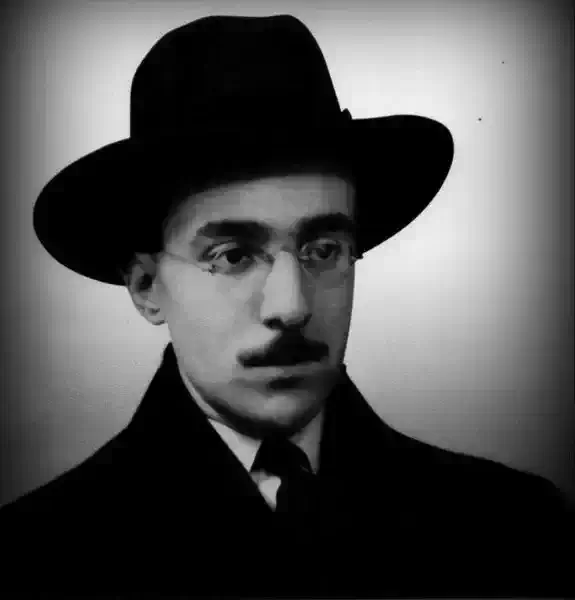
Fernando Pessoa
Out of a great nebula of Night and Storm
Out of a great nebula of Night and Storm
Borne upon a great void within our Space,
My soul was formed and stares God in the face
Out of that silence where there is no Form.
The empty carcase of Place
The silent ecstasy of Hours,
Life, like abandoned flowers,
Thought, like a forlorn grace.
Borne upon a great void within our Space,
My soul was formed and stares God in the face
Out of that silence where there is no Form.
The empty carcase of Place
The silent ecstasy of Hours,
Life, like abandoned flowers,
Thought, like a forlorn grace.
1 309
Fernando Pessoa
Ah, tudo é símbolo e analogia!
Ah, tudo é símbolo e analogia!
O vento que passa, a noite que esfria
São outra cousa que a noite e o vento —
Sombras de vida e de pensamento.
Tudo que vemos é outra cousa.
A maré vasta, a maré ansiosa,
É o eco de outra maré que está
Onde é real o mundo que há.
Tudo que temos é esquecimento.
A noite fria, o passar do vento
São sombras de mãos cujos gestos são
A ilusão mãe desta ilusão.
O vento que passa, a noite que esfria
São outra cousa que a noite e o vento —
Sombras de vida e de pensamento.
Tudo que vemos é outra cousa.
A maré vasta, a maré ansiosa,
É o eco de outra maré que está
Onde é real o mundo que há.
Tudo que temos é esquecimento.
A noite fria, o passar do vento
São sombras de mãos cujos gestos são
A ilusão mãe desta ilusão.
1 666
Fernando Pessoa
Ah, tudo é símbolo e analogia!
Ah, tudo é símbolo e analogia!
O vento que passa, a noite que esfria
São outra cousa que a noite e o vento —
Sombras de vida e de pensamento.
Tudo que vemos é outra cousa.
A maré vasta, a maré ansiosa,
É o eco de outra maré que está
Onde é real o mundo que há.
Tudo que temos é esquecimento.
A noite fria, o passar do vento
São sombras de mãos cujos gestos são
A ilusão mãe desta ilusão.
O vento que passa, a noite que esfria
São outra cousa que a noite e o vento —
Sombras de vida e de pensamento.
Tudo que vemos é outra cousa.
A maré vasta, a maré ansiosa,
É o eco de outra maré que está
Onde é real o mundo que há.
Tudo que temos é esquecimento.
A noite fria, o passar do vento
São sombras de mãos cujos gestos são
A ilusão mãe desta ilusão.
1 666
Fernando Pessoa
Sob estas árvores ou aquelas árvores
Sob estas árvores ou aquelas árvores
Conduzi a dança,
Conduzi a dança, ninfas singelas
Até ao amplo gozo
Que tomais da vida. Conduzi a dança
E sê quase humanas
Com o vosso gozo derramado em ritmos
Em ritmos solenes
Que a nossa alegria torna maliciosos
Para nossa triste
Vida que não sabe sob as mesmas árvores
Conduzir a dança...
Conduzi a dança,
Conduzi a dança, ninfas singelas
Até ao amplo gozo
Que tomais da vida. Conduzi a dança
E sê quase humanas
Com o vosso gozo derramado em ritmos
Em ritmos solenes
Que a nossa alegria torna maliciosos
Para nossa triste
Vida que não sabe sob as mesmas árvores
Conduzir a dança...
1 468
Fernando Pessoa
37 - SONG
Lilies cast and roses throw
In the way that she must go
Whom the singing planets hymn,
Sister of the seraphim!
Shifting motes of early sun
In the morning freshness spun
To light dresses for the breeze -
Clothe her coming such as these!
Shadows purple, fountain breaths,
Low mists such as dawning wreathes
Round the tree‑tops - these be made
Hers, for whom spring's feast is laid!
She to us from heaven descended
That dreams might with earth seem blended,
And unquietness more blest
Mingle with our life's unrest.
These the chosen offerings
From what earthly deep joy sings -
These to her we daily bear
Lest she pine for heaven here.
In the way that she must go
Whom the singing planets hymn,
Sister of the seraphim!
Shifting motes of early sun
In the morning freshness spun
To light dresses for the breeze -
Clothe her coming such as these!
Shadows purple, fountain breaths,
Low mists such as dawning wreathes
Round the tree‑tops - these be made
Hers, for whom spring's feast is laid!
She to us from heaven descended
That dreams might with earth seem blended,
And unquietness more blest
Mingle with our life's unrest.
These the chosen offerings
From what earthly deep joy sings -
These to her we daily bear
Lest she pine for heaven here.
1 530
Fernando Pessoa
37 - SONG
Lilies cast and roses throw
In the way that she must go
Whom the singing planets hymn,
Sister of the seraphim!
Shifting motes of early sun
In the morning freshness spun
To light dresses for the breeze -
Clothe her coming such as these!
Shadows purple, fountain breaths,
Low mists such as dawning wreathes
Round the tree‑tops - these be made
Hers, for whom spring's feast is laid!
She to us from heaven descended
That dreams might with earth seem blended,
And unquietness more blest
Mingle with our life's unrest.
These the chosen offerings
From what earthly deep joy sings -
These to her we daily bear
Lest she pine for heaven here.
In the way that she must go
Whom the singing planets hymn,
Sister of the seraphim!
Shifting motes of early sun
In the morning freshness spun
To light dresses for the breeze -
Clothe her coming such as these!
Shadows purple, fountain breaths,
Low mists such as dawning wreathes
Round the tree‑tops - these be made
Hers, for whom spring's feast is laid!
She to us from heaven descended
That dreams might with earth seem blended,
And unquietness more blest
Mingle with our life's unrest.
These the chosen offerings
From what earthly deep joy sings -
These to her we daily bear
Lest she pine for heaven here.
1 530
Fernando Pessoa
Quando Neptuno houver alongado
Quando Neptuno houver alongado
Até quase aos bosques ao cimo da praia
Os seus braços com mãos ruidosas de espuma
E Éolo houver
Largado por sobre o mar sob o azul
Onde Apolo aquece
Os cavalos frescos dos ventos leves,
Eu irei contigo
Passear na altura cheirosa a mar
Dos (...) altos
E concluir que esta vida é pouco
Desde que os deuses
Foram velados e os homens ingratos
Dos altares esquecidos tiraram todos
Os ex-votos velhos,
Os ex-votos velhos que eram (...)
(...)
Que Cristo e Maria
E de antes que a cruz pusesse a nudez
Da sua secura
De encontro ao céu sempre velho e novo.
Até quase aos bosques ao cimo da praia
Os seus braços com mãos ruidosas de espuma
E Éolo houver
Largado por sobre o mar sob o azul
Onde Apolo aquece
Os cavalos frescos dos ventos leves,
Eu irei contigo
Passear na altura cheirosa a mar
Dos (...) altos
E concluir que esta vida é pouco
Desde que os deuses
Foram velados e os homens ingratos
Dos altares esquecidos tiraram todos
Os ex-votos velhos,
Os ex-votos velhos que eram (...)
(...)
Que Cristo e Maria
E de antes que a cruz pusesse a nudez
Da sua secura
De encontro ao céu sempre velho e novo.
1 558
Fernando Pessoa
Quando Neptuno houver alongado
Quando Neptuno houver alongado
Até quase aos bosques ao cimo da praia
Os seus braços com mãos ruidosas de espuma
E Éolo houver
Largado por sobre o mar sob o azul
Onde Apolo aquece
Os cavalos frescos dos ventos leves,
Eu irei contigo
Passear na altura cheirosa a mar
Dos (...) altos
E concluir que esta vida é pouco
Desde que os deuses
Foram velados e os homens ingratos
Dos altares esquecidos tiraram todos
Os ex-votos velhos,
Os ex-votos velhos que eram (...)
(...)
Que Cristo e Maria
E de antes que a cruz pusesse a nudez
Da sua secura
De encontro ao céu sempre velho e novo.
Até quase aos bosques ao cimo da praia
Os seus braços com mãos ruidosas de espuma
E Éolo houver
Largado por sobre o mar sob o azul
Onde Apolo aquece
Os cavalos frescos dos ventos leves,
Eu irei contigo
Passear na altura cheirosa a mar
Dos (...) altos
E concluir que esta vida é pouco
Desde que os deuses
Foram velados e os homens ingratos
Dos altares esquecidos tiraram todos
Os ex-votos velhos,
Os ex-votos velhos que eram (...)
(...)
Que Cristo e Maria
E de antes que a cruz pusesse a nudez
Da sua secura
De encontro ao céu sempre velho e novo.
1 558
Fernando Pessoa
Quando Neptuno houver alongado
Quando Neptuno houver alongado
Até quase aos bosques ao cimo da praia
Os seus braços com mãos ruidosas de espuma
E Éolo houver
Largado por sobre o mar sob o azul
Onde Apolo aquece
Os cavalos frescos dos ventos leves,
Eu irei contigo
Passear na altura cheirosa a mar
Dos (...) altos
E concluir que esta vida é pouco
Desde que os deuses
Foram velados e os homens ingratos
Dos altares esquecidos tiraram todos
Os ex-votos velhos,
Os ex-votos velhos que eram (...)
(...)
Que Cristo e Maria
E de antes que a cruz pusesse a nudez
Da sua secura
De encontro ao céu sempre velho e novo.
Até quase aos bosques ao cimo da praia
Os seus braços com mãos ruidosas de espuma
E Éolo houver
Largado por sobre o mar sob o azul
Onde Apolo aquece
Os cavalos frescos dos ventos leves,
Eu irei contigo
Passear na altura cheirosa a mar
Dos (...) altos
E concluir que esta vida é pouco
Desde que os deuses
Foram velados e os homens ingratos
Dos altares esquecidos tiraram todos
Os ex-votos velhos,
Os ex-votos velhos que eram (...)
(...)
Que Cristo e Maria
E de antes que a cruz pusesse a nudez
Da sua secura
De encontro ao céu sempre velho e novo.
1 558
Fernando Pessoa
38 - ANAMNESIS
Somewhere where I shall never live
A palace garden bowers
Such beauty that dreams of it grieve.
There, lining walks immemorial,
Great antenatal flowers
My lost life before God recall.
There I was happy and the child
That had cool shadows
Wherein to feel sweetly exiled.
They took all these true things away.
O my lost meadows!
My childhood before Night and Day!
A palace garden bowers
Such beauty that dreams of it grieve.
There, lining walks immemorial,
Great antenatal flowers
My lost life before God recall.
There I was happy and the child
That had cool shadows
Wherein to feel sweetly exiled.
They took all these true things away.
O my lost meadows!
My childhood before Night and Day!
1 150
Fernando Pessoa
Sem clepsidra ou relógio o tempo escorre
Sem clepsidra ou relógio o tempo escorre
E nós com ele, nada o árbitro escravo
Pode contra o destino
Nem contra os deuses o mortal desejo
Hoje, quais servos com ausentes deuses,
Na alheia casa, um dia sem o juiz,
Bebamos e comamos.
Será para amanhã o que aconteça.
Tombai mancebos, o vinho em nobre taça
E o braço nu com que o entornais fique
No lembrando olhar
Como uma água que parece vinho!
Sim, heróis somos todos amanhã.
Hoje adiemos. E na erguida taça
O roxo vinho espelhe
Depois — porque a noite nunca falta.
E nós com ele, nada o árbitro escravo
Pode contra o destino
Nem contra os deuses o mortal desejo
Hoje, quais servos com ausentes deuses,
Na alheia casa, um dia sem o juiz,
Bebamos e comamos.
Será para amanhã o que aconteça.
Tombai mancebos, o vinho em nobre taça
E o braço nu com que o entornais fique
No lembrando olhar
Como uma água que parece vinho!
Sim, heróis somos todos amanhã.
Hoje adiemos. E na erguida taça
O roxo vinho espelhe
Depois — porque a noite nunca falta.
995
Fernando Pessoa
SECOND SIGHT
Whene'er thou dost undo
Thy dark, strange hair before the wind
And the wind takes it up and makes it woo
Tumult and violence in the way it sweeps
Along the air, mingling, unmingling, undefined
In the snake‑like madness it keeps.
Then I do know
That somewhere whence dreams come
And passions go,
Somewhere in that world contrary to this,
Yet landscaped, peopled as this is,
In a great southern sea
There is a storm and a hurled wreck
On rising rocks that cannot reck
For human misery.
The two things are but one.
Thy floating hair is that great ship undone
In a tossed, turbulent, dashed ocean.
Neither precedeth nor doth cause the other
Nor are the two as brother and brother,
But absolutely one, samely the same,
They have somehow an equal name
Where speech is of the essence of what is.
A real sight, like God's, should see the kiss
Of the wind through thy hair and the far storm
One thing, - yet two things because we see two
When we conceive them one, the double form
Coming to oneness in what we construe.
Therefore I grieve when thou letst thy hair take
The wind upon its long, thin, changing fingers,
For that sight of me that translates that to
The sterner meaning in what world I know
Only through what in me is not here awake, -
That sight of that mad wreck visibly lingers
And does in my imagination ache.
Alas! all things are linked, and we know not
Half the contents of our each casual thought.
We never see save one little dreamed bit
Of each feeling we have; we pass through it
Like rapid travellers that scarce can see
What they pass by and what they see see erringly.
What is the meaning of my writing this?
Nothing, save that this is,
I know not why, something I know and must
Utter, the purpose of it being with
That secret Being that made my body of dust
Bear my soul's ignored presence, and that breath
Of life that survives my each moment's death.
Thy dark, strange hair before the wind
And the wind takes it up and makes it woo
Tumult and violence in the way it sweeps
Along the air, mingling, unmingling, undefined
In the snake‑like madness it keeps.
Then I do know
That somewhere whence dreams come
And passions go,
Somewhere in that world contrary to this,
Yet landscaped, peopled as this is,
In a great southern sea
There is a storm and a hurled wreck
On rising rocks that cannot reck
For human misery.
The two things are but one.
Thy floating hair is that great ship undone
In a tossed, turbulent, dashed ocean.
Neither precedeth nor doth cause the other
Nor are the two as brother and brother,
But absolutely one, samely the same,
They have somehow an equal name
Where speech is of the essence of what is.
A real sight, like God's, should see the kiss
Of the wind through thy hair and the far storm
One thing, - yet two things because we see two
When we conceive them one, the double form
Coming to oneness in what we construe.
Therefore I grieve when thou letst thy hair take
The wind upon its long, thin, changing fingers,
For that sight of me that translates that to
The sterner meaning in what world I know
Only through what in me is not here awake, -
That sight of that mad wreck visibly lingers
And does in my imagination ache.
Alas! all things are linked, and we know not
Half the contents of our each casual thought.
We never see save one little dreamed bit
Of each feeling we have; we pass through it
Like rapid travellers that scarce can see
What they pass by and what they see see erringly.
What is the meaning of my writing this?
Nothing, save that this is,
I know not why, something I know and must
Utter, the purpose of it being with
That secret Being that made my body of dust
Bear my soul's ignored presence, and that breath
Of life that survives my each moment's death.
1 561
Fernando Pessoa
SECOND SIGHT
Whene'er thou dost undo
Thy dark, strange hair before the wind
And the wind takes it up and makes it woo
Tumult and violence in the way it sweeps
Along the air, mingling, unmingling, undefined
In the snake‑like madness it keeps.
Then I do know
That somewhere whence dreams come
And passions go,
Somewhere in that world contrary to this,
Yet landscaped, peopled as this is,
In a great southern sea
There is a storm and a hurled wreck
On rising rocks that cannot reck
For human misery.
The two things are but one.
Thy floating hair is that great ship undone
In a tossed, turbulent, dashed ocean.
Neither precedeth nor doth cause the other
Nor are the two as brother and brother,
But absolutely one, samely the same,
They have somehow an equal name
Where speech is of the essence of what is.
A real sight, like God's, should see the kiss
Of the wind through thy hair and the far storm
One thing, - yet two things because we see two
When we conceive them one, the double form
Coming to oneness in what we construe.
Therefore I grieve when thou letst thy hair take
The wind upon its long, thin, changing fingers,
For that sight of me that translates that to
The sterner meaning in what world I know
Only through what in me is not here awake, -
That sight of that mad wreck visibly lingers
And does in my imagination ache.
Alas! all things are linked, and we know not
Half the contents of our each casual thought.
We never see save one little dreamed bit
Of each feeling we have; we pass through it
Like rapid travellers that scarce can see
What they pass by and what they see see erringly.
What is the meaning of my writing this?
Nothing, save that this is,
I know not why, something I know and must
Utter, the purpose of it being with
That secret Being that made my body of dust
Bear my soul's ignored presence, and that breath
Of life that survives my each moment's death.
Thy dark, strange hair before the wind
And the wind takes it up and makes it woo
Tumult and violence in the way it sweeps
Along the air, mingling, unmingling, undefined
In the snake‑like madness it keeps.
Then I do know
That somewhere whence dreams come
And passions go,
Somewhere in that world contrary to this,
Yet landscaped, peopled as this is,
In a great southern sea
There is a storm and a hurled wreck
On rising rocks that cannot reck
For human misery.
The two things are but one.
Thy floating hair is that great ship undone
In a tossed, turbulent, dashed ocean.
Neither precedeth nor doth cause the other
Nor are the two as brother and brother,
But absolutely one, samely the same,
They have somehow an equal name
Where speech is of the essence of what is.
A real sight, like God's, should see the kiss
Of the wind through thy hair and the far storm
One thing, - yet two things because we see two
When we conceive them one, the double form
Coming to oneness in what we construe.
Therefore I grieve when thou letst thy hair take
The wind upon its long, thin, changing fingers,
For that sight of me that translates that to
The sterner meaning in what world I know
Only through what in me is not here awake, -
That sight of that mad wreck visibly lingers
And does in my imagination ache.
Alas! all things are linked, and we know not
Half the contents of our each casual thought.
We never see save one little dreamed bit
Of each feeling we have; we pass through it
Like rapid travellers that scarce can see
What they pass by and what they see see erringly.
What is the meaning of my writing this?
Nothing, save that this is,
I know not why, something I know and must
Utter, the purpose of it being with
That secret Being that made my body of dust
Bear my soul's ignored presence, and that breath
Of life that survives my each moment's death.
1 561
Fernando Pessoa
I have outwatched the Lesser Wain, and seen
I have outwatched the Lesser Wain, and seen
The remnant stars grow pale; but the used night
Has to the thought that used it sterile been,
Nor lost that use by pressure of delight.
My fixed, impatient thought no reason read;
What I scarce read my unthought thought made stray;
My soul between the living and the dead
Was a blown vapour, without place or way.
What the morn brought or took I cannot tell,
That had no use to bring or use to find.
All night I lay under the barren spell.
The day cannot dispel what the void wind
Ruinous built in the shorn night: its glow
Can but the night's made desert brightly show.
The remnant stars grow pale; but the used night
Has to the thought that used it sterile been,
Nor lost that use by pressure of delight.
My fixed, impatient thought no reason read;
What I scarce read my unthought thought made stray;
My soul between the living and the dead
Was a blown vapour, without place or way.
What the morn brought or took I cannot tell,
That had no use to bring or use to find.
All night I lay under the barren spell.
The day cannot dispel what the void wind
Ruinous built in the shorn night: its glow
Can but the night's made desert brightly show.
1 412
Fernando Pessoa
I have outwatched the Lesser Wain, and seen
I have outwatched the Lesser Wain, and seen
The remnant stars grow pale; but the used night
Has to the thought that used it sterile been,
Nor lost that use by pressure of delight.
My fixed, impatient thought no reason read;
What I scarce read my unthought thought made stray;
My soul between the living and the dead
Was a blown vapour, without place or way.
What the morn brought or took I cannot tell,
That had no use to bring or use to find.
All night I lay under the barren spell.
The day cannot dispel what the void wind
Ruinous built in the shorn night: its glow
Can but the night's made desert brightly show.
The remnant stars grow pale; but the used night
Has to the thought that used it sterile been,
Nor lost that use by pressure of delight.
My fixed, impatient thought no reason read;
What I scarce read my unthought thought made stray;
My soul between the living and the dead
Was a blown vapour, without place or way.
What the morn brought or took I cannot tell,
That had no use to bring or use to find.
All night I lay under the barren spell.
The day cannot dispel what the void wind
Ruinous built in the shorn night: its glow
Can but the night's made desert brightly show.
1 412
Fernando Pessoa
Floriu a roseira toda
Floriu a roseira toda
Com as rosas de trepar...
Tua cabeça anda à roda
Mas sabes-te equilibrar.
Com as rosas de trepar...
Tua cabeça anda à roda
Mas sabes-te equilibrar.
1 488
Fernando Pessoa
ARETHUSA
Still Arethusa keeps her course,
For, though the corporal dark of earth
Stifle, like an unconscious nurse,
The impulse for her second birth,
Yet her true will must ever be
These captive waves that shall be free.
So the forgotten water ever
With withdrawn life and hid emotion
Moves on in darkness, still a river,
Towards a sun upon an ocean;
And the found place there will not cease
To be the river's, not the sea's.
So keeps she, under the void dark
Of her oppressed seclusion still
Her careful self, whose soul shall work
Towards the outlet from the hill,
Past hived vaults and humid walls
And her dropped noise of waterfalls.
Uncaught throughout the spell of caves,
Forlorn under the mother stone,
Still the great destined river craves
Its purpose, liquid and alone,
And more, yet less, under the hills
Its unresisting motion wills.
And ever, while time frets the rocks
And space shuts dark the godless flow,
She runs, a will in waves that flocks
Around a darkness for a glow;
And onward still, because it is
What shall be, and the Gods are this.
And, still remembering to forget,
Still onward because Fate inclines,
Veiled Arethusa still doth wet
With purpose the weird cavern shrines,
Where, past their blind, dead, solid being,
Her watery will moves on to seeing.
Dim under phosphorescent zones
Of darkness wronged and stalactites,
Or complete darkness, where the moans
Of waters wail for destined sights,
Her course, that knows no day, doth still
Work out to day its nightly will.
Till, bright at last in the aired arms
Of the lone rocks laid in the sea,
Bare Arethusa free her charms
To light and to its panic glee,
And the sea clasp her, as she were
Venus there born and mistress there.
For, though the corporal dark of earth
Stifle, like an unconscious nurse,
The impulse for her second birth,
Yet her true will must ever be
These captive waves that shall be free.
So the forgotten water ever
With withdrawn life and hid emotion
Moves on in darkness, still a river,
Towards a sun upon an ocean;
And the found place there will not cease
To be the river's, not the sea's.
So keeps she, under the void dark
Of her oppressed seclusion still
Her careful self, whose soul shall work
Towards the outlet from the hill,
Past hived vaults and humid walls
And her dropped noise of waterfalls.
Uncaught throughout the spell of caves,
Forlorn under the mother stone,
Still the great destined river craves
Its purpose, liquid and alone,
And more, yet less, under the hills
Its unresisting motion wills.
And ever, while time frets the rocks
And space shuts dark the godless flow,
She runs, a will in waves that flocks
Around a darkness for a glow;
And onward still, because it is
What shall be, and the Gods are this.
And, still remembering to forget,
Still onward because Fate inclines,
Veiled Arethusa still doth wet
With purpose the weird cavern shrines,
Where, past their blind, dead, solid being,
Her watery will moves on to seeing.
Dim under phosphorescent zones
Of darkness wronged and stalactites,
Or complete darkness, where the moans
Of waters wail for destined sights,
Her course, that knows no day, doth still
Work out to day its nightly will.
Till, bright at last in the aired arms
Of the lone rocks laid in the sea,
Bare Arethusa free her charms
To light and to its panic glee,
And the sea clasp her, as she were
Venus there born and mistress there.
1 567
Fernando Pessoa
PASSAGEM DAS HORAS OU WALT WHITMAN
PASSAGEM DAS HORAS OU WALT WHITMAN
Eu, o ritmista febril
Para quem o parágrafo de versos é uma pessoa inteira,
Para quem, por baixo da metáfora aparente,
Como em estrofe, anti-estrofe, epodo o poema que escrevo,
Que por detrás do delírio construo
Que por detrás de sentir penso
Que amo, expludo, rujo, com ordem e oculta medida,
Eu ante ti quereria ter menos de engenheiro na alma,
Menos de grego das máquinas, de Bacante de Apolo
Nos meus momentos de alma multiplicados em verso.
Mas o ar do mar alto
Chega, por um influxo de dentro do meu sangue
Ao meu cérebro desterrado em terra,
E a fúria com que medito, a raiva com que me domino
Abre-se como uma vela, tomada de vento, aos ares
Ampla servidão ao rasgo de assombro dos (...)
Eu, o ritmista febril
Para quem o parágrafo de versos é uma pessoa inteira,
Para quem, por baixo da metáfora aparente,
Como em estrofe, anti-estrofe, epodo o poema que escrevo,
Que por detrás do delírio construo
Que por detrás de sentir penso
Que amo, expludo, rujo, com ordem e oculta medida,
Eu ante ti quereria ter menos de engenheiro na alma,
Menos de grego das máquinas, de Bacante de Apolo
Nos meus momentos de alma multiplicados em verso.
Mas o ar do mar alto
Chega, por um influxo de dentro do meu sangue
Ao meu cérebro desterrado em terra,
E a fúria com que medito, a raiva com que me domino
Abre-se como uma vela, tomada de vento, aos ares
Ampla servidão ao rasgo de assombro dos (...)
1 323
Fernando Pessoa
Onda que vens e que vais
Onda que vens e que vais
Mar que vais e depois vens,
Já não sei se tu me atrais,
E, se me atrais, se me tens.
Mar que vais e depois vens,
Já não sei se tu me atrais,
E, se me atrais, se me tens.
1 586
Fernando Pessoa
Os galos cantam e estou bebedíssimo.
Os galos cantam e estou bebedíssimo.
Não fiz nada da vida senão tê-la.
Mal amei, bebi bem, sonhei muitíssimo.
Minha intenção não foi a minha estrela.
Os galos cantam e eu cada vez mais
Absorto no disperso que o álcool dá.
Curara-me talvez a vida, ou sais,
Ou poder crer, ou desejar o que há.
Cantam tantos tão galos que me irrita
Que a noite que ainda dura possa ser.
Mas virá o dia, e, ao fim da parte escrita,
A morte marra e eu deixo-me colher.
Não fiz nada da vida senão tê-la.
Mal amei, bebi bem, sonhei muitíssimo.
Minha intenção não foi a minha estrela.
Os galos cantam e eu cada vez mais
Absorto no disperso que o álcool dá.
Curara-me talvez a vida, ou sais,
Ou poder crer, ou desejar o que há.
Cantam tantos tão galos que me irrita
Que a noite que ainda dura possa ser.
Mas virá o dia, e, ao fim da parte escrita,
A morte marra e eu deixo-me colher.
1 436
Fernando Pessoa
All my heart weeps for
All my heart weeps for
Is a cottage left
By some one before
Time into space crept,
A small cottage left
Near a silent shore.
There the constant waves
Murmur like vain rest.
There the soft raves
Like a soul possessed
Of rest that not saves.
There the shore‑winds breathe
Possibilities
Of less cares than wreathe
Round our lives their cries
From up and beneath.
Where that cottage is
Rests with wishing it.
Is therewhere is bliss?
No, nor does bliss fit
Into that strange place.
Why desire it then?
Ah, it's different
From the homes of men.
There perhaps are blent
Dreams and what we ken.
There at least alone,
Alone by the sea,
We shall cease to moan...
To moan need not be
Where we are alone...
These are words. Let sleep
Close our eyes to find
That small cottage, deep
In Farness. We are blind
And life is to weep.
Is a cottage left
By some one before
Time into space crept,
A small cottage left
Near a silent shore.
There the constant waves
Murmur like vain rest.
There the soft raves
Like a soul possessed
Of rest that not saves.
There the shore‑winds breathe
Possibilities
Of less cares than wreathe
Round our lives their cries
From up and beneath.
Where that cottage is
Rests with wishing it.
Is therewhere is bliss?
No, nor does bliss fit
Into that strange place.
Why desire it then?
Ah, it's different
From the homes of men.
There perhaps are blent
Dreams and what we ken.
There at least alone,
Alone by the sea,
We shall cease to moan...
To moan need not be
Where we are alone...
These are words. Let sleep
Close our eyes to find
That small cottage, deep
In Farness. We are blind
And life is to weep.
1 538
Fernando Pessoa
Desperto de sonhar-te
Desperto de sonhar-te
Quando inda a noite é funda,
E um céu estelar faz parte
Do silêncio que inunda.
Perdi poder amar-te
E a treva me circunda.
Talvez que relembrasse,
Sonhando-te, outro ser,
E aquilo que sonhasse
Fosse tornar a ter.
Mas despertei, e faz-se
Claro em meu quarto a ver.
Insónia de perder-te!
Quem foste já não sei.
Pela janela verte
Cada astro a sua lei.
Como, sem sonhar ter-te?...
Porque não dormirei?
Quando inda a noite é funda,
E um céu estelar faz parte
Do silêncio que inunda.
Perdi poder amar-te
E a treva me circunda.
Talvez que relembrasse,
Sonhando-te, outro ser,
E aquilo que sonhasse
Fosse tornar a ter.
Mas despertei, e faz-se
Claro em meu quarto a ver.
Insónia de perder-te!
Quem foste já não sei.
Pela janela verte
Cada astro a sua lei.
Como, sem sonhar ter-te?...
Porque não dormirei?
1 394
Fernando Pessoa
Desperto de sonhar-te
Desperto de sonhar-te
Quando inda a noite é funda,
E um céu estelar faz parte
Do silêncio que inunda.
Perdi poder amar-te
E a treva me circunda.
Talvez que relembrasse,
Sonhando-te, outro ser,
E aquilo que sonhasse
Fosse tornar a ter.
Mas despertei, e faz-se
Claro em meu quarto a ver.
Insónia de perder-te!
Quem foste já não sei.
Pela janela verte
Cada astro a sua lei.
Como, sem sonhar ter-te?...
Porque não dormirei?
Quando inda a noite é funda,
E um céu estelar faz parte
Do silêncio que inunda.
Perdi poder amar-te
E a treva me circunda.
Talvez que relembrasse,
Sonhando-te, outro ser,
E aquilo que sonhasse
Fosse tornar a ter.
Mas despertei, e faz-se
Claro em meu quarto a ver.
Insónia de perder-te!
Quem foste já não sei.
Pela janela verte
Cada astro a sua lei.
Como, sem sonhar ter-te?...
Porque não dormirei?
1 394
Fernando Pessoa
O cão que veio do abismo
O cão que veio do abismo
Roeu-me os ossos da alma,
E erguendo a perna — o que eu cismo —
Mijou no meu misticismo
Que me dava a minha calma.
O cão veio de onde dorme
Aquele anseio que tenho
Por qualquer coisa de enorme
Que indistintamente forme
A forma de quanto estranho.
E depois de isso completo
O cão que veio do abismo
Que estava inteiro e repleto
Fez sobre tudo o dejecto
Que é hoje o meu misticismo.
Roeu-me os ossos da alma,
E erguendo a perna — o que eu cismo —
Mijou no meu misticismo
Que me dava a minha calma.
O cão veio de onde dorme
Aquele anseio que tenho
Por qualquer coisa de enorme
Que indistintamente forme
A forma de quanto estranho.
E depois de isso completo
O cão que veio do abismo
Que estava inteiro e repleto
Fez sobre tudo o dejecto
Que é hoje o meu misticismo.
1 531